
Research lipid catalog
Ionizable Lipid Products
Explore 848 lipid and RNA delivery products. Search the full catalog or browse by research category.
Search covers product name, catalog number, synonyms, available CAS numbers and categories. Spaces, hyphens and common punctuation are ignored. Duplicate legacy records are consolidated under one canonical product result.
4677 products · Showing 4201–4220 · 20 per page
DC Chemicals lipid expertise
Built for ionizable-lipid discovery and RNA delivery research
DC Chemicals supports formulation and delivery research with a broad, searchable portfolio of cationic and ionizable lipids. The current directory brings together 848 unique research-use products, with product specifications, pricing, chemical structures and literature-linked formulation data added as each record is verified.
Our experience spans complex lipid synthesis, purification, analytical release and process development. For custom molecules or larger-scale requirements, our team can discuss route development, technical specifications and scale-up options for the intended research workflow.
Learn about cationic and ionizable lipids →Proprietary innovation · Co-development · GMP
From proprietary lipid design to GMP-grade custom synthesis
DC Chemicals has independently developed ionizable-lipid structures supported by company-owned intellectual property, and selected proprietary lipid programs have advanced to GMP-stage development.
We welcome joint development with customers—from molecular design and lipid synthesis through route and process development. We can also support custom synthesis of GMP-grade ionizable lipids to agreed technical specifications and quality requirements.
Discuss a co-development project →Proprietary ionizable-lipid structuresCollaborative molecular designCustom lipid synthesisProcess development and scale-upGMP-grade project support
Product quick links
Explore New ionizable lipids
Explore our five most recently added ionizable lipids, with specifications, pricing and literature-linked product information.
DCL0028HX1Brain RNA delivery researchView product →DCL0024A1I4R13C18-2Spleen-targeted RNA delivery researchView product →DCL0023A1I4R2C18-2Spleen-targeted RNA delivery researchView product →DCL0022FS01Local joint RNA delivery researchView product →DCL0020Lipid-392Lung RNA delivery and gene editing researchView product →
Cat. No.Product NameField of ApplicationChemical Structure
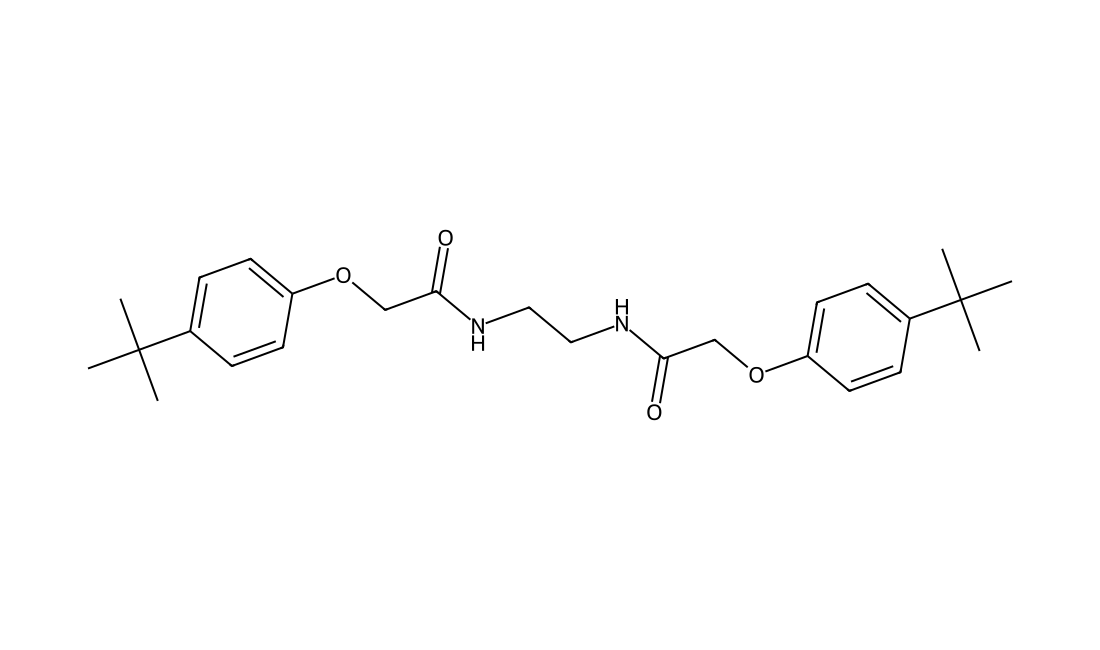
NIC3Featured
NIC3 is a selective nucleus accumbens-associated protein-1 (NAC1) inhibitor, binds to the conserved Leu-90 of NAC1, prevents its homodimerization, and leads to proteasomal NAC1 degradation. Anti-cancer activity
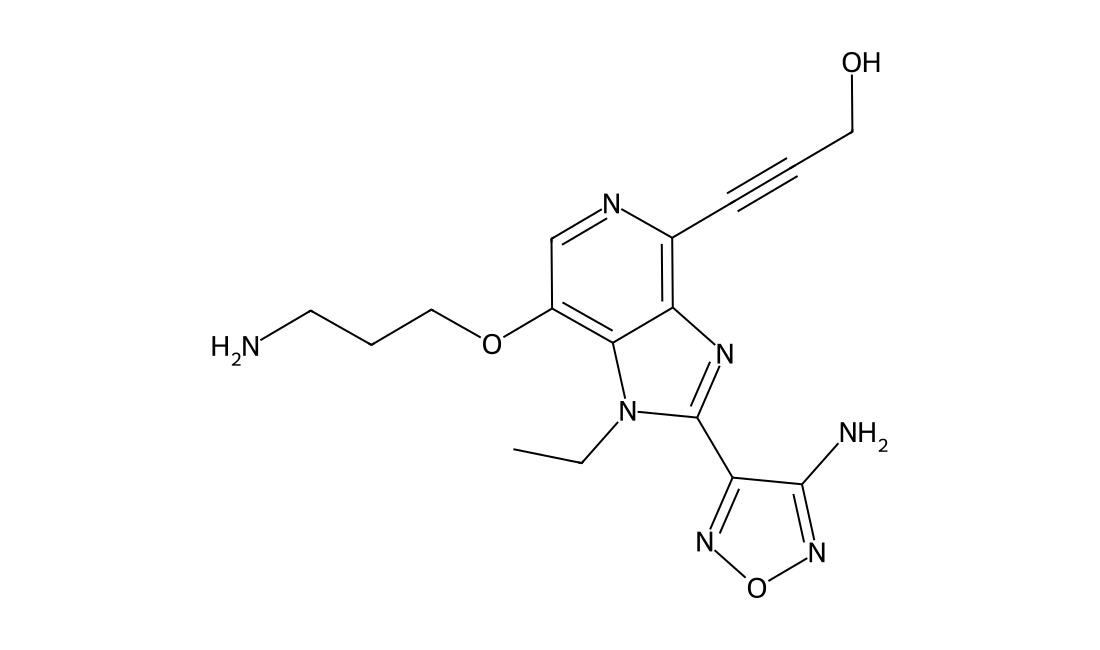
TCMDC-136364Featured
TCMDC-136364 (AKT Kinase Inhibitor) is an Akt kinase inhibitor, selectively inhibits Akt in proliferating cells expressing Trop-2, also potently inhibits P. falciparum multidrug resistant strain Dd2.
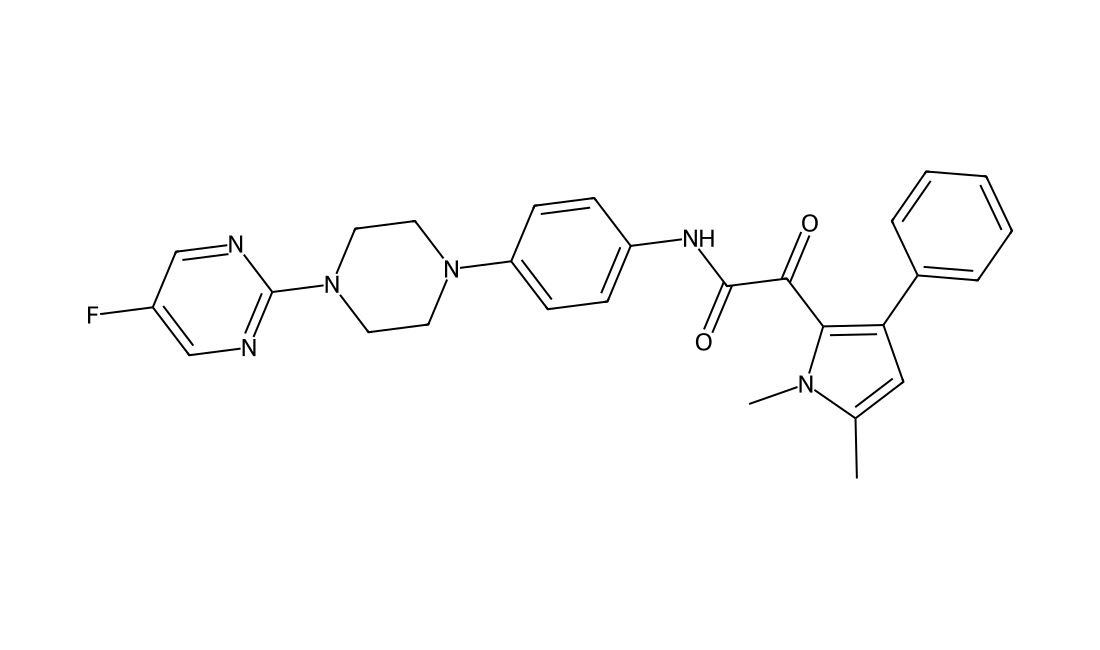
Olorofim(F-901318)Featured
Olorofim (F901318) selectively inhibits fungal dihydroorotate dehydrogenase (DHODH), a key enzyme in the pyrimidine biosynthesis pathway. Olorofim (F901318). Olorofim exhibits excellent activity against A. fumigatus and other Aspergillus spp.
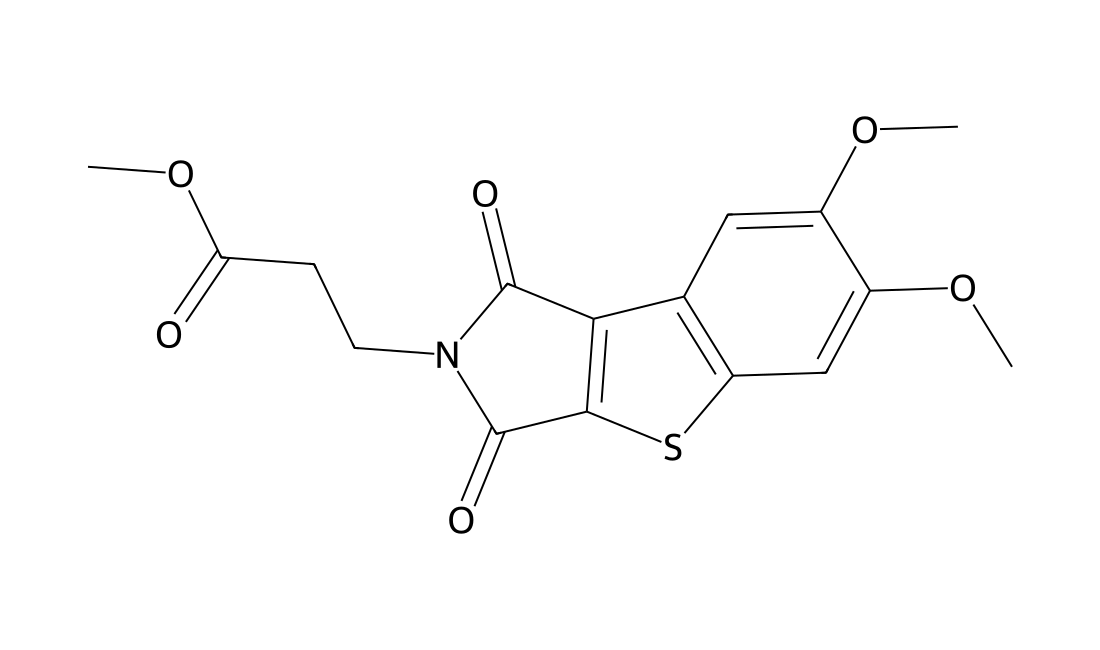
ZSA-51Featured
ZSA-51 is a potent and orally active STING agonist. ZSA-51 shows anticancer activity. ZSA-51 remodeles immune microenvironment both in tumor and lymph node.
AGPS-IN-2iFeatured
AGPS-IN-2i is a novel inhibitor of alkylglyceronephosphate synthase (agps), specifically impairing epithelial to mesenchymal transition (emt) by modulating e-cadherin, snail and mmp2 expression levels.
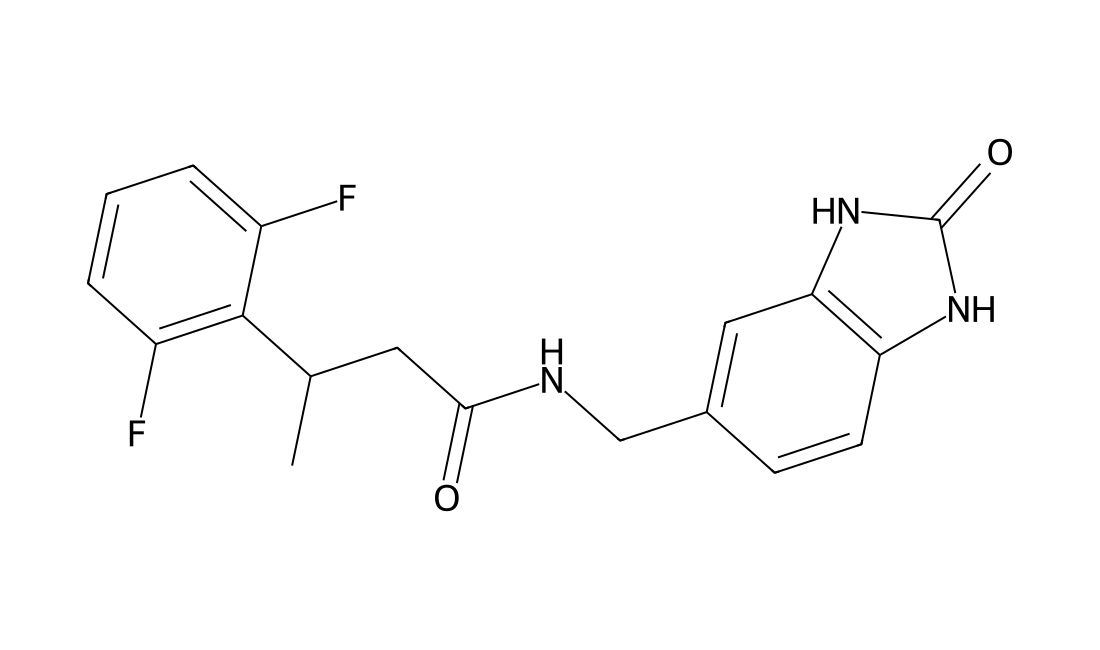
HomoalanosineFeatured
Homoalanosine is a substance with herbicidal activity. Homoalanosine has the activity of removing a variety of weeds, but does not damage rice plants.
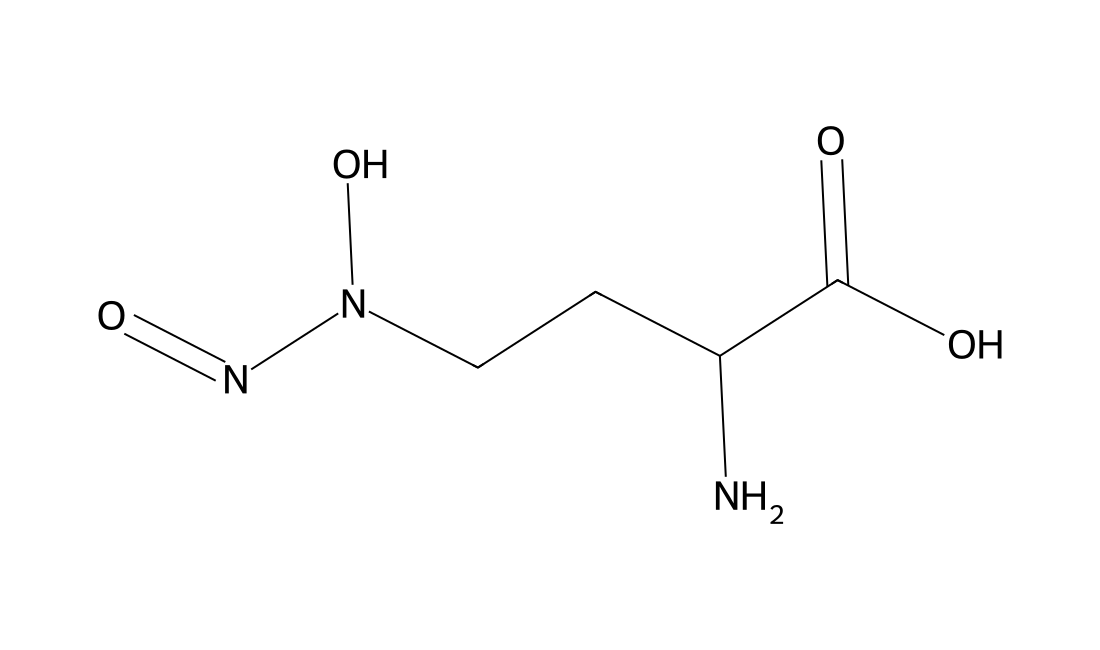
BRS-3 receptor agonist-2Featured
BRS-3 receptor agonist-2 (compound 2) is a potent BRS-3 receptor agonist, with an EC50 of 2.5 nM for mouse BRS-3 receptor.
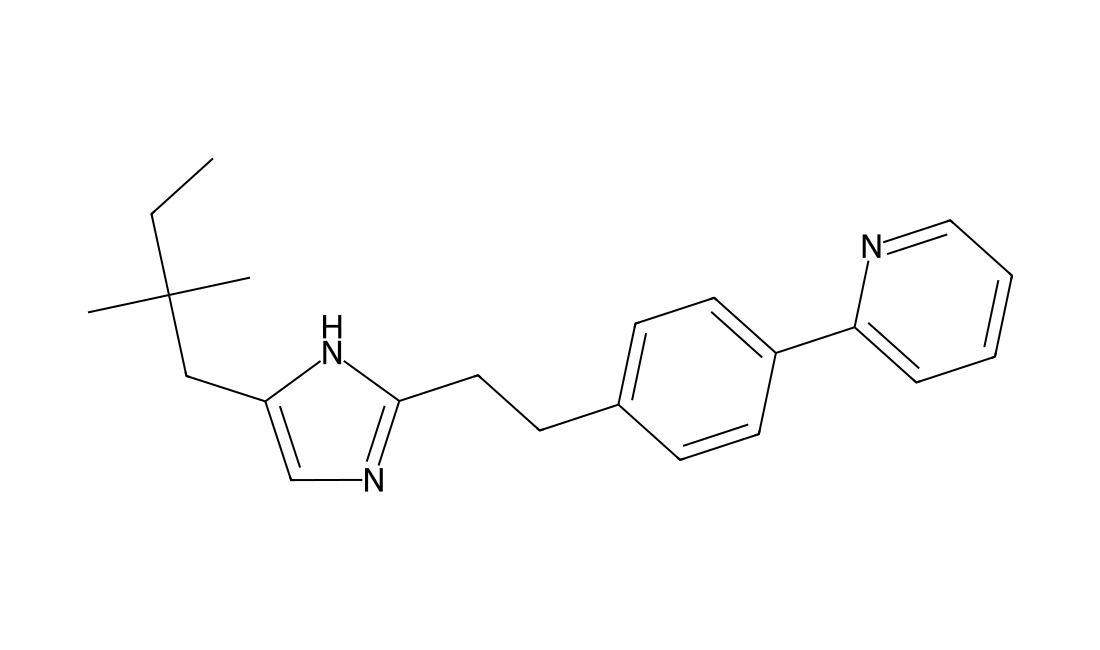
MyoseverinFeatured
Myoseverin is an inducer of the reversible fission of multinucleated myotubes into mononucleated fragments, affecting the expression of a variety of growth factor, immunomodulatory, extracellular matrix-remodeling, and stress response genes, consistent with the activation of pathways involved in wound healing and tissue regeneration.
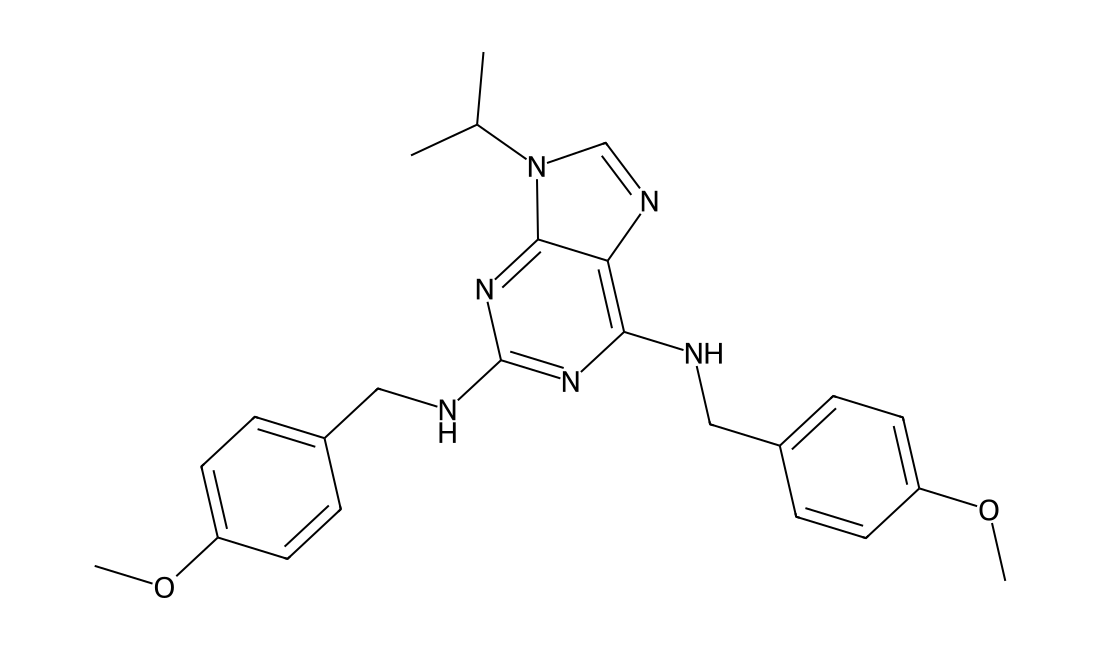
Pax2 inhibitor EG1Featured
Pax2 inhibitor EG1 (EG1) is a potent, small molecule inhibitor of Pax2 mediated transcription activation, effectively blocks Pax2 activity and DNA binding with Kd of 1.35-1.5 uM; inhibits Pax2 mediated expression with IC50 of 10 uM, and inhibits proliferation of Pax2 positive renal and ovarian cancer cell lines but has little effect on Pax2 negative cancer cells; inhibits embryonic kidney development.
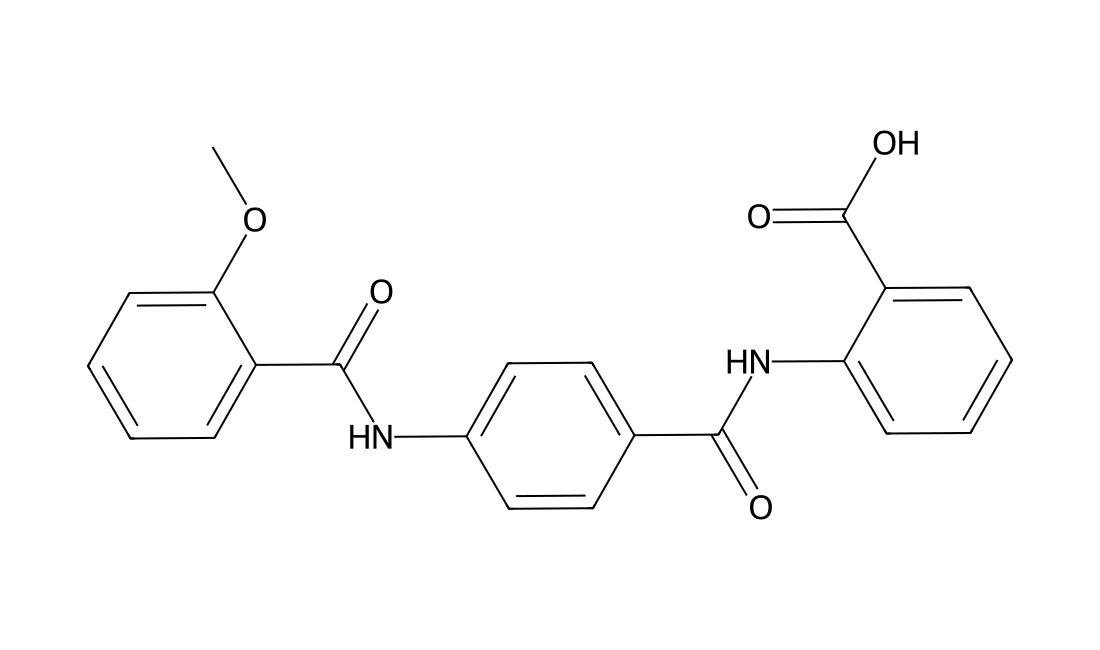
Dac590Featured
Dac590 is an orally active FTO inhibitor. Dac590 has a robust antiproliferative effect on AML cells, and induces apoptosis and cell cycle G1 arrest by inhibiting oncogenic FTO signaling. Dac590 significantly inhibits tumor growth and prolongs survival with no observed toxicity in acute myeloid leukemia (AML) xenograft mcie model, and shows a synergistic effect combined with Decitabine (HY-A0004).
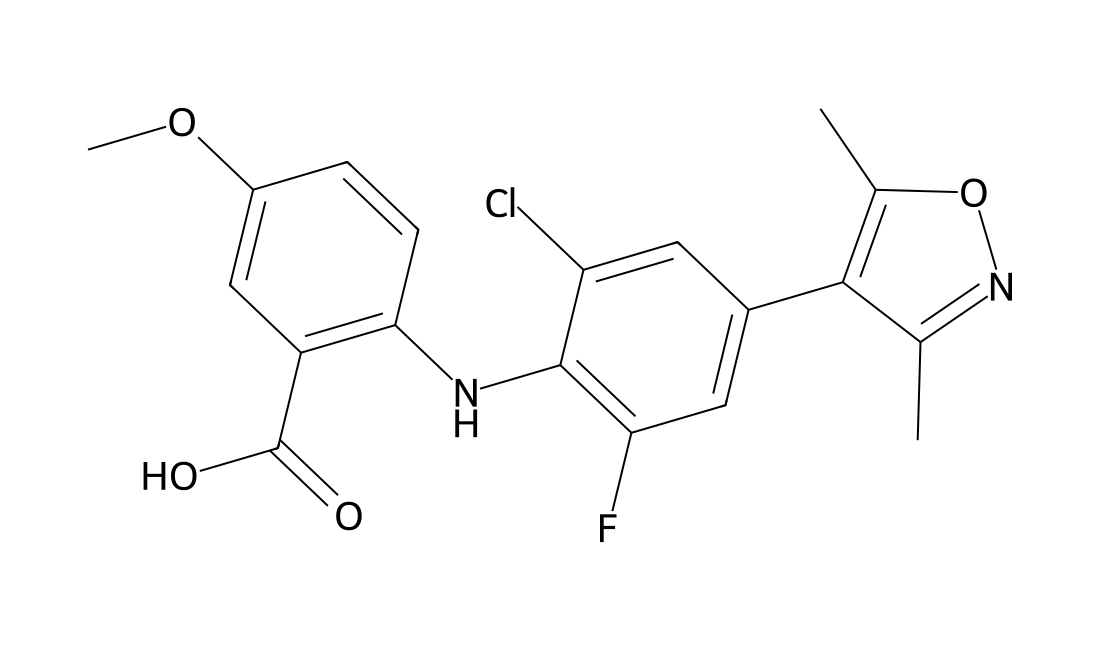
PI4KA inhibitor-A1Featured
GSK-A1 is a potent inhibitor of PI4KA. In vitro using HEK-AT1 cells, GSK-A1 had an IC50 of about 3 nM.
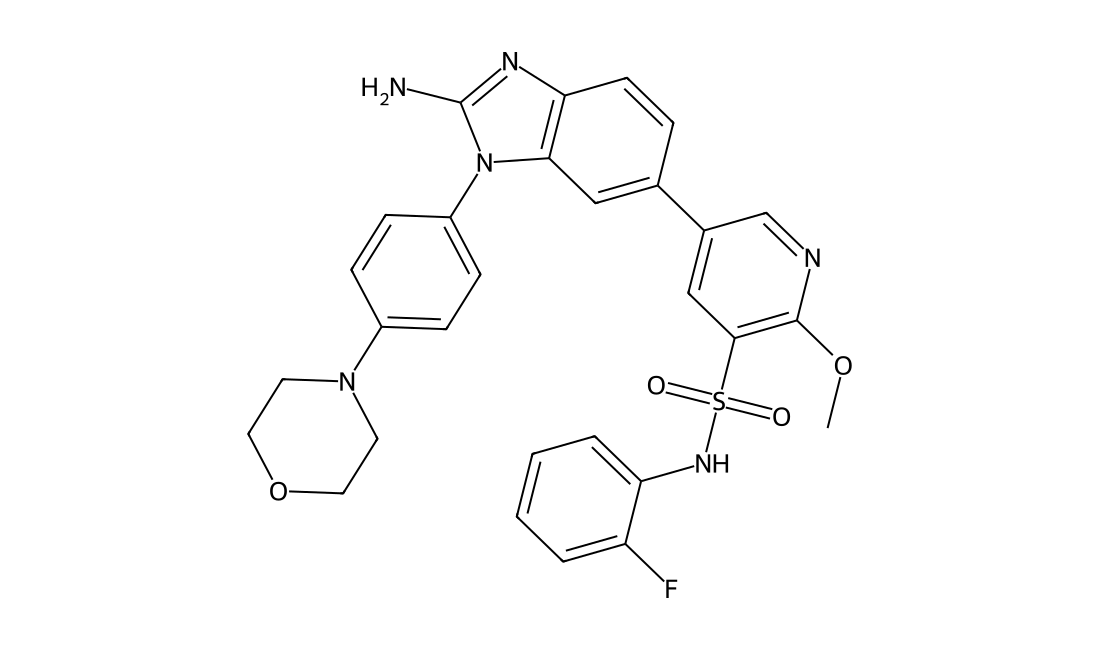
Aurora kinase inhibitor III is a potent inhibitor of Aurora A kinase (IC50 = 42 nM).
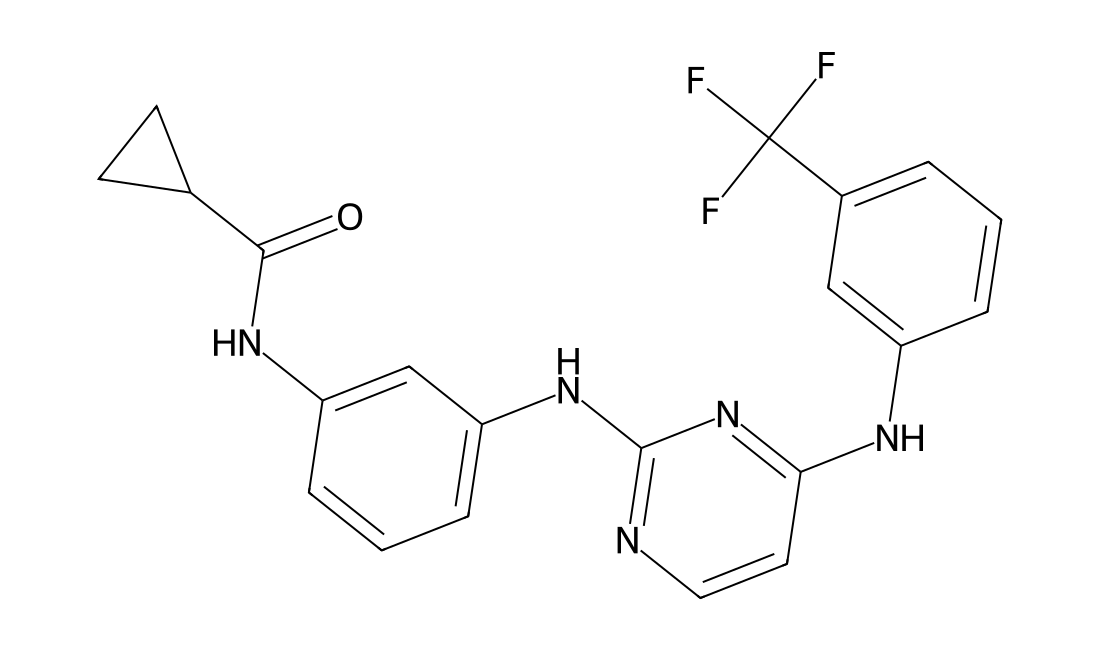
LM22A-4Featured
A small molecule BDNF mimetic that act as a direct and specific partial agonist of TrkB (EC50=200-500 pM), but not p75.
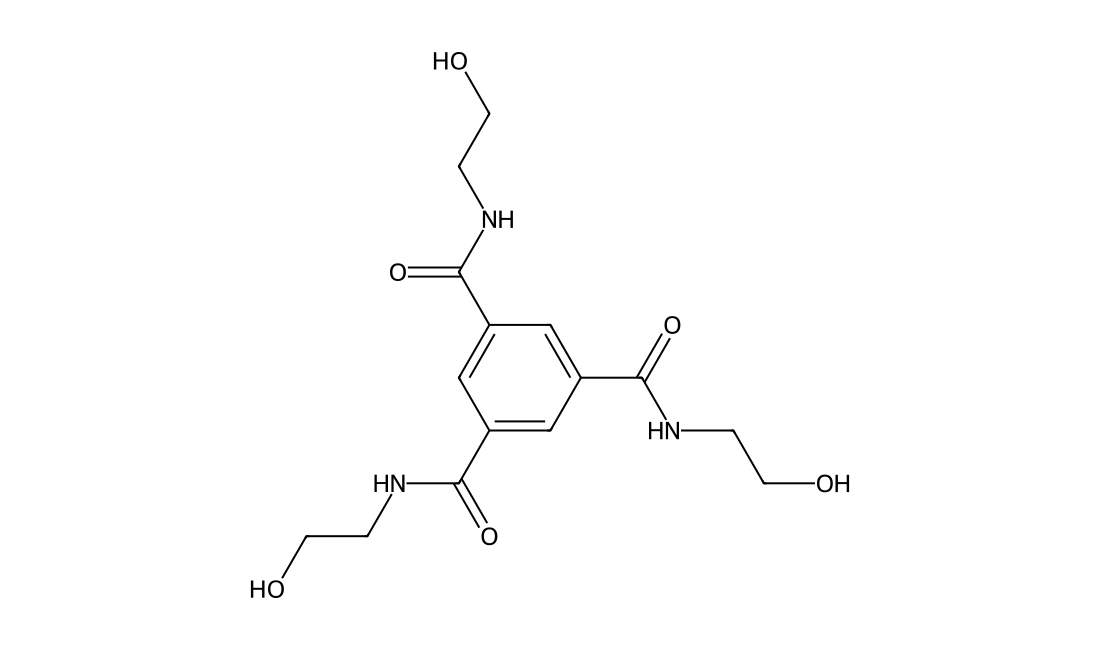
TGFβRI-IN-3Featured
TGFβRI-IN-3 inhibits TGFβR1 at an IC50 of 0.79 nM with 2000-fold selectivity against MAP4K4. TGFβRI-IN-3 represents a highly selective TGFβR1 inhibitor that has potential applications in immuno-oncology.
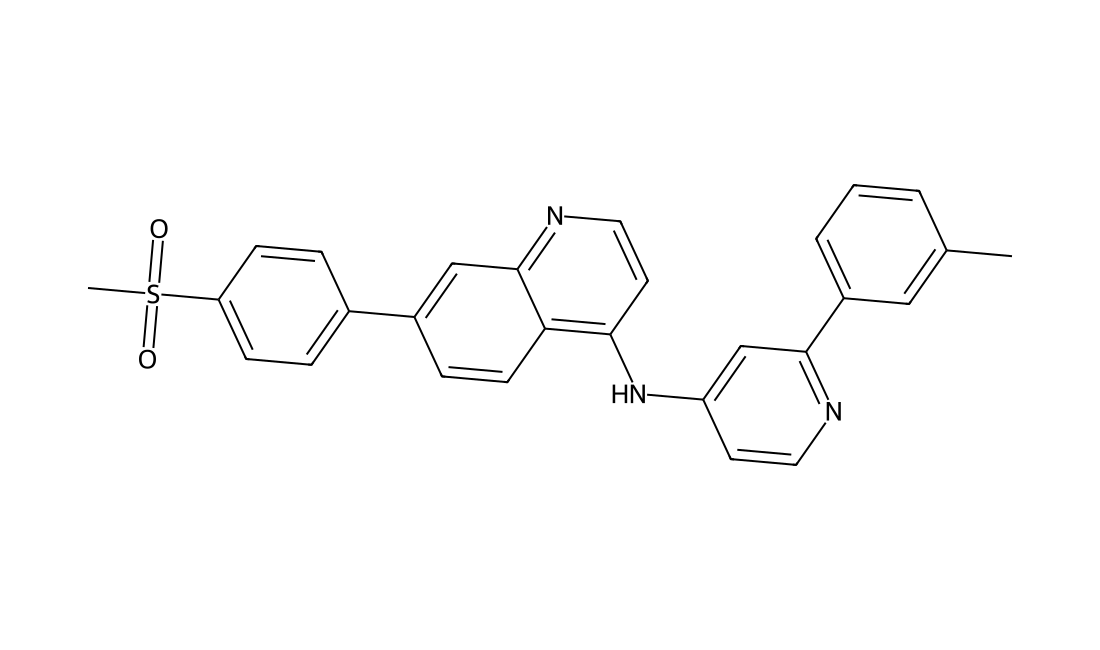
GNE-6776Featured
GNE-6776 is a novel potent, specific, non-covalent, orally bioavailable USP7 inhibitor with IC50 of 1.34 uM .
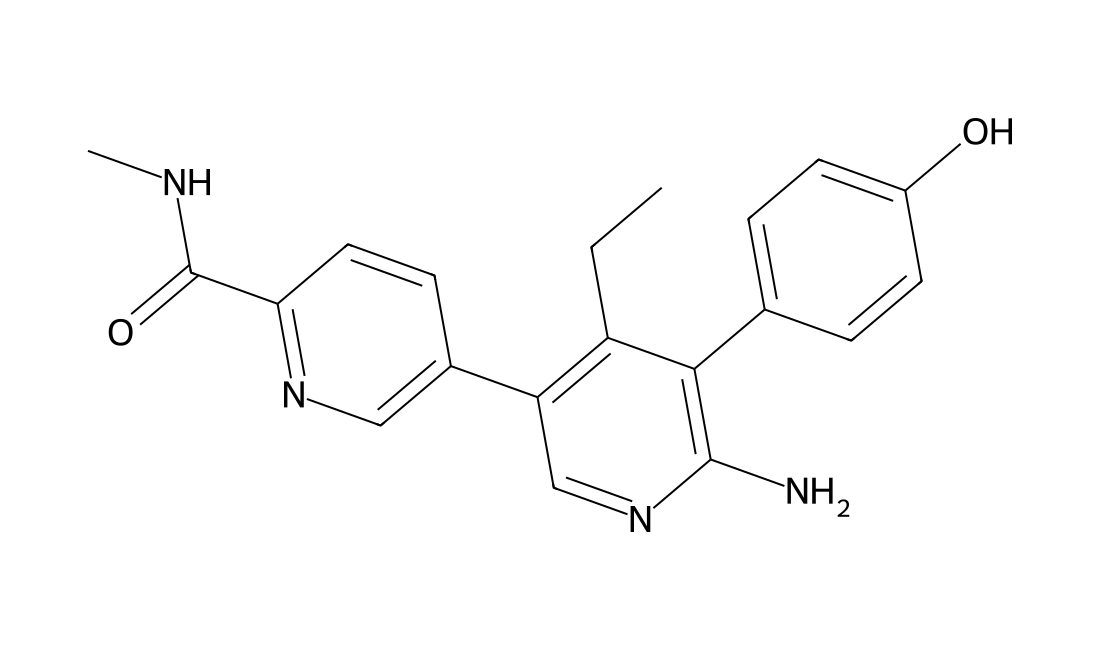
FLT3 ligand-2Featured
FLT3 ligand-2 is a Ligand for Target Protein for PROTAC. FLT3 ligand-2 can be used to synthesize PROTAC FLT-3 degrader 1 .
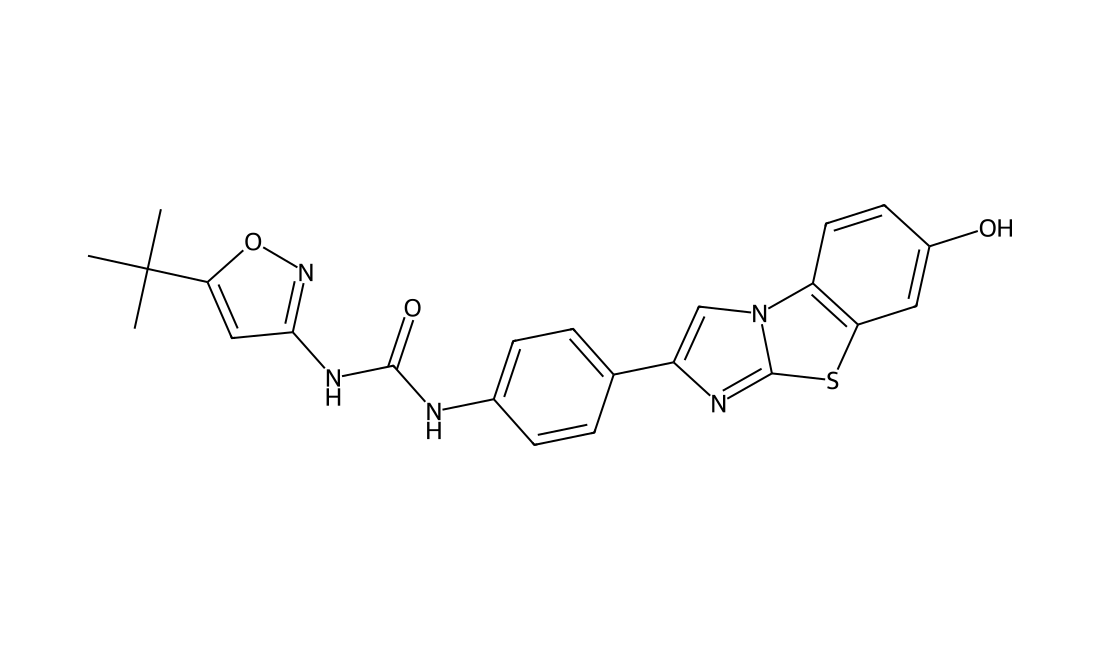
PF-04455242Featured
PF-04455242 is a potent, selective κ-opioid receptor (KOR) antagonist with Ki of 3 nM/21 nM/22 nM for hKOR/rKOR/mKOR, respectively.
GSK717Featured
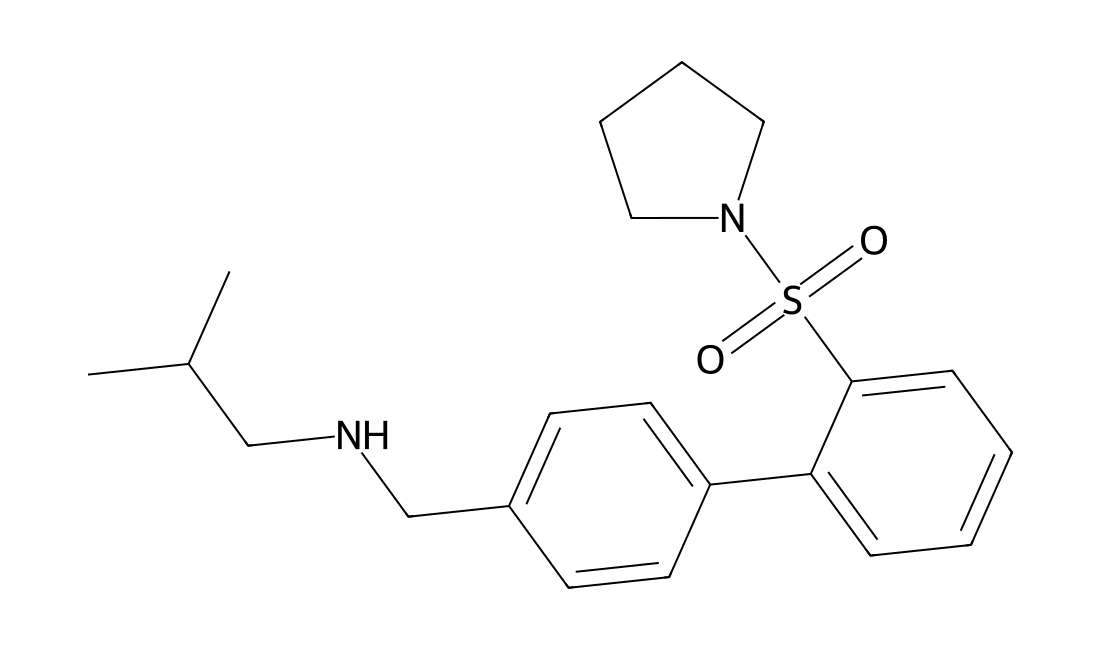
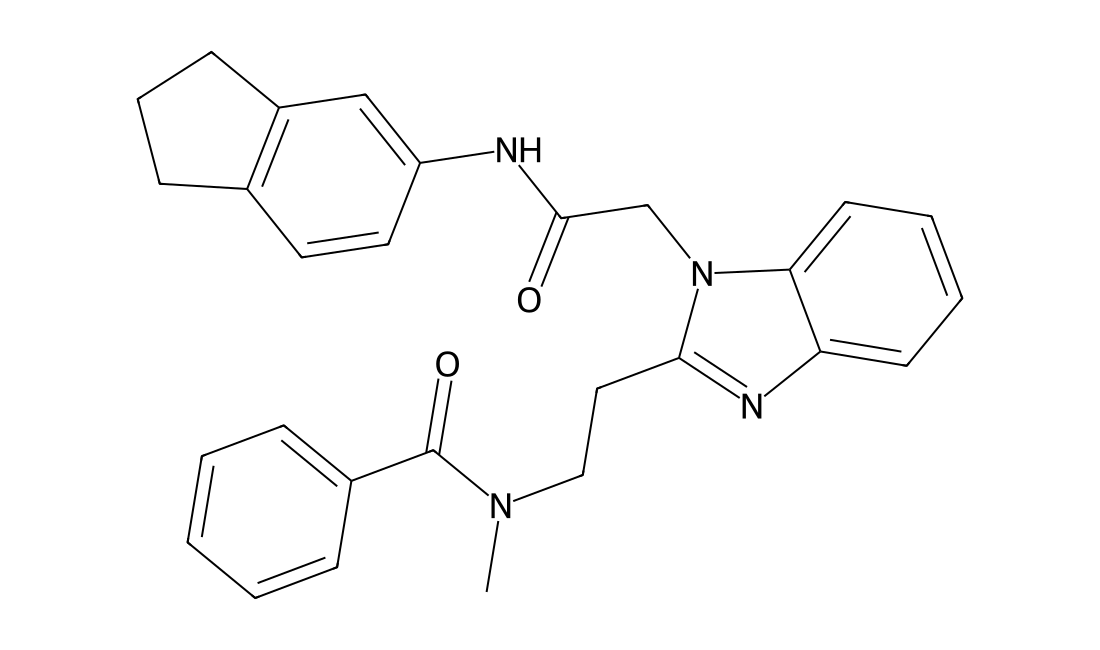
GSK717 is a potent, selective NOD2 (nucleotide-binding oligomerization domain 2) inhibitor. GSK717 inhibits muramyl dipeptide (MDP)-induced NOD2-mediated signaling, with an IC50 of 400 nM for MDP-stimulated IL-8 secretion in HEK293/hNOD2 cells.
HDAC8-IN-20aFeatured
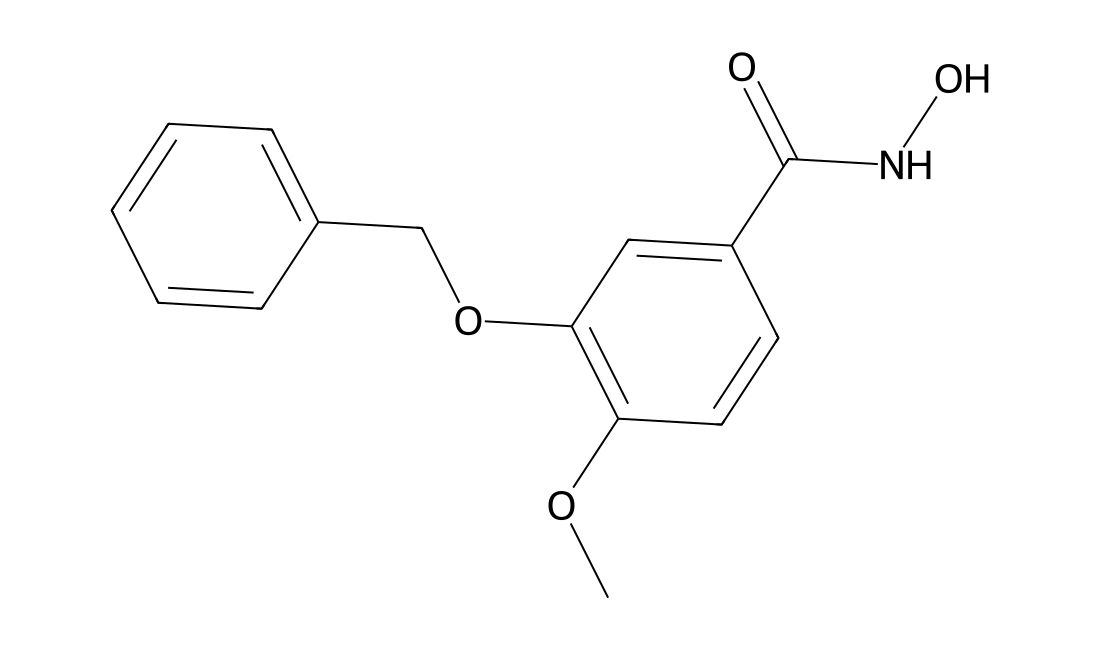
HDAC8-IN-20a is a potent, selective HDAC8 inhibitor with IC50 of 27 nM.
Onvansertib fumarateFeatured
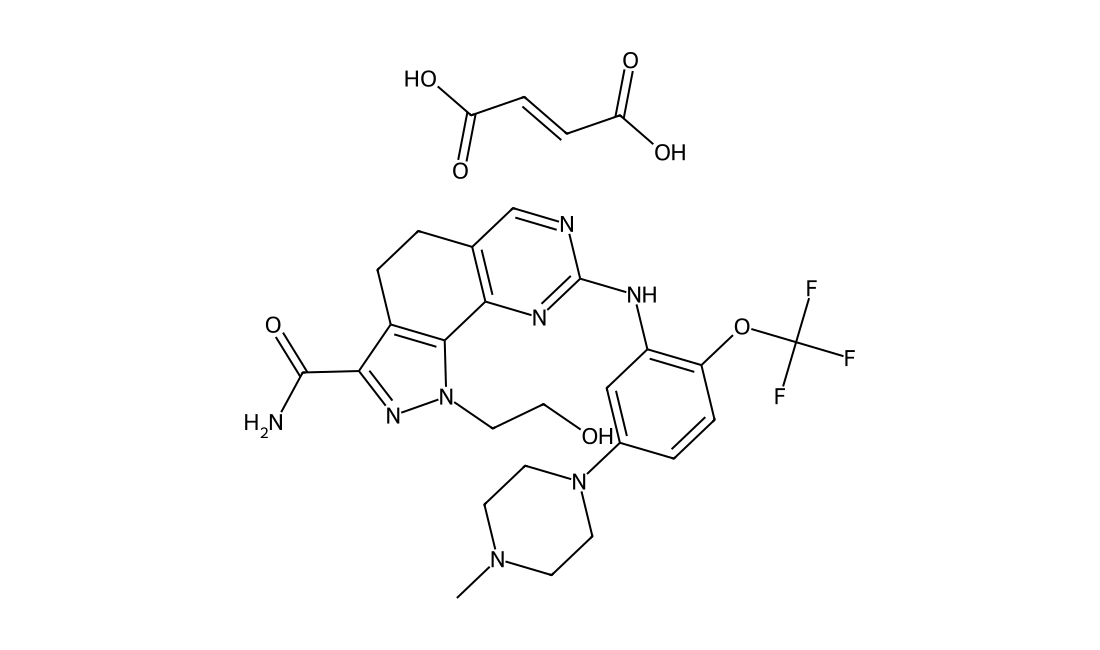
Onvansertib, also know as NMS-P937, PCM-075 and NMS1286937, is an oral Polo-like kinase 1 (PLK1) inhibitor, a key regulator of cell cycle progression and mitosis. It selectively inhibits PLK1 with a reported half-maximal inhibitory concentration (IC₅₀) of approximately 2 nM, while demonstrating significantly lower activity against other Polo-like kinases (PLK2 and PLK3). Onvansertib has shown potent anti-proliferative effects in various cancer cell lines, particularly in colorectal cancer, acute myeloid leukemia (AML), and prostate cancer models. It induces mitotic arrest, leading to apoptosis in tumor cells. Onvansertib has demonstrated synergistic effects when combined with chemotherapeutics such as irinotecan, 5-fluorouracil (5-FU), and decitabine, enhancing their efficacy in resistant cancers.
No products match this search.
Page 211 of 234 · Browse all 4677 products
Jump to a product page
Featured literature product: HX1 · DCL0028
HX1 is a hydroxyzine-derived ionizable lipid with acetal-containing tails, studied in lipid nanoparticles for brain mRNA delivery and CRISPR–Cas9 delivery. It was the lead in the reported in vivo brain-delivery screen; evidence is preclinical and formulation-dependent.
Read full formulation and performance →