
Research lipid catalog
Ionizable Lipid Products
Explore 848 lipid and RNA delivery products. Search the full catalog or browse by research category.
Search covers product name, catalog number, synonyms, available CAS numbers and categories. Spaces, hyphens and common punctuation are ignored. Duplicate legacy records are consolidated under one canonical product result.
4677 products · Showing 4581–4600 · 20 per page
DC Chemicals lipid expertise
Built for ionizable-lipid discovery and RNA delivery research
DC Chemicals supports formulation and delivery research with a broad, searchable portfolio of cationic and ionizable lipids. The current directory brings together 848 unique research-use products, with product specifications, pricing, chemical structures and literature-linked formulation data added as each record is verified.
Our experience spans complex lipid synthesis, purification, analytical release and process development. For custom molecules or larger-scale requirements, our team can discuss route development, technical specifications and scale-up options for the intended research workflow.
Learn about cationic and ionizable lipids →Proprietary innovation · Co-development · GMP
From proprietary lipid design to GMP-grade custom synthesis
DC Chemicals has independently developed ionizable-lipid structures supported by company-owned intellectual property, and selected proprietary lipid programs have advanced to GMP-stage development.
We welcome joint development with customers—from molecular design and lipid synthesis through route and process development. We can also support custom synthesis of GMP-grade ionizable lipids to agreed technical specifications and quality requirements.
Discuss a co-development project →Proprietary ionizable-lipid structuresCollaborative molecular designCustom lipid synthesisProcess development and scale-upGMP-grade project support
Product quick links
Explore New ionizable lipids
Explore our five most recently added ionizable lipids, with specifications, pricing and literature-linked product information.
DCL0028HX1Brain RNA delivery researchView product →DCL0024A1I4R13C18-2Spleen-targeted RNA delivery researchView product →DCL0023A1I4R2C18-2Spleen-targeted RNA delivery researchView product →DCL0022FS01Local joint RNA delivery researchView product →DCL0020Lipid-392Lung RNA delivery and gene editing researchView product →
Cat. No.Product NameField of ApplicationChemical Structure
USL-311Featured
USL311 is a CXCR4 receptor antagonist which prevents the binding of stromal-cell derived factor-1 (SDF-1 or CXCL12) to CXCR4. USL311 inhibits CXCR4 activation and decreases proliferation and migration of CXCR4-expressing tumor cells.
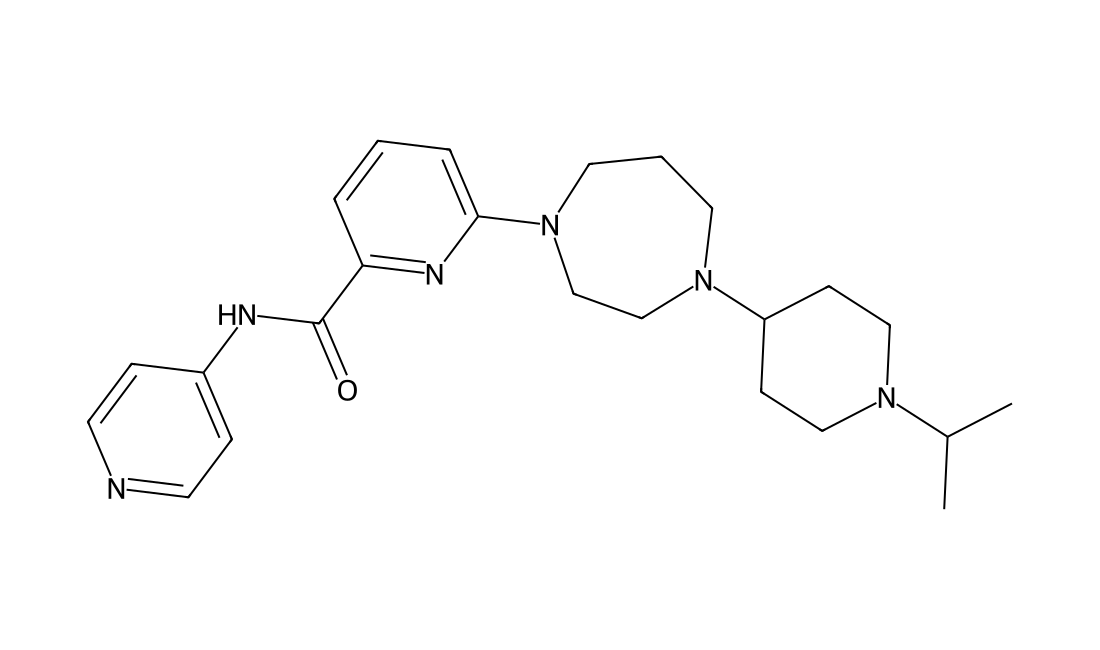
Phthalazinone pyrazoleFeatured
Phthalazinone pyrazole is a potent inhibitor of Aurora A kinase (IC50 = 31 nM).
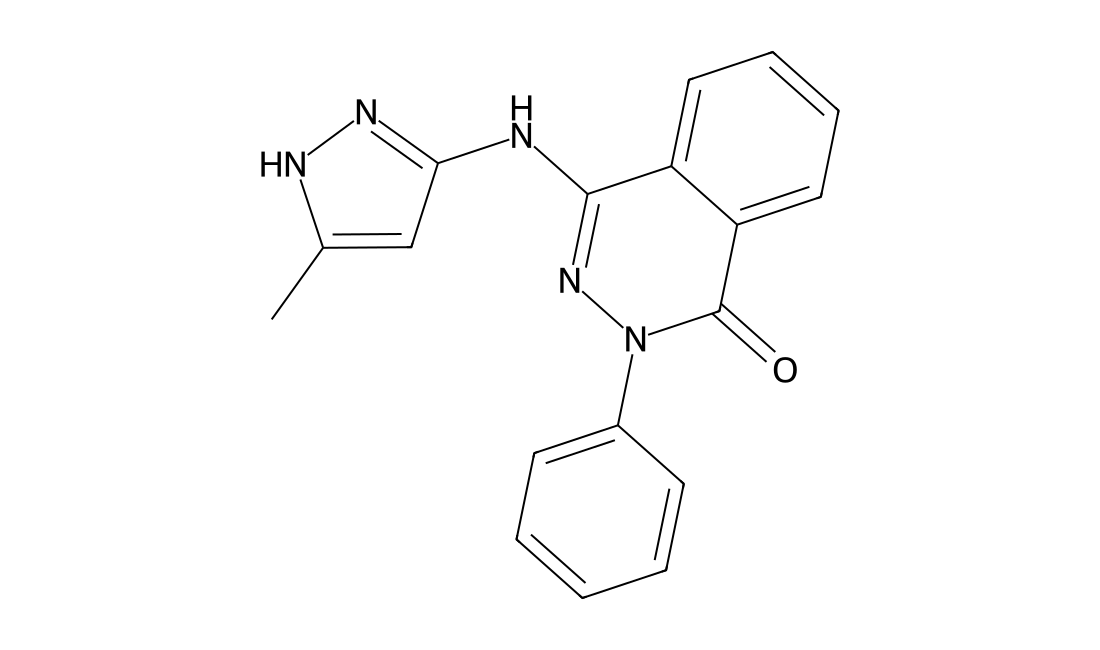
UCB9608Featured
UCB9608 is a Potent, Orally Bioavailable PI4KIIIβ Inhibitor.
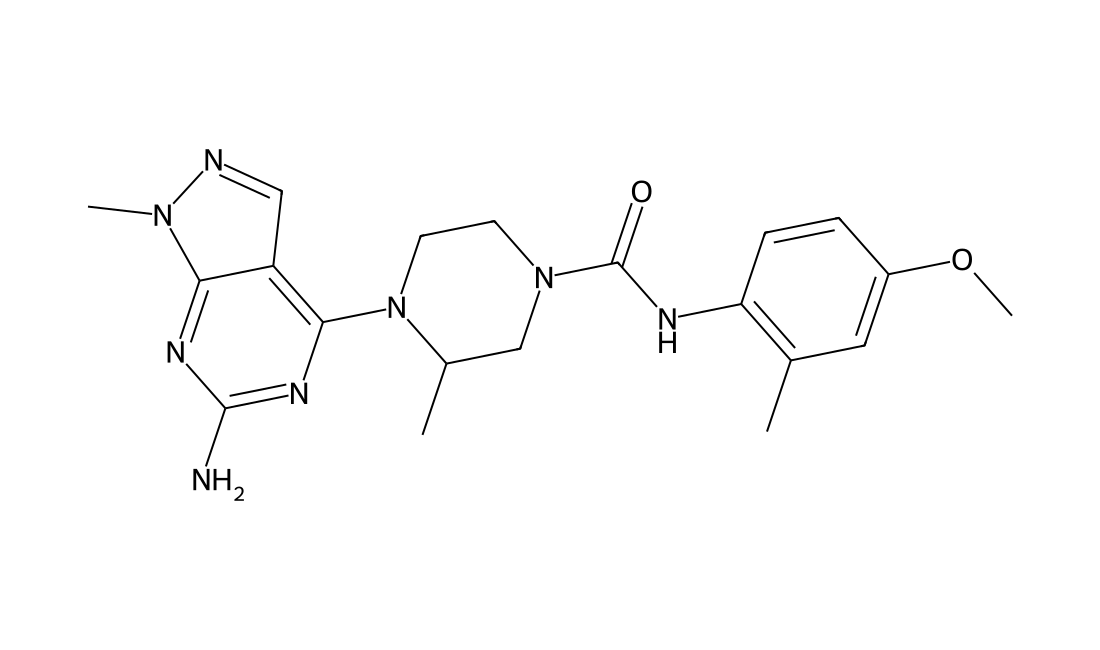
AS 602801(Bentamapimod)Featured
AS 602801(Bentamapimod) is a novel, orally active inhibitor of JNK.
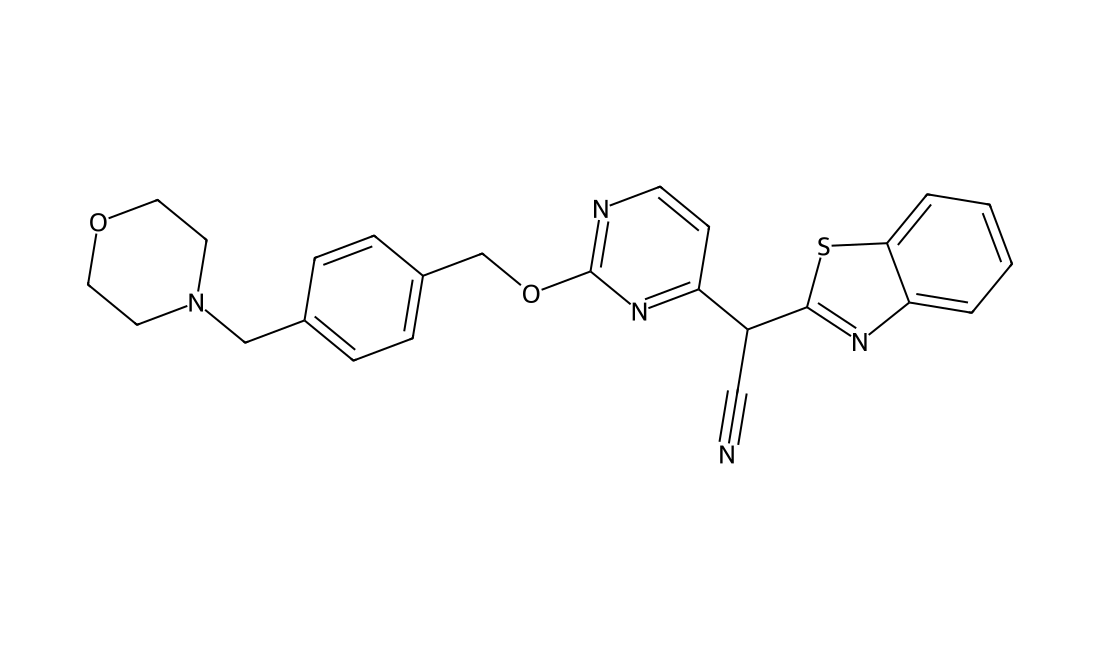
EmeramideFeatured
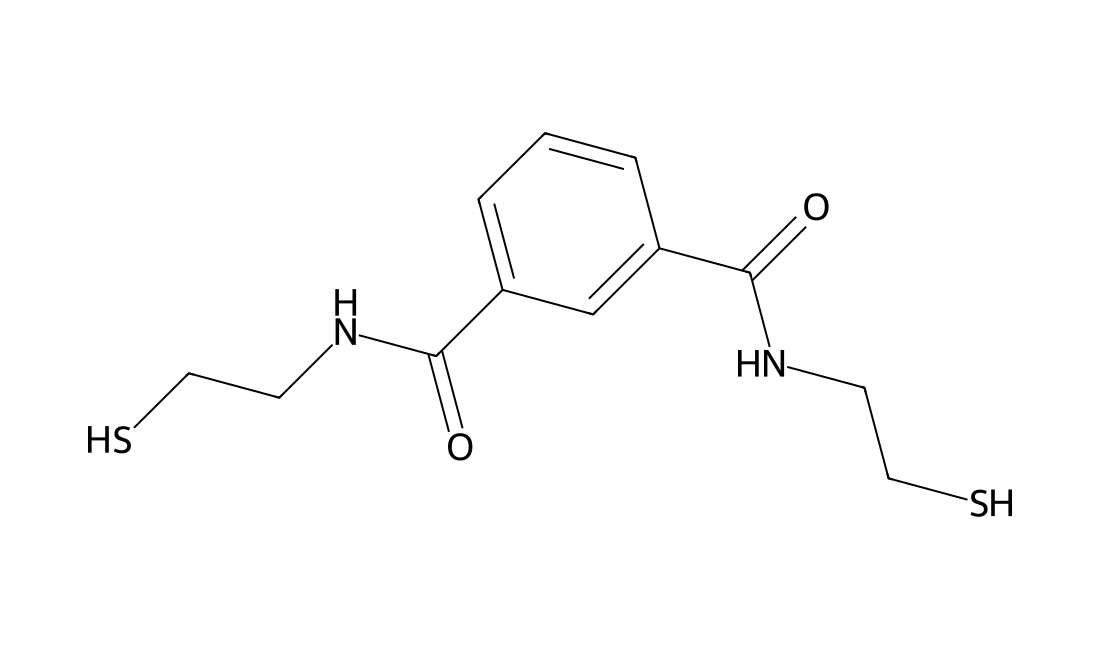
Emeramide, also known as NBMI, BDTH2 or N,N'-Bis(2-mercaptoethyl)isophthalamide, is a mercury/heavy metal chelator. Emeramide molecule consists of two thiol groups and linked via a pair of amide groups. NBMI can be used to chelate heavy metals like lead, cadmium, copper, manganese, zinc, iron, and mercury from ground water, coal tailings, gold ore, waste water of battery-recycling plants, and contaminated soil.
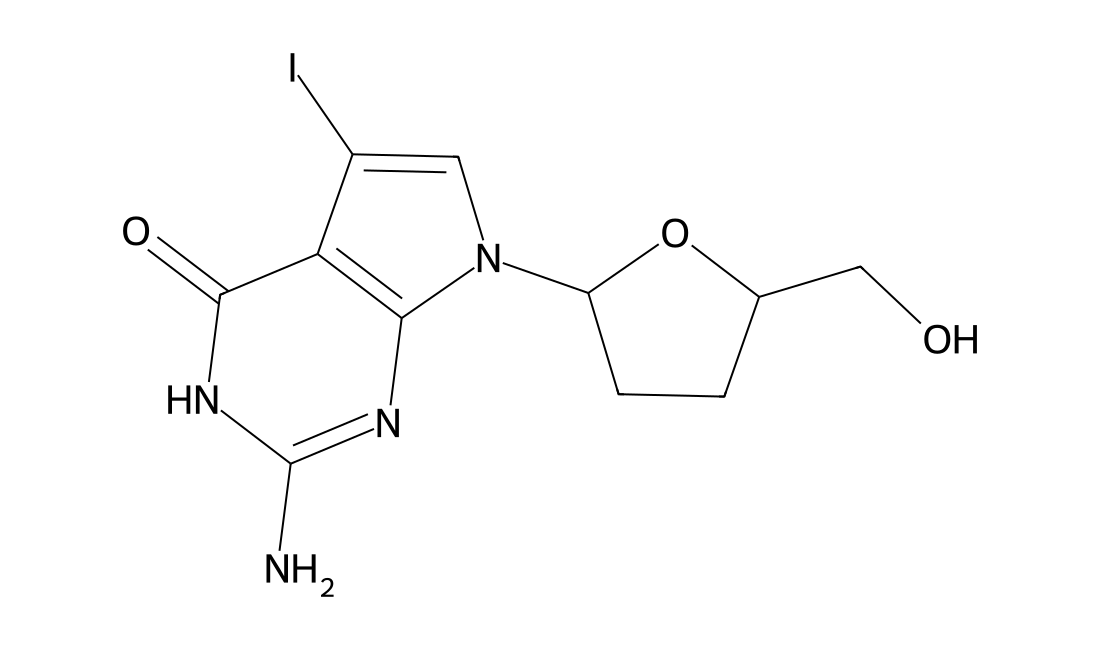
7-Iodo-2',3'-dideoxy-7-deaza-guanosine is a dideoxynucleoside that can be used in DNA synthesis and sequencing reactions.
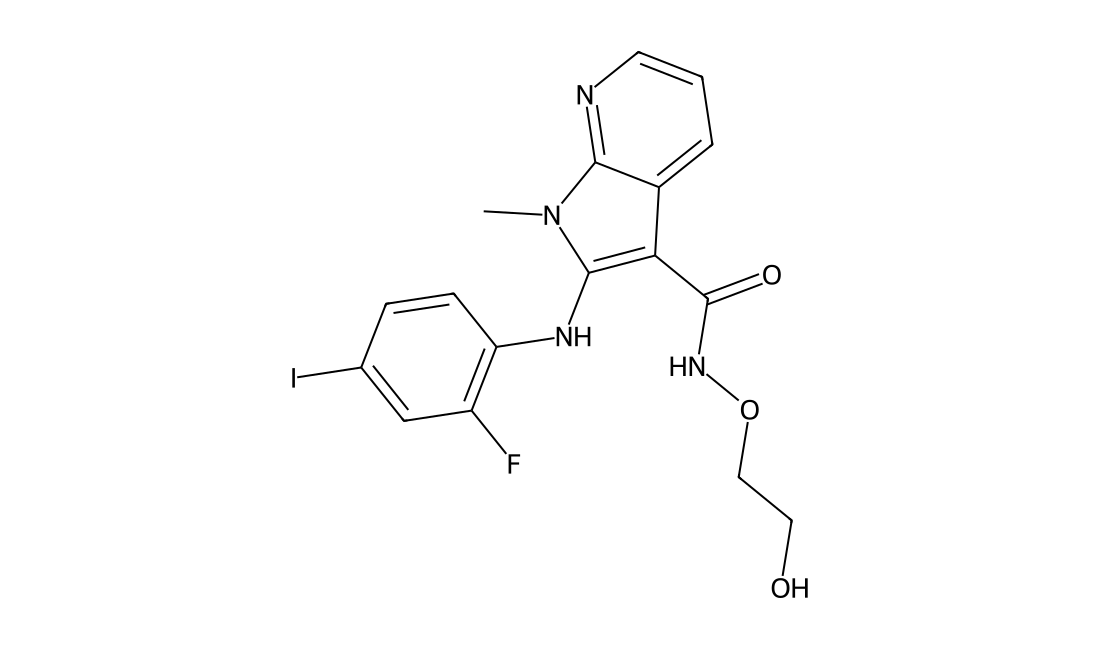
NFX-179Featured
NFX-179 (Nedometinib, NFX179) is a potent, specific, topical, metabolically labile MEK1/2 inhibitor with biochemical IC50 of 135 nM (MEK1).
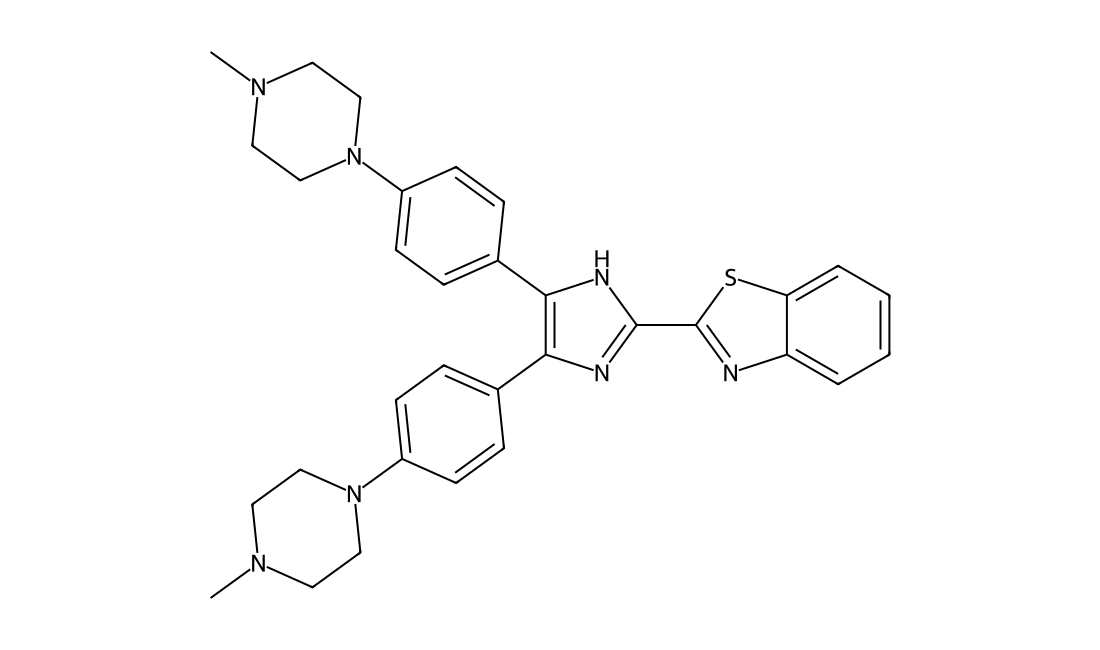
IZTZ-1Featured
IZTZ-1, an imidazole-benzothiazole conjugate, is a c-MYC G4 ligand. IZTZ-1 is able to downregulate the c-MYC expression by stabilizing c-MYC G4. IZTZ-1 induces cell cycle arrest, apoptosis, thereby inhibiting cell proliferation in B16 cells. IZTZ-1 shows antitumor activity, and can be used for melanoma research.
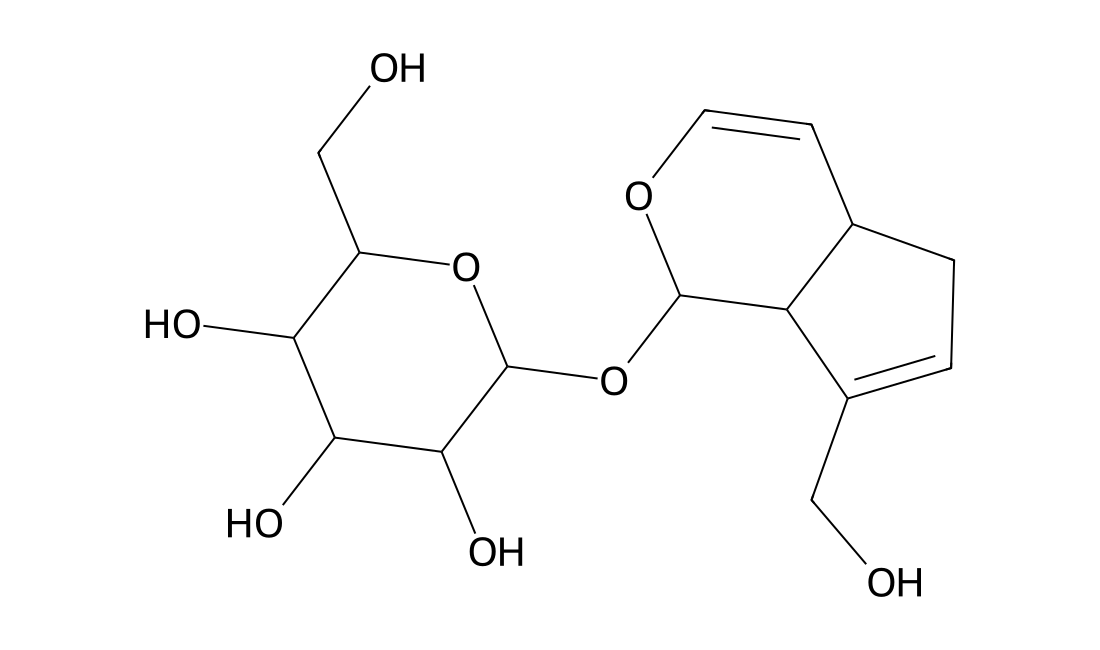
BartsiosidFeatured
Bartsioside is an anti-inflammatory agent which can be extracted from C. deserticola. Bartsioside exerts no significant cytotoxicity under 40 μM to BV-2 cells.
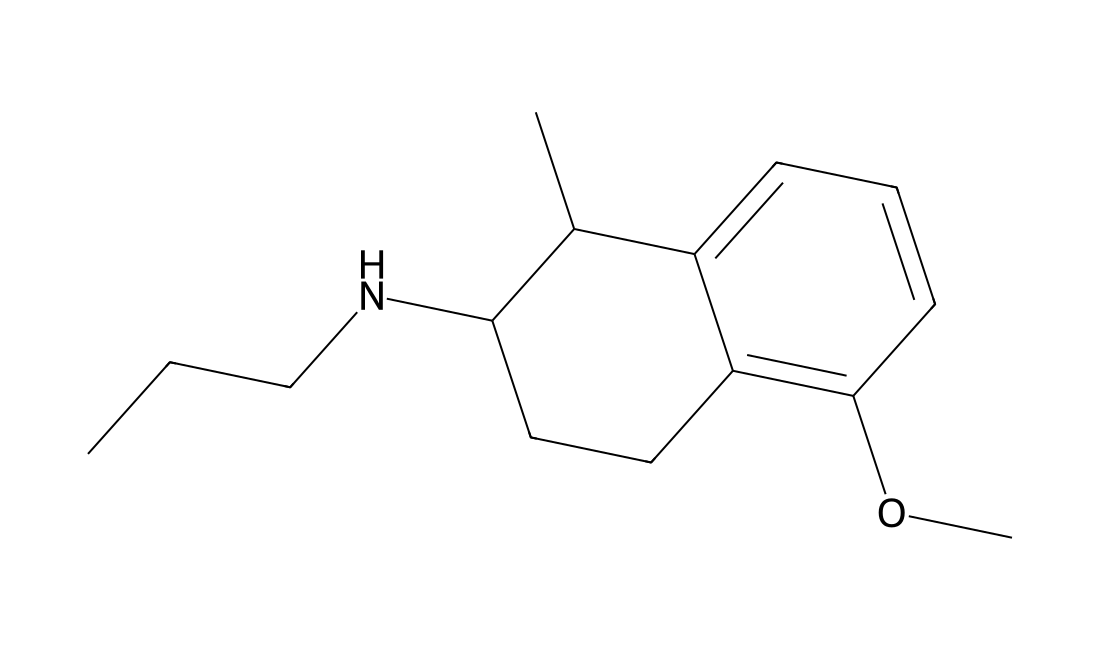
AJ-76Featured
AJ-76 ((+)-AJ 76; (1S,2R)-AJ 76) is a dopamine autoreceptor antagonist. AJ-76 can increase the synthesis and turnover of dopamine in the rat brain, while having little effect on the synthesis and turnover of serotonin (5-HT) and norepinephrine. AJ-76 can also antagonize the sedative effects of low-dose apomorphine and has a weak antagonistic effect on postsynaptic dopamine receptor.
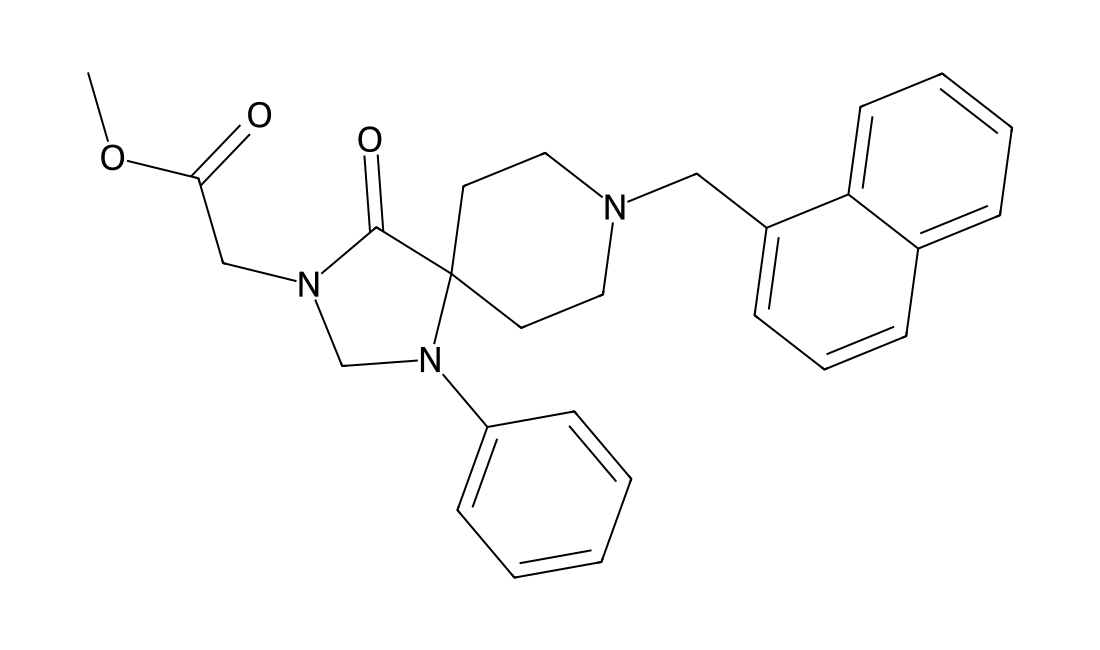
NNC63-0532Featured
NNC63-0532 is a potent and selective non-peptide agonist of the NOP receptors.
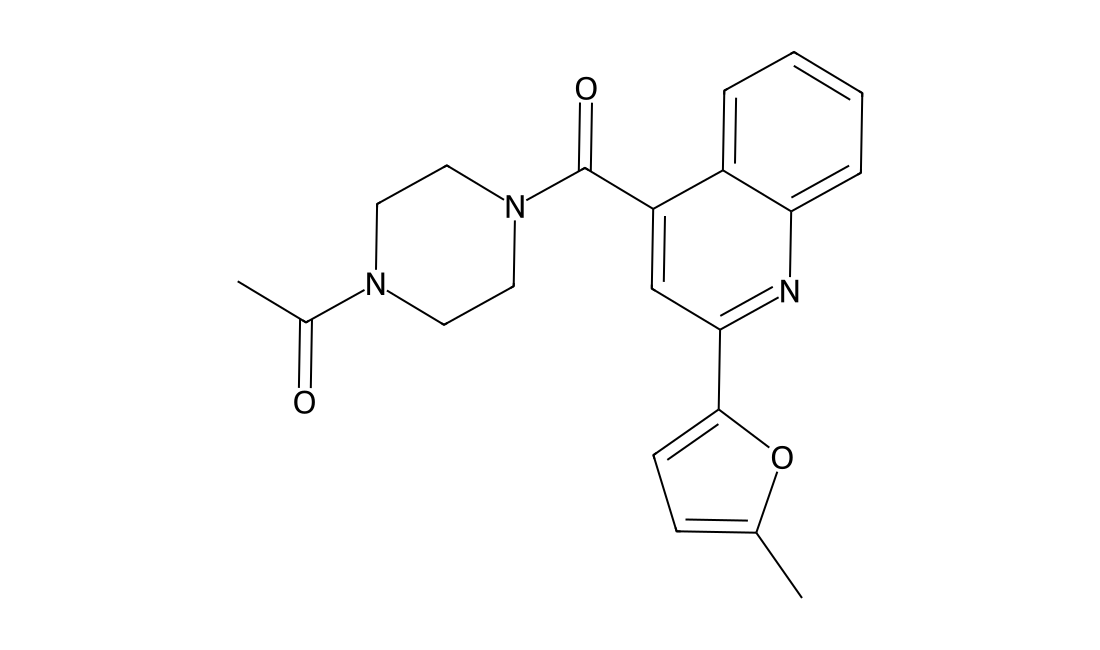
E1231Featured
E1231 (E-1231) is a small molecule SIRT1 activator with EC50 of 0.83 uM, interactes with recombinant human SIRT1 protein and deacetylated liver X receptor-alpha (LXRα).
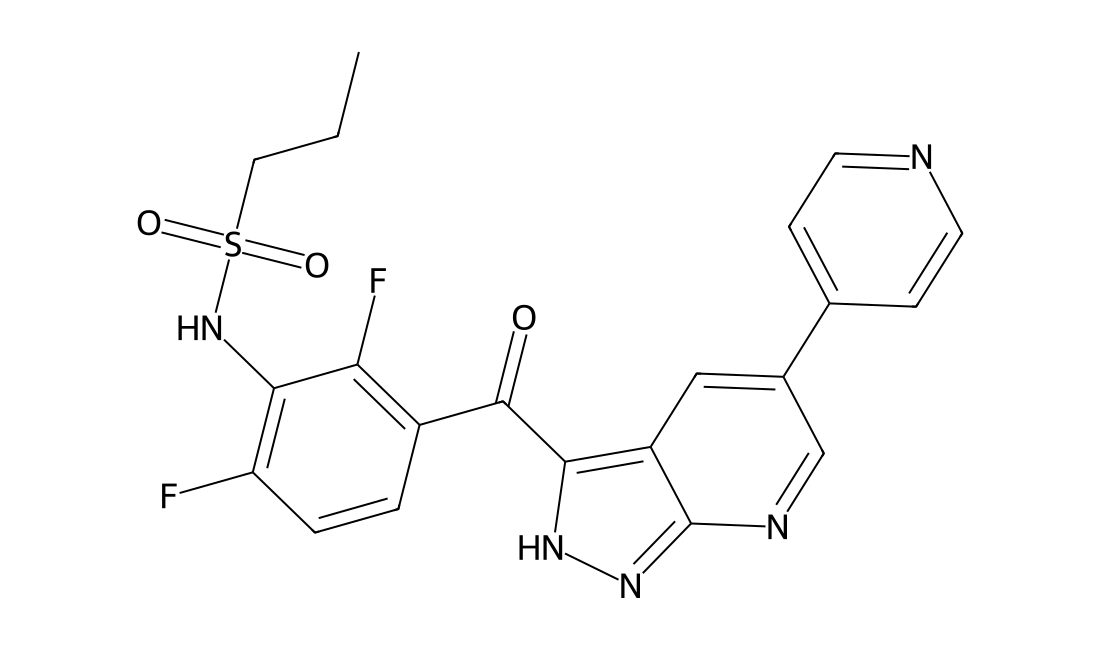
DarizmetinibFeatured
Darizmetinib (HRX-0215, HRX0215) is a potent, selective inhibitor of MKK4 (MAP2K4/SEK1), shows potential for promoting liver regeneration or reducing or preventing hepatocyte death.
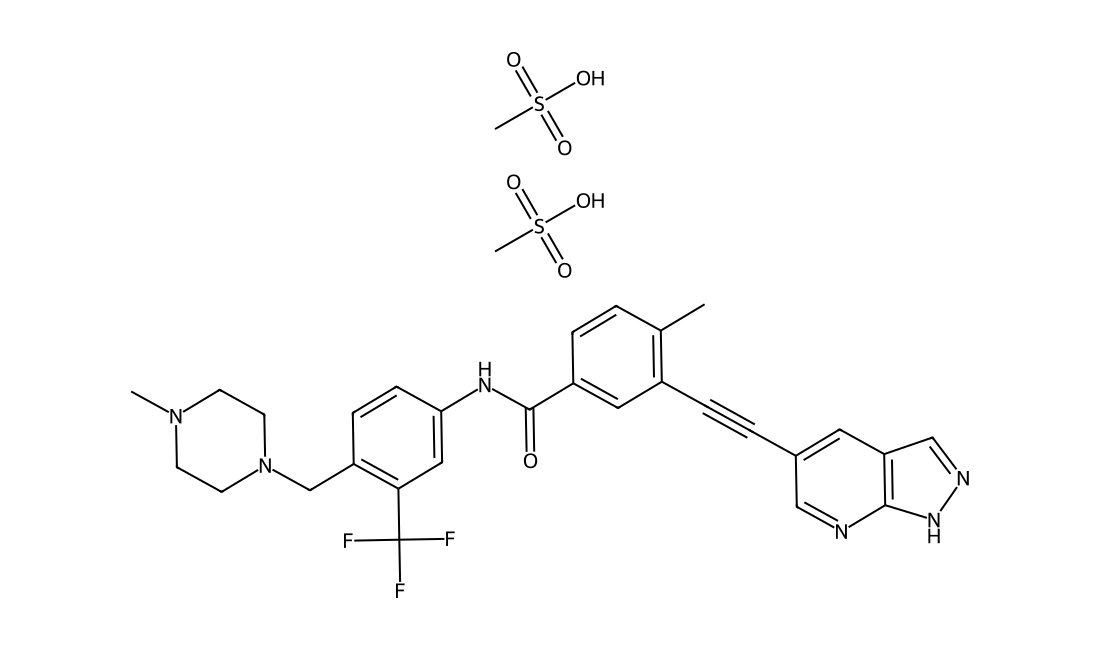
GZD824 dimesylateFeatured
GZD824 dimesylate (HQP1351 dimesylate) is an orally bioavailable pan-Bcr-Abl inhibitor with potency against a wide range of Bcr-Abl mutants and the native enzyme (IC50=0.34 nM). GZD824 dimesylate has antitumor activity.
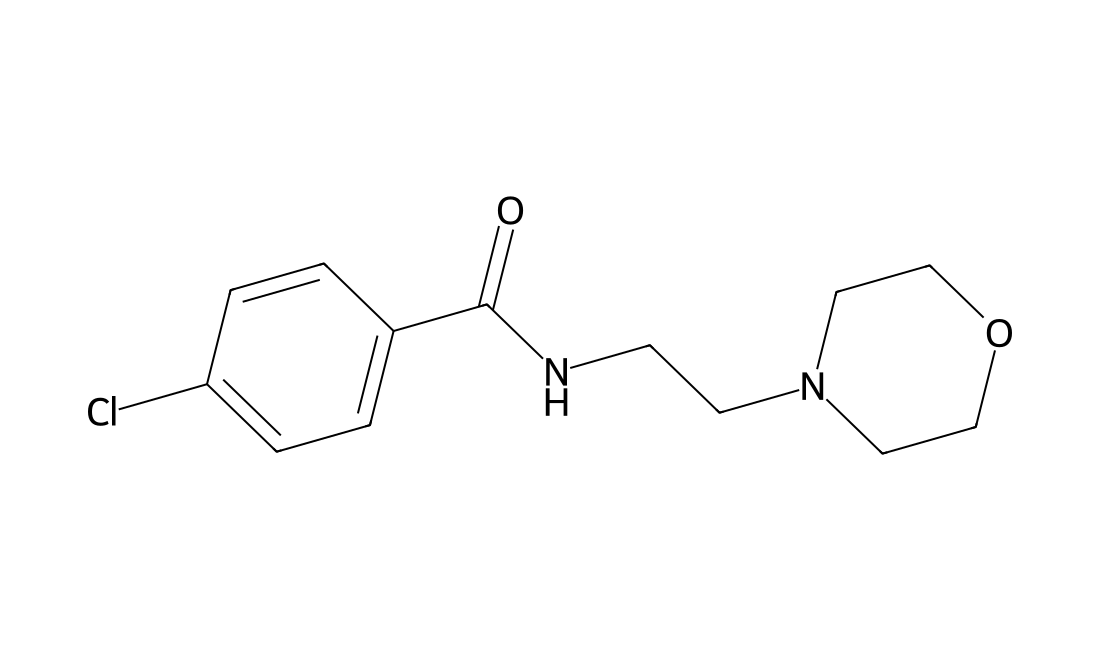
MoclobemideFeatured
Moclobemide belongs to a new generation of short-acting, reversible, monoamine oxidase (MAO) inhibitors.
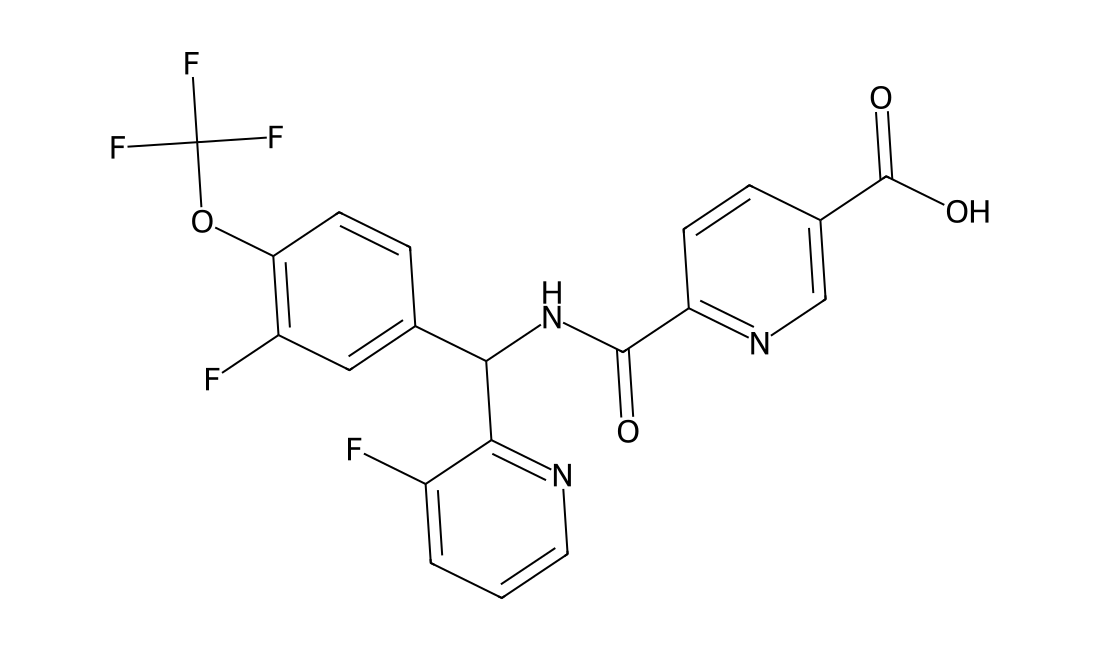
AMG-333Featured
AMG 333 is a potent and highly selective TRPM8 antagonist with an IC50 of 13 nM.
680C91Featured
680C91 is an orally active, selective tryptophan 2,3-dioxygenase (TDO) inhibitor with a Ki of 51 nM. TDO is the key enzyme of tryptophan catabolism. 680C91 can be used for the research of cancer immunotherapy and Alzheimer’s Disease.
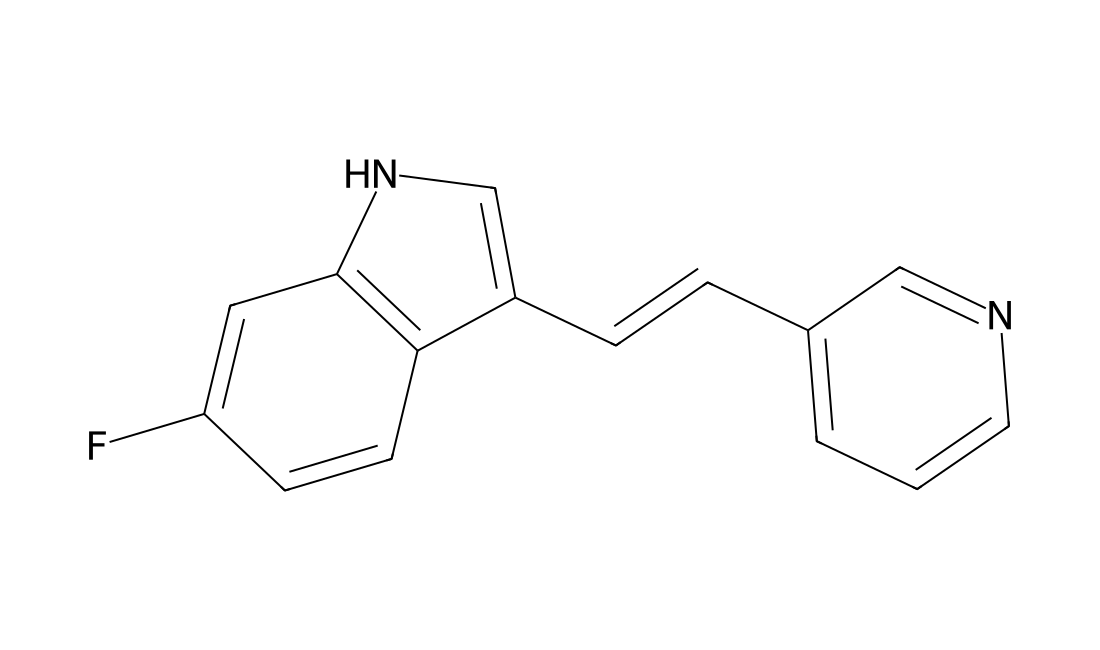
UNC8153 TFAFeatured
UNC8153 TFA is a potent and selective nuclear receptor-binding SET domain-containing 2 (NSD2)-targeted degrader with a Kd of 24 nM. UNC8153 TFA reduces the cellular levels of both NSD2 protein and the H3K36me2 chromatin mark. UNC8153 TFA contains a simple warhead that confers proteasome-dependent degradation of NSD2.
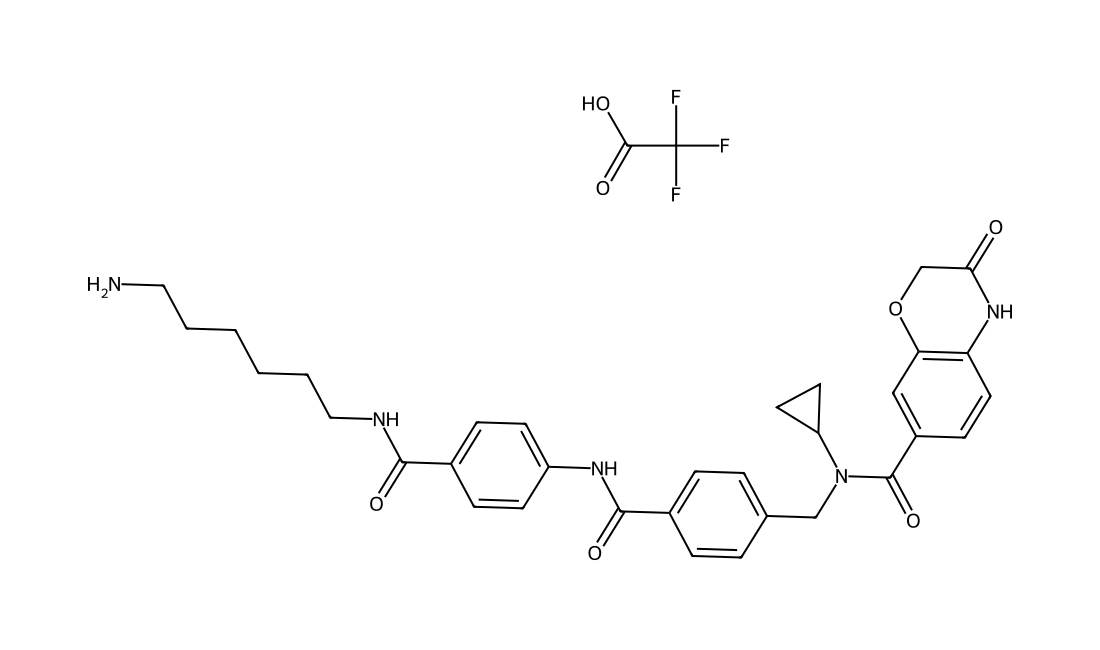
NecroX-7Featured
NecroX-7 is a potent free radical scavenger and a HMGB1 (high-mobility group box 1) inhibitor. NecroX-7 can be used as an antidote to acetaminophen toxicity. NecroX-7 exerts a protective effect by preventing the release of HMGB1 in ischemia/reperfusion injury. NecroX-7 inhibits the HMGB1-induced release of TNF and IL-6, as well as the expression of TLR-4 and receptor for advanced glycation end products. NecroX-7 can be used graft-versus-host disease (GVHD) research.
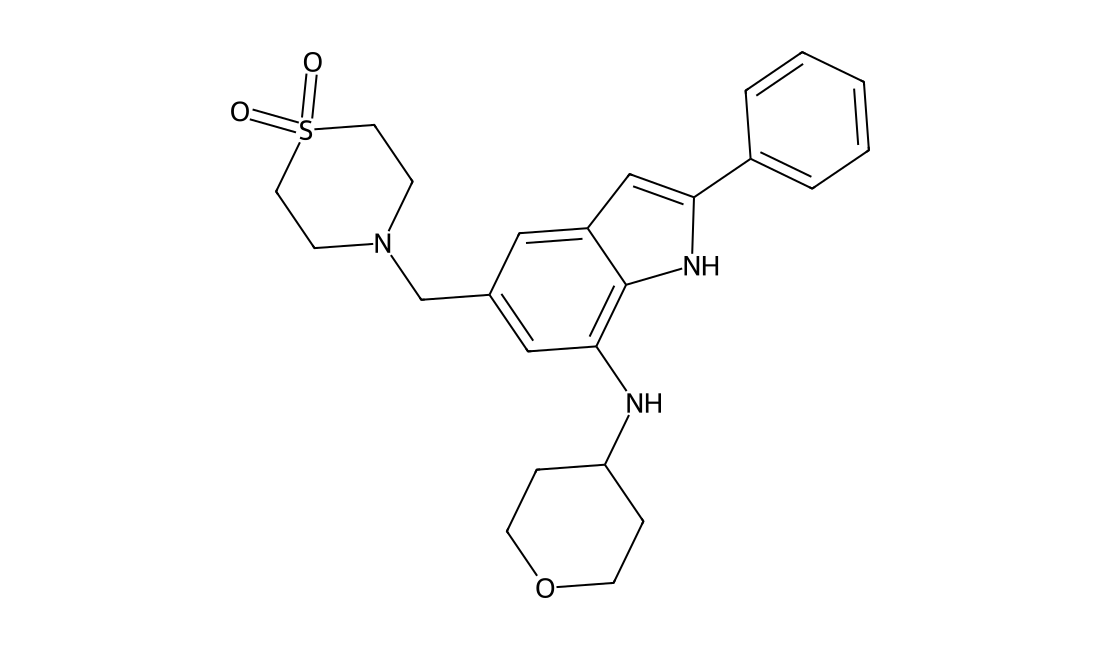
NecroX-2Featured
NecroX-2 is a small molecule necrosis modulator and potent antioxidant molecule, which can be bound to some types of radicals and especially NAPQI.
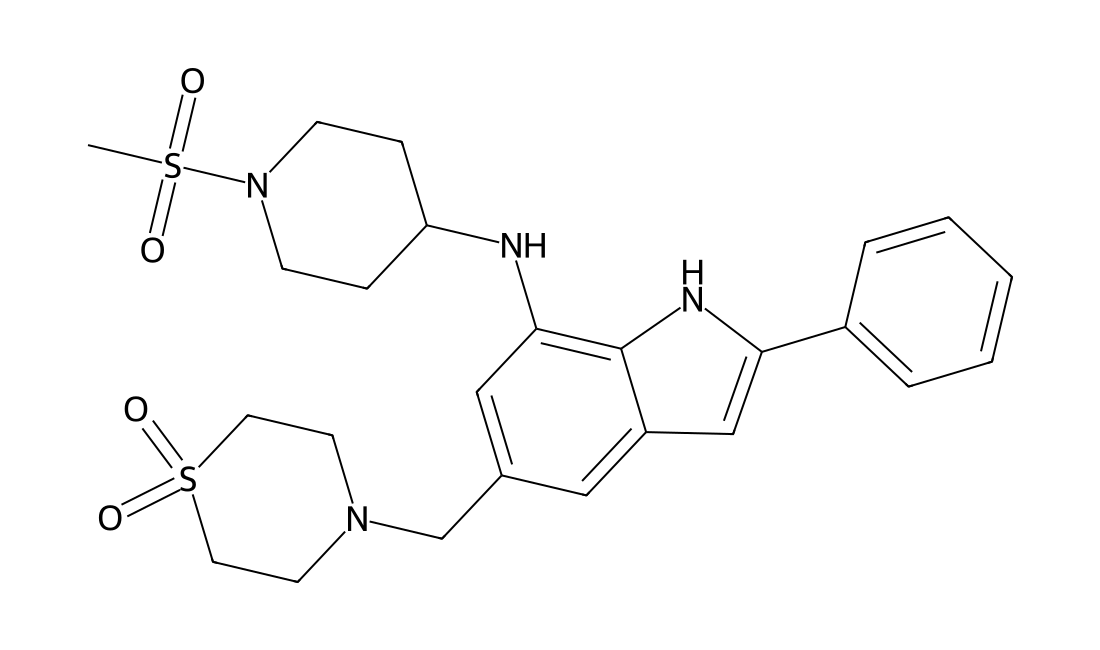
No products match this search.
Page 230 of 234 · Browse all 4677 products
Jump to a product page
Featured literature product: HX1 · DCL0028
HX1 is a hydroxyzine-derived ionizable lipid with acetal-containing tails, studied in lipid nanoparticles for brain mRNA delivery and CRISPR–Cas9 delivery. It was the lead in the reported in vivo brain-delivery screen; evidence is preclinical and formulation-dependent.
Read full formulation and performance →