
Research lipid catalog
Ionizable Lipid Products
Explore 848 lipid and RNA delivery products. Search the full catalog or browse by research category.
Search covers product name, catalog number, synonyms, available CAS numbers and categories. Spaces, hyphens and common punctuation are ignored. Duplicate legacy records are consolidated under one canonical product result.
3666 products · Showing 3441–3460 · 20 per page
DC Chemicals lipid expertise
Built for ionizable-lipid discovery and RNA delivery research
DC Chemicals supports formulation and delivery research with a broad, searchable portfolio of cationic and ionizable lipids. The current directory brings together 848 unique research-use products, with product specifications, pricing, chemical structures and literature-linked formulation data added as each record is verified.
Our experience spans complex lipid synthesis, purification, analytical release and process development. For custom molecules or larger-scale requirements, our team can discuss route development, technical specifications and scale-up options for the intended research workflow.
Learn about cationic and ionizable lipids →Proprietary innovation · Co-development · GMP
From proprietary lipid design to GMP-grade custom synthesis
DC Chemicals has independently developed ionizable-lipid structures supported by company-owned intellectual property, and selected proprietary lipid programs have advanced to GMP-stage development.
We welcome joint development with customers—from molecular design and lipid synthesis through route and process development. We can also support custom synthesis of GMP-grade ionizable lipids to agreed technical specifications and quality requirements.
Discuss a co-development project →Proprietary ionizable-lipid structuresCollaborative molecular designCustom lipid synthesisProcess development and scale-upGMP-grade project support
Product quick links
Explore ionizable lipids
Browse specifications, pricing and literature-linked product information.
Cat. No.Product NameField of ApplicationChemical Structure
E104FeaturedFeatured
E014 is a potent, selective TLR7 agonist with EC50 of 69 nM in Ramos Blue reporter assays, >500-fold selective for TLR7 over TLR8.

CU-CPD107FeaturedFeatured
CU-CPD107 is a TLR8-specific small molecule with unique synergistic agonist activities in the presence of ssRNA, but inactive without the aid of ssRNA.CU-CPD107 significantly inhibited of R848-induced signaling in HEK-Blue hTLR8 cells with an IC50 of 13.7 uM.CU-CPD107 only inhibited synthesized small-molecule agonist-induced TLR8 signaling without affecting other TLRs.CU-CPD107 synergistically increased IFN-β, TNF-α, IL-1β, IL-6, and IL-8 mRNA expression levels in the presence of 5 μg/ml ssRNA40 in HEK-Blue hTLR8 cells, whereas CU-CPD107 alone did not. CU-CPD107 only activated TLR8-mediated signaling in the presence of ssRNA.CU-CPD107 showed no pure agonistic activity, addressing a major challenge that has existed for previous TLR7 and TLR8 agonists as vaccine adjuvants or antiviral drugs.
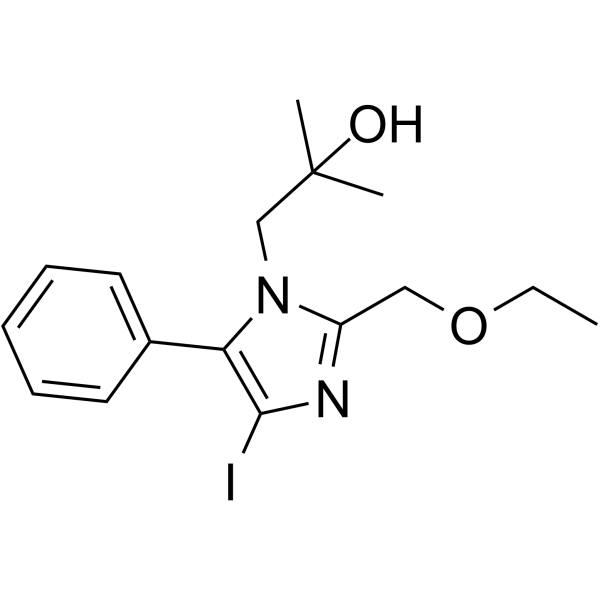
D18FeaturedFeatured
D18 is an immune modulator. D18 acts as a TLR7/8 dual agonist (EC50=24 nM for hTLR7 and 10 nM for hTLR8, respectively). D18 increases PD-L1 expression through epigenetic regulation, thus sensitizing tumors to PD-1/PD-L1 blockade. D18 is a ADC cytotoxin uesd for the systhesis of ADC HE-S2.

AYK004-C1FeaturedFeatured
AYK004-C1 is a TLR agonist. AYK004-C1 can be used to prepare immune adjuvants.
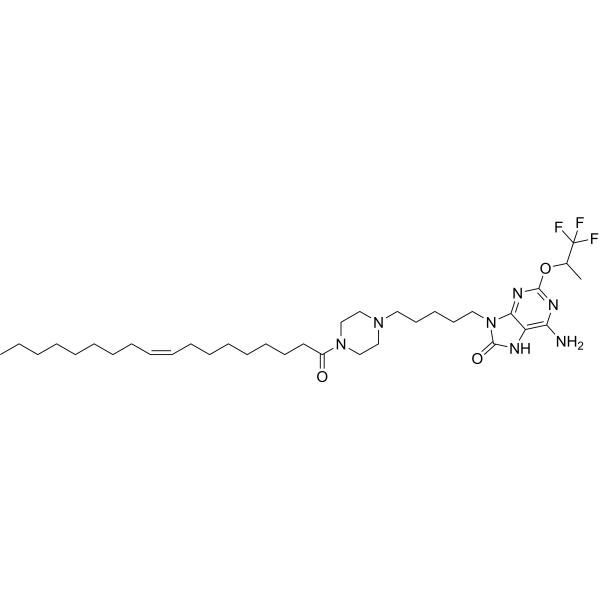
GSK2245035FeaturedFeatured
GSK2245035 is a highly potent and selective intranasal Toll-Like receptor 7 (TLR7) agonist with preferential Type-1 interferon (IFN)-stimulating properties. GSK2245035 has pEC50s of 9.3 and 6.5 for IFNα and TFNα. GSK2245035 effectively suppresses allergen-induced Th2 cytokine production in human peripheral blood cell cultures. GSK2245035 is used for asthma.
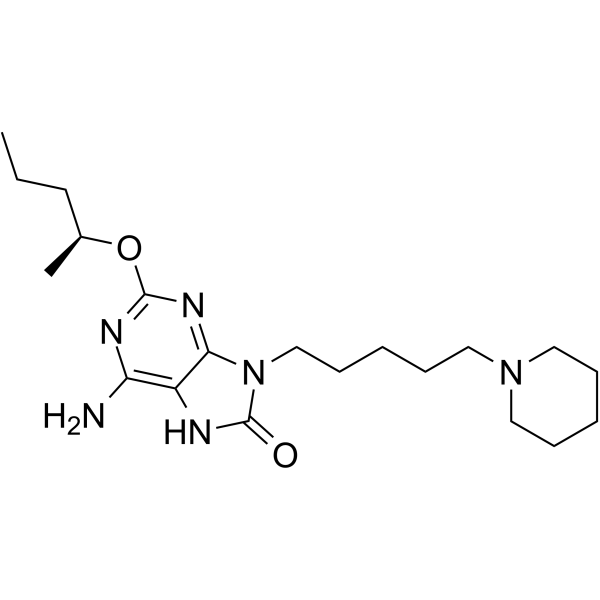
TQL-1055FeaturedFeatured
TQL-1055 is a semi-synthetic analog of the saponin adjuvant QS-21 (HY-101092) and can be used as a prophylactic vaccine adjuvant. TQL-1055 exhibits robust adjuvant activity for influenza antigens. TQL-1055 combined with the acellular pertussis vaccine (aP) shows good tolerance and enhances the antibody response to pertussis toxin (PT) in mice and rabbits. TQL-1055 is promising for research of chronic hepatitis B.
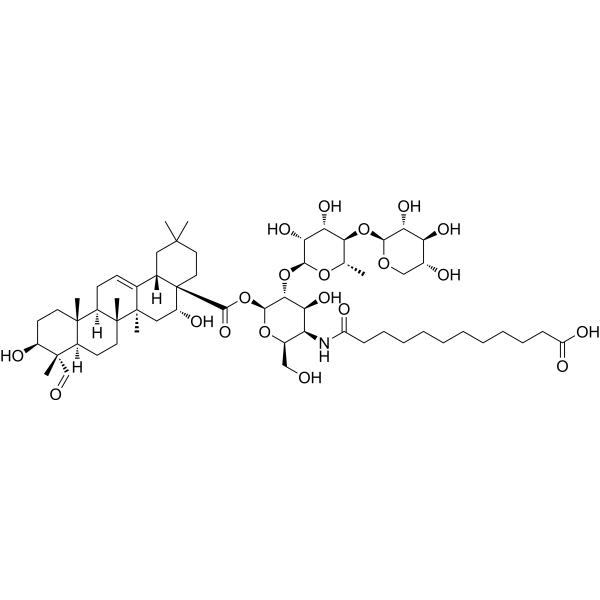
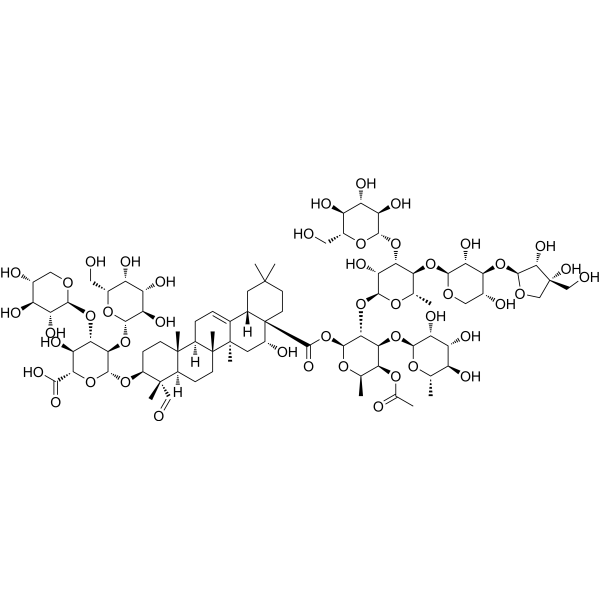
QS-7FeaturedFeatured
QS 7 (QS 7 Api) is a saponin compound that can be extracted from the Quillaja saponaria tree. QS 7 activates immune cells, enhances their antigen presentation ability and cytokine secretion. QS 7 can be used as vaccine adjuvant for immunostimulating, anti-tumor, and anti-infectious activities.
CPG 7909FeaturedFeatured

CPG-1018FeaturedFeatured

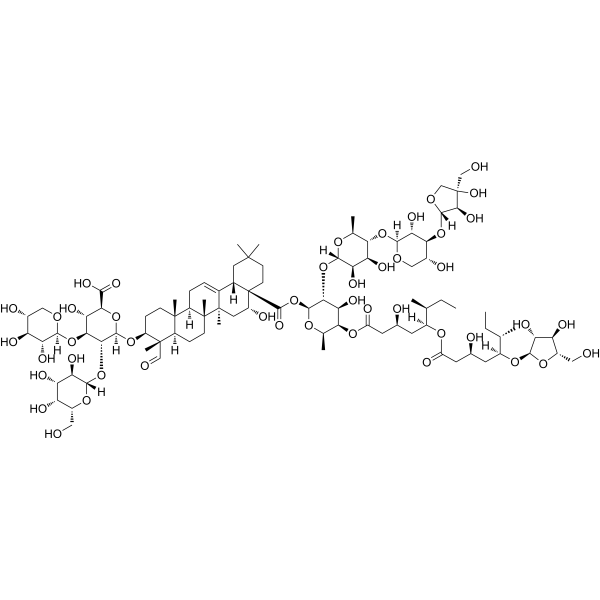
QS-21FeaturedFeatured
QS-21, an immunostimulatory saponin, could be used as a potent vaccine adjuvant. QS-21 stimulates Th2 humoral and Th1 cell-mediated immune responses through action on antigen presenting cells (APCs) and T cells. QS-21 can activate the NLRP3 inflammasome with subsequent release of caspase-1 dependent cytokines, IL-1β and IL-18[1][2][3].
AYK004-B1FeaturedFeatured
AYK004-B1 is a TLR7 agonist (EC50=0.2265 nM). AYK004-B1 can be used to prepare immune adjuvants.
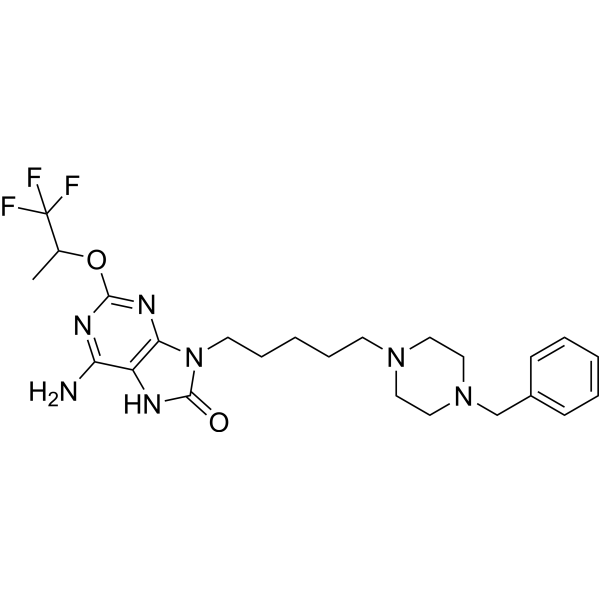
AYK004FeaturedFeatured
AYK004 is a TLR7/8 agonist that enhances immune responses by activating the TLR signaling pathway. AYK004 is an adenine derivative with a favorable hydrophilic-lipophilic balance, which improves the loading capacity and stability in immunoadjuvant systems such as liposomes, while reducing the side effects of the immunoadjuvant system in systemic immunity .
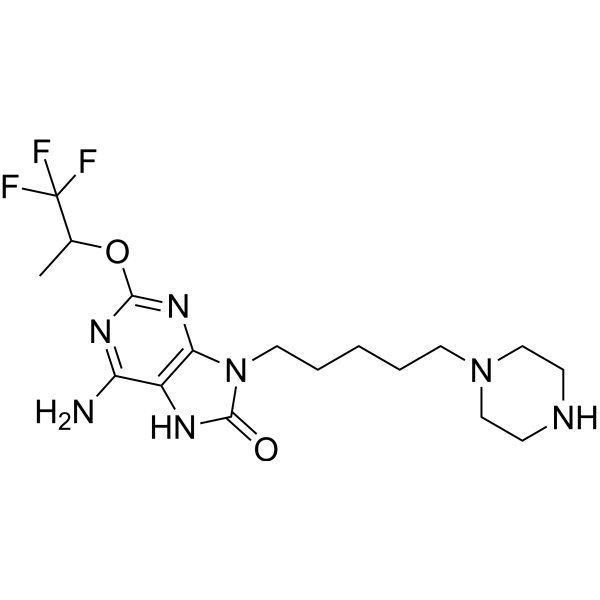
AYK005FeaturedFeatured
AYK005 is a TLR7/8 immunologic adjuvant.
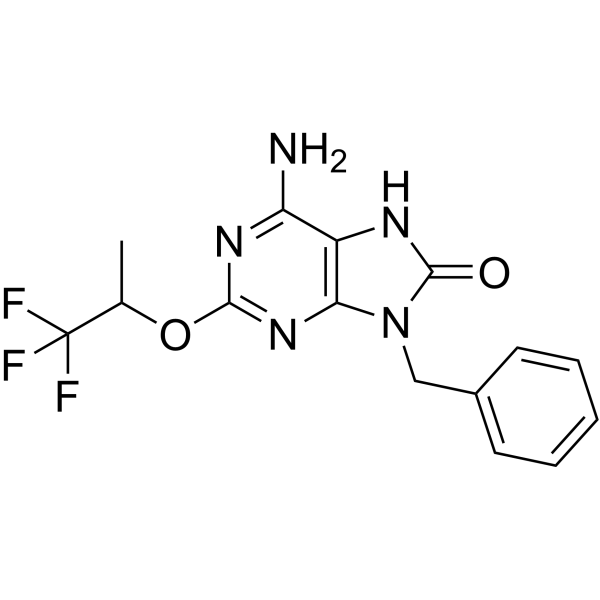
UM-3006FeaturedFeatured
UM-3006 is a highly efficient TLR7/8 agonist that enhances immune responses by activating the TLR signaling pathway. UM-3006 holds significant research and application potential in the fields of vaccine adjuvants and immune diseases.
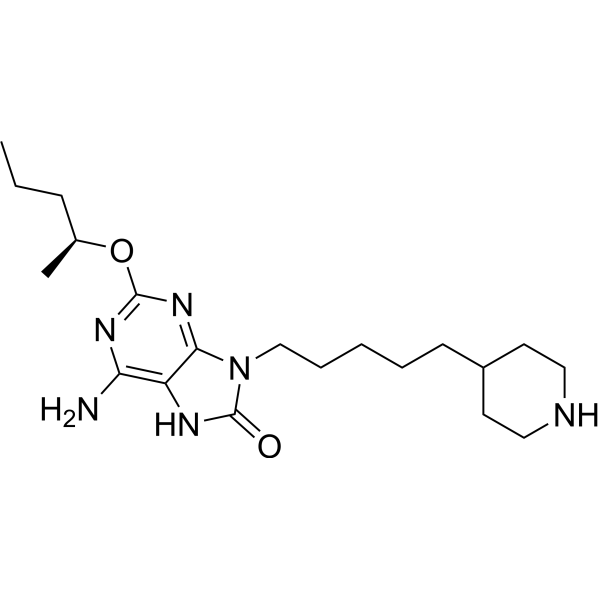
3D-MPLAFeaturedFeatured
3D-Monophosphoryl Lipid A-5 (3D-MPLA-5) is a TLR agonist that can be used as an adjuvant for vaccines to enhance their immunogenicity.
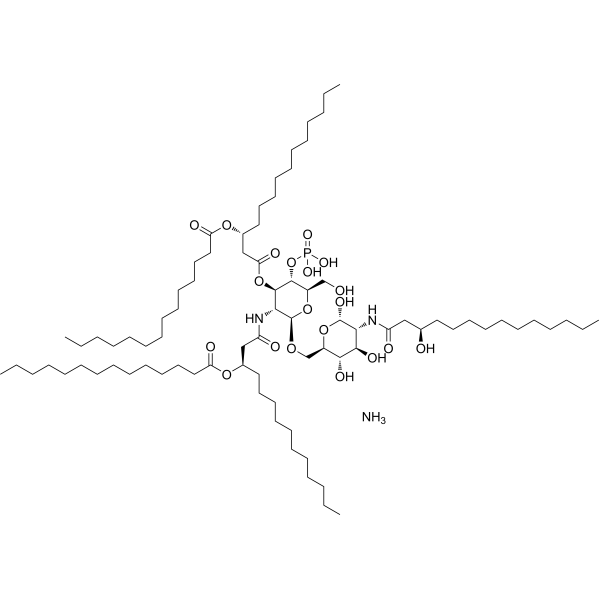
3D-MPL(12;16)FeaturedFeatured
3D-Monophosphoryl Lipid (12,16) (3D-MPL (12,16)) free acid is a TLR agonist that can be used as a vaccine adjuvant to enhance the immunogenicity of vaccines[1].
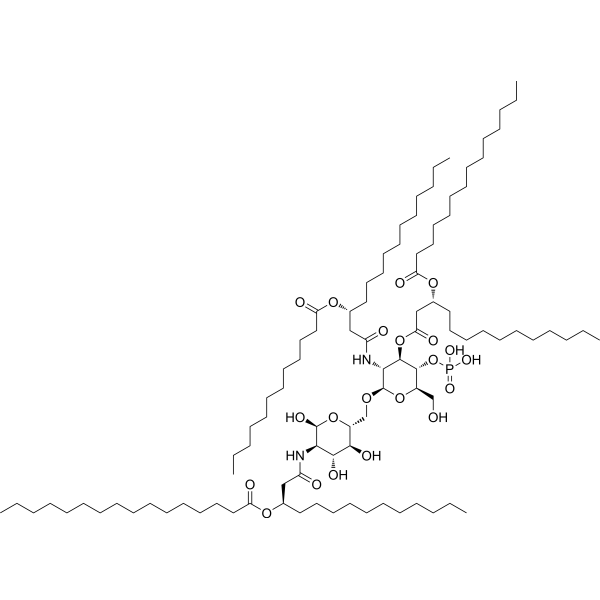
3D-Monophosphoryl Lipid (14)FeaturedFeatured
3D-Monophosphoryl Lipid (14) (3D-MPL (14)) is a biochemical reagent.
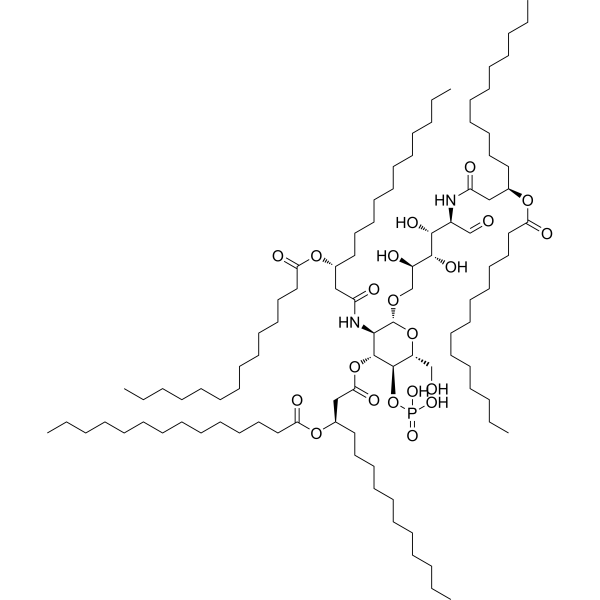
Monophosphoryl Lipid A-12FeaturedFeatured
Monophosphoryl Lipid A-12 (MPLA-12) is a biochemical reagent.
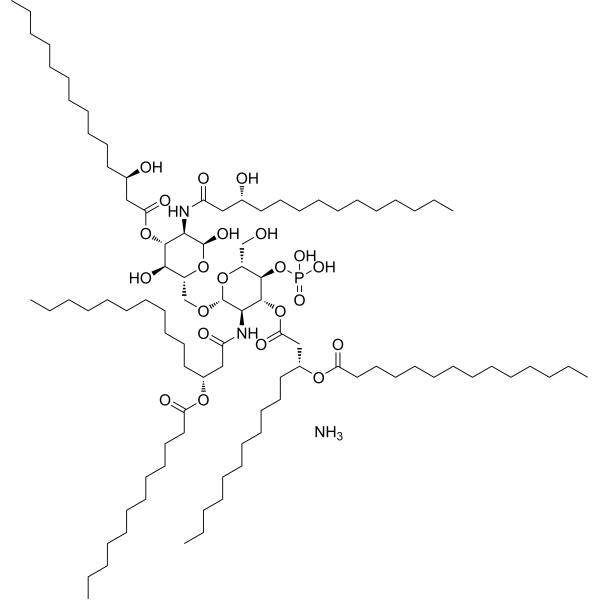
Monophosphoryl lipid AFeaturedFeatured
Monophosphoryl lipid A (Glucopyranosyl lipid A) is a toll-like receptor 4 agonist. Monophosphoryl lipid A is derived from the cell wall of nonpathogenic Salmonella. Monophosphoryl lipid A can be used for the research of immunization and vaccine.
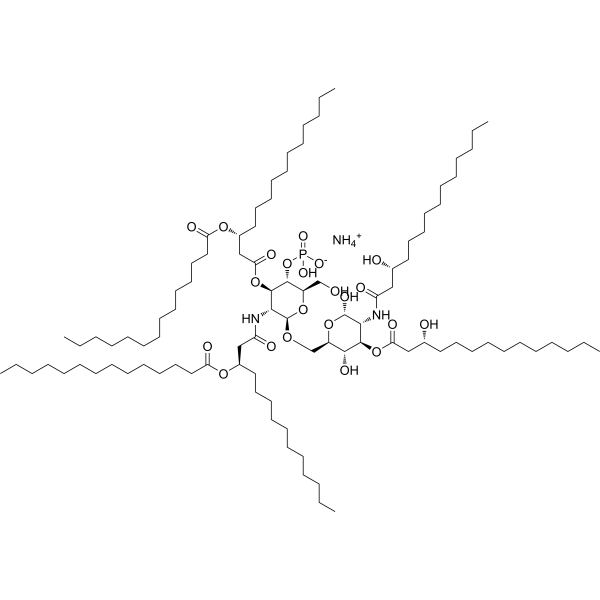
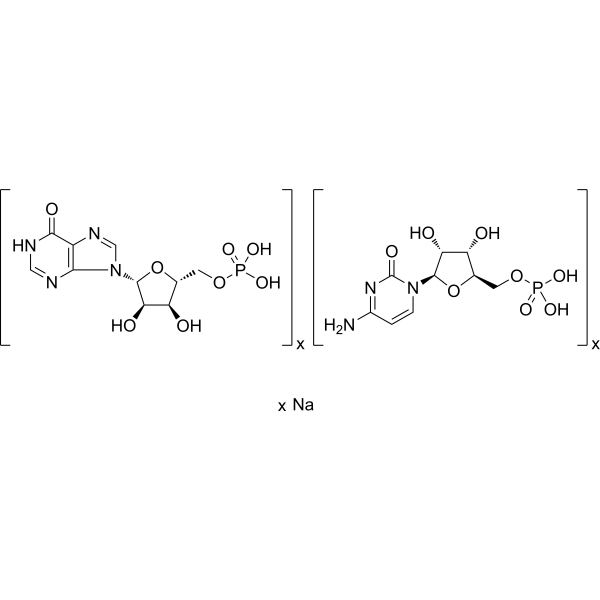
Polyinosinic-polycytidylic acid sodiumFeaturedFeatured
Polyinosinic-polycytidylic acid (Poly(I:C)) sodium is a synthetic analog of double-stranded RNA and an agonist of toll-like receptor 3 (TLR3) and retinoic acid inducible gene I (RIG-I)-like receptors (RIG-I and MDA5). Polyinosinic-polycytidylic acid sodium can be used as a vaccine adjuvant to enhance innate and adaptive immune responses, and to alter the tumor microenvironment. Polyinosinic-polycytidylic acid sodium can directly trigger cancer cells to undergo apoptosis.
No products match this search.
Page 173 of 184 · Browse all 3666 products