
Research lipid catalog
Ionizable Lipid Products
Explore 848 lipid and RNA delivery products. Search the full catalog or browse by research category.
Search covers product name, catalog number, synonyms, available CAS numbers and categories. Spaces, hyphens and common punctuation are ignored. Duplicate legacy records are consolidated under one canonical product result.
4677 products · Showing 4341–4360 · 20 per page
DC Chemicals lipid expertise
Built for ionizable-lipid discovery and RNA delivery research
DC Chemicals supports formulation and delivery research with a broad, searchable portfolio of cationic and ionizable lipids. The current directory brings together 848 unique research-use products, with product specifications, pricing, chemical structures and literature-linked formulation data added as each record is verified.
Our experience spans complex lipid synthesis, purification, analytical release and process development. For custom molecules or larger-scale requirements, our team can discuss route development, technical specifications and scale-up options for the intended research workflow.
Learn about cationic and ionizable lipids →Proprietary innovation · Co-development · GMP
From proprietary lipid design to GMP-grade custom synthesis
DC Chemicals has independently developed ionizable-lipid structures supported by company-owned intellectual property, and selected proprietary lipid programs have advanced to GMP-stage development.
We welcome joint development with customers—from molecular design and lipid synthesis through route and process development. We can also support custom synthesis of GMP-grade ionizable lipids to agreed technical specifications and quality requirements.
Discuss a co-development project →Proprietary ionizable-lipid structuresCollaborative molecular designCustom lipid synthesisProcess development and scale-upGMP-grade project support
Product quick links
Explore New ionizable lipids
Explore our five most recently added ionizable lipids, with specifications, pricing and literature-linked product information.
DCL0028HX1Brain RNA delivery researchView product →DCL0024A1I4R13C18-2Spleen-targeted RNA delivery researchView product →DCL0023A1I4R2C18-2Spleen-targeted RNA delivery researchView product →DCL0022FS01Local joint RNA delivery researchView product →DCL0020Lipid-392Lung RNA delivery and gene editing researchView product →
Cat. No.Product NameField of ApplicationChemical Structure
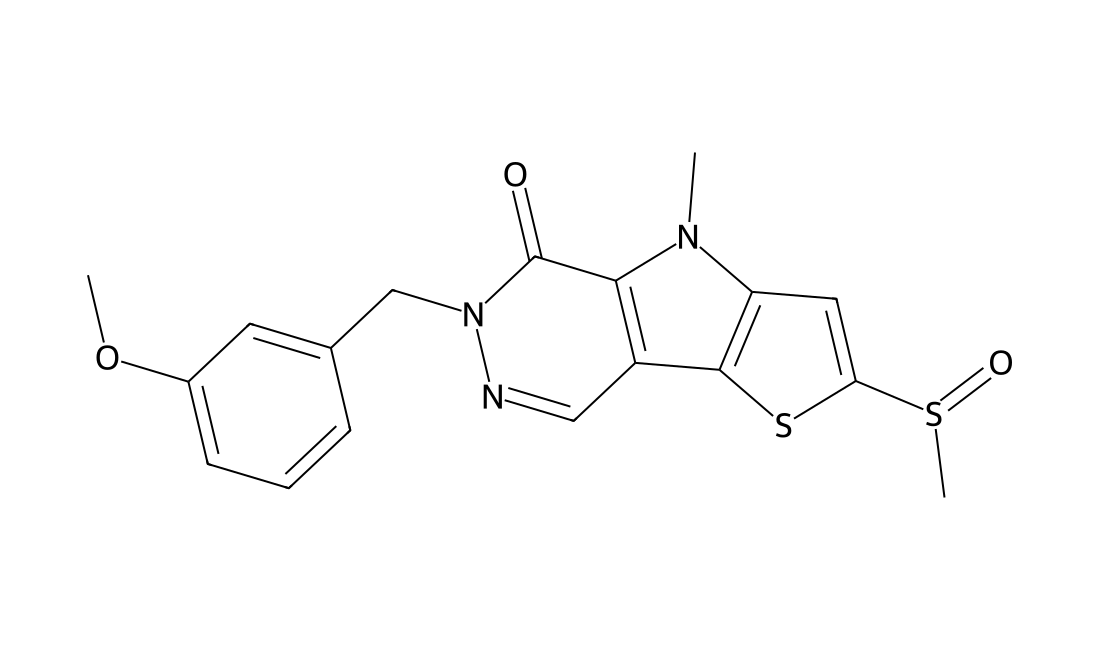
ML202Featured
ML202 represents a selective allosteric modulator of human pyruvate kinase M2 (hPK-M2) that specifically enhances phosphoenolpyruvate (PEP) binding cooperativity without significantly affecting adenosine diphosphate (ADP) binding kinetics.
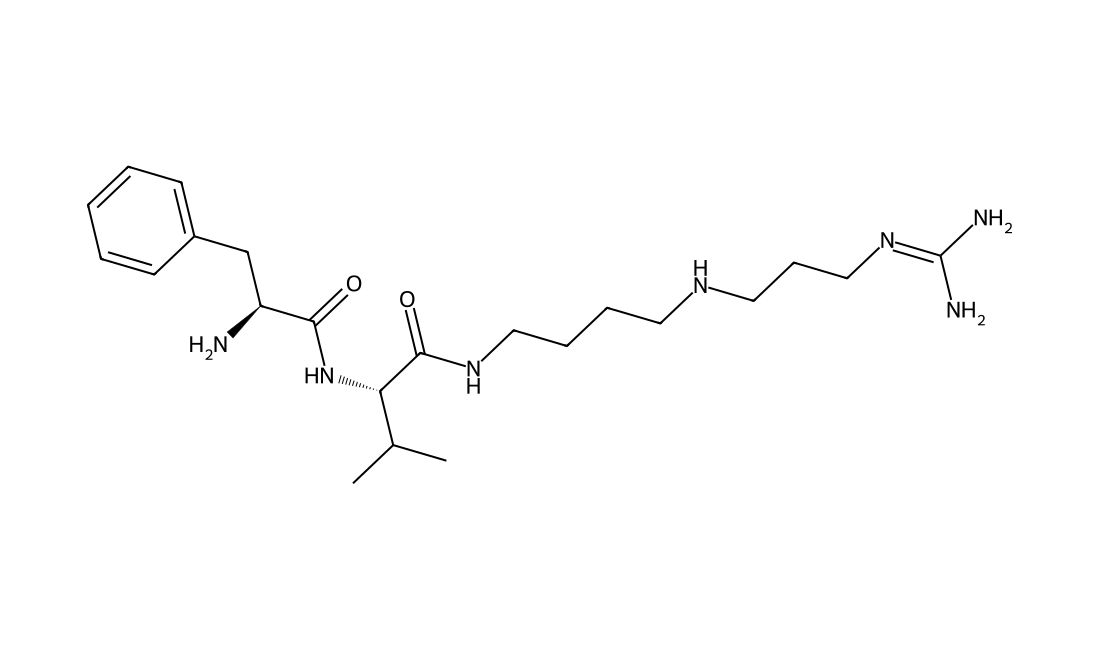
Phevamine AFeatured
Phevamine A is a phytotoxic secondary metabolite produced by Pseudomonas syringae. This small molecule compound facilitates bacterial proliferation through its ability to suppress host plant defense mechanisms.
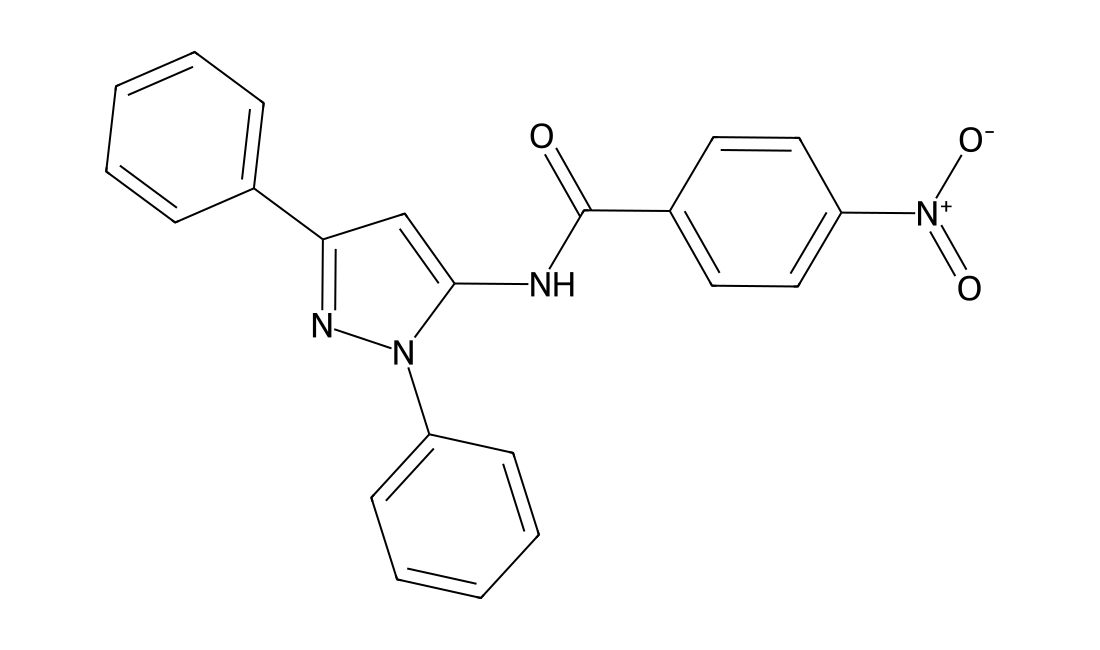
VU-29Featured
VU-29 (DPAP) is a potent, selective and allosteric potentiator of rat mGlu5 receptor with EC50 of 9 nM, displays >50-fold selectivity over mGlu1 and mGlu2 receptor (EC50=557 nM and 1.51 uM).
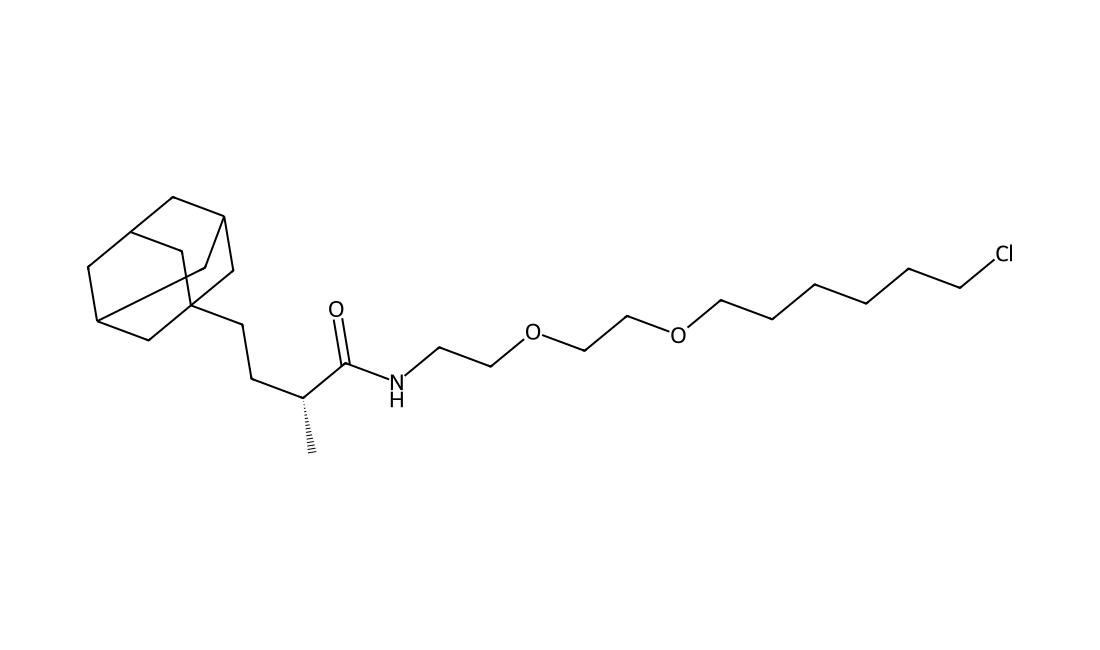
HyT36Featured
Hydrophobic inducer of the degradation of stabilized proteins, degrading HaloTag2 fusion proteins
ARN-21934Featured
ARN-21934 is a novel potent and highly selective inhibitor for human topoisomerase II α over β.
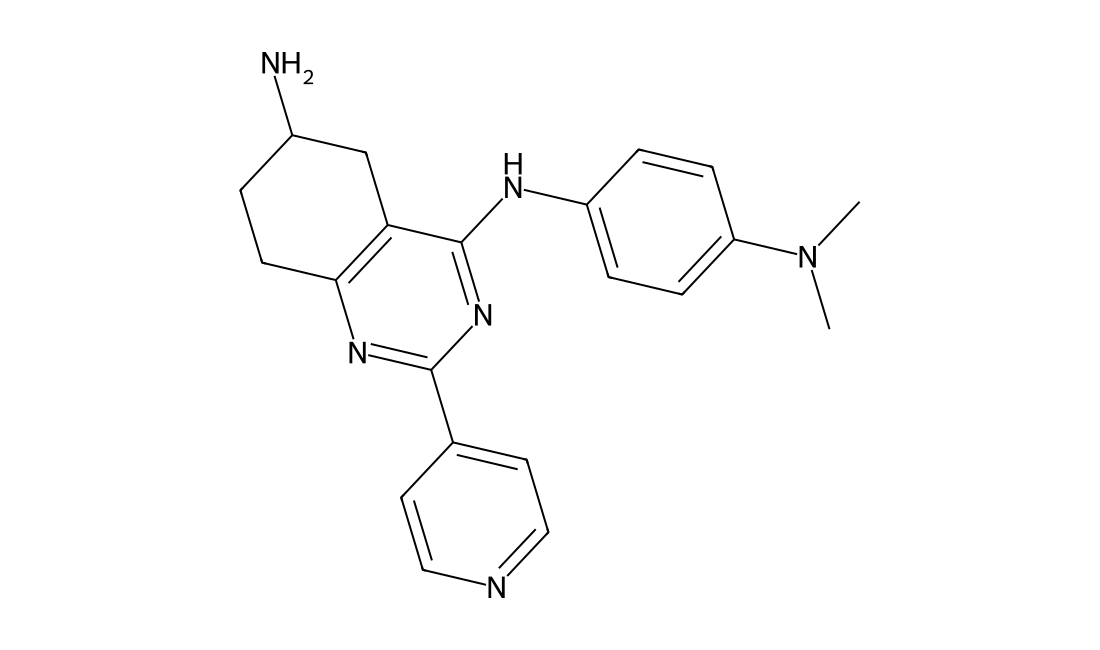
AGI-001Featured
AGI-001 is an orally bioavailable, competitive antagonist of 5-HT1A/1B receptors with reversible binding properties. This compound also functions as a partial agonist at β-adrenergic receptors, making it a valuable pharmacological tool for investigating neurological disorders.
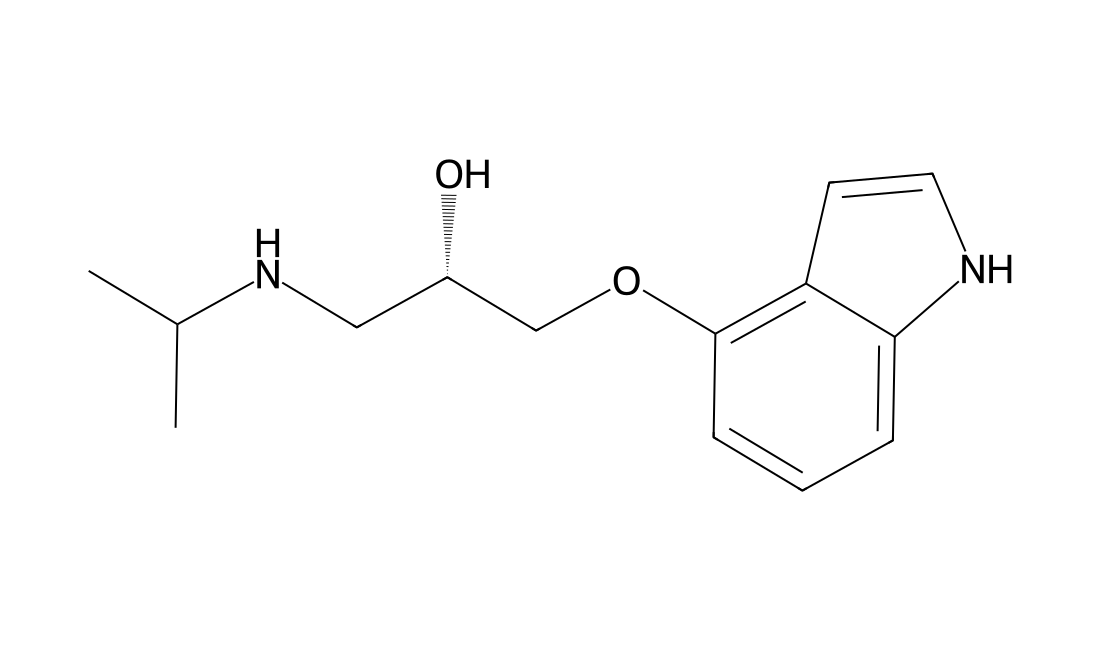
ElteN378Featured
ElteN378 is a selective FKBP12e inhibitor with potential therapeutic applications in neurodegenerative disorders and oncology. This compound shows particular relevance for research involving Alzheimer's disease, Parkinson's disease, amyotrophic lateral sclerosis (ALS), as well as various proliferative disorders and malignancies.
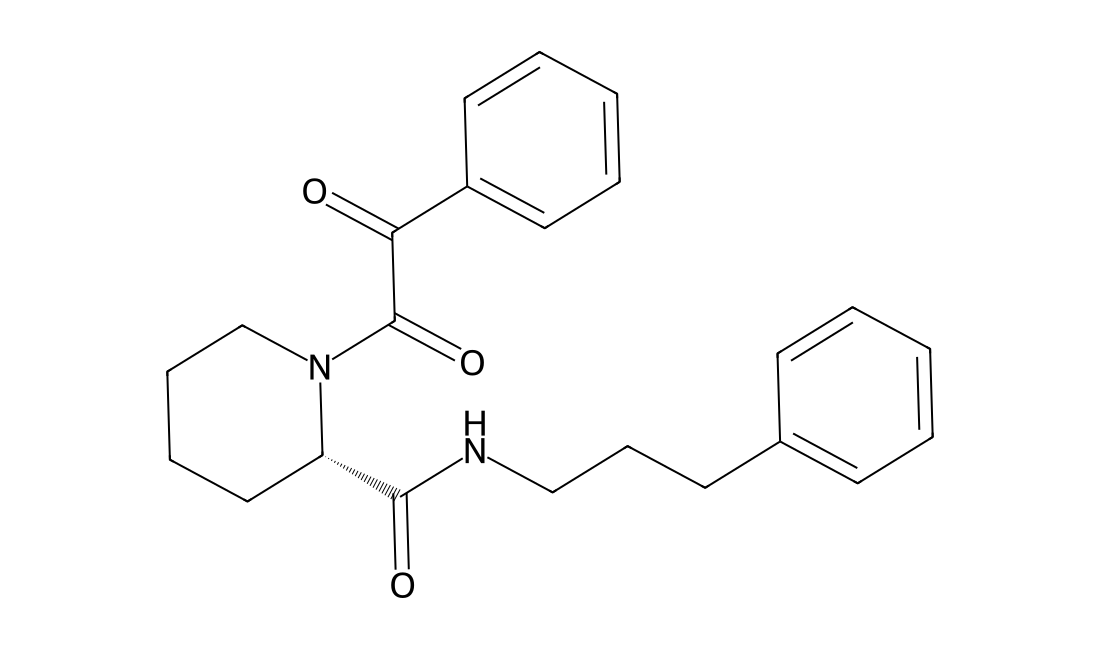
GSK3987Featured
GSK3987 functions as a dual agonist for both LXRα and LXRβ nuclear receptors, demonstrating potent activation with EC50 values of 50 nM (LXRα-SRC1) and 40 nM (LXRβ-SRC1). This compound effectively upregulates key metabolic regulators ABCA1 and SREBP-1c, while simultaneously promoting cholesterol efflux from cells and stimulating intracellular triglyceride deposition.
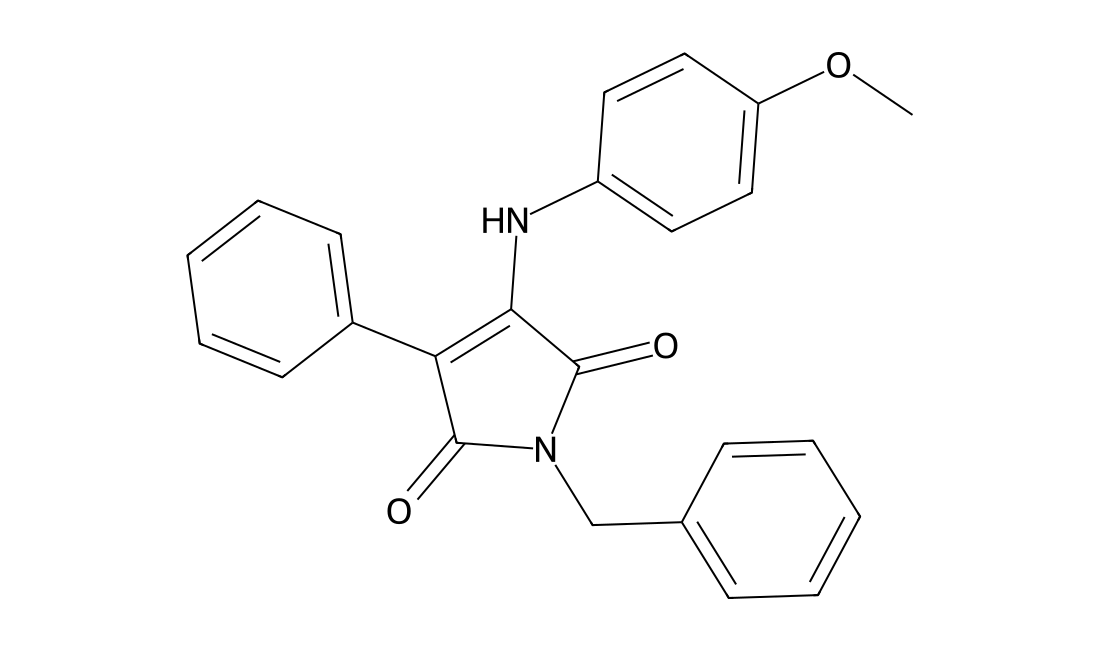
L82-G17Featured
L82-G17 is a selective, uncompetitive inhibitor that specifically targets DNA ligase I (Lig I). This compound uniquely blocks the final stage of the ligation process by interfering with phosphodiester bond formation. Due to its specific mechanism of action, L82-G17 serves as a valuable molecular probe for studying ligase catalytic activity.
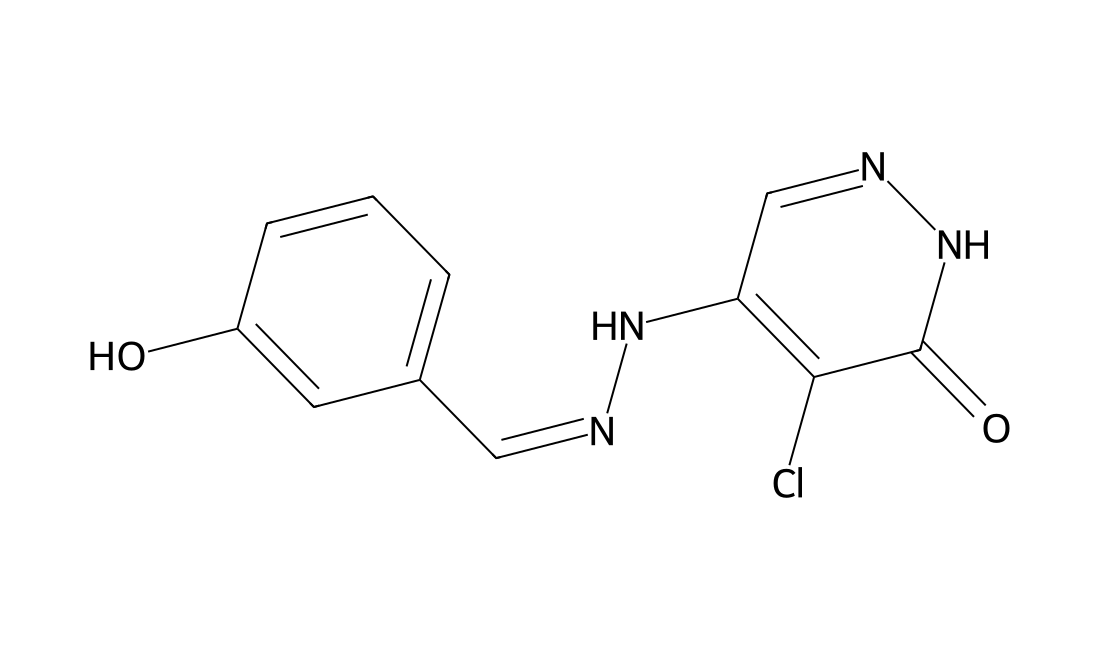
SSAA09E3Featured
SSAA09E3 is a potent viral entry inhibitor that effectively blocks SARS-CoV infection. In cellular assays, it demonstrates inhibitory activity against SARS/HIV pseudotyped viruses in 293T cells (EC50 = 9.7 μM) and shows even greater potency against authentic SARS-CoV in Vero cells (EC50 = 0.15 μM).
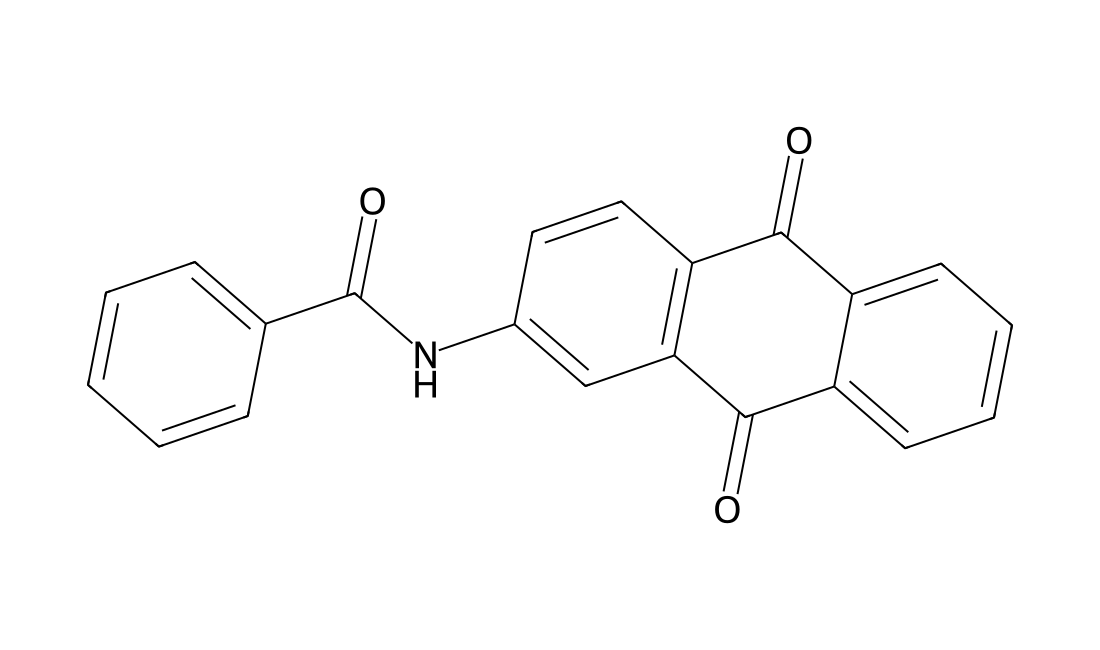
STING inhibitor C-170Featured
STING-IN-2 (C-170) is a covalent-binding small molecule that potently suppresses STING activity. It demonstrates effective inhibition against both murine (mmSTING) and human (hsSTING) variants, making it a valuable tool for investigating autoinflammatory disorders.
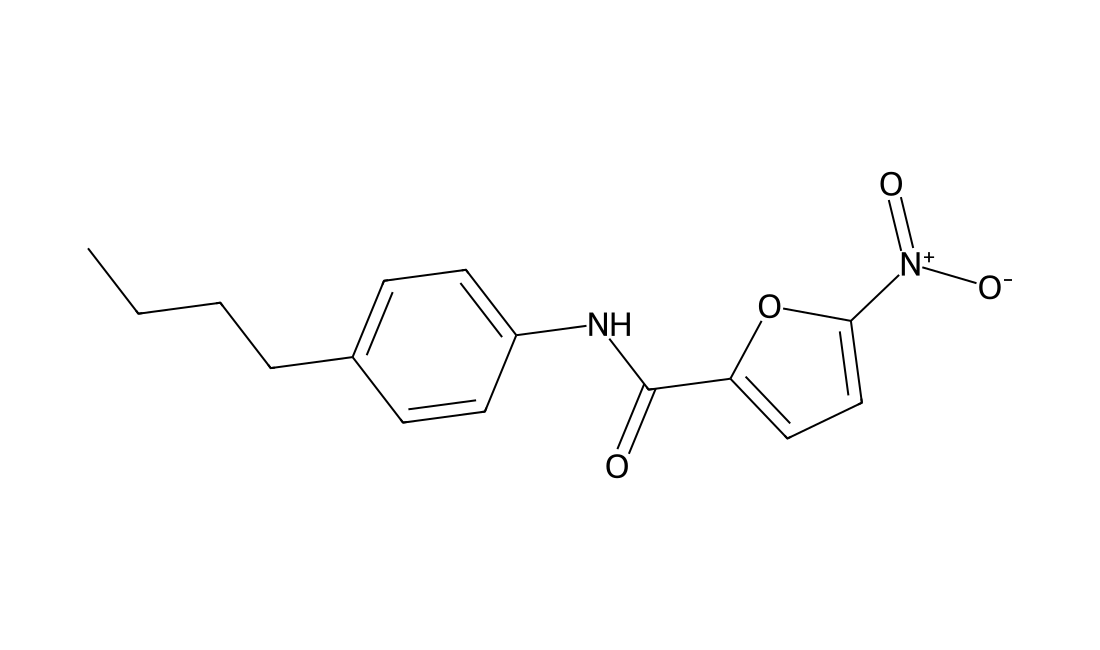
PKZ18Featured
PKZ18 is a novel antibiotic that effectively suppresses bacterial growth, exhibiting MIC values ranging from 32 to 64 μg/mL against a broad spectrum of Gram-positive bacteria. Its mechanism involves the selective inhibition of glycyl-tRNA synthetase mRNA transcription and translation in vivo. PKZ18 specifically targets stem I specifier loops in Gram-positive bacteria, disrupting T-box-mediated transcriptional read-through of downstream genes. By interfering with codon-anticodon recognition, it blocks essential tRNA binding and demonstrates a high barrier to resistance development.
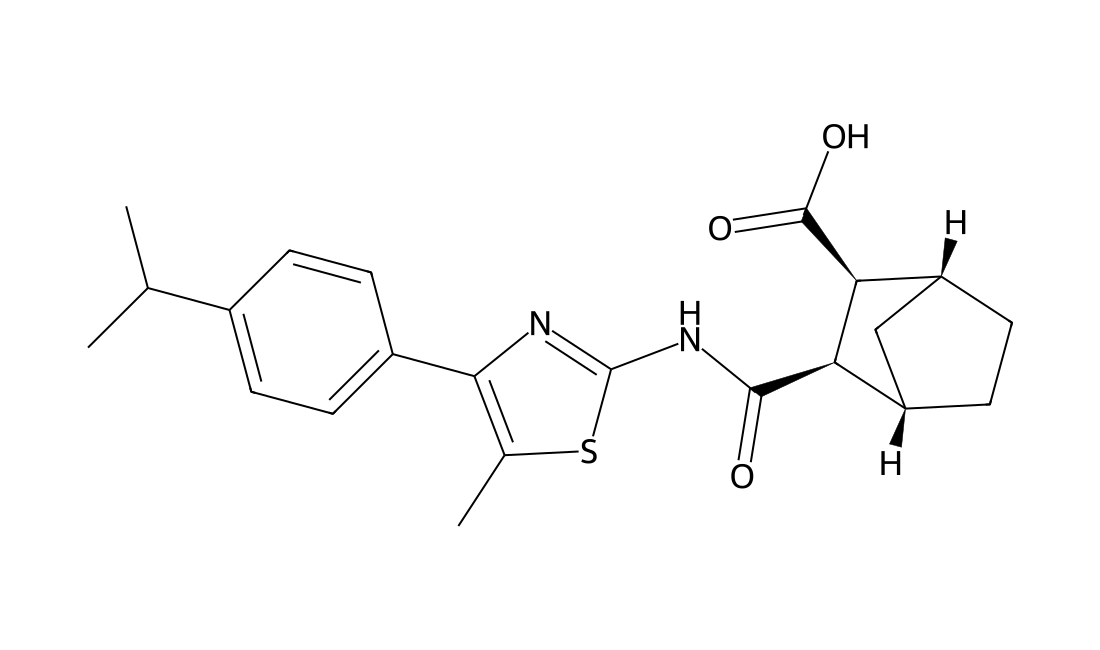
UCF-101Featured
UCF-101 is a selective inhibitor of the pro-apoptotic mitochondrial serine protease Omi/HtrA2 involved in the cellular response to thermal and oxidative stress.
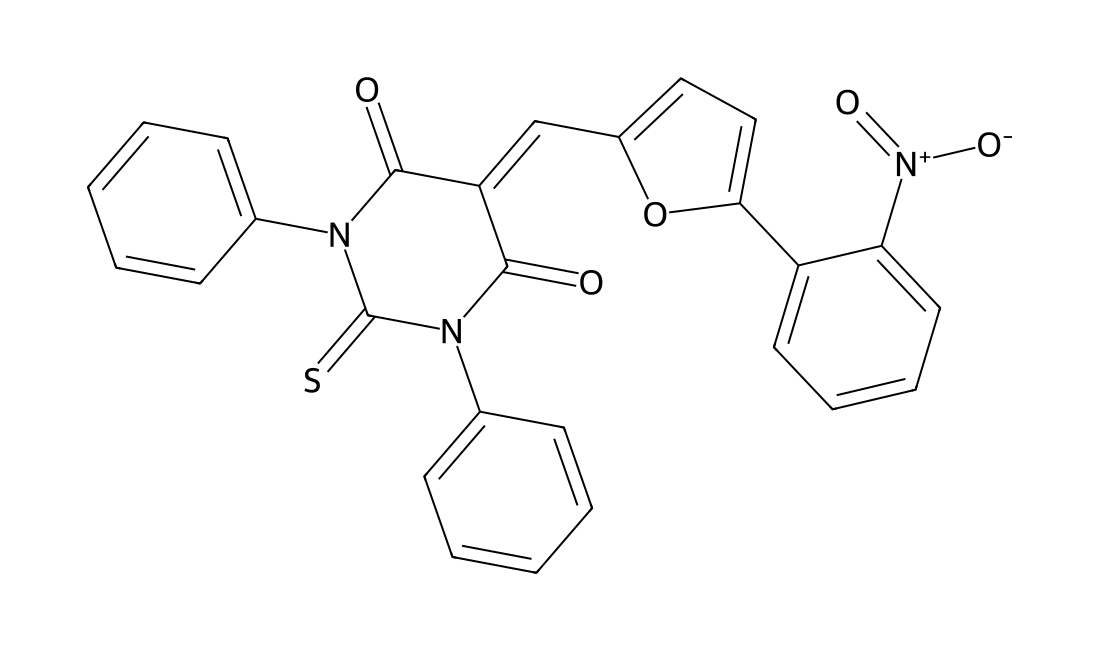
NSC 370284Featured
NSC 370284 is a small molecule that directly binds to and inhibits STAT3/5, significantly and selectively suppresses the viability of AML cells with high level of TET1 expression both in vitro and in vivo.
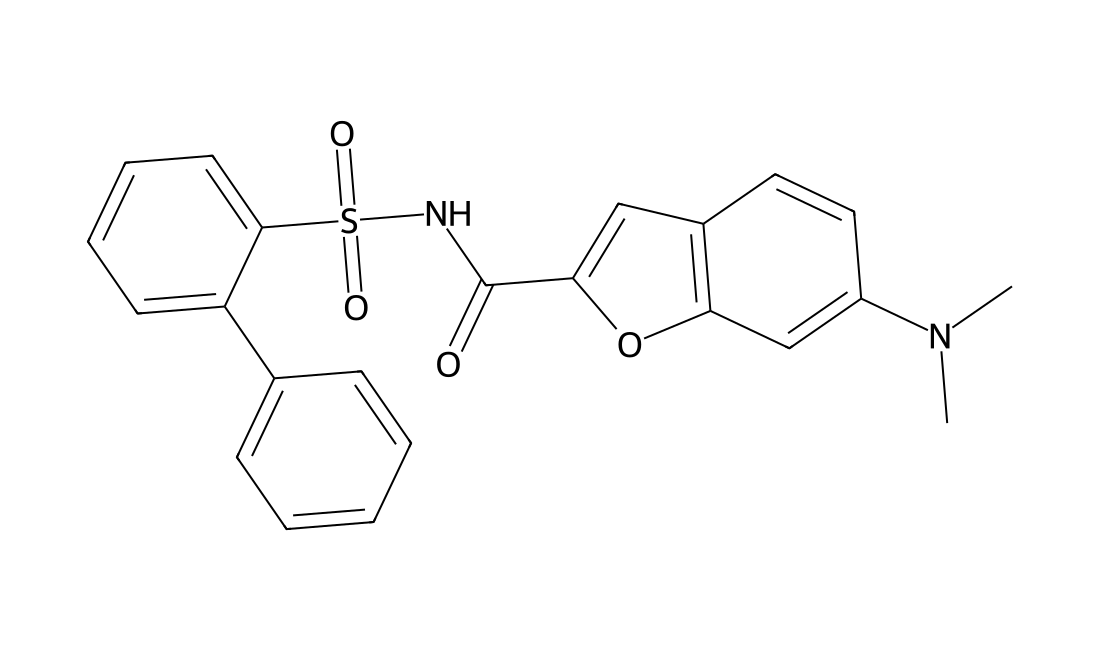
BAY-184Featured
BAY-184 is the first, potent and selective acylsulfonamide-benzofuran in vivo-active KAT6A/B inhibitor with IC50 of 71 nM.
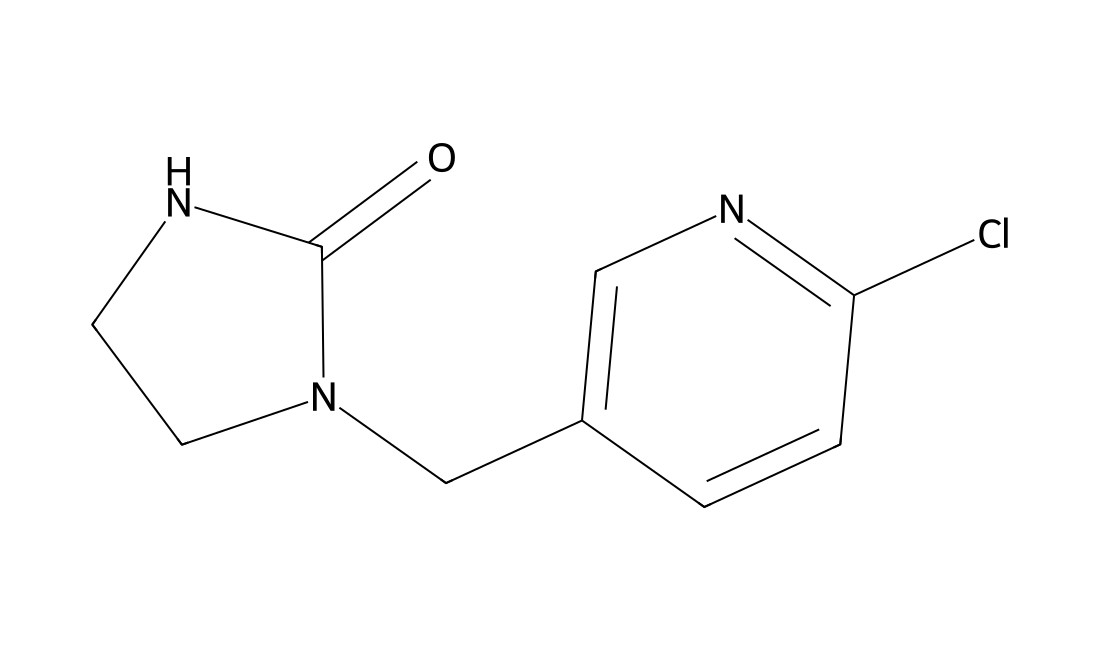
Imidacloprid-ureaFeatured
Imidacloprid-urea is a key breakdown product of imidacloprid, a widely applied neonicotinoid insecticide effective against pests in crops such as cereals, vegetables, tea, and cotton. As a metabolite, imidacloprid-urea may compete with imidacloprid for binding sites in soil, influencing its environmental persistence, mobility, and bioavailability. This interaction could alter the overall environmental behavior of imidacloprid, impacting its ecological fate.
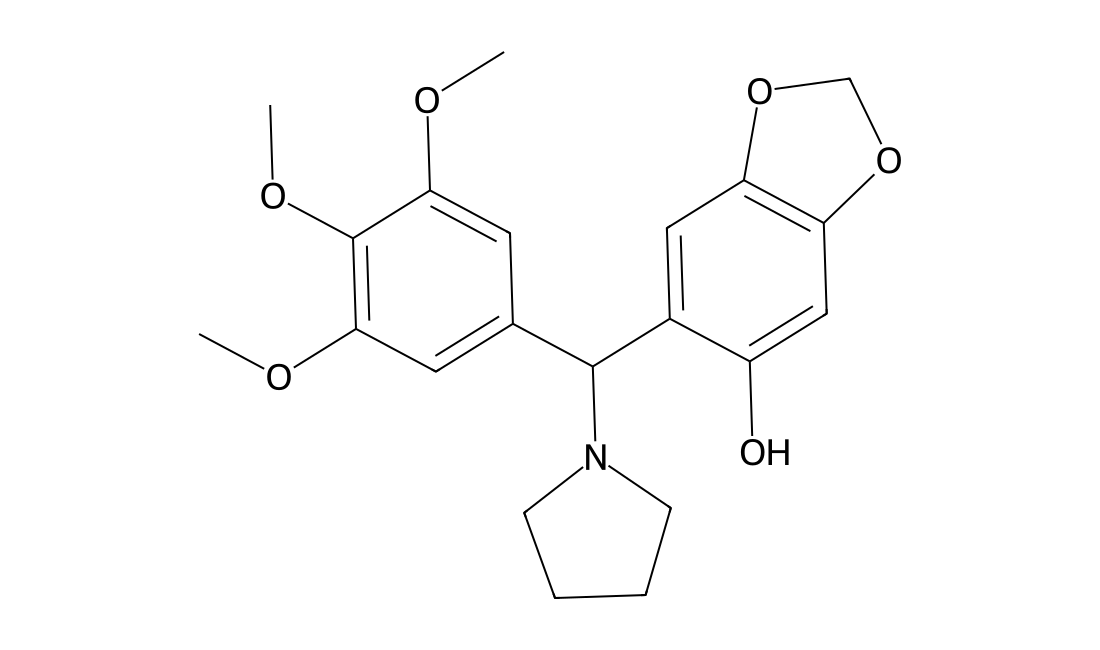
FLTX1Featured
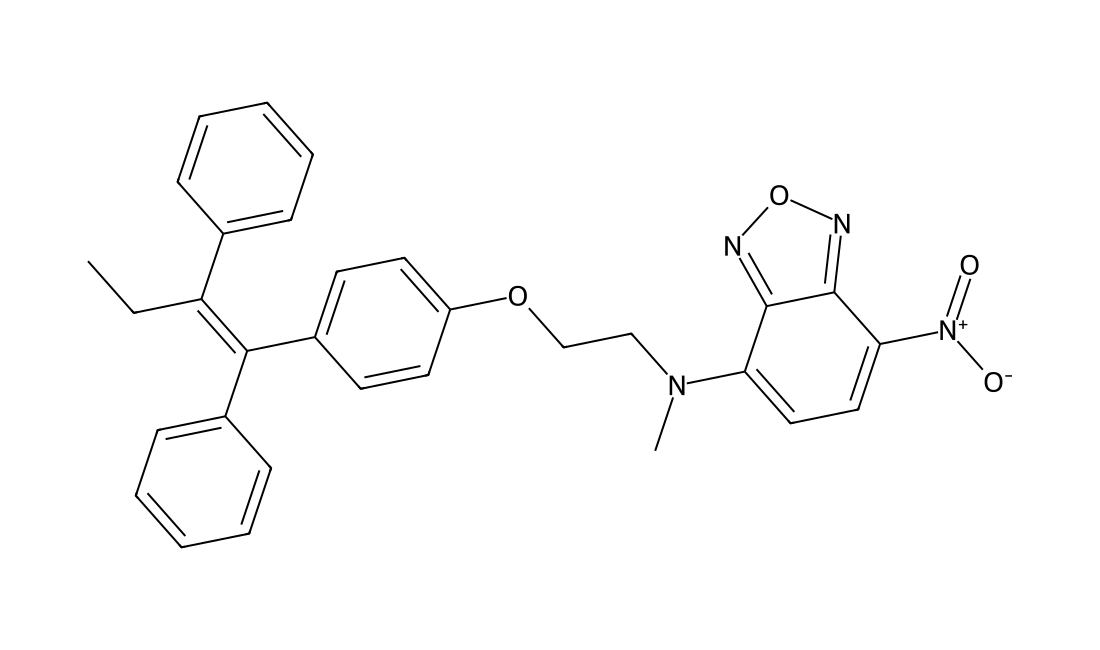
FLTX1 is a fluorescent Tamoxifen analog capable of specifically visualizing intracellular estrogen receptor binding sites, regardless of cellular permeabilization status. This probe retains Tamoxifen's potent antiestrogenic activity in breast cancer models while lacking uterine estrogenic effects.
RO 5203648Featured
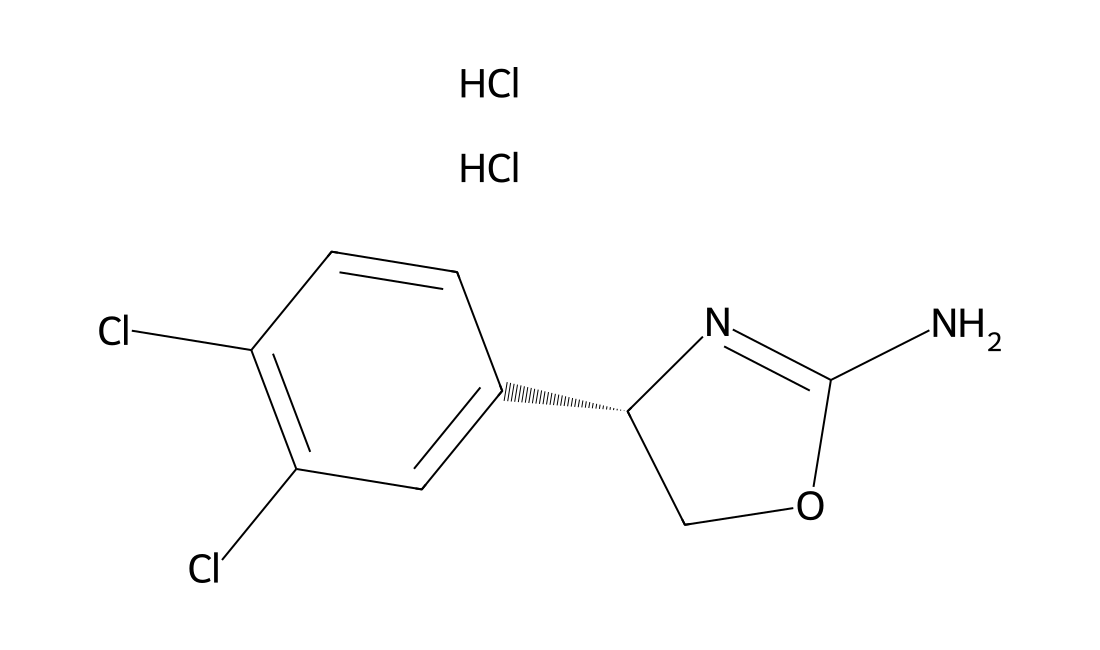
RO5203648 is a high-affinity, selective partial agonist of TAAR1 (trace amine-associated receptor 1) that represents an innovative pharmacological approach for investigating neuropsychiatric disorders.
JCP174Featured
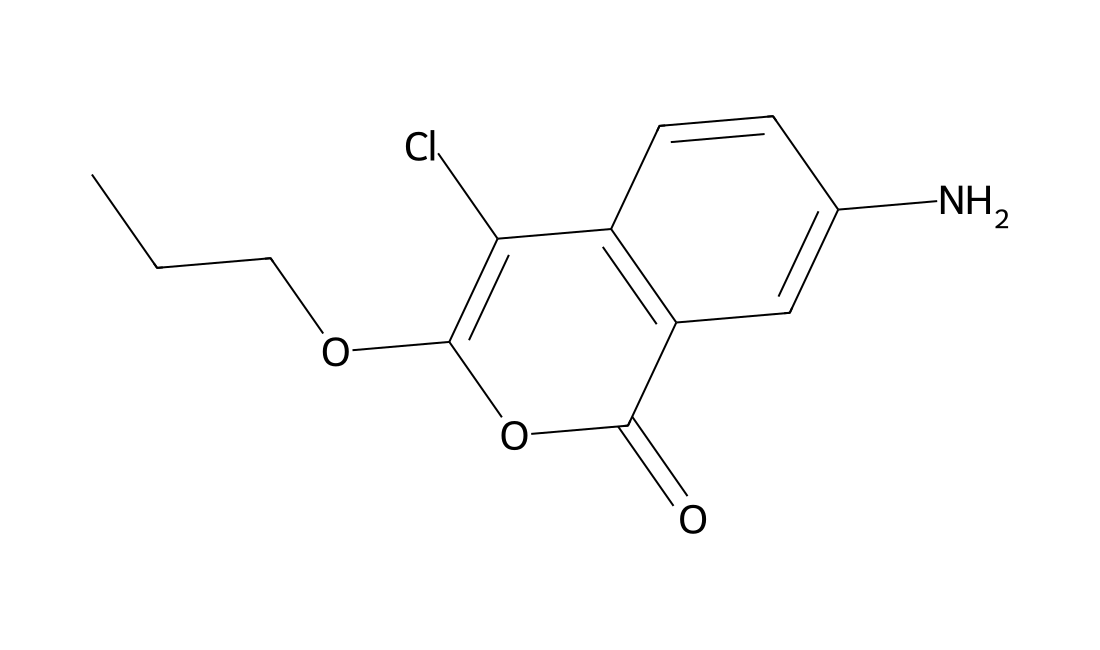
JCP174 is an inhibitor of a depalmitoylase that enhances Toxoplasma host-cell invasion by targeting TgPPT1.
RBC10Featured
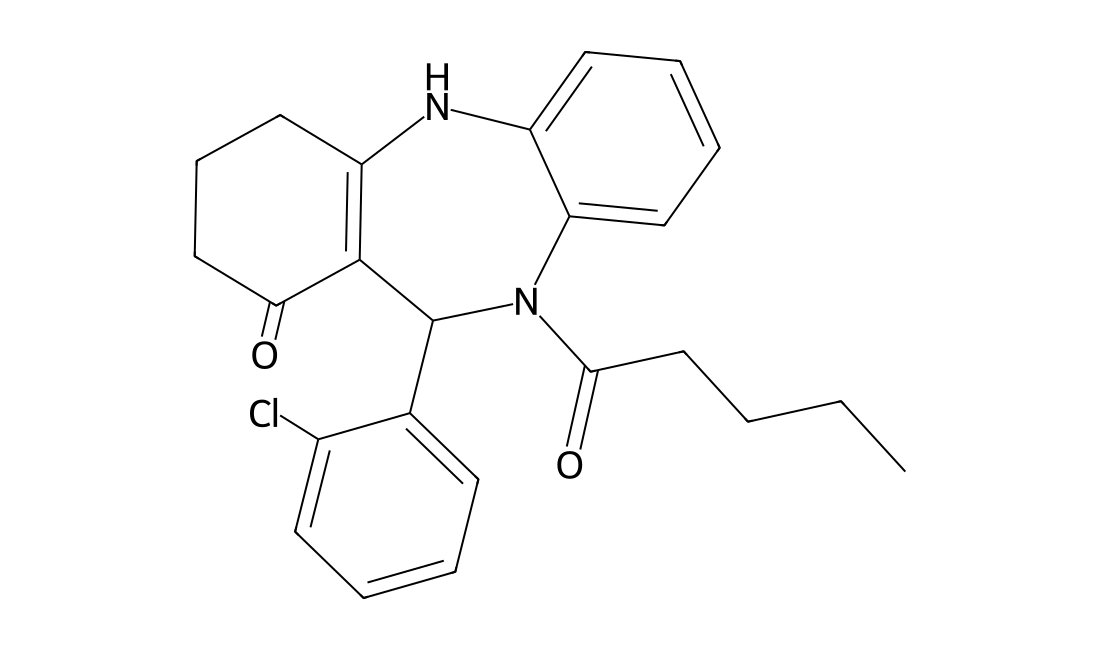
RBC10 demonstrates anticancer properties by disrupting the Ral-RALBP1 protein interaction. This compound additionally suppresses Ral-dependent cellular processes, including fibroblast spreading in murine models and colony formation of human tumor cells in soft agar assays.
No products match this search.
Page 218 of 234 · Browse all 4677 products
Jump to a product page
Featured literature product: HX1 · DCL0028
HX1 is a hydroxyzine-derived ionizable lipid with acetal-containing tails, studied in lipid nanoparticles for brain mRNA delivery and CRISPR–Cas9 delivery. It was the lead in the reported in vivo brain-delivery screen; evidence is preclinical and formulation-dependent.
Read full formulation and performance →