
Research lipid catalog
Ionizable Lipid Products
Explore 848 lipid and RNA delivery products. Search the full catalog or browse by research category.
Search covers product name, catalog number, synonyms, available CAS numbers and categories. Spaces, hyphens and common punctuation are ignored. Duplicate legacy records are consolidated under one canonical product result.
3666 products · Showing 1501–1520 · 20 per page
DC Chemicals lipid expertise
Built for ionizable-lipid discovery and RNA delivery research
DC Chemicals supports formulation and delivery research with a broad, searchable portfolio of cationic and ionizable lipids. The current directory brings together 848 unique research-use products, with product specifications, pricing, chemical structures and literature-linked formulation data added as each record is verified.
Our experience spans complex lipid synthesis, purification, analytical release and process development. For custom molecules or larger-scale requirements, our team can discuss route development, technical specifications and scale-up options for the intended research workflow.
Learn about cationic and ionizable lipids →Proprietary innovation · Co-development · GMP
From proprietary lipid design to GMP-grade custom synthesis
DC Chemicals has independently developed ionizable-lipid structures supported by company-owned intellectual property, and selected proprietary lipid programs have advanced to GMP-stage development.
We welcome joint development with customers—from molecular design and lipid synthesis through route and process development. We can also support custom synthesis of GMP-grade ionizable lipids to agreed technical specifications and quality requirements.
Discuss a co-development project →Proprietary ionizable-lipid structuresCollaborative molecular designCustom lipid synthesisProcess development and scale-upGMP-grade project support
Product quick links
Explore ionizable lipids
Browse specifications, pricing and literature-linked product information.
Cat. No.Product NameField of ApplicationChemical Structure
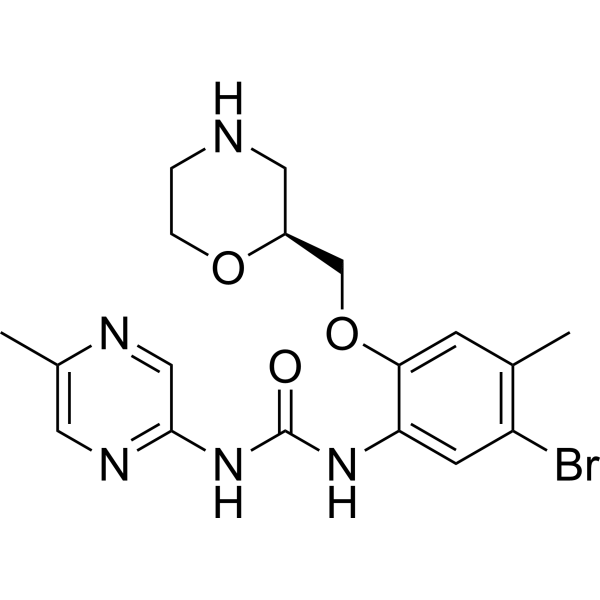
LY2603618(IC-83)Featured
100 mg USD 500 · 250 mg USD 950 · 1 g USD 1,850 · 10 mM * 1 mL in DMSO USD 220LY2603618 is a potent and selective inhibitor of Chk1 with an IC50 of 7 nM.
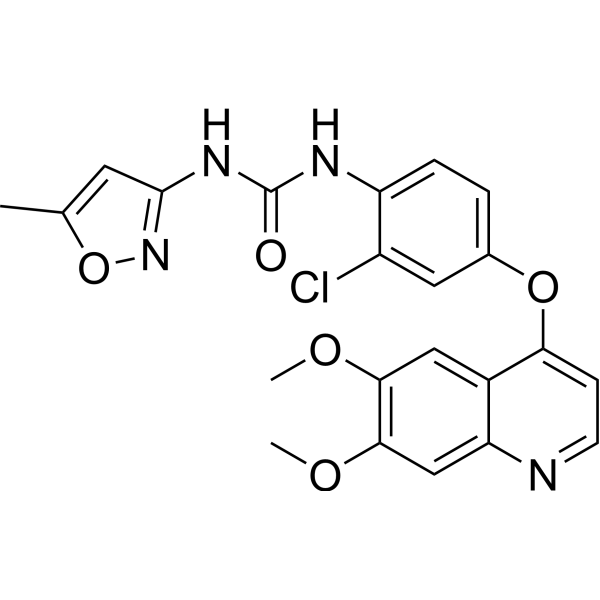
Tivozanib(AV-951)Featured
100 mg USD 400 · 250 mg USD 700 · 1 g USD 1,500Tivozanib (AV-951; KRN951) is a highly potent and selective VEGFR 1/2/3 inhibitor with IC50s of 0.21, 0.16, and 0.24 nM in cell assay, respectively.
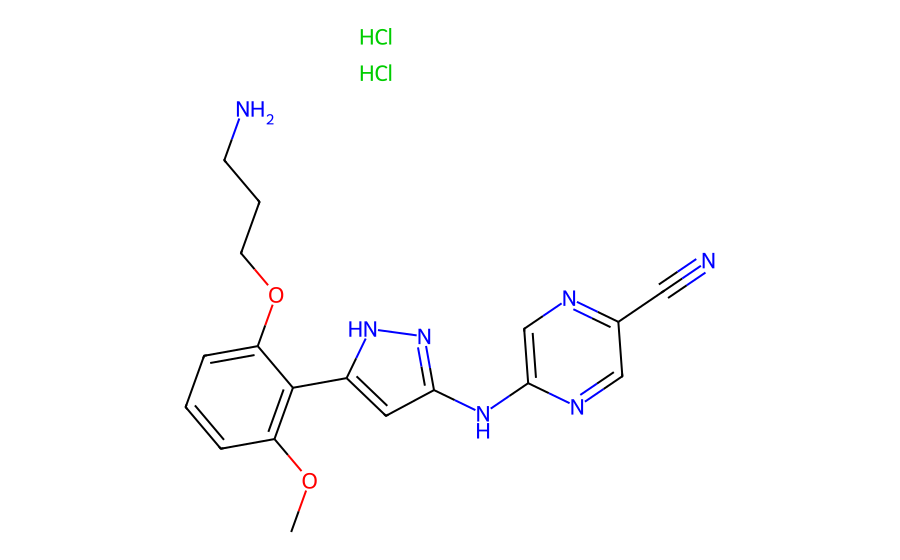
Prexasertib (LY2606368) 2HClFeatured
100 mg USD 650 · 250 mg USD 1,200 · 1 g USD 2,400 · 10 mM * 1 mL in DMSO USD 220Prexasertib dihydrochloride (LY2606368 dihydrochloride) is a potent and selective ATP competitive inhibitor of the Chk1 protein kinase, with IC50s of <1 nM and 8 nM for CHK1 and CHK2, respectively, and a Ki of 0.9 nM against purified CHK1.
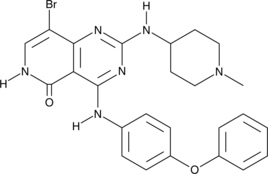
G-749Featured
100 mg USD 500 · 250 mg USD 900 · 1 g USD 1,800 · 10 mM * 1 mL in DMSO USD 220G-749 is a novel FLT3 inhibitor that showed potent and sustained inhibition of the FLT3 wild type and mutants with IC50s of 0.4/0.6/3.5/7.5 nM for Wt Flt3/D835Y/MV4-11/Molm-14 respectively.G-749 showed potent and sustained inhibition of the FLT3 wild type and mutants including FLT3-ITD, FLT3-D835Y, FLT3-ITD/N676D, and FLT3-ITD/F691L in cellular assays. G-749 retained its inhibitory potency in various drug-resistance milieus such as patient plasma, FLT3 ligand surge, and stromal protection. Furthermore, it displayed potent antileukemic activity in bone marrow blasts from AML patients regardless of FLT3 mutation status, including those with little or only minor responses to AC220 or PKC412. Oral administration of G-749 yielded complete tumor regression and increased life span in animal models.
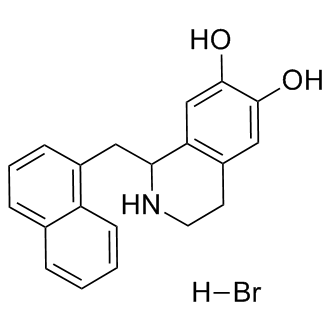
Ys-49Featured
100 mg USD 500 · 250 mg USD 900 · 1 g USD 1,800 · 10 mM * 1 mL in DMSO USD 220YS 49 inhibits Ang II-stimulated proliferation of VSMCs via induction of HO-1.YS-49 is a novel positive inotropic isoquinoline compound. YS-49 has potential as a therapeutic strategy for the pathogenesis of Ang II-related vascular diseases such as hypertension and atherosclerosis, via the induction of HO-1 gene activity. YS-49 induced HO-1 protein production in a dose-and time-dependent manner in VSMCs. Treatment with YS-49 significantly and dose-dependently inhibited Ang II-induced VSMC proliferation, ROS production, and phosphorylation of JNK, but not P38 MAP kinase or ERK1/2.YS-49(32.8 microM) exhibited much stronger inhibitory effects on TXA(2) formation. The higher inhibitory potencies of YS-49 (IC(50): 3.3microM) than higenamine (IC(50): 140 microM) on AA induced rat platelet aggregation was presumed to be the result of low inhibitory effect of higenamine than YS-49 on TXA(2) production from AA. The oral administration of YS-49 (50 mg/kg) increased the recovery rates from the acute thrombotic challenge in mice and lowered the weight of thrombus formed inside the AV shunt tube in rats.
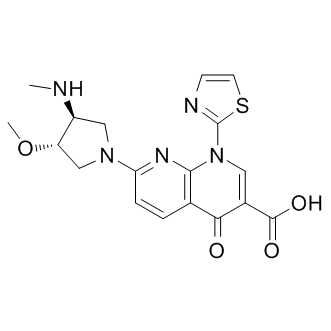
VoreloxinFeatured
100 mg USD 750 · 250 mg USD 1,300 · 1 g USD 2,800 · 10 mM * 1 mL in DMSO USD 220Voreloxin is a first-in-class topoisomerase II inhibitor that intercalates DNA and induces site-selective DNA DSB, G2 arrest, and apoptosis.
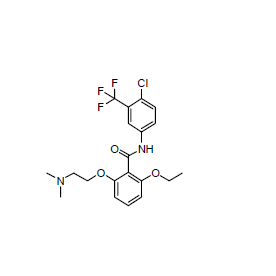
YF2Featured
100 mg USD 600 · 250 mg USD 1,100 · 1 g USD 1,950 · 10 mM * 1 mL in DMSO USD 220YF-2 is a highly selective, blood-brain-barrier permeable histone acetyltransferase activator, acetylates H3 in the hippocampus, with EC50s of 2.75 μM, 29.04 μM and 49.31 μM for CBP, PCAF, and GCN5, respectively, shows no effect on HDAC. Anti-cancer and anti-Alzheimer's disease[1].
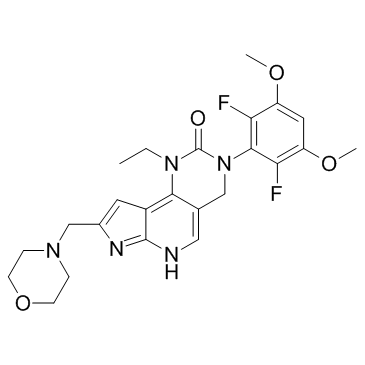
PemigatinibFeatured
100 mg USD 850 · 250 mg USD 1,600 · 10 mM * 1 mL in DMSO USD 220Pemigatinib is a selective FGFR inhibitor in development for the treatment of patients with cholangiocarcinoma.
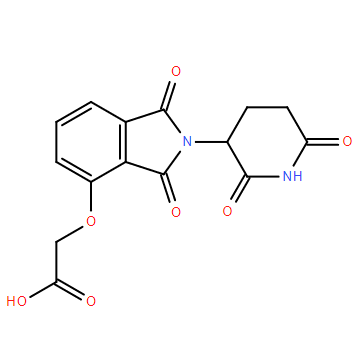
E3 Ligase Ligand 3Featured
1 g USD 700 · 5 g USD 1,800 · 10 g USD 2,800 · 10 mM * 1 mL in DMSO USD 150An E3 ligase ligand for PROTAC.
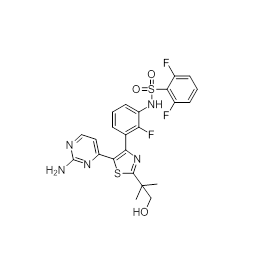
Hydroxy dabrafenibFeatured
10mg USD 600Hydroxy-dabrafenib is one of the three major metabolites of dabrafenib.
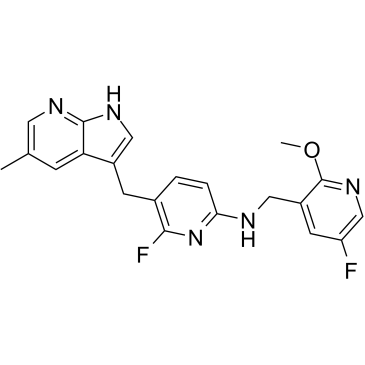
PLX5622Featured
100 mg USD 450 · 250 mg USD 900 · 1 g USD 1,800 · 10 mM * 1 mL in DMSO USD 220PLX5622 is a highly selective brain penetrant and oral active CSF1R inhibitor, for extended and specific microglial elimination, preceding and during pathology development. PLX5622 demonstrates desirable PK properties in varies animals[1].
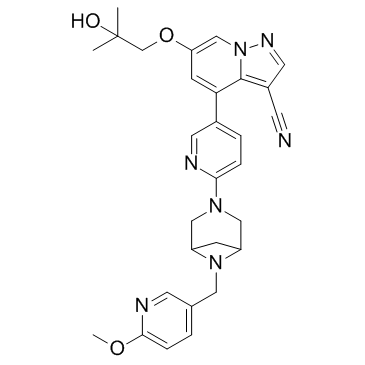
Selpercatinib(LOXO-292)Featured
100 mg USD 550 · 250 mg USD 950 · 1 g USD 1,900 · 10 mM * 1 mL in DMSO USD 220Selpercatinib is a RET kinase inhibitor extracted from patent WO2018071447A1, Compound Example 163, has an IC50 of 14.0 nM, 24.1 nM, and 530.7 nM for RET (WT), RET (V804M) , and RET (G810R), respectively[1]. Antineoplastic activity[2].
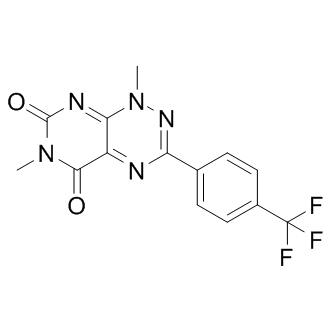
Walrycin-BFeatured
100 mg USD 300 · 250 mg USD 600 · 1 g USD 1,200 · 10 mM * 1 mL in DMSO USD 150Walrycin B is a novel antibacterial compound specifically targeting the essential WalR response regulator.Walrycin B is known as an analog of toxoflavin (a phytotoxin from Burkholderia glumae), which has been shown to have a strong MIC for B. subtilis and S. aureus but whose mode of action is not clear. The compound could also interact with WalR to cause bactericidal effects. Walrycins are a new class of potent small molecule compounds that kill bacterial cells by targeting the RR WalR and inhibiting this essential signal transduction pathway. They not only have therapeutic potential but will also prove to be useful reagents for the further study of the WalK/WalR TCS. Walrycin B target WalR andlead to cell death in both B. subtilis and S. aureus.
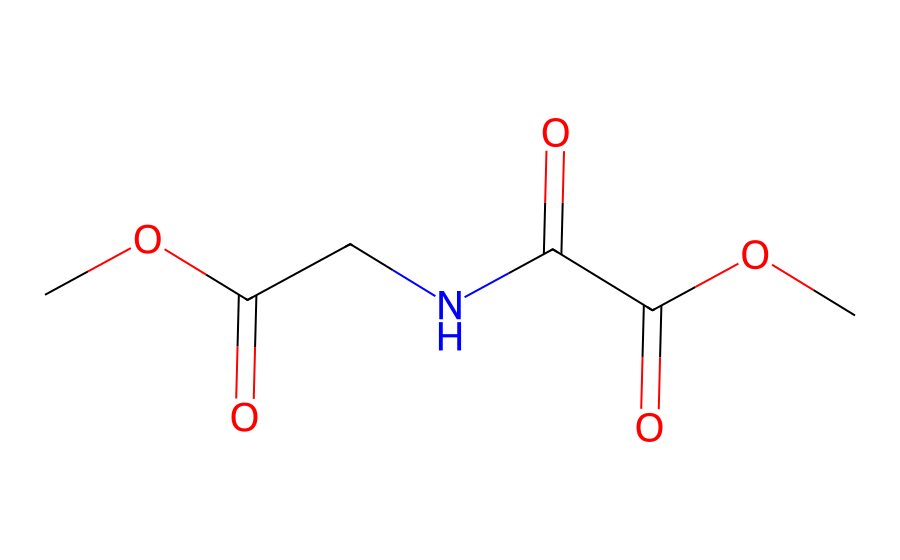
Dimethyloxaloylglycine(DMOG)Featured
100 mg USD 250 · 250 mg USD 500 · 1 g USD 1,000 · 10 mM * 1 mL in DMSO USD 150DMOG (Dimethyloxallyl Glycine) is a cell-permeable and competitive inhibitor of HIF-1α prolyl hydroxylase (HIF-PH).
EMD638683Featured
100 mg USD 750 · 250 mg USD 1,500 · 1 g USD 3,000 · 10 mM * 1 mL in DMSO USD 220EMD638683 is a potent SGK1 inhibitor with an IC50 of 3 uM. The serum- and glucocorticoid-inducible kinase 1 (SGK1) is transcriptionally upregulated by mineralocorticoids and activated by insulin. EMD638683 could serve as a template for drugs counteracting hypertension in individuals with type II diabetes and metabolic syndrome. in vitro: EMD638683 was tested in vitro by determination of SGK1-dependent phosphorylation of NDRG1 (N-Myc downstream-regulated gene 1) in human cervical carcinoma HeLa-cells. EMD638683 was a SGK1 inhibitor with an IC50 of 3 μM. in vivo: Within 24 hours in vivo EMD638683 treatment significantly decreased blood pressure in fructose/saline-treated mice but not in control animals or in SGK1 knockout mice. EMD638683 failed to alter the blood pressure in SGK1 knockout mice. Following chronic (4 weeks) fructose/high salt treatment, additional EMD638683 treatment again decreased blood pressure. EMD638683 thus abrogates the salt sensitivity of blood pressure in hyperinsulinism without appreciably affecting blood pressure in the absence of hyperinsulinism. EMD638683 tended to increase fluid intake and urinary excretion of Na(+), significantly increased urinary flow rate and significantly decreased body weight.
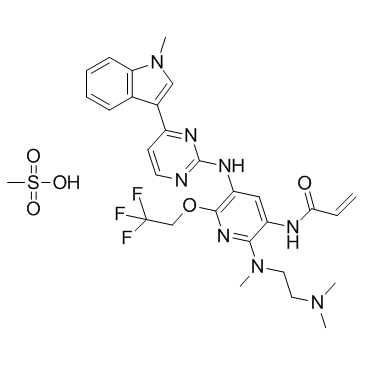
Alflutinib (AST2818 mesylate)Featured
100 mg USD 850 · 250 mg USD 1,700 · 1 g USD 3,200 · 10 mM * 1 mL in DMSO USD 220AST2818 mesylate is an EGFR inhibitor.
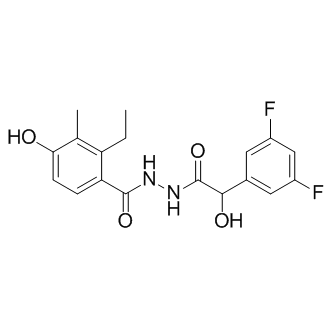
OAC1Featured
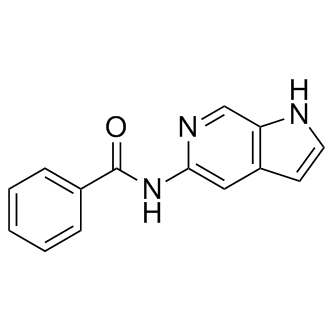
100 mg USD 400 · 250 mg USD 800 · 1 g USD 1,600 · 10 mM * 1 mL in DMSO USD 150OAC1 is a Octamer-binding transcription factor 4 (Oct4)-activating compound; enhances the iPSC reprogramming efficiency and accelerated the reprogramming process.
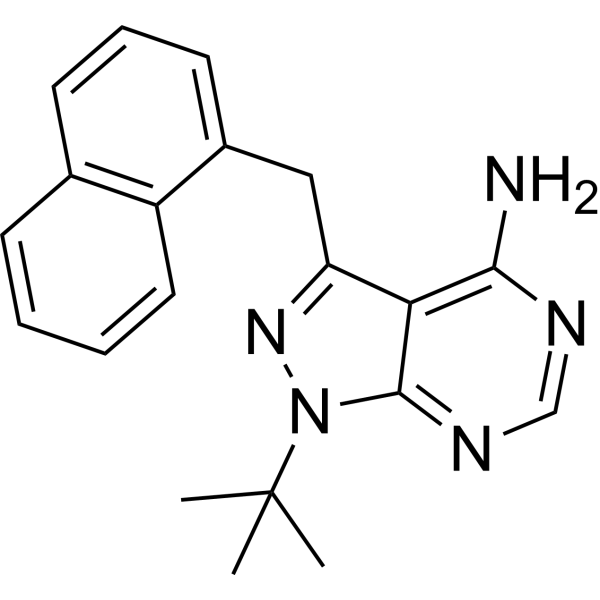
1-NM-PP1Featured
100 mg USD 400 · 250 mg USD 800 · 1 g USD 1,600 · 10 mM * 1 mL in DMSO USD 1501-NM-PP1 is a cell permeable protein kinase D (PKD) inhibitor with an IC50 of 0.398 μM.
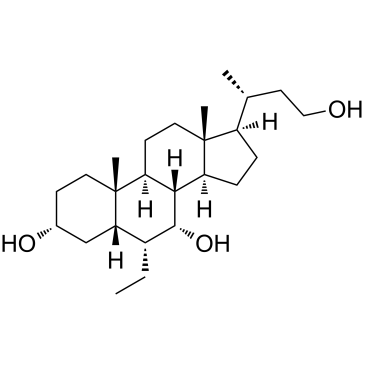
BAR 502Featured
100 mg USD 550 · 250 mg USD 950 · 1 g USD 1,900 · 10 mM * 1 mL in DMSO USD 220BAR502 is a dual FXR and GPBAR1 agonist with IC50 values of 2 μM and 0.4 μM, respectively.
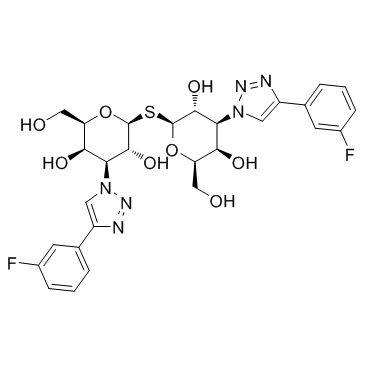
TD139Featured
100mg USD 950 · 250mg USD 1,700 · 1g USD 3,400TD139 is an inhaled galectin-3 inhibitor with a Kd of 14 nM.
No products match this search.
Page 76 of 184 · Browse all 3666 products