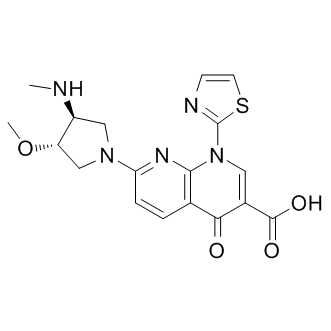
Voreloxin chemical structure
Chemical structureResearch use only
CAT. NO. DC7530Featured

Voreloxin

Pack Sizes & Prices

TotalUS$750
We match the best price and quality on market.
Product overview

Description & Application

Voreloxin is a first-in-class topoisomerase II inhibitor that intercalates DNA and induces site-selective DNA DSB, G2 arrest, and apoptosis.

ParameterValue
Chemical Name1,8-Naphthyridine-3-carboxylic acid, 1,4-dihydro-7-[(3S,4S)-3-methoxy-4-(methylamino)-1-pyrrolidinyl]-4-oxo -1-(2-thiazolyl)-
CAS No.175414-77-4
SynonymsSNS-595; Vosaroxin; AG 7352
FormulaC18H19N5O4S
M.Wt401.44
SMILESCN[C@H]1CN(C[C@@H]1OC)C2=NC3=C(C=C2)C(=O)C(=CN3C4=NC=CS4)C(=O)O
Purity>98%
Storage2 years -20°C Powder, 2 weeks 4°C in DMSO, 6 months -80°C in DMSO

Biological Activity

Voreloxin is a first-in-class topoisomerase II inhibitor that intercalates DNA and induces site-selective DNA DSB, G2 arrest, and apoptosis.

In Vitro

Voreloxin is a first-in-class topoisomerase II poison and inhibitor that intercalates DNA and induces site-selective DNA DSB, G2 arrest, and apoptosis. Voreloxin (0.1-20 µM) inhibits topoisomerase II activity and induces site-selective DNA DSB in CCRF-CEM cells. Voreloxin (0.11, 0.33, 1, 3 µM) induces G2 arrest partially through topoisomerase II in A549 lung cancer cell line. Voreloxin cytotoxic activity requires DNA intercalation. However, Voreloxin (1-9 µM) does not generate significant levels of ROS[1]. Voreloxin has potent cytotoxic activity in AML cell lines MV4-11 and HL-60, with IC50s of 95 ± 8 nM and 884 ± 114 nM, respectively. Voreloxin in combination with cytarabine shows additive or synergistic activity in acute leukemia cell lines[2]. Voreloxin is active on the primary acute myeloid leukemia (AML) with a mean LD50 of 2.3 μM. The LD50 for voreloxin in myeloid cell lines NB4 and HL-60 is 0.59 μM ± 0.25 μM. Voreloxin causes accumulation of cells in the S and G2 phases of the cell cycle and acts on topoisomerase II[3].

In Vivo

Voreloxin (20 mg/kg, i.v.) alone results in 80% reduction in bone marrow cellularity of CD-1 mice by administration one dose every 4 days repeated twice (q4d ×2). voreloxin at 10 mg/kg in combination with cytarabine causes ablation of the marrow, dilation of sinusoids, and infiltration of adipocytes in mice. Voreloxin (20 mg/kg, i.v.) combined with cytarabine causes a reversible decrease in myeloid and lymphoid cells in bone marrow and peripheral blood CD-1 mice. voreloxin (10 mg/kg, q4d ×2) and cytarabine in combination causes reversible neutropenia with a more modest impact on platelets CD-1 mice[2].

References & source

DC Chemicals original product information

Published experimental findings depend on the model and assay conditions. They do not guarantee equivalent performance in every application. For laboratory research use only.
Product documentation

Refer to the certificate supplied with your lot for batch-specific release results.

Handling guide

2 years -20°C Powder, 2 weeks 4°C in DMSO, 6 months -80°C in DMSO

Solution calculator

Related research products

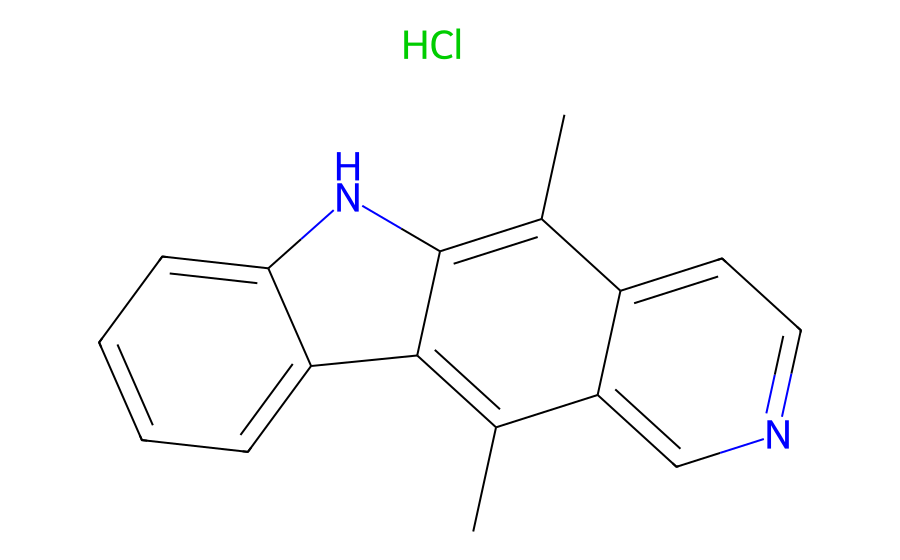
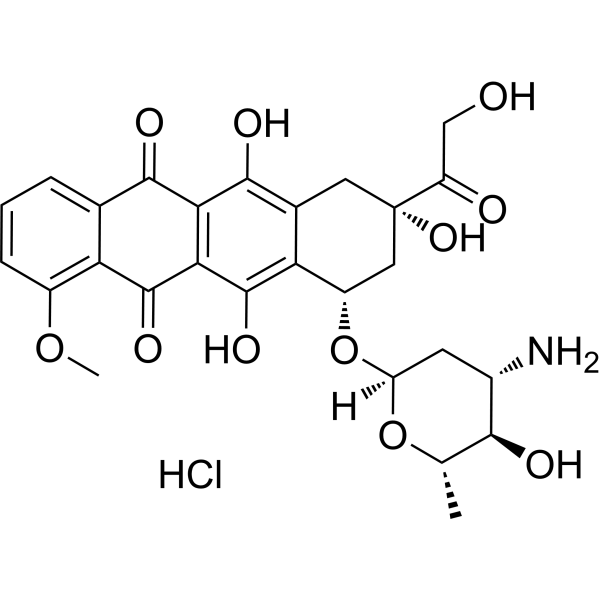
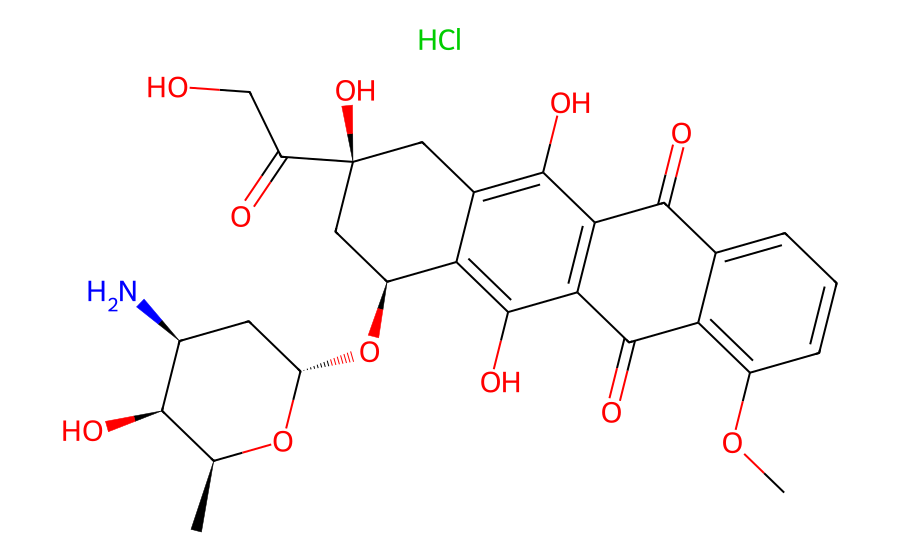
Doxorubicin hydrochloride chemical structureDC4188

Doxorubicin hydrochloride

Doxorubicin hydrochloride is a cytotoxic anthracycline antibiotic for the treatment of multiple cancers. The possible mechanisms by which doxorubicin acts in the cancer cell are intercalation into DNA and disruption of…

View activity & prices
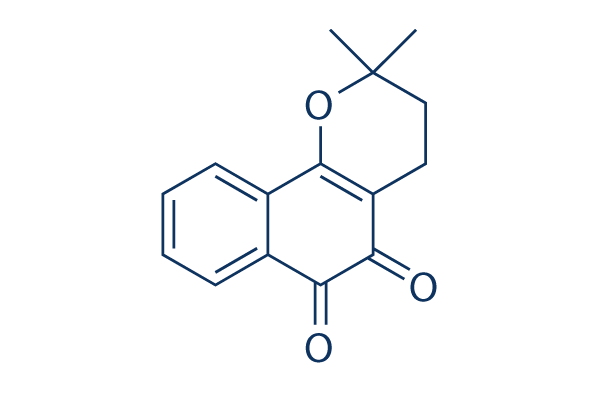
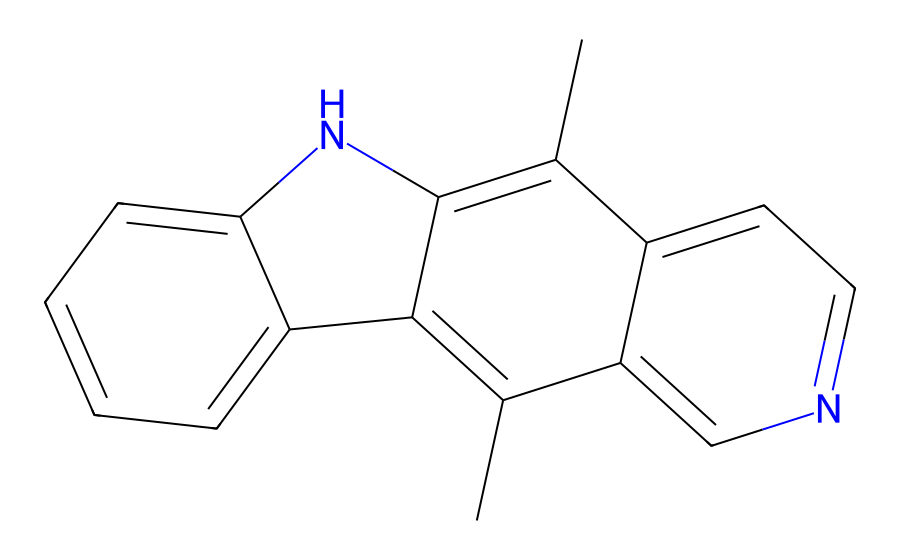
beta-Lapachone (ARQ-501, CO-501) chemical structureDC7905

beta-Lapachone (ARQ-501, CO-501)

Beta-Lapachone inhibits DNA relaxation induced by DNA topoisomerase I in a dose-dependent manner. Treatment of beta-lapachone (100 nM or greater) results in >95% inhibition of Topo I DNA unwinding activity compared to…

View activity & prices
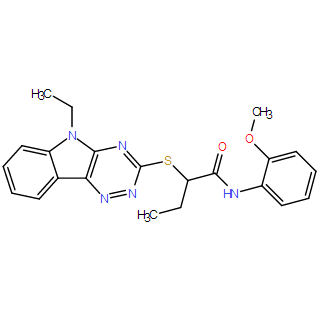
SW-044248 chemical structureDC8852

SW-044248

SW044248 is a non-canonical topoisomerase I inhibitor, and selectively toxic for certain non-small cell lung cancer (NSCLC) cell lines.

View activity & prices
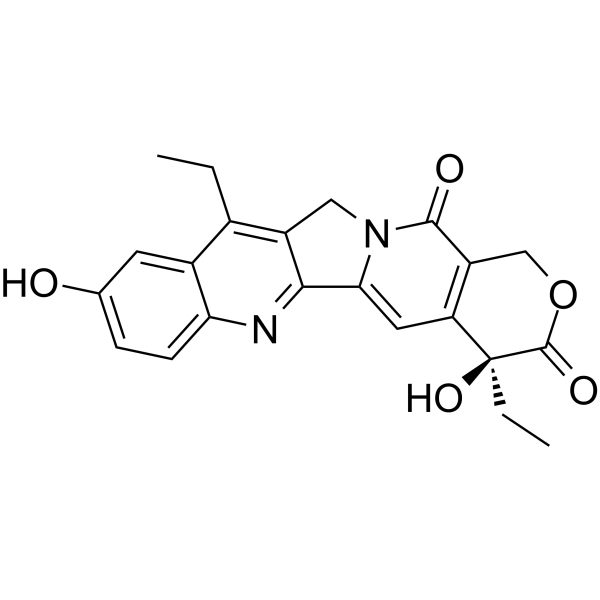
SN-38(NK-012) chemical structureDC5905

SN-38(NK-012)

SN-38 is an active metabolite of the Topoisomerase I inhibitor Irinotecan. SN-38 inhibits DNA and RNA synthesis with IC50s of 0.077 and 1.3 μM, respectively.

View activity & prices
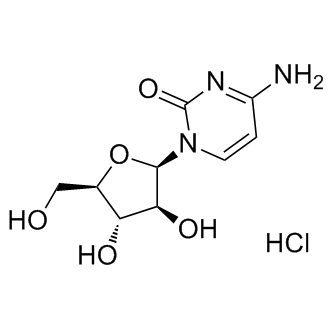
Cytarabine hydrochloride chemical structureDCAPI1566

Cytarabine hydrochloride

For the detailed information of Cytarabine hydrochloride, the solubility of Cytarabine hydrochloride in water, the solubility of Cytarabine hydrochloride in DMSO, the solubility of Cytarabine hydrochloride in PBS…

View activity & prices

Cart

Request quotation