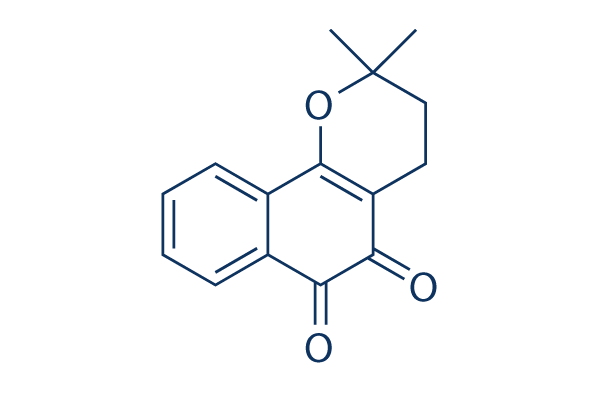
beta-Lapachone (ARQ-501, CO-501) chemical structure
Chemical structureResearch use only
CAT. NO. DC7905Featured

beta-Lapachone (ARQ-501, CO-501)

Pack Sizes & Prices

TotalUS$300
We match the best price and quality on market.
Product overview

Description & Application

Beta-Lapachone inhibits DNA relaxation induced by DNA topoisomerase I in a dose-dependent manner. Treatment of beta-lapachone (100 nM or greater) results in >95% inhibition of Topo I DNA unwinding activity compared to the DMSO control. beta-lapachone (1-5 μM) causes a block in G0/G1 of the cell cycle and induces apoptosis by locking Topo I onto DNA and blocking replication fork movement in HL-60 and three human prostate cancer (DU-145, PC-3, and LNCaP) cells. Beta-Lapachone facilitates the migration of mouse 3T3 fibroblasts and human endothelial EAhy926 cells through different MAPK signaling pathways, and thus accelerates scrape-wound healing in vitro. In addition, beta-Lapachone inhibits purified recombinant IDO1 activity through uncompetitive inhibition with IC50 of 0.44 μM, and beta-lapachone also exhibits superior retention of intracellular IDO1 inhibitory activity with an IC50 of 1.0 μM, partially dependent on biotransformation by NQO1. Beta-lapachone induces programmed necrosis of NQO1+ cancer cells by NQO1-dependent reactive oxygen species (ROS) formation and PARP1 hyperactivation. Beta-lapachone treatment (50 mg/kg) leads to potent inhibition of in vivo tumor growth in a xenograft mouse model of human ovarian cancer, and the combination of beta-lapachone and taxol produces a synergistic induction of apoptosis. In normal and diabetic (db/db) mice, treatment of beta-lapachone results in a faster healing process than vehicle only. For the detailed information of beta-Lapachone (ARQ-501, CO-501), the solubility of beta-Lapachone (ARQ-501, CO-501) in water, the solubility of beta-Lapachone (ARQ-501, CO-501) in DMSO, the solubility of beta-Lapachone (ARQ-501, CO-501) in PBS buffer, the animal experiment (test) of beta-Lapachone (ARQ-501, CO-501), the cell expriment (test) of beta-Lapachone (ARQ-501, CO-501), the in vivo, in vitro and clinical trial test of beta-Lapachone (ARQ-501, CO-501), the EC50, IC50,and affinity,of beta-Lapachone (ARQ-501, CO-501), Please contact DC Chemicals.

ParameterValue
Chemical Name2H-Naphtho[1,2-b]pyran-5,6-dione, 3,4-dihydro-2,2-dimethyl-
CAS No.4707-32-8
SynonymsARQ-501; NSC-26326; NSC-629749; SL-11001; beta-lapachone, β-Lapachone, ARQ-501
FormulaC15H14O3
M.Wt242.27
SMILESCC1(CCC2=C(O1)C3=CC=CC=C3C(=O)C2=O)C
Purity>98%
Storage2 years -20°C Powder, 2 weeks 4°C in DMSO, 6 months -80°C in DMSO

Biological Activity

Beta-Lapachone inhibits DNA relaxation induced by DNA topoisomerase I in a dose-dependent manner. Treatment of beta-lapachone (100 nM or greater) results in >95% inhibition of Topo I DNA unwinding activity compared to the DMSO control. beta-lapachone (1-5 μM) causes a block in G0/G1 of the cell cycle and induces apoptosis by locking Topo I onto DNA and blocking replication fork movement in HL-60 and three human prostate cancer (DU-145, PC-3, and LNCaP) cells. Beta-Lapachone facilitates the migration of mouse 3T3 fibroblasts and human endothelial EAhy926 cells through different MAPK signaling pathways, and thus accelerates scrape-wound healing in vitro. In addition, beta-Lapachone inhibits purified recombinant IDO1 activity through uncompetitive inhibition with IC50 of 0.44 μM, and beta-lapachone also exhibits superior retention of intracellular IDO1 inhibitory activity with an IC50 of 1.0 μM, partially dependent on biotransformation by NQO1. Beta-lapachone induces programmed necrosis of NQO1+ cancer cells by NQO1-dependent reactive oxygen species (ROS) formation and PARP1 hyperactivation. Beta-lapachone treatment (50 mg/kg) leads to potent inhibition of in vivo tumor growth in a xenograft mouse model of human ovarian cancer, and the combination of beta-lapachone and taxol produces a synergistic induction of apoptosis. In normal and diabetic (db/db) mice, treatment of beta-lapachone results in a faster healing process than vehicle only. For the detailed information of beta-Lapachone (ARQ-501, CO-501), the solubility of beta-Lapachone (ARQ-501, CO-501) in water, the solubility of beta-Lapachone (ARQ-501, CO-501) in DMSO, the solubility of beta-Lapachone (ARQ-501, CO-501) in PBS buffer, the animal experiment (test) of beta-Lapachone (ARQ-501, CO-501), the cell expriment (test) of beta-Lapachone (ARQ-501, CO-501), the in vivo, in vitro and clinical trial test of beta-Lapachone (ARQ-501, CO-501), the EC50, IC50,and affinity,of beta-Lapachone (ARQ-501, CO-501), Please contact DC Chemicals.

In Vitro

No in vitro data are provided in the current product source. Contact us for further information.

In Vivo

No in vivo data are provided in the current product source. Contact us for further information.

References & source

DC Chemicals original product information

Published experimental findings depend on the model and assay conditions. They do not guarantee equivalent performance in every application. For laboratory research use only.
Product documentation

Refer to the certificate supplied with your lot for batch-specific release results.

Handling guide

2 years -20°C Powder, 2 weeks 4°C in DMSO, 6 months -80°C in DMSO

Solution calculator

Related research products

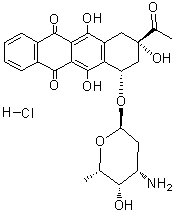
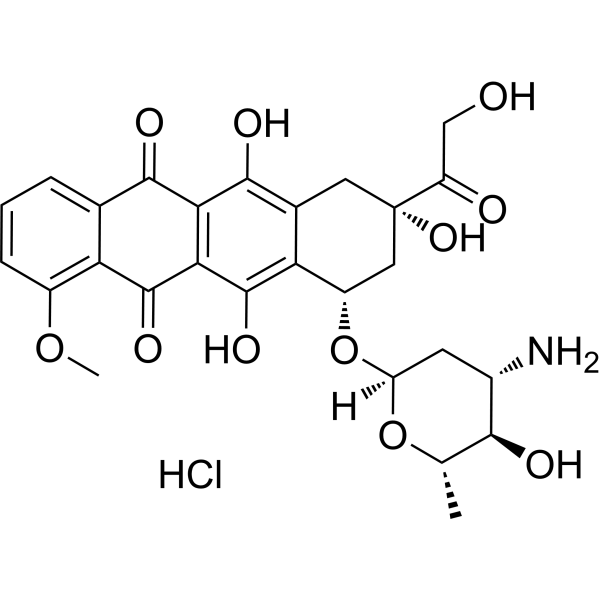
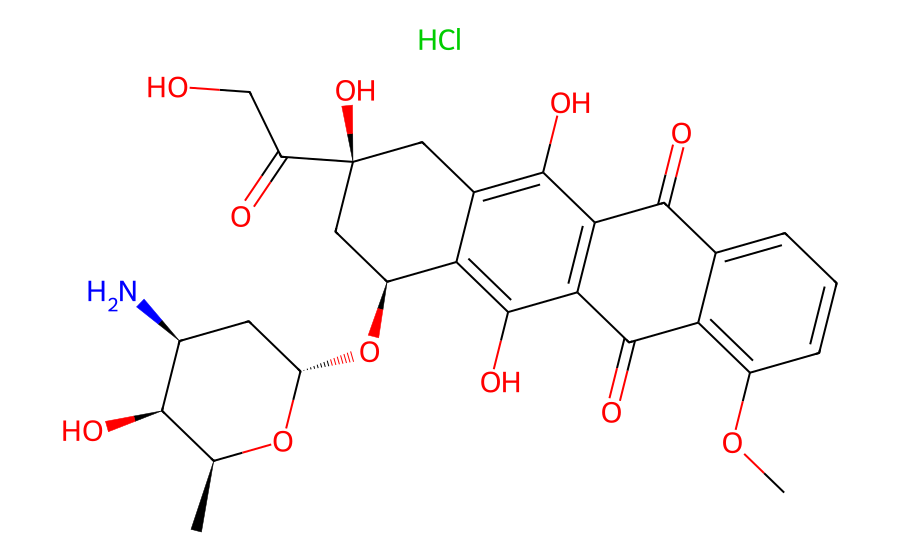
Doxorubicin hydrochloride chemical structureDC4188

Doxorubicin hydrochloride

Doxorubicin hydrochloride is a cytotoxic anthracycline antibiotic for the treatment of multiple cancers. The possible mechanisms by which doxorubicin acts in the cancer cell are intercalation into DNA and disruption of…

View activity & prices
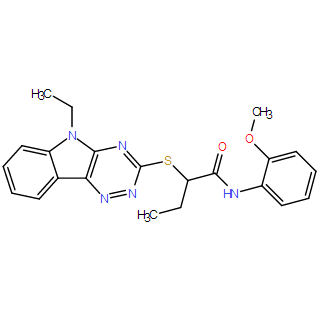
SW-044248 chemical structureDC8852

SW-044248

SW044248 is a non-canonical topoisomerase I inhibitor, and selectively toxic for certain non-small cell lung cancer (NSCLC) cell lines.

View activity & prices
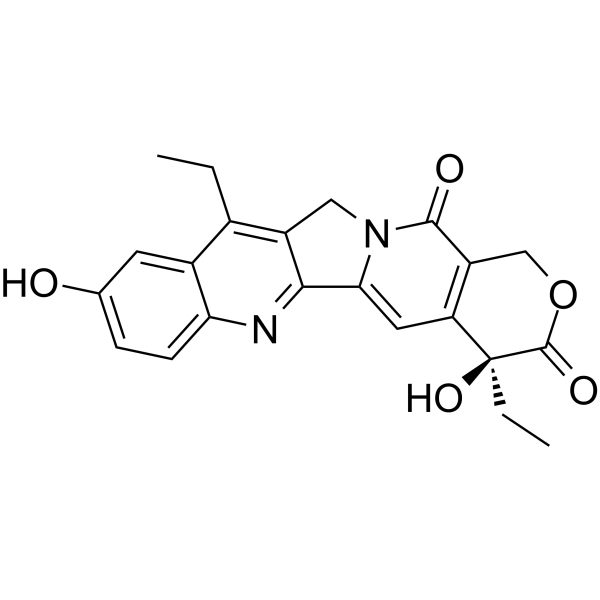
SN-38(NK-012) chemical structureDC5905

SN-38(NK-012)

SN-38 is an active metabolite of the Topoisomerase I inhibitor Irinotecan. SN-38 inhibits DNA and RNA synthesis with IC50s of 0.077 and 1.3 μM, respectively.

View activity & prices
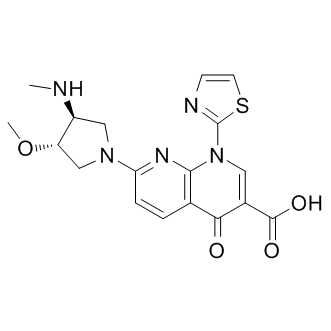
Voreloxin chemical structureDC7530

Voreloxin

Voreloxin is a first-in-class topoisomerase II inhibitor that intercalates DNA and induces site-selective DNA DSB, G2 arrest, and apoptosis.

View activity & prices
Cytarabine hydrochloride chemical structureDCAPI1566

Cytarabine hydrochloride

For the detailed information of Cytarabine hydrochloride, the solubility of Cytarabine hydrochloride in water, the solubility of Cytarabine hydrochloride in DMSO, the solubility of Cytarabine hydrochloride in PBS…

View activity & prices

Cart

Request quotation