
Research lipid catalog
Ionizable Lipid Products
Explore 848 lipid and RNA delivery products. Search the full catalog or browse by research category.
Search covers product name, catalog number, synonyms, available CAS numbers and categories. Spaces, hyphens and common punctuation are ignored. Duplicate legacy records are consolidated under one canonical product result.
3666 products · Showing 2801–2820 · 20 per page
DC Chemicals lipid expertise
Built for ionizable-lipid discovery and RNA delivery research
DC Chemicals supports formulation and delivery research with a broad, searchable portfolio of cationic and ionizable lipids. The current directory brings together 848 unique research-use products, with product specifications, pricing, chemical structures and literature-linked formulation data added as each record is verified.
Our experience spans complex lipid synthesis, purification, analytical release and process development. For custom molecules or larger-scale requirements, our team can discuss route development, technical specifications and scale-up options for the intended research workflow.
Learn about cationic and ionizable lipids →Proprietary innovation · Co-development · GMP
From proprietary lipid design to GMP-grade custom synthesis
DC Chemicals has independently developed ionizable-lipid structures supported by company-owned intellectual property, and selected proprietary lipid programs have advanced to GMP-stage development.
We welcome joint development with customers—from molecular design and lipid synthesis through route and process development. We can also support custom synthesis of GMP-grade ionizable lipids to agreed technical specifications and quality requirements.
Discuss a co-development project →Proprietary ionizable-lipid structuresCollaborative molecular designCustom lipid synthesisProcess development and scale-upGMP-grade project support
Product quick links
Explore ionizable lipids
Browse specifications, pricing and literature-linked product information.
Cat. No.Product NameField of ApplicationChemical Structure
5mg USD 700 · 10mg USD 1,200
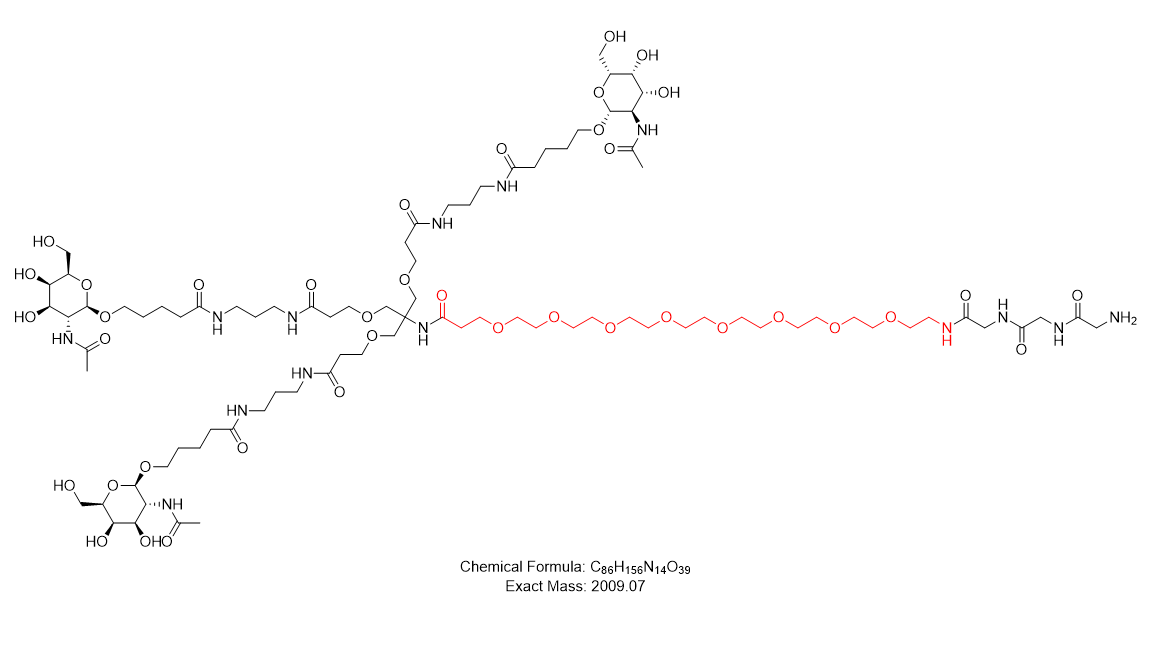
Tri-GaNAc-PEG8-Gly-Gly-Gly is a compound that targets the asialoglycoprotein receptor (ASGPR) and is utilized to conjutate with antibody.
5mg USD 700 · 10mg USD 1,200
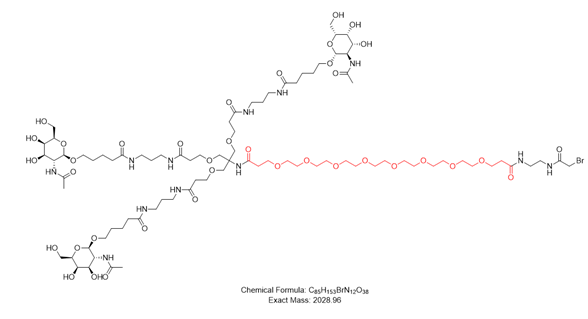
Tri-GaNAc-PEG8-NH2-CH2CH2-NH2-bromoacetyl is a compound that targets the asialoglycoprotein receptor (ASGPR) and is utilized to conjutate with antibody.
Lipoic acidFeatured
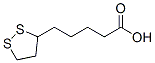
20 mg USD 280For the detailed information of Lipoic acid, the solubility of Lipoic acid in water, the solubility of Lipoic acid in DMSO, the solubility of Lipoic acid in PBS buffer, the animal experiment(test) (test) of Lipoic acid, the cell expriment (test) of Lipoic acid, the in vivo, in vitro and clinical trial test of Lipoic acid, the EC50, IC50,and Affinity of Lipoic acid,, please contact DC Chemicals.
100mg USD 750 · 250mg USD 1,250 · 1g USD 2,500
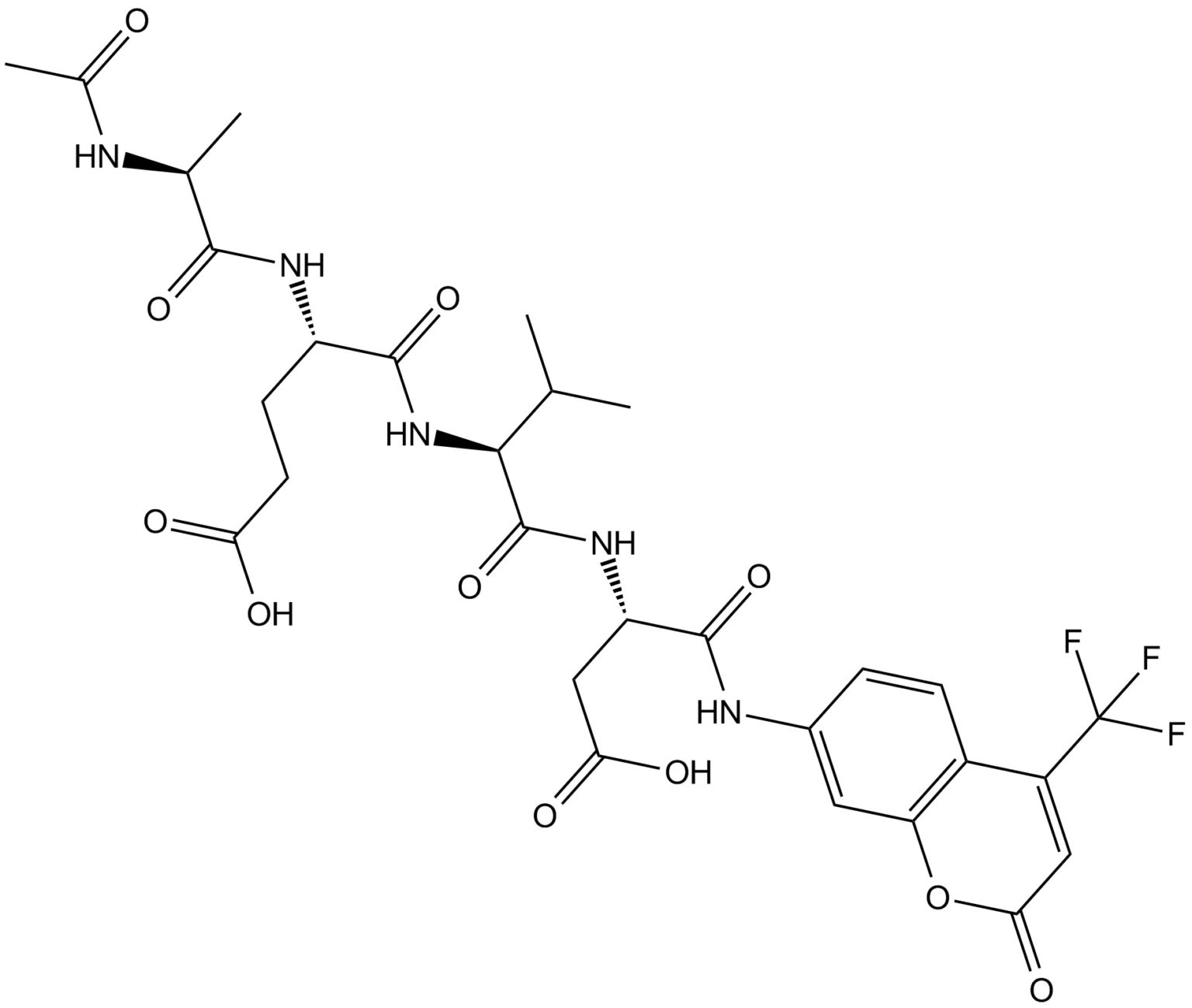
Ac-ATAD-AFC(Caspase-12 Substrate) is a fluorogenic substrate for caspase-12.
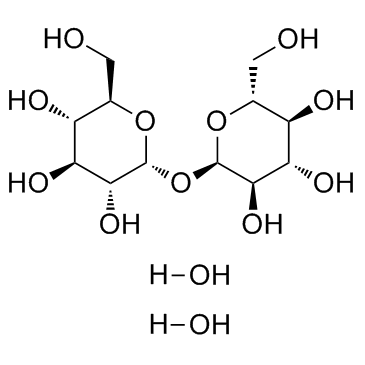
D-(+)-Trehalose dihydrateFeatured
100 mg USD 100 · 250 mg USD 200 · 1 g USD 400In Vitro Trehalose dihydrate is a safe, naturally occurring disaccharide used as a food ingredient and pharmaceutical excipient.
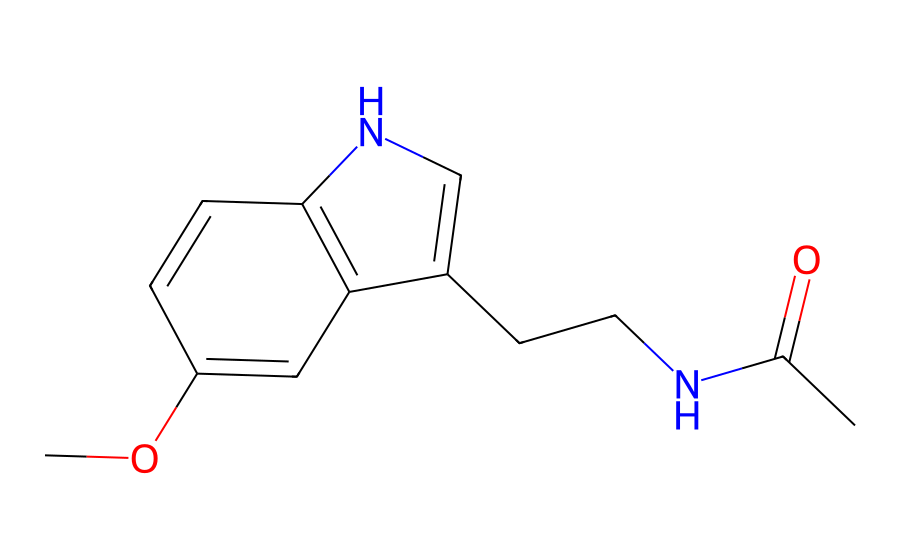
MelatonineFeatured
20 mg USD 280Melatonin is a hormone made by the pineal gland that can activates melatonin receptor. Melatonin plays a role in sleep and possesses important antioxidative and anti-inflammatory properties.
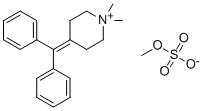
Diphemanil methylsulfateFeatured
100 mg USD 300 · 250 mg USD 600 · 1 g USD 1,200 · 10 mM * 1 mL in DMSO USD 150Diphemanil methylsulfate is a quaternary ammonium anticholinergic. It binds muscarinic acetycholine receptors and thereby decreases secretory excretion of stomach acids as well as saliva and sweat.
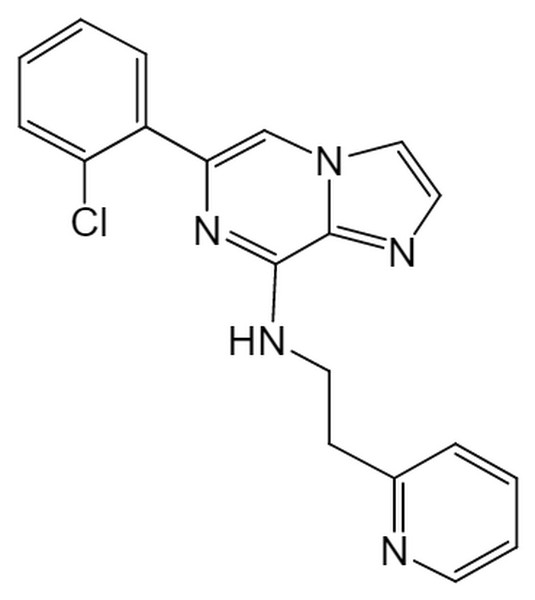
TH6342Featured
5mg USD 350TH6342 is a SAMHD1 inhibitor with IC50 of 9.1 μM/11.0 μM/5.8 μM against dGTP/Cl-F-ara-ATP/ara-CTP, respectively. TH6342 engages pre-tetrameric SAMHD1 and deter oligomerization and allosteric activation without occupying nucleotide-binding pockets.
DSF-102Featured
50mg USD 900DSF-102 (DSF102) is a small molecule EGFR inhibitor that interacts with the extracellular domain (ECD) of EGFR, inhibits the interaction with the EGF instead of blocking the intracellular kinase activity, shows inhibition of EGFR dimerization with IC50 of
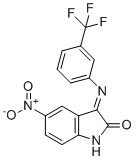
LB-102Featured
50mg USD 700LB102 demonstrates potent and selective inhibition of PP2A serine/threonine phosphatase activity, with half-maximal inhibitory concentration (IC50) of 400 nM.
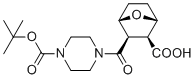
Piperaquine PhosphateFeatured
100 mg USD 250 · 250 mg USD 600 · 1 g USD 1,000 · 10 mM * 1 mL in DMSO USD 150For the detailed information of Piperaquine Phosphate, the solubility of Piperaquine Phosphate in water, the solubility of Piperaquine Phosphate in DMSO, the solubility of Piperaquine Phosphate in PBS buffer, the animal experiment(test) (test) of Piperaquine Phosphate, the cell expriment (test) of Piperaquine Phosphate, the in vivo, in vitro and clinical trial test of Piperaquine Phosphate, the EC50, IC50,and Affinity of Piperaquine Phosphate,, please contact DC Chemicals.
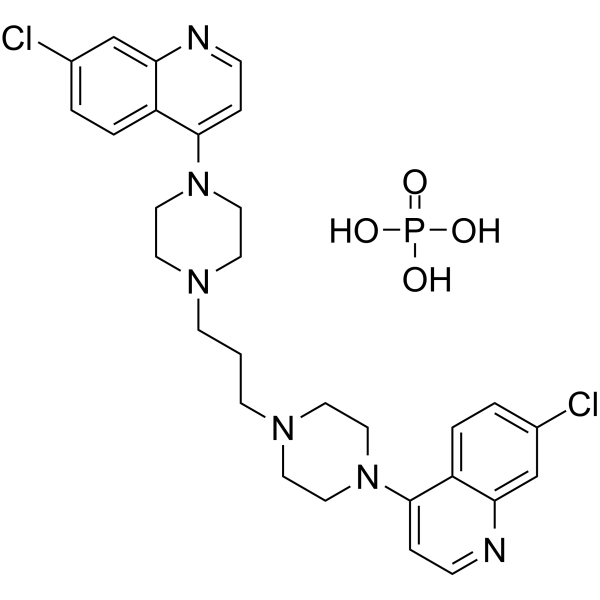
MebendazoleFeatured
100 mg USD 100 · 250 mg USD 200 · 1 g USD 400Mebendazole is a synthetic benzimidazole derivate and anthelmintic agent. Mebendazole interferes with the reproduction and survival of helminths by inhibiting the formation of their cytoplasmic microtubules, thereby selectively and irreversibly blocking g
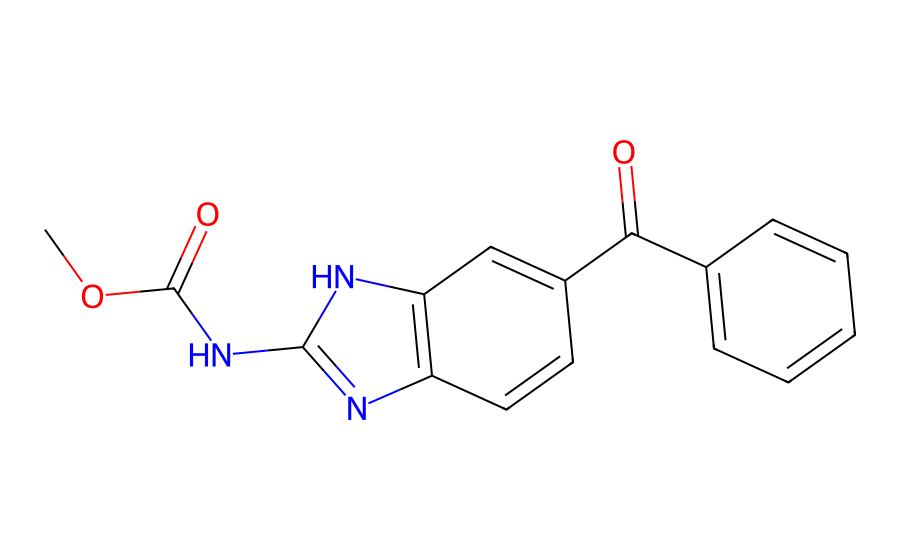
AM432 sodiumFeatured
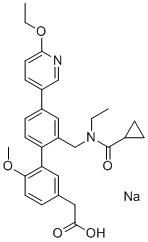
5 mg USD 600AM 432 is potent, selective, orally active prostaglandin D2 receptor (DP2/CRTH2) antagonist with binding IC50 of 6 nM for hDP2; shows no cross-reactivity against the TP or IP receptors, COX-1 or COX-2 and minimal activity at DP1 receptor; shows excellent potency in a human whole blood eosinophil shape change assay; exhibits efficacy in both a murine model of allergic rhinitis and a cigarette smoke induced inflammatory model of COPD.
GS-680Featured
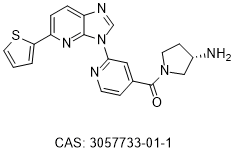
5mg USD 450GS-680 (GS680) is a novel selective and ATP-competitive CaMKII inhibitor with biochemical IC50 of 2.3 and 15.9 nM against CaMKIIδ and CaMKIIα, respectively.GS-680 inhibited phospholamban phosphorylation in NRVM with an EC50 of 98.9 nM.GS-680 inhibits premature atrial contractions.GS-680 significantly reduced CaMKII autophosphorylation.GS-680 inhibits pro-arrhythmic activity in human atrium and improves contractility in failing human ventricle.
TGP-29b-066Featured
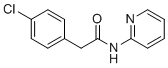
100 mg USD 550 · 250mg USD 900 · 1g USD 1,800TGP-29b-066 (Targapremir-29b-066) is a specfic small-molecule miR-29b inhibitor that targets miR29b hairpin precursor (pre-miR-29b), selectivity and effectively decreases miR-29b expression levels in C2C12 myoblast, attenuates muscle atrophy in vitro and
HDAC3 PROTAC P7Featured
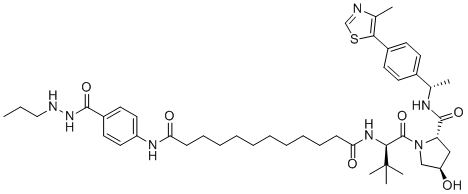
2mg USD 550HDAC3 PROTAC P7 is a potent and selective HDAC3-directed PROTAC with IC50 of 40 nM (HDAC3 deacetylase activity), effectively induces HDAC3 degradation with DC50 of 0.6 nM in THP-1 cells (Emax=90%).
FRAX486Featured
100 mg USD 600 · 250 mg USD 1,100 · 1 g USD 2,100FRAX486 is a p21-activated kinase (PAK) inhibitor with IC50s of 14, 33 and 39 nM for PAK1, PAK2 and PAK3, respectively.
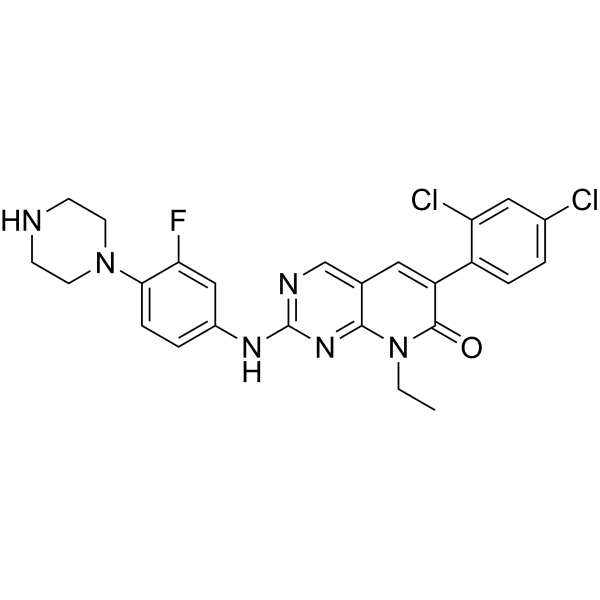
GYS32661Featured
5mg USD 500GYS32661 is a potent, small-molecule inhibitor of RAC1 and its isoform RAC1B, specifically designed to target the Sonic Hedgehog (Shh) signaling pathway in cancers like medulloblastoma and colorectal carcinoma. Distinguishing itself from other RAC1 inhibitors, GYS32661 exhibits exceptional blood-brain barrier (BBB) permeability with an approximately 50% brain-to-plasma ratio, making it a premier candidate for treating CNS-related malignancies. It functions by disrupting the activation of RAC1 (IC50 ≈ 1.18 μM), subsequently reducing the expression of downstream transcription factors GLI1 and GLI2, which effectively halts tumor proliferation and metastasis. In preclinical in vivo models, the compound has demonstrated significant anti-tumor efficacy and a favorable safety profile without systemic toxicity. Due to its hydrophobic nature, it is typically formulated in a vehicle of DMSO, PEG300, and saline for administration. As a non-toxic clinical candidate, GYS32661 represents a promising therapeutic strategy for overcoming chemoresistance and improving survival rates in Shh-driven pediatric and adult tumors.
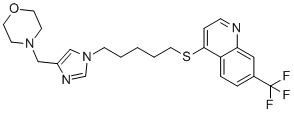
Benzoyl PeroxideFeatured
Pack sizes and prices on requestBenzoyl Peroxide, also known as Bepio and CD-1579, is a bactericidal agent, peroxide derivative that has been used topically for burns and as a dermatologic agent in the treatment of acne and poison ivy dermatitis. Benzoyl Peroxide is used also as a bleach in the food industry.
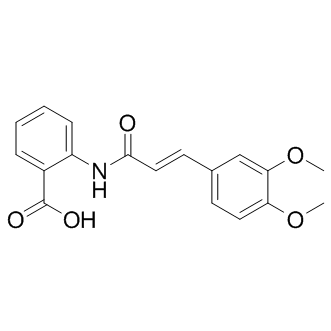
Tranilast (SB 252218)Featured
100 mg USD 250 · 250 mg USD 500 · 1 g USD 700 · 10 mM * 1 mL in DMSO USD 150Tranilast is an antiallergic agent.Tranilast has been approved in Japan and South Korea, since 1982, for the treatment of bronchial asthma, with indications for keloids and hypertrophic scar added in 1993. Tranilast is also used to treat asthma, autoimmune diseases, atopic and fibrotic pathologies, and can also inhibit angiogenesis. The antiproliferative properties of tranilast were found that tranilast elicited an inhibitory effect on fibroblast proliferation in vitro and also suppressed collagen production both in vitro and in vivo . Tranilast also reduced the release of chemical mediators from mast cells and suppressed hypersensitivity reactions. [1]Three-week-old C57Bl/10 and mdx mice received tranilast (~300 mg/kg) in their food for 9 weeks, after which fibrosis was assessed through histological analyses, and functional properties of tibialis anterior muscles were assessed in situ and diaphragm muscle strips in vitro. Tranilast administration did not significantly alter the mass of any muscles in control or mdx mice, but it decreased fibrosis in the severely affected diaphragm muscle by 31% compared with untreated mdx mice (P< 0.05) [2].
No products match this search.
Page 141 of 184 · Browse all 3666 products