
Research lipid catalog
Ionizable Lipid Products
Explore 848 lipid and RNA delivery products. Search the full catalog or browse by research category.
Search covers product name, catalog number, synonyms, available CAS numbers and categories. Spaces, hyphens and common punctuation are ignored. Duplicate legacy records are consolidated under one canonical product result.
4677 products · Showing 4521–4540 · 20 per page
DC Chemicals lipid expertise
Built for ionizable-lipid discovery and RNA delivery research
DC Chemicals supports formulation and delivery research with a broad, searchable portfolio of cationic and ionizable lipids. The current directory brings together 848 unique research-use products, with product specifications, pricing, chemical structures and literature-linked formulation data added as each record is verified.
Our experience spans complex lipid synthesis, purification, analytical release and process development. For custom molecules or larger-scale requirements, our team can discuss route development, technical specifications and scale-up options for the intended research workflow.
Learn about cationic and ionizable lipids →Proprietary innovation · Co-development · GMP
From proprietary lipid design to GMP-grade custom synthesis
DC Chemicals has independently developed ionizable-lipid structures supported by company-owned intellectual property, and selected proprietary lipid programs have advanced to GMP-stage development.
We welcome joint development with customers—from molecular design and lipid synthesis through route and process development. We can also support custom synthesis of GMP-grade ionizable lipids to agreed technical specifications and quality requirements.
Discuss a co-development project →Proprietary ionizable-lipid structuresCollaborative molecular designCustom lipid synthesisProcess development and scale-upGMP-grade project support
Product quick links
Explore New ionizable lipids
Explore our five most recently added ionizable lipids, with specifications, pricing and literature-linked product information.
DCL0028HX1Brain RNA delivery researchView product →DCL0024A1I4R13C18-2Spleen-targeted RNA delivery researchView product →DCL0023A1I4R2C18-2Spleen-targeted RNA delivery researchView product →DCL0022FS01Local joint RNA delivery researchView product →DCL0020Lipid-392Lung RNA delivery and gene editing researchView product →
Cat. No.Product NameField of ApplicationChemical Structure
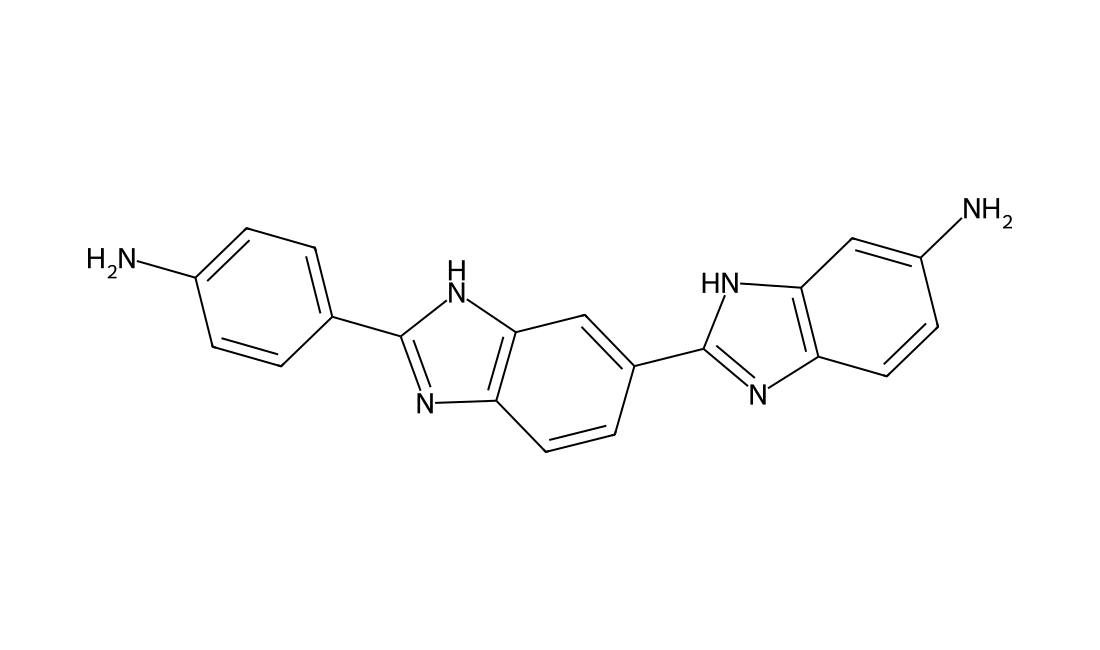
Ro 90-7501Featured
Ro 90-7501 is an amyloid β42 (Aβ42) fibril assembly inhibitor that reduces Aβ42-induced cytotoxicity (EC50 of 2 μM). Ro 90-7501 inhibits ATM phosphorylation and DNA repair. RO 90-7501 selectively enhances toll-like receptor 3 (TLR3) and RIG-I-like receptor (RLR) ligand-induced IFN-β gene expression and antiviral response. Ro 90-7501 also inhibits protein phosphatase 5 (PP5) in a TPR-dependent manner. Ro 90-7501 has significant radiosensitizing effects on cervical cancer cells.
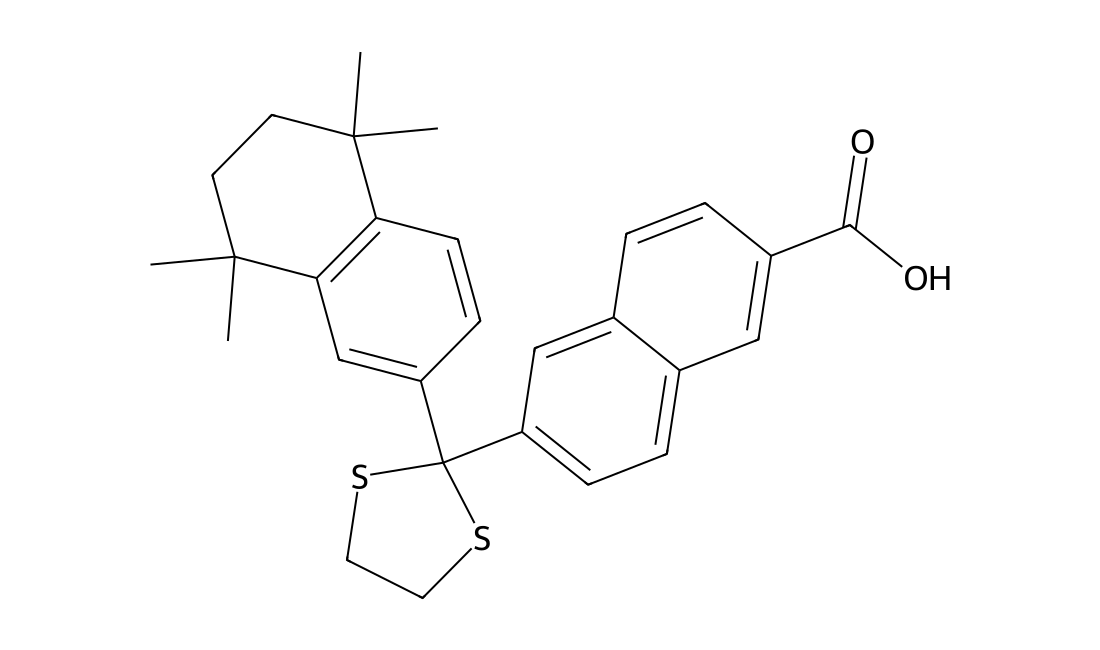
MM11253Featured
MM11253 is a potent and selective RARγ antagonist with an IC50 of 44 nM. MM11253 has lower inhibition of RARα, RARβ and RXRα. MM11253 blocks the growth inhibitory effects of RARγ-selective agonists.
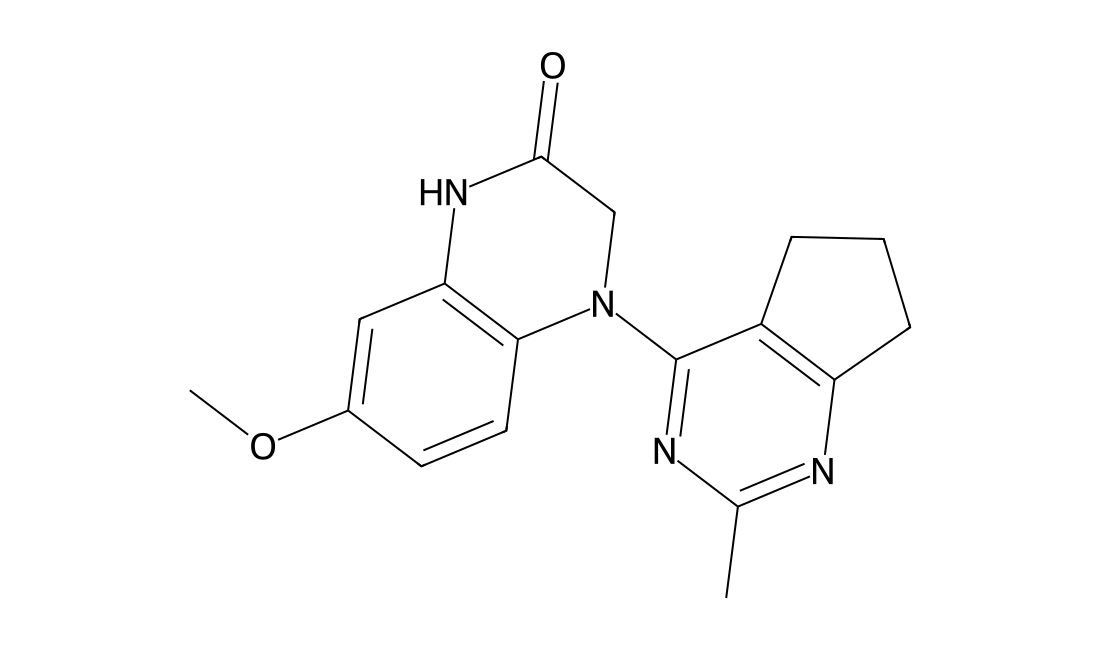
SB-216Featured
SB-216 is a potent tubulin polymerization inhibitor. SB-216 shows strong antiproliferative potency in a panel of human cancer cell lines, including melanoma, lung cancer, and breast cancer. SB-216 can be used for cancer research.
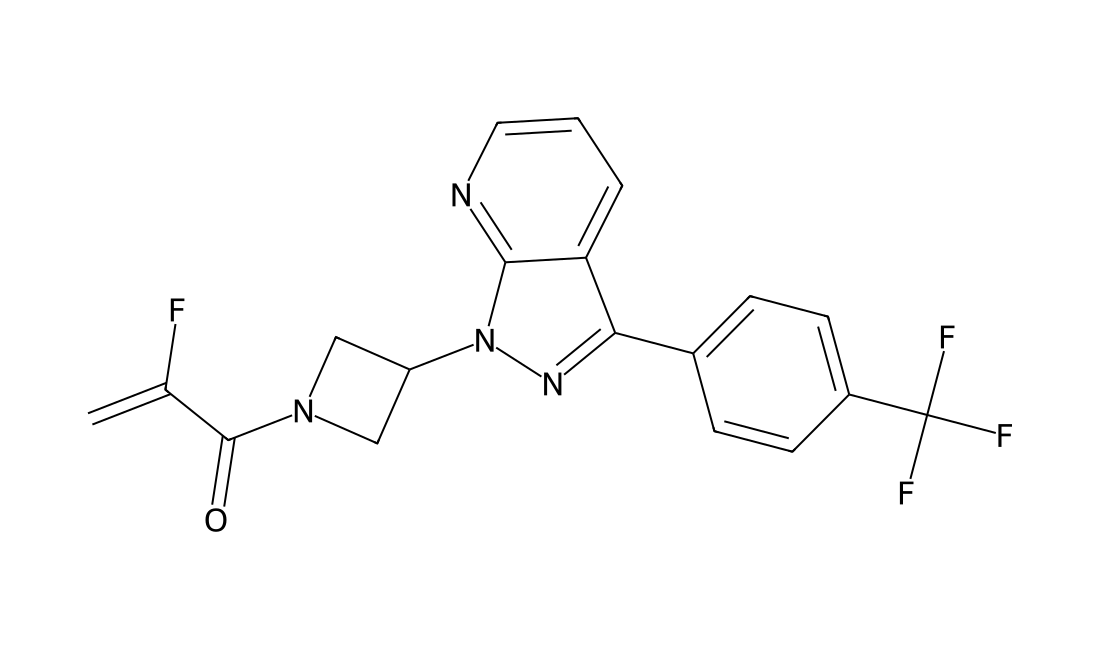
YAP/TAZ inhibitor-2Featured
YAP/TAZ inhibitor-2 is a potent and orally active TEAD-YAP/TAZ inhibitor with an EC50 value of 3 nM. YAP/TAZ inhibitor-2 shows anti-proliferative activity. YAP/TAZ inhibitor-2 shows antitumor activity.
PA452Featured
PA452, retinoic X receptor (RXR) specific antagonist, inhibits the effect of Retinoic acid (RA) on Th1/Th2 development.
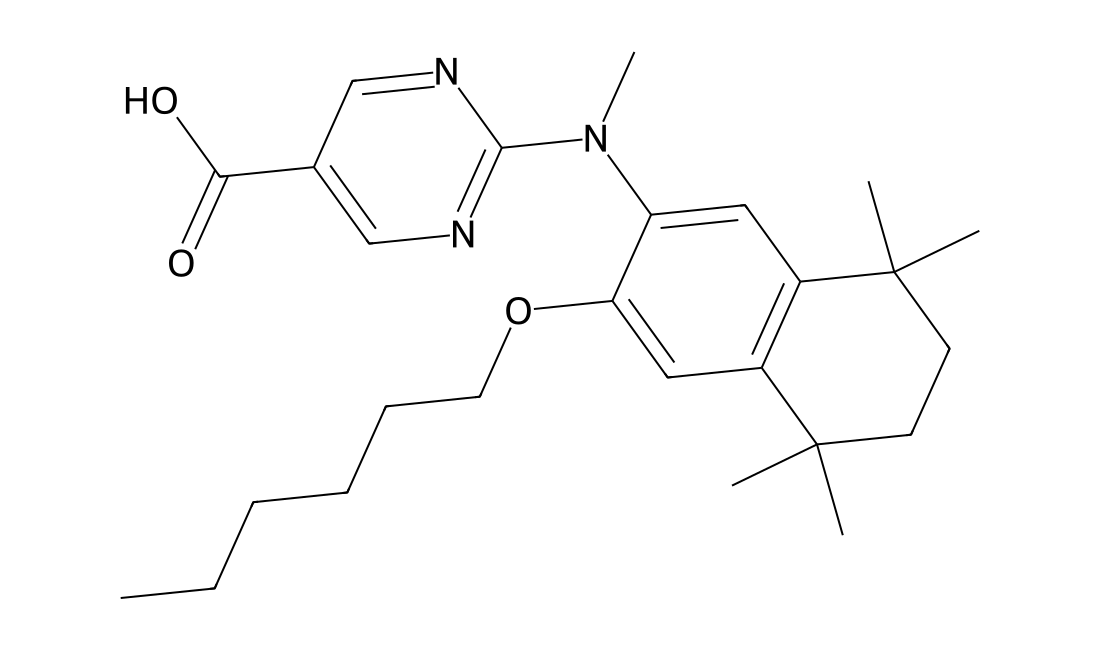
MAX-40279 hemifumarateFeatured
MAX-40279 hemifumarate is a dual and potent inhibitor of FLT3 kinase and FGFR kinase. MAX-40279 hemifumarate has the potential for the research of acute myelogenous leukemia (AML) (extracted from patent WO2021180032).
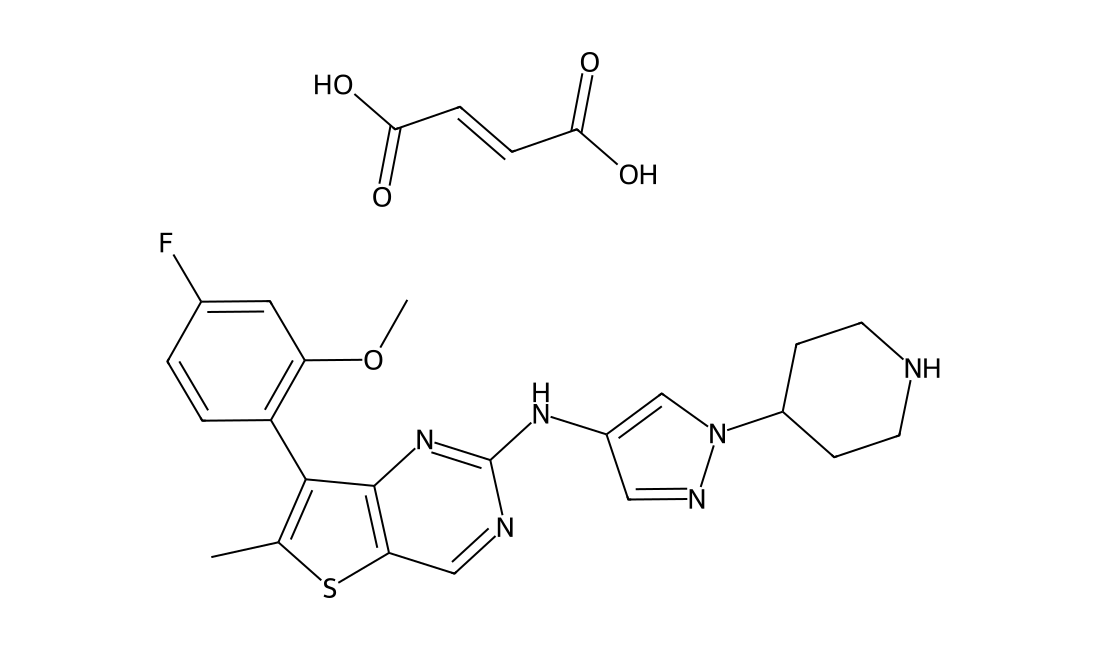
MAX-40279Featured
MAX-40279 is a dual and potent inhibitor of FLT3 kinase and FGFR kinase. MAX-40279 has the potential for the research of acute myelogenous leukemia (AML) (extracted from patent WO2021180032).
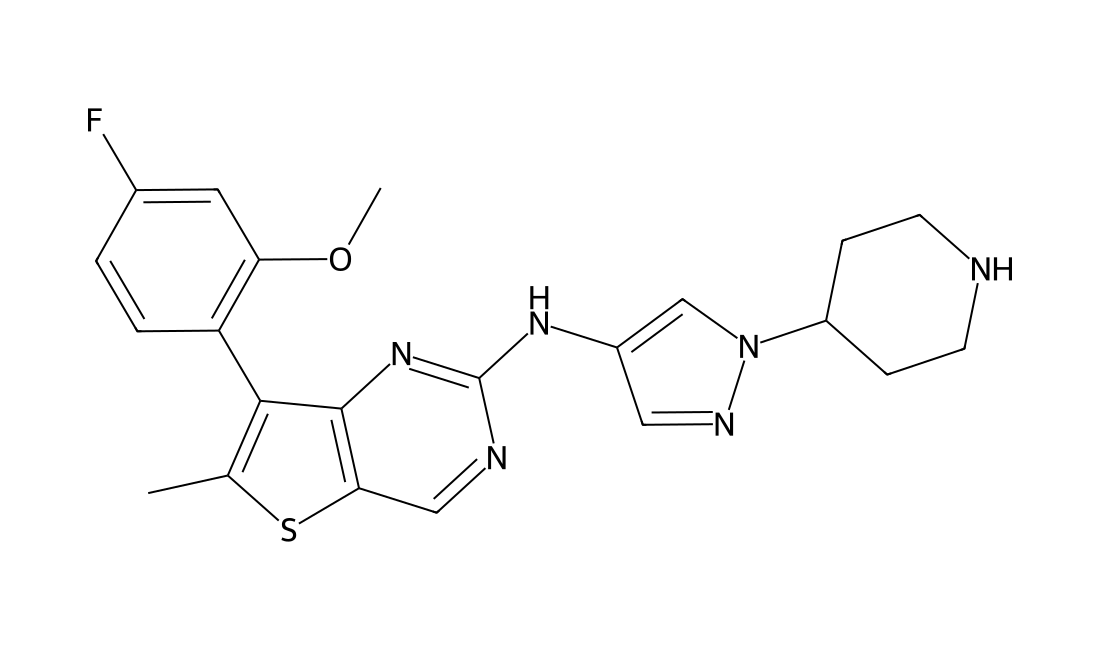
CDK12-IN-2Featured
CDK12-IN-2 is a potent, selective and nanomolar CDK12 inhibitor (IC50=52 nM) with good physicochemical properties. CDK12-IN-2 is also a strong CDK13 inhibitor due to CDK13 is the closest homologue of CDK12. CDK12-IN-2 shows excellent kinase selectivity for CDK12 over CDK2, 9, 8, and 7. CDK12-IN-2 inhibits the phosphorylation of Ser2 in the C-terminal domain of RNA polymerase II. CDK12-IN-2 can be used an excellent chemical probe for functional studies of CDK12.
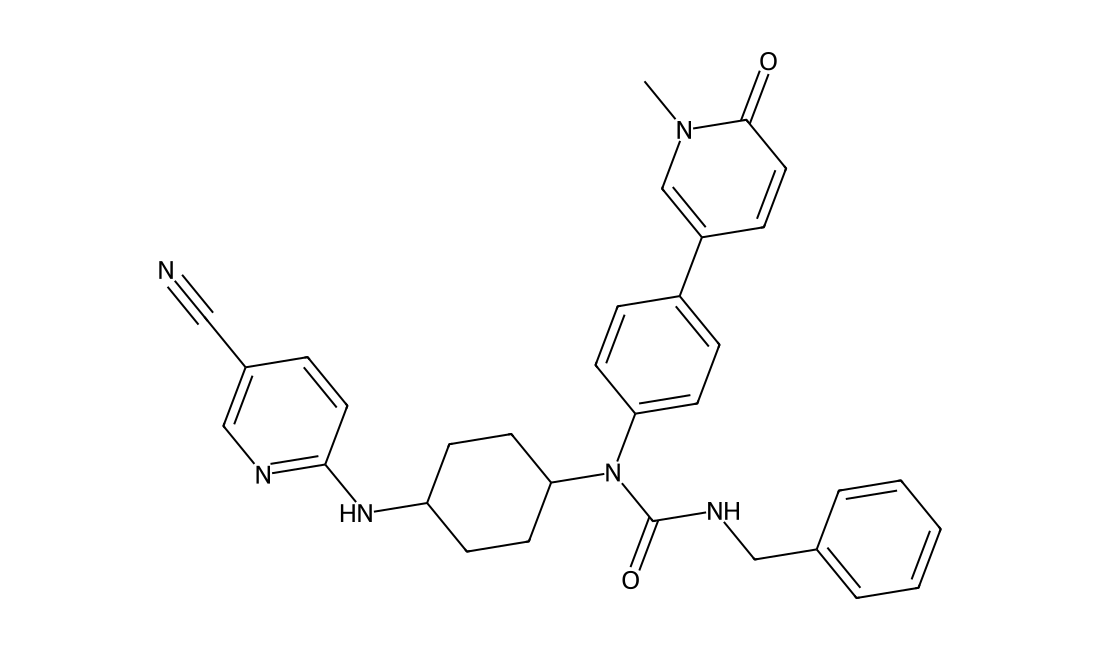
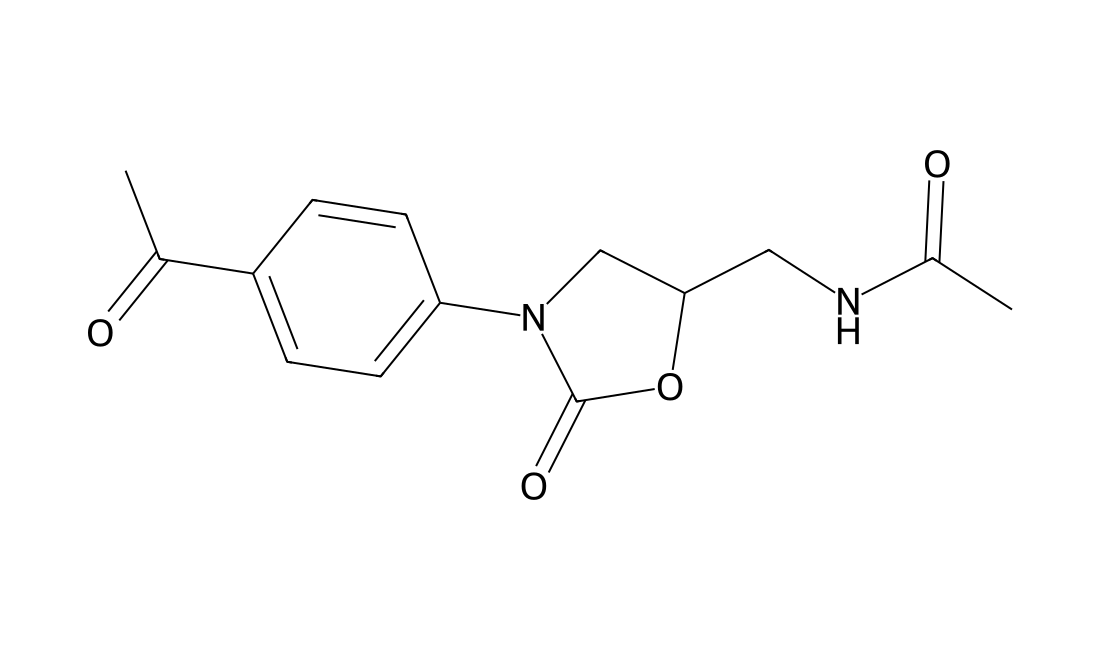
Dup-721Featured
DuP-721 is a broad spectrum and orally active antibacterial agent against a variety of clinically susceptible and resistant bacteria, especially M. tuberculosis.
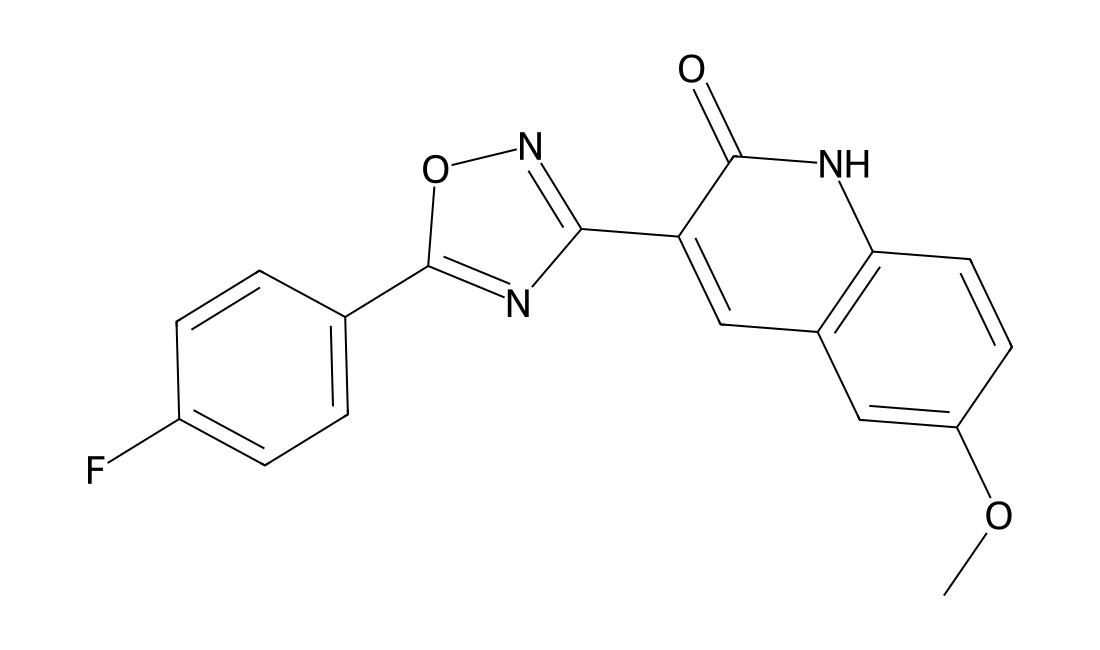
NCGC00029283Featured
NCGC00029283 is a werner syndrome helicase-nuclease (WRN) helicase inhibitor with IC50s of 2.3 μM, 12.5 μM, and 3.4 μM for WRN, BLM and FANCJ helicase, respectively.
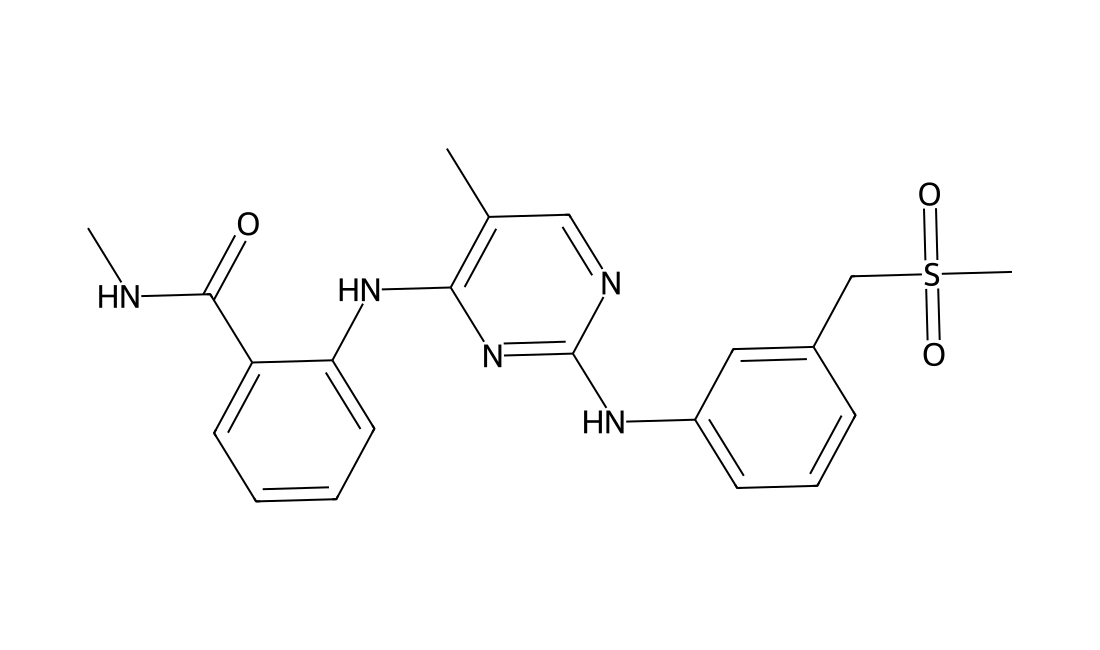
GSK-1520489AFeatured
GSK-1520489A(EX-A5430) is an active Protein Kinase, Membrane Associated Tyrosine/Threonine 1 (PKMYT1) inhibitor.
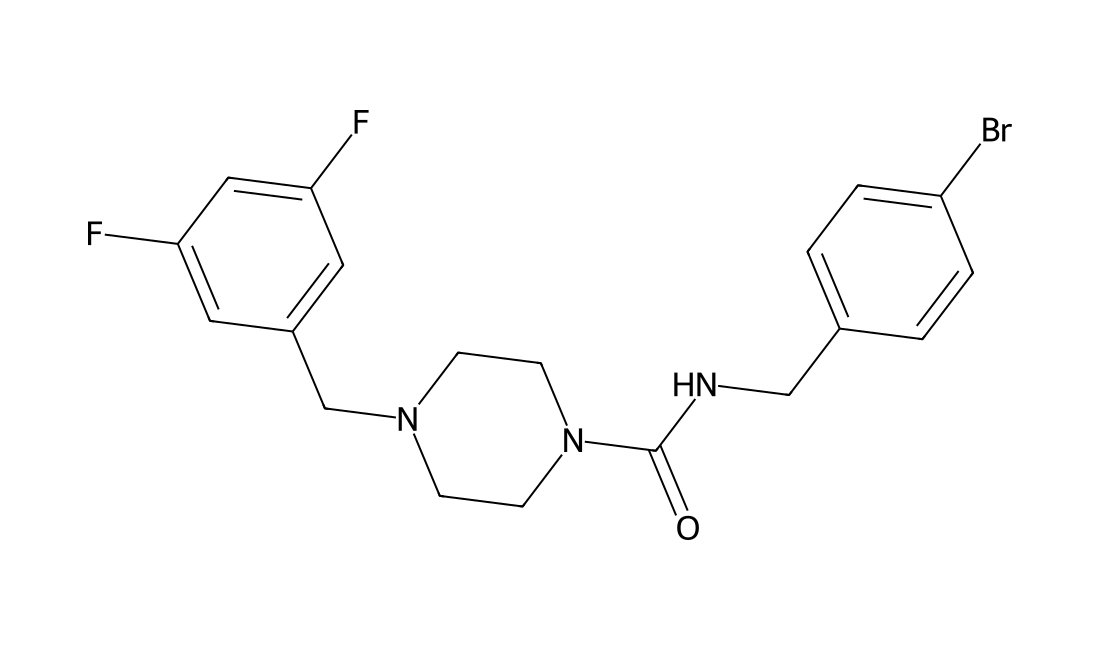
ZK53Featured
ZK53 is a selective activator of mitochondrial caseinolytic protease P (HsClpP). It exhibits an EC50 of 1.37 μM for α-casein hydrolysis by HsClpP. ZK53 treatment allosterically activates HsClpP to uncontrollably degrade the essential mitochondrial proteins and is inactive toward bacterial ClpP proteins.
BML-286 (Compound 3289-8625)Featured
BML-286 (Compound 3289-8625) is a small molecule inhibitor of the PDZ domain of dishevelled (Dvl) with KD of 10.6 uM, competitively inhibits the Wnt signaling. Compound 3289-8625 (3 uM) inhibits Wnt signaling, effectively reduces luciferase activity by about 2-fold 293 cell line stably transfected with a luciferase reporter. Compound 3289-8625 is cell-permeable and 3289-8625 (10 uM) blocks Wnt signaling in Xenopus, inhibits Wnt pathway responses in culture and in vivo. Compound 3289-8625 suppresses cell proliferation and reduces β-catenin level in prostate cancer PC-3 cells, decreases the levels of β-catenin in both cytosolic fraction and membrane fraction. Compound 3289-8625 sensitized A2780/Taxol cells to paclitaxel.
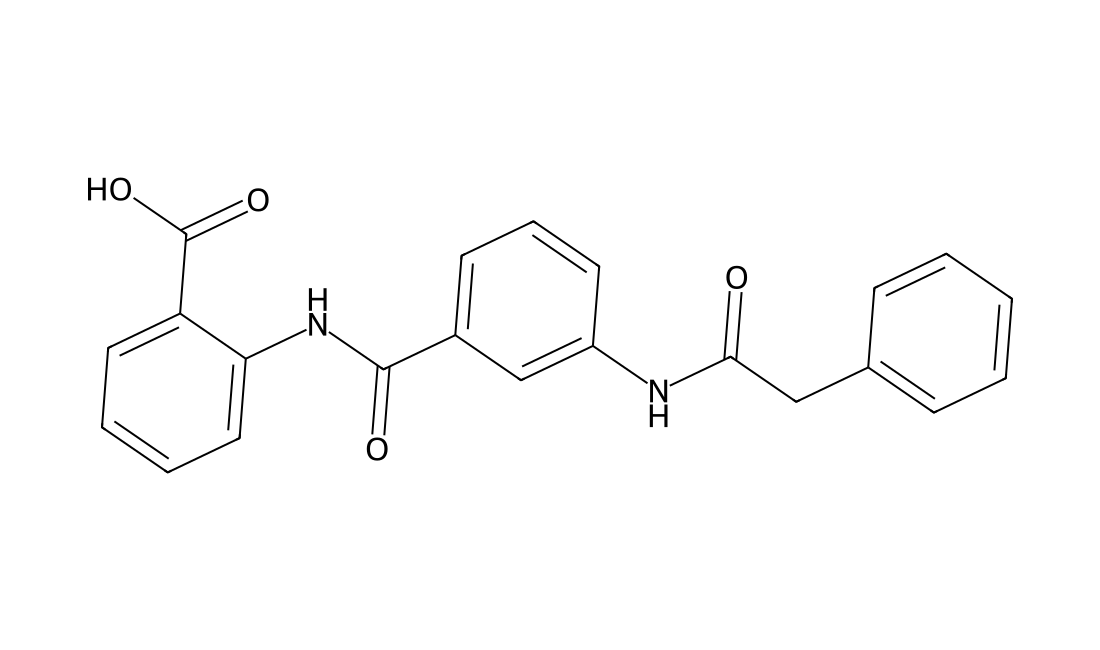
EN6Featured
EN6 is a small-molecule in vivo activator of autophagy that covalently targets cysteine 277 in the ATP6V1A subunit of the lysosomal v-ATPase, which activates mTORC1 via the Rag guanosine triphosphatases.
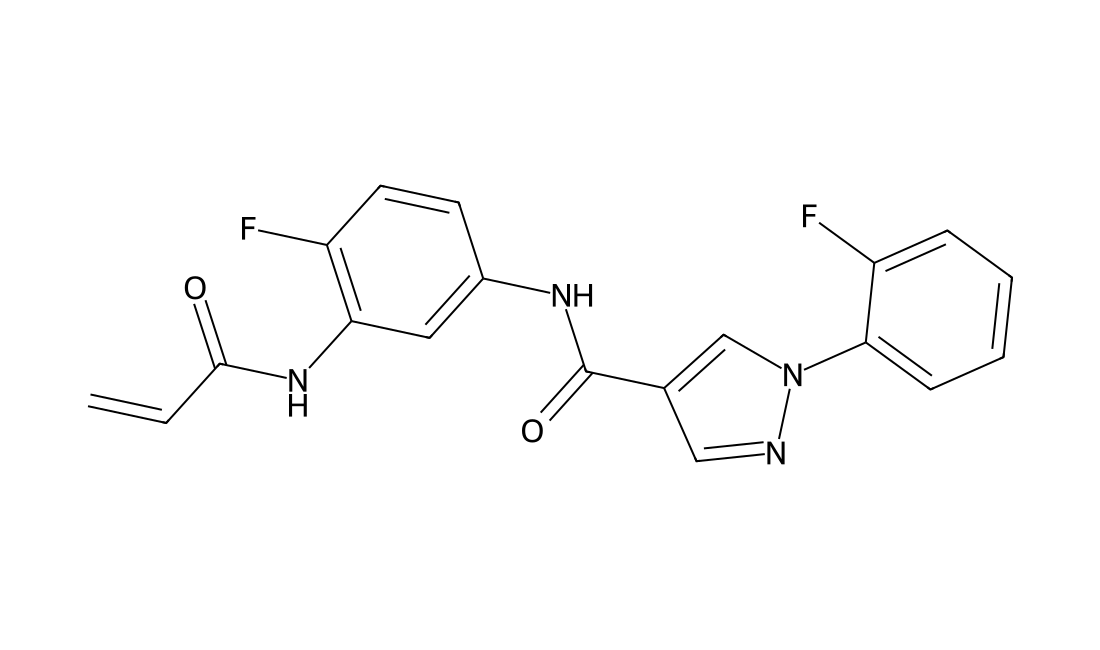
VCPIP1-IN-1Featured
VCPIP1-IN-1 (Compound 001) is a VCPIP1 inhibitor, with an IC50 of 0.41 μM.
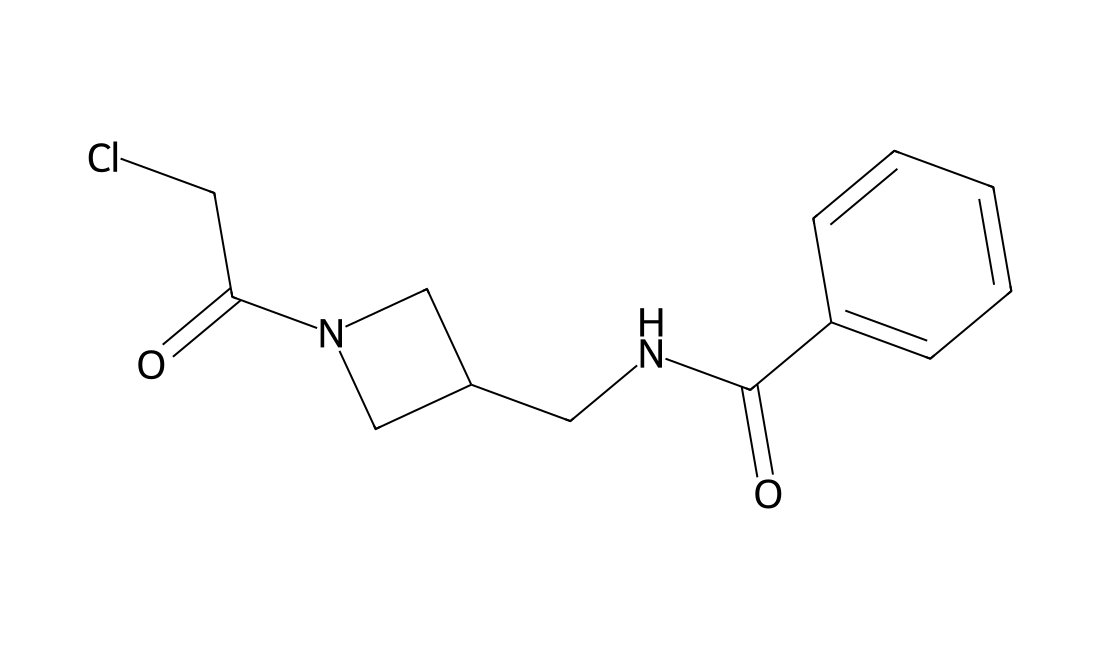
DCP-LA(FR 236924)Featured
DCP-LA (FR236924), a linoleic acid derivative, selectively and directly activates PKCε. DCP-LA activates Ca(2+)/calmodulin-dependent protein kinase II (CaMKII) and inhibits protein phosphatase-1 (PP-1) to stimulate AMPA receptor exocytosis. DCP-LA inhibits activation of caspase-3/-9 and protects neurons at least in part from oxidative stress-induced apoptosis.
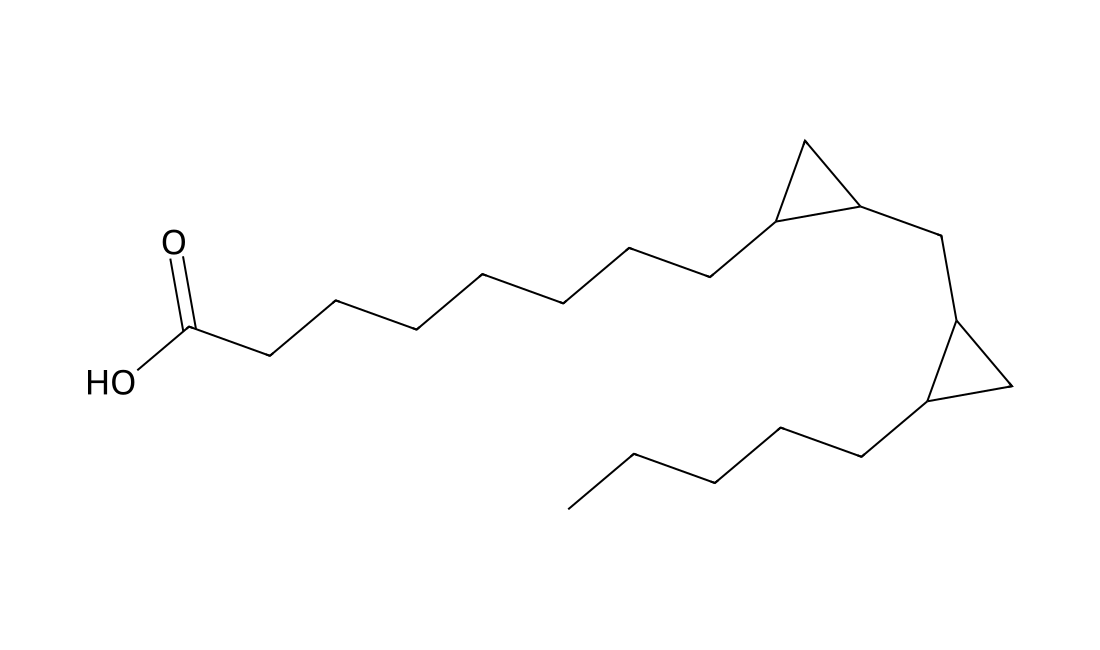
ZagociguatFeatured
Zagociguat is the stimulator of soluble guanylate cyclase. Zagociguat increases nitric oxide (NO) signaling leading to an increase in cyclic guanosine monophosphate production. Zagociguat has the potential for the research of noncentral nervous system (CNS) disorders.
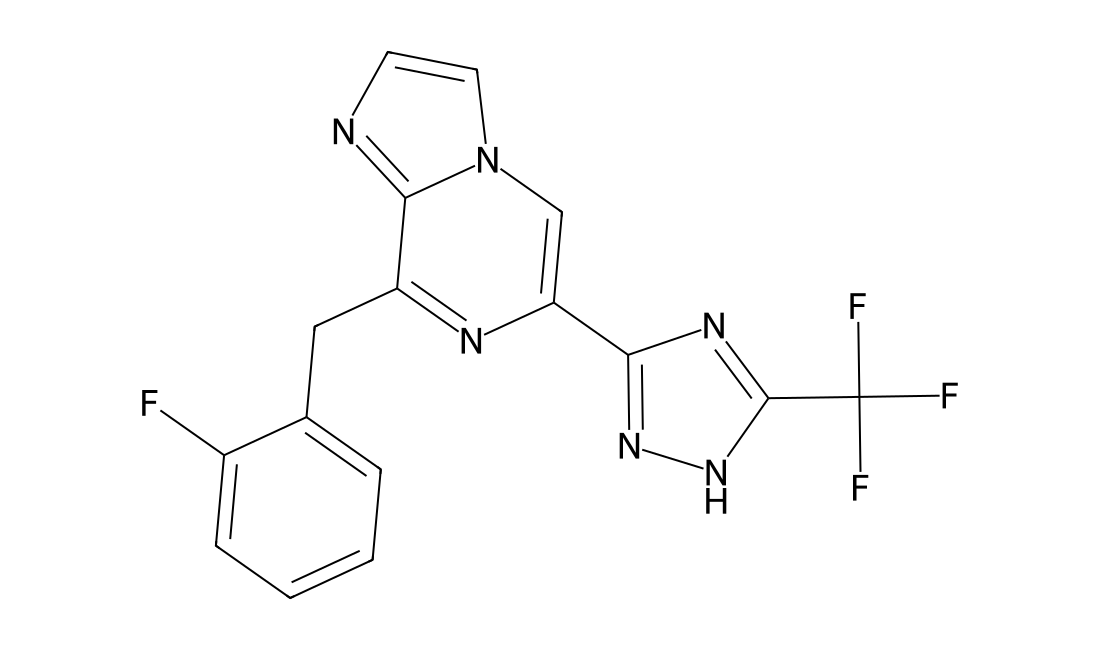
MTB-9655Featured
MTB-9655 is a novel, potent and selective Acetyl-Coenzyme A Synthetase 2 (ACSS2) inhibitor, which is currently in Phase I clinical investigation on patients with tumors with high levels of ACSS2.
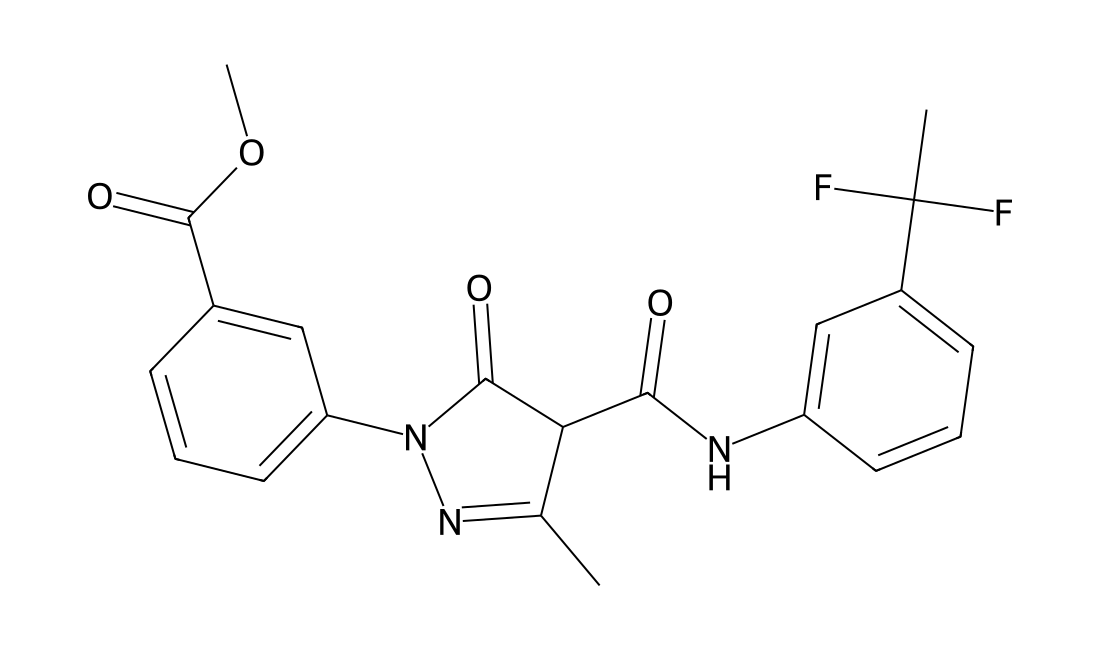
GliocidinFeatured
Gliocidin is a prodrug that is anabolized into its tumoricidal metabolite, gliocidin–adenine dinucleotide (GAD). Gliocidin kills glioblastoma cells while sparing non-tumour replicative cells. Gliocidin activity targets a de novo purine synthesis vulnerability in glioblastoma through indirect inhibition of inosine monophosphate dehydrogenase 2 (IMPDH2). Gliocidin penetrates the blood–brain barrier and extends the survival of mice with orthotopic glioblastoma.
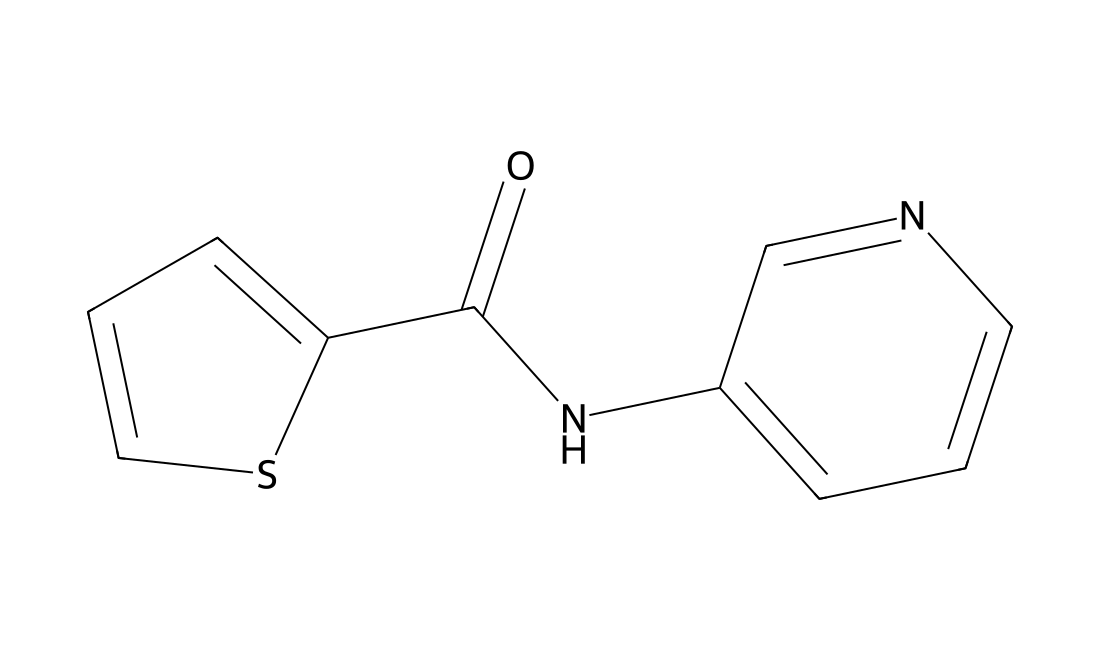
Compound C108Featured
Compound C108 is a G3BP2 inhibitor. Compound C108 also targeted stress granule-associated proteins and Gtpase-activating protein (SH3 domain) binding protein 2. Compound C108 potently inhibits esophageal squamous cell carcinoma (ESCC) cell metastasis.
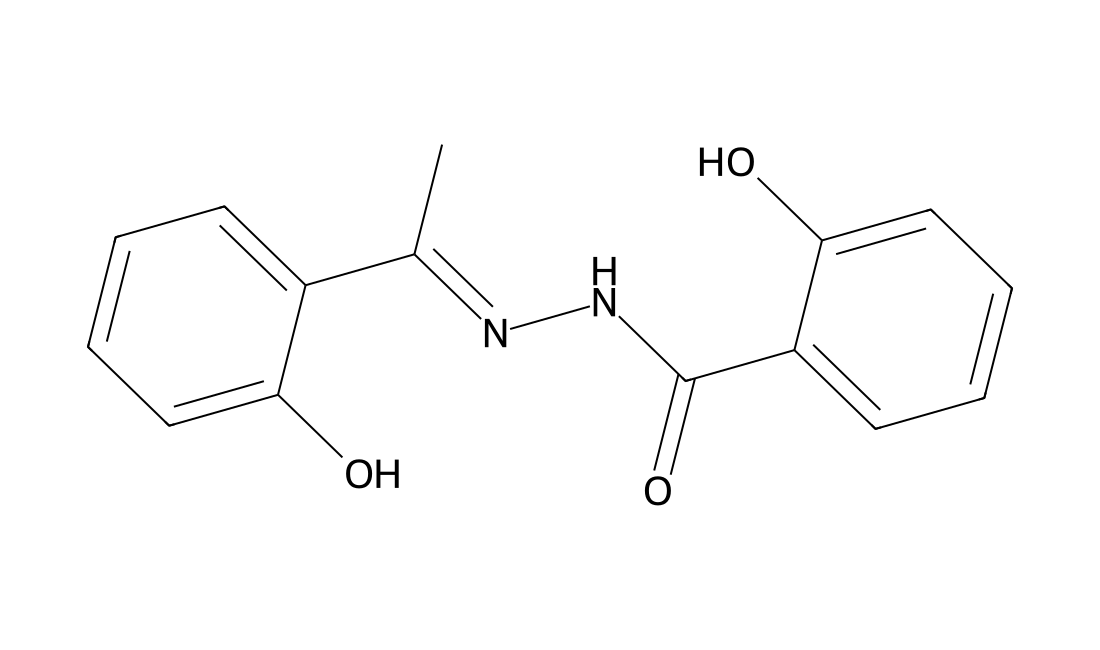
No products match this search.
Page 227 of 234 · Browse all 4677 products
Jump to a product page
Featured literature product: HX1 · DCL0028
HX1 is a hydroxyzine-derived ionizable lipid with acetal-containing tails, studied in lipid nanoparticles for brain mRNA delivery and CRISPR–Cas9 delivery. It was the lead in the reported in vivo brain-delivery screen; evidence is preclinical and formulation-dependent.
Read full formulation and performance →