
Research lipid catalog
Ionizable Lipid Products
Explore 848 lipid and RNA delivery products. Search the full catalog or browse by research category.
Search covers product name, catalog number, synonyms, available CAS numbers and categories. Spaces, hyphens and common punctuation are ignored. Duplicate legacy records are consolidated under one canonical product result.
3666 products · Showing 3201–3220 · 20 per page
DC Chemicals lipid expertise
Built for ionizable-lipid discovery and RNA delivery research
DC Chemicals supports formulation and delivery research with a broad, searchable portfolio of cationic and ionizable lipids. The current directory brings together 848 unique research-use products, with product specifications, pricing, chemical structures and literature-linked formulation data added as each record is verified.
Our experience spans complex lipid synthesis, purification, analytical release and process development. For custom molecules or larger-scale requirements, our team can discuss route development, technical specifications and scale-up options for the intended research workflow.
Learn about cationic and ionizable lipids →Proprietary innovation · Co-development · GMP
From proprietary lipid design to GMP-grade custom synthesis
DC Chemicals has independently developed ionizable-lipid structures supported by company-owned intellectual property, and selected proprietary lipid programs have advanced to GMP-stage development.
We welcome joint development with customers—from molecular design and lipid synthesis through route and process development. We can also support custom synthesis of GMP-grade ionizable lipids to agreed technical specifications and quality requirements.
Discuss a co-development project →Proprietary ionizable-lipid structuresCollaborative molecular designCustom lipid synthesisProcess development and scale-upGMP-grade project support
Product quick links
Explore ionizable lipids
Browse specifications, pricing and literature-linked product information.
Cat. No.Product NameField of ApplicationChemical Structure
DORIFeatured
DORI, N-(2-hydroxyethyl)-N,N-dimethyl-2,3-bis(oleoyloxy)propan-1-aminium bromide, is an ionizable cationic lipid with lower cytotoxicity and high transfection efficiency. Reagent grade, for research use only.

306-N16BFeatured
306-N16B is a lipidnanoparticle, and allows systemic codelivery of Cas9 mRNA and sgRNA. 306-N16B can transport mRNA to the pulmonaryendothelial cell. 306-N16B can be used for research of genome editing-based therapies. Based on the same lipid libraries with 306-O12B, the researchers also found that N-series ionizable lipids were able to selectively deliver mRNA to the lungs of mice. Compared with the liver-targeted O-series ionizable lipids which contained ester bond in lipid tail found in previous work, such as 306-O12B, the N-series ionizable lipids with the lipid tail containing amide bond prefer to deliver mRNA to the lung. As a N-series ionizable lipid, the chemical structure of the 306-N16B is shown in Figure 4a,b. The difference of organ targeting may be due to their adsorption of different protein coronas during blood circulation caused by their different structures mentioned earlier.It has shown that the second major protein of the protein corona adsorbed by liver-targeting 306-O12B iLNPs was apolipoprotein E (ApoE), while the three dominant proteins in the protein corona adsorbed by lung-targeting 306-N16B iLNPs were serum albumin, fibrinogen beta chain, and fibrinogen gamma chain. However, the 306-N16B iLNPs showed less organ selectivity when systematically codelivered Cas9 mRNA and sgRNA in vivo, which could simultaneously activate tdTomato expression in the liver and lung of Ai14 mice, whereas single mRNA delivery could almost exclusively deliver mRNA to the lungs. This surprising phenomenon requires further investigation. Both the change of iLNPs charge and the change of lipids functional group can influence the distribution of iLNPs in vivo due to the altering of protein corona composition. Therefore, it is possible to control the organ targeting of iLNPs by controlling the composition of the outer protein corona of iLNPs.
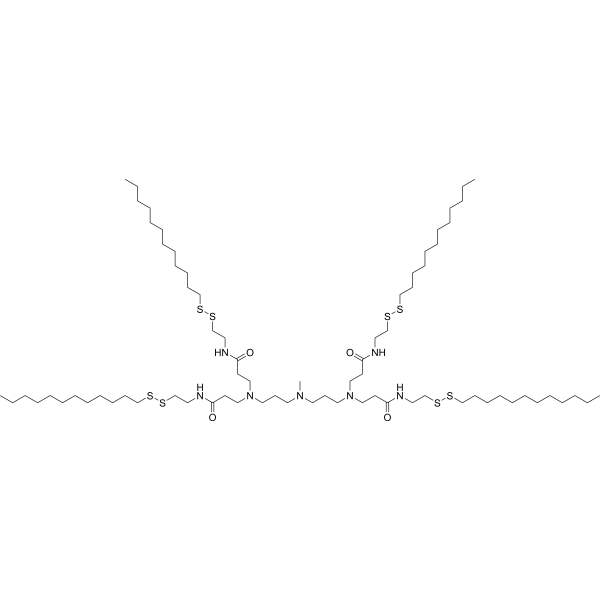
Lipid 11-A-MFeatured
Lipid 11-A-M (LNP Lipid-8) is a specialized single-tail, multi-head ionizable cationic lipid engineered for targeted nucleic acid delivery to T cells. Unlike traditional lipids that exhibit strong liver tropism, 11-A-M formulations successfully bypass hepatocytes, resulting in negligible liver accumulation and toxicity. Upon intravenous administration, it naturally localizes to peripheral immune organs, enabling robust gene silencing and transfection specifically within splenic CD3⁺ T cells, with a higher efficiency in CD8⁺ cytotoxic T cells over CD4⁺ helper T cells. This liver-evading, T cell-specific targeting profile makes it a premier tool for in vivo immunotherapy and in situ cell reprogramming.
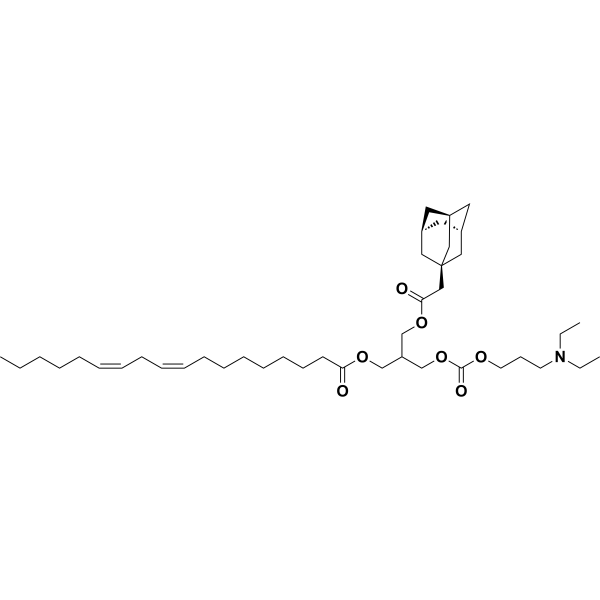
80-O18Featured
80-O18 is a lipidoid known for its exceptional ability to enhance overall cellular uptake, showcasing significant potential as an effective delivery agent.
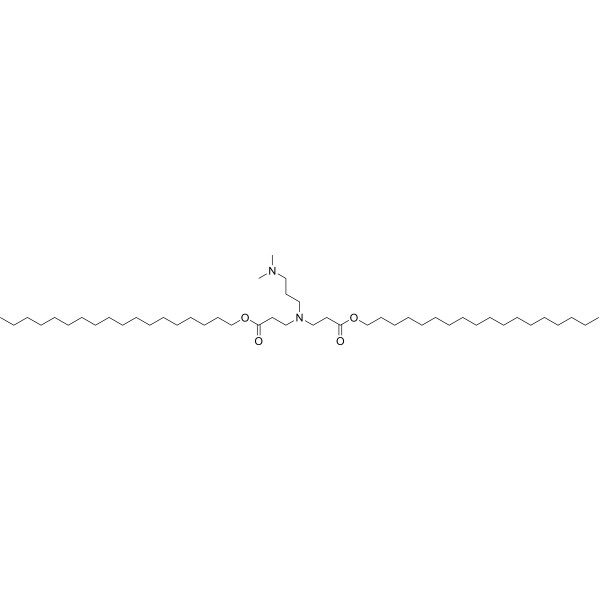
Acuitas Lipid II-10Featured
Acuitas II-10 is an novel ionizable amine lipid used for mRNA delivery from Acuitas Therapeutics patent WO2016176330A1
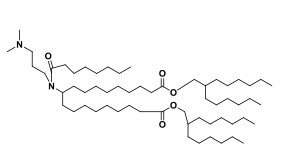
Dlin-MeOHFeatured
Dlin-MeOH is a lipid product for use in drug delivery systems.
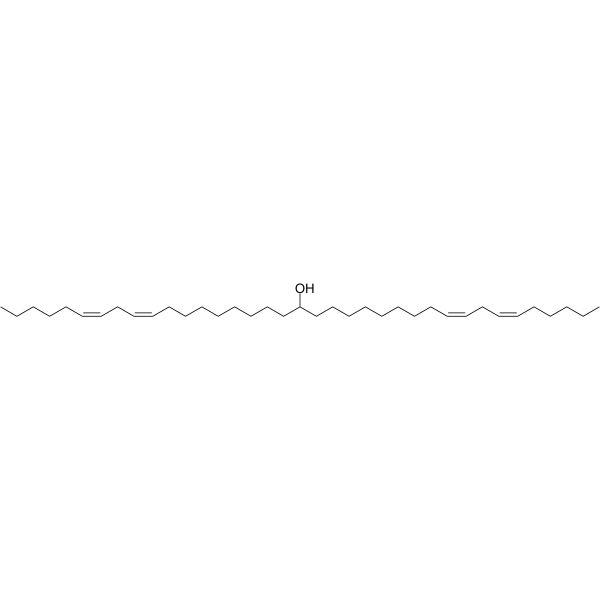
DOICFeatured
DOIC is a cationic lipid that can be used for RNA vaccines.
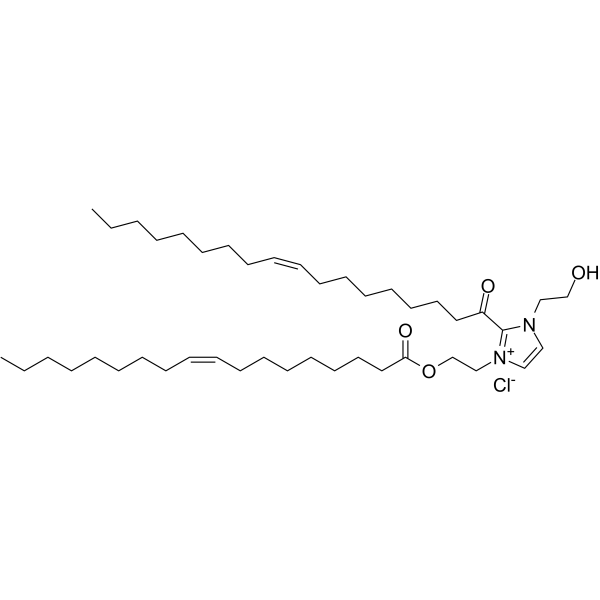
TS-202Featured
TS-202 is a novel ionizable lipid for RNA delivery.
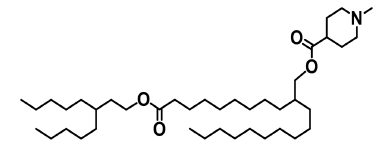
304O13Featured
304O13 is a novel Biodegradable lipidoid for RNA delivery.
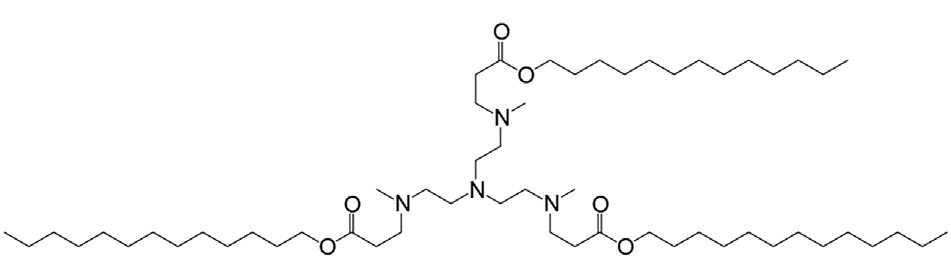
EA-PIP(LIPID 10)Featured
Lipid 10 is a novel ionizable cationic lipid be used for delivery of therapeutic RNA to the Bone Marrow in Multiple Myeloma Using CD38-Targeted with Lipid 10-LNP.
A1I4R2C18-2Featured
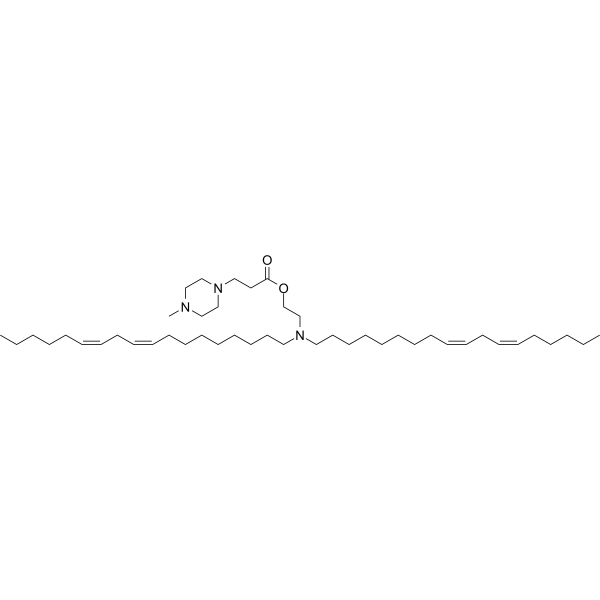
Price on requestA1I4R2C18-2 is a cationic / ionizable lipid disclosed in WO2023142167A1 for nucleic-acid delivery research. Its structure contains two linoleoyl chains and dimethylaminopropyl substituents on a bis-amide scaffold. In the patent’s intravenous luciferase-mRNA screen in C57BL/6 mice, the A1I4R2C18-2 formulation gave a splenic luminescence reading of 3.18 × 10³ at the 6-hour endpoint. The study used a four-component formulation containing the test lipid, cholesterol, DSPC and DMG-PEG. This result supports investigation of spleen-associated mRNA expression; organ selectivity and product-specific safety were not established by this table.
A1I4R13C18-2Featured
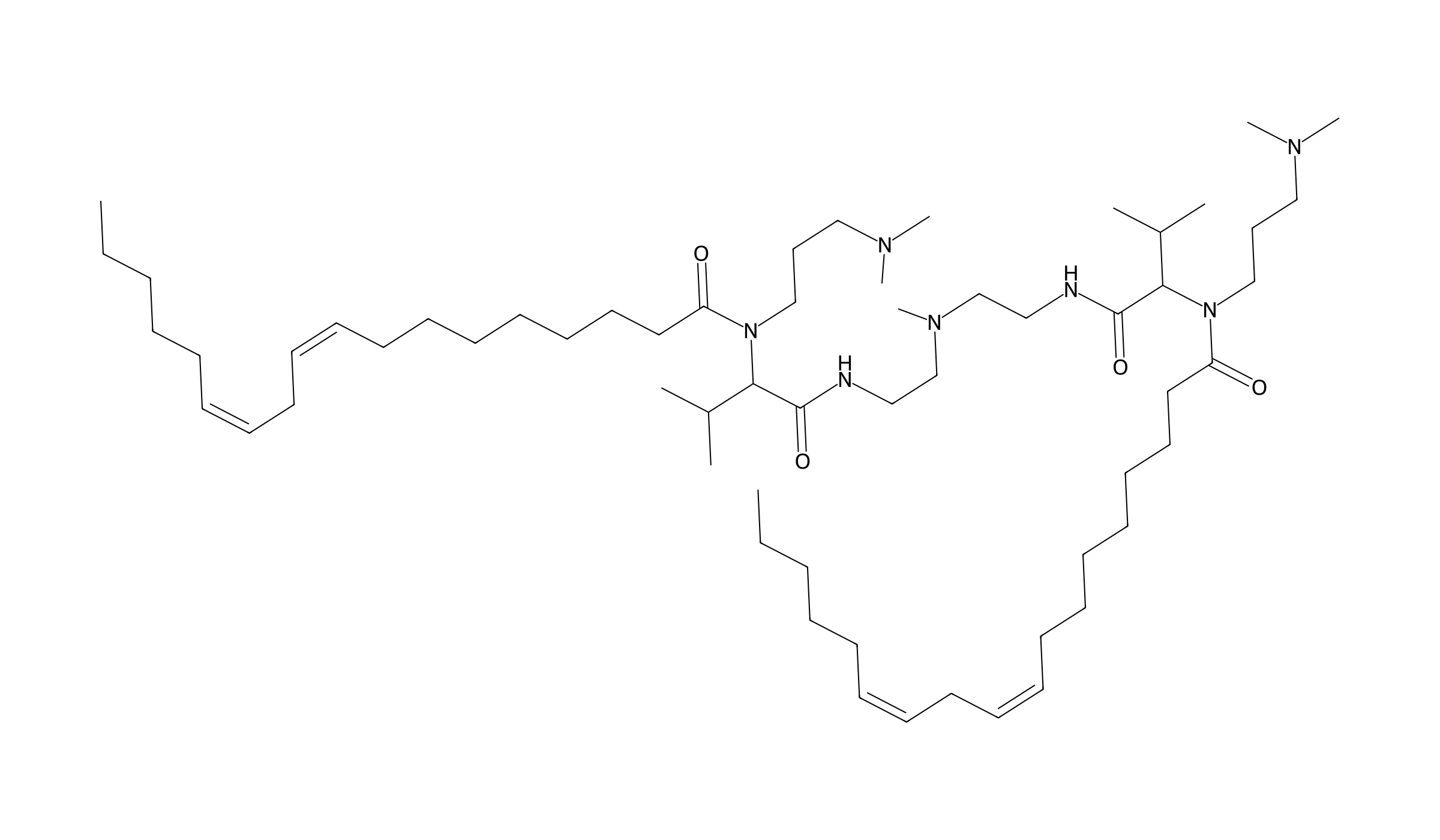
Price on requestA1I4R13C18-2 is a cationic / ionizable lipid disclosed in WO2023142167A1 for nucleic-acid delivery research. Its structure contains two linoleoyl chains and azepan-1-ylethyl substituents on a bis-amide scaffold. In the patent’s intravenous luciferase-mRNA screen in C57BL/6 mice, the A1I4R13C18-2 formulation gave a splenic luminescence reading of 2.85 × 10⁴ at the 6-hour endpoint. The study used a four-component formulation containing the test lipid, cholesterol, DSPC and DMG-PEG. This result supports investigation of spleen-associated mRNA expression; organ selectivity and product-specific safety were not established by this table.
FS01Featured
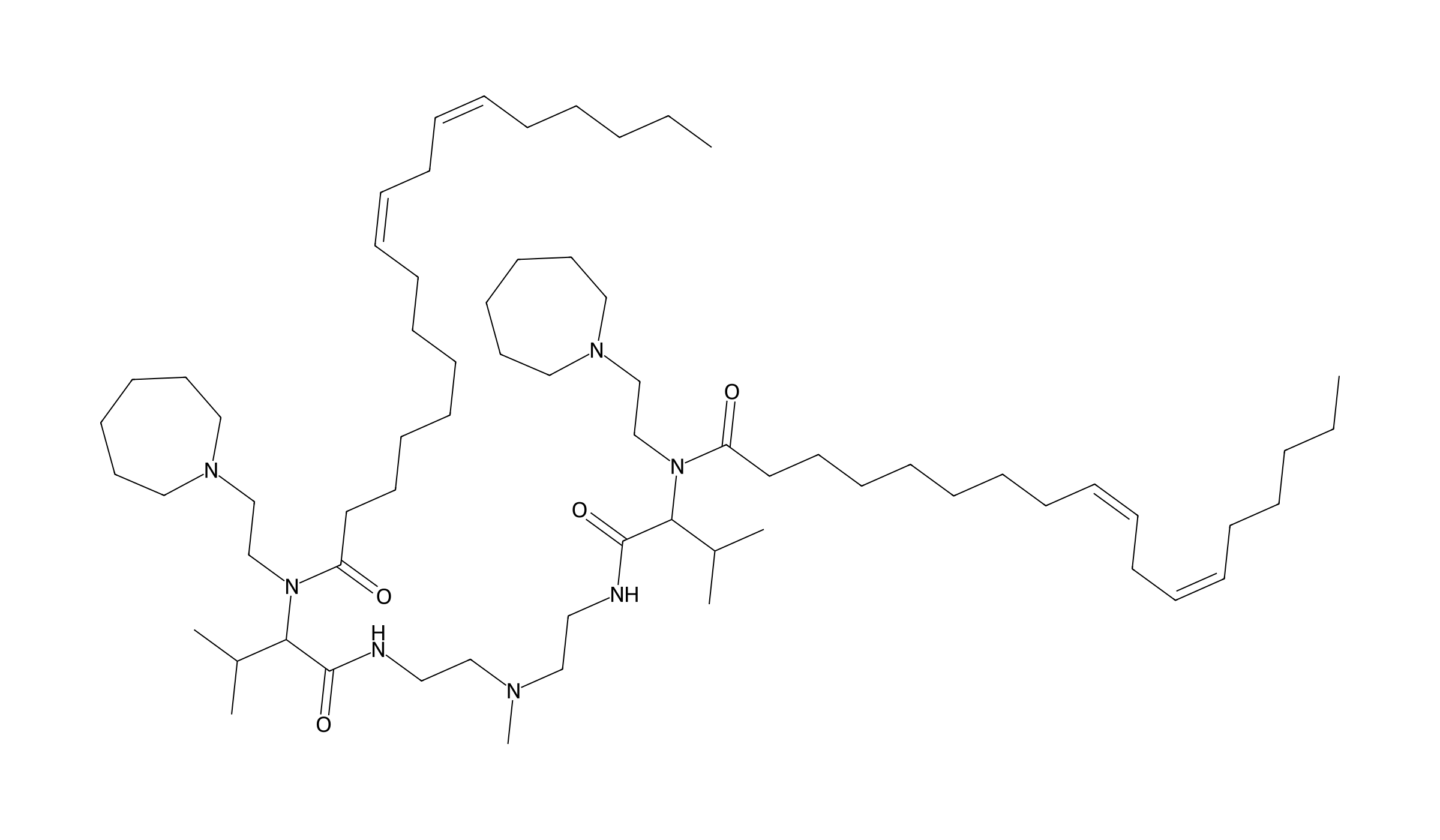
Price on requestFS01 is a squaramide-containing ionizable lipid investigated for local mRNA delivery to joints. In a head-to-head mouse intra-articular screen, FS01 lipid nanoparticles produced higher luciferase expression than formulations containing Lipid 5, SM-102 or LP01 under the tested conditions. FS01 was subsequently used to deliver IL-1Ra mRNA and a C-terminal truncated ANGPTL3 mRNA (ANL3), individually or in combination. The combined formulation was evaluated in mouse rheumatoid arthritis and osteoarthritis models for suppression of inflammation and preservation of cartilage. These findings support research into intra-articular mRNA delivery; the therapeutic results concern the complete mRNA-loaded formulation.
Lipid-392Featured
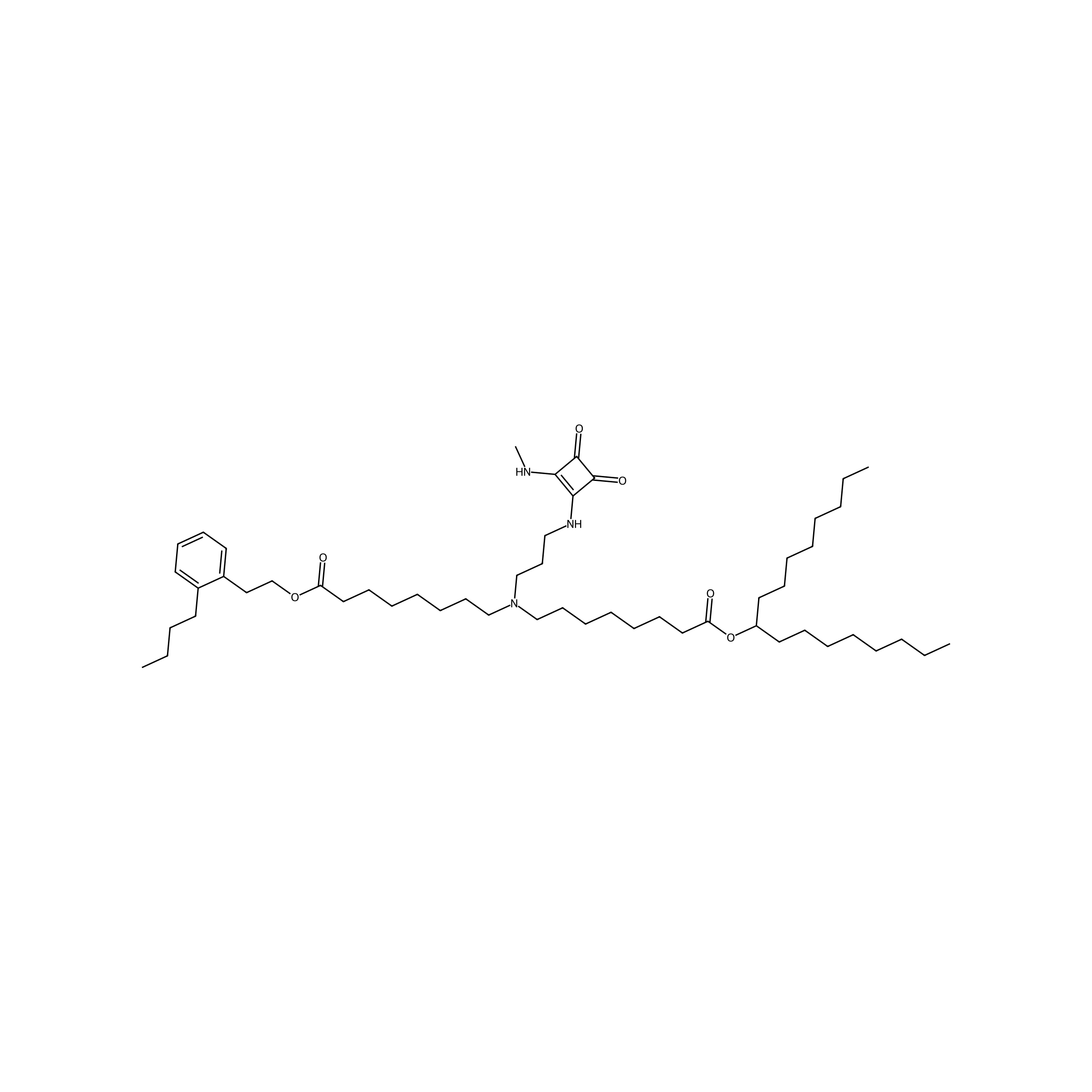
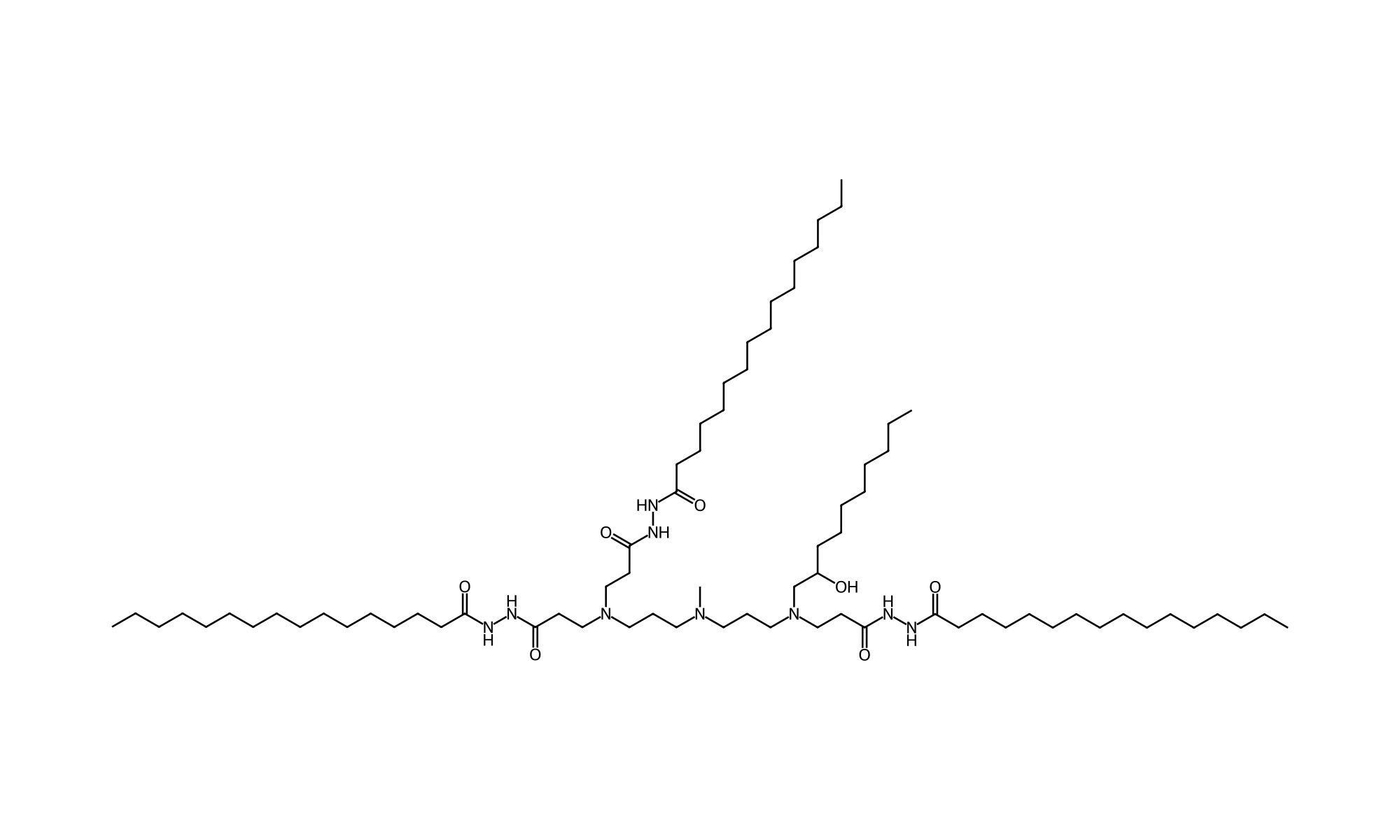
Price on requestLipid-392 is a hydrazide-linked ionizable lipid with three tertiary amines, three palmitoyl-containing branches and a hydroxyl-bearing C10 arm. It is the carrier lipid in an optimized, cholesterol-free simplified targeted lipid nanoparticle (stLNP) containing Lipid-392, POPE and DMG-PEG2000 at 90:8.5:1.5 mol%. In mice, this formulation produced 4.93-fold greater lung luciferase expression than DOTAP-5-LNP at 0.25 mg/kg intravenous mRNA dosing, with approximately 99% of the measured lung/liver/spleen expression signal in the lung. The study also demonstrated lung-cell Cre reporter activation, adenine base editing, siRNA-mediated gene silencing and IL-10 mRNA delivery in an acute lung injury model. These preclinical results support evaluation for pulmonary RNA delivery; activity depends on formulation, payload and experimental conditions.
A18B8C14Featured
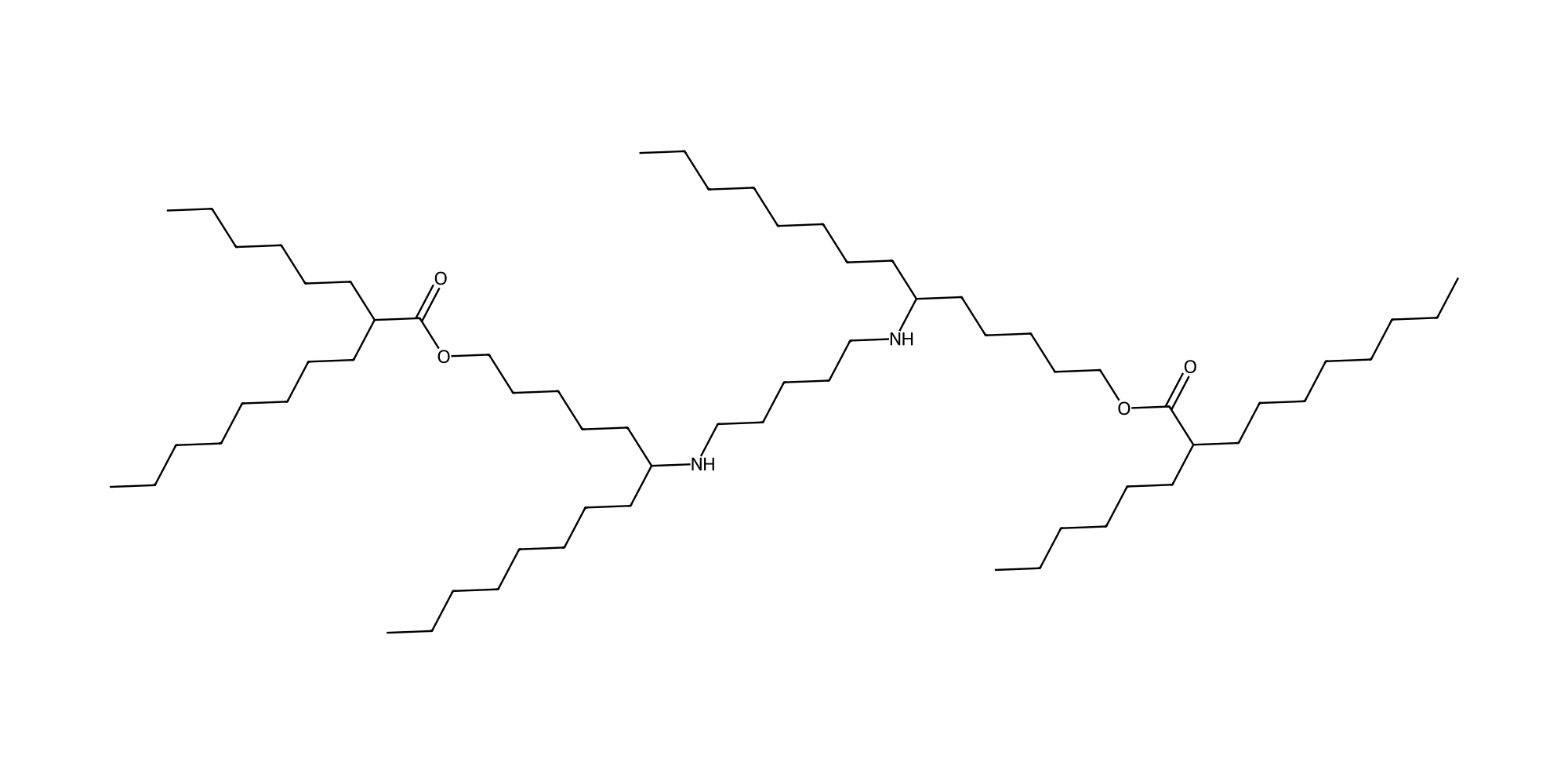
Price on requestA18B8C14 is an α-branched amine ionizable lipid developed using the photochemistry-based ionizable lipid library (PILL) platform. Its structure contains two secondary amines linked by a pentamethylene spacer and two ester-containing branched hydrophobic arms. A18B8C14 was identified as a lead for mRNA delivery; the publication reports higher in vivo expression with its optimized LNP formulation than with an MC3-based benchmark. The supporting information documents intravenous reporter-mRNA delivery, formulation screening, cellular uptake and endosomal colocalization, particle stability, and dose-dependent blood chemistry. It is intended for research on mRNA-LNP formulation and delivery.
DA lipidFeatured
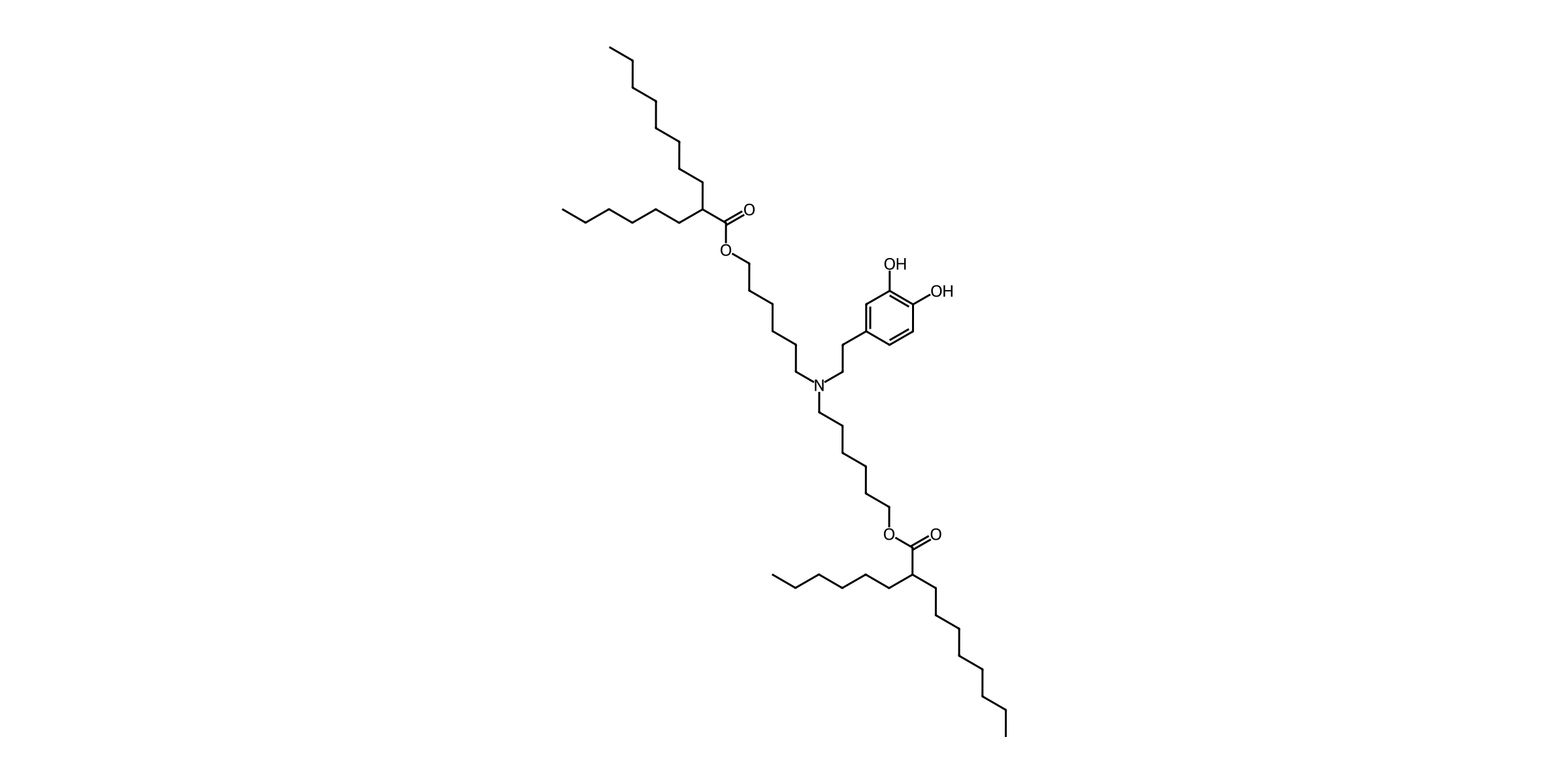
Price on requestDA lipid is a dopamine-derived ionizable lipid incorporating a catechol antioxidant headgroup, one tertiary amine and two ester-linked branched hydrophobic tails. In the cited study, DA lipid and DA lipid nanoparticles scavenged reactive oxygen species more effectively than their oxidized ODA counterparts. DA LNPs supported higher mRNA-derived protein expression than ODA LNPs in DC2.4 cells and after intramuscular administration in mice, with expression comparable to ALC-0315 LNPs. OVA mRNA-loaded DA LNPs improved antigen presentation and suppressed tumor growth in a prophylactic B16-OVA melanoma model relative to ODA LNPs. These results support research into antioxidant mRNA delivery and preventive cancer vaccination.
GA-Chol(glutamate-cholesterol)FeaturedFeatured
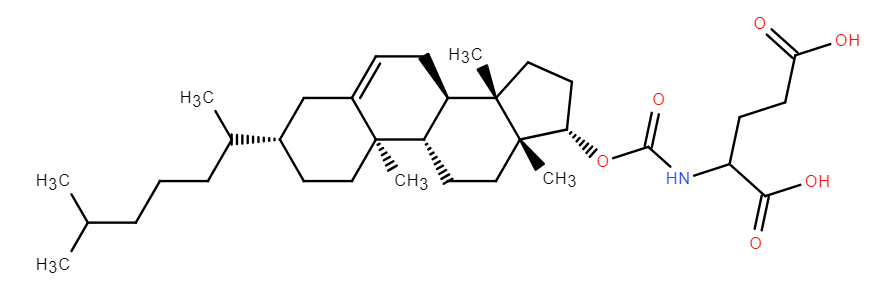
GA-Chol(glutamate-cholesterol) is a novel synthetic cholesterol derivative designed to overcome the liver tropism of conventional lipid nanoparticles (LNPs) after local administration. It is synthesized through a two-step reaction involving the covalent conjugation of glutamic acid to cholesterol. When incorporated into LNPs, GA-Chol replaces native cholesterol (typically 38.5 mol%), significantly altering the nanoparticles' properties. A key characteristic of GA-Chol LNPs is their strongly negative zeta potential, which contrasts with the nearly neutral charge of standard cholesterol-containing LNPs. This modification is crucial for altering the LNP's behavior in vivo. Following intramuscular or intratumoral injection, GA-Chol LNPs exhibit superior retention at the injection site, demonstrating robust localized transfection with minimal leakage into the systemic circulation and subsequent off-target expression in the liver. This localized retention effect is consistent across various cancer models. Furthermore, GA-Chol enhances in vitrotransfection efficiency by approximately 10 to 20-fold in different cell lines. Therapeutically, LNPs formulated with GA-Chol enable effective local delivery of potent mRNA cargoes, such as constitutively active caspase-3, achieving significant tumor growth inhibition in mouse models while mitigating risks of hepatotoxicity, showcasing its potential for targeted nucleic acid therapies.
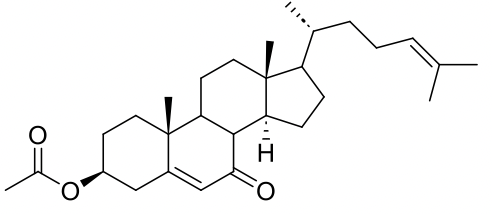
3-Hydroxycholesta-5,24-dien-7-one; 3β-form, AcFeaturedFeatured
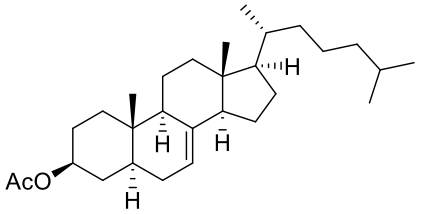
Cholest-7-en-3-ol,acetate, (3b)- (9CI)FeaturedFeatured
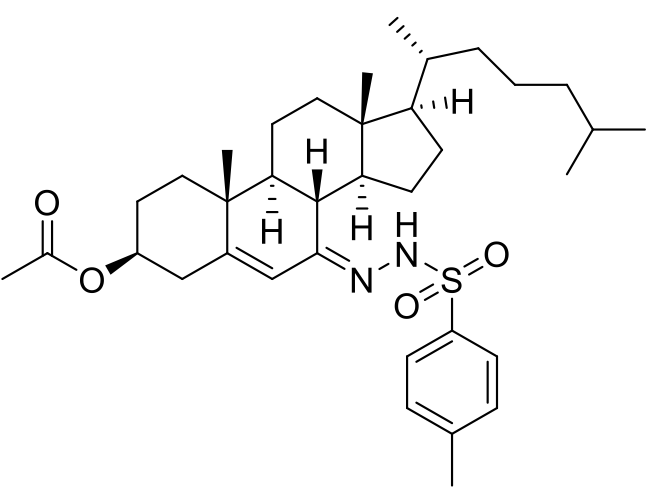
7-p-Toluenesulfonylhydrazide Cholesterol 3-AcetateFeaturedFeatured
No products match this search.
Page 161 of 184 · Browse all 3666 products