
Research lipid catalog
Ionizable Lipid Products
Explore 848 lipid and RNA delivery products. Search the full catalog or browse by research category.
Search covers product name, catalog number, synonyms, available CAS numbers and categories. Spaces, hyphens and common punctuation are ignored. Duplicate legacy records are consolidated under one canonical product result.
4677 products · Showing 4601–4620 · 20 per page
DC Chemicals lipid expertise
Built for ionizable-lipid discovery and RNA delivery research
DC Chemicals supports formulation and delivery research with a broad, searchable portfolio of cationic and ionizable lipids. The current directory brings together 848 unique research-use products, with product specifications, pricing, chemical structures and literature-linked formulation data added as each record is verified.
Our experience spans complex lipid synthesis, purification, analytical release and process development. For custom molecules or larger-scale requirements, our team can discuss route development, technical specifications and scale-up options for the intended research workflow.
Learn about cationic and ionizable lipids →Proprietary innovation · Co-development · GMP
From proprietary lipid design to GMP-grade custom synthesis
DC Chemicals has independently developed ionizable-lipid structures supported by company-owned intellectual property, and selected proprietary lipid programs have advanced to GMP-stage development.
We welcome joint development with customers—from molecular design and lipid synthesis through route and process development. We can also support custom synthesis of GMP-grade ionizable lipids to agreed technical specifications and quality requirements.
Discuss a co-development project →Proprietary ionizable-lipid structuresCollaborative molecular designCustom lipid synthesisProcess development and scale-upGMP-grade project support
Product quick links
Explore New ionizable lipids
Explore our five most recently added ionizable lipids, with specifications, pricing and literature-linked product information.
DCL0028HX1Brain RNA delivery researchView product →DCL0024A1I4R13C18-2Spleen-targeted RNA delivery researchView product →DCL0023A1I4R2C18-2Spleen-targeted RNA delivery researchView product →DCL0022FS01Local joint RNA delivery researchView product →DCL0020Lipid-392Lung RNA delivery and gene editing researchView product →
Cat. No.Product NameField of ApplicationChemical Structure
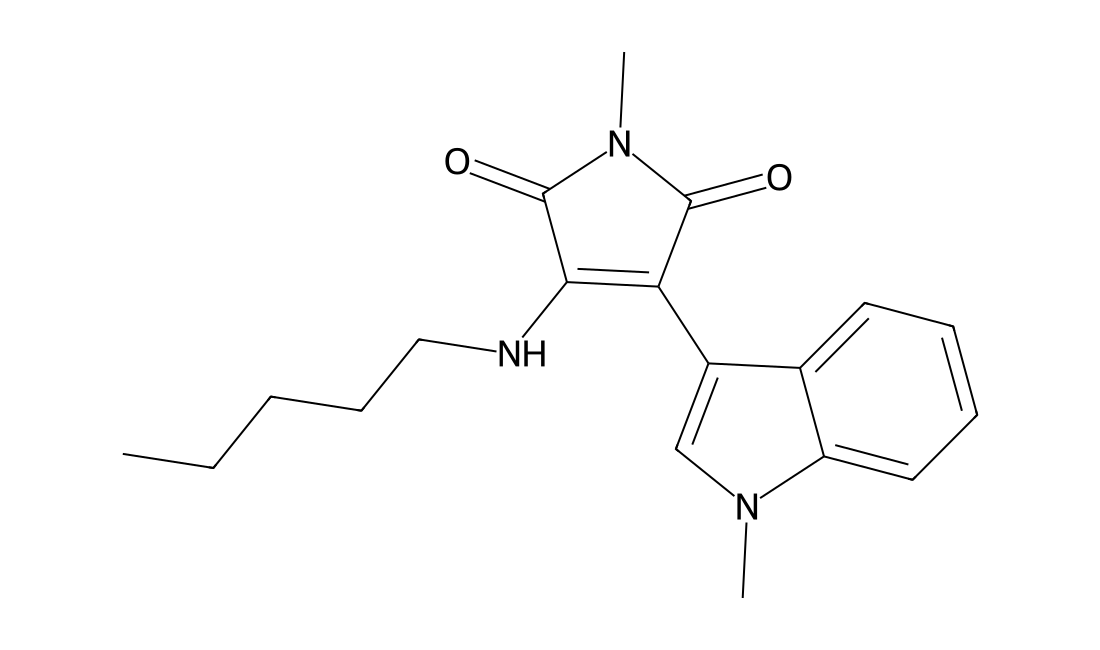
IM-54Featured
IM-54 is a cell permeable, potent and selective inhibitor of necrosis.
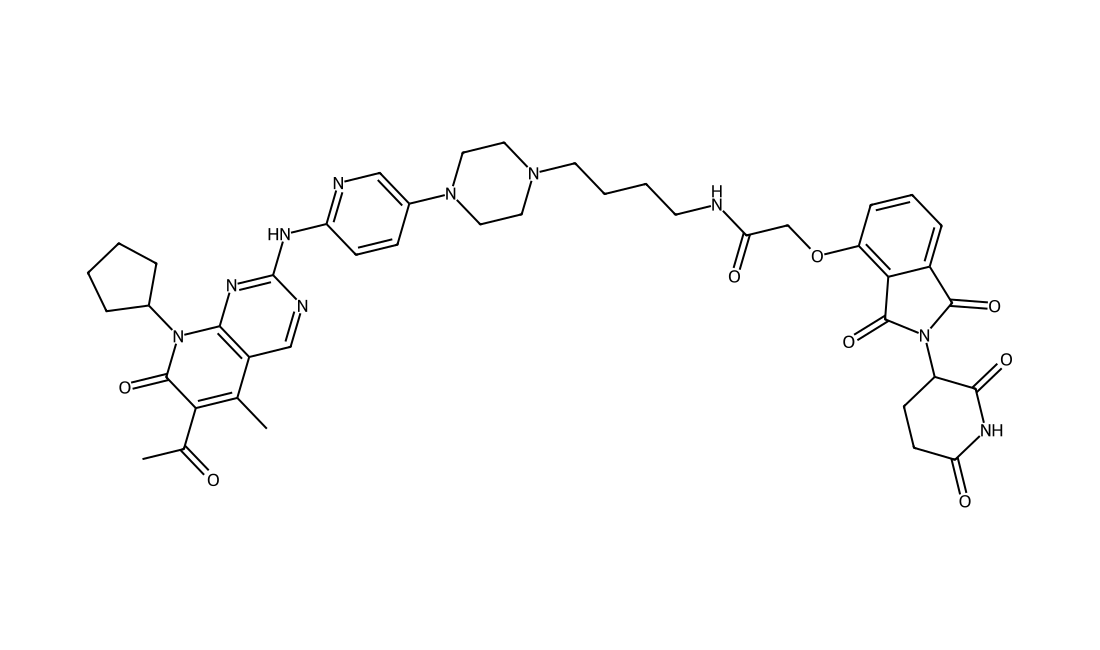
BSJ-03-204Featured
BSJ-03-204 is a PROTAC connected by ligands for Cereblon and CDK. BSJ-03-204 is a potent and selective Palbociclib-based CDK4/6 dual degrader (PROTAC), with IC50s of 26.9 nM and 10.4 nM for CDK4/D1 and CDK6/D1, respectively. BSJ-03-204 does not induce IKZF1/3 degradation and has anti-cancer activity.
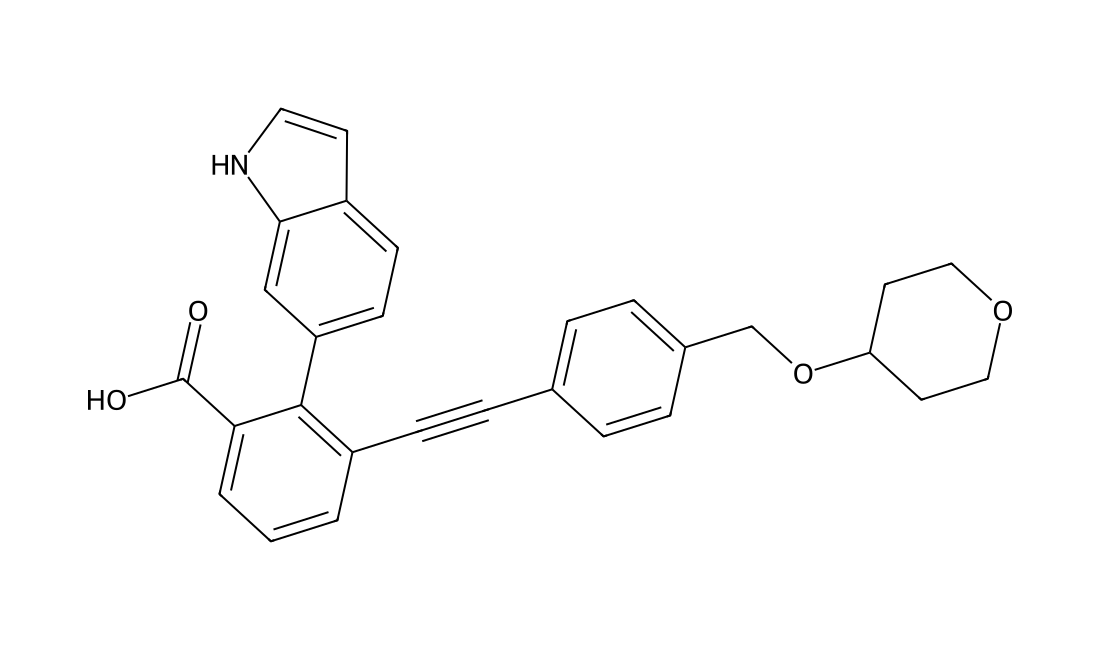
VK-2019Featured
VK-2019 is a selective EBNA1 inhibitor. VK-2019 was developed as a highly specific inhibitor of EBNA1 DNA binding activity and is currently in phase 1 development as a treatment for EBV-associated carcinomas. EBNA1 is an Epstein Barr virus (EBV) protein expressed in all EBV-associated cancers. EBNA1 plays a critical role in the replication and maintenance of EBV episomes in latently infected cells.
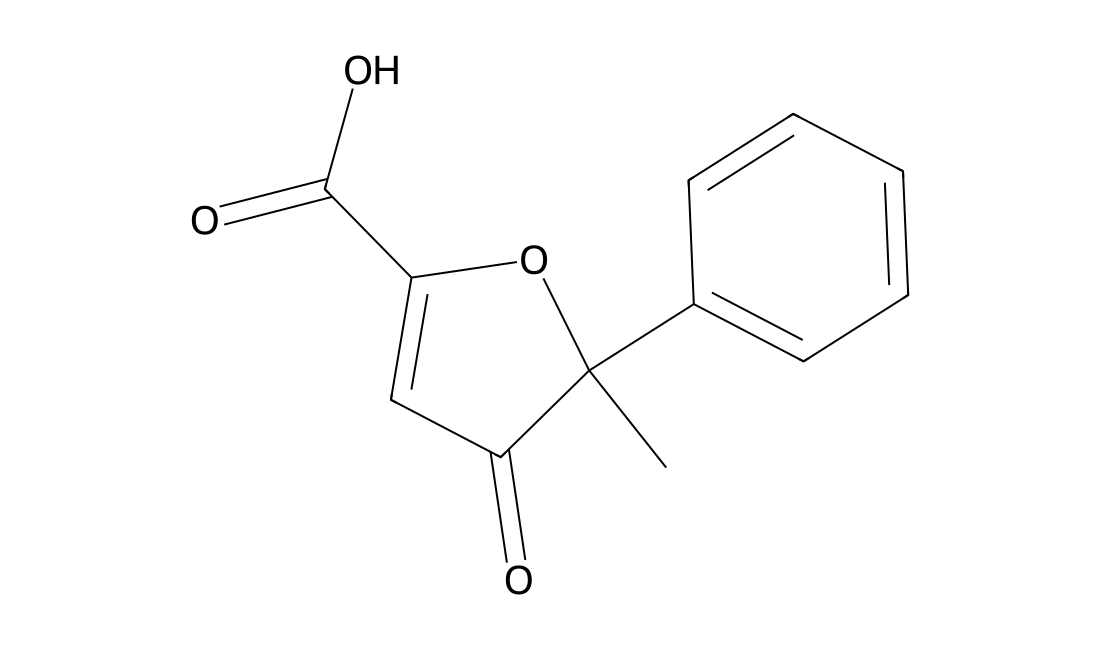
AcifranFeatured
Acifran (AY 25712), an antihyperlipidemic agent, is an orally active agonist of GPR109A (HM74A) and GPR109B, the high and low affinity receptors for Niacin.
IpsapironeFeatured
Ipsapirone, also known as BAY q 7821, is a new pyrimidinylpiperazine ligand potent and specific for 5-HT1A receptors. Ipsapirone hydrochloride has potential therapeutic use in affective disorders.
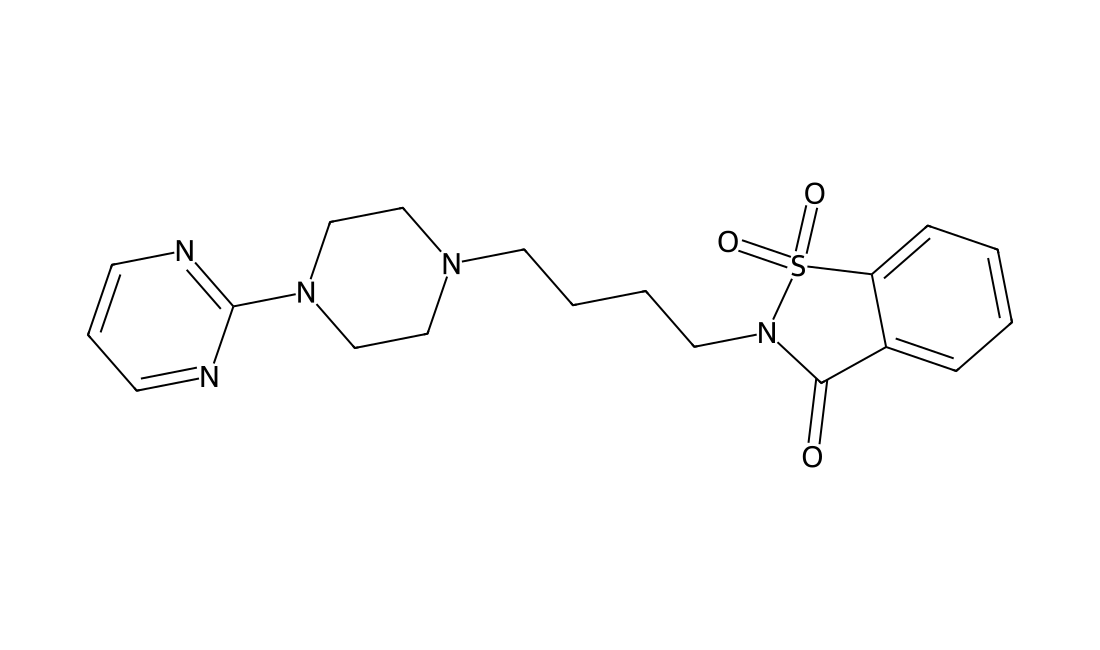
Dsm502Featured
Novel potent inhibitor of dihydroorotate dehydrogenase (DHODH)
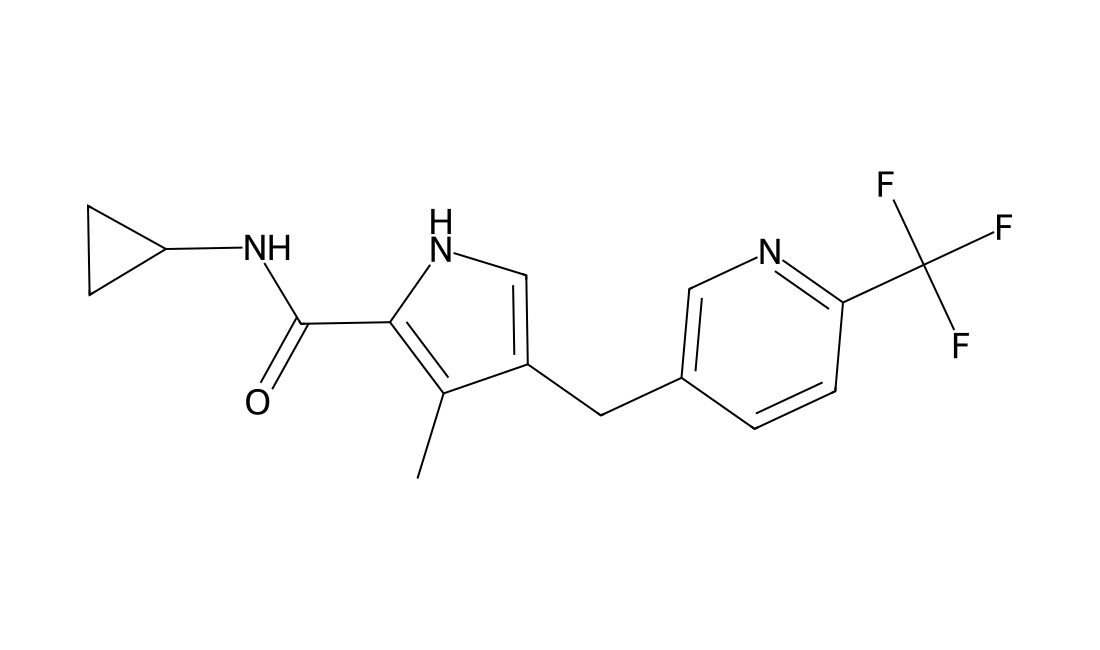
NeuropathiazolFeatured
Neuropathiazol selectively induces neuronal differentiation of primary hippocampal neural progenitor cells. It is more potent and selective compared to retinoic acid. Also suppresses astrocyte differentiation.
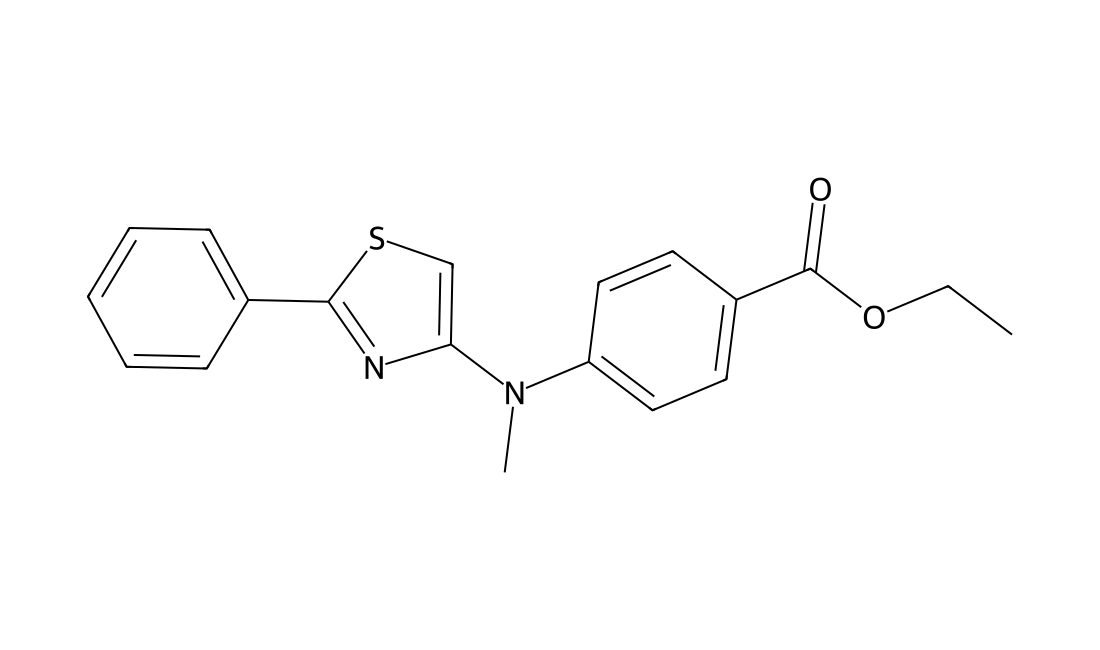
EGFR-IN-99Featured
EGFR-IN-99 (compound 1a) is a potent EGFR and HER2 Exon 20 insertion mutant inhibitor. EGFR-IN-99 has excellent antiproliferative activity against DFCI127 cells, with an EC50 of 11.5 nM. EGFR-IN-99 can be used for the research of non-small cell lung cancer (NSCLC).
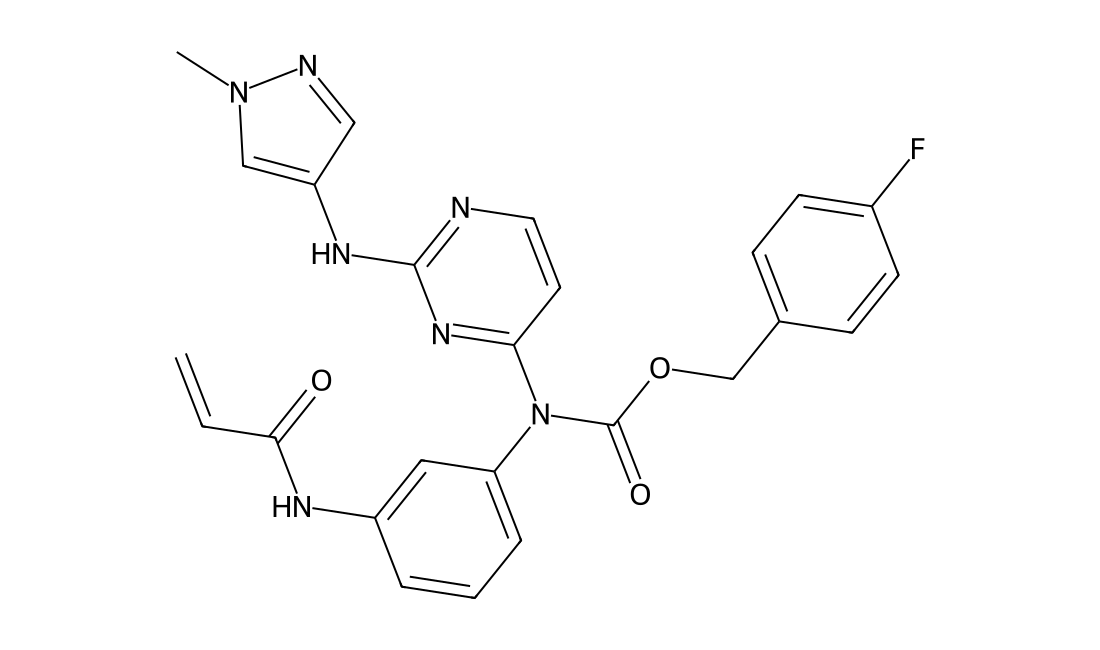
H2L5186303Featured
H2L5186303 is a potent and selective LPA2 receptor (lysophosphatidic acid 2 receptor) antagonist with an IC50 of 9 nM.
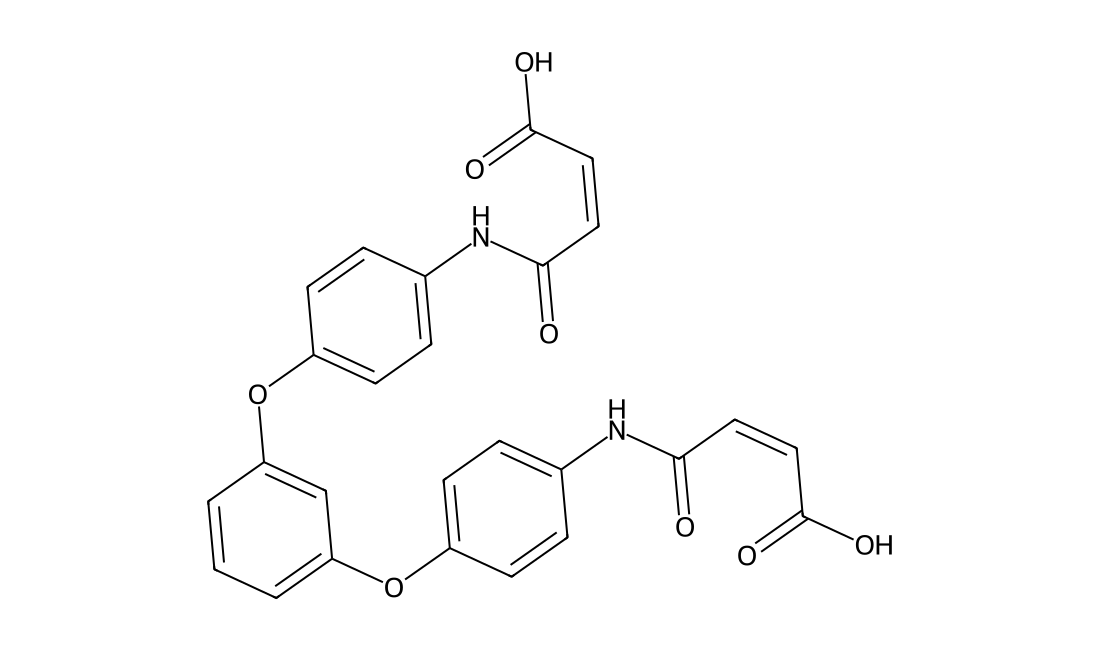
TES-1025Featured
TES-1025 (TES1025) is a potent, selective inhibitor of human ACMSD (α-Amino-β-carboxymuconate-ε-semialdehyde decarboxylase) with IC50 of 13 nM, increases NAD+ levels in cellular systems.
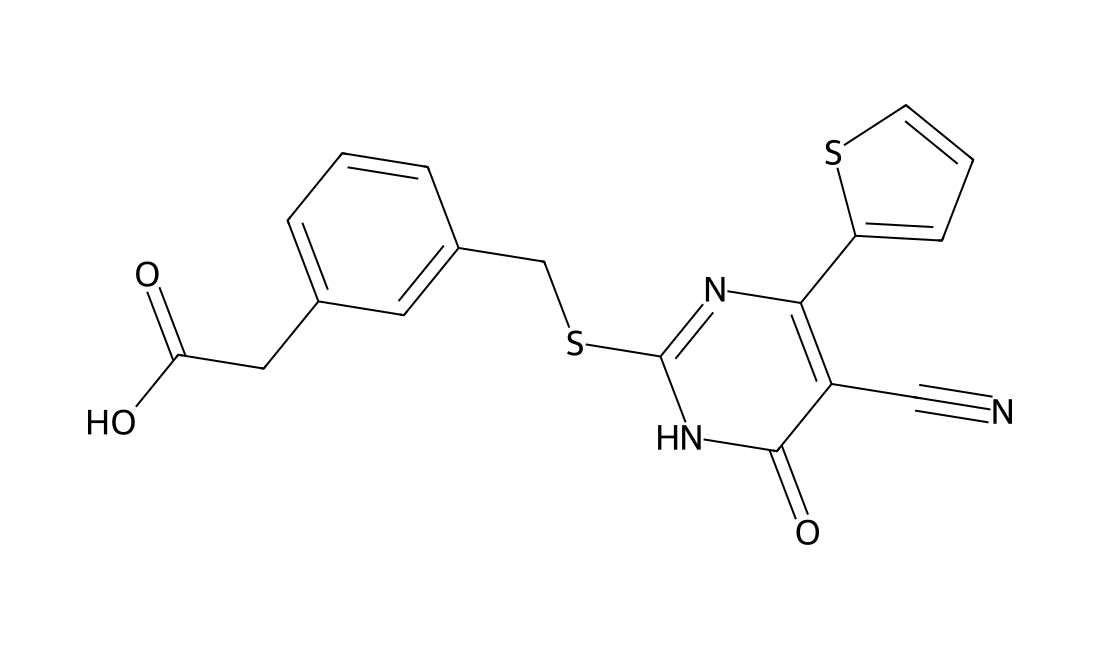
AnsornitinibFeatured
Ansornitinib is an orally active dual kinase inhibitor that inhibits platelet-derived growth factor receptor (PDGFR) and vascular endothelial growth factor receptor (VEGFR2). Ansornitinib can be used as an antifibrotic agent in lung, liver, kidney, and gastrointestinal fibrotic diseases.
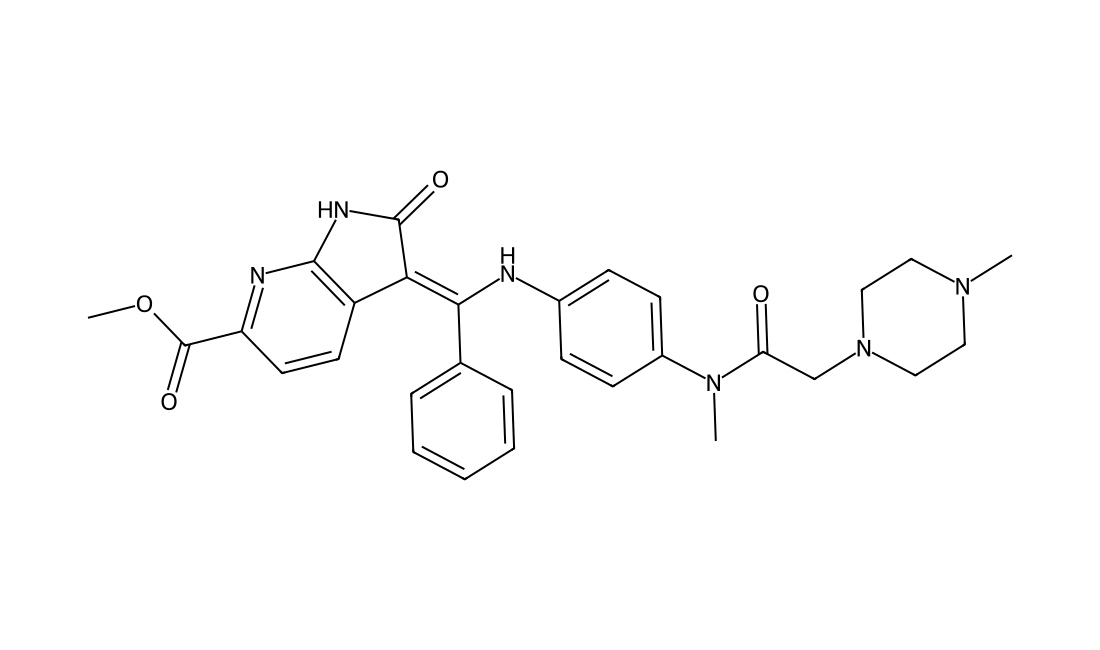
KakeimideFeatured
Kakeimide is a potent GH3 inhibitor that selectively targets IAA-conjugating GH3 proteins at subnanomolar concentrations in vitro, shows auxin-like activity by inhibiting endogenous IAA catabolism.
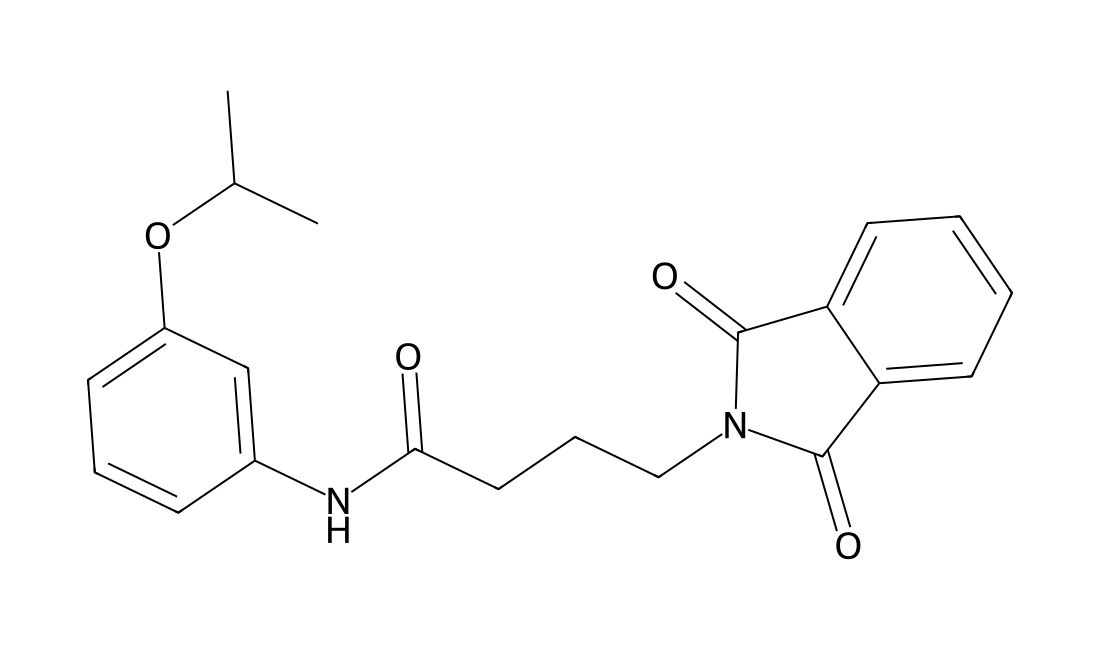
H3B-120Featured
H3B-120 is a competitive, selective and allosteric inhibitor of carbamoyl phosphate synthetase 1 (CPS1) with IC50 of 1.5 μM and Ki of 1.4 μM. H3B-120 exhibits anti-tumor activity.
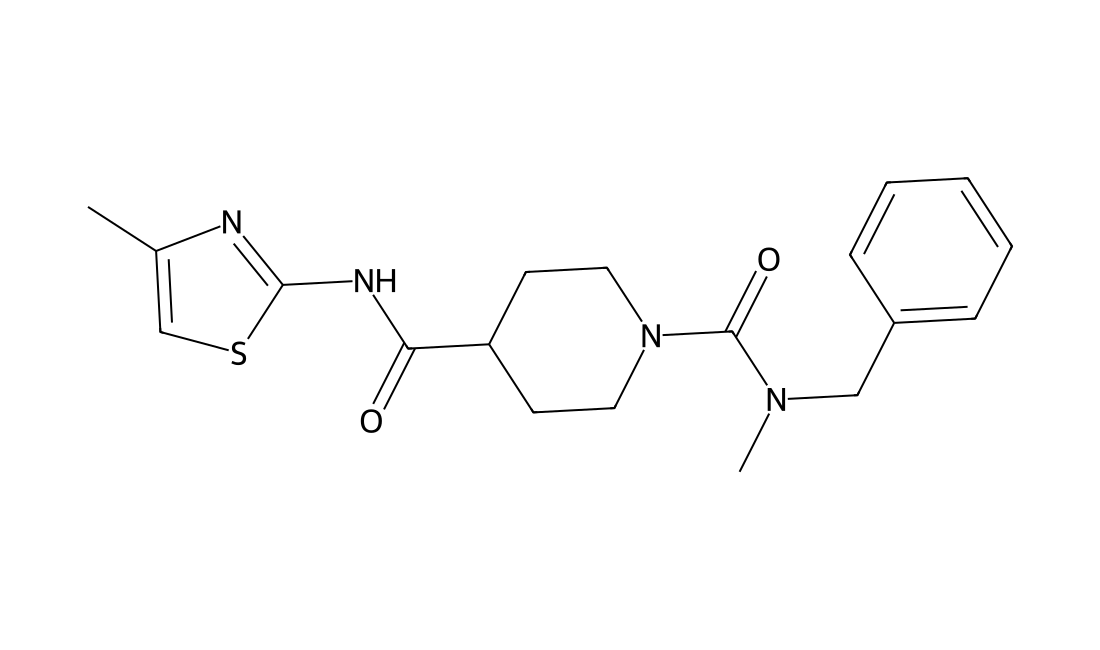
PSB1115Featured
PSB1115 is a highly selective, water-soluble, human A2B adenosine receptor antagonist. PSB1115 has Ki values are 53.4, > 10000 and > 10000 nM at human A2B, A1 and A3 receptors respectively. It produces potent analgesic effects in vivo.
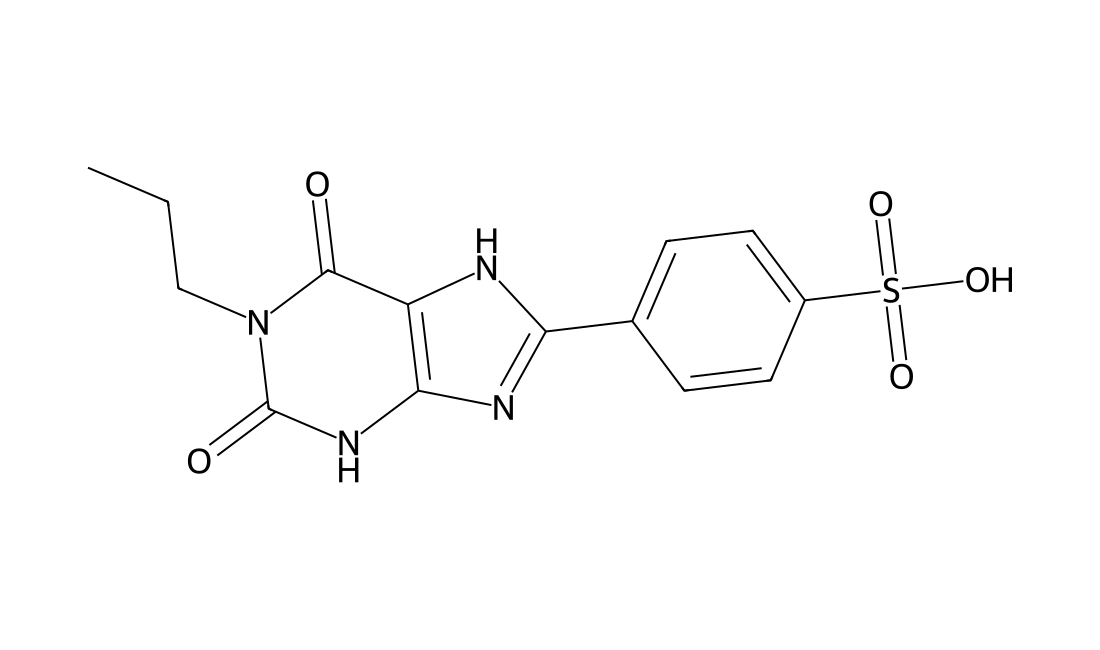
AGI-25696Featured
AGI-25696 (AGI 25696) is a potent and selective inhibitor of methionine adenosyltransferase MAT2A, blocks the growth of MTAP-deleted tumors in vivo.
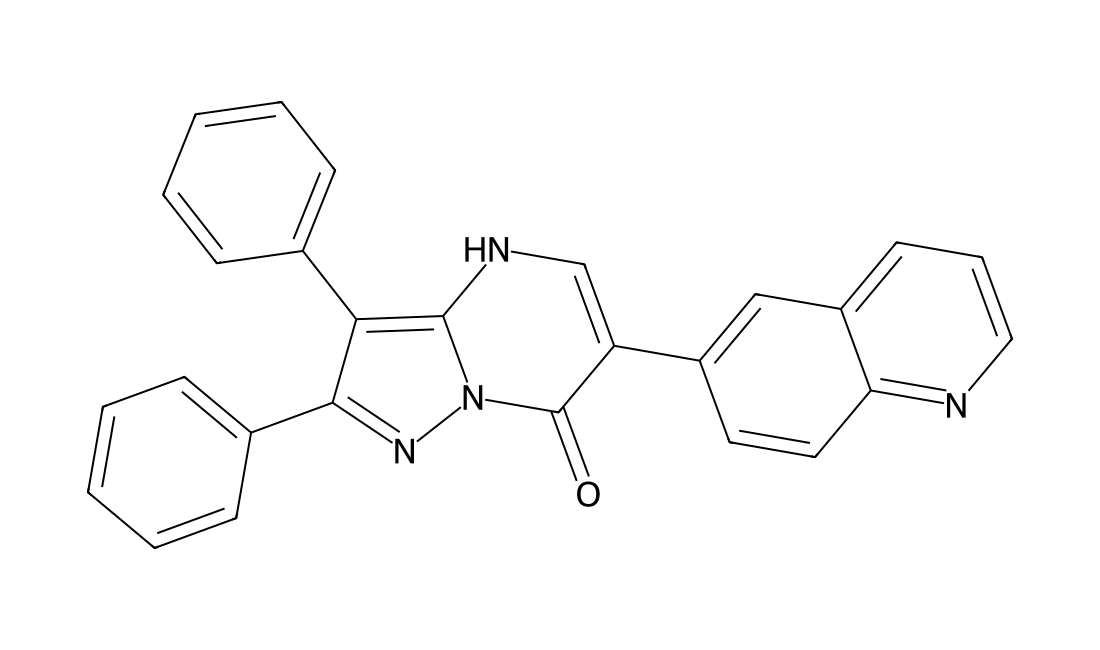
BLU-451Featured
BLU-451, also known as LNG-451, orally bioavailable, central nervous system (CNS) penetrating, mutant-selective covalent inhibitor of epidermal growth factor receptor (EGFR) exon 20 insertion (Ex20ins) activating mutations, with potential antineoplastic activity. Upon oral administration, EGFR Ex20ins inhibitor BLU-451 selectively targets, irreversibly binds to and inhibits the activity of EGFR Ex20ins and some other oncogenic point mutations. This prevents EGFR Ex20ins-mediated signaling. This may induce cell death and inhibit tumor growth in EGFR Ex20ins-overexpressing tumor cells. EGFR, a receptor tyrosine kinase mutated in many tumors, plays a key role in tumor cell proliferation and tumor vascularization. BLU-451 is able to penetrate the blood-brain-barrier (BBB) and may therefore exert its activity against EGFR Ex20ins-driven CNS primary tumors and CNS metastases. BLU-451 does not inhibit the activity of wild-type (WT) EGFR. EGFR Ex20ins are oncogenic driver mutations that constitutively upregulate kinase activity.
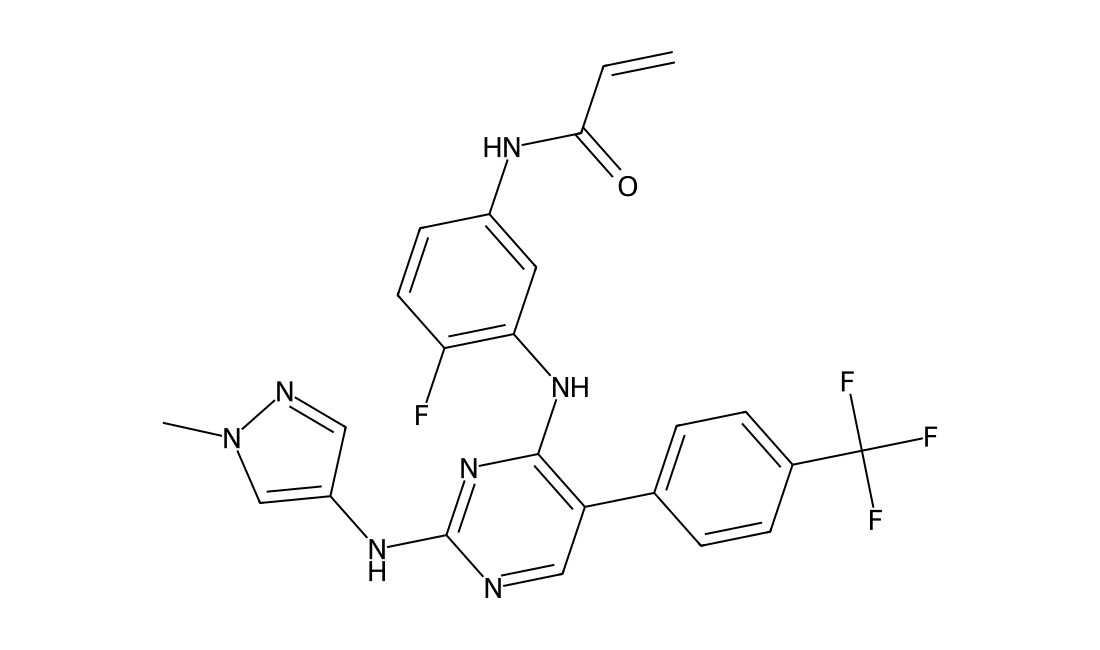
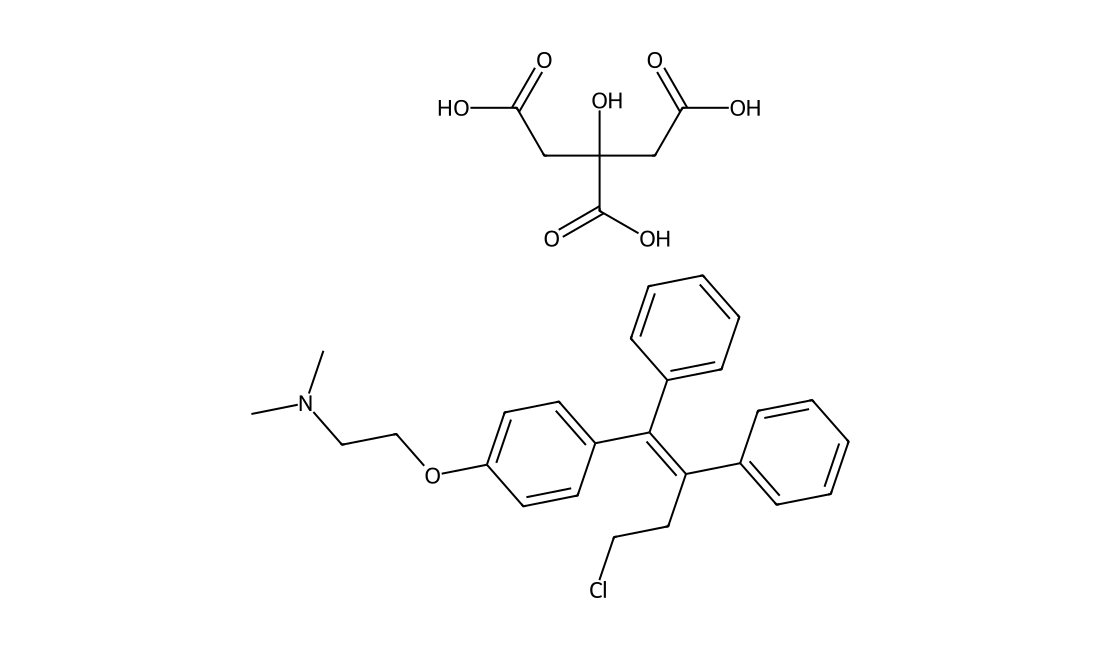
Toremifene CitrateFeatured
Toremifene Citrate(NK 622; FC 1157a) is a second-generation selective estrogen-receptor modulator (SERM) in development for the prevention of osteoporosis.
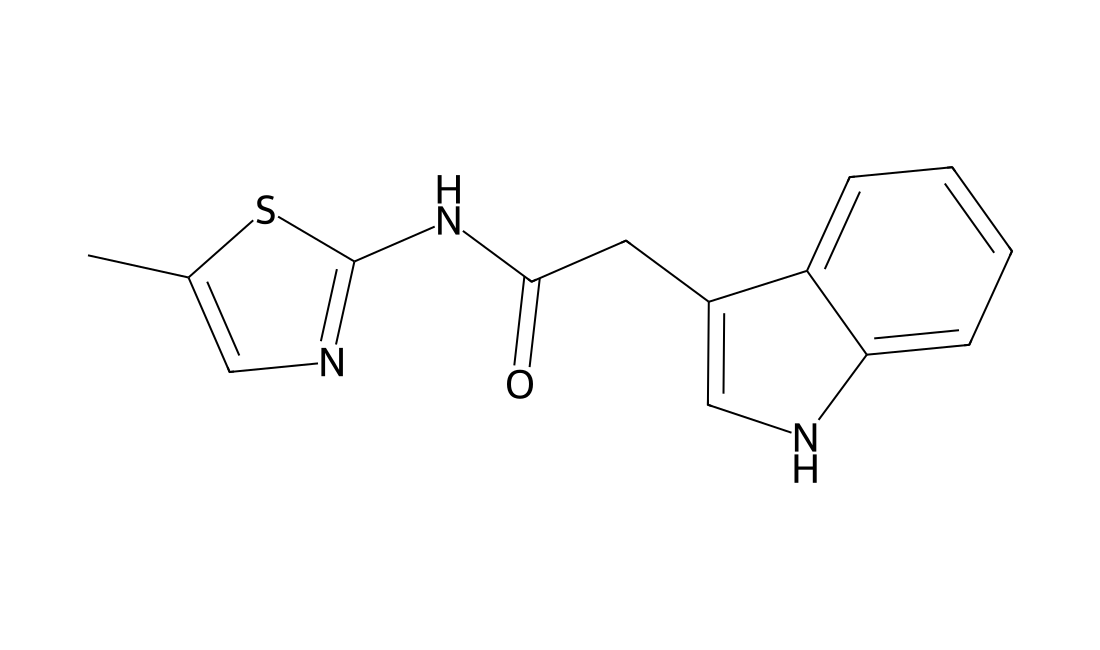
GSK-3β inhibitor 12Featured
GSK-3β inhibitor 12 (compound 15) is an inhibitor of GSK-3β. GSK-3β inhibitor 12 inhibits 49.11% and 37.11% activity of 25 μM and 50 μM GSK-3β, respectively. GSK-3β inhibitor 12 can be used for the research of neurodegenerative diseases.
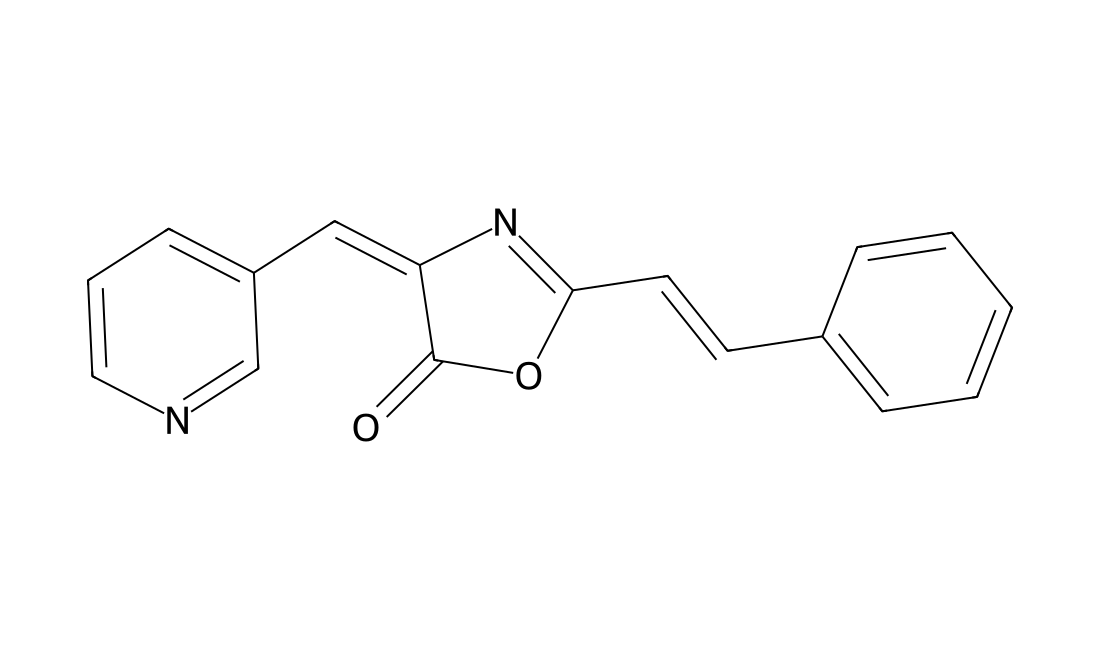
TC-DAPK-6Featured
TC-DAPK 6 is an oxazalone compound that acts as a potent, ATP-competitive, and highly selective death-associated protein kinase (DAPK) inhibitor (IC50 = 69 and 225 nM against DAPK1 and DAPK3, respectively, with 10 uM ATP).
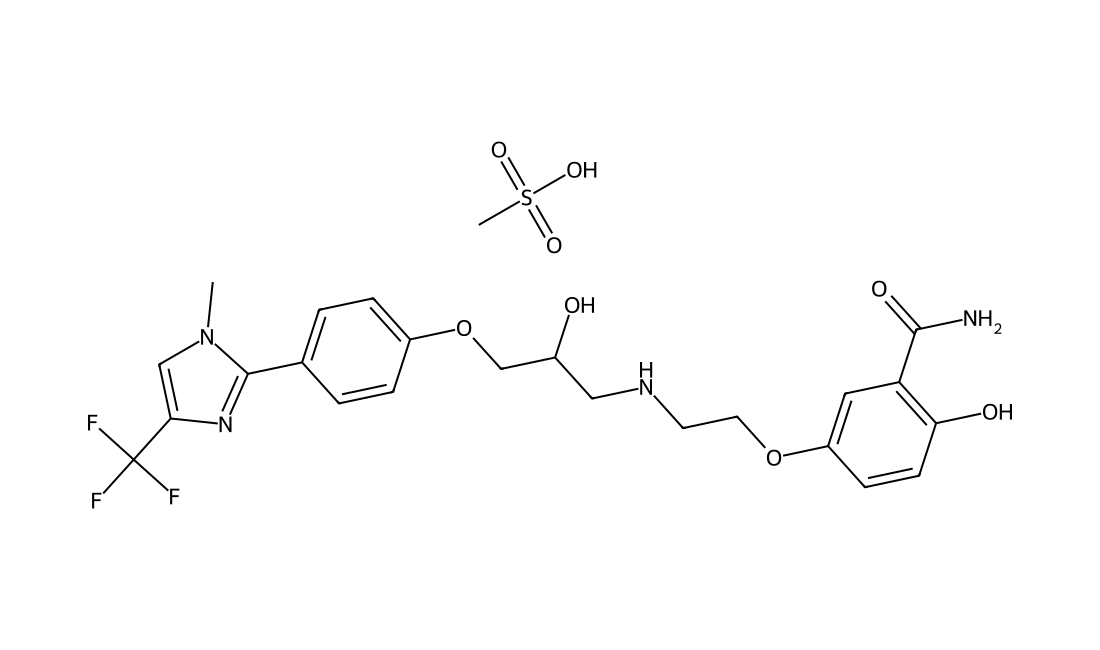
CGP 20712 AFeatured
CGP 20712 A (CGP 20712 mesylate) is a highly selective β1-adrenoceptor antagonist with an IC50 of 0.7 nM. CGP 20712 A exhibits ~10,000-fold selectivity over β2-adrenoceptors.
No products match this search.
Page 231 of 234 · Browse all 4677 products
Jump to a product page
Featured literature product: HX1 · DCL0028
HX1 is a hydroxyzine-derived ionizable lipid with acetal-containing tails, studied in lipid nanoparticles for brain mRNA delivery and CRISPR–Cas9 delivery. It was the lead in the reported in vivo brain-delivery screen; evidence is preclinical and formulation-dependent.
Read full formulation and performance →