
Research lipid catalog
Ionizable Lipid Products
Explore 848 lipid and RNA delivery products. Search the full catalog or browse by research category.
Search covers product name, catalog number, synonyms, available CAS numbers and categories. Spaces, hyphens and common punctuation are ignored. Duplicate legacy records are consolidated under one canonical product result.
4677 products · Showing 4321–4340 · 20 per page
DC Chemicals lipid expertise
Built for ionizable-lipid discovery and RNA delivery research
DC Chemicals supports formulation and delivery research with a broad, searchable portfolio of cationic and ionizable lipids. The current directory brings together 848 unique research-use products, with product specifications, pricing, chemical structures and literature-linked formulation data added as each record is verified.
Our experience spans complex lipid synthesis, purification, analytical release and process development. For custom molecules or larger-scale requirements, our team can discuss route development, technical specifications and scale-up options for the intended research workflow.
Learn about cationic and ionizable lipids →Proprietary innovation · Co-development · GMP
From proprietary lipid design to GMP-grade custom synthesis
DC Chemicals has independently developed ionizable-lipid structures supported by company-owned intellectual property, and selected proprietary lipid programs have advanced to GMP-stage development.
We welcome joint development with customers—from molecular design and lipid synthesis through route and process development. We can also support custom synthesis of GMP-grade ionizable lipids to agreed technical specifications and quality requirements.
Discuss a co-development project →Proprietary ionizable-lipid structuresCollaborative molecular designCustom lipid synthesisProcess development and scale-upGMP-grade project support
Product quick links
Explore New ionizable lipids
Explore our five most recently added ionizable lipids, with specifications, pricing and literature-linked product information.
DCL0028HX1Brain RNA delivery researchView product →DCL0024A1I4R13C18-2Spleen-targeted RNA delivery researchView product →DCL0023A1I4R2C18-2Spleen-targeted RNA delivery researchView product →DCL0022FS01Local joint RNA delivery researchView product →DCL0020Lipid-392Lung RNA delivery and gene editing researchView product →
Cat. No.Product NameField of ApplicationChemical Structure
WAY-310507Featured
Mycobacterium tuberculosis shikimate kinase inhibitors
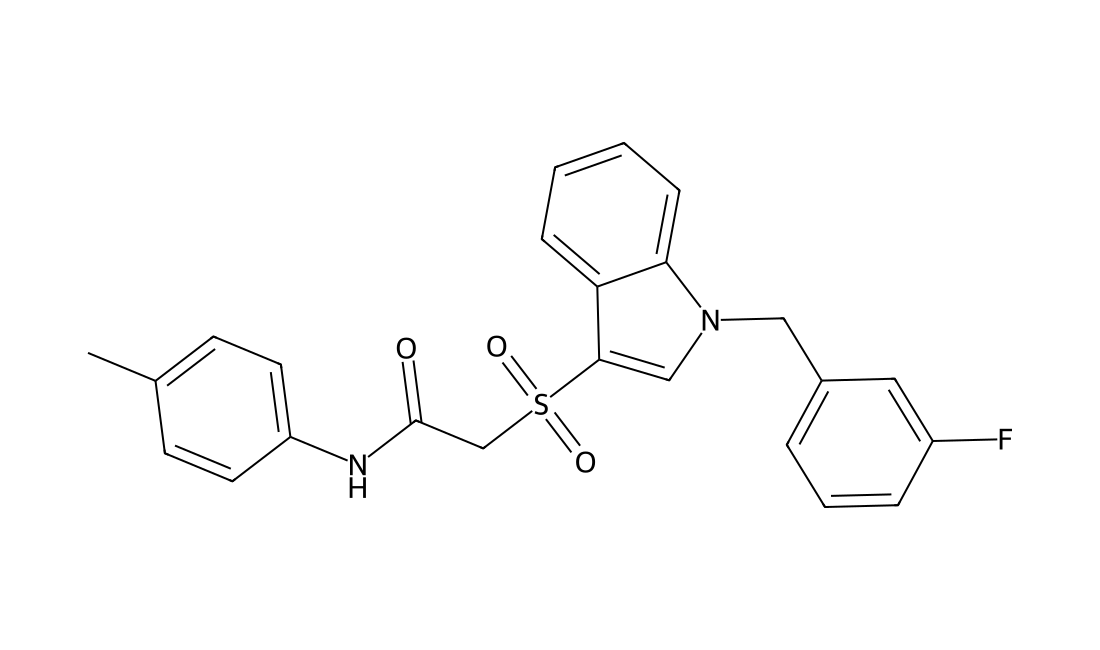
WAY-326312Featured
useful for preventing or treating obesity, dyslipidemia, fatty liver or diabetes;
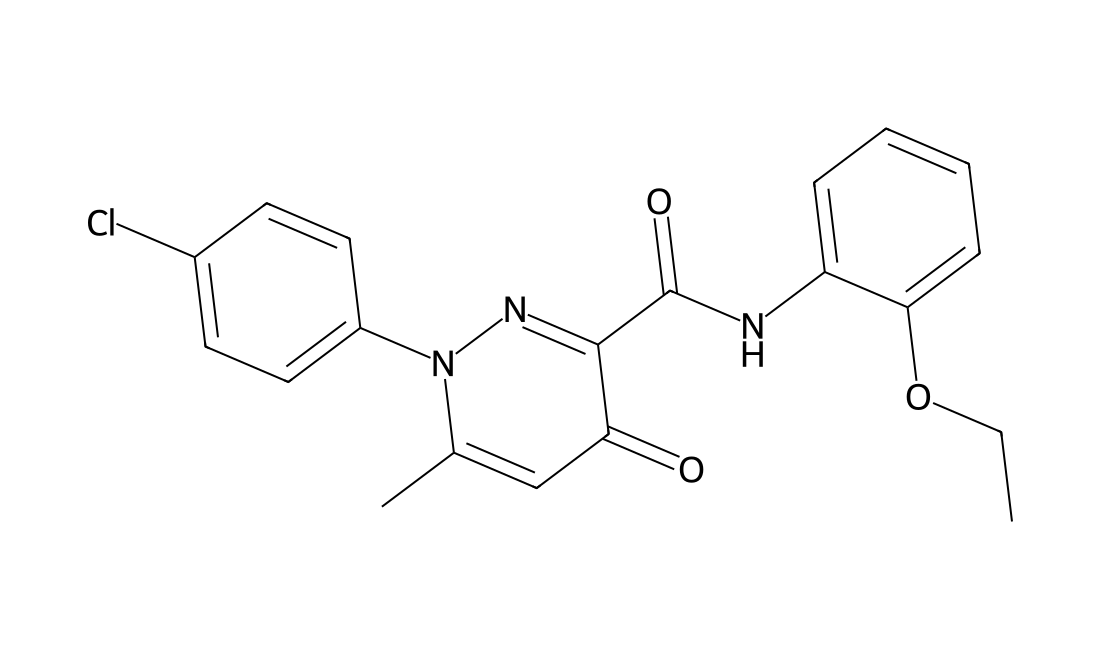
BMS-195614Featured
BMS-195614 is a potent, orally bioavailable RARα antagonist (Ki = 2.5 nM) that modulates multiple signaling pathways. It upregulates Bcl2 expression while suppressing NF-κB, AP-1, and PPAR transactivation. Additionally, it reduces IL-6 and VEGF production, mitigates phototoxic damage from blue light, and exhibits anti-migratory, anti-inflammatory, and anti-angiogenic properties.
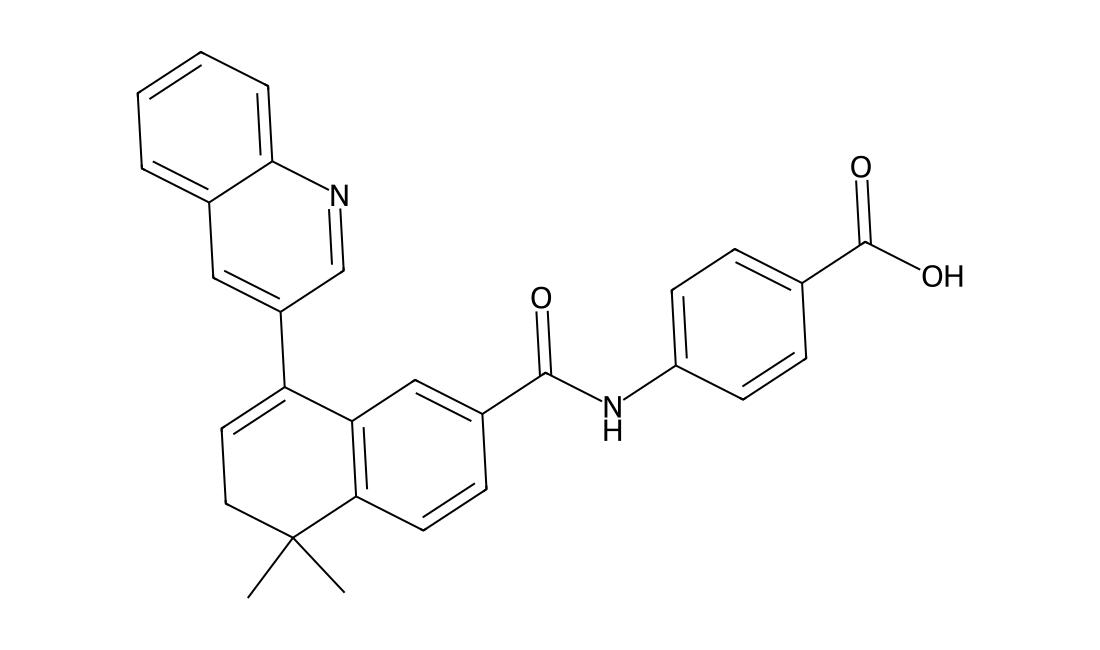
WQ-2101Featured
WQ-2101 (WQ2101, PKUMDL-WQ-2101) is a specific, allosteric inhibitor of PHGDH with IC50 of 34.8 uM (WT PHGDH), shows dramatically reduced potenecy for mutants R134A (IC50 =141 uM) and K57AT59A (IC50=128 uM).
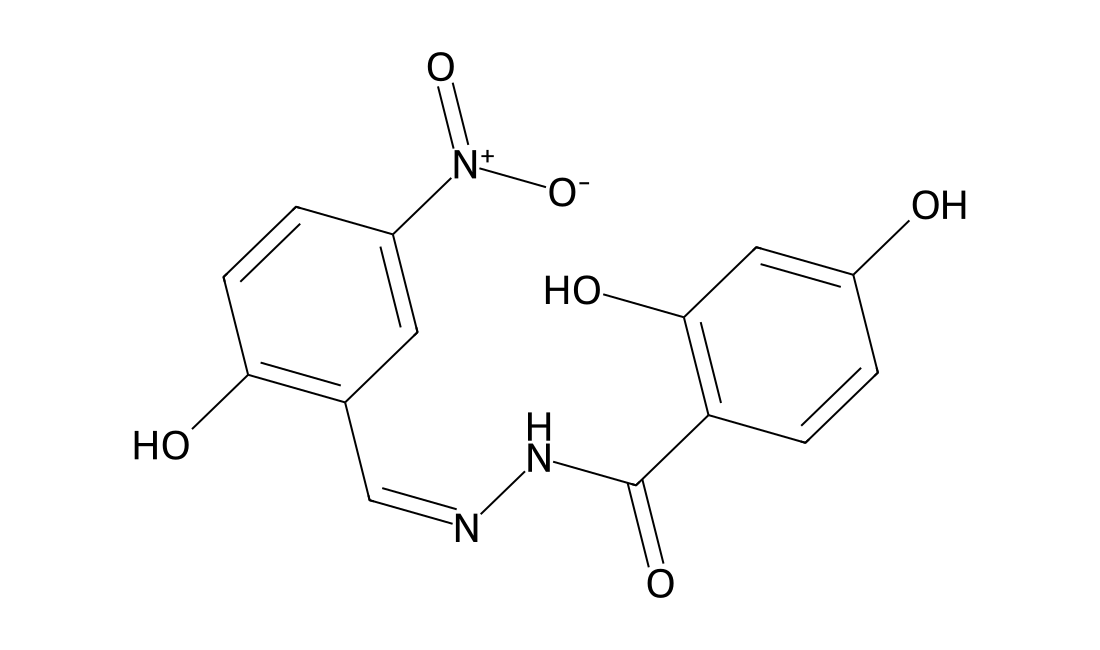
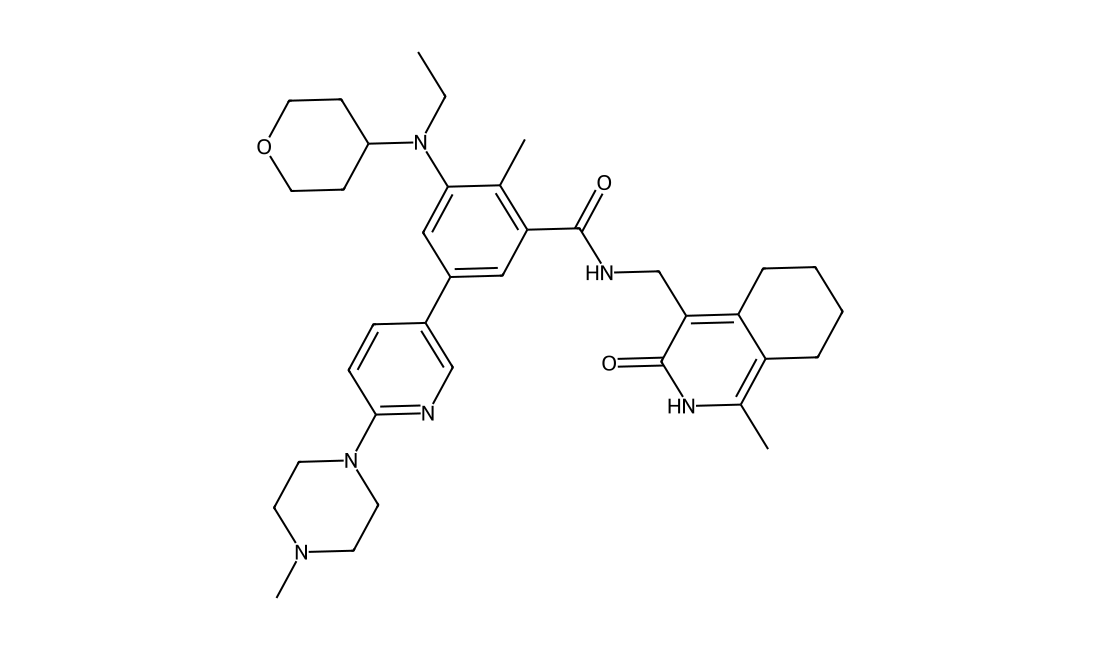
ZLD1039Featured
ZLD1039 is a novel, orally active EZH2 inhibitor demonstrating high selectivity and potency. It effectively suppresses PRC2 enzymatic activity across wild-type EZH2 (IC50 = 5.6 nM) and mutant forms (Y641F: 15 nM; A677G: 4.0 nM), while exhibiting significant anti-tumor and anti-metastatic effects in breast cancer models.
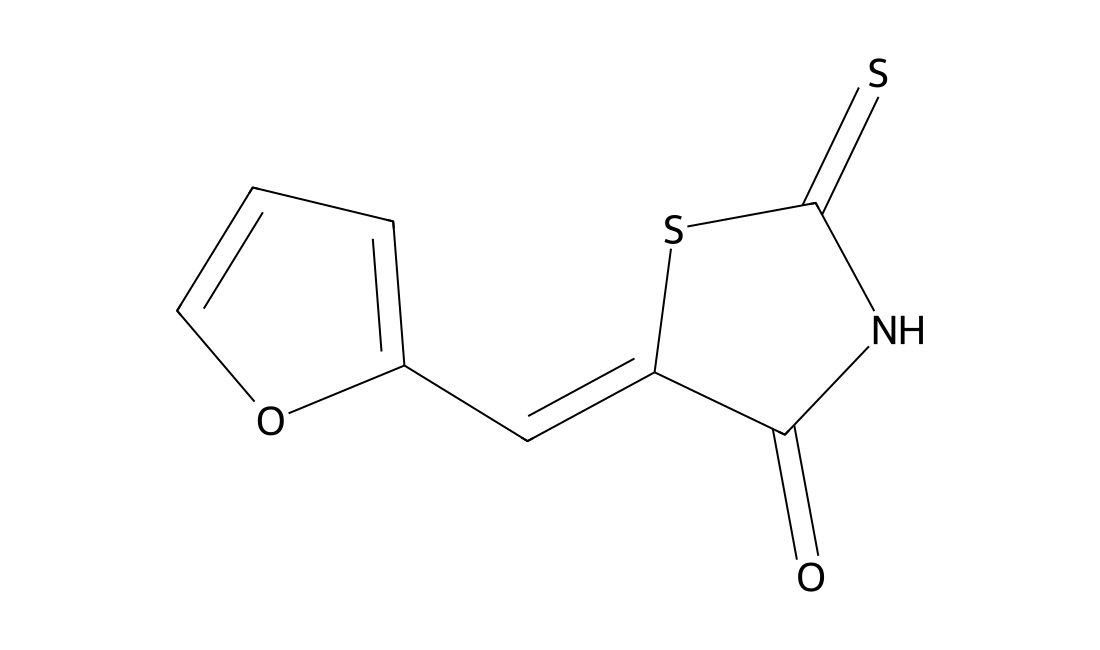
Protonstatin-1Featured
Protonstatin-1 is a selective small-molecule inhibitor of PM H+ -ATPase activity that inhibits auxin transport.
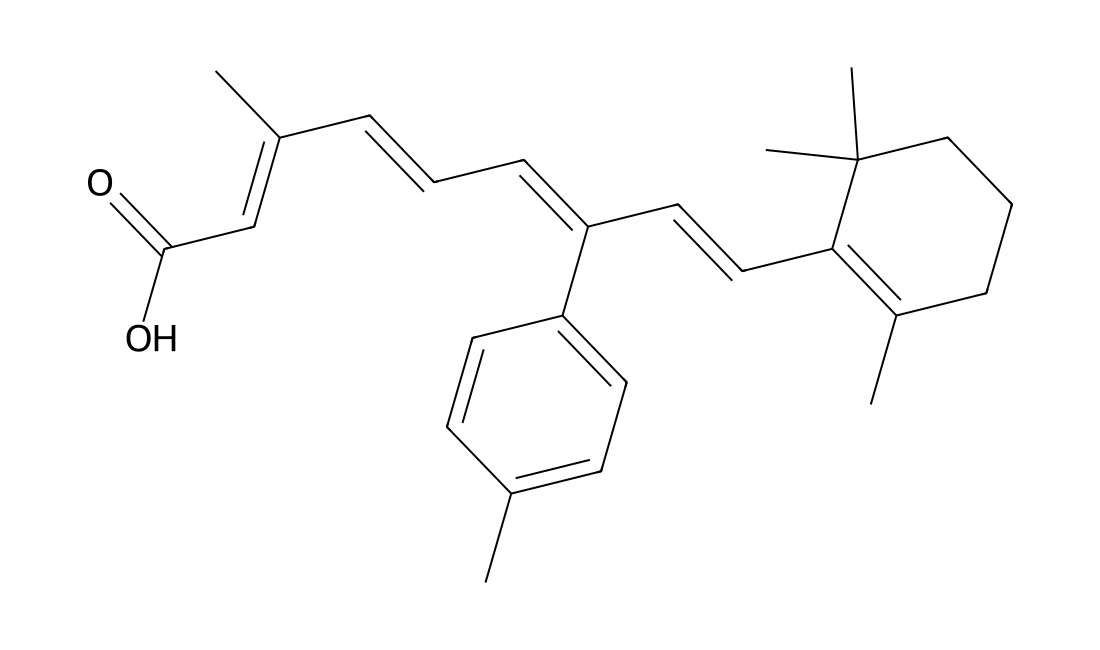
SR 11302Featured
SR 11302 is an activator protein-1 (AP-1) transcription factor inhibitor. SR 11302 is a retinoid that specifically inhibits AP-1 activity without activating the transcription of retinoic acid response element (RARE).
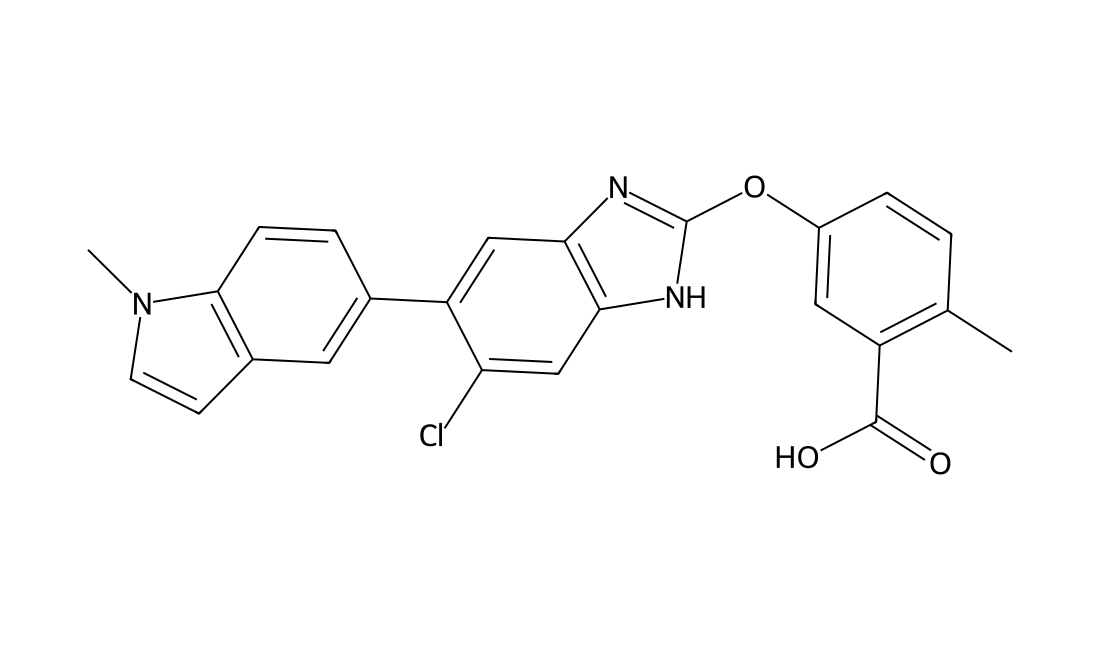
EX-229Featured
EX229 is a small molecule AMPK activator that dose-dependently increases AMPK activity of α1-, α2-, β1- and β2-containing complexes at 50 uM
Sufugolix(TAK-013)Featured
Sufugolix(TAK-013) is a non-peptide, orally-active, selective antagonist of the gonadotropin-releasing hormone receptor (GnRHR) (IC50 = 0.1 and 0.06 nM for affinity and in vitro inhibition, respectively).
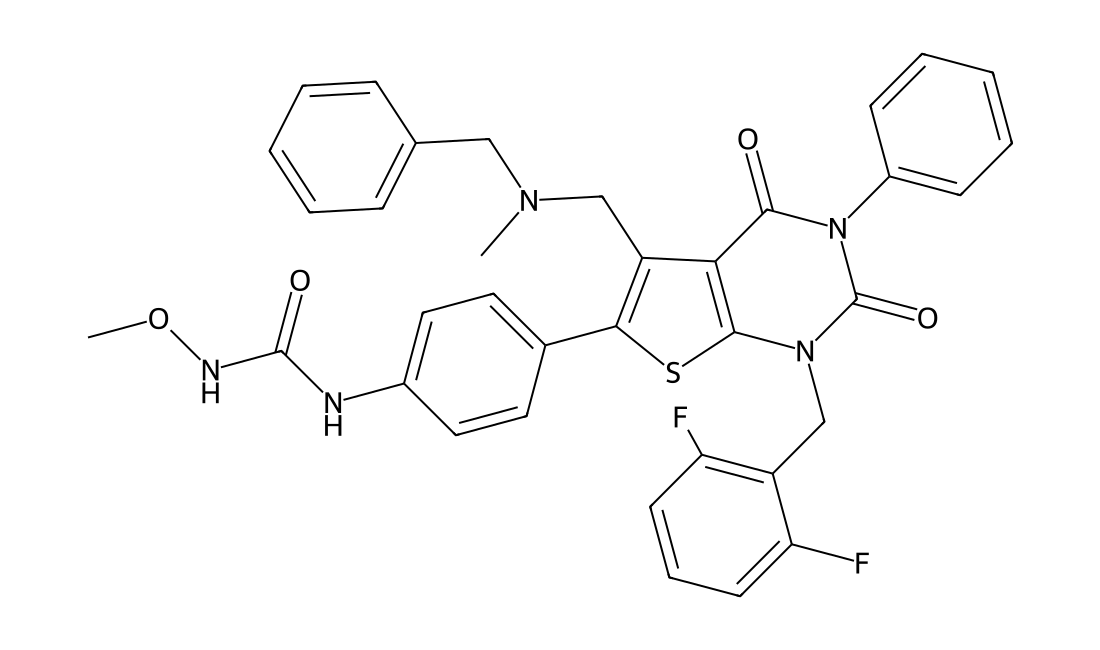
NNKFeatured
NNK is a procarcinogen, a major tobacco-specific toxicant that inhibits the expression of lysyl oxidase, a tumor suppressor.
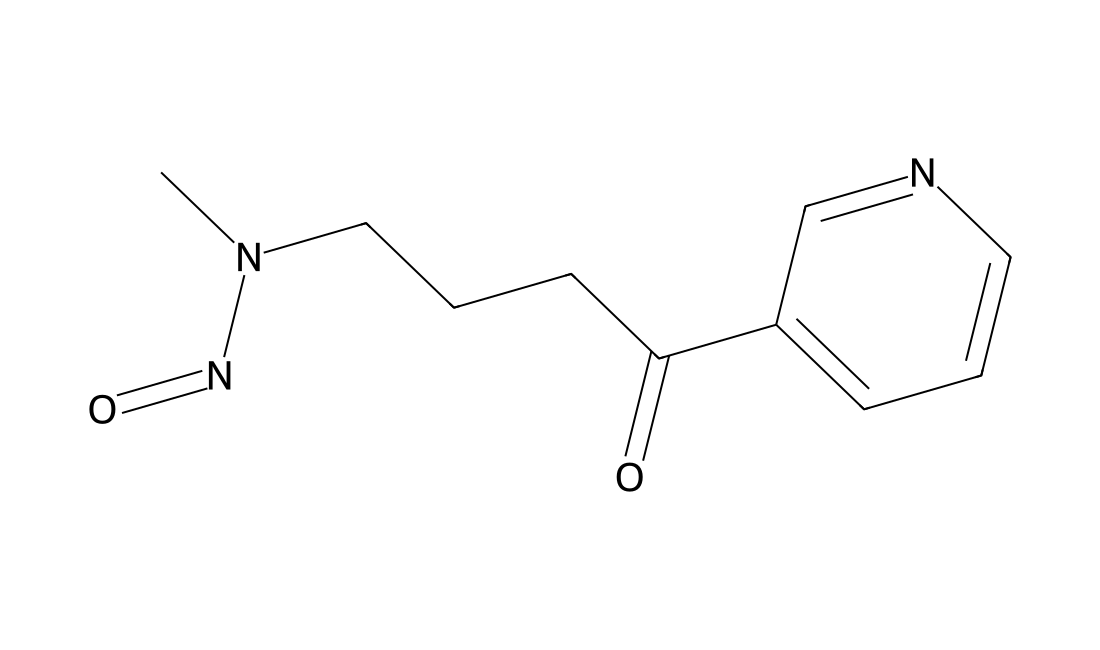
CYM50769 (ML250)Featured
CYM 50769 is a small-molecule, selective NPBWR1 antagonist that effectively inhibits NPW-23-stimulated proliferation in ATDC5 cells, making it a valuable tool for studying endochondral ossification processes.
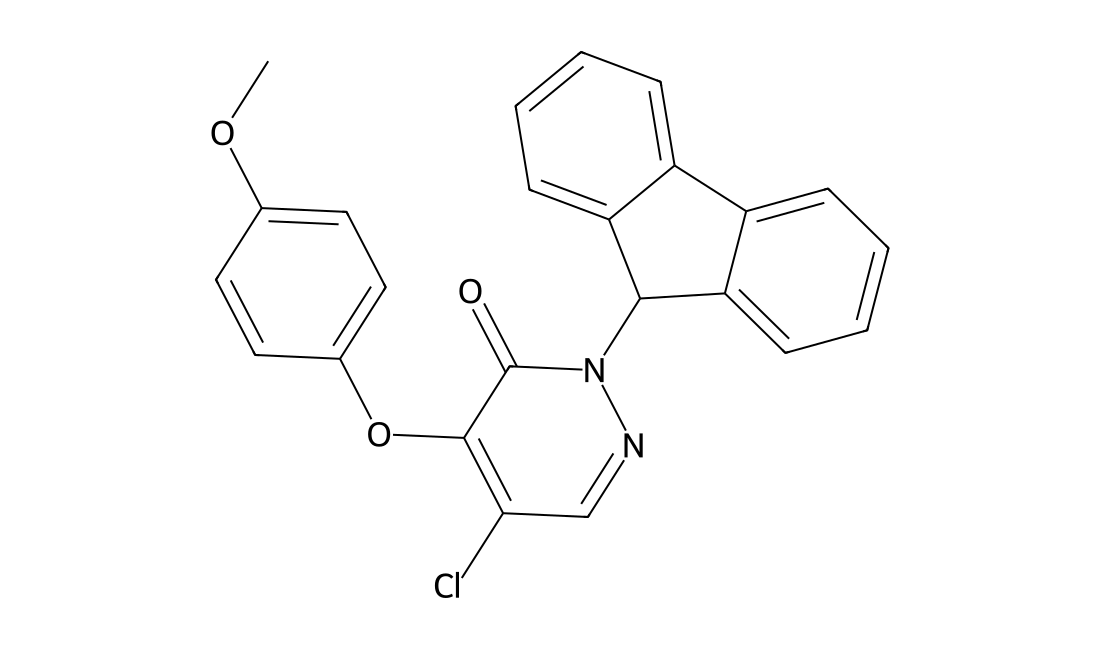
SSAA09E2Featured
SSAA09E2 is a novel inhibitor of SARS-CoV replication, acting by blocking early interactions of SARS-S with the receptor for SARS-CoV, Angiotensin Converting Enzyme-2 (ACE2)
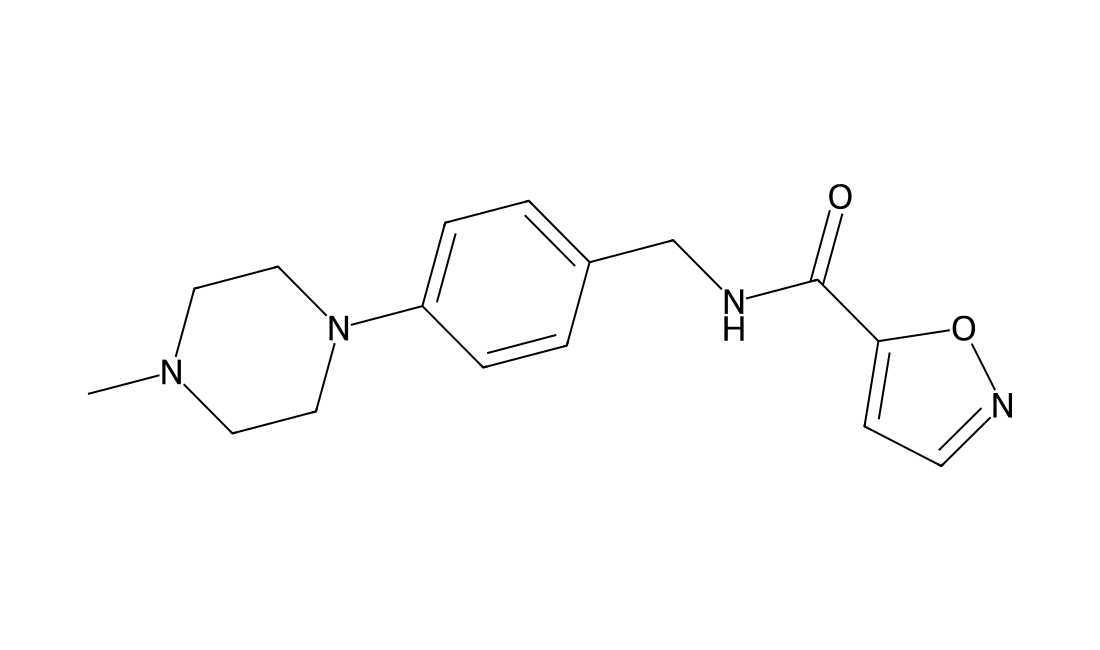
FPPS-IN-11Featured
FPPS-IN-11 represents a novel class of non-bisphosphonate inhibitors that allosterically target farnesyl pyrophosphate synthase (FPPS), demonstrating potent activity with an IC50 value of 200 nM.
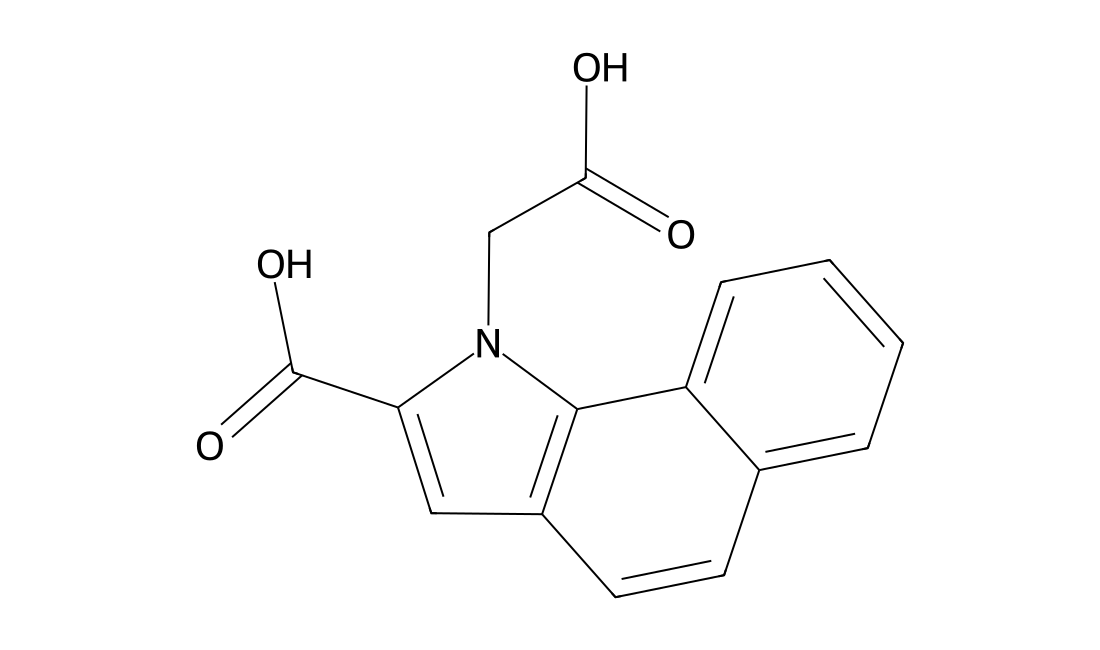
VK-28Featured
VK-28 is a brain-penetrant iron chelator that effectively suppresses mitochondrial lipid peroxidation, whether induced by Fe/ascorbate or occurring basally (IC50 = 12.7 μM). It demonstrates notable neuroprotective activity in ICV-6-OHDA models, making it a promising candidate for Parkinson’s disease and related neurodegenerative disorder research.
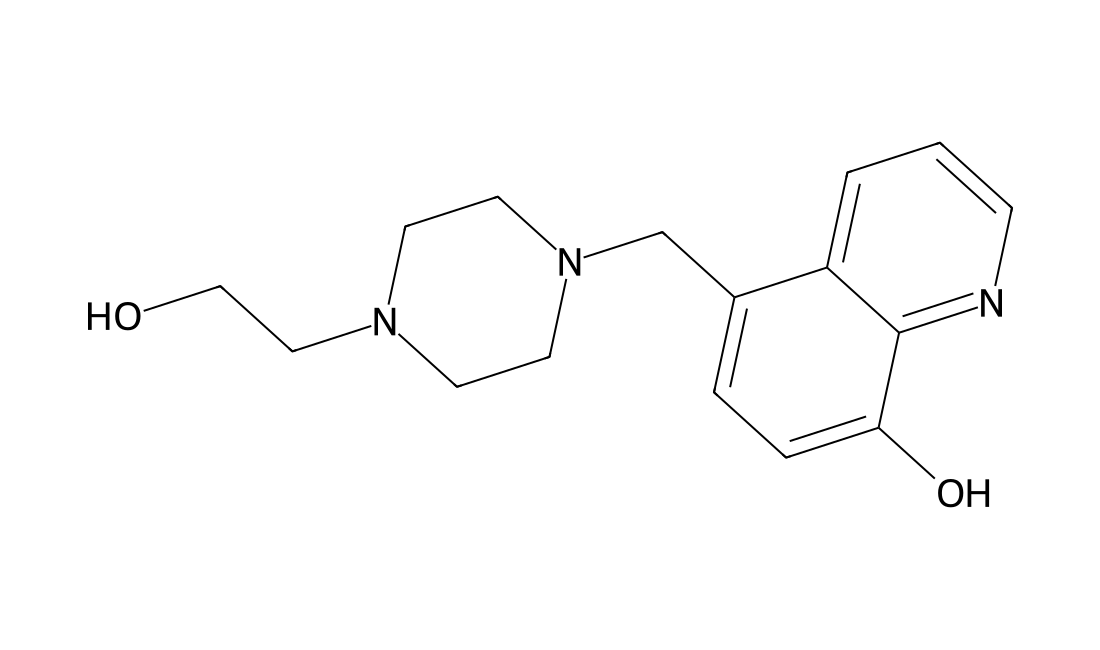
Tradipitant(VLY-686)Featured
Tradipitant (VLY-686) is a selective neurokinin-1 (NK-1) receptor antagonist with potential therapeutic applications.
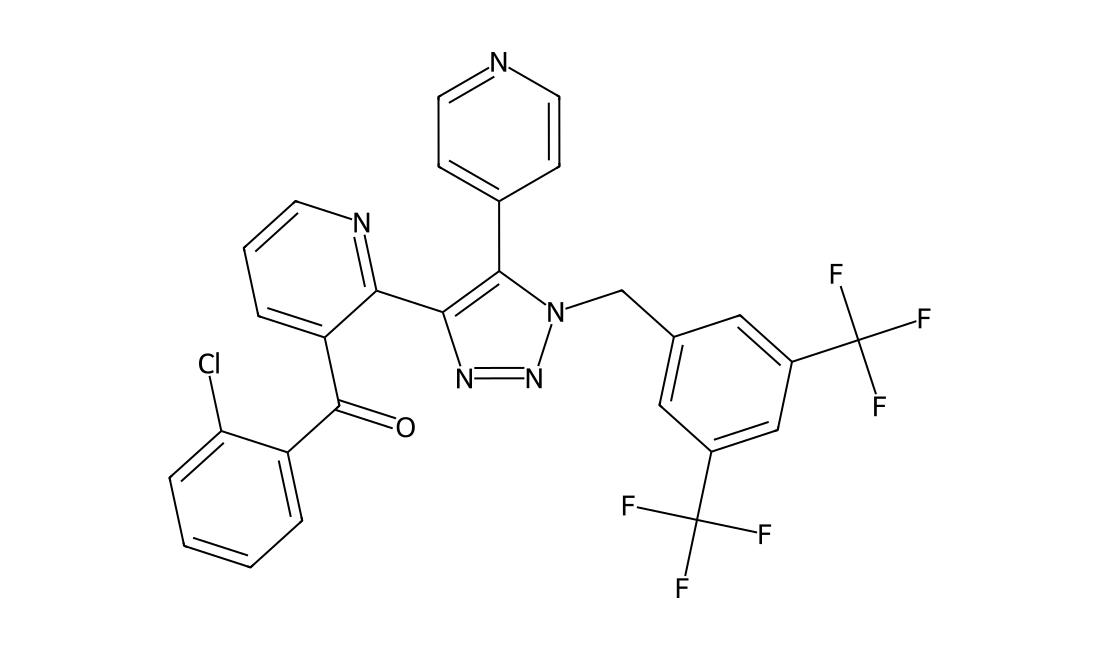
Azo-ResveratrolFeatured
Azo-Resveratrol is an analog of Resveratrol used as a potent tyrosinase inhibitor.
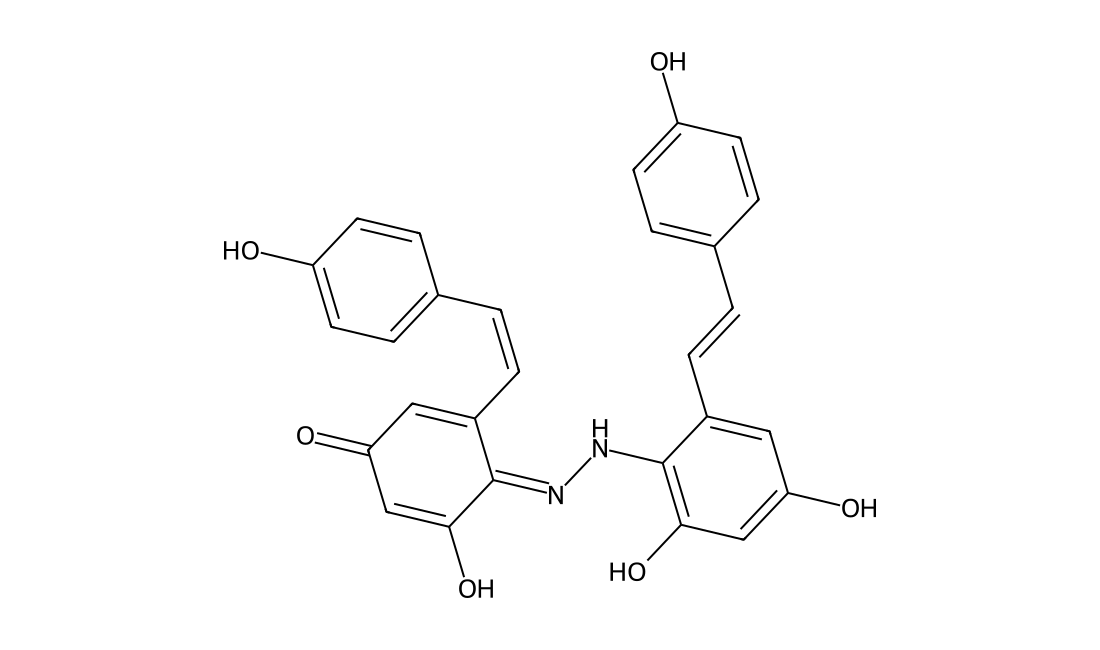
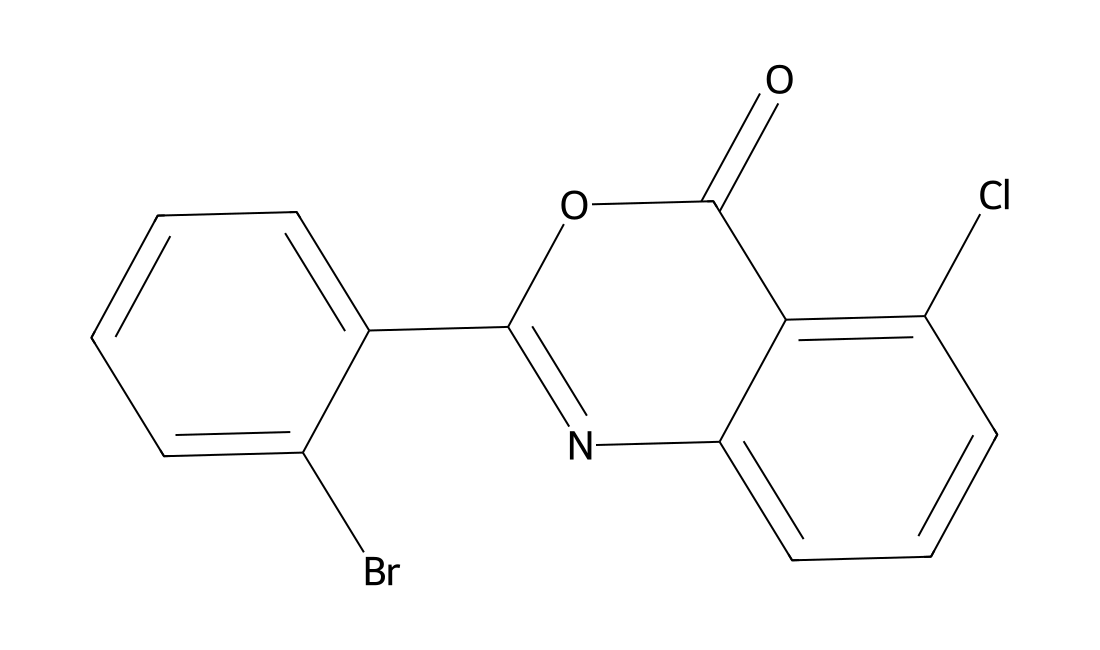
2-(2-bromophenyl)-5-chloro-4H-3,1-benzoxazin-4-one is an human neutrophil elastase inhibitor.
SKI-178Featured
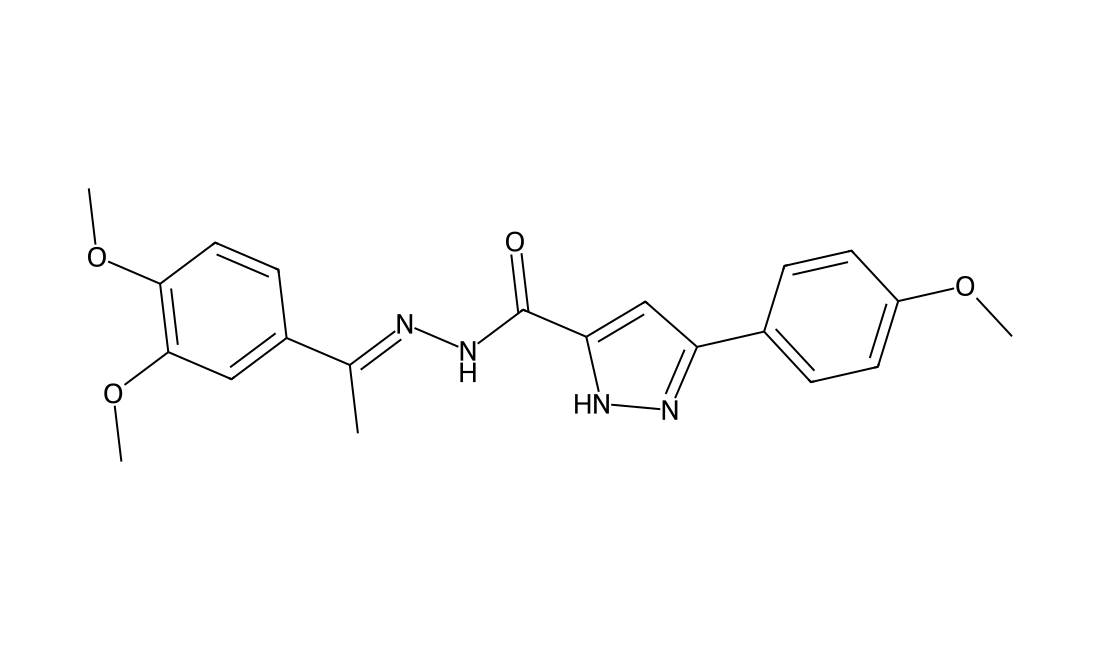
SKI-178 is a potent, specific, non-lipid SphK1 inhibitor with Ki of 1.33 uM, displays no significant activity for SphK2 (IC50>25 uM).
SW-100Featured
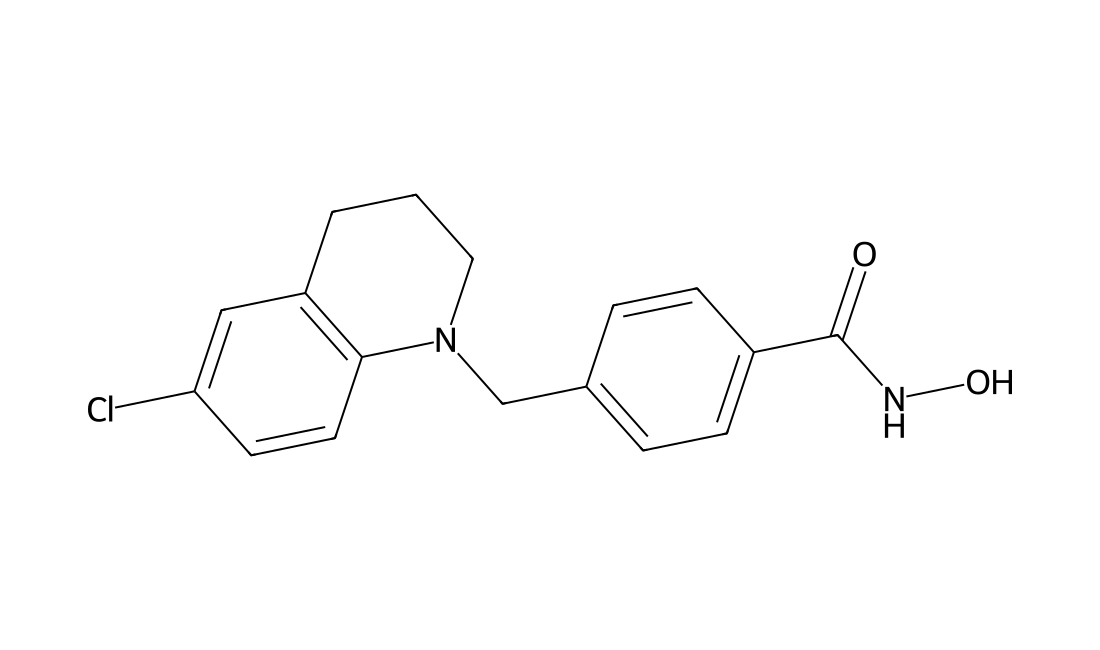
SW-100 (SW100) is a potent, selective, brain penetrable HDAC6 inhibitor with IC50 of 2.3 nM, displays >1,000-fold selectivity over all other class I, II, and IV HDAC isoforms.
AdaphostinFeatured
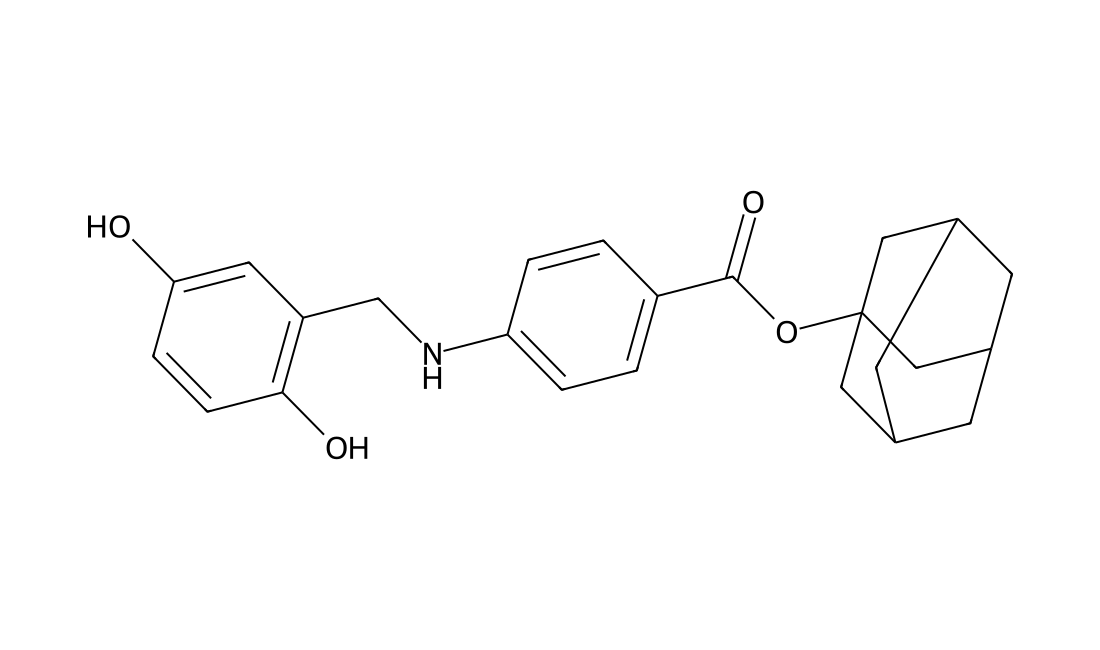
Adaphostin is a novel activator of Fas-mediated death pathway in Bcr/Abl-positive leukaemia.
No products match this search.
Page 217 of 234 · Browse all 4677 products
Jump to a product page
Featured literature product: HX1 · DCL0028
HX1 is a hydroxyzine-derived ionizable lipid with acetal-containing tails, studied in lipid nanoparticles for brain mRNA delivery and CRISPR–Cas9 delivery. It was the lead in the reported in vivo brain-delivery screen; evidence is preclinical and formulation-dependent.
Read full formulation and performance →