
Research lipid catalog
Ionizable Lipid Products
Explore 848 lipid and RNA delivery products. Search the full catalog or browse by research category.
Search covers product name, catalog number, synonyms, available CAS numbers and categories. Spaces, hyphens and common punctuation are ignored. Duplicate legacy records are consolidated under one canonical product result.
5177 products · Showing 4841–4860 · 20 per page
DC Chemicals lipid expertise
Built for ionizable-lipid discovery and RNA delivery research
DC Chemicals supports formulation and delivery research with a broad, searchable portfolio of cationic and ionizable lipids. The current directory brings together 848 unique research-use products, with product specifications, pricing, chemical structures and literature-linked formulation data added as each record is verified.
Our experience spans complex lipid synthesis, purification, analytical release and process development. For custom molecules or larger-scale requirements, our team can discuss route development, technical specifications and scale-up options for the intended research workflow.
Learn about cationic and ionizable lipids →Proprietary innovation · Co-development · GMP
From proprietary lipid design to GMP-grade custom synthesis
DC Chemicals has independently developed ionizable-lipid structures supported by company-owned intellectual property, and selected proprietary lipid programs have advanced to GMP-stage development.
We welcome joint development with customers—from molecular design and lipid synthesis through route and process development. We can also support custom synthesis of GMP-grade ionizable lipids to agreed technical specifications and quality requirements.
Discuss a co-development project →Proprietary ionizable-lipid structuresCollaborative molecular designCustom lipid synthesisProcess development and scale-upGMP-grade project support
Product quick links
Explore New ionizable lipids
Explore our five most recently added ionizable lipids, with specifications, pricing and literature-linked product information.
DCL0028HX1Brain RNA delivery researchView product →DCL0024A1I4R13C18-2Spleen-targeted RNA delivery researchView product →DCL0023A1I4R2C18-2Spleen-targeted RNA delivery researchView product →DCL0022FS01Local joint RNA delivery researchView product →DCL0020Lipid-392Lung RNA delivery and gene editing researchView product →
Cat. No.Product NameField of ApplicationChemical Structure
Y16Featured
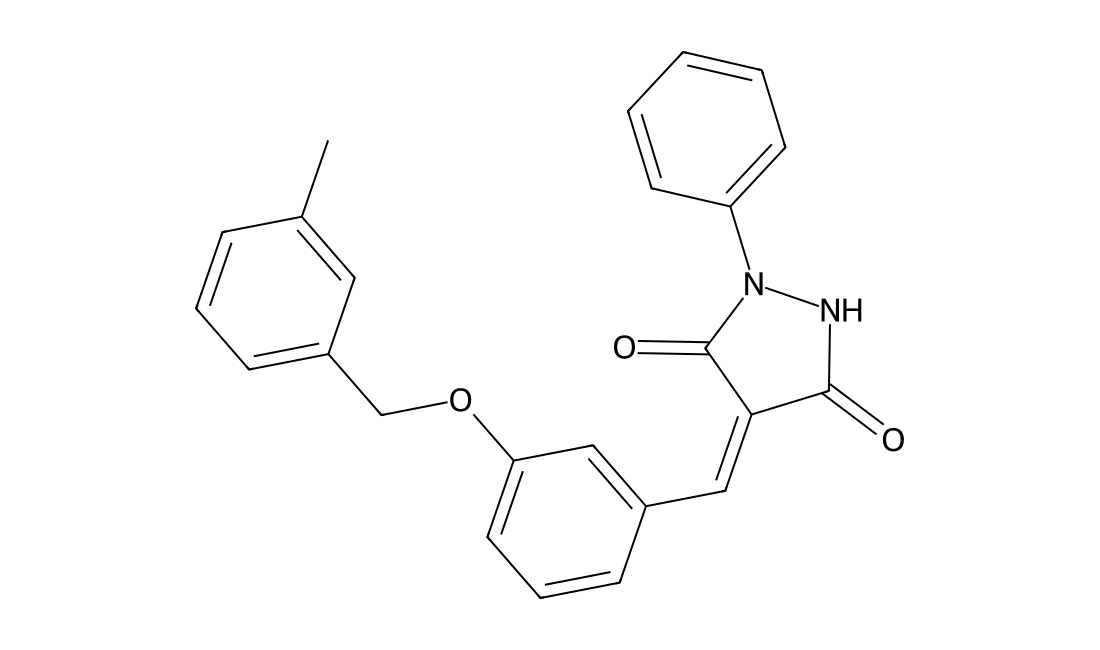
Y16 is an inhibitor of G-protein–coupled Rho GEFs; works synergistically with Rhosin/G04 in inhibiting LARG-RhoA interaction, RhoA activation, and RhoA-mediated signaling functions.
SDZ285428Featured
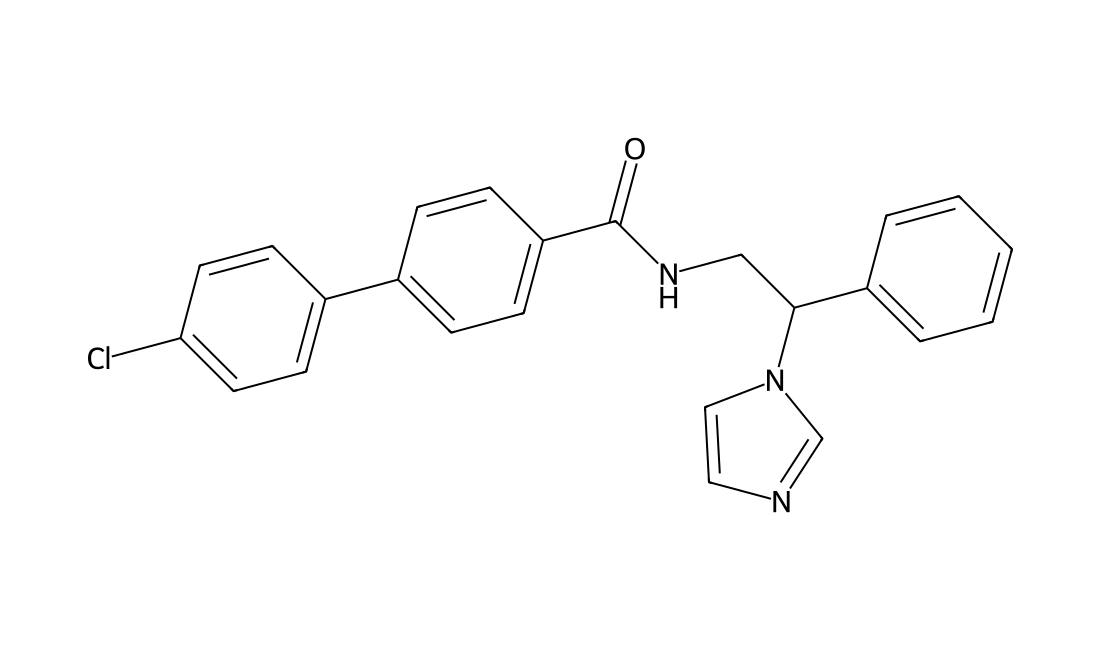
SDZ285428 is a CYP51 inhibitor. SDZ285428 inhibits Trypanosoma cruzi (TC) CYP51 with I/E2 <1 (5 min) and I/E2=9 (1 h). SDZ285428 inhibits Trypanosoma brucei (TB) CYP51 with I/E2 <1 (5 min) and I/E2=35 (1 h).
4-oxo-4-HPRFeatured
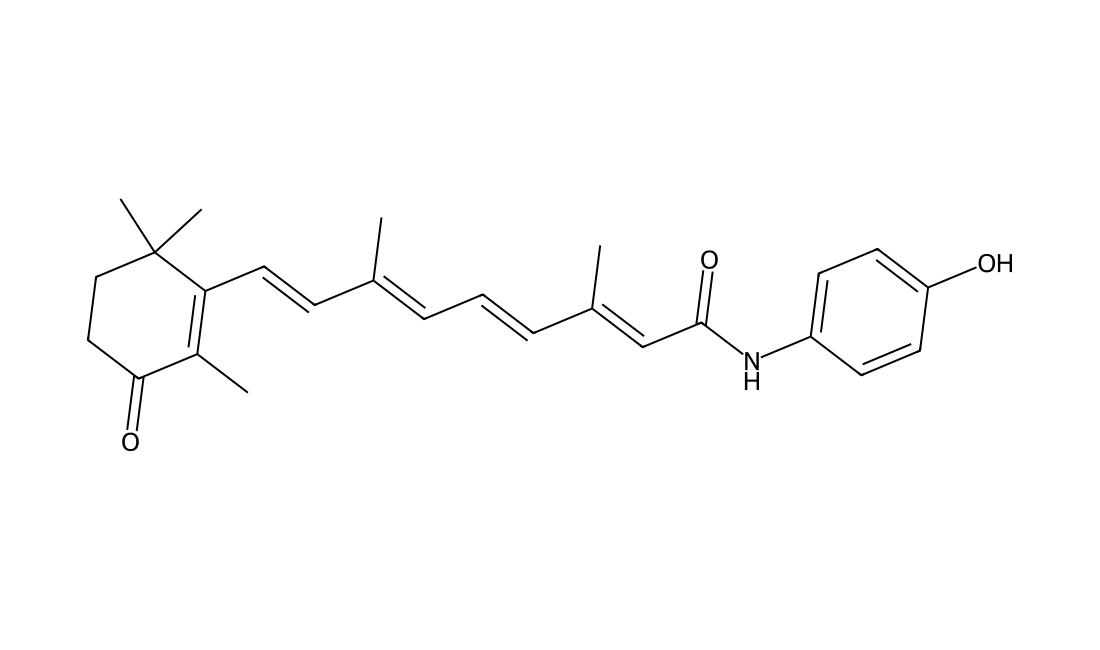
4-oxo-4-HPR is a recently identified fenretinide metabolite, induces marked G2-M cell cycle arrest and apoptosis in fenretinide-sensitive and fenretinide-resistant cell lines.
Valrocemide (TV1901,VGD))Featured
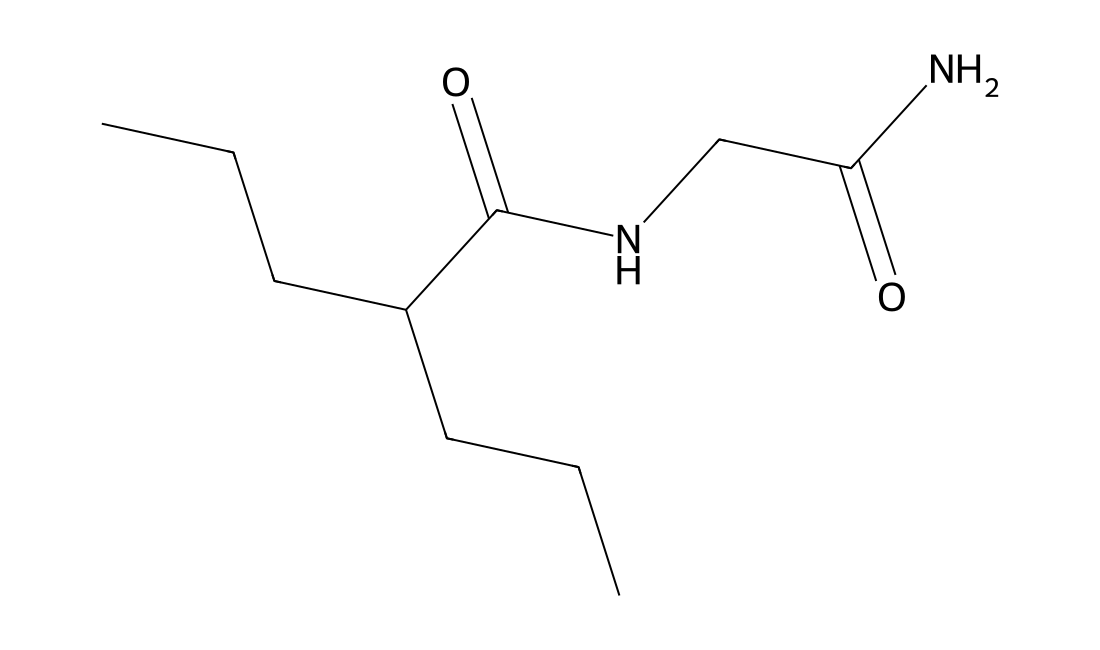
Valrocemide (TV1901,VGD)) has a broad spectrum of anticonvulsant activity and promising potential as a new AED.
CPI1189(REN-1189)Featured
CPI-1189 prevents apoptosis and reduces glial fibrillary acidic protein immunostaining in a TNF-alpha infusion model for AIDS dementia complex.
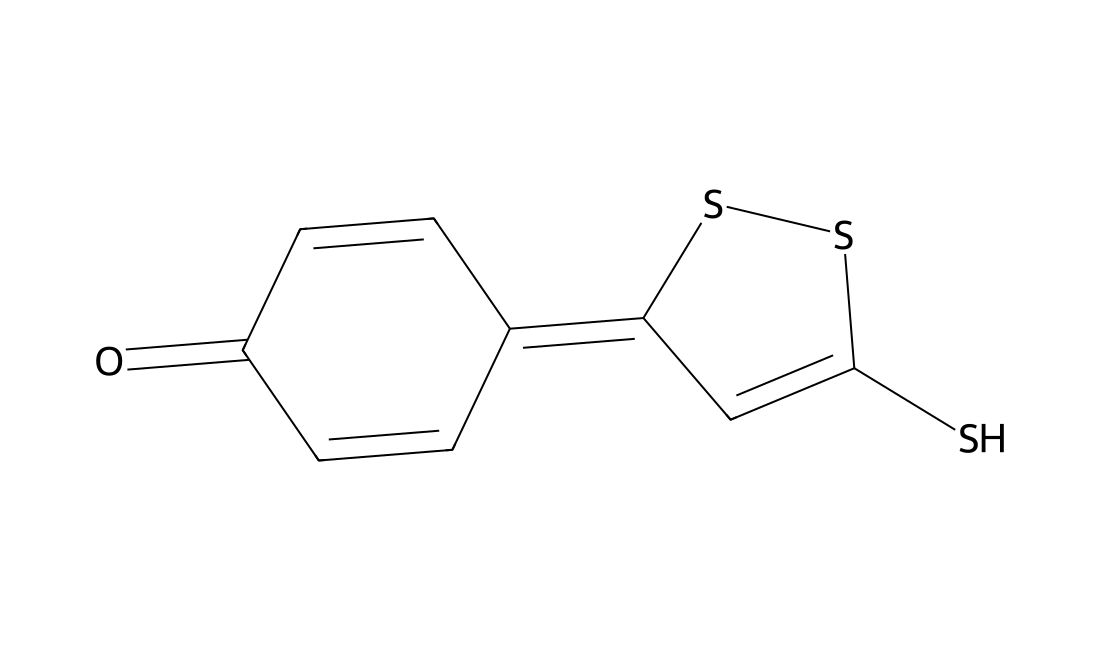
ADT-OHFeatured
ADT-OH is a derivative of anethole dithiolethione (ADT) and synthetic hydrogen sulfide (H2S) donor.
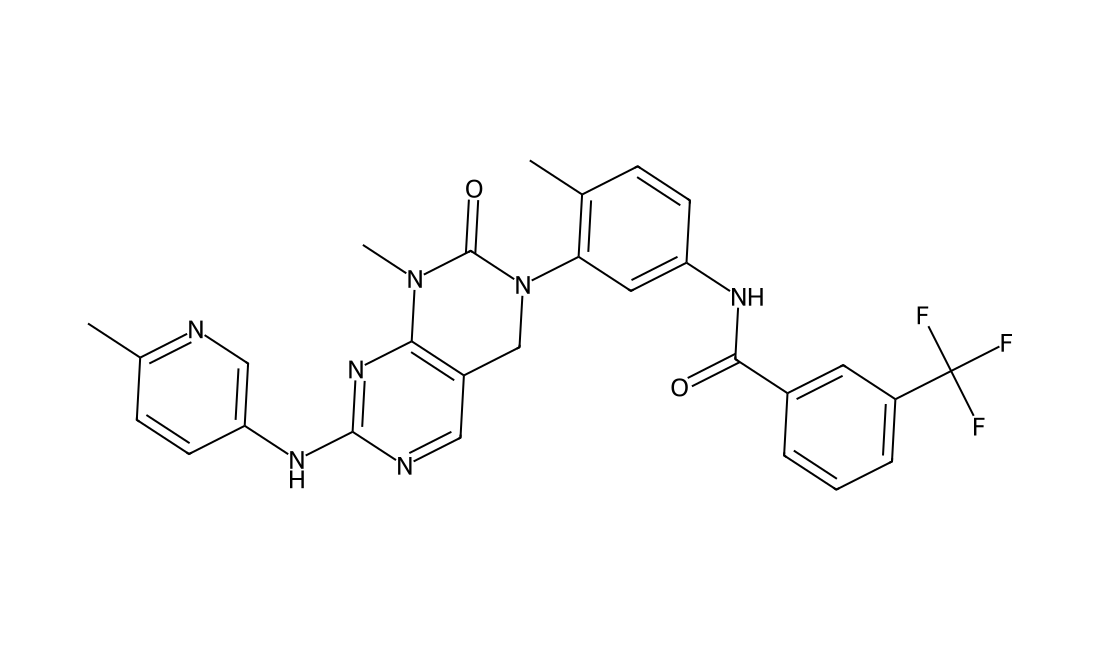
GNF-7Featured
GNF-7 is a potent type-II kinase Bcr-Abl inhibitor with IC50 of <5 nM, 61 nM, 122 nM, 136 nM, and 133 nM for M351T, T315I, E255 V, G250E, and c-Abl, respectively.
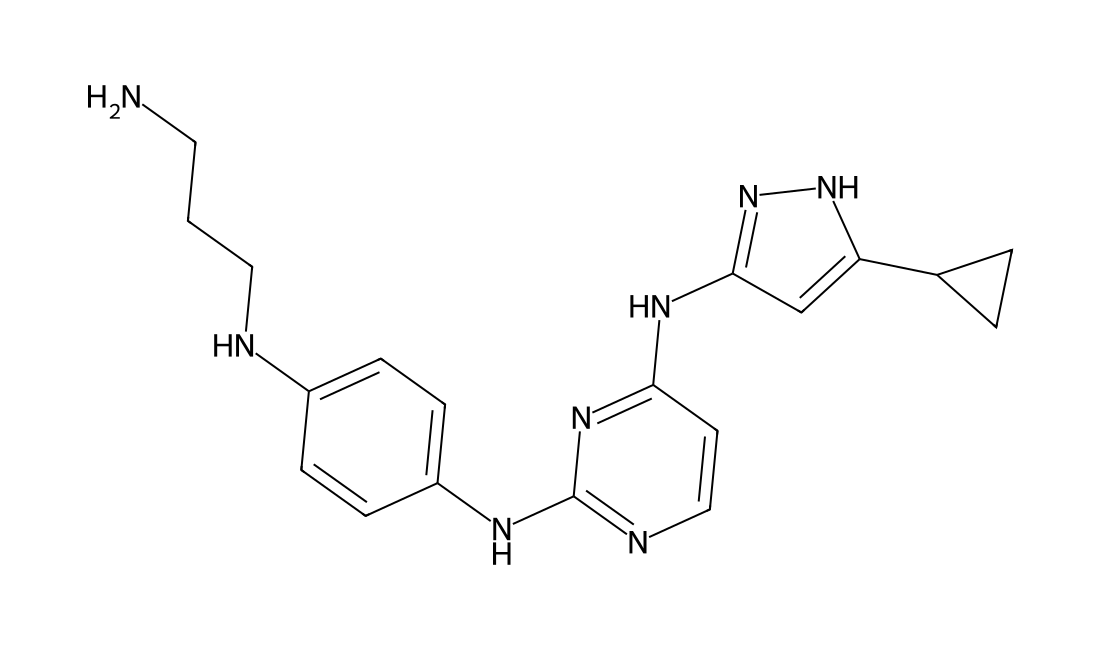
2,4-Pyrimidinediamine with linker is a patent compound in WO2013055780A1, Page 71; multikinase inhibitor and has a -NH2 terminal linker for further synthesis.
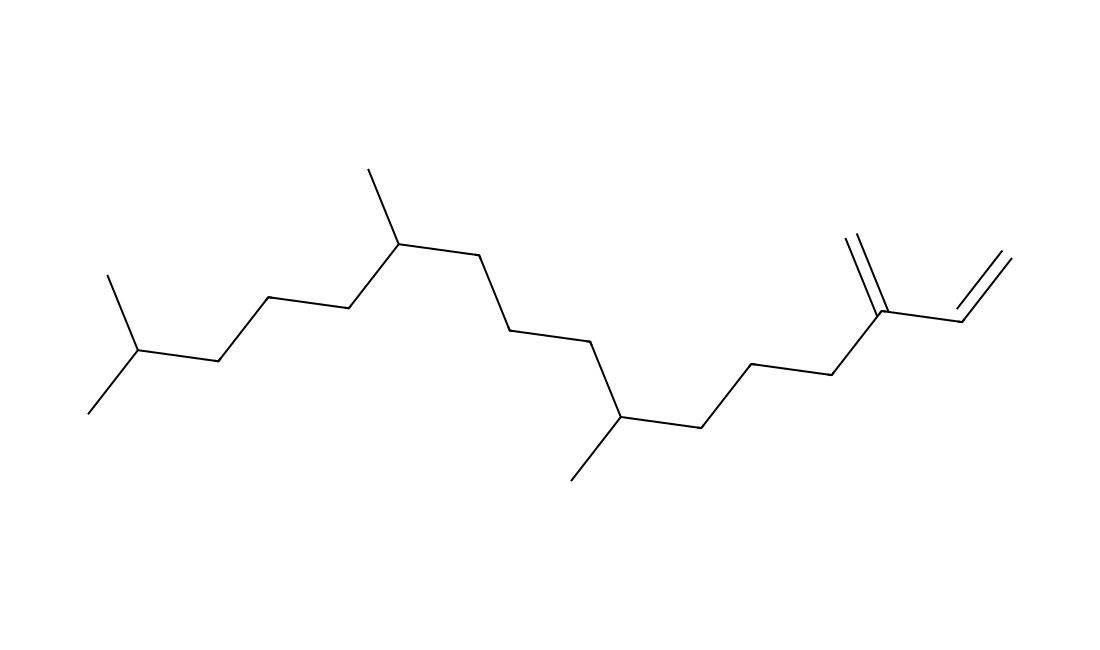
NeophytadieneFeatured
Neophytadiene is a diterpene found in Turbinaria ornate, with anti-inflammatory antioxidant and cardioprotective properties.
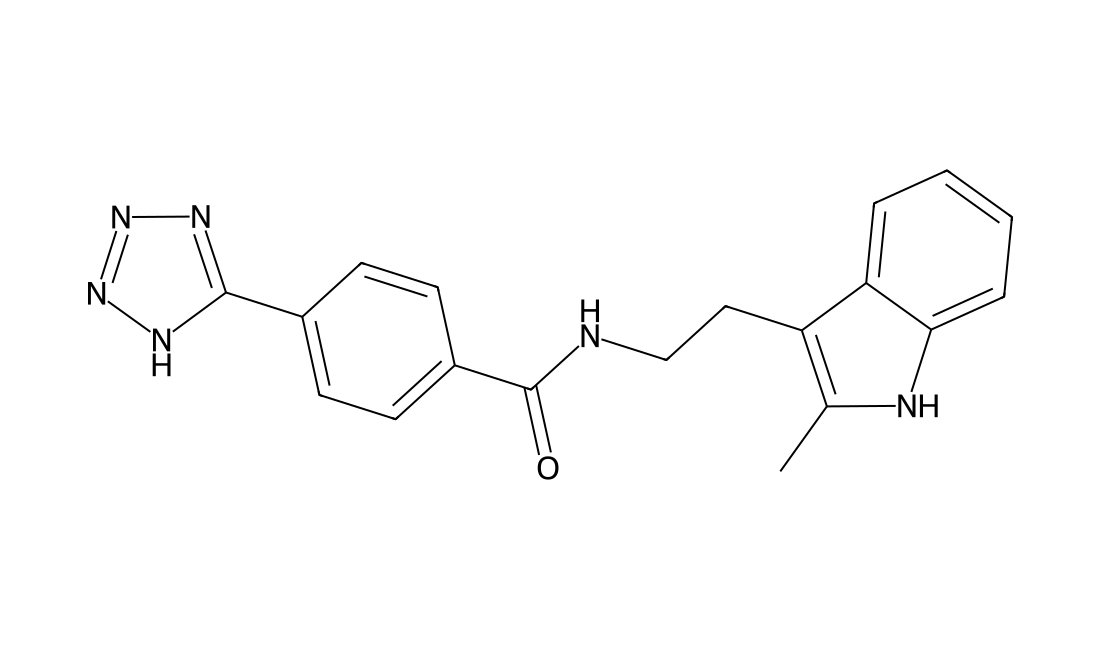
TG8-69Featured
TG8-69 is a peripherally restricted, highly potent, selective, aqueous-soluble EP2 antagonist with Kb of 48.5 nM.
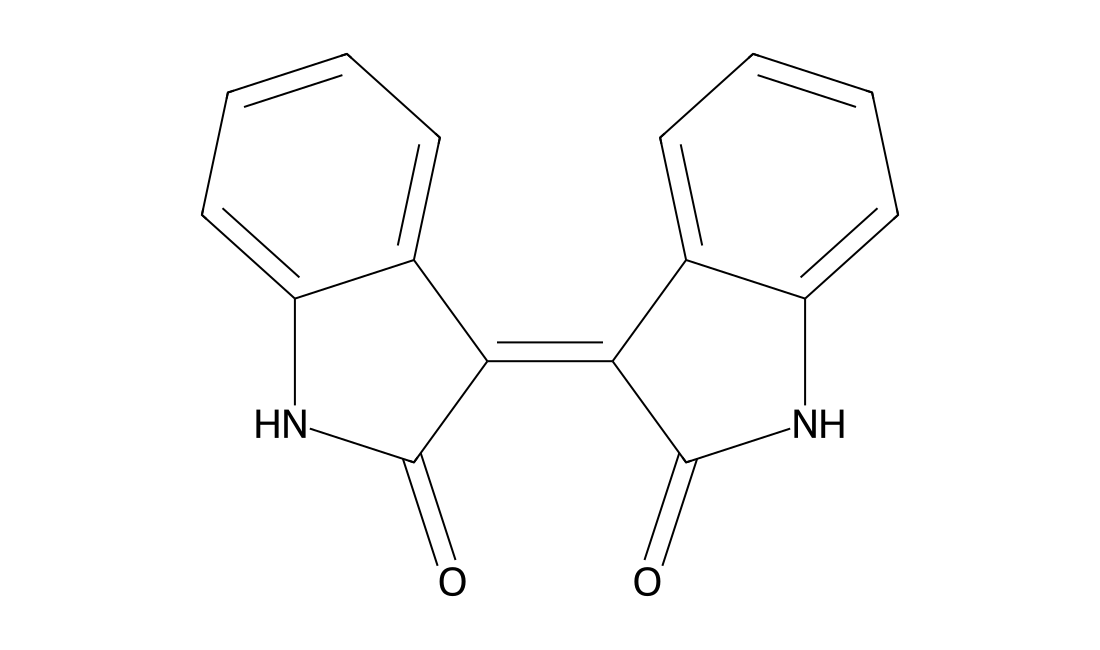
IsoindigotinFeatured
Isoindigotin is a potential antileukemic agent.
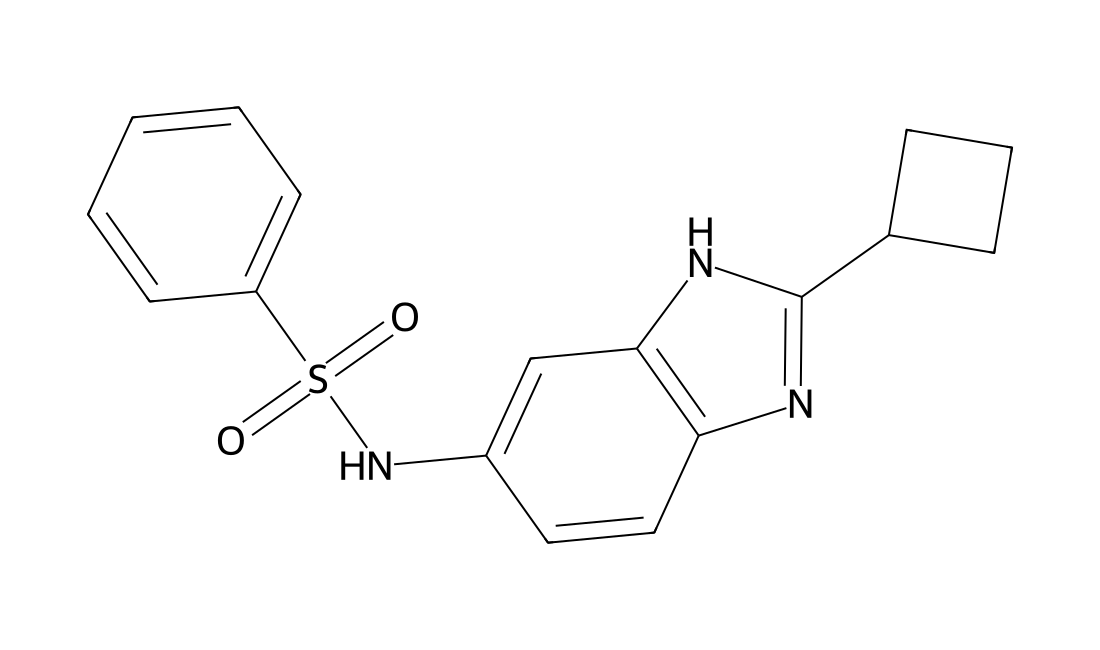
NC-p38i NC-37Featured
Non-canonical p38α inhibitor NC-37 (NC-p38i NC-37) is a potent, highly selective, non-canonical inhibitor of p38α, inhibits TAB1-induced p38α autophosphorylation in vitro with IC50 of 0.27 uM.
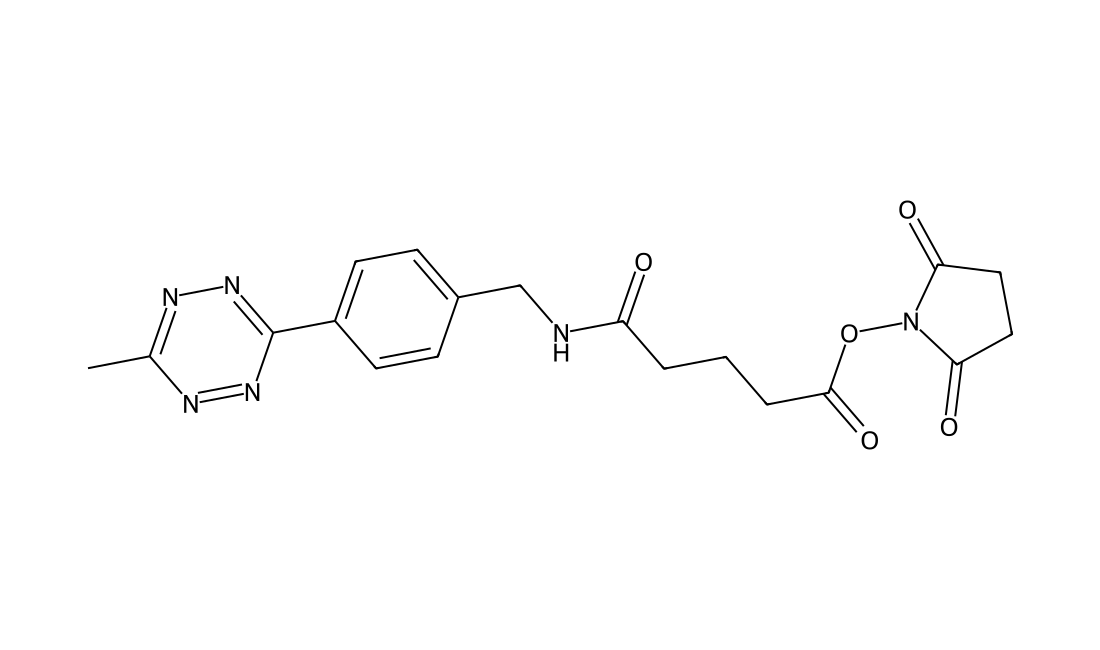
Bz-(Me)Tz-NHSFeatured
Bz-(Me)Tz-NHS is a click chemistry reagent containing an methyltetrazine group. Bz-(Me)Tz-NHS is 3rd generation Click-Linker for Cu-free click conjugation.
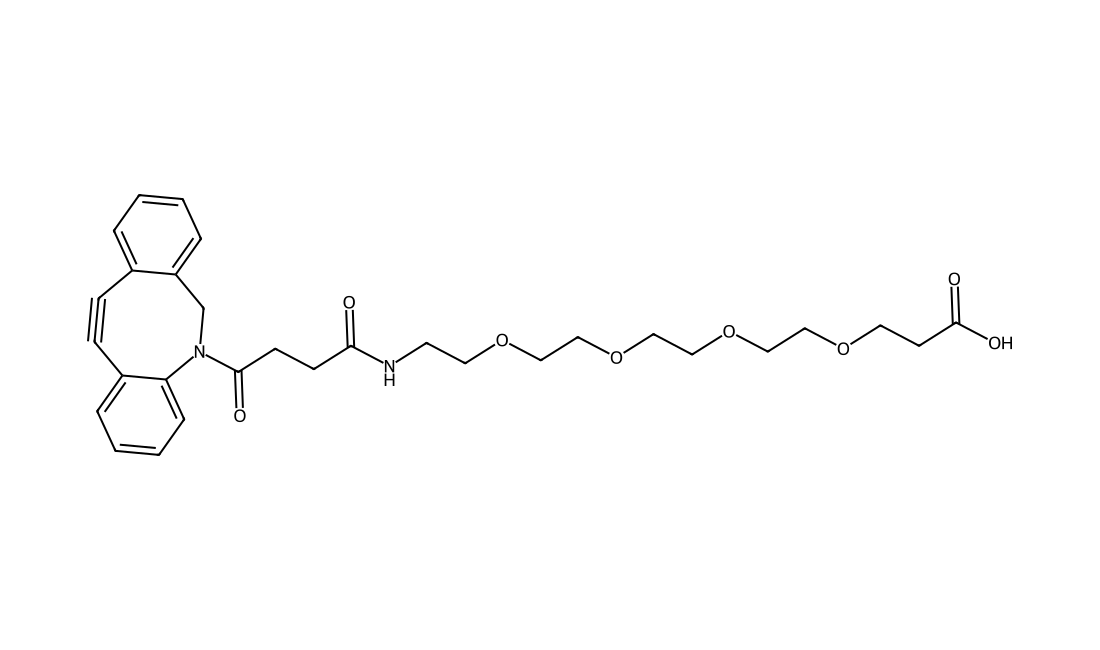
DBCO-PEG4-acidFeatured
DBCO-PEG4-acid is a PEG Linker. PEG Linkers may be useful in the development of antibody drug conjugates.
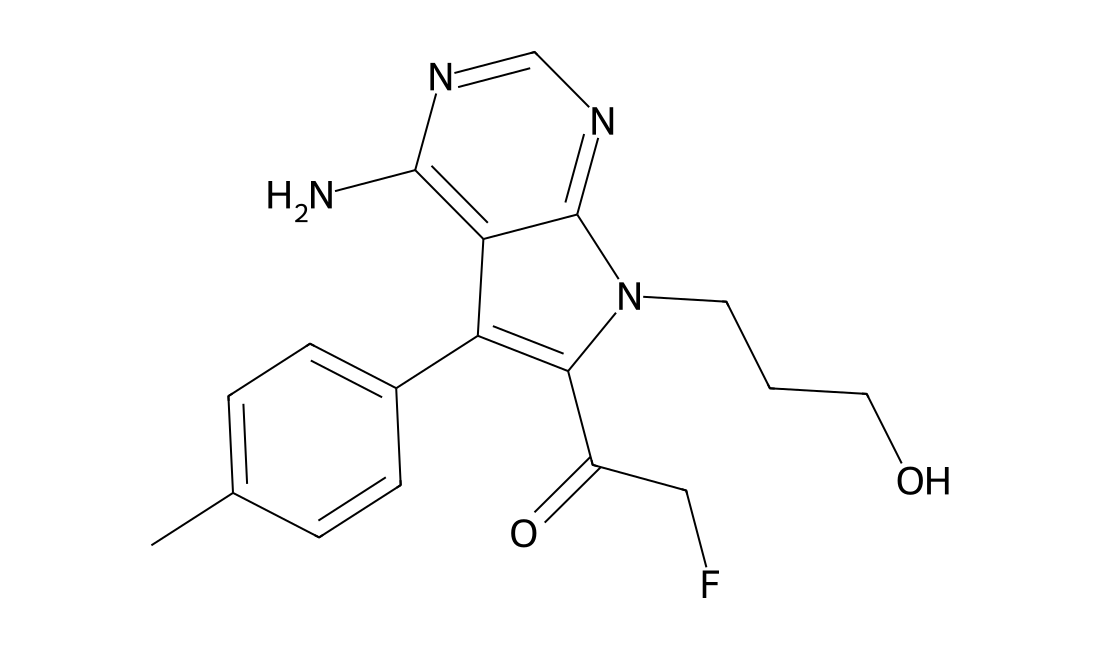
FMKFeatured
Fmk is an irreversible ribosomal S6 kinase inhibitor 1/2 inhibitor.
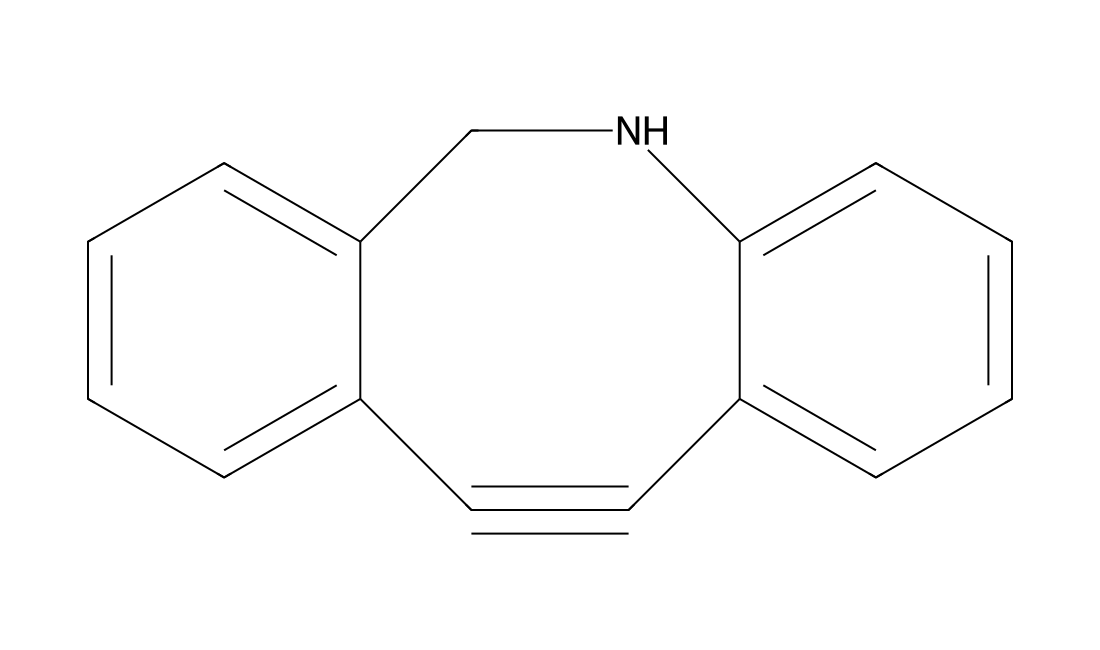
DBCO intermidate 3Featured
DBCO intermidate 3 is a Click Chemistry intermidate used for antibody-drug conjugates..
CMS121Featured
CMS121 is a substituted quinoline that has neuroprotective, anti-inflammatory, antioxidative, and renoprotective activities.
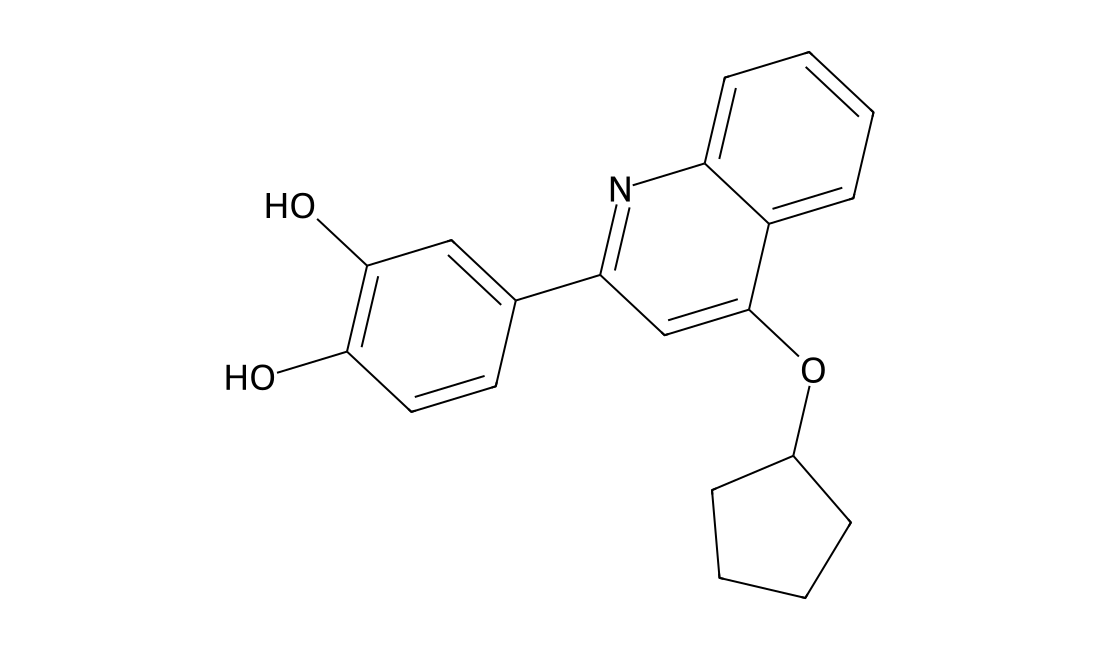
Acid-PEG5-C2-BocFeatured
AAcid-PEG5-C2-Boc is a PEG derivative containing a t-butyl protected carboxyl group with a terminal carboxylic acid. The terminal carboxylic acid can be reacted with primary amine groups in the presence of activators (e.g. EDC, or DCC) to form a stable amide bond. The hydrophilic PEG spacer increases solubility in aqueous media. The t-butyl protected carboxyl group can be deprotected under acidic conditions.
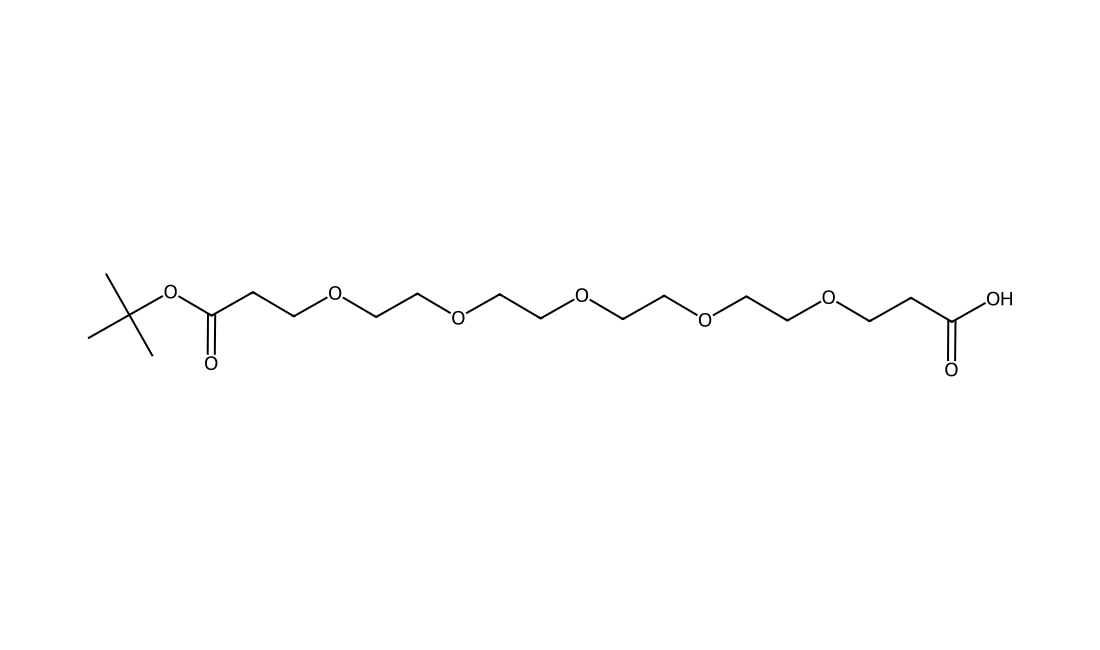
FIT-039Featured
FIT-039 is a potent, selective CDK9 inhibitor with IC50 of 5.8 uM for CKD9/cyclin T1, suppresses the replication of HSV-1 (IC50=0.69 uM).
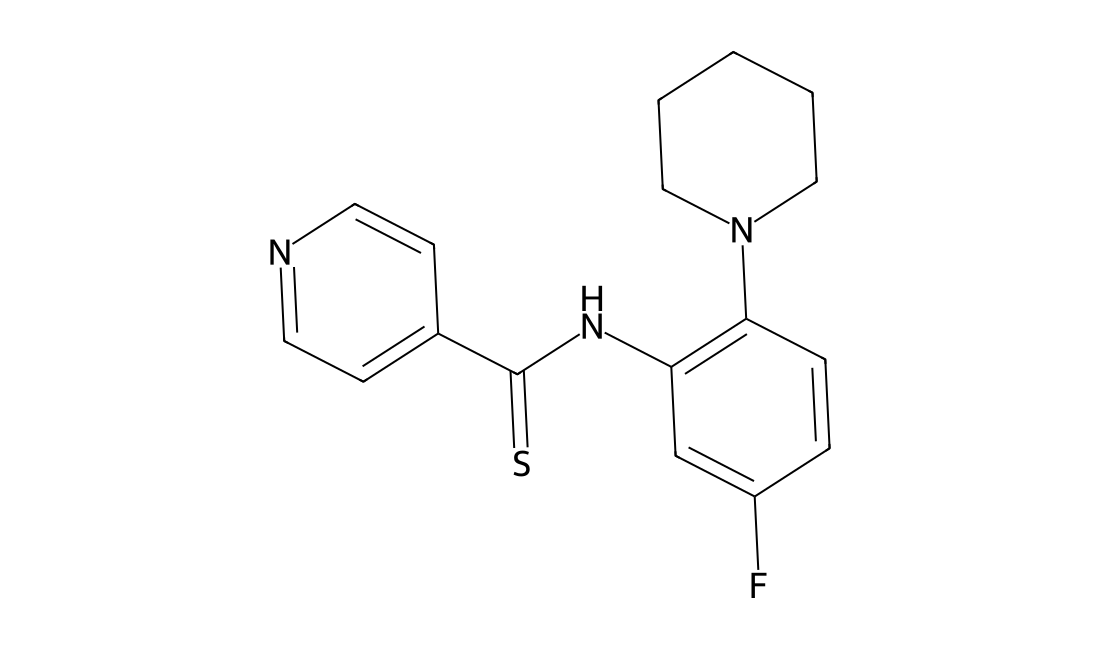
NCDM-32BFeatured
NCDM-32B is a novel potent and selective KDM4 inhibitor, impairing viability and transforming phenotypes of basal breast cancer.
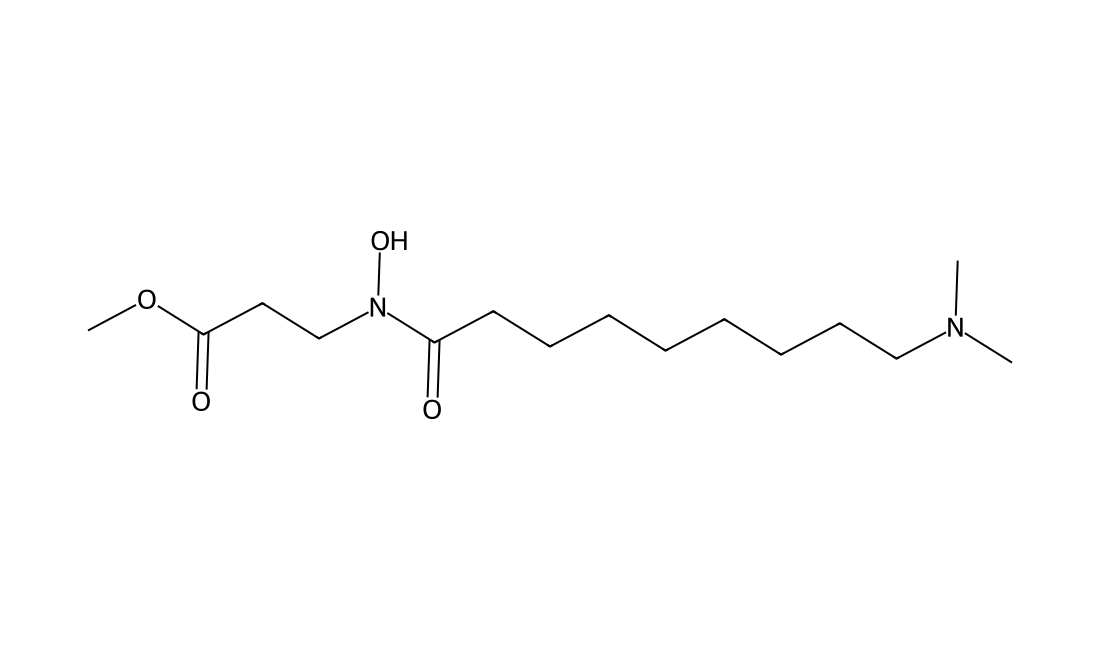
No products match this search.
Page 243 of 259 · Browse all 5177 products
Jump to a product page
Featured literature product: HX1 · DCL0028
HX1 is a hydroxyzine-derived ionizable lipid with acetal-containing tails, studied in lipid nanoparticles for brain mRNA delivery and CRISPR–Cas9 delivery. It was the lead in the reported in vivo brain-delivery screen; evidence is preclinical and formulation-dependent.
Read full formulation and performance →