
Research lipid catalog
Ionizable Lipid Products
Explore 848 lipid and RNA delivery products. Search the full catalog or browse by research category.
Search covers product name, catalog number, synonyms, available CAS numbers and categories. Spaces, hyphens and common punctuation are ignored. Duplicate legacy records are consolidated under one canonical product result.
5177 products · Showing 4801–4820 · 20 per page
DC Chemicals lipid expertise
Built for ionizable-lipid discovery and RNA delivery research
DC Chemicals supports formulation and delivery research with a broad, searchable portfolio of cationic and ionizable lipids. The current directory brings together 848 unique research-use products, with product specifications, pricing, chemical structures and literature-linked formulation data added as each record is verified.
Our experience spans complex lipid synthesis, purification, analytical release and process development. For custom molecules or larger-scale requirements, our team can discuss route development, technical specifications and scale-up options for the intended research workflow.
Learn about cationic and ionizable lipids →Proprietary innovation · Co-development · GMP
From proprietary lipid design to GMP-grade custom synthesis
DC Chemicals has independently developed ionizable-lipid structures supported by company-owned intellectual property, and selected proprietary lipid programs have advanced to GMP-stage development.
We welcome joint development with customers—from molecular design and lipid synthesis through route and process development. We can also support custom synthesis of GMP-grade ionizable lipids to agreed technical specifications and quality requirements.
Discuss a co-development project →Proprietary ionizable-lipid structuresCollaborative molecular designCustom lipid synthesisProcess development and scale-upGMP-grade project support
Product quick links
Explore New ionizable lipids
Explore our five most recently added ionizable lipids, with specifications, pricing and literature-linked product information.
DCL0028HX1Brain RNA delivery researchView product →DCL0024A1I4R13C18-2Spleen-targeted RNA delivery researchView product →DCL0023A1I4R2C18-2Spleen-targeted RNA delivery researchView product →DCL0022FS01Local joint RNA delivery researchView product →DCL0020Lipid-392Lung RNA delivery and gene editing researchView product →
Cat. No.Product NameField of ApplicationChemical Structure
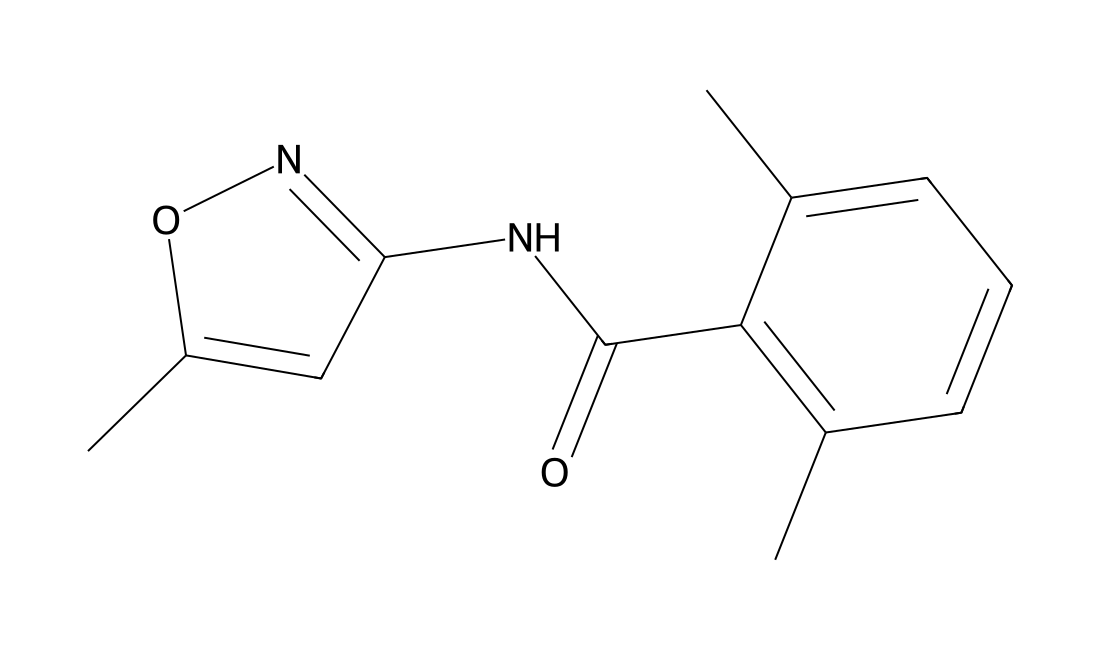
SoretolideFeatured
Soretolide is an orally active benzamide derivative with anticonvulsant effects and a similar profile of activity to carbamazepine
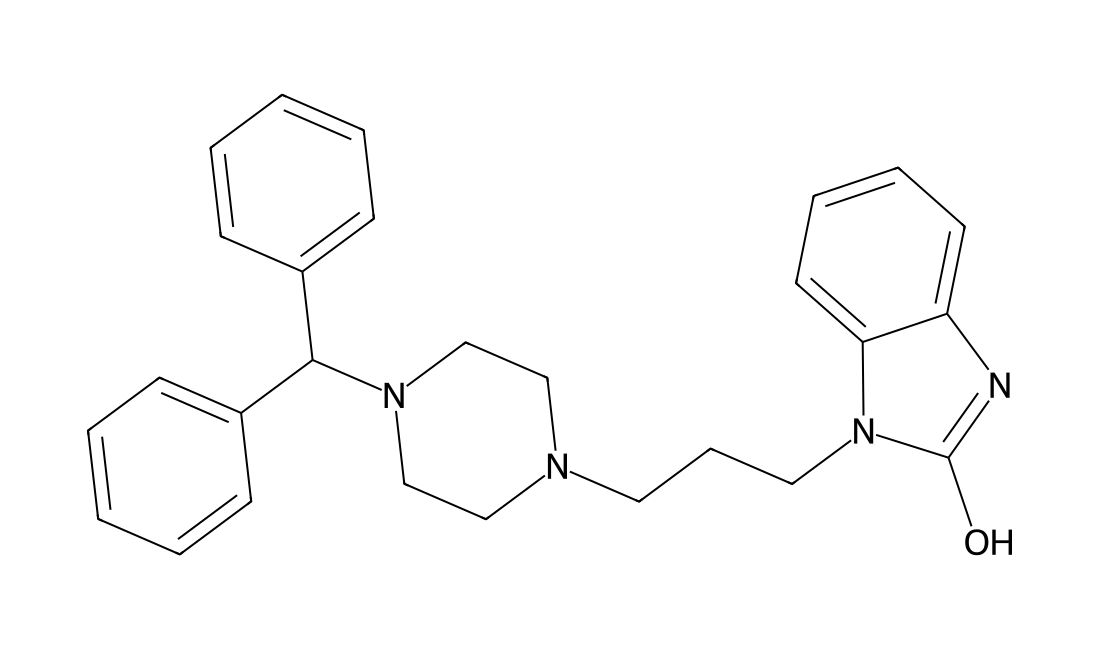
OxatomideFeatured
Oxatomide is a potent and orally active dual H1-histamine receptor and P2X7 receptor antagonist with antihistamine and anti-allergic activity. Oxatomide almost completely blocks the ATP-induced current in human P2X7 receptors (IC50 of 0.95 μM). Oxatomide inhibits ATP-induced Ca2+ influx with an IC50 value of 0.43 μM and also inhibits serotonin.
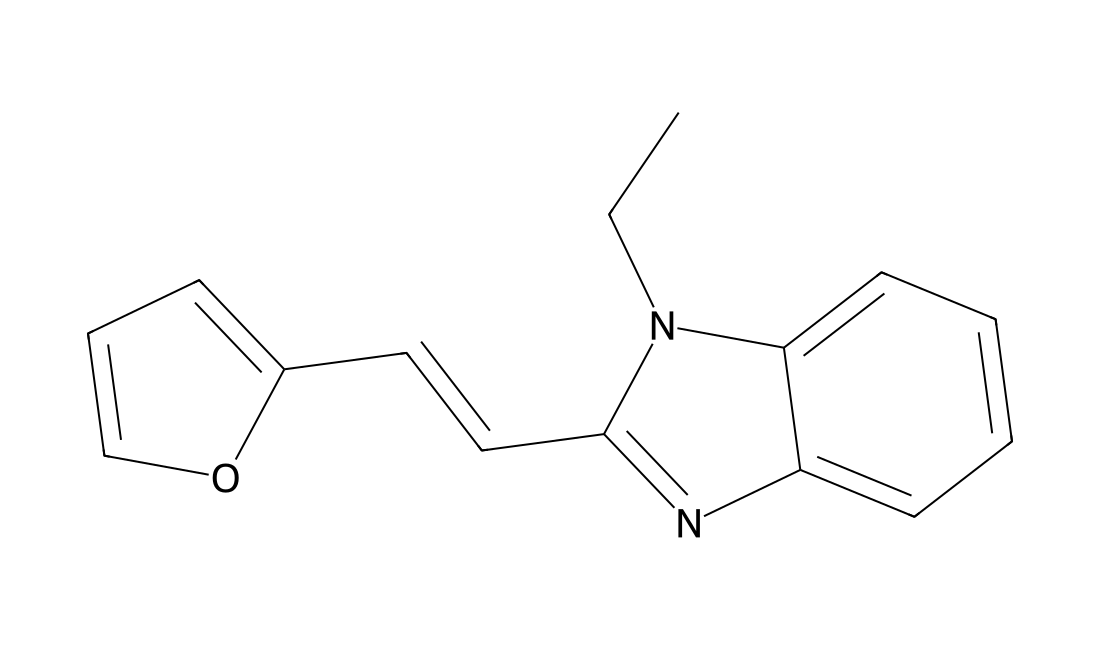
SNX7Featured
SNX7 is a Cyclin-Dependent Kinase Inhibitor (CDKI) pathway inhibitor. SNX7 can be used for research of senescence-related and other CDKI-related diseases.
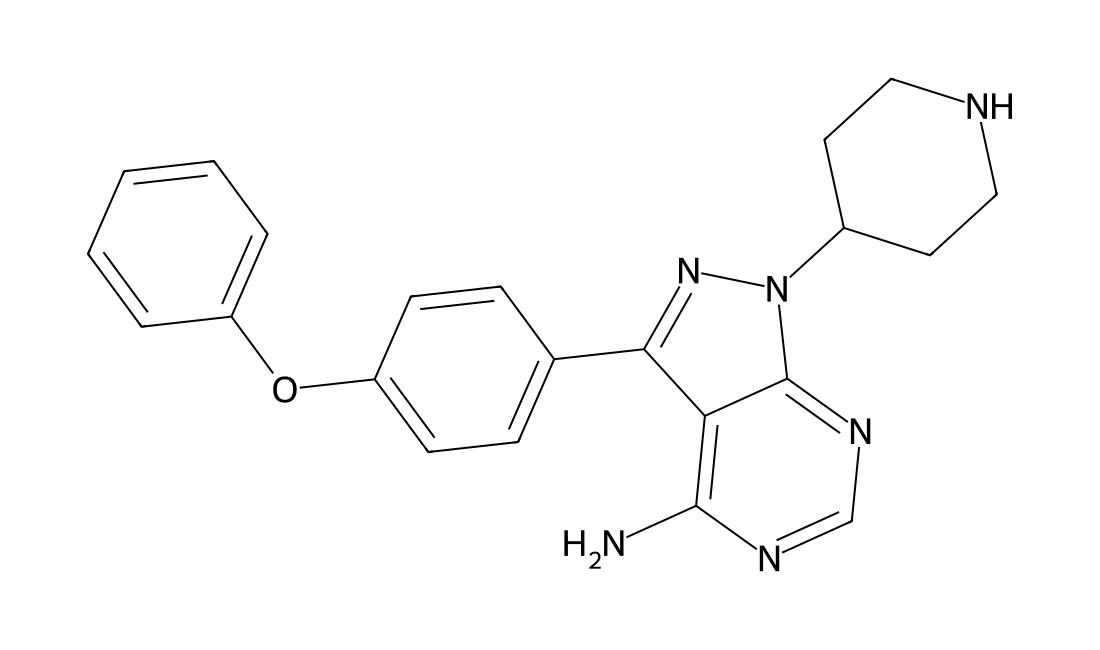
BTK ligand 1Featured
BTK ligand 1 (compound 1) is a ligand targeting Bruton’s tyrosine kinase (Btk). BTK ligand 1 can combine with E3 ligase ligand (Ligand for E3 Ligase) through PROTAC Linker to form PROTAC. PROTACs targeting Btk can be used in the study of chronic lymphocytic leukemia (CLL) and other BK cell malignancies.
WAY-639497Featured
altering the lifespan of a eukaryotic organism; antibacterial agent;
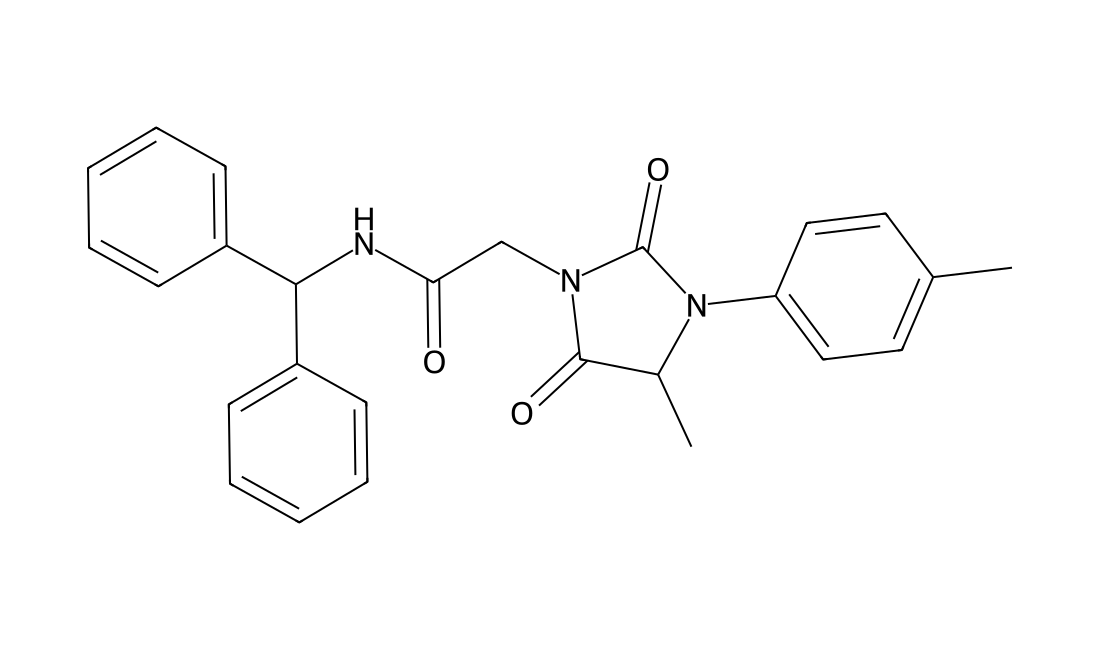
4-Hydroxyretinoic acidFeatured
4-Hydroxyretinoic acid (4-HRA) is a naturally occurring retinoid derivative with diverse biological effects. 4-Hydroxyretinoic acid is formed from retinol catalyzed by cytochrome P-450 isozyme(s), and is mainly metabolized by the liver in the body. 4-Hydroxyretinoic acid also serves as the substrate for human liver microsomal UDP-glucuronosyltransferase(s) and recombinant UGT2B7. 4-Hydroxyretinoic acid regulates gene expression and cell differentiation via binding to nuclear receptor RAR (Retinoic Acid Receptor), and activates RARs and RXR-alpha, to induce cancer cell apoptosis. In addition, 4-Hydroxyretinoic acid is also involved in various physiological processes such as immune regulation, neuroprotection, and anti-oxidation.
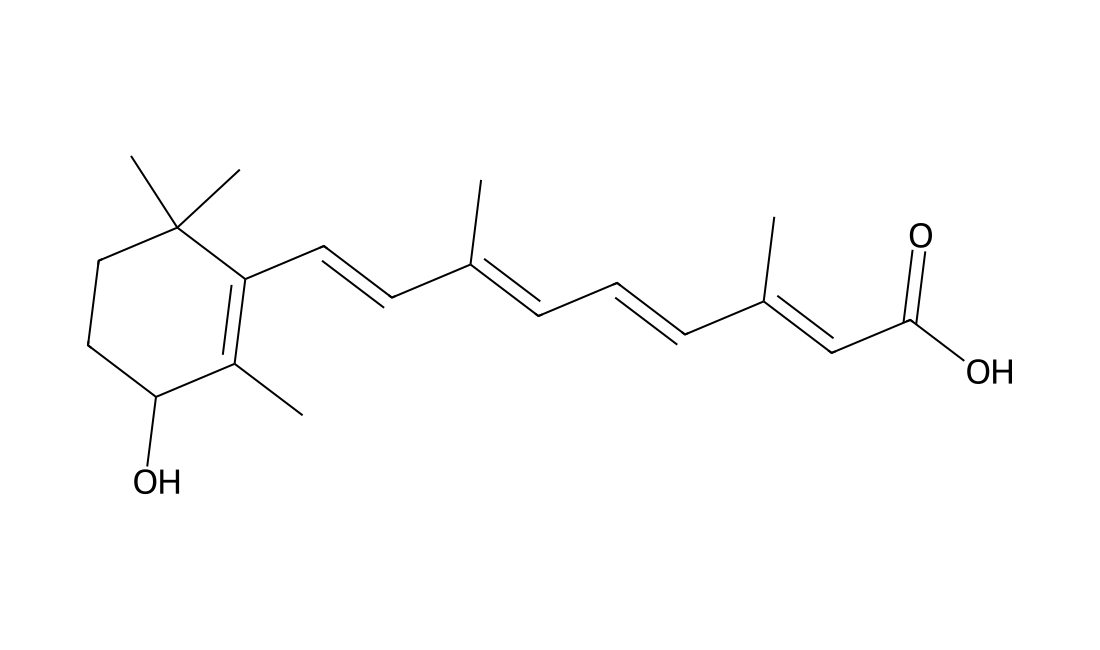
WAY-620472Featured
altering the lifespan of a eukaryotic organism; PPAR modulator;
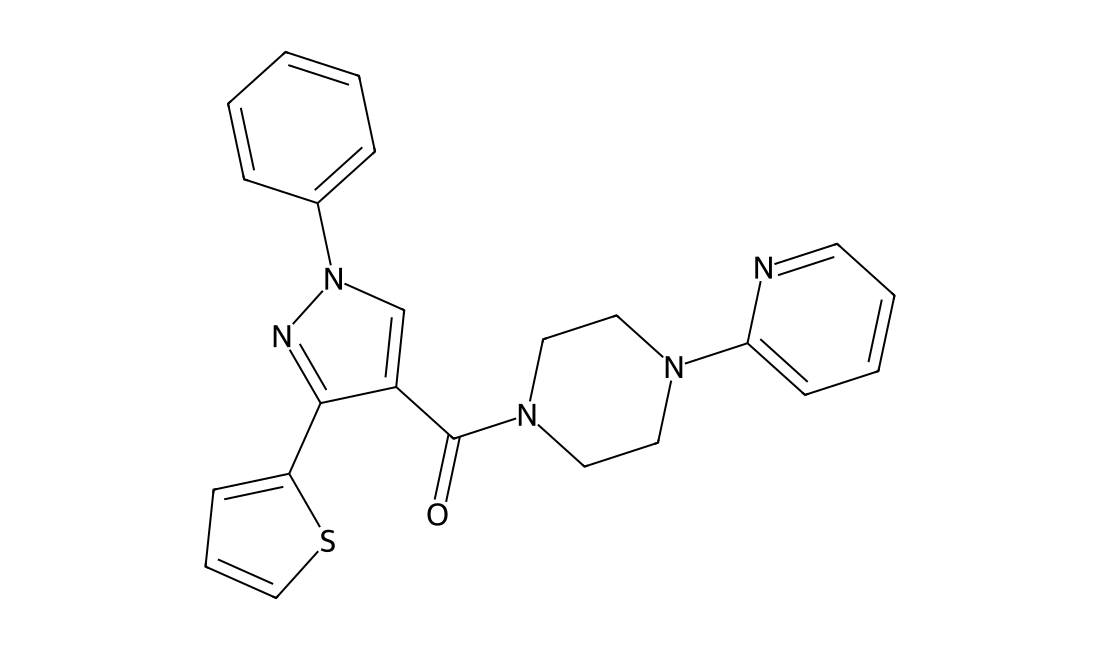
DAPK-IN-2Featured
DAPK-IN-2 is a DAPK inhibitor. DAPK-IN-2 can be used for the research of cerebral infarction and ischemic diseases.
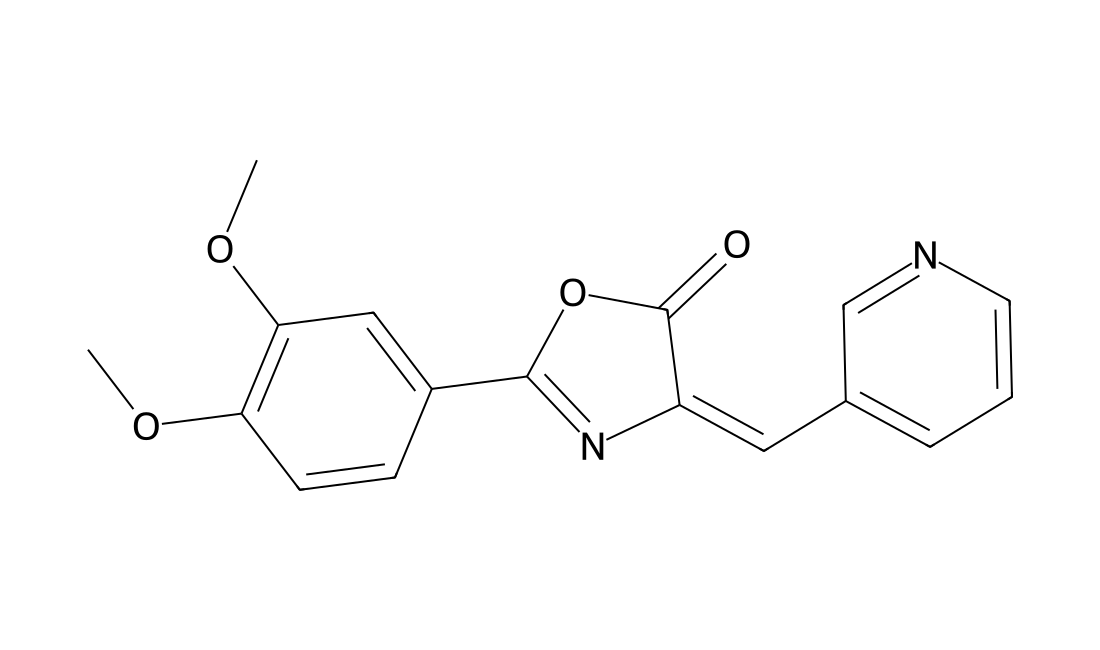
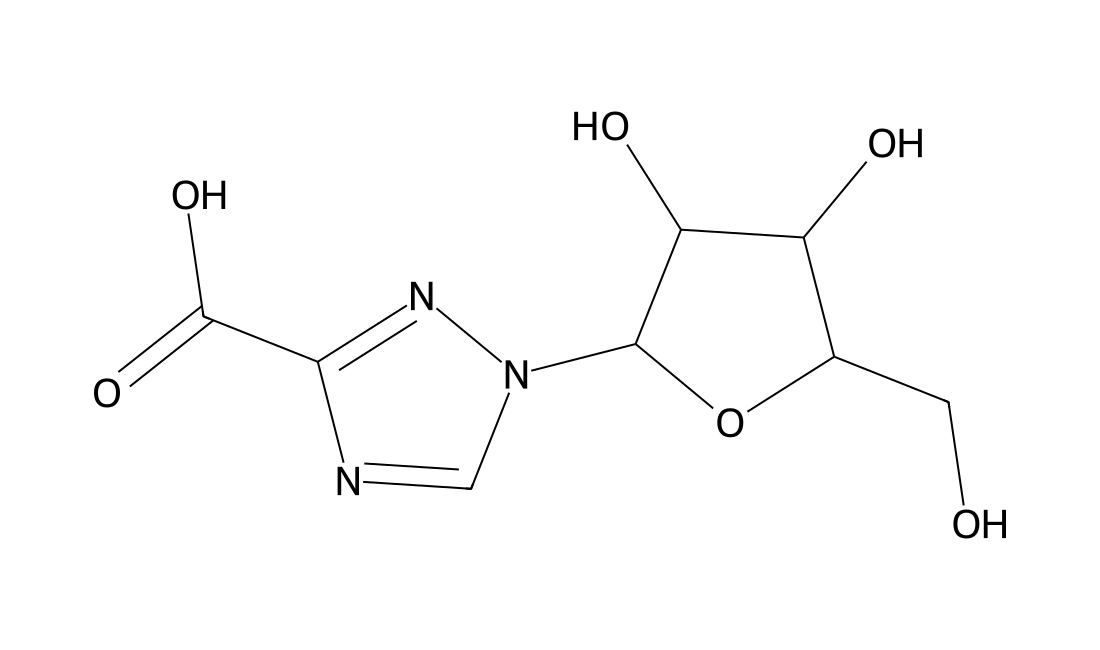
Ribavirin carboxylic acidFeatured
Ribavirin carboxylic acid (TR-COOH) is a metabolite of ribavirin, ribavirin has strong antiviral activity.
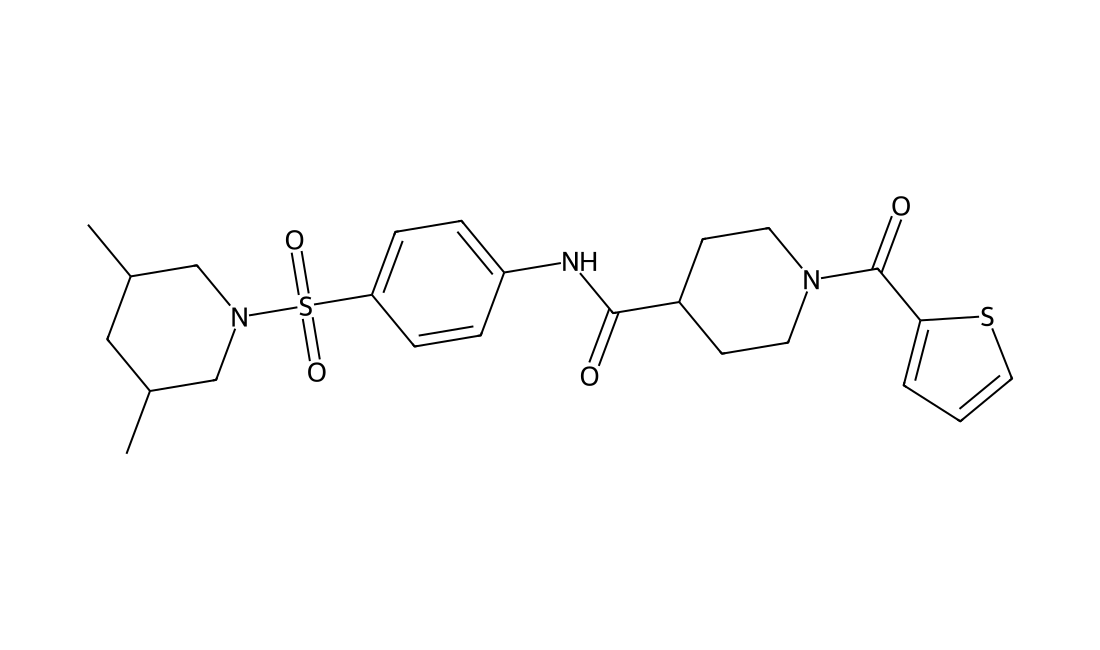
WAY-326275Featured
inhibitor of lethal toxin pathway; useful for modulating hepatocyte growth factor/scatter factor activity;
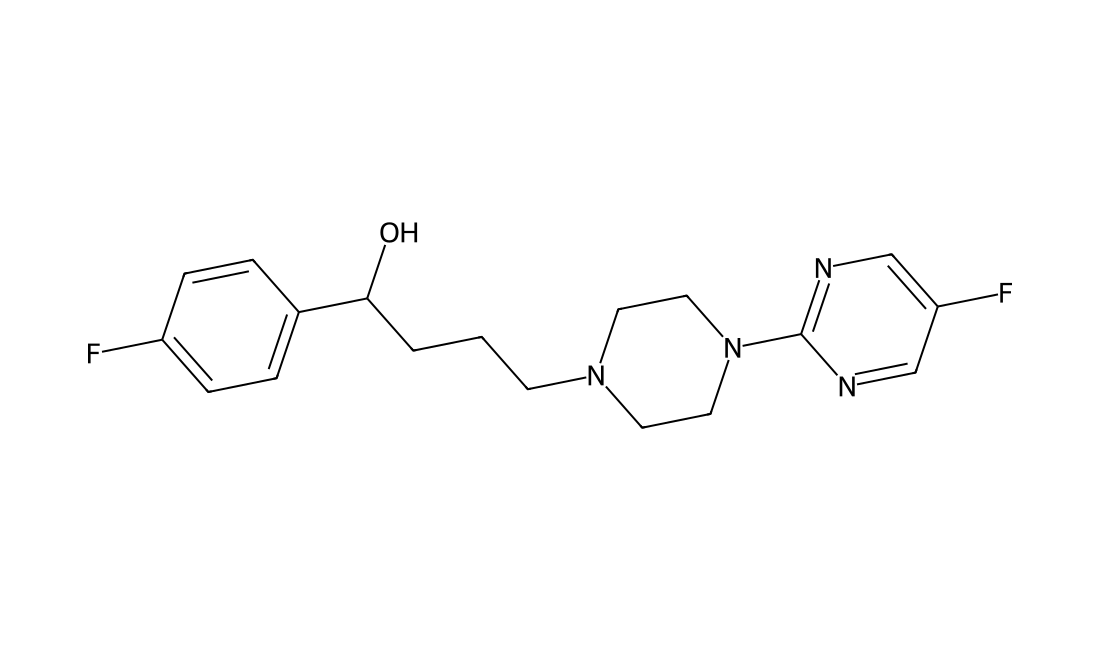
BMY 14802Featured
BMY 14802 is a sigma-1 receptor (σ1R) antagonist, as well as an agonist at serotonin (5-HT) 1A and adrenergic alpha-1 receptors. BMY 14802 inhibits abnormal involuntary movement (AIM) in rat Parkinson's disease (PD) model, with down-regulating the expression of AIM.
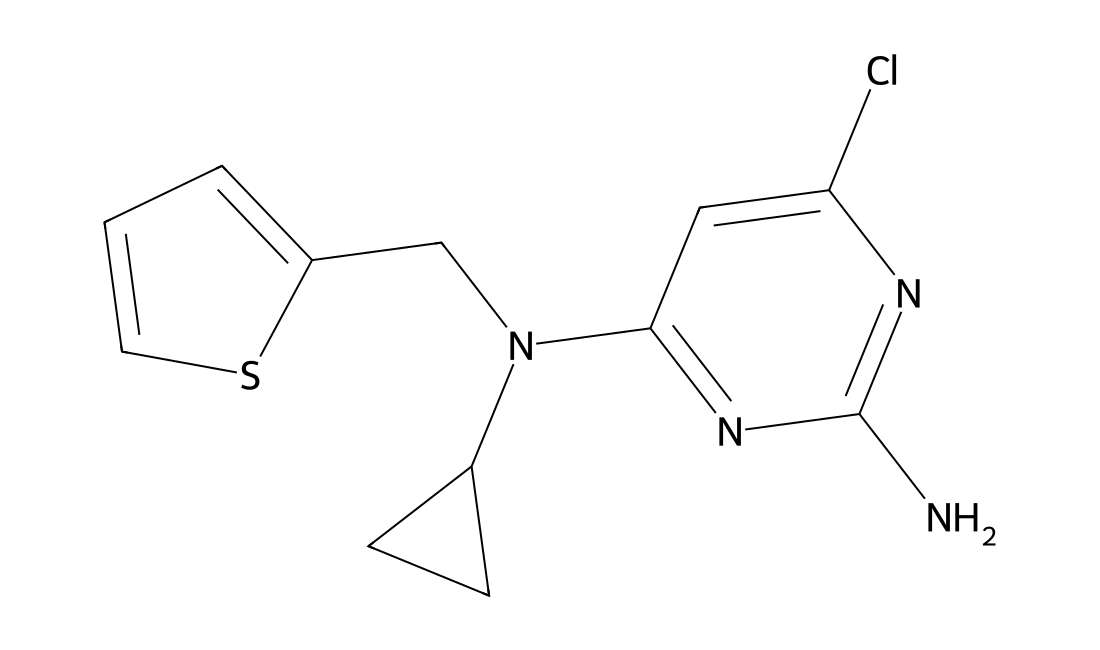
LRE1Featured
LRE1 is a specific and allosteric inhibitor of soluble adenylyl cyclase.
WAY-339495Featured
Antitumor histone acetyl transferase inhibitors; modulator of acetyltransferase/deacetylase activity; sirtuin modulators; sirtuin modulators; sirtuin modulators; sirtuin modulators; sirtuin modulators;
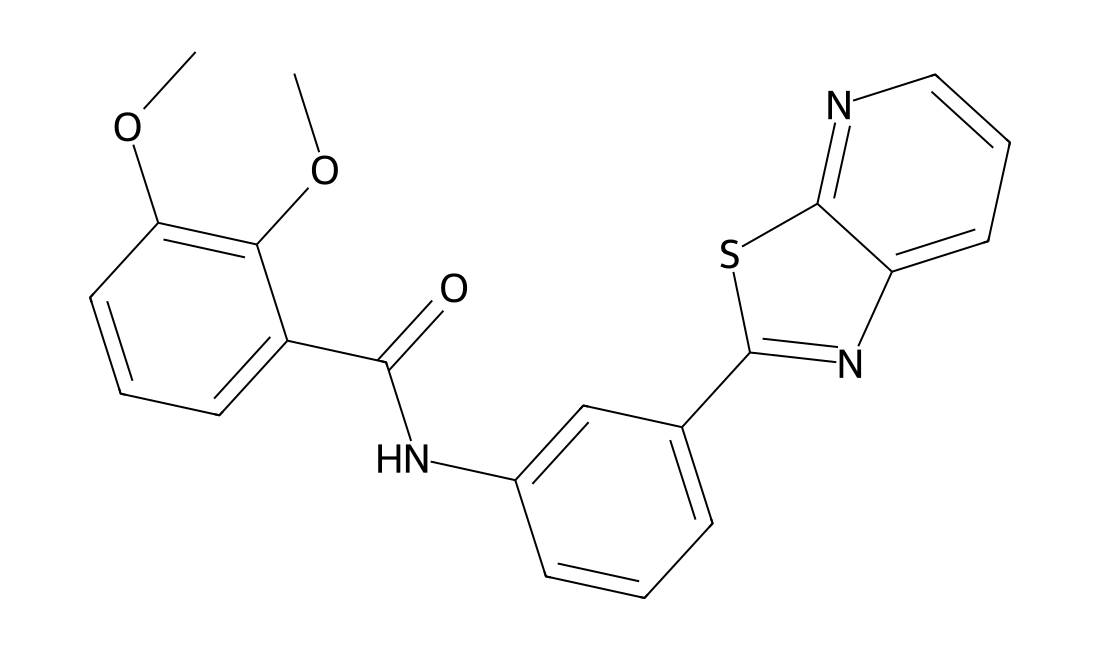
WAY-301617Featured
11b-hydroxysteroid dehydrogenase type 1 inhibitor
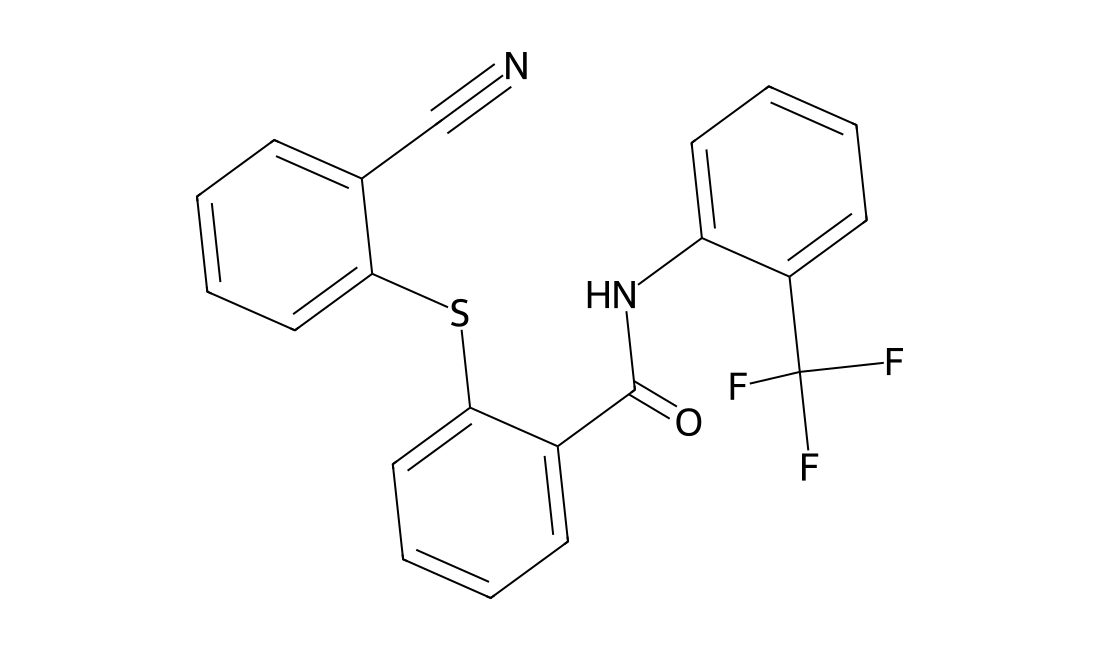
MY-875Featured
MY-875 is a competitive microtubulin polymerization inhibitor with an IC50 value of 0.92 μM. MY-875 inhibits microtubulin polymerization by targeting colchicine binding sites and activates the Hippo pathway. MY-875 induces apoptosis and has anticancer activity.
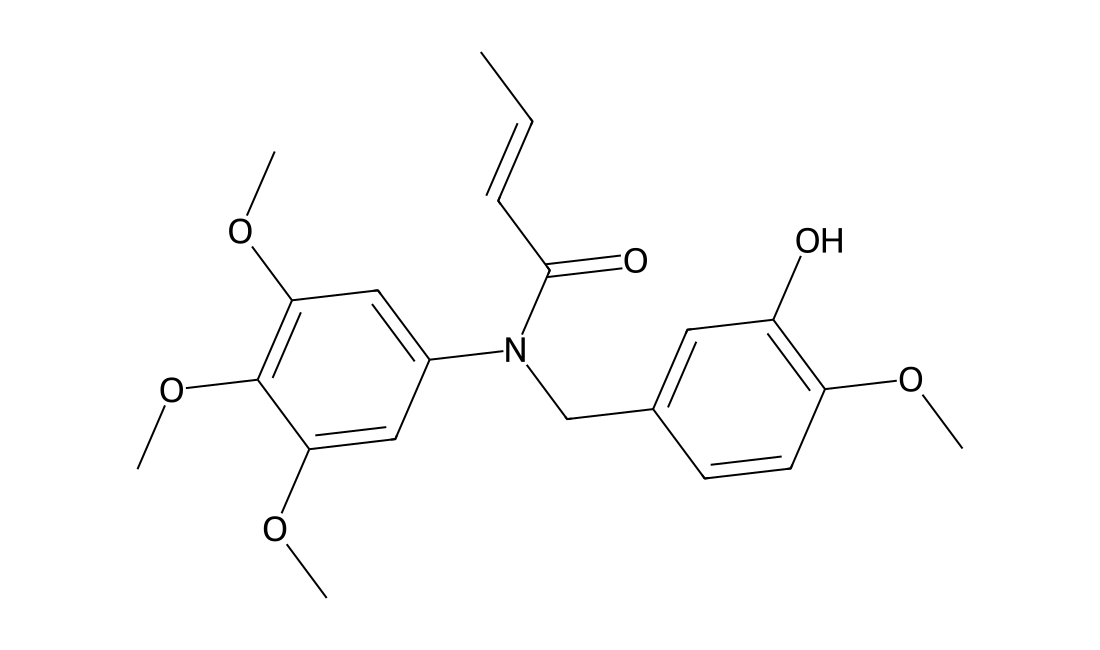
Wnt/β-catenin agonist 4Featured
Wnt/β-catenin agonist 4 (Derivative 83) is an agonist of Wnt that activates Wnt/β-catenin signal transmission.
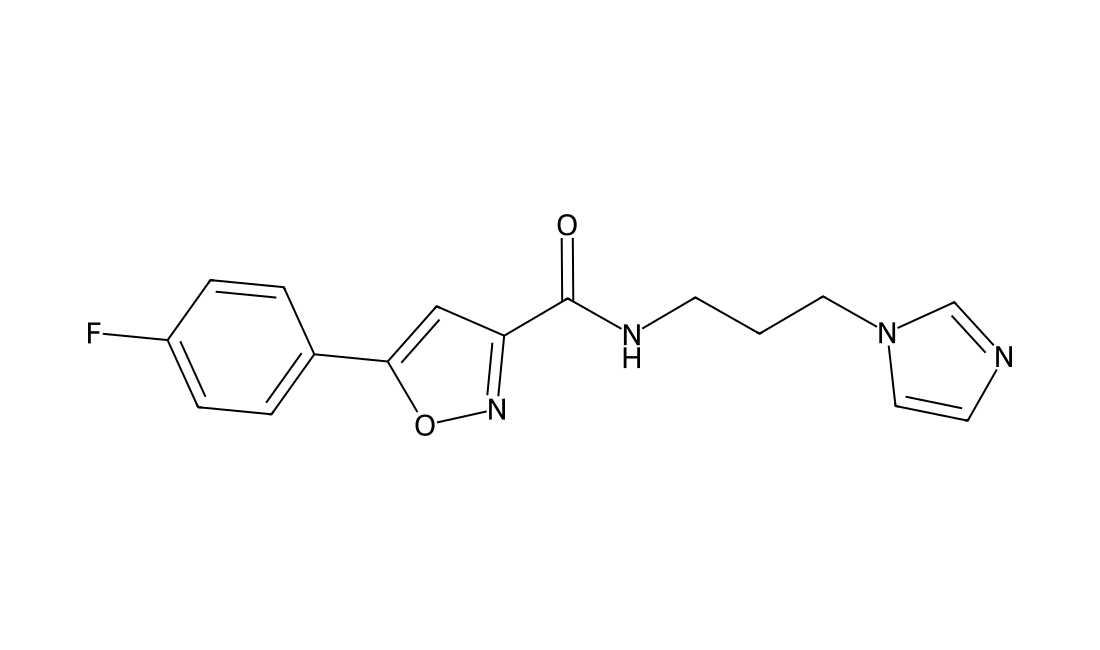
WYE-175761Featured
CTP inhibitor; Inhibitor of the mitochondrial citrate transport protein;
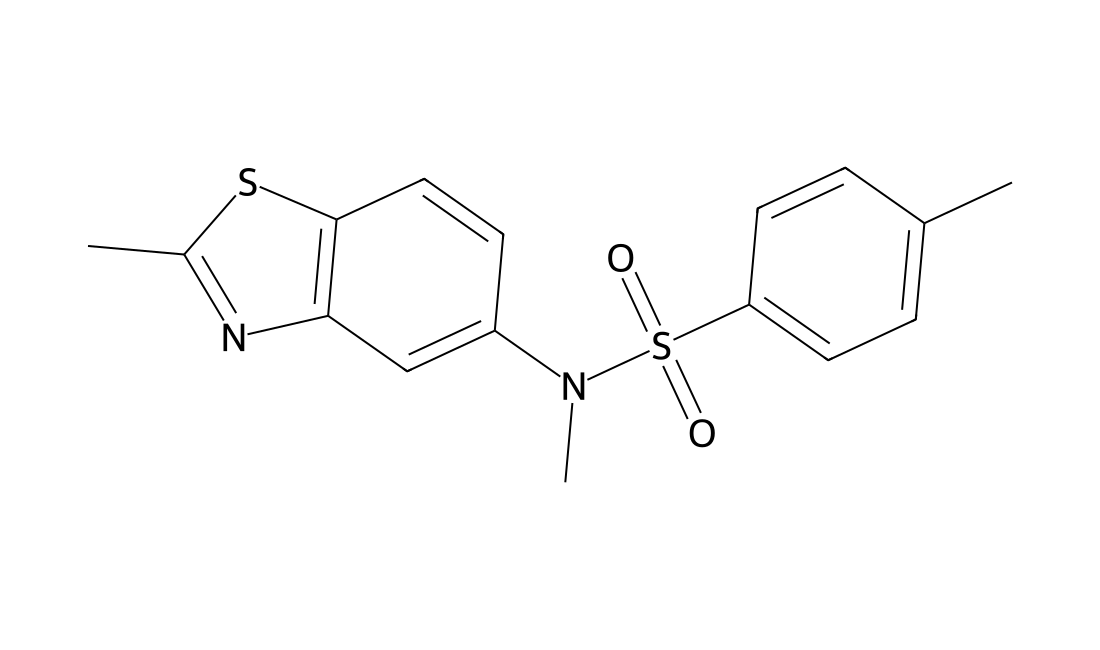
microRNA-21-IN-2Featured
microRNA-21-IN-2 is a potential miR-21 inhibitor with an AC50 value of 3.29 μM. microRNA-21-IN-2 can be used for the research of cancer.
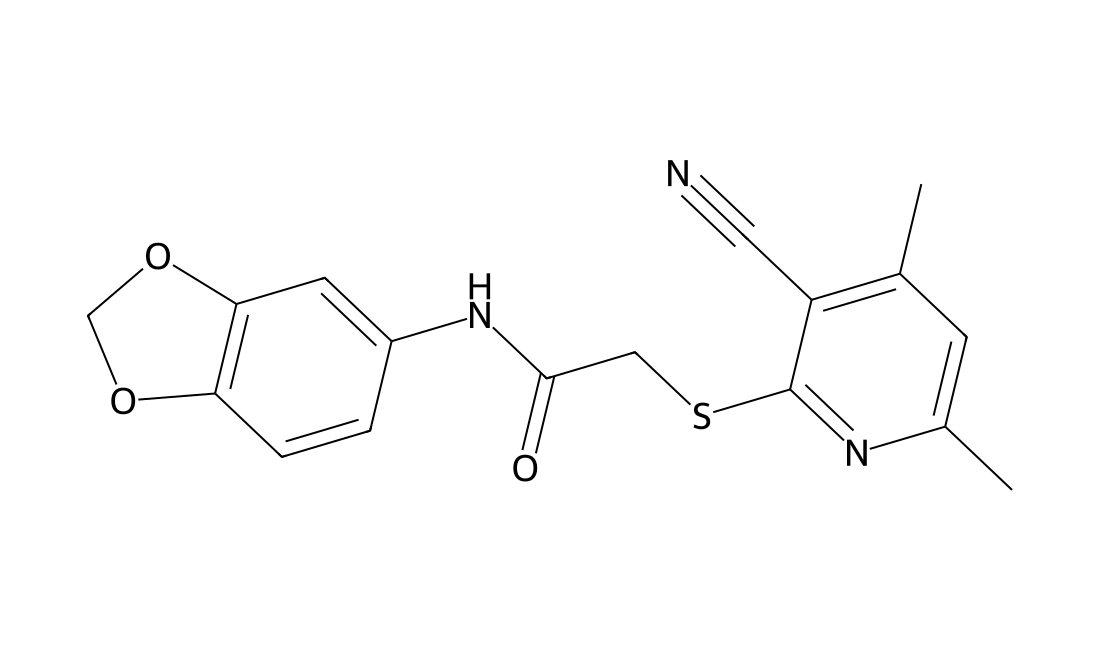
WAY-272589Featured
Pin1 ligands; Mycobacterium tuberculosis shikimate kinase inhibitors;
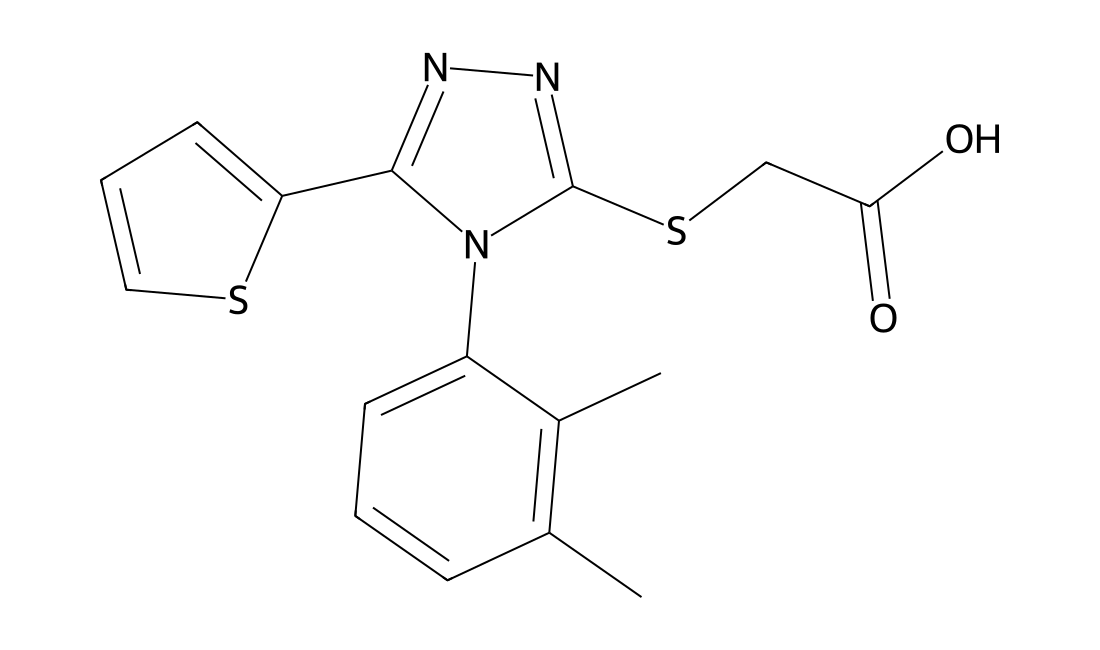
WAY-311610Featured
11β-hydroxysteroid dehydrogenase type I modulator; sodium channel inhibitors.
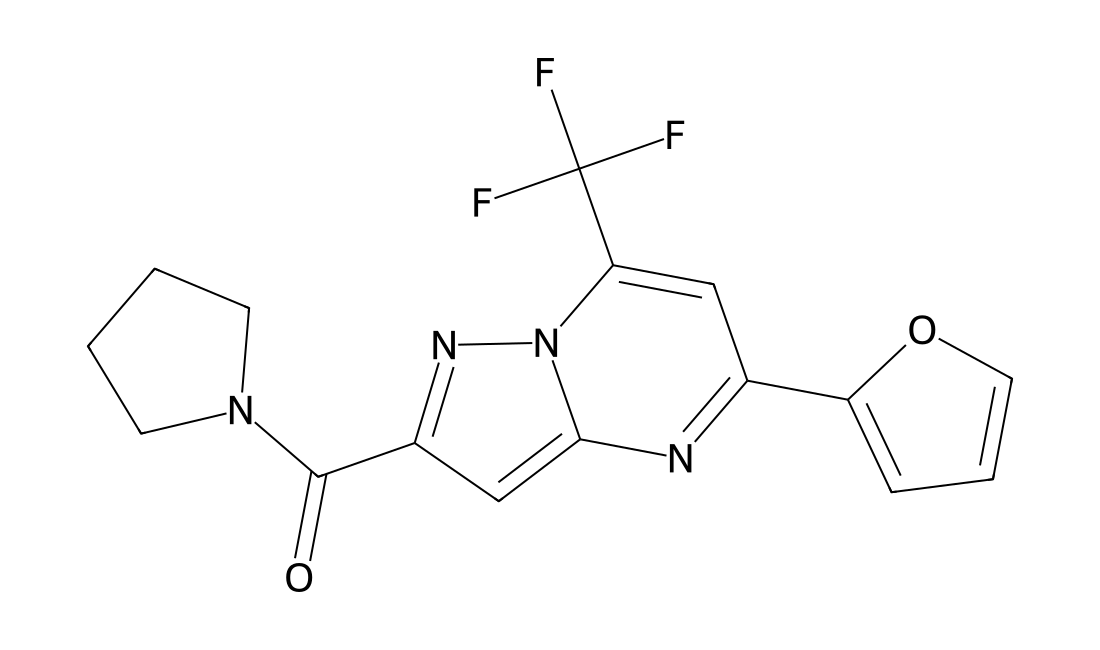
No products match this search.
Page 241 of 259 · Browse all 5177 products
Jump to a product page
Featured literature product: HX1 · DCL0028
HX1 is a hydroxyzine-derived ionizable lipid with acetal-containing tails, studied in lipid nanoparticles for brain mRNA delivery and CRISPR–Cas9 delivery. It was the lead in the reported in vivo brain-delivery screen; evidence is preclinical and formulation-dependent.
Read full formulation and performance →