
Research lipid catalog
Ionizable Lipid Products
Explore 848 lipid and RNA delivery products. Search the full catalog or browse by research category.
Search covers product name, catalog number, synonyms, available CAS numbers and categories. Spaces, hyphens and common punctuation are ignored. Duplicate legacy records are consolidated under one canonical product result.
5177 products · Showing 4881–4900 · 20 per page
DC Chemicals lipid expertise
Built for ionizable-lipid discovery and RNA delivery research
DC Chemicals supports formulation and delivery research with a broad, searchable portfolio of cationic and ionizable lipids. The current directory brings together 848 unique research-use products, with product specifications, pricing, chemical structures and literature-linked formulation data added as each record is verified.
Our experience spans complex lipid synthesis, purification, analytical release and process development. For custom molecules or larger-scale requirements, our team can discuss route development, technical specifications and scale-up options for the intended research workflow.
Learn about cationic and ionizable lipids →Proprietary innovation · Co-development · GMP
From proprietary lipid design to GMP-grade custom synthesis
DC Chemicals has independently developed ionizable-lipid structures supported by company-owned intellectual property, and selected proprietary lipid programs have advanced to GMP-stage development.
We welcome joint development with customers—from molecular design and lipid synthesis through route and process development. We can also support custom synthesis of GMP-grade ionizable lipids to agreed technical specifications and quality requirements.
Discuss a co-development project →Proprietary ionizable-lipid structuresCollaborative molecular designCustom lipid synthesisProcess development and scale-upGMP-grade project support
Product quick links
Explore New ionizable lipids
Explore our five most recently added ionizable lipids, with specifications, pricing and literature-linked product information.
DCL0028HX1Brain RNA delivery researchView product →DCL0024A1I4R13C18-2Spleen-targeted RNA delivery researchView product →DCL0023A1I4R2C18-2Spleen-targeted RNA delivery researchView product →DCL0022FS01Local joint RNA delivery researchView product →DCL0020Lipid-392Lung RNA delivery and gene editing researchView product →
Cat. No.Product NameField of ApplicationChemical Structure
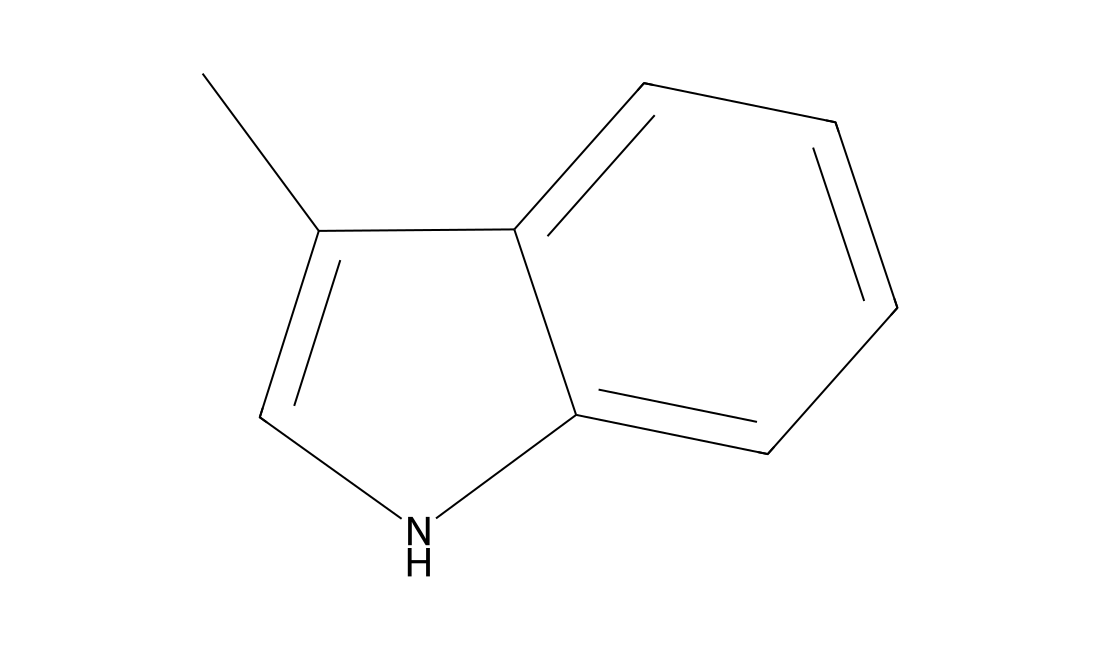
SkatoleFeatured
Skatole is produced by intestinal bacteria, regulates intestinal epithelial cellular functions through activating aryl hydrocarbon receptors and p38.
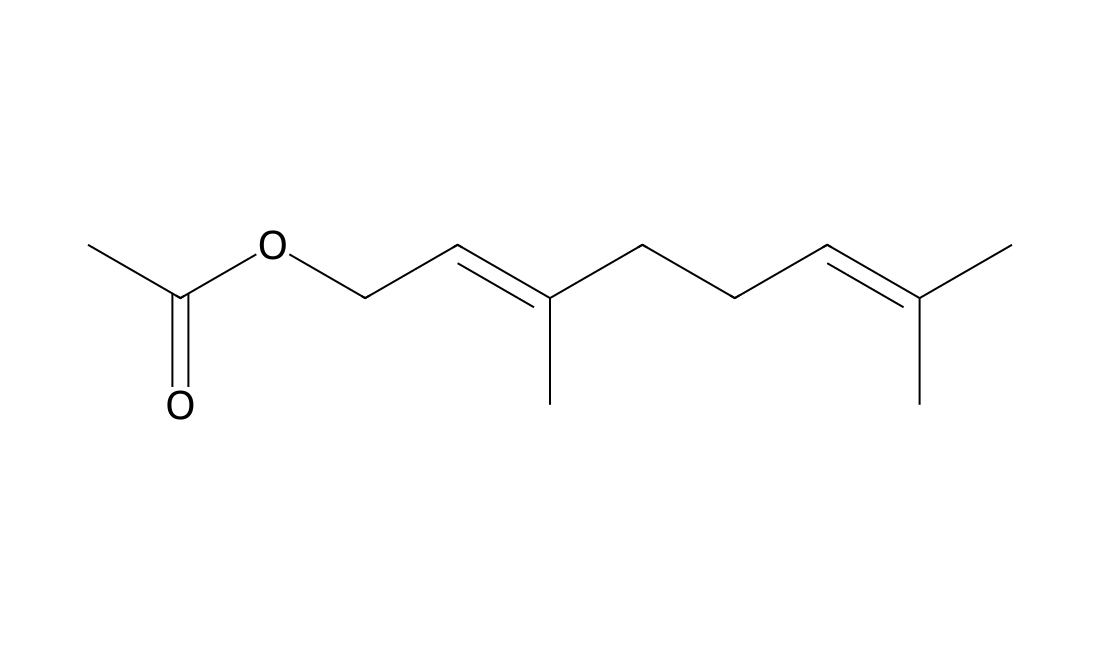
Neryl acetateFeatured
Neryl acetate is a chemical compound isolated from citrus oils.
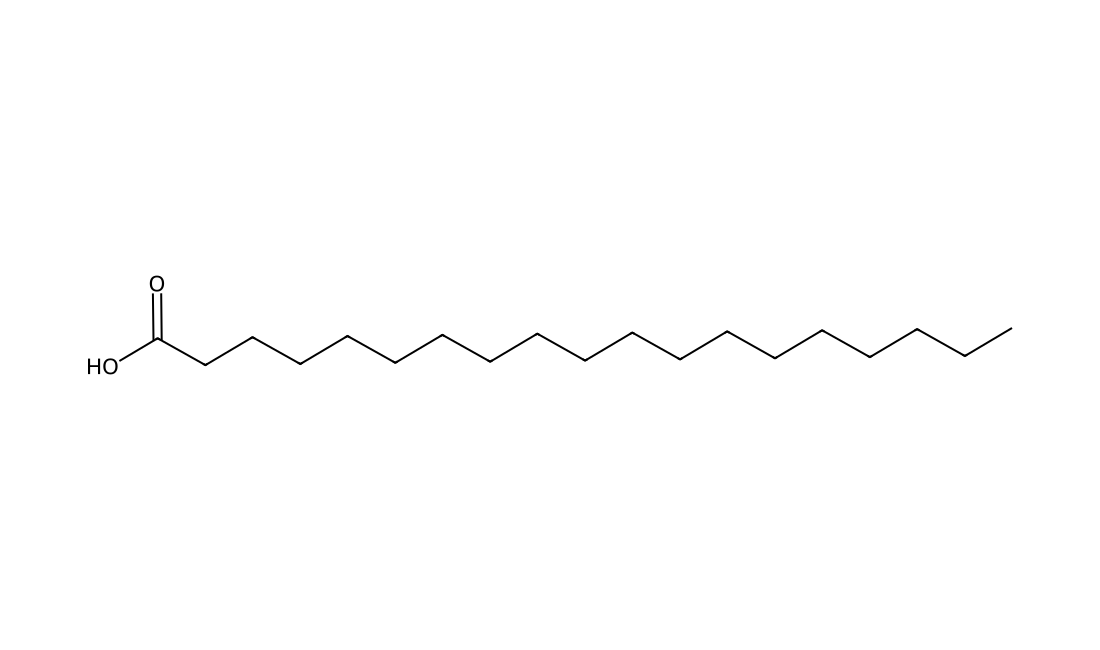
Nonadecanoic acidFeatured
Nonadecanoic acid is a 19-carbon long saturated fatty acid. Nonadecanoic acid is the major constituent of the substance secreted by Rhinotermes marginalis to defence.
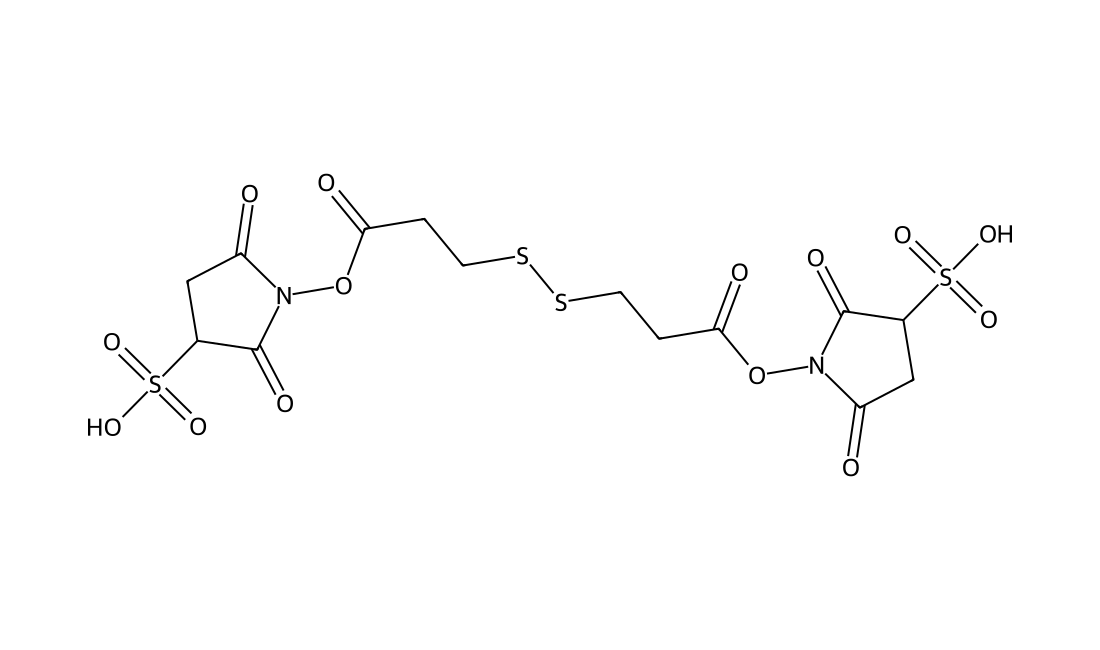
DTSSP CrosslinkerFeatured
DTSSP Crosslinker, or 3,3′-Dithiobissulfosuccinimidylpropionate, is a homobifunctional protein crosslinker that is cell membrane impermeable. DTSSP crosslinker can be used to crosslink extracellular and membrane proteins.
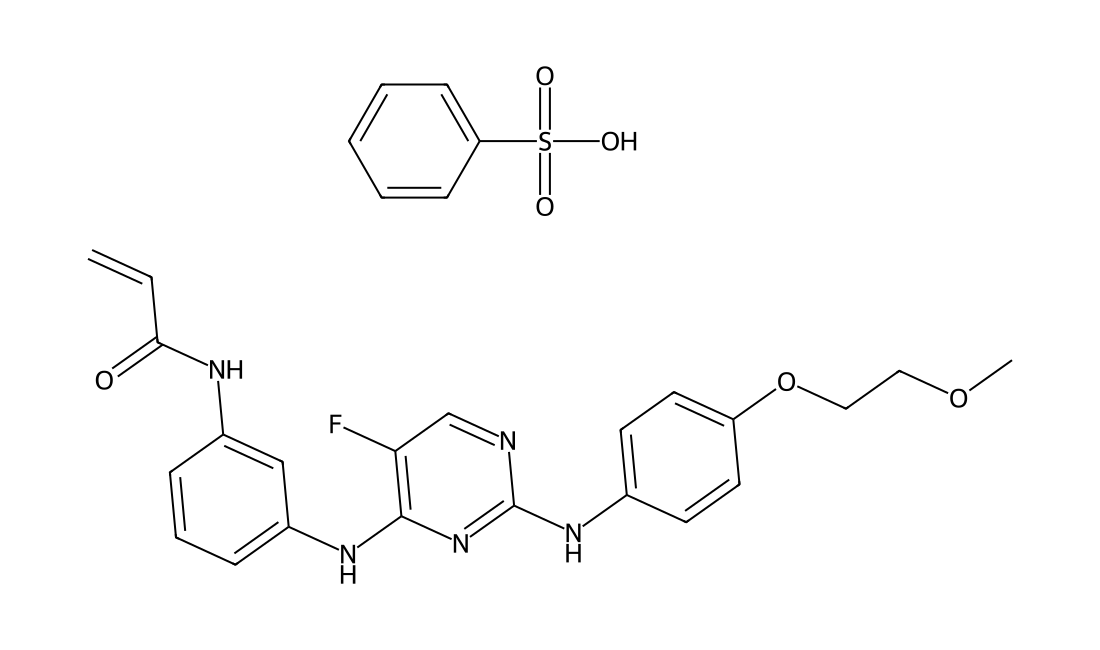
AVL-292 besylateFeatured
AVL-292 besylate (Spebrutinib, CC-292) is a highly selective, covalent Btk inhibitor with IC50 of <1 nM.
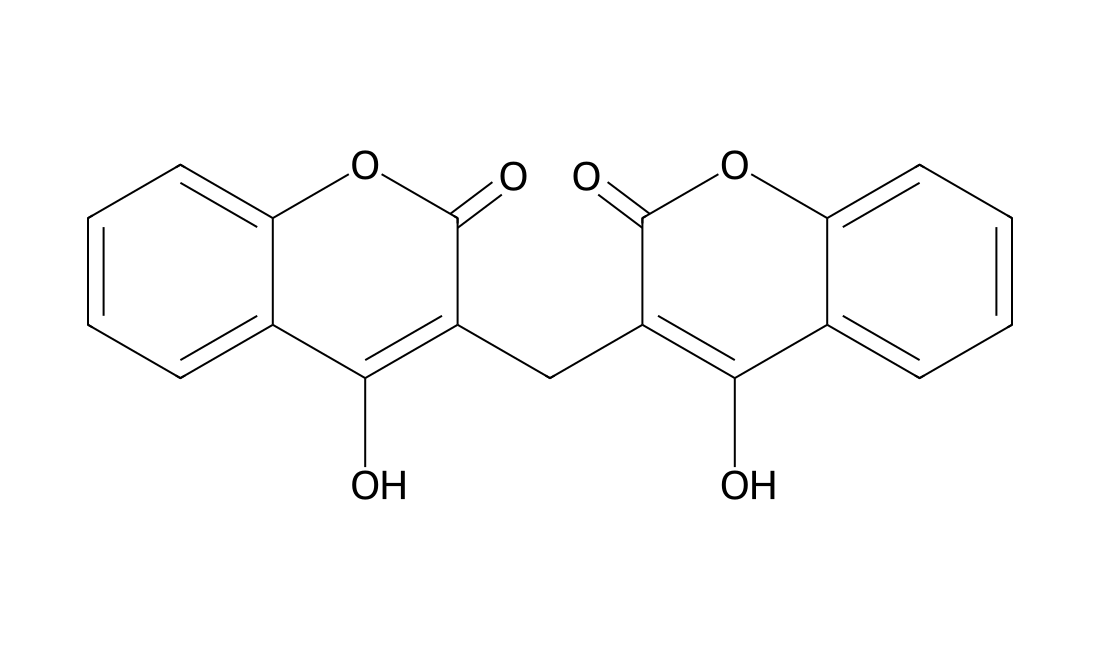
DicumarolFeatured
Dicoumarol (INN) or dicumarol (USAN) is a naturally occurring anticoagulant that functions as a functional vitamin K depleter (similar to warfarin, a drug that dicoumarol inspired). It is also used in biochemical experiments as an inhibitor of reductases. Like all 4-hydroxycoumarin drugs it is a competitive inhibitor of vitamin K epoxide reductase, an enzyme that recycles vitamin K, thus causing depletion of active vitamin K in blood. This prevents the formation of the active form of prothrombin and several other coagulant enzymes. These compounds are not antagonists of Vitamin K directly—as they are in pharmaceutical uses—but rather promote depletion of vitamin K in bodily tissues allowing vitamin K's mechanism of action as a potent medication for dicoumarol toxicity. The mechanism of action of Vitamin K along with the toxicity of dicoumarol are measured with the prothrombin time (PT) blood test. (Source: https://en.wikipedia.org/wiki/Dicoumarol).
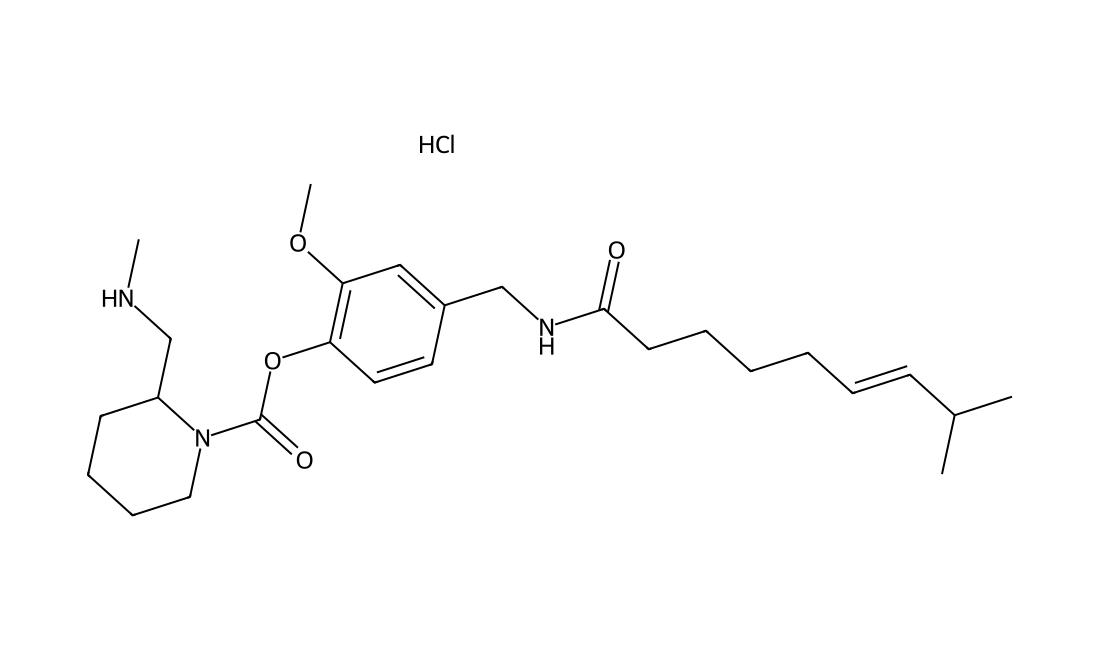
Vocacapsaicin hydrochlorideFeatured
Use of Vocacapsaicin hydrochloride Vocacapsaicin (CA-008) hydrochloride, a prodrug of Capsaicin, is a first-in-class non-opioid TRPV1 agonist. Vocacapsaicin hydrochloride can provide meaningful and long-lasting pain relief.
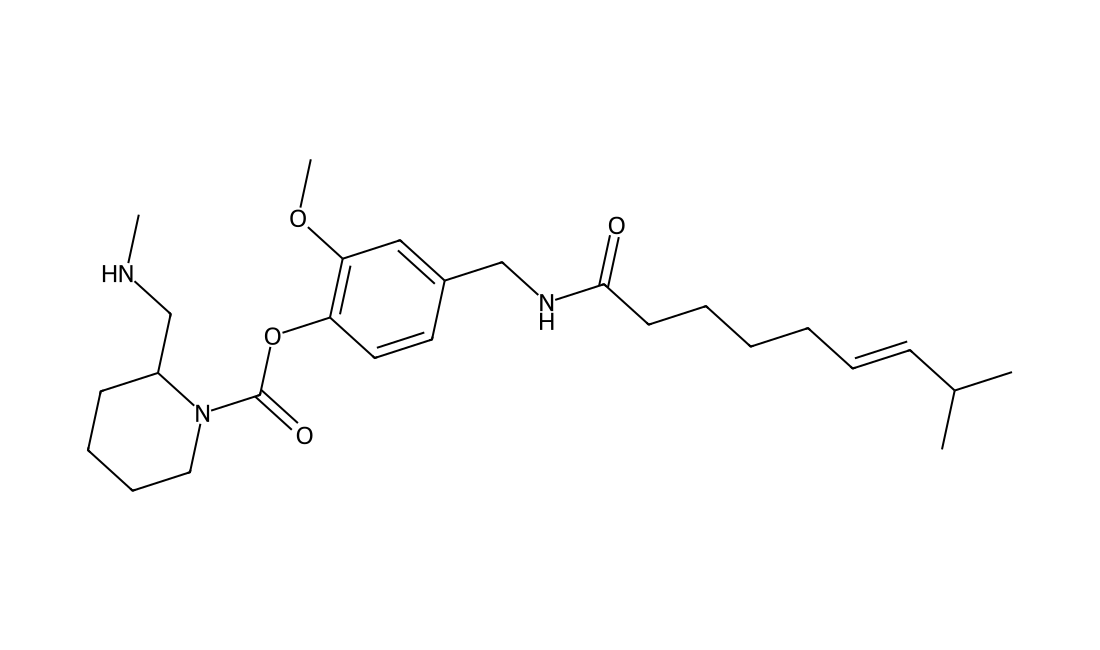
VocacapsaicinFeatured
Vocacapsaicin (CA-008), a prodrug of Capsaicin, is a first-in-class non-opioid TRPV1 agonist. Vocacapsaicin can provide meaningful and long-lasting pain relief.
GlibornurideFeatured
Glibornuride is a blocker of adenosine 5'-triphosphate (ATP)-sensitive K+ channels (KATP channels).
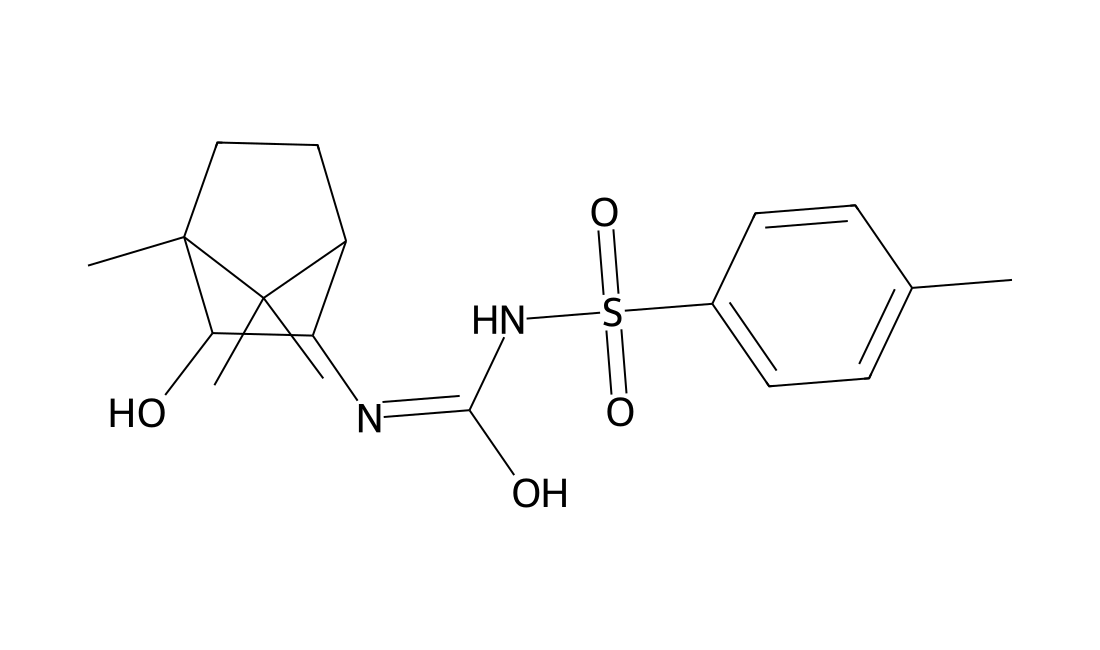
NAV26Featured
NAV 26 (compound 26) is a selective voltage-gated sodium channel Nav1.7 blocker with an IC50 of 0.37 μM. NAV 26 can be used for pain research.
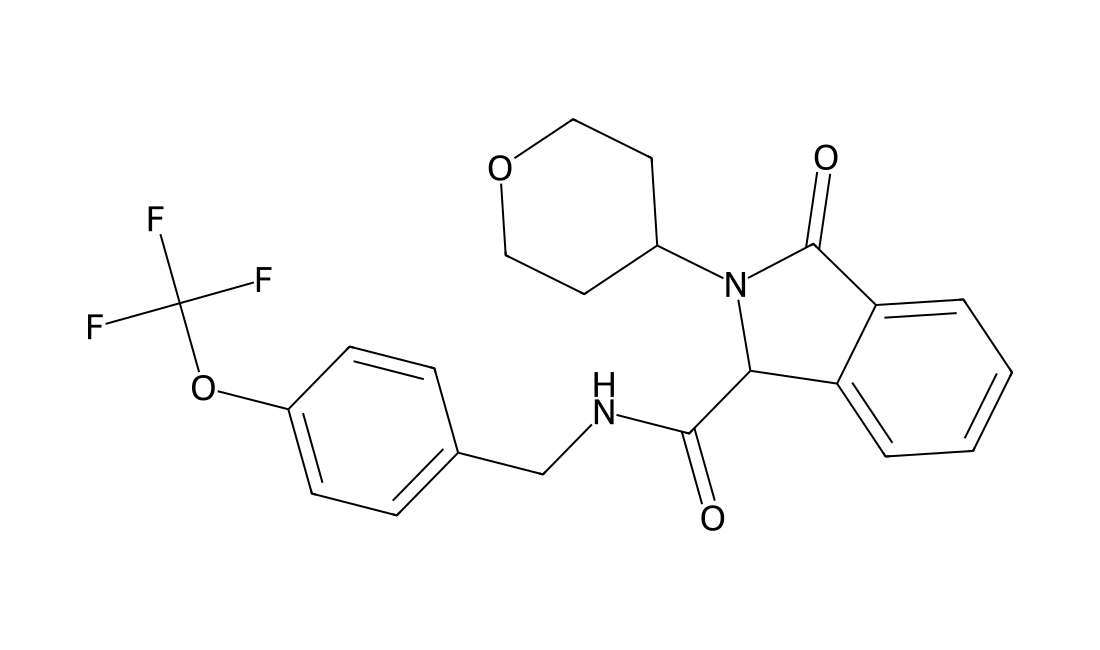
SUN B8155Featured
SUN B8155, a non-peptide agonist of calcitonin (CT) receptor, selectively mimics the biological actions of calcitonin. Calcitonin, a 32-amino acid peptide hormone secreted mainly from the thyroid gland, plays an important role in maintaining bone homeostasis.
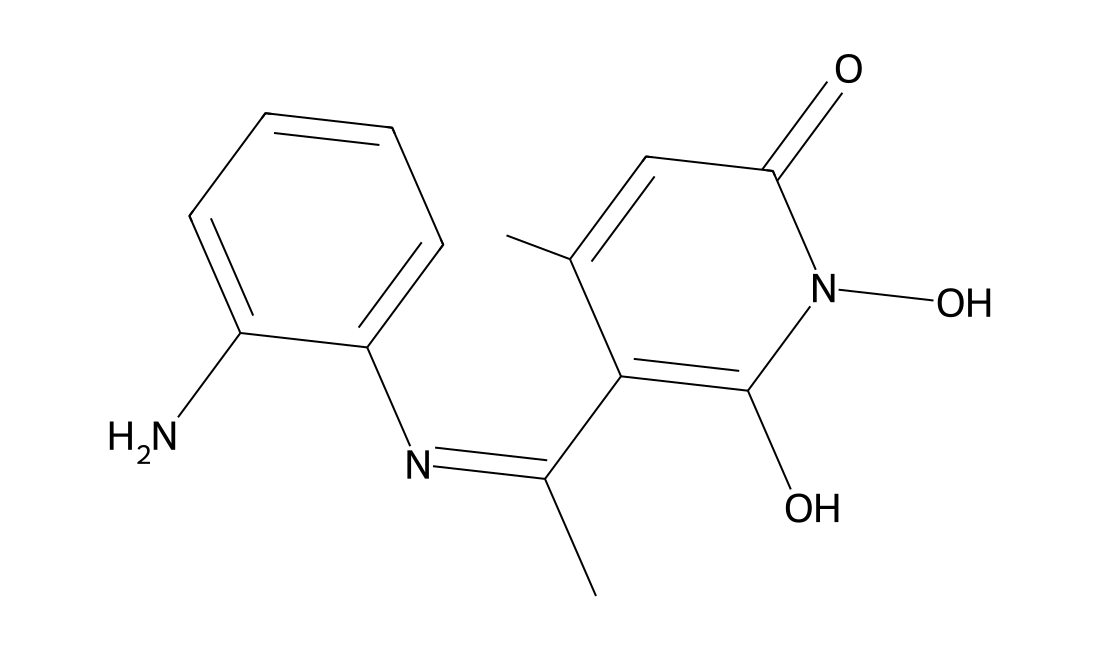
SB-408124Featured
SB408124 is a non-peptide antagonist for OX1 receptor with Ki of 57 nM and 27 nM in both whole cell and membrane, respectively; exhibits 50-fold selectivity over OX2 receptor.
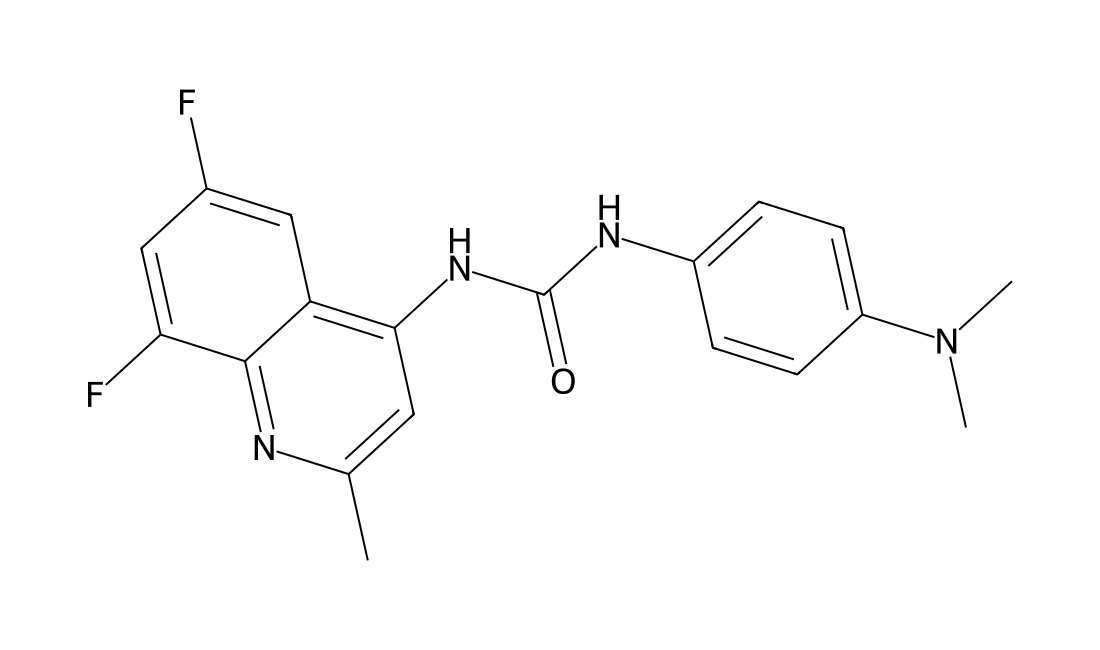
LUF6283Featured
LUF6283 is a partial agonist of hydroxycarboxylic acid receptor 2
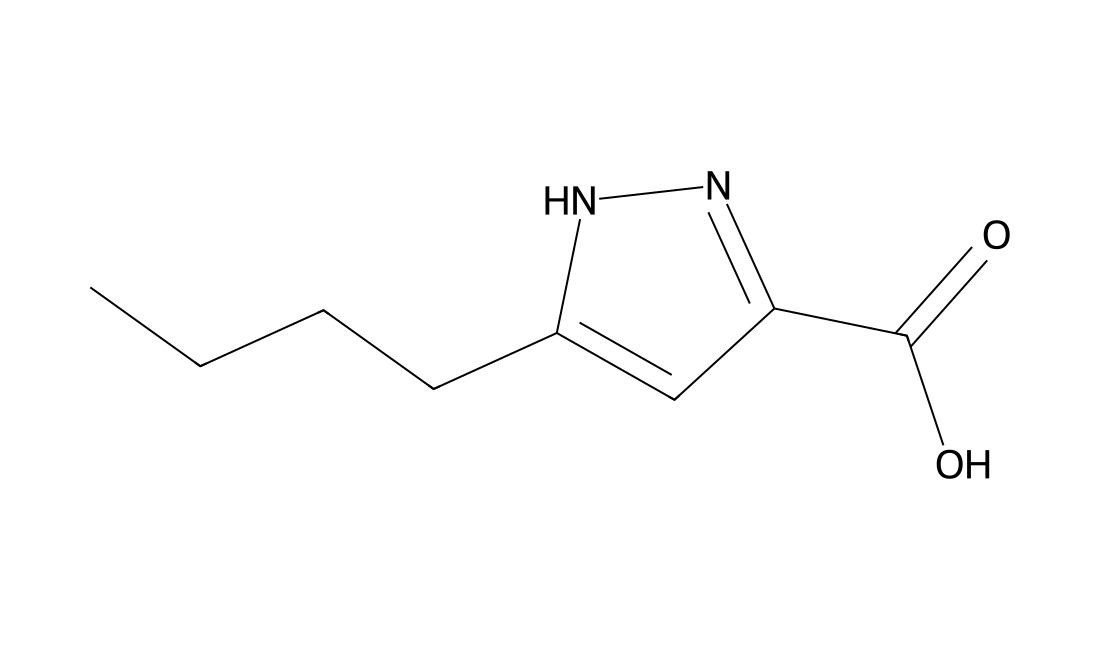
UMK57Featured
Novel inhibitor of chromosomal instability, potentiating MCAK in vivo and transiently suppressing chromosome mis-segregation in CIN cancer cells
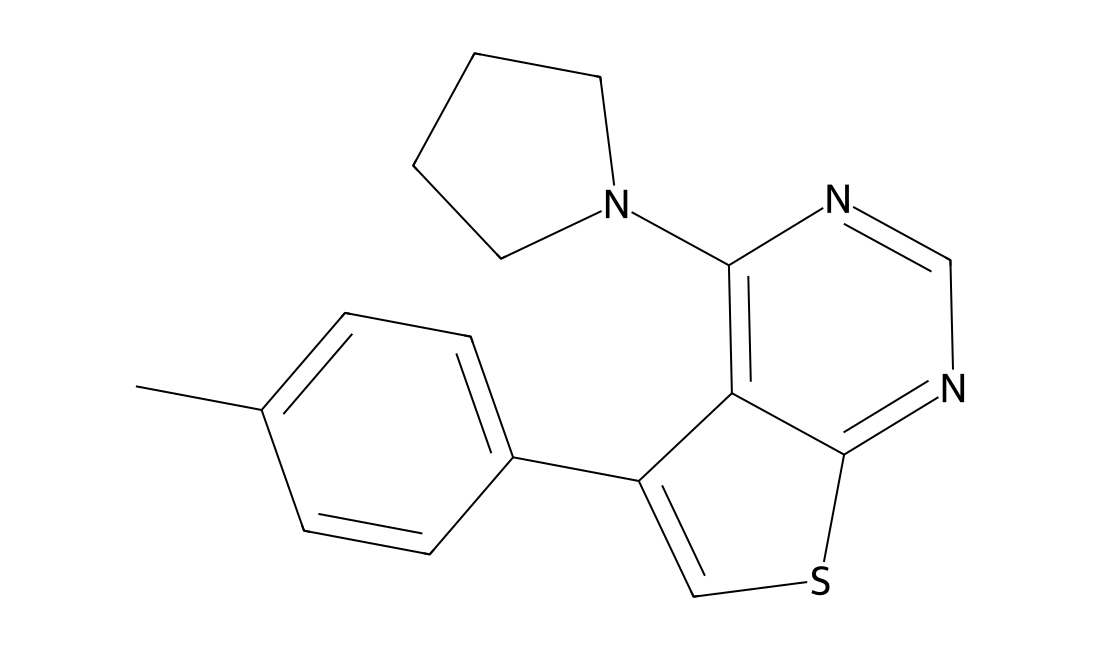
ZINC40099027Featured
Novel FAK activator, promoting human intestinal epithelial monolayer wound closure and mouse ulcer healing
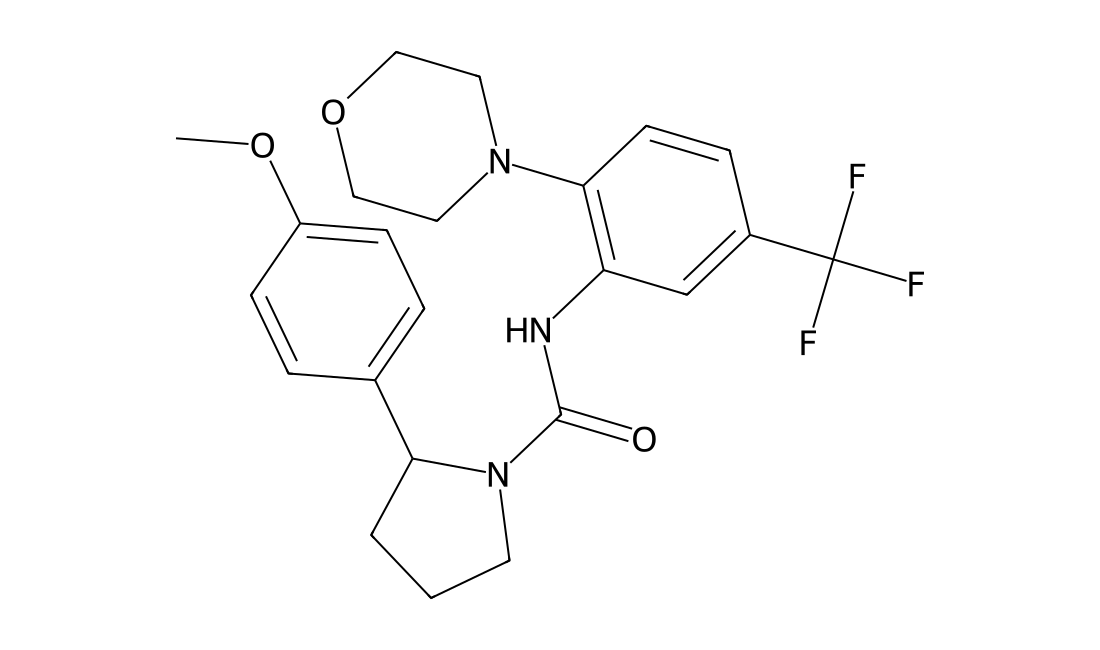
PD 102807Featured
PD 102807 is a M4 muscarinic receptor antagonist with an IC50 of 90.7 nM. PD 102807 inhibits M1, M2, M3, M5 muscarinic receptor with IC50s of 6558.7, 3440.7, 950.0, and 7411.7 nM, respectively. Antidyskinetic effect.
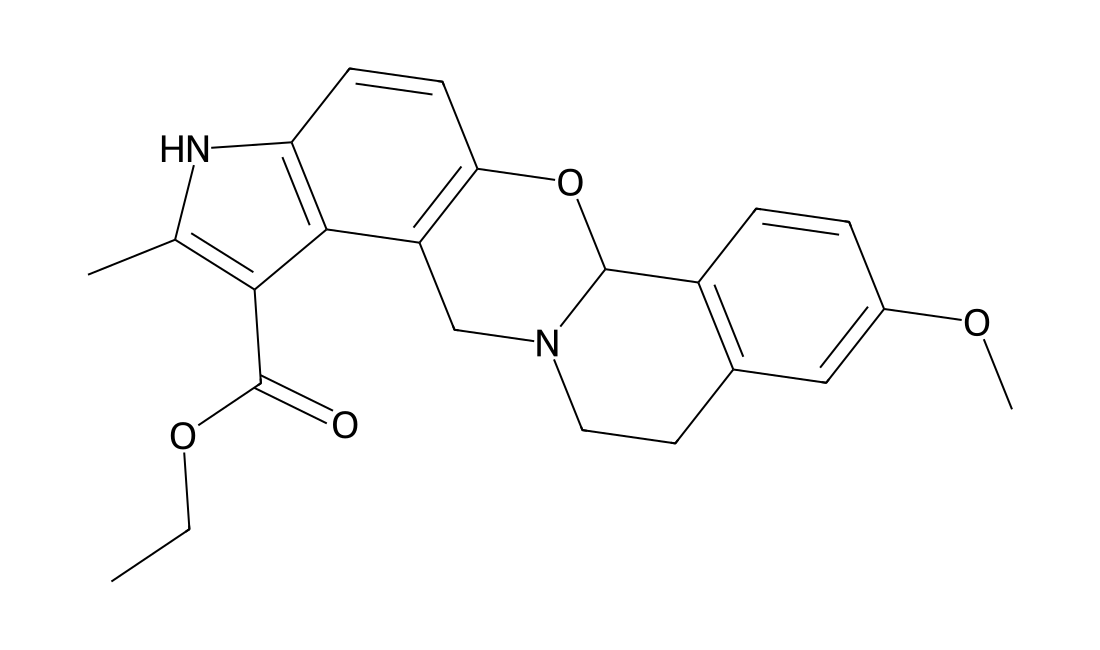
RNF5 INHIBITOR INH-02Featured
inh-02 (RNF5 inhibitor inh-02) is a novel small molecule inhibitor of E3 ubiquitin ligase RNF5/RMA1.
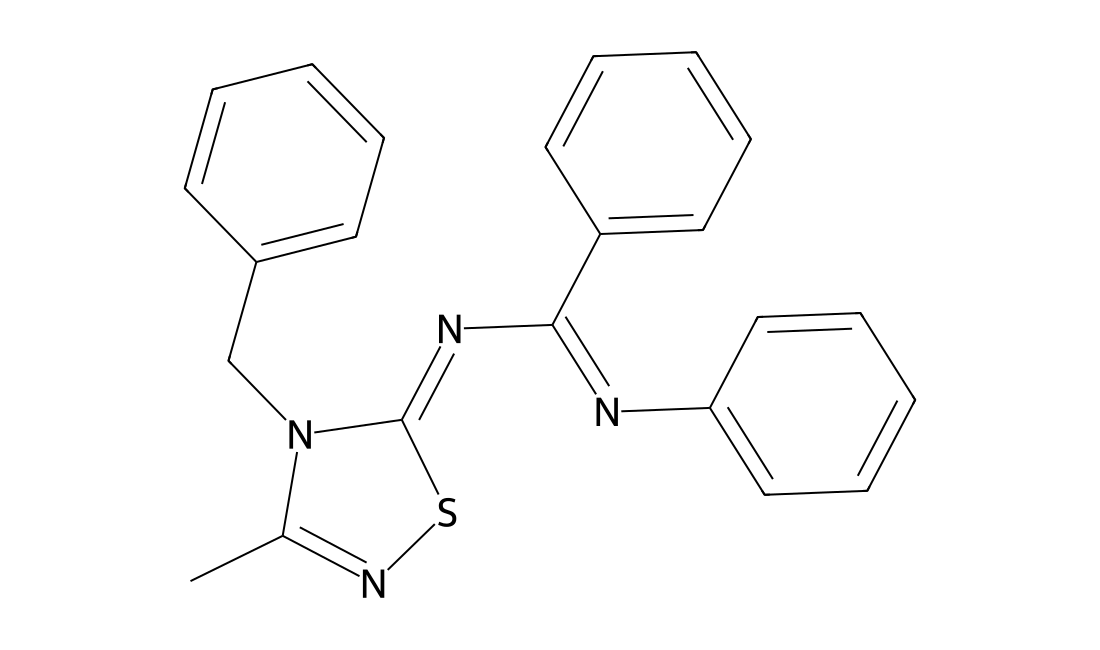
GW-8510Featured
GW-8510 (GW8510) is a potent, selective inhibitor of CDK2 with IC50 of 10 nM.
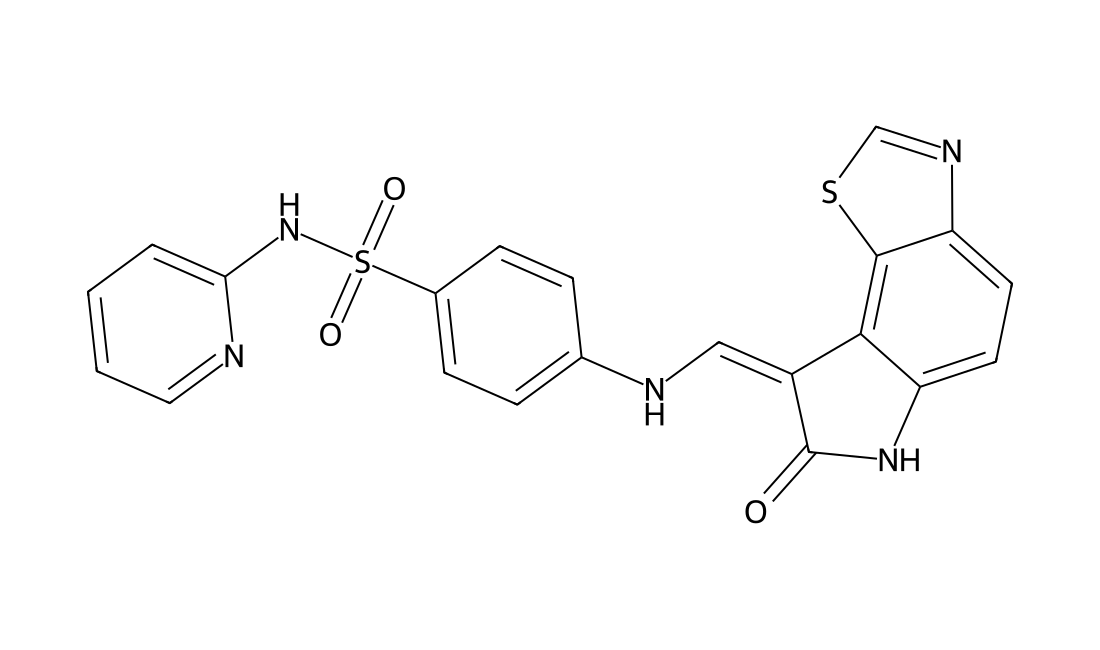
ONO-8430506Featured
ONO-8430506 is an orally bioavailable and potent autotaxin (ATX)/ENPP2 inhibitor with the IC90 of 100 nM for ATX activity in mouse plasma.
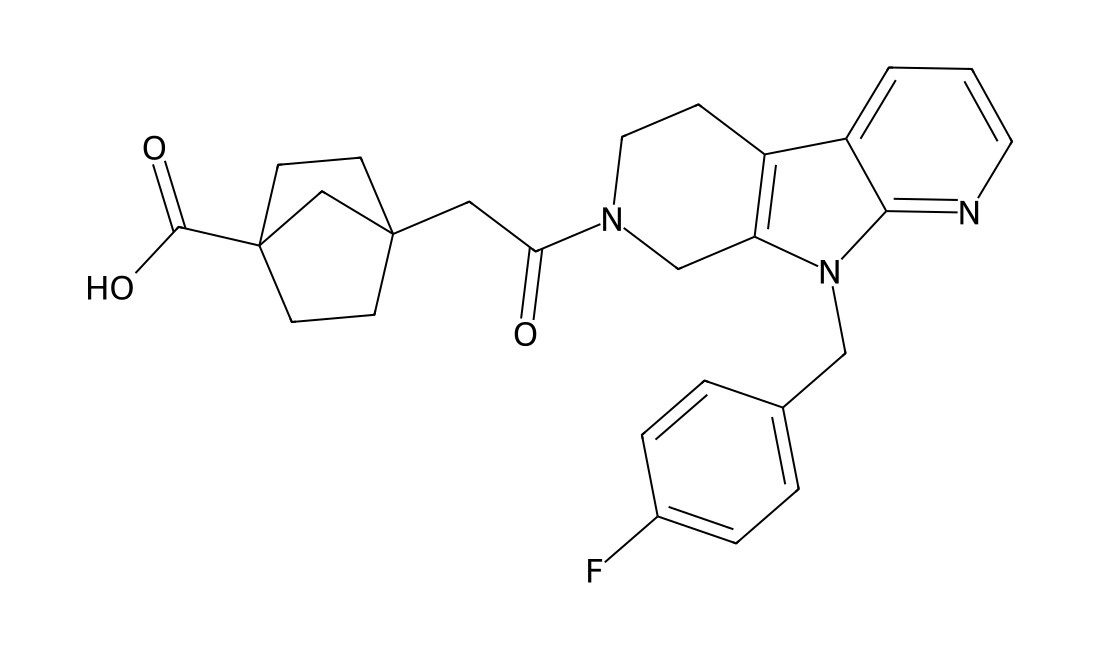
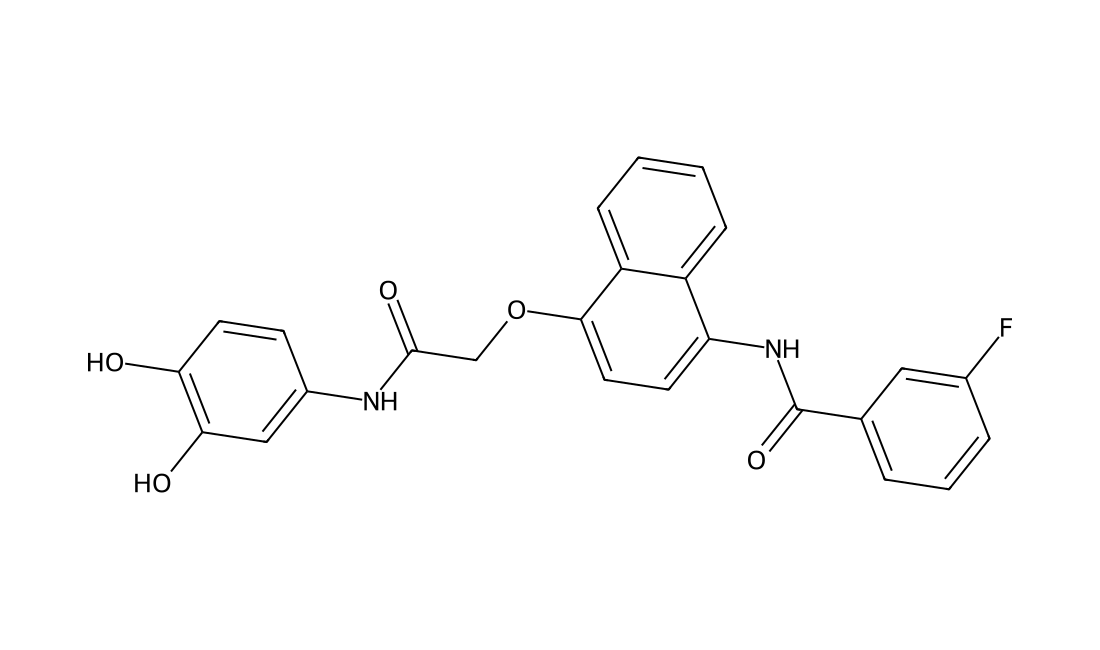
TCRS-417 (T417) is a small molecule compound capable of docking to the interface between PBX1 and its cognate DNA target sequence, effectively interfering with PBX1-DNA interaction. TCRS-417 can be used in the research of cancer, developmental disorders, inflammatory disorders, autoimmune diseases or neurodegenerative diseases.
No products match this search.
Page 245 of 259 · Browse all 5177 products
Jump to a product page
Featured literature product: HX1 · DCL0028
HX1 is a hydroxyzine-derived ionizable lipid with acetal-containing tails, studied in lipid nanoparticles for brain mRNA delivery and CRISPR–Cas9 delivery. It was the lead in the reported in vivo brain-delivery screen; evidence is preclinical and formulation-dependent.
Read full formulation and performance →