
Research lipid catalog
Ionizable Lipid Products
Explore 848 lipid and RNA delivery products. Search the full catalog or browse by research category.
Search covers product name, catalog number, synonyms, available CAS numbers and categories. Spaces, hyphens and common punctuation are ignored. Duplicate legacy records are consolidated under one canonical product result.
5177 products · Showing 4901–4920 · 20 per page
DC Chemicals lipid expertise
Built for ionizable-lipid discovery and RNA delivery research
DC Chemicals supports formulation and delivery research with a broad, searchable portfolio of cationic and ionizable lipids. The current directory brings together 848 unique research-use products, with product specifications, pricing, chemical structures and literature-linked formulation data added as each record is verified.
Our experience spans complex lipid synthesis, purification, analytical release and process development. For custom molecules or larger-scale requirements, our team can discuss route development, technical specifications and scale-up options for the intended research workflow.
Learn about cationic and ionizable lipids →Proprietary innovation · Co-development · GMP
From proprietary lipid design to GMP-grade custom synthesis
DC Chemicals has independently developed ionizable-lipid structures supported by company-owned intellectual property, and selected proprietary lipid programs have advanced to GMP-stage development.
We welcome joint development with customers—from molecular design and lipid synthesis through route and process development. We can also support custom synthesis of GMP-grade ionizable lipids to agreed technical specifications and quality requirements.
Discuss a co-development project →Proprietary ionizable-lipid structuresCollaborative molecular designCustom lipid synthesisProcess development and scale-upGMP-grade project support
Product quick links
Explore New ionizable lipids
Explore our five most recently added ionizable lipids, with specifications, pricing and literature-linked product information.
DCL0028HX1Brain RNA delivery researchView product →DCL0024A1I4R13C18-2Spleen-targeted RNA delivery researchView product →DCL0023A1I4R2C18-2Spleen-targeted RNA delivery researchView product →DCL0022FS01Local joint RNA delivery researchView product →DCL0020Lipid-392Lung RNA delivery and gene editing researchView product →
Cat. No.Product NameField of ApplicationChemical Structure
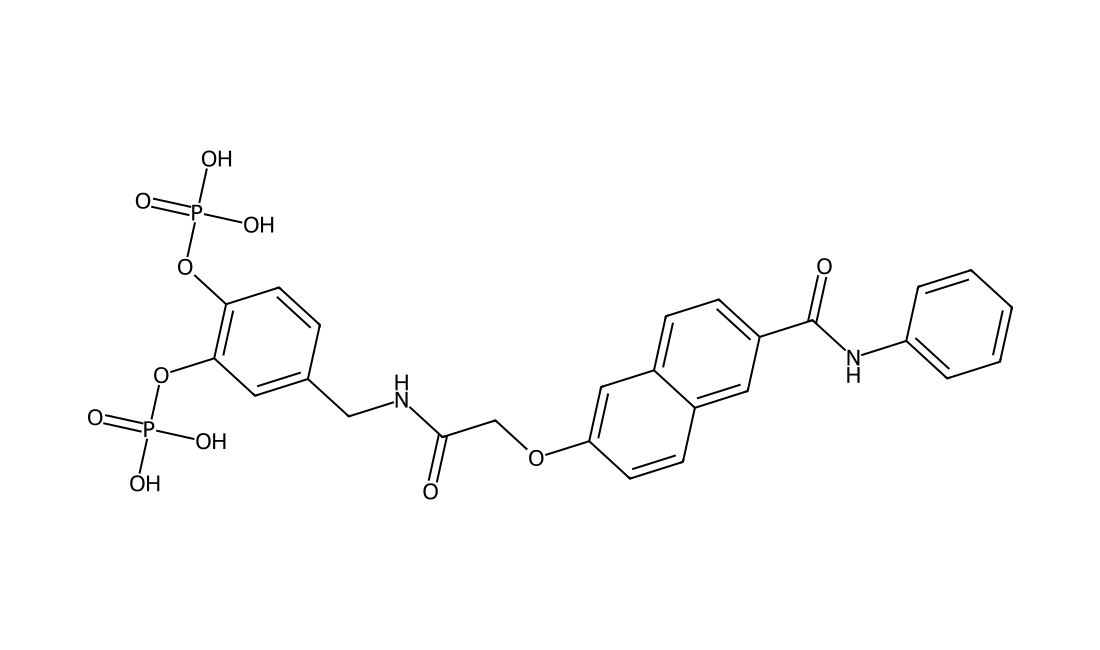
Stafib-1Featured
A potent, selective small molecule inhibitor of transcription factor STAT5b with Ki of 44 nM, >50-fold selectivity over STAT5a..
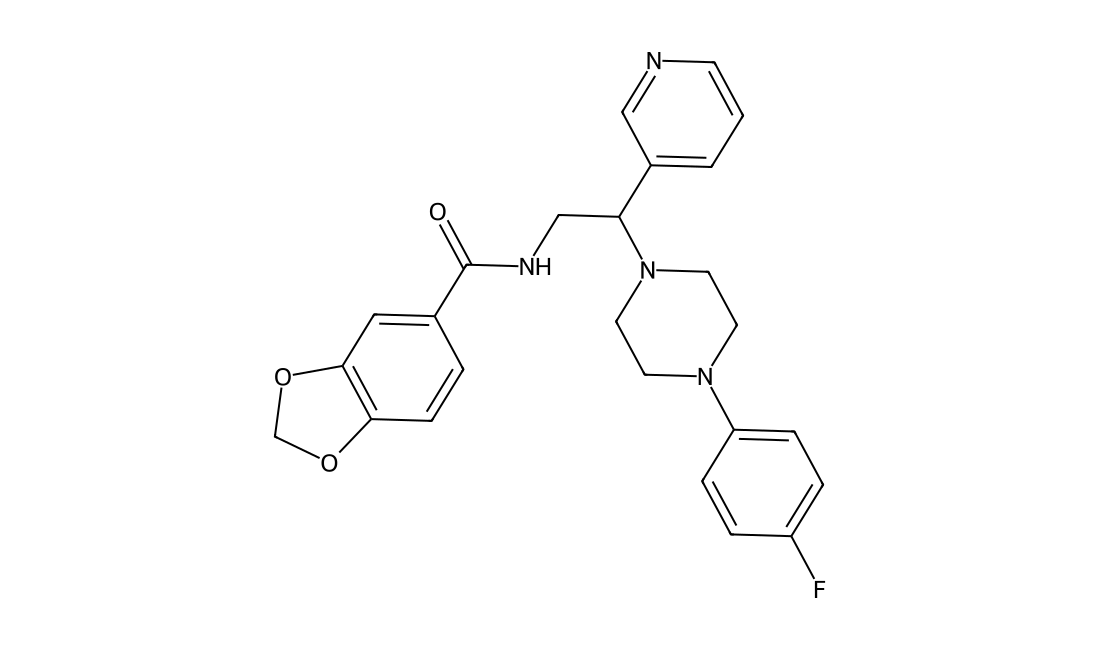
WAY-658876Featured
inhibitor of the human soluble epoxide hydrolase
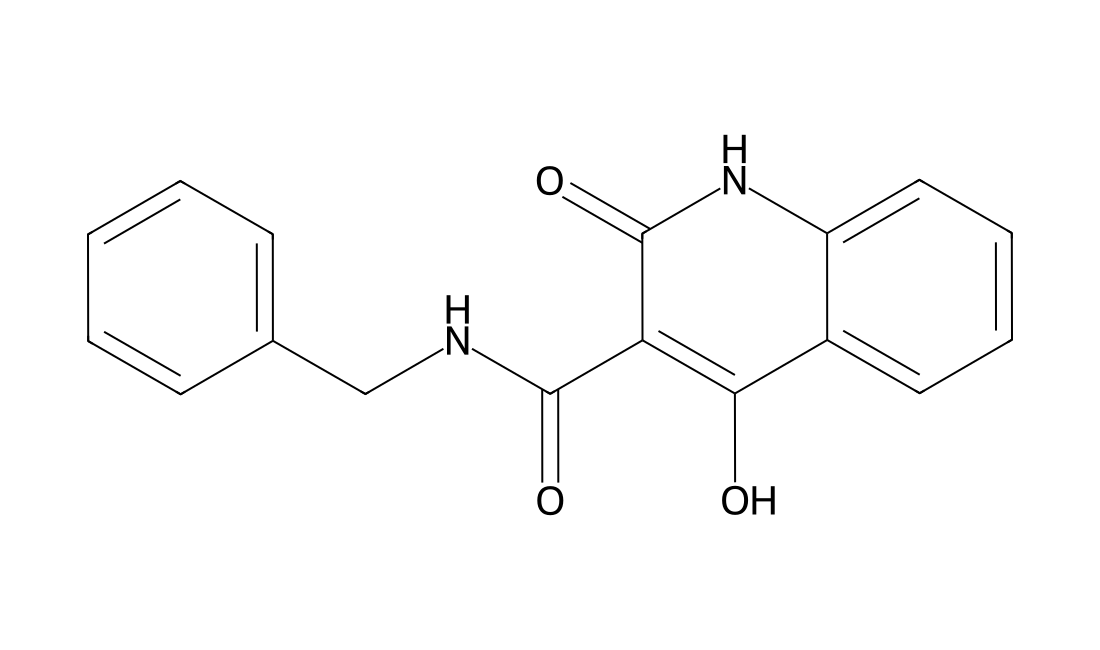
PI3Kα-IN-11Featured
PI3Kα-IN-11 is a potent PI3Kα inhibitor with anticancer activity.
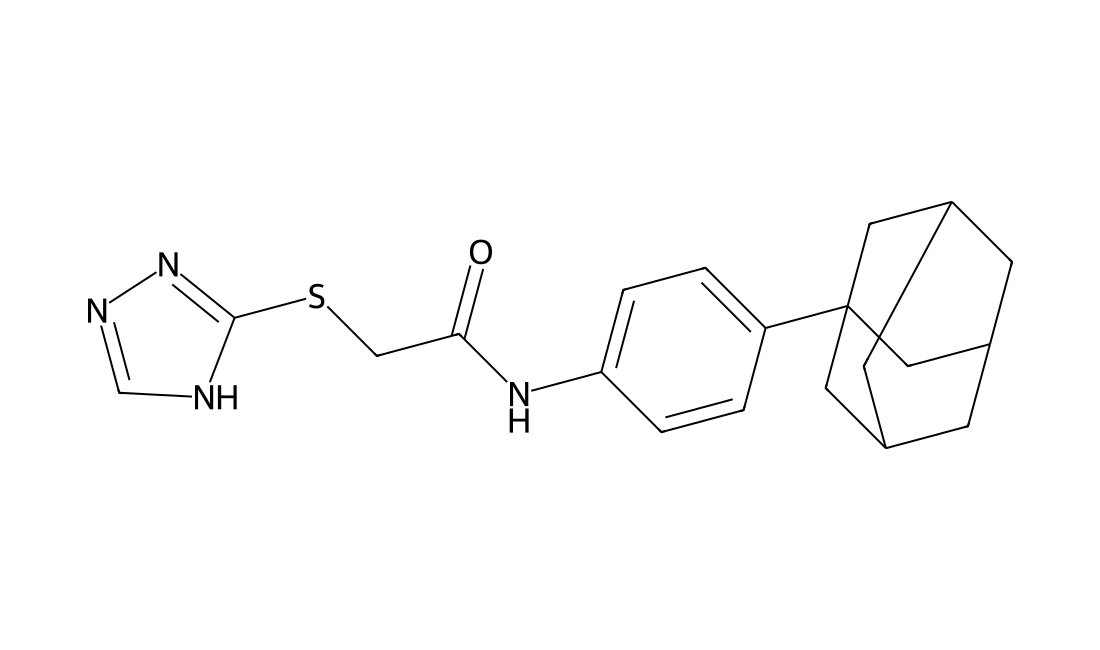
MGH-CP1Featured
MGH-CP1 is a potent and selective TEAD palmitoylation inhibitor.
F5446Featured
F5446 is a SUV39H1 inhibitor. F5446 has an EC50 of 0.496 μmol/L for SUV39H1 enzymatic activity. H3K9me3 was enriched in the promoters of GZMB, PRF1, FASLG, and IFNG in quiescent T cells. F5446 inhibited H3K9me3, thereby upregulating expression of these effectors in tumor-infiltrating CTLs and suppressing colon carcinoma growth in a CD8+ CTL-dependent manner in vivo. Our data indicate that SUV39H1 represses CTL effector gene expression and, in doing so, confers colon cancer immune escape.
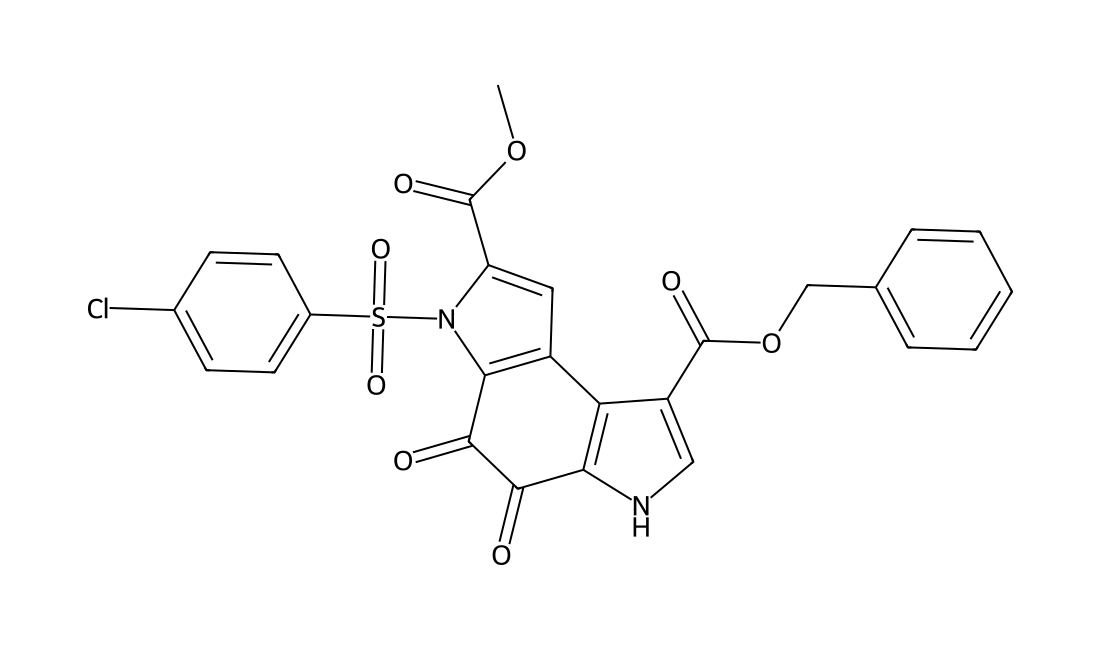
BTT-266Featured
BTT-266 (BTT266) is a voltage-gated CaV2.2 calcium channel inhibitor that disrupts the CaVα·CaVβ3 protein-protein interaction, directly binds to CaVβ3 with Kd of 3.6 uM.
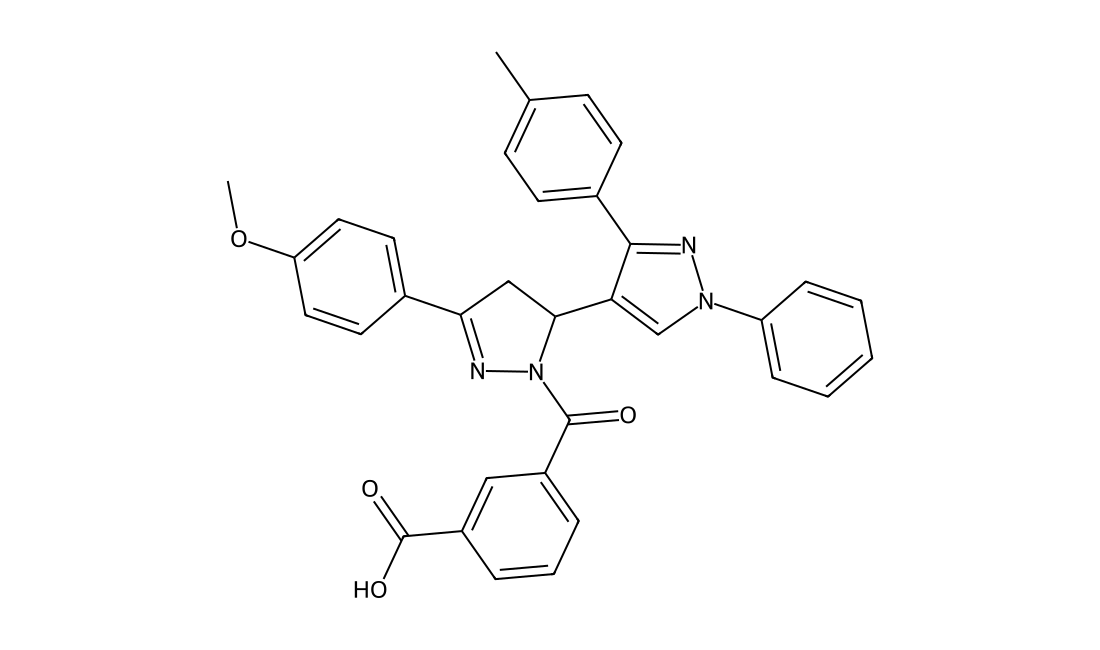
ML090Featured
ML090 (ML-090, CCG-44699, Fluoflavin, NSC 179821) is a potent, selecitve inhibitor of NADPH oxidase 1 (NOX1) with IC50 of 90 nM, displays no significant activities against NOX2, 3 and 4 (IC50>10 uM)..
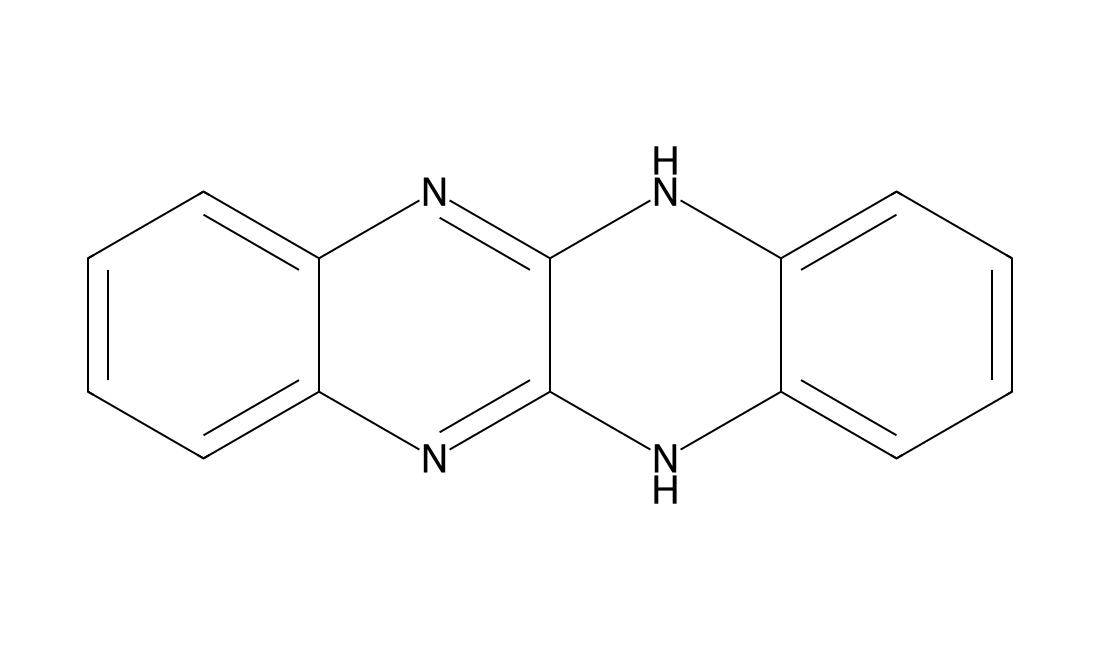
rTRD01Featured
Novel TDP-43 ligand, binding to TDP-43's RRM1 and RRM2 domains, partially disrupting TDP-43's interaction with the hexanucleotide RNA repeat of the disease-linked c9orf72 gene, improving larval turning, an assay measuring neuromuscular coordination and st
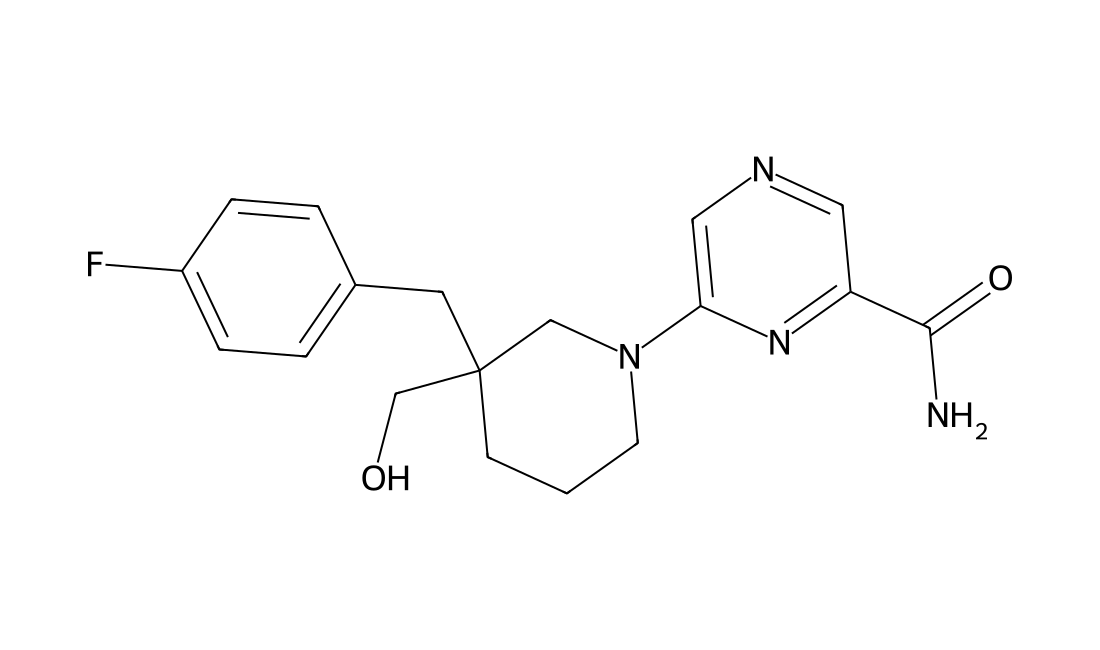
WJ460Featured
WJ460 is one of the lead compounds exerting anti-metastatic activity in the nanomolar range in breast cancer cells.
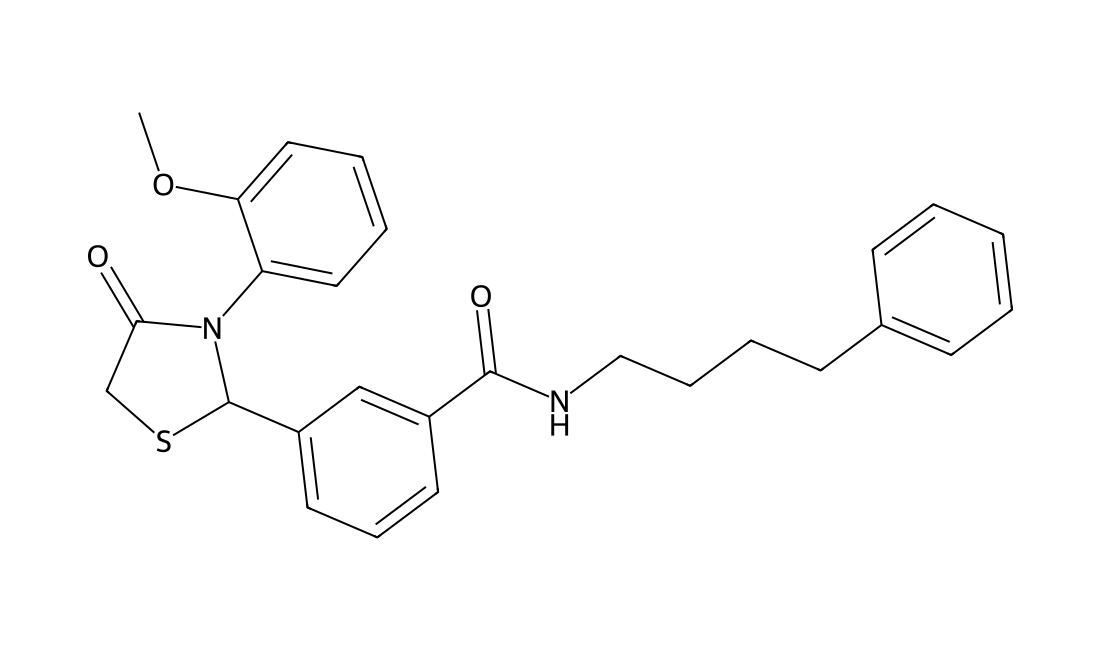
LMTK3 inibitor C28Featured
LMTK3-IN-1 (compound C28) is an ATP-competitive inhibitor of lemur tyrosine kinase 3 (LMTK3) (Kd=2.5 μM),that acts by degrading LMTK3 via the ubiquitin-proteasome pathway. LMTK3-IN-1 shows anticancer activity in a variety of cancer cell lines and in vivo BC mouse models. LMTK3-IN-1 induces apoptosis in BC cell lines at 10-20 μM.
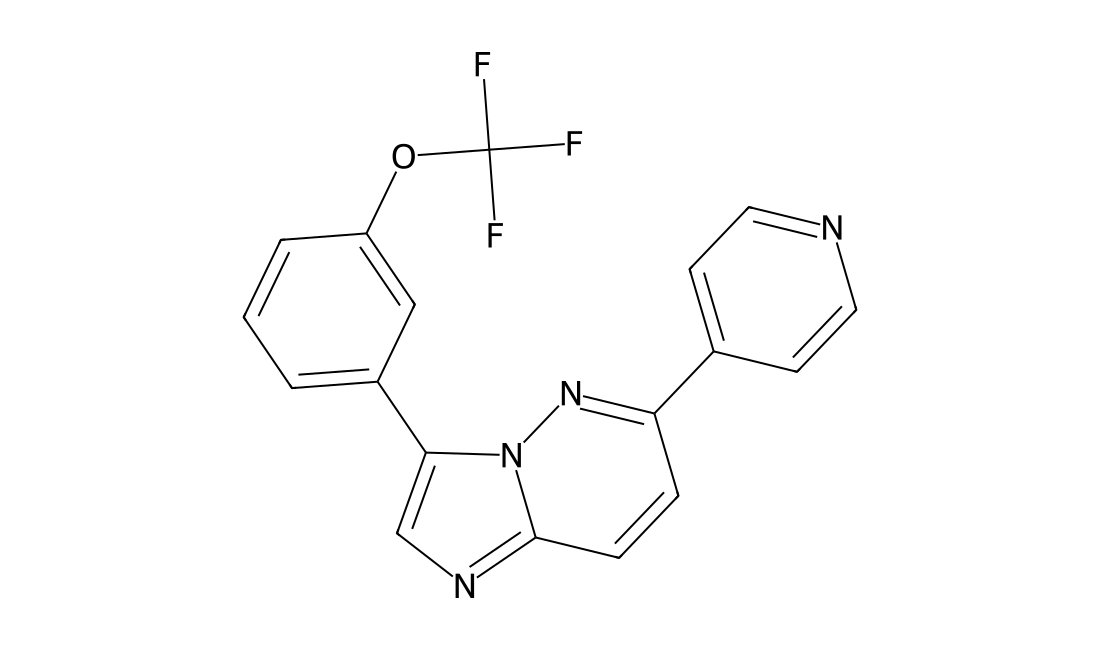
SLU-PP-1072Featured
SLU-PP-1072 is a novel Selective ERRα/γ Inverse Agonist, Inhibiting the Warburg Effect and Inducing Apoptosis in Prostate Cancer Cells.
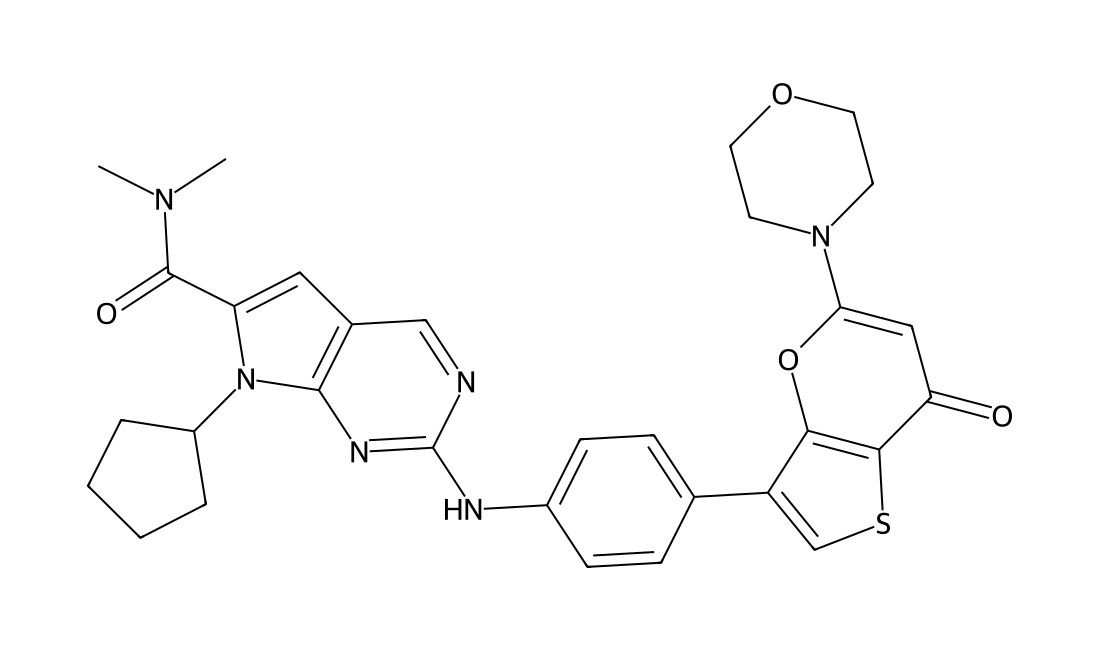
SRX3177Featured
SRX3177 is a potent, triple BRD4/PI3K/CDK4/6 inhibitor with nanomolar potency against PI3Kα (IC50=79 nM), BRD4 bromodomains (BD1 and BD2) (IC50=33 nM and 89 nM, respectively), and CDK4/6 (IC50=2.5/3.3 nM).SRX3177 is capable of targeting BRD4, PI3K and CDK4/6 simultaneously, induces apoptosis and cell cycle arrest and has in vitro efficacy in mantle cell lymphoma, hepatocellular carcinoma and neuroblastoma models.SRX3177 has antitumor efficacy in in vivo xenograft models and is less toxic than the combination of agents that inhibit individual targets.
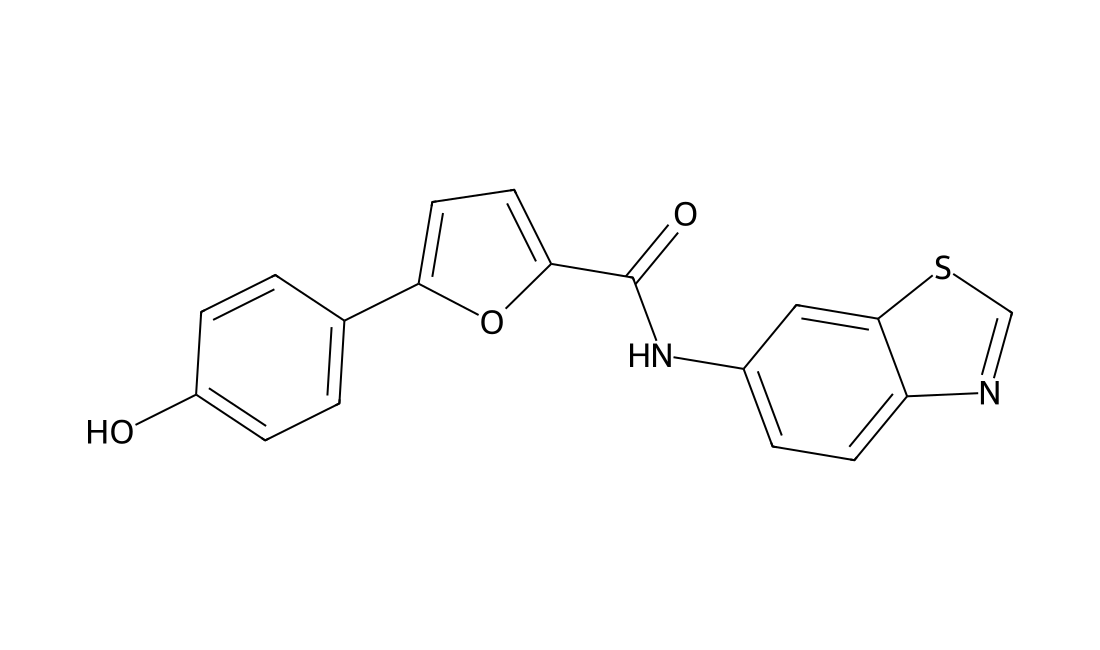
MIF098Featured
MIF098 is a macrophage migration inhibitory factor (MIF) antagonist. MIF098 inhibits proliferation, migration and fibrosis of pulmonary smooth muscle cells. MIF098 can be used for immunoinflammation-related disease research.
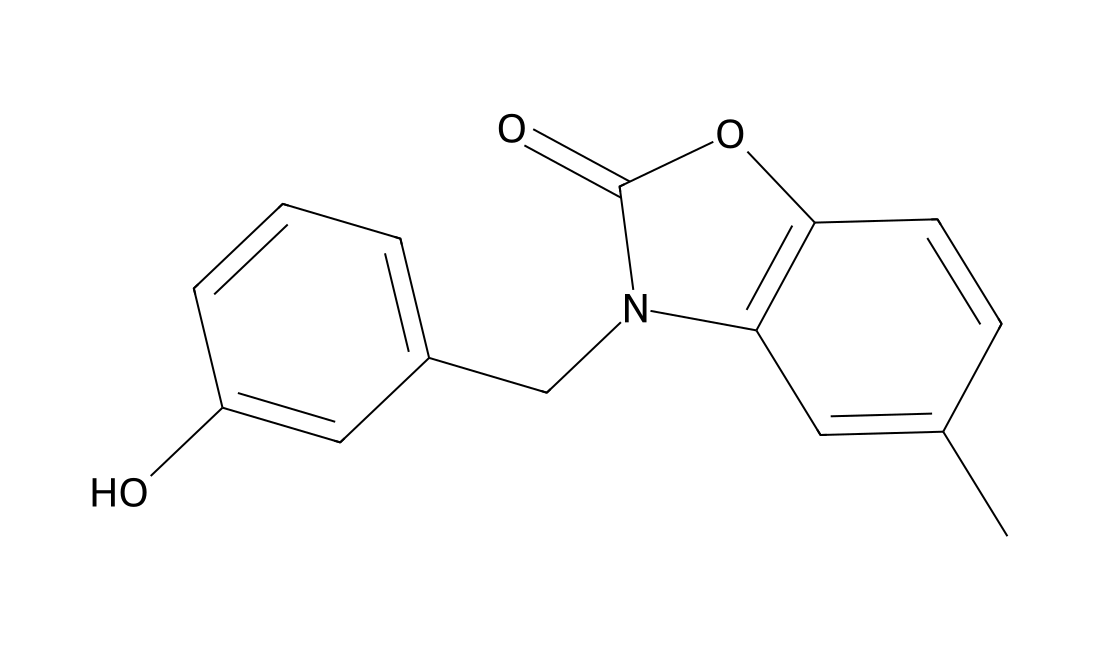
VAS3947Featured
Selective inhibitor of NADPH oxidase activity in low micromolar concentrations, interfering neither with ROS detection nor with XOD or eNOS activities
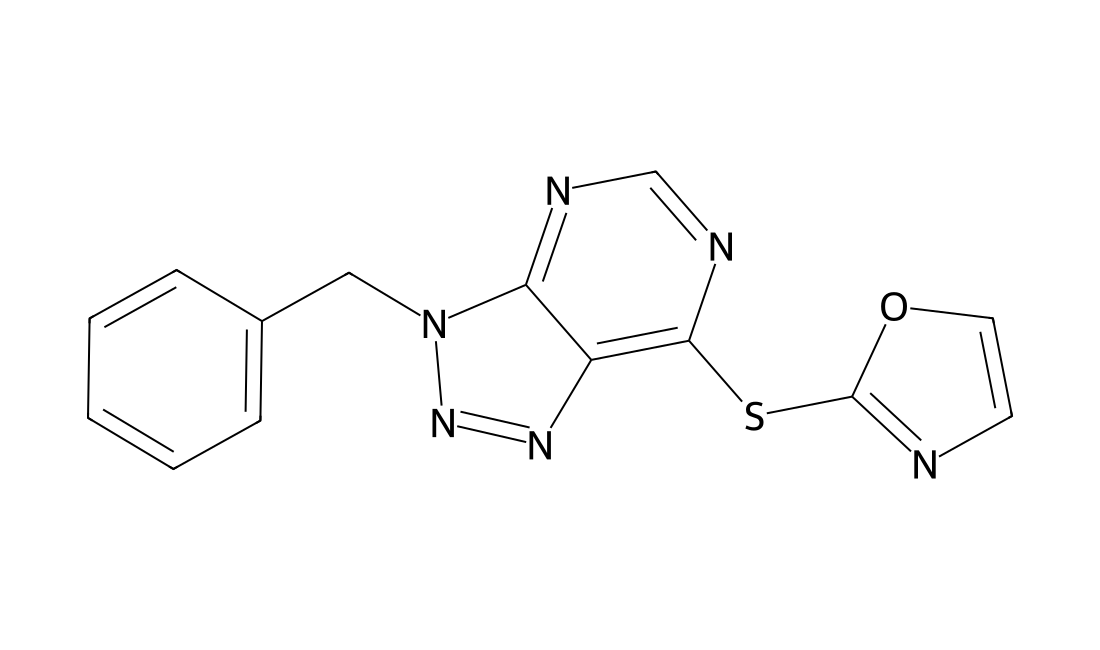
CyclotriazadisulfonamideFeatured
Cyclotriazadisulfonamide (CADA) is a specific CD4-targeted HIV entry inhibitors. Cyclotriazadisulfonamide (CADA) inhibits the co-translational translocation of human CD4 (huCD4) into the ER lumen in a signal peptide (SP)-dependent way.
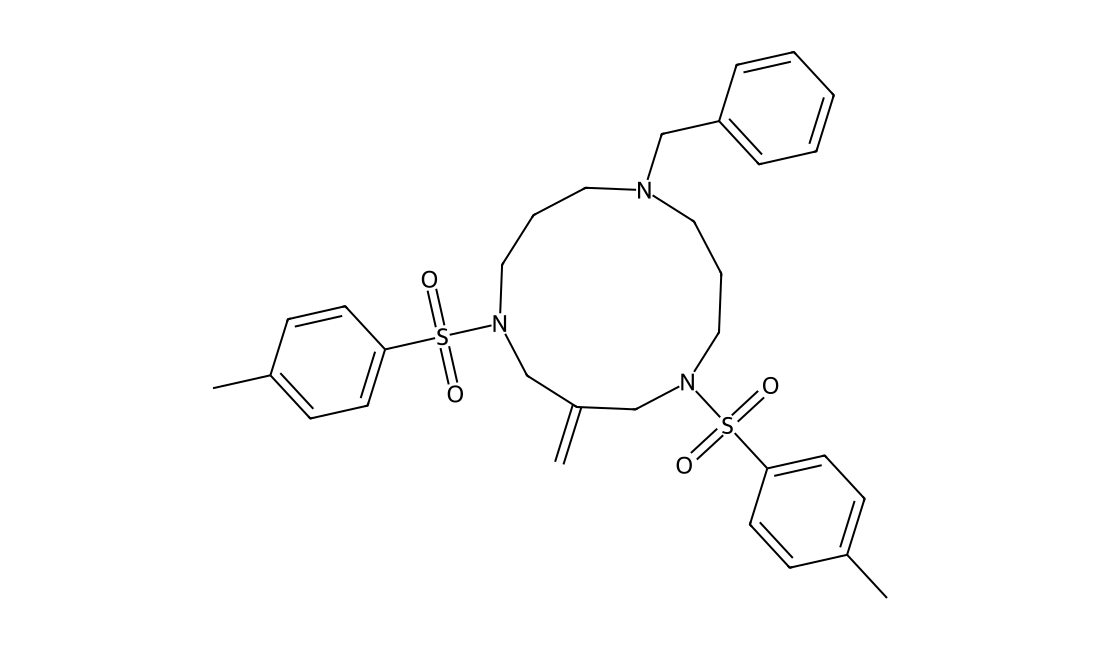
MCU-i11Featured
MCU-i11 is a novel negative modulator of the MCU, binding MICU1 and impairing muscle cell growth.
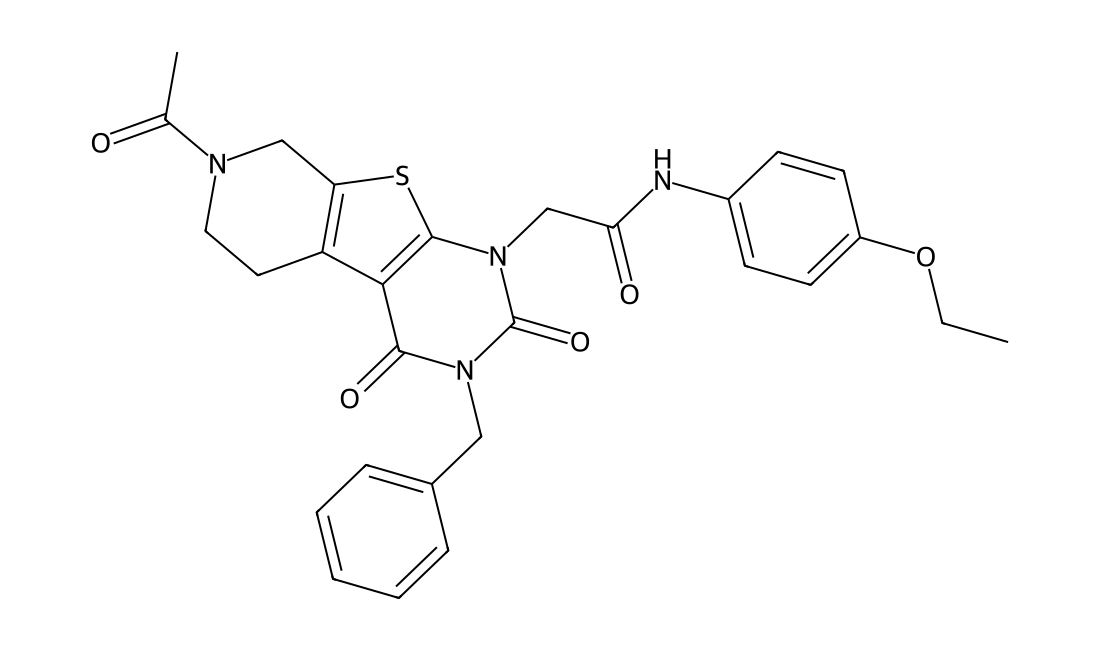
AfabicinFeatured
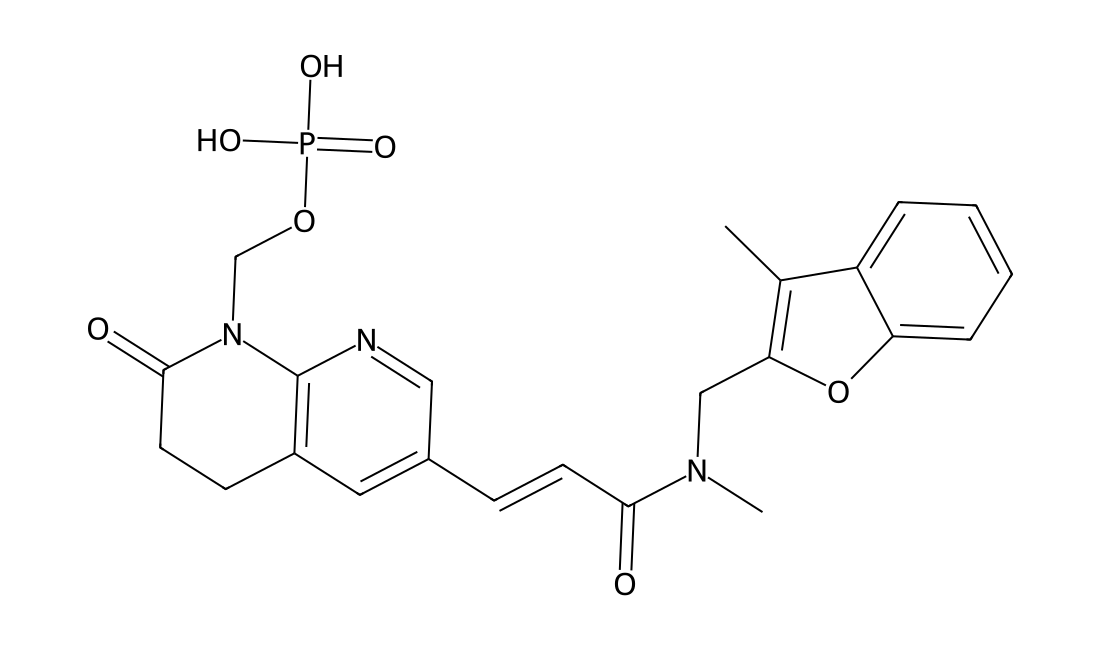
Afabicin (formerly Debio 1450, AFN-1720) is a prodrug of afabicin desphosphono, an enoyl-acyl carrier protein reductase (FabI) inhibitor, and is a first-in-class antibiotic with a novel mode of action to specifically target fatty acid synthesis in Staphylococcus spp.
PhylloflavanFeatured
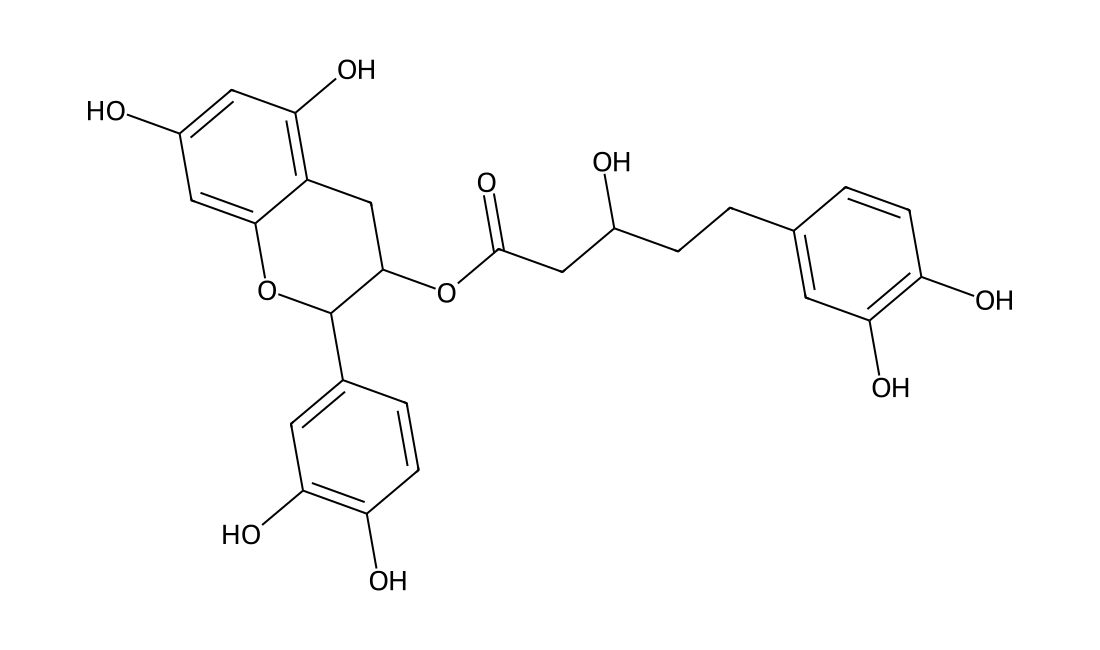
Phylloflavan is an antileishmanial agent with an intracellular EC50 of 3.2 nM in RAW 264.7 cells. Phylloflavan also inhibits the cytopathic effect of encephalomyocarditis virus on L929 fibroblast cells (38 U/mL).
SIRT6 activator 12qFeatured
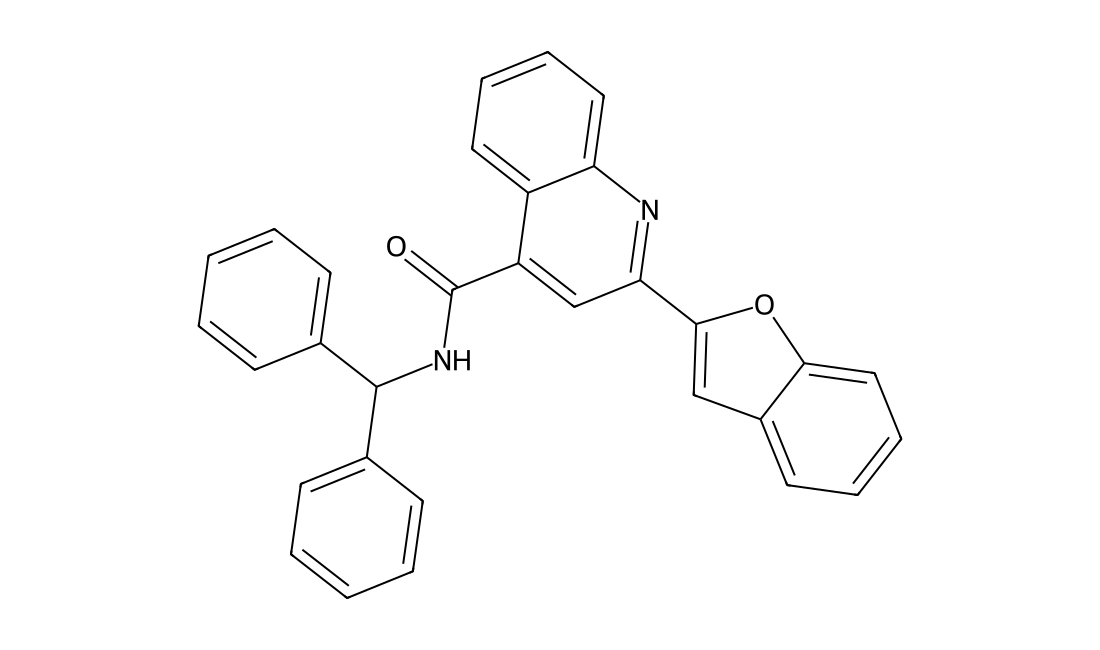
Novel SIRT6 activator, significantly inhibiting the proliferation and migration of pancreatic ductal adenocarcinoma (PDAC) cells in vitro and markedly suppressing the tumor growth in a PDAC tumor xenograft model
ONO-1301Featured
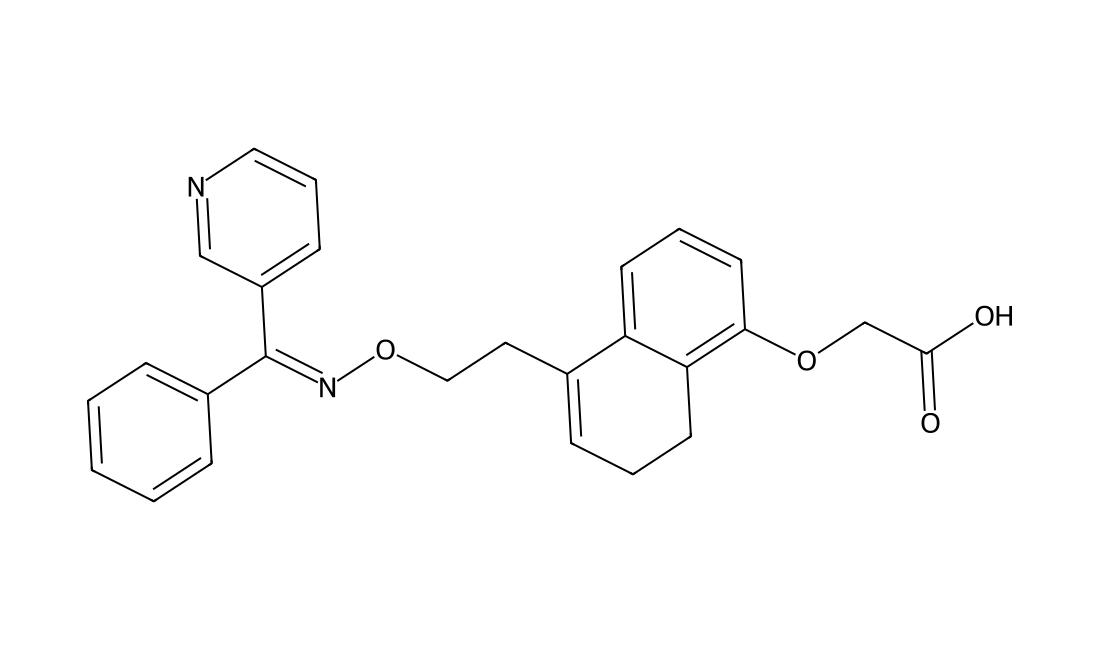
A stable, orally active, non-prostanoid prostacyclin I2 (PGI2) mimetic and prostacyclin agonist with inhibitory activity against thromboxane A2 synthase.
No products match this search.
Page 246 of 259 · Browse all 5177 products
Jump to a product page
Featured literature product: HX1 · DCL0028
HX1 is a hydroxyzine-derived ionizable lipid with acetal-containing tails, studied in lipid nanoparticles for brain mRNA delivery and CRISPR–Cas9 delivery. It was the lead in the reported in vivo brain-delivery screen; evidence is preclinical and formulation-dependent.
Read full formulation and performance →