
Research lipid catalog
Ionizable Lipid Products
Explore 848 lipid and RNA delivery products. Search the full catalog or browse by research category.
Search covers product name, catalog number, synonyms, available CAS numbers and categories. Spaces, hyphens and common punctuation are ignored. Duplicate legacy records are consolidated under one canonical product result.
5177 products · Showing 4861–4880 · 20 per page
DC Chemicals lipid expertise
Built for ionizable-lipid discovery and RNA delivery research
DC Chemicals supports formulation and delivery research with a broad, searchable portfolio of cationic and ionizable lipids. The current directory brings together 848 unique research-use products, with product specifications, pricing, chemical structures and literature-linked formulation data added as each record is verified.
Our experience spans complex lipid synthesis, purification, analytical release and process development. For custom molecules or larger-scale requirements, our team can discuss route development, technical specifications and scale-up options for the intended research workflow.
Learn about cationic and ionizable lipids →Proprietary innovation · Co-development · GMP
From proprietary lipid design to GMP-grade custom synthesis
DC Chemicals has independently developed ionizable-lipid structures supported by company-owned intellectual property, and selected proprietary lipid programs have advanced to GMP-stage development.
We welcome joint development with customers—from molecular design and lipid synthesis through route and process development. We can also support custom synthesis of GMP-grade ionizable lipids to agreed technical specifications and quality requirements.
Discuss a co-development project →Proprietary ionizable-lipid structuresCollaborative molecular designCustom lipid synthesisProcess development and scale-upGMP-grade project support
Product quick links
Explore New ionizable lipids
Explore our five most recently added ionizable lipids, with specifications, pricing and literature-linked product information.
DCL0028HX1Brain RNA delivery researchView product →DCL0024A1I4R13C18-2Spleen-targeted RNA delivery researchView product →DCL0023A1I4R2C18-2Spleen-targeted RNA delivery researchView product →DCL0022FS01Local joint RNA delivery researchView product →DCL0020Lipid-392Lung RNA delivery and gene editing researchView product →
Cat. No.Product NameField of ApplicationChemical Structure
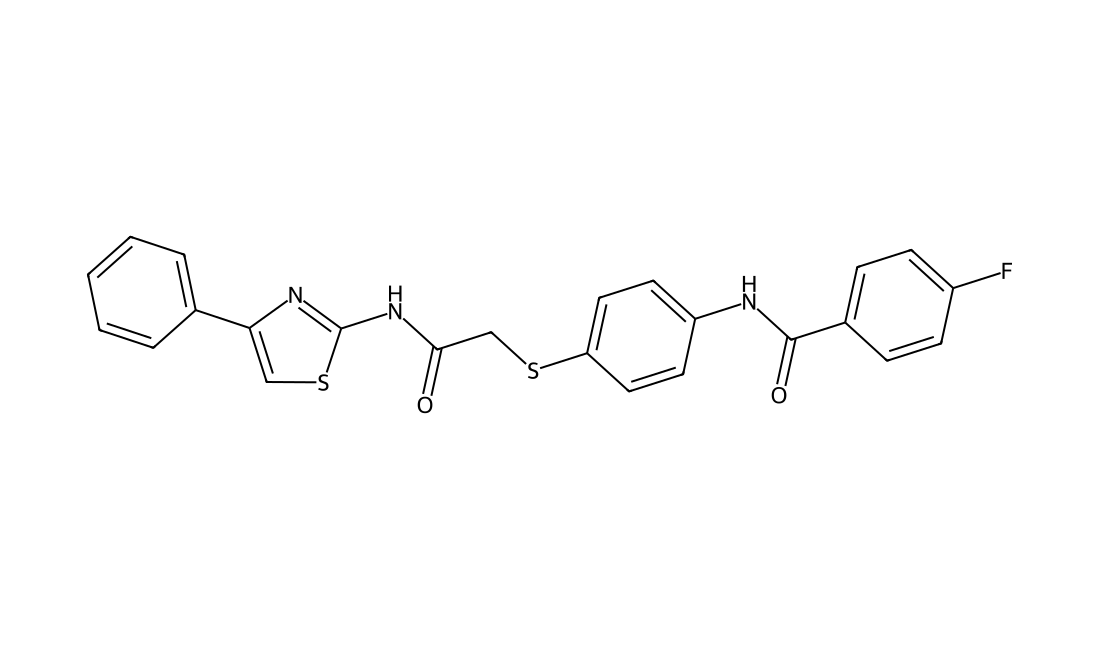
FZD7 antagonist F7HFeatured
F7H is a Frizzled receptor FZD7 antagonist (IC50: 1.25 μM). Frizzled receptors (FZDs) influence Wnt signaling, mediating embryonic development and tissue homeostasis. F7H is a potent ligand for the FZD7 transmembrane domain (TMD).
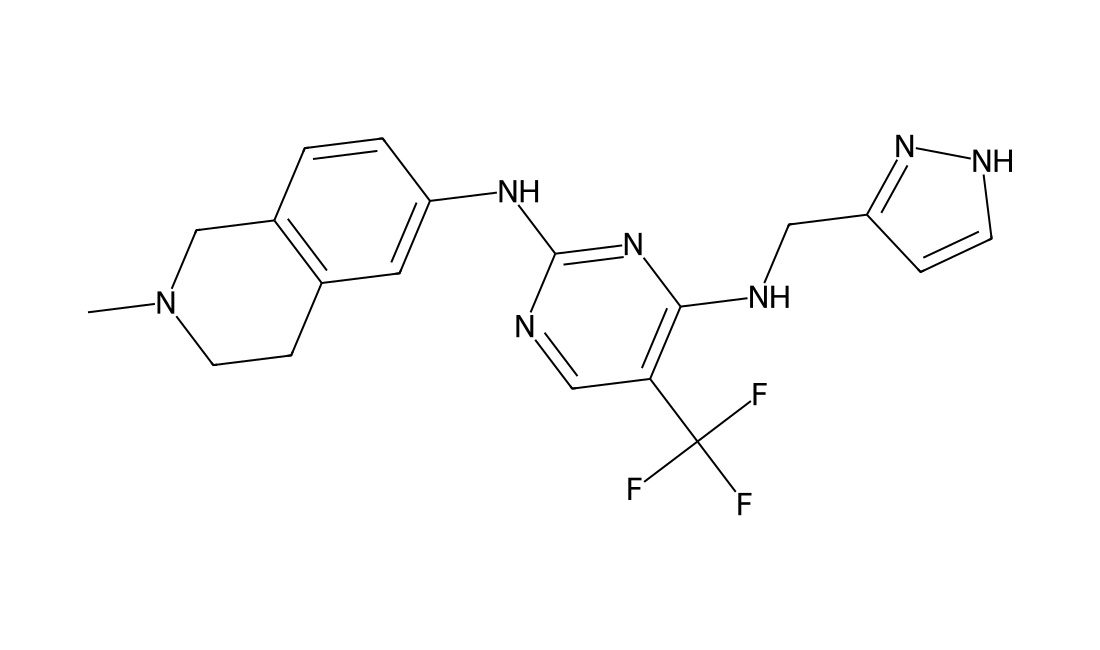
PCC0208017Featured
PCC0208017 is a microtubule affinity regulating kinases (MARK3/MARK4) inhibitor with IC50s of 1.8 and 2.01 nM, respectively. PCC0208017 has much lower inhibitory activity against MARK1 and MARK2, with IC50s of 31.4 and 33.7 nM, respectively. PCC0208017 suppresses glioma progression in vitro and in vivo. PCC0208017 disrupts microtubule dynamics and induces G2/M phase cell cycle arrest and cell apoptosis. PCC0208017 demonstrates robust antitumor activity in vivo and displays good BBB permeability.
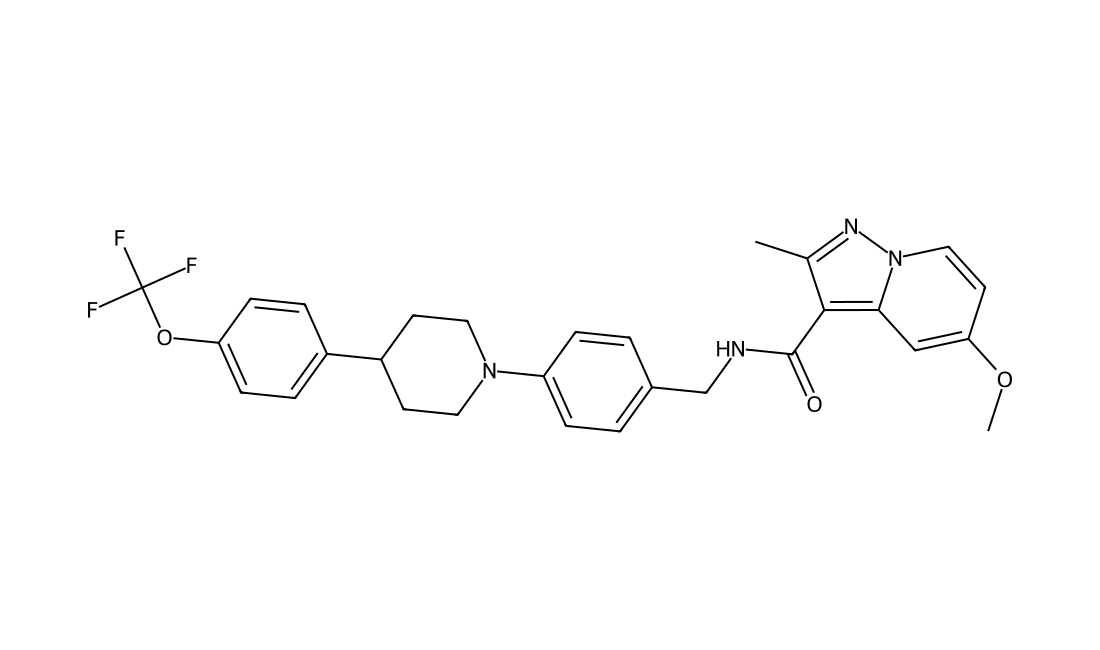
TB47Featured
QcrB inhibitor TB47 (TB47) is a novel antimycobacterial agent that fuctions as a putative respiratory complex III (QcrB) inhibitor with MIC of 0.016-0.5 ug/mL against a panel of 56 M. tuberculosis clinical isolates.
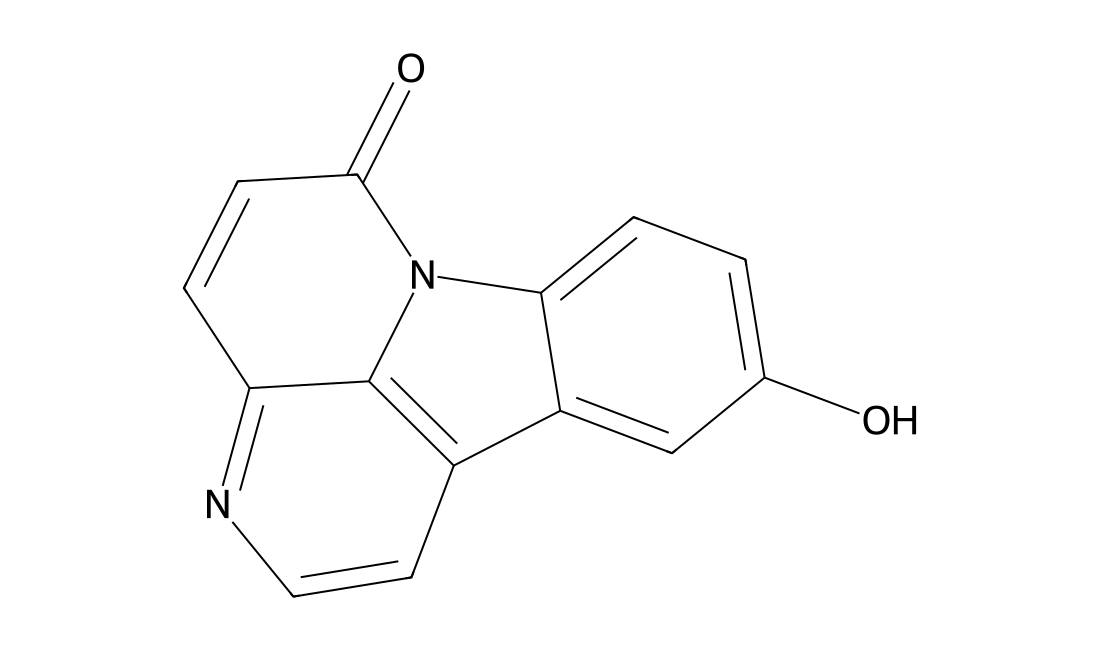
10-Hydroxycanthin-6-oneFeatured
10-Hydroxycanthin-6-one is an antileukemic canthin-6-one alkaloid from Brucea antidysenterica. Antitumor agent.
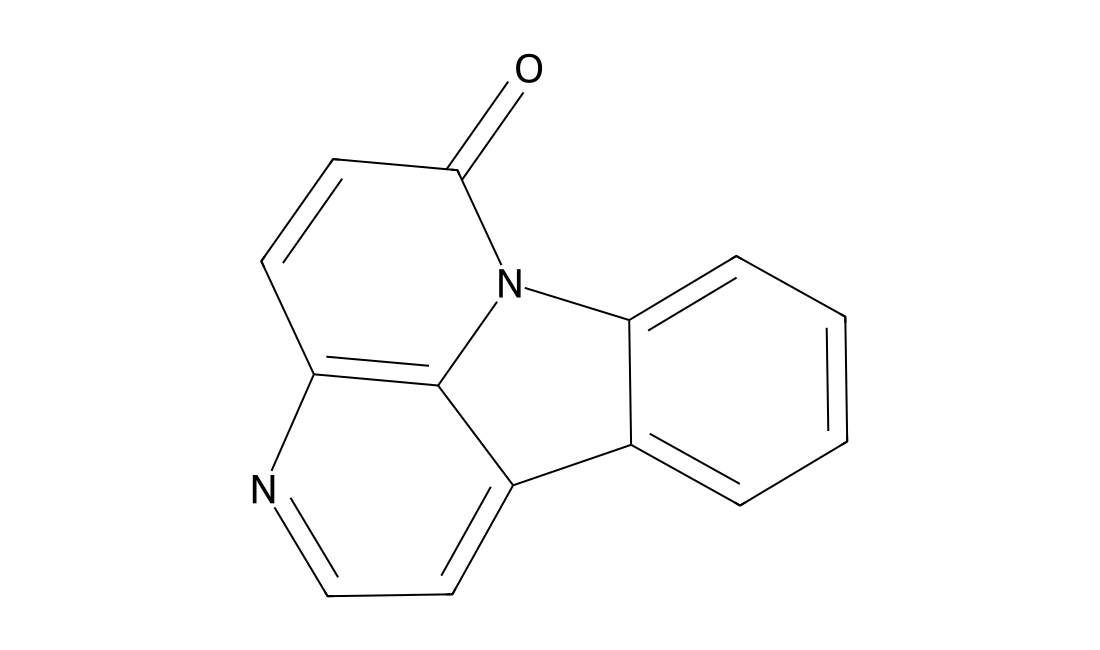
Canthin-6-oneFeatured
Canthin-6-one displays a wide range of biological activities, such as antimycobacterial activity.
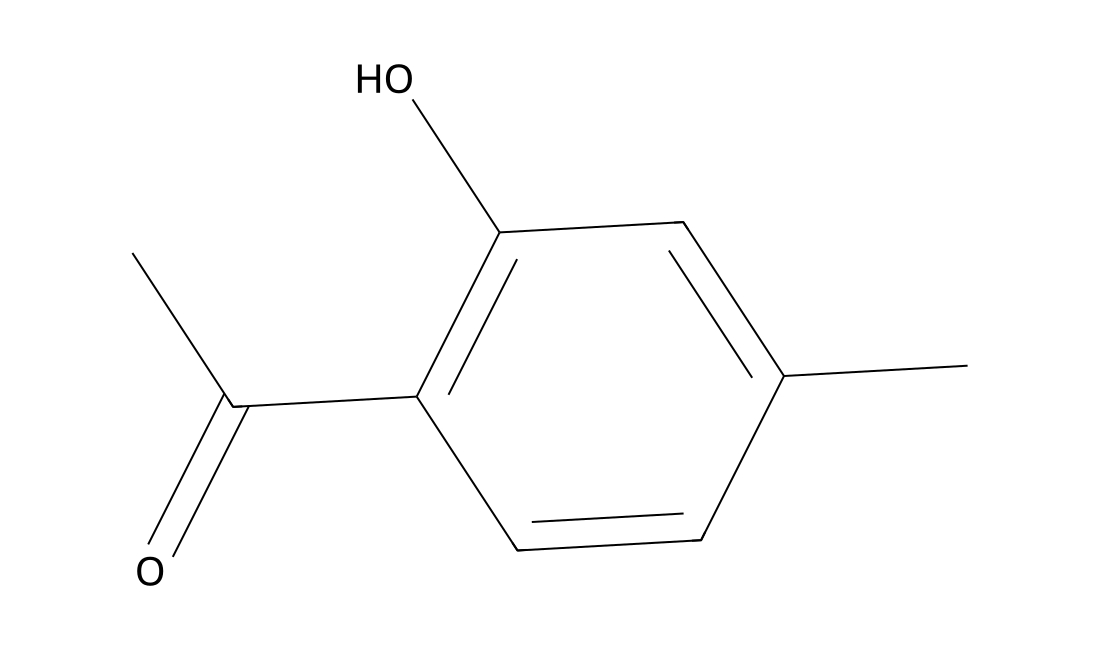
2'-Hydroxy-4'-methylacetophenoneFeatured
2'-Hydroxy-4'-methylacetophenone, a phenolic compound isolated from Angelicae koreana roots possesses acaricidal property. It could be used in the preparation of 4’-methyl-2’-(p-tolylsulfonyl) oxy acetophenone.
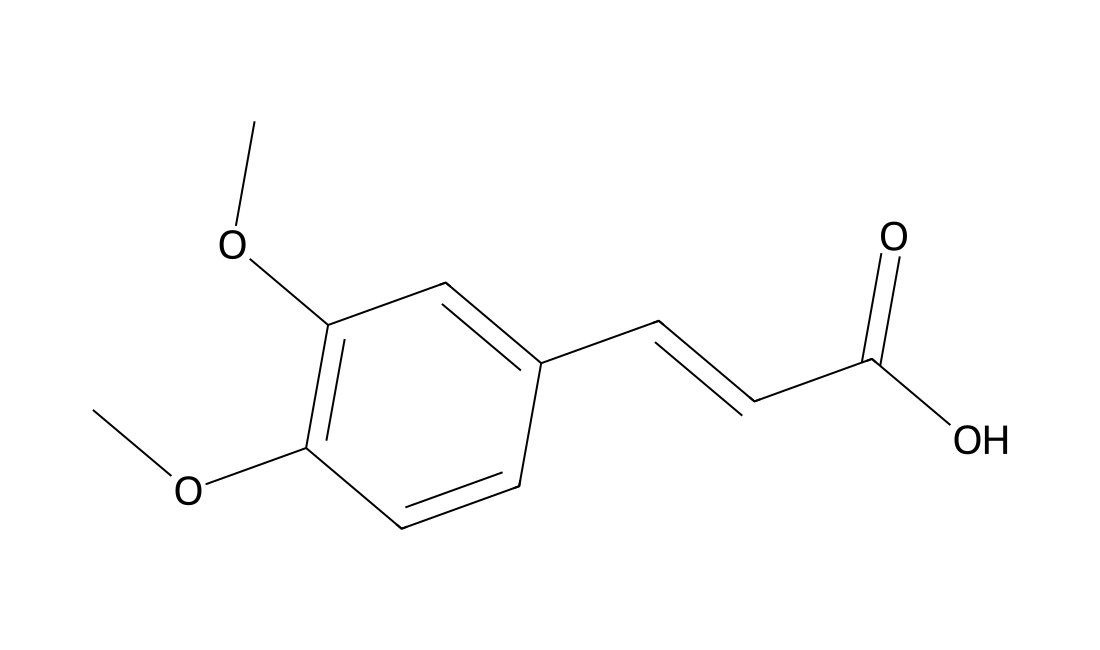
3,4-Dimethoxycinnamic acid (O-Methylferulic acid) is a monomer extracted and purified from Securidaca inappendiculata Hassk. 3,4-Dimethoxycinnamic acid exerts anti-apoptotic effects on L-02 cells via the ROS-mediated signaling pathway. Anti-apoptotic effe
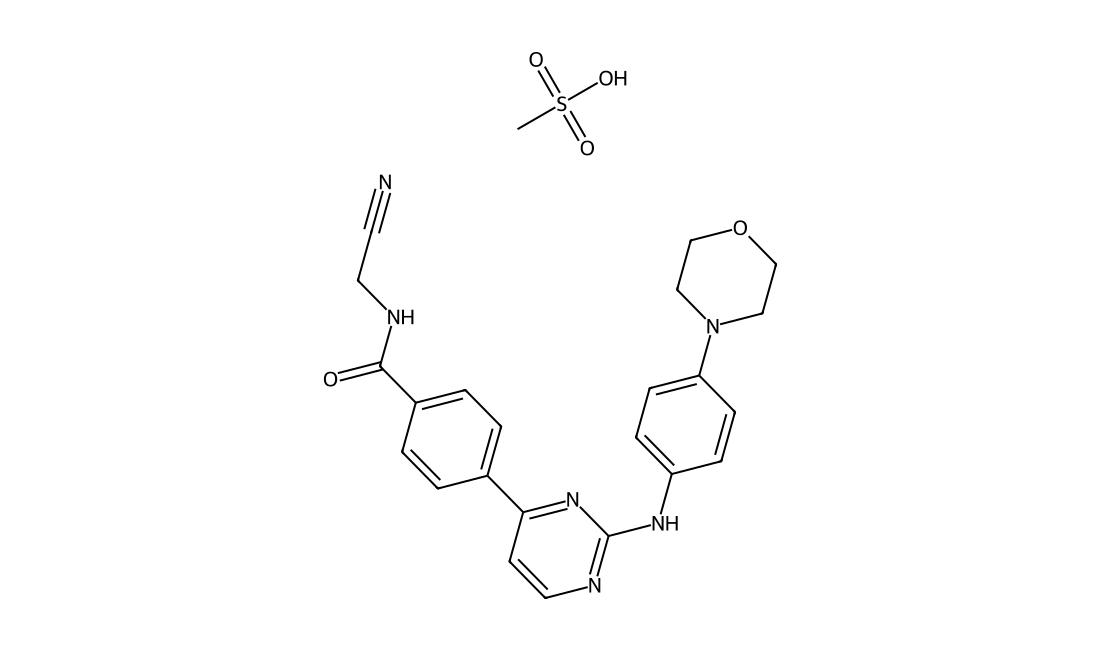
CYT387 mesylateFeatured
A potent and selective JAK1/JAK2 inhibitor with IC50 of 11/18 nM.
RU-24969Featured
A potent, selective agonist of 5-HT1A and 5-HT1B receptors, with preference for 5-HT1B.
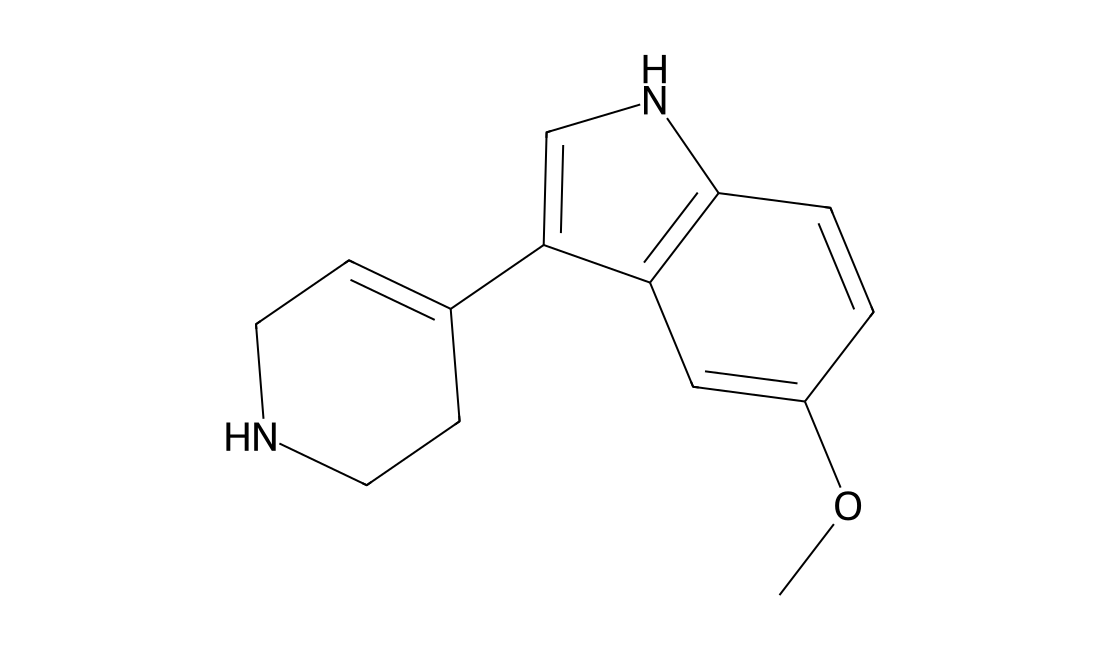
AcetosyringoneFeatured
Acetosyringone is a phenolic compound from wounded plant cells, enables virA gene which encodes a membrane-bound kinase to phosphorylate itself and activate the virG gene product, which stimulates the transcription of other vir genes and itself. Acetosyri
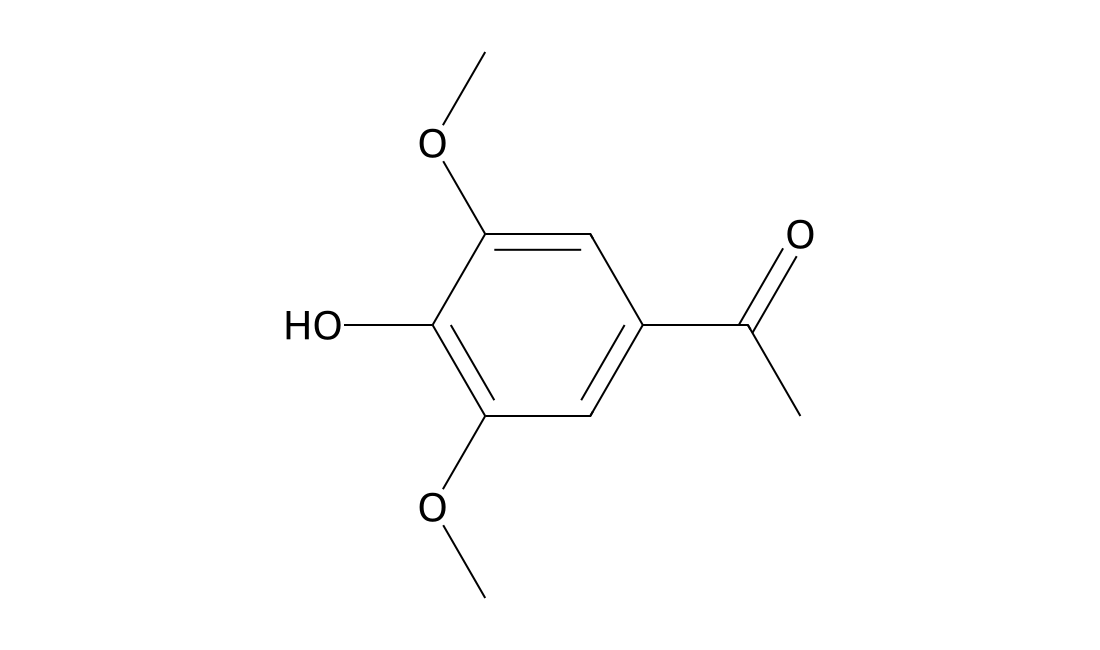
PoloximeFeatured
An analog of thymoquinone that blocks pSer/pThr recognition by Plk1 Polo-box domain as a phosphate mimic..
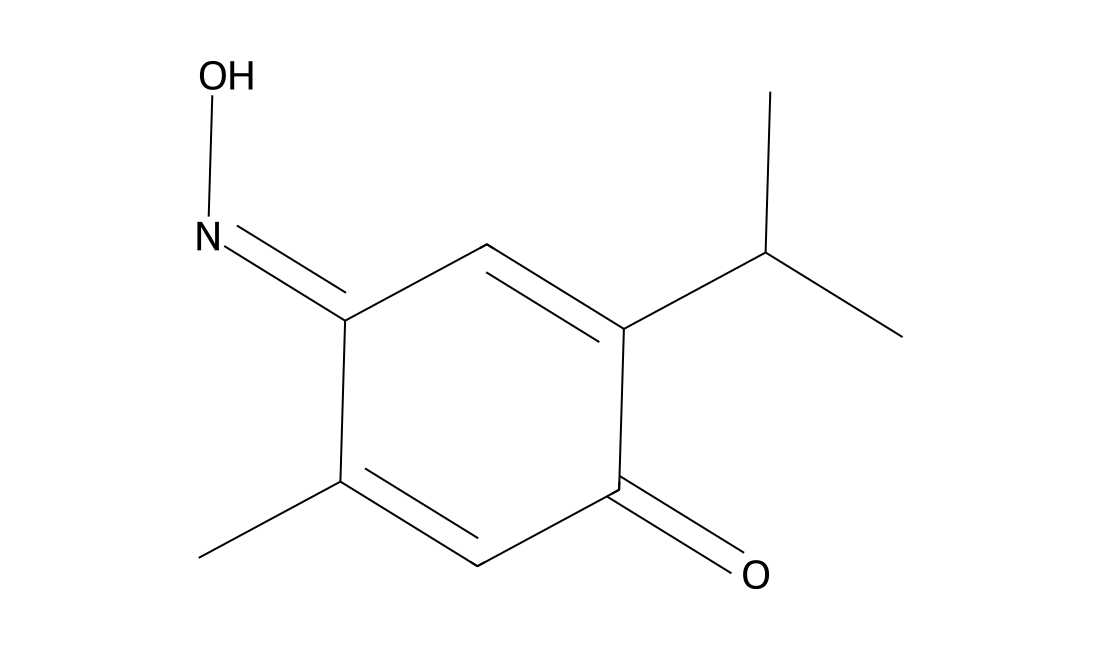
Chelidonic acidFeatured
Chelidonic acid is a component of Chelidonium majus L., used as a mild analgesic, an antimicrobial, an acentral nervous system sedative. Chelidonic acid also shows anti-inflammatory activity. Chelidonic acid has potential to inhibit IL-6 production by blo
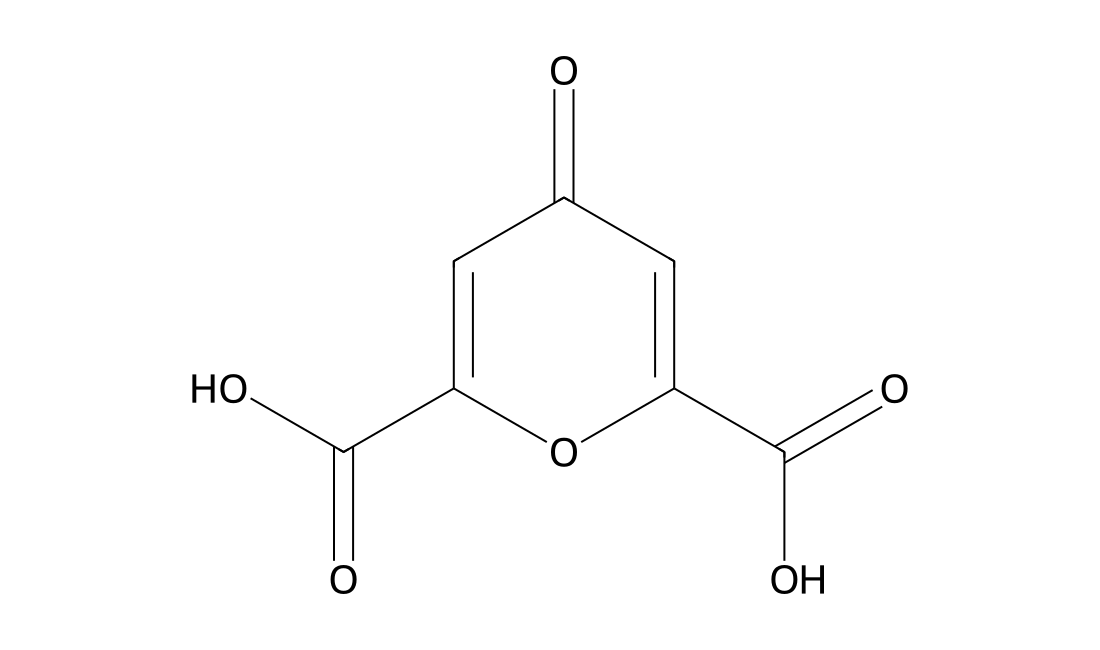
CMPDAFeatured
CMPDA is a potent positive allosteric modulator of GluR2 receptors with EC50 of 45.4 and 63.4 nM at GluR2i and GluR2o respectively, in a calcium influx screening assays.
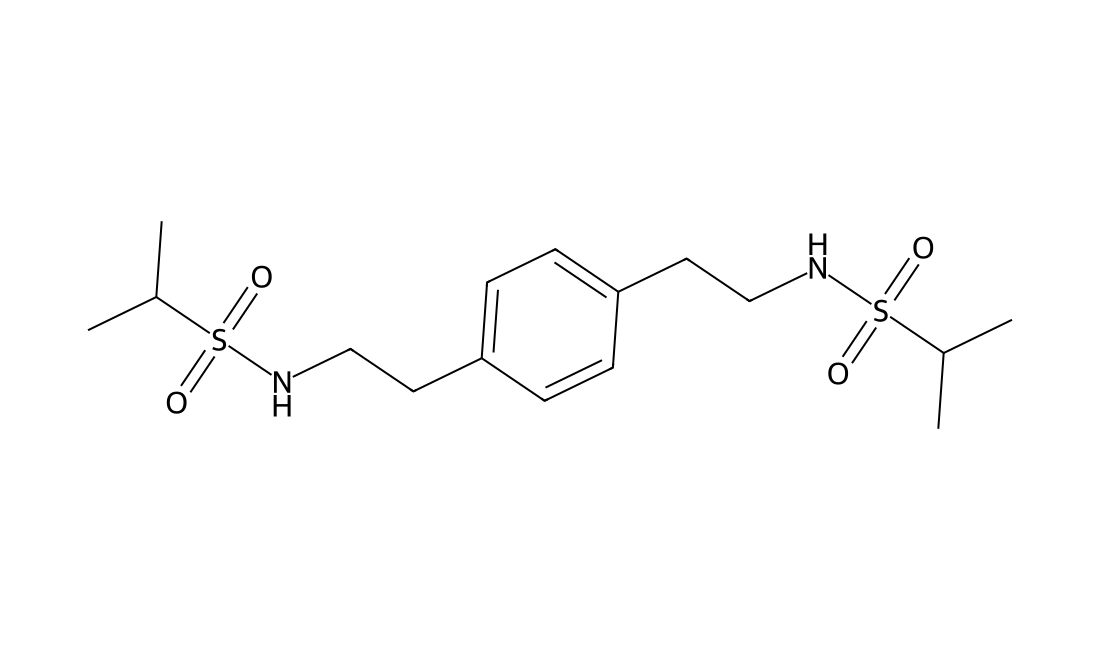
Dimethyl 4-hydroxyisophthalateFeatured
Dimethyl 4-hydroxyisophthalate is a methyl salicylate analogue.
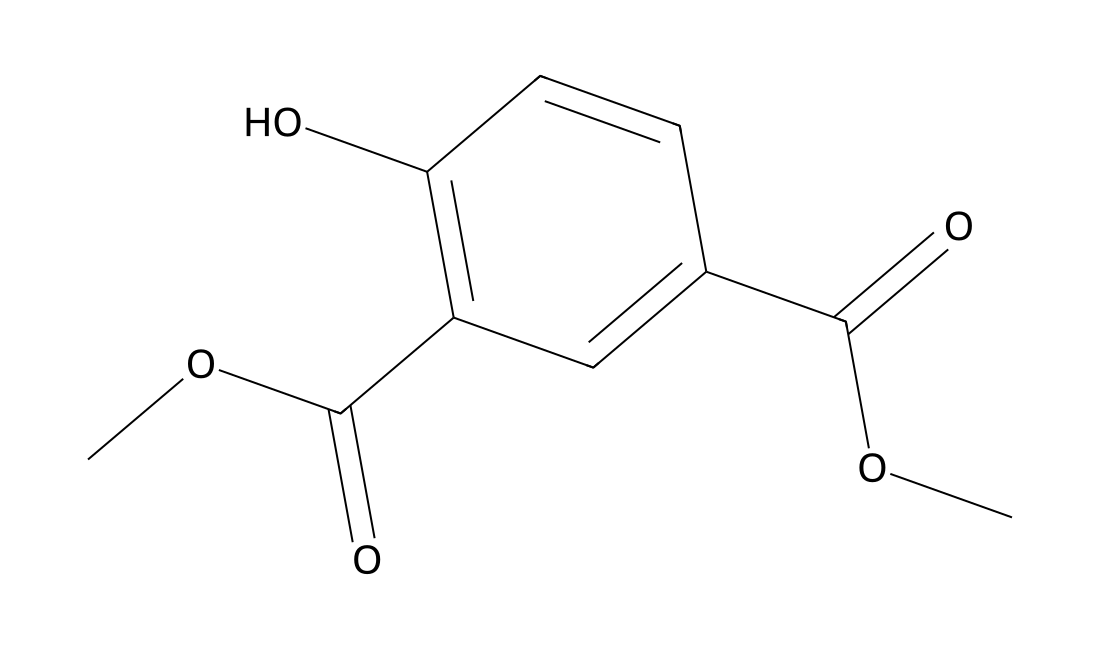
D-Ribose(mixture of isomers)Featured
D-Ribose(mixture of isomers) is an energy enhancer, and acts as a sugar moiety of ATP, and widely used as a metabolic therapy supplement for chronic fatigue syndrome or cardiac energy metabolism. D-Ribose(mixture of isomers) is active in protein glycation
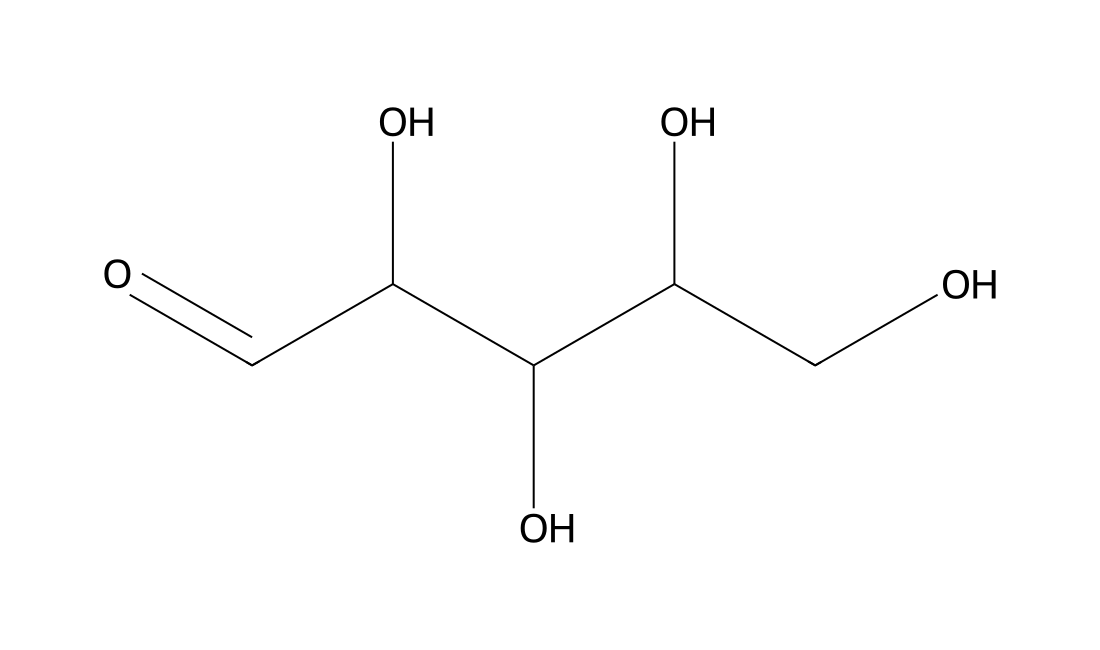
Kojic acidFeatured
Kojic acid is a natural substance produced by Aspergillus oryzae, also used as an anti-oxidant and radio-protective agent.
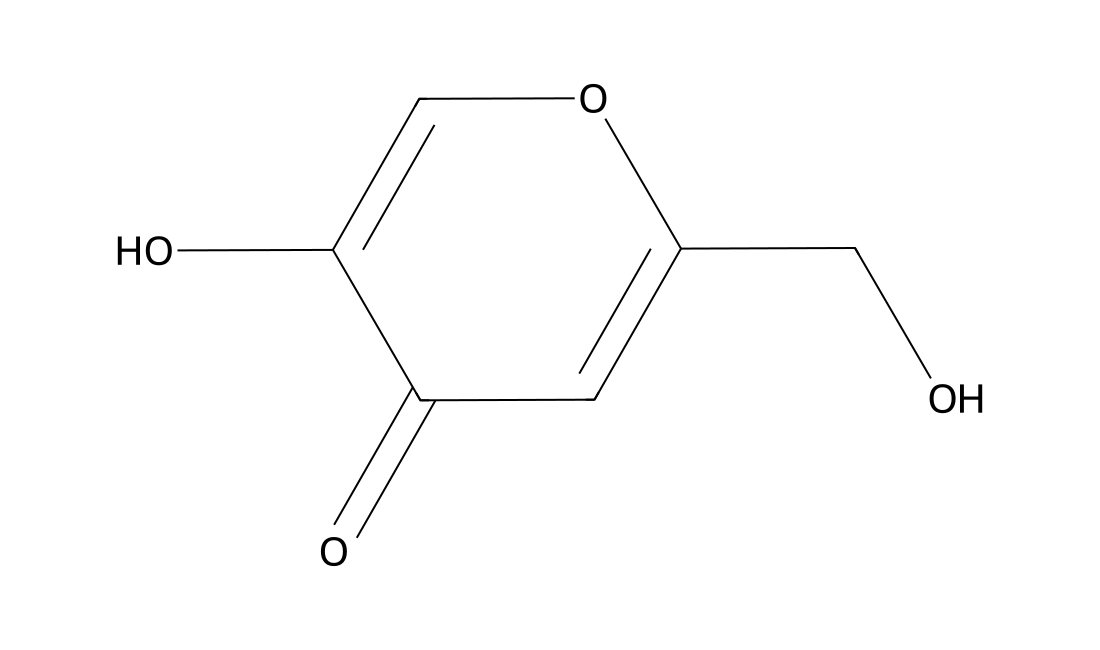
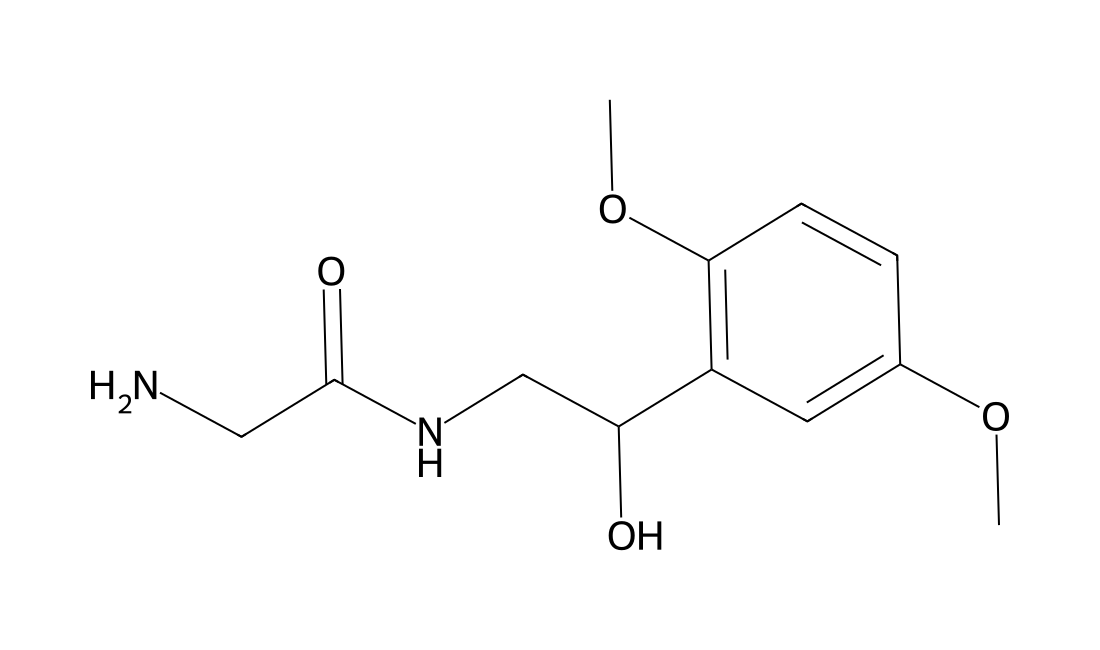
MidodrineFeatured
Midodrine is a selective α1-adrenoceptor agonist that acts as a vasopressor/antihypotensive agent for the treatment of dysautonomia and orthostatic hypotension.
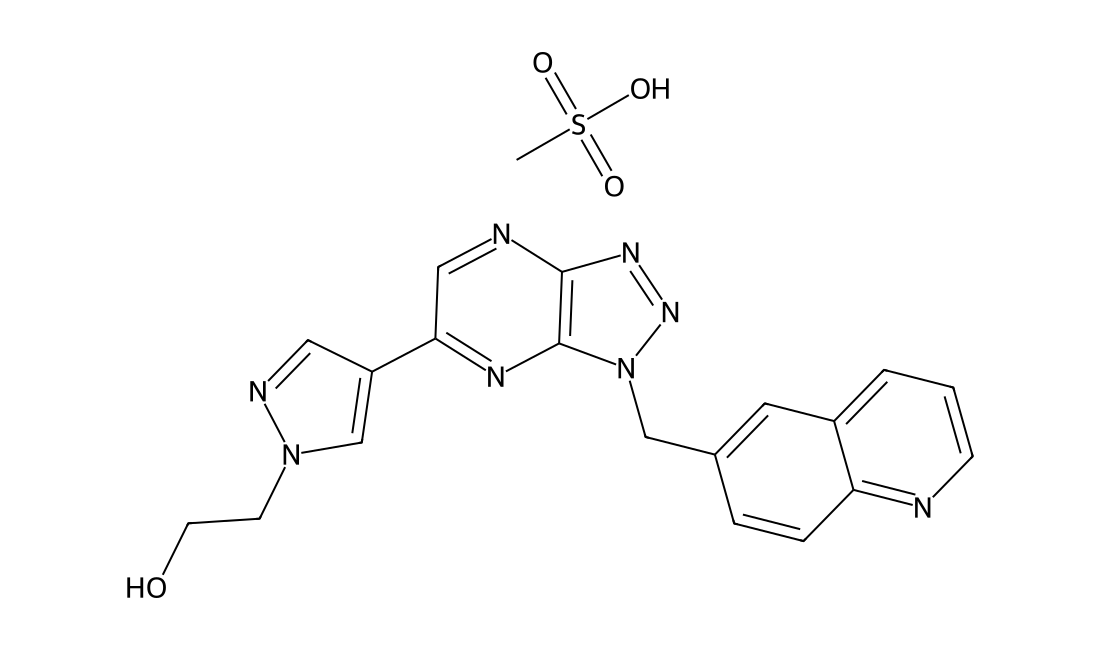
PF-04217903 methanesulfonateFeatured
PF-04217903 is a potent, selective, ATP-competitive c-Met kinase inhibitor with Ki of 4.8 nM, inhibits HGF-stimulated tyrosine phosphorylation of wild type c-Met with IC50 of 7.3 nM in cell-based assays.
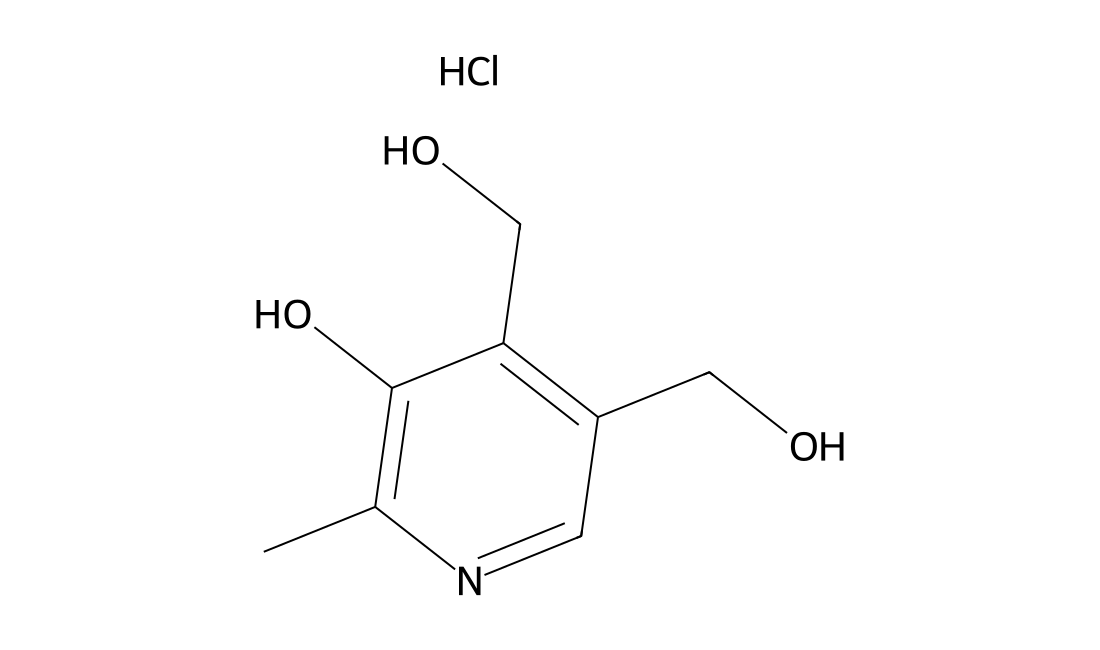
Pyridoxine hydrochlorideFeatured
Pyridoxine hydrochloride (Pyridoxol; Vitamin B6) is a pyridine derivative. Pyridoxine (Pyridoxol; Vitamin B6) exerts antioxidant effects in cell model of Alzheimer's disease via the Nrf-2/HO-1 pathway.
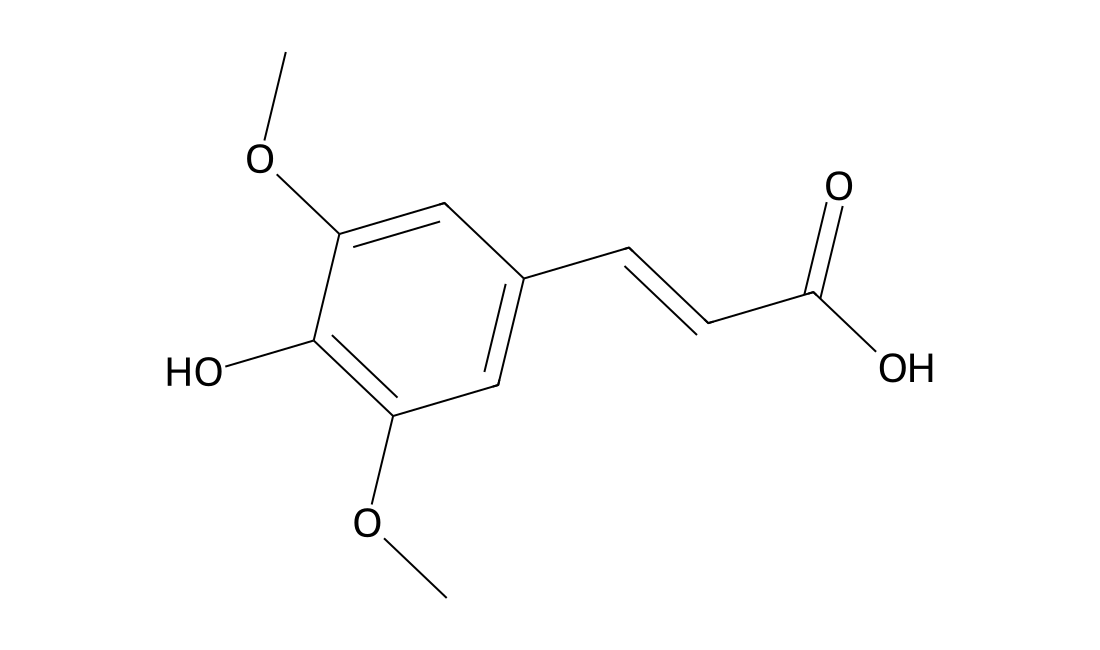
Sinapinic acid (Sinapic acid)Featured
Sinapinic acid (Sinapic acid) is a phenolic compound isolated from Hydnophytum formicarum Jack. Rhizome, acts as an inhibitor of HDAC, with an IC50 of 2.27 mM, and also inhibits ACE-I activity. Sinapinic acid posssess potent anti-tumor activity, induces a
No products match this search.
Page 244 of 259 · Browse all 5177 products
Jump to a product page
Featured literature product: HX1 · DCL0028
HX1 is a hydroxyzine-derived ionizable lipid with acetal-containing tails, studied in lipid nanoparticles for brain mRNA delivery and CRISPR–Cas9 delivery. It was the lead in the reported in vivo brain-delivery screen; evidence is preclinical and formulation-dependent.
Read full formulation and performance →