
Research lipid catalog
Ionizable Lipid Products
Explore 848 lipid and RNA delivery products. Search the full catalog or browse by research category.
Search covers product name, catalog number, synonyms, available CAS numbers and categories. Spaces, hyphens and common punctuation are ignored. Duplicate legacy records are consolidated under one canonical product result.
5177 products · Showing 4761–4780 · 20 per page
DC Chemicals lipid expertise
Built for ionizable-lipid discovery and RNA delivery research
DC Chemicals supports formulation and delivery research with a broad, searchable portfolio of cationic and ionizable lipids. The current directory brings together 848 unique research-use products, with product specifications, pricing, chemical structures and literature-linked formulation data added as each record is verified.
Our experience spans complex lipid synthesis, purification, analytical release and process development. For custom molecules or larger-scale requirements, our team can discuss route development, technical specifications and scale-up options for the intended research workflow.
Learn about cationic and ionizable lipids →Proprietary innovation · Co-development · GMP
From proprietary lipid design to GMP-grade custom synthesis
DC Chemicals has independently developed ionizable-lipid structures supported by company-owned intellectual property, and selected proprietary lipid programs have advanced to GMP-stage development.
We welcome joint development with customers—from molecular design and lipid synthesis through route and process development. We can also support custom synthesis of GMP-grade ionizable lipids to agreed technical specifications and quality requirements.
Discuss a co-development project →Proprietary ionizable-lipid structuresCollaborative molecular designCustom lipid synthesisProcess development and scale-upGMP-grade project support
Product quick links
Explore New ionizable lipids
Explore our five most recently added ionizable lipids, with specifications, pricing and literature-linked product information.
DCL0028HX1Brain RNA delivery researchView product →DCL0024A1I4R13C18-2Spleen-targeted RNA delivery researchView product →DCL0023A1I4R2C18-2Spleen-targeted RNA delivery researchView product →DCL0022FS01Local joint RNA delivery researchView product →DCL0020Lipid-392Lung RNA delivery and gene editing researchView product →
Cat. No.Product NameField of ApplicationChemical Structure
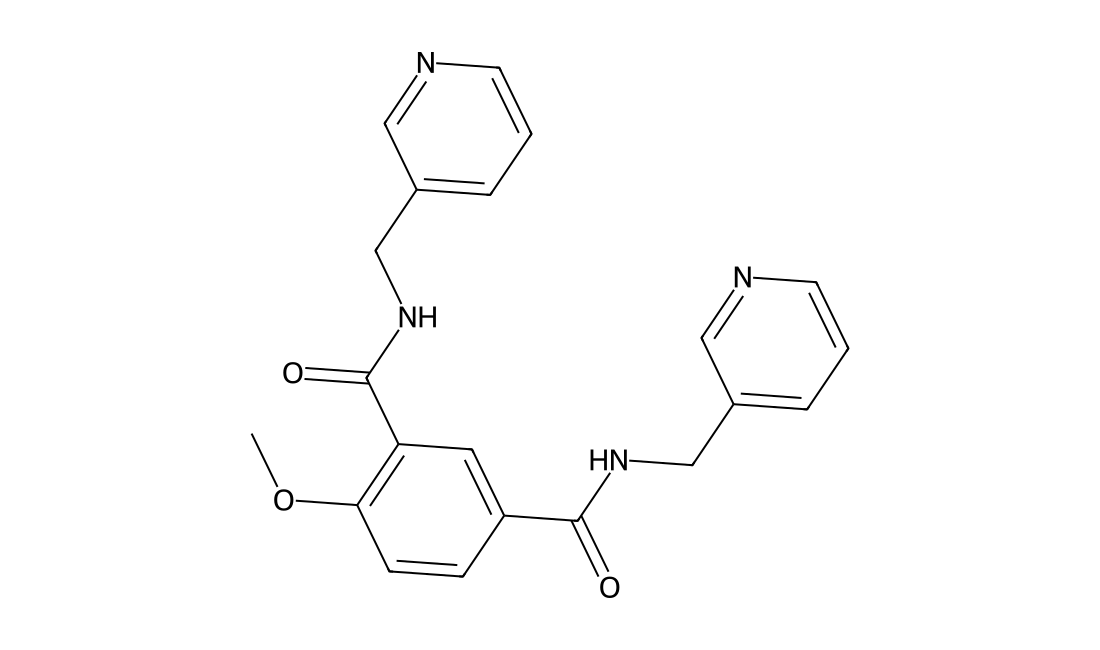
PicotamideFeatured
Picotamide is a combined inhibitor of thromboxane A2 (TxA2) synthase and receptor. Picotamide has antiplatelet activity. Picotamide promotes the reduction of microalbuminuria and the inhibition of growth of carotid plaques in diabetes. Picotamide can be used for researching acute or chronic cardiovascular diseases.
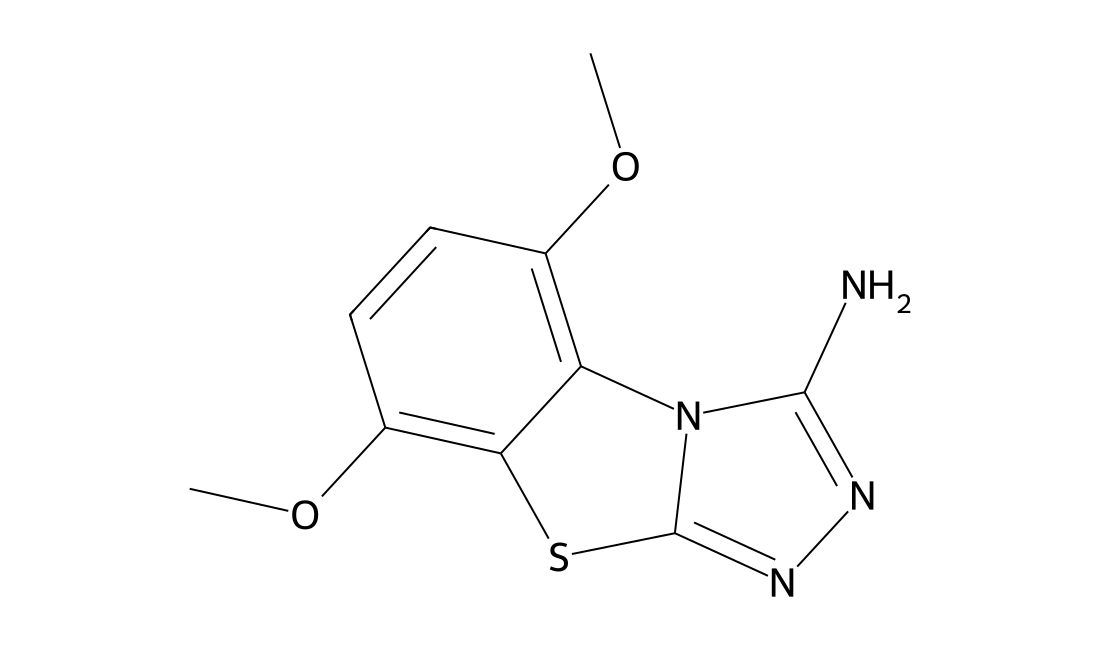
OUL232Featured
OUL232 is a potent inhibitor of mono-ARTs PARP7, PARP10, PARP11, PARP12, PARP14, and PARP15. OUL232 is the most potent PARP10 inhibitor described to date (IC50=7.8 nM), as well as the first PARP12 inhibitor ever reported.
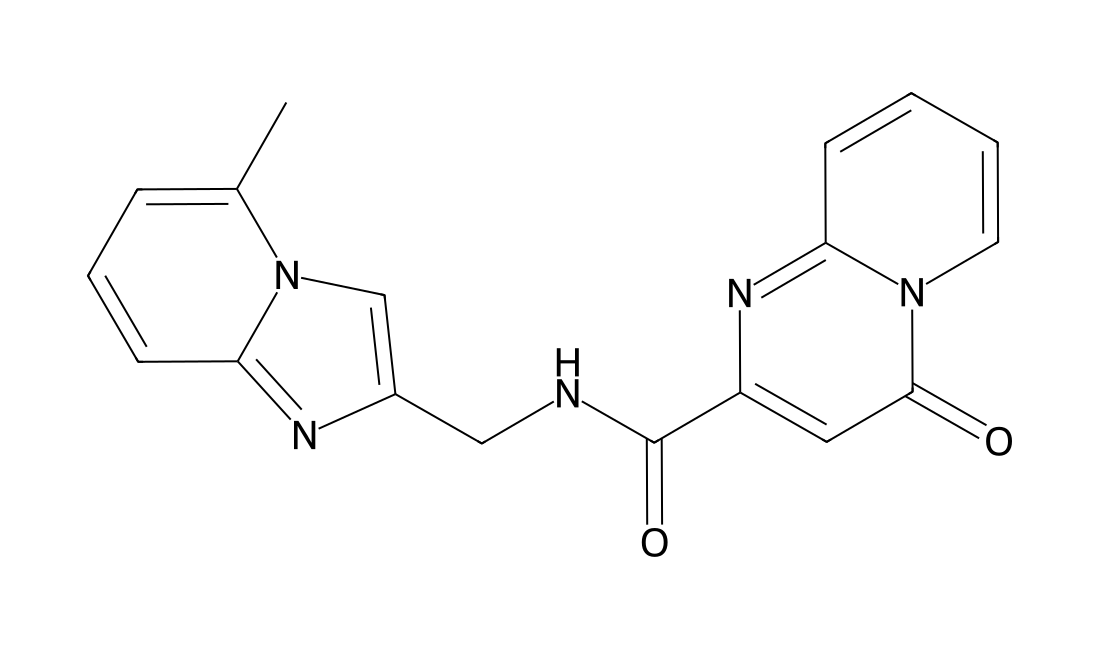
STM2120Featured
STM2120 is a METTL3-METTL14 inhibitor with an IC50 of 64.5 μM.
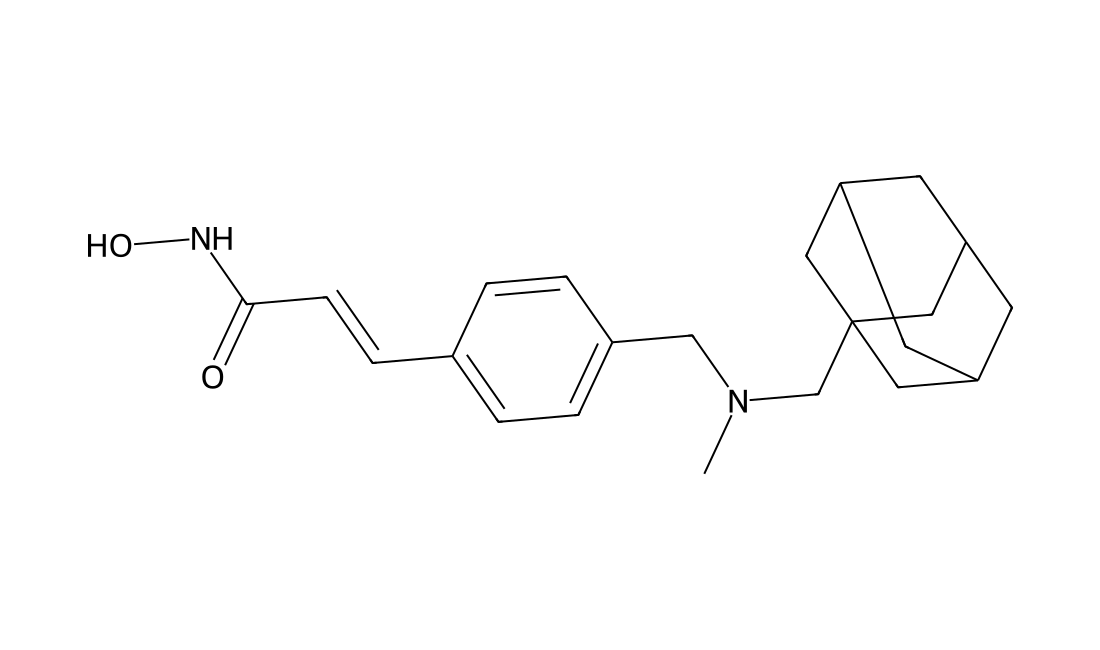
MartinostatFeatured
Martinostat is a histone deacetylase imaging agent.
AuxinoleFeatured
Auxinole is a potent TIR1 antagonist that blocks formation of the TIR1-IAA-Aux/IAA complex and inhibits auxin-responsive gene expression.
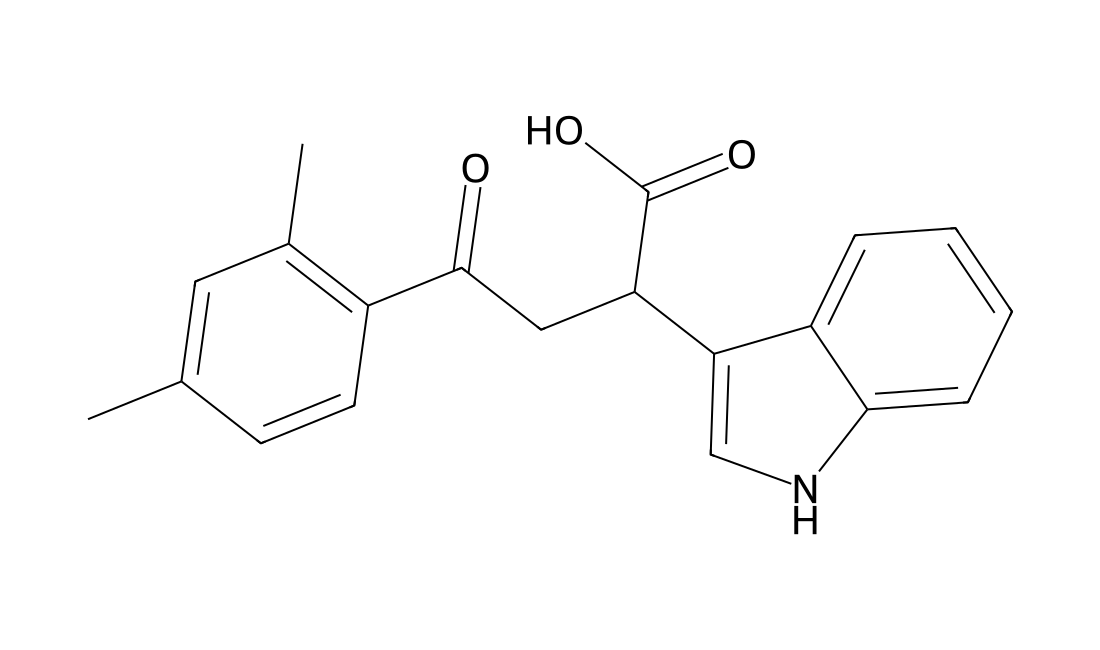
SIRT6-IN-5Featured
SIRT6-IN-5 is an inhibitor of SIRT6 that sensitizes pancreatic cancer cells to gemcitabine.
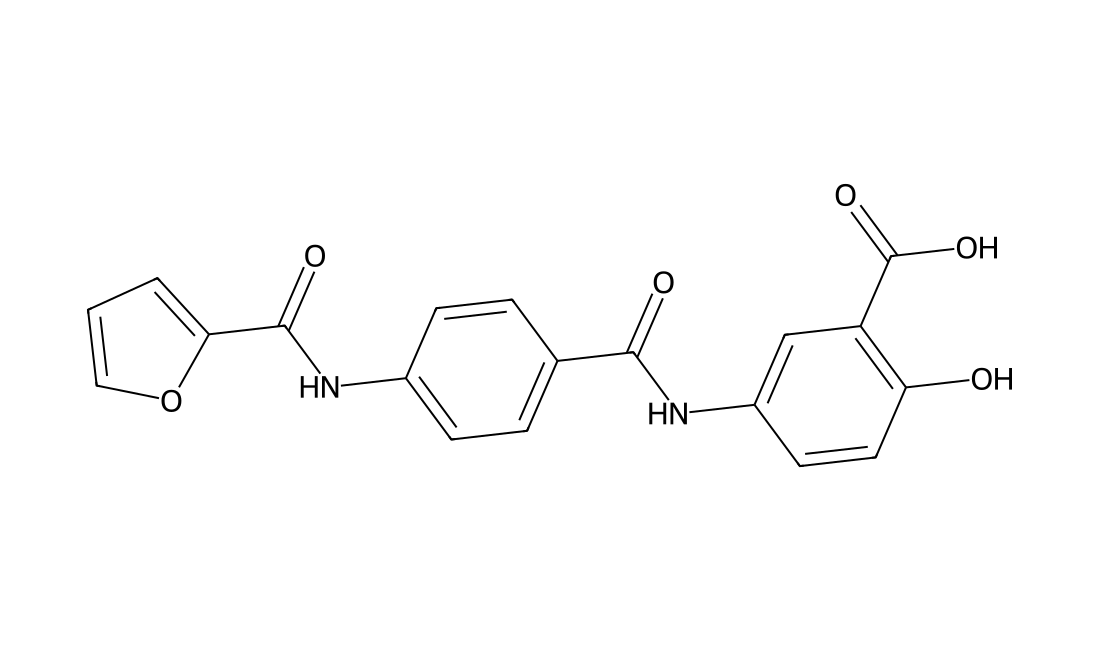
RobenacoxibFeatured
Robenacoxib is a nonsteroidal anti-inflammatory drug (NSAID) used in veterinary medicine for the relief of pain and inflammation in cats and dogs, a Cyclooxygenase(COX)-1 and COX-2 inhibitor..
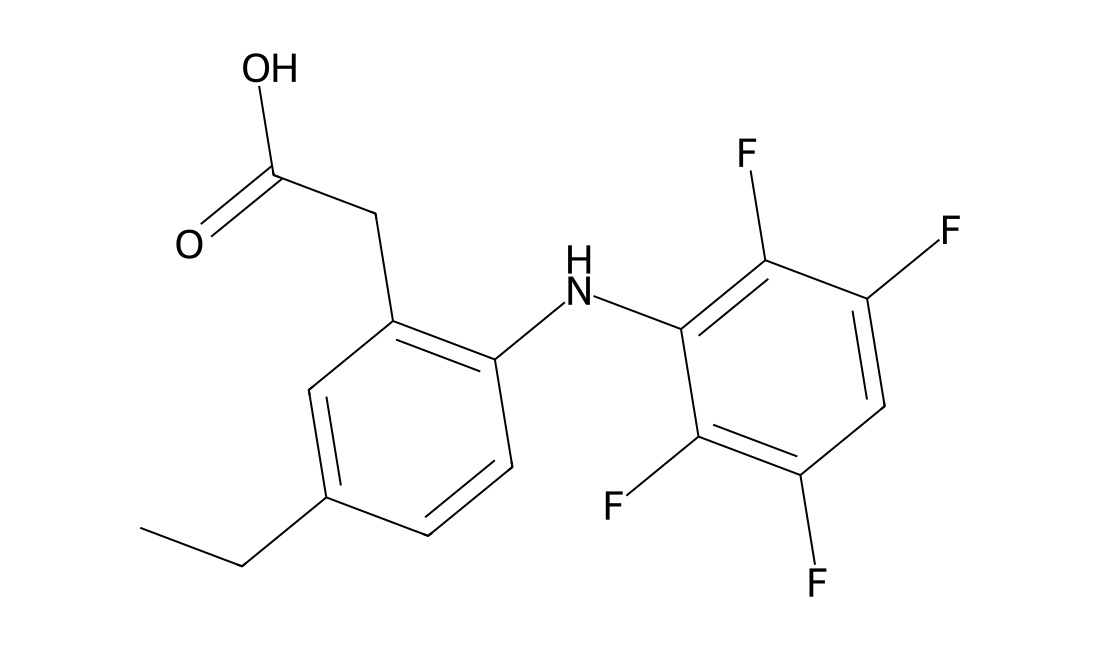
SR1078Featured
SR1078 is an agonist of retinoic acid receptor-related orphan receptors (ROR) RORα/γ.
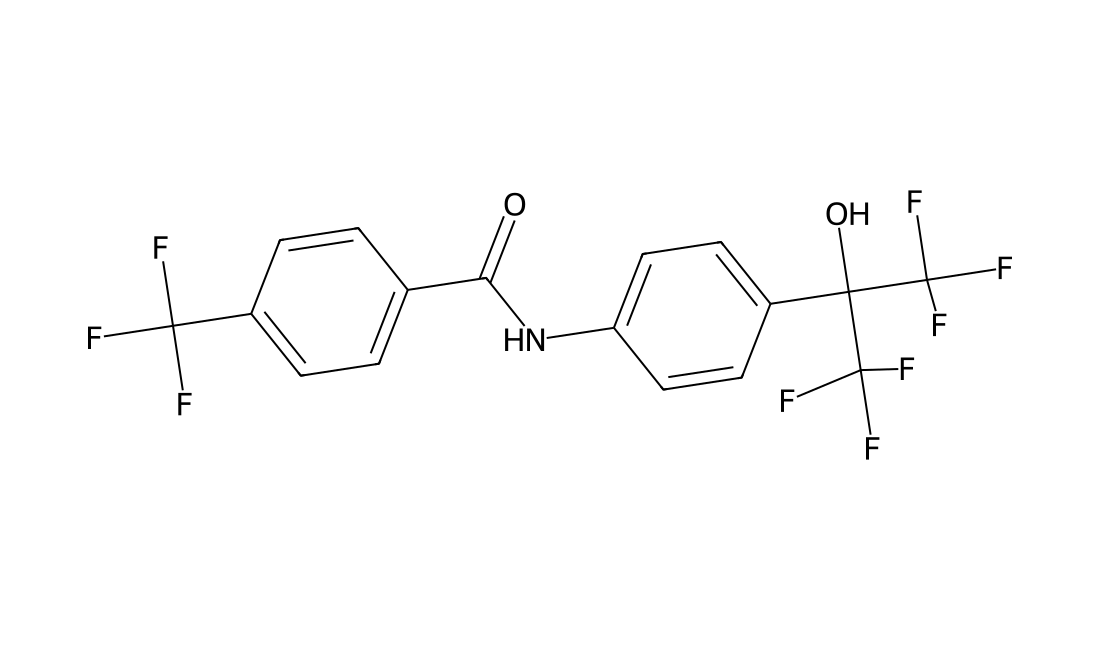
PyroxamideFeatured
Inhibitor of histone deacetylase (HDAC); potently inhibits affinity purified HDAC1. Also inhibits the growth of tumor cells in vitro and in vivo. Induces p21/WAF1 expression in tumor cells.
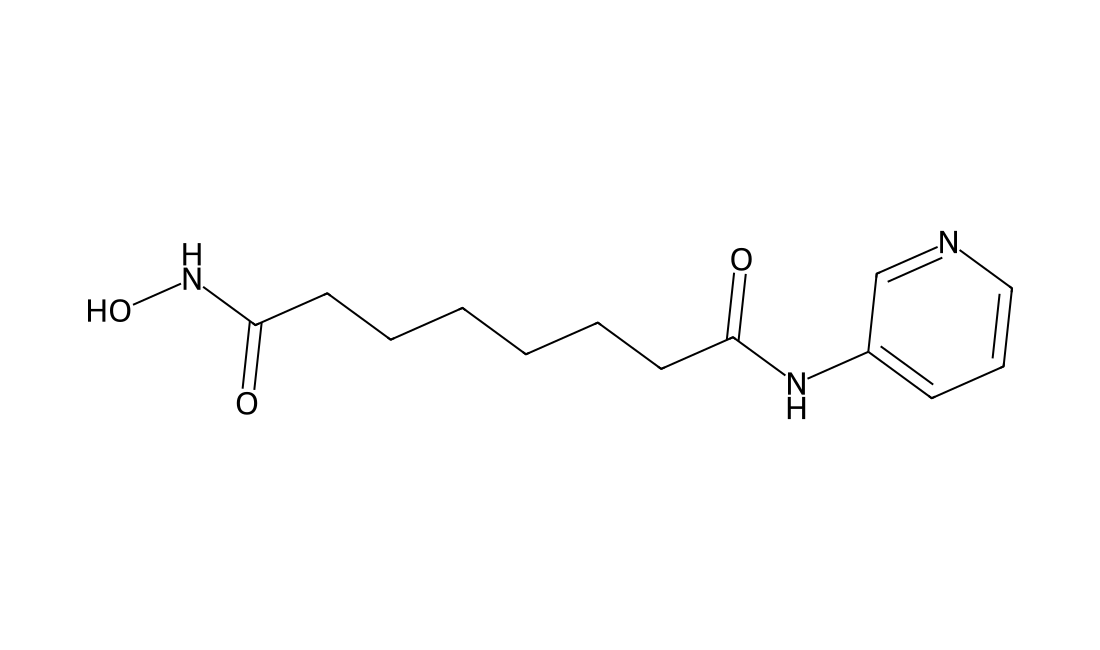
Lalistat 2Featured
Lalistat 2 is a specific inhibitor of lysosomal acid lipase (LAL) with no effect on other forms of lipase.
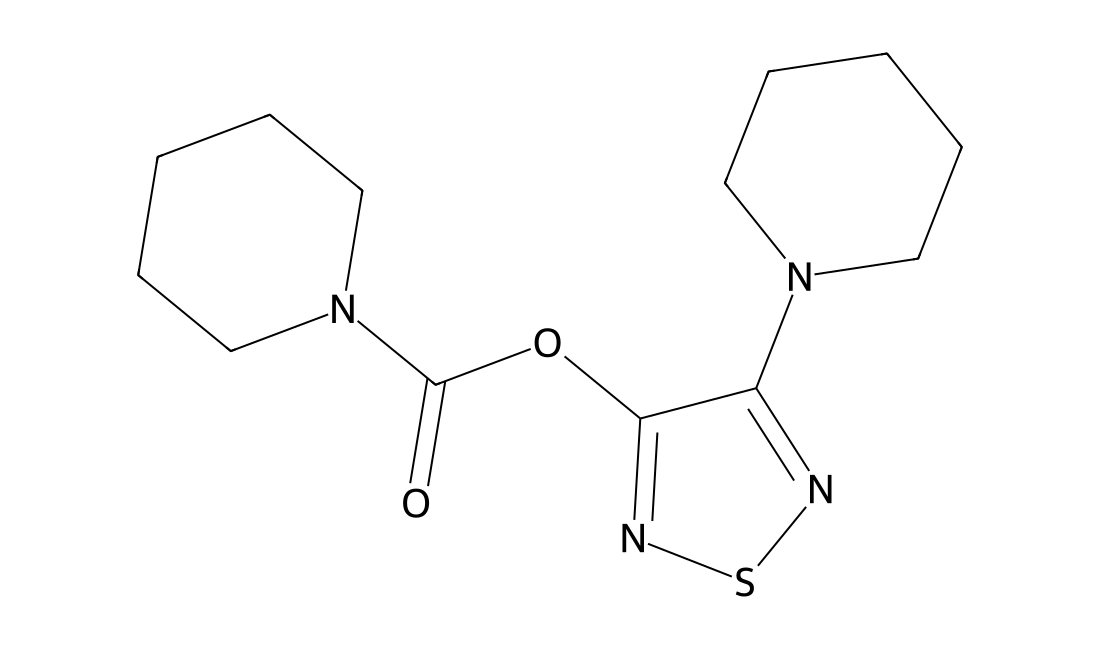
OUL35Featured
OUL35 (NSC39047) is a potent and selective inhibitor of mono-ADP-ribosyltransferase PARP10/ARTD10 with IC50 of 330 nM, displays remarkable selectivity towards ARTD10 over other enzymes in the human protein family.
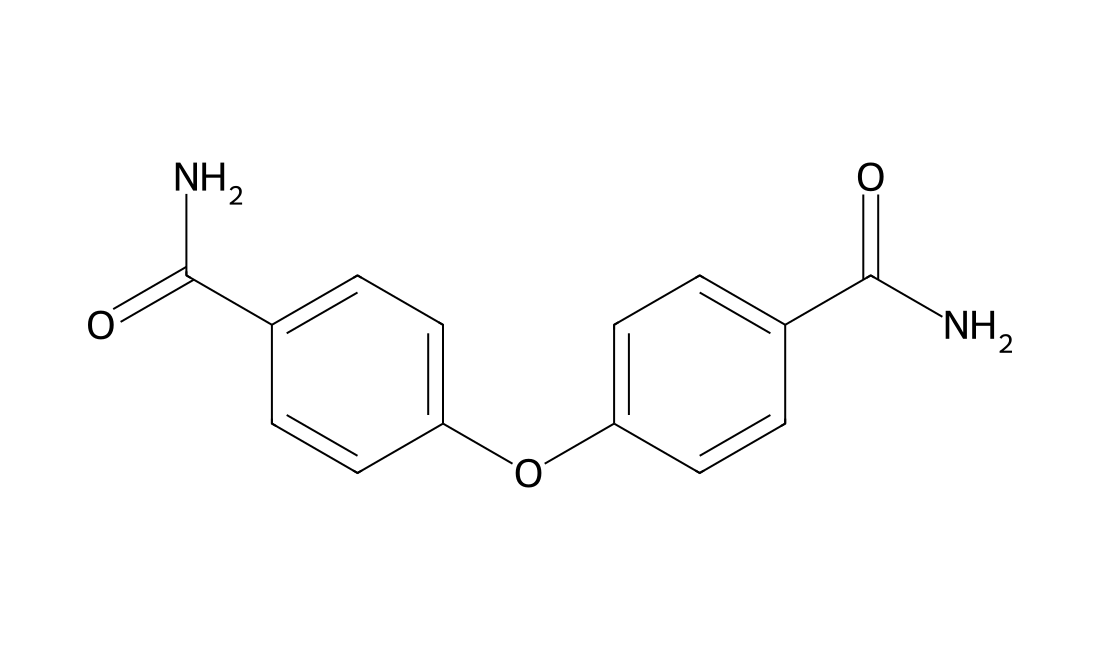
WAY-328141Featured
useful for the treatment of cystic fibrosis; modulating CFTR activity; altering the lifespan of a eukaryotic organism;
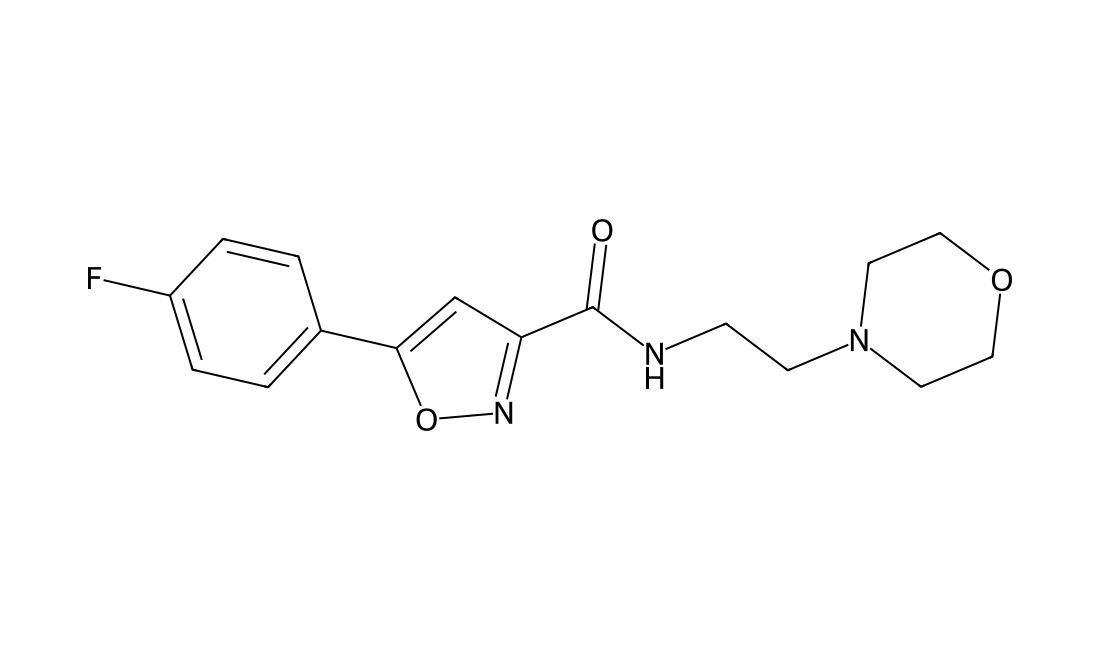
NOX-6-18Featured
NOX-6-18 is a potent, selective GPR132 antagonist with IC50 of 17 nM.
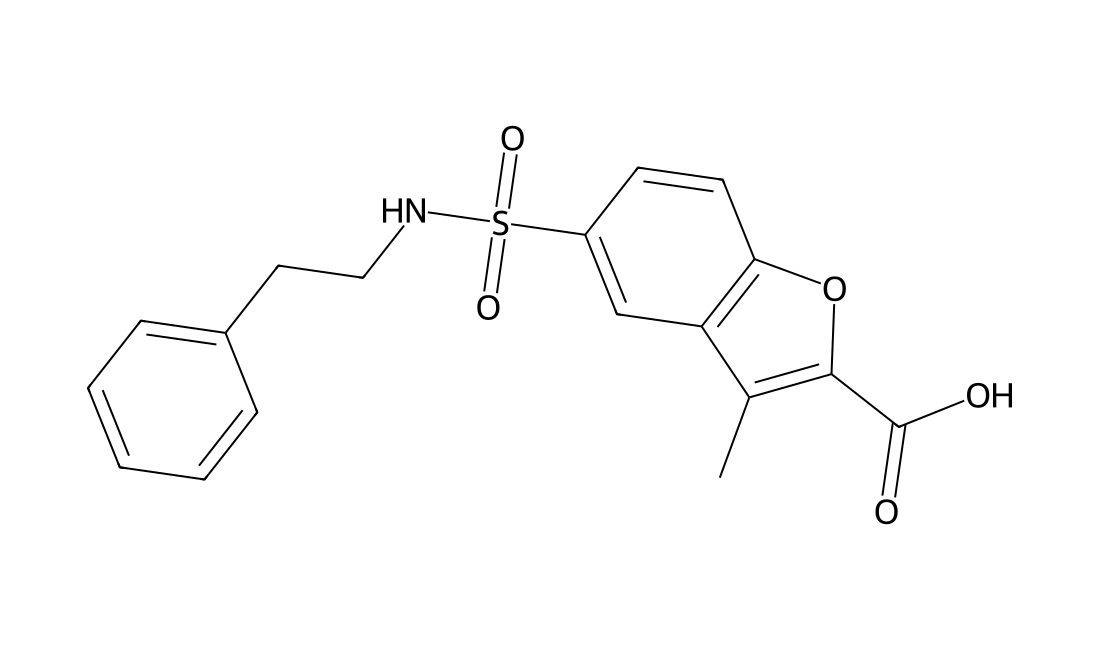
WAY-310301Featured
anti-inflammatory, COX inhibitory activities and ulcerogenic liability
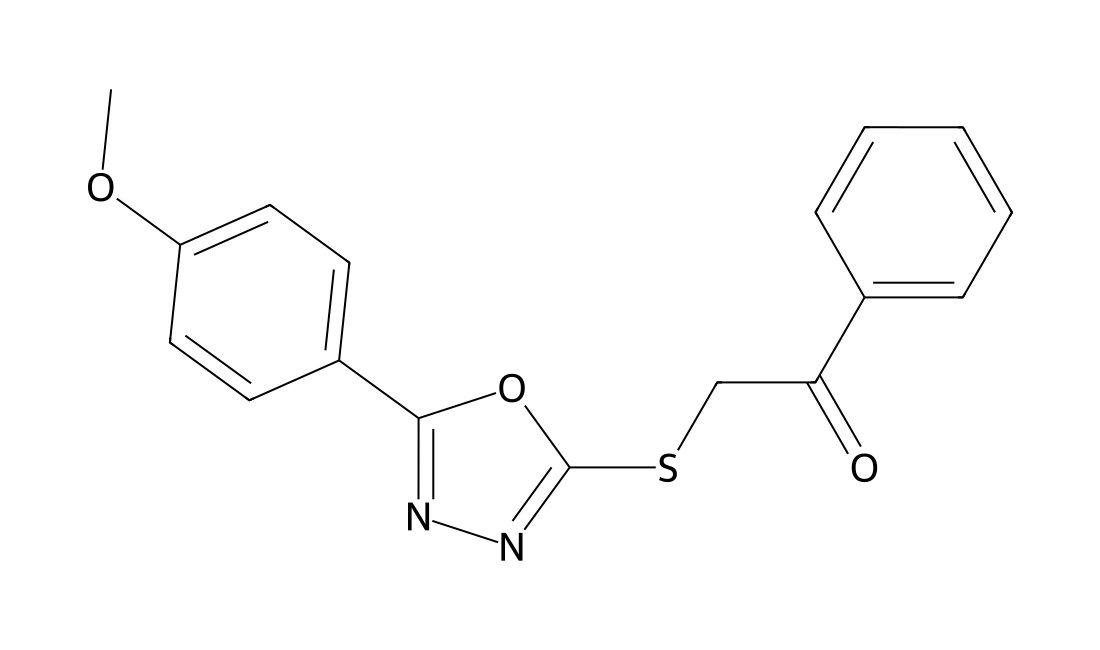
WAY-301158Featured
antitubercular activity; fungicidal activity;
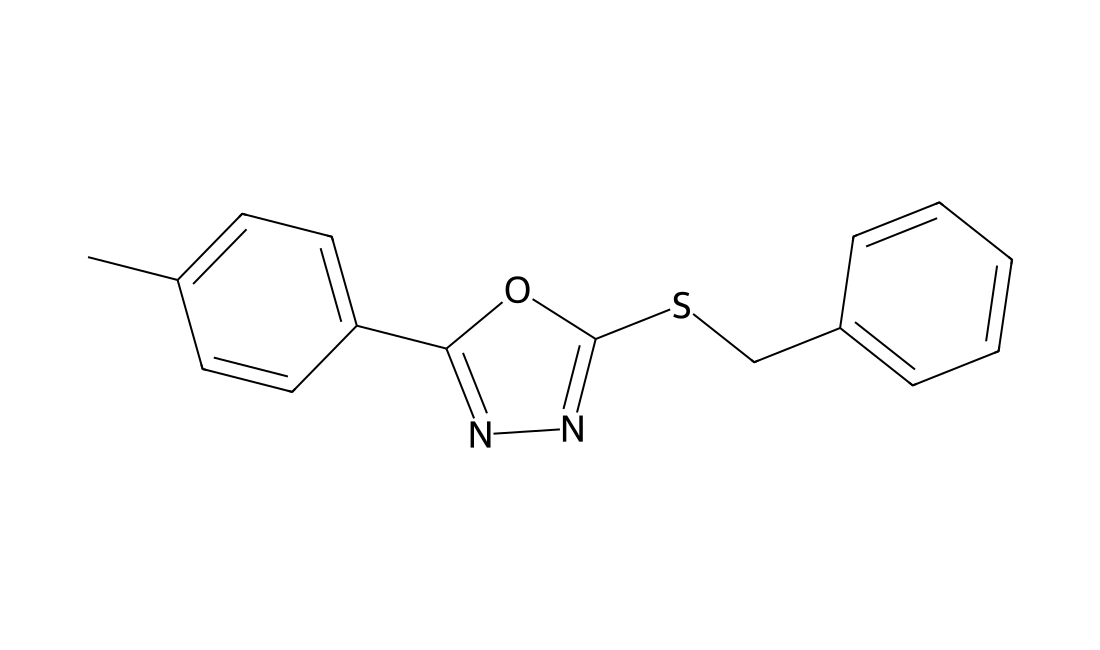
BRD4 Inhibitor-24Featured
BRD4 Inhibitor-24 (compound 3U) is a potent BRD4 inhibitor, BRD4 Inhibitor-24 shows antitumor activity against MCF7 and K652 cells, with IC50 values of 33.7 and 45.9 μM, respectively.
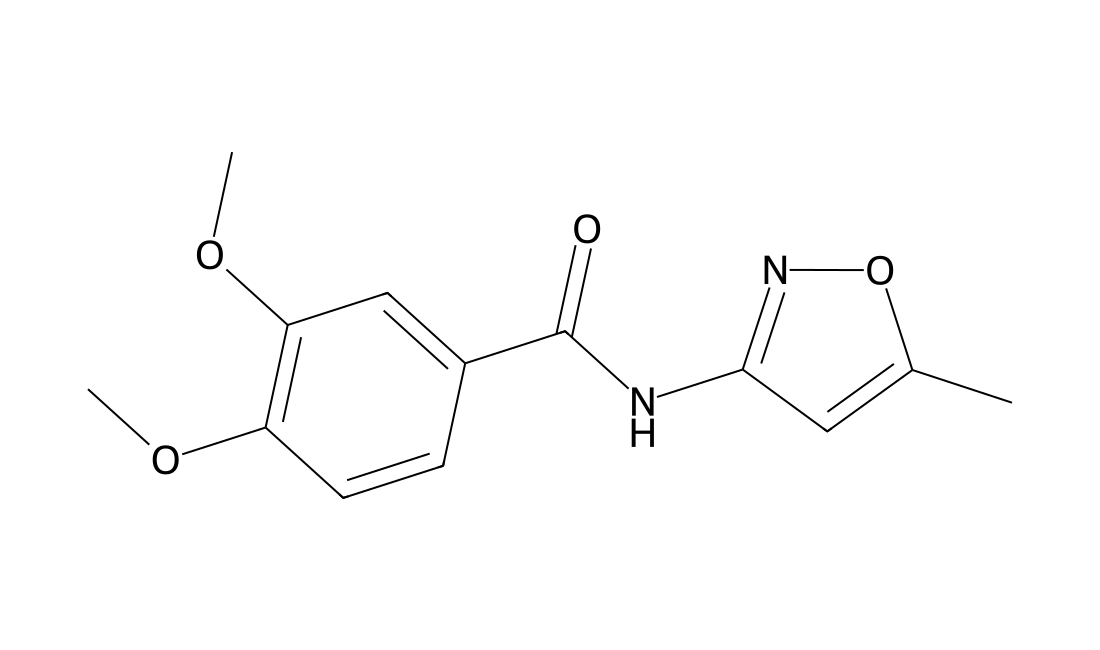
NFATc1-IN-1Featured
NFATc1-IN-1 (compound A04) is a potent inhibitor of RANKL-induced osteoclast formation, with an IC50 of 1.57 μM. NFATc1-IN-1 shows anti-osteoclastogenic effects through reducing the RANKL-induced nuclear translocation of NFATc1. NFATc1-IN-1 can be used for osteoclastic diseases research.
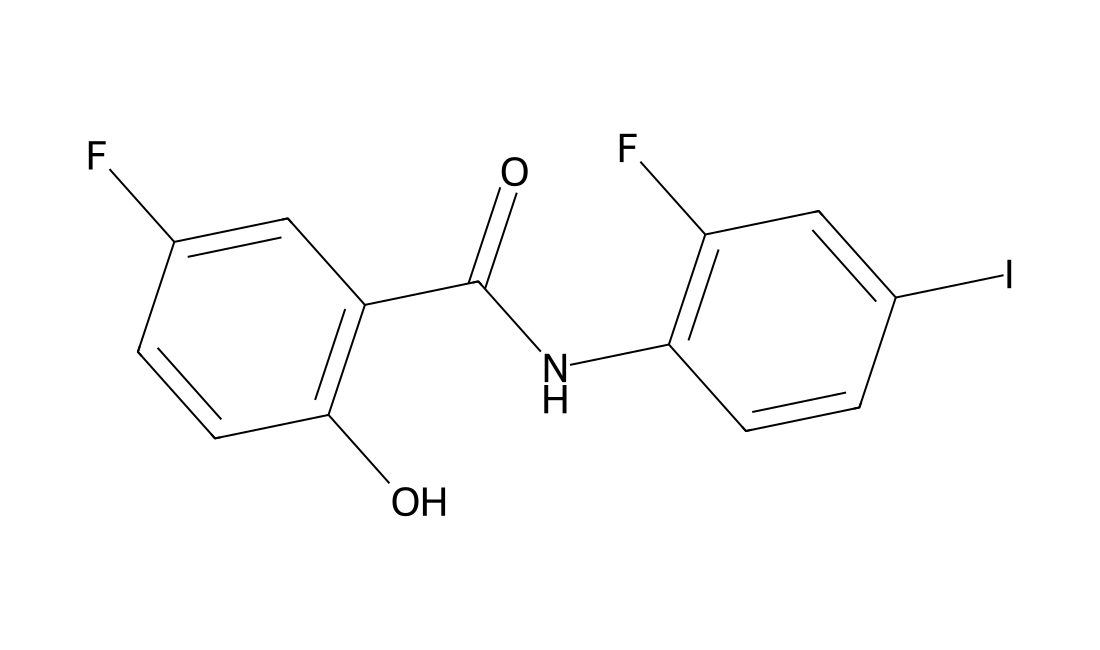
WAY-299775Featured
potential leads for chaperone therapy for Gaucher disease
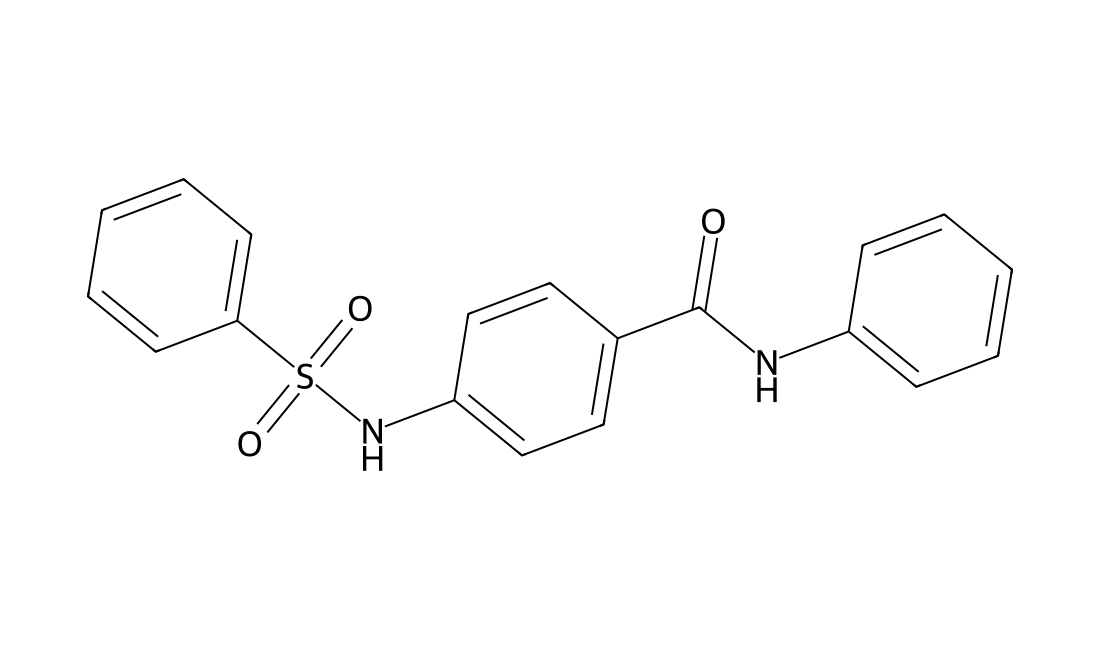
WAY-328133Featured
useful for the treatment of cystic fibrosis
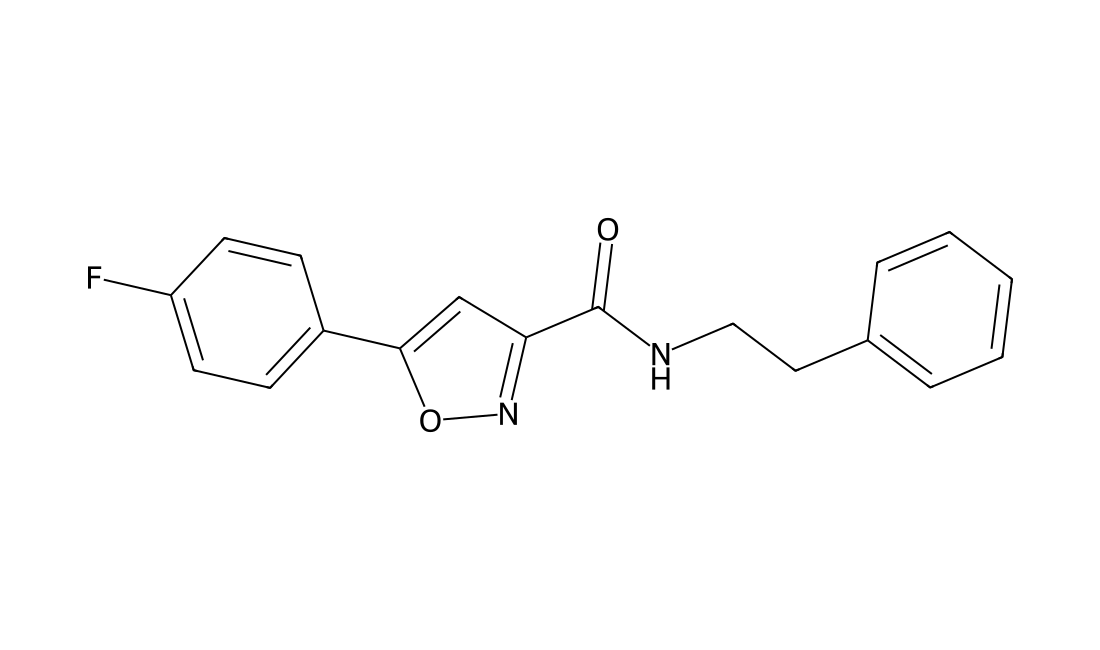
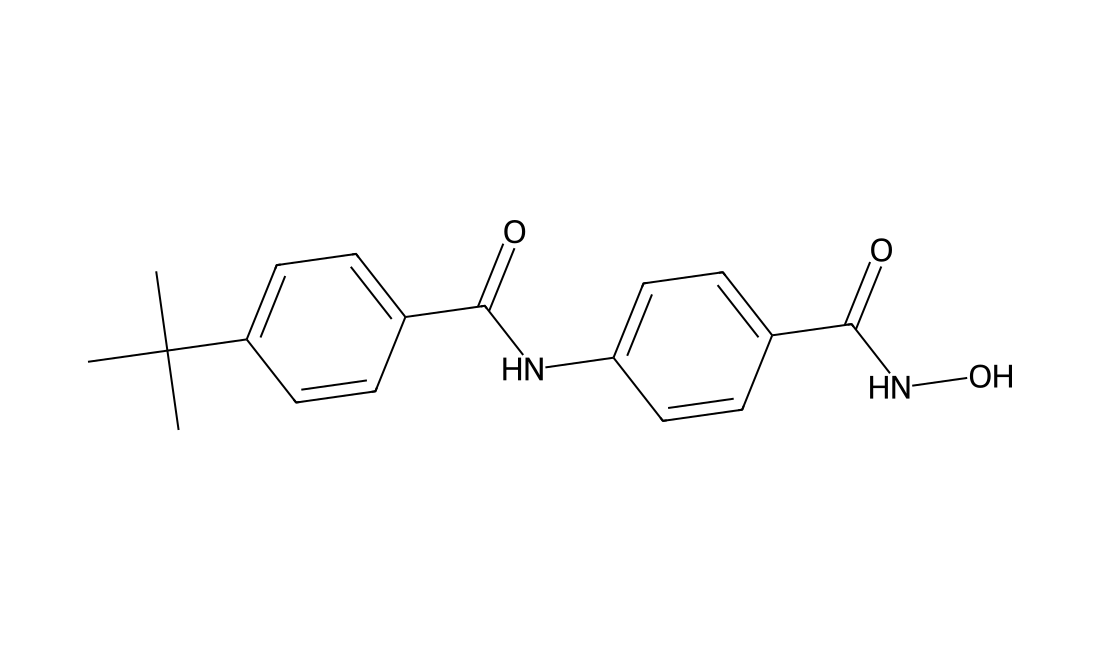
AES-350Featured
AES-350 is a potent and orally active HDAC6 inhibitor with an IC50 and a Ki of 0.0244 μM and 0.035 μM, respectively. AES-350 is also against HDAC3, HDAC8 in an enzymatic activity assay with IC50 values of 0.187 μM and 0.245 μM, respectively. AES-350 triggers apoptosis in AML cells through HDAC inhibition and can be used for acute myeloid leukemia (AML) research.
No products match this search.
Page 239 of 259 · Browse all 5177 products
Jump to a product page
Featured literature product: HX1 · DCL0028
HX1 is a hydroxyzine-derived ionizable lipid with acetal-containing tails, studied in lipid nanoparticles for brain mRNA delivery and CRISPR–Cas9 delivery. It was the lead in the reported in vivo brain-delivery screen; evidence is preclinical and formulation-dependent.
Read full formulation and performance →