
Research lipid catalog
Ionizable Lipid Products
Explore 848 lipid and RNA delivery products. Search the full catalog or browse by research category.
Search covers product name, catalog number, synonyms, available CAS numbers and categories. Spaces, hyphens and common punctuation are ignored. Duplicate legacy records are consolidated under one canonical product result.
5177 products · Showing 5121–5140 · 20 per page
DC Chemicals lipid expertise
Built for ionizable-lipid discovery and RNA delivery research
DC Chemicals supports formulation and delivery research with a broad, searchable portfolio of cationic and ionizable lipids. The current directory brings together 848 unique research-use products, with product specifications, pricing, chemical structures and literature-linked formulation data added as each record is verified.
Our experience spans complex lipid synthesis, purification, analytical release and process development. For custom molecules or larger-scale requirements, our team can discuss route development, technical specifications and scale-up options for the intended research workflow.
Learn about cationic and ionizable lipids →Proprietary innovation · Co-development · GMP
From proprietary lipid design to GMP-grade custom synthesis
DC Chemicals has independently developed ionizable-lipid structures supported by company-owned intellectual property, and selected proprietary lipid programs have advanced to GMP-stage development.
We welcome joint development with customers—from molecular design and lipid synthesis through route and process development. We can also support custom synthesis of GMP-grade ionizable lipids to agreed technical specifications and quality requirements.
Discuss a co-development project →Proprietary ionizable-lipid structuresCollaborative molecular designCustom lipid synthesisProcess development and scale-upGMP-grade project support
Product quick links
Explore New ionizable lipids
Explore our five most recently added ionizable lipids, with specifications, pricing and literature-linked product information.
DCL0028HX1Brain RNA delivery researchView product →DCL0024A1I4R13C18-2Spleen-targeted RNA delivery researchView product →DCL0023A1I4R2C18-2Spleen-targeted RNA delivery researchView product →DCL0022FS01Local joint RNA delivery researchView product →DCL0020Lipid-392Lung RNA delivery and gene editing researchView product →
Cat. No.Product NameField of ApplicationChemical Structure
GSK-3β Inhibitor IIFeatured
GSK3β Inhibitor II, also known as KIN 001-042, also known as GSK-3β Inhibitor II, is a GSK-3β inhibitor.
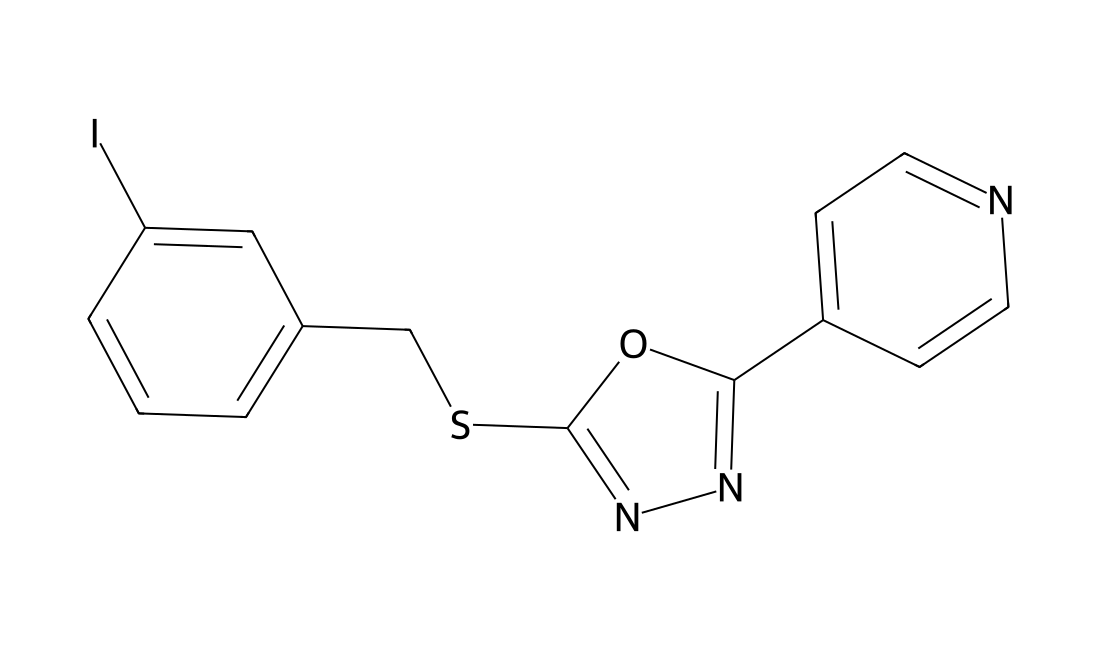
NSC321039Featured
NSC321039, also known as hMAO-B-IN-4, is a selective, reversible and blood–brain barrier (BBB) penetrable human monoamine oxidase-B (hMAO-B) inhibitor with an IC50 value of 0.067 μM.
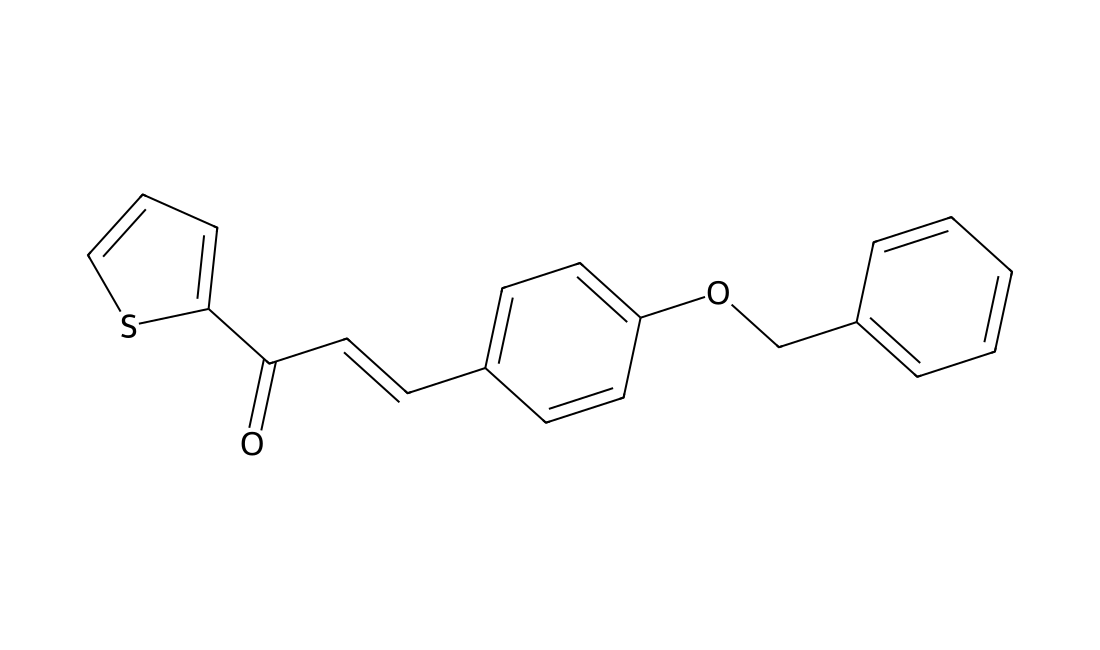
Moracin CFeatured
Moracin C is a phenolic compound isolated from Artocarpus heterophyllus. Moracin C suppresses Lipopolysaccharide-Activated Inflammatory Responses in Murine Raw264.7 Macrophages.
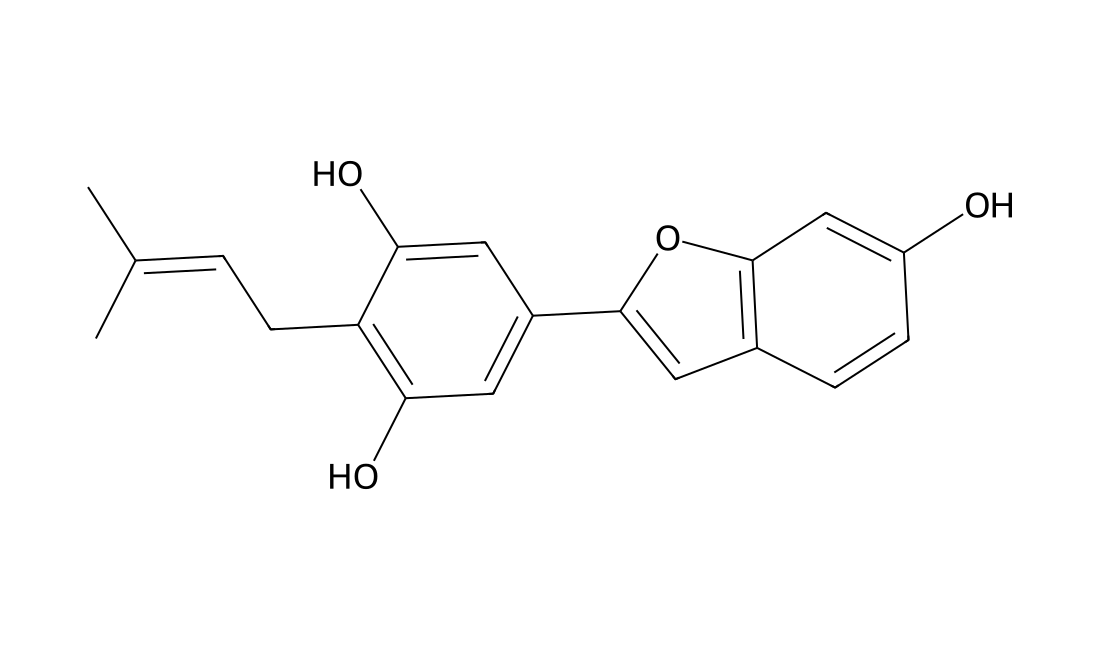
HHS-0701Featured
HHS-0701, a sulfur-triazole exchange (SuTEx) ligand, is a potent tyrosine-reactive prostaglandin reductase 2 (PTGR2) inhibitor. HHS-0701 blocks PTGR2 metabolism of the lipid substrate 15-Keto-PGE2.
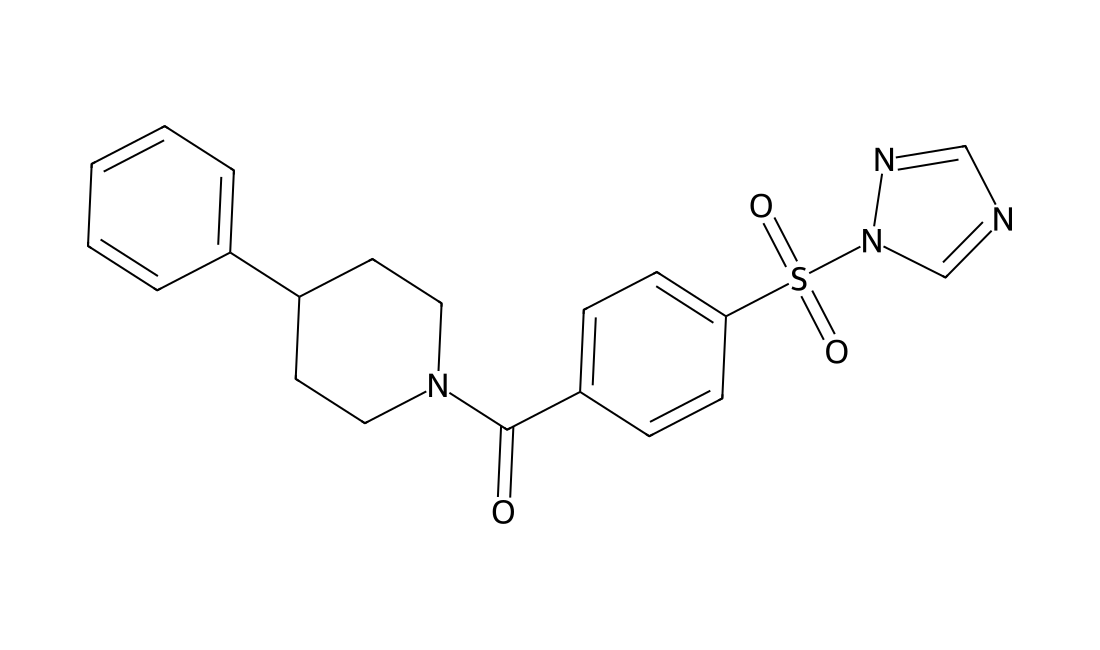
LUN09945Featured
LUN09945 is a potent RETV804M kinase inhibitor. LUN09945 was first reported by Rebecca Newton et al (Compound 13, in ACS Med Chem Lett. 2020;11(4):497-505). This product has no formal name at the moment. For the convenience of communication, a temporary code name was therefore proposed according to MedKoo Chemical Nomenclature
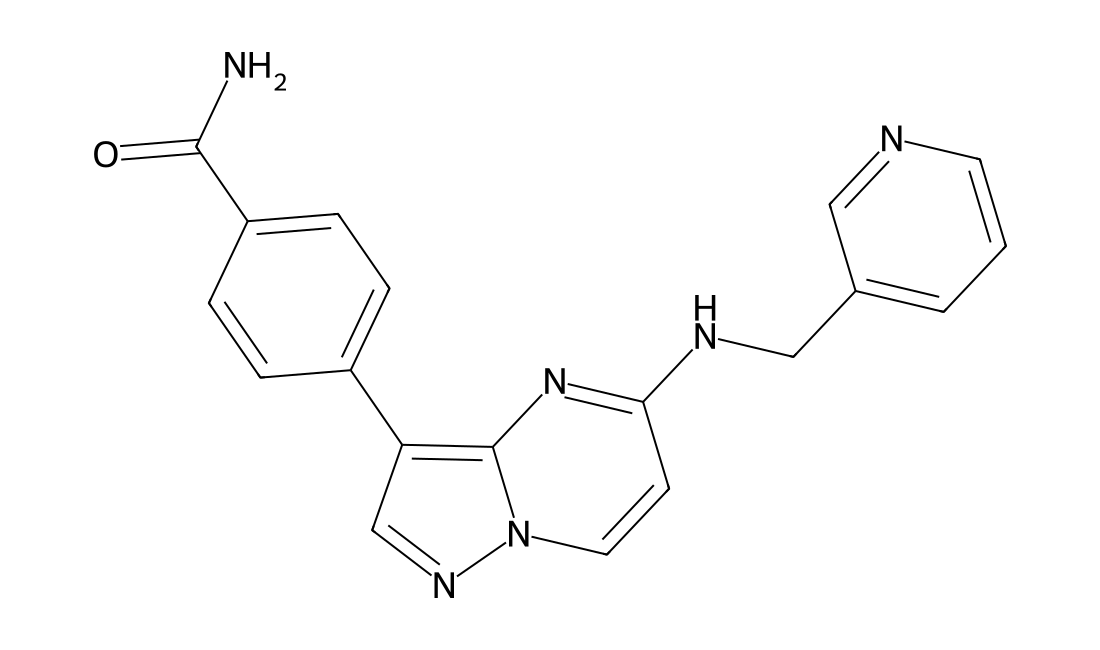
Cdc7-IN-7Featured
Cdc7-IN-7 (compound I-E) is a potent Cdc7 kinase inhibitor extracted from patent WO2019165473A1, compound I-E. Cdc7 is a serine-threonine protein kinase enzyme which is essential for the initiation of DNA replication in the cell cycle.
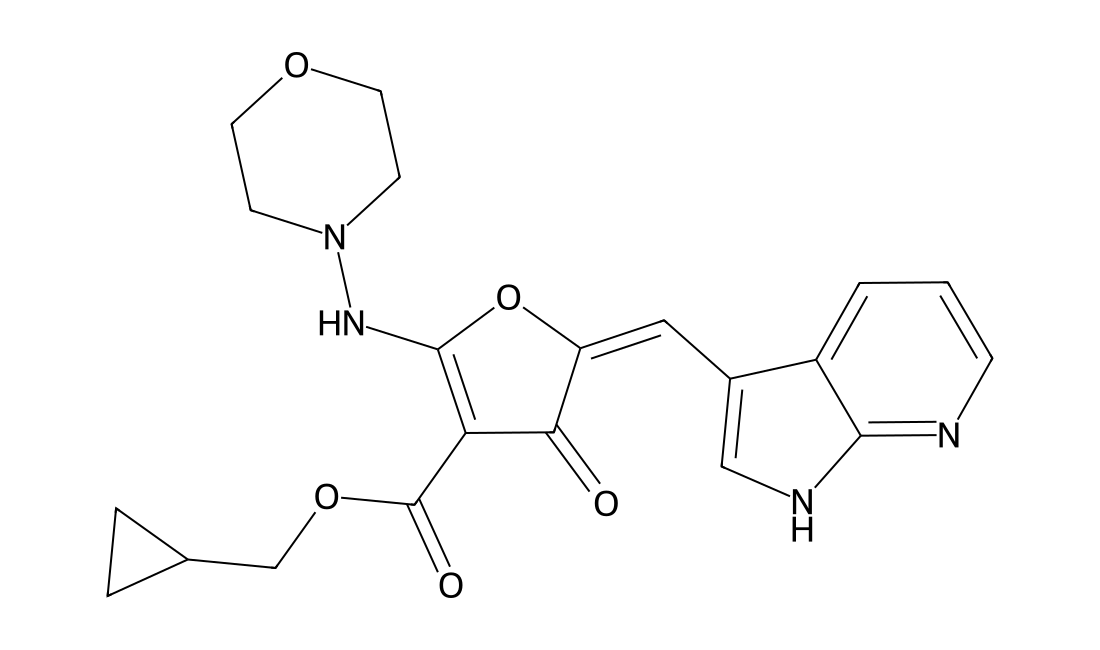
BuChE-IN-TM-10Featured
BuChE-IN-TM-10 (TM-10) is a potent butyrylcholinesterase (BuChE) inhibitor, with an IC50 of 8.9 nM.
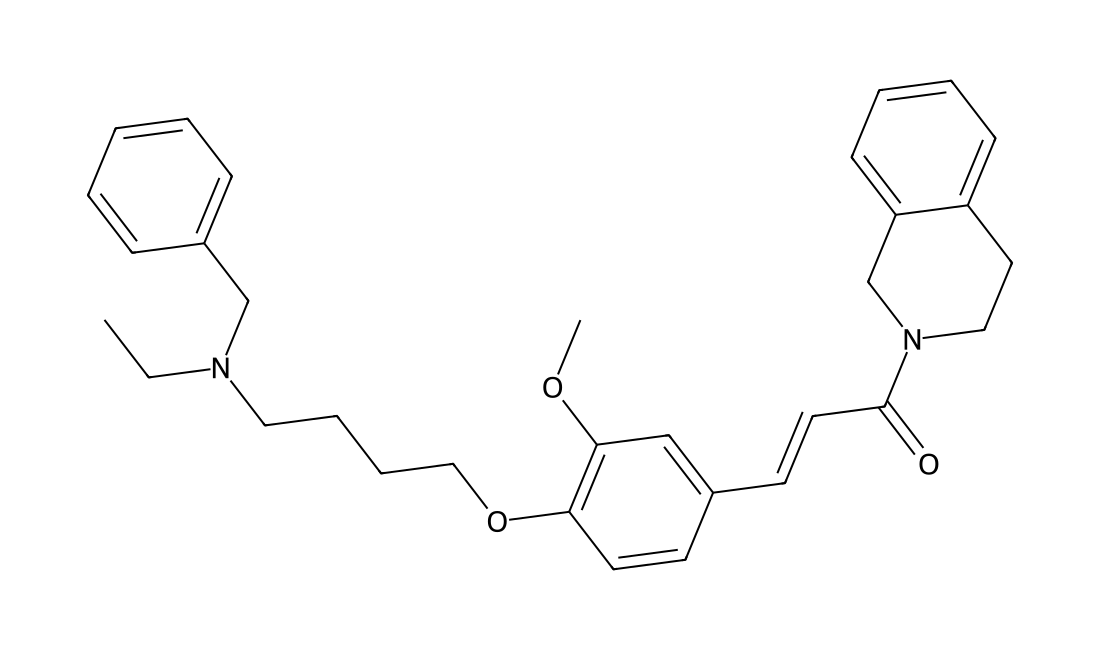
MHY-1685Featured
MHY-1685, a novel mammalian target of rapamycin (mTOR) inhibitor, provides opportunities to improve hCSC-based myocardial regeneration.
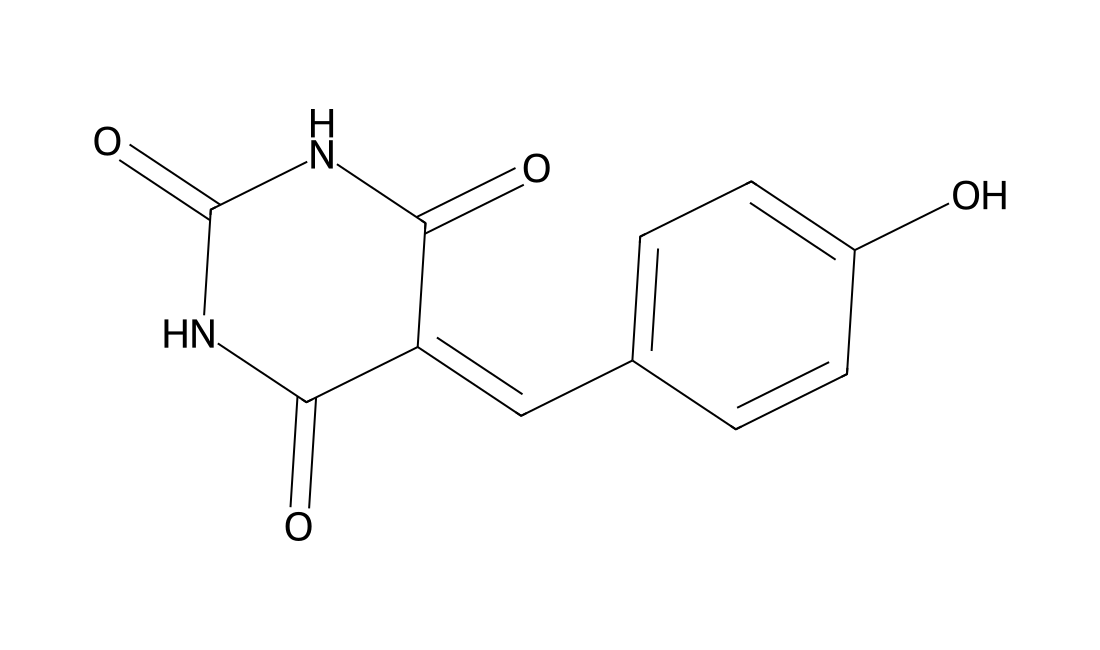
Moracin MFeatured
Moracin M is a phosphodiesterase-4 inhibitor isolated from Morus alba. Moracin M has anti-inflammatory activity. Moracin M inhibits lipopolysaccharide-induced inflammatory responses in nucleus pulposus cells via regulating PI3K/Akt/mTOR phosphorylation. Moracin M inhibits airway inflammation by interrupting the JNK/c-Jun and NF-κB pathways in vitro and in vivo.
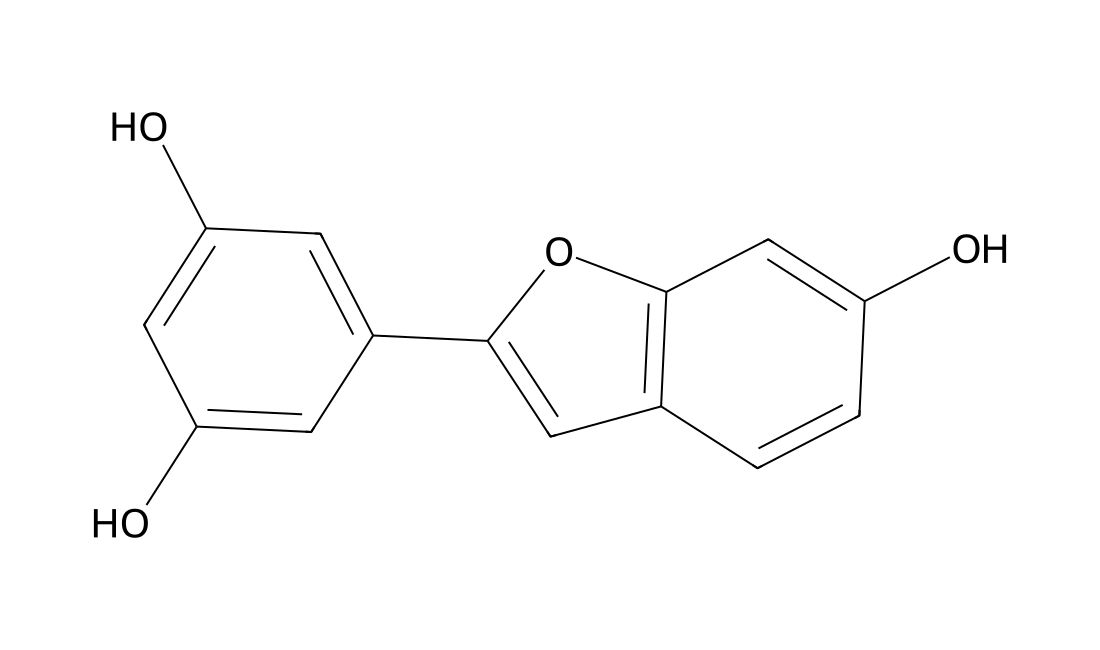
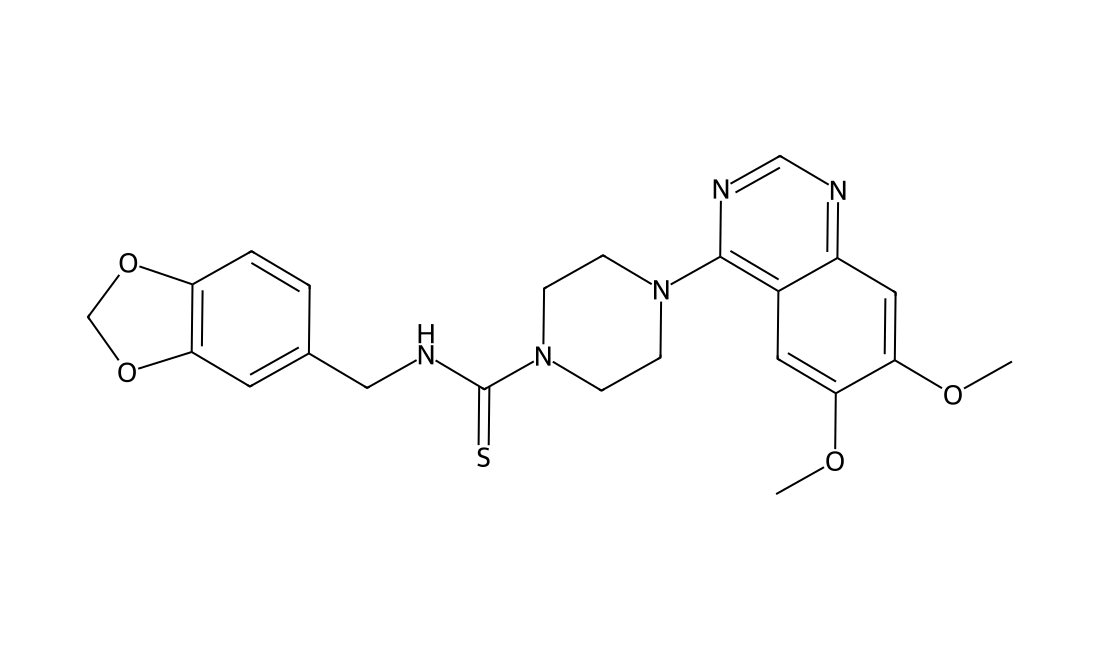
CT52923Featured
CT52923 is a selective, orally active platelet-derived growth factor receptor (PDGFR) antagonist. CT52923 also is an ATP-competitive inhibitor. CT52923 can be used for the research variety of pathological diseases, including atherosclerosis, glomerulonephritis, liver cirrhosis, pulmonary fibrosis, and cancer.
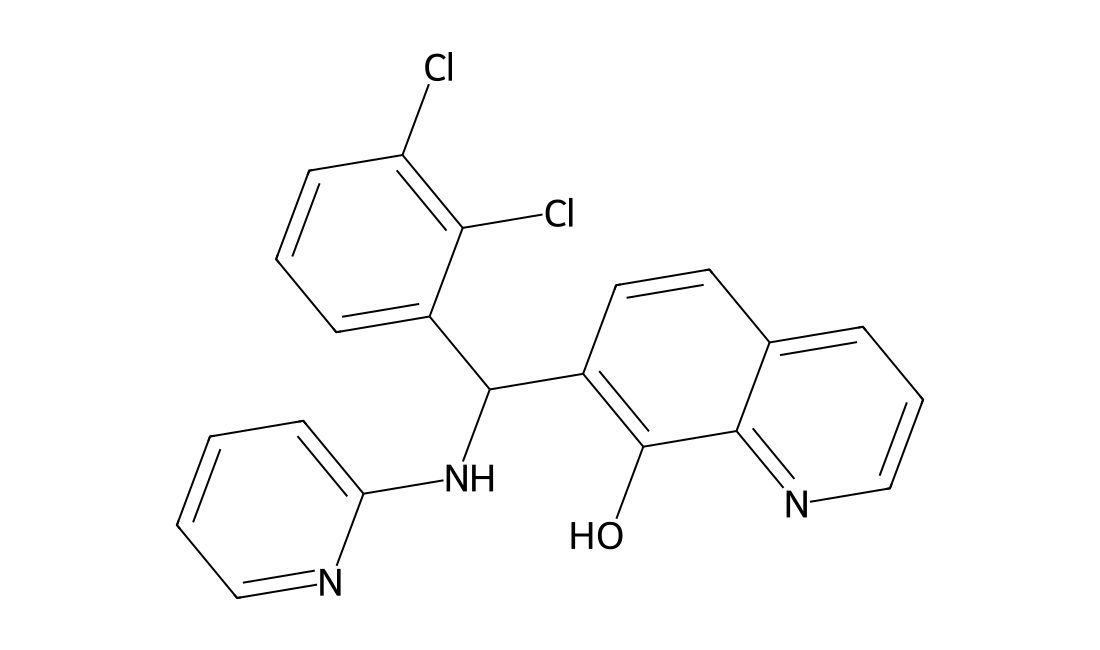
MMRi62Featured
MMRi62, a ferroptosis inducer targeting MDM2-MDM4 (negative regulators of tumor suppressor p53). MMRi62 shows a P53-independent pro-apoptotic activity against pancreatic ductal adenocarcinoma (PDAC) cells and induce autophagy. MMRi62 inducesferroptosis, resulting in a increase of reactive oxygen and lysosomal degradation of ferritin heavy chain (FTH1). MMRi62 also leads to proteasomal degradation of mutant p53, also inhibits orthotopic xenograft PDAC mouse model in vivo with high frequency mutation characteristics of KRAS and TP53.12.
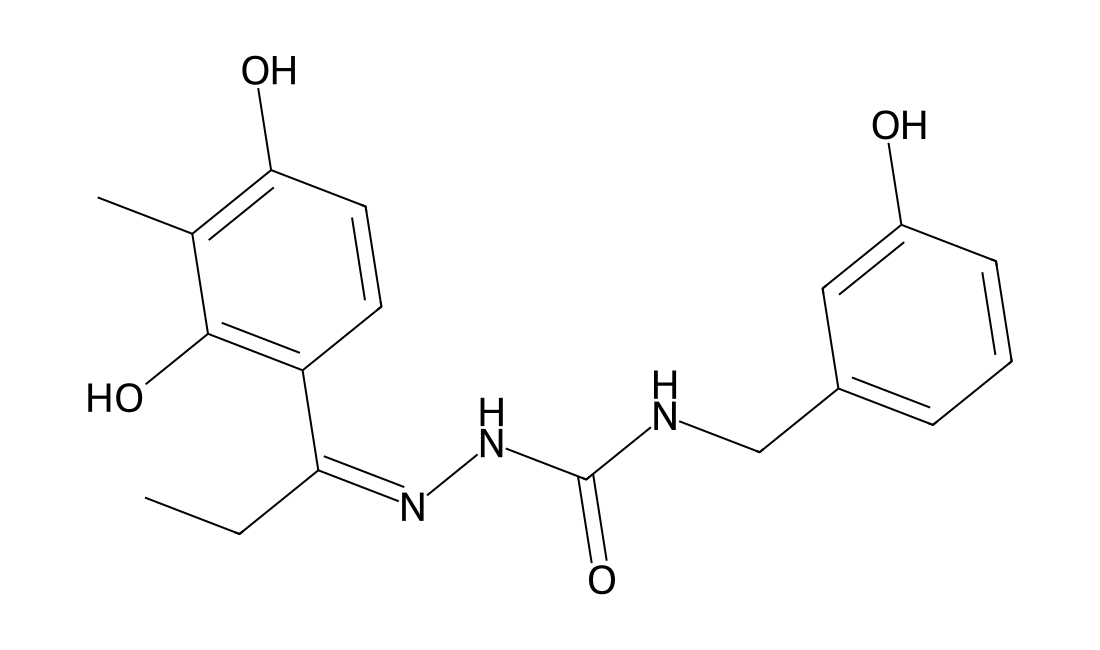
GA-017Featured
GA-017 (GA017) is a potent, selective, ATP-competitive LATS kinase (LATS1/2) inhibitor with IC50 of 4.10/3.92 nM, respectively, promotes cell growth.GA-017 increases the number and size of spheroids of various cell-types in both scaffold-based and scaffold-independent cultures.GA-017 also enhances the ex vivo formation of mouse intestinal organoids.GA-017 facilitates the growth of spheroids and organoids by stabilizing and translocating YAP/TAZ into the cell nucleus.GA-017 inhibits the Hippo pathway to promote YAP/TAZ stabilization and nuclear translocation.GA-017 induces expression of Hippo pathway-related genes such as ANKRD1, CYR61, and CTGF in SKOV3 cells in a time- and dose-dependent manner.GA-017 inhibited the activity of 16 kinases of the AGC family at 100 nM against a panel of 321 diverse kinases.The serine/threonine protein kinases LATS (LATS1/2) phosphorylate YAP/TAZ, key effectors of the growth- and proliferation-regulating Hippo signaling pathway.
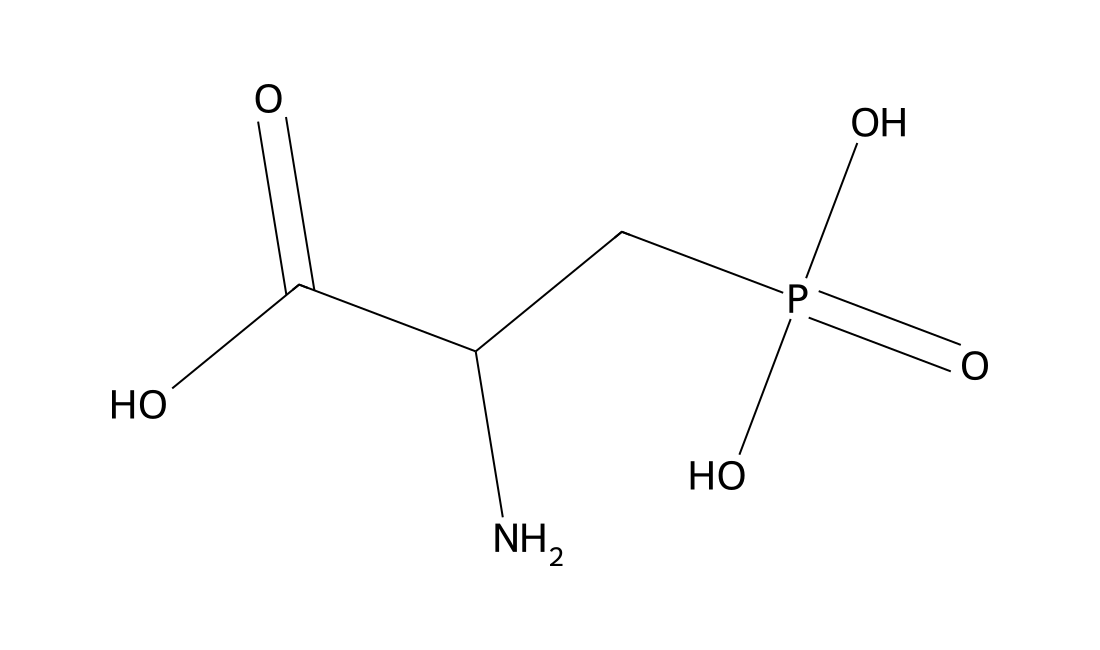
DL-AP-3Featured
DL-AP-3, or AP-3 is a Potent metabotropic glutamate receptor antagonist.
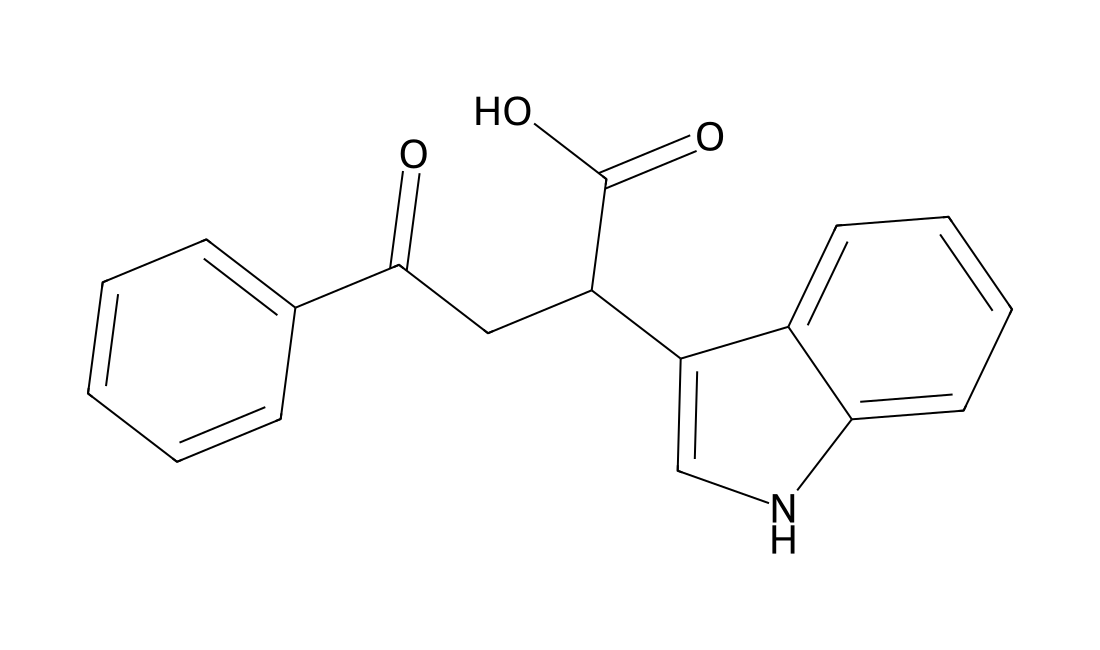
PEO-IAAFeatured
PEO-IAA is an indole-3-acetic acid (IAA) antagonist. PEO-IAA is an auxin antagonist that binds to transport inhibitor response 1/auxin signaling F-box proteins (TIR1/AFBs).
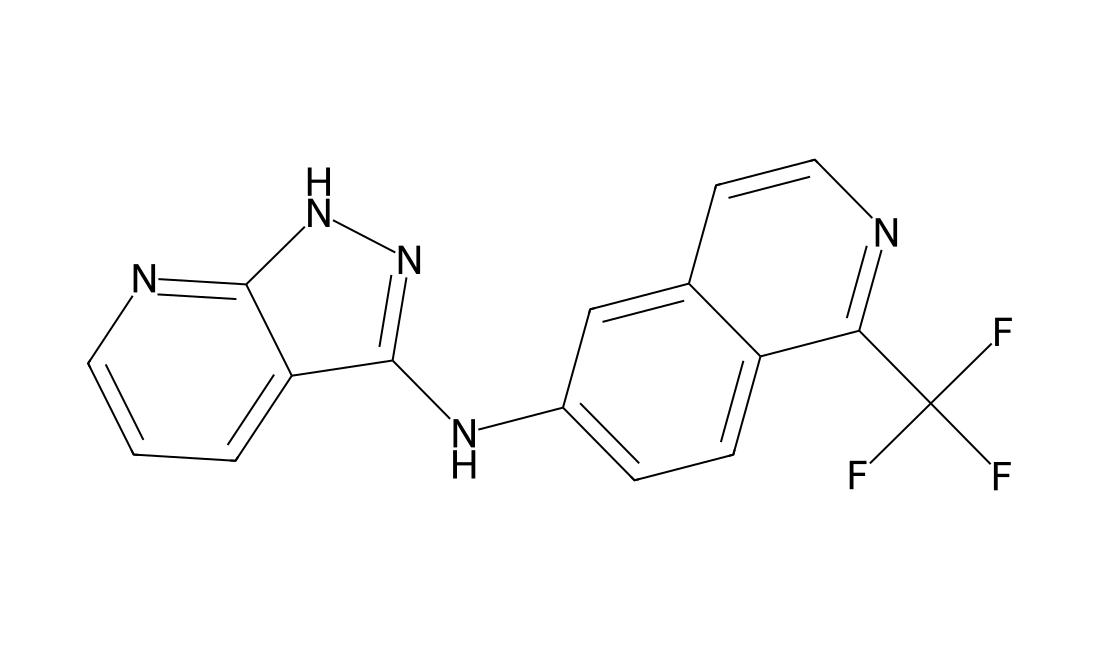
VU0652957Featured
VU0652957 (VU2957, Valiglurax) is a potent, selective mGlu4 positive allosteric modulator (PAM) with EC50 of 64.6 nM in calcium mobilization human mGlu4/Gqi5 assays; showes excellent pharmacokinetics across species (low CLps, %F > 35%), an acceptable CYP profile (>30 uM vs. 3A4, 2D6 and 2C9, 12.5 uM vs. 2C19 and 1.5 uM vs. 1A2), no CYP induction or timedependent inhibition and excellent metabolite coverage across species; also shows attractive predicted human PK parameters (CLps 5-9 mL/min/kg, Vds 1-2 L/kg and t1/2 2-4 hours).
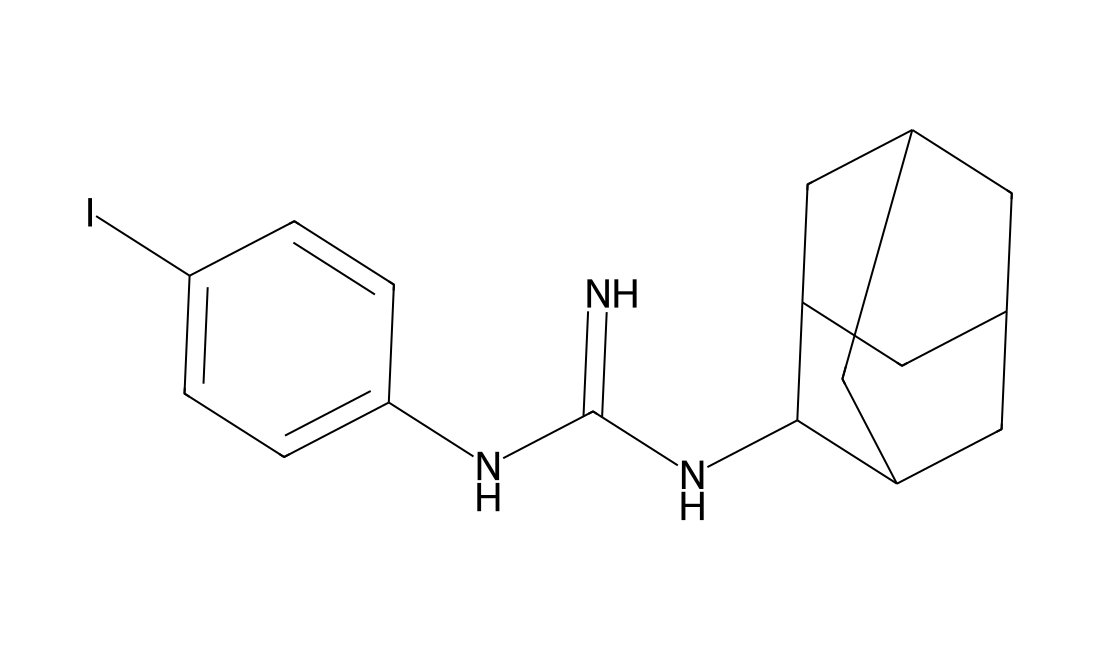
IPAGFeatured
IPAG is a prototypic selective inhibitor of sigma1 receptor that engages the unfolded protein response and induces autophagy in cancer cells.
CapadenosonFeatured
Capadenoson is a selective agonist of adenosine-A1 receptor.
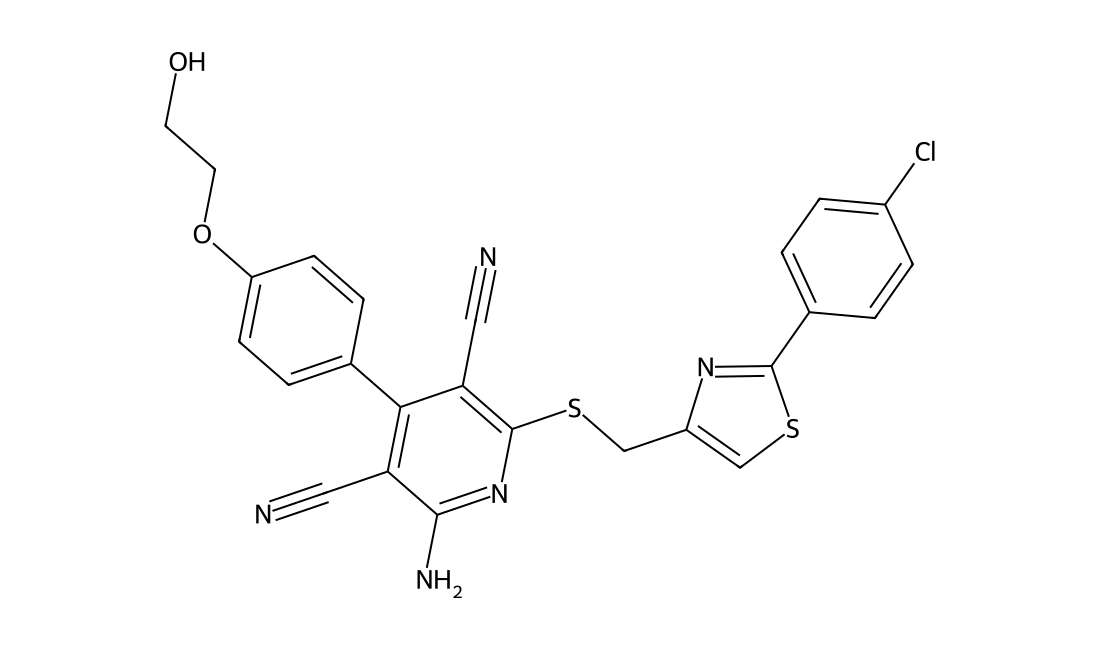
CSRM617Featured
CSRM617 (CSRM-617) is a small-molecule inhibitor of the transcription factor ONECUT2 (OC2) with Kd of 7.43 uM in SPR assays, binds to OC2-HOX domain directly.
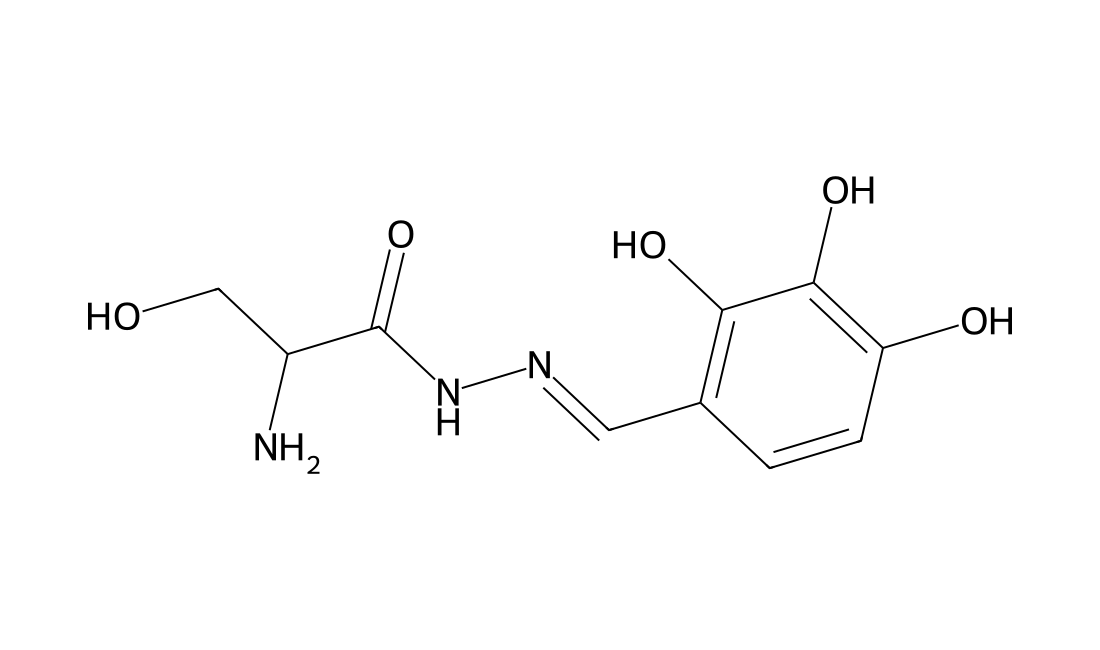
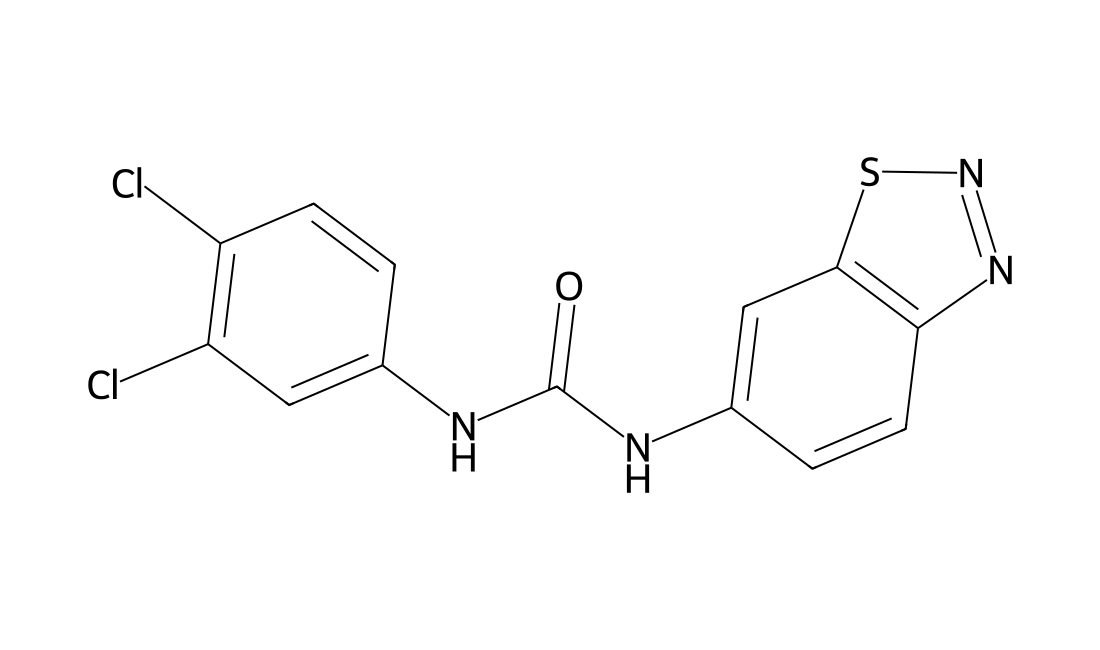
BTdCPUFeatured
BTdCPU is an activator of HRI. The eIF2-alpha kinase HRI is a novel therapeutic target in multiple myeloma. Combination therapy with rapamycin, an mTOR inhibitor, and BTdCPU, an activator of HRI, demonstrated additive effects on apoptosis in dex-resistant cells. Thus, specific activation of the eIF2α kinase HRI is a novel therapeutic target in MM that can augment current treatment strategies.
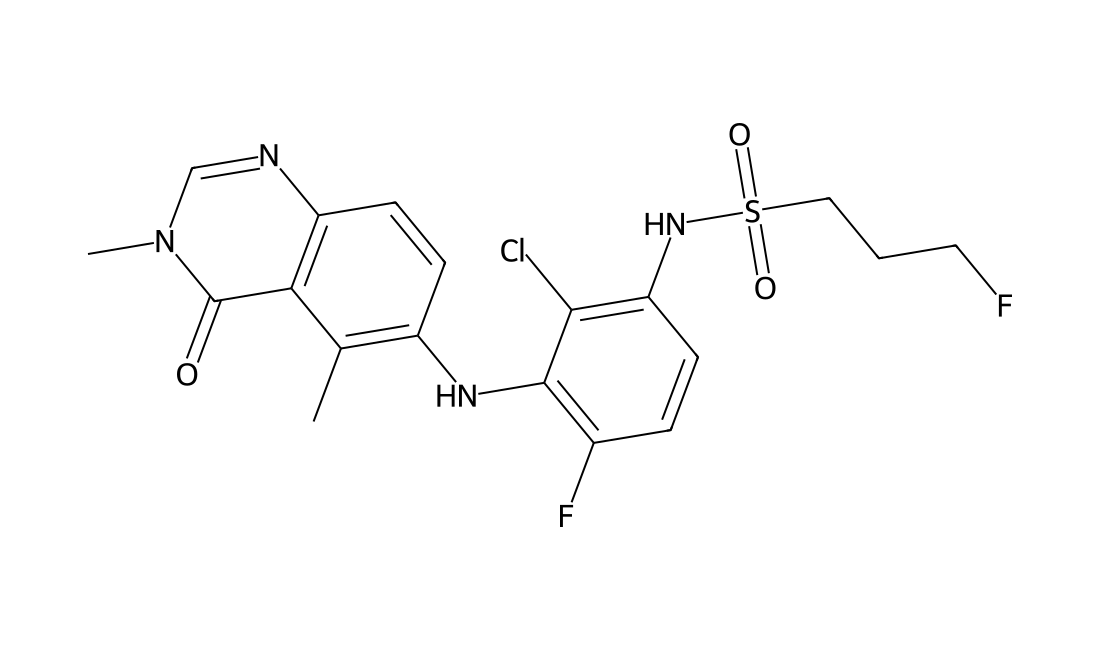
TinlorafenibFeatured
Tinlorafenib (PF-07284890) (compound 10) is an orally active BRAF kinase inhibitor, with IC50s of 4.25 and 2.7 nM for BRAFV600E/V600K respectively. Tinlorafenib demonstrates CNS penetration and can be used in the research of BRAF-associated malignant and benign tumors of the CNS as well as extracranial malignancies1.
No products match this search.
Page 257 of 259 · Browse all 5177 products
Jump to a product page
Featured literature product: HX1 · DCL0028
HX1 is a hydroxyzine-derived ionizable lipid with acetal-containing tails, studied in lipid nanoparticles for brain mRNA delivery and CRISPR–Cas9 delivery. It was the lead in the reported in vivo brain-delivery screen; evidence is preclinical and formulation-dependent.
Read full formulation and performance →