
Research lipid catalog
Ionizable Lipid Products
Explore 848 lipid and RNA delivery products. Search the full catalog or browse by research category.
Search covers product name, catalog number, synonyms, available CAS numbers and categories. Spaces, hyphens and common punctuation are ignored. Duplicate legacy records are consolidated under one canonical product result.
5177 products · Showing 4781–4800 · 20 per page
DC Chemicals lipid expertise
Built for ionizable-lipid discovery and RNA delivery research
DC Chemicals supports formulation and delivery research with a broad, searchable portfolio of cationic and ionizable lipids. The current directory brings together 848 unique research-use products, with product specifications, pricing, chemical structures and literature-linked formulation data added as each record is verified.
Our experience spans complex lipid synthesis, purification, analytical release and process development. For custom molecules or larger-scale requirements, our team can discuss route development, technical specifications and scale-up options for the intended research workflow.
Learn about cationic and ionizable lipids →Proprietary innovation · Co-development · GMP
From proprietary lipid design to GMP-grade custom synthesis
DC Chemicals has independently developed ionizable-lipid structures supported by company-owned intellectual property, and selected proprietary lipid programs have advanced to GMP-stage development.
We welcome joint development with customers—from molecular design and lipid synthesis through route and process development. We can also support custom synthesis of GMP-grade ionizable lipids to agreed technical specifications and quality requirements.
Discuss a co-development project →Proprietary ionizable-lipid structuresCollaborative molecular designCustom lipid synthesisProcess development and scale-upGMP-grade project support
Product quick links
Explore New ionizable lipids
Explore our five most recently added ionizable lipids, with specifications, pricing and literature-linked product information.
DCL0028HX1Brain RNA delivery researchView product →DCL0024A1I4R13C18-2Spleen-targeted RNA delivery researchView product →DCL0023A1I4R2C18-2Spleen-targeted RNA delivery researchView product →DCL0022FS01Local joint RNA delivery researchView product →DCL0020Lipid-392Lung RNA delivery and gene editing researchView product →
Cat. No.Product NameField of ApplicationChemical Structure
NBD-556Featured
NBD-556 is small molecule mimetic of CD4, NBD-556 recognizes the HIV-1 envelope protein gp120 and induces restructuring of gp120 analogous to CD4 binding.
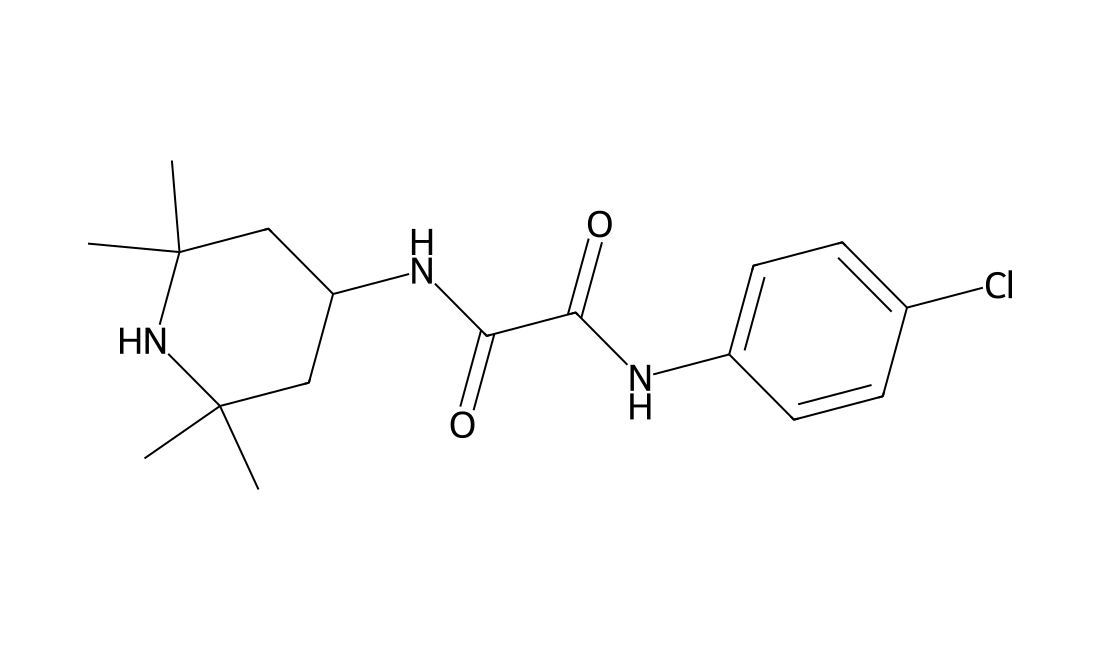
GAK inhibitor 49Featured
GAK inhibitor 49 is a potent, selective, ATP-competitive inhibitor of cyclin G-associated kinase (GAK, cell IC50=56 nM) with favourable NAK family selectivity (AAK1, STK16, BMP2K).
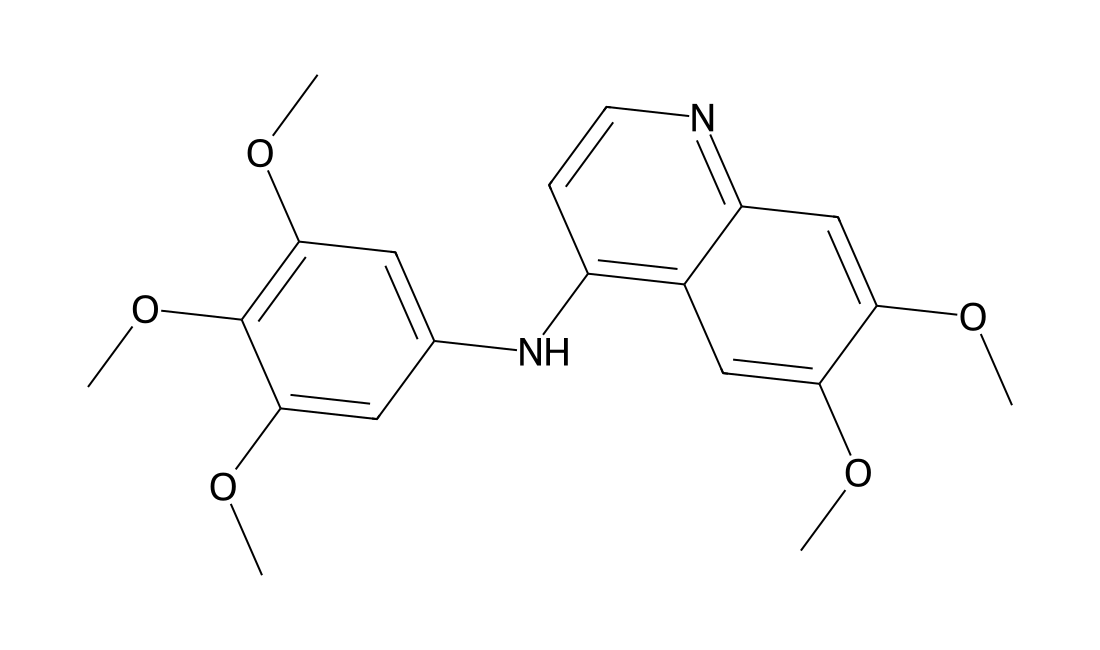
SRS11-92Featured
SRS11-92, a Ferrostatin-1 (Fer-1) analogue, is a potent ferroptosis inhibitor. SRS11-92 inhibits ferroptotic cell death induced by Erastin in HT-1080 human fibrosarcoma cells (EC50=6 nM).
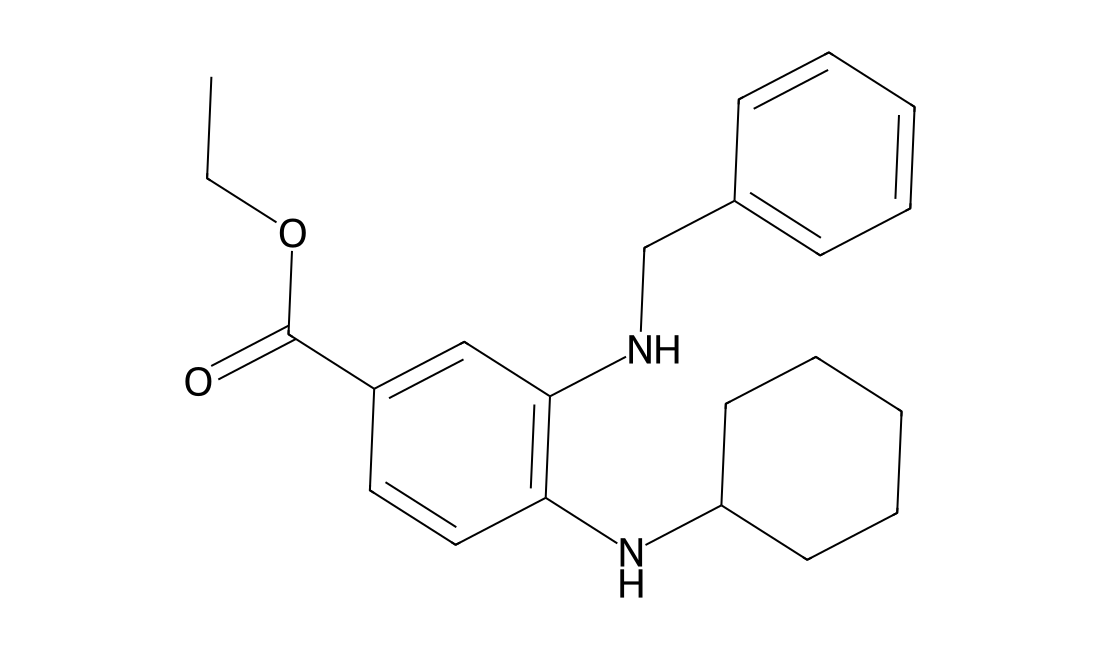
m-3M3FBSFeatured
m-3M3FBS is an activator of phospholipase C (PLC). It acts by stimulating superoxide generation, Ca2+ release and inositol phosphate formation in a variety of cell types.
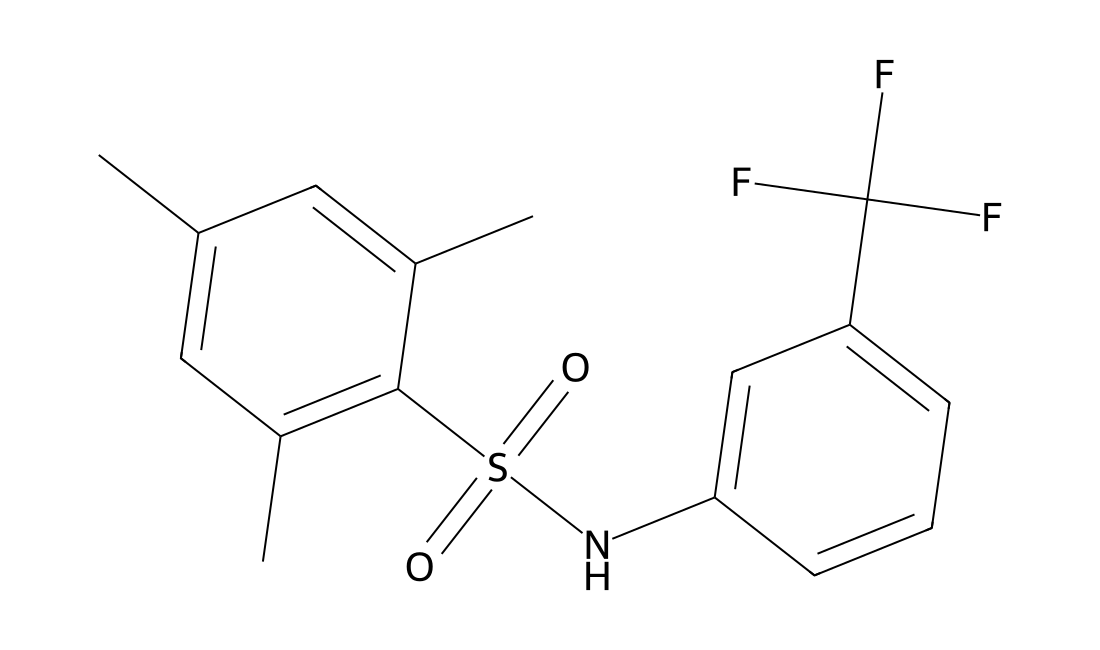
DB2313Featured
DB2313 is a small-molecule transcription factor PU.1 inhibitor abrogating DNA binding by PU.1 with Kd of 29 nM.
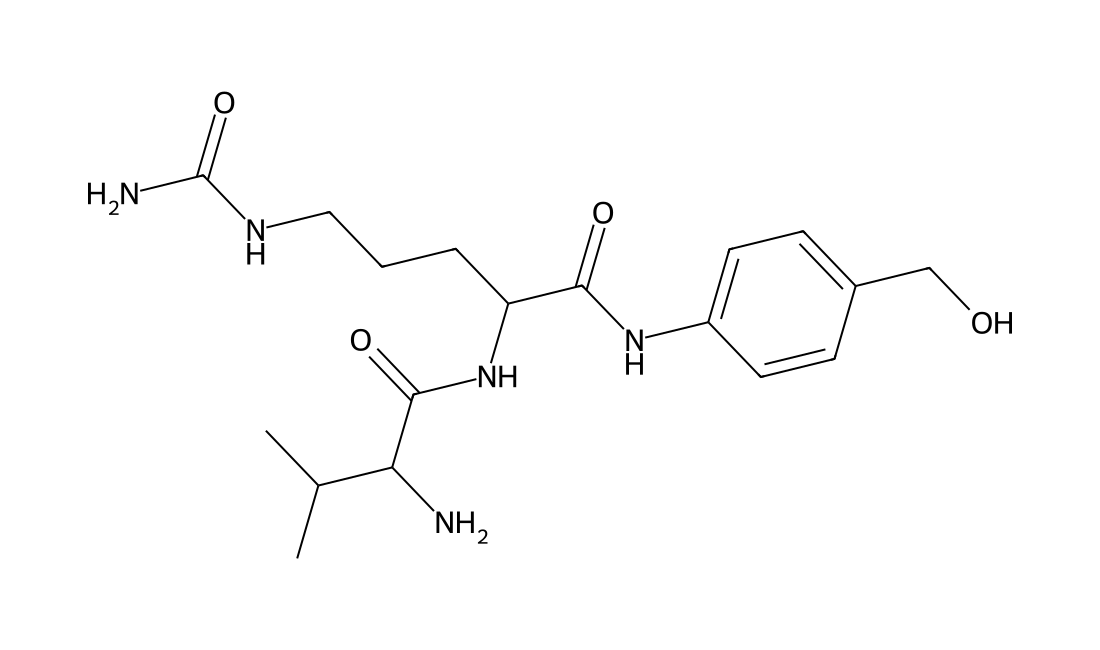
Val-cit-PAB-OHFeatured
Val-cit-PAB-OH is a peptide prodrug linker.
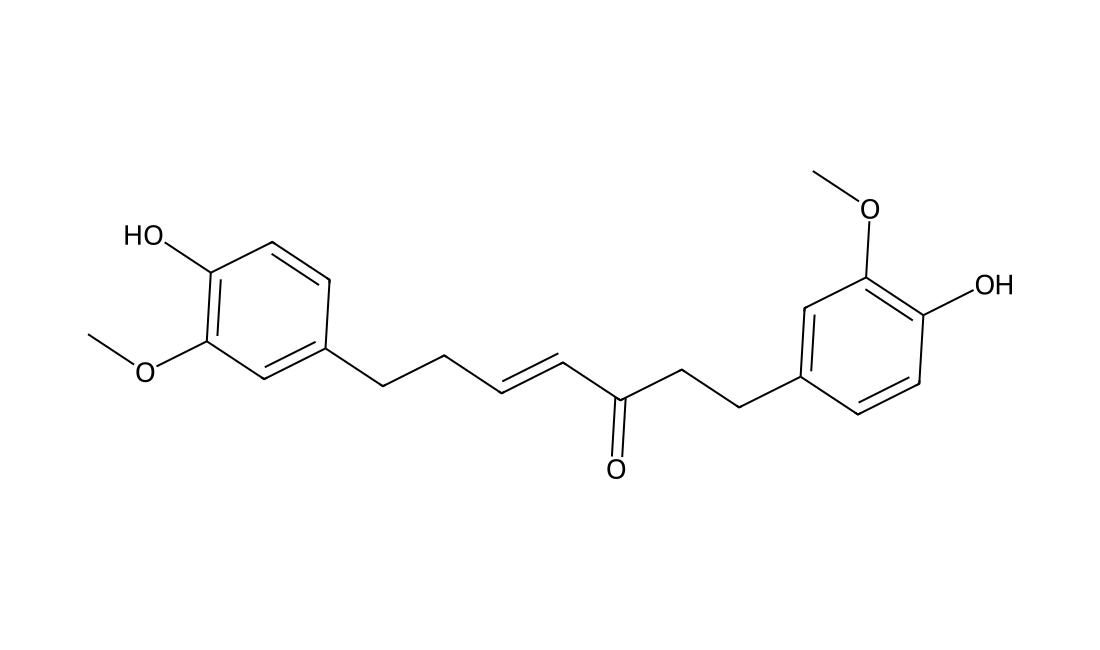
Gingerenone AFeatured
Gingerenone A is a Nrf2-Gpx4 activator with anti-breast-cancer properties. Gingerenone A results a delayed G2/M in cancer cells, following oxidative stress and senescence responses. Gingerenone A also alleviates ferroptosis in secondary liver injury (SLI) in dextran sodium sulfate (DSS)-induced colitis mice. Gingerenone A can be isolated from Zingiber officinale.
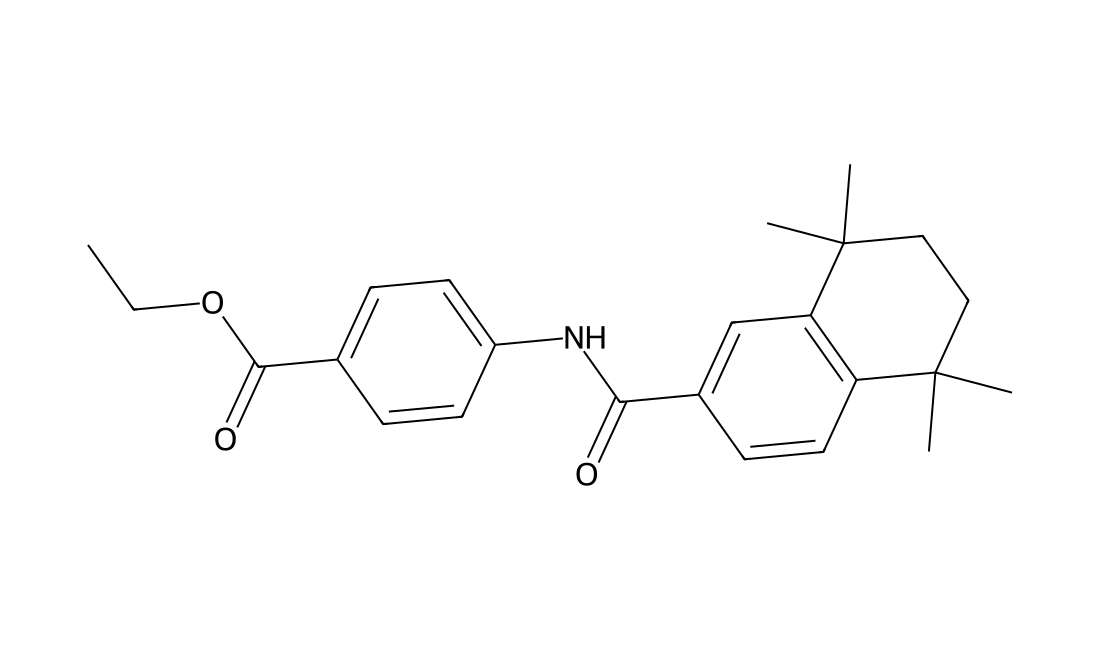
SRI 6409-94Featured
SRI 6409-94 is an orally active Ro 13-6298 analogue that is teratogenic. SRI 6409-94 serves as a molecular tool to study the effect of the three-dimensional configuration of retinol on teratogenic activity.
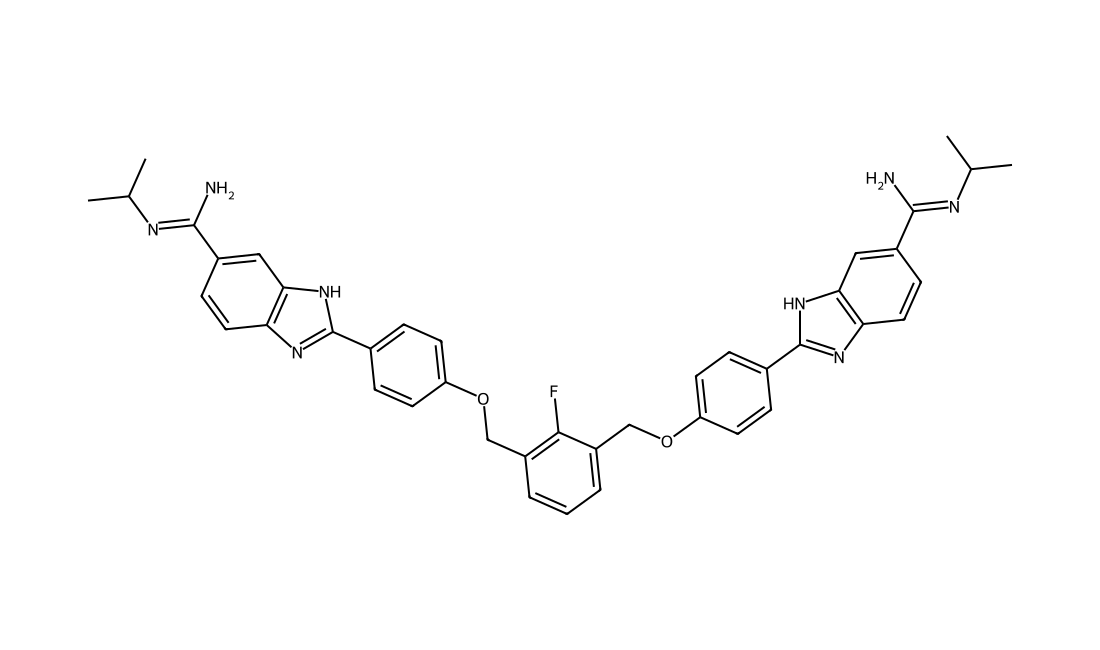
UNC1021Featured
UNC1021 is a selective L3MBTL3 inhibitor with an IC50 of 0.048 μM.
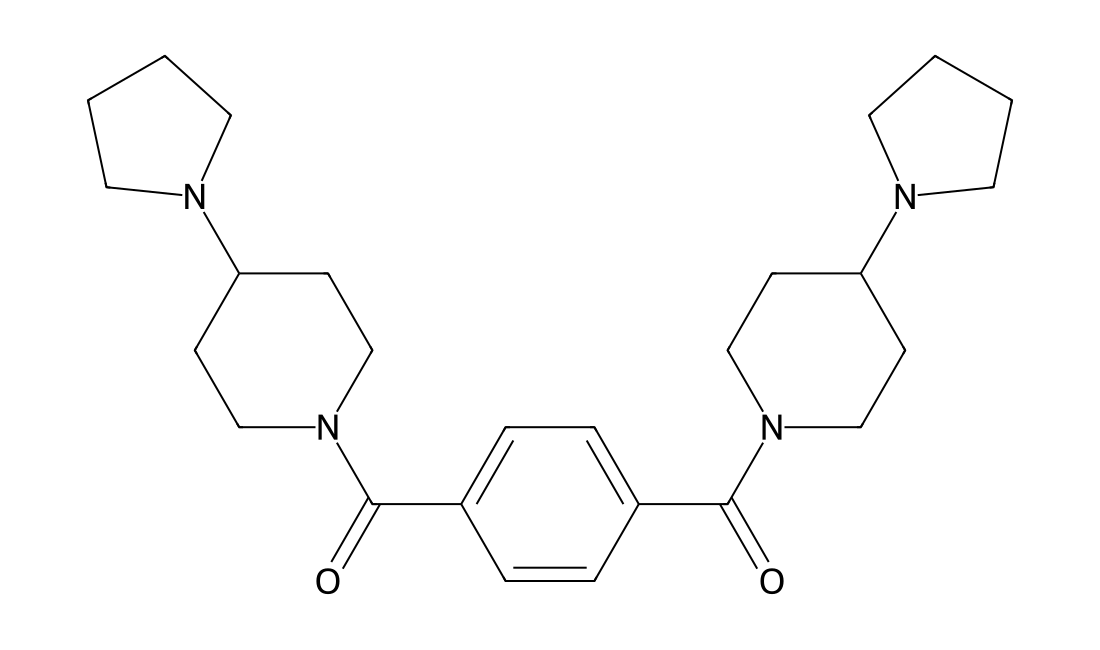
Oct4 inducer-1Featured
Oct4 inducer-1 (compound OAC-3) is a potent Oct4 activator. Oct4 inducer-1 activates Oct4 and Nanog promoters and enhances induced pluripotent stem cells (iPSC) formation. Oct4 inducer-1 facilitates the reprogramming of cells by enhancing efficiency and shortening the reprogramming time.
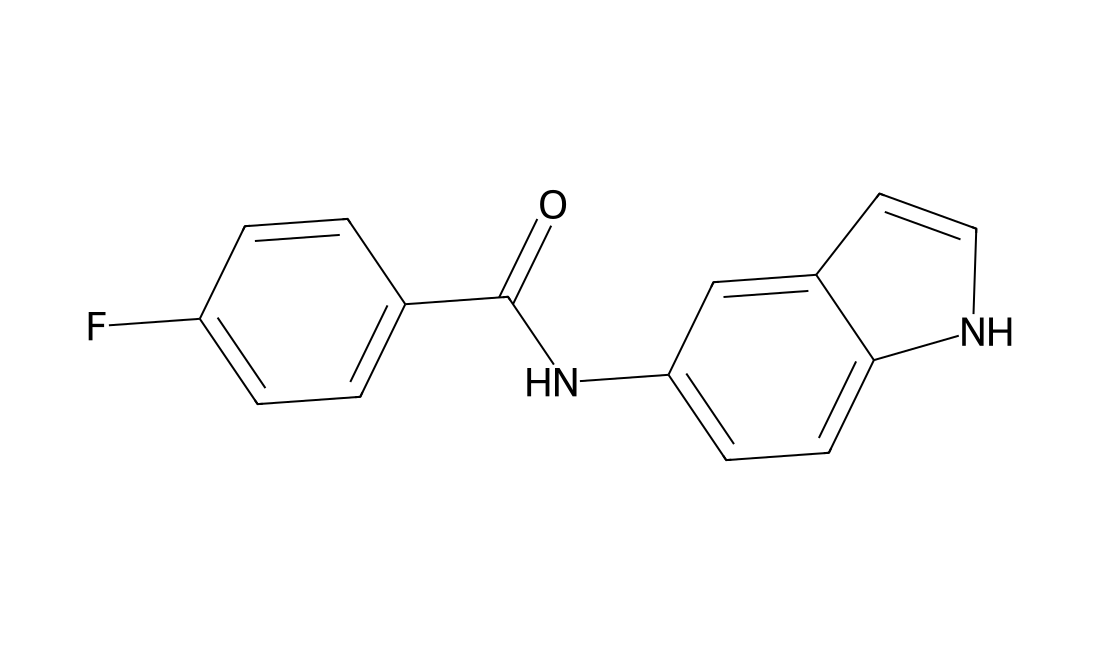
Gilteritinib FumarateFeatured
Gilteritinib (ASP2215) hemifumarate is a potent and ATP-competitive FLT3/AXL inhibitor with IC50 of 0.29 nM/0.73 nM, respectively.
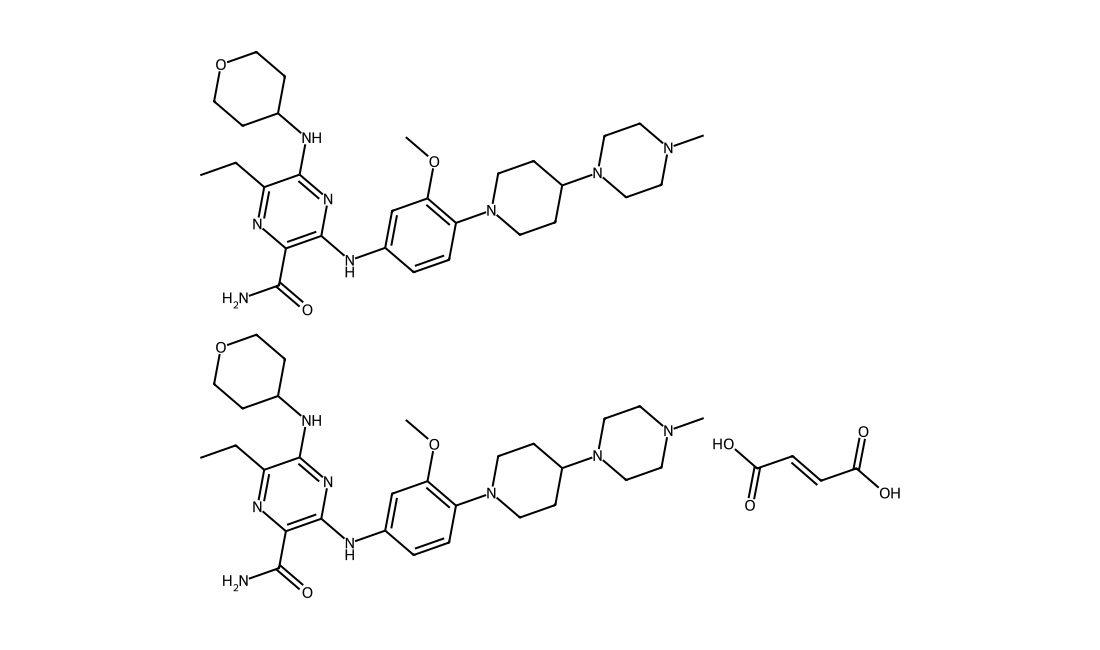
GLPG3970Featured
GLPG3970 (compound 88) is a first-in-class SIK2/SIK3 inhibitor. GLPG3970 can be used for the research of inflammation and autoimmune disease.
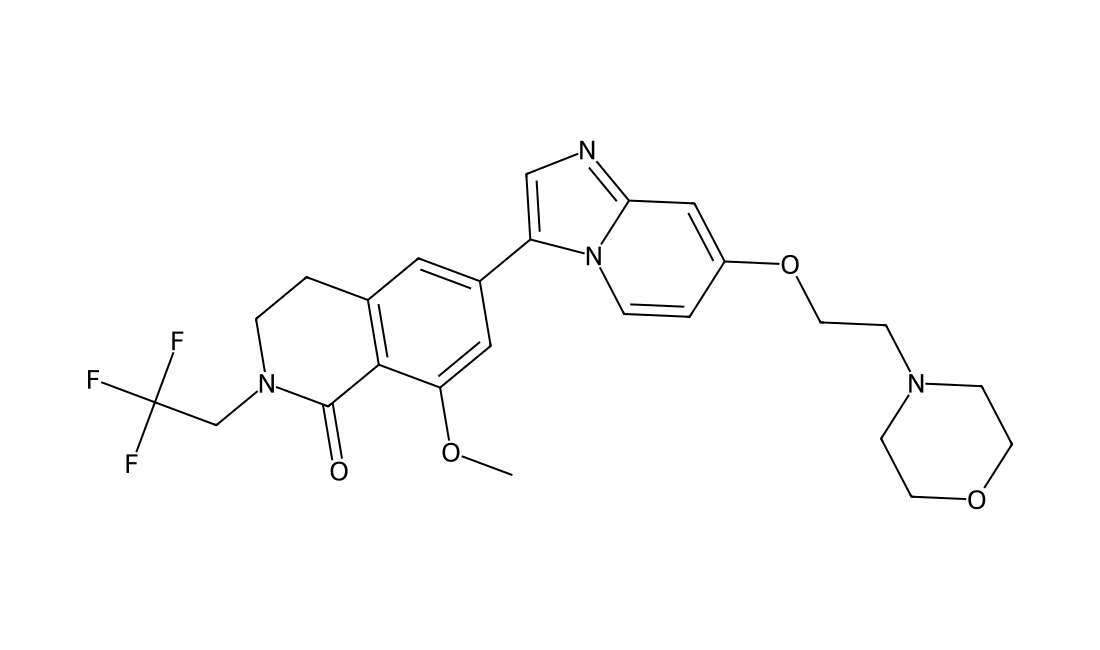
TRPV4 agonist-1Featured
TRPV4 agonist-1 free base is a transient receptor potential vanilloid 4 (TRPV4) agonist with an EC50 of 60 nM in the hTRPV4 Ca2+ assay.
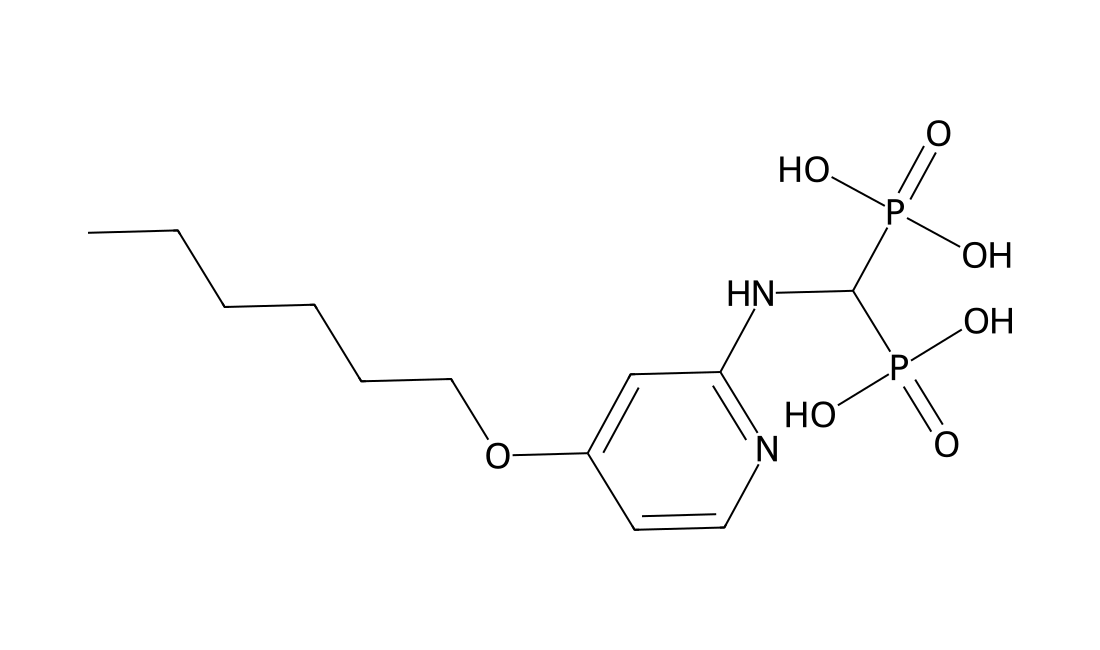
TH-Z145Featured
TH-Z145, a lipophilic bisphosphonate, is a FPPS inhibitor (IC50: 210 nM).
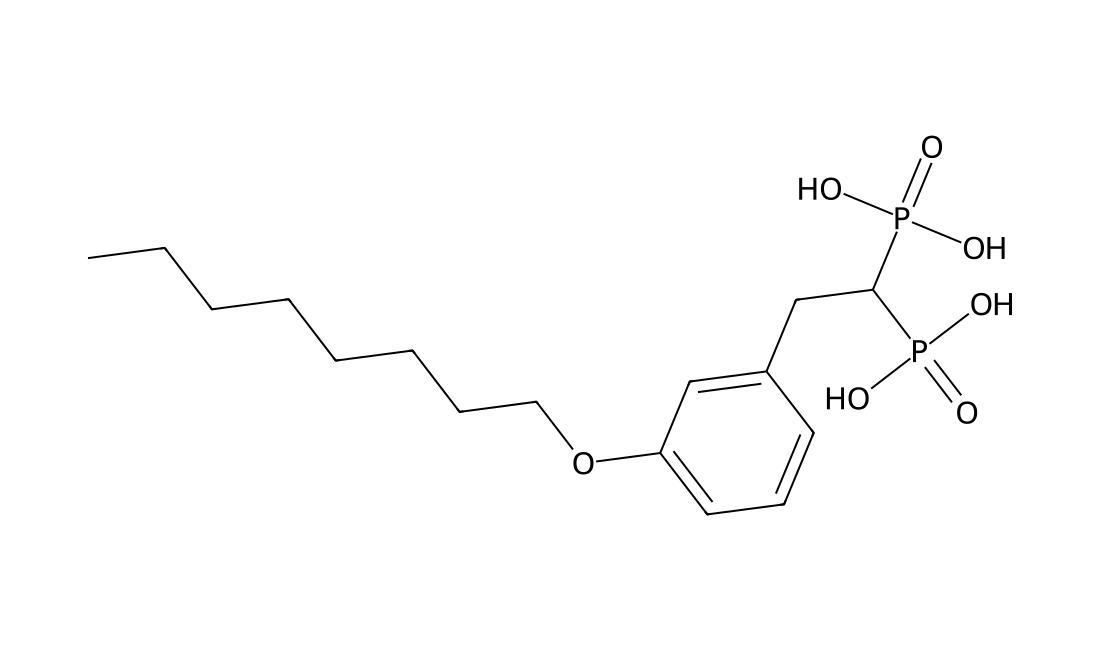
TH-Z93Featured
TH-Z93, a lipophilic bisphosphonate, is a FPPS inhibitor (IC50: 90 nM).
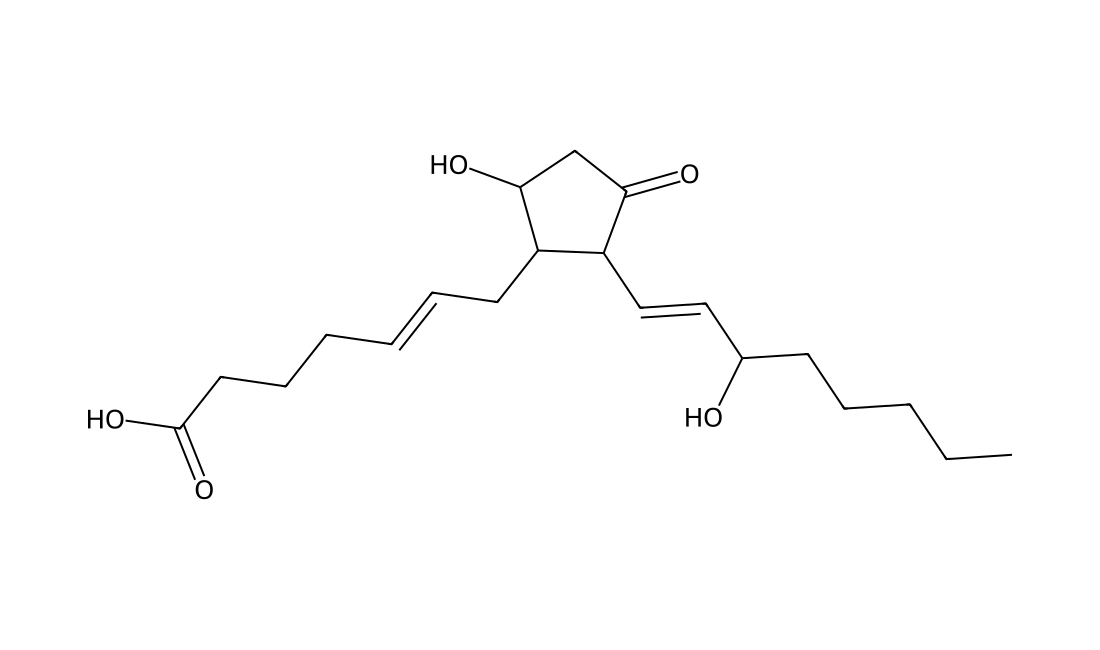
Prostaglandin D2Featured
Prostaglandin D2 (PGD2) is one of the major PGs actively produced in the brain of various mammals. Prostaglandin D2 is one of the most potent endogenous sleep promoting substances. PGD2 plays a protective role by suppressing inflammation.
SU 16fFeatured
SU 16f is a potent and selective PDGFRβ inhibitor with IC50 of 10 nM, displays >14-fold, >229-fold and >10,000-fold selectivity over VEGFR2, FGFR1 and EGFR respectively.
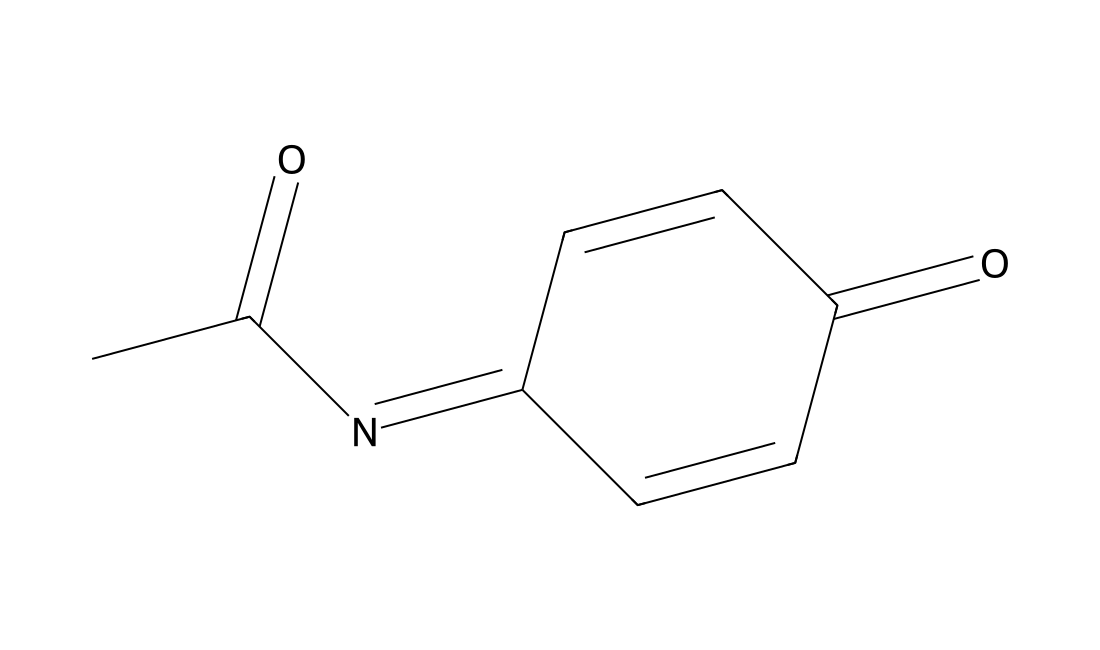
NAPQIFeatured
A toxic byproduct, iminoquinone metabolite of acetaminophen that covalently binds to the active site of MIF.
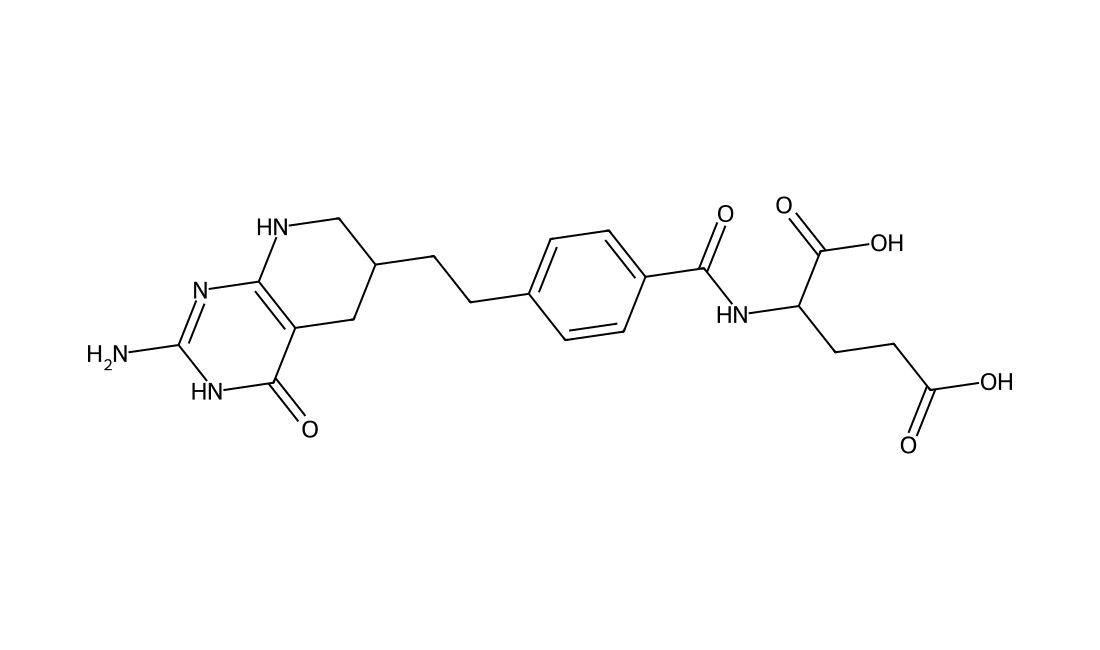
Lometrexol(LY 264618)Featured
Lometrexol is a tight-binding antifolate inhibitor of the purine de novo enzyme glycinamide ribonucleotide formyltransferase (GARFT), was the first GARFT inhibitor to be investigated clinically.
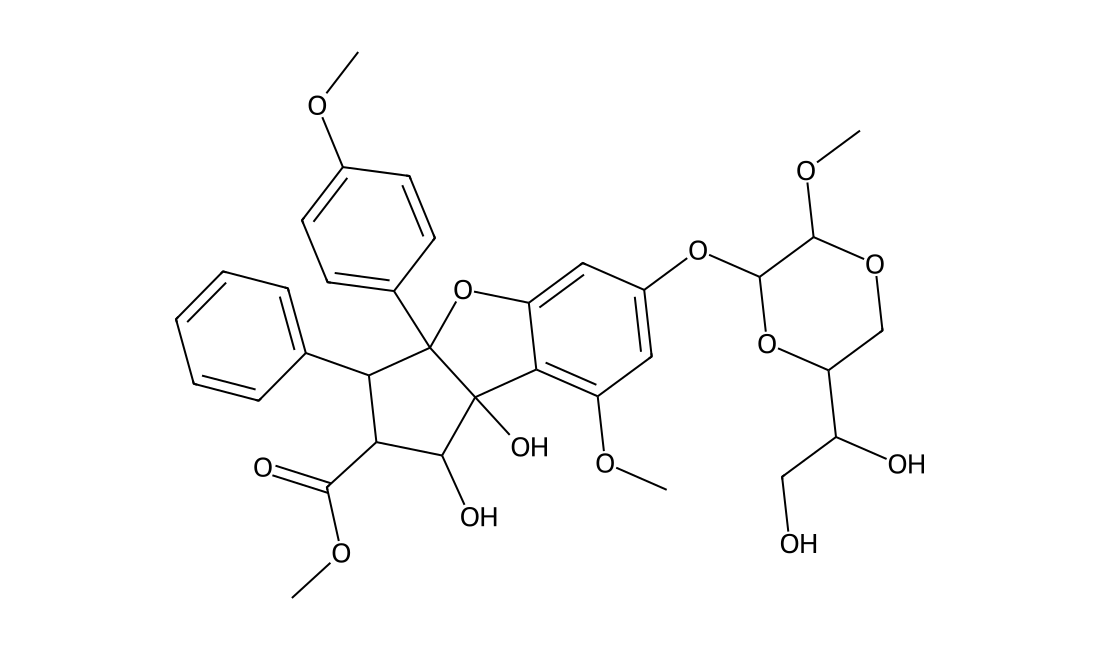
EpisilvestrolFeatured
Episilvestrol, a derivative of silvestrol, is isolated from the fruits and twigs of Aglaia silvestris, Episilvestrol exhibited potent in vitro cytotoxic activity
No products match this search.
Page 240 of 259 · Browse all 5177 products
Jump to a product page
Featured literature product: HX1 · DCL0028
HX1 is a hydroxyzine-derived ionizable lipid with acetal-containing tails, studied in lipid nanoparticles for brain mRNA delivery and CRISPR–Cas9 delivery. It was the lead in the reported in vivo brain-delivery screen; evidence is preclinical and formulation-dependent.
Read full formulation and performance →