
Research lipid catalog
Ionizable Lipid Products
Explore 848 lipid and RNA delivery products. Search the full catalog or browse by research category.
Search covers product name, catalog number, synonyms, available CAS numbers and categories. Spaces, hyphens and common punctuation are ignored. Duplicate legacy records are consolidated under one canonical product result.
5177 products · Showing 5061–5080 · 20 per page
DC Chemicals lipid expertise
Built for ionizable-lipid discovery and RNA delivery research
DC Chemicals supports formulation and delivery research with a broad, searchable portfolio of cationic and ionizable lipids. The current directory brings together 848 unique research-use products, with product specifications, pricing, chemical structures and literature-linked formulation data added as each record is verified.
Our experience spans complex lipid synthesis, purification, analytical release and process development. For custom molecules or larger-scale requirements, our team can discuss route development, technical specifications and scale-up options for the intended research workflow.
Learn about cationic and ionizable lipids →Proprietary innovation · Co-development · GMP
From proprietary lipid design to GMP-grade custom synthesis
DC Chemicals has independently developed ionizable-lipid structures supported by company-owned intellectual property, and selected proprietary lipid programs have advanced to GMP-stage development.
We welcome joint development with customers—from molecular design and lipid synthesis through route and process development. We can also support custom synthesis of GMP-grade ionizable lipids to agreed technical specifications and quality requirements.
Discuss a co-development project →Proprietary ionizable-lipid structuresCollaborative molecular designCustom lipid synthesisProcess development and scale-upGMP-grade project support
Product quick links
Explore New ionizable lipids
Explore our five most recently added ionizable lipids, with specifications, pricing and literature-linked product information.
DCL0028HX1Brain RNA delivery researchView product →DCL0024A1I4R13C18-2Spleen-targeted RNA delivery researchView product →DCL0023A1I4R2C18-2Spleen-targeted RNA delivery researchView product →DCL0022FS01Local joint RNA delivery researchView product →DCL0020Lipid-392Lung RNA delivery and gene editing researchView product →
Cat. No.Product NameField of ApplicationChemical Structure
p97-IN-1Featured
p97-IN-1 is a potent p97 inhibitor with an IC50 <30 nM (WO2015109285A1, compound FF07).
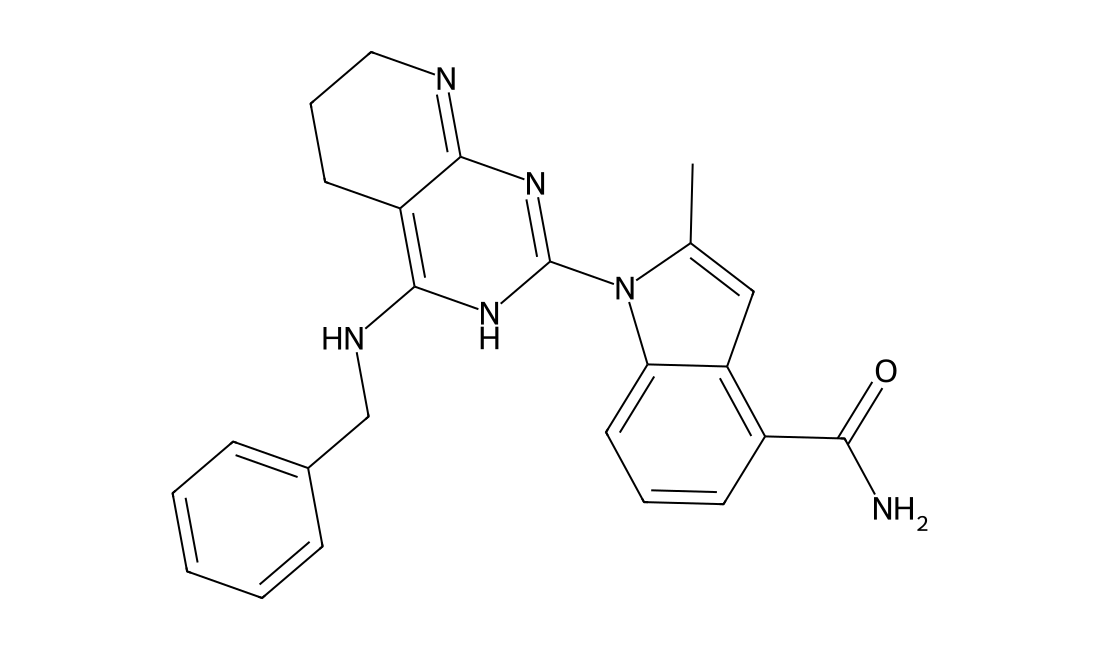
MRT-10Featured
MRT-10 is a seven-transmembrane receptor smoothened (Smo) antagonist with an IC50 of 0.65 μM in the micromolar range in various Hedgehog (Hh) assays. MRT-10 binds to the Smo receptor at the level of the Bodipycyclopamine binding site. MRT-10 can be used for the research of cancer12.
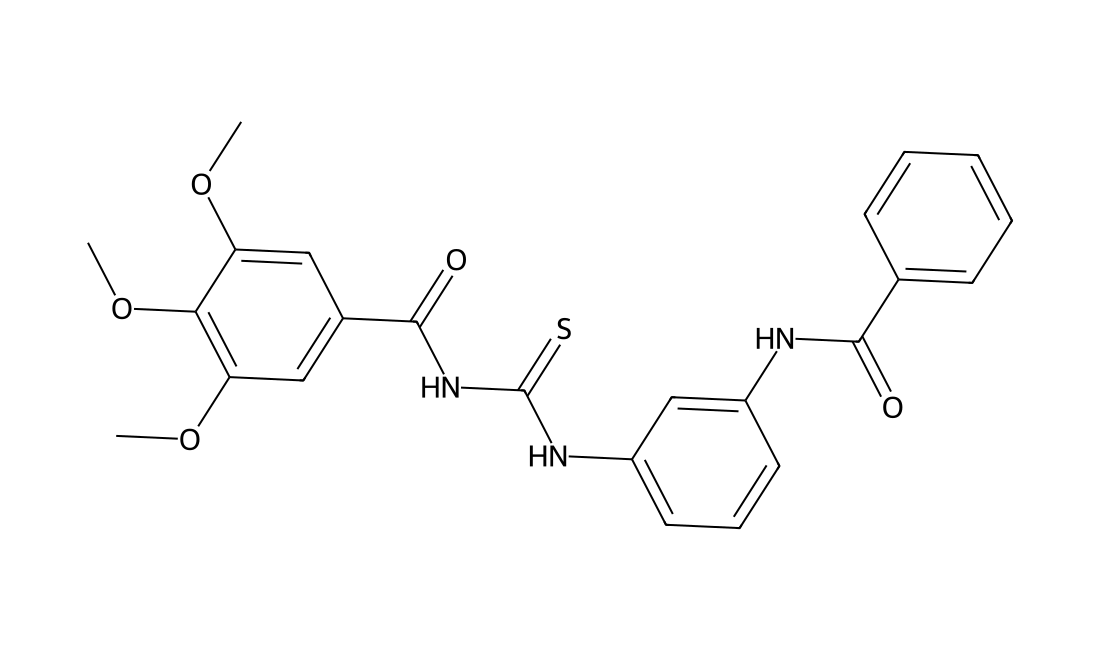
MRT-81Featured
MRT-81 is a potent antagonist of human and rodent smoothened Smo receptors, with an IC50 value of 41 nM in the Shh-light2 cells. MRT-81 has potent hedgehog inhibiting activity. MRT-81 can be used for the research of cancer.
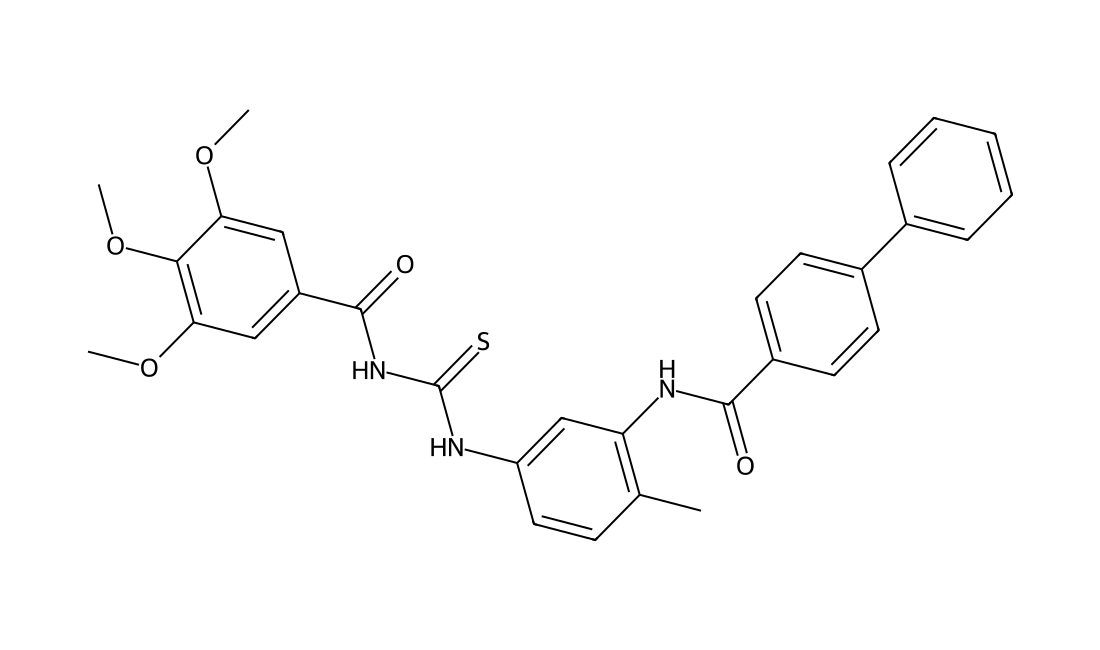
ALLO-2Featured
ALLO-2 is a potent small molecule Smoothened (Smo) antagonist that inhibits Smo agonist Hh-Ag1.5-induced luciferase expression in TM3-Gli-Luc cells with IC50 of 6 nM.
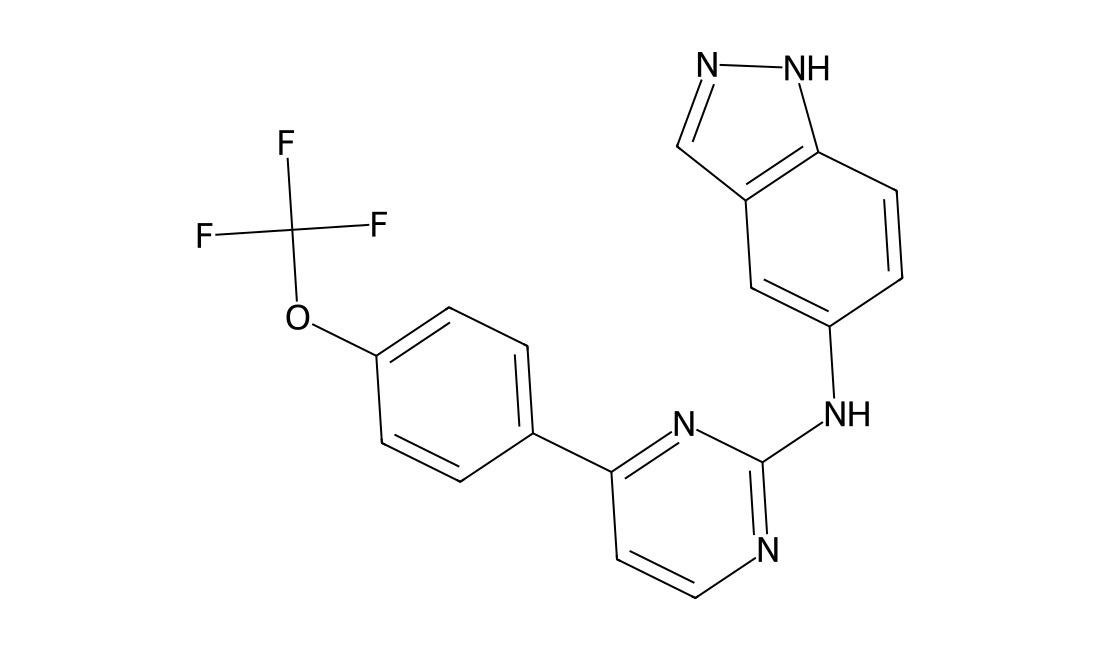
LirafugratinibFeatured
Lirafugratinib (RLY-4008) is an orally active and selective inhibitor of FGFR2.
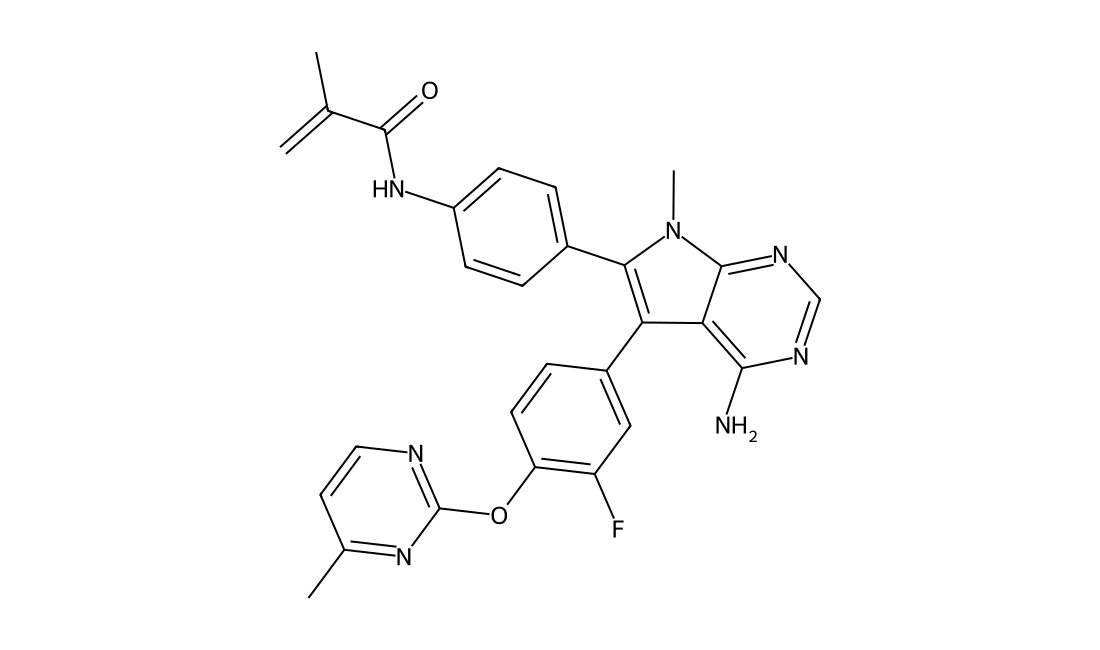
ASP2453Featured
ASP2453 is a potent, selective and covalent KRAS G12C inhibitor. ASP2453 inhibits the Son of Sevenless (SOS)-mediated interaction between KRAS G12C and Raf with an IC50 value of 40 nM.
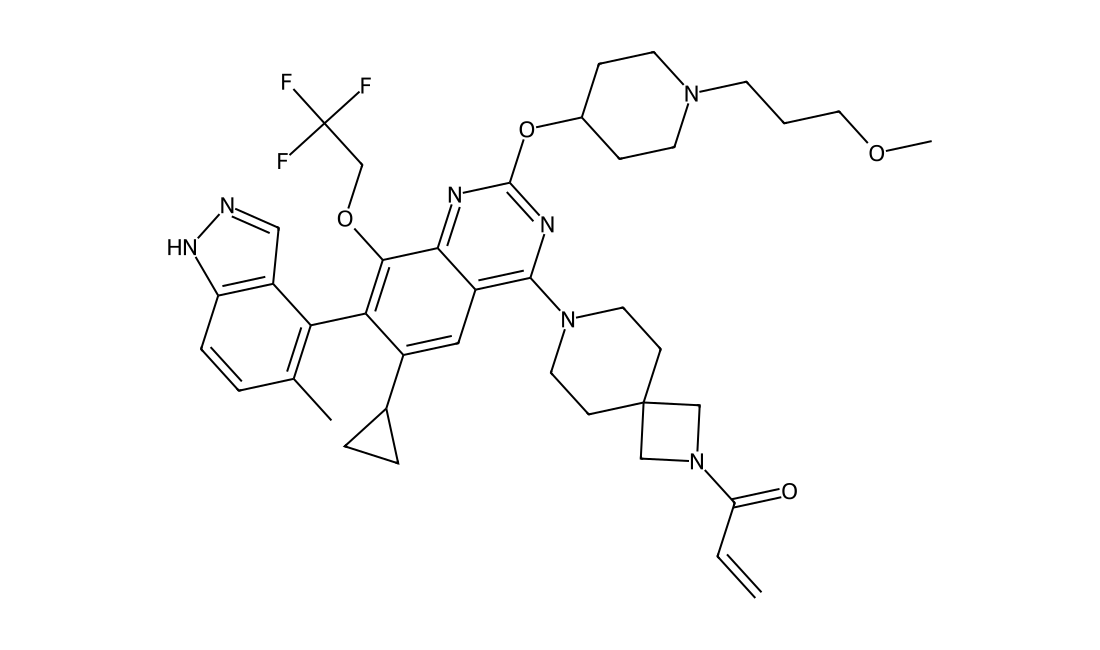
KCC-07Featured
KCC-07 is a potent, selective and brain-penetrant inhibitor of MBD2 (methyl-CpG-binding domain protein 2) with anticancer activity. It prevents binding of MBD2 to methylated DNA and activates brain specific angiogenesis inhibitor 1 (BAI1) inducing anti-proliferative BAI1/p53/p21 signaling.
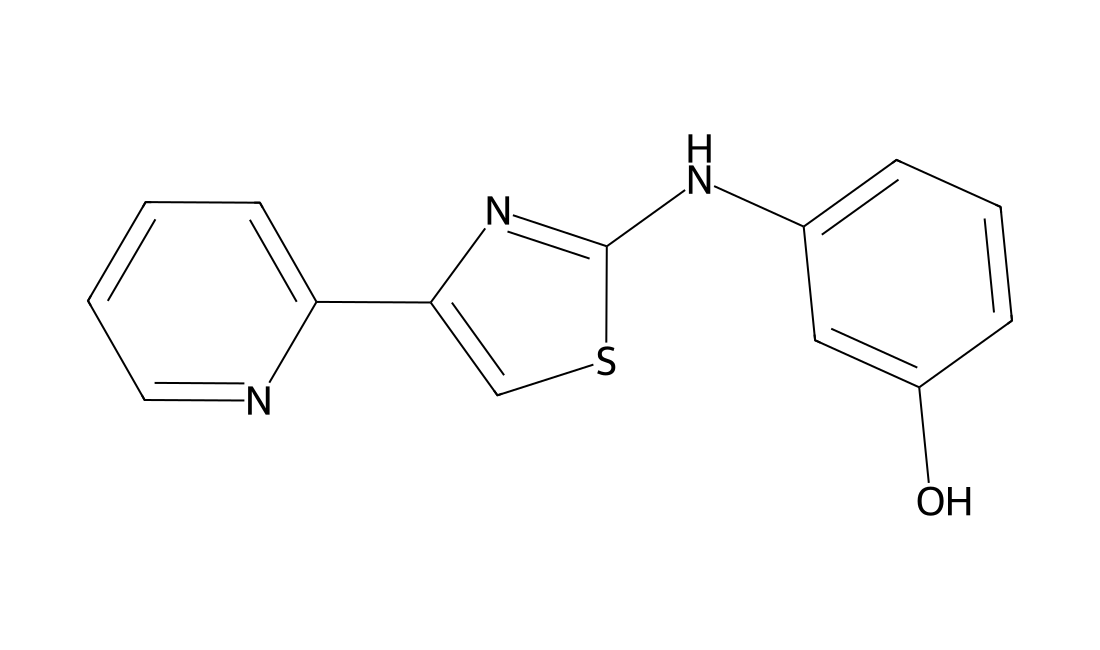
UZH2Featured
UZH2 is a potent and selective METTL3 inhibitor with an IC50 value of 5 nM.
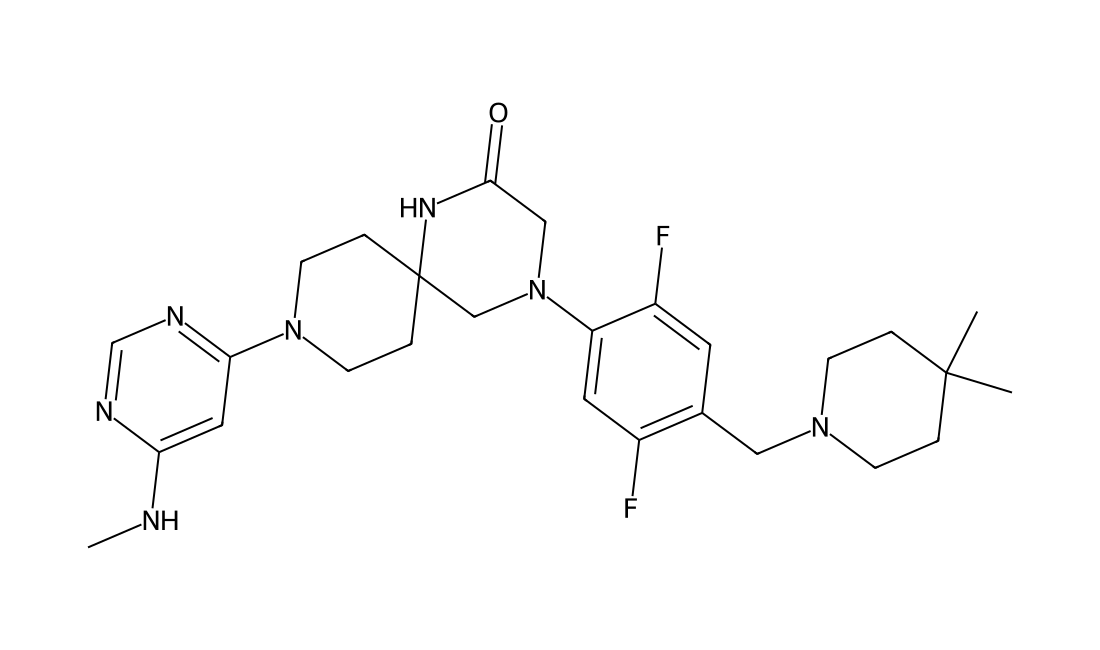
DPHFeatured
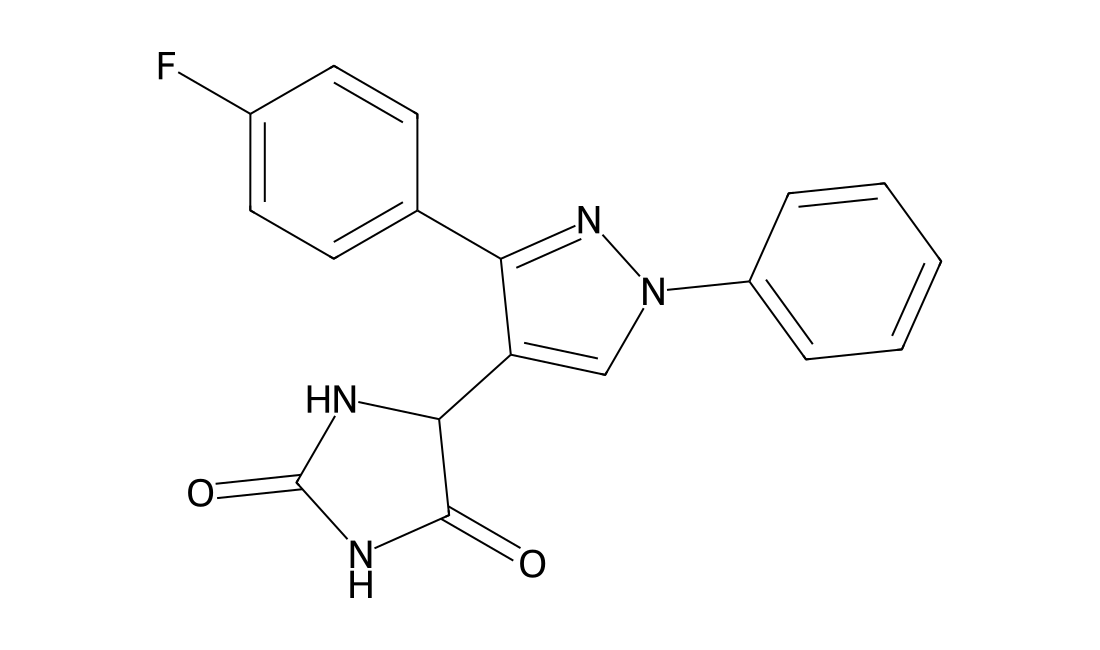
A cell-permeable, small-molecule c-Abl kinase activator with pEC50 of 6.1(EC50=794 nM).
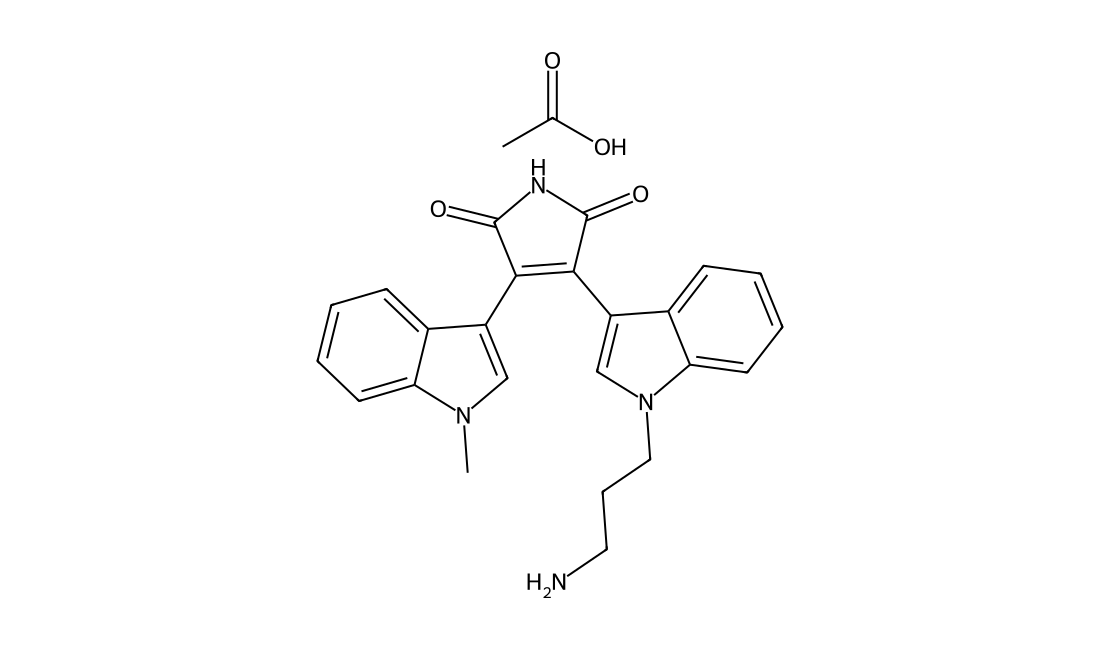
Bisindolylmaleimide VIII acetate (Ro 31-7549 acetate) is a potent and selective protein kinase C (PKC) inhibitor with an IC50 of 158 nM for rat brain PKC. Bisindolylmaleimide VIII acetate has IC50s of 53, 195, 163, 213, and 175 nM for PKC-α, PKC-βI, PKC-βII, PKC-γ, PKC-ε, respectively1. Bisindolylmaleimide VIII acetate facilitates Fas-mediated apoptosis and inhibits T cell-mediated autoimmune diseases2.
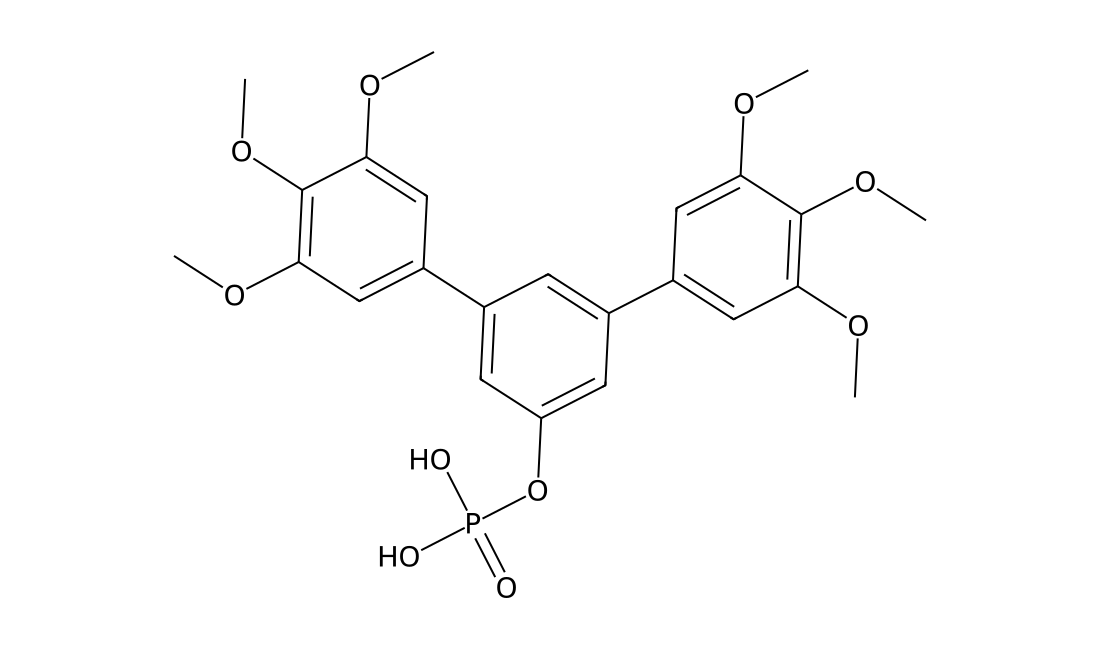
Stafia-1Featured
Stafia-1 is the first STAT5a inhibitor that inhibits STAT5a (IC50=22.2 μM, Ki=10.9 μM) with at least 9‐fold selectivity over STAT5b and higher selectivity against other STAT family members.
STAT5 inhibitor 17fFeatured
A novel potent, selective inhibitor of phosphorylation and transcriptional activity of STAT5, but not STAT3, AKT, or Erk1/2 phosphorylation.
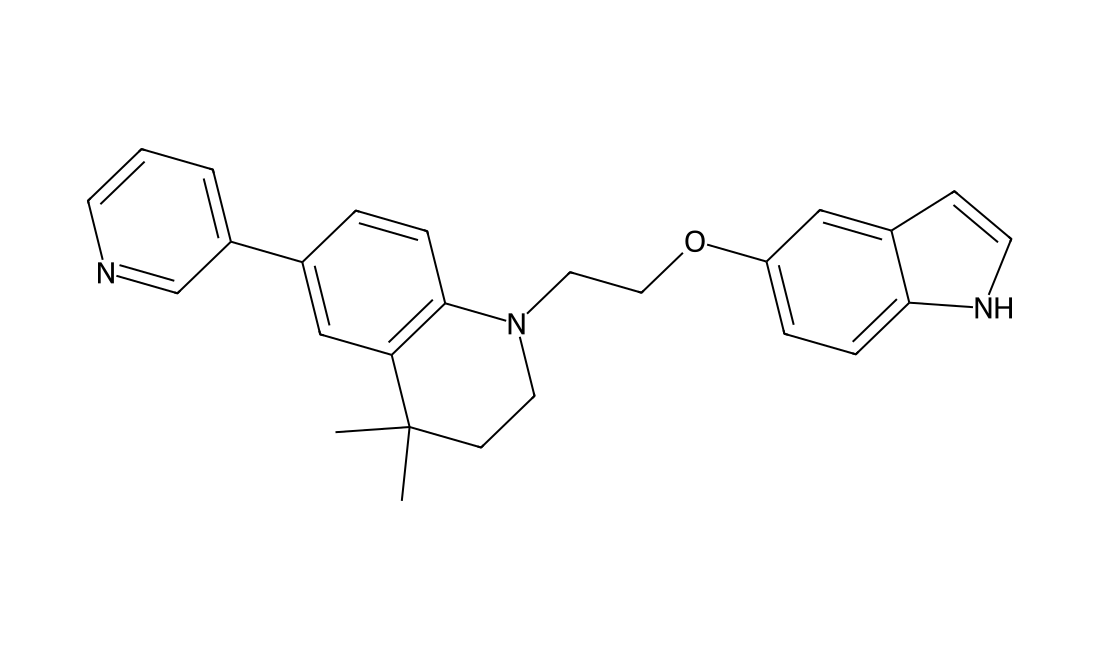
SC-99Featured
A novel selective STAT3 inhibitor that inhibits JAK2-STAT3 activation but has no effects on other transcription factors such as NF-κB, and kinases such as AKT, ERK, and c-Src.
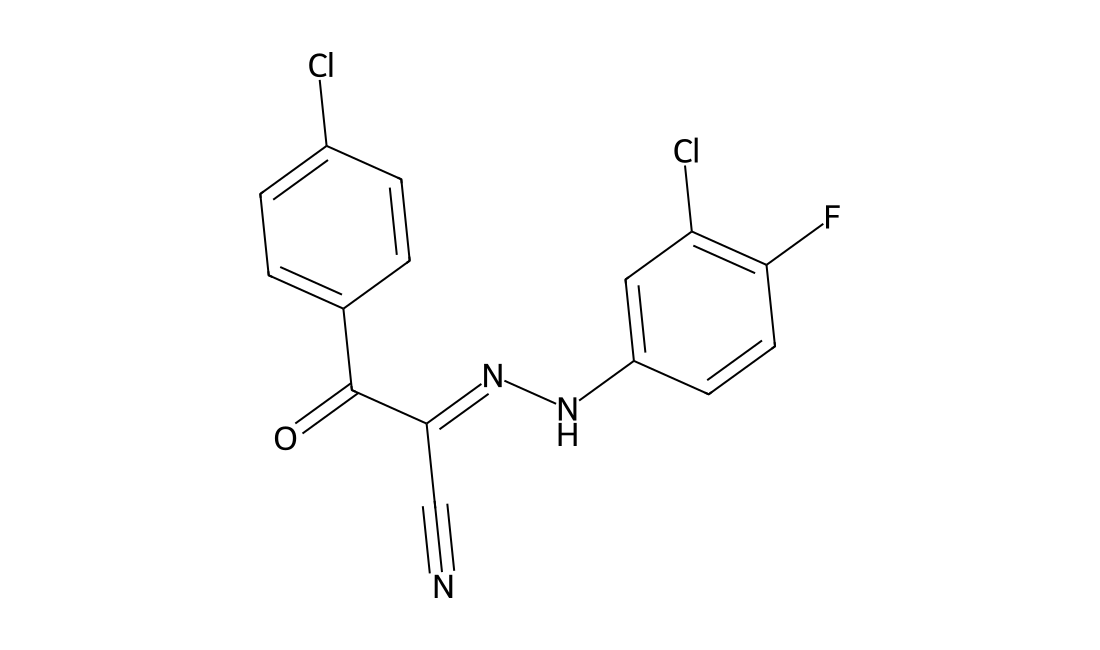
RSVA405Featured
RSVA405 is a potent, orally active activator of AMPK, with an EC50 of 1 μM. RSVA405 facilitates CaMKKβ-dependent activation of AMPK, inhibits mTOR, and promotes autophagy to increase Aβ degradation. RSVA405 has anti-inflammatory effects through the inhibition of STAT3 function. RSVA405 also can be used for the research of obesity.
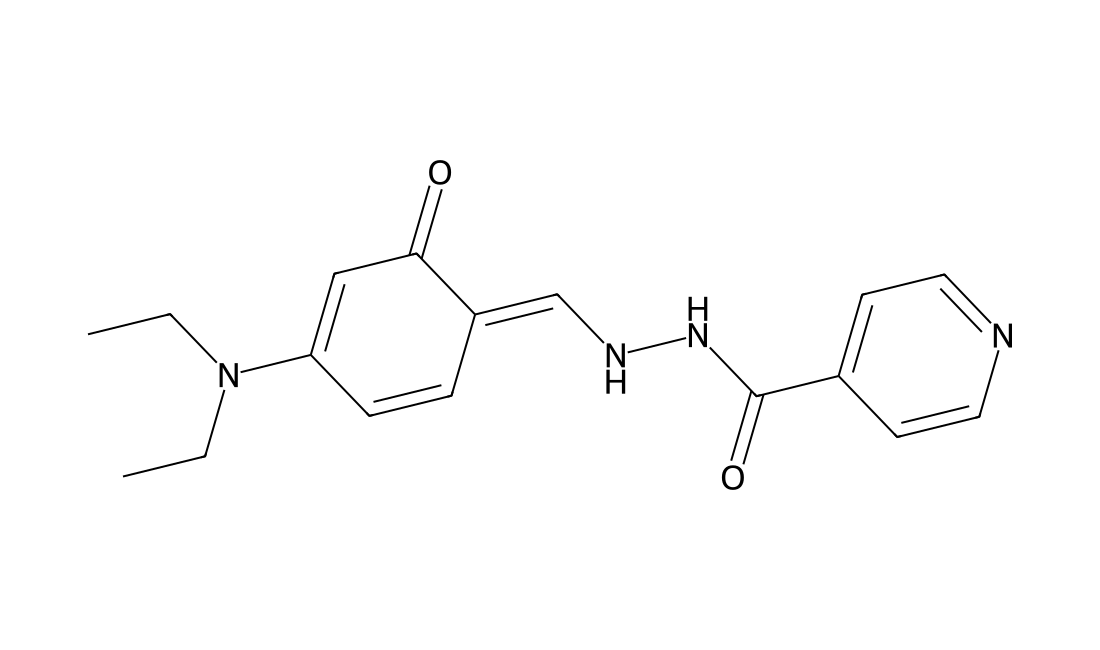
WAY-119064Featured
way-119064 is a highly potent GSK-3β inhibitor with an IC50 value of 80.5 nM. GSK-3β inhibitor 10 can be used for researching Alzheimer’s disease1.
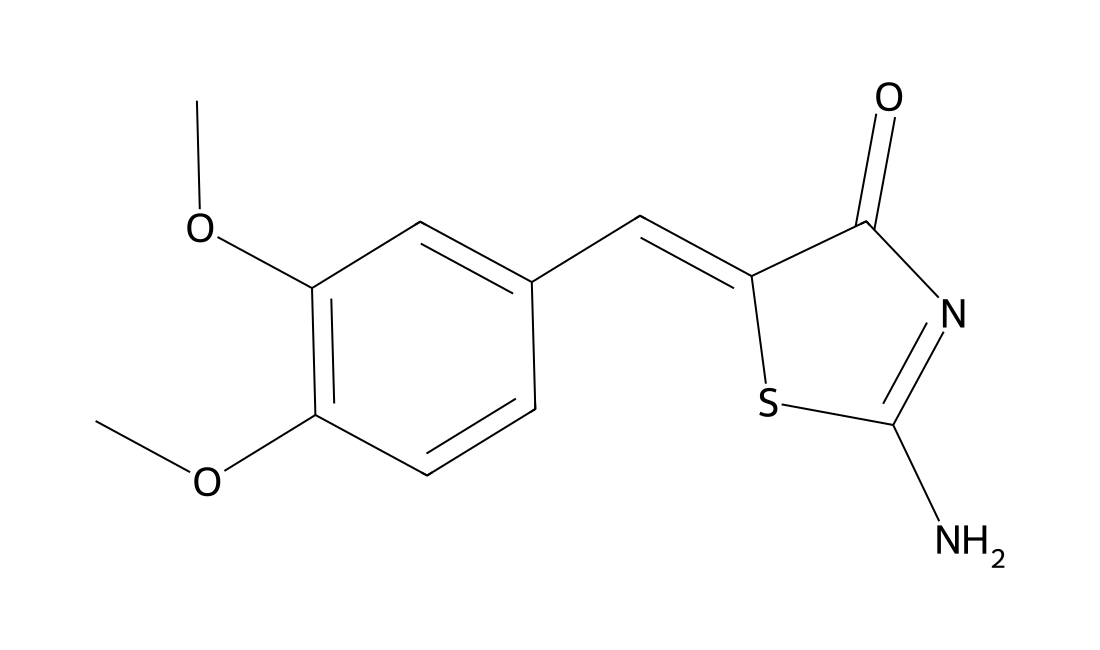
PI3K/mTOR Inhibitor-2Featured
PI3K/mTOR Inhibitor-2 is a potent dual pan-PI3K/mTOR inhibitor with IC50s of 3.4/34/16/1 nM for PI3Kα/PI3Kβ/PI3Kδ/PI3Kγ and 4.7 nM for mTOR. Antitumor activity.
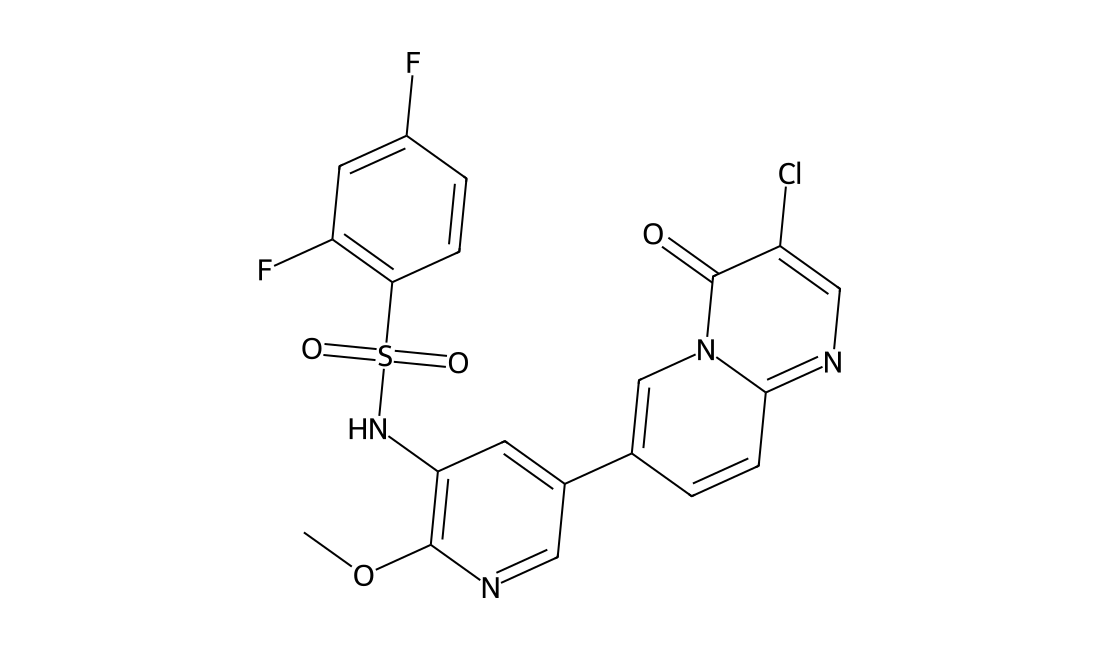
UPGL00004Featured
UPGL00004 is a potent glutaminase C (GAC) inhibitor with an IC50 of 29 nM, showing high selectivity for GAC over GLS2.
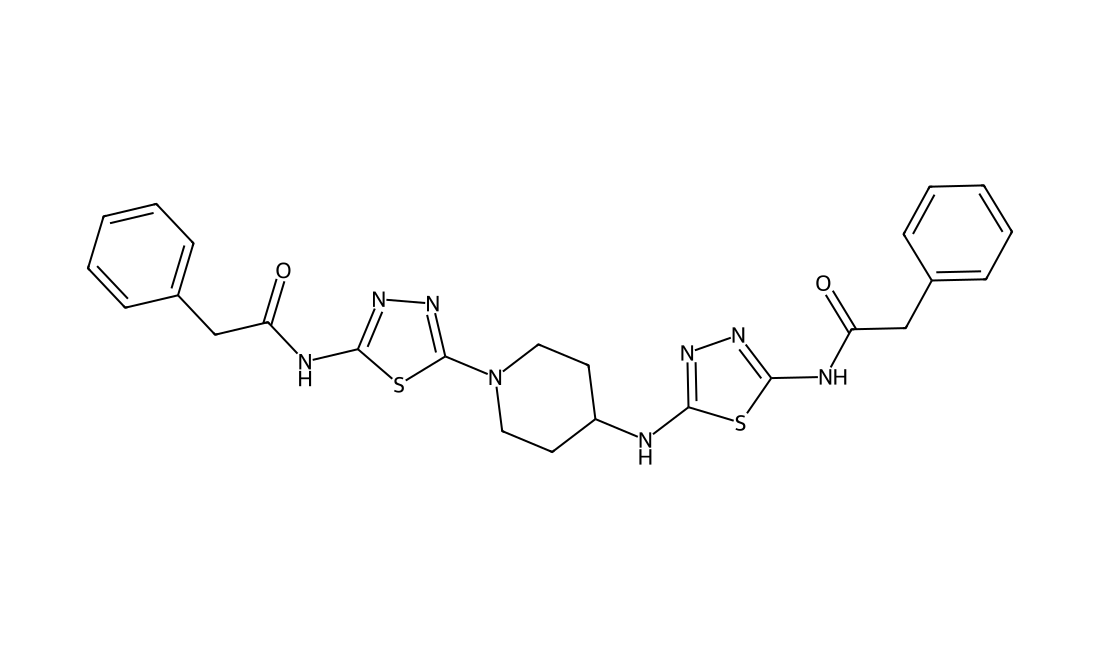
S107Featured
S107 is a RyR-selective 1,4-benzothiazepine derivative that stabilizes RyR2 channels by enhancing the binding affinity of calstabin2 to mutant and/or PKA-phosphorylated channels.
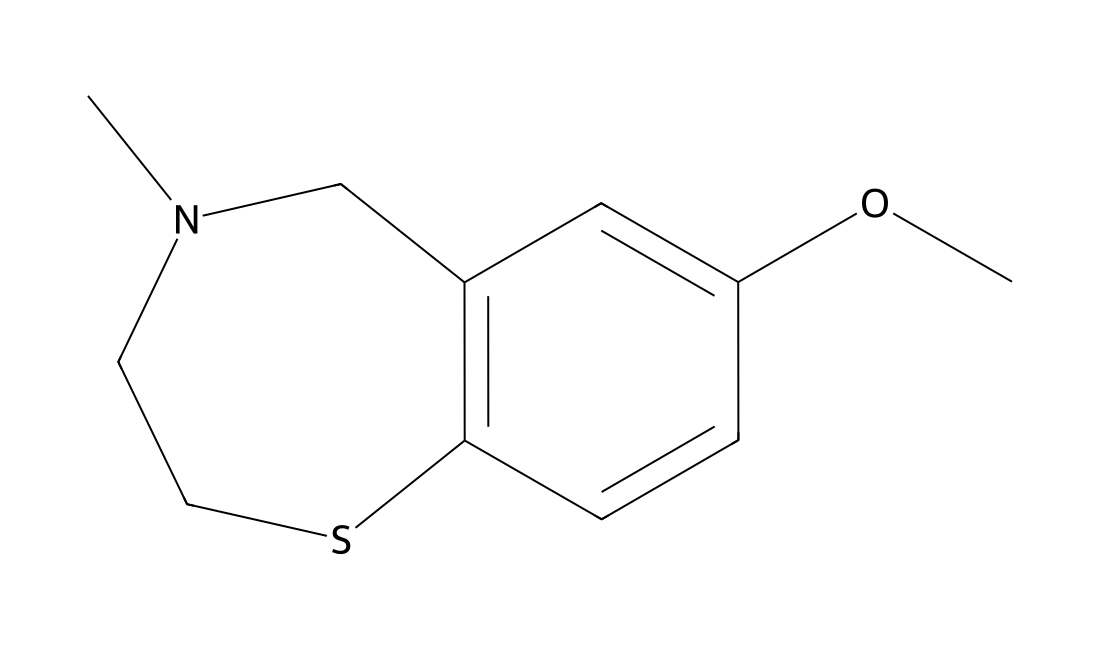
AZ194Featured
AZ-194 is a first-in-class, orally active inhibitor of CRMP2-Ubc9 interaction and inhibitor of NaV1.7 (IC50=1.2 μM). AZ194 blocks SUMOylation of CRMP2 to selectively reduce the amount of surface-expressed NaV1.7. Antinociceptive effects1.
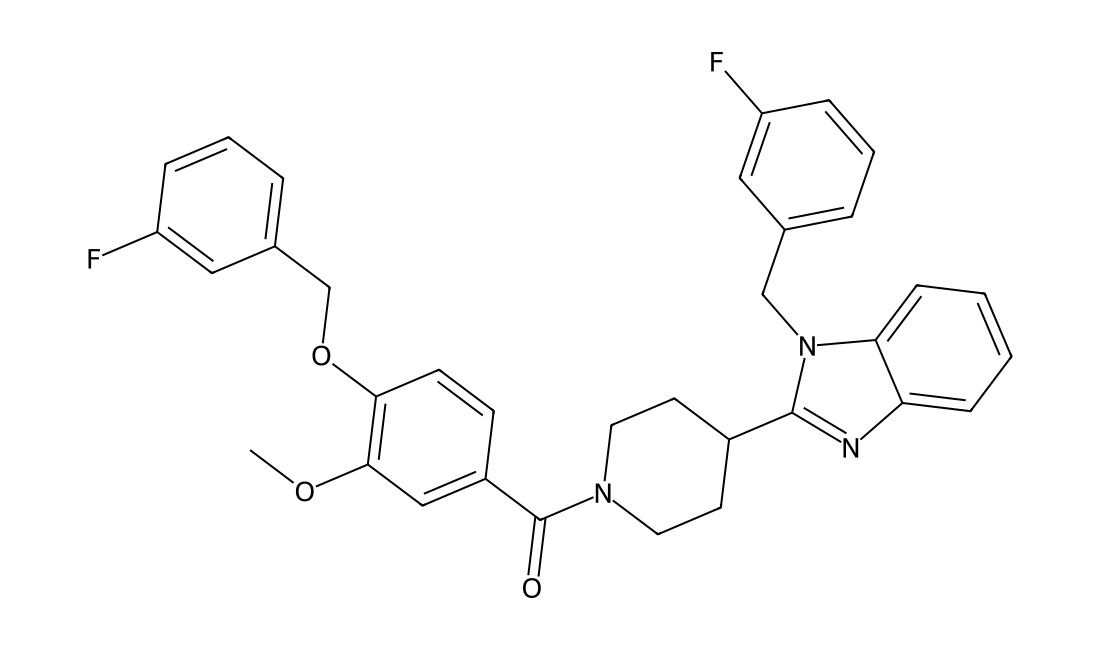
BE1218Featured
BE1218 is a liver X receptor (LXR) inverse agonist with IC50 values of 9 nM and 7 nM against LXRα and LXRβ, respectively.
No products match this search.
Page 254 of 259 · Browse all 5177 products
Jump to a product page
Featured literature product: HX1 · DCL0028
HX1 is a hydroxyzine-derived ionizable lipid with acetal-containing tails, studied in lipid nanoparticles for brain mRNA delivery and CRISPR–Cas9 delivery. It was the lead in the reported in vivo brain-delivery screen; evidence is preclinical and formulation-dependent.
Read full formulation and performance →