
Research lipid catalog
Ionizable Lipid Products
Explore 848 lipid and RNA delivery products. Search the full catalog or browse by research category.
Search covers product name, catalog number, synonyms, available CAS numbers and categories. Spaces, hyphens and common punctuation are ignored. Duplicate legacy records are consolidated under one canonical product result.
5677 products · Showing 5161–5180 · 20 per page
DC Chemicals lipid expertise
Built for ionizable-lipid discovery and RNA delivery research
DC Chemicals supports formulation and delivery research with a broad, searchable portfolio of cationic and ionizable lipids. The current directory brings together 848 unique research-use products, with product specifications, pricing, chemical structures and literature-linked formulation data added as each record is verified.
Our experience spans complex lipid synthesis, purification, analytical release and process development. For custom molecules or larger-scale requirements, our team can discuss route development, technical specifications and scale-up options for the intended research workflow.
Learn about cationic and ionizable lipids →Proprietary innovation · Co-development · GMP
From proprietary lipid design to GMP-grade custom synthesis
DC Chemicals has independently developed ionizable-lipid structures supported by company-owned intellectual property, and selected proprietary lipid programs have advanced to GMP-stage development.
We welcome joint development with customers—from molecular design and lipid synthesis through route and process development. We can also support custom synthesis of GMP-grade ionizable lipids to agreed technical specifications and quality requirements.
Discuss a co-development project →Proprietary ionizable-lipid structuresCollaborative molecular designCustom lipid synthesisProcess development and scale-upGMP-grade project support
Product quick links
Explore New ionizable lipids
Explore our five most recently added ionizable lipids, with specifications, pricing and literature-linked product information.
DCL0028HX1Brain RNA delivery researchView product →DCL0024A1I4R13C18-2Spleen-targeted RNA delivery researchView product →DCL0023A1I4R2C18-2Spleen-targeted RNA delivery researchView product →DCL0022FS01Local joint RNA delivery researchView product →DCL0020Lipid-392Lung RNA delivery and gene editing researchView product →
Cat. No.Product NameField of ApplicationChemical Structure
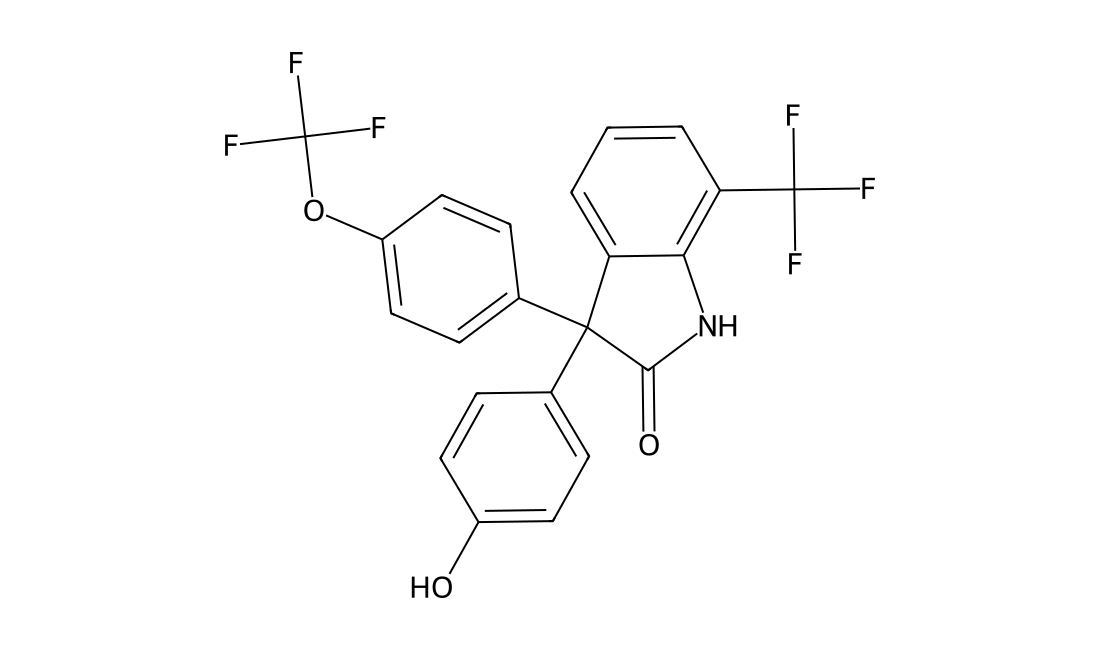
(±)-ErSOFeatured
(±)-ErSO is the racemate of ErSO. ErSO is a selective anticipatory unfolded protein response (a-UPR) activator.
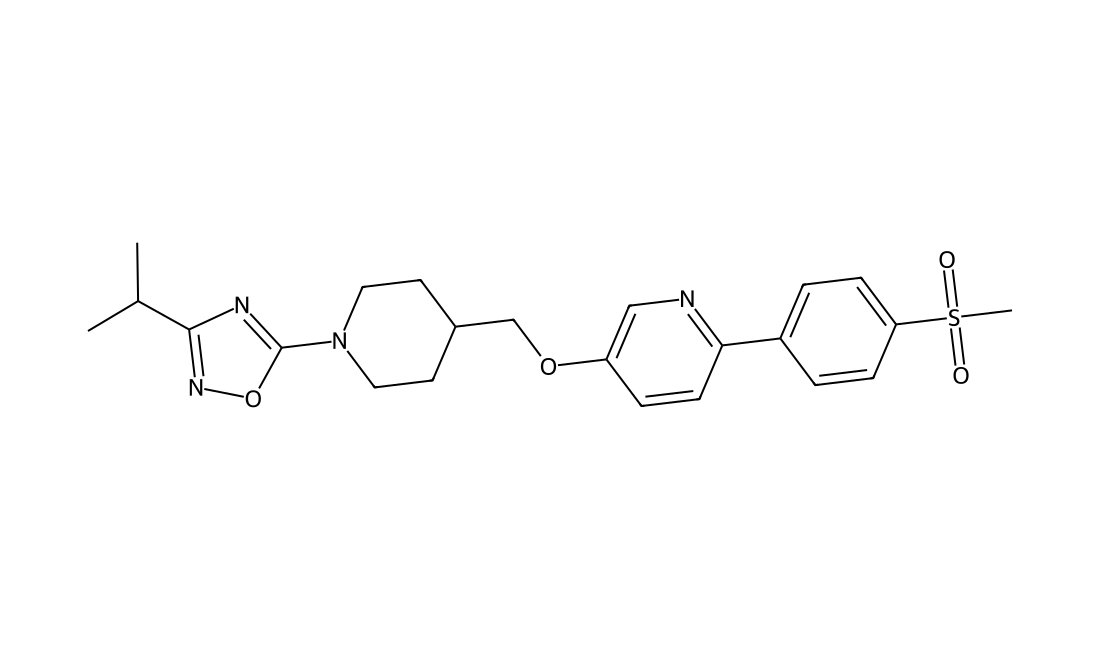
GSK1292263Featured
GSK1292263 is a novel GPR119 receptor agonist used for the treatment of type 2 diabetes.
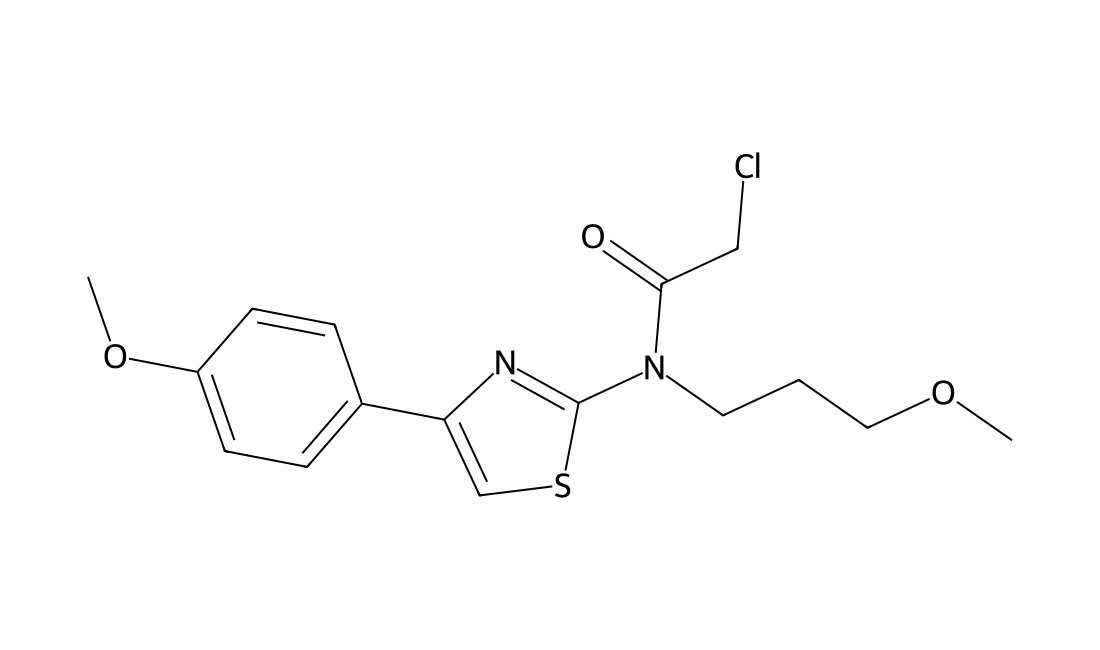
JT010Featured
JT010 is a potent agonist of TRPA1 with an EC50 of 0.65 nM.
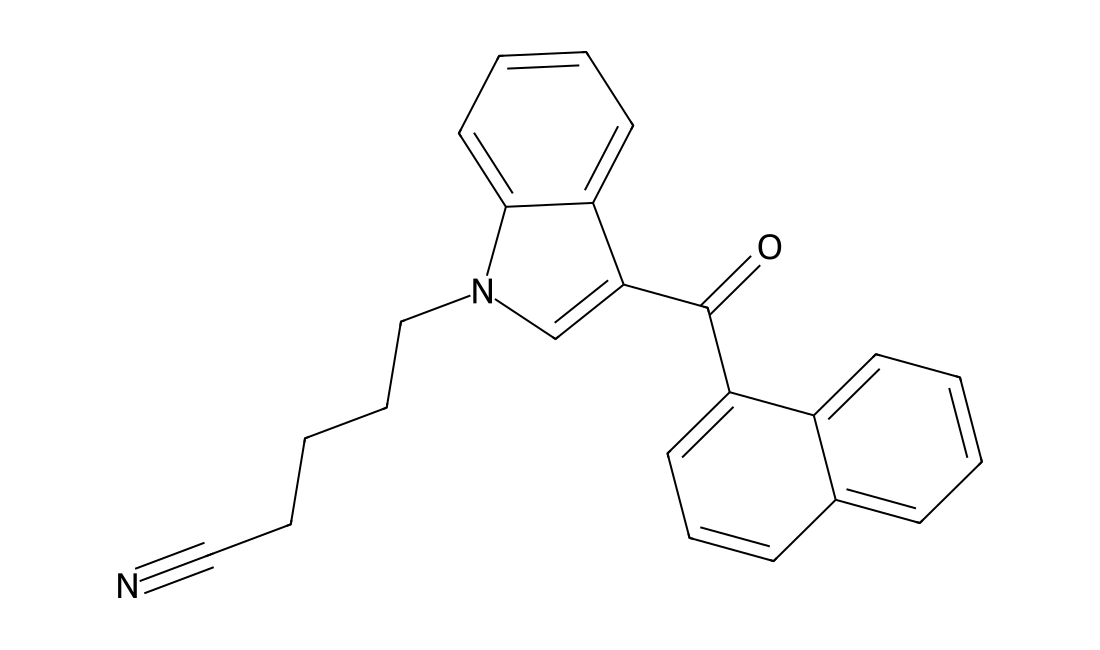
AM-2232Featured
AM-2232 is a drug that acts as a potent but unselective agonist for the cannabinoid receptors.
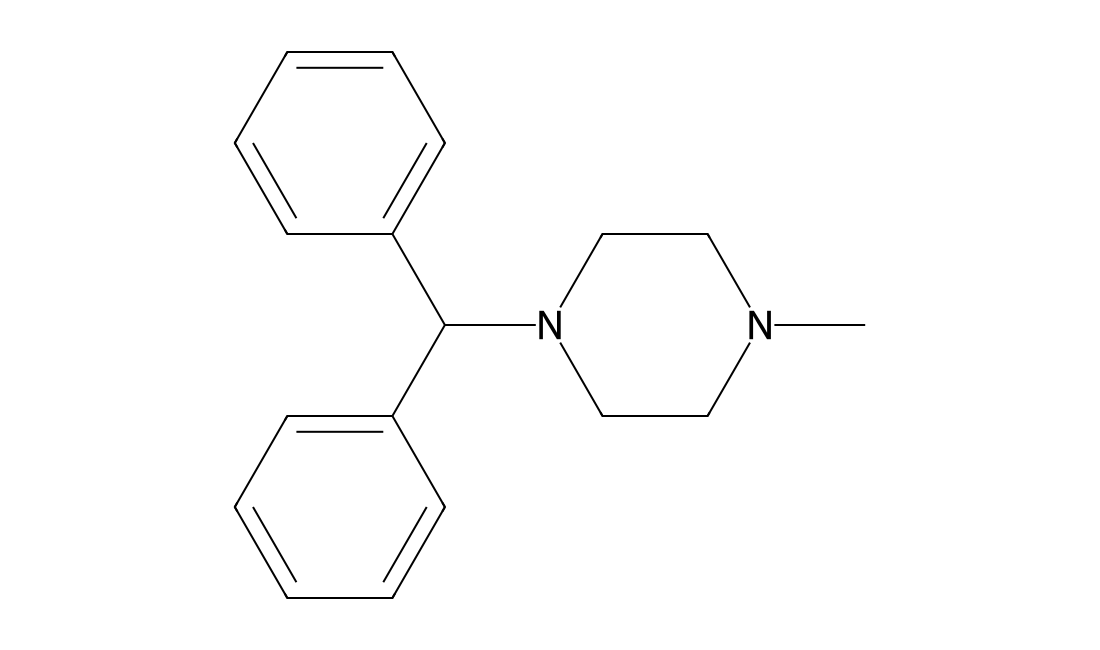
CyclizineFeatured
Cyclizine is a piperazine first-generation antagonist of histamine 1 receptor.
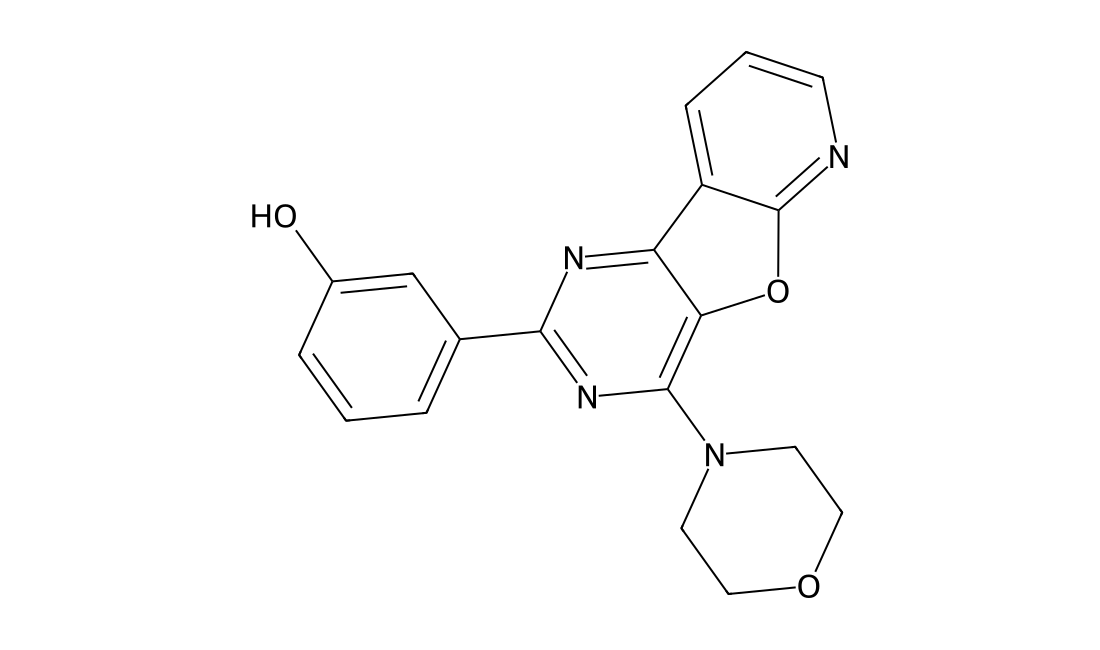
PI-103Featured
PI103 is a potent inhibitor with low IC50 values against recombinant PI3K isoforms p110alpha (IC50= 2 nM), p110beta (IC50= 3 nM), p110delta (IC50= 3 nM), and p110gamma (IC50= 15 nM), less potent to mTOR/DNA-PK with IC50 of 30 nM/23 nM.
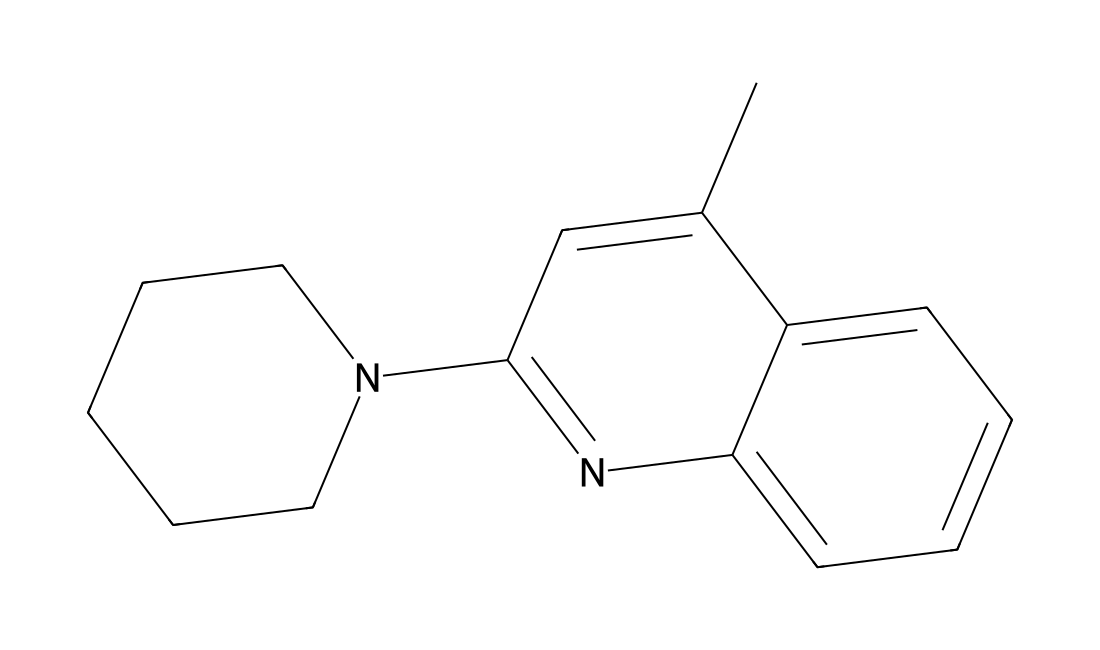
ML 204Featured
ML 204 isa blocker of TRPC4 channels (IC50 values are 0.96 and 2.6 μM in fluorescent and electrophysiological assays, respectively).
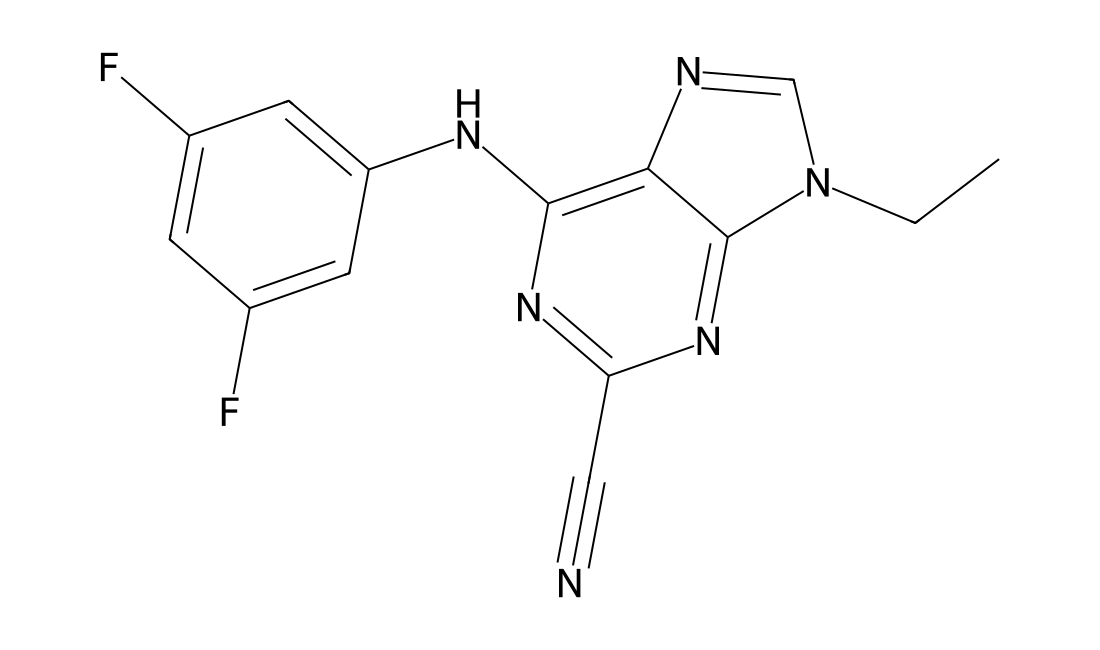
Cruzain-IN-1(ML092)Featured
ML092 is a covalent and reversible Cruzain inhibitor, with an IC50 of 10 nM.
ML130Featured
ML-130 is a potent and selective inhibitor of NOD1; displays 36-fold selectivity for NOD1 over NOD2 (IC50 values are 0.56 and >20 μM for NOD1 and NOD2 respectively).
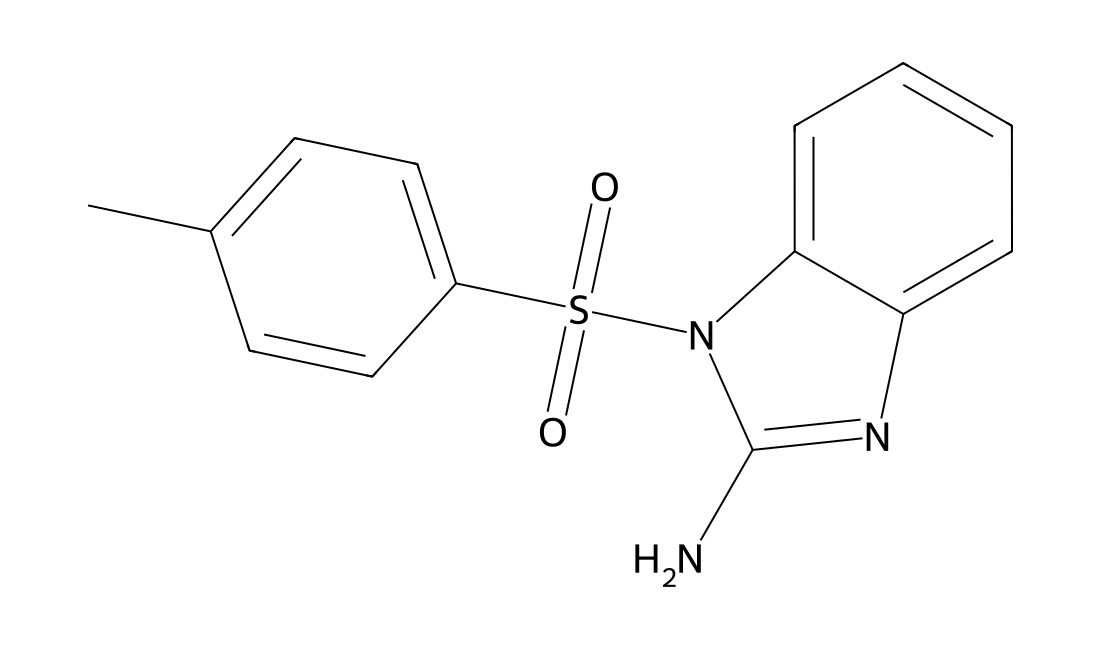
ML-213(CID-3111211)Featured
ML-213 (CID-3111211) is a selective KV7.2 (KCNQ2) and KV7.4 (KCNQ4) channel opener (EC50 values are 230 and 510 nM for KV7.2 and KV7.4 respectively).
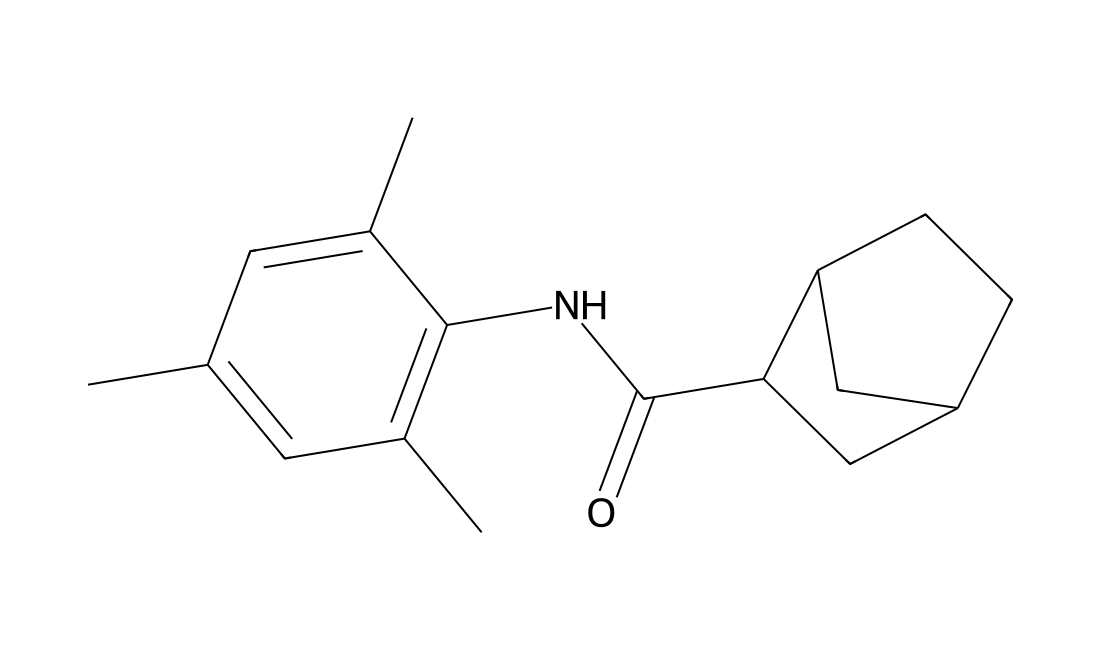
ML-241Featured
ML241 is a potent, selective, and reversible inhibitor of the AAA ATPase p97 (IC50=100 nM). It blocks p97-dependent proteasome substrate with an IC50 of 3500 nM.
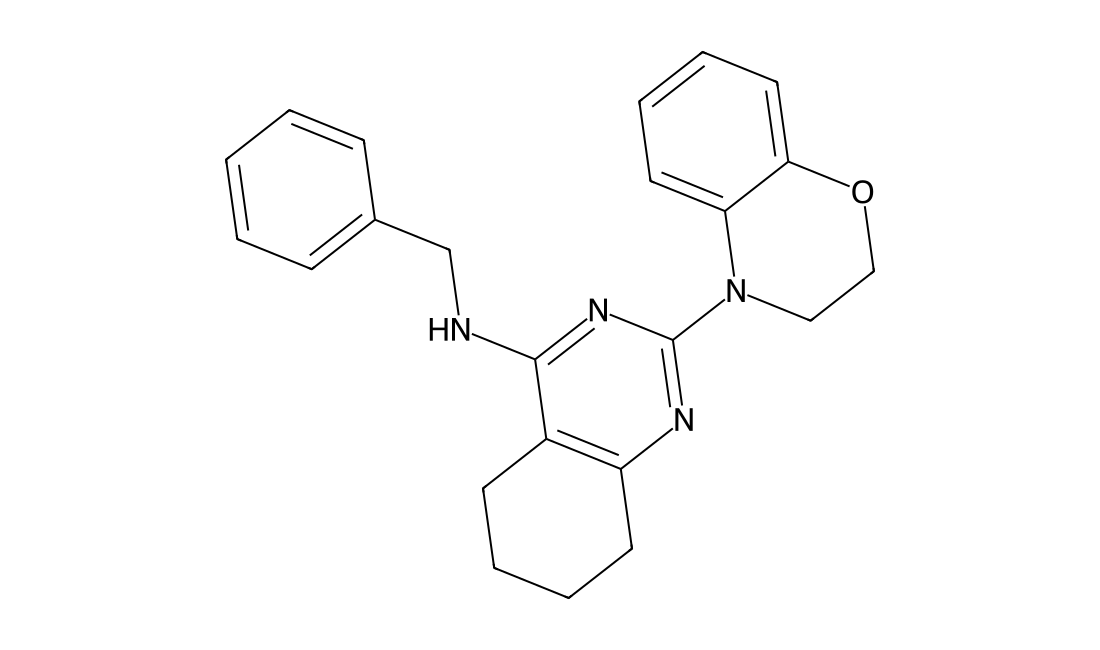
ML281Featured
ML281 is a potent and selective STK33 inhibitor with IC50 of 14 nM. ML281 showed a 550-fold selectivity over AurB and greater than 700-fold selectivity over PKA.
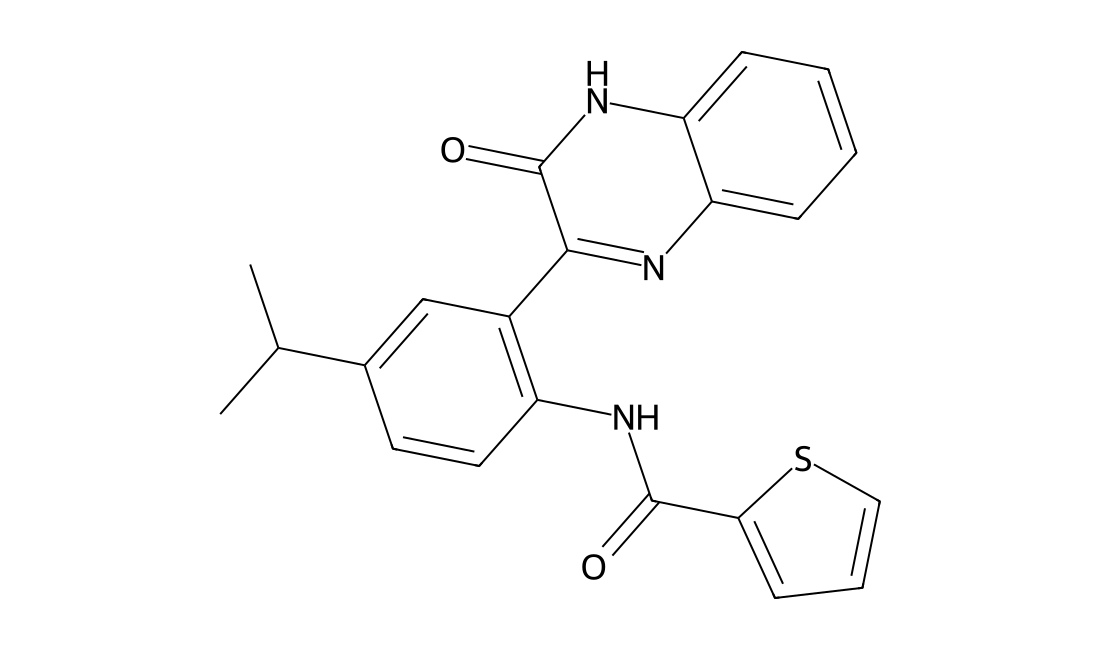
ML297 (VU0456810)Featured
ML297 (VU0456810) is the First Potent and Selective Activator of the GIRK Potassium Channel, Displays Antiepileptic Properties in Mice.
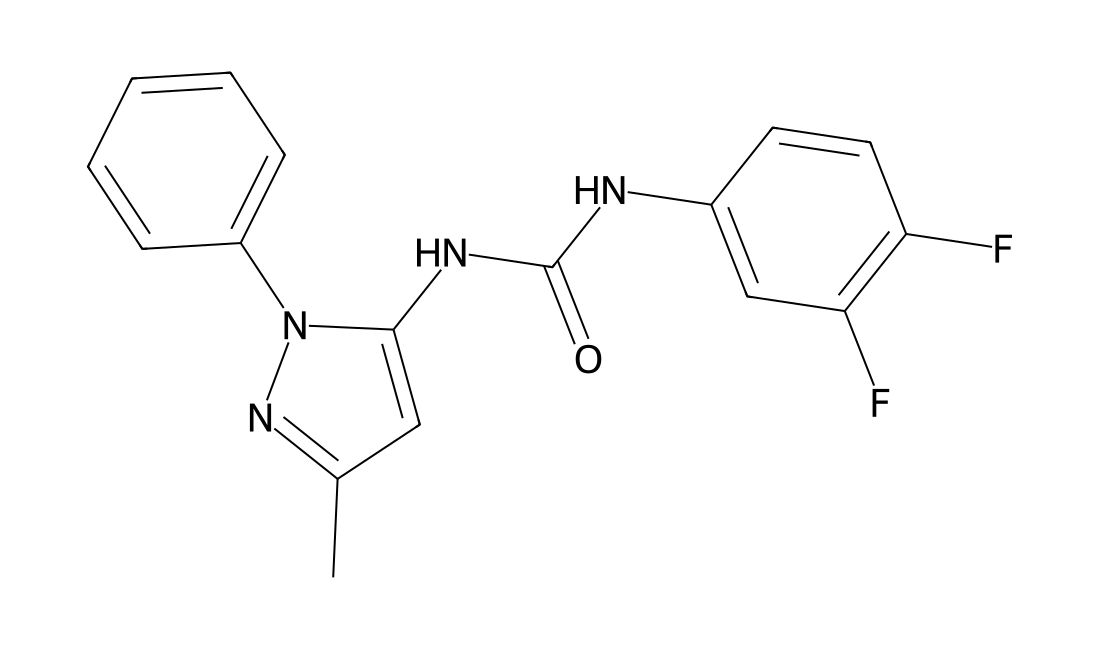
ML355Featured
ML355 is a potent and selective inhibitors of 12-Lipoxygenase(12-LOX) with IC50 of 0.34 μM, excellent selectivity over related lipoxygenases and cyclooxygenases, and possess favorable ADME properties.
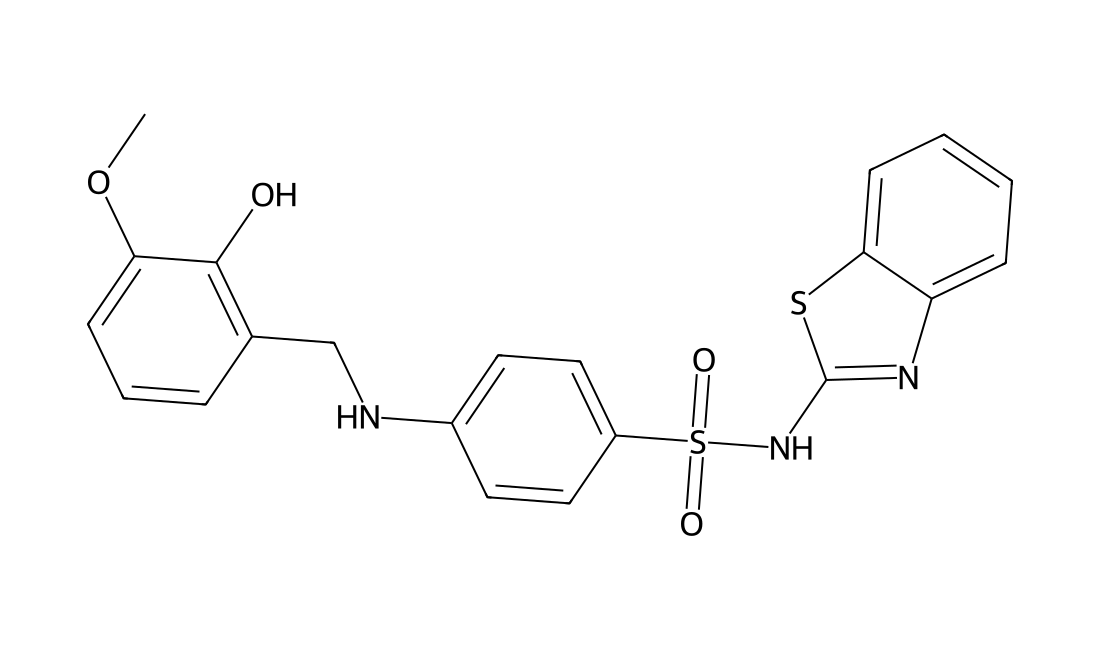
MLN-120BFeatured
MLN120B is a potent and effective IKKbeta inhibitor.
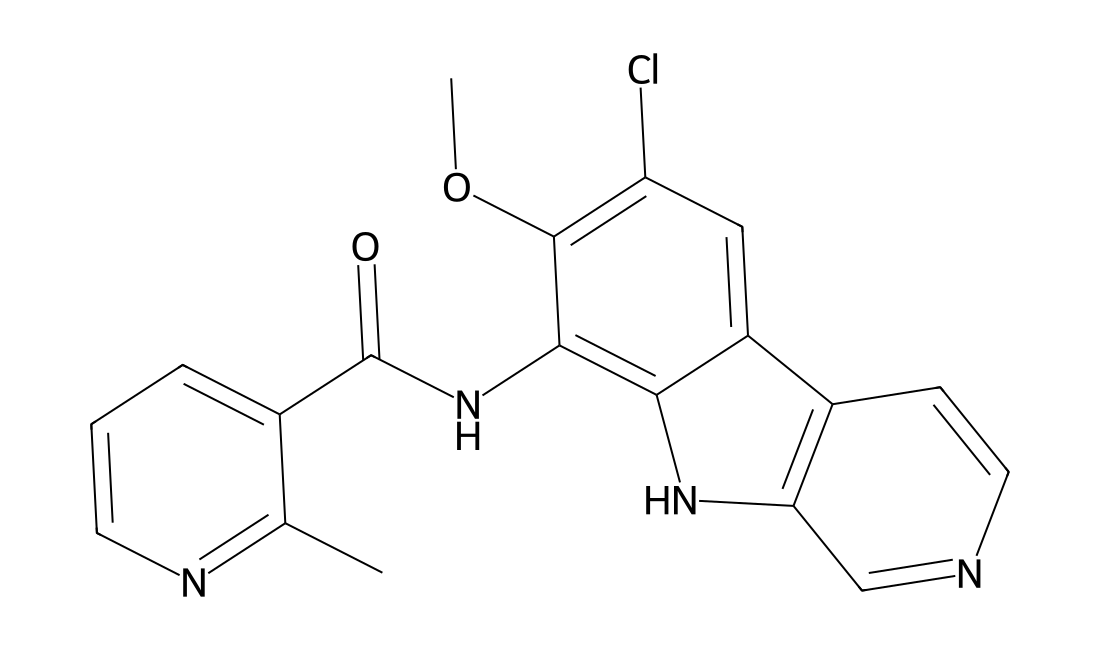
MN-64Featured
MN-64 is a inhibitor of tankyrases, showed 6 nM potency against tankyrase 1, isoenzyme selectivity, and Wnt signaling inhibition.
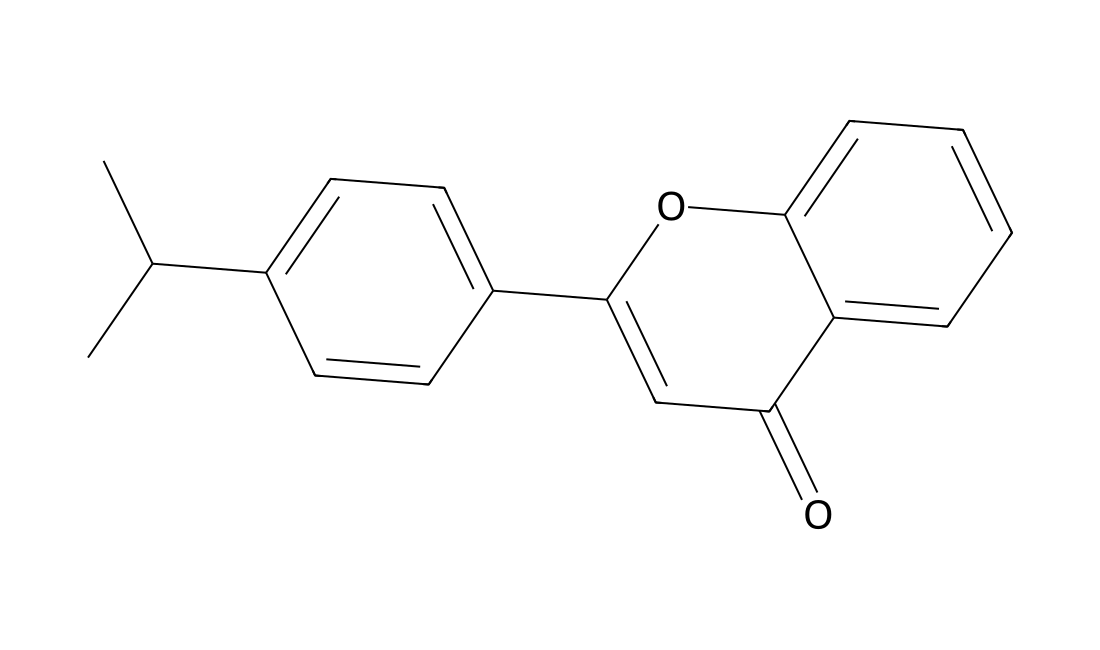
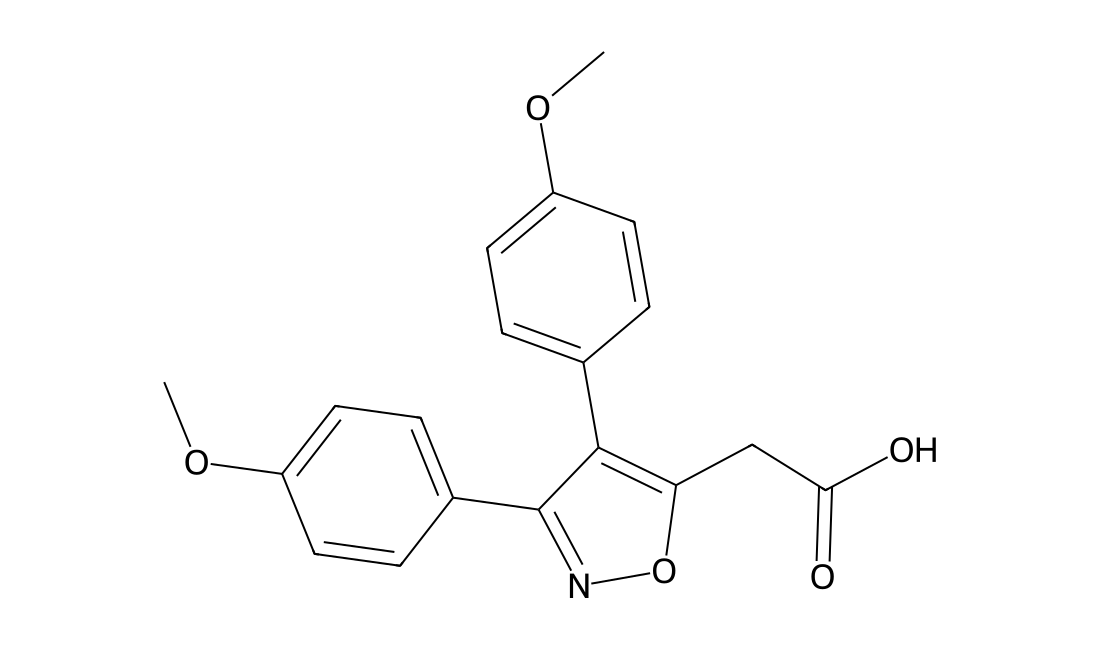
MofezolacFeatured
Mofezolac is a Highly Selective Cyclooxygenase-1 Inhibitors,Counteracting Inflammatory State both In Vitro and In Vivo Models of Neuroinflammation.
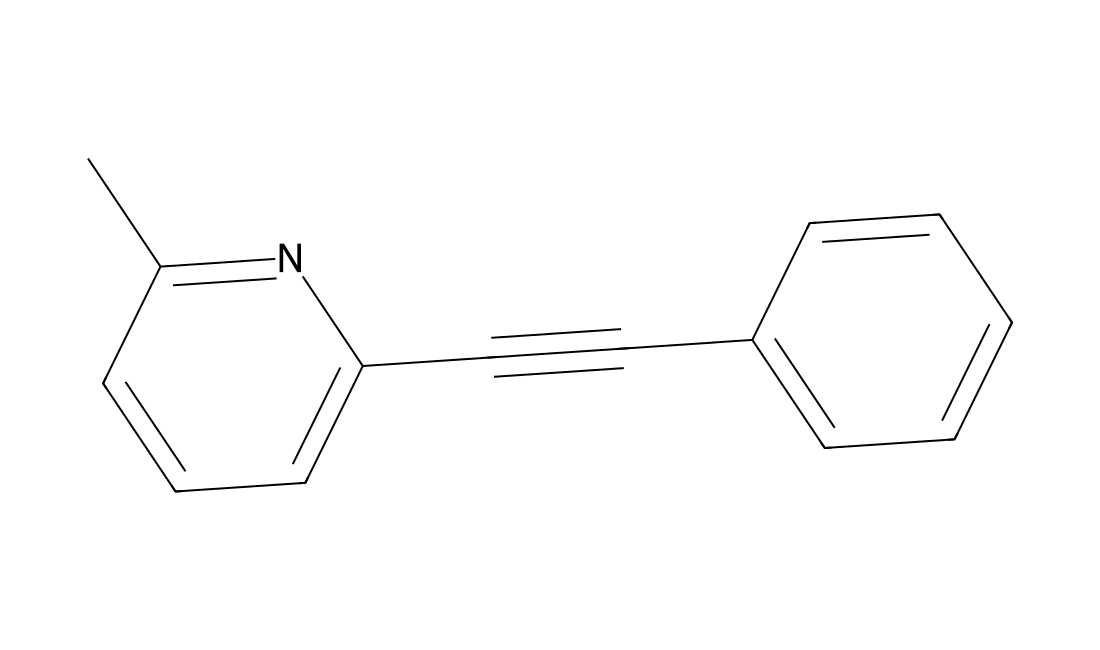
MPEPFeatured
MPEP is a selective mGlu5 receptor antagonist with IC50 of 36 nM.
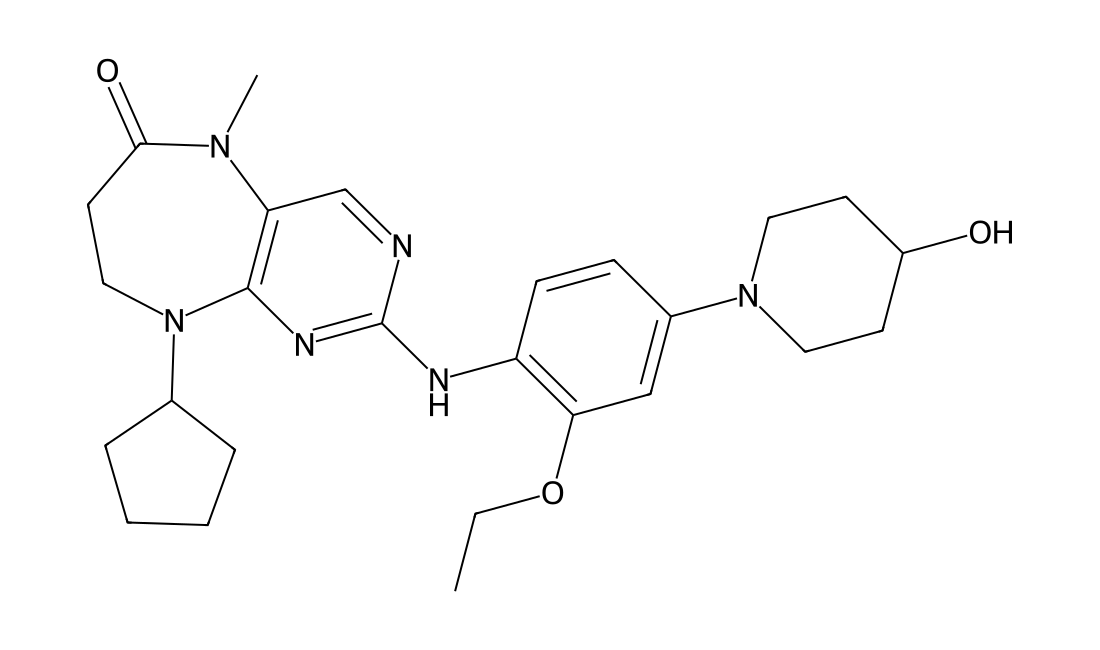
Mps1-IN-2Featured
Mps1-IN-2 is a potent Mps1 kianse inhibitor with IC50 value of 145 nM.
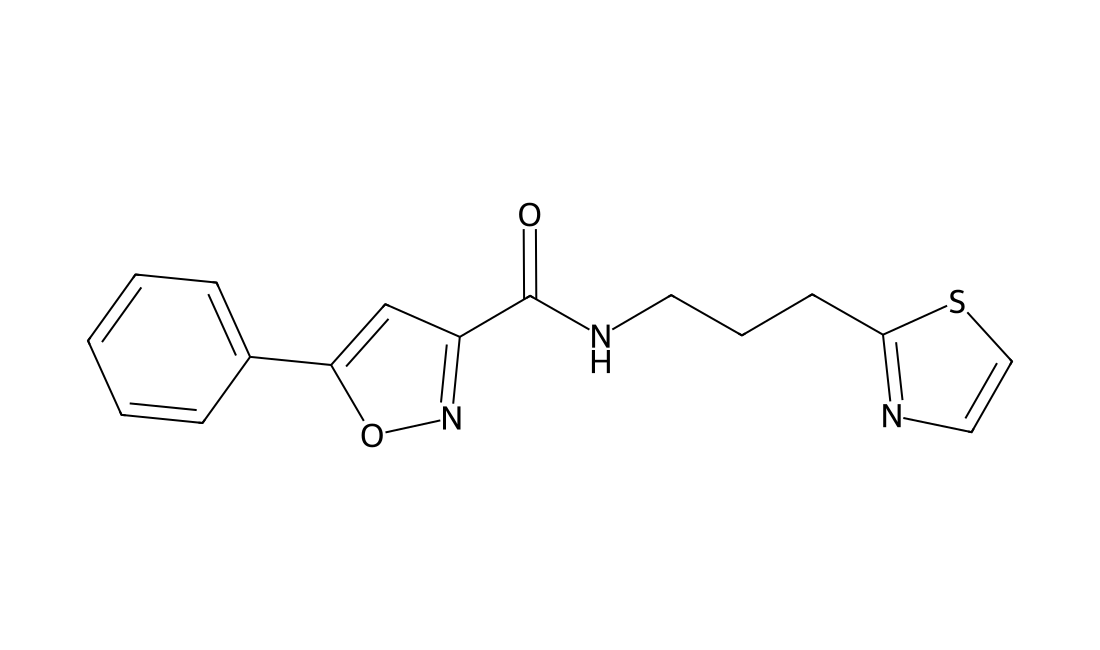
PY-60Featured
PY-60 is a novel activator of YAP-dependent gene expression.It targets ANXA2 in the Hippo pathway. PY-60 targets ANXA2 to activate YAP1. PY-60, a thiazole-substituted derivative, dose-dependently induces luciferase activity in 293A-TEAD-LUC cells in the presence or absence of serum when cells were plated at high cell density (EC50= 1.5 and 1.6 µM, respectively). PY-60 treatment also dose-dependently promoted the association of YAP and TEAD proteins in cells and induced the nuclear localization of YAP in response to increased cell density. PY-60 robustly increases the levels of YAP-controlled transcripts (that is, ANRKD1, CYR61 and CTGF) in 293A cells and other human cell lines (that is, MCF10A, HEK293T, H69 and HaCaT), but did not augment the levels of YAP itself (YAP1)1. PY-60 activates a proproliferative, YAP-dependent transcriptional program in the adult animal capable of remodeling the epidermis through proliferation1. PY-60 liberates the ANXA2-YAP complex from the cell membrane and competes for ANXA2 binding of phosphoinositides1. PY-60 (10 uM; applied topically to the dorsal skin of wild-type adult C57BL/6 mice over the course of 10 days) promotes a dramatic expansion of keratinocytes and K14-positive precursors, as assessed by hematoxylin and eosin and anti-K14 histological staining at the study end. PY-60 results in an approximate doubling of epidermal thickness, a result derived from an increased number of keratinocytes per unit length of skin1.
No products match this search.
Page 259 of 284 · Browse all 5677 products
Jump to a product page
Featured literature product: HX1 · DCL0028
HX1 is a hydroxyzine-derived ionizable lipid with acetal-containing tails, studied in lipid nanoparticles for brain mRNA delivery and CRISPR–Cas9 delivery. It was the lead in the reported in vivo brain-delivery screen; evidence is preclinical and formulation-dependent.
Read full formulation and performance →