
Research lipid catalog
Ionizable Lipid Products
Explore 848 lipid and RNA delivery products. Search the full catalog or browse by research category.
Search covers product name, catalog number, synonyms, available CAS numbers and categories. Spaces, hyphens and common punctuation are ignored. Duplicate legacy records are consolidated under one canonical product result.
5677 products · Showing 5641–5660 · 20 per page
DC Chemicals lipid expertise
Built for ionizable-lipid discovery and RNA delivery research
DC Chemicals supports formulation and delivery research with a broad, searchable portfolio of cationic and ionizable lipids. The current directory brings together 848 unique research-use products, with product specifications, pricing, chemical structures and literature-linked formulation data added as each record is verified.
Our experience spans complex lipid synthesis, purification, analytical release and process development. For custom molecules or larger-scale requirements, our team can discuss route development, technical specifications and scale-up options for the intended research workflow.
Learn about cationic and ionizable lipids →Proprietary innovation · Co-development · GMP
From proprietary lipid design to GMP-grade custom synthesis
DC Chemicals has independently developed ionizable-lipid structures supported by company-owned intellectual property, and selected proprietary lipid programs have advanced to GMP-stage development.
We welcome joint development with customers—from molecular design and lipid synthesis through route and process development. We can also support custom synthesis of GMP-grade ionizable lipids to agreed technical specifications and quality requirements.
Discuss a co-development project →Proprietary ionizable-lipid structuresCollaborative molecular designCustom lipid synthesisProcess development and scale-upGMP-grade project support
Product quick links
Explore New ionizable lipids
Explore our five most recently added ionizable lipids, with specifications, pricing and literature-linked product information.
DCL0028HX1Brain RNA delivery researchView product →DCL0024A1I4R13C18-2Spleen-targeted RNA delivery researchView product →DCL0023A1I4R2C18-2Spleen-targeted RNA delivery researchView product →DCL0022FS01Local joint RNA delivery researchView product →DCL0020Lipid-392Lung RNA delivery and gene editing researchView product →
Cat. No.Product NameField of ApplicationChemical Structure
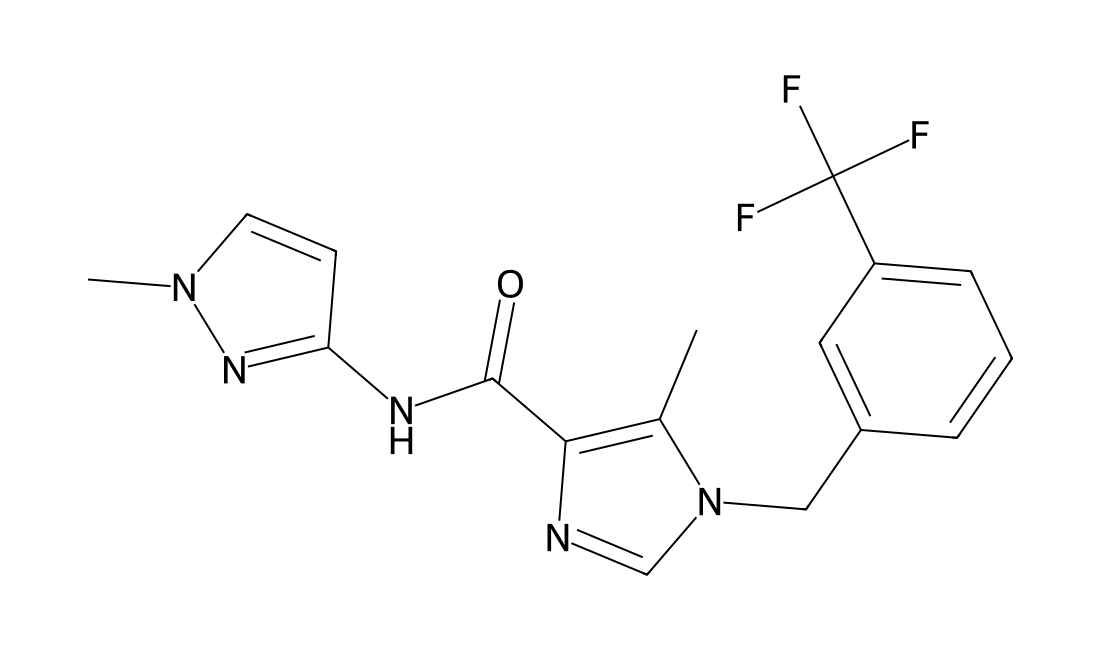
DUN41875Featured
DUN41875, also known as SCD1 inhibitor-4, is a potent, orally active stearoylCoA desaturase-1 (SCD1) inhibitor. SCD1 inhibitor-4 can be used for the research of diabetes. DUN41875 was first reported in Bioorgan.Med. Chem. Lett. (2011), 21(6), 1621-1625. This product has no formal name at the moment. For the convenience of communication, a temporal code name was therefore proposed according to MedKoo Chemical Nomenclature
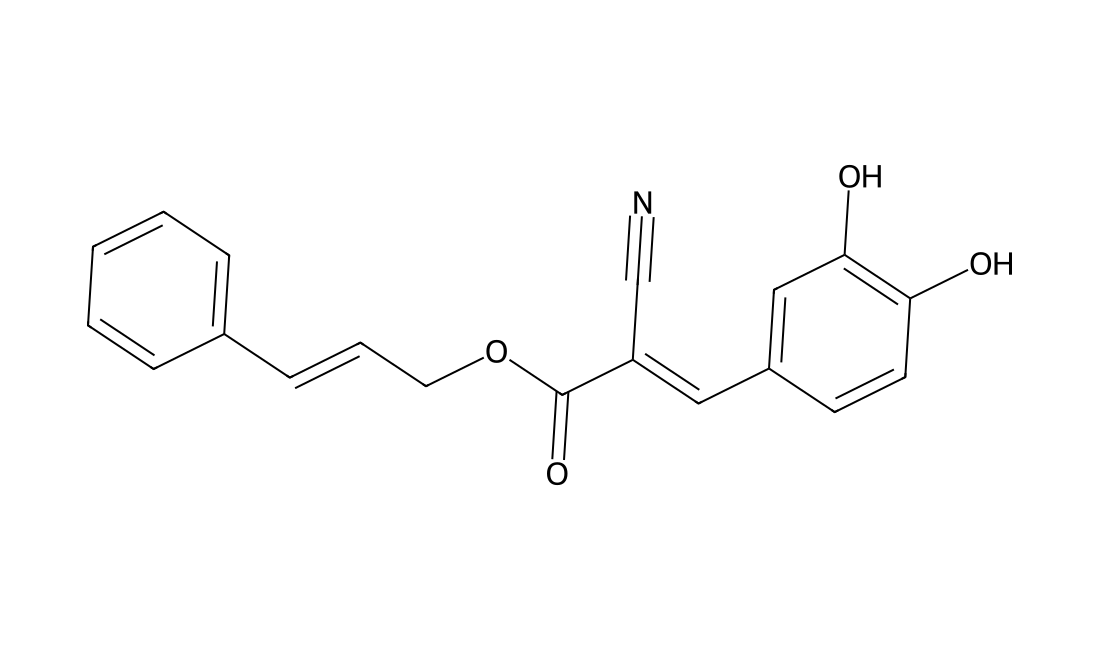
CDC 5-LO inhibitorFeatured
Cinnamyl-3,4-dihydroxy-α-cyanocinnamate (CDC) is a potent and direct inhibitor of 5-LO (5-Lipoxygenase) that reduces 5-LO activity in cell-free assays. CDC also inhibits 12-LO and 15-LO.
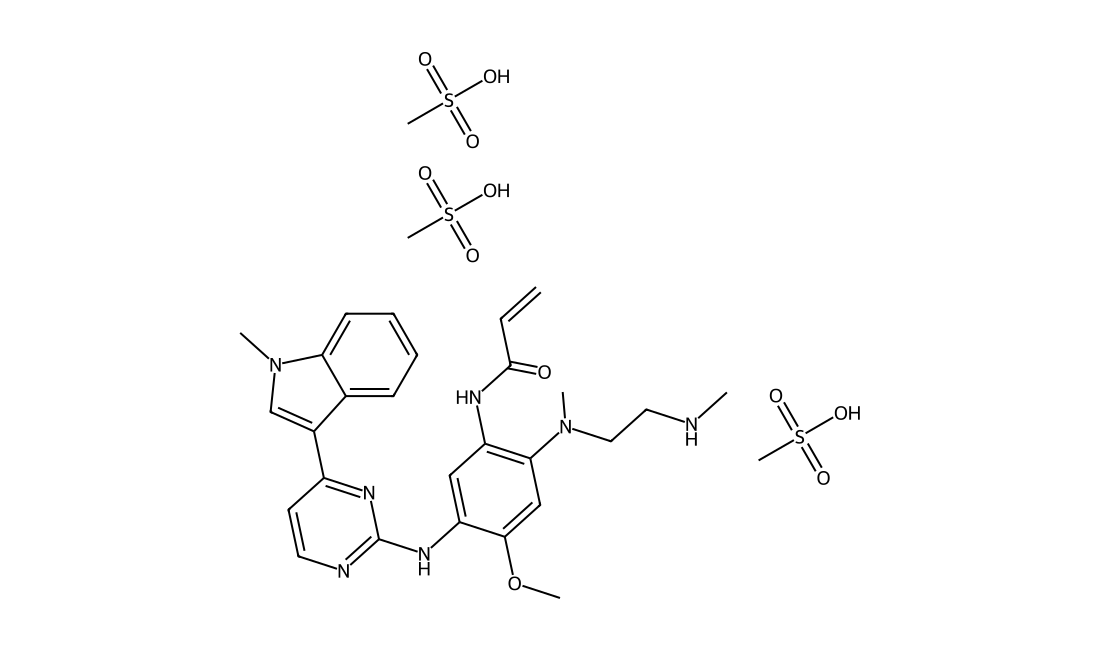
AZ-7550 MesylateFeatured
AZ7550 Mesylate is an active metabolite of AZD9291 (Osimertinib) and inhibits the activity of IGF1R with an IC50 of 1.6 μM.
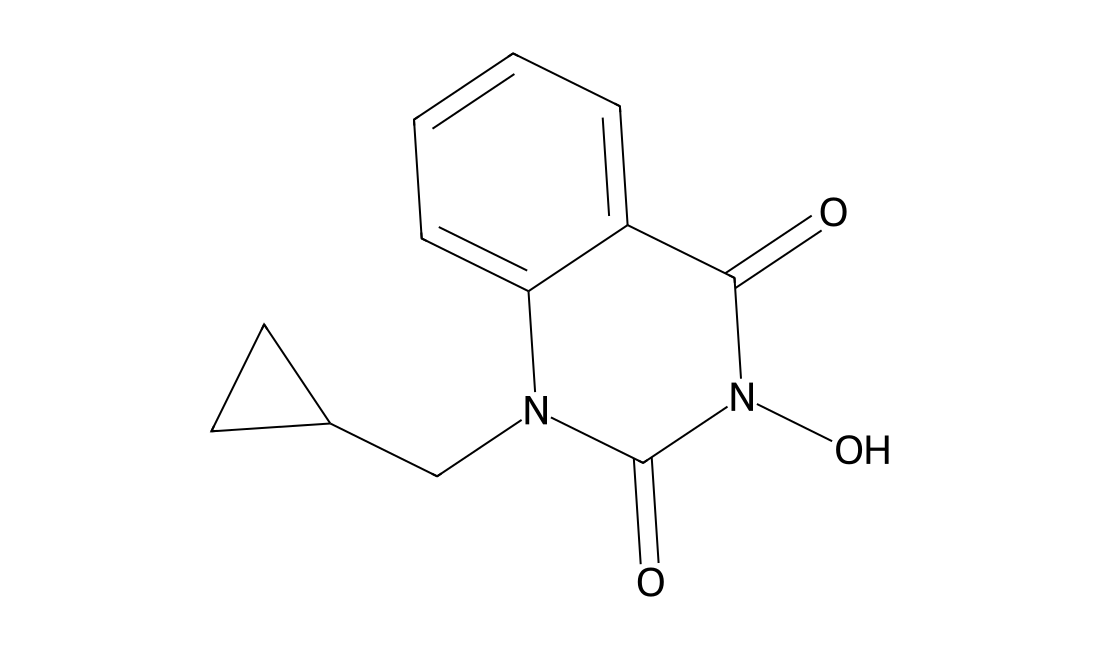
FEN1-IN-4Featured
FEN1-IN-4 (Compound 2) is a human flap endonuclease-1 (hFEN1) inhibitor.
R-59949(R-59-949)Featured
A small molecule inhibitor of diacylglycerol kinase (DGK) with IC50 of 0.01-10 uM in isolated platelet membranes and in intact platelets.
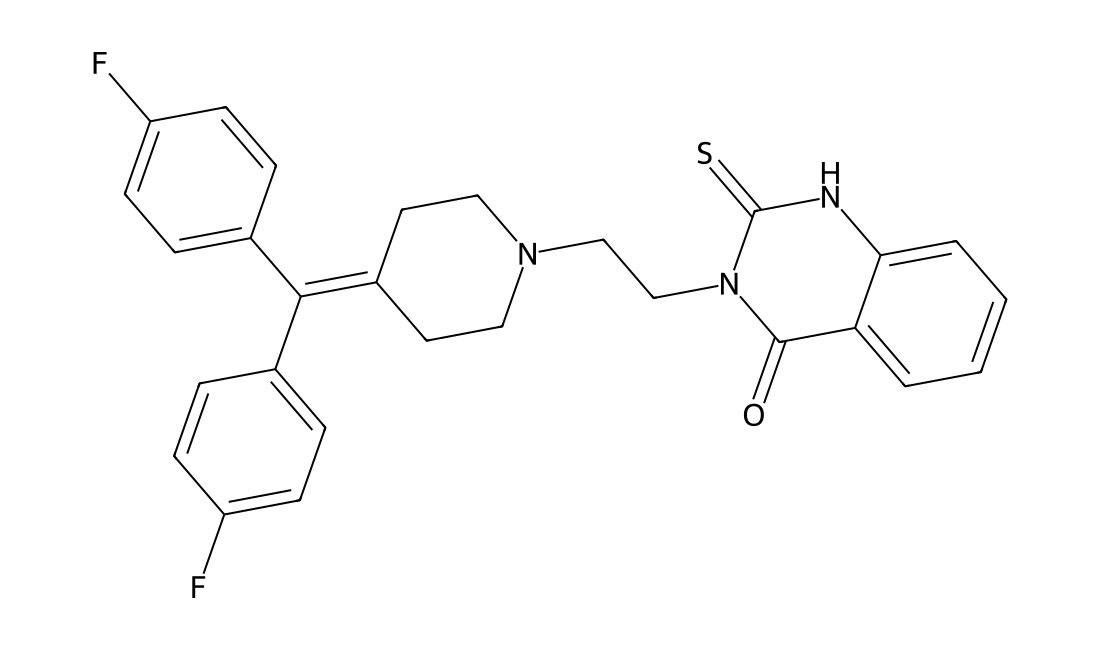
WH-4-025Featured
WH-4-025 is a Salt-inducible kinase (SIK) inhibitor (WO2016023014 A2).
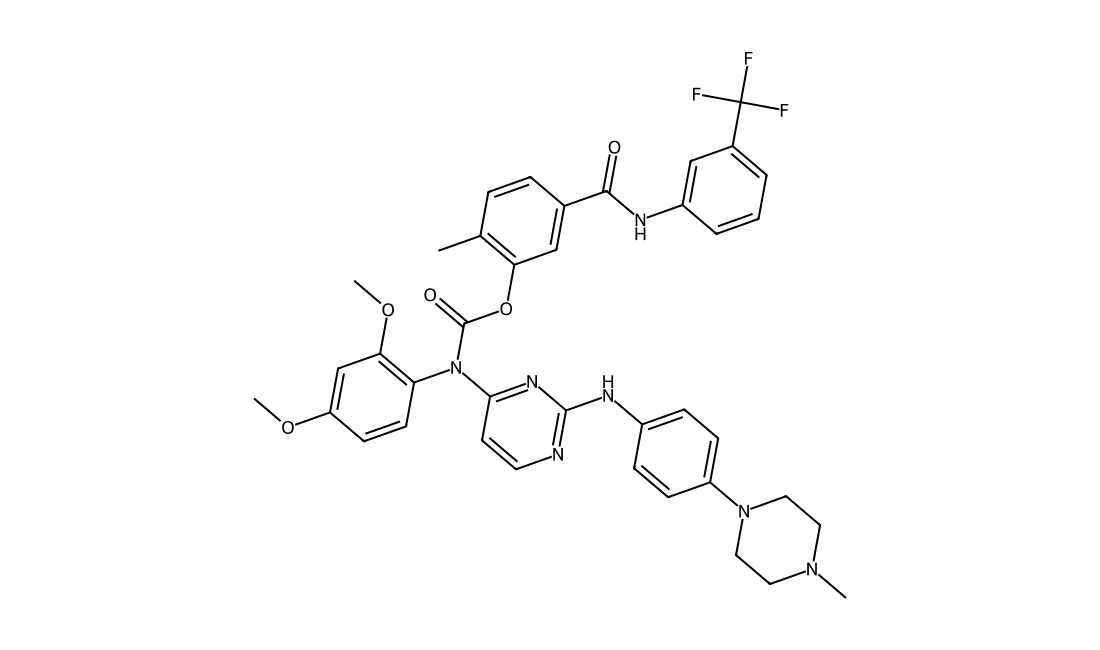
ElsulfavirineFeatured
A new-generation non-nucleoside reverse transcriptase inhibitor (NNRTI) for the treatment of HIV-1 infections, the prodrug of the active compound VM-1500A..
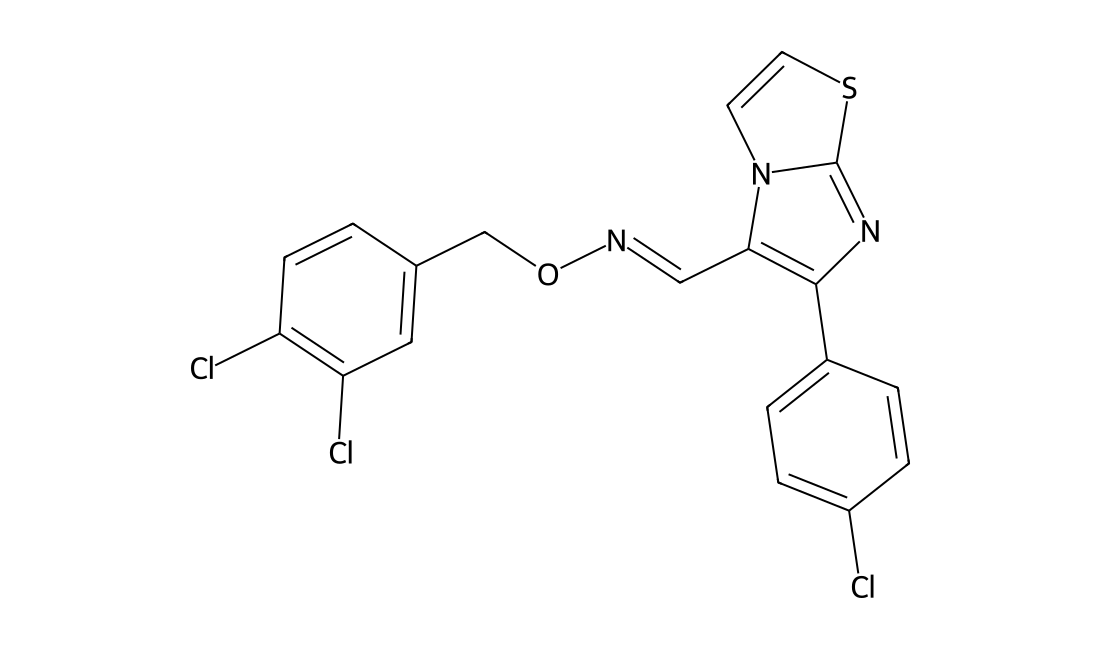
CITCOFeatured
CITCO is a potent constitutive androstane receptor (CAR) agonist (EC50 = 49 nM). CITCO altered expression of key drug-metabolizing enzymes and transporters in human hepatocytes, which positively affects the metabolic profile of CHOP. Coadministration of CITCO and CHOP in the coculture model led to significantly enhanced cytotoxicity in lymphoma cells but not in cardiomyocytes. Constitutive androstane receptor (Car)-driven regeneration protects liver from failure following tissue loss. The constitutive androstane receptor (CAR and NR1i3) is a key regulator of CYP2B6.
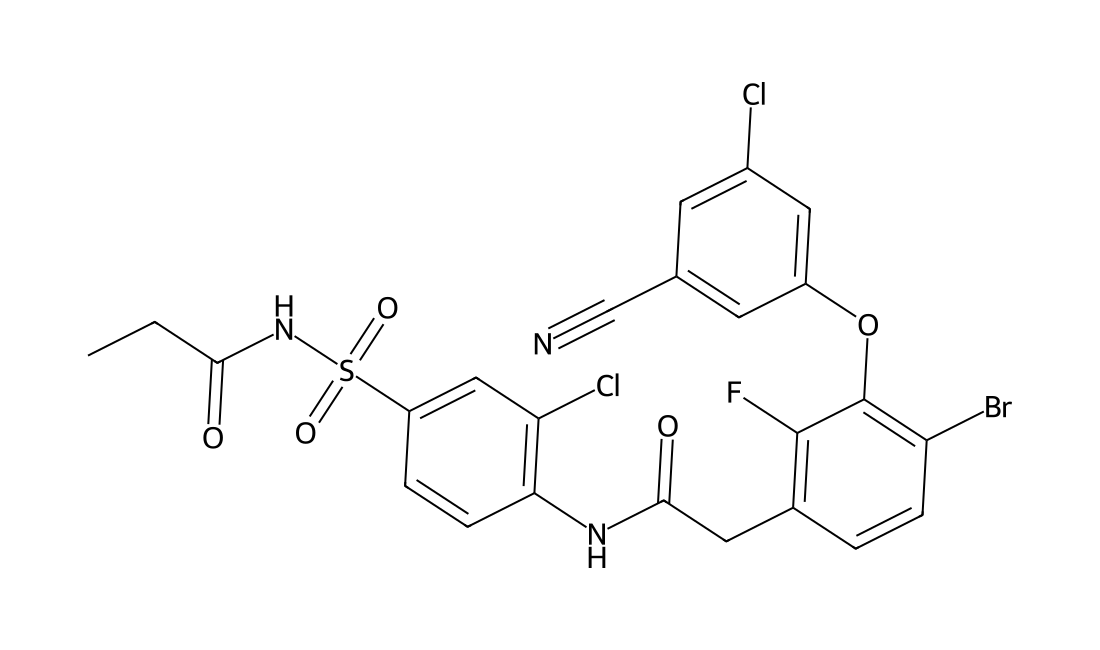
Lucitanib(E3810)Featured
E-3810 is a novel dual inhibitor targeting human vascular endothelial growth factor receptors (VEGFRs) and fibroblast growth factor receptors (FGFRs) with antiangiogenic activity.
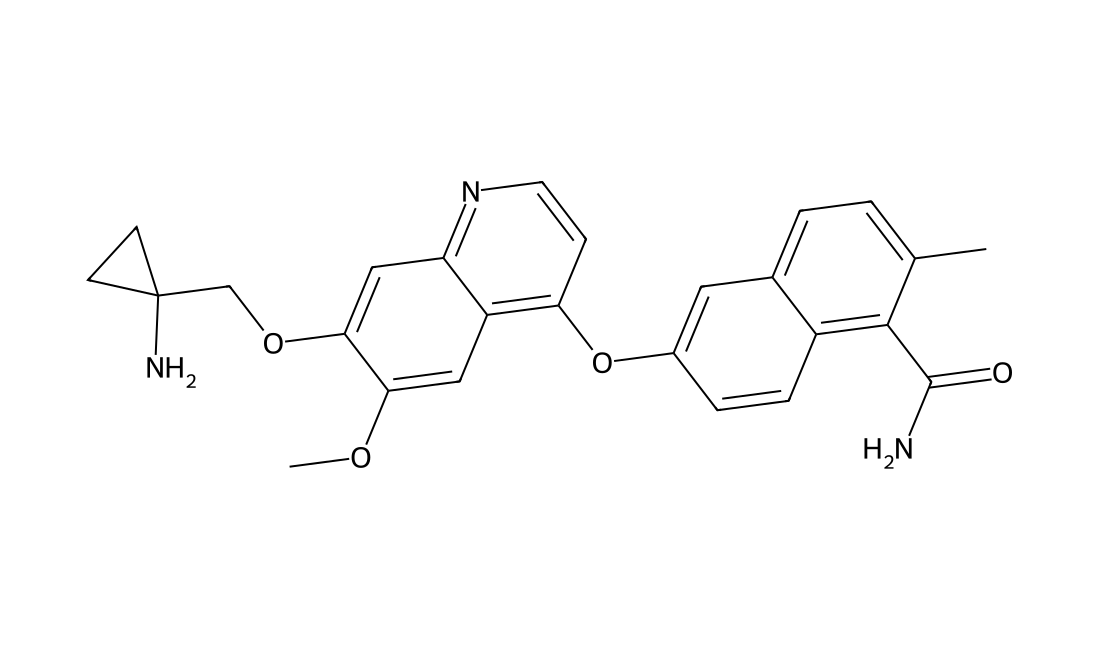
PFI-90Featured
PFI-90 is a selective inhibitor of the histone demethylase KDM3B. PFI-90 induces apoptosis and cell differentiation resulting in delayed tumor progression in vivo.
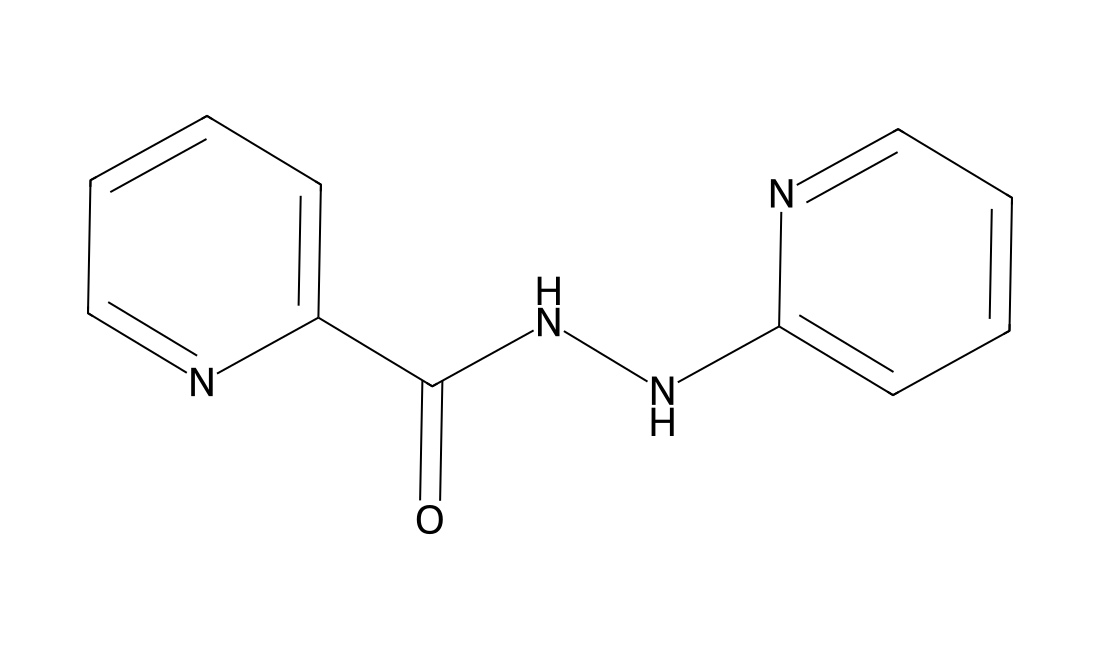
MCU-i4Featured
MCU-i4 is a negative modulator of the mitochondrial calcium uniporter (MCU) complex that directly binds a specific cleft in MICU1 and decreases mitochondrial Ca2+ influx.,MCU-i4 decreases mitochondrial Ca2+ influx. Docking simulations reveal that MCU-i4 directly binds a specific cleft in MICU1, a key element of the MCU complex that controls channel gating. Accordingly, in MICU1-silenced or deleted cells, the inhibitory effect of MCU-i4 is lost. Moreover, MCU-i4 fails to inhibit mitochondrial Ca2+ uptake in cells expressing a MICU1 mutated in the critical amino acids that forge the predicted binding cleft.1
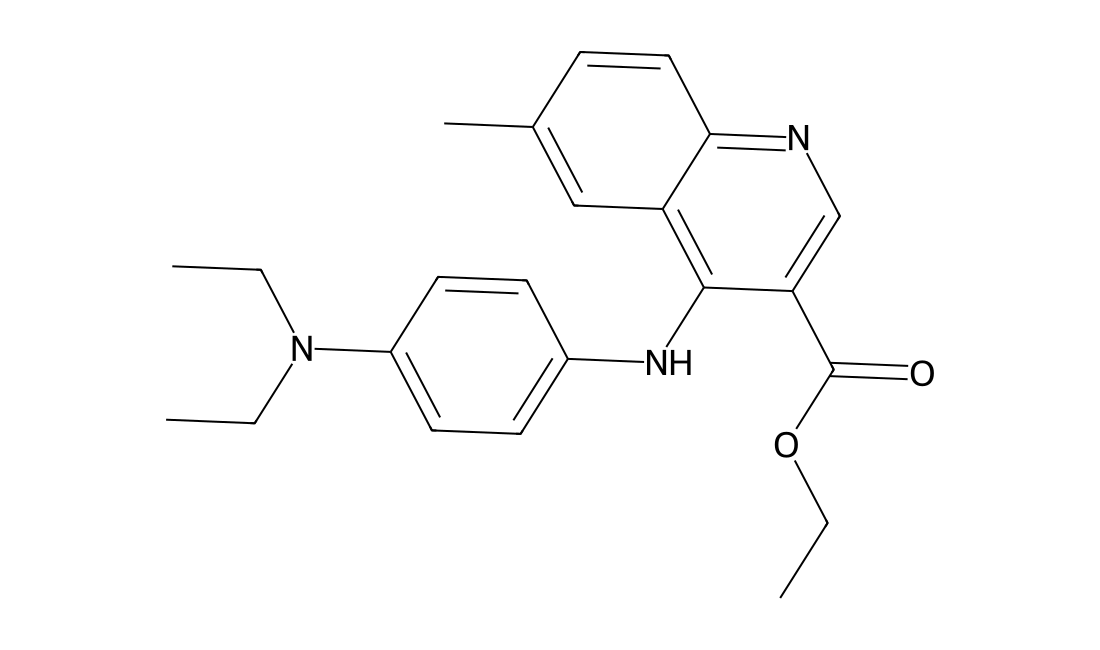
SC144Featured
SC144 is an orally active small-molecule gp130 inhibitor.
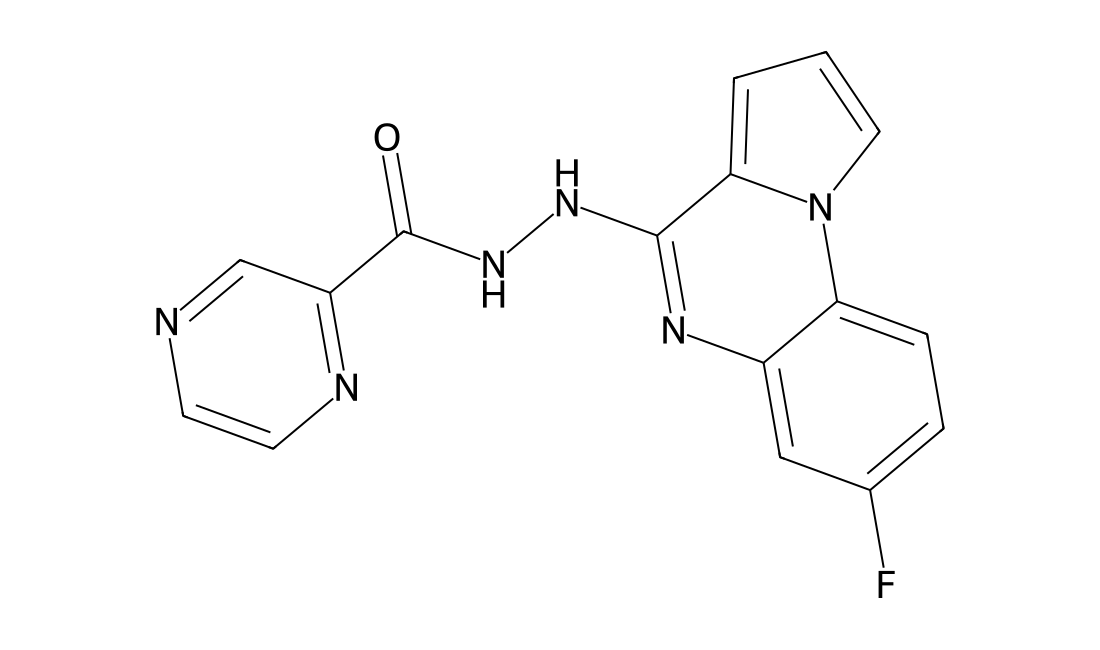
KEA1-97Featured
KEA1-97 (KEA 1-97) is a small molecule that disrupts the interaction of thioredoxin with caspase 3.
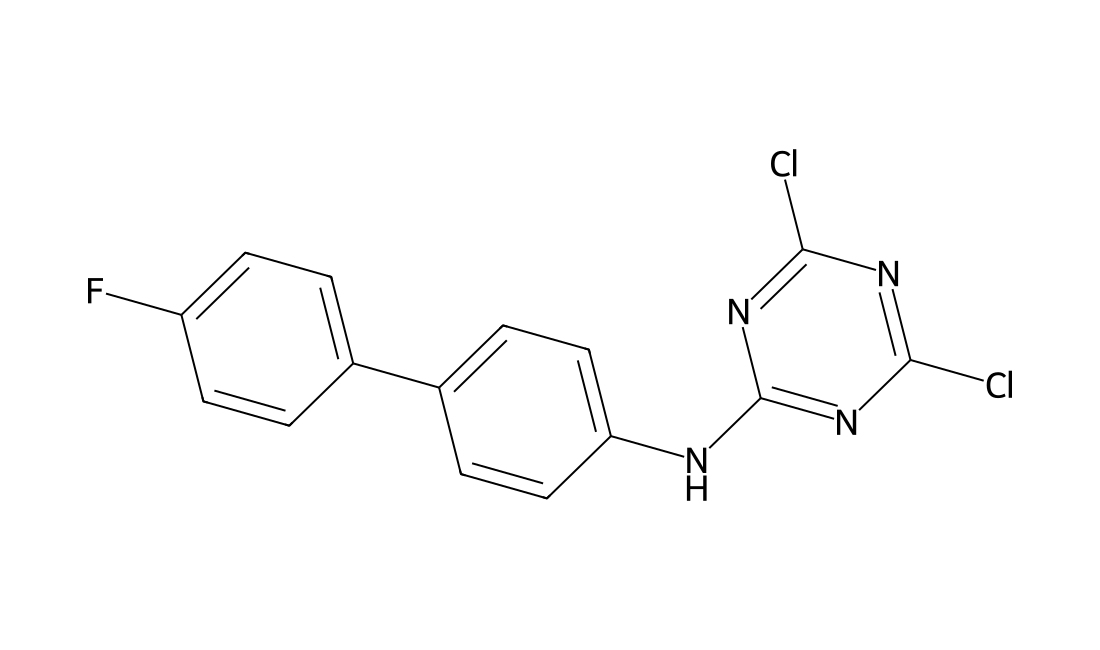
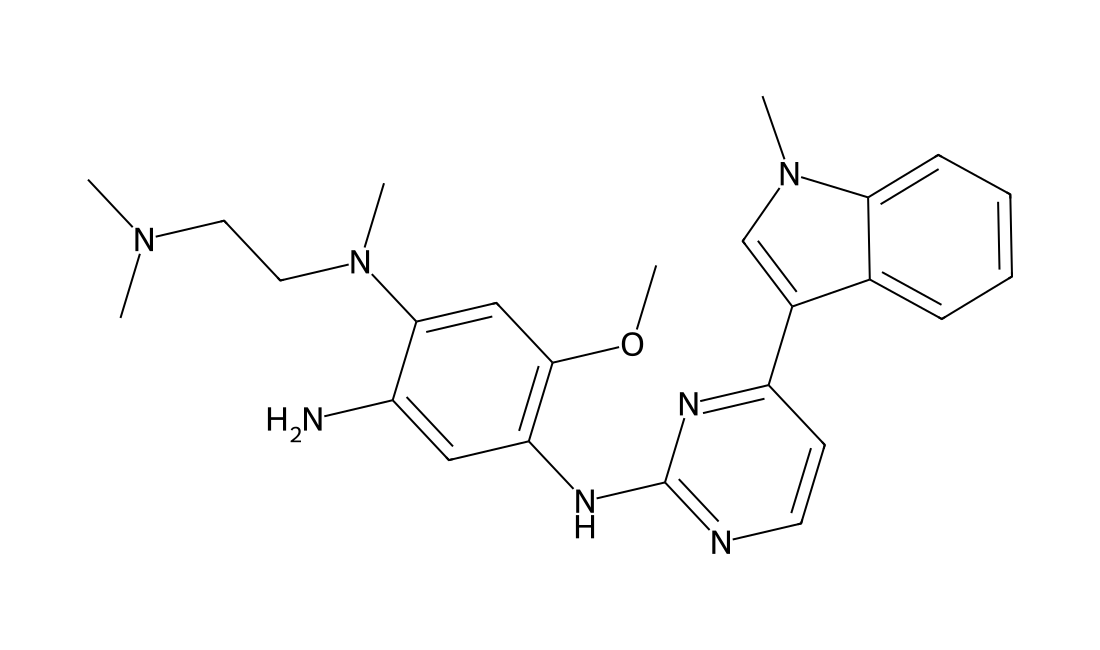
A des acryl analogue of AZD9291 that is a useful intermediate for the inhibitors design for mutated EGFR, such as L858R EGFR, Exonl9 deletion activating mutant and T790M resistance mutant..
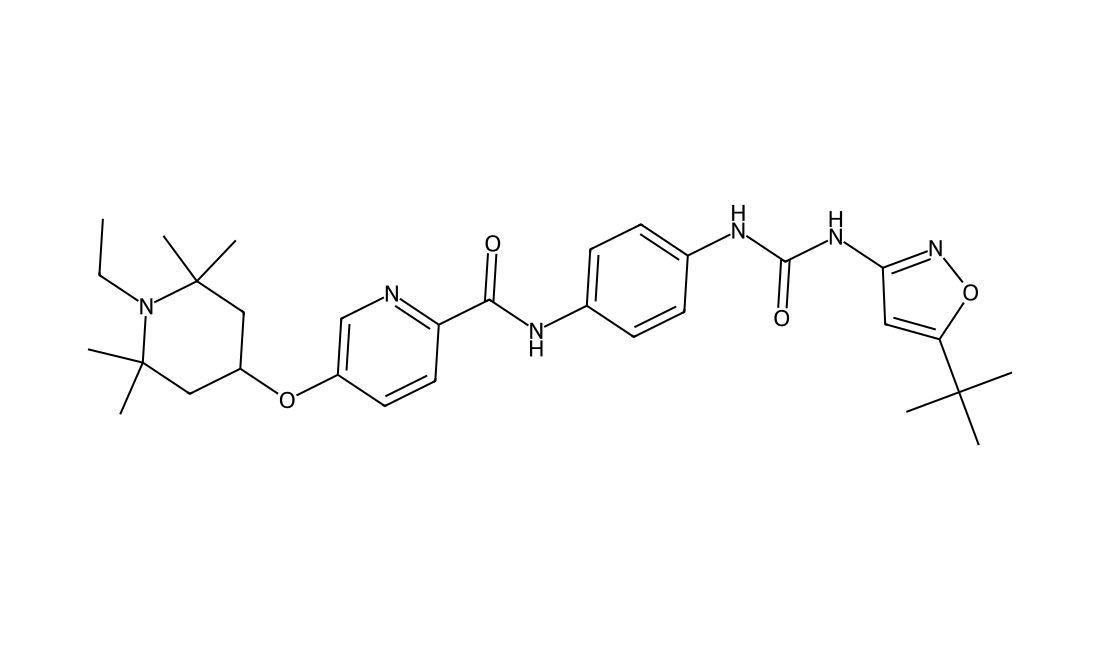
AC710Featured
AC710, is a potent Globally Selective Inhibitor of Platelet-Derived Growth Factor Receptor-Family Kinases.
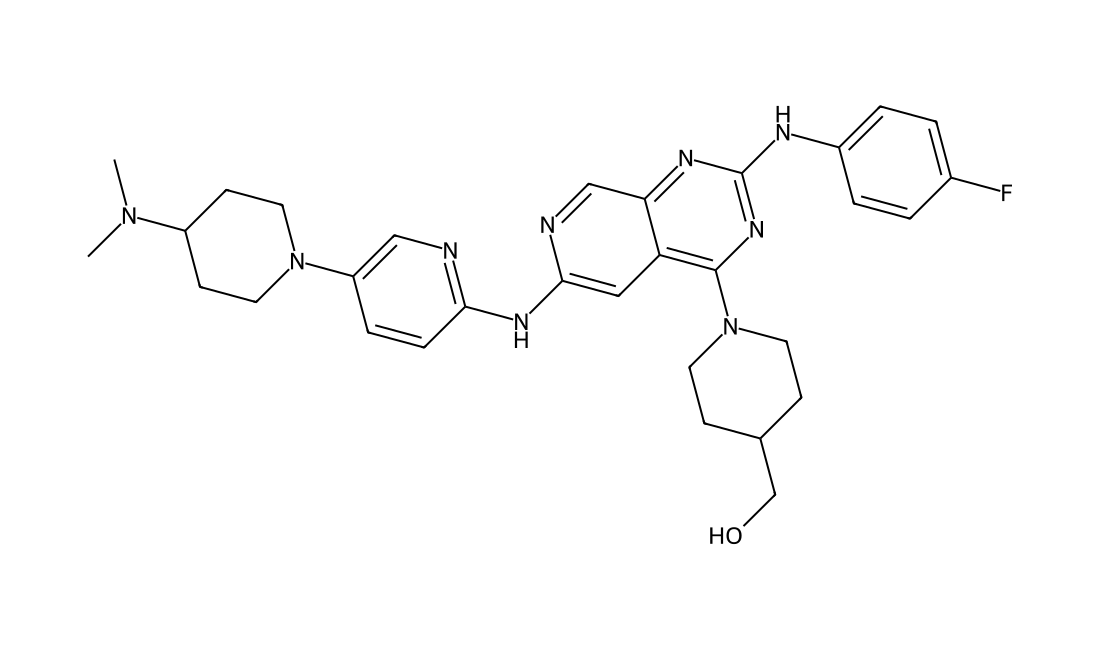
mutant EGFR inhibitor B30Featured
mutant EGFR inhibitor B30 is a potent, selective, next-generation EGFR mutants inhibitor with IC50 of 1.1 and 7.2 nM for EGFRL858R and EGFRL858R/T790M/C797S, respectively.
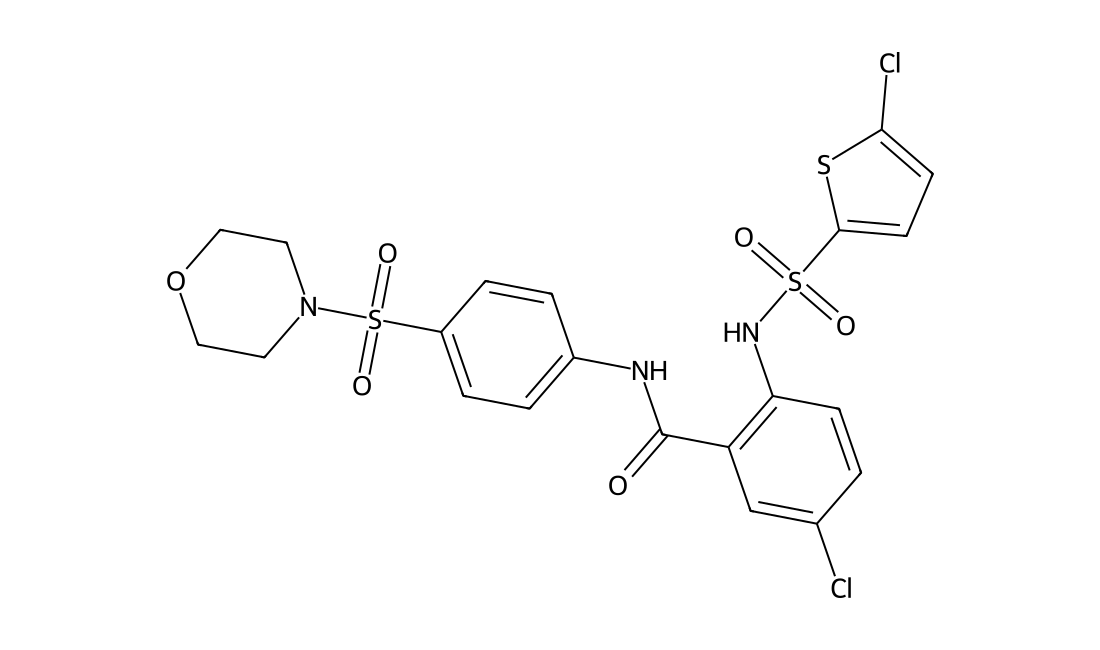
AtaciguatFeatured
Ataciguat (HMR-1766) is a potent, specific soluble guanylate cyclase (sGC) activator with EC50 of 0.51 uM, preferentially activates the NO-insensitive heme-oxidized form of sGC.
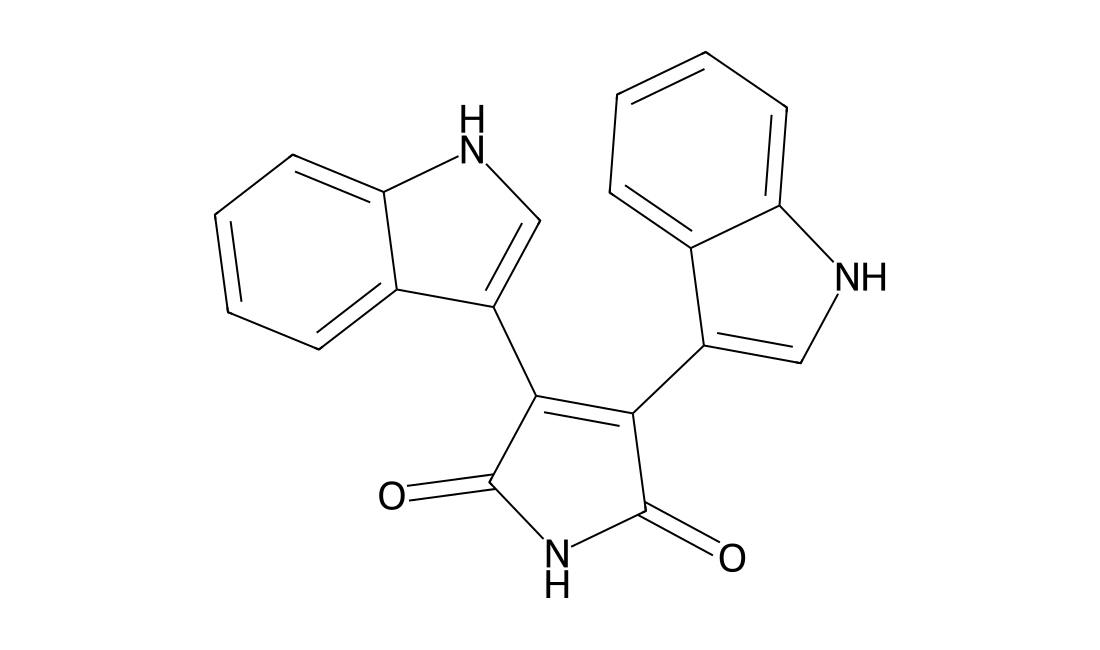
Bisindolylmaleimide IVFeatured
Bisindolylmaleimide IV (Arcyriarubin A) is a potent protein kinase C (PKC) inhibitor, with IC50s ranging from 0.1 to 0.55 μM. Bisindolylmaleimide IV also inhibits PKA (IC50=3.1-11.8μM). Bisindolylmaleimide IV is a potent, selective inhibitor of human cytomegalovirus (HCMV) replication in cell culture with an IC50 of 0.2 μM.
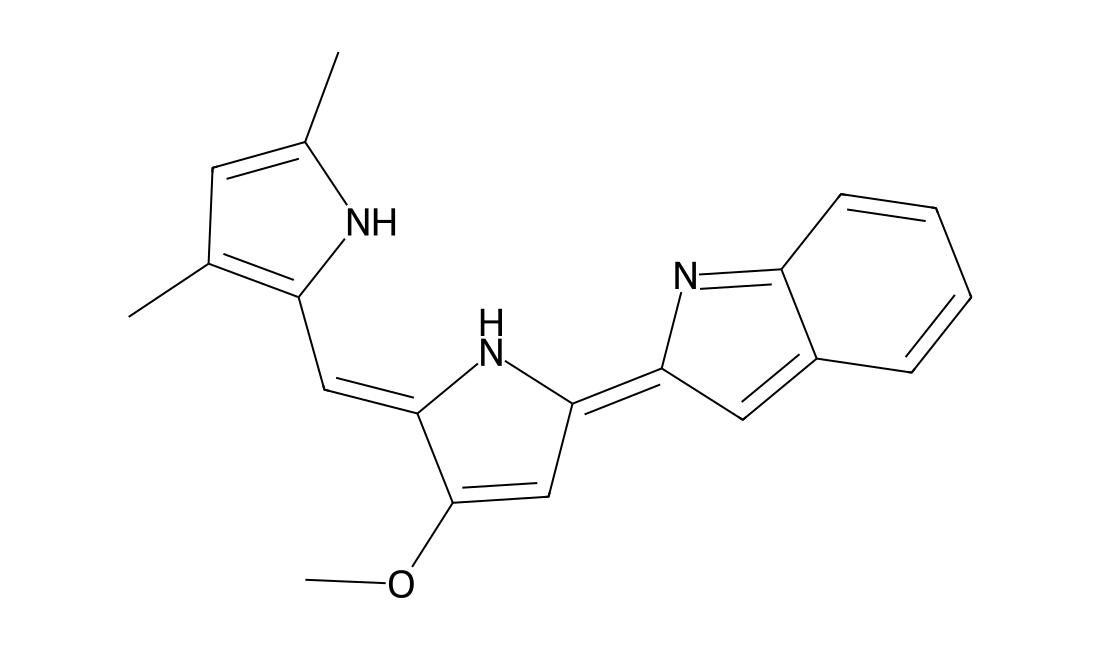
Obatoclax (GX15-070)Featured
Obatoclax (GX15-070) is Bcl-2 homology domain-3 (BH3) mimetic, antagonize all antiapoptotic Bcl-2 family proteins (average IC50, 3 umol/L), including Mcl-1 (IC50, 2.9 umol/L) and Bfl-1 (IC50, 5 umol/L).
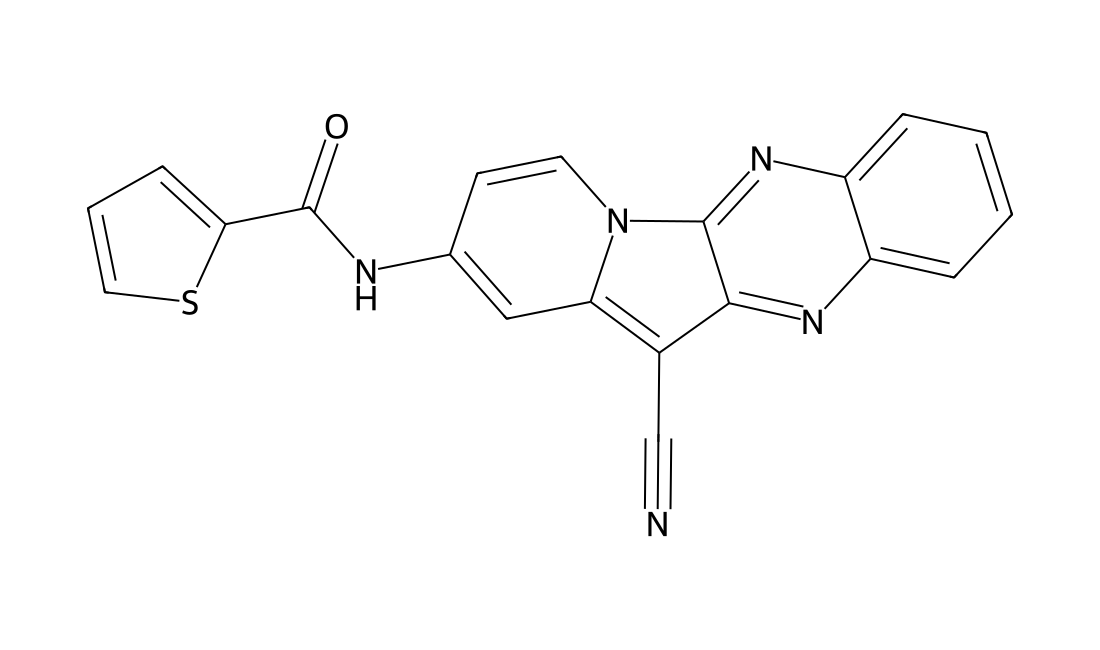
HI-TOPK-032Featured
A novel potent, specific TOPK inhibitor that has no effect on ERK1, JNK1, or p38 kinase activity.
No products match this search.
Page 283 of 284 · Browse all 5677 products
Jump to a product page
Featured literature product: HX1 · DCL0028
HX1 is a hydroxyzine-derived ionizable lipid with acetal-containing tails, studied in lipid nanoparticles for brain mRNA delivery and CRISPR–Cas9 delivery. It was the lead in the reported in vivo brain-delivery screen; evidence is preclinical and formulation-dependent.
Read full formulation and performance →