
Research lipid catalog
Ionizable Lipid Products
Explore 848 lipid and RNA delivery products. Search the full catalog or browse by research category.
Search covers product name, catalog number, synonyms, available CAS numbers and categories. Spaces, hyphens and common punctuation are ignored. Duplicate legacy records are consolidated under one canonical product result.
5677 products · Showing 5541–5560 · 20 per page
DC Chemicals lipid expertise
Built for ionizable-lipid discovery and RNA delivery research
DC Chemicals supports formulation and delivery research with a broad, searchable portfolio of cationic and ionizable lipids. The current directory brings together 848 unique research-use products, with product specifications, pricing, chemical structures and literature-linked formulation data added as each record is verified.
Our experience spans complex lipid synthesis, purification, analytical release and process development. For custom molecules or larger-scale requirements, our team can discuss route development, technical specifications and scale-up options for the intended research workflow.
Learn about cationic and ionizable lipids →Proprietary innovation · Co-development · GMP
From proprietary lipid design to GMP-grade custom synthesis
DC Chemicals has independently developed ionizable-lipid structures supported by company-owned intellectual property, and selected proprietary lipid programs have advanced to GMP-stage development.
We welcome joint development with customers—from molecular design and lipid synthesis through route and process development. We can also support custom synthesis of GMP-grade ionizable lipids to agreed technical specifications and quality requirements.
Discuss a co-development project →Proprietary ionizable-lipid structuresCollaborative molecular designCustom lipid synthesisProcess development and scale-upGMP-grade project support
Product quick links
Explore New ionizable lipids
Explore our five most recently added ionizable lipids, with specifications, pricing and literature-linked product information.
DCL0028HX1Brain RNA delivery researchView product →DCL0024A1I4R13C18-2Spleen-targeted RNA delivery researchView product →DCL0023A1I4R2C18-2Spleen-targeted RNA delivery researchView product →DCL0022FS01Local joint RNA delivery researchView product →DCL0020Lipid-392Lung RNA delivery and gene editing researchView product →
Cat. No.Product NameField of ApplicationChemical Structure
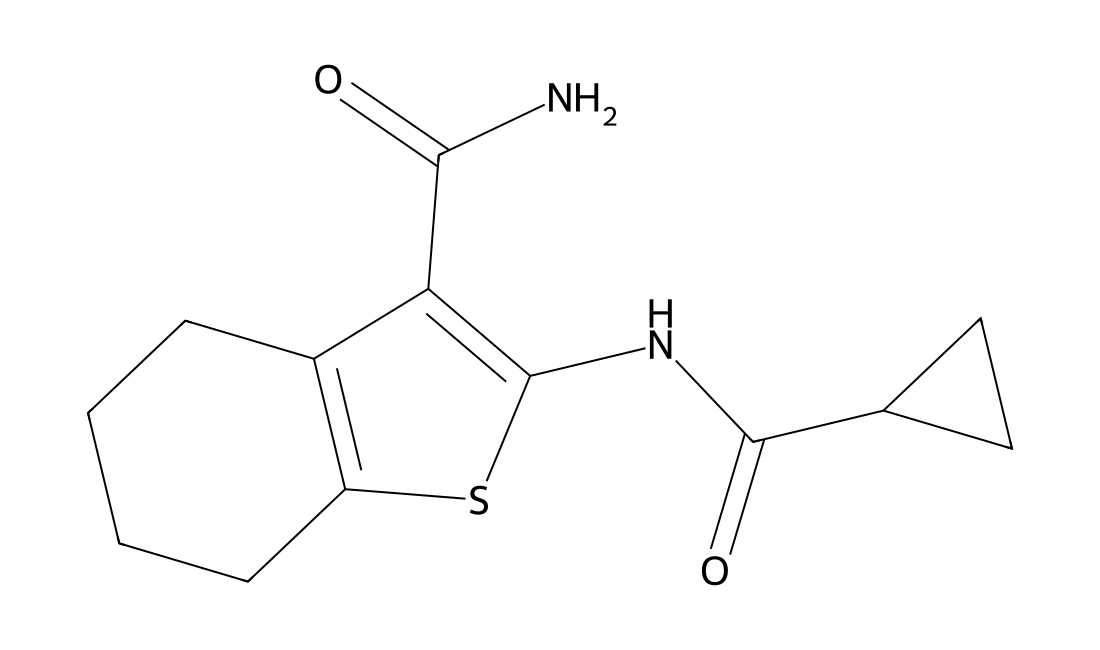
CDN1163Featured
CDN1163 (CDN-1163) is a small molecule, allosteric activator of SERCA2, dose-dependently increases the Vmax of SERCA2 Ca2+-ATPase activity in ER microsomes; increases Ca2+-ATPase activity and significantly enhances Ca2+ uptake into the ER, attenuates H2O2-stimulated cell death in HEK cells; improves glucose homeostasis and metabolic parameters, increases glucose tolerance in ob/ob mice; CDN1163 reduces lipid accumulation and decreases lipogenesis in obese mice livers.
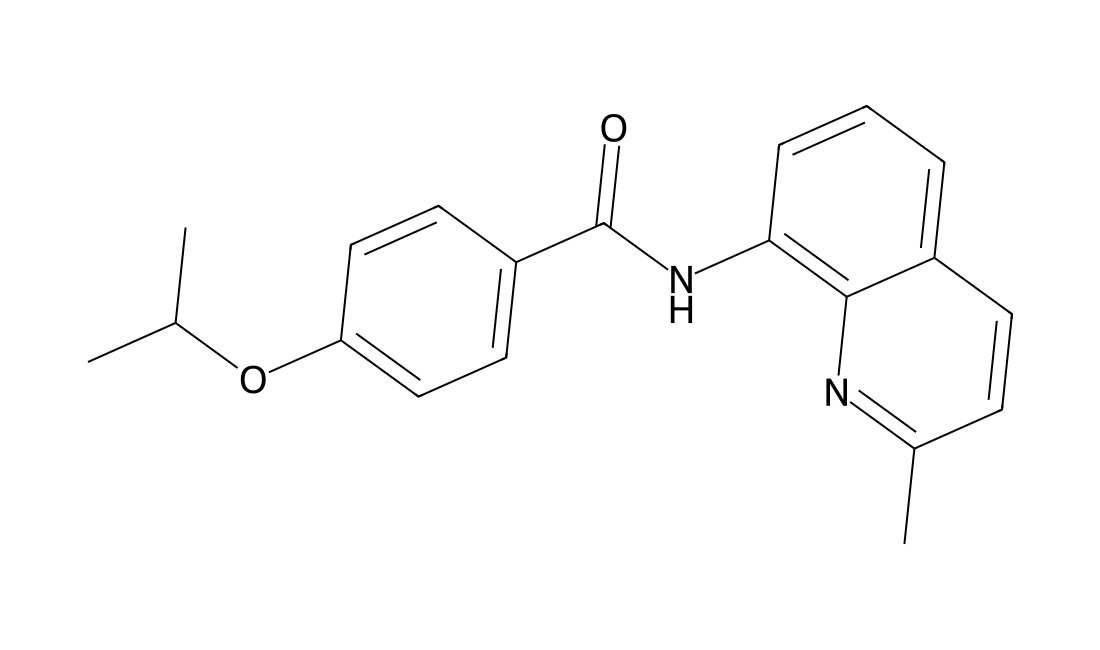
AX20017Featured
AX20017 is a small-molecule protein kinase G (PknG) inhibitor with an IC50 of 0.39 μM.
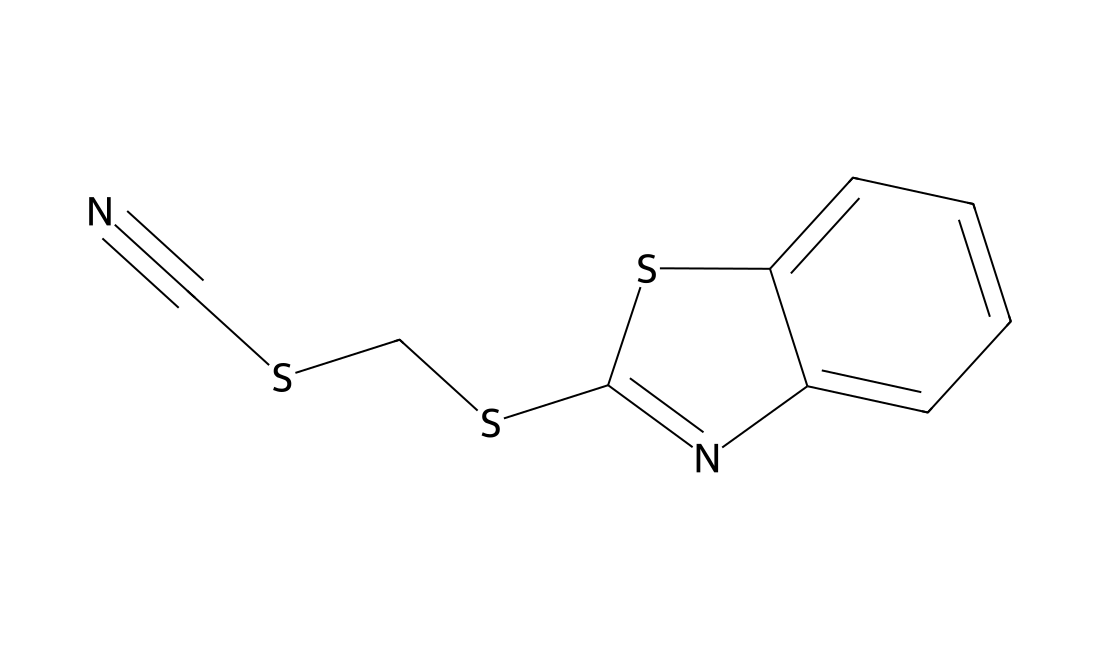
Tolcide 2230Featured
An antimicrobial agent used as a substitute for chlorophenols
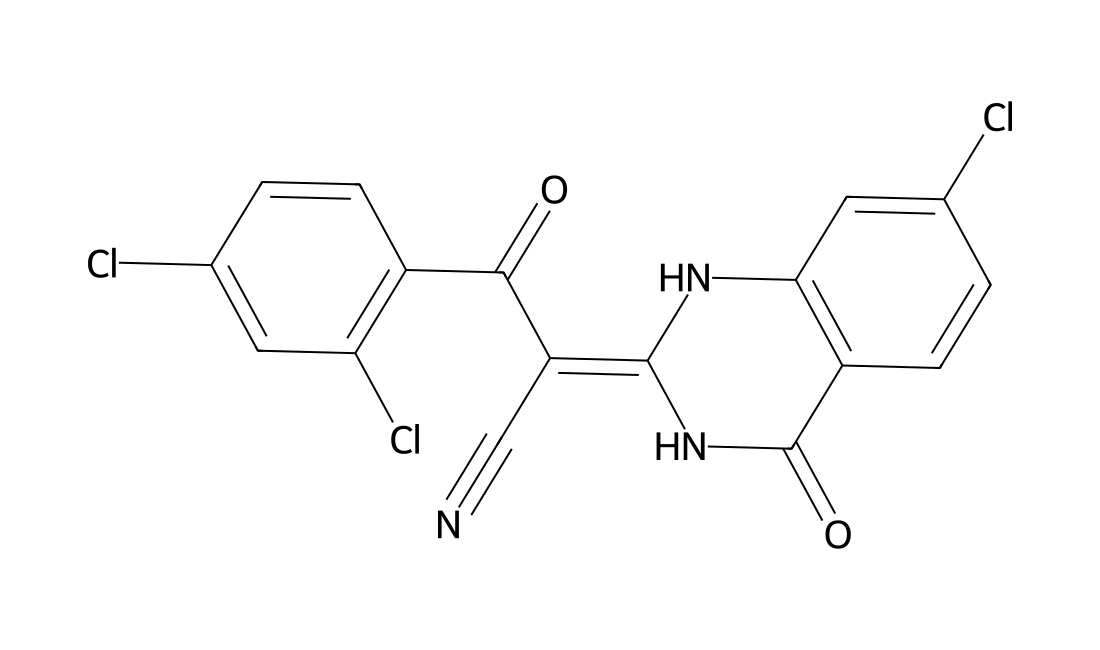
Ciliobrevin DFeatured
Ciliobrevin D is a cell-permeable, reversible, specific inhibitor of cytoplasmic dynein, blocks dynein-dependent microtubule gliding and ATPase activity while sparing kinesin dependent cellular trafficking.
BAM15Featured
BAM15 is a potent and selective mitochondrial uncoupler or protonophore. Chemical mitochondrial uncouplers are lipophilic weak acids that transport protons into the mitochondrial matrix via a pathway that is independent of ATP synthase, thereby uncoupling nutrient oxidation from ATP production. These uncouplers have potential for the treatment of diseases such as obesity, Parkinson’s disease, and aging.
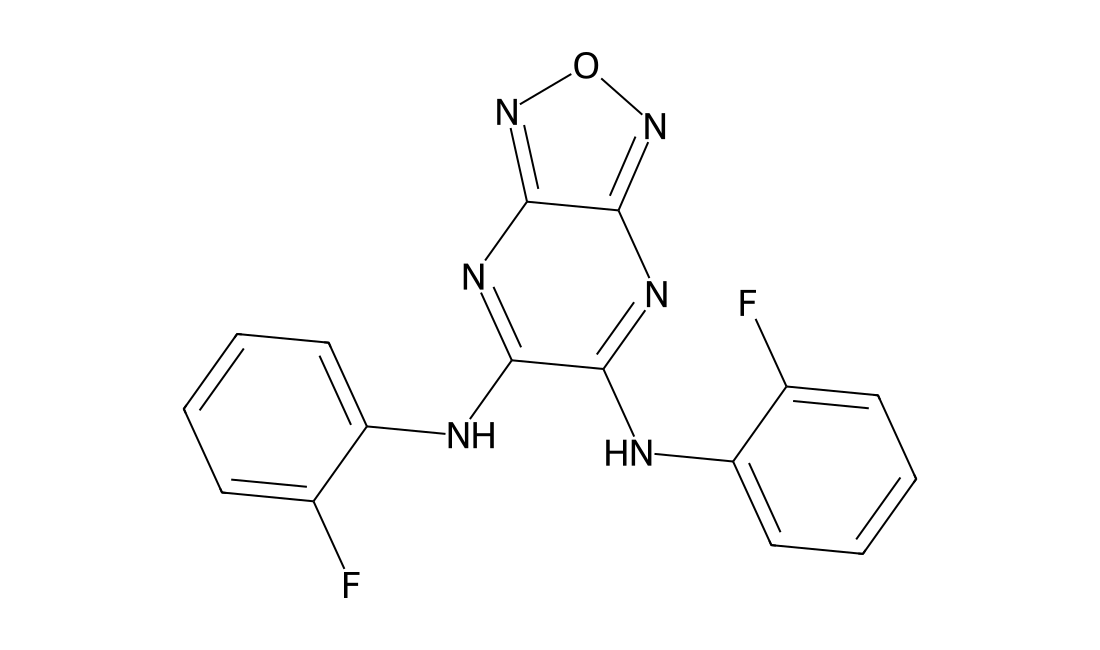
BTTAAFeatured
BTTAA is a Cu(I)-stabilizing ligand, whch performs potently with ubiquitin Glu18AzF.
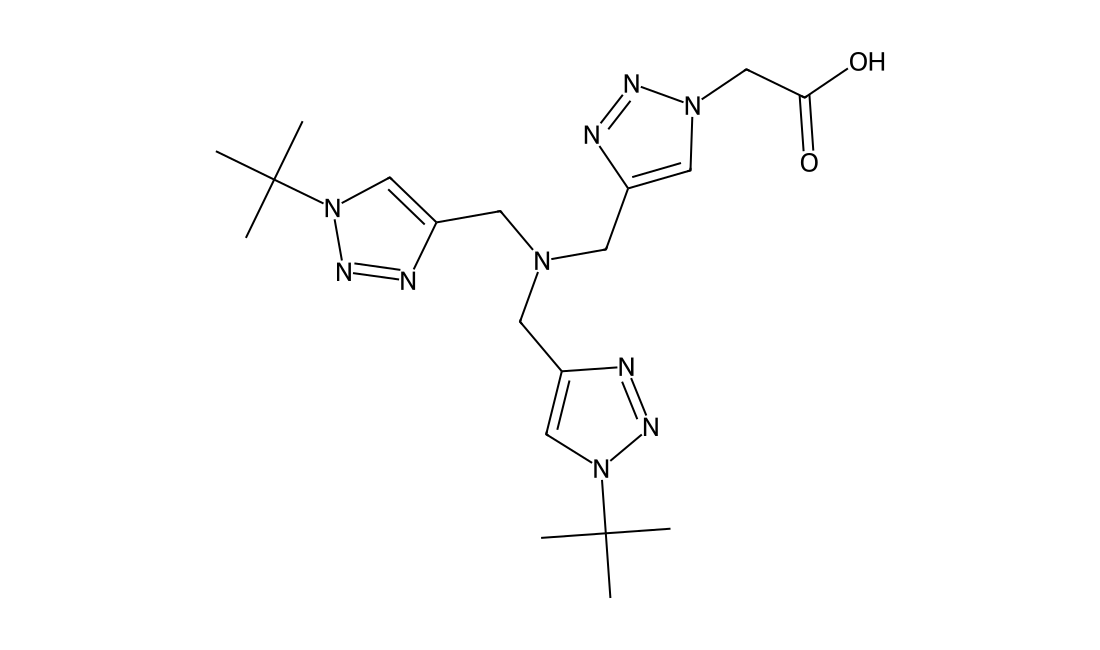
GW-506033X(PKR Inhibitor C16)Featured
C16, also known as GW-506033X or PKR Inhibitor. C16 binds the ATP-binding site of PKR and blocks autophosphorylation with an IC50 value of 186-210 nM. GW-506033X protects human neuroblastoma cells against cell damage triggered by tunicamycin-mediated endoplasmic reticulum stress. PKR inhibitor C16 prevents apoptosis and IL-1β production in an acute excitotoxic rat model with a neuroinflammatory component. PKR inhibitor C16 binds efficiently with human microtubule affinity-regulating kinase 4.
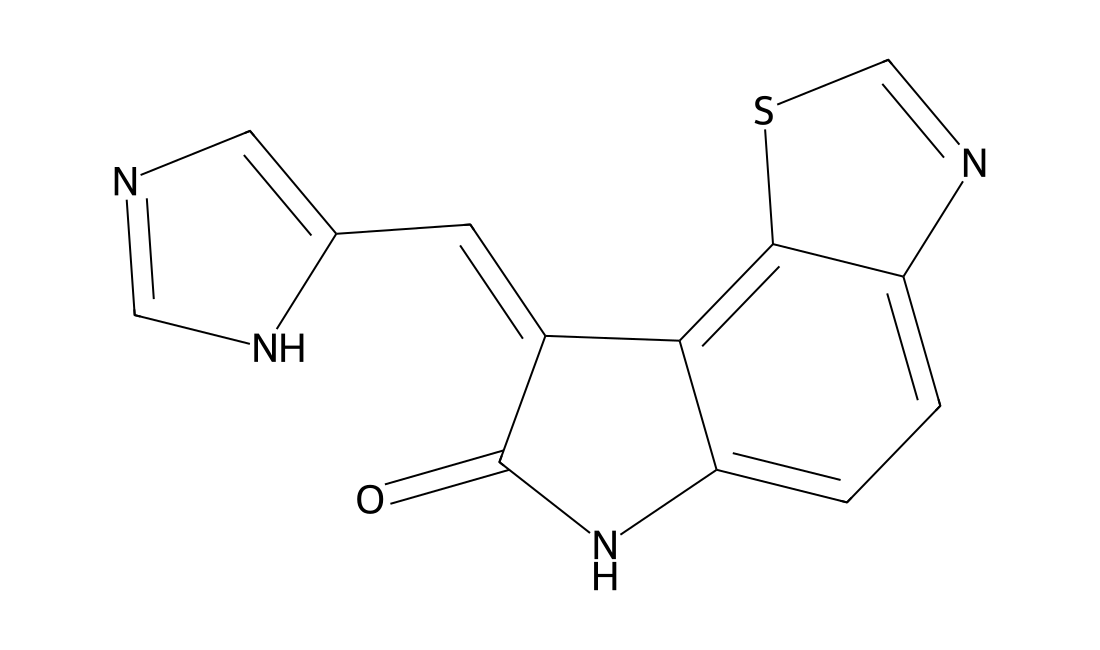
HLY-78Featured
HLY78 is an activator of the Wnt/β-catenin signaling pathway, which targets the DIX domain of Axin and potentiates the Axin-LRP6 association to promote Wnt signaling transduction1.
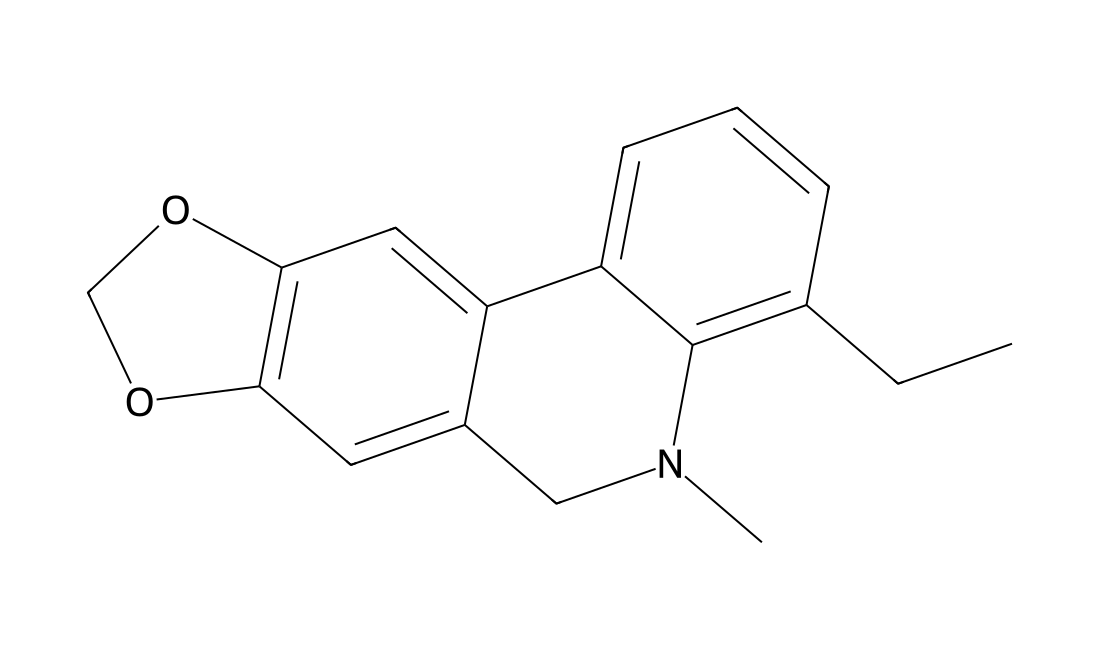
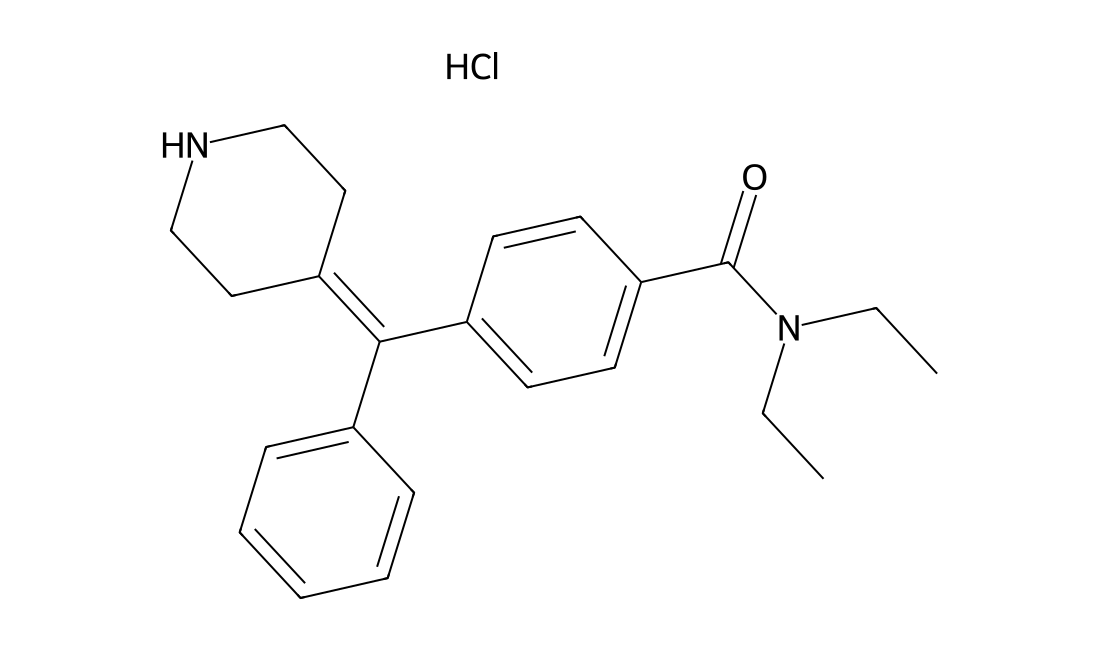
ARM390 HydrochlorideFeatured
ARM390 is a non-peptidic, low-internalizing δ-selective opioid receptor agonist.
FB23Featured
FB23 is a potent and selective FTO demethylase inhibitor with an IC50 of 60 nM. FB23 directly binds to FTO and selectively inhibits FTO's mRNA N6-methyladenosine (m6A) demethylase activity.
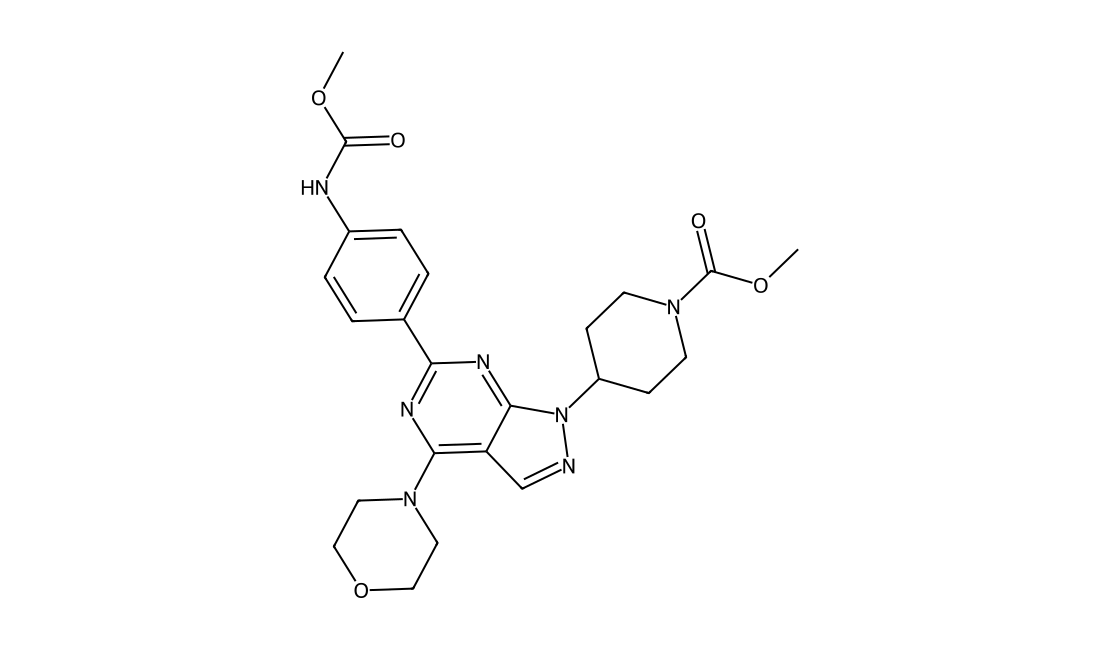
WYE-354Featured
WYE-354 is a potent cell-permeable inhibitor of mTOR (IC50 = 4.3 nM) which blocks signaling through both mTOR complex 1 (mTORC1) and mTORC2.1,2 It is a much weaker inhibitor of phosphatidylinositol 3-kinase α (IC50 = 1026 nM) and other kinases.3 WYE-354 i
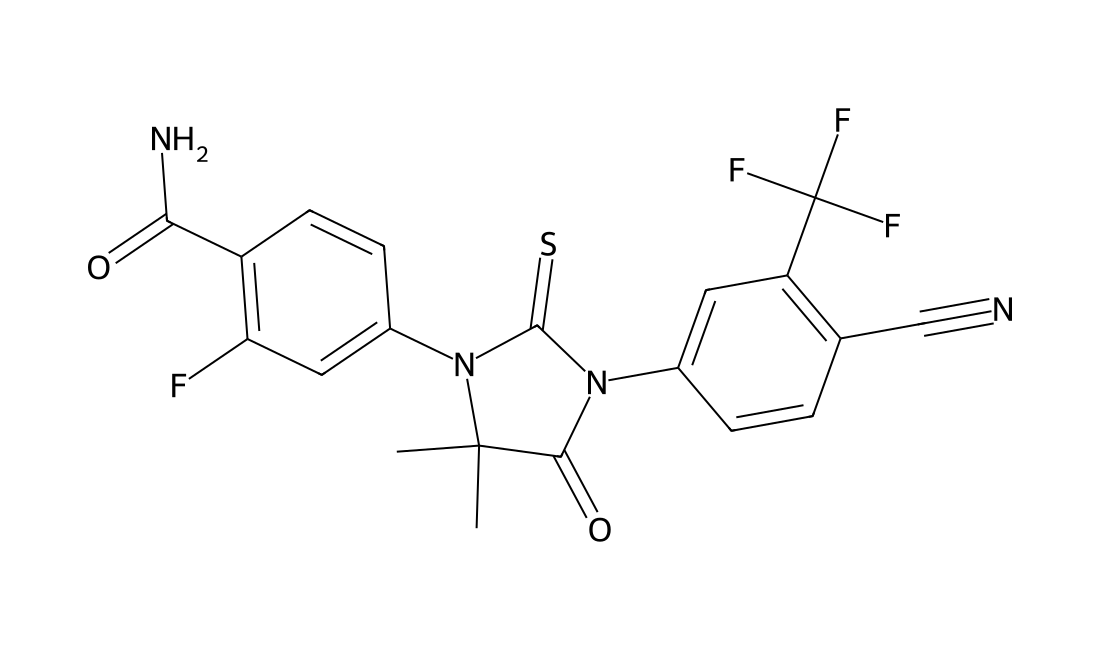
N-desmethyl EnzalutamideFeatured
N-desmethyl Enzalutamide(N-desmethyl MDV3100) is a major metabolite of Enzalutamide, Enzalutamide(MDV3100) is an androgen-receptor (AR) antagonist with IC50 of 36 nM.
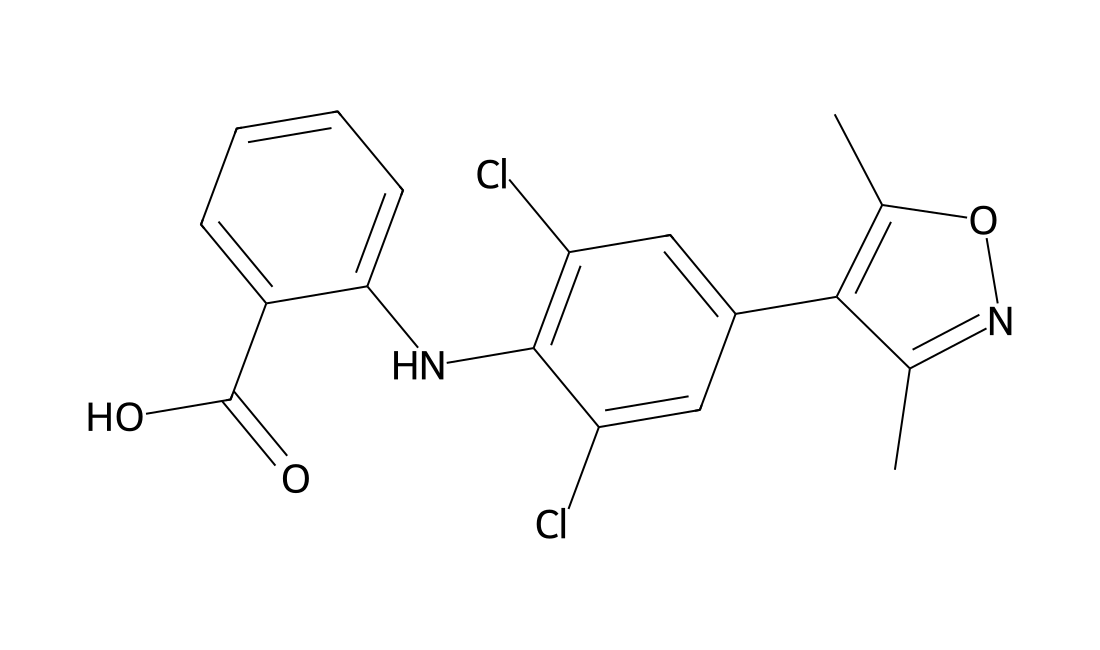
BMS-191011Featured
BMS 191011 is an activator of large-conductance calcium-activated potassium (BKCa) channels that increases maximum potassium current to 126% of control in X. laevis oocytes expressing human BKCa channels when used at a concentration of 1 μM.
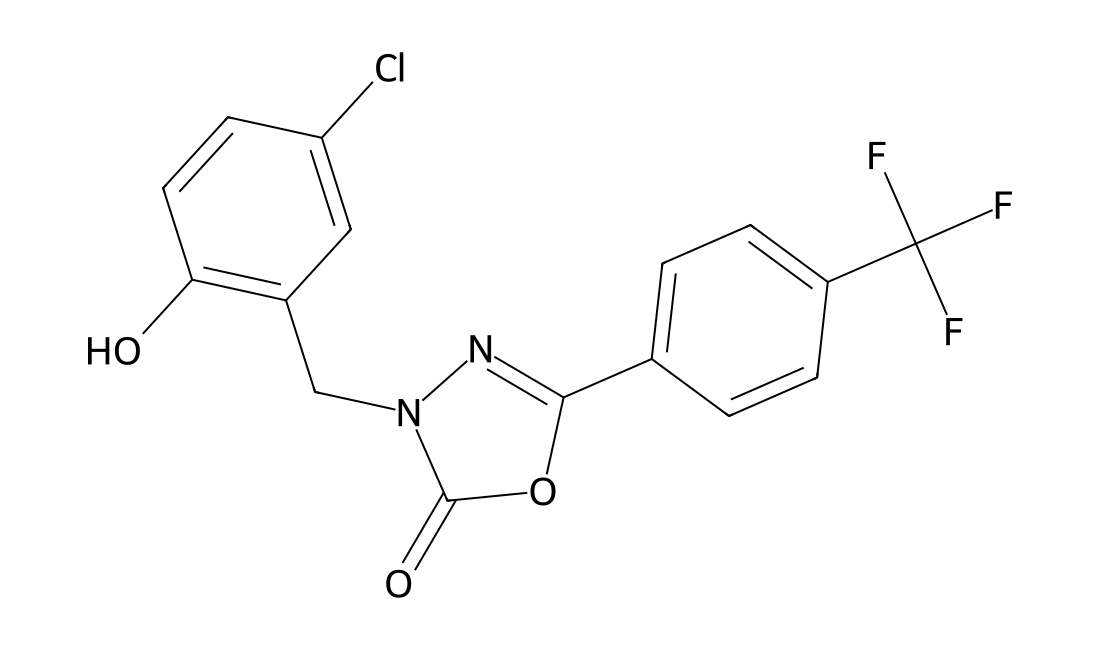
AZD0865(Linaprazan)Featured
AZD0865 is a potent agent that inhibits gastric H(+),K(+)-ATPase activity and acid formation in vitro, with a fast onset of effect.
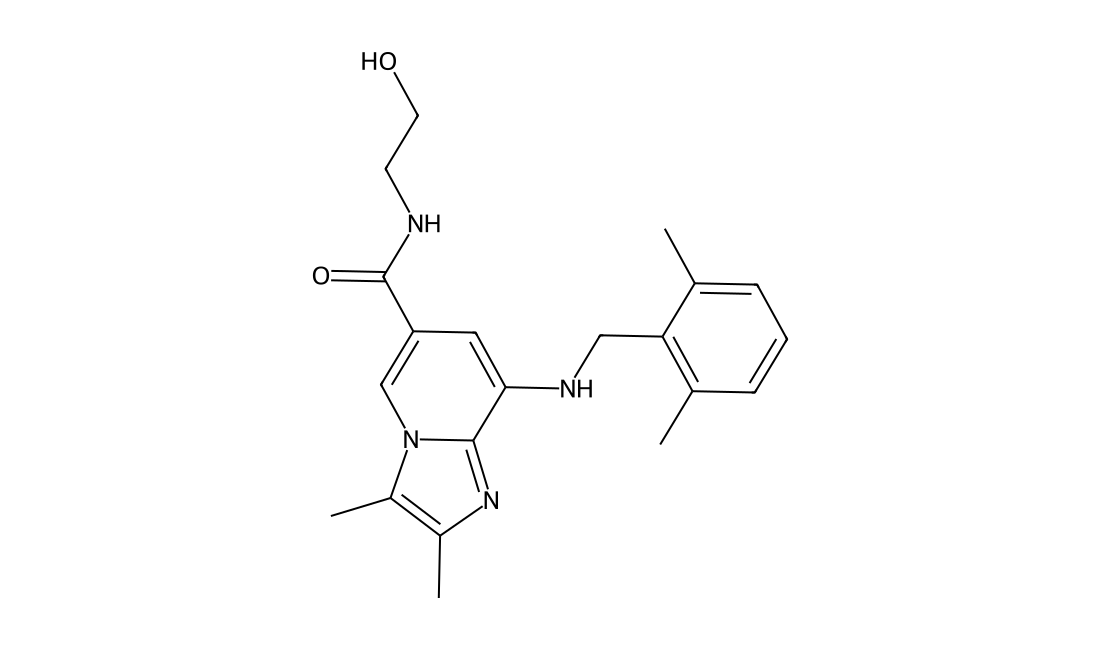
TCPOBOPFeatured
TCPOBOP is an agonist of the constitutive androstane receptor (CAR) (EC50 = 20 nM). TCPOBOP enhances the nuclear receptor CAR transactivation of cytochrome P450 (CYP), as dose-dependent direct agonist of CAR. The most potent known member of the phenobarbital-like class of CYP-inducing agents. TCPOBOP has been used for enhancing Mcl-1-Italics promoter functions in mouse hepatoma cells. TCPOBOP has also been used to study constitutive androstane receptor(CAR)-induced gene expression in mouse hepatocytes.
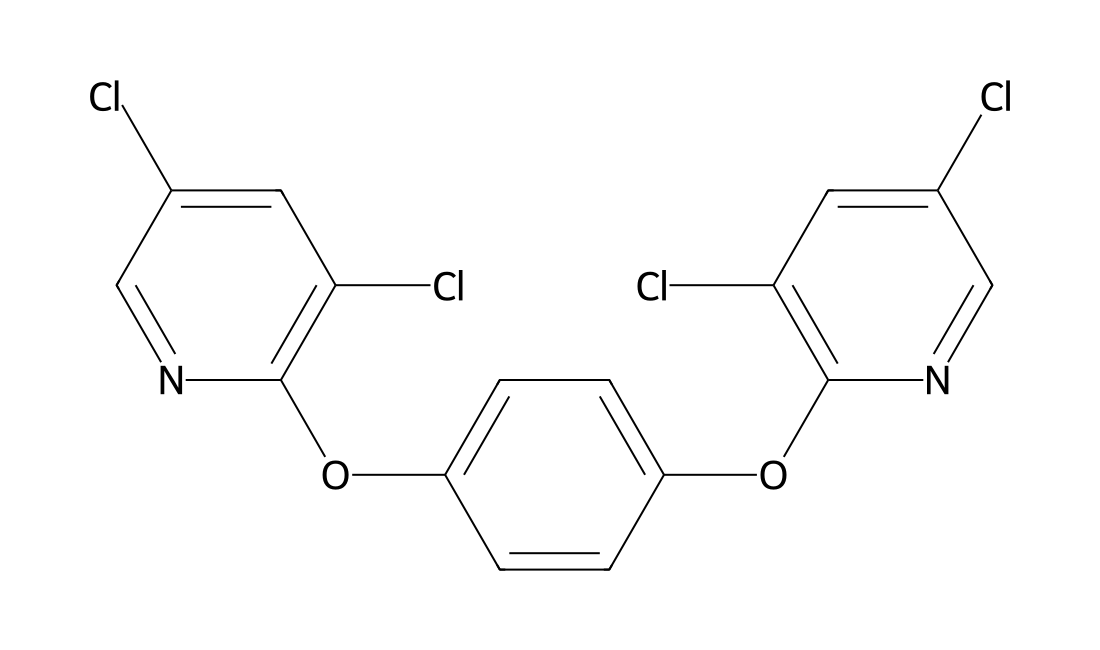
R-10015Featured
A potent, selective inhibitor of human LIMK1 with IC50 of 38 nM .
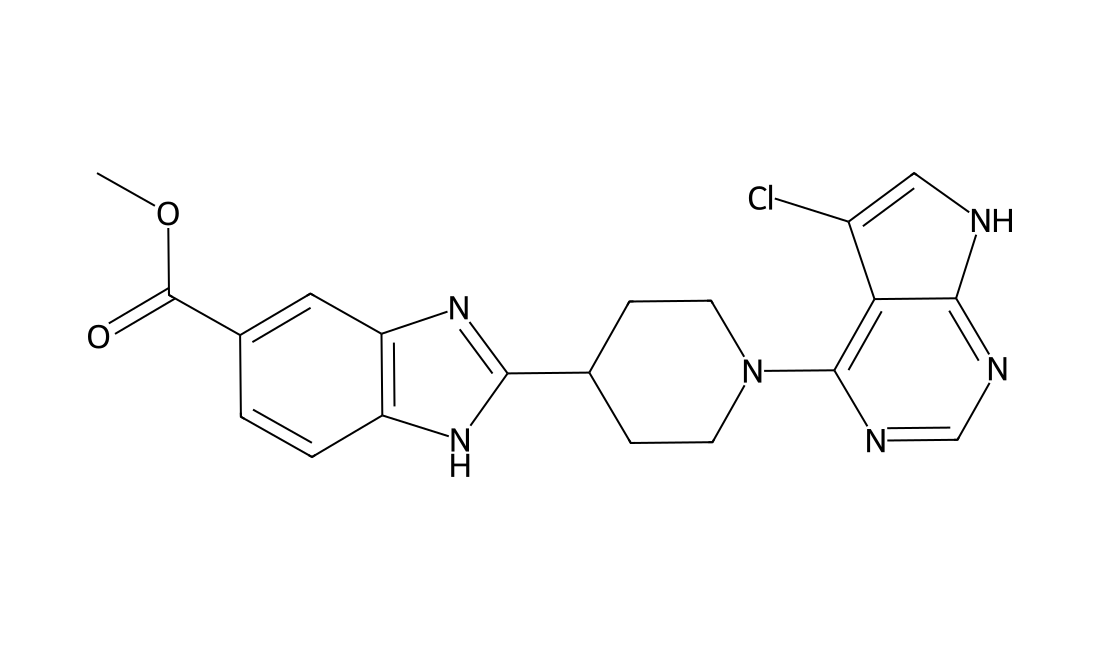
PF-05150122Featured
PF-05150122 is a potent, state-dependent, subtype selective Nav1.7 inhibitor with IC50 of 21 nM, no significant activity against Nav1.5..
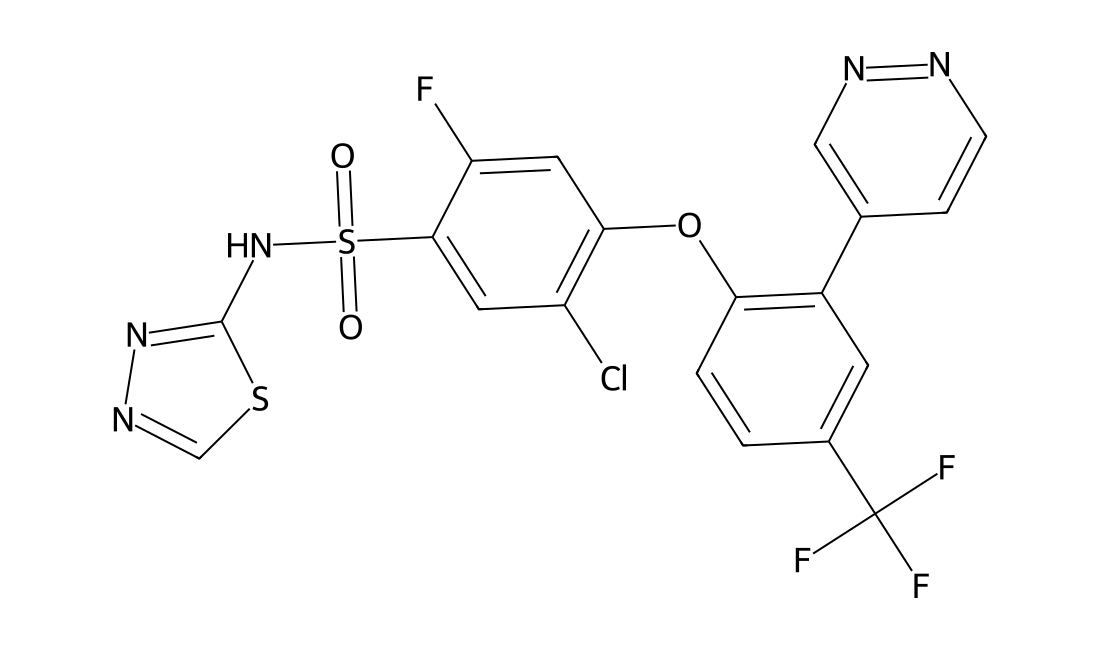
Cinaciguat (BAY 58-2667)Featured
BAY 58-2667 is a nitric oxide (NO)- and heme-independent soluble guanylyl cyclase activator. Displays potent cardiovascular effects.
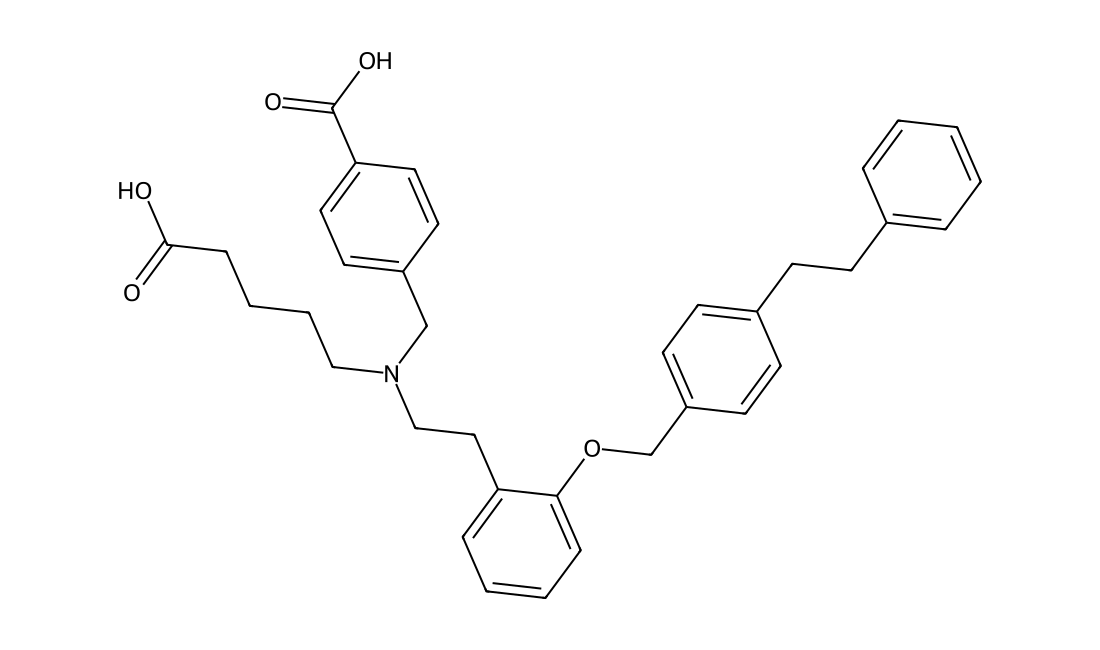
AX-024 free baseFeatured
AX-024 is an cytokine release inhibitor which can strongly inhibit the production of interleukin-6 (IL-6), tumor necrosis factor-α (TNFα), interferon-γ (IFN-γ), IL-10 and IL-17A.
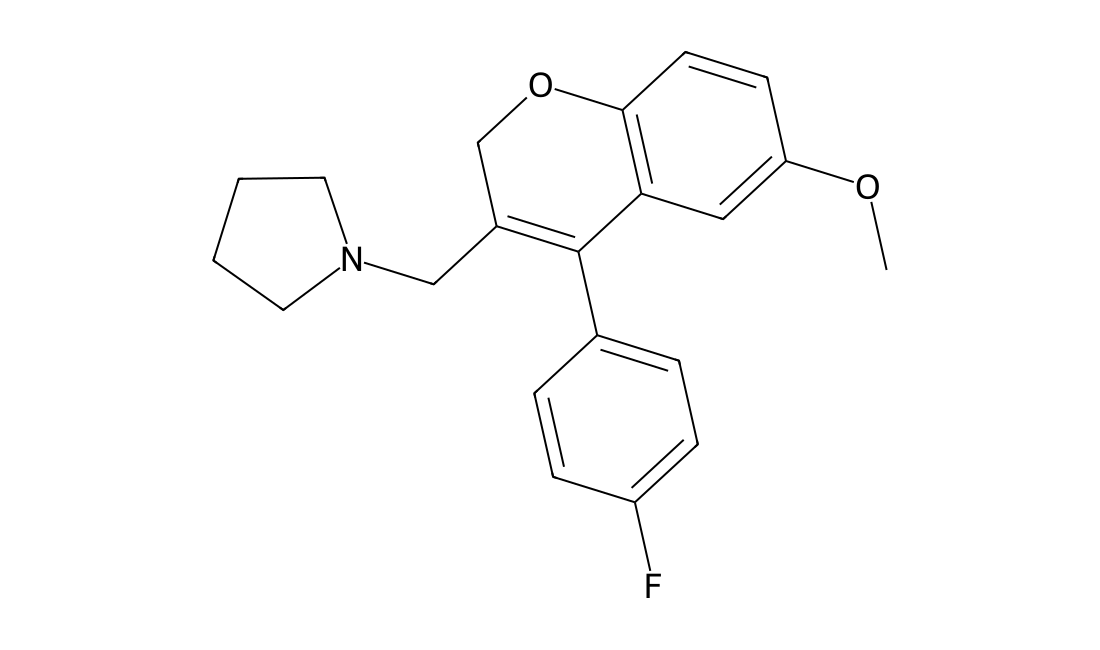
FT011Featured
FT011 is an anti-fibrotic agent, reduces mRNA expression of collagens I and III and inhibits collagen synthesis.
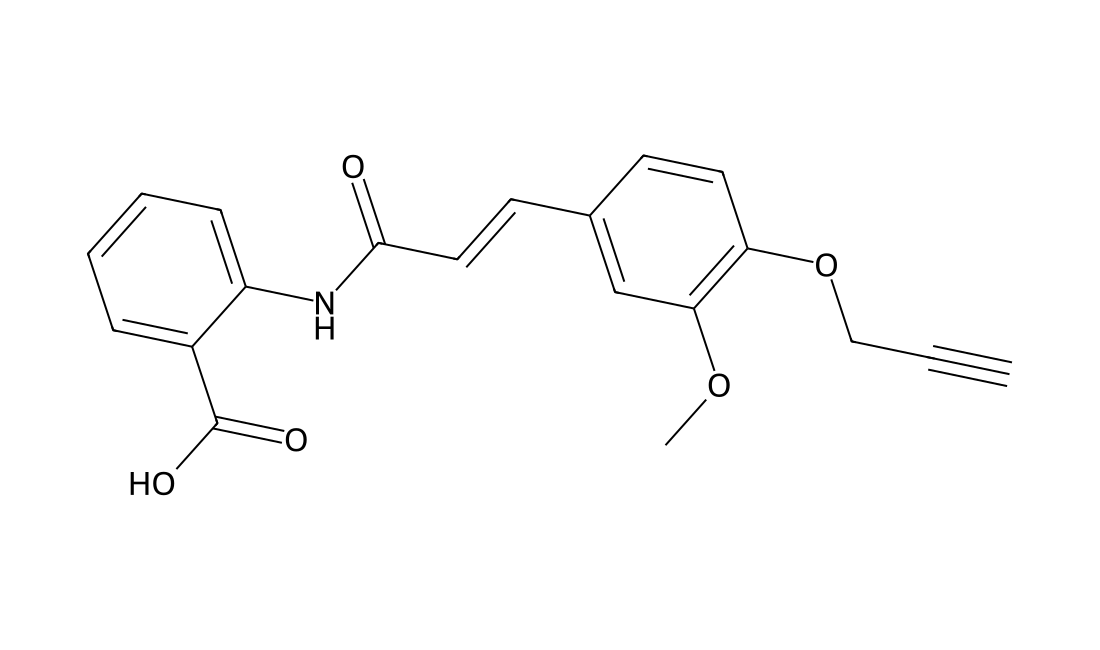
No products match this search.
Page 278 of 284 · Browse all 5677 products
Jump to a product page
Featured literature product: HX1 · DCL0028
HX1 is a hydroxyzine-derived ionizable lipid with acetal-containing tails, studied in lipid nanoparticles for brain mRNA delivery and CRISPR–Cas9 delivery. It was the lead in the reported in vivo brain-delivery screen; evidence is preclinical and formulation-dependent.
Read full formulation and performance →