
Research lipid catalog
Ionizable Lipid Products
Explore 848 lipid and RNA delivery products. Search the full catalog or browse by research category.
Search covers product name, catalog number, synonyms, available CAS numbers and categories. Spaces, hyphens and common punctuation are ignored. Duplicate legacy records are consolidated under one canonical product result.
5677 products · Showing 5461–5480 · 20 per page
DC Chemicals lipid expertise
Built for ionizable-lipid discovery and RNA delivery research
DC Chemicals supports formulation and delivery research with a broad, searchable portfolio of cationic and ionizable lipids. The current directory brings together 848 unique research-use products, with product specifications, pricing, chemical structures and literature-linked formulation data added as each record is verified.
Our experience spans complex lipid synthesis, purification, analytical release and process development. For custom molecules or larger-scale requirements, our team can discuss route development, technical specifications and scale-up options for the intended research workflow.
Learn about cationic and ionizable lipids →Proprietary innovation · Co-development · GMP
From proprietary lipid design to GMP-grade custom synthesis
DC Chemicals has independently developed ionizable-lipid structures supported by company-owned intellectual property, and selected proprietary lipid programs have advanced to GMP-stage development.
We welcome joint development with customers—from molecular design and lipid synthesis through route and process development. We can also support custom synthesis of GMP-grade ionizable lipids to agreed technical specifications and quality requirements.
Discuss a co-development project →Proprietary ionizable-lipid structuresCollaborative molecular designCustom lipid synthesisProcess development and scale-upGMP-grade project support
Product quick links
Explore New ionizable lipids
Explore our five most recently added ionizable lipids, with specifications, pricing and literature-linked product information.
DCL0028HX1Brain RNA delivery researchView product →DCL0024A1I4R13C18-2Spleen-targeted RNA delivery researchView product →DCL0023A1I4R2C18-2Spleen-targeted RNA delivery researchView product →DCL0022FS01Local joint RNA delivery researchView product →DCL0020Lipid-392Lung RNA delivery and gene editing researchView product →
Cat. No.Product NameField of ApplicationChemical Structure
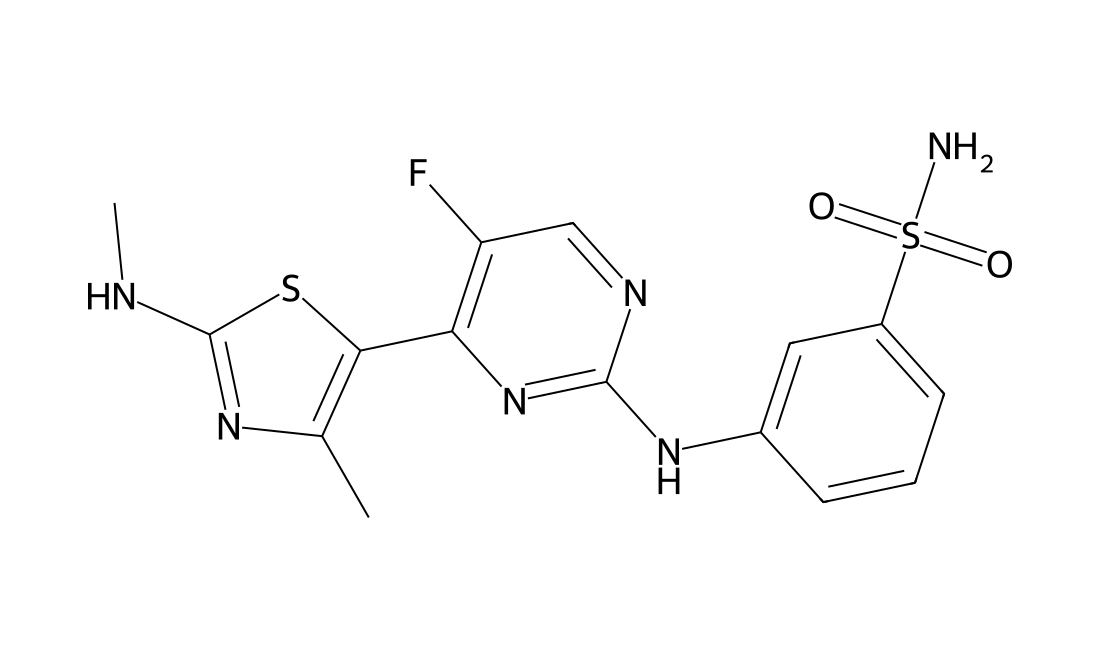
CDK-I73Featured
CDKI-73 is a potent CDK9 inhibitor with Ki of 4 nM, shows cytotoxicity against a broad CLL samples with mean LD50 of 80 nM.
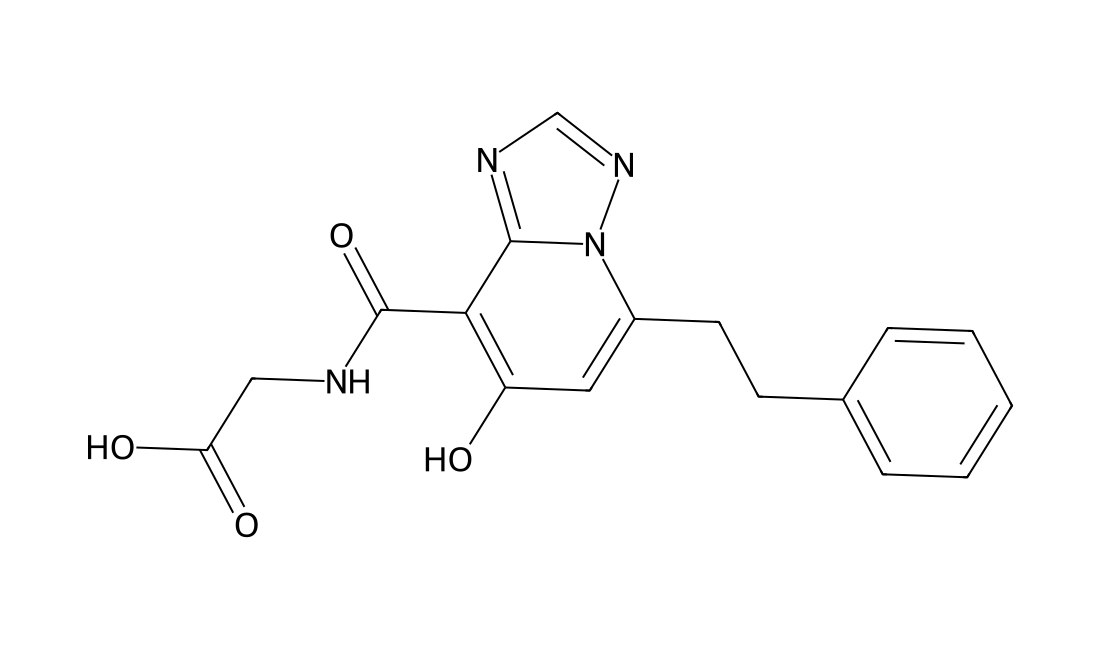
JTZ-951(Enarodustat)Featured
A novel potent, orally active HIF prolyl hydroxylase (PHD) inhibitor with IC50 of 0.22 uM for PHD2.
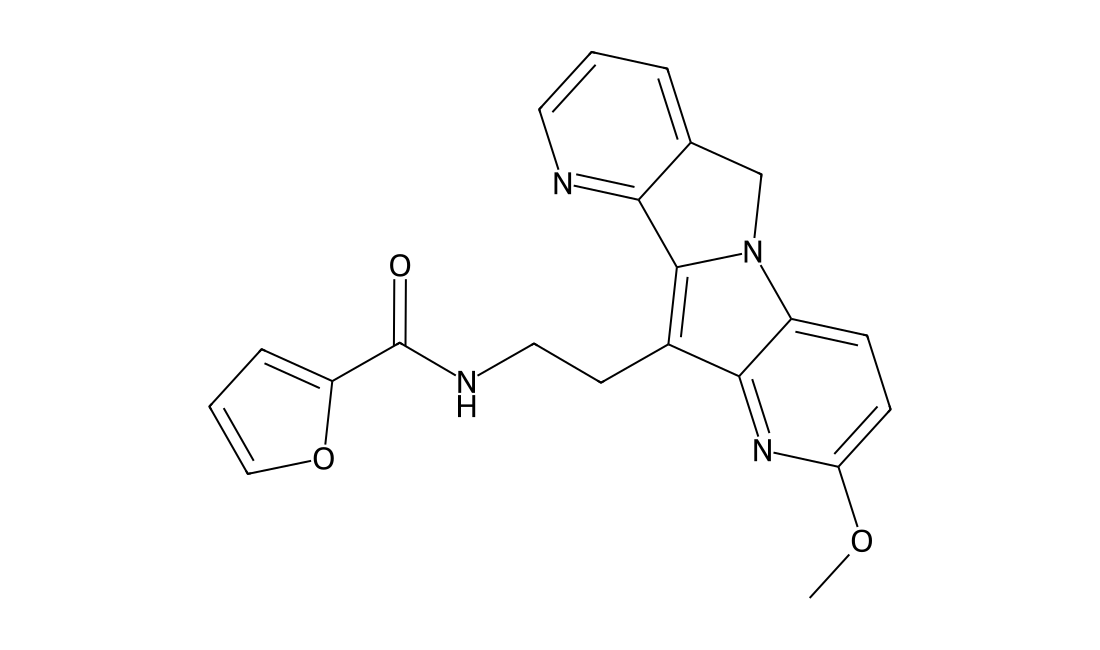
S29434Featured
S29434 (S 29434) is a highly potent, selective, cell-active inhibitor of Quinone reductase 2 (QR2) with IC50 of 5-16 nM, shows good selectivity for QR2 over QR1.
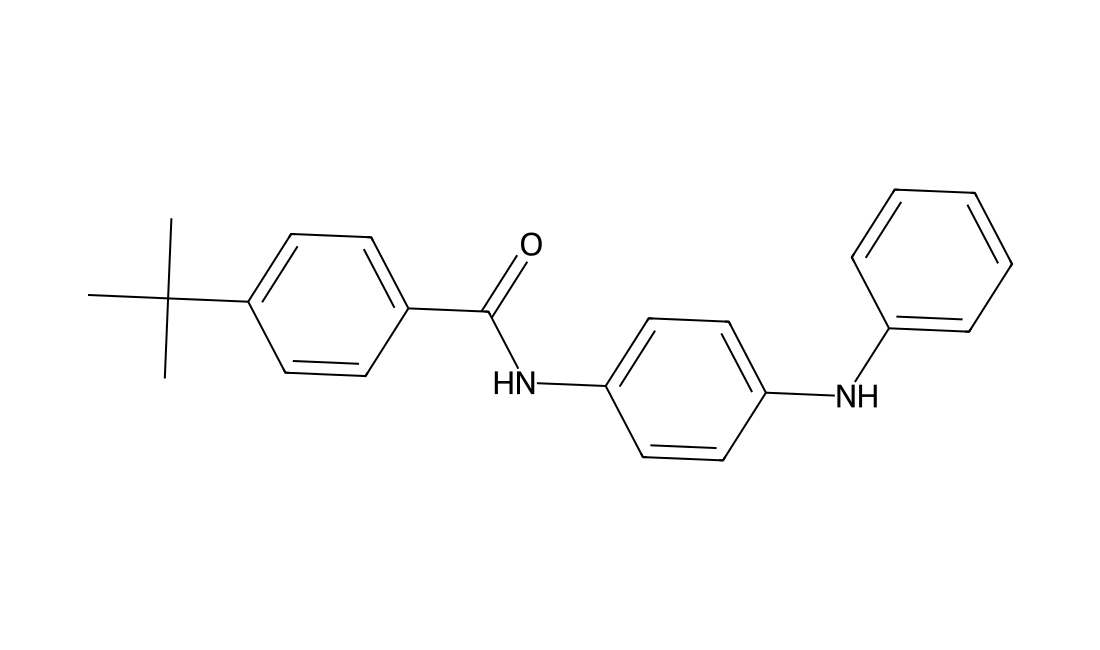
S119-8Featured
S119-8 is a novel broad spectrum inhibitor of influenza virus replication (IC50=1.43 nM) by targeting the viral Nucleoprotein (NP), with no detectable cytotoxicity (CC50>50 uM).
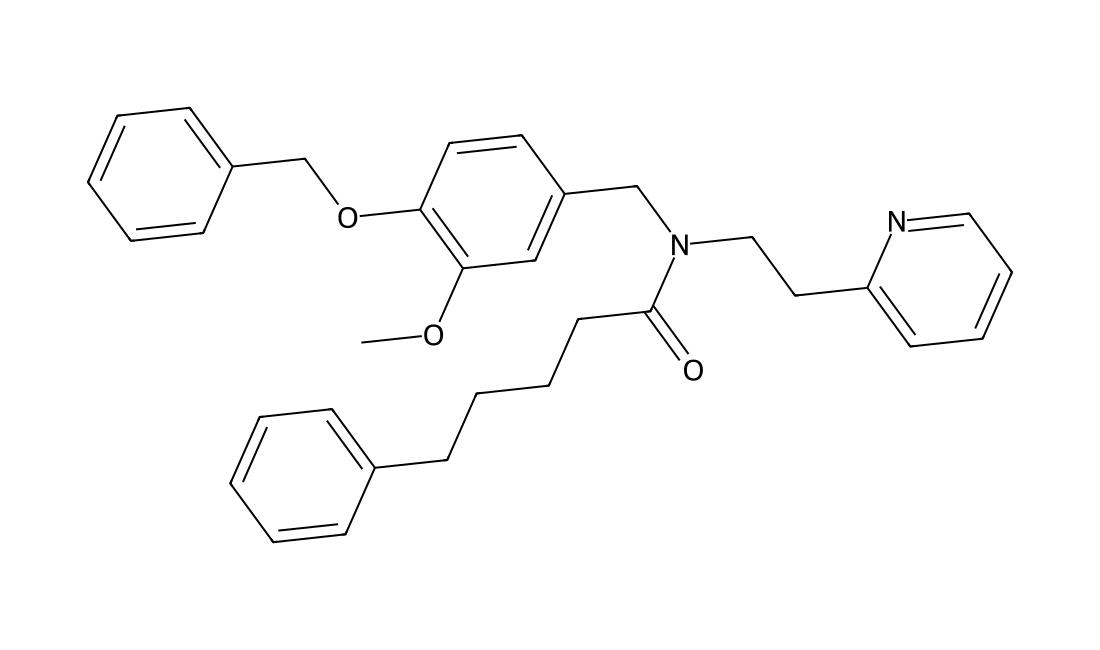
MCP110Featured
MCP110 is a potent Ras/Raf-1 interaction inhibitor.
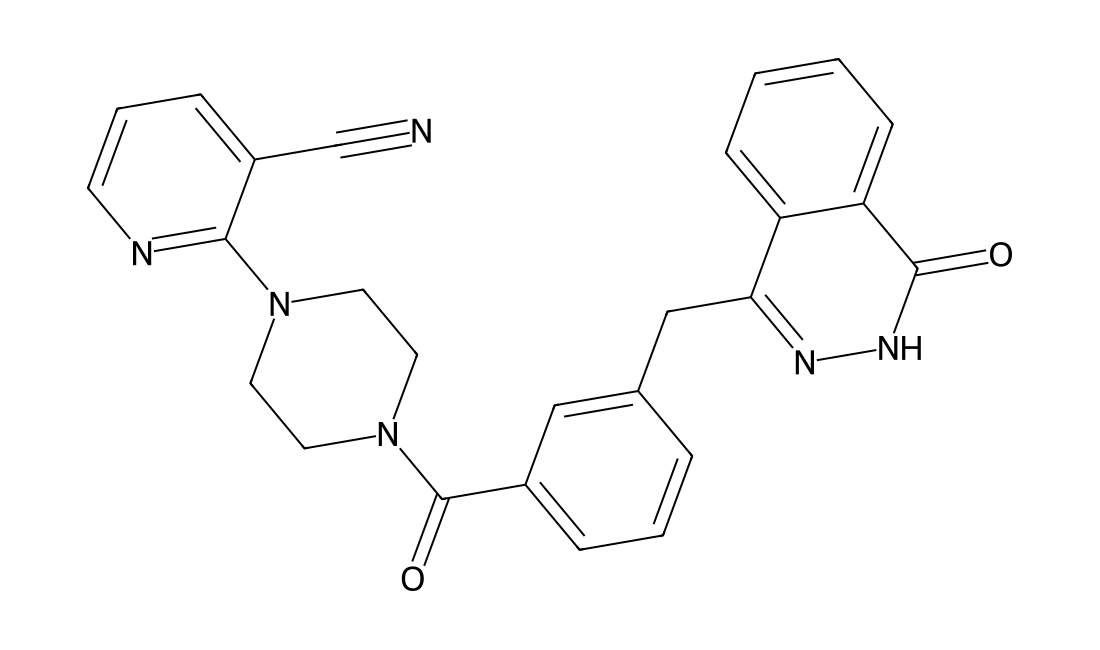
AZ9482Featured
AZ9482, a potent and selective PARP inhibitor featuring an amide linkage to a 2-piperazinyl-3-cyano-pyridine.
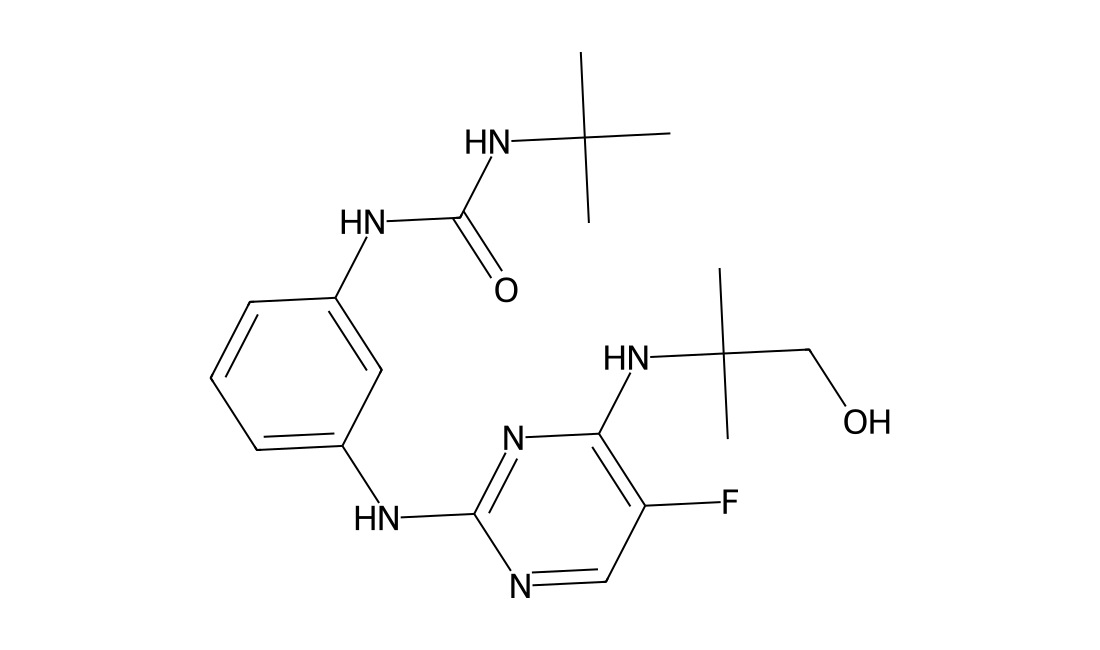
Bayer-18Featured
Bayer-18 is a selective TYK2 inhibitor, with an IC50 of 18.7nM on TYK2 as measured by TYK2 HTRF assays.
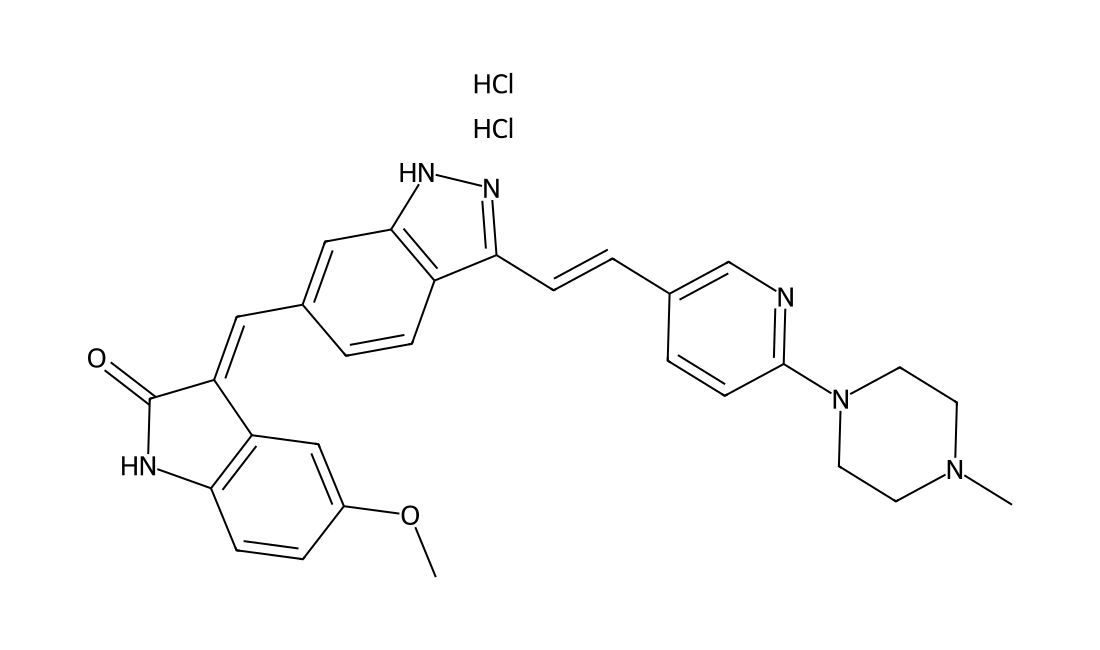
CFI-400437Featured
CFI-400437 is potent against PLK4 (IC50 = 0.6 nM) and selective against other members of the PLK family (>10 uM).
A939572Featured
A939572 is a potent, and orally bioavailable SCD1 inhibitor with IC50 values of <4 nM and 37 nM for mSCD1 and hSCD1, respectively.
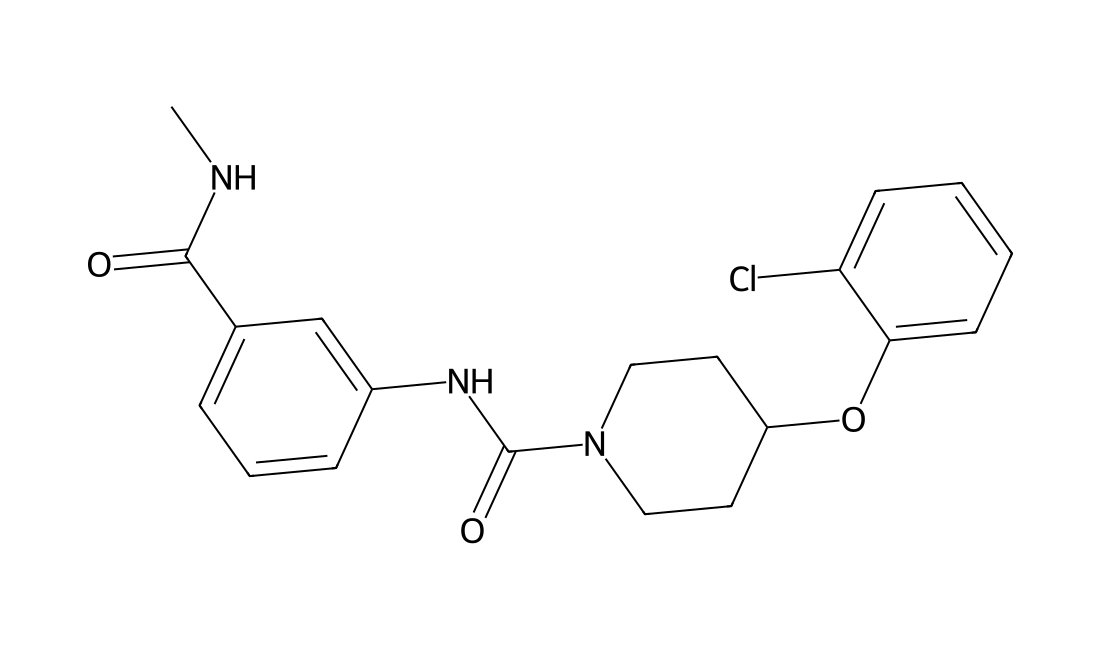
iFSP1Featured
iFSP1 is a potent, selective and glutathione-independent inhibitor of ferroptosis suppressor protein 1 (FSP1/AIFM2) with EC50 of 103 nM. iFSP1 selectively induces ferroptosis in GPX4-knockout Pfa1 and HT1080 cells that overexpresses FSP1.
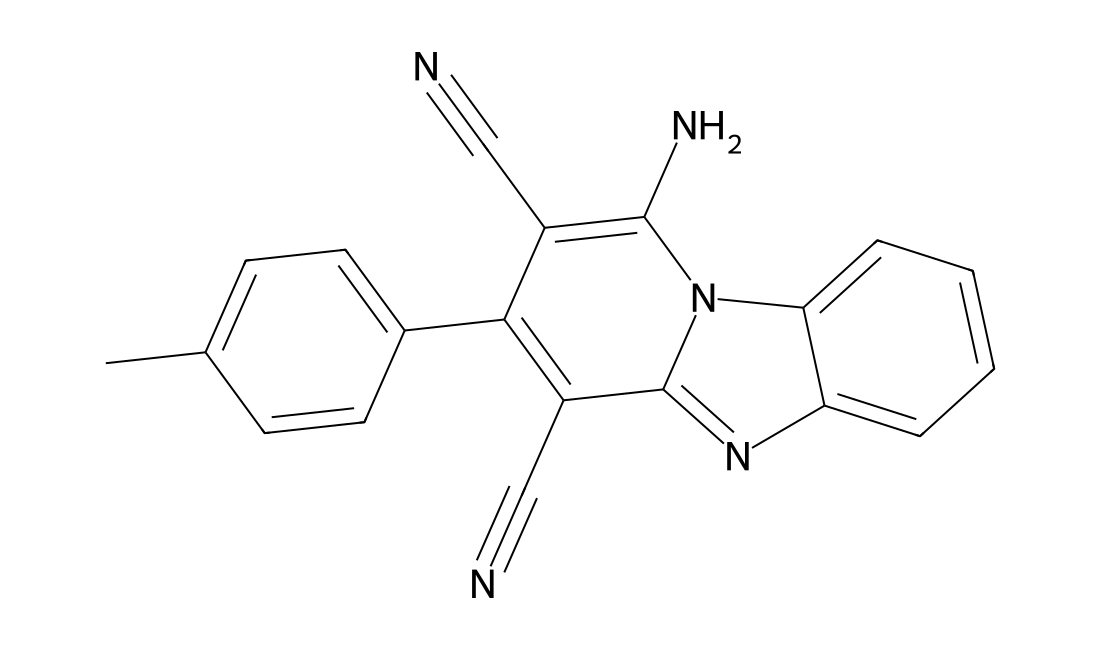
Vacuolin-1Featured
A potent PIKfyve inhibitor that inhibits autophagy by impairing lysosomal maturation, potently and reversibly inhibits autophagosome-lysosome fusion by activating RAB5A.
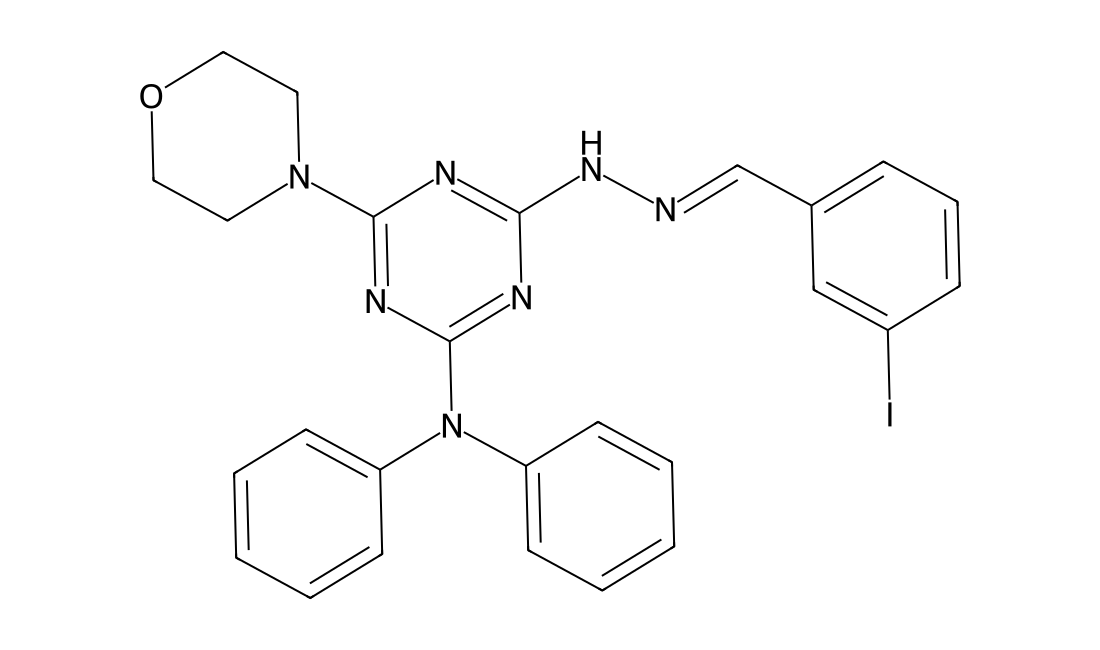
LDN-27219Featured
A potent inhibitor of hTGase (Tissue transglutaminase) with IC50 of 0.8 uM.
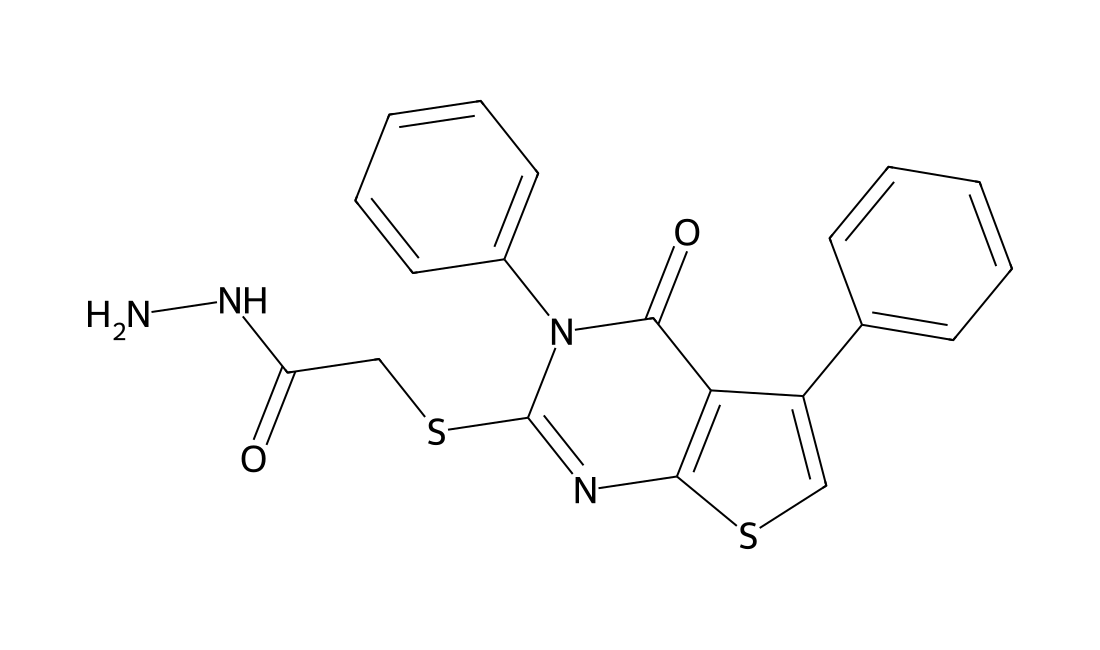
RIPA-56Featured
RIPA-56 is a highly potent, selective, and metabolically stable inhibitor of receptor-interacting protein 1 (RIP1) with an IC50 of 13 nM.
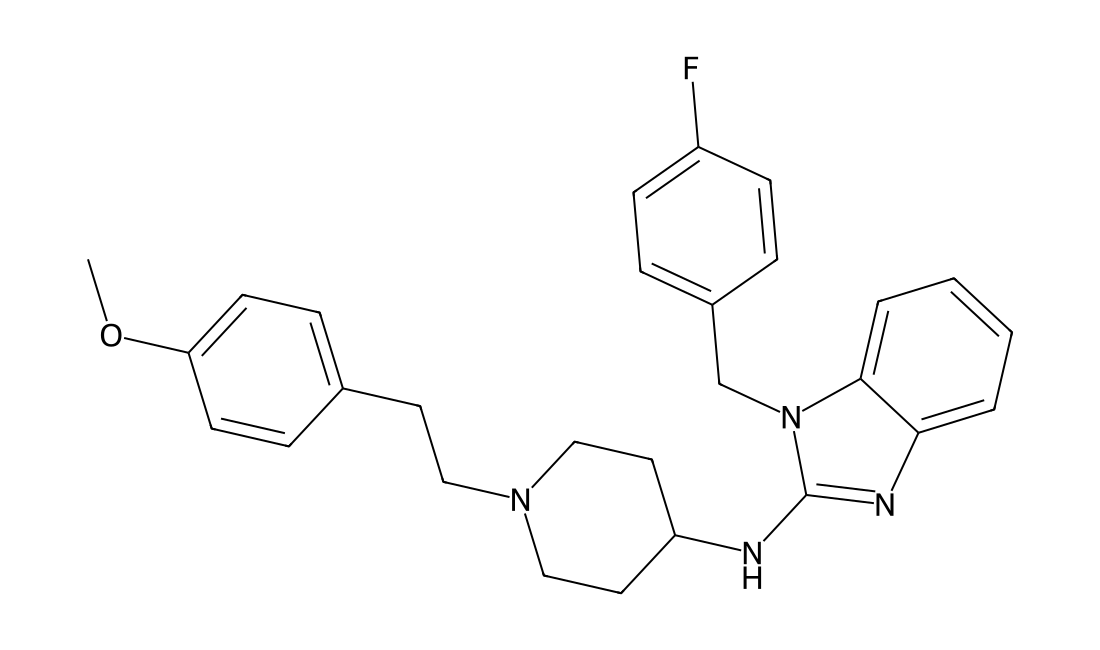
AstemizoleFeatured
Astemizole is a histamine H1-receptor antagonist. Astemizole competitively binds to histamine H1-receptor sites in the gastrointestinal tract, uterus, blood vessels, and bronchial muscle. This suppresses the formation of edema and pruritus caused by histamine. Astemizole is structurally similar to terfenadine and haloperidol; it has anticholinergic and antipruritic effects.
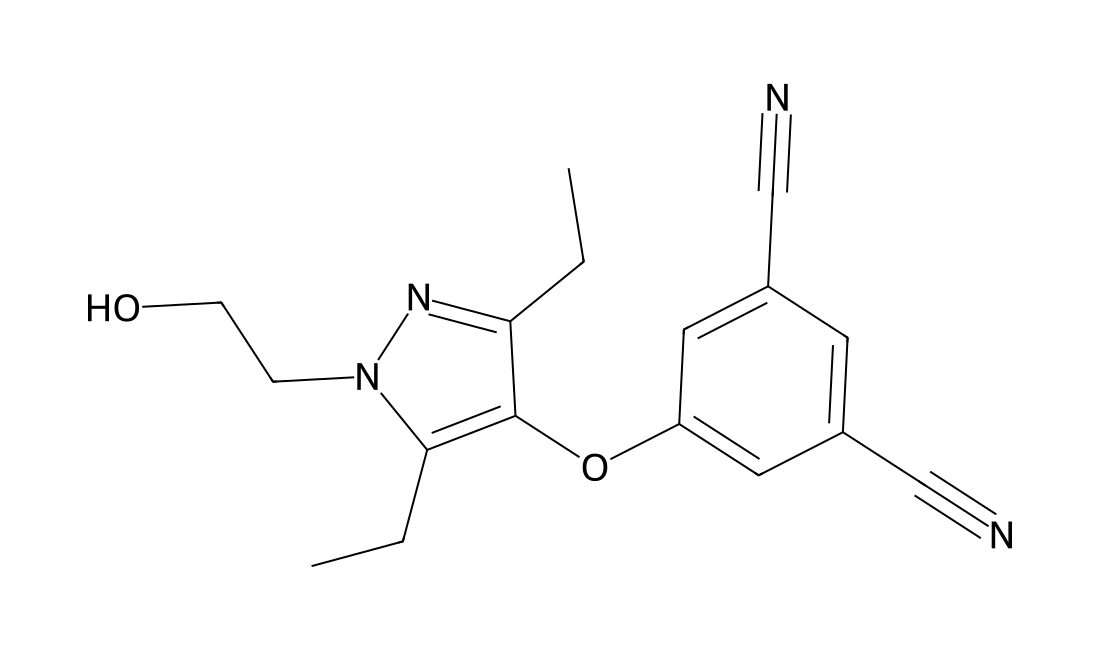
Lersivirine(UK 453061)Featured
Lersivirine (UK-453061) is a next-generation non-nucleoside reverse transcriptase inhibitor (NNRTI) under development for the treatment of HIV-1 infection.
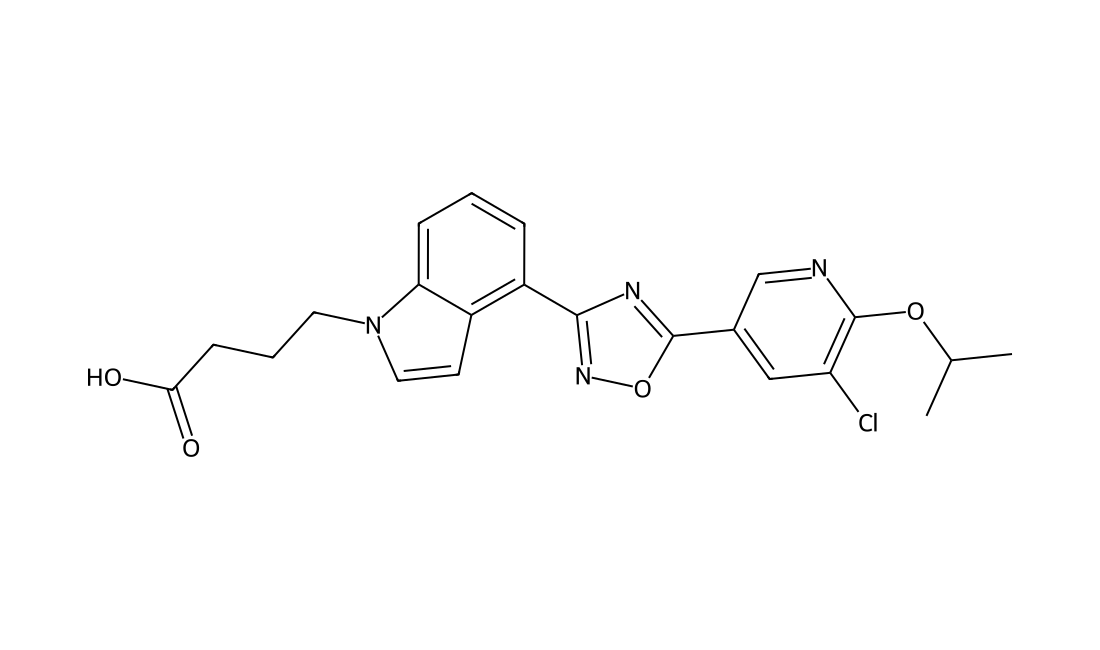
GSK-2018682Featured
GSK-2018682 is a sphingosine 1 phosphate receptor (S1PR)-1 agonist potentially for the treatment of multiple sclerosis.
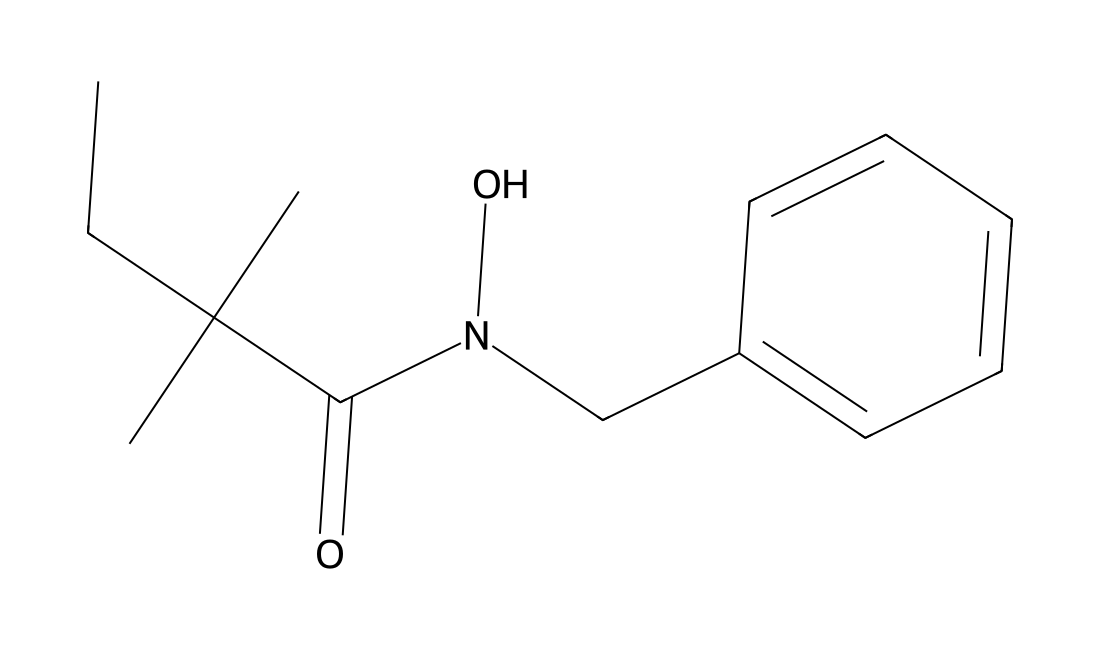
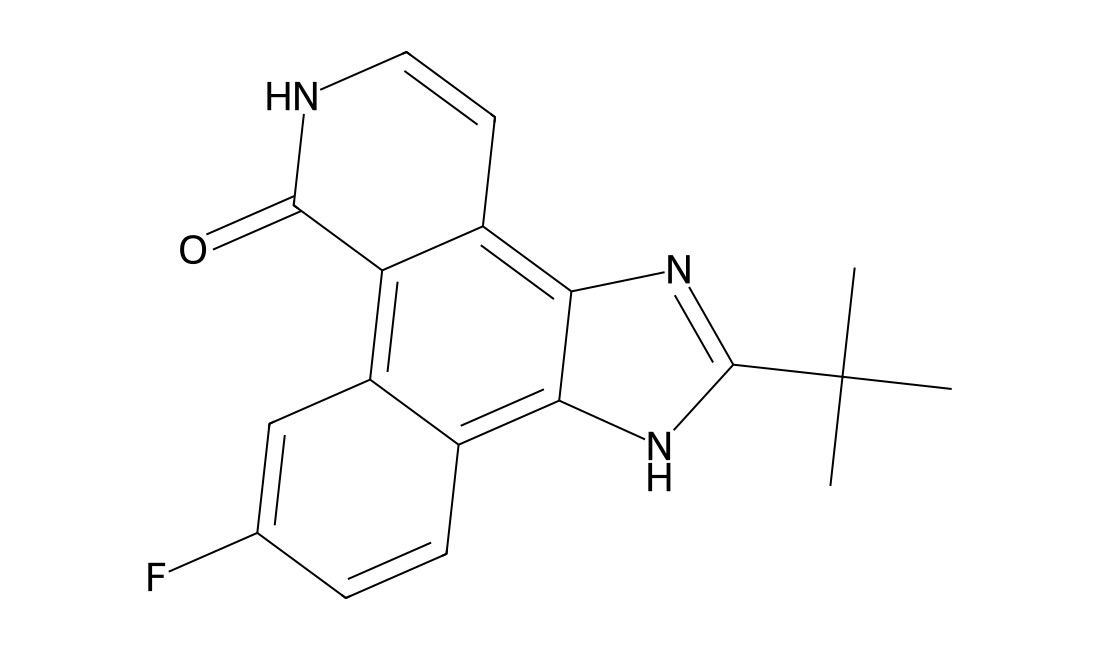
Merck 5 is a potent and reversible ATP-competitive inhibitor of the JAK kinases (JAK1, JAK2, JAK3, and Tyk2). It also blocks IL2 and IL4 dependent proliferation of CTLL cells and inhibits the phosphorylation of STAT5.
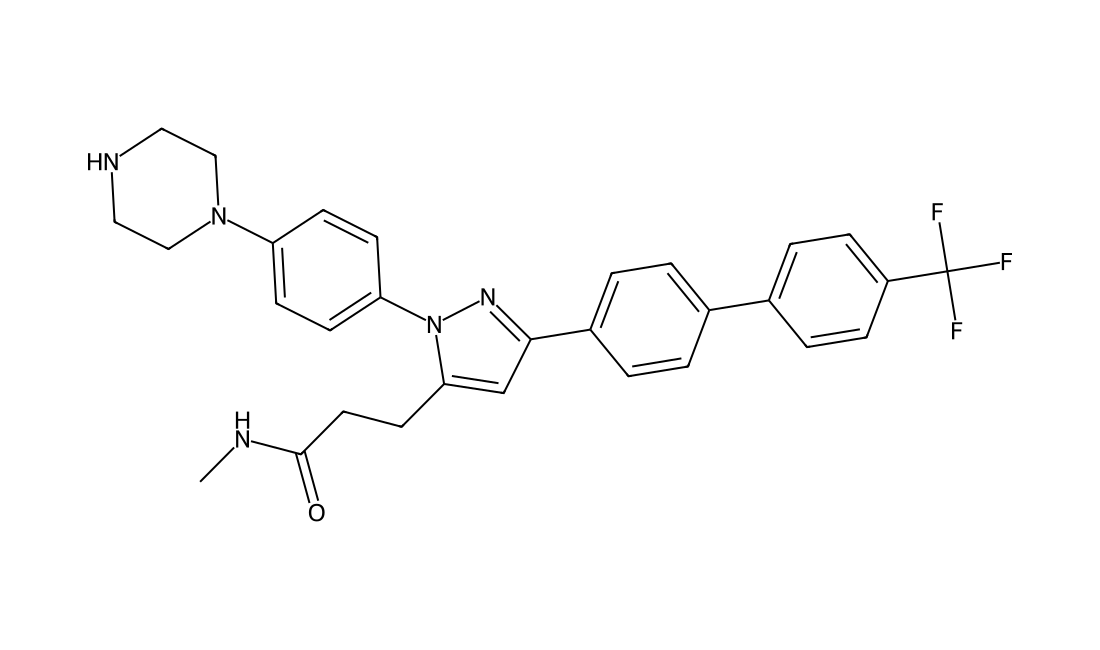
OSU-T315 (ILK-IN-1)Featured
OSU-T315 (ILK-IN-1) is a potent and specific integrin-linked kinase (ILK) inhibitor which inhibits PDK2 function in the AKT pathway activation
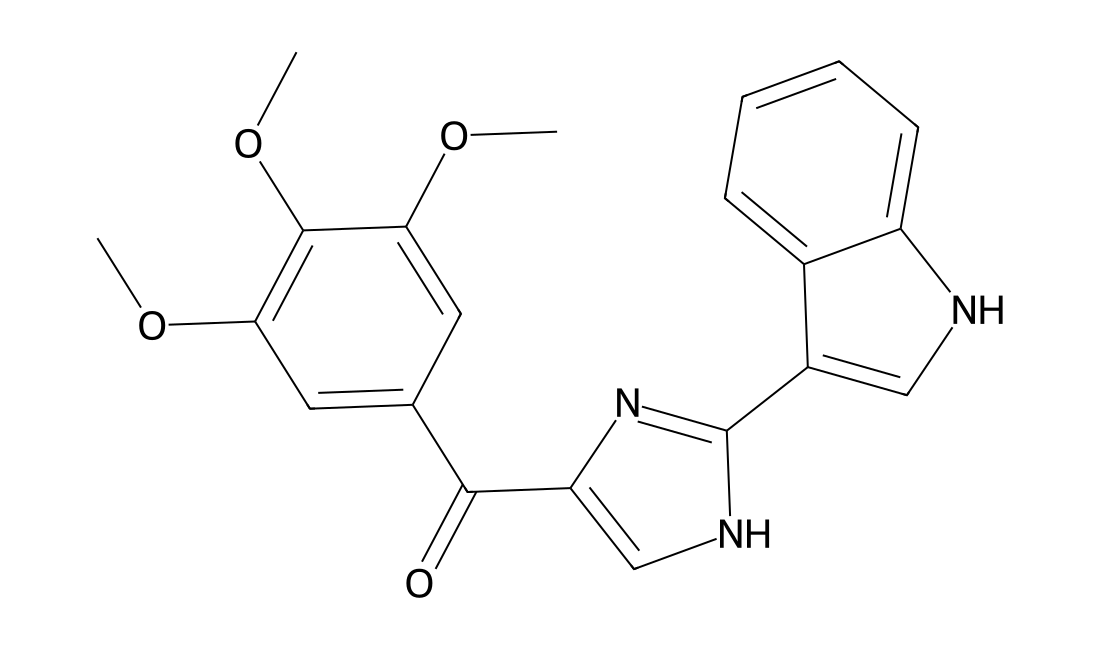
sabizabulin(VERU-111)Featured
VERU-111 (Sabizabulin) is a novel potent colchicine binding site inhibitor (CBSI) in tubulin with potential anticancer activities. Sabizabulin is a novel oral agent with both anti-viral and anti-inflammatory activities.Sabizabulin is a cytoskeleton disruptor which by causing microtubule depolymerization has both anti-viral and anti-inflammatory activity and could be effective against the SARS-CoV-2 virus by disrupting its intracellular transport along the microtubules. Microtubule trafficking is critical for viruses to be transported, replicated, assembled, and released from the cell. In addition, microtubule depolymerization drugs that target the “colchicine binding site” of microtubules, like sabizabulin, also have strong anti-inflammatory effects, including the potential to treat the cytokine release syndrome (cytokine storm) and septic shock induced by the SARS-CoV-2 viral infection that is associated with high COVID-19 mortality rates.
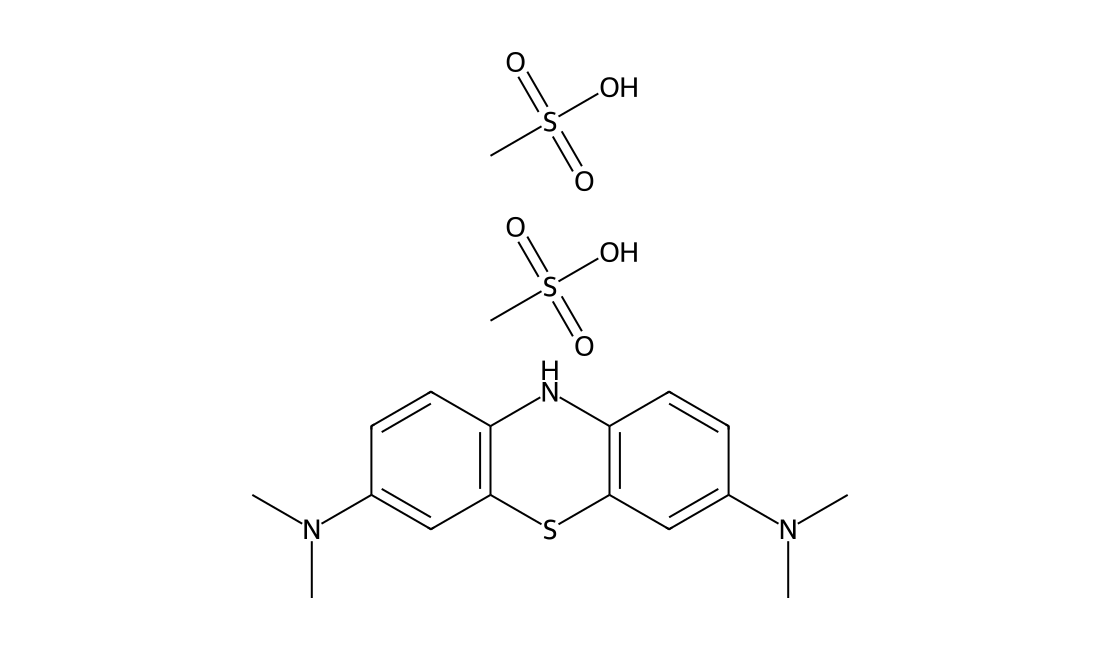
TRx0237 (LMTX) mesylateFeatured
TRx 0237 (LMTX™) mesylate is a second-generation tau protein aggregation inhibitor for the treatment of Alzheimer's disease (AD) and frontotemporal dementia.
No products match this search.
Page 274 of 284 · Browse all 5677 products
Jump to a product page
Featured literature product: HX1 · DCL0028
HX1 is a hydroxyzine-derived ionizable lipid with acetal-containing tails, studied in lipid nanoparticles for brain mRNA delivery and CRISPR–Cas9 delivery. It was the lead in the reported in vivo brain-delivery screen; evidence is preclinical and formulation-dependent.
Read full formulation and performance →