
Research lipid catalog
Ionizable Lipid Products
Explore 848 lipid and RNA delivery products. Search the full catalog or browse by research category.
Search covers product name, catalog number, synonyms, available CAS numbers and categories. Spaces, hyphens and common punctuation are ignored. Duplicate legacy records are consolidated under one canonical product result.
5677 products · Showing 5441–5460 · 20 per page
DC Chemicals lipid expertise
Built for ionizable-lipid discovery and RNA delivery research
DC Chemicals supports formulation and delivery research with a broad, searchable portfolio of cationic and ionizable lipids. The current directory brings together 848 unique research-use products, with product specifications, pricing, chemical structures and literature-linked formulation data added as each record is verified.
Our experience spans complex lipid synthesis, purification, analytical release and process development. For custom molecules or larger-scale requirements, our team can discuss route development, technical specifications and scale-up options for the intended research workflow.
Learn about cationic and ionizable lipids →Proprietary innovation · Co-development · GMP
From proprietary lipid design to GMP-grade custom synthesis
DC Chemicals has independently developed ionizable-lipid structures supported by company-owned intellectual property, and selected proprietary lipid programs have advanced to GMP-stage development.
We welcome joint development with customers—from molecular design and lipid synthesis through route and process development. We can also support custom synthesis of GMP-grade ionizable lipids to agreed technical specifications and quality requirements.
Discuss a co-development project →Proprietary ionizable-lipid structuresCollaborative molecular designCustom lipid synthesisProcess development and scale-upGMP-grade project support
Product quick links
Explore New ionizable lipids
Explore our five most recently added ionizable lipids, with specifications, pricing and literature-linked product information.
DCL0028HX1Brain RNA delivery researchView product →DCL0024A1I4R13C18-2Spleen-targeted RNA delivery researchView product →DCL0023A1I4R2C18-2Spleen-targeted RNA delivery researchView product →DCL0022FS01Local joint RNA delivery researchView product →DCL0020Lipid-392Lung RNA delivery and gene editing researchView product →
Cat. No.Product NameField of ApplicationChemical Structure
LR-90Featured
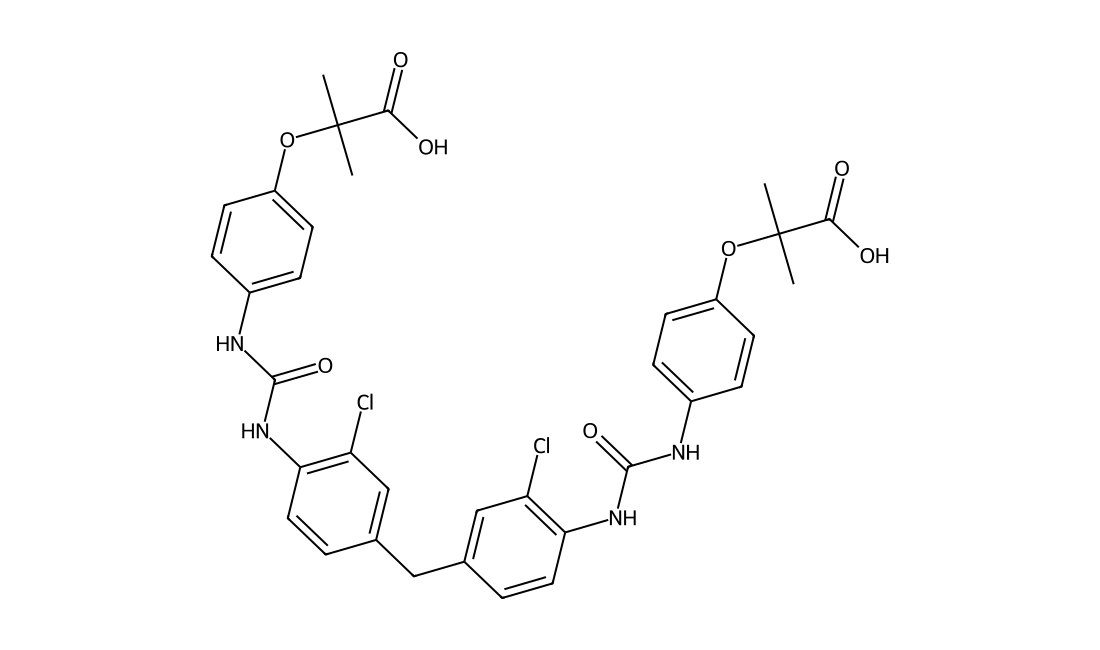
LR-90 is an advanced glycation end product (AGE) inhibitor, inhibits inflammatory responses in human monocytes. LR-90 is also used in the research of diabetic animal model.
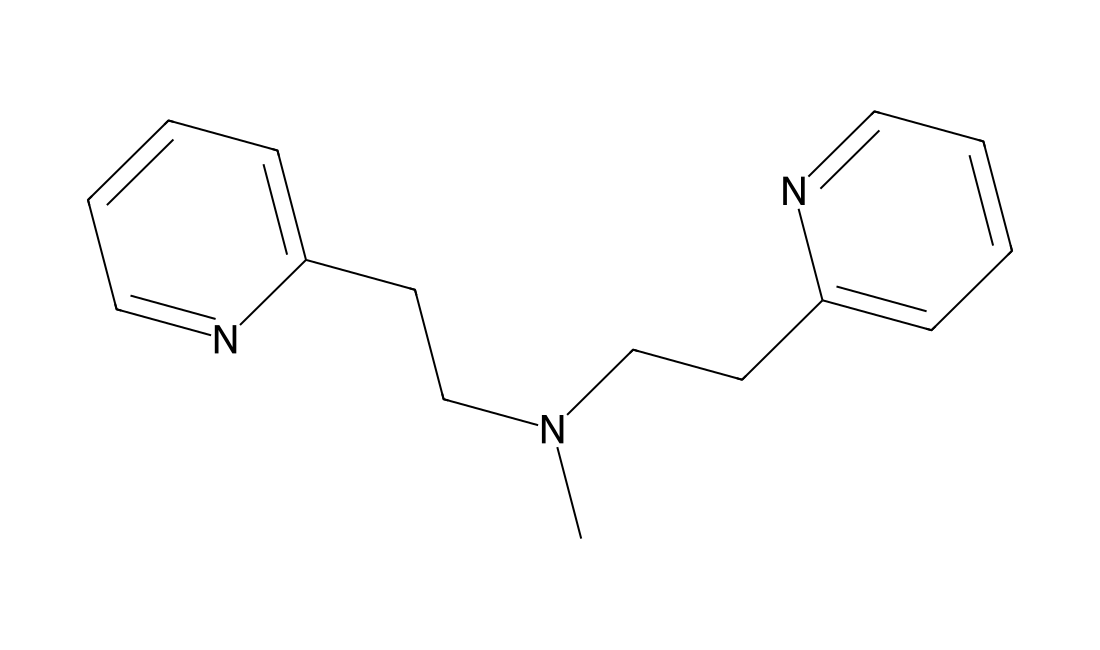
N-Methyl-N,N-bis(2-pyridylethyl)amine is used as a reagent in the preparation of copper pyridylmethylethylenediamine dicyanamido polymeric complexes.
RCGD423Featured
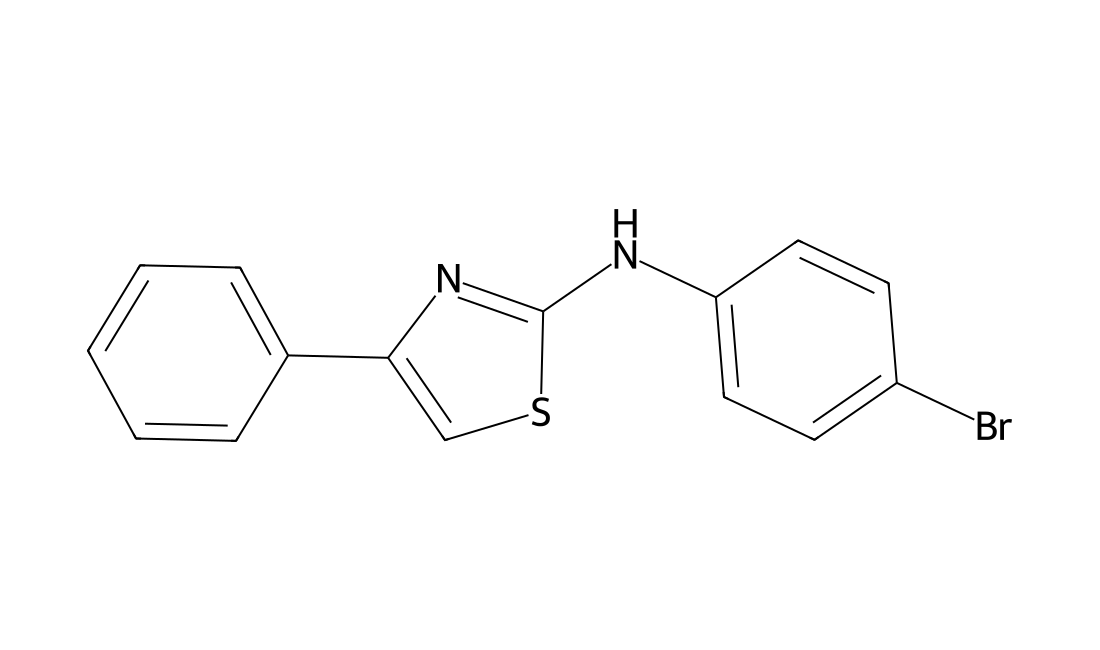
RCGD423 is a gp130 modulator, which prevents articular cartilage degeneration and promotes repair.
KKL-35Featured
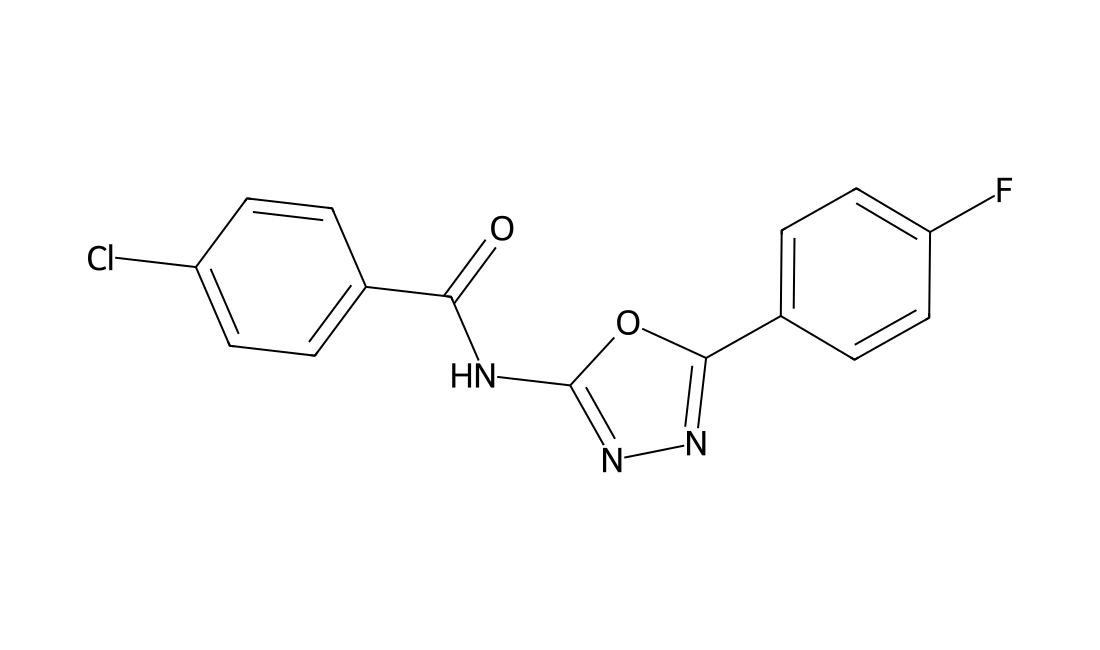
A small molecule inhibitor of trans-translation that has broad-spectrum antibiotic activity.
CX-546Featured
CX546 is an AMPA receptor potentiator and GluR activator, binds specifically to the agonist bound non-desensitized receptor.
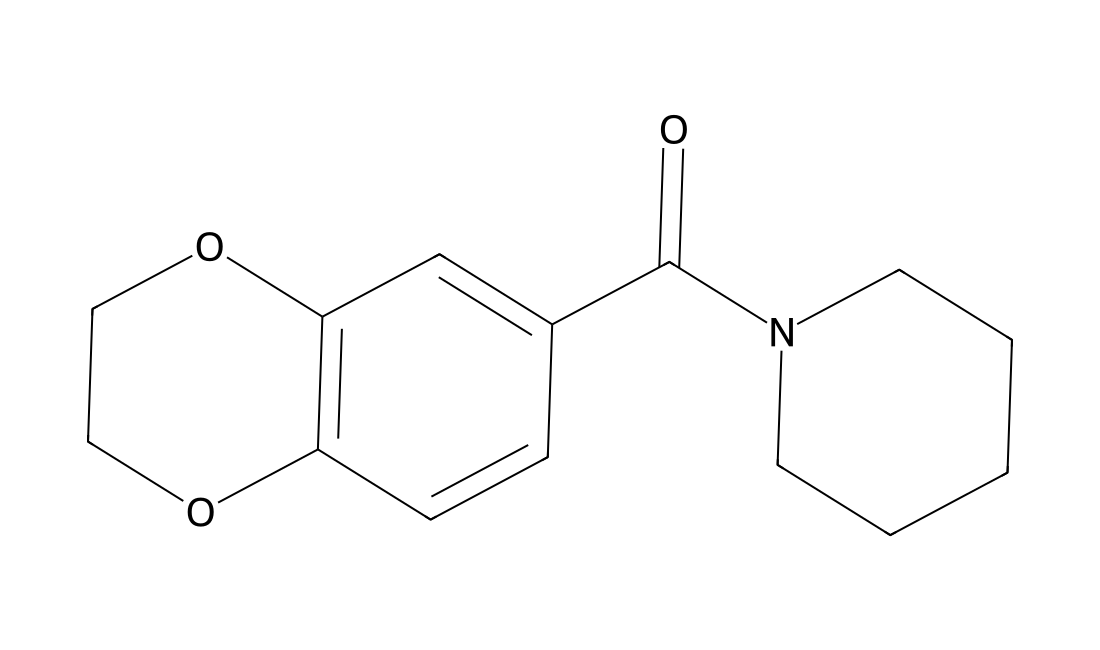
TH-257Featured
TH-257 (TH257) is a potent, selective, allosteric inhibitor of LIMK1 and LIMK2 with IC50 of 84 nM for LIMK1 and 39 nM for LIMK2 in a RapidFire MS assay.
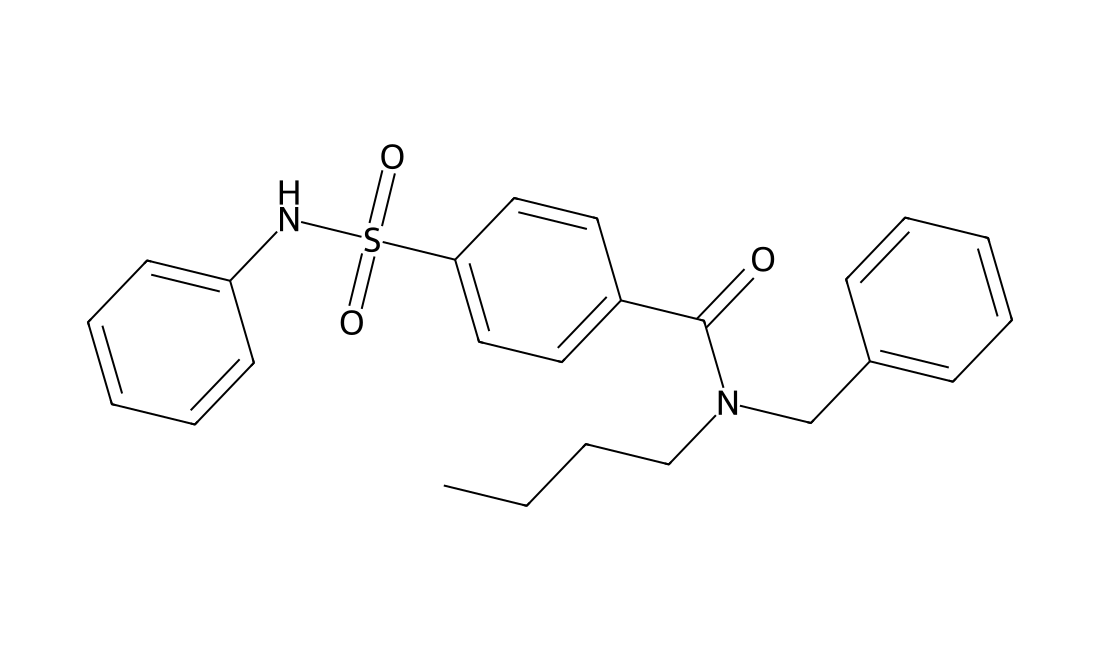
AZD-7325Featured
AZD-7325 is a potent, α2/3 functionally selective, partial GABAA receptor modulator with pKi of 9.51.
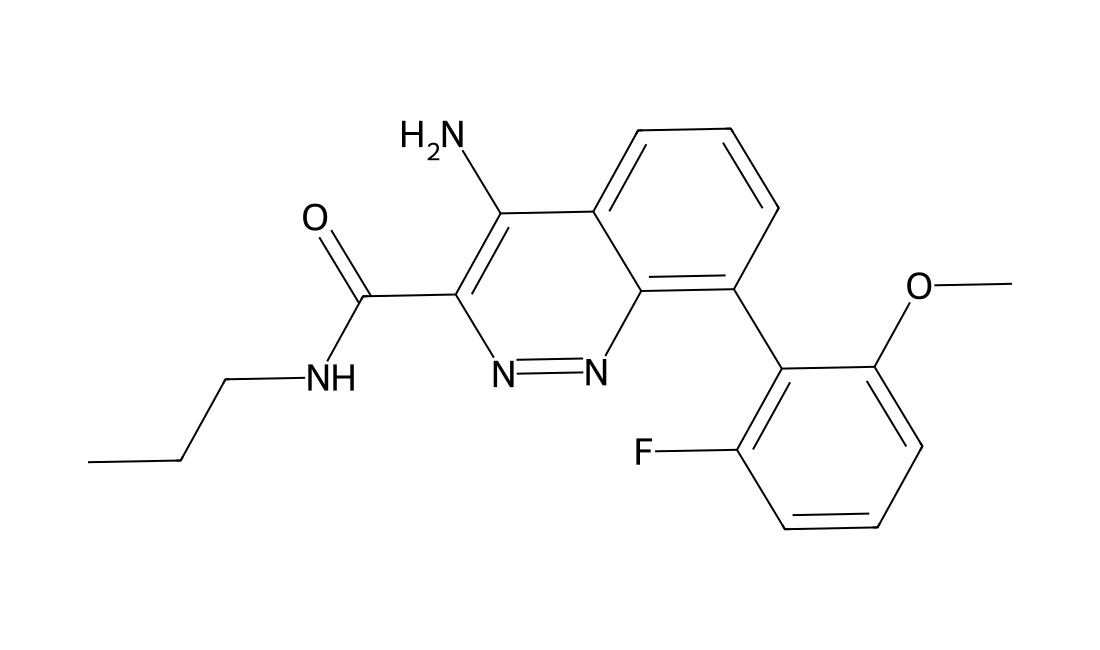
CCT007093Featured
CCT007093 is a potent PPM1D (WIP1) inhibitor with IC50 of 8.4 μM.
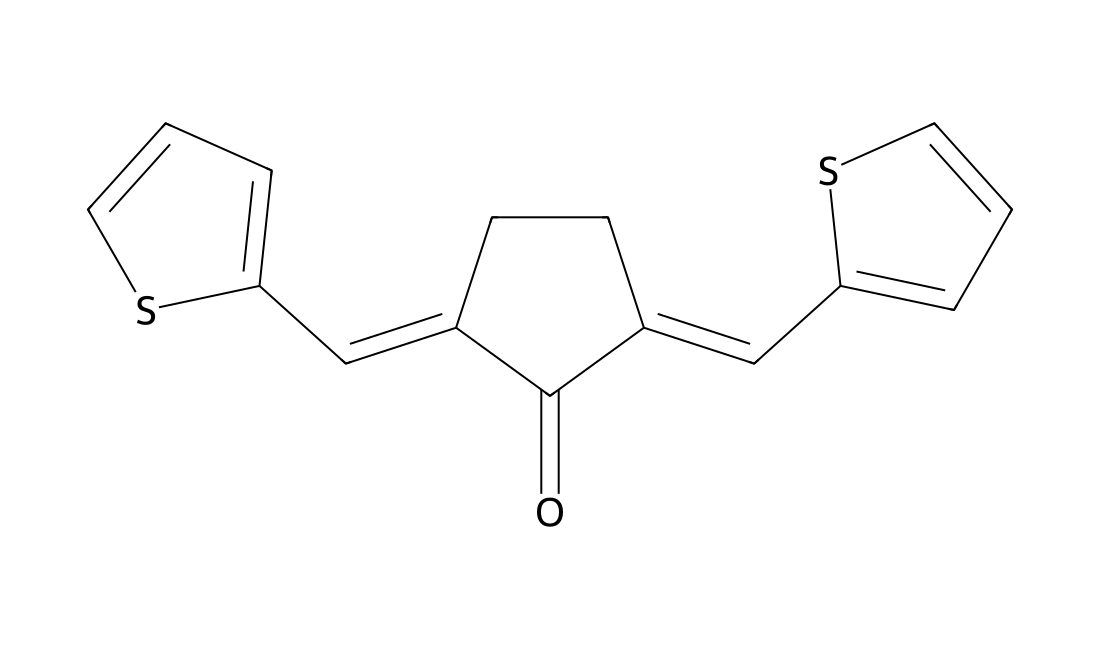
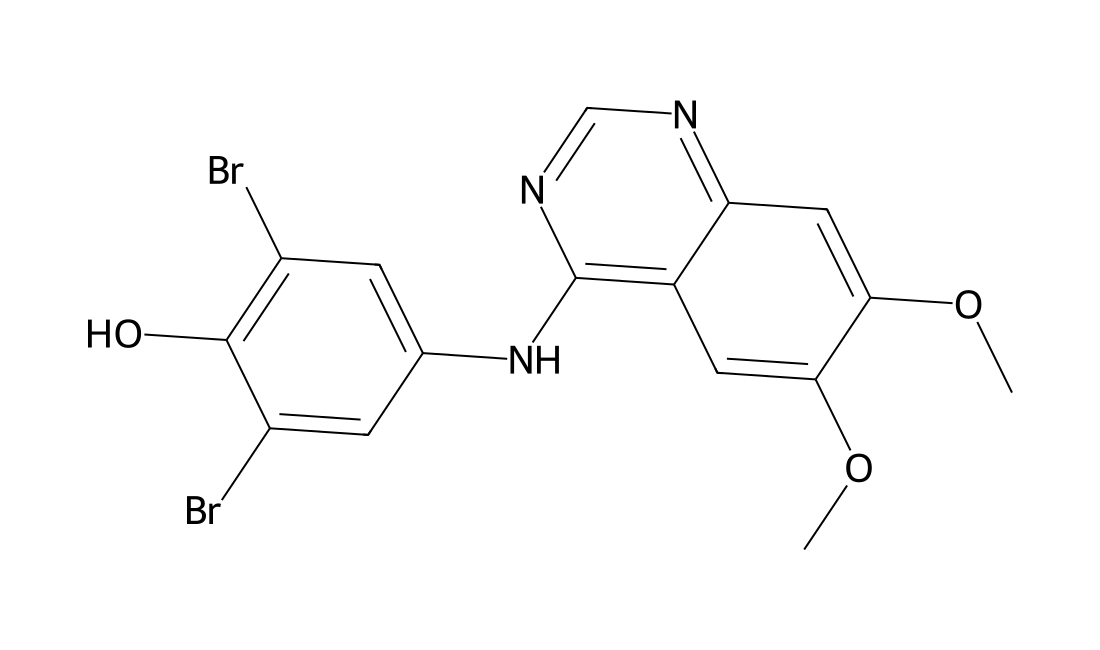
WHI-P97Featured
WHI-P97 is a rationally designed potent inhibitor of JAK-3.
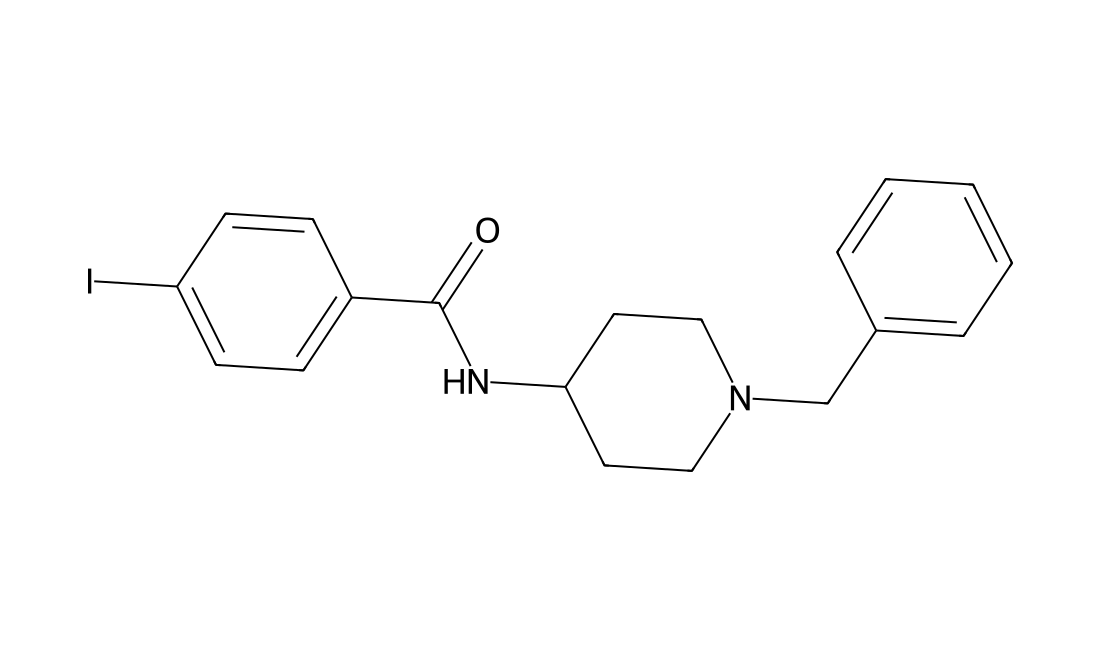
4-IBPFeatured
A highly potent sigma receptor agonist with Ki of 1.7 nM and 25.2 nM for σ1 and σ2, respectively.
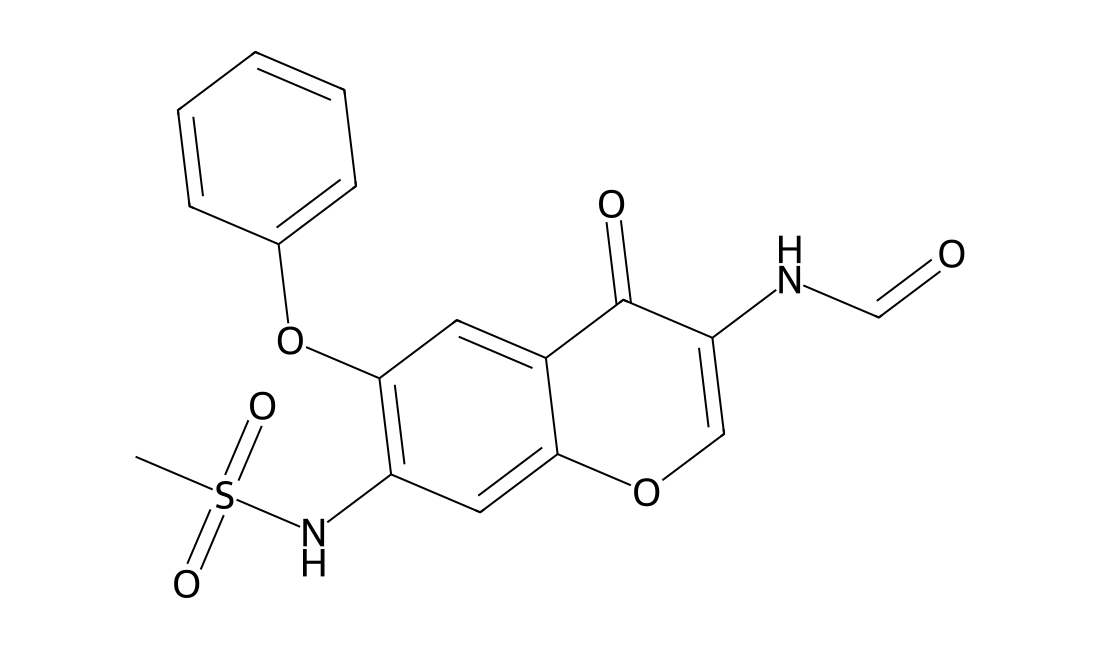
IguratimodFeatured
Iguratimod is one of a series of 4H-1-benzopyran-4-ones which has potent anti-inflammatory, analgesic and antipyretic activity.
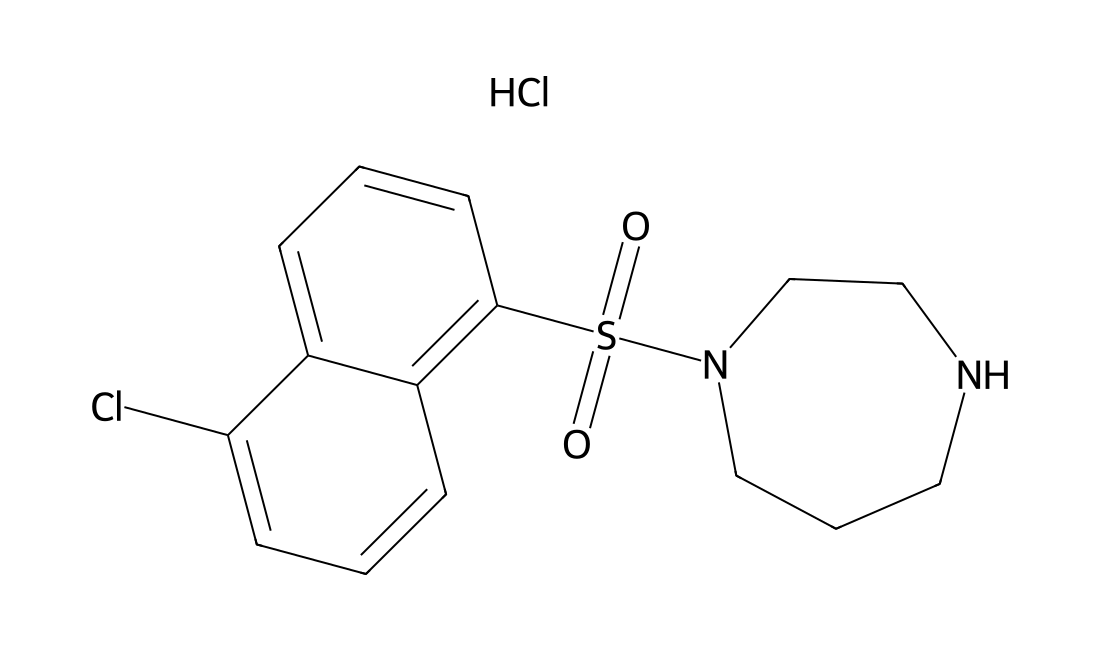
ML-9 hydrochlorideFeatured
ML-9 is a selective and potent inhibitor of Akt kinase, inhibits myosin light-chain kinase (MLCK) and stromal interaction molecule 1 (STIM1) activity. ML-9 inhibits inhibits MLCK, PKA and PKC activity with Ki values of 4, 32 and 54 μM, respectively. ML-9 induces autophagy by stimulating autophagosome formation and inhibiting their degradation.
HJC0197Featured
HJC0197 is a potent Epac1 (exchange protein directly activated by cAMP 1) and Epac2 (IC50=5.9 μM for Epac2) antagonist. HJC0197 selectively blocks cAMP-induced Epac activation. HJC0197 inhibits Epac1-mediated Rap1-GDP exchange activity at 25 μM in the presence of equal concentration of cAMP.
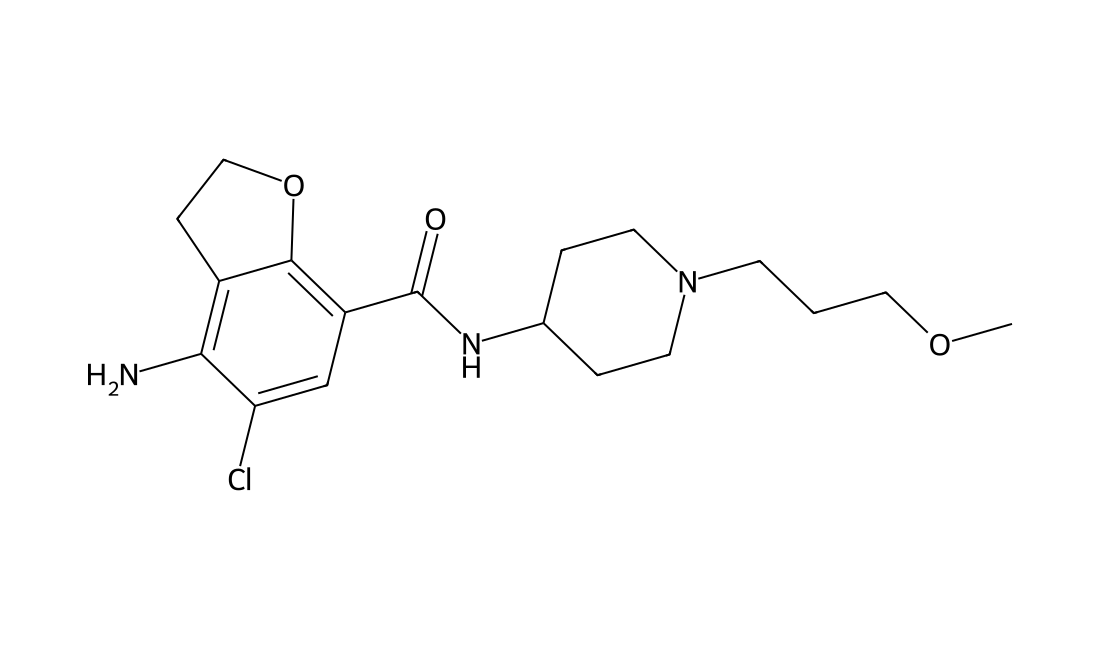
PrucaloprideFeatured
Prucalopride is a selective, high affinity 5-HT receptor agonistfor 5-HT4a and 5-HT4b with Ki of 2.5 nM and 8 nM, respectively.
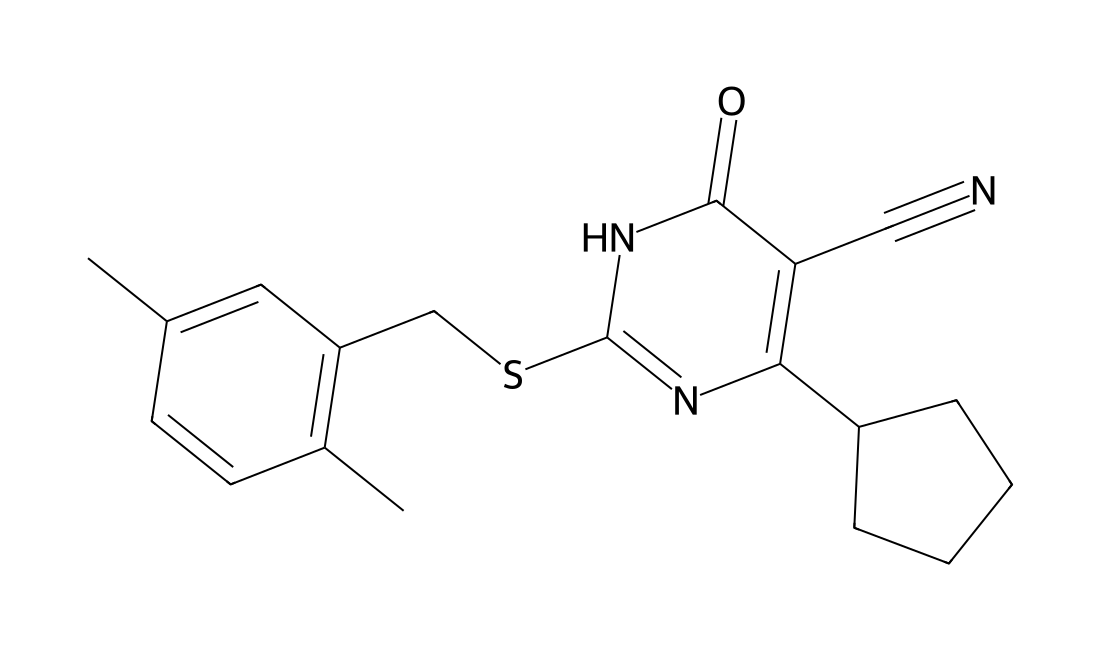
ML-406Featured
ML406 is a small molecule Mtb bioA (DAPA synthase) enzyme inhibitor (IC50=30 nM) that shows anti-tubercular activity, dispalys >100-fold selectivity over bioD.
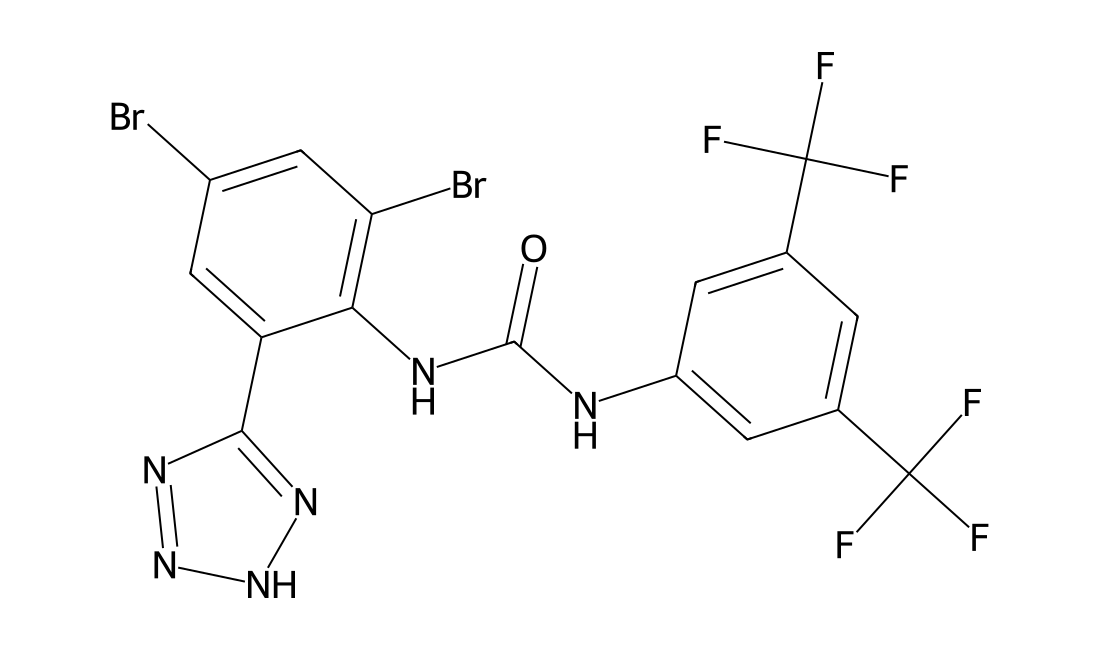
NS5806Featured
NS5806 is a potent potassium current activator, increases KV4.3/KChIP2 peak current amplitudes with an EC50 of 5.3 μM. NS5806 slows KV4.3 and KV4.2 current dacay in channel complexes containing KChIP21.
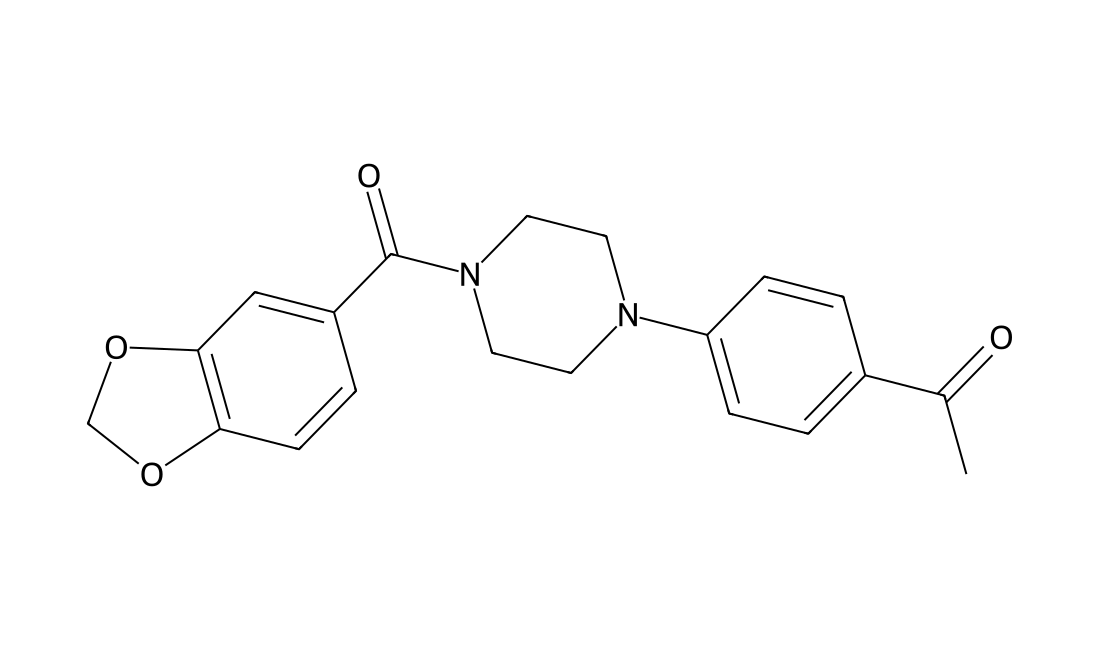
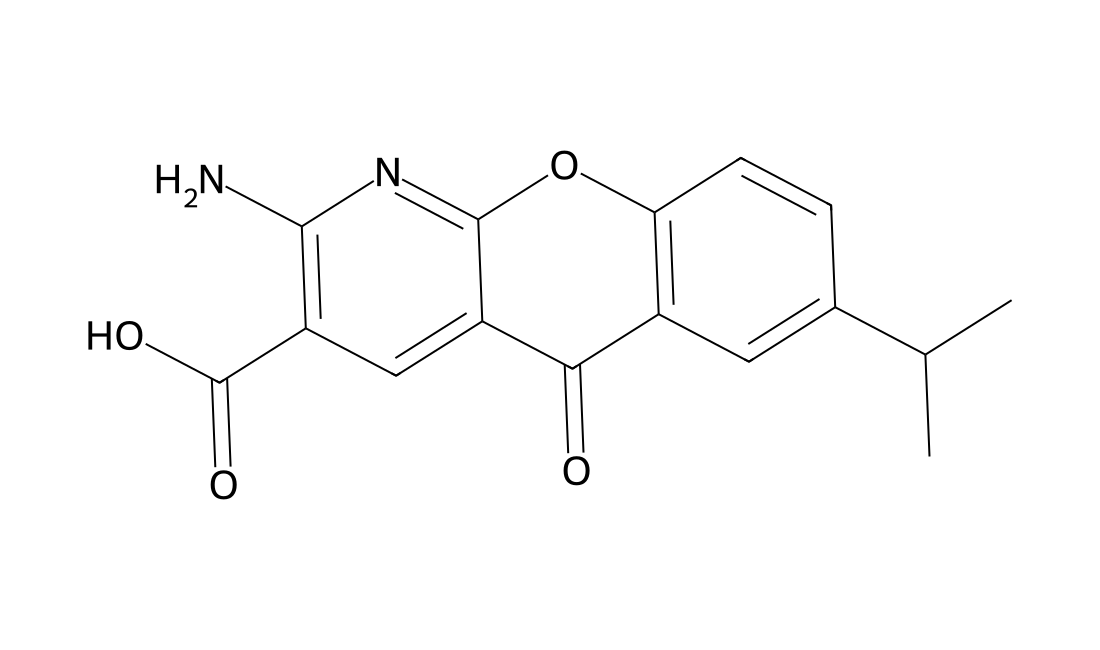
AA-673(Amlexanox)Featured
Amlexanox, also known as AA-673 and CHX 3673, is an anti-inflammatory antiallergic immunomodulator used to treat recurrent aphthous ulcers (canker sores), and (in Japan) several inflammatory conditions. Amlexanox inhibits the synthesis and release of inflammatory mediators, including leukotrienes and histamine, from mast cells, neutrophils, and mononuclear cells. Amlexanox also acts as a leukotriene D4 antagonist and a phosphodiesterase inhibitor. Amlexanox decreases the time ulcers take to heal as well as the pain associated with the ulcers.
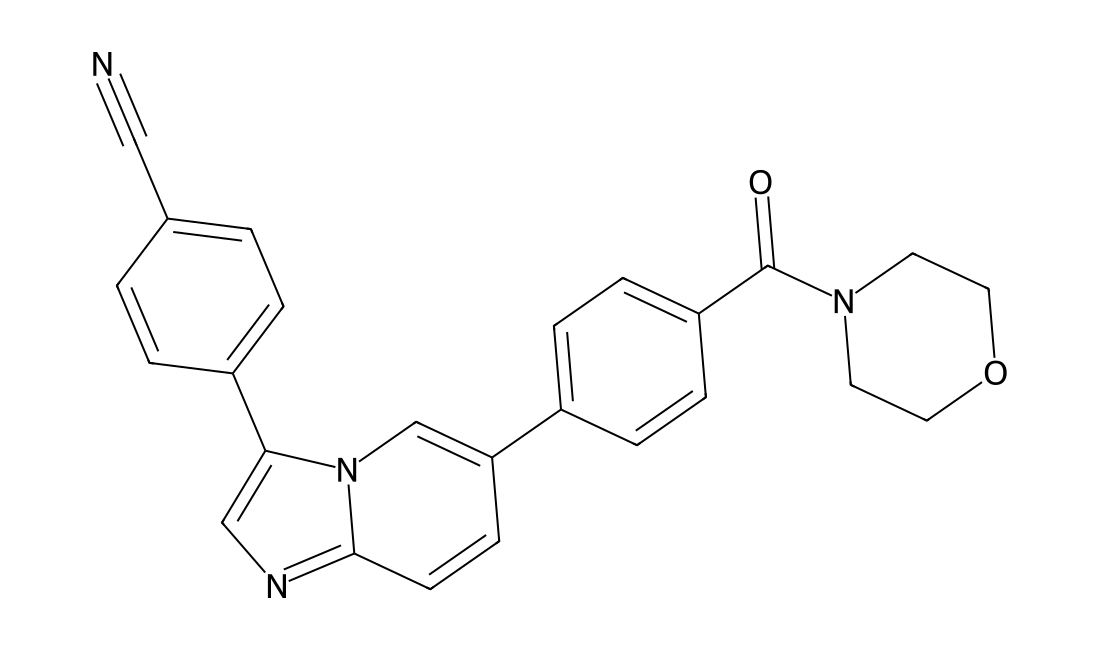
ETC-206Featured
ETC-206 (ETC-1907206) is a novel potent, selective MNK1/2 inhibitor with IC50 of 64/86 nM, inhibits eIF4E phosphorylation inhibition in HeLa cell line with IC50 of 321 nM.
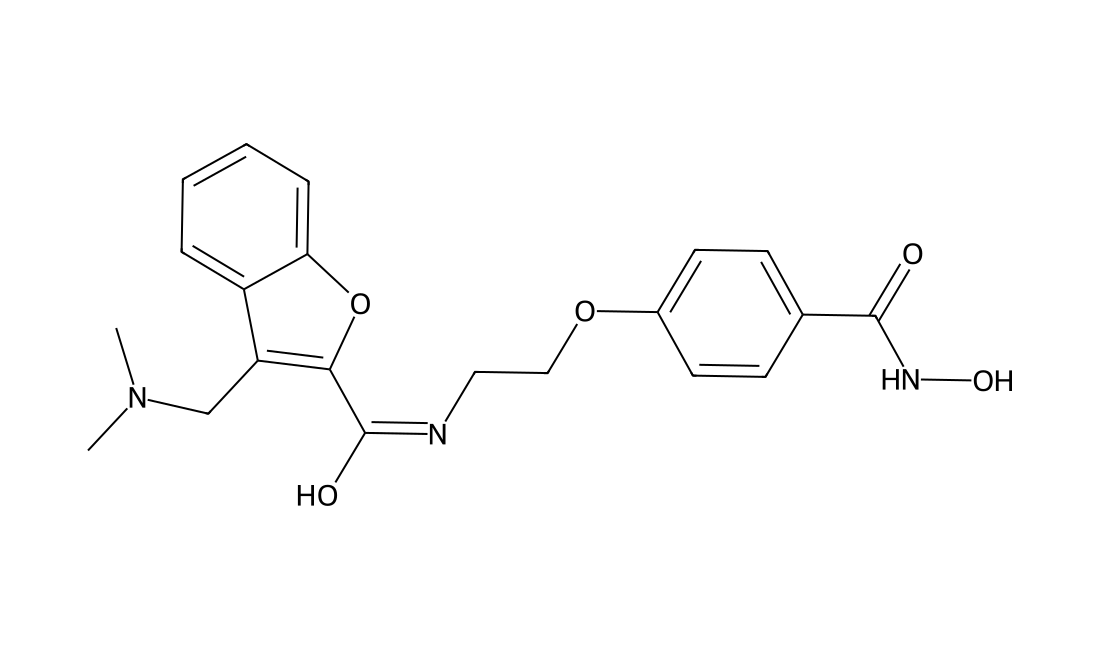
Abexinostat (PCI-24781)Featured
Abexinostat (CRA 024781) is a novel pan-HDAC inhibitor mostly targeting HDAC1 with Ki of 7 nM.
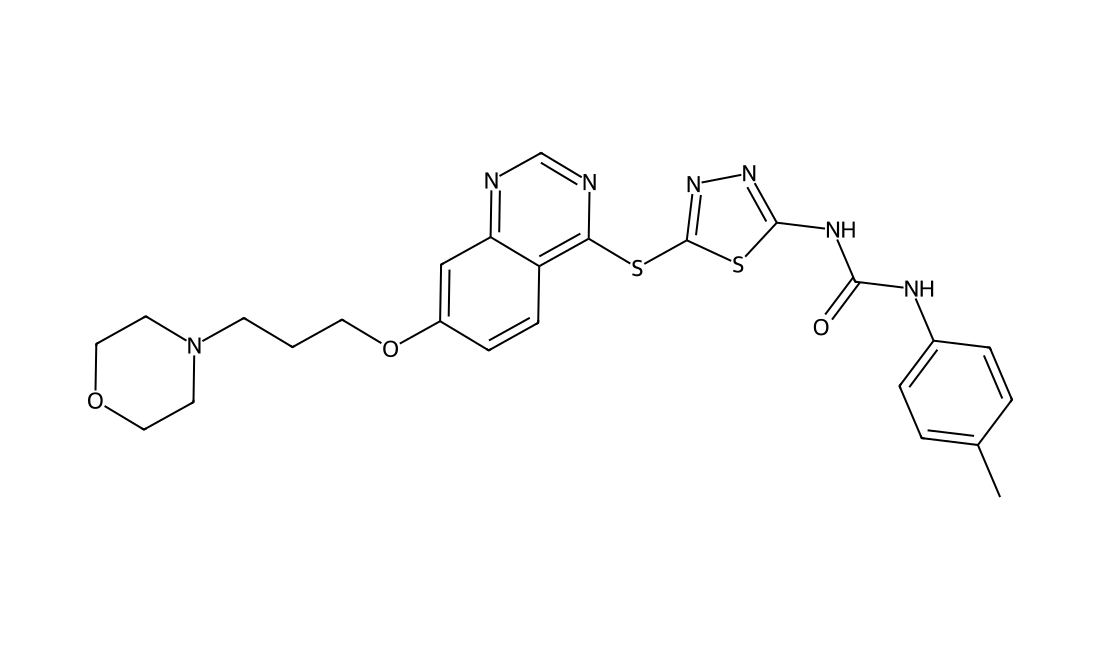
FLT3-IN-1(SKLB4771)Featured
FLT3-IN-1(SKLB4771) is a novel potent and selective Flt3 inhibitor with IC50 of 10 nM; against FLT3-ITD-expressing MV4-11 cells with IC50 of 6 nM.
No products match this search.
Page 273 of 284 · Browse all 5677 products
Jump to a product page
Featured literature product: HX1 · DCL0028
HX1 is a hydroxyzine-derived ionizable lipid with acetal-containing tails, studied in lipid nanoparticles for brain mRNA delivery and CRISPR–Cas9 delivery. It was the lead in the reported in vivo brain-delivery screen; evidence is preclinical and formulation-dependent.
Read full formulation and performance →