
Research lipid catalog
Ionizable Lipid Products
Explore 848 lipid and RNA delivery products. Search the full catalog or browse by research category.
Search covers product name, catalog number, synonyms, available CAS numbers and categories. Spaces, hyphens and common punctuation are ignored. Duplicate legacy records are consolidated under one canonical product result.
5677 products · Showing 5521–5540 · 20 per page
DC Chemicals lipid expertise
Built for ionizable-lipid discovery and RNA delivery research
DC Chemicals supports formulation and delivery research with a broad, searchable portfolio of cationic and ionizable lipids. The current directory brings together 848 unique research-use products, with product specifications, pricing, chemical structures and literature-linked formulation data added as each record is verified.
Our experience spans complex lipid synthesis, purification, analytical release and process development. For custom molecules or larger-scale requirements, our team can discuss route development, technical specifications and scale-up options for the intended research workflow.
Learn about cationic and ionizable lipids →Proprietary innovation · Co-development · GMP
From proprietary lipid design to GMP-grade custom synthesis
DC Chemicals has independently developed ionizable-lipid structures supported by company-owned intellectual property, and selected proprietary lipid programs have advanced to GMP-stage development.
We welcome joint development with customers—from molecular design and lipid synthesis through route and process development. We can also support custom synthesis of GMP-grade ionizable lipids to agreed technical specifications and quality requirements.
Discuss a co-development project →Proprietary ionizable-lipid structuresCollaborative molecular designCustom lipid synthesisProcess development and scale-upGMP-grade project support
Product quick links
Explore New ionizable lipids
Explore our five most recently added ionizable lipids, with specifications, pricing and literature-linked product information.
DCL0028HX1Brain RNA delivery researchView product →DCL0024A1I4R13C18-2Spleen-targeted RNA delivery researchView product →DCL0023A1I4R2C18-2Spleen-targeted RNA delivery researchView product →DCL0022FS01Local joint RNA delivery researchView product →DCL0020Lipid-392Lung RNA delivery and gene editing researchView product →
Cat. No.Product NameField of ApplicationChemical Structure
CDPPBFeatured
CDPPB is a potent, selective, brain penetrant positive allosteric modulator of mGlu5 receptor with EC50 of 10 nM and 20 nM for human and rat mGluR5, respectively.
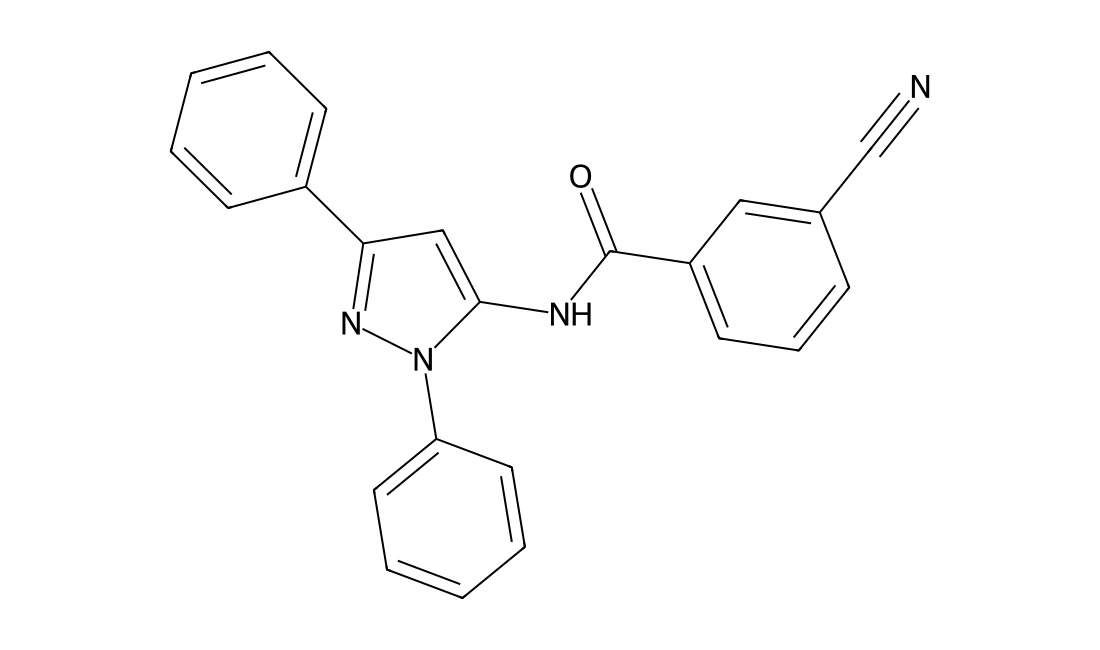
ADX-102 (Reproxalap;NS-2)Featured
ADX-102 (Reproxalap, NS-2) is a novel small molecule immunomodulator that covalently binds aldehydes including malondialdehyde and 4-hydroxynonenal, which have been shown to mediate inflammatory pain; DX-102 is a promising agent for the treatment of dry eye disease.
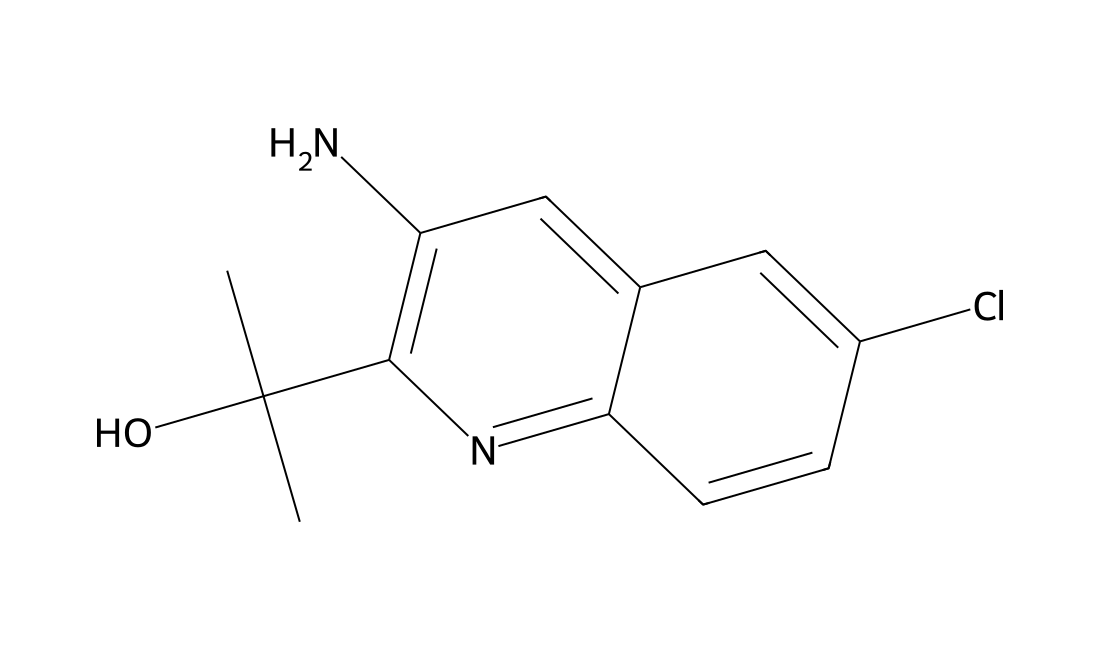
SIRT7 inhibitor 97491Featured
SIRT7 inhibitor 97491, a potent SIRT7 inhibitor with an IC50 of 325 nM, reduces deacetylase activity of SIRT7 in a dose-dependent manner. SIRT7 inhibitor 97491 prevents tumor progression by increasing p53 stability through acetylation at K373/382. SIRT7 inhibitor 97491 promotes apoptosis through caspase pathway..
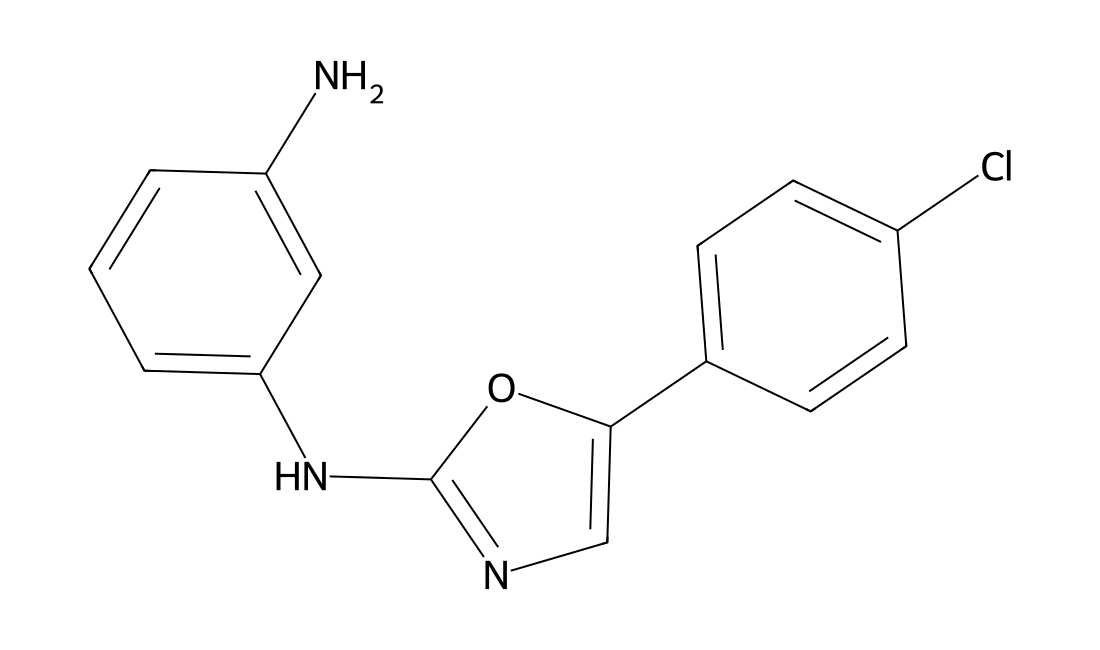
STING agonist-4Featured
STING agonist 4 is an amidobenzimidazole (ABZI)-based compound that functions as a STING agonist with Kd of 1.6 nM (binding of endogenous full-length STING, THP-1 cell lysates); caused dose-dependent phosphorylation of IRF3 and STING that was inhibited by the TBK1 inhibitor BX795, induced dose-dependent secretion of IFN-β with EC50 of 3.1 uM in PBMCs (18-fold more potent than cGAMP); promotes production of IFN-γ-induced protein 10 (IP-10), IL-6 and TNFα by a mechanism that is dependent on STING-mediated activation of TBK1; unlike cGAMP and DMXAA, compound 2 efficiently activates STING function while maintaining an open STING confirmation.
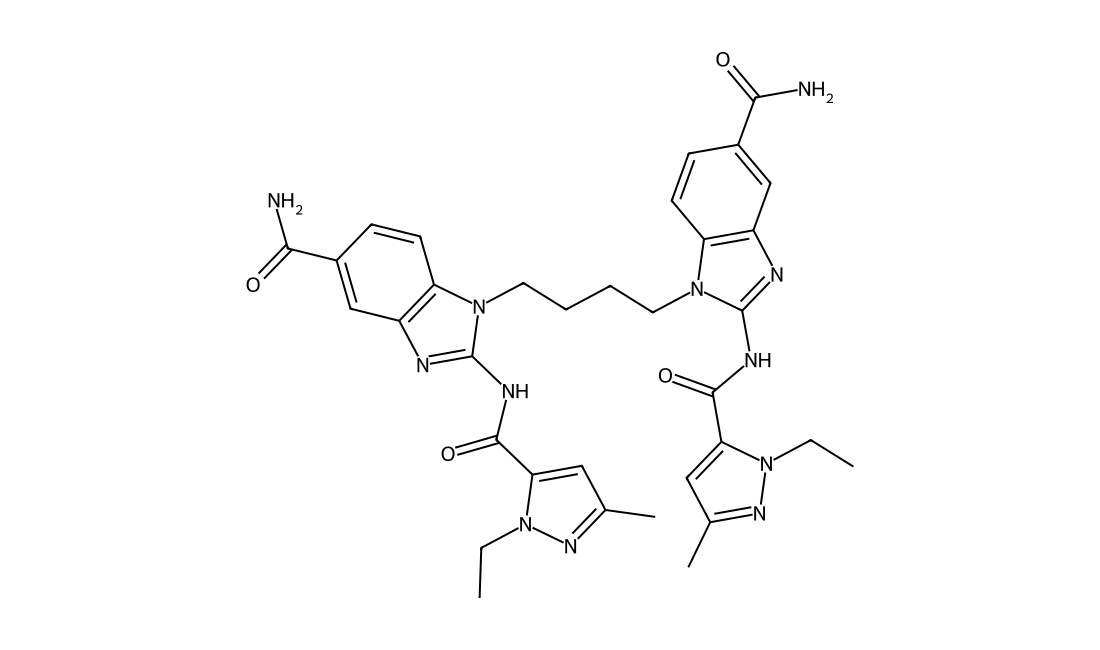
BIBF0775Featured
BIBF0775 is an inhibitor of the transforming growth factor β receptor I (TGFβRI). X-ray structure analysis showed that BIBF0775 soaked into the kinase domain of TGFβRI.
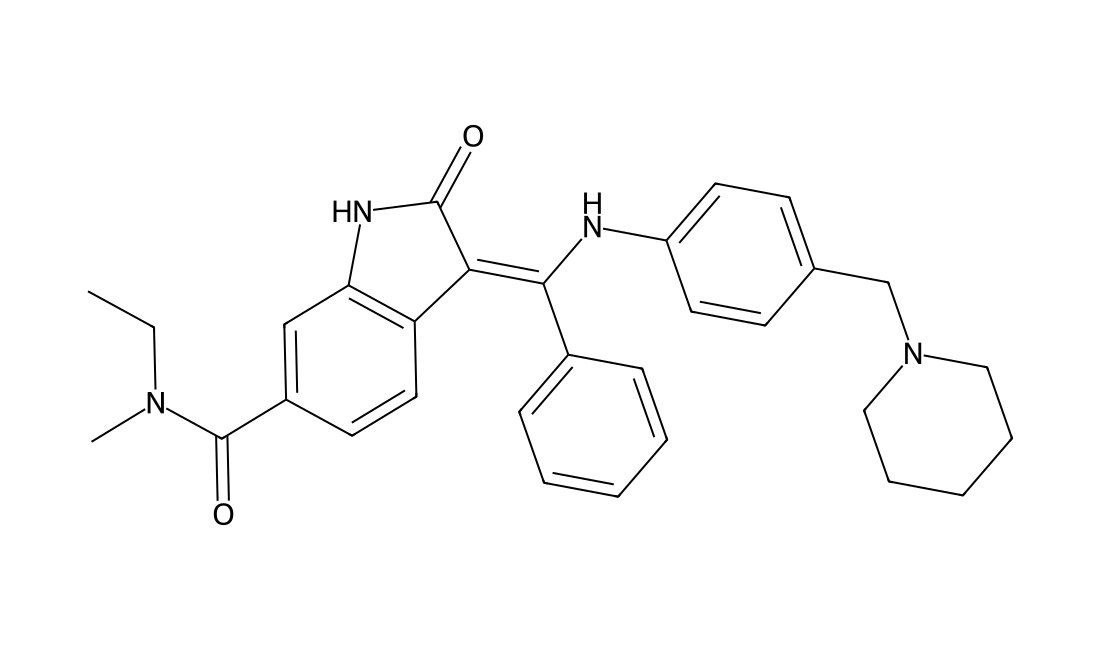
EGFR inhibitor(YUN27078)Featured
YUN27078, also known as EGFR inhibitor, is an EGFR inhibitor. It directly depolymerizes microtubules and is used as a chemical probe to investigate both the EGFR pathway and microtubule dynamics. YUN27078 hax CAS#879127-07-8, no formal name For the convenience of scientific communication, we named it as YUN27078 (combined from Inchi key plus CAS#) according to Hodoodo Chemical Nomenclature
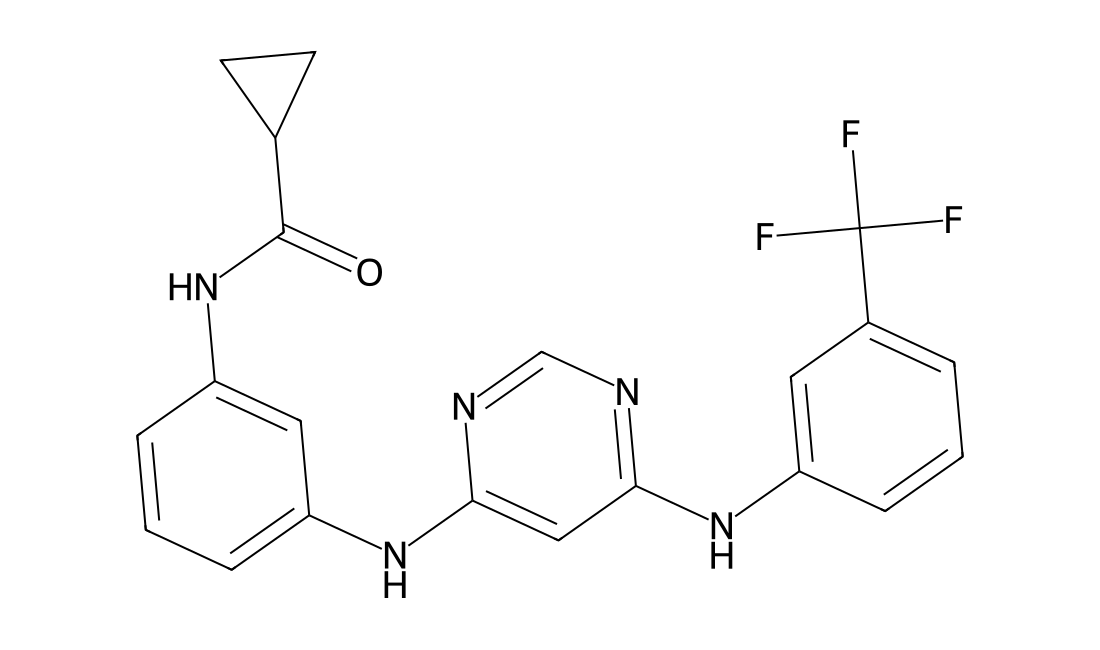
DCC-2036 (Rebastinib)Featured
DCC-2036 is a conformational control Bcr-Abl inhibitor for Abl1(WT) and Abl1(T315I) with IC50 of 0.8 nM and 4 nM, also inhibits SRC, LYN, FGR, HCK, KDR, FLT3, and Tie-2, and low activity to seen towards c-Kit. Phase 1/2.
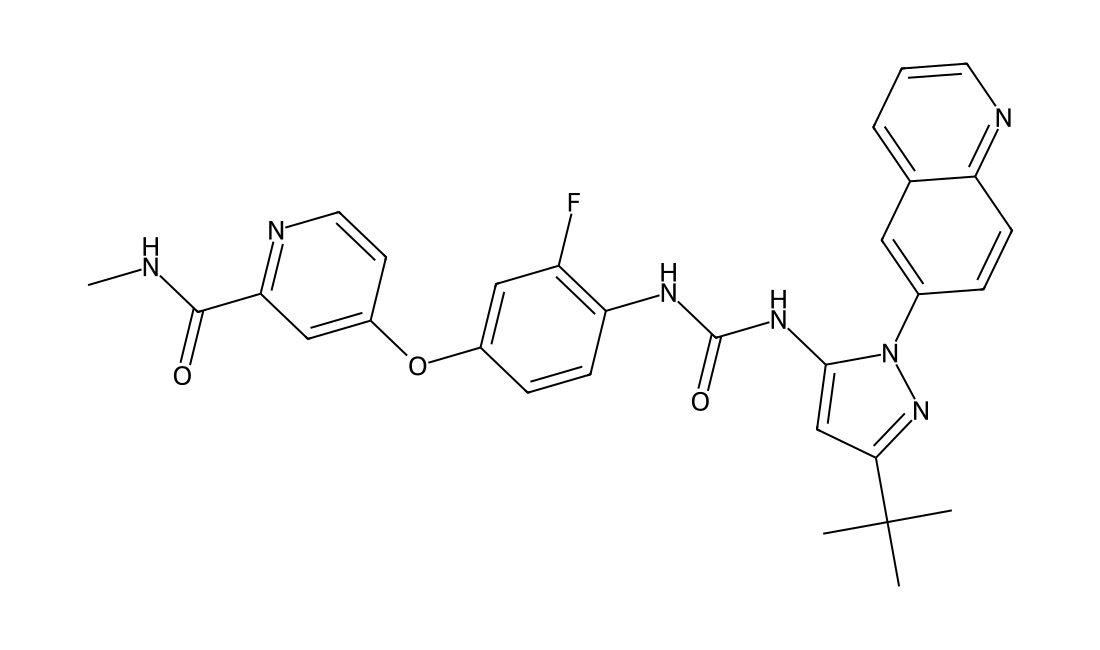
MW-150Featured
MW-150 is a novel potent, selective, CNS penetrant and orally active inhibitor of p38α MAPK with Ki of 101 nM
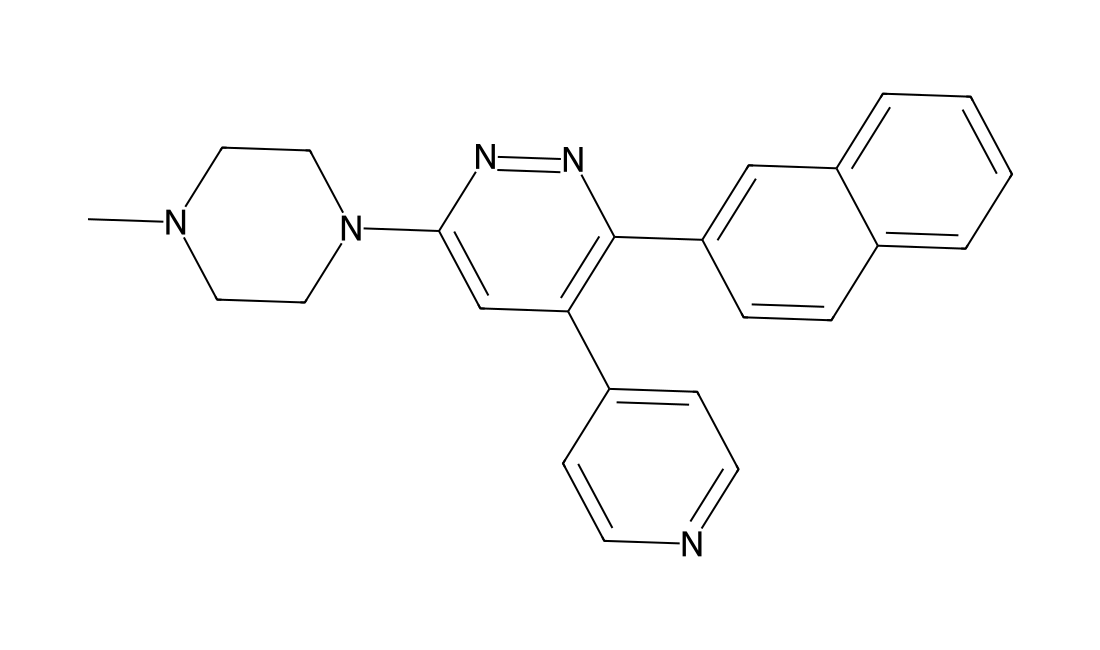
VU 0365114Featured
VU 0365114 is a mAChR M5 positive allosteric modulator, with an EC50 of 2.7 μM.
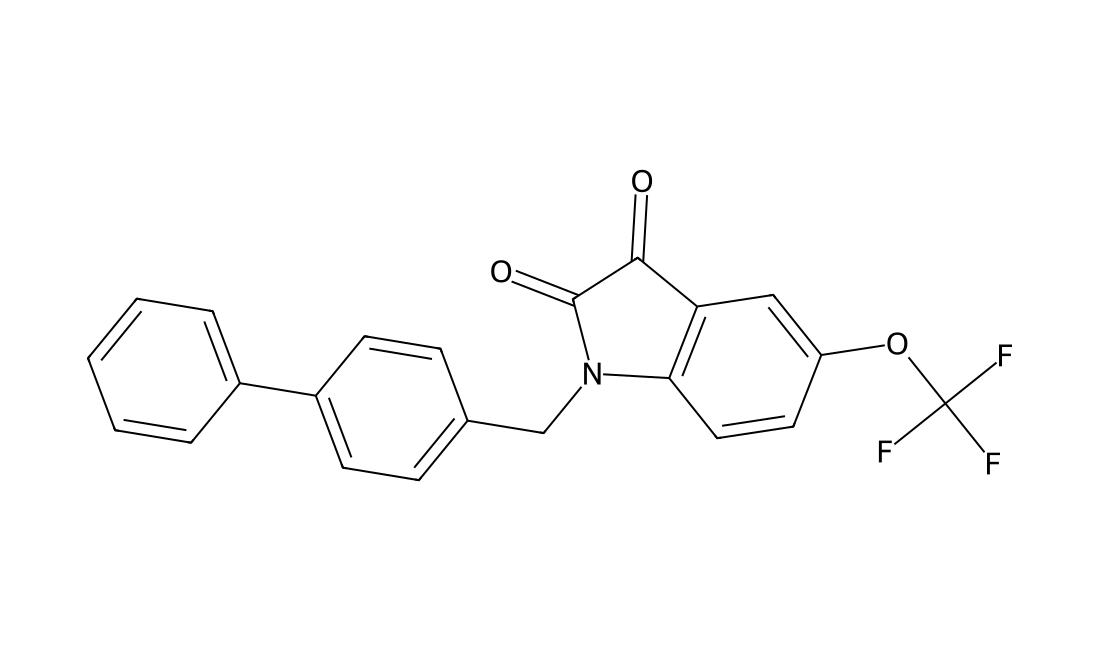
AKR1C3 Inhibitor 5fFeatured
A highly potent and selective inhibitor of the type 5 17-β-hydroxysteroid dehydrogenase AKR1C3.
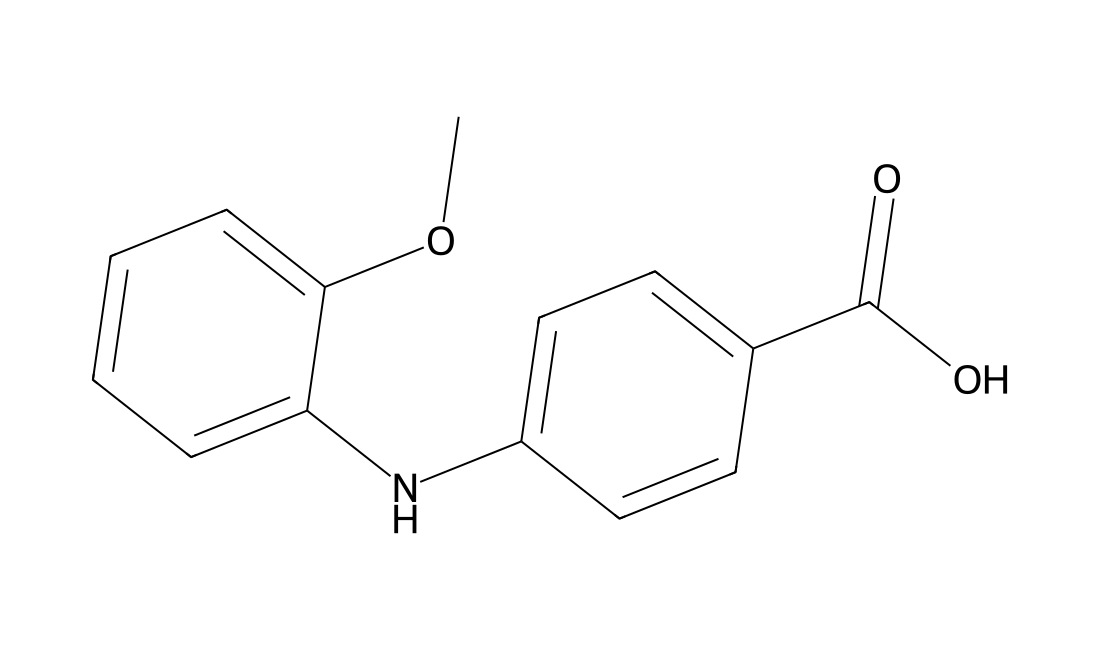
A-381393Featured
A-381393 is a potent and selective agonist of the dopamine D4 receptor.
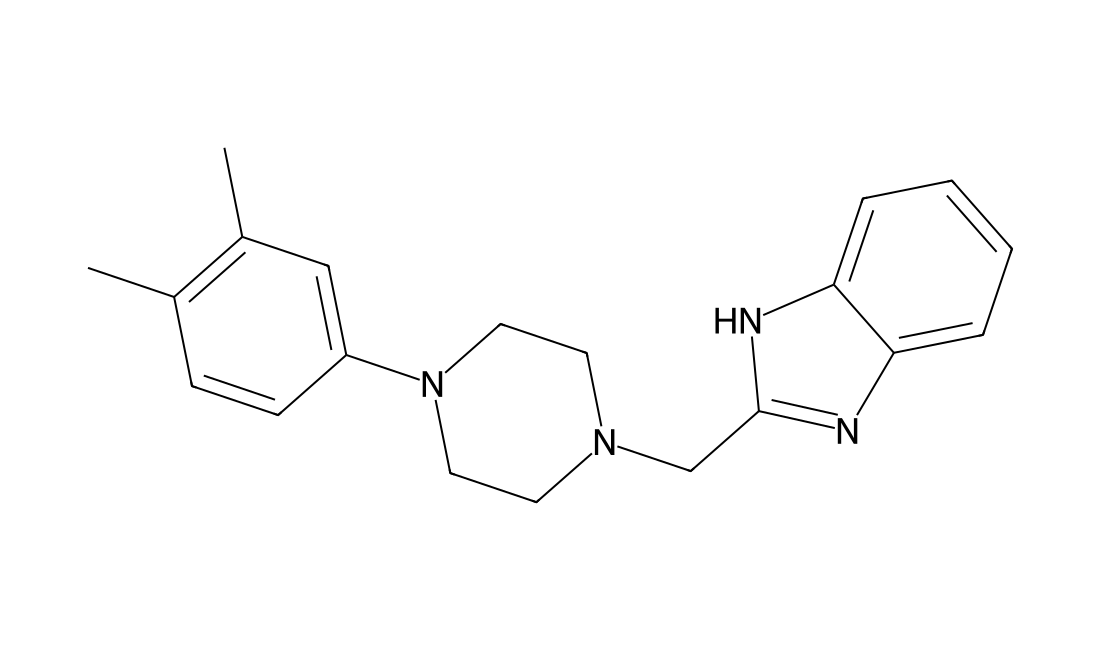
ACA is a cell permeable inhibitor of PLA2,reported to inhibit α-ketoisocaproic acid and glyceraldehyde-induced insulin secretion, as well as glucose-induced insulin secretion.
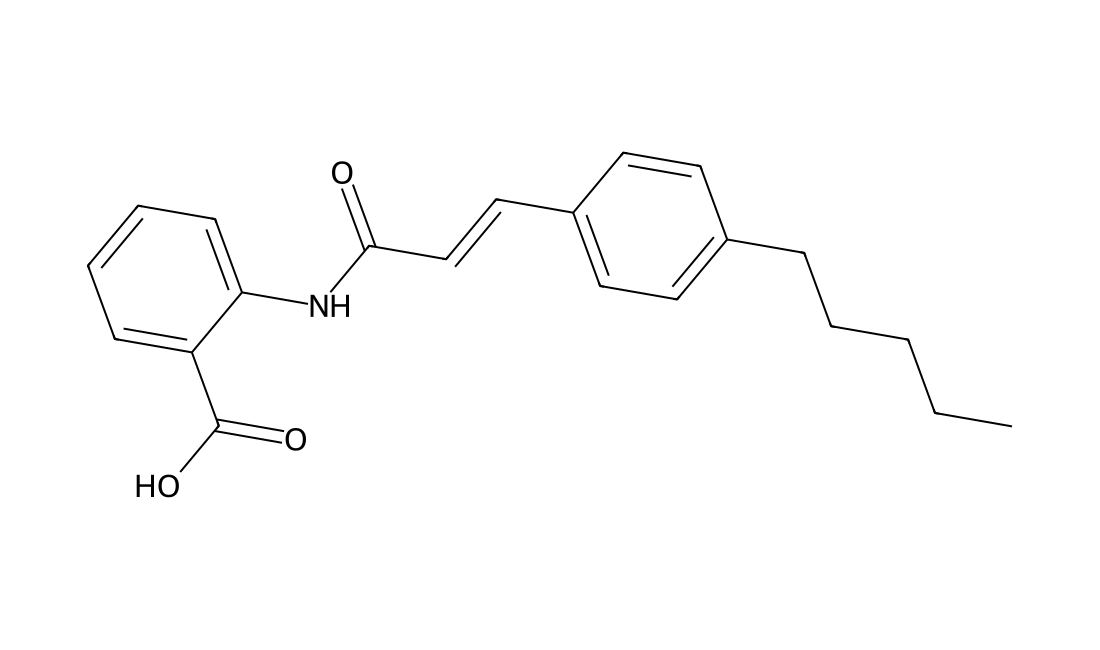
AG 1406Featured
AG 1406 is a selective inhibitor of the receptor tyrosine kinase VEGF receptor 2 .
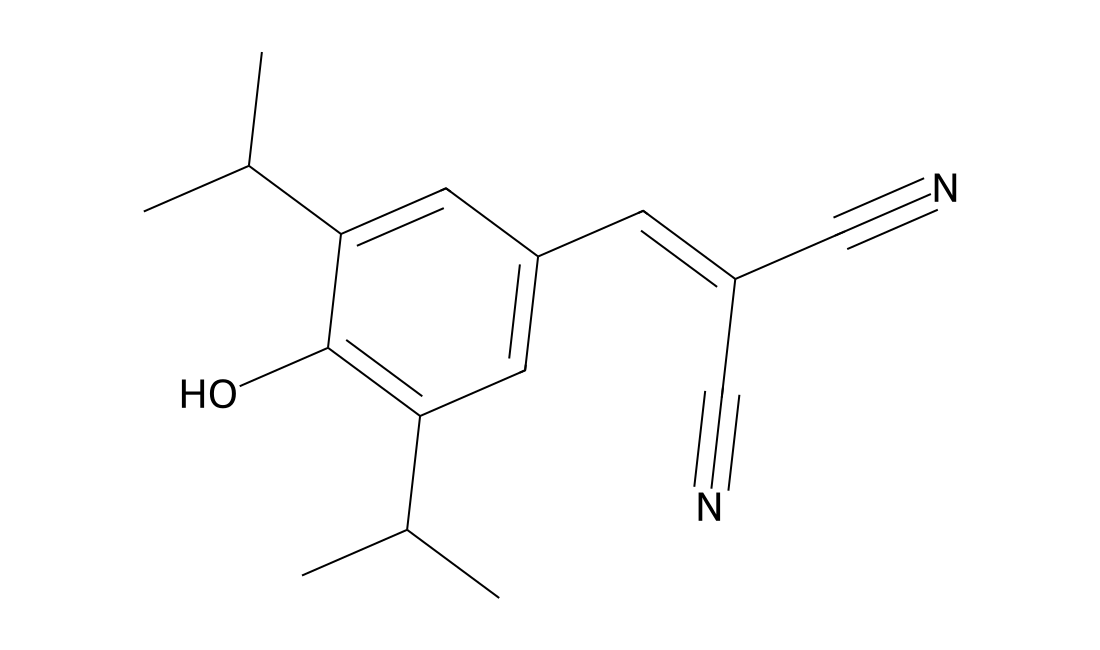
AG-1557Featured
AG-1557 is an ultra-potent inhibitor of epidermal growth factor receptor tyrosine kinase (EGFRK).
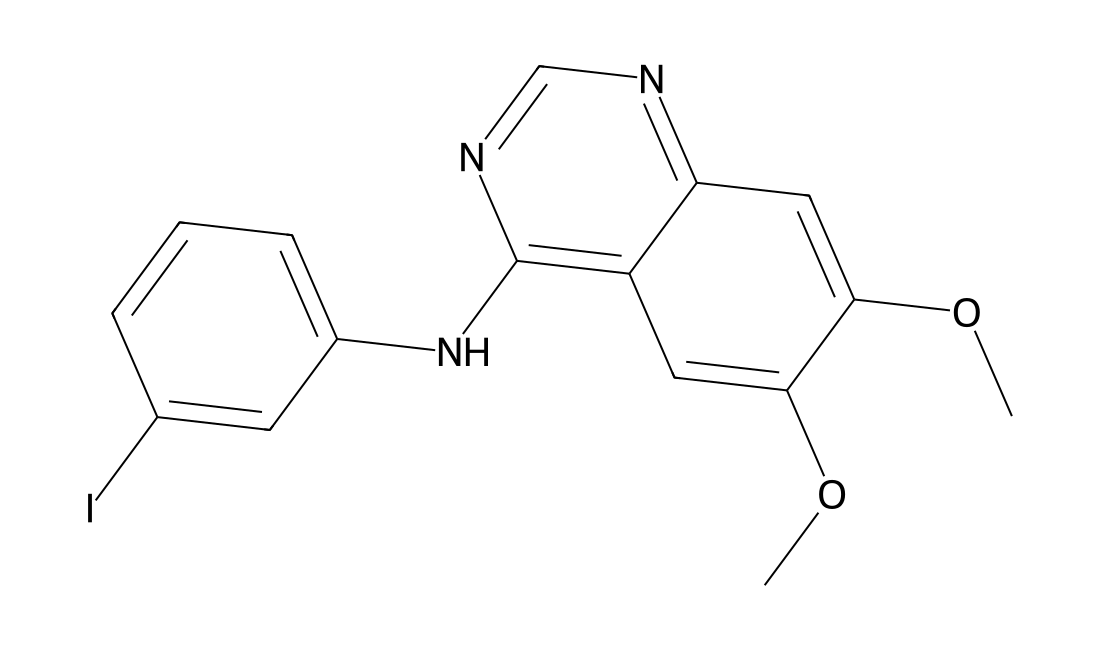
AG-99Featured
AG-99 is an inhibitor of EGF receptor kinase with an IC50 value of 10 µM in the human epidermoid carcinoma cell line A431.
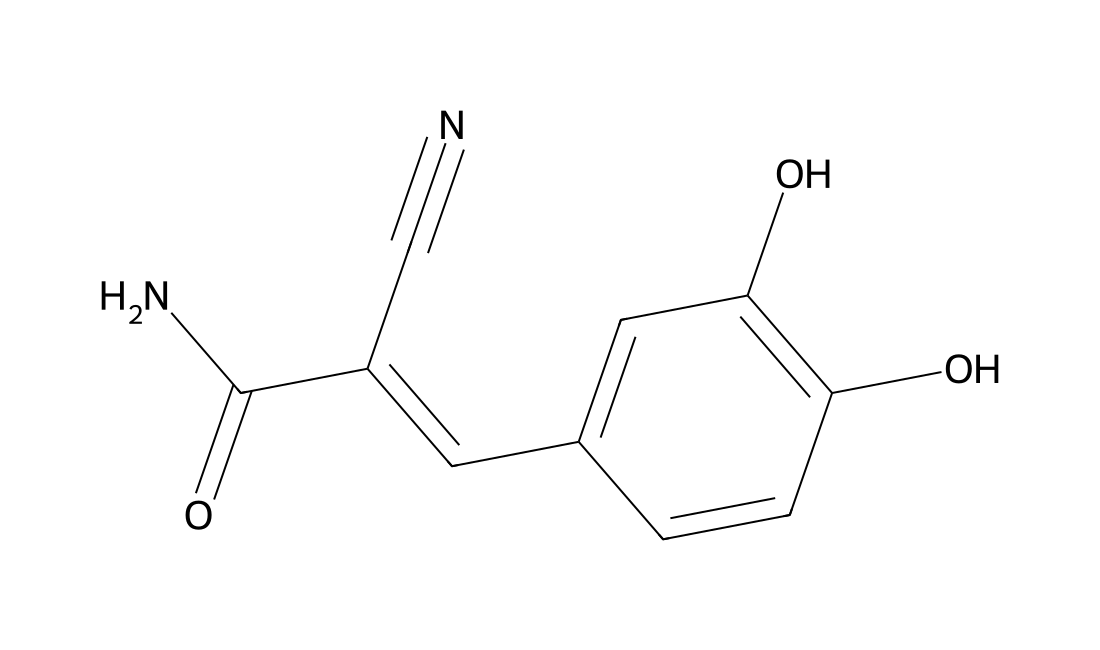
USP25 and 28 inhibitor AZ-1Featured
USP25 and 28 inhibitor AZ-1 (AZ1) is a potent, selective, dual USP25/28 inhibitor with IC50 of 0.7/0.6 uM, respectively; shows a high degree of selectivity over other deubiquitinases (USP4,7 etc.); demonstrates target engagement against both USP25 and USP28 in cells, elicits modulation of both the total levels and the half-life of the c-Myc oncoprotein in cells, and also induces apoptosis and inhibits cell viability in a range of cancer cell lines.
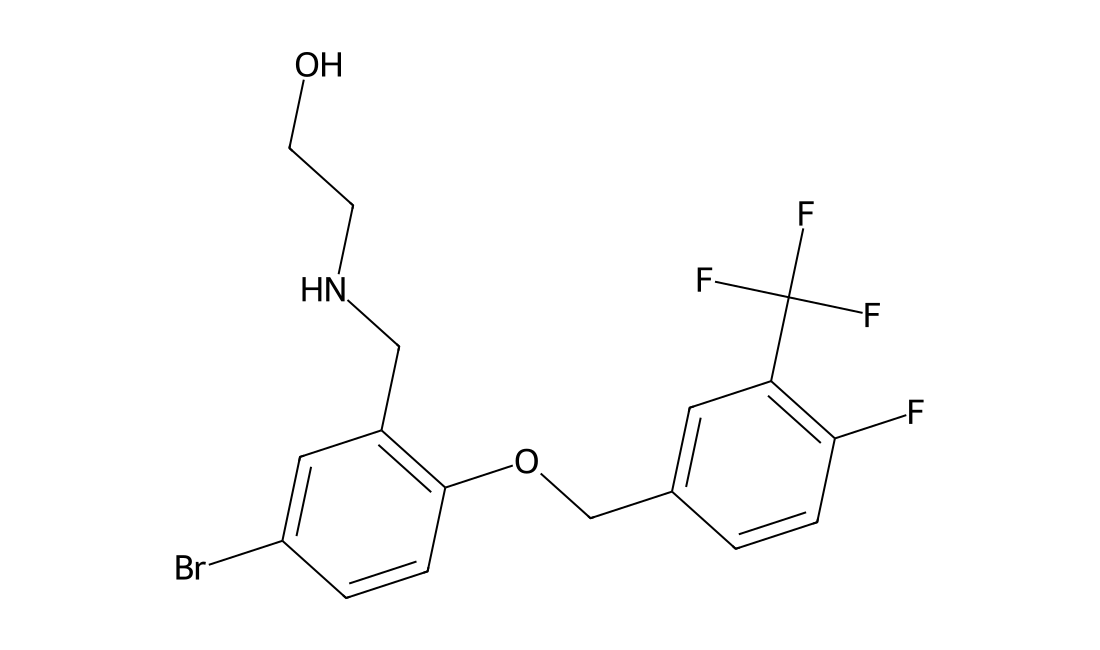
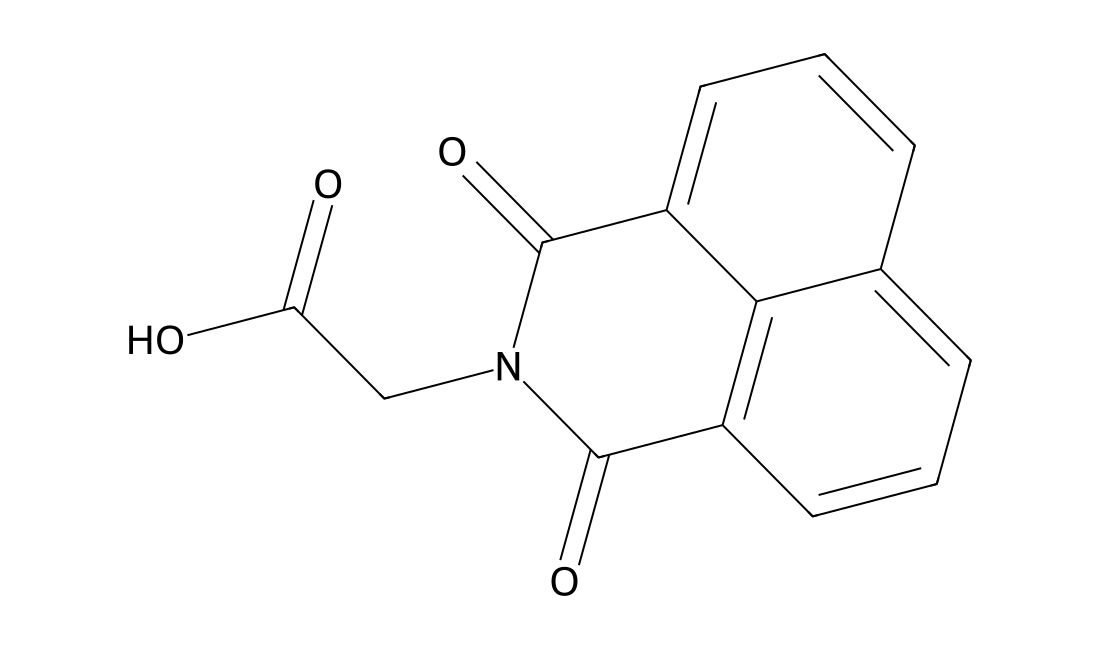
AlrestatinFeatured
Alrestatin is an AKR (aldose reductase) inhibitor, which attaches molecules to the active site of the NADP+/enzyme complex in a stacked formation.
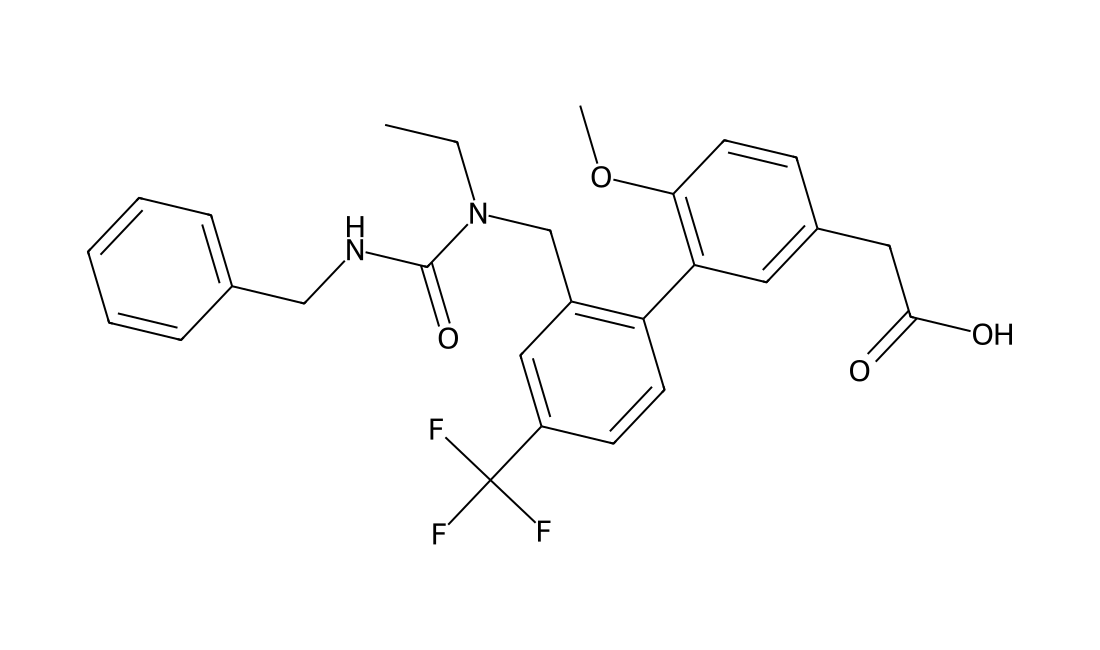
AM211Featured
AM211 is a potent, selective and orally bioavailable prostaglandin D2 (PGD2) receptor type 2 (DP2) antagonist
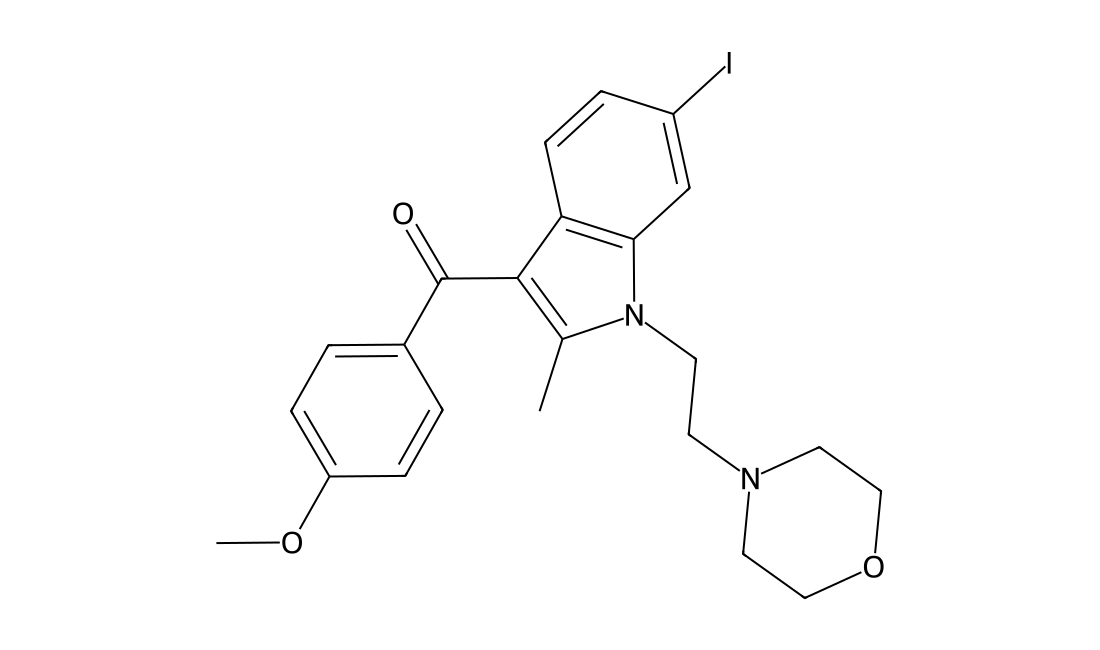
Iodopravadoline(AM-630)Featured
AM630 is a selective CB2 receptor antagonist that binds to CB1 and CB2 receptors with Ki values of 5.2 µM and 31.2 nM, respectively.
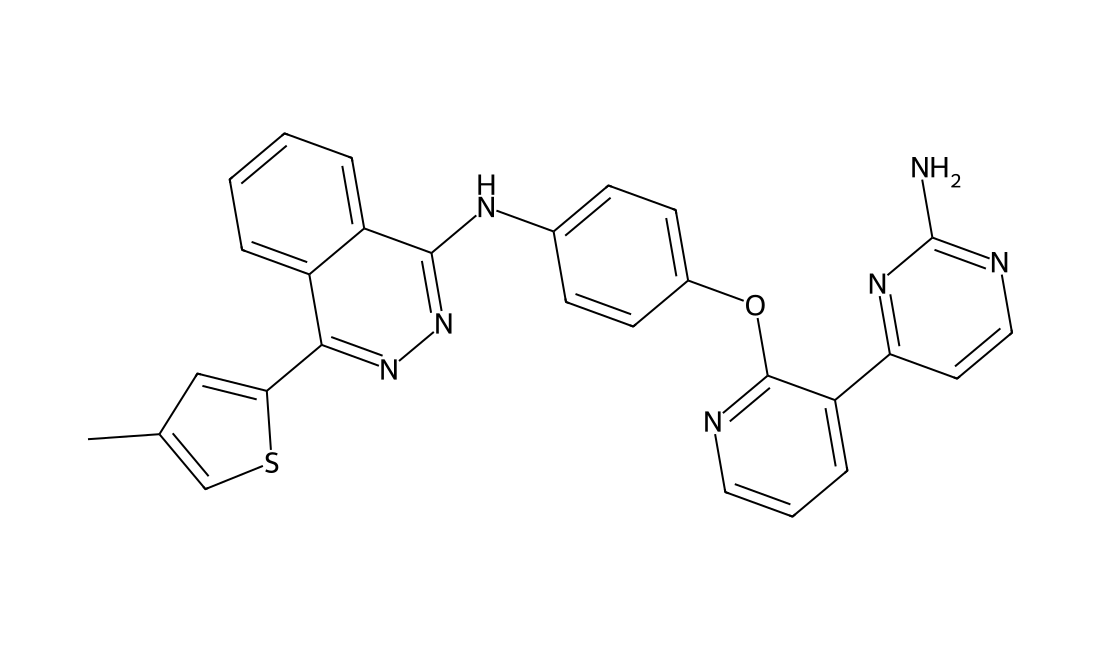
AMG 900Featured
AMG 900 is a potent and highly selective pan-Aurora kinases inhibitor for Aurora A/B/C with IC50 of 5 nM/4 nM /1 nM; >10-fold selective for Aurora kinases than p38α, Tyk2, JNK2, Met and Tie2.
No products match this search.
Page 277 of 284 · Browse all 5677 products
Jump to a product page
Featured literature product: HX1 · DCL0028
HX1 is a hydroxyzine-derived ionizable lipid with acetal-containing tails, studied in lipid nanoparticles for brain mRNA delivery and CRISPR–Cas9 delivery. It was the lead in the reported in vivo brain-delivery screen; evidence is preclinical and formulation-dependent.
Read full formulation and performance →