
Research lipid catalog
Ionizable Lipid Products
Explore 848 lipid and RNA delivery products. Search the full catalog or browse by research category.
Search covers product name, catalog number, synonyms, available CAS numbers and categories. Spaces, hyphens and common punctuation are ignored. Duplicate legacy records are consolidated under one canonical product result.
5177 products · Showing 4701–4720 · 20 per page
DC Chemicals lipid expertise
Built for ionizable-lipid discovery and RNA delivery research
DC Chemicals supports formulation and delivery research with a broad, searchable portfolio of cationic and ionizable lipids. The current directory brings together 848 unique research-use products, with product specifications, pricing, chemical structures and literature-linked formulation data added as each record is verified.
Our experience spans complex lipid synthesis, purification, analytical release and process development. For custom molecules or larger-scale requirements, our team can discuss route development, technical specifications and scale-up options for the intended research workflow.
Learn about cationic and ionizable lipids →Proprietary innovation · Co-development · GMP
From proprietary lipid design to GMP-grade custom synthesis
DC Chemicals has independently developed ionizable-lipid structures supported by company-owned intellectual property, and selected proprietary lipid programs have advanced to GMP-stage development.
We welcome joint development with customers—from molecular design and lipid synthesis through route and process development. We can also support custom synthesis of GMP-grade ionizable lipids to agreed technical specifications and quality requirements.
Discuss a co-development project →Proprietary ionizable-lipid structuresCollaborative molecular designCustom lipid synthesisProcess development and scale-upGMP-grade project support
Product quick links
Explore New ionizable lipids
Explore our five most recently added ionizable lipids, with specifications, pricing and literature-linked product information.
DCL0028HX1Brain RNA delivery researchView product →DCL0024A1I4R13C18-2Spleen-targeted RNA delivery researchView product →DCL0023A1I4R2C18-2Spleen-targeted RNA delivery researchView product →DCL0022FS01Local joint RNA delivery researchView product →DCL0020Lipid-392Lung RNA delivery and gene editing researchView product →
Cat. No.Product NameField of ApplicationChemical Structure
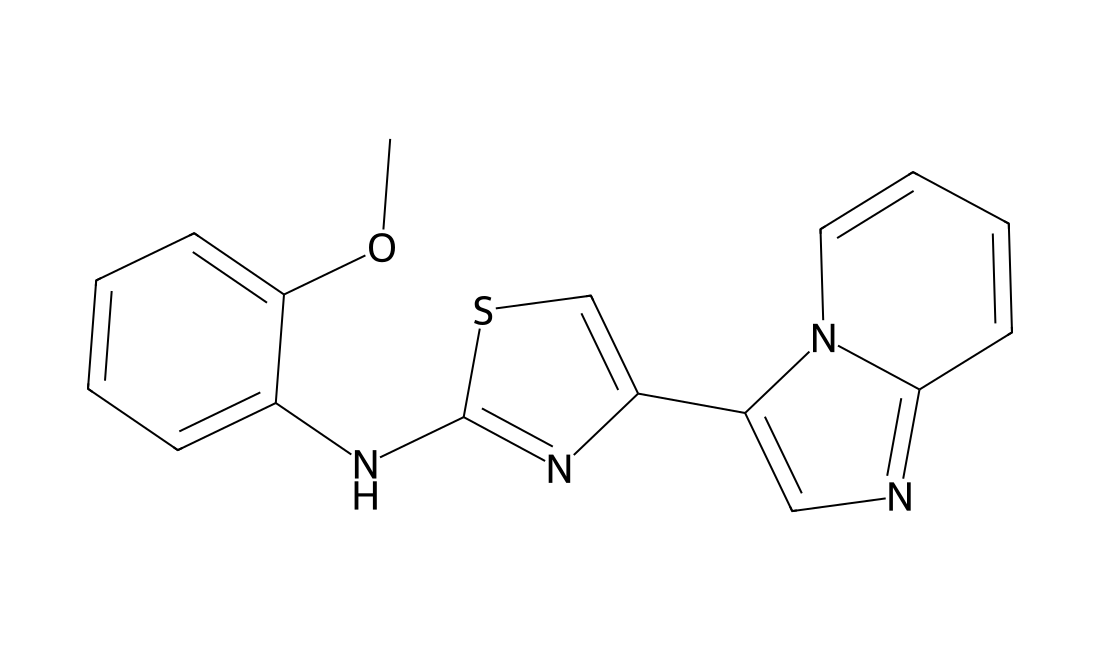
PKM2-IN-6Featured
PKM2-IN-6 (compound 7d) is a potent and orally active PKM2 inhibitor with an IC50 value of 23 nM. PKM2-IN-6 induces apoptosis and cell cycle arrest at G2 phase. PKM2-IN-6 reduces the level of PKM1 and PKM2 at the mRNA level. PKM2-IN-6 shows anticancer activity and has the potential for the research of triple-negative breast cancer.
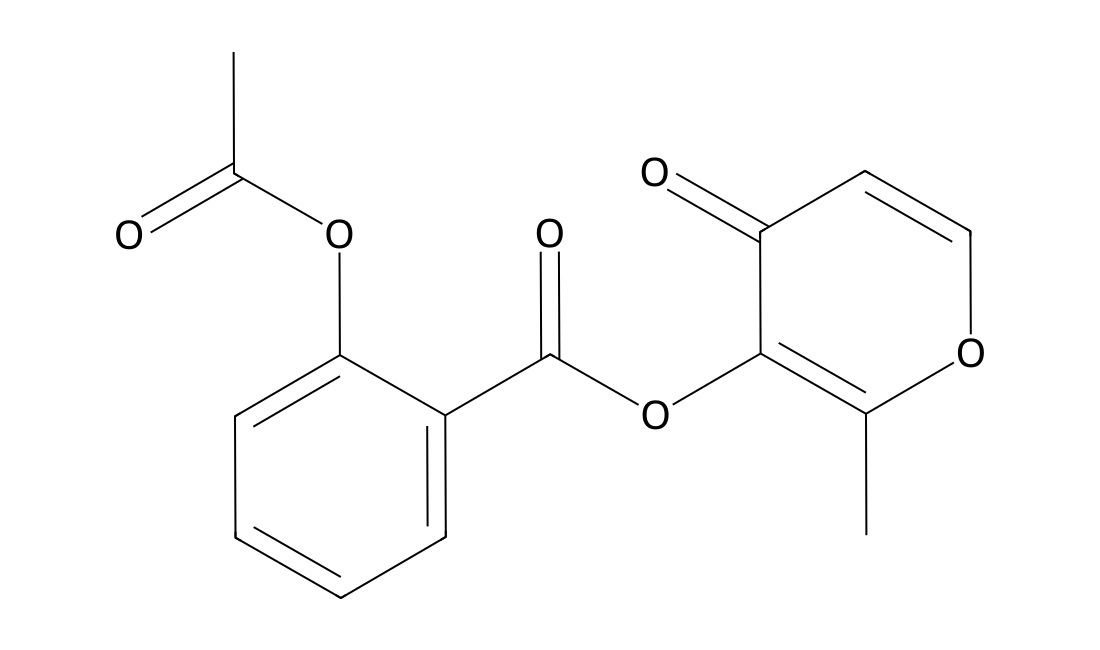
AspalatoneFeatured
Aspalatone is an anti-platelet aggregator (antithrombotic) that has been shown to prolong bleeding time in the mouse model. Aspalatone generates antioxidant and neuroprotective effects against kainic acid-induced epilepsy.
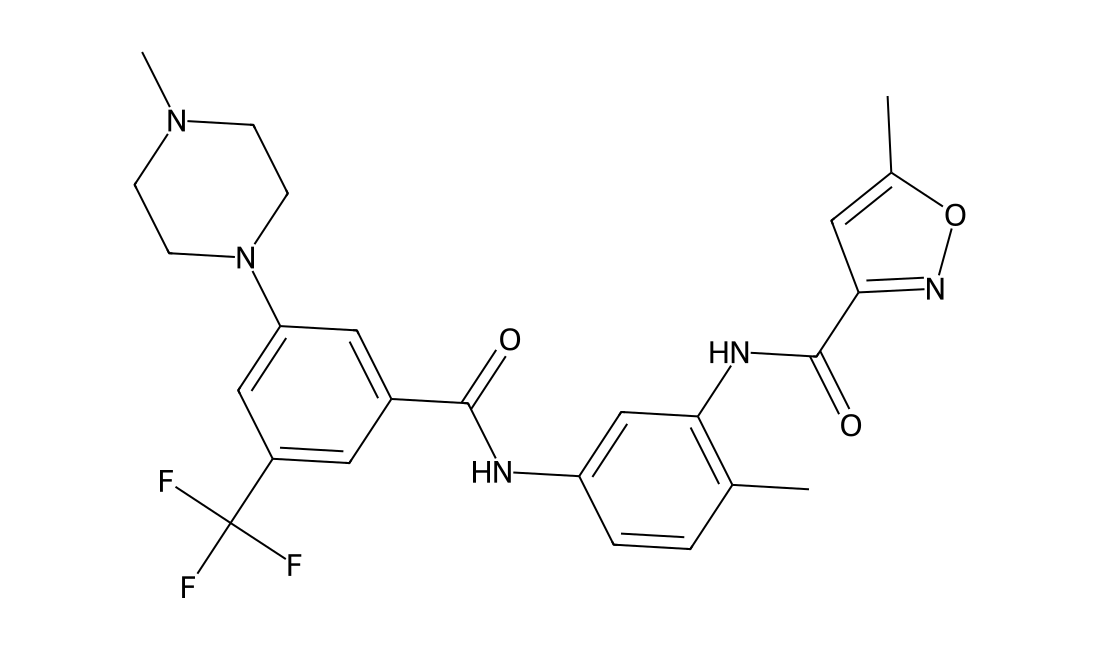
CSF1R-IN-20Featured
CSF1R-IN-20 (compound 7a) is a CSF-1R Inhibitor with an IC50 value of 467 nM. CSF1R-IN-20 inhibits CSF-1R auto-phosphorylation.
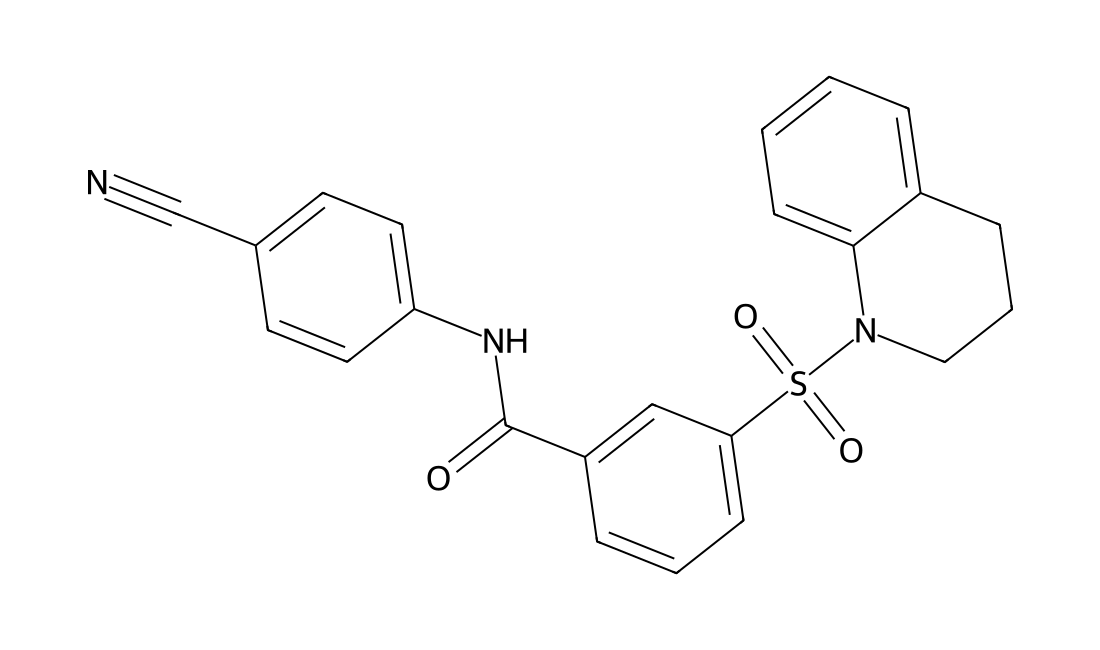
GA32Featured
GA32 (compound 58r) is potent androgen receptor (AR)/glucocorticoid receptor (GR) dual inhibitor with IC50 values of 0.13 μM and 0.83 μM for AR and GR, respectively. GA32 inhibits the proliferation of Enzalutamide (HY-70002) resistance castration-resistant prostate cancer both in vitro and in vivo.
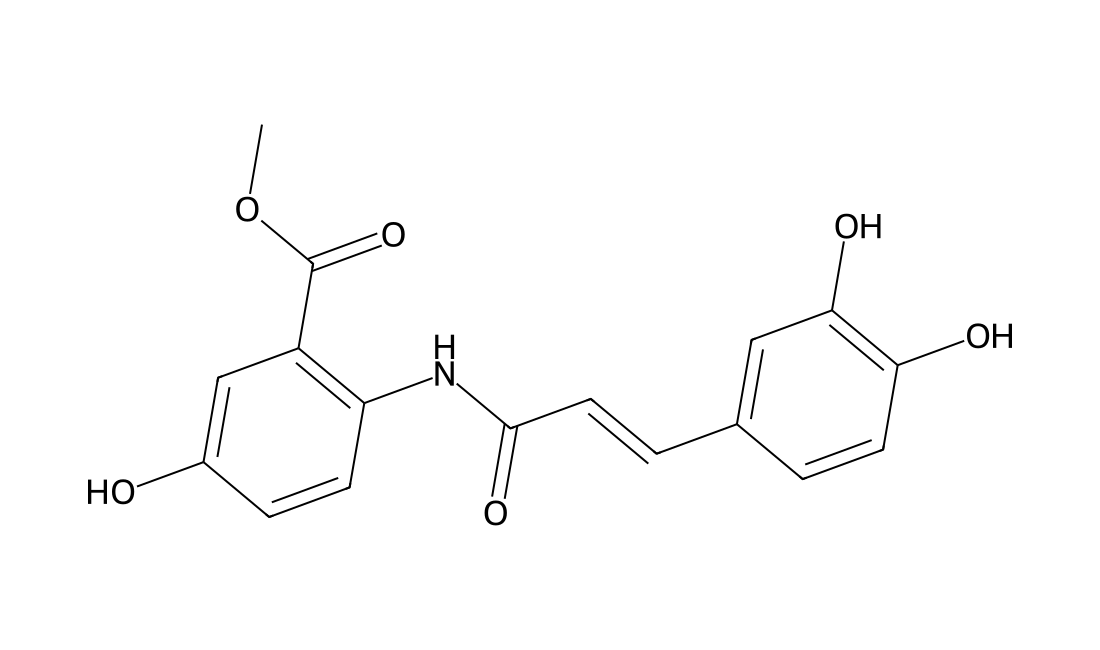
Avenanthramide-C methyl esterFeatured
Avenanthramide-C methyl ester is an anti-inflammatory agent and NF-κB inhibitor that inhibits the secretion of pro-inflammatory factors. Avenanthramide-C methyl ester inhibits NF-κB activation by inhibiting IKK and IκB phosphorylation and inhibiting proteasome activity.
BFC1108Featured
BFC1108 is a small molecule Bcl-2 functional converter. BFC1108 induces a conformational change in Bcl-2, resulting in the exposure of its BH3 domain both in vitro and in vivo. BFC1108 effectively induces apoptosis in Bcl-2 expressing cancers.
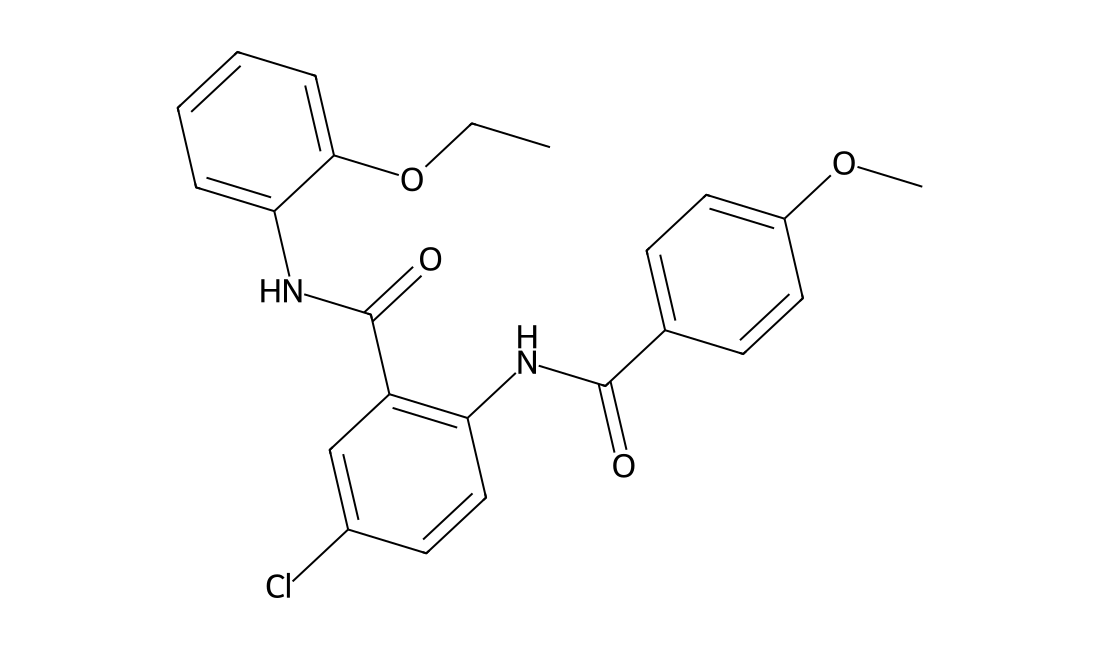
AChE/Aβ-IN-5Featured
AChE/Aβ-IN-5 (compound AV-2) is a bifunctional inhibitor that targets AChE and auto-induced Aβ (Amyloid-β) aggregation. AChE/Aβ-IN-5 can significantly improve scopolamine- and Aβ-induced cognitive impairment in mice.
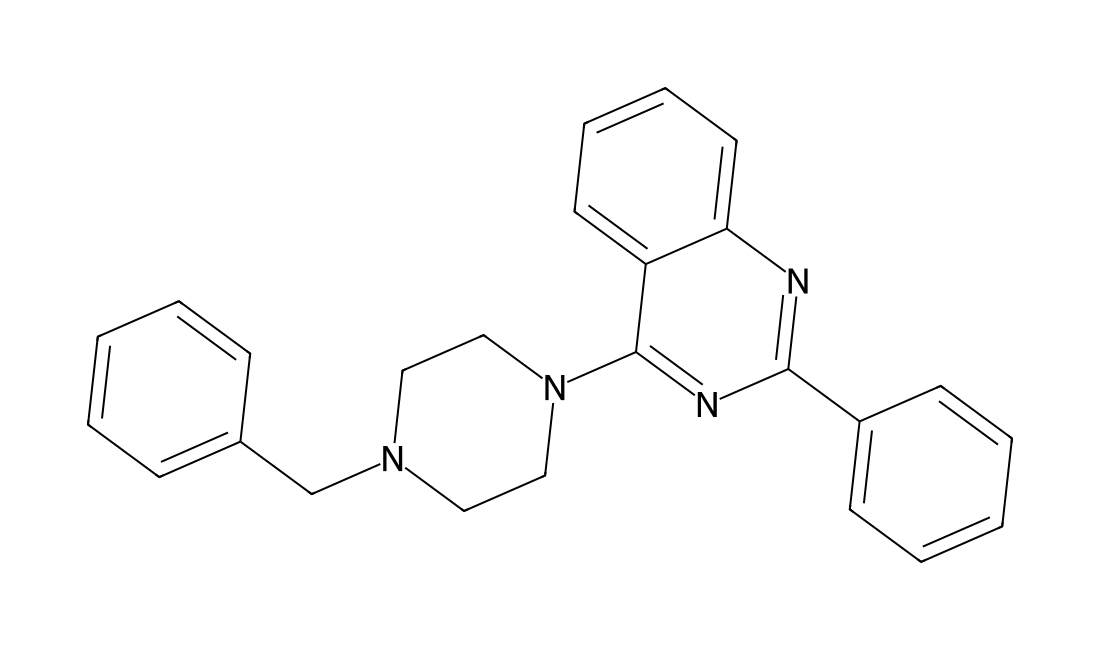
ZINC000028464438Featured
ZINC000028464438 is a selective HDAC11 inhibitor with an IC50 of 3.5 µM. ZINC000028464438 shows almost no inhibition for other HDAC subtypes.
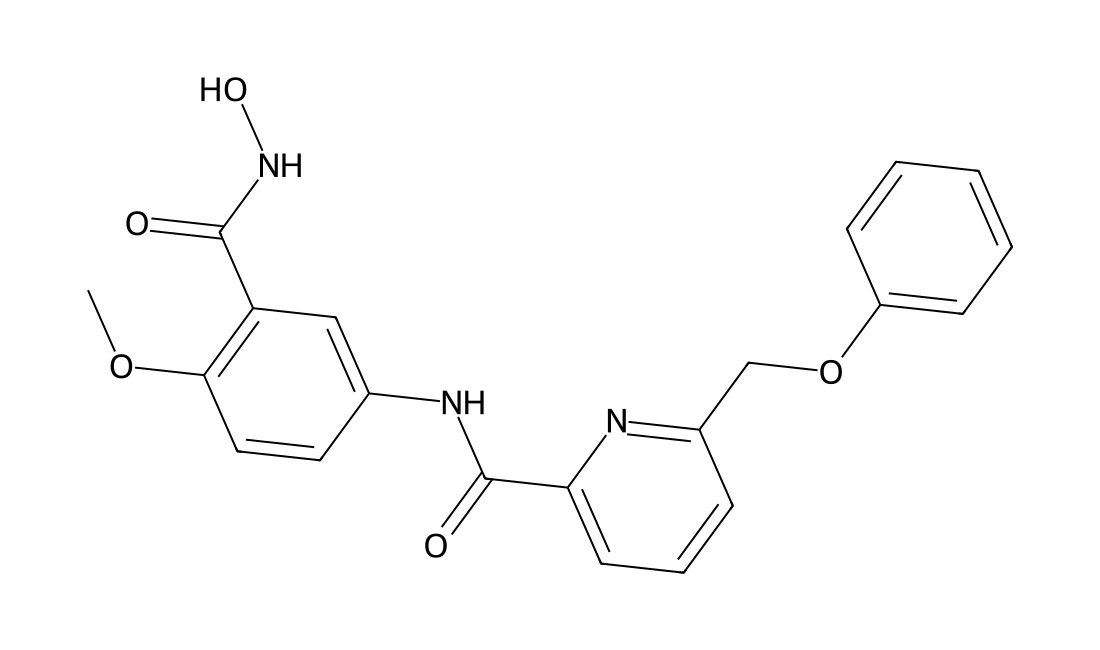
CAY10512Featured
CAY10512 is an inhibitor of NF-κB. CAY10512 can suppress the upregulation of NF-κB-sensitive proinflammatory miRNAs (miRNA-9, miRNA-125b, miRNA-146a, miRNA-155) in cerebrospinal fluid and extracellular fluid, and can be used for research on Alzheimer's disease.
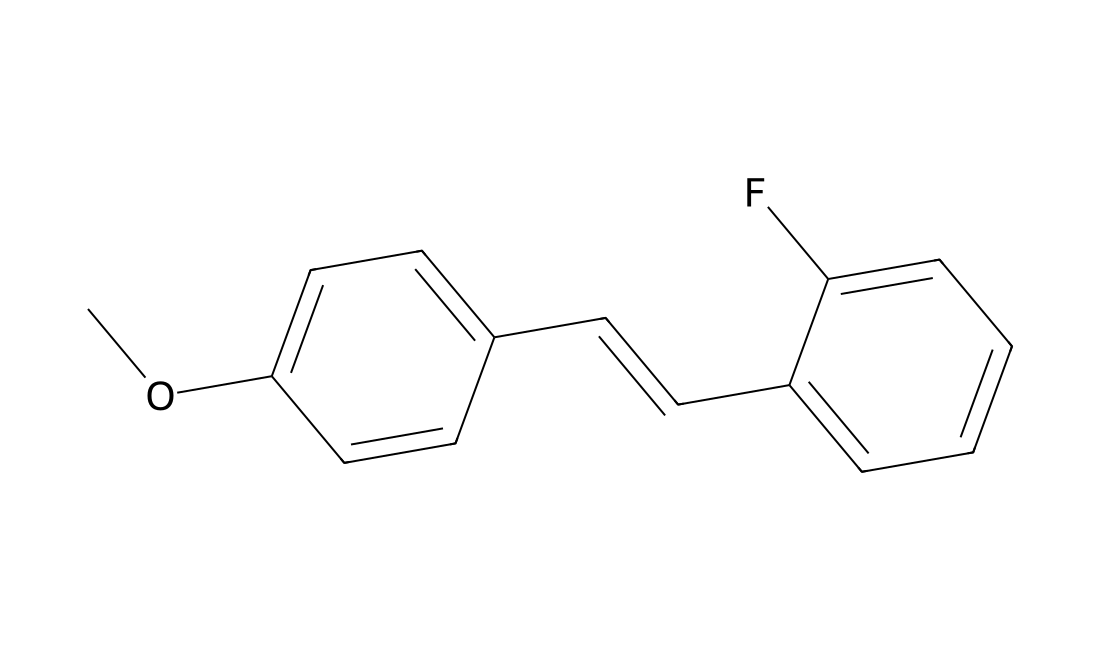
Antioxidant/anticancer agent 1Featured
Antioxidant/anticancer agent 1 (compound 5) is a pyrimidine-derivatized Schiff base based on pyrimidine hydroxy-1-naphthaldehyde and has antibacterial, antioxidant, antifungal, and anticancer properties. Antioxidant/anticancer agent 1.
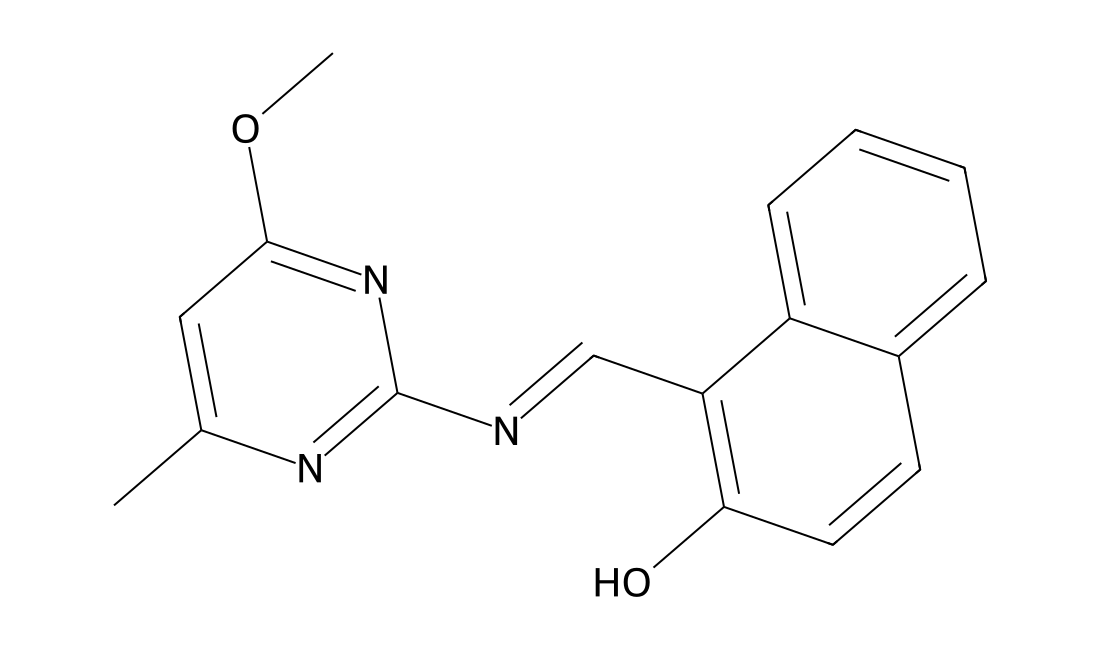
2',4',6',4-tetramethoxychalconeFeatured
4,2′,4′,6′-Tetramethoxychalcone is a flavonoids that can be isolated from Gnaphalium affine.
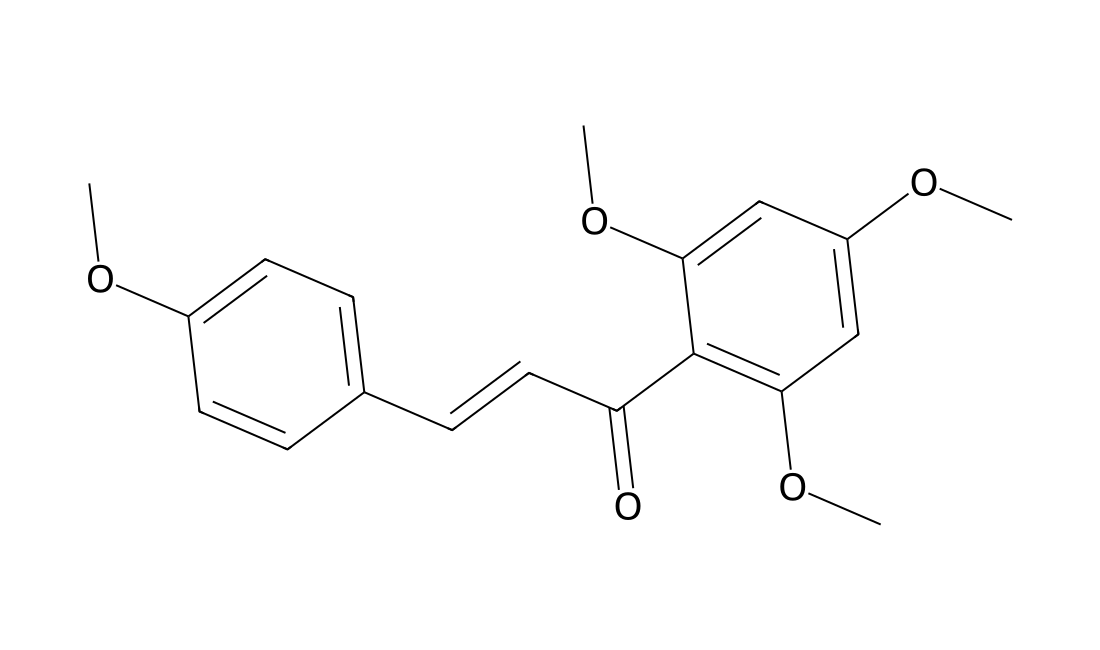
Anti-osteoporosis agent-5Featured
Anti-osteoporosis agent-5 (compound 189) is a potent inhibitor of the formation of osteoclasts.
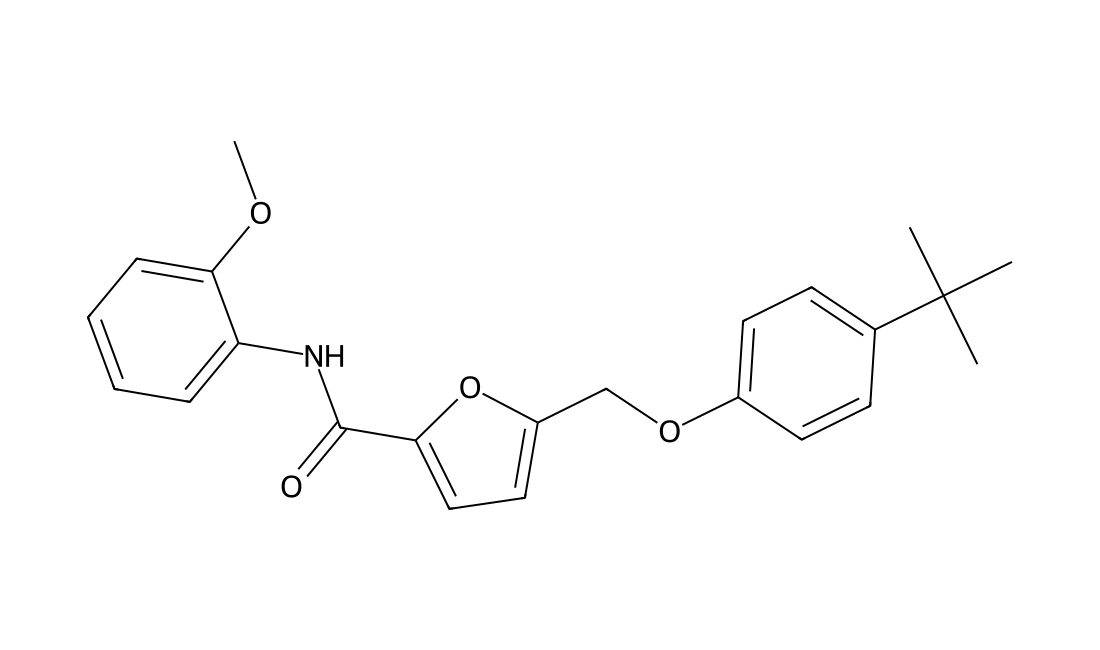
(E/Z)-CCR-11Featured
(E/Z)-CCR-11 (Comp 12) is a selective CD38 inhibitor, with an IC50 of 20.8 μM against CD38 cyclase. (E/Z)-CCR-11 promotes increases in cellular NAD+ levels and interferon γ.
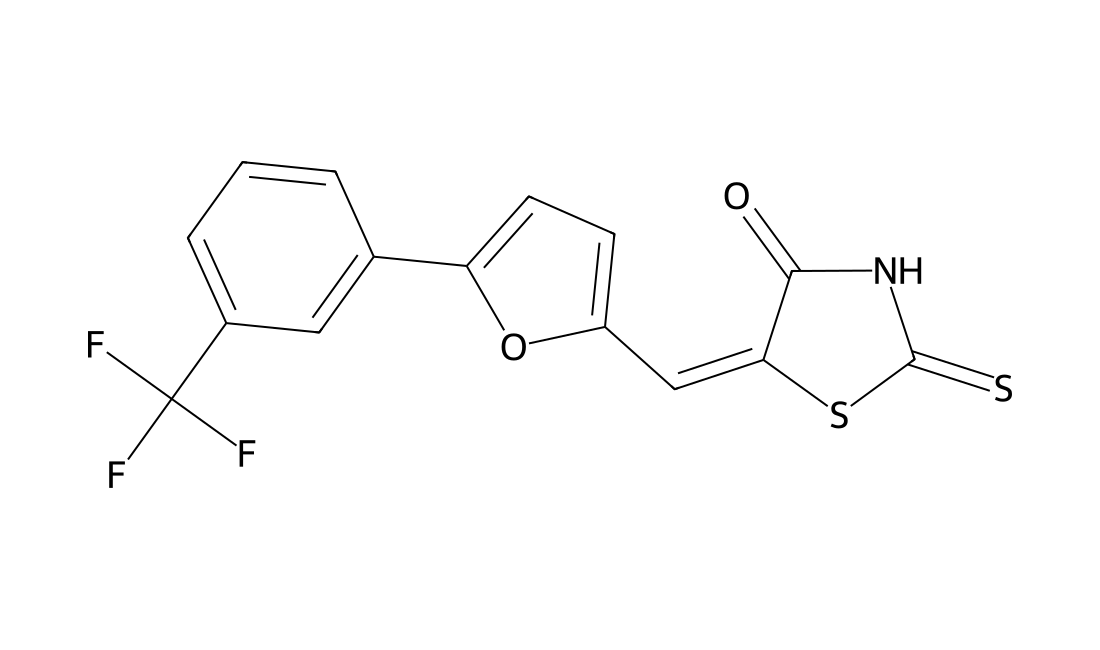
AmeltolideFeatured
Ameltolide, a 4-aminobenzamide derivative, is an anticonvulsant agent which has been shown to be effective at inhibiting seizures in animal models.
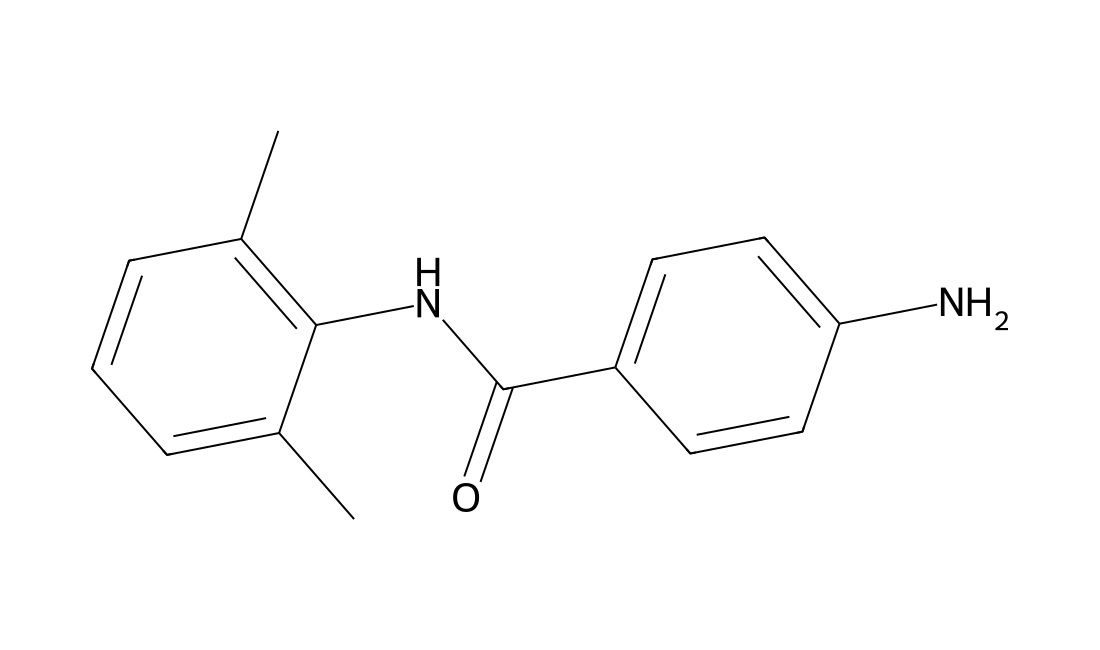
HDAC6-IN-27Featured
HDAC6-IN-27 (compound 8C) is a HDAC inhibitor with IC50 vales of 15.9 nM 136.5 nM and 6180.2 nM for HDAC6, HDAC8 and HDAC1, respectively. HDAC6-IN-27 shows potent antiparasitic effects.
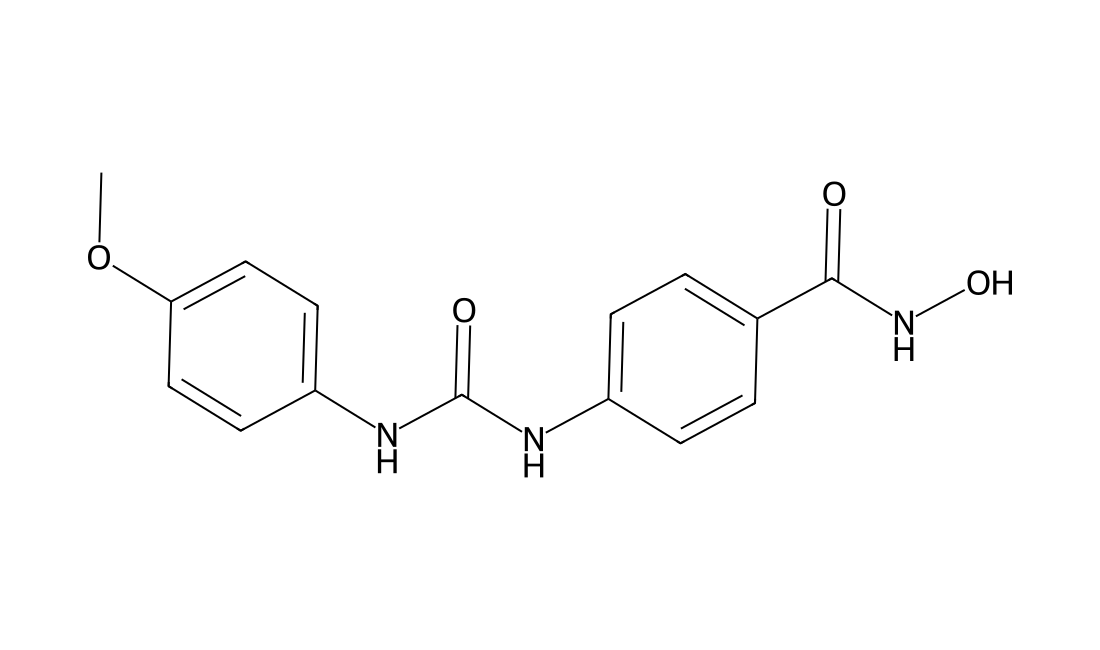
Gac0003a4Featured
Novel LXR inverse agonist, functioning as LXR a degrader, significantly reducing LXR protein levels in PDAC cell lines
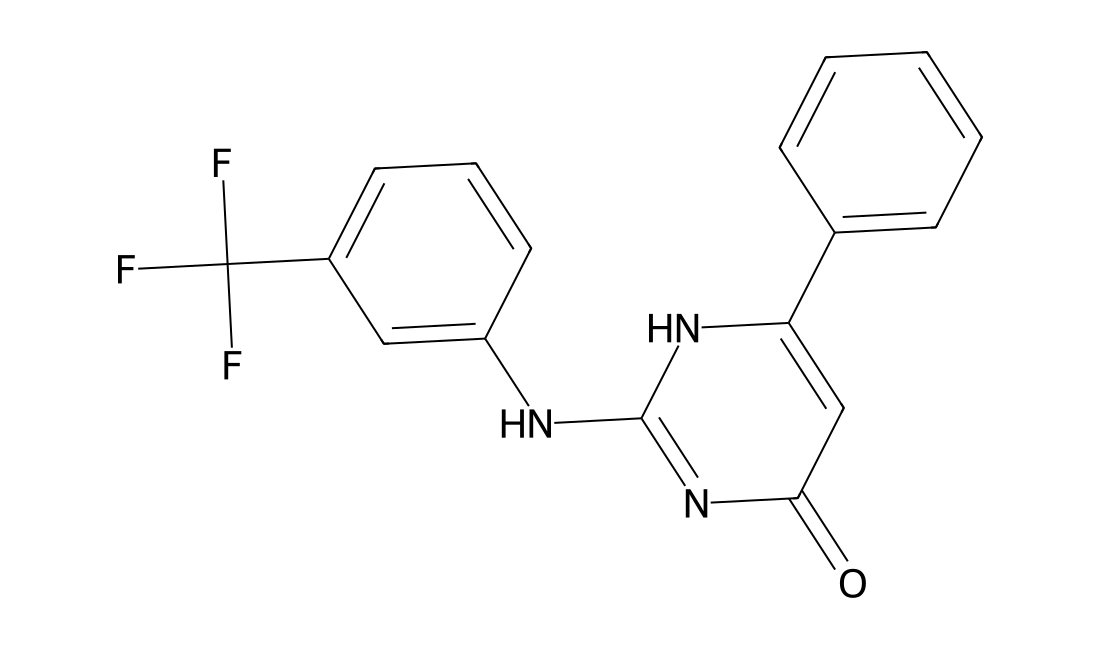
ATG12-ATG3 inhibitor 1Featured
ATG12-ATG3 inhibitor 1 (compound 189) is a potent inhibitor of autophage.
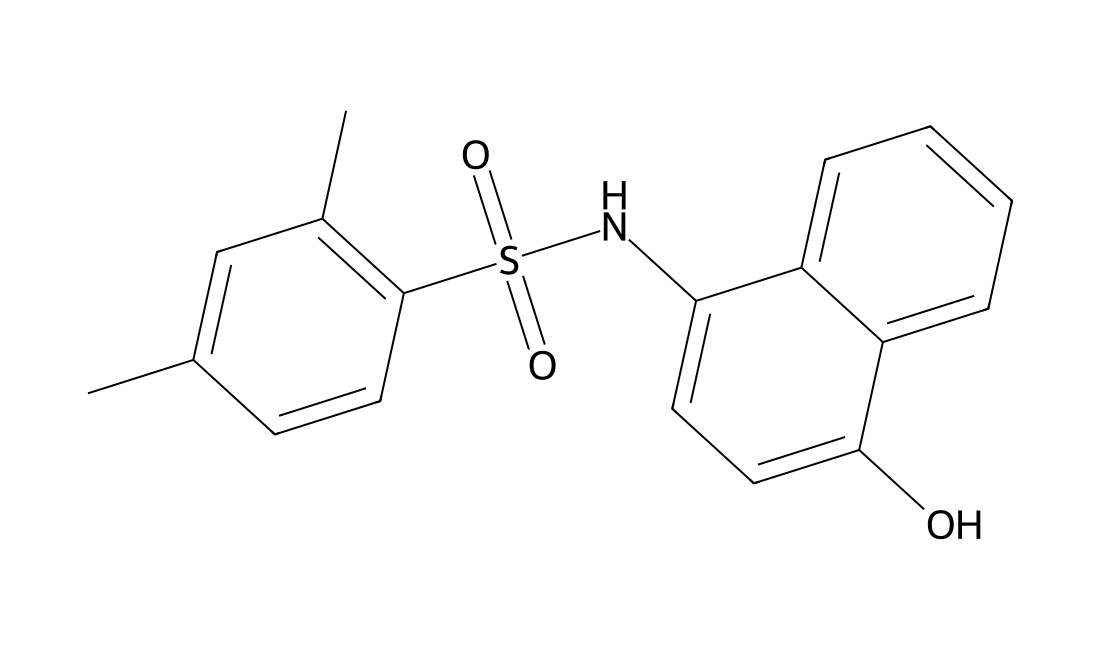
Vuf10497Featured
VUF10497 is a potent histamine H4 receptor (H4R) inverse agonist with anti-inflammatory activity.
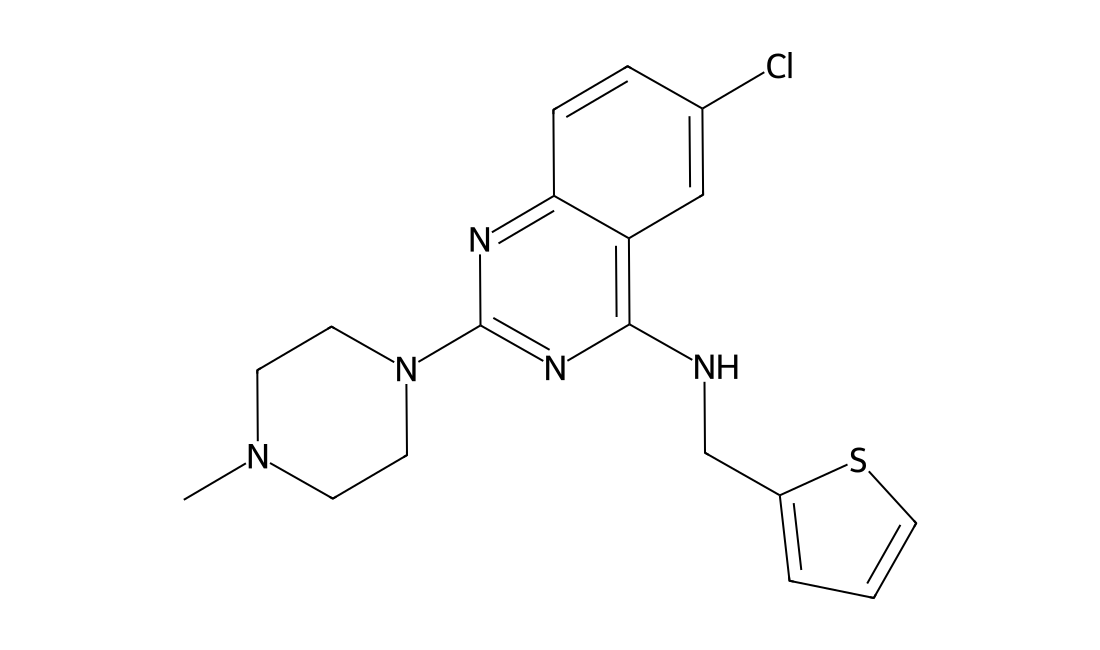
ING-1466Featured
ING-1466 is an orally active entry inhibitor of influenza A viruses (IAVs) with EC50 of 0.18 uM against IAV H1N1 (PR8-NS1-Gluc), binds to hemagglutinin (HA) and blocks HA-mediated viral infection.
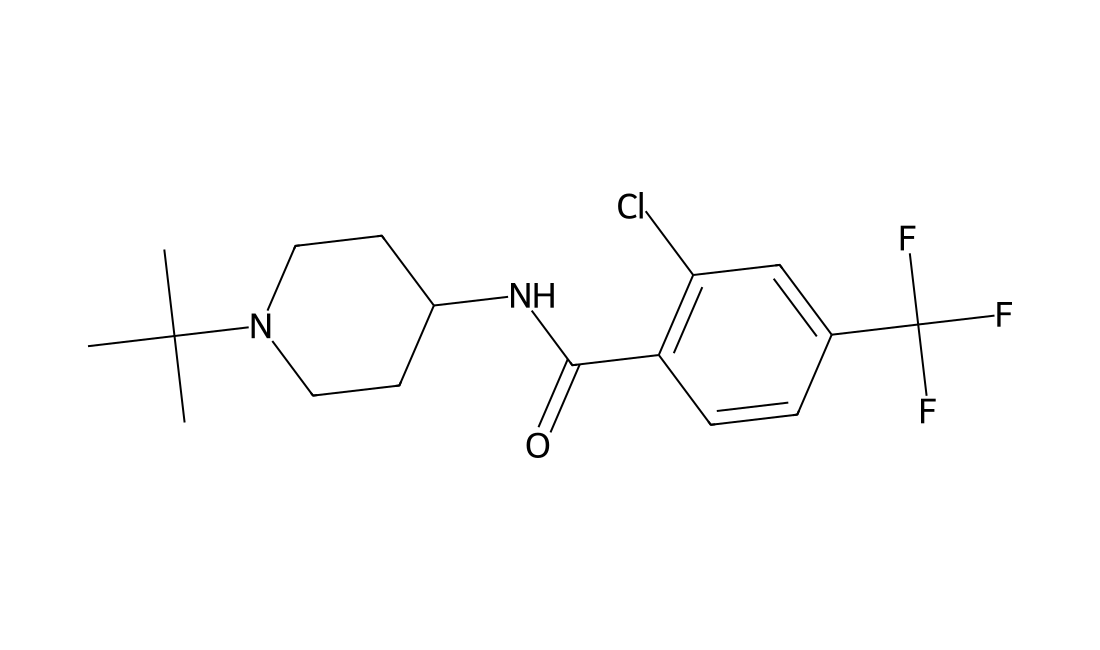
Aβ42 agonist-2Featured
Aβ42 agonist-2 (compound 7b) is a small molecule compound that can promote Aβ42 aggregation. Aβ42 agonist-2 can interact with Aβ42 oligomers and pentamers to promote nontoxic aggregate self-assembly and rapid fibril formation. Aβ42 agonist-2 prevents Aβ42-induced cytotoxicity in HT22 hippocampal neuronal cells.
No products match this search.
Page 236 of 259 · Browse all 5177 products
Jump to a product page
Featured literature product: HX1 · DCL0028
HX1 is a hydroxyzine-derived ionizable lipid with acetal-containing tails, studied in lipid nanoparticles for brain mRNA delivery and CRISPR–Cas9 delivery. It was the lead in the reported in vivo brain-delivery screen; evidence is preclinical and formulation-dependent.
Read full formulation and performance →