
Research lipid catalog
Ionizable Lipid Products
Explore 848 lipid and RNA delivery products. Search the full catalog or browse by research category.
Search covers product name, catalog number, synonyms, available CAS numbers and categories. Spaces, hyphens and common punctuation are ignored. Duplicate legacy records are consolidated under one canonical product result.
7177 products · Showing 7101–7120 · 20 per page
DC Chemicals lipid expertise
Built for ionizable-lipid discovery and RNA delivery research
DC Chemicals supports formulation and delivery research with a broad, searchable portfolio of cationic and ionizable lipids. The current directory brings together 848 unique research-use products, with product specifications, pricing, chemical structures and literature-linked formulation data added as each record is verified.
Our experience spans complex lipid synthesis, purification, analytical release and process development. For custom molecules or larger-scale requirements, our team can discuss route development, technical specifications and scale-up options for the intended research workflow.
Learn about cationic and ionizable lipids →Proprietary innovation · Co-development · GMP
From proprietary lipid design to GMP-grade custom synthesis
DC Chemicals has independently developed ionizable-lipid structures supported by company-owned intellectual property, and selected proprietary lipid programs have advanced to GMP-stage development.
We welcome joint development with customers—from molecular design and lipid synthesis through route and process development. We can also support custom synthesis of GMP-grade ionizable lipids to agreed technical specifications and quality requirements.
Discuss a co-development project →Proprietary ionizable-lipid structuresCollaborative molecular designCustom lipid synthesisProcess development and scale-upGMP-grade project support
Product quick links
Explore New ionizable lipids
Explore our five most recently added ionizable lipids, with specifications, pricing and literature-linked product information.
DCL0028HX1Brain RNA delivery researchView product →DCL0024A1I4R13C18-2Spleen-targeted RNA delivery researchView product →DCL0023A1I4R2C18-2Spleen-targeted RNA delivery researchView product →DCL0022FS01Local joint RNA delivery researchView product →DCL0020Lipid-392Lung RNA delivery and gene editing researchView product →
Cat. No.Product NameField of ApplicationChemical Structure
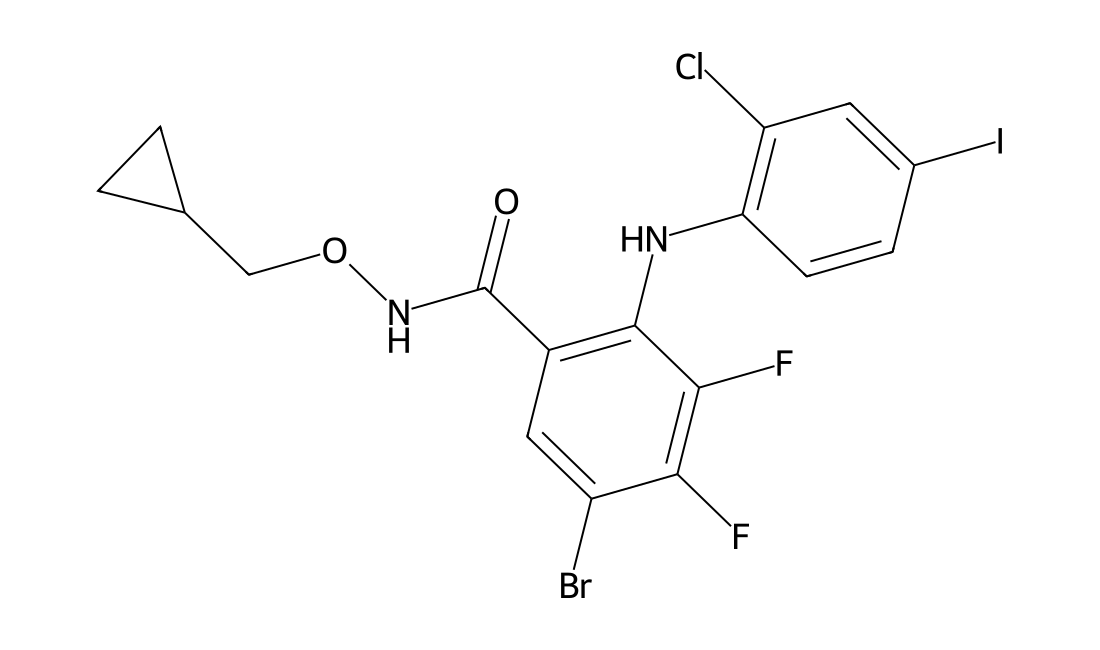
PD 184161Featured
PD184161 is an orally active MEK inhibitor. PD184161 inhibits MEK activity (IC50=10-100 nM) in a time- and concentration-dependent manner. PD184161 inhibits cell proliferation and induces apoptosis. PD184161 produces depressive-like behavior[1][2].
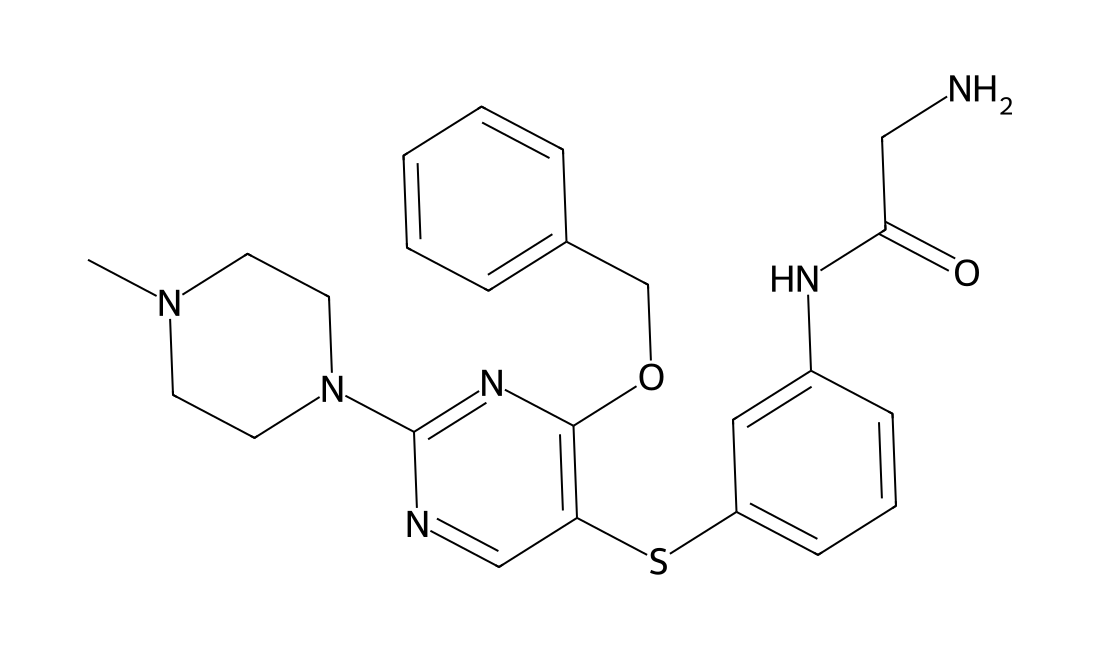
HSP70-IN-1Featured
HSP70-IN-1 is a heat shock protein (HSP) inhibitor; inhibits the growth of Kasumi-1 cells with an IC50 of 2.3 μM.
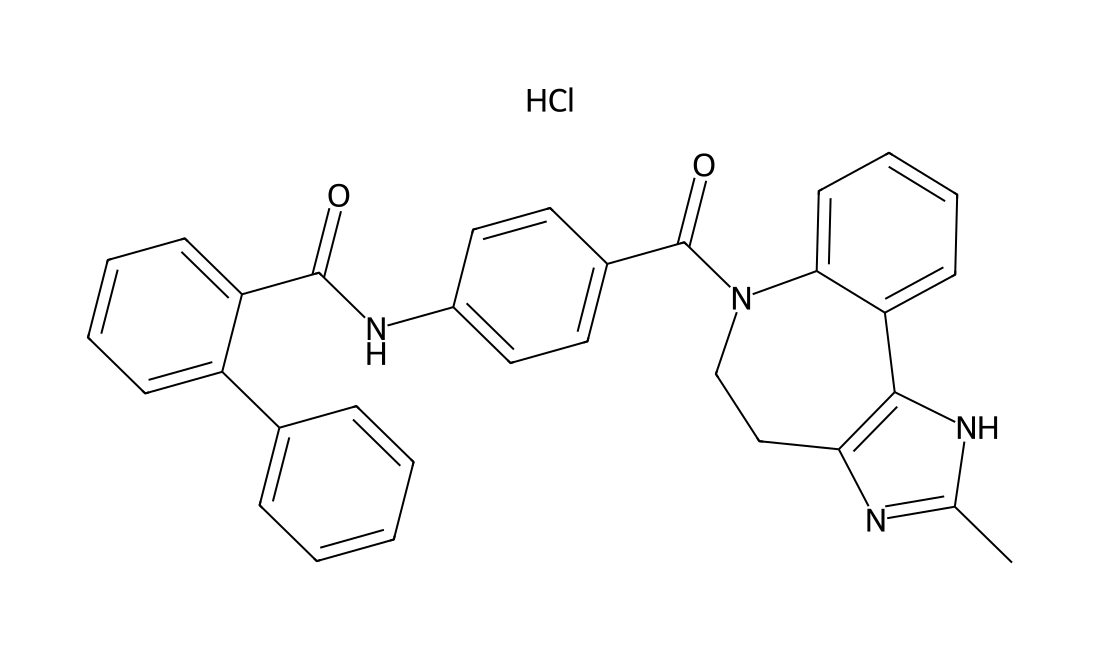
Conivaptan hydrochlorideFeatured
Conivaptan (hydrochloride) is a non-peptide antagonist of vasopressin receptor, with Ki values of 0.48 and 3.04 nM for rat liver V1A receptor and rat kidney V2 receptor respectively.
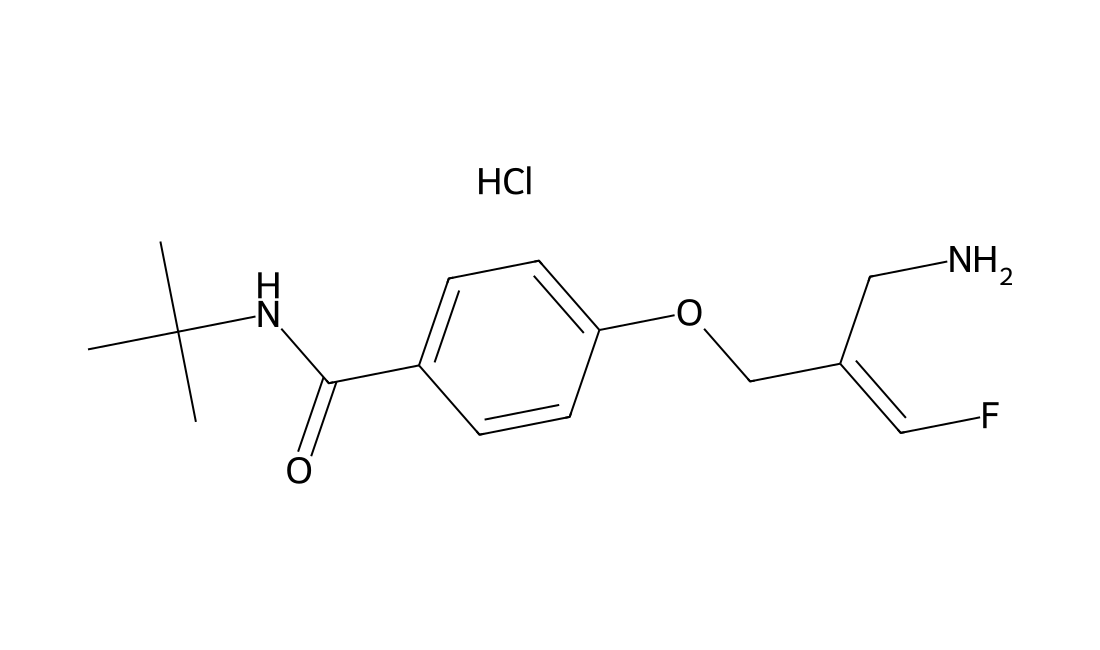
BI-1467335 HClFeatured
BI 1467335 (PXS-4728A, PXS-4728) is a potent, selective, orally active SSAO/VAP-1 (AOC3) inhibitor with IC50 of 5 nM; displays >500-fold selective for VAP-1/SSAO over all the related human amine oxidases; diminishes leukocyte rolling and adherence induced by CXCL1/KC, also inhibits the migration of neutrophils to the lungs in response to LPS, Klebsiella pneumoniae lung infection and CLP induced sepsis.
PFI-1 (PF-6405761)Featured
PFI-1 is a selective BET (bromodomain-containing protein) inhibitor for BRD4 with IC50 of 0.22 μM in a cell-free assay.
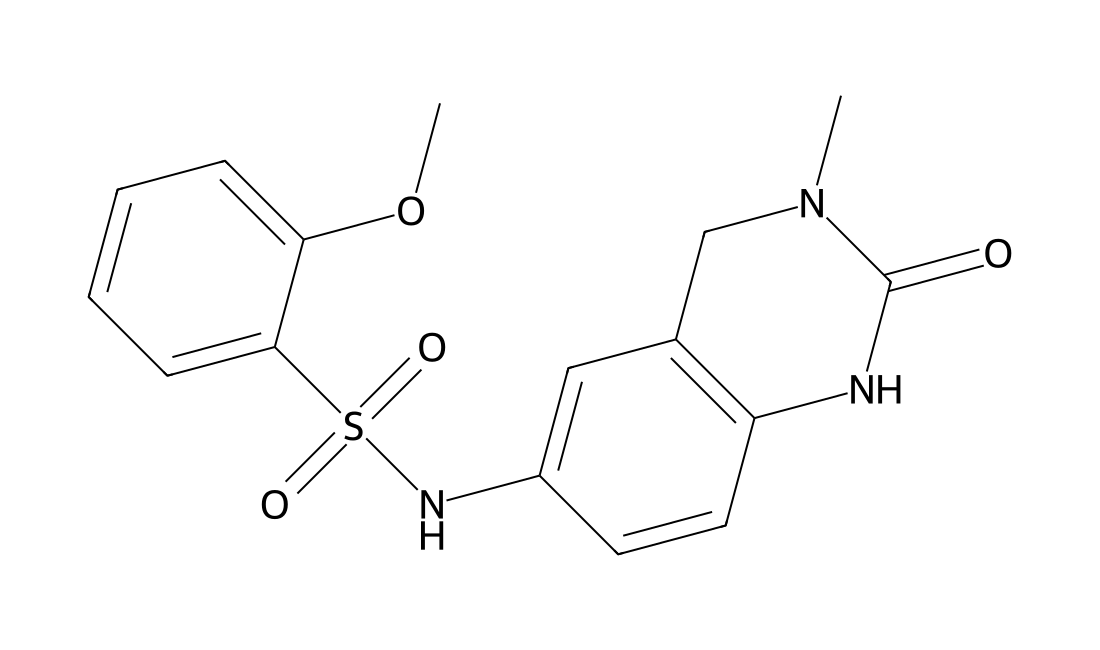
CYC116Featured
CYC-116 is a potent aurora A and aurora B inhibitor with Kis of 8 and 9 nM, respectively.
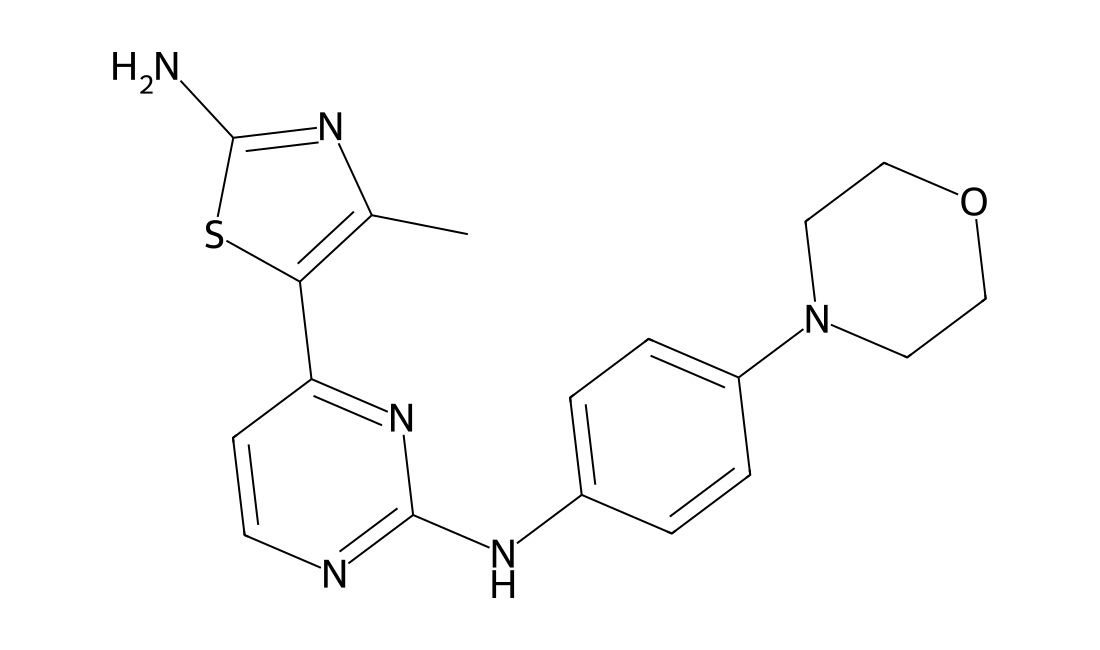
XE 991 dihydrochlorideFeatured
XE 991 dihydrochloride, a Kv7 (KCNQ) channels blocker, potently inhibits Kv7.1 (KCNQ1), Kv7.2 (KCNQ2), Kv7.2 + Kv7.3 (KCNQ3) channel, and M-current with IC50s of 0.75 µM, 0.71 µM, 0.6 μM, and 0.98 µM, respectively[1].
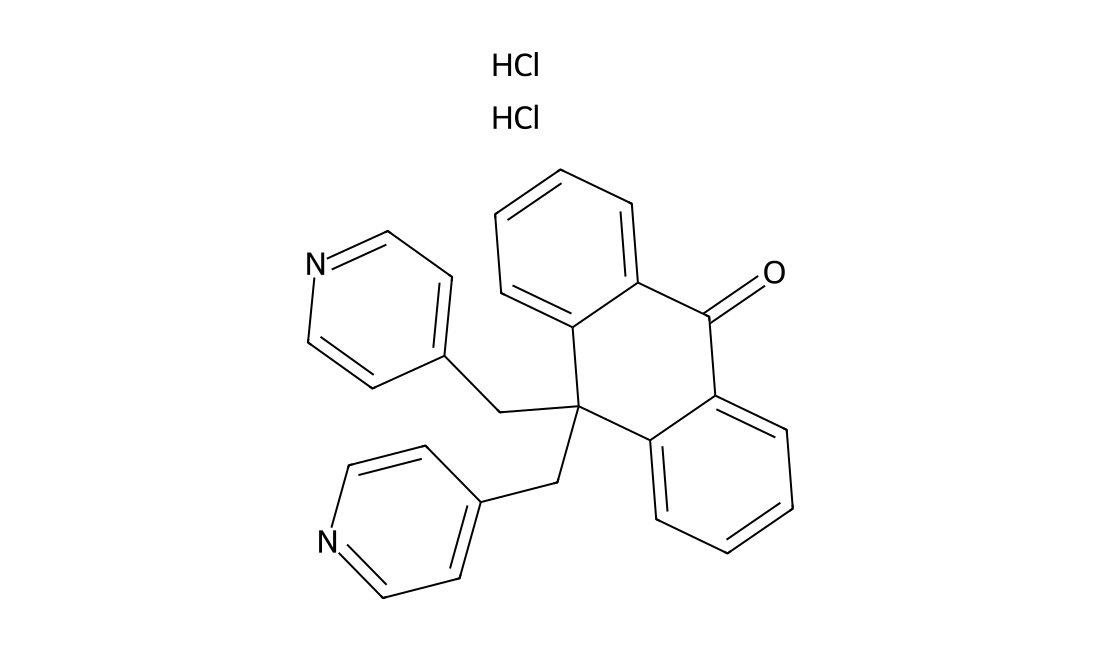
MotesanibFeatured
Motesanib is a potent ATP-competitive inhibitor of VEGFR1/2/3 with IC50s of 2 nM/3 nM/6 nM, respectively, and has similar activity against Kit, and is appr 10-fold more selective for VEGFR than PDGFR and Ret.
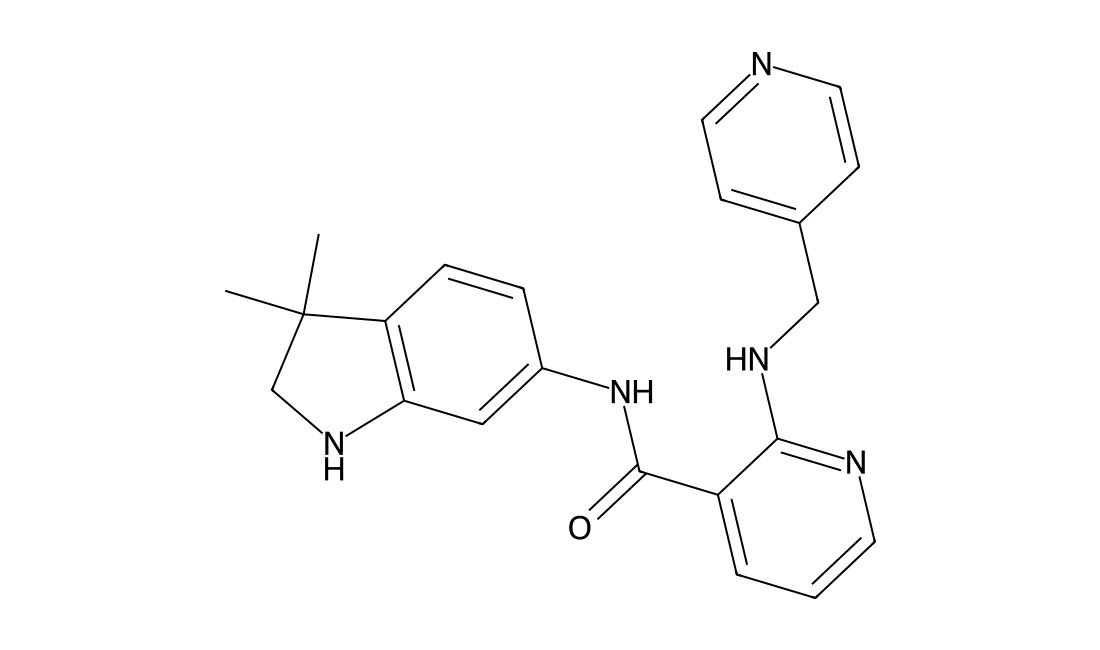
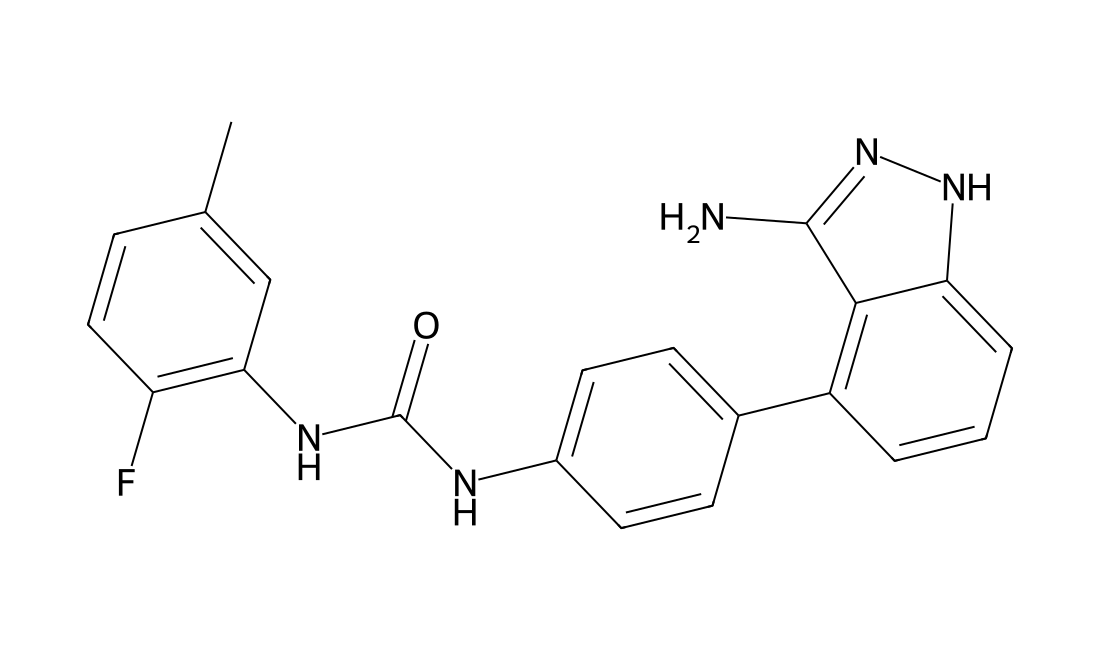
Linifanib (ABT-869)Featured
Linifanib (ABT-869) is a multi-targeted inhibitor of VEGF and PDGFR receptor family with IC50s of 3, 4, 66, 4 nM for KDR, Flt-1, PDGFRβ and FLT3, respectively.
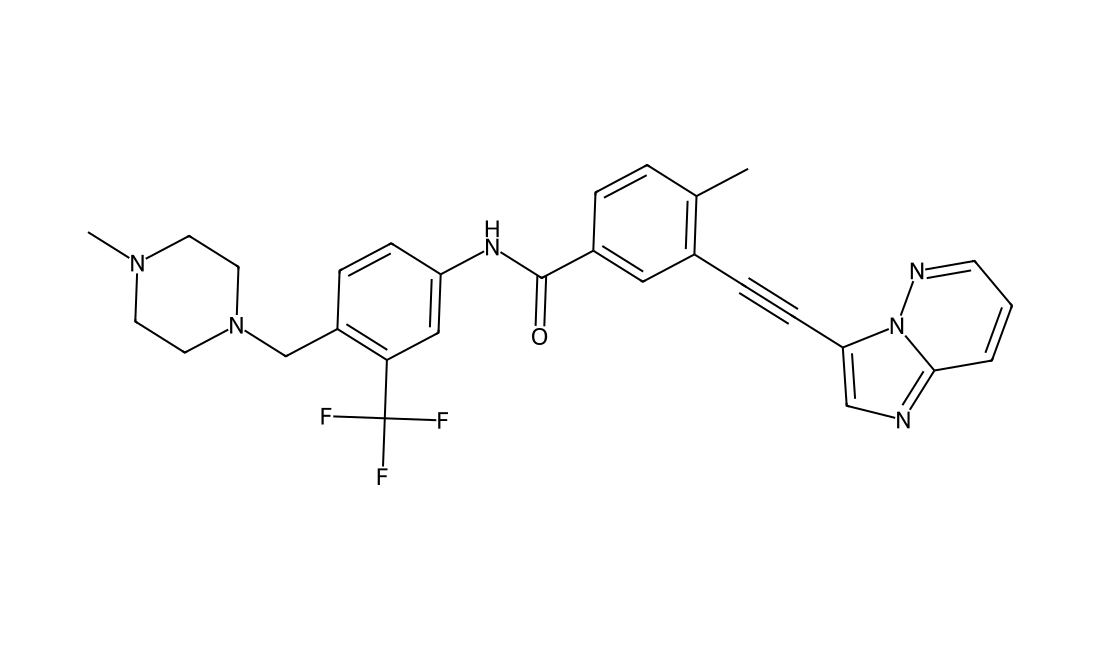
Ponatinib (AP24534)Featured
Ponatinib is a potent, orally available multi-targeted kinase inhibitor with IC50s of 0.37 nM, 1.1 nM, 1.5 nM, 2.2 nM, and 5.4 nM for Abl, PDGFRα, VEGFR2, FGFR1, and Src, respectively.
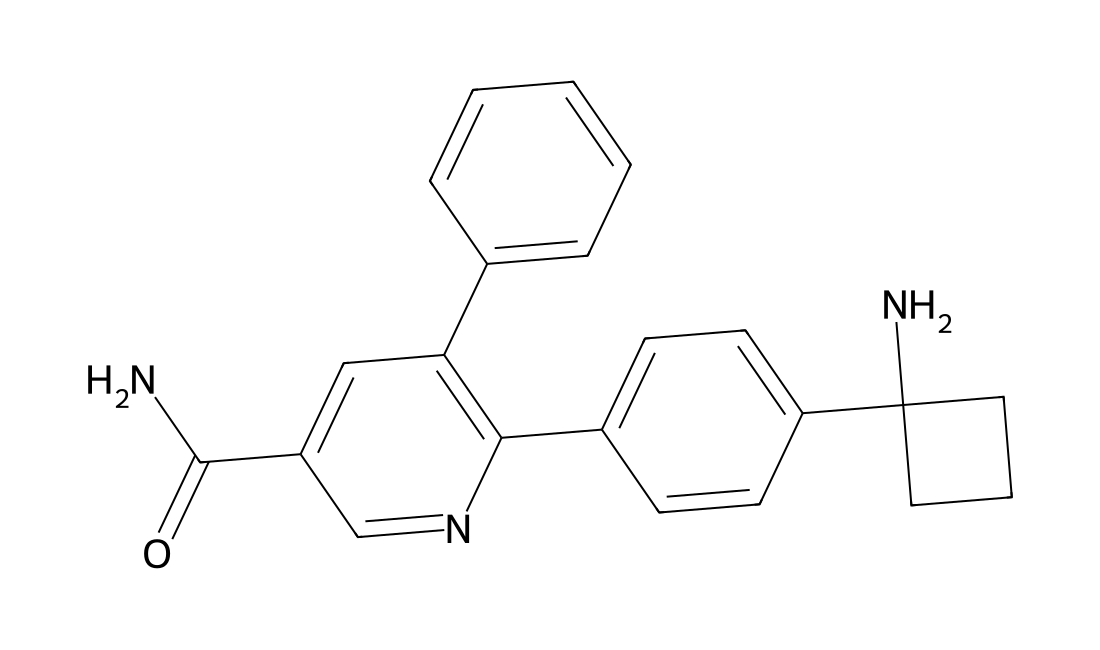
AZD-26(AKT-IN-1)Featured
AZD-26(AKT-IN-1) is an allosteric AKT inhibitor with an IC50 of 1.042 μM.
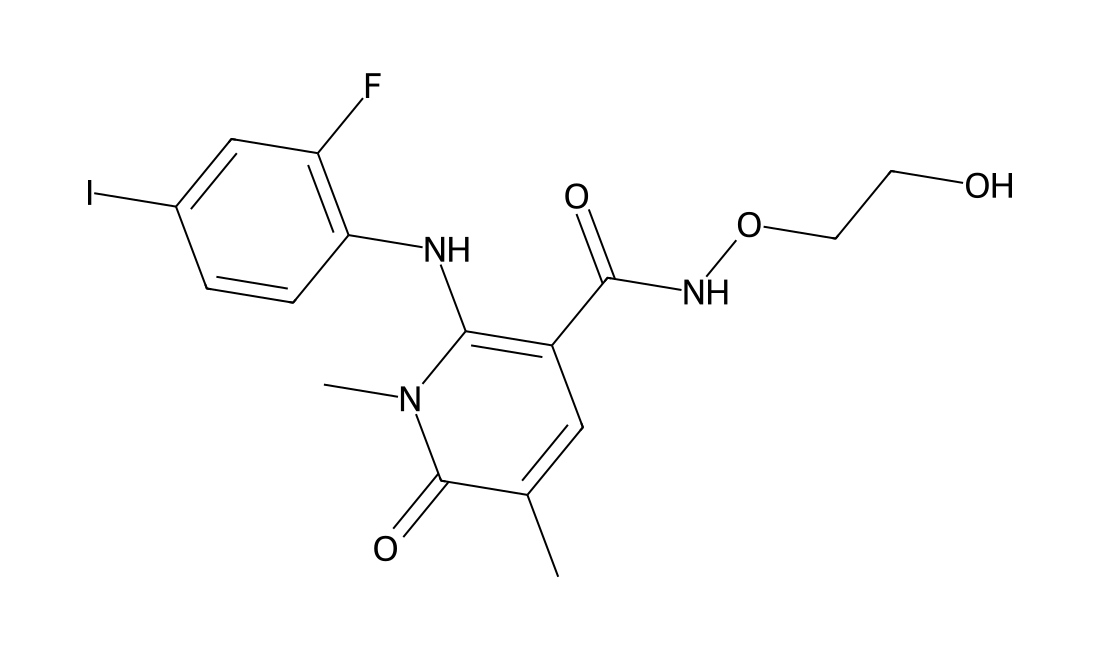
AZD8330(ARRY-424704; ARRY-704)Featured
AZD8330 (ARRY-424704) is a potent, uncompetitive MEK1/MEK2 inhibitor, with an IC50 of 7 nM.
BGG463Featured
BGG463 (NVP-BGG463) was generated by a rational ‘hybrid design’ approach. Like Imatinib, BGG463 disrupts the assembly of the hydrophobic spine, a characteristic feature of the active state of several kinases, thereby locking the kinase in an inactive ‘DFG-out’ conformation. BGG463 can inhibit c-ABL-T334I, BCR-ABL and BCR-ABL-T315I variants with a 50% inhibitory concentration (IC50) of 0.25 μM, 0.09 μM and 0.590 μM, respectively.
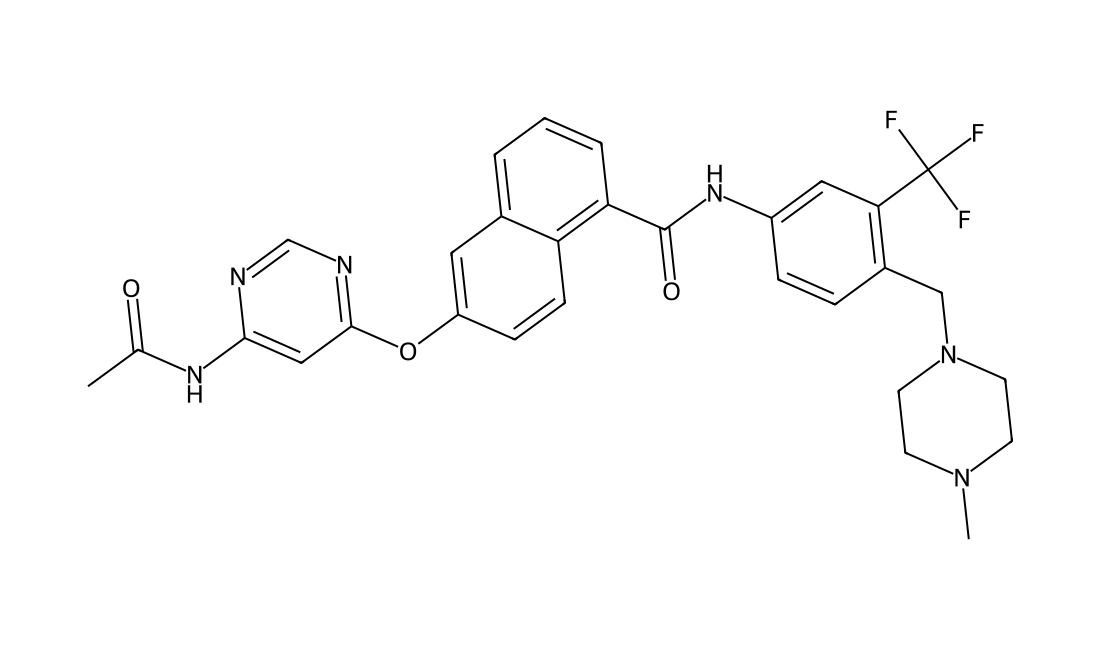
Dianilinopyrimidine_01(CZC8004)Featured
Dianilinopyrimidine_01(CZC8004) is a pan-kinase inhibitor and binds a range of tyrosine kinases, including ABL kinase.
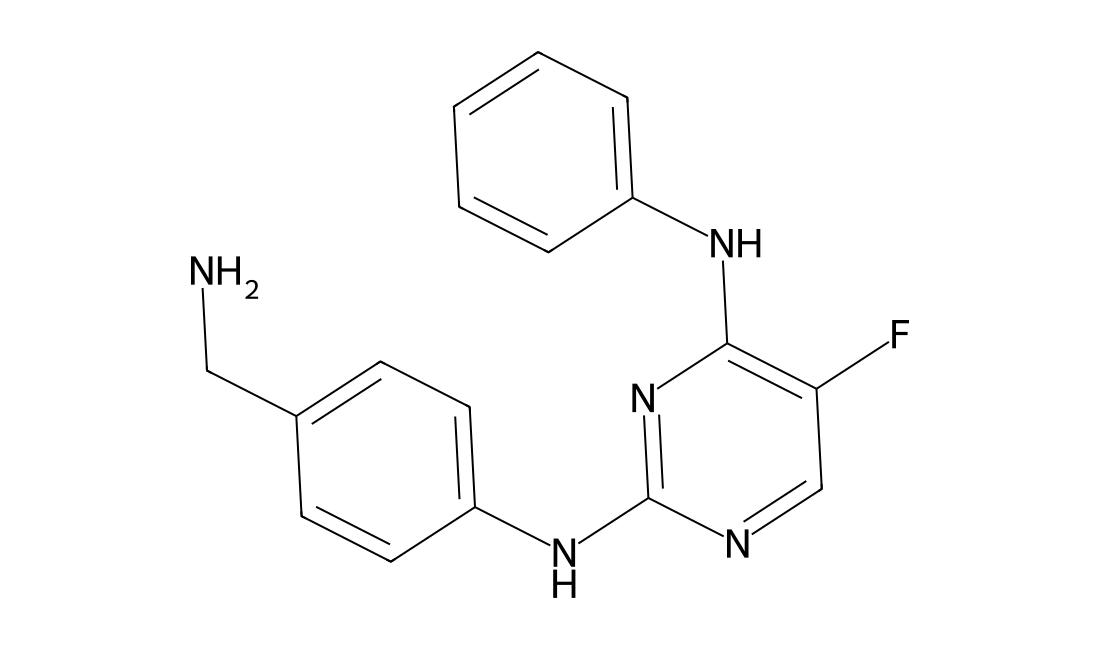
Mubritinib (TAK 165)Featured
Mubritinib (TAK-165) is a potent and selective EGFR2/HER2 inhibitor with an IC50 of 6 nM.
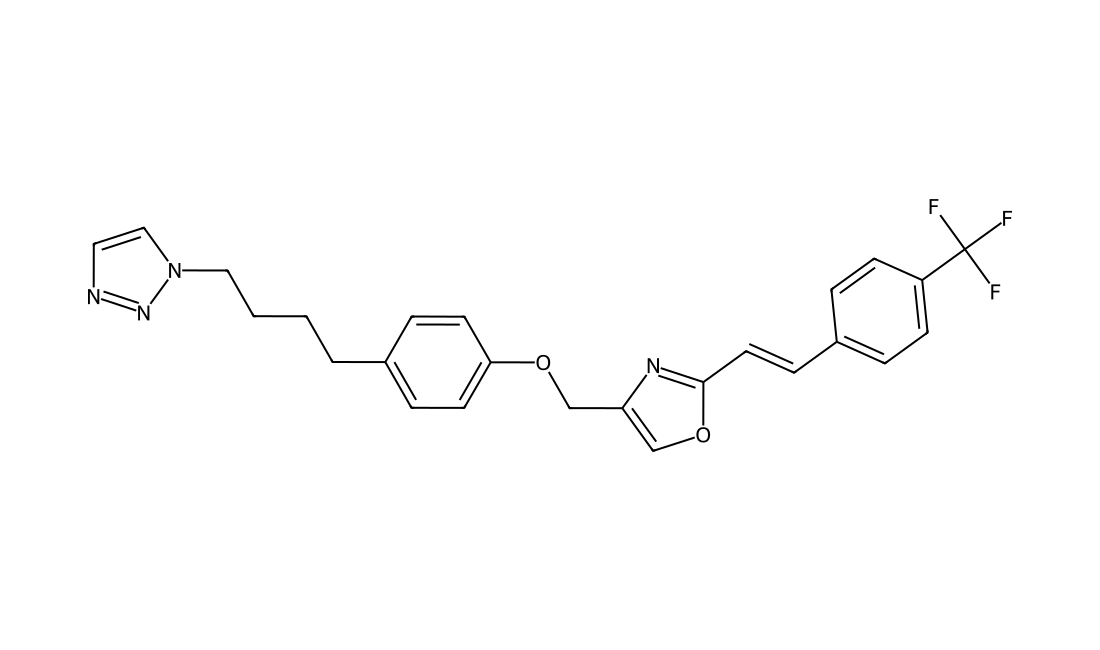
PD173955Featured
PD173955 is src family-selective tyrosine kinase inhibitor with IC50 of ~22 nM for Src, Yes and Abl kinase; less potent for FGFRα and no activity on InsR and PKC.
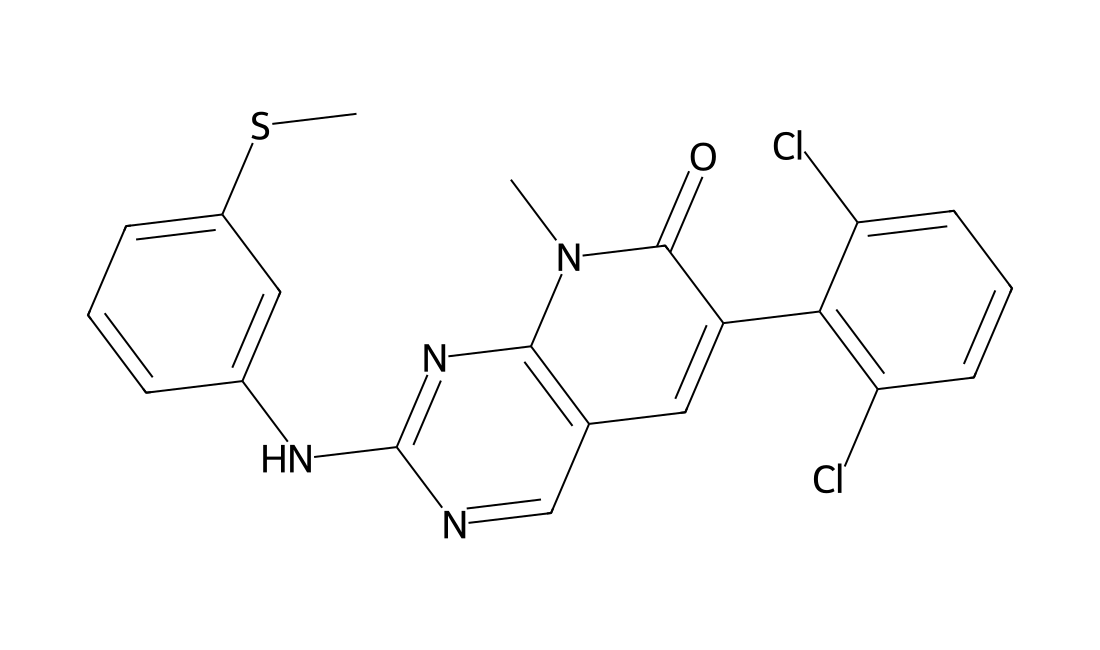
SD-06Featured
SD 0006 (SD-06) is a p38 MAP kinase inhibitor; inhibits p38α with an IC50 value of 170 nM and inhibits LPS-stimulated TNF-release in rats (83% inhibition at 1mg/kg, po).
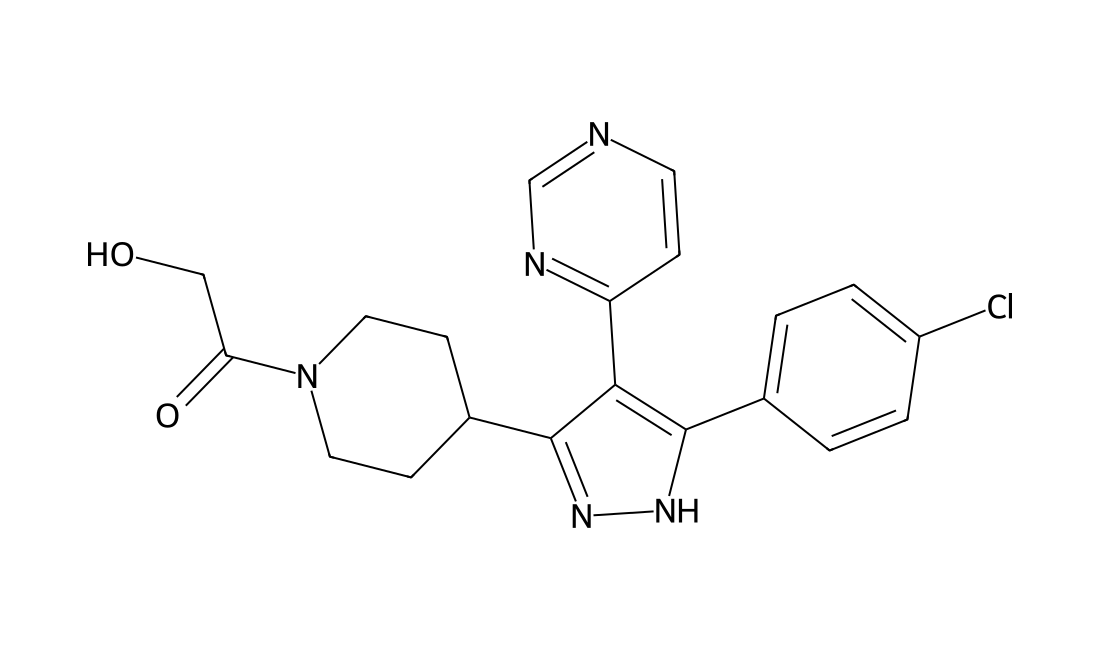
SD169Featured
SD-169 is an orally active ATP-competitive inhibitor of p38α MAPK, with an IC50 of 3.2 nM. SD-169 also weakly inhibits p38β MAPK with an IC50 of 122 nM. SD-169 prevents the development and progression of diabetes by inhibiting T cell infiltration and activation[1].
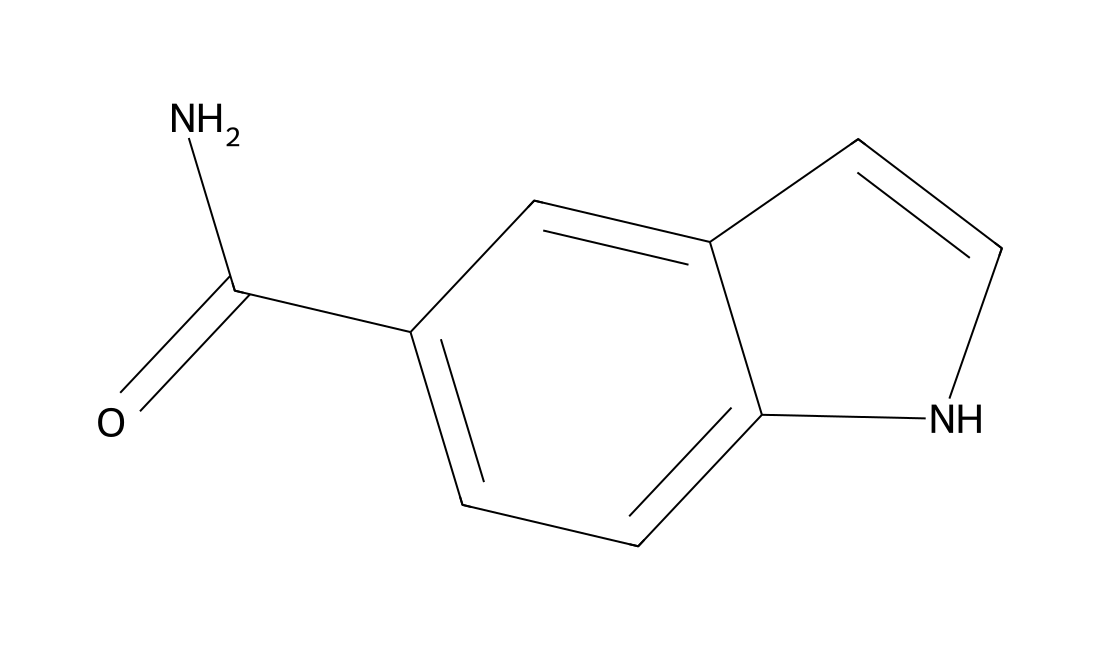
VX-702 (VX702)Featured
VX-702 is a highly selective inhibitor of p38α MAPK(IC50=4 -20 nM), 14-fold higher potency against the p38α versus p38β
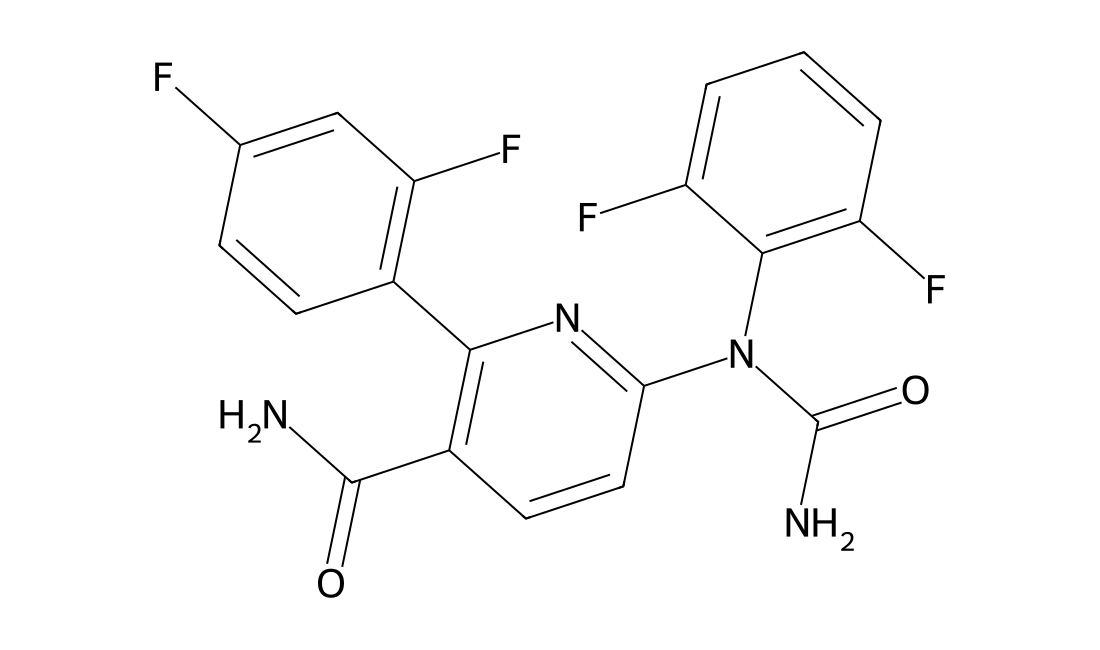
ZSTK474Featured
ZSTK474 is an ATP-competitive pan-class I PI3K inhibitor with IC50s of16 nM, 44 nM, 4.6 nM and 49 nM for PΙ3Κα, PI3Kβ, PI3Kδ and PI3Kγ, respectively.
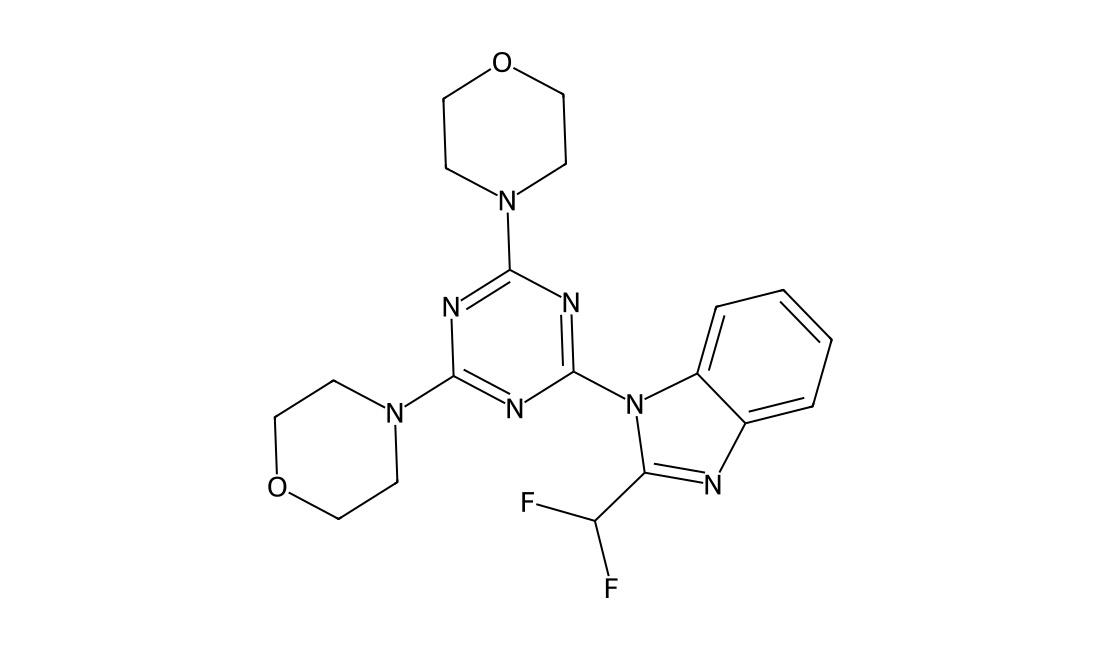
No products match this search.
Page 356 of 359 · Browse all 7177 products
Jump to a product page
Featured literature product: HX1 · DCL0028
HX1 is a hydroxyzine-derived ionizable lipid with acetal-containing tails, studied in lipid nanoparticles for brain mRNA delivery and CRISPR–Cas9 delivery. It was the lead in the reported in vivo brain-delivery screen; evidence is preclinical and formulation-dependent.
Read full formulation and performance →