
Research lipid catalog
Ionizable Lipid Products
Explore 848 lipid and RNA delivery products. Search the full catalog or browse by research category.
Search covers product name, catalog number, synonyms, available CAS numbers and categories. Spaces, hyphens and common punctuation are ignored. Duplicate legacy records are consolidated under one canonical product result.
6177 products · Showing 5821–5840 · 20 per page
DC Chemicals lipid expertise
Built for ionizable-lipid discovery and RNA delivery research
DC Chemicals supports formulation and delivery research with a broad, searchable portfolio of cationic and ionizable lipids. The current directory brings together 848 unique research-use products, with product specifications, pricing, chemical structures and literature-linked formulation data added as each record is verified.
Our experience spans complex lipid synthesis, purification, analytical release and process development. For custom molecules or larger-scale requirements, our team can discuss route development, technical specifications and scale-up options for the intended research workflow.
Learn about cationic and ionizable lipids →Proprietary innovation · Co-development · GMP
From proprietary lipid design to GMP-grade custom synthesis
DC Chemicals has independently developed ionizable-lipid structures supported by company-owned intellectual property, and selected proprietary lipid programs have advanced to GMP-stage development.
We welcome joint development with customers—from molecular design and lipid synthesis through route and process development. We can also support custom synthesis of GMP-grade ionizable lipids to agreed technical specifications and quality requirements.
Discuss a co-development project →Proprietary ionizable-lipid structuresCollaborative molecular designCustom lipid synthesisProcess development and scale-upGMP-grade project support
Product quick links
Explore New ionizable lipids
Explore our five most recently added ionizable lipids, with specifications, pricing and literature-linked product information.
DCL0028HX1Brain RNA delivery researchView product →DCL0024A1I4R13C18-2Spleen-targeted RNA delivery researchView product →DCL0023A1I4R2C18-2Spleen-targeted RNA delivery researchView product →DCL0022FS01Local joint RNA delivery researchView product →DCL0020Lipid-392Lung RNA delivery and gene editing researchView product →
Cat. No.Product NameField of ApplicationChemical Structure
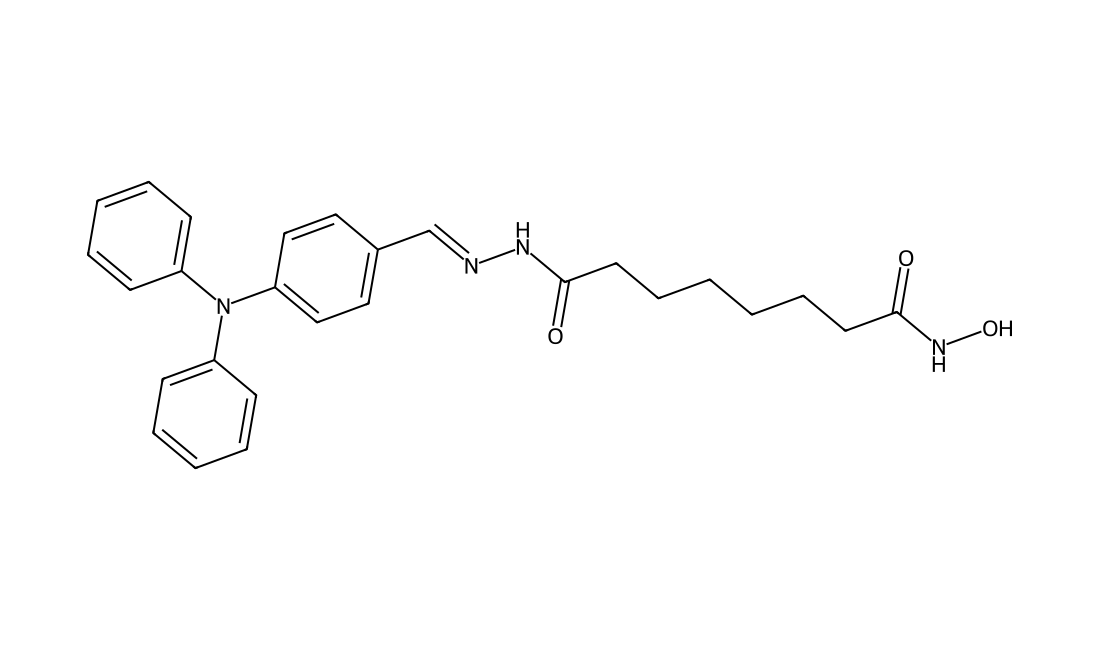
WT-161Featured
WT161 selectively inhibits HDAC6 and dramatically increases levels of acetylated α-tubulin (Ac-α-tubulin) with little effect on global lysine acetylation. WT161 induces significant toxicity in all multiple myeloma cell lines tested, with IC50s between 1.5 and 4.7 µM . WT161 in combination with bortezomib triggers significant accumulation of polyubiquitinated proteins and cell stress, followed by caspase activation and apoptosis. More importantly, this combination treatment is effective in bortezomib-resistant cells and in the presence of bone marrow stromal cells, which have been shown to mediate multiple myeloma cell drug resistance.WT161 shows toxicity at 100 mg/kg i.p., but WT161 is well tolerated at 50 mg/kg i.p.. Bortezomib combined with WT161 demonstrates a significant antitumor effect.
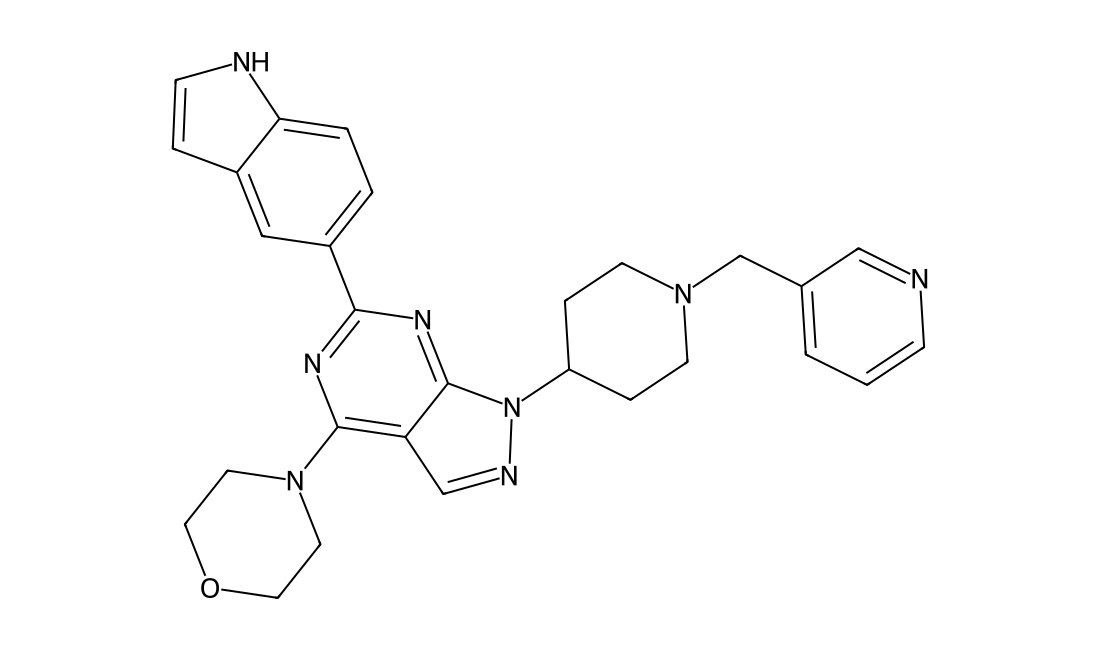
WAY-600Featured
Immune-complex kinase assay shows mTORC2-specific substrate His6-AKT or the mTORC1 substrate His6-S6K is dose dependently inhibited by WAY-600. WAY-600 globally inhibits mTOR signaling and AKT function in cellular models dose dependently. WAY-600 profoundly inhibits cap-dependent and global protein synthesis in MDA361, human breast cancer cells. WAY-600 shows antiproliferative effects in various cancer cell lines involving G1 cell cycle arrest and selective apoptosis. WAY-600 down-regulate angiogenic factors, VEGF and HIF-1α, in U87MG, MDA361 and LNCap cells. For the detailed information of WAY-600, the solubility of WAY-600 in water, the solubility of WAY-600 in DMSO, the solubility of WAY-600 in PBS buffer, the animal experiment (test) of WAY-600, the cell expriment (test) of WAY-600, the in vivo, in vitro and clinical trial test of WAY-600, the EC50, IC50,and affinity,of WAY-600, Please contact DC Chemicals.
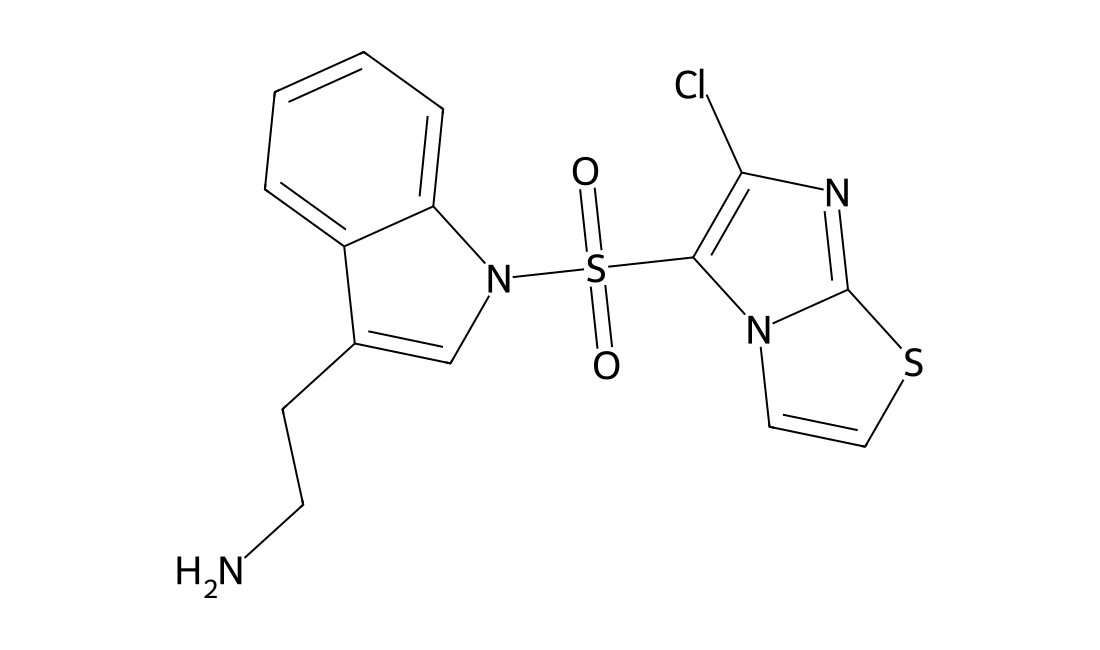
WAY181187.HCl(WAY-181,187)Featured
WAY-181187 is a potent and selective 5-HT6 receptor agonist. WAY-181187 possesses high affinity binding (2.2 and 4.8 nM, respectively) at the human 5-HT6 receptor and profile as full receptor agonists (WAY-181187: EC50=6.6 nM, Emax=93%). In the rat frontal cortex, acute administration of WAY-181187 (3-30 mg/kg, subcutaneous (s.c.)) significantly increased extracellular GABA concentrations without altering the levels of glutamate or norepinephrine.
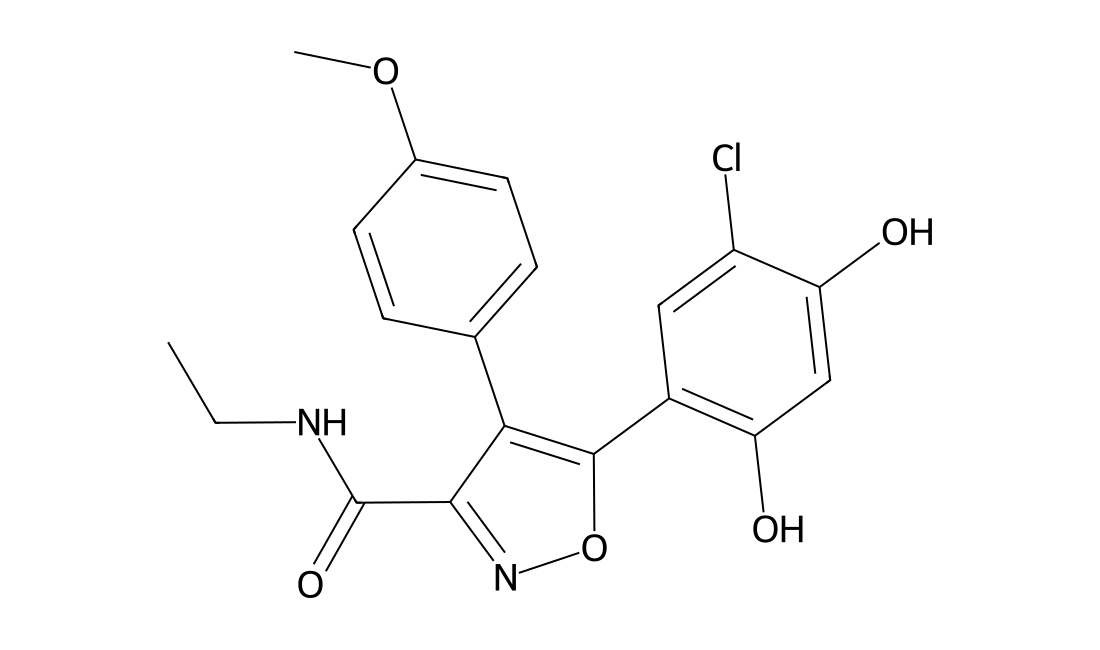
VER-50589Featured
VER-50589 inhibits the intrinsic ATPase activity of recombinant yeast Hsp90 with IC50 of 143 nM, and produces antiproliferative activity in a panel of human cancer cell lines and nontumorigenic cells in vitro. VER-50589 causes induction of HSP72 and HSP27 alongside depletion of client proteins, including C-RAF, B-RAF, and survivin, and the protein arginine methyltransferase PRMT5, which further result in cell cycle arrest and apoptosis. In HCT116 human colon cancer xenografts, VER-50589 (100 mg/kg i.p.) results in a statistically significant reduction of ∼30% in tumor volume and weight, as well as induction of HSP72 and depletion of ERBB2 and C-RAF. . For the detailed information of VER-50589, the solubility of VER-50589 in water, the solubility of VER-50589 in DMSO, the solubility of VER-50589 in PBS buffer, the animal experiment (test) of VER-50589, the cell expriment (test) of VER-50589, the in vivo, in vitro and clinical trial test of VER-50589, the EC50, IC50,and affinity,of VER-50589, Please contact DC Chemicals.
VapendavirFeatured
Vapendavir (BTA798) is a novel potent enteroviral capsid binder, inhibits EV71 replication of all isolates with mean EC50 of 0.7 uM; efficiently inhibits the in vitro replication of 21 EV71 strains/isolates that are representative of the different genogroups A, B, and C; Vapendavir (BTA798) is currently under clinical study for the treatment of rhinovirus infections.Rhinovirus InfectionPhase 2 Clinical
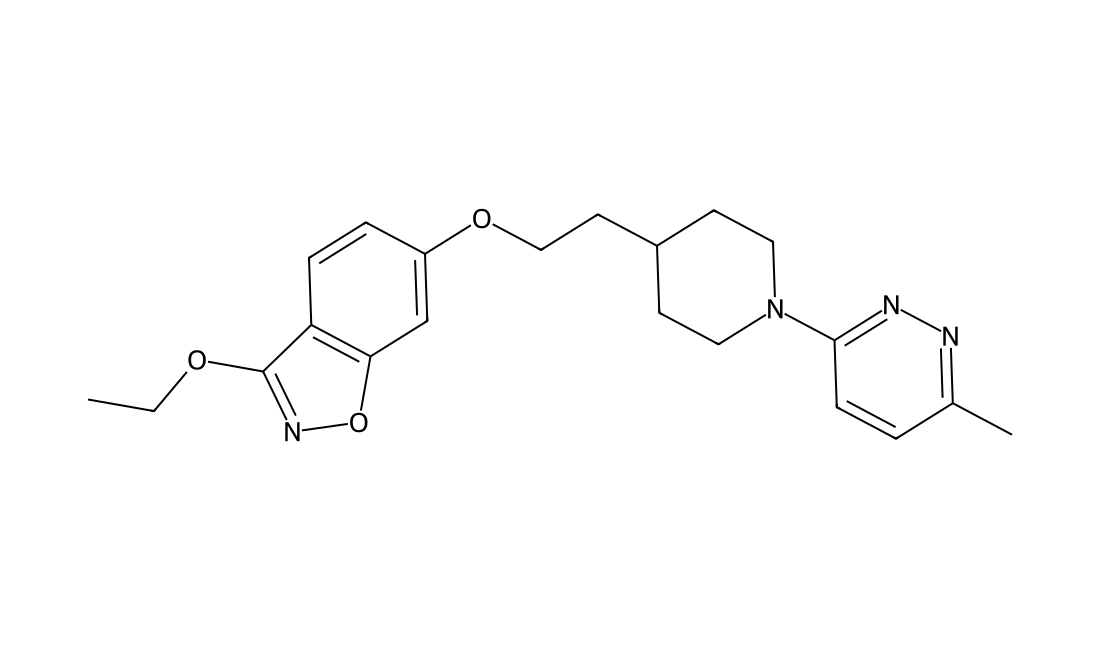
ValdecoxibFeatured
Valdecoxib (SC 65872) is a COX-2 selective inhibitor with an IC50 value of 5 nM. Valdecoxib is a non-steroidal anti-inflammatory drug (NSAID) used in the treatment of osteoarthritis, rheumatoid arthritis, and painful menstruation and menstrual symptoms. in vitro: The overall saturation binding affinity for COX-2 of valdecoxib is 2.6 nM (compared with 1.6 nM for celecoxib, 51 nM for rofecoxib, and 260 nM for etoricoxib), with a slow off-rate (t(1/2) approximately 98 min). Valdecoxib inhibits COX-1 in a competitive fashion only at very high concentrations (IC(50) = 150 microM). Collectively, these data provide a mechanistic basis for the potency and in vitro selectivity of valdecoxib for COX-2. Valdecoxib showed similar activity in the human whole-blood COX assay (COX-2 IC(50) = 0.24 microM; COX-1 IC(50) = 21.9 microM). The affinity of [(3)H]celecoxib for COX-2 (K(D) = 2.3 nM) was similar to the affinity of [(3)H]valdecoxib (K(D) = 3.2 nM). The binding to COX-2 seems to be both rapid and slowly reversible with association rates of 5.8 x 10(6)/M/min and 4.5 x 10(6)/M/min and dissociation rates of 14 x 10(-3)/min (t(1/2) = 50 min) and 7.0 x 10(-3)/min (t(1/2) = 98 min) for [(3)H]celecoxib and [(3)H]valdecoxib, respectively. in vivo: In rats, valdecoxib demonstrated marked potency in acute and chronic models of inflammation (air pouch ED(50) = 0.06 mg/kg; paw edema ED(50) = 5.9 mg/kg; adjuvant arthritis ED(50) = 0.03 mg/kg). In these same animals, COX-1 was spared at doses greater than 200 mg/kg . Valdecoxib was extensively metabolized after a single 5 mg/kg oral administration of [(14)C]valdecoxib and elimination of unchanged drug was minor (less than 1%) in male and female mice.
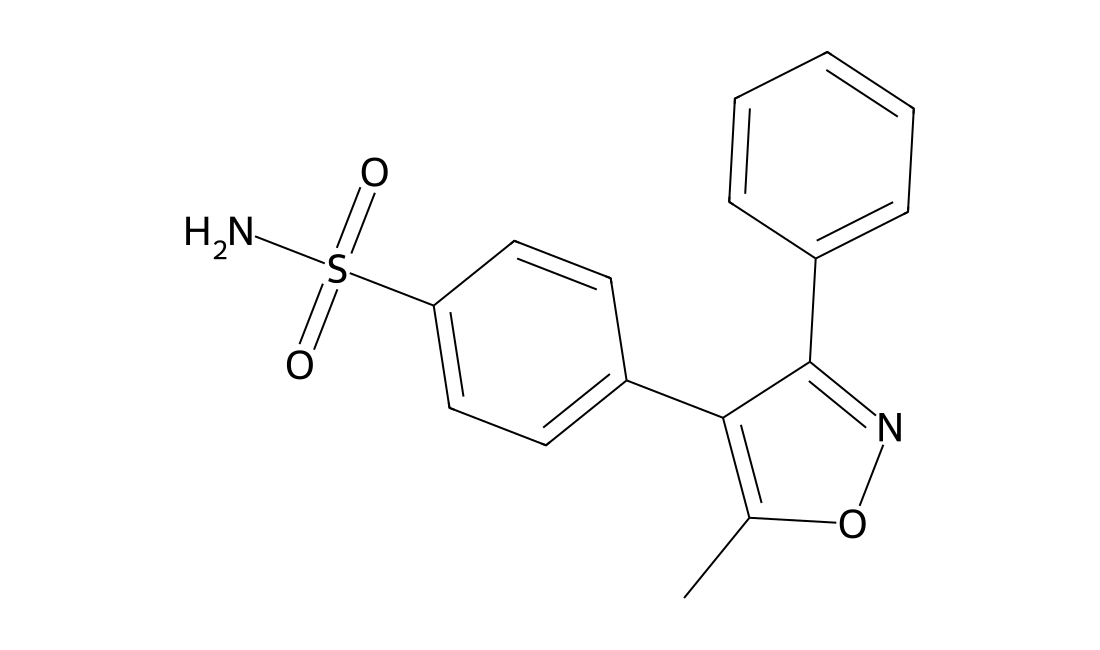
USP7-USP47 inhibitorFeatured
USP7/USP47 inhibitor is a potent and dual inhibitor of USP7/USP47 with IC50s of 0.42 uM(USP7) and 1.0 uM(USP47). IC50 value: 0.42/1.0 uM (USP7/47) Target: USP7/USP47 USP7/USP47 inhibitor(compound 14) is a selective USP7 (EC50= 0.42 μM)/USP47 (EC50= 1.0 μM) inhibitor but does not inhibit caspase 3, calpain 1, 20S proteasome, and a panel of representative USPs (USP2, USP5, USP8, USP21, and USP28; EC50 > 31.6 μM Selective Dual Inhibitors of the Cancer-Related Deubiquitylating Proteases USP7 and USP47. compound 14 exhibits enhanced potency against HCT-116 cells. treatment of cells with compound 14 resulted in an increase in p53 and an appreciable induction of p21 protein over the DMSO control. Thus, compound 14 penetrated the cells and modulated p53 and p21 as expected For a USP7 inhibitor .For the detailed information of USP7-USP47 inhibitor, the solubility of USP7-USP47 inhibitor in water, the solubility of USP7-USP47 inhibitor in DMSO, the solubility of USP7-USP47 inhibitor in PBS buffer, the animal experiment (test) of USP7-USP47 inhibitor, the cell expriment (test) of USP7-USP47 inhibitor, the in vivo, in vitro and clinical trial test of USP7-USP47 inhibitor, the EC50, IC50,and Affinity of USP7-USP47 inhibitor, Please contact DC Chemicals.
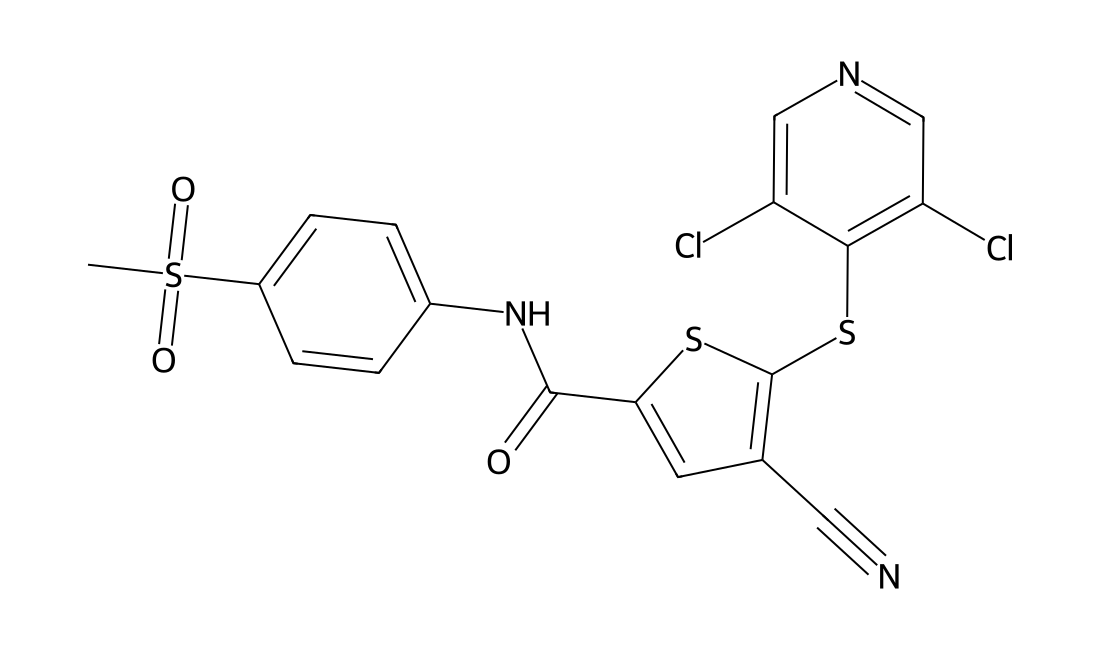
URB754Featured
URB-754 is a new class of designer drug and 12 synthetic cannabinoids detected in illegal products.URB-754 was reported to inhibit an endocannabinoid deactivating enzyme.Subsequent studies have shown that that URB-754 does not inhibit recombinant MAG Lipase and that the original activity was due to a contaminant, bis(methylthio)mercurane, in another commercial source. URB-754 is an inhibitor of FAAH. For the detailed information of URB754, the solubility of URB754 in water, the solubility of URB754 in DMSO, the solubility of URB754 in PBS buffer, the animal experiment (test) of URB754, the cell expriment (test) of URB754, the in vivo, in vitro and clinical trial test of URB754, the EC50, IC50,and affinity,of URB754, For the detailed information of URB754, the solubility of URB754 in water, the solubility of URB754 in DMSO, the solubility of URB754 in PBS buffer, the animal experiment (test) of URB754, the cell expriment (test) of URB754, the in vivo, in vitro and clinical trial test of URB754, the EC50, IC50,and affinity,of URB754, Please contact DC Chemicals.
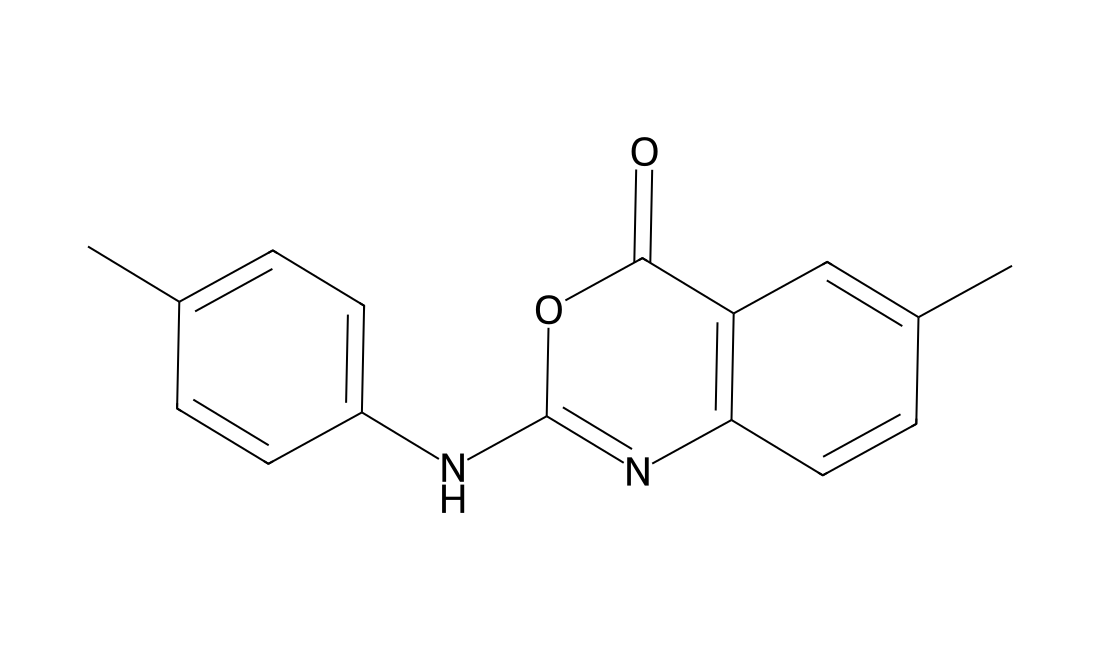
UPC-K-005Featured
UPC-K-005 is a novel p38 inhibitor, exhibiting a IC50 of 13 μM.
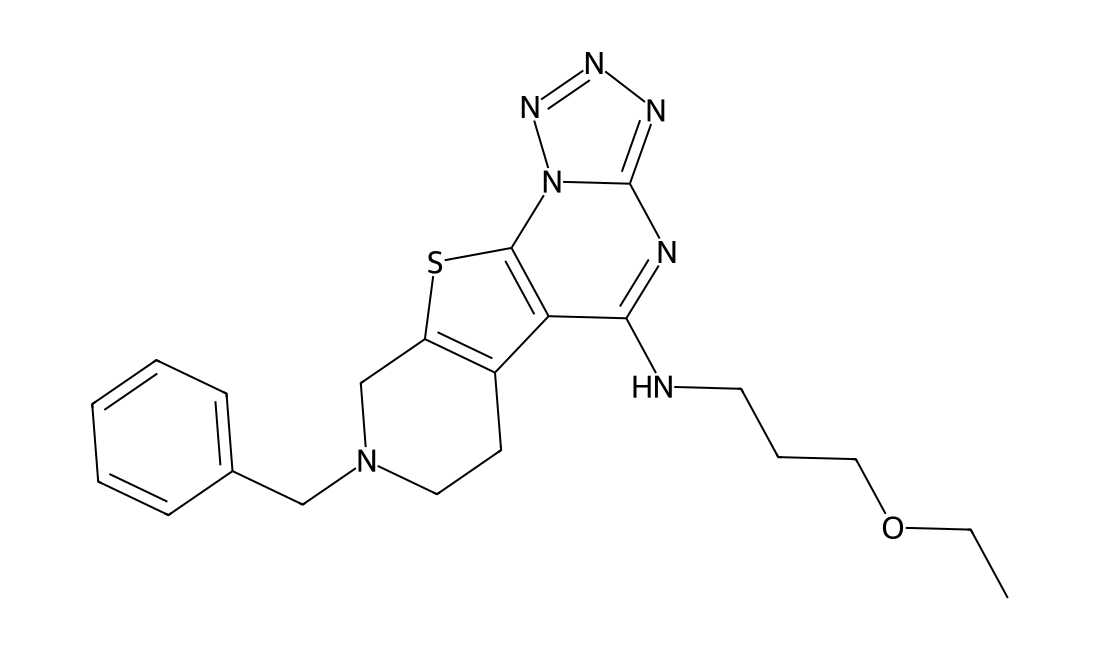
UlinastatinFeatured
For the detailed information about the solubility of Ulinastatin in water, the solubility of Ulinastatin in DMSO, the solubility of Ulinastatin in PBS buffer, the animal experiment(test) of Ulinastatin,the in vivo,in vitro and clinical trial test of Ulinastatin,the cell experiment(test) of Ulinastatin,the IC50, EC50 and Affinity of Ulinastatin, please contact DC Chemicals.
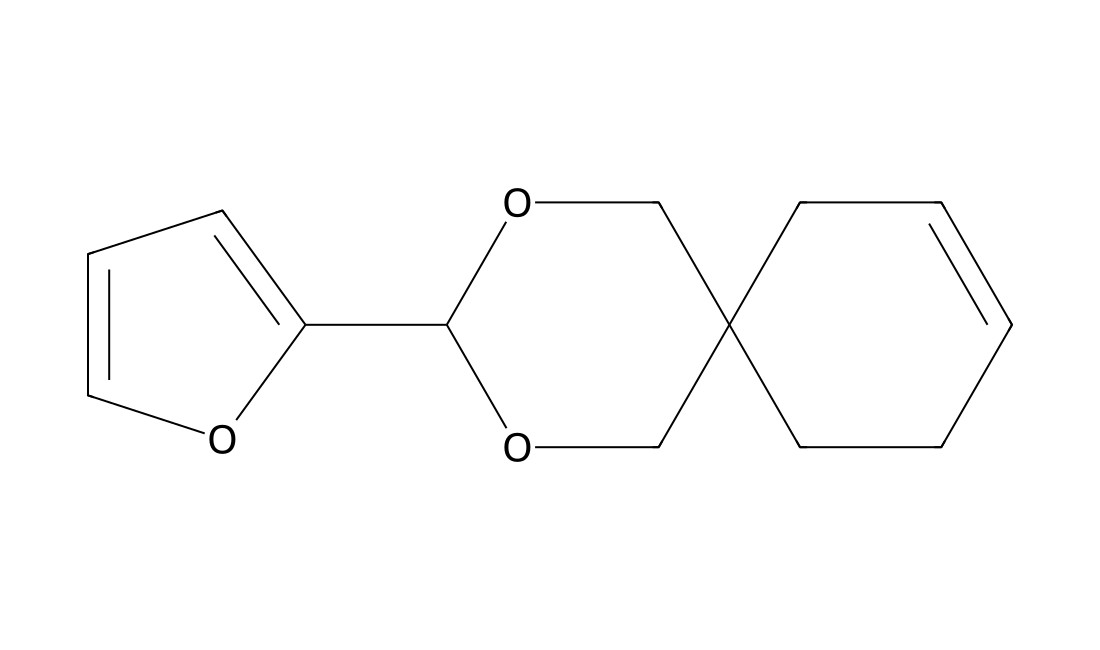
U 19963Featured
U 19963 is a bioactive compound.
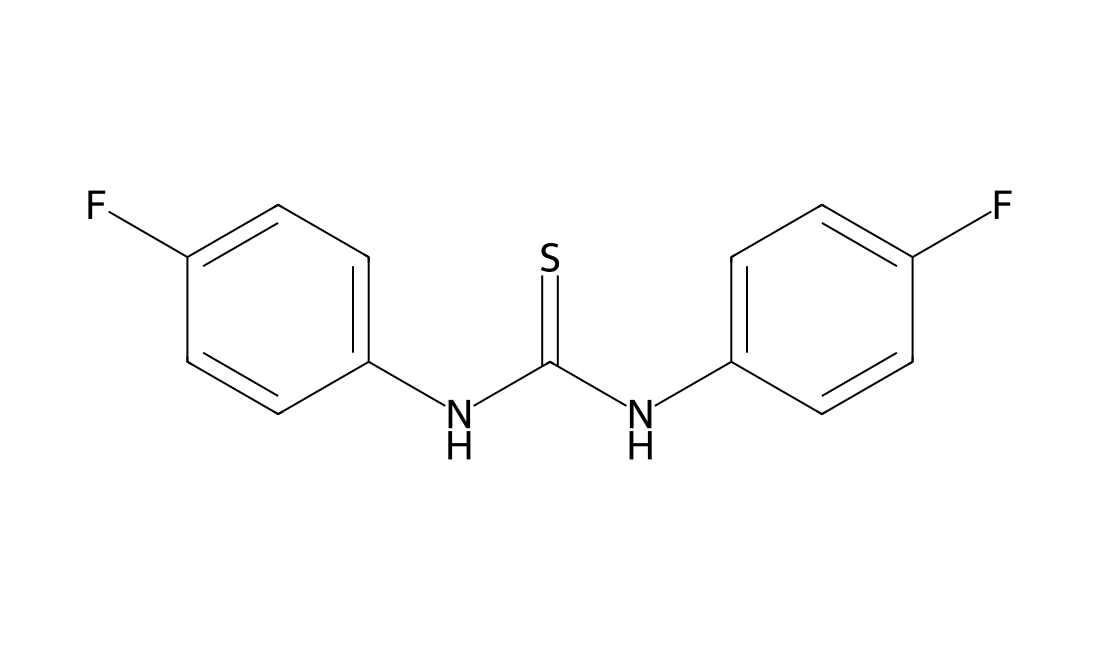
Trimetazidine dihydrochlorideFeatured
Trimetazidine dihydrochloride is a drug for angina pectoris. Trimetazidine is the first cytoprotective anti-ischemic agent , which improves myocardial glucose utilization through inhibition of fatty acid metabolism.
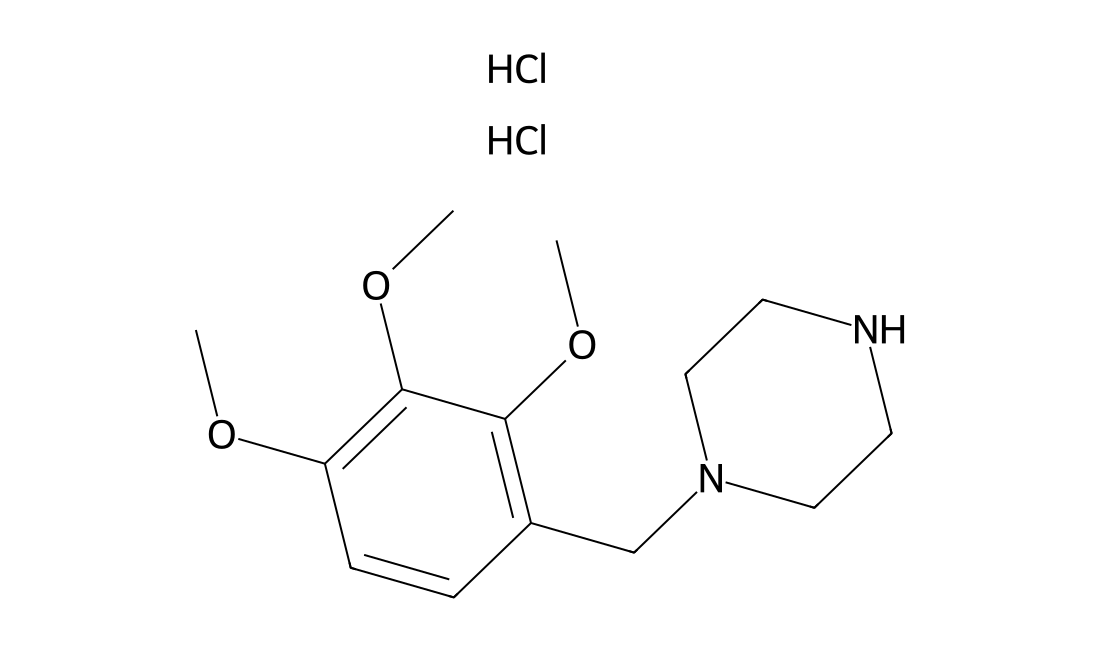
TriflusalFeatured
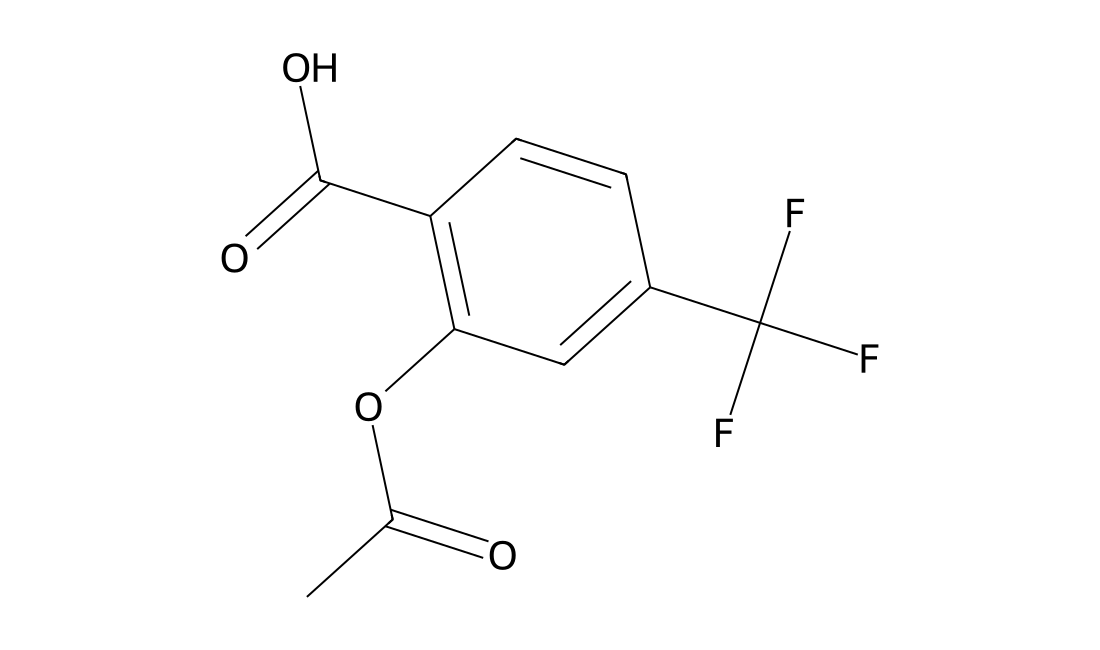
Triflusal irreversibly inhibits the production of thromboxane-B2 in platelets by acetylating cycloxygenase-1. Triflusal at 10 mM, 100 mM and 1 M decreases LDH efflux in rat brain slices after anoxia/reoxygenation by 24%, 35% and 49% respectively. Triflusal also reduces inducible NO synthase activity by 18%, 21% and 30%. Triflusal (10 mg/kg i.v.) reduces platelet deposition on subendothelium-induced primary thrombus by about 68% in rabbits. Triflusal (10 mg/kg i.v.) reduces platelet deposition on a fresh thrombus formed over tunica media by about 48% in rabbits. Triflusal (40 mg/kg p.o.) reduces platelet deposition on a primary thrombus triggered by subendothelium and tunica media by 53% in rabbits. Triflusal (40 mg/kg p.o.) significantly reduces Cox-2 mRNA levels and protein levels without influence Cox-1 mRNA levels on the vascular wall in rabbits. Triflusal (600 mg/day for 5 days) results in an increase in NO production by neutrophils and an increase in endothelial nitric oxide synthase (eNOS) protein expression in neutrophils in healthy volunteers.
Trifluoperazine dihydrochlorideFeatured
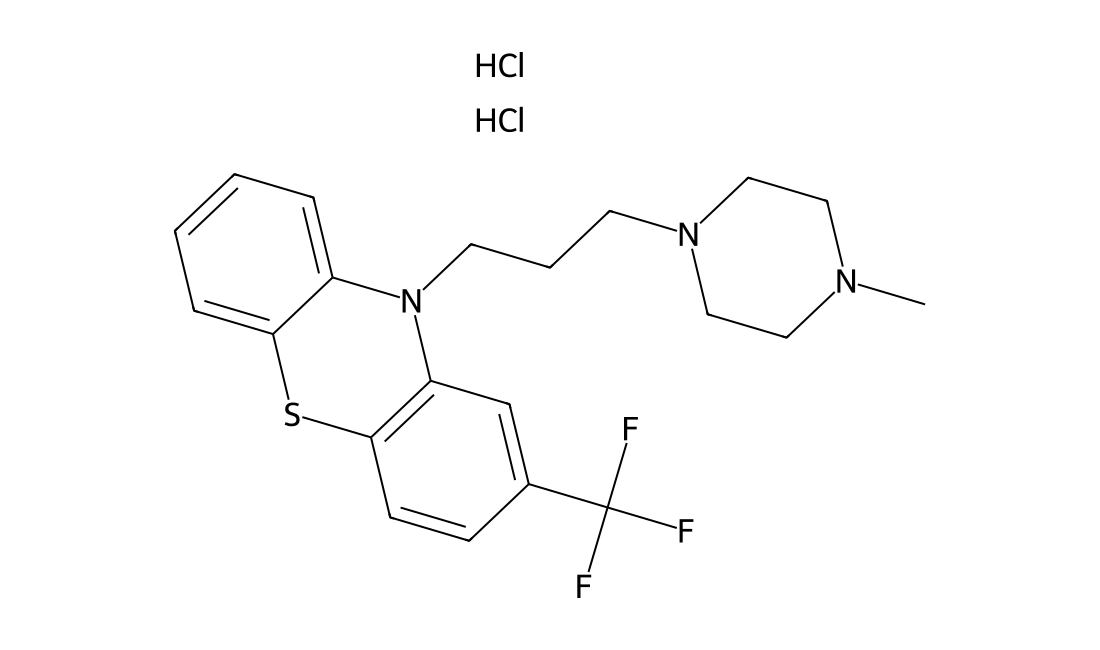
Trifluoperazine Dihydrochloride is a potent dopamine D2 receptor inhibitor used as an antipsychotic and an antiemetic.Trifluoperazine Dihydrochloride is a potent dopamine D2 receptor inhibitor used as an antipsychotic and an antiemetic. Trifluoperazine inhibited in a dose-dependent manner the stimulation of glycogenolysis, gluconeogenesis, and ureogenesis due to alpha 1-adrenergic stimulation in rat hepatocytes. Trifluoperazine is much more potent at alpha 1- than at alpha 2-adrenergic receptors. Trifluoperazine was not clearly different in terms of 'no substantial improvement' (n=1016, 27 RCTs, RR 1.06 CI 0.98 to 1.14) or leaving the study early (n=930, 22 RCTs, RR 1.15 CI 0.83 to 1.58). Almost identical numbers of people reported at least one adverse event (60%) in each group (n=585, 14 RCTs, RR 0.99 CI 0.87 to 1.13), although trifluoperazine was more likely to cause extrapyramidal adverse effects overall when compared to low potency antipsychotics such as chlorpromazine (n=130, 3 RCTs, RR 1.66 CI 1.03 to 2.67, NNH 6 CI 3 to 121). One small study (n=38) found no clear differences between trifluoperazine and the atypical drug, sulpiride.
TriclosanFeatured
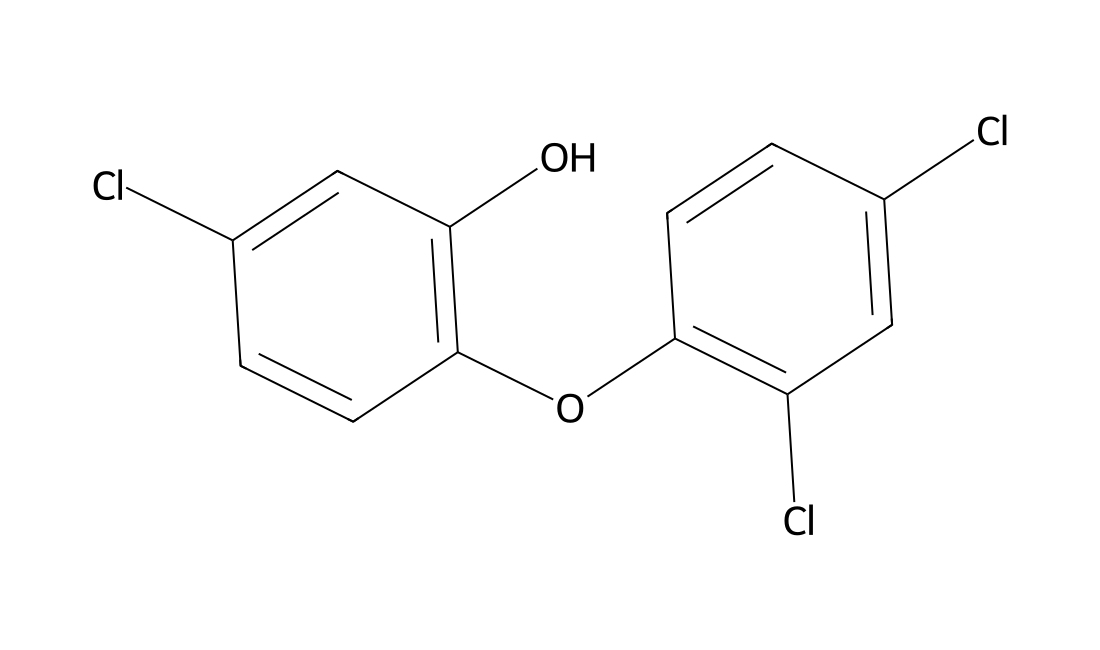
Triclosan is a diphenyl ether derivative used in cosmetics and toilet soaps as an antiseptic. It has some bacteriostatic and fungistatic action.
Trazodone HClFeatured
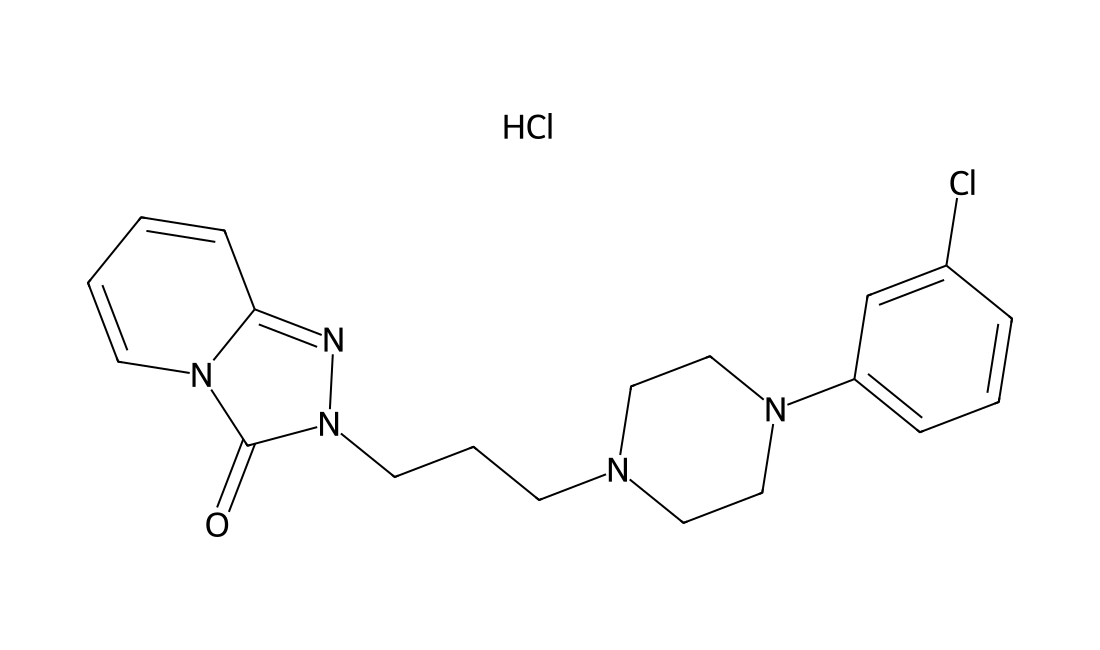
Trazodone HCl is an antidepressant belonging to the class of serotonin receptor antagonists and reuptake inhibitors for treatment of anxiety disorders.Trazodone is a triazolopyridine derivative, chemically and pharmacologically unrelated to other currently available antidepressants. Trazodone has been successfully used in a small number of patients with depression and pre-existing cardiovascular disease. trazodone has also been used as a hypnotic for psychotropic-induced or other insomnias with some success. Trazodone is an effective hypnotic for patients with antidepressant-associated insomnia. Trazodone may be helpful in men with erectile dysfunction (ED), possibly more so at higher doses, and in men with psychogenic ED. Future high-quality trials should compare trazodone with placebo and other therapies in men with depression and psychogenic ED.
TRAF-STOP 6877002Featured
TRAF-STOP 6877002 is a small molecule inhibitor that blocks the interaction between CD40 and TRAF6 (TRAF-STOP), while leaving CD40-TRAF2/3/5 interactions intact, thereby preserving CD40-mediated immunity; prevents the progression of established atherosclerosis in mice, reduces leukocyte recruitment and reduces macrophage activation; reduces macrophage proliferation in atherosclerotic plaques and reduces the expression of Ki67 in BMDMs.
TozadenantFeatured
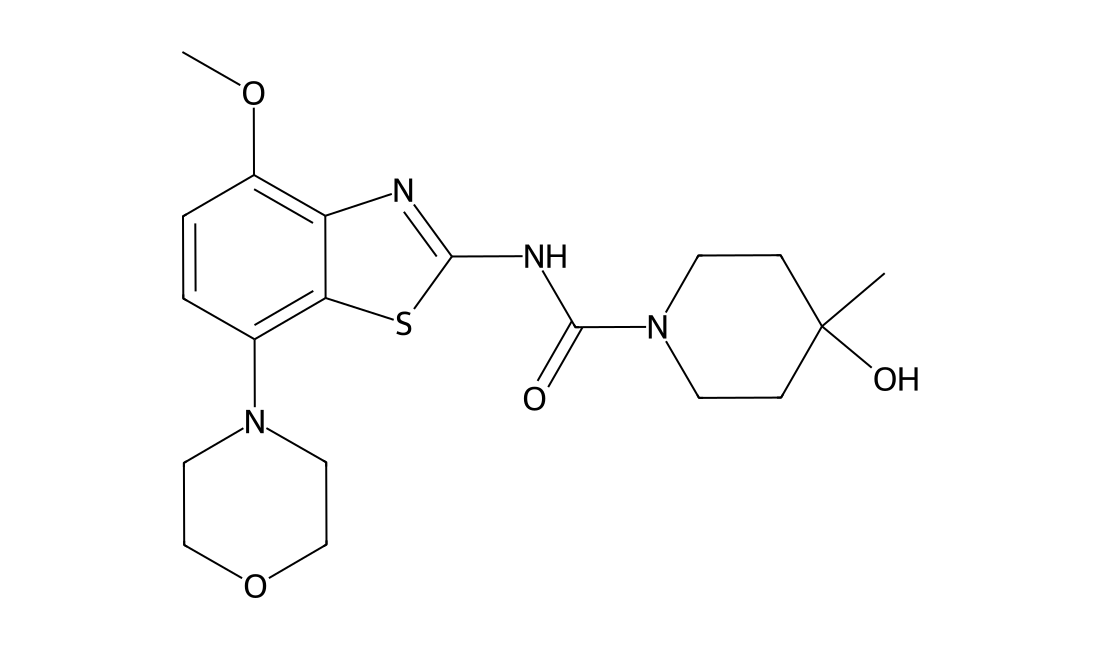
Tozadenant (SYN-115) is an adenosine A2A receptor antagonist. Treatment of Parkinson's disease, dopaminergic neurotransmission disorders. Tozadenant (SYN-115) is useful for treatment of post-traumatic stress disorder.
Torsemide (Demadex)Featured
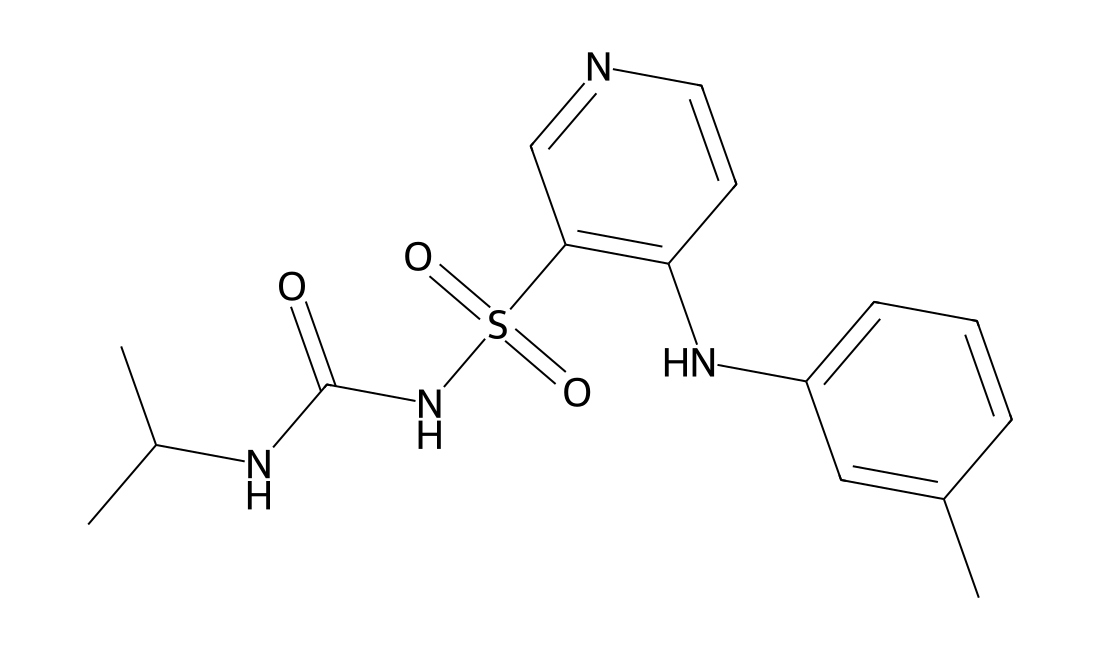
For the detailed information of Torsemide (Demadex), the solubility of Torsemide (Demadex) in water, the solubility of Torsemide (Demadex) in DMSO, the solubility of Torsemide (Demadex) in PBS buffer, the animal experiment(test) (test) of Torsemide (Demadex), the cell expriment (test) of Torsemide (Demadex), the in vivo, in vitro and clinical trial test of Torsemide (Demadex), the EC50, IC50,and Affinity of Torsemide (Demadex),, please contact DC Chemicals.
Toltrazuril sulfoneFeatured
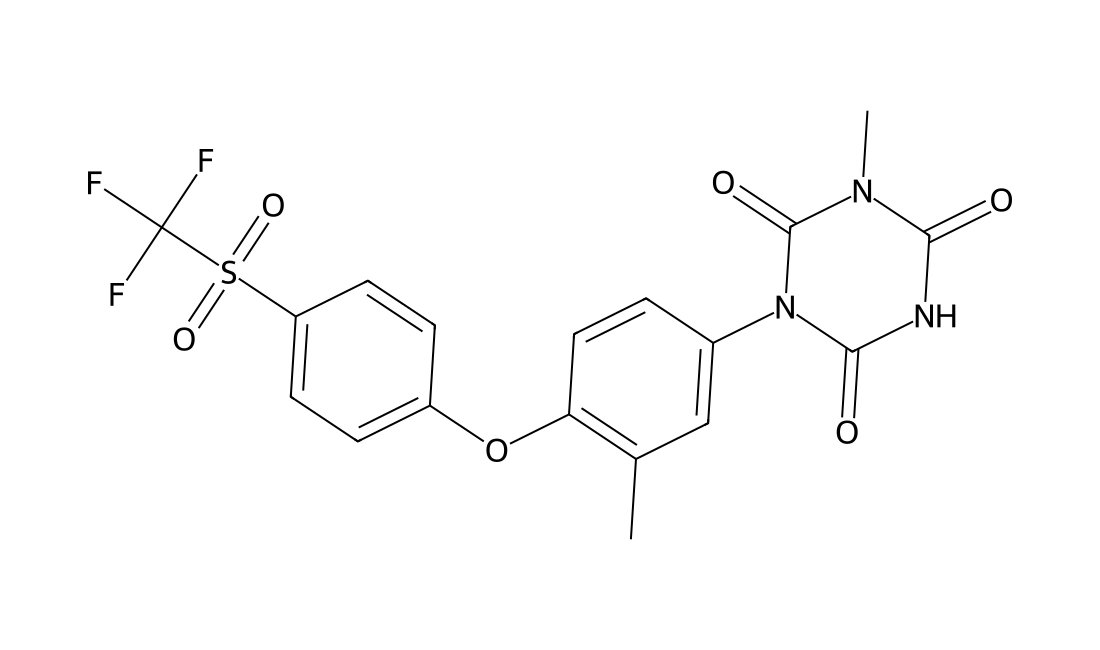
Ponazuril (INN, Toltrazuril sulfone), sold by the Bayer Corporation under the trade name Marquis, is a drug currently approved for the treatment of equine protozoal myeloencephalitis in horses, caused by Sarcocystis neurona. More recently, veterinarians have been preparing a formulary version of the medication for use in small animals such as cats and dogs against coccidia, an intestinal parasite. Coccidia treatment is far shorter than treatment for EPM. Ponazuril (INN, Toltrazuril sulfone) is useful for Antiprotozoal.
No products match this search.
Page 292 of 309 · Browse all 6177 products
Jump to a product page
Featured literature product: HX1 · DCL0028
HX1 is a hydroxyzine-derived ionizable lipid with acetal-containing tails, studied in lipid nanoparticles for brain mRNA delivery and CRISPR–Cas9 delivery. It was the lead in the reported in vivo brain-delivery screen; evidence is preclinical and formulation-dependent.
Read full formulation and performance →