
Research lipid catalog
Ionizable Lipid Products
Explore 848 lipid and RNA delivery products. Search the full catalog or browse by research category.
Search covers product name, catalog number, synonyms, available CAS numbers and categories. Spaces, hyphens and common punctuation are ignored. Duplicate legacy records are consolidated under one canonical product result.
6177 products · Showing 5981–6000 · 20 per page
DC Chemicals lipid expertise
Built for ionizable-lipid discovery and RNA delivery research
DC Chemicals supports formulation and delivery research with a broad, searchable portfolio of cationic and ionizable lipids. The current directory brings together 848 unique research-use products, with product specifications, pricing, chemical structures and literature-linked formulation data added as each record is verified.
Our experience spans complex lipid synthesis, purification, analytical release and process development. For custom molecules or larger-scale requirements, our team can discuss route development, technical specifications and scale-up options for the intended research workflow.
Learn about cationic and ionizable lipids →Proprietary innovation · Co-development · GMP
From proprietary lipid design to GMP-grade custom synthesis
DC Chemicals has independently developed ionizable-lipid structures supported by company-owned intellectual property, and selected proprietary lipid programs have advanced to GMP-stage development.
We welcome joint development with customers—from molecular design and lipid synthesis through route and process development. We can also support custom synthesis of GMP-grade ionizable lipids to agreed technical specifications and quality requirements.
Discuss a co-development project →Proprietary ionizable-lipid structuresCollaborative molecular designCustom lipid synthesisProcess development and scale-upGMP-grade project support
Product quick links
Explore New ionizable lipids
Explore our five most recently added ionizable lipids, with specifications, pricing and literature-linked product information.
DCL0028HX1Brain RNA delivery researchView product →DCL0024A1I4R13C18-2Spleen-targeted RNA delivery researchView product →DCL0023A1I4R2C18-2Spleen-targeted RNA delivery researchView product →DCL0022FS01Local joint RNA delivery researchView product →DCL0020Lipid-392Lung RNA delivery and gene editing researchView product →
Cat. No.Product NameField of ApplicationChemical Structure
N2-MethylguanineFeatured
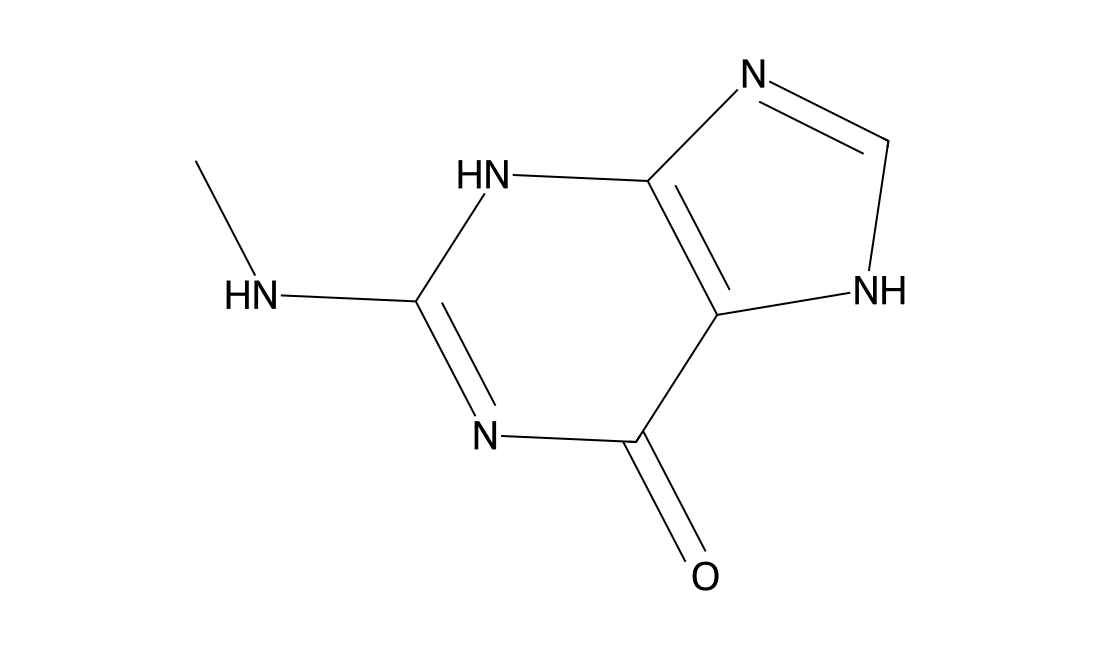
N2-methylguanine is found within both helical and looped regions of RNA secondary structure, and it can exist in either the s-cis or the s-trans rotamer. If there is a rotational preference for the methyl group, the effect of N2-methylguanine substitution may be specific to the sequence context depending upon which face of the base participates in hydrogen bonding. N2-methylguanine is the principal kinetic barrier for reverse transcription in the 1340 bases proximal to the 5' end of E. coli 16S rRNA. Transcription intermediates correspond to attenuation at the positions of N2-methylguanine in the rRNA sequence. The relaxation time for elongation of the cDNA through m2G is approximately 3 min.
NSC-41589Featured
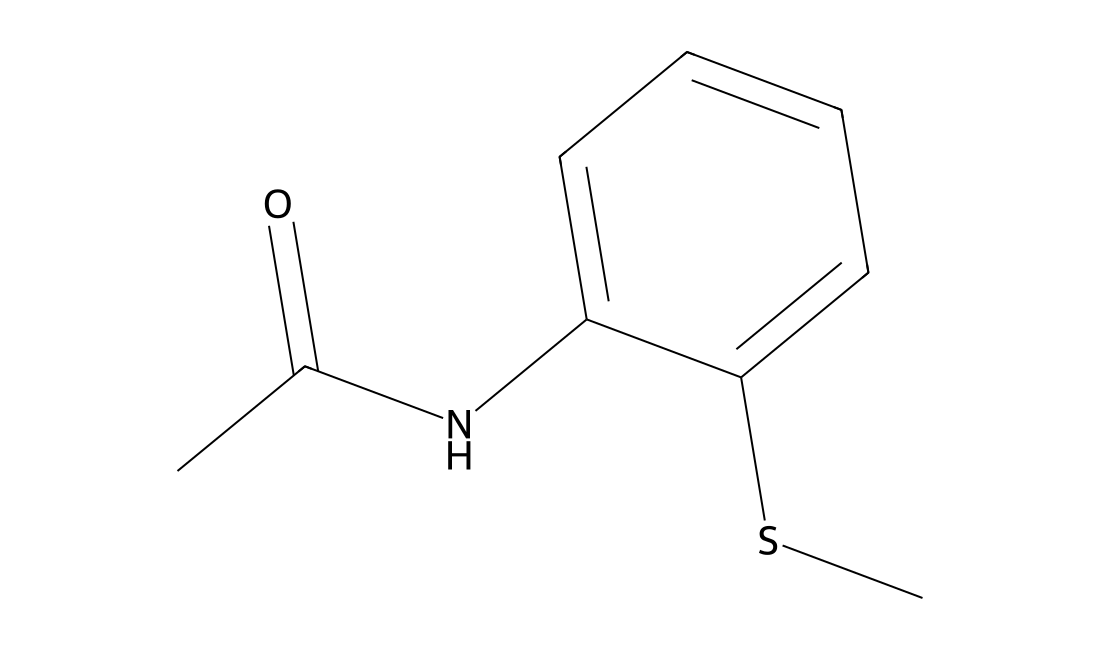
N-[2-(methylsulfanyl) phenyl]acetamide. For the detailed information of NSC-41589, the solubility of NSC-41589 in water, the solubility of NSC-41589 in DMSO, the solubility of NSC-41589 in PBS buffer, the animal experiment (test) of NSC-41589, the cell expriment (test) of NSC-41589, the in vivo, in vitro and clinical trial test of NSC-41589, the EC50, IC50,and affinity,of NSC-41589, For the detailed information of NSC-41589, the solubility of NSC-41589 in water, the solubility of NSC-41589 in DMSO, the solubility of NSC-41589 in PBS buffer, the animal experiment (test) of NSC-41589, the cell expriment (test) of NSC-41589, the in vivo, in vitro and clinical trial test of NSC-41589, the EC50, IC50,and affinity,of NSC-41589, Please contact DC Chemicals.
Lomitapide MesylateFeatured
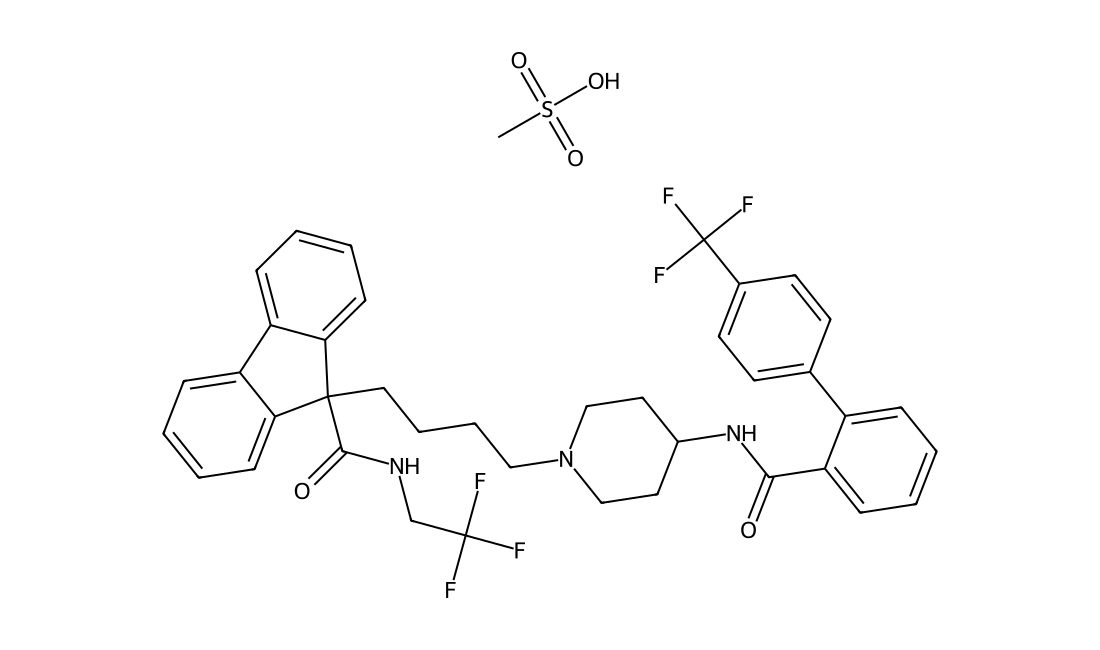
For the detailed information of Lomitapide Mesylate, the solubility of Lomitapide Mesylate in water, the solubility of Lomitapide Mesylate in DMSO, the solubility of Lomitapide Mesylate in PBS buffer, the animal experiment (test) of Lomitapide Mesylate, the cell expriment (test) of Lomitapide Mesylate, the in vivo, in vitro and clinical trial test of Lomitapide Mesylate, the EC50, IC50,and affinity,of Lomitapide Mesylate, For the detailed information of Lomitapide Mesylate, the solubility of Lomitapide Mesylate in water, the solubility of Lomitapide Mesylate in DMSO, the solubility of Lomitapide Mesylate in PBS buffer, the animal experiment (test) of Lomitapide Mesylate, the cell expriment (test) of Lomitapide Mesylate, the in vivo, in vitro and clinical trial test of Lomitapide Mesylate, the EC50, IC50,and affinity,of Lomitapide Mesylate, Please contact DC Chemicals.
Mycophenolic (Mycophenolate)Featured
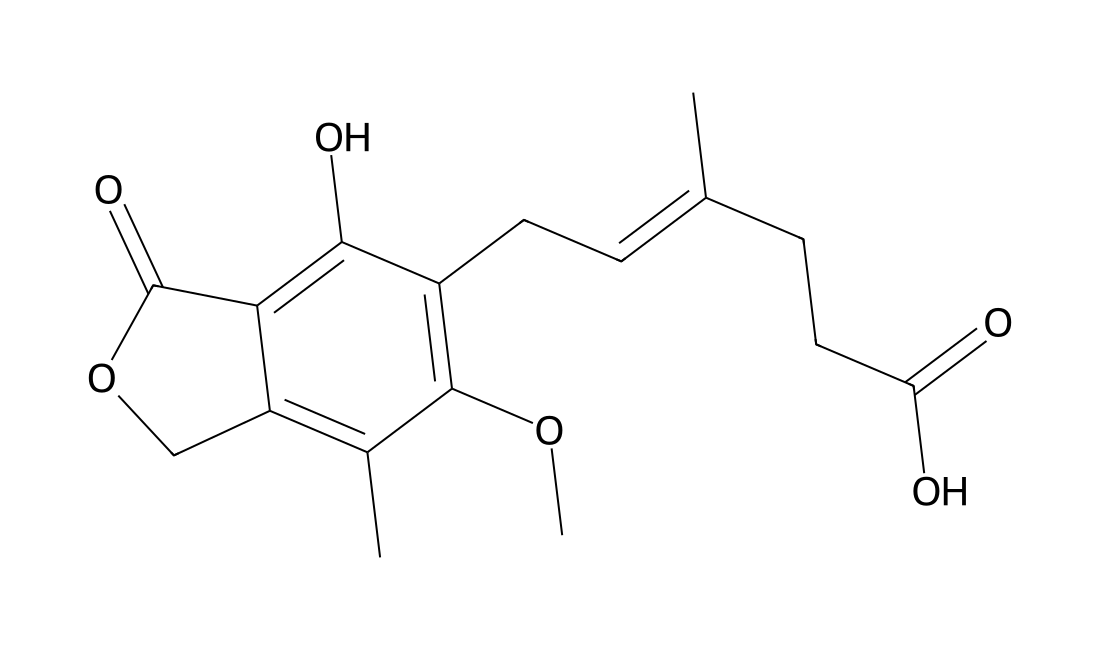
For the detailed information of Mycophenolic (Mycophenolate), the solubility of Mycophenolic (Mycophenolate) in water, the solubility of Mycophenolic (Mycophenolate) in DMSO, the solubility of Mycophenolic (Mycophenolate) in PBS buffer, the animal experiment(test) (test) of Mycophenolic (Mycophenolate), the cell expriment (test) of Mycophenolic (Mycophenolate), the in vivo, in vitro and clinical trial test of Mycophenolic (Mycophenolate), the EC50, IC50,and Affinity of Mycophenolic (Mycophenolate),, please contact DC Chemicals.
MRT-83Featured
In Vitro MRT-83 displays full antagonist properties with an IC50 (~3 nM) for inhibiting ShhN (3 nM)-induced proliferation of rat GCPs. MRT-83 also blocks SAG (0.01 μM)-induced proliferation of GCPs (IC50 ~6 nM). MRT-83 blocks BC binding to HEK-hSmo cells in a dose-dependent manner with an IC50 of 4.6 nM. MRT-83 abrogates BC binding to cells expressing mouse Smo with an IC50 of 14 nM, which is in good correlation with its IC50 in the Shh-light2 and alkaline phosphatase assays. In Vivo Animals treated with ShhN in the presence of MRT-83 are as healthy as those of the other groups but up-regulation of Ptc transcription in the SVZ of these animals is no longer observed in agreement with a complete inhibition of ShhN-mediated effects (8.7±2.4 Ptc+ cells/section, n=9) and is not different from vehicle-mediated effects. MRT-83 but not MRT-36 antagonizes the up-regulation of Ptc transcription induced by ShhN in vivo in the SVZ of the LV.
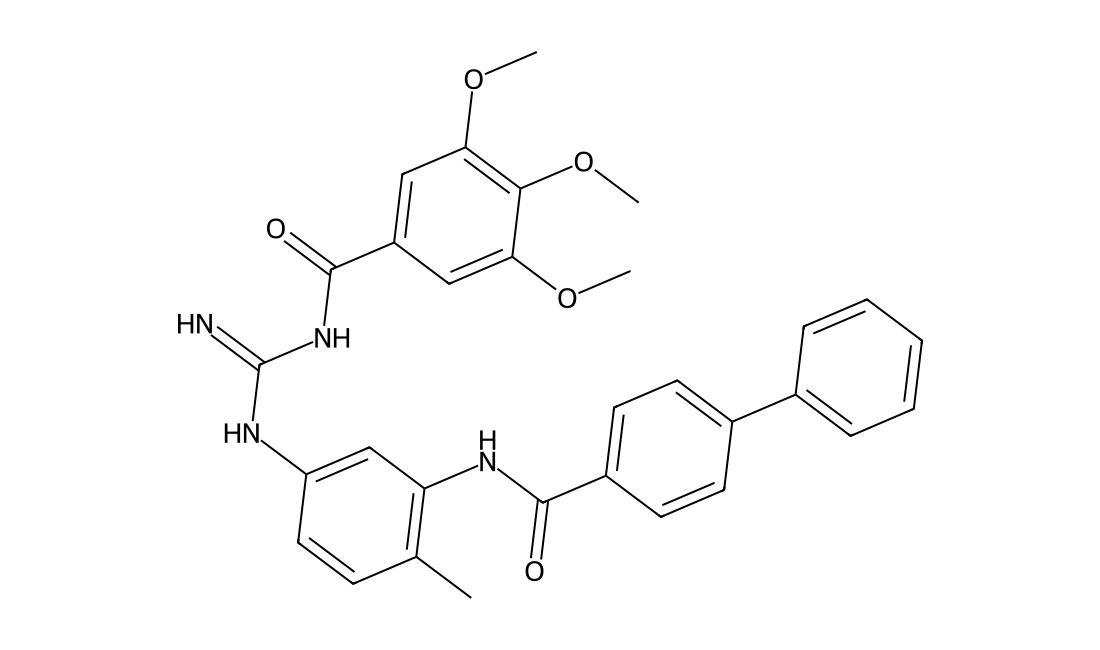
MP-A08Featured
MP-A08 is a first-in-class, highly selective, ATP competitive sphingosine kinase (SphK) inhibitor (Ki of 6.9/27 uM for SK2/SK1); inhibits S1P production and increases pro-apoptotic sphingolipids in Jurkat cells; reduces the growth of human lung adenocarcinoma tumours in a mouse xenograft model by both inducing tumour cell apoptosis and inhibiting tumour angiogenesis.
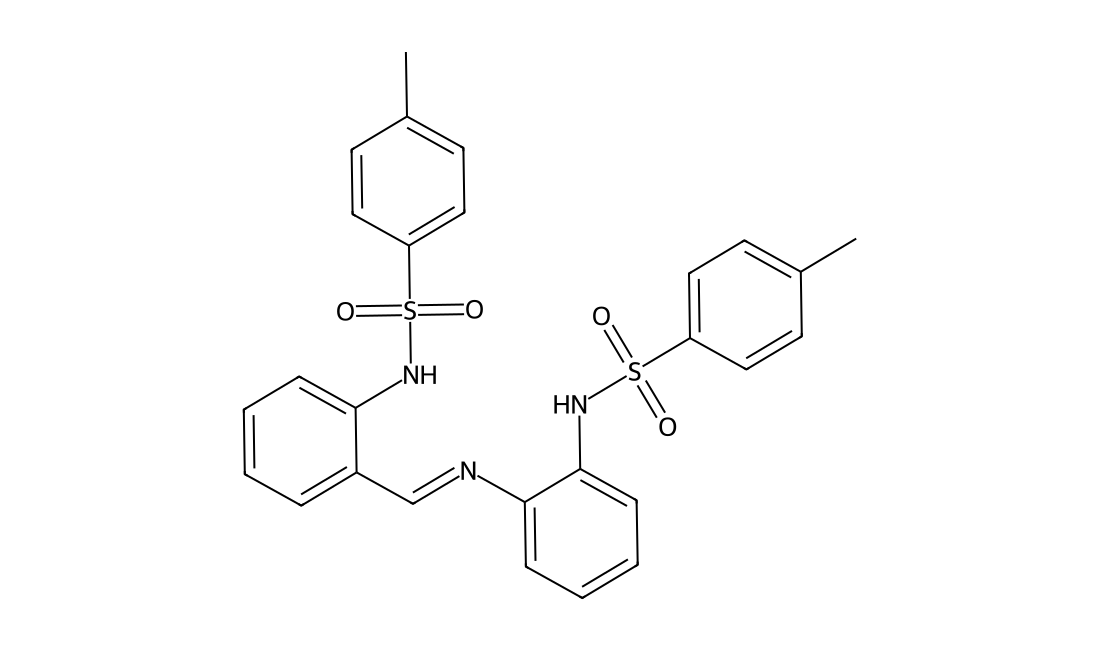
MoxonidineFeatured
For the detailed information of Moxonidine, the solubility of Moxonidine in water, the solubility of Moxonidine in DMSO, the solubility of Moxonidine in PBS buffer, the animal experiment(test) (test) of Moxonidine, the cell expriment (test) of Moxonidine, the in vivo, in vitro and clinical trial test of Moxonidine, the EC50, IC50,and Affinity of Moxonidine,, please contact DC Chemicals.
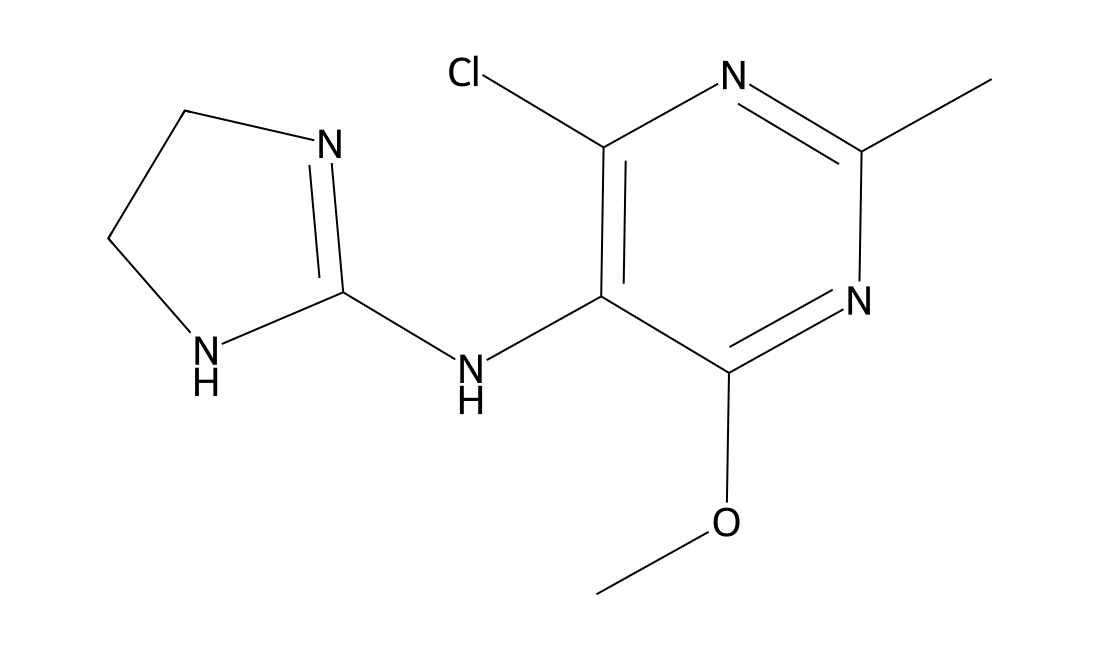
Monobenzone (Benoquin)Featured
For the detailed information of Monobenzone (Benoquin), the solubility of Monobenzone (Benoquin) in water, the solubility of Monobenzone (Benoquin) in DMSO, the solubility of Monobenzone (Benoquin) in PBS buffer, the animal experiment(test) (test) of Monobenzone (Benoquin), the cell expriment (test) of Monobenzone (Benoquin), the in vivo, in vitro and clinical trial test of Monobenzone (Benoquin), the EC50, IC50,and Affinity of Monobenzone (Benoquin),, please contact DC Chemicals.
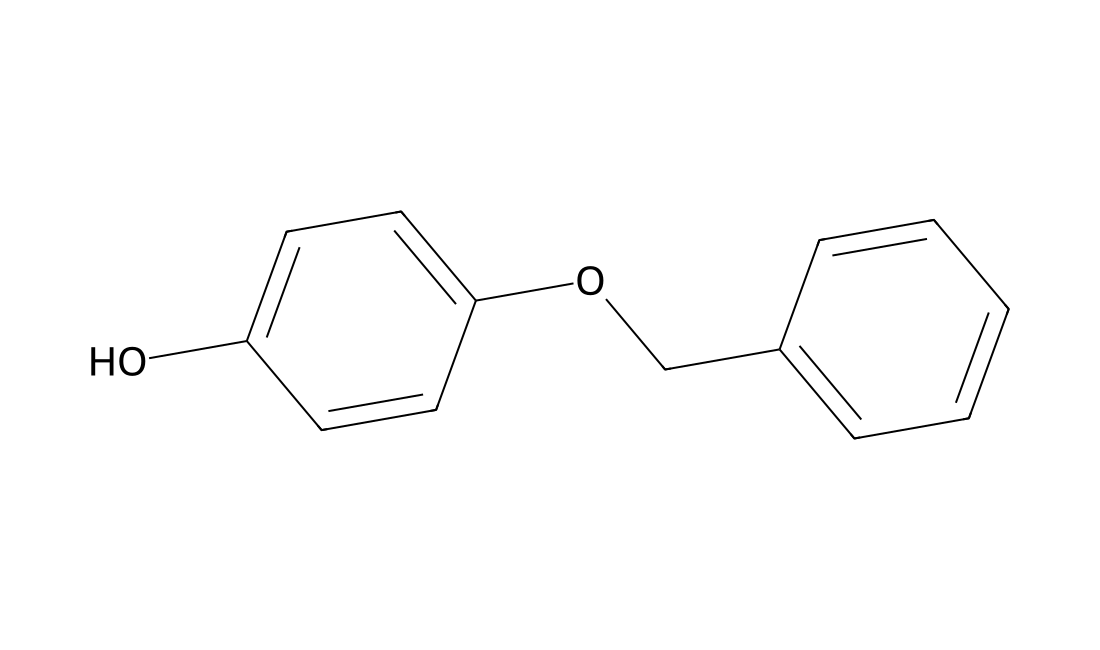
MLS-1547Featured
MLS-1547 is a G protein-biased agonist of dopamine D2 receptors (EC50 = 0.37 μM in a calcium mobilization assay).It inhibits forskolin-induced cAMP accumulation in CHO cells expressing human D2 receptors (EC50 = 0.26 μM) but is inactive in β-arrestin recruitment assays. MLS-1547 antagonizes dopamine-induced β-arrestin recruitment in cell-based assays with IC50 values ranging from 3.8 to 9.9 μM.It is also an inhibitor of type II secretion in Gram-negative bacteria.MLS-1547 inhibits secretion of phospholipase C (PlcH/N) and the virulence factor elastase (LasB) from P. aeruginosa (IC50s = 15 and 13 μM, respectively) and inhibits B. pseudomallei protease secretion by 90.8% when used at a concentration of 25 μM.
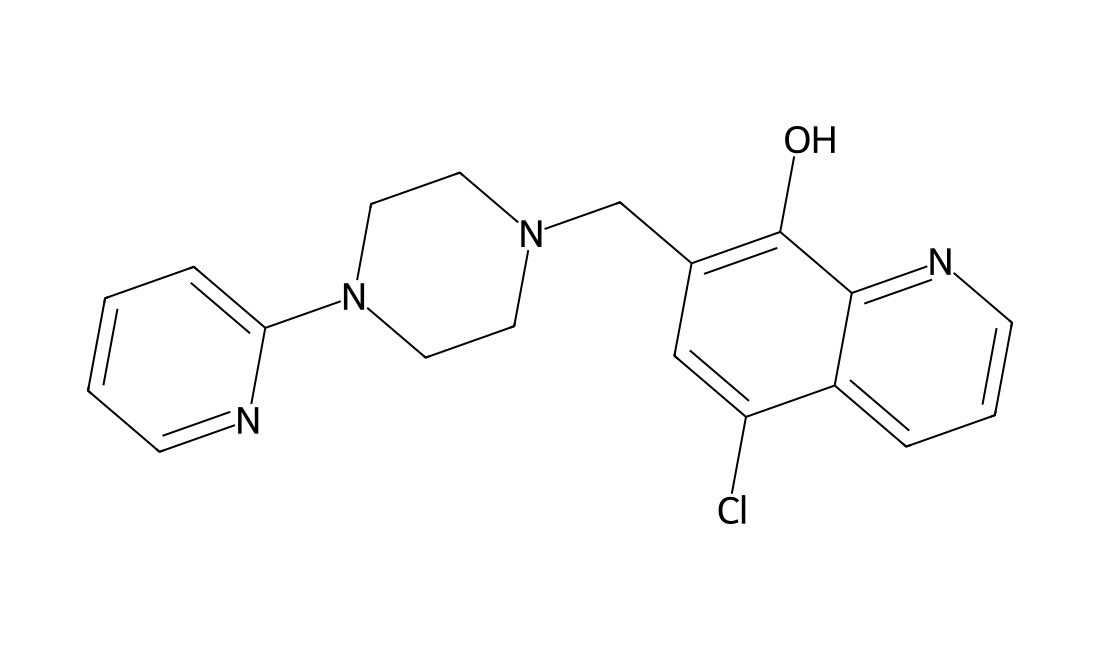
MLR-1023Featured
MLR-1023 is a chemical compound which inhibits acid secretion in animal models and also acts as a bronchodilator in histamine-challenged animals.
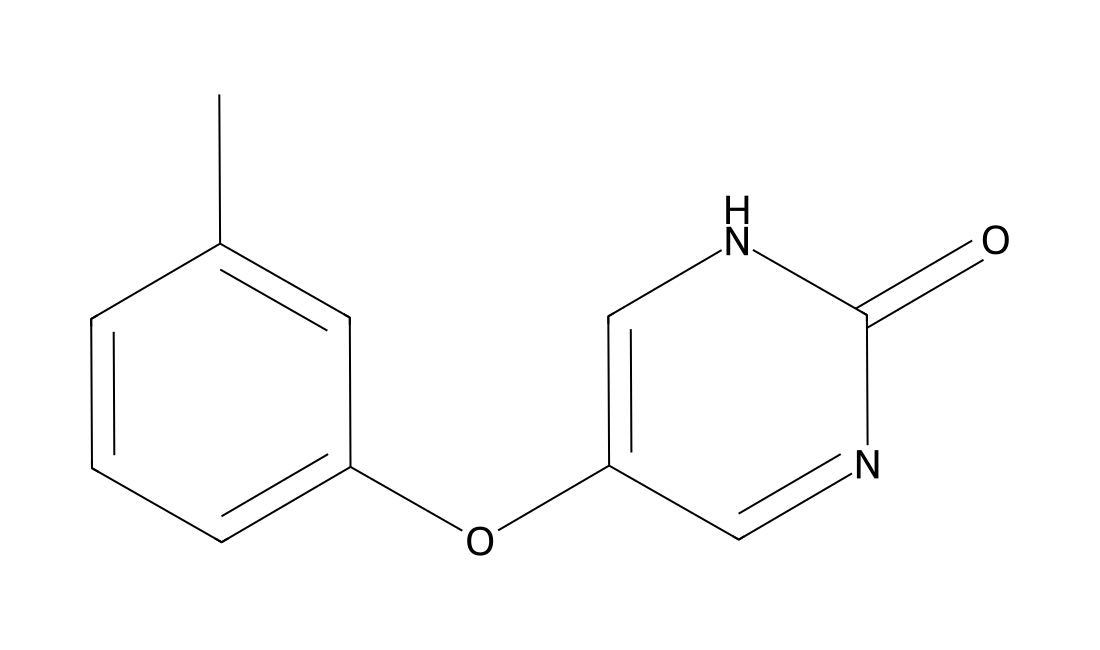
MLN0905Featured
MLN0905 is a potent inhibitor of PLK1 with IC50 of 2 nM. MLN0905 inhibits cell mitosis with EC50 of 9 nM. MLN0905 inhibits Cdc25C-T96 phosphorylation, a direct readout of PLK1 inhibition with EC50 of 29 nM. MLN0905 inhibits HT-29 viability with LD50 of 22 nM. MLN0905 possesses reasonable selectivity against a panel of 359 kinases. MLN0905 inhibits a panel of lymphoma cells viability with IC50 of 3 – 24 nM. Nude mice bearing HT-29 xenografts administered with MLN0905 (6.25 mg/Kg - 50 mg/Kg, p.o.) shows dose-dependent pharmacodynamic responses (48 hours after treatment). OCI LY-19-Luc tumor bearing mice administered with MLN0905 (3.12 mg/Kg – 6.25 mg/Kg, p.o.) shows significant pharmacodynamic responses amd peaks at 8 hours after treatment. MLN0905 shows antitumor efficacy in treatment with OCI LY-19-Luc xenografts bearing scid mice For 21 days. The T/C of 6.25 mg/Kg daily group is 0.15. For the detailed information of MLN0905, the solubility of MLN0905 in water, the solubility of MLN0905 in DMSO, the solubility of MLN0905 in PBS buffer, the animal experiment (test) of MLN0905, the cell expriment (test) of MLN0905, the in vivo, in vitro and clinical trial test of MLN0905, the EC50, IC50,and Affinity of MLN0905, Please contact DC Chemicals.
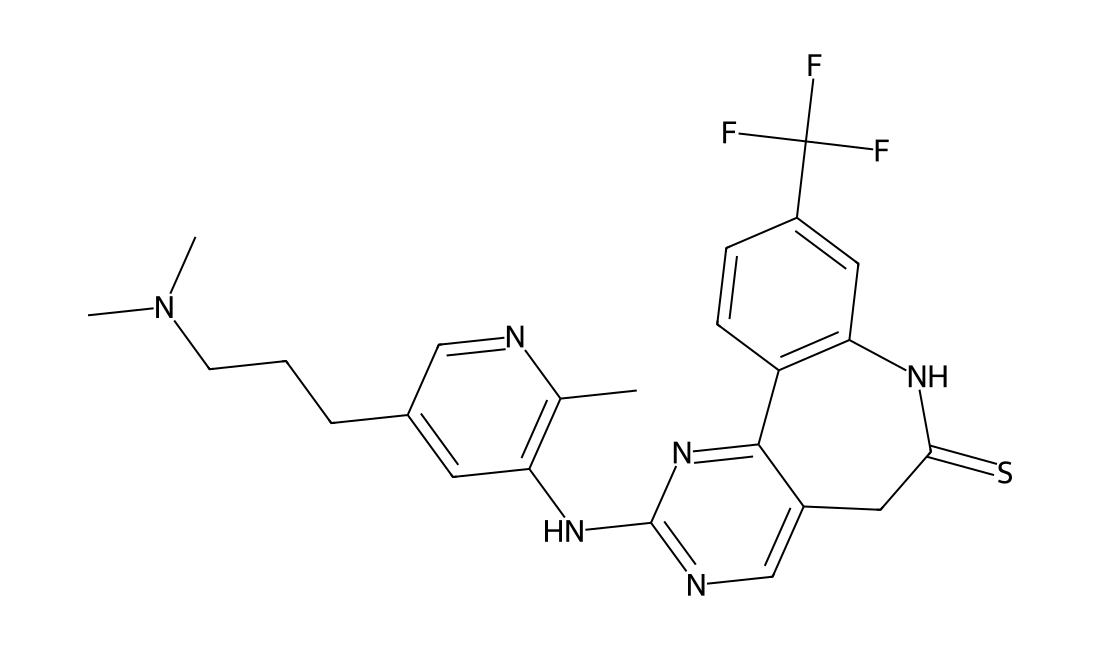
ML-290Featured
In Vitro ML-290 is a potent and orally active relaxin/insulin-like family peptide receptor (RXFP1) agonist and activator of anti-fibrotic genes, with an EC50 of 94 nM. ML290 (5 μM) shows anti-fibrotic, relaxin-like gene expression at 24 and 72 h in activated human hepatic stellate cells.
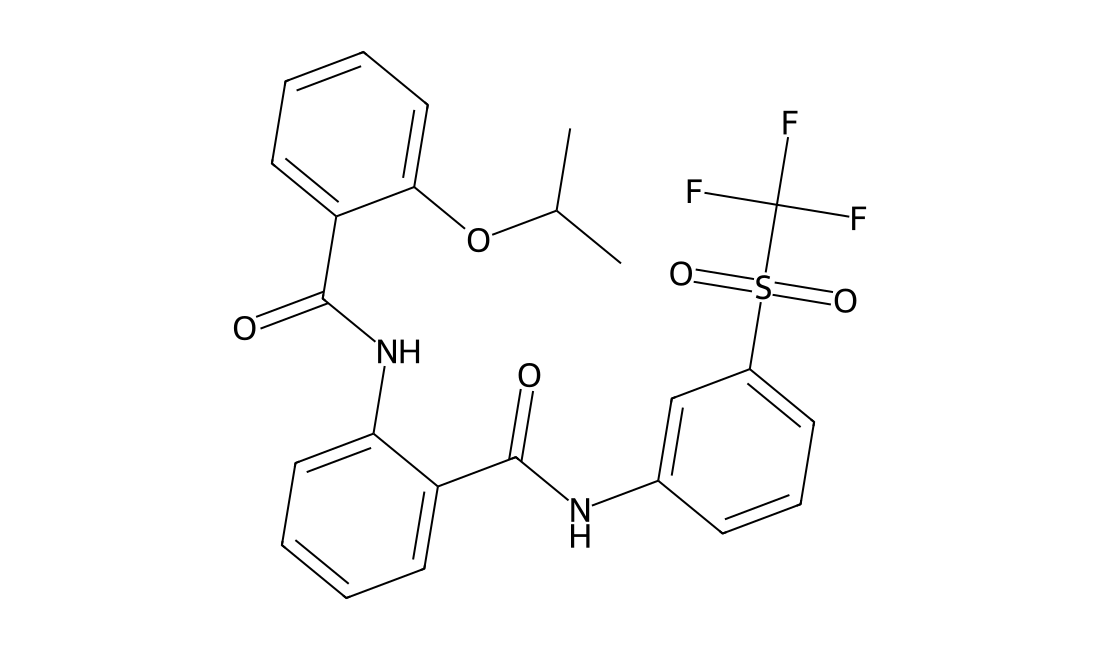
ML-228Featured
HIF pathway activator (EC50 values are 1.23 and 1.4 μM for HRE gene reporter assay and HIF-1α nuclear translocation assay respectively); acts via chelation of iron, independently of PHD. Also exhibits > 80% inhibition of the human A3 receptor, dopamine transporter, μ receptor, hERG and 5-HT2B receptor, and rat sodium channel site 2, at a concentration of 10 μM.For the detailed information about the solubility of ML-228 in water, the solubility of ML-228 in DMSO, the solubility of ML-228 in PBS buffer, the animal experiment of ML-228,the in vivo and in vitro test of ML-228,the cell experiment of ML-228,the IC50 and EC50 of ML-228 please contact DC Chemicals.
ML167Featured
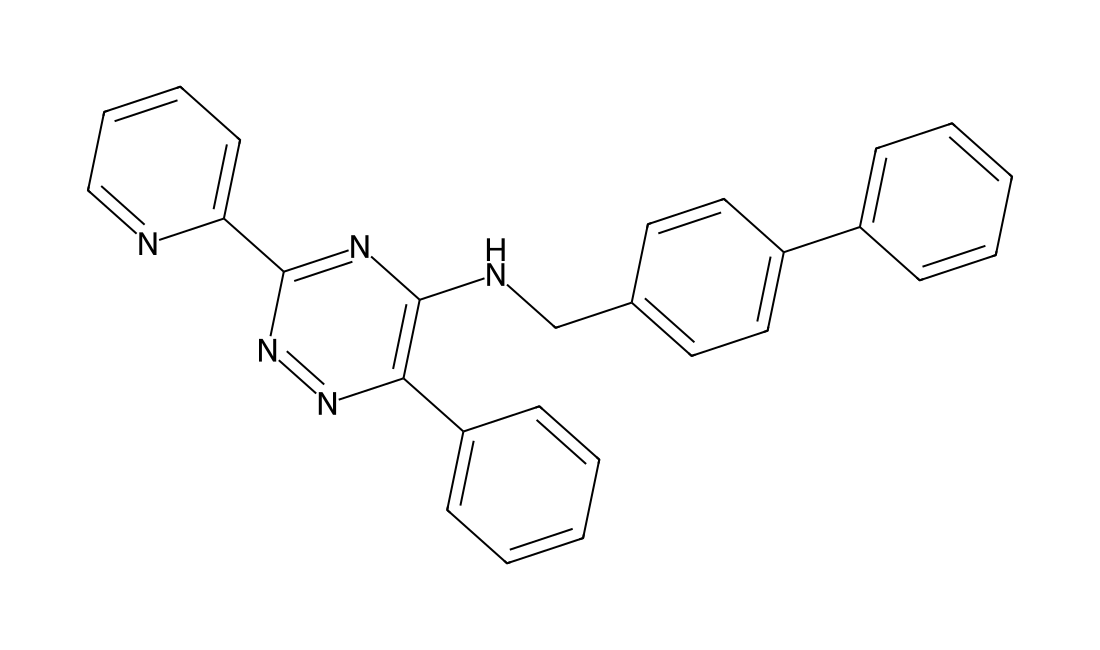
The Cdc2-like kinases (Clks) and the dual-specificity tyrosine phosphorylation-regulated kinases (Dyrks) are involved in regulating gene splicing. Clks phosphorylate serine/arginine-rich proteins, which are a major component of the spliceosome, whereas Dyrks interact with and activate splicing factors. ML167 is a selective, ATP-competitive inhibitor of Clk4 with an IC50 value of 136 nM. It is more than 10-fold less active against the closely related kinases Clk1-3, Dyrk1A, and Dyrk1B (IC50s = 1.5, 1.6, >10, >10, and 4.4 µM, respectively), and minimally active against a panel of other kinases.
MK-8245 trifluoroacetateFeatured
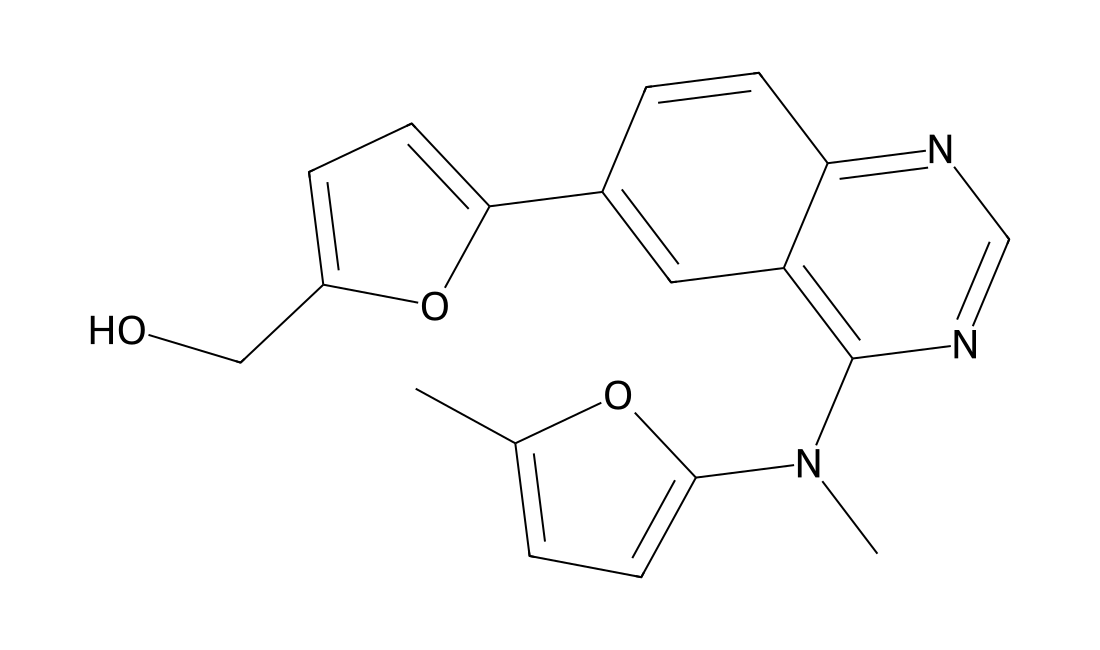
MK-8245 trifluoroacetate is a potent, selective liver-targeted stearoyl-CoA desaturase (SCD) inhibitor with IC50 of 3, 3 and 1 nM for rat, mouse and human SCD1 enzyme, respectively; displays highly selective over the Δ-5 and Δ-6 desaturases (IC50>100 uM); has IC50 values of 68 nM and 1066 nM in Hum HepG2 and rat hepatocyte assays, demonstrates HepG2/hepatocyte ratio of 16:1; exhibits preclinical antidiabetic and antidyslipidemic efficacy in vivo, demonstrats maximal liver SCD inhibition while sparing inhibition in the skin and eye tissues associated with adverse events.DiabetesPhase 1 Discontinued
MK-8033 hydrochlorideFeatured
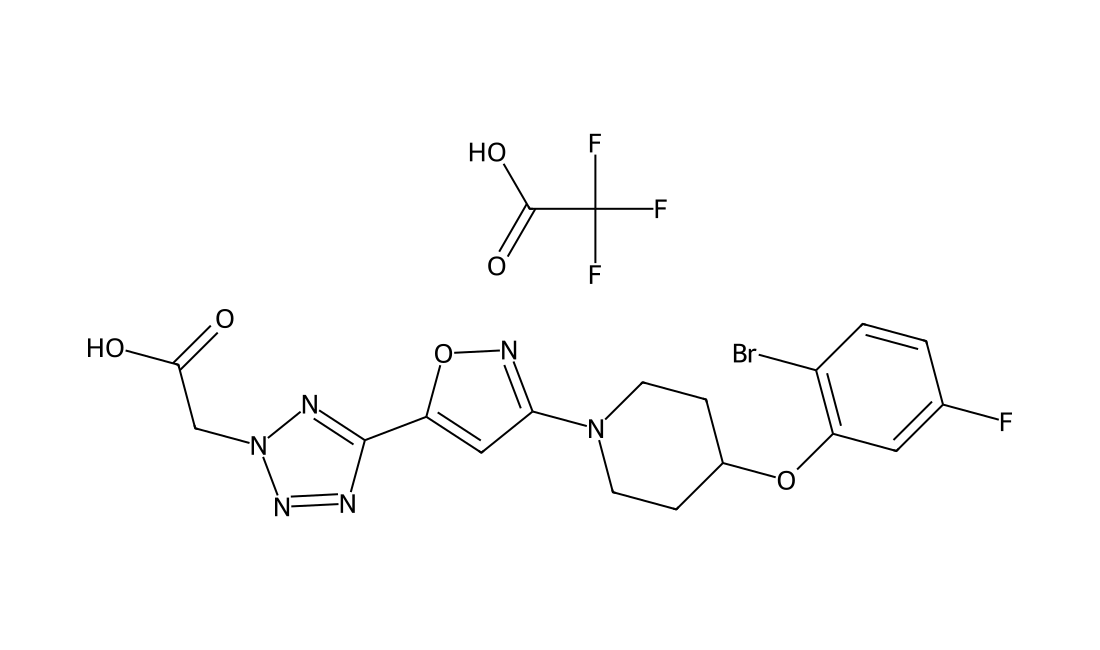
MK-8033 is a potent, specific, dual c-Met/Ron kinases inhibitor with IC50 of 1/7 nM, also potently inhibits oncogenic c-Met activation loop mutants Y1230C, Y1230H and Y1235D with IC50 of 0.6-1.2 nM; MK-8033 is >100-fold selective relative to Ron and c-Met inhibition against a panel of 221 kinases; potently and selectively inhibits growth in c-Met amplified cell lines (GTL-16 proliferation IC50 =582 nM), causes full inhibition of tumor growth in c-Met amplified (GTL-16) subcutaneous tumor xenograft model; synergizes with carboplatin plus paclitaxel to inhibit ovarian cancer cell growth. Solid Tumors Phase 1 Clinical
MK-8033Featured
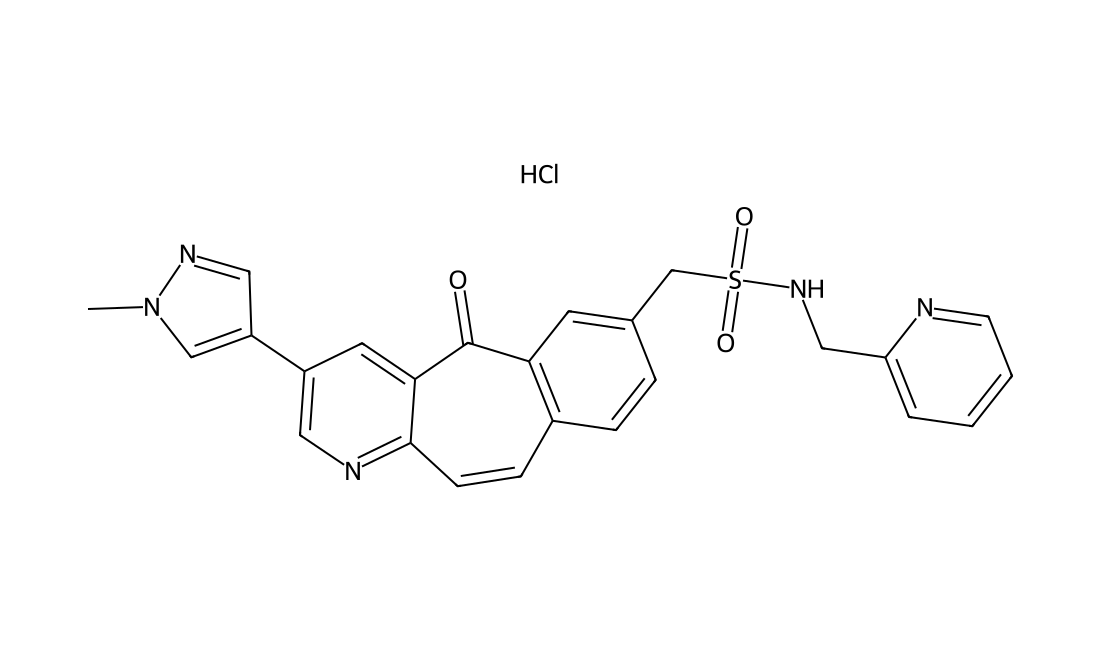
MK-8033 is a potent, specific, dual c-Met/Ron kinases inhibitor with IC50 of 1/7 nM, also potently inhibits oncogenic c-Met activation loop mutants Y1230C, Y1230H and Y1235D with IC50 of 0.6-1.2 nM; MK-8033 is >100-fold selective relative to Ron and c-Met inhibition against a panel of 221 kinases; potently and selectively inhibits growth in c-Met amplified cell lines (GTL-16 proliferation IC50 =582 nM), causes full inhibition of tumor growth in c-Met amplified (GTL-16) subcutaneous tumor xenograft model; synergizes with carboplatin plus paclitaxel to inhibit ovarian cancer cell growth. Solid Tumors Phase 1 Clinical
MK3697Featured
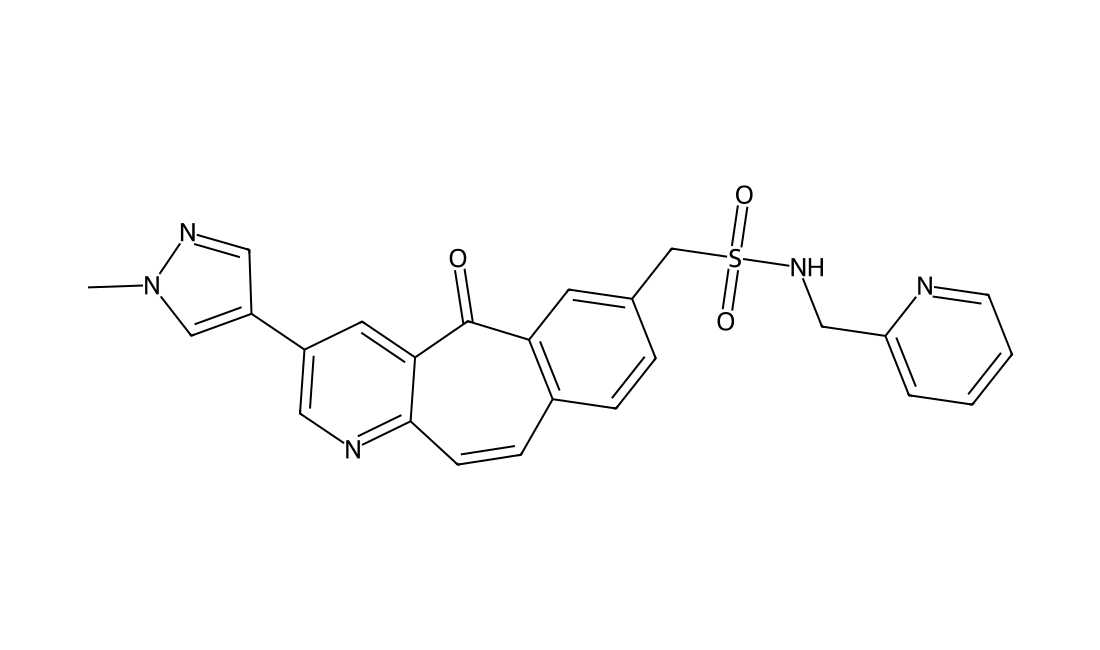
MK-3697 is a third insomnia drug, currently being developed by Merck. MK-3697 is a potent and selective Orexin receptor antagonist with Ki = 0.95 nM. For the detailed information of MK3697, the solubility of MK3697 in water, the solubility of MK3697 in DMSO, the solubility of MK3697 in PBS buffer, the animal experiment (test) of MK3697, the cell expriment (test) of MK3697, the in vivo, in vitro and clinical trial test of MK3697, the EC50, IC50,and Affinity of MK3697, Please contact DC Chemicals.
MK-2894Featured
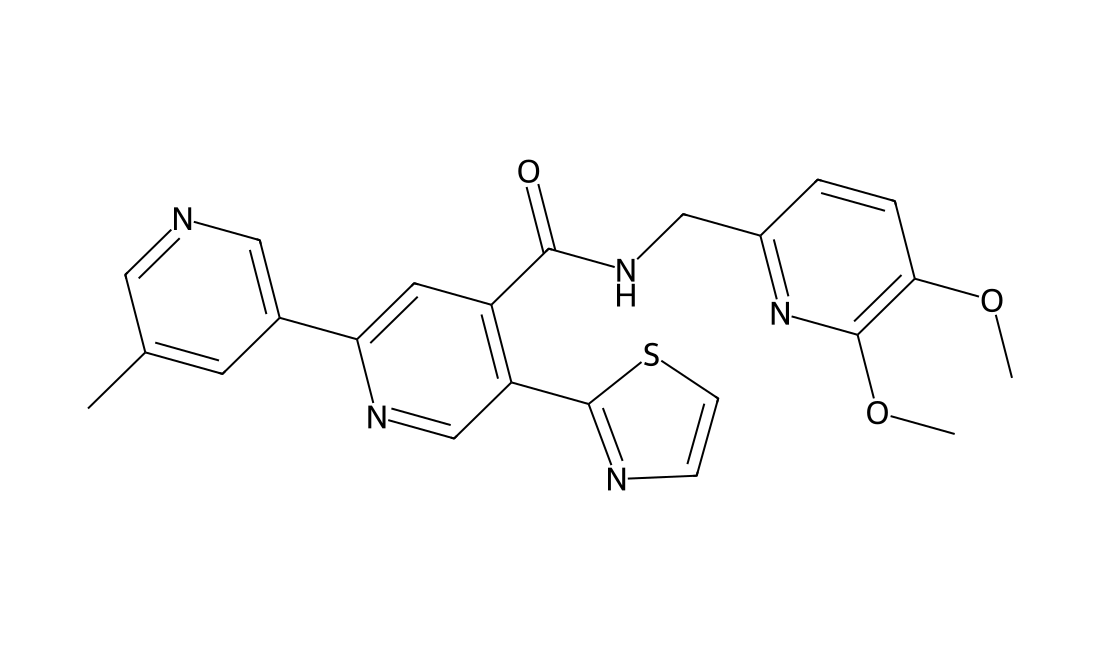
MK-2894 is a highly potent and selective second generation EP4 antagonist. MK-2894 exhibits favorable pharmacokinetic profile in a number of preclinical species and potent anti-inflammatory activity in several animal models of pain/inflammation. MK-2894 also shows favorable GI tolerability profile in rats when compared to traditional NSAID indomethacin.
MK-0354Featured
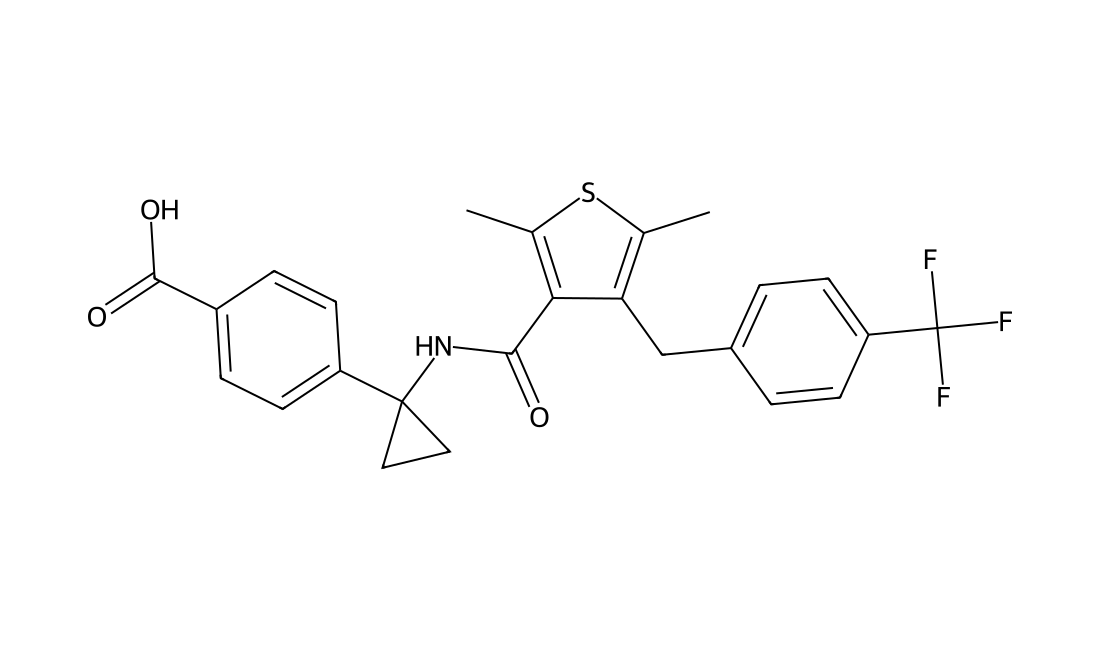
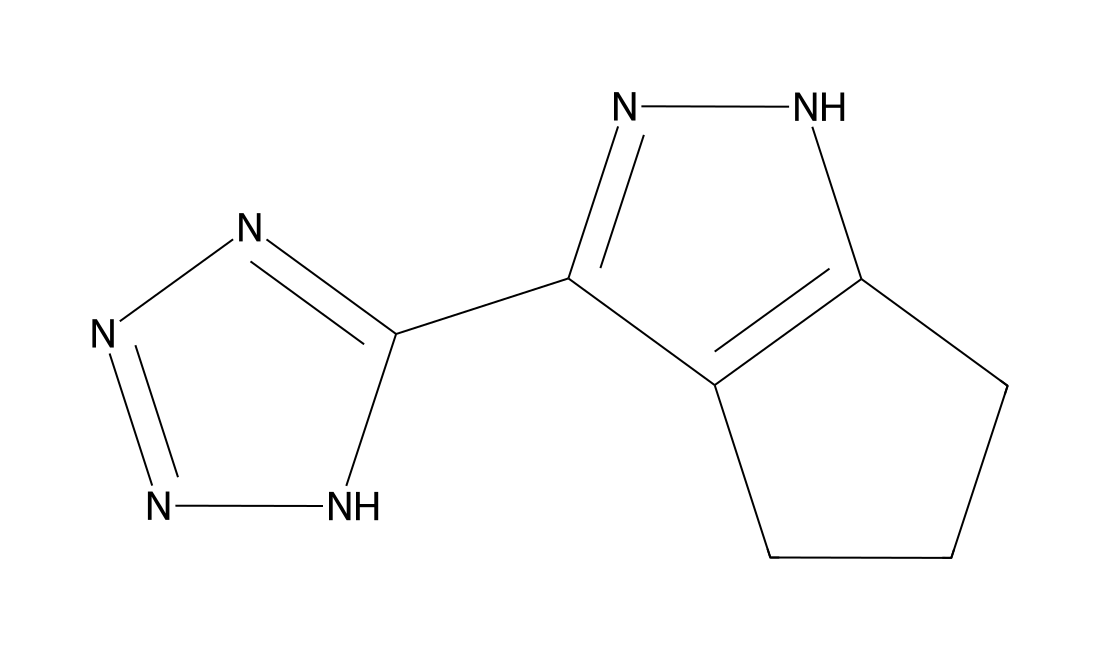
MK-0354 is a partial agonist of GPR109a receptor, for hGPR109a/ mGPR109a with EC50 of 1.65/1.08 μM, showed no activation of GPR109b. in vitro: MK-0354 demonstrated clear and statistically significant partial agonism in the cAMP assays for both the mouse and human receptors with efficacy approximately 60-70% of that of either nicotinic acid or β-hydroxy butyrate, a putative physiologically relevant ligand for hGPR109a, in the same assay platform. In addition, MK-0354 showed no activation of GPR109b in the cAMP assay at any concentration up to 100 μM. Following these interesting observations, we then prepared a number of other 5,5-fused pyrazoles analogous to those that showed receptor activity in our earlier studies. MK-0354 appeared to be somewhat unique among the members of the pyrazole tetrazole series in having reasonable receptor activity. in vivo: MK-0354 retained the plasma free fatty acid lowering effects in mice associated with GPR109a agonism, but did not induce vasodilation at the maximum feasible dose. Moreover, preadministration of MK-0354 blocked the flushing effect induced by nicotinic acid but not that induced by PGD2. This profile made MK-0354 a suitable candidate for further study for the treatment of dyslipidemia.MK-0354 is a GPR109A partial agonist that activates the antilipolytic pathway in adipocytes. The single-dose and multiple-dose pharmacokinetics and pharmacodynamics, as well as tolerability, of MK-0354 were examined in two Phase I studies conducted in healthy male volunteers. The lipid efficacy of MK-0354 was assessed in a Phase II study conducted in male and female patients with dyslipidemia.
No products match this search.
Page 300 of 309 · Browse all 6177 products
Jump to a product page
Featured literature product: HX1 · DCL0028
HX1 is a hydroxyzine-derived ionizable lipid with acetal-containing tails, studied in lipid nanoparticles for brain mRNA delivery and CRISPR–Cas9 delivery. It was the lead in the reported in vivo brain-delivery screen; evidence is preclinical and formulation-dependent.
Read full formulation and performance →