
Research lipid catalog
Ionizable Lipid Products
Explore 848 lipid and RNA delivery products. Search the full catalog or browse by research category.
Search covers product name, catalog number, synonyms, available CAS numbers and categories. Spaces, hyphens and common punctuation are ignored. Duplicate legacy records are consolidated under one canonical product result.
6177 products · Showing 5881–5900 · 20 per page
DC Chemicals lipid expertise
Built for ionizable-lipid discovery and RNA delivery research
DC Chemicals supports formulation and delivery research with a broad, searchable portfolio of cationic and ionizable lipids. The current directory brings together 848 unique research-use products, with product specifications, pricing, chemical structures and literature-linked formulation data added as each record is verified.
Our experience spans complex lipid synthesis, purification, analytical release and process development. For custom molecules or larger-scale requirements, our team can discuss route development, technical specifications and scale-up options for the intended research workflow.
Learn about cationic and ionizable lipids →Proprietary innovation · Co-development · GMP
From proprietary lipid design to GMP-grade custom synthesis
DC Chemicals has independently developed ionizable-lipid structures supported by company-owned intellectual property, and selected proprietary lipid programs have advanced to GMP-stage development.
We welcome joint development with customers—from molecular design and lipid synthesis through route and process development. We can also support custom synthesis of GMP-grade ionizable lipids to agreed technical specifications and quality requirements.
Discuss a co-development project →Proprietary ionizable-lipid structuresCollaborative molecular designCustom lipid synthesisProcess development and scale-upGMP-grade project support
Product quick links
Explore New ionizable lipids
Explore our five most recently added ionizable lipids, with specifications, pricing and literature-linked product information.
DCL0028HX1Brain RNA delivery researchView product →DCL0024A1I4R13C18-2Spleen-targeted RNA delivery researchView product →DCL0023A1I4R2C18-2Spleen-targeted RNA delivery researchView product →DCL0022FS01Local joint RNA delivery researchView product →DCL0020Lipid-392Lung RNA delivery and gene editing researchView product →
Cat. No.Product NameField of ApplicationChemical Structure
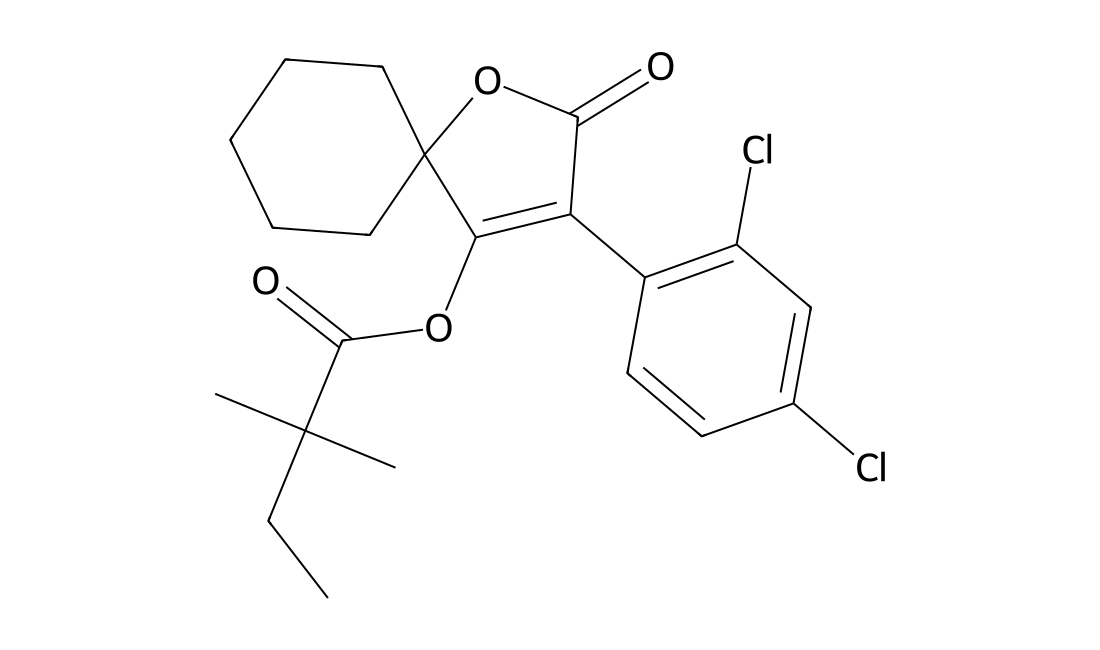
SpirodiclofenFeatured
Spirodiclofen is a broad spectrum acaricide acting via lipid biosynthesis inhibition (LBI) with no cross resistance to currently available acaricides and with additional insecticidal properties.
MY-5445Featured
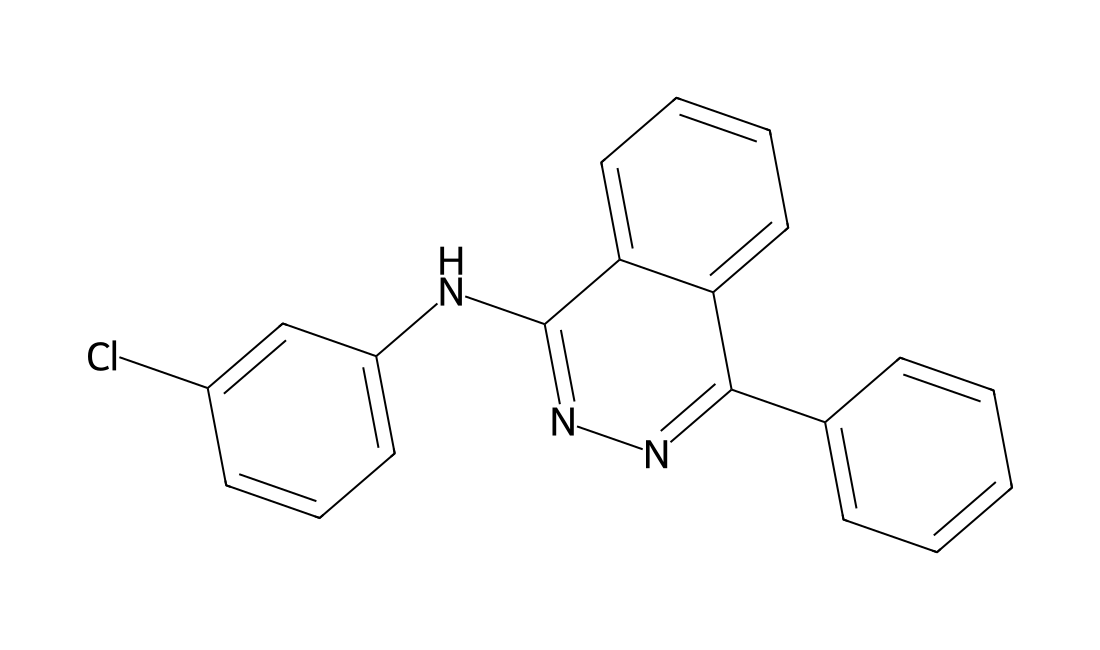
Specific inhibitor of cyclic GMP phosphodiesterase, selective For PDE5 (IC50 = 0.5 μM).For the detailed information of MY-5445, the solubility of MY-5445 in water, the solubility of MY-5445 in DMSO, the solubility of MY-5445 in PBS buffer, the animal experiment (test) of MY-5445, the cell expriment (test) of MY-5445, the in vivo, in vitro and clinical trial test of MY-5445, the EC50, IC50,and Affinity of MY-5445, Please contact DC Chemicals.
SMIP004Featured
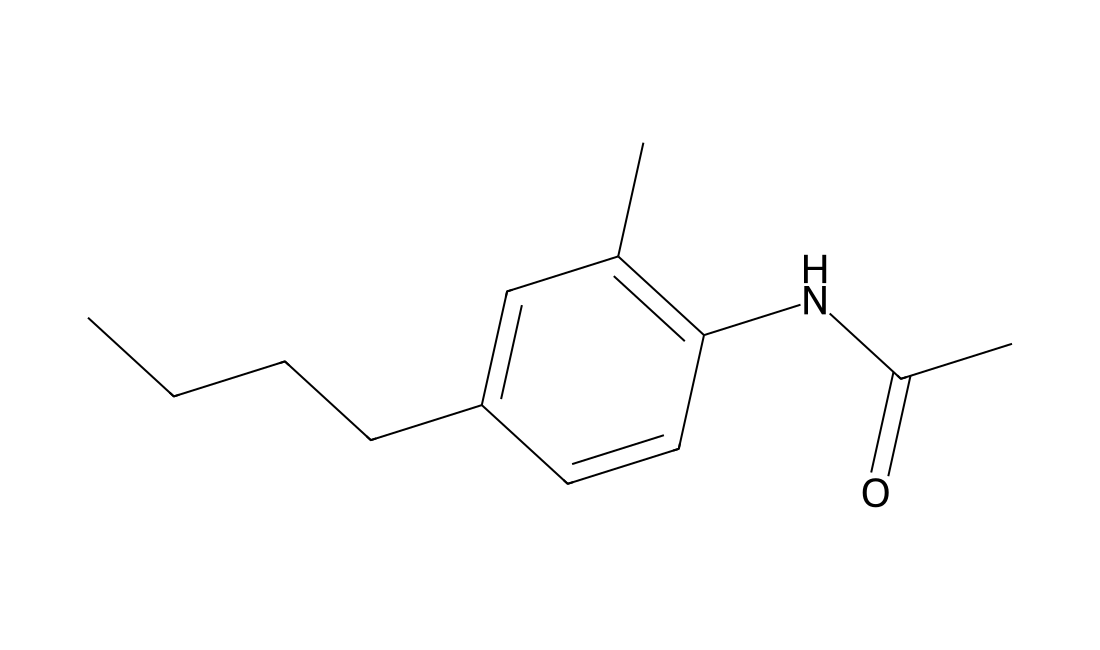
IC50 Value: 1.09 uM (MTT assay in LNCaP-S14 cells) SMIP004 (N-(4-butyl-2-methyl-phenyl) acetamide) is a novel inducer of cancer-cell selective apoptosis of human prostate cancer cells. Unlike SMIP001, SMIP004 was found to downregulate SKP2 and to stabilize p27, although neither SMIP is a proteasome inhibitor. in vitro: Whereas SMIP012 and 016 were moderately toxic in normal fibroblasts, SMIPs 001 and 004 showed substantial cancer cell specificity being at least five times more potent in LNCaP-S14 than in IMR90 cells, treatment with either MG132 or SMIP004 increased p27 half-life to > 6 h. Both SMIP001 and 004 led to a strong increase in the recruitment of p27 to CDK2, while SMIP001 also slightly increased coprecipitation of p21 (Figure 6c). SMIP004 also reduced the amounts of cyclins E and A retrieved with CDK2. This was paralleled by a marked downregulation of cyclins E and A upon SMIP004 treatment. SMIP004 decreased the levels of positive cell cycle regulators, upregulated cyclin-dependent kinase inhibitors, and resulted in G1 arrest, inhibition of colony Formation in soft agar, and cell death . in vivo: SMIP004 potently inhibits the growth of prostate and breast cancer xenografts in mice. Clinical trial: N/AFor the detailed information of SMIP004, the solubility of SMIP004 in water, the solubility of SMIP004 in DMSO, the solubility of SMIP004 in PBS buffer, the animal experiment (test) of SMIP004, the cell expriment (test) of SMIP004, the in vivo, in vitro and clinical trial test of SMIP004, the EC50, IC50,and Affinity of SMIP004, Please contact DC Chemicals.
SMER3(SMER 3)Featured
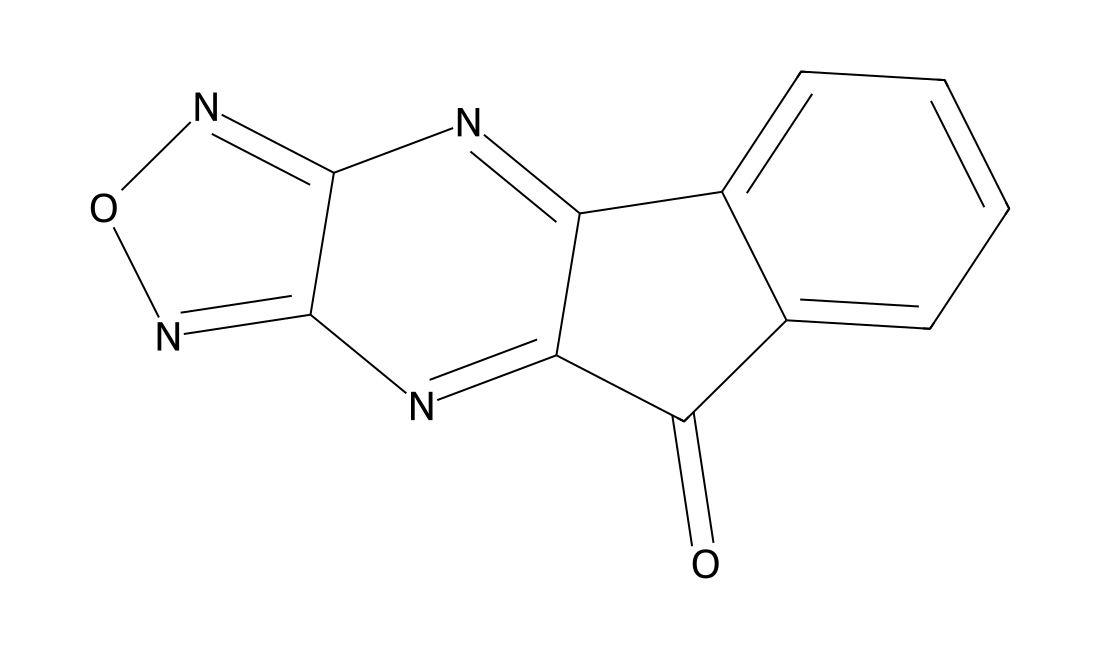
Inhibition of SCFMet30 by SMER3 blocks the ubiquitination of Met4 and activates the Met4-containing transcription complex. The induction of MET-genes results in cell cycle arrest and reduced cell proliferation.1For the detailed information of SMER3, the solubility of SMER3 in water, the solubility of SMER3 in DMSO, the solubility of SMER3 in PBS buffer, the animal experiment (test) of SMER3, the cell expriment (test) of SMER3, the in vivo, in vitro and clinical trial test of SMER3, the EC50, IC50,and affinity,of SMER3, Please contact DC Chemicals.
SirReal2Featured
SirReal2 is a potent and selective Sirt2 inhibitor with IC50 of 140 nM.
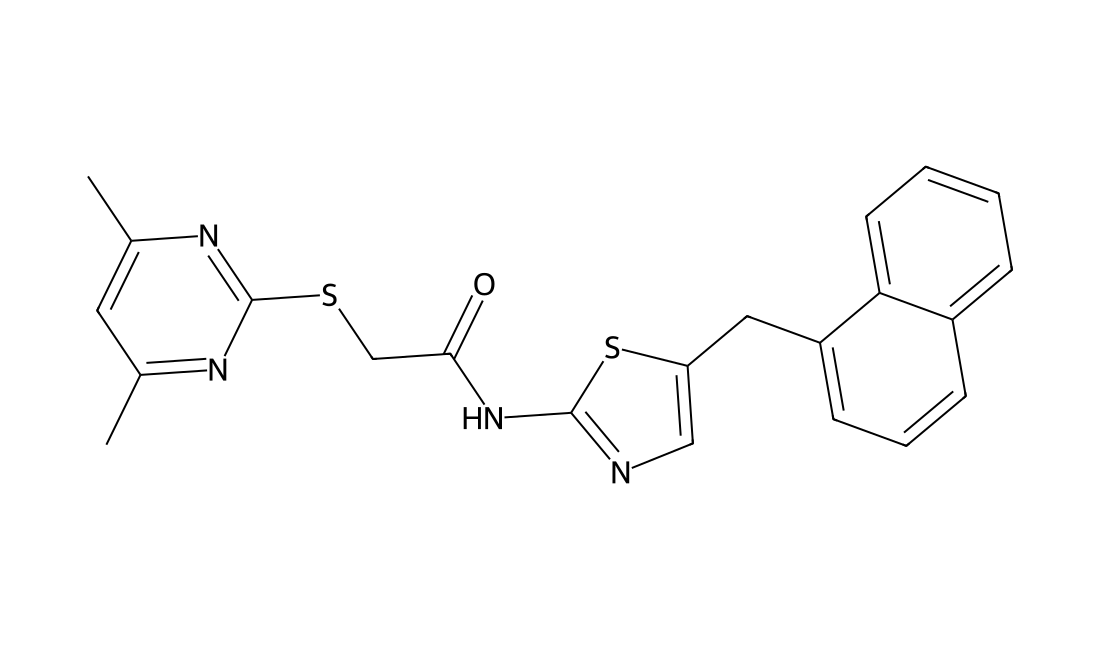
SetiptilineFeatured
Setiptiline is a tetracyclic antidepressant (TeCA) which acts as a noradrenergic and specific serotonergic antidepressant (NaSSA). Setiptiline acts as a norepinephrine reuptake inhibitor, α2-adrenergic receptor antagonist, and serotonin receptor antagonist, likely at the 5-HT2A, 5-HT2C, and/or 5-HT3 subtypes, as well as an H1 receptor inverse agonist/antihistamine. From Wikipedia.
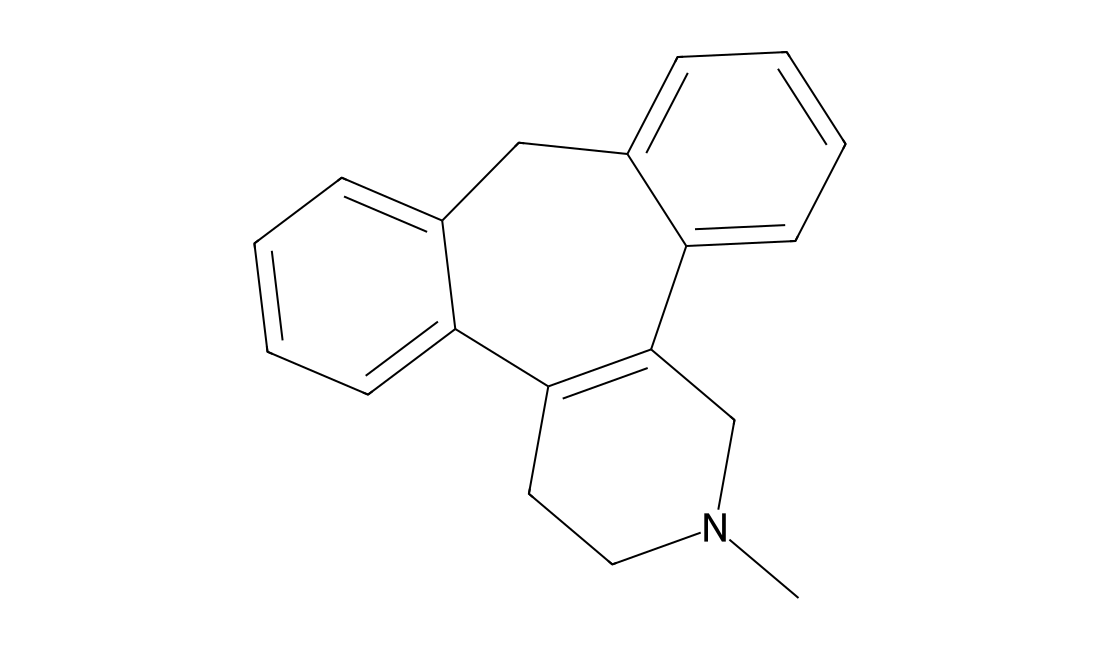
Setiptiline (maleate)Featured
Setiptiline is a serotonin receptor antagonist. Setiptiline is a tetracyclic antidepressant (TeCA) which acts as a noradrenergic and specific serotonergic antidepressant (NaSSA). Setiptiline acts as a norepinephrine reuptake inhibitor, α2-adrenergic receptor antagonist, and serotonin receptor antagonist, likely at the 5-HT2A, 5-HT2C, and/or 5-HT3 subtypes, as well as an H1 receptor inverse agonist/antihistamine. From Wikipedia.
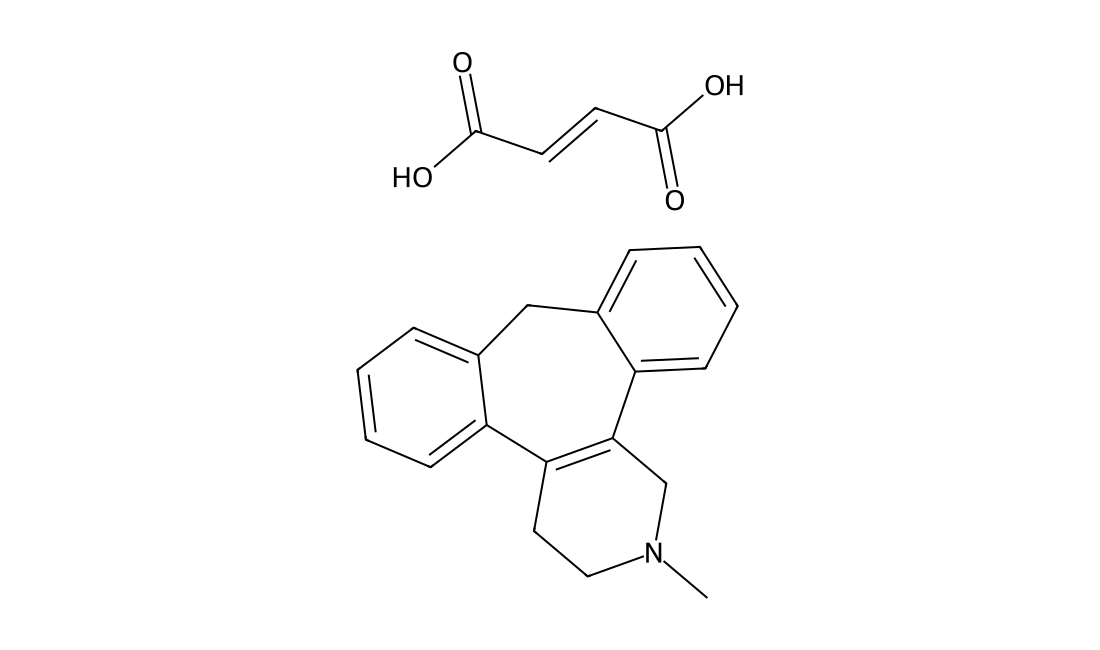
SeratrodastFeatured
Seratrodast(AA 2414) is a potent and selective thromboxane A2 receptor (TP) antagonist. Seratrodast, also known as AA-2414, is a potent and selective antagonist of the TXA2R (thromboxane A2 receptor). AA-2414 reduced the induction of pulmonary inflation caused by LTD4 aerosol inhalation. AA-2414 competitively inhibited the contractile response to U-46619 in guinea pig tracheal and parenchymal strips and dog saphenous vein strips with pA2 values of 7.69, 8.29 and 6.79, respectively. AA-2414, a quinone derivative, is a novel, potent and orally active antagonist of a variety of spasmogenic prostanoids. AA-2414 inhibited peroxide-induced vasoconstriction in the human placenta, as well as peroxide- induced increases in the placental secretion rates of lipid peroxides and thromboxane, but only partially inhibited peroxide-induced increases in the placental secretion rate of prostacyclin.
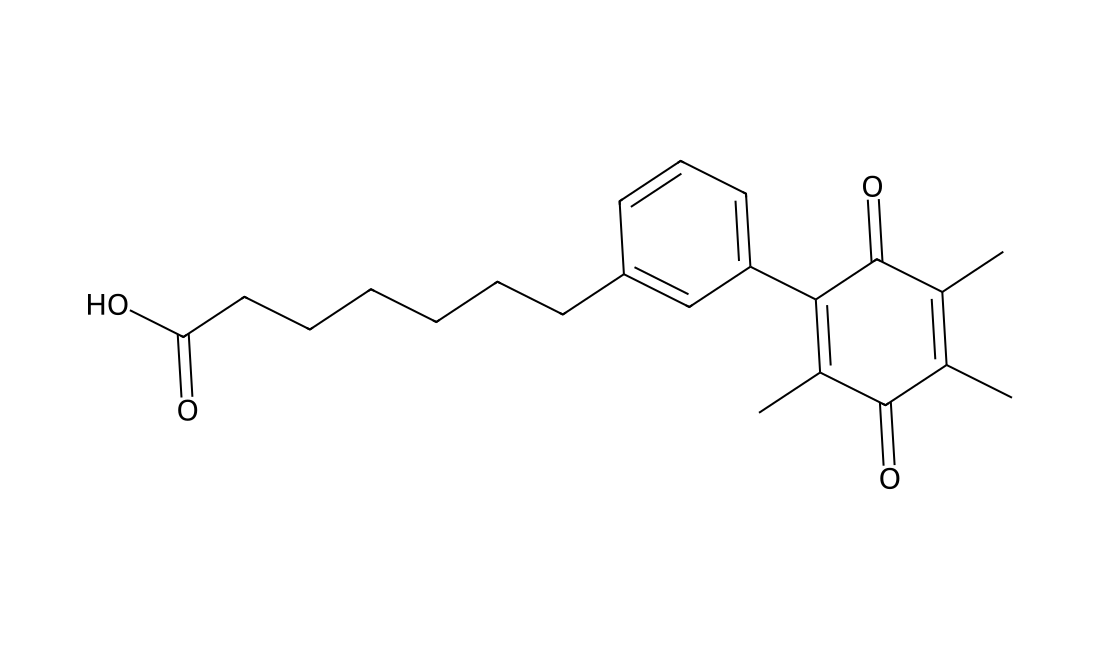
Senexin AFeatured
In vitro: p21 is shown to activate NF-κB–dependent transcription, and Senexin A inhibits p21-stimulated activity of the consensus NF-κB–dependent promoter. Senexin A has no effect on p21 induction by IPTG, on cell growth with or without p21, or on p21-induced senescent phenotype. Senexin A does not affect the inhibition of gene expression by p21 and does not interfere with p21-mediated inhibition of large sets of genes belonging to Gene Ontology (GO) categories of mitosis and DNA replication. Senexin A inhibits only p21-induced transcription but not other biological effects of p21. Senexin A inhibits CDK8 and CDK19 ATP site binding with Kd50 of 0.83 μM and 0.31 μM, respectively and CDK8 kinase activity with IC50 of 0.28 μM. Senexin A inhibits β-catenin–dependent transcription in HCT116 colon carcinoma cells. It does not inhibit ROCK and did not share cortistatin A's strong antiendothelial cell activity. In vivo: The CDK8/19 inhibitor Senexin A reverses chemotherapy-induced paracrine tumor-promoting activities in vivo and does not inhibit reporter cell growth and showed no detectable toxicity in a mouse study.
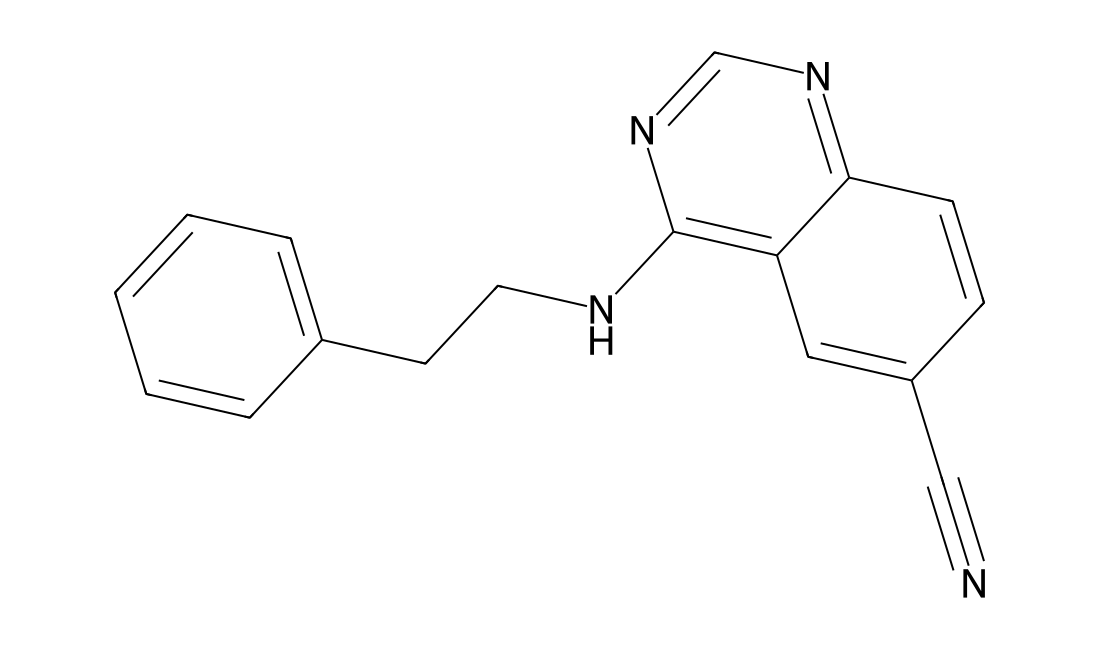
SecinH3Featured
In HepG2 cells, SecinH3 inhibits insulin signaling and associated gene expression. SecinH3 also markedly inhibits migration of preadipocyte 3T3-L1 cells. In the A549 cells, SecinH3 results in reduced proliferation by indirectly attenuating EGFR activation, and causes a synergistic antiproliferative effect when used in combination with gefitinib. In mice, SecinH3 increases the expression of gluconeogenic genes, reduces the expression of glycolytic, fatty acid and ketone body metabolism genes in the liver, reduces liver glycogen stores, and increases plasma insulin. In mice bearing H460 xenografts, SecinH3 significantly retards tumor growth through its antiproliferative and pro-apoptotic effect. For the detailed information of SecinH3, the solubility of SecinH3 in water, the solubility of SecinH3 in DMSO, the solubility of SecinH3 in PBS buffer, the animal experiment (test) of SecinH3, the cell expriment (test) of SecinH3, the in vivo, in vitro and clinical trial test of SecinH3, the EC50, IC50,and affinity,of SecinH3, For the detailed information of SecinH3, the solubility of SecinH3 in water, the solubility of SecinH3 in DMSO, the solubility of SecinH3 in PBS buffer, the animal experiment (test) of SecinH3, the cell expriment (test) of SecinH3, the in vivo, in vitro and clinical trial test of SecinH3, the EC50, IC50,and affinity,of SecinH3, Please contact DC Chemicals.
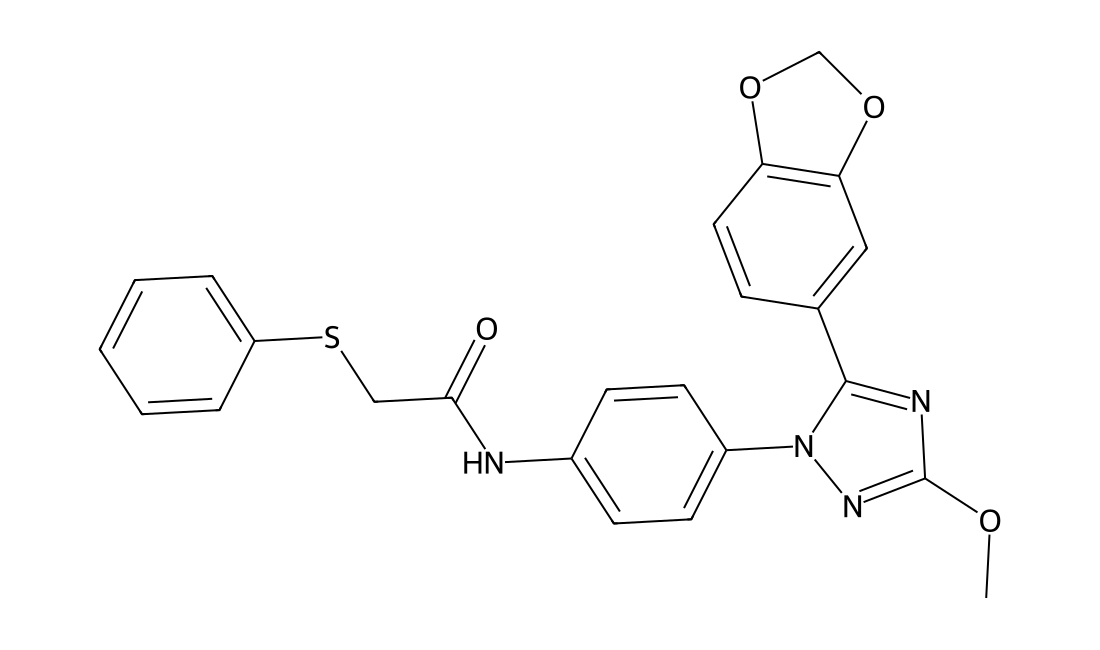
SclerotigeninFeatured
Sclerotigenin is a natural diazepine originally isolated from P. sclerotigenum that acts as an insect growth regulator.1 It reduces the growth rate of first instar H. zea larvae by 42% relative to controls when administered in the standard test diet at 200 ppm.
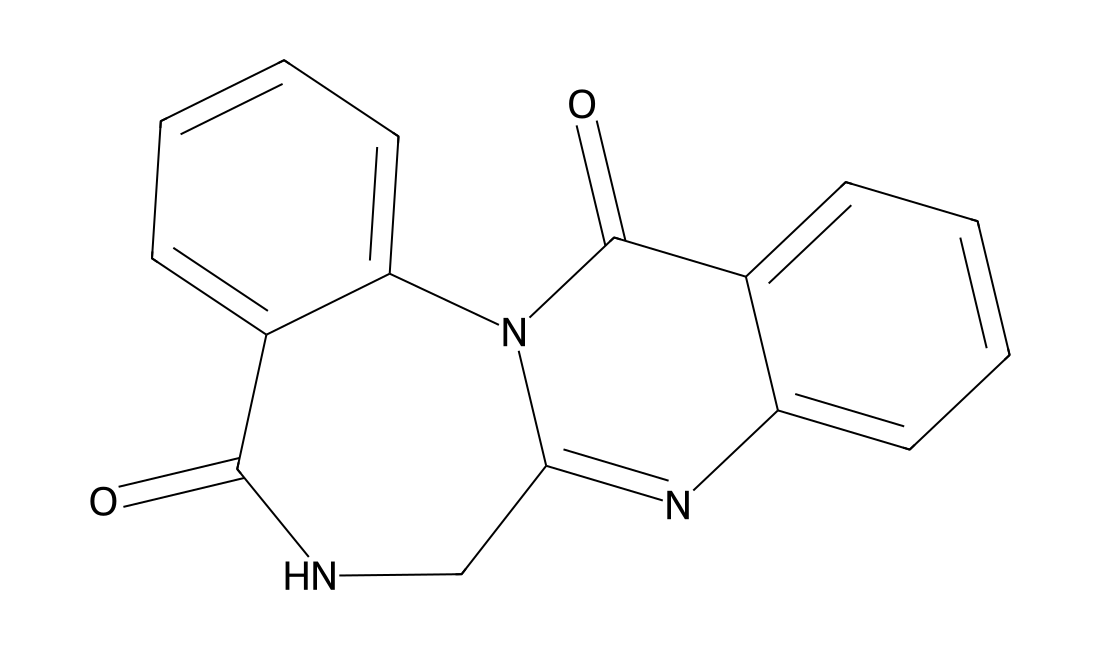
SA 47Featured
SA 47 is a selective and potent inhibitor of fatty acid amide hydrolase (FAAH) and carbamate.
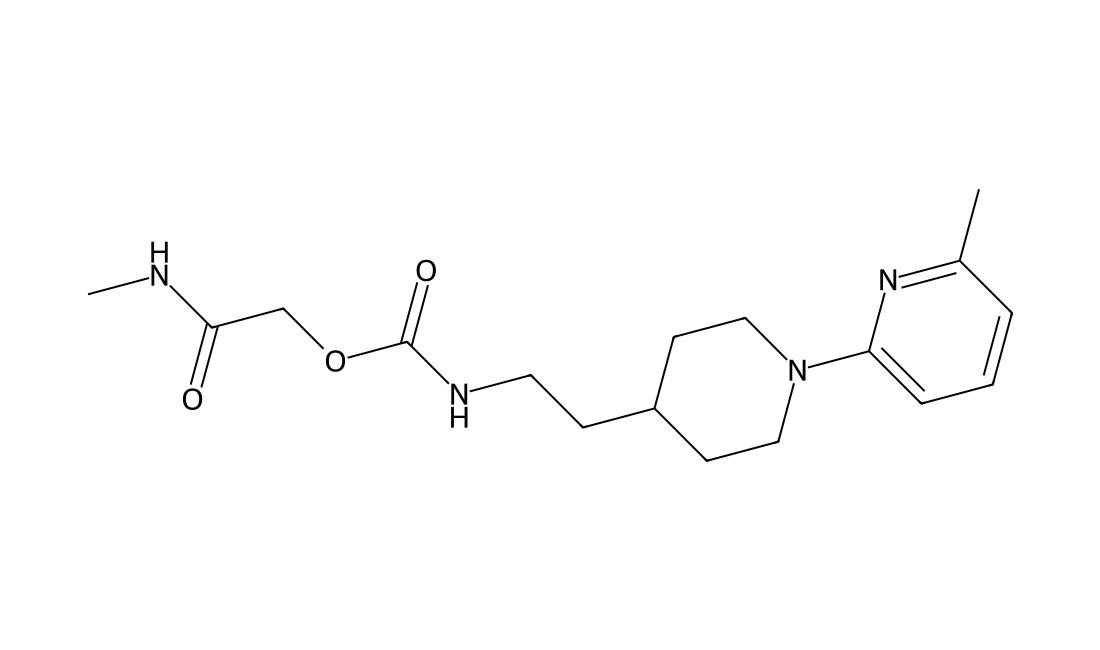
S1p receptor agonist 1Featured
S1p receptor agonist 1 is an S1P receptor agonist extracted from patent WO 2015039587 A1, compound example 2.
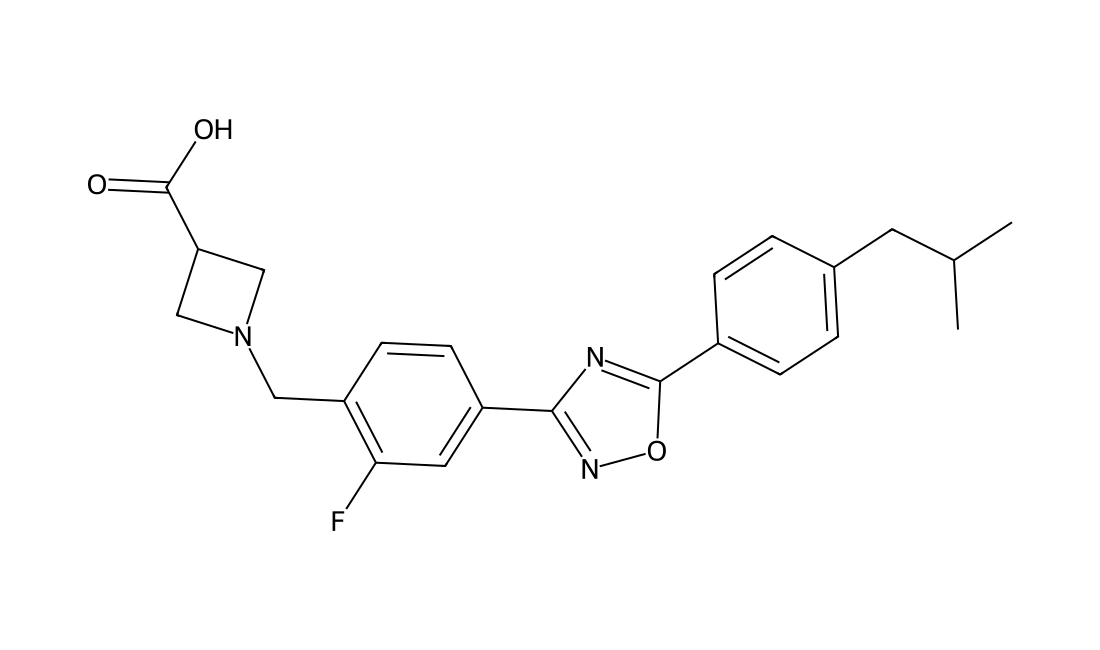
RSV-IN-1Featured
In Vitro The concentration of P13 that reduces the number of RSV plaques in HEp-2 cells by 50% (IC50) is 0.11 μM. The concentration of P13 that reduces the viability of HEp-2 by 50% (CC50) is 310 μM. Note that some cytotoxicity of P13 observed at 500 μM might be due to DMSO solvent. Hence, the selective index (CC50/IC50) values is 2818 for P13. Note that even at the relatively high concentrations P13 does not completely block the development of RSV plaques. These escape plaques are of smaller size and of non-syncytial phenotype as compared to plaques formed in the absence of inhibitor.
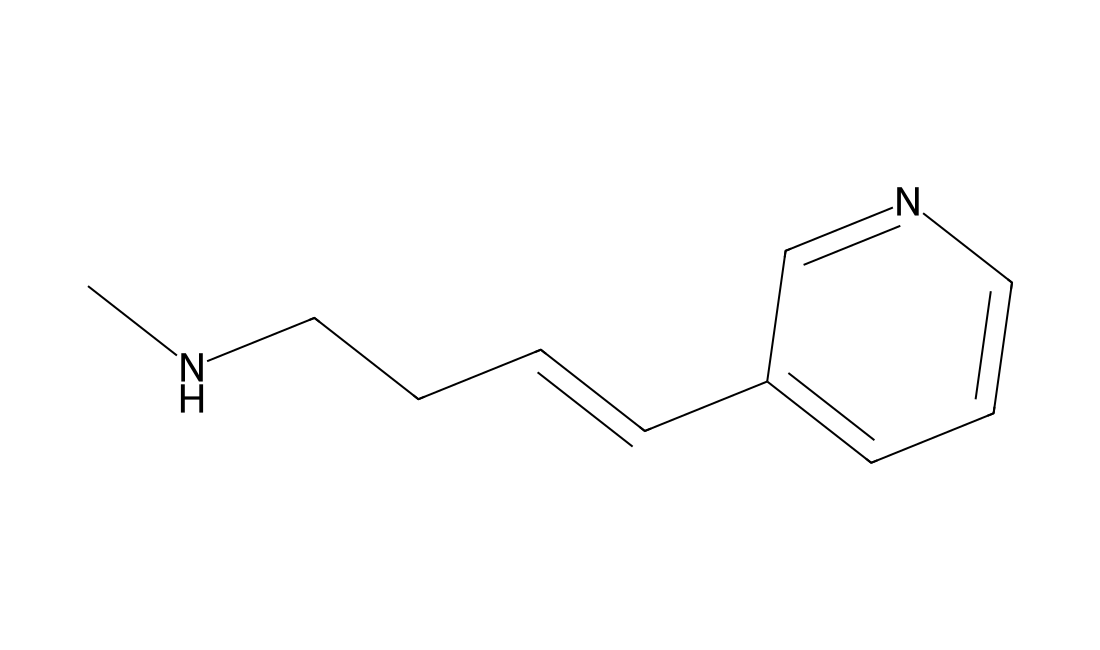
RJR-2403Featured
RJR-2403 (Rivanicline, Metanicotine) is a potent, selective neuronal nicotinic ACh (nAChR) agonist with high affinity to rat brain cortex (Ki=26 nM), does not significantly activate muscle type nAChRs or muscarinic receptors; RJR-2403 is comparable to nicotine in activating rat thalamic synaptosomes with EC50 of 732 nM; significantly improves passive avoidance retention after scopolamine-induced amnesia and enhanced both working and reference memory in rats, also demonstrates greatly reduced cardiovascular effects; exerts its antinociceptive effect via nicotinic rather than either opioid or muscarinic mechanisms.
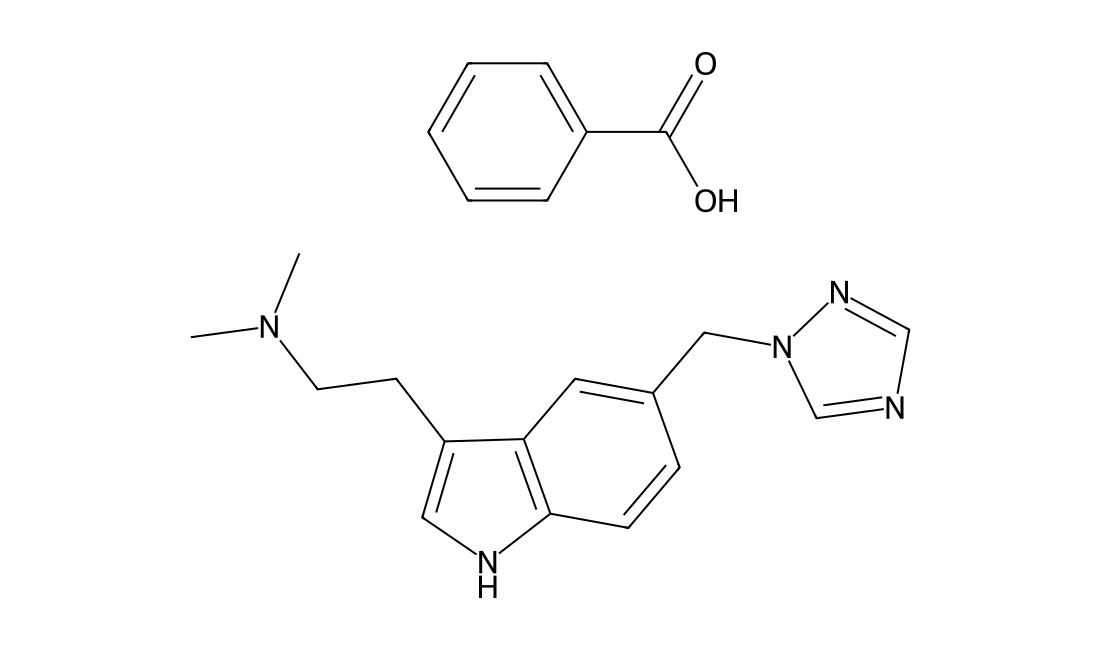
Rizatriptan BenzoateFeatured
For the detailed information of Rizatriptan Benzoate, the solubility of Rizatriptan Benzoate in water, the solubility of Rizatriptan Benzoate in DMSO, the solubility of Rizatriptan Benzoate in PBS buffer, the animal experiment(test) (test) of Rizatriptan Benzoate, the cell expriment (test) of Rizatriptan Benzoate, the in vivo, in vitro and clinical trial test of Rizatriptan Benzoate, the EC50, IC50,and Affinity of Rizatriptan Benzoate,, please contact DC Chemicals.
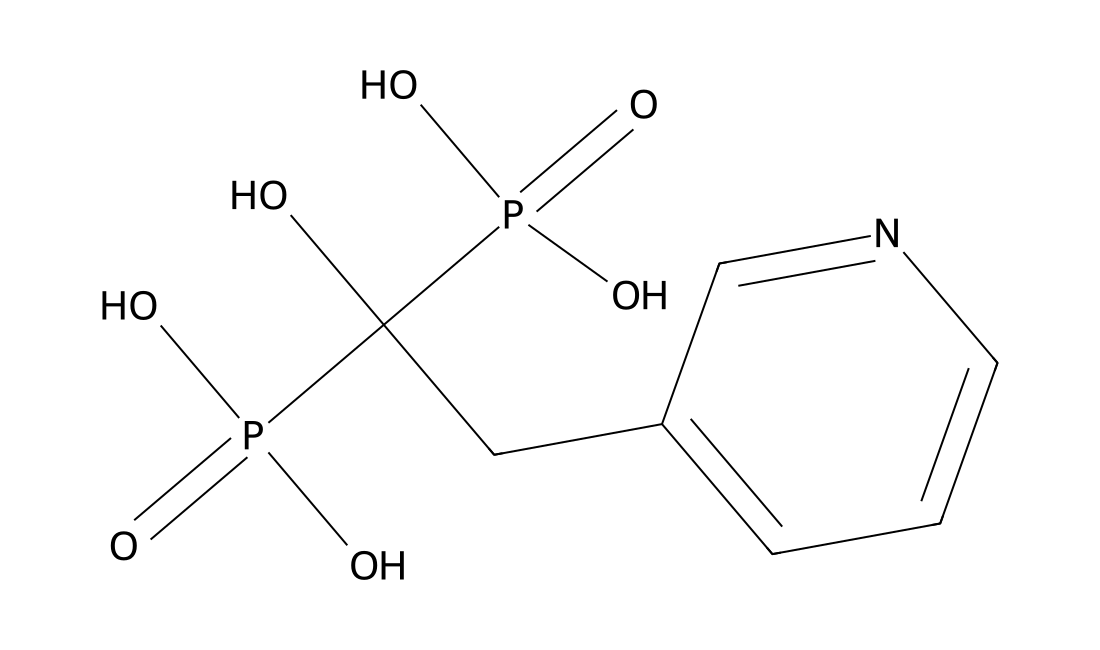
Risedronic acid (Actonel)Featured
For the detailed information of Risedronic acid (Actonel), the solubility of Risedronic acid (Actonel) in water, the solubility of Risedronic acid (Actonel) in DMSO, the solubility of Risedronic acid (Actonel) in PBS buffer, the animal experiment(test) (test) of Risedronic acid (Actonel), the cell expriment (test) of Risedronic acid (Actonel), the in vivo, in vitro and clinical trial test of Risedronic acid (Actonel), the EC50, IC50,and Affinity of Risedronic acid (Actonel),, please contact DC Chemicals.
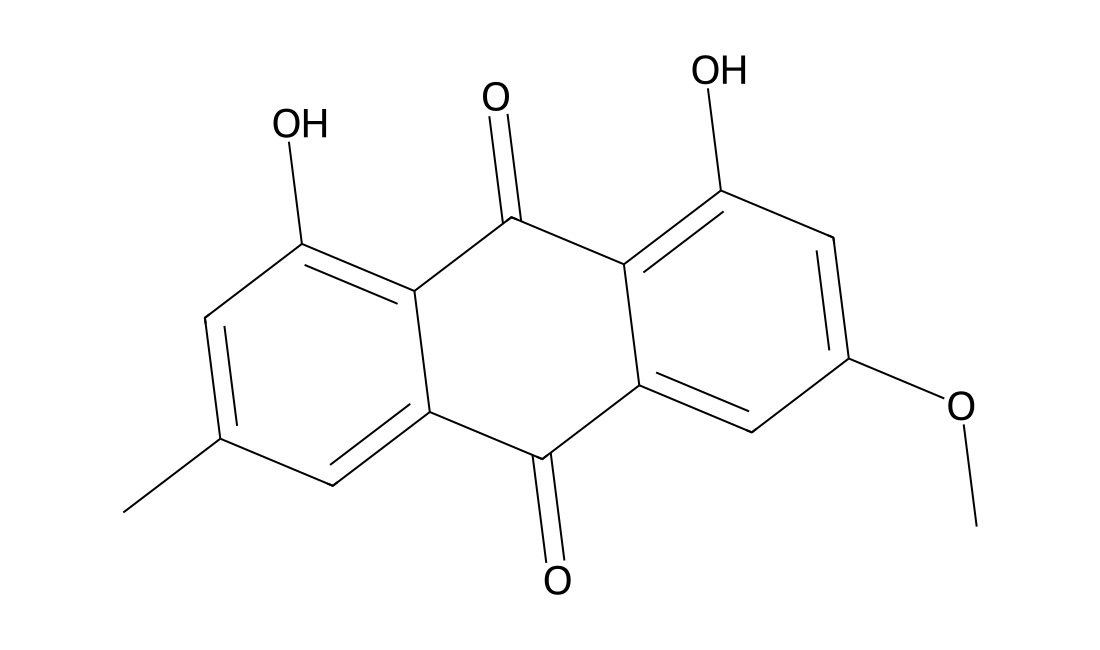
Rheochrysidin (Physcione)Featured
For the detailed information of Rheochrysidin (Physcione), the solubility of Rheochrysidin (Physcione) in water, the solubility of Rheochrysidin (Physcione) in DMSO, the solubility of Rheochrysidin (Physcione) in PBS buffer, the animal experiment(test) (test) of Rheochrysidin (Physcione), the cell expriment (test) of Rheochrysidin (Physcione), the in vivo, in vitro and clinical trial test of Rheochrysidin (Physcione), the EC50, IC50,and Affinity of Rheochrysidin (Physcione),, please contact DC Chemicals.
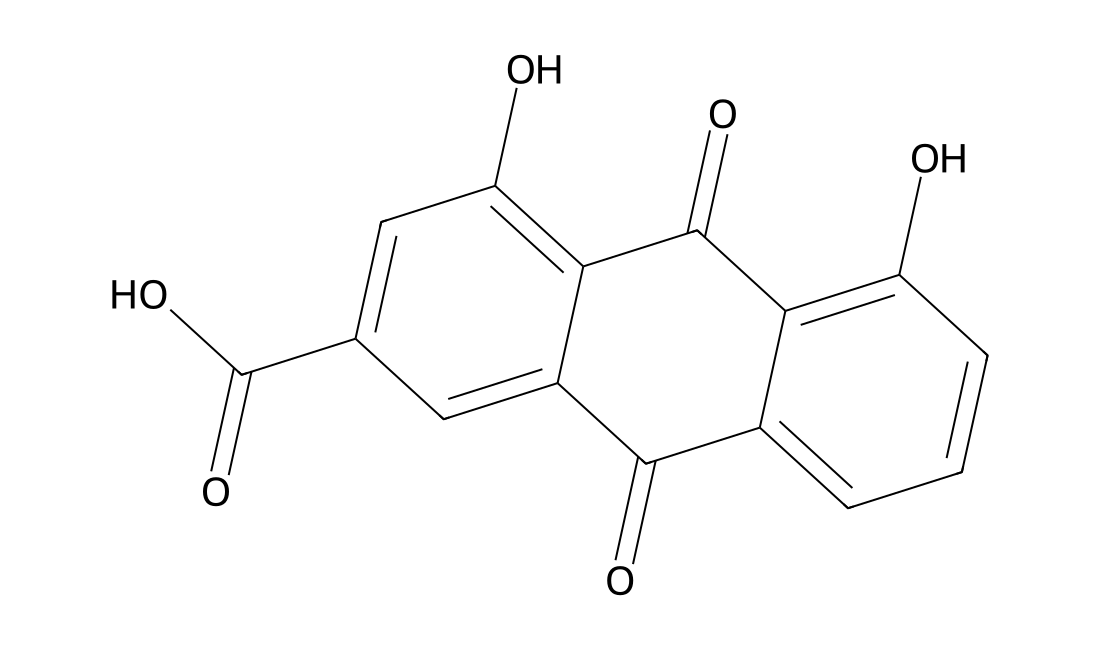
Rhein(Monorhein)Featured
For the detailed information of Rhein(Monorhein), the solubility of Rhein(Monorhein) in water, the solubility of Rhein(Monorhein) in DMSO, the solubility of Rhein(Monorhein) in PBS buffer, the animal experiment(test) (test) of Rhein(Monorhein), the cell expriment (test) of Rhein(Monorhein), the in vivo, in vitro and clinical trial test of Rhein(Monorhein), the EC50, IC50,and Affinity of Rhein(Monorhein),, please contact DC Chemicals.
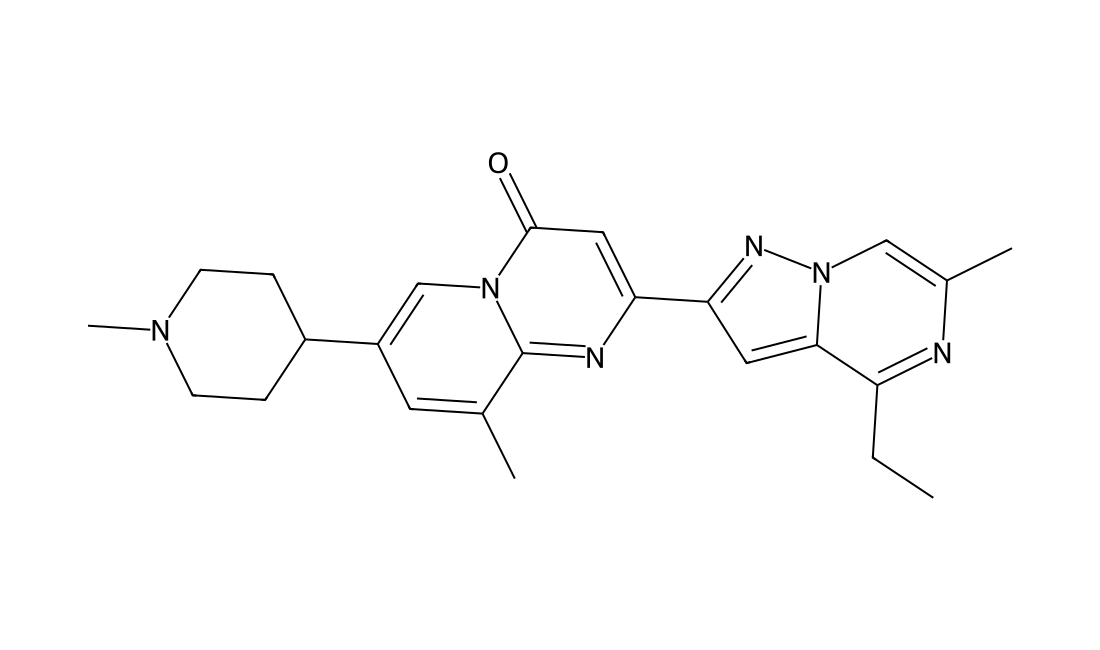
RG7800Featured
RG7800 increases the SMN protein level via induction of alternative splicing of the SMN2 mRNA. RG7800 is shown to promote the inclusion of exon 7 in SMN2 mRNA, generating full-length mRNA in vitro using fibroblasts from an SMA type I patient.RG7800 shows favorable drug metabolism and pharmacokinetic profile in the rat and in cynomolgus monkey with good oral bioavailability. In SMA mouse model, treatment of RG7800 shows a clear dose dependent increase in SMN protein levels. Mice treated with RG7800 demonstrate a dose dependent increase in survival beginning at the low dose (0.3/1 mg/kg). In the middle and high dose groups (1/3 and 3/10 mg/kg, respectively), approximately 80−90% survive beyond PND50/PND60 with profound body weight gain when the study is terminated. RG7800 dose-dependently corrects SMN2 splicing by including exon 7 to create FL mRNA, suggesting that RG7800 corrects alternative splicing of the human SMN2 gene in the brain of transgenic SMA model mice, leading to an increase of the SMN protein in the brain.
No products match this search.
Page 295 of 309 · Browse all 6177 products
Jump to a product page
Featured literature product: HX1 · DCL0028
HX1 is a hydroxyzine-derived ionizable lipid with acetal-containing tails, studied in lipid nanoparticles for brain mRNA delivery and CRISPR–Cas9 delivery. It was the lead in the reported in vivo brain-delivery screen; evidence is preclinical and formulation-dependent.
Read full formulation and performance →