
Research lipid catalog
Ionizable Lipid Products
Explore 848 lipid and RNA delivery products. Search the full catalog or browse by research category.
Search covers product name, catalog number, synonyms, available CAS numbers and categories. Spaces, hyphens and common punctuation are ignored. Duplicate legacy records are consolidated under one canonical product result.
6177 products · Showing 5721–5740 · 20 per page
DC Chemicals lipid expertise
Built for ionizable-lipid discovery and RNA delivery research
DC Chemicals supports formulation and delivery research with a broad, searchable portfolio of cationic and ionizable lipids. The current directory brings together 848 unique research-use products, with product specifications, pricing, chemical structures and literature-linked formulation data added as each record is verified.
Our experience spans complex lipid synthesis, purification, analytical release and process development. For custom molecules or larger-scale requirements, our team can discuss route development, technical specifications and scale-up options for the intended research workflow.
Learn about cationic and ionizable lipids →Proprietary innovation · Co-development · GMP
From proprietary lipid design to GMP-grade custom synthesis
DC Chemicals has independently developed ionizable-lipid structures supported by company-owned intellectual property, and selected proprietary lipid programs have advanced to GMP-stage development.
We welcome joint development with customers—from molecular design and lipid synthesis through route and process development. We can also support custom synthesis of GMP-grade ionizable lipids to agreed technical specifications and quality requirements.
Discuss a co-development project →Proprietary ionizable-lipid structuresCollaborative molecular designCustom lipid synthesisProcess development and scale-upGMP-grade project support
Product quick links
Explore New ionizable lipids
Explore our five most recently added ionizable lipids, with specifications, pricing and literature-linked product information.
DCL0028HX1Brain RNA delivery researchView product →DCL0024A1I4R13C18-2Spleen-targeted RNA delivery researchView product →DCL0023A1I4R2C18-2Spleen-targeted RNA delivery researchView product →DCL0022FS01Local joint RNA delivery researchView product →DCL0020Lipid-392Lung RNA delivery and gene editing researchView product →
Cat. No.Product NameField of ApplicationChemical Structure
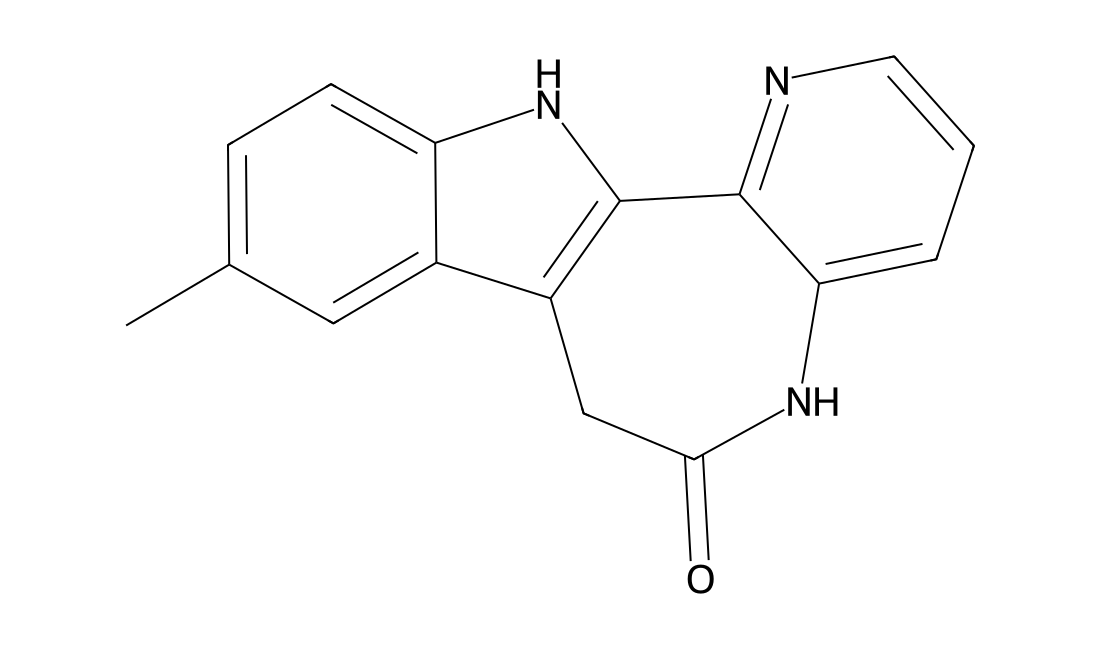
1-AzakenpaulloneFeatured
1-Azakenpaullone (1-Akp) is a highly selective and ATP-competitive inhibitor of glycogen synthase kinase-3 β (GSK-3β), with an IC50 value of 18 nM[1].
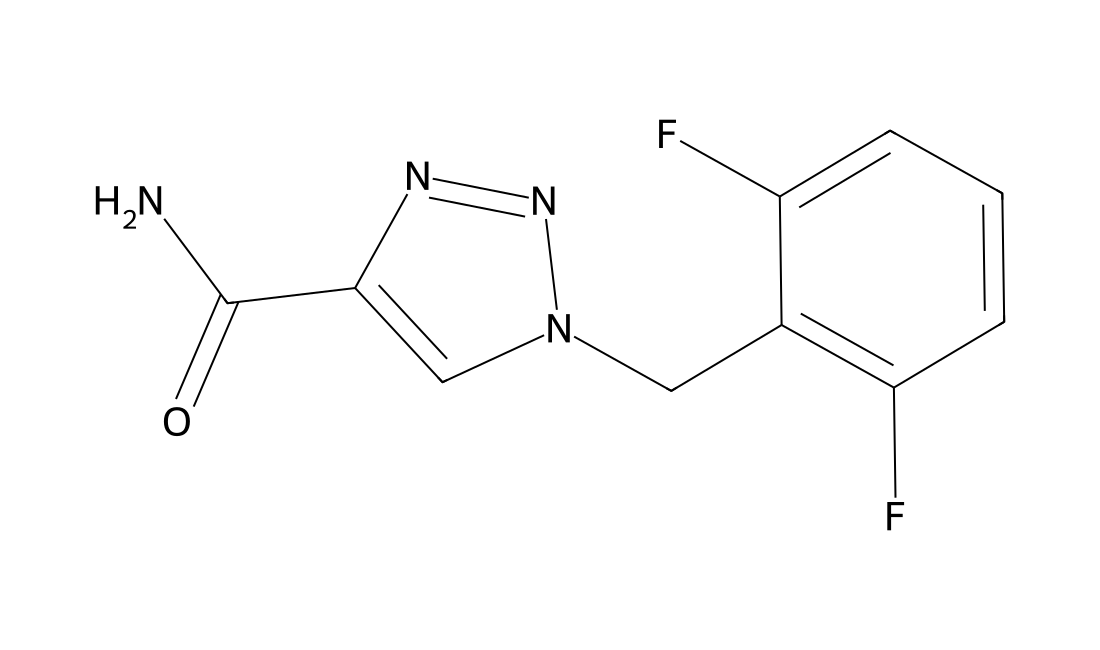
RufinamideFeatured
Rufinamide(E 2080; CGP 33101; RUF 331) is a new antiepileptic agent that differs structurally from other antiepileptic drugs and is approved as adjunctive therapy for Lennox-Gastaut syndrome (LGS).
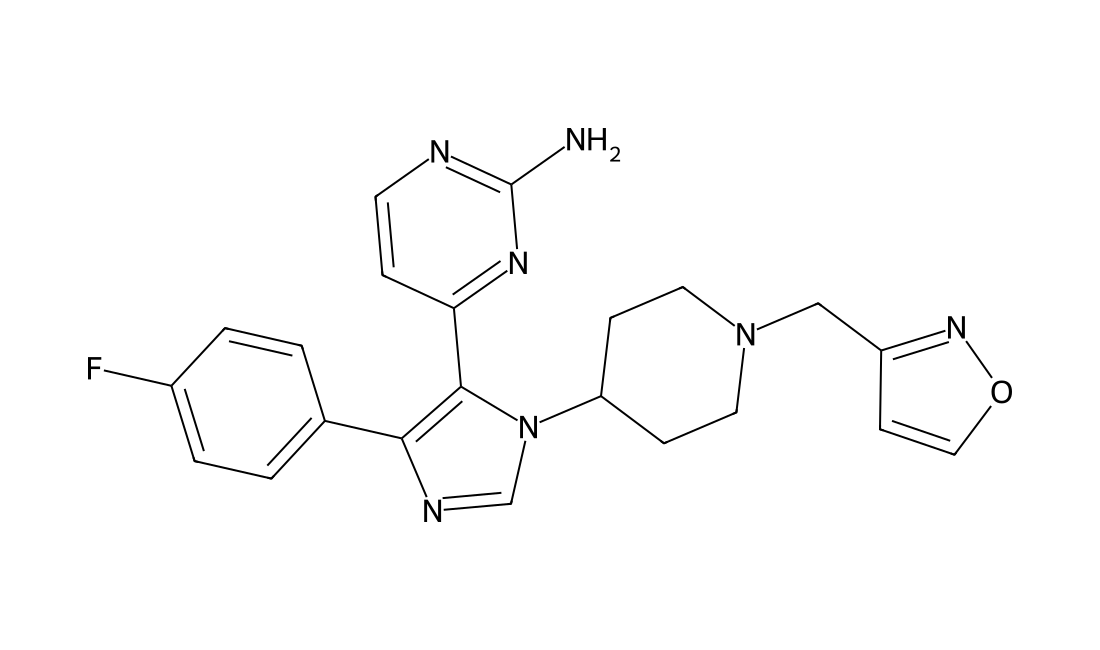
PF-5006739Featured
PF-5006739 is a potent and selective inhibitor of CK1δ/ε with IC50s of 3.9 nM and 17.0 nM, respectively. PF-5006739 is a potential therapeutic agent for a range of psychiatric disorders with low nanomolar in vitro potency for CK1δ/ε and high kinome selectivity. PF-5006739 attenuats opioid drug-seeking behavior in a rodent operant reinstatement model in animals in a dose-dependent manner[1]. PF-5006739 improves glucose tolerance in both diet-induced obesity (DIO) and genetic (ob/ob) mice models of obesity[2].
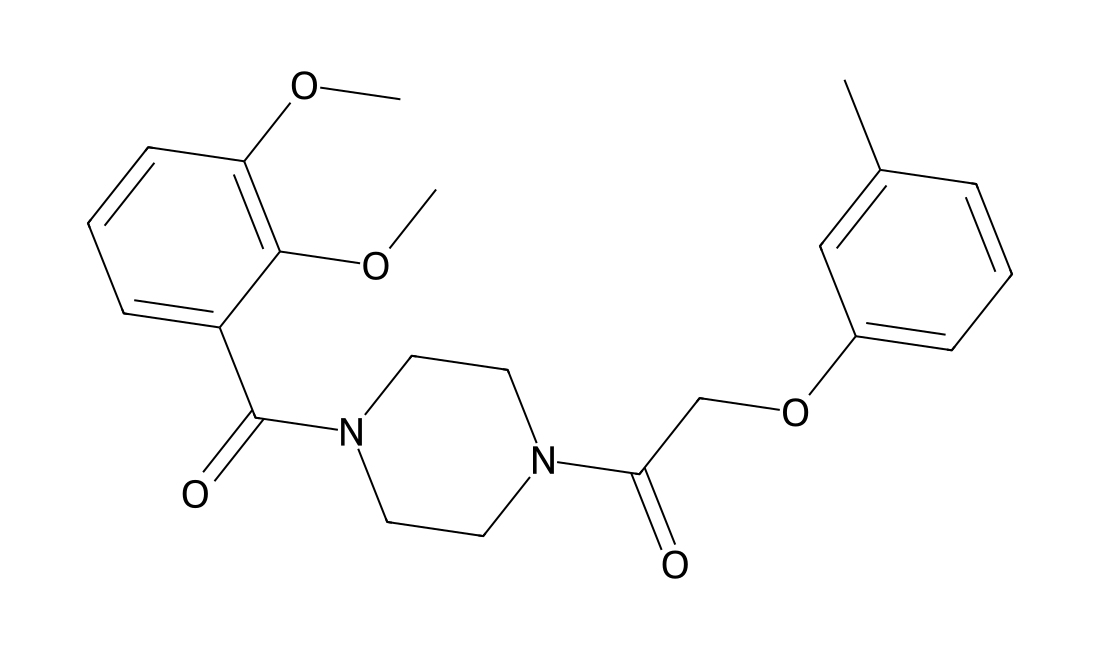
MS37452Featured
MS37452 is a potent inhibitor of CBX7 chromodomain binding to H3K27me3, with a Kd of 27.7 μM. MS37452 can derepress transcription of polycomb repressive complex target gene p16/CDKN2A by displacing CBX7 binding to the INK4A/ARF locus in prostate cancer cells[1].
LY311727Featured
LY-311727 is a potent secretory non-pancreatic phospholipase A2 (sPLA2) inhibitor (IC50 <1 μM for group IIA sPLA2). sPLA2 is an important proinflammatory enzyme[1][2].
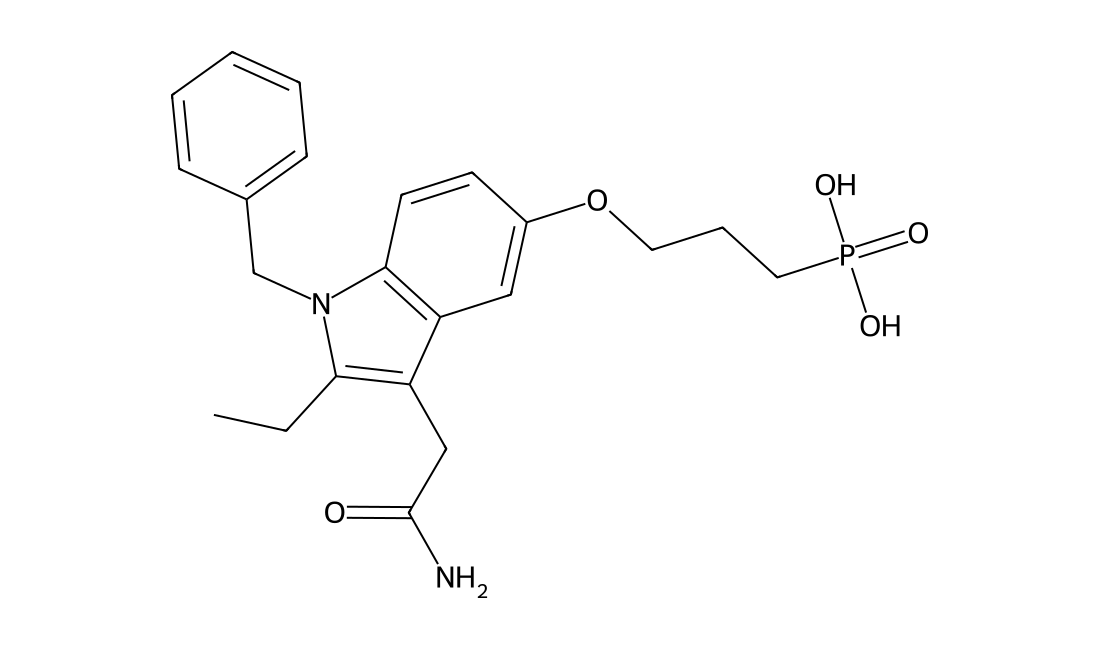
BetahistineFeatured
Betahistine is an orally active histamine H1 receptor agonist and a H3 receptor antagonist[1]. Betahistine is used for the study of rheumatoid arthritis (RA)[3].
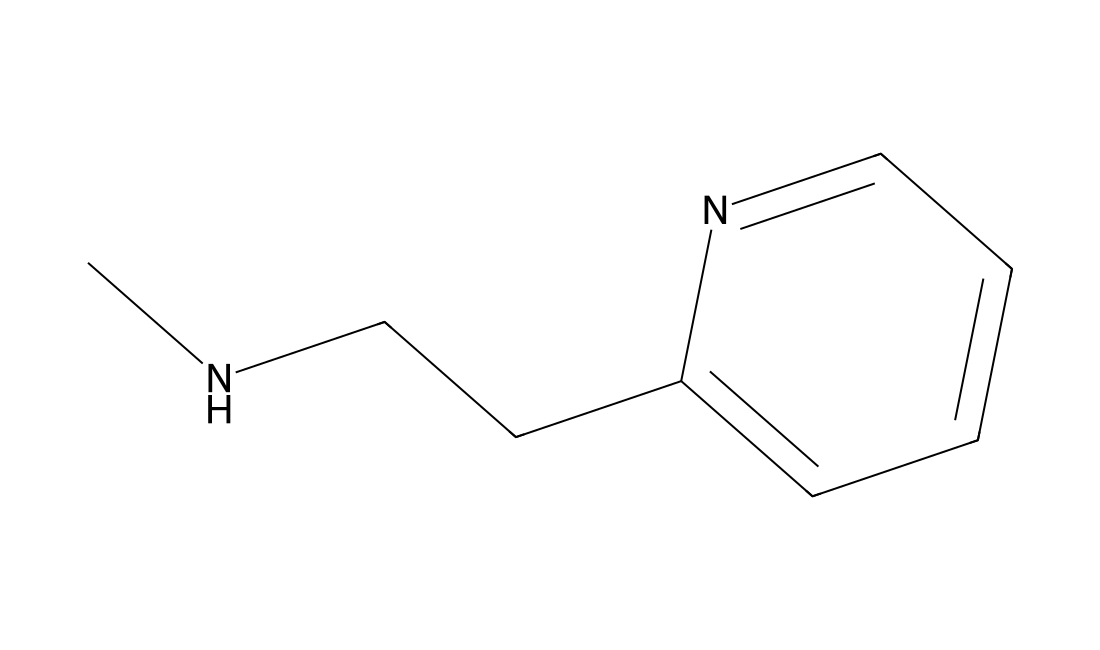
TG003Featured
TG003 is a potent and ATP-competitive Cdc2-like kinase (Clk) inhibitor with IC50 of 20 nM, 200 nM, and 15 nM for Clk1, Clk2, and Clk4, respectively. No inhibitory effect on Clk3, SRPK1, SRPK2, or PKC.
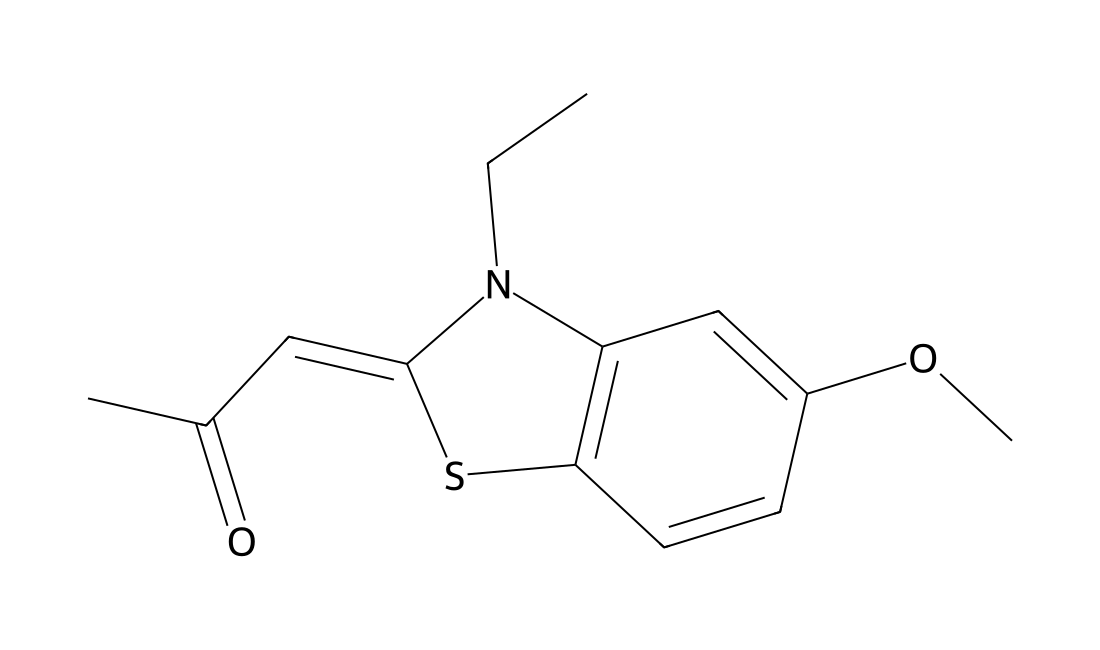
Tegaserod (maleate)Featured
Tegaserod maleate is a partial agonist of the 5-HT4 receptor; stimulates the peristaltic reflex and accelerates gastrointestinal transit. In an in vivo model for peripheral nerve regeneration, mice receiving tegaserod at the site of injury showed enhanced recovery compared to control mice receiving vehicle control as evidenced by functional measurements and histology [1]. Treatment with fluoxetine (10 mg · kg(-1) · day(-1), days 36-42), tegaserod (1 mg · kg(-1) · day(-1), day 43), or the combination of both, reduced visceral hypersensitivity and plasma 5-HT levels [2]. Intravenous or intraduodenal tegaserod (0.3-1.0 mg.kg(-1)) had no inhibitory effect on mesenteric and colonic blood flow. Peroral treatment of rats with alosetron or tegaserod for 7 days did not modify mesenteric haemodynamics at baseline and after blockade of nitric oxide synthesis [3].
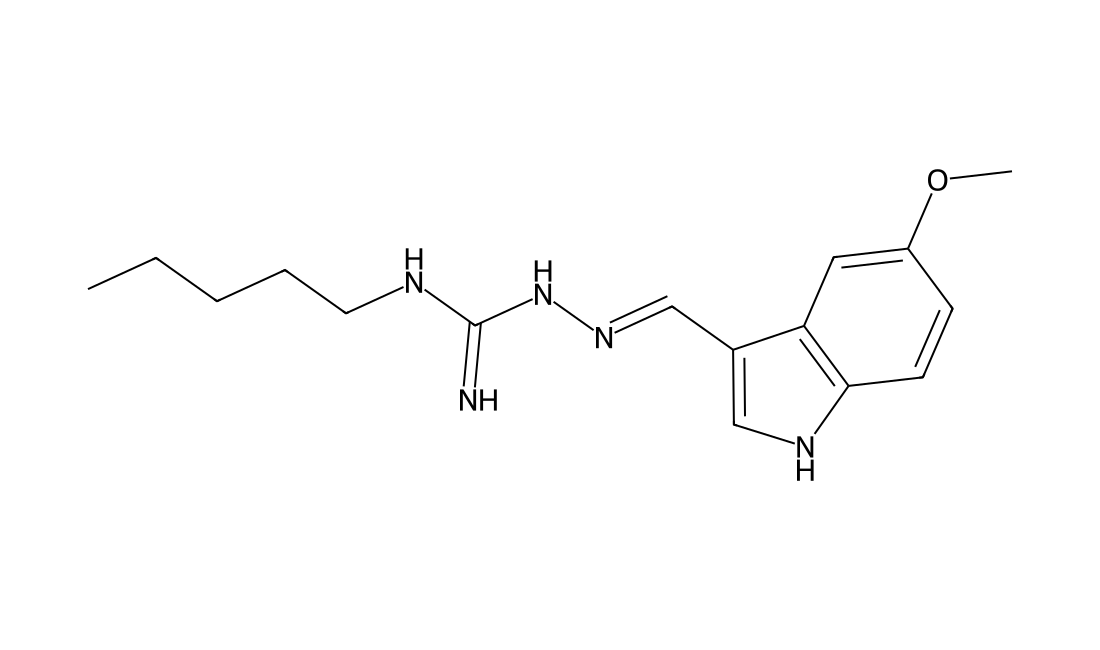
CHR-6494Featured
CHR-6494 is a potent inhibitor of haspin, inhibiting histone H3T3 phosphorylation, with an IC50 of 2 nM.
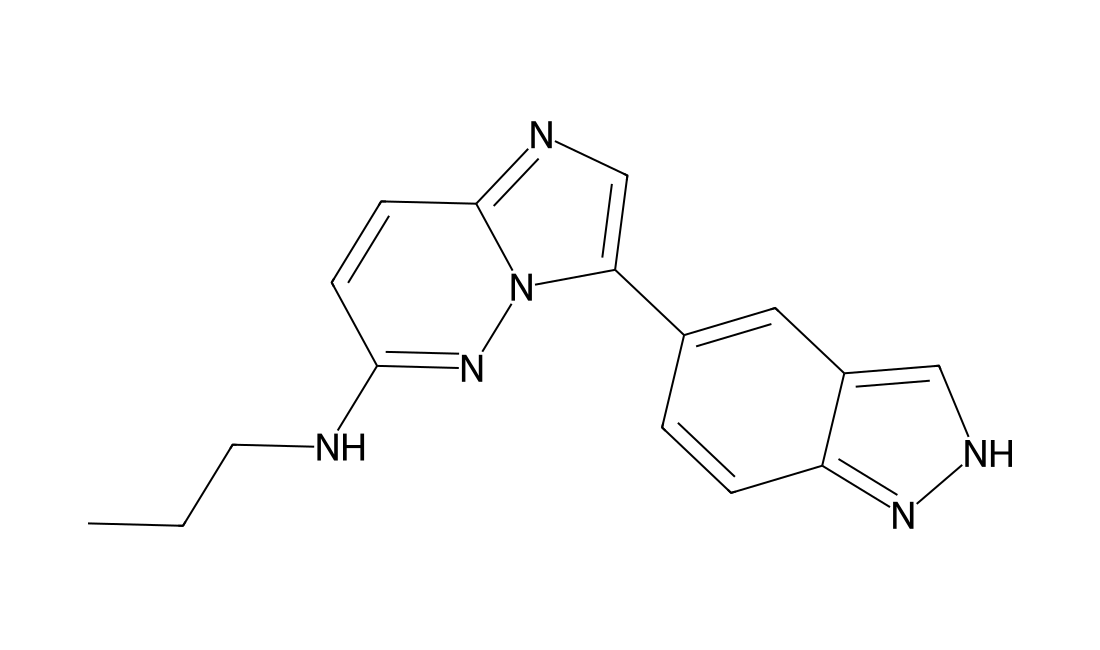
CinnarizineFeatured
Cinnarizine is an antihistamine and a calcium channel blocker, promote cerebral blood flow, used to treat cerebral apoplexy, post-trauma cerebral symptoms, and cerebral arteriosclerosis.
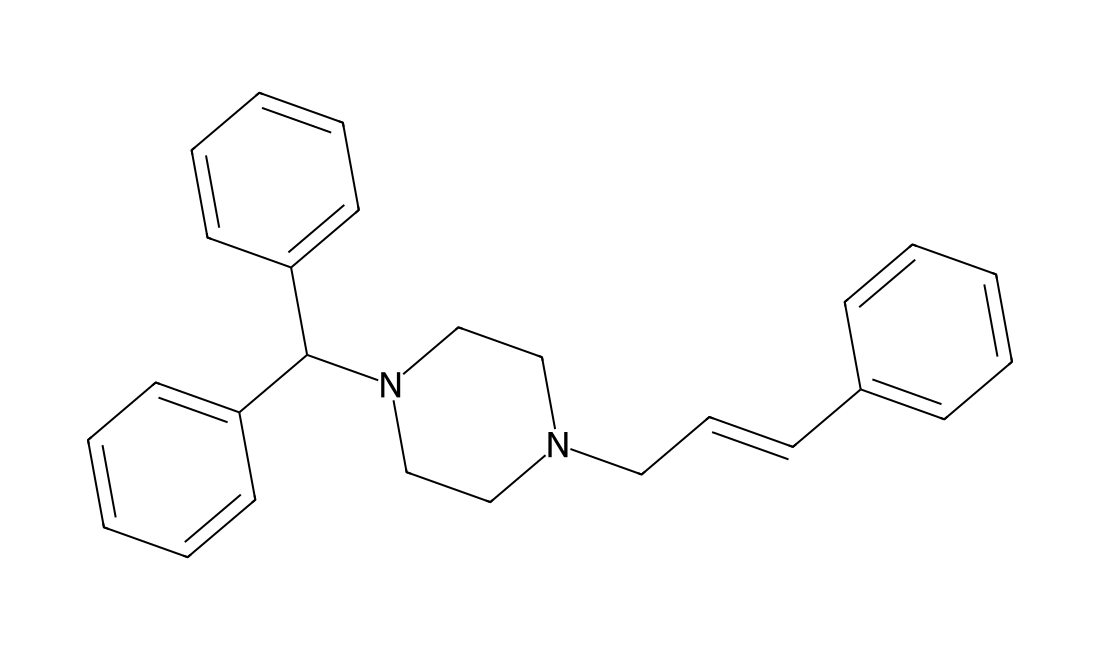
SasapyrineFeatured
Salsalate is a nonsteroidal anti-inflammatory drug (NSAID).Salsalate is a medication that belongs to the salicylate and non-steroidal anti-inflammatory drug (NSAID) classes. Relative to other NSAIDs, Salsalate has a weak inhibitory effect on the cyclooxygenase enzyme and decreases the production of several pro inflammatory chemical signals such as interleukin-6, TNF-alpha, and C-reactive protein. Common conditions in which Salsalate may be indicated include inflammatory disorders such as rheumatoid arthritis or noninflammatory disorders such as osteoarthritis.
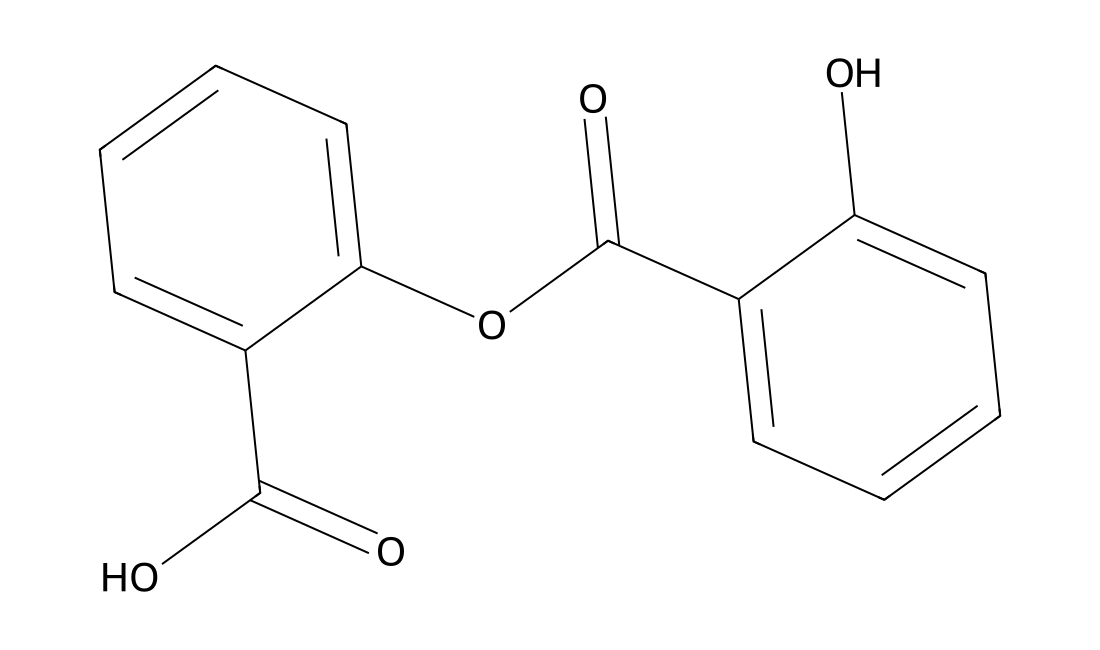
BP897Featured
BP 897 is a potent and selective dopamine D3 receptor agonist, and a weak dopamine D2 receptor antagonist, with Kis of 0.92 nM and 61 nM for D3 and D2 receptors, and shows low affinities at D1 and D4 receptors (Kis, 3 and 0.3 µM, respectively).
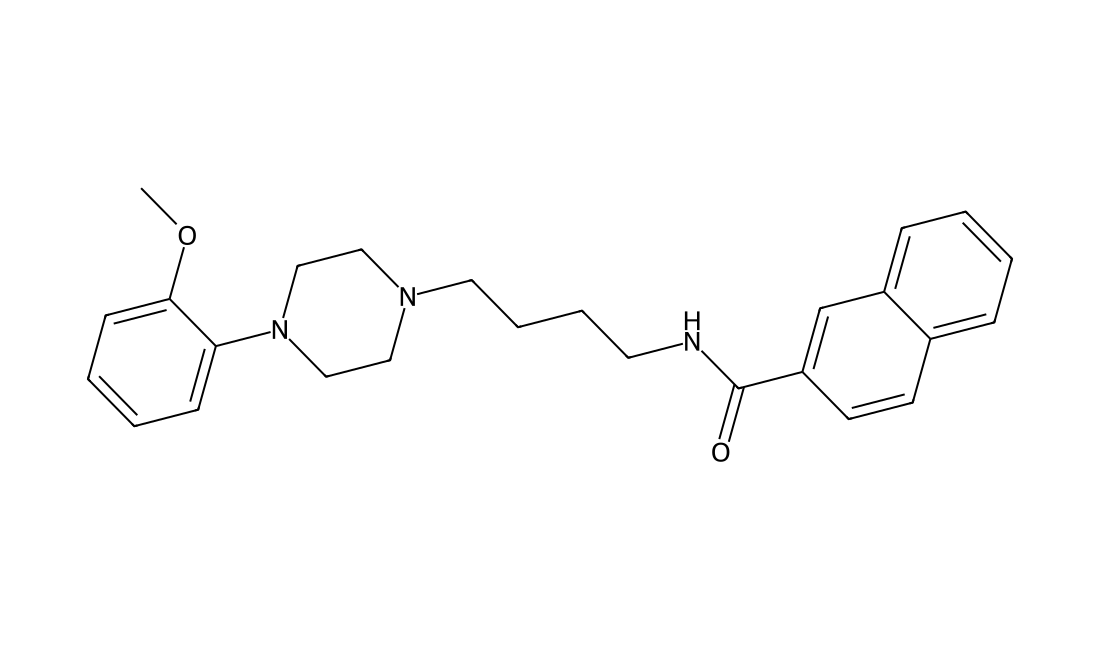
CC-671Featured
CC-671 is a dual TTK protein kinase/CDC2-like kinase (CLK2) inhibitor with IC50s of 0.005 and 0.006 μM for TTK and CLK2, respectively.
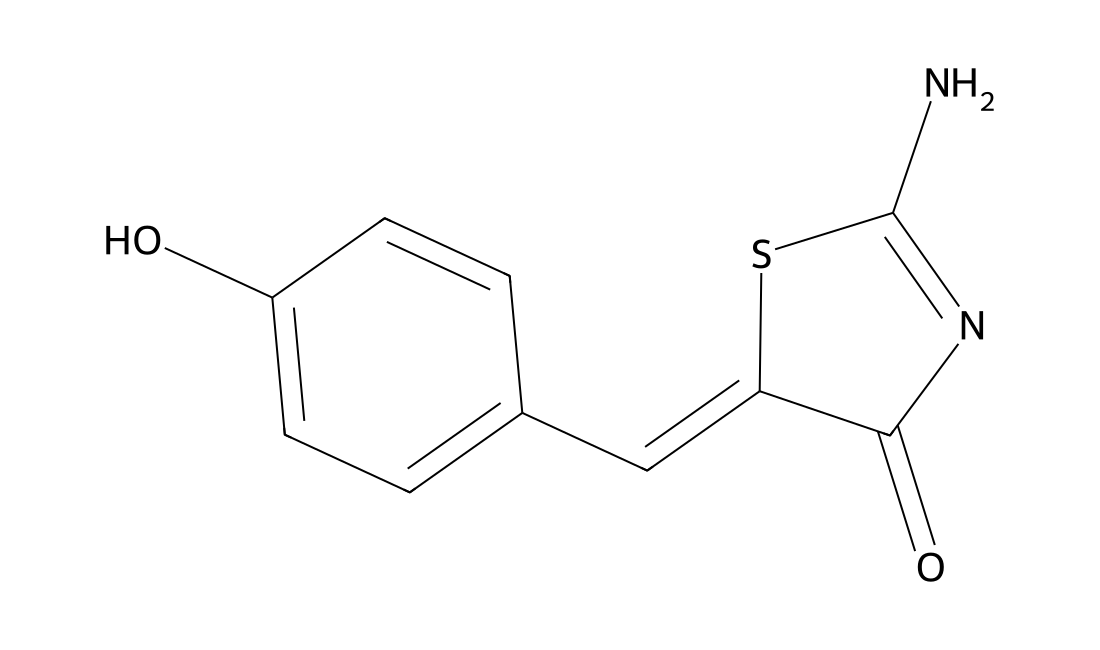
MirinFeatured
Mirin is a small-molecule inhibitor of MRN (Mre11, Rad50, and Nbs1) complex.Target: in vitro: Mirin was shown to block Mre11 exonuclease activity and MRN-dependent ATM activation, and to inhibit the ionizing radiation-induced G2/M checkpoint and homologous recombination in mammalian cells. Mirin inhibition of ATM activation is independent of Mre11 nuclease inhibition since the M(HN)RN and M(HL/DV)RN mutant complexes are inhibited equivalently to the wild-type enzyme despite the fact that they are nuclease-deficient. The effects of Mirin have been ascribed to its effects on Mre11 nuclease activity, but as we show here, Mirin is inhibitory of MRN function independent of the nuclease activity of the complex. [2] Addition of the Mre11 inhibitor Mirin to egg extracts and mammalian cells reduces RCC1 association with mitotic chromosomes. HeLa cells expressing Histone H2B-EYFP were treated with Mirin (25 or 50 μM), and mitotic progression was immediately monitored using live cell imaging. Although Mirin-treated cells were able to congress chromosomes to the metaphase plate with similar kinetics as untreated cells, a significant fraction of Mirin-treated cells paused for extended periods of time in a metaphase-like stage without anaphase onset . [1]
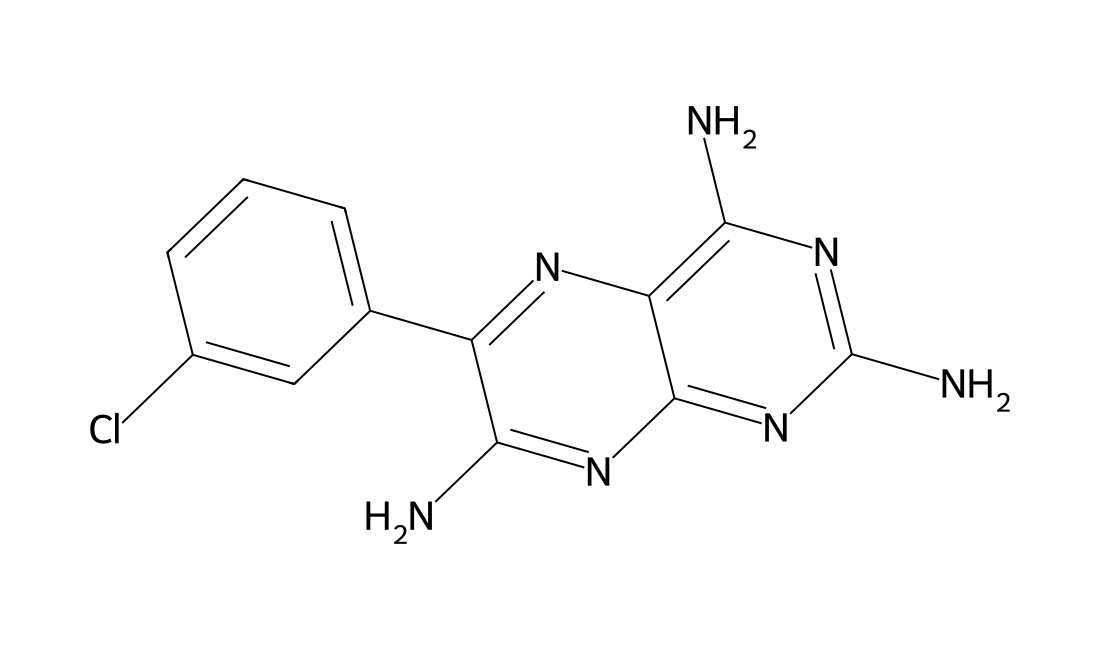
Epiblastin AFeatured
Epiblastin A is a Casein Kinase 1 (CK1) inhibitor. Epiblastin A engages CK1 isoenzymes in cell lysate and induces efficient conversion of epiblast stem cells (EpiSCs) into embryonic stem cells (cESCs).
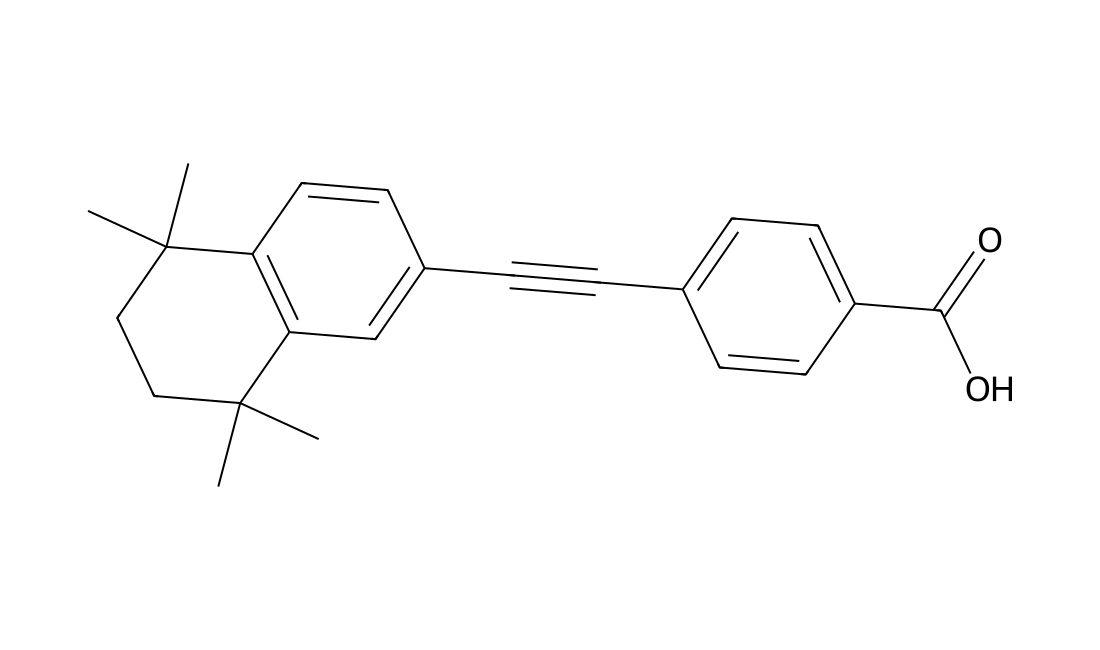
EC23Featured
EC23 (AGN 190205) is a stable synthetic retinoid analogue and induces neuronal differentiation[1].
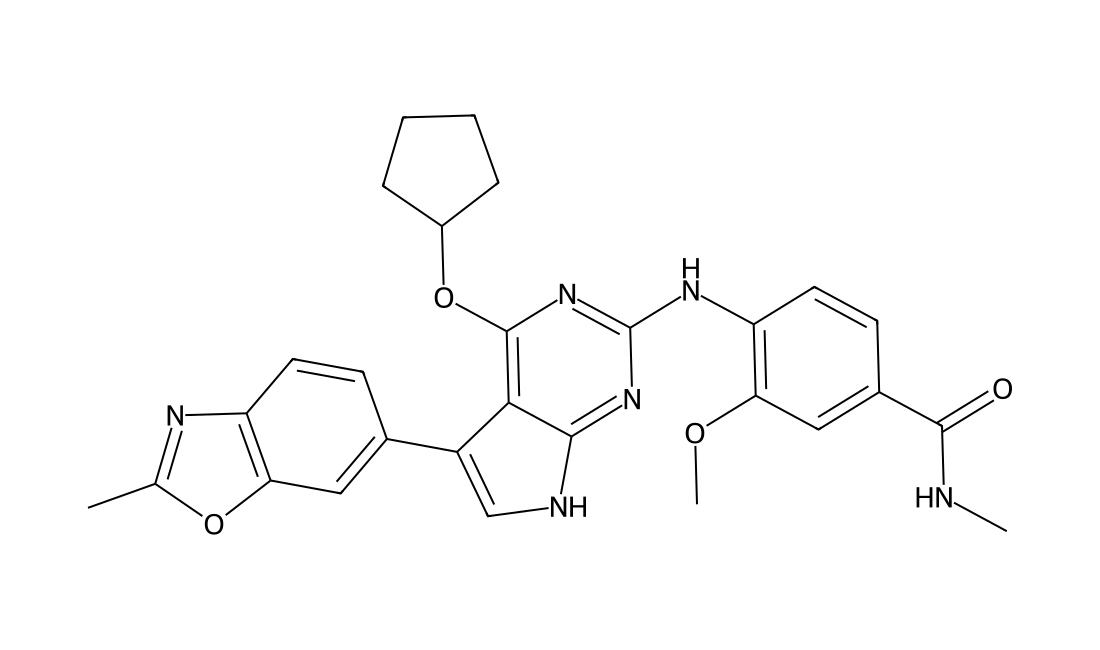
JH-X-119-01Featured
Jh-X-119-01 is a novel potent and selective interleukin-1 receptor-associated kinases 1 (IRAK1) inhibitor. JH-X-119-01 irreversibly labels IRAK1 at C302. This compound exhibited cytotoxic activity at single digit micromolar concentrations in a panel of WM, DLBCL, and lymphoma cell lines expressing MYD88. Cotreatment of JH-X-119-01 with the BTK inhibitor ibrutinib resulted in synergistic killing effects in these systems.
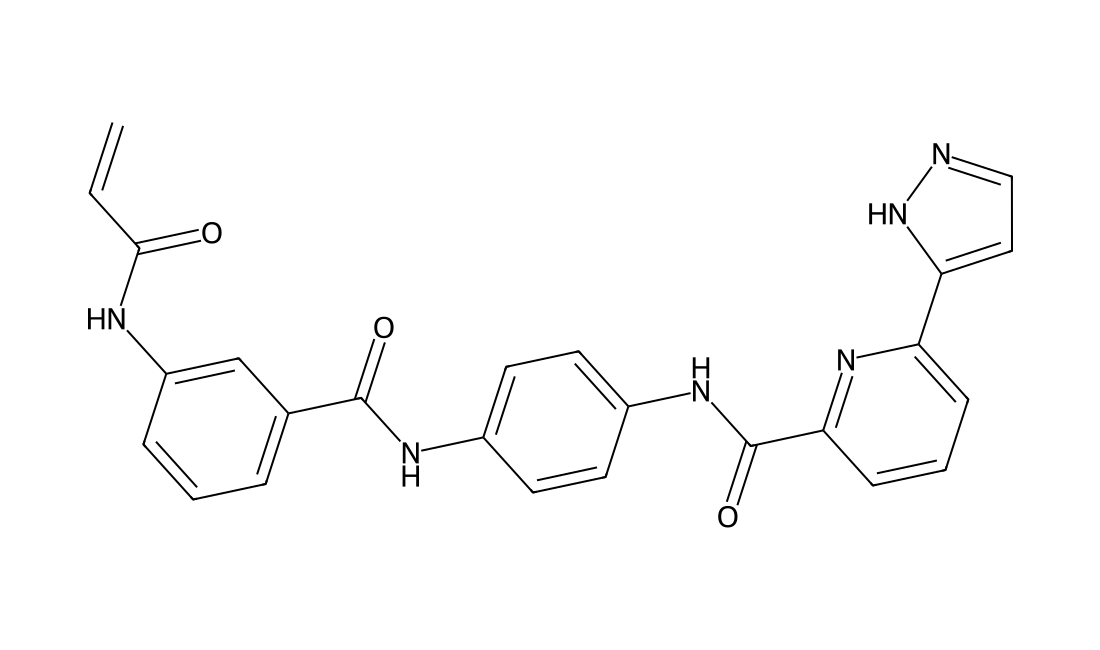
PRN1371Featured
PRN1371 is a highly selective and potent FGFR1-4 inhibitor with IC50 values of 0.6, 1.3, 4.1 and 19.3 nM, respectively.
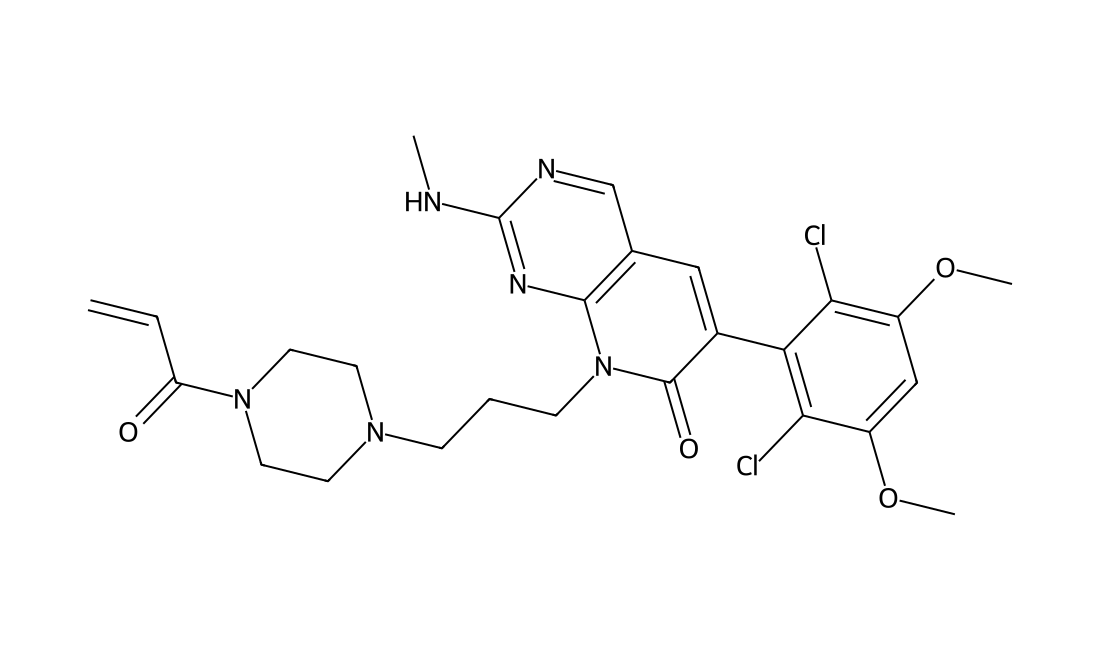
Takeda compound 101Featured
Compound 101 (GRK2 inhibitor 101, Takeda compound 101, Cmpd101)is a novel membrane-permeable, small-molecule inhibitor of both GRK2 and GRK3 with IC50s of 18 nM and 5.4 nM. CMPD101 also inhibits ROCK-2 and PKCα (IC50s=1.4 μM and 8.1 μM, respectively)[1].
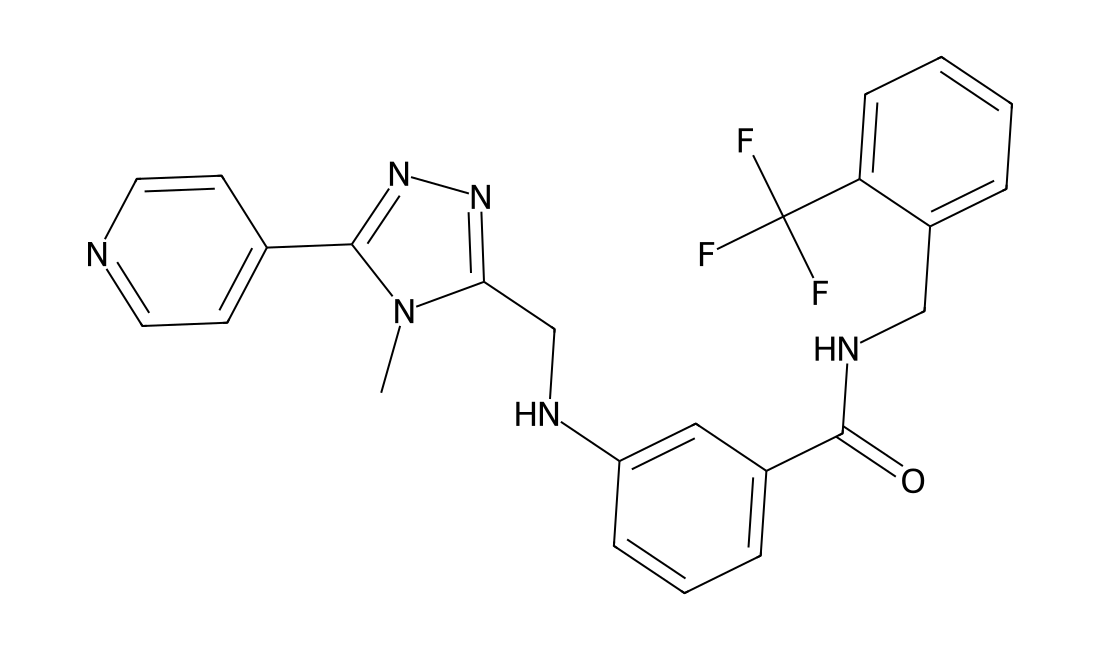
ZZW-115Featured
ZZW-115 (ZZW115, ZZW 115) is a potent inhibitor of NUPR1 (Kd=2.1 uM), an intrinsically disordered protein (IDP) with an entirely disordered conformation; demonstrates antitumor activity on a panel of 11 primary PDAC-derived cells and it was found to be efficient to kill the cancer cells with IC50 in the range from 0.84 μM (ANOR) to 4.93 μM (HN14), also inhibits the growth of other tumors-derived cells (IC50=0.42 μM (Hep2G cells) to 7.75 μM (SaO-2 cells)); induces pancreatic cell death by necrosis and apoptosis and inhibits the growth pancreatic xenografted tumors in vivo.
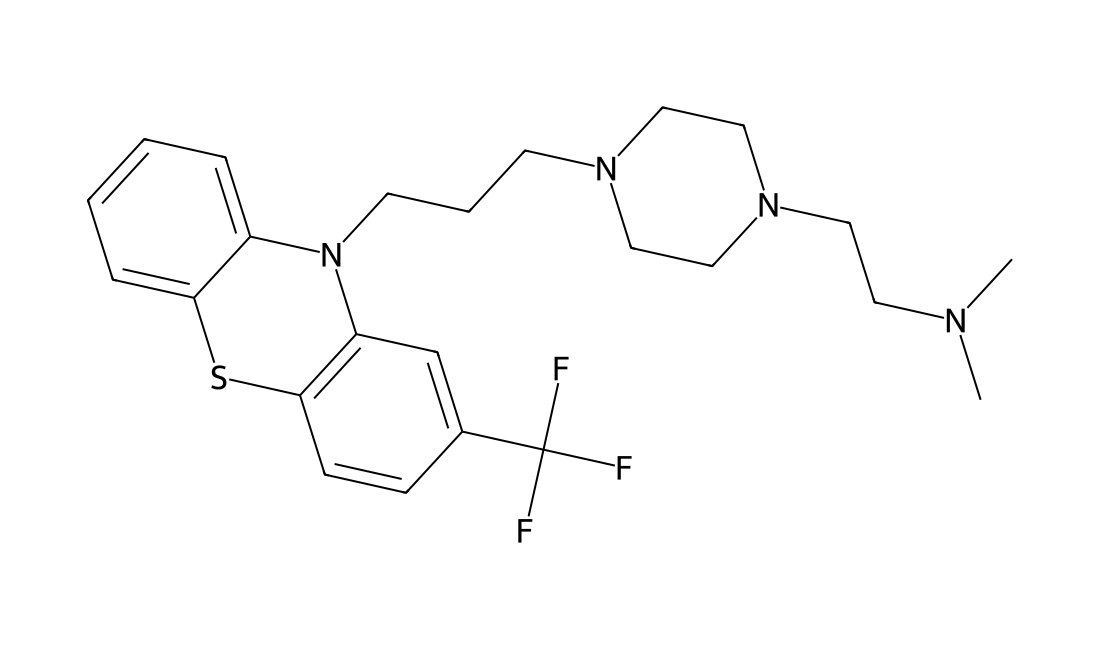
No products match this search.
Page 287 of 309 · Browse all 6177 products
Jump to a product page
Featured literature product: HX1 · DCL0028
HX1 is a hydroxyzine-derived ionizable lipid with acetal-containing tails, studied in lipid nanoparticles for brain mRNA delivery and CRISPR–Cas9 delivery. It was the lead in the reported in vivo brain-delivery screen; evidence is preclinical and formulation-dependent.
Read full formulation and performance →