
Research lipid catalog
Ionizable Lipid Products
Explore 848 lipid and RNA delivery products. Search the full catalog or browse by research category.
Search covers product name, catalog number, synonyms, available CAS numbers and categories. Spaces, hyphens and common punctuation are ignored. Duplicate legacy records are consolidated under one canonical product result.
6177 products · Showing 6001–6020 · 20 per page
DC Chemicals lipid expertise
Built for ionizable-lipid discovery and RNA delivery research
DC Chemicals supports formulation and delivery research with a broad, searchable portfolio of cationic and ionizable lipids. The current directory brings together 848 unique research-use products, with product specifications, pricing, chemical structures and literature-linked formulation data added as each record is verified.
Our experience spans complex lipid synthesis, purification, analytical release and process development. For custom molecules or larger-scale requirements, our team can discuss route development, technical specifications and scale-up options for the intended research workflow.
Learn about cationic and ionizable lipids →Proprietary innovation · Co-development · GMP
From proprietary lipid design to GMP-grade custom synthesis
DC Chemicals has independently developed ionizable-lipid structures supported by company-owned intellectual property, and selected proprietary lipid programs have advanced to GMP-stage development.
We welcome joint development with customers—from molecular design and lipid synthesis through route and process development. We can also support custom synthesis of GMP-grade ionizable lipids to agreed technical specifications and quality requirements.
Discuss a co-development project →Proprietary ionizable-lipid structuresCollaborative molecular designCustom lipid synthesisProcess development and scale-upGMP-grade project support
Product quick links
Explore New ionizable lipids
Explore our five most recently added ionizable lipids, with specifications, pricing and literature-linked product information.
DCL0028HX1Brain RNA delivery researchView product →DCL0024A1I4R13C18-2Spleen-targeted RNA delivery researchView product →DCL0023A1I4R2C18-2Spleen-targeted RNA delivery researchView product →DCL0022FS01Local joint RNA delivery researchView product →DCL0020Lipid-392Lung RNA delivery and gene editing researchView product →
Cat. No.Product NameField of ApplicationChemical Structure
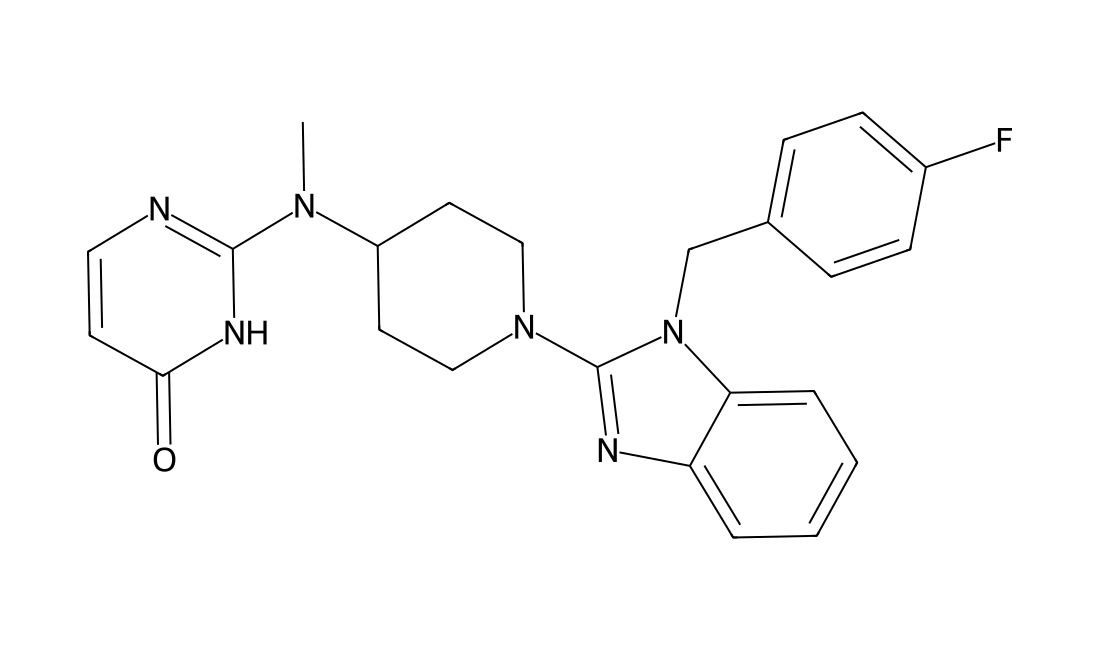
MizolastineFeatured
Mizolastine is a histamine H1-receptor antagonist with IC50 of 47 nM used in the treatment of hay fever (seasonal allergic rhinitis), hives and other allergic reactions. Mizolastine is a histamine H1-receptor antagonist with IC50 of 47 nM used in the treatment of hay fever (seasonal allergic rhinitis), hives and other allergic reactions. It does not prevent the actual release of histamine from mast cells, just prevents it binding to receptors. Side effects can include dry mouth and throat. Mizolastine has demonstrated antiallergic effects in animals and healthy volunteers and anti-inflammatory activity in animal models. Double-blind trials have shown mizolastine to be significantly more effective than placebo and as effective as other second generation antihistamine agents, such as loratadine or cetirizine, in the management of patients with perennial or seasonal allergic rhinitis and in patients with chronic idiopathic urticaria. Available data also suggest that prophylactic administration of mizolastine is significantly more effective than placebo and as effective as prophylactic terfenadine in delaying the onset of symptoms of seasonal allergic rhinitis.
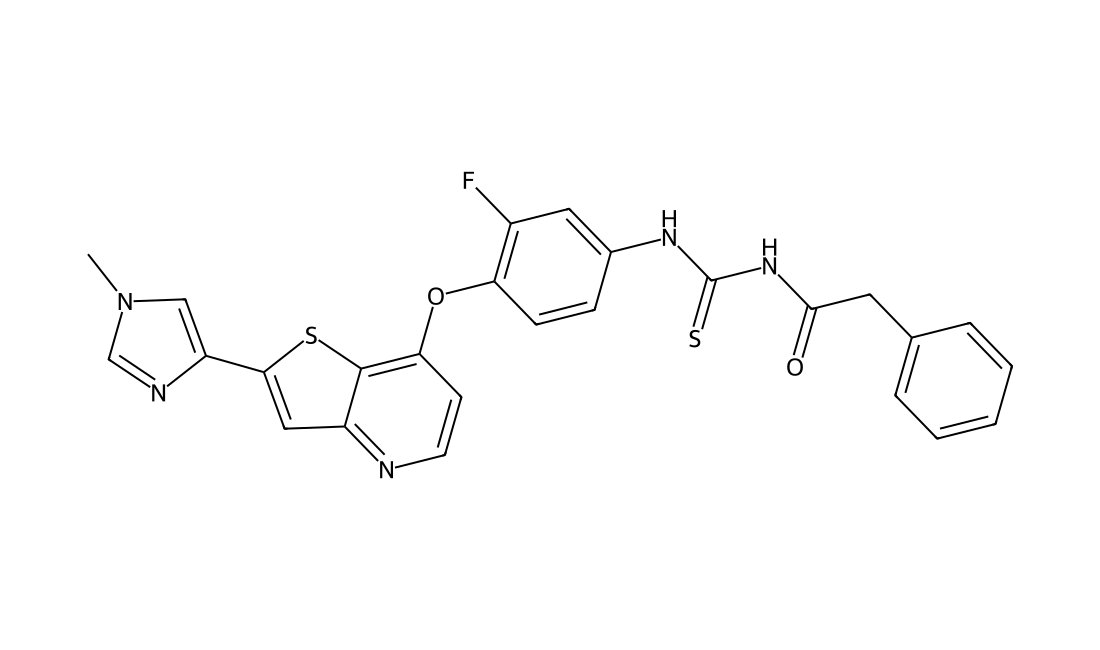
MGCD-265Featured
MGCD-265 is a multi-target inhibitor of receptor tyrosine kinases. MGCD-265 potently inhibits Met, MetY1235D, MetM1250T, VEGFR1, VEGF2, VEGF3, Ron, and Tie2, with IC50 values ranging from 1 nM to 7 nM. MGCD-265 inhibits cell proliferation both in c-Met-driven tumor cells (MKN45, MNNG-HOS, and SNU-5) and in non-c-Met-driven tumor cells (HCT116 and MDA-MB-231), with IC50 values of 6 nM–30 nM and 1 μM–3 μM, respectively. In serum starved MKN45 cells, MGCD-265 (40 nM–5 μM) effectively inhibits c-Met phosphorylation and its downstream signaling pathways, including Erk, Akt, Stat3, and Fak. MGCD-265 (6 nM–1 μM) also induces apoptosis in MKN45 cells. In c-Met-driven or non-c-Met-driven mice xenograft models of MKN45, U87MG, MDA-MB-231, COLO205, and A549 tumor cells, MGCD-265 (20 mg/kg–60 mg/kg) inhibits tumor growth and c-Met signaling. MGCD-265 (40 mg/kg) also downregulates genes involved in angiogenesis, including VEGF and IL-8, both in tumor and plasma of mice with U87MG xenograft. MGCD-265 also inhibits the plasma level of shed-Met. For the detailed information of MGCD-265, the solubility of MGCD-265 in water, the solubility of MGCD-265 in DMSO, the solubility of MGCD-265 in PBS buffer, the animal experiment (test) of MGCD-265, the cell expriment (test) of MGCD-265, the in vivo, in vitro and clinical trial test of MGCD-265, the EC50, IC50,and Affinity of MGCD-265, Please contact DC Chemicals.
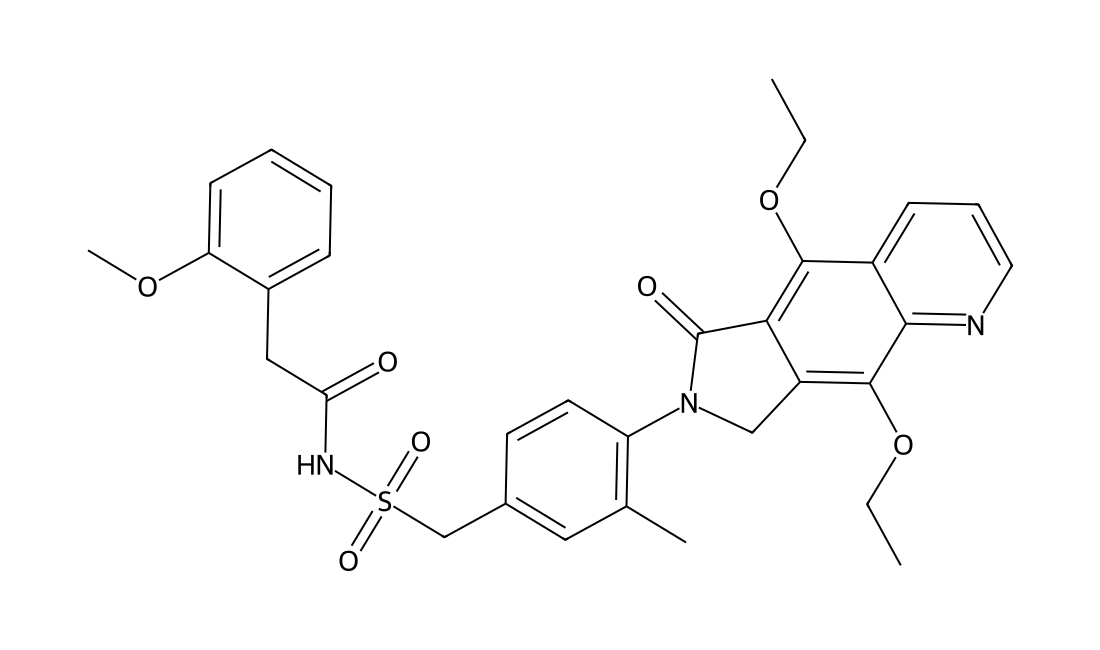
MF498Featured
MF498 is a selective EP4 receptor antagonist (Ki = 0.7 nM versus a Ki > 1 µM for other EP receptors).In HEK293 cells expressing the human EP4 receptor, MF498 inhibits EP ligand induced activity with an IC50 value of 1.7 nM.In various animal models for arthritis, MF498 has been shown to inhibit inflammation without gastrointestinal toxicity (ED50 values as low as 0.02 mg/kg/day). For the detailed information of MF498, the solubility of MF498 in water, the solubility of MF498 in DMSO, the solubility of MF498 in PBS buffer, the animal experiment (test) of MF498, the cell expriment (test) of MF498, the in vivo, in vitro and clinical trial test of MF498, the EC50, IC50,and affinity,of MF498, For the detailed information of MF498, the solubility of MF498 in water, the solubility of MF498 in DMSO, the solubility of MF498 in PBS buffer, the animal experiment (test) of MF498, the cell expriment (test) of MF498, the in vivo, in vitro and clinical trial test of MF498, the EC50, IC50,and affinity,of MF498, Please contact DC Chemicals.
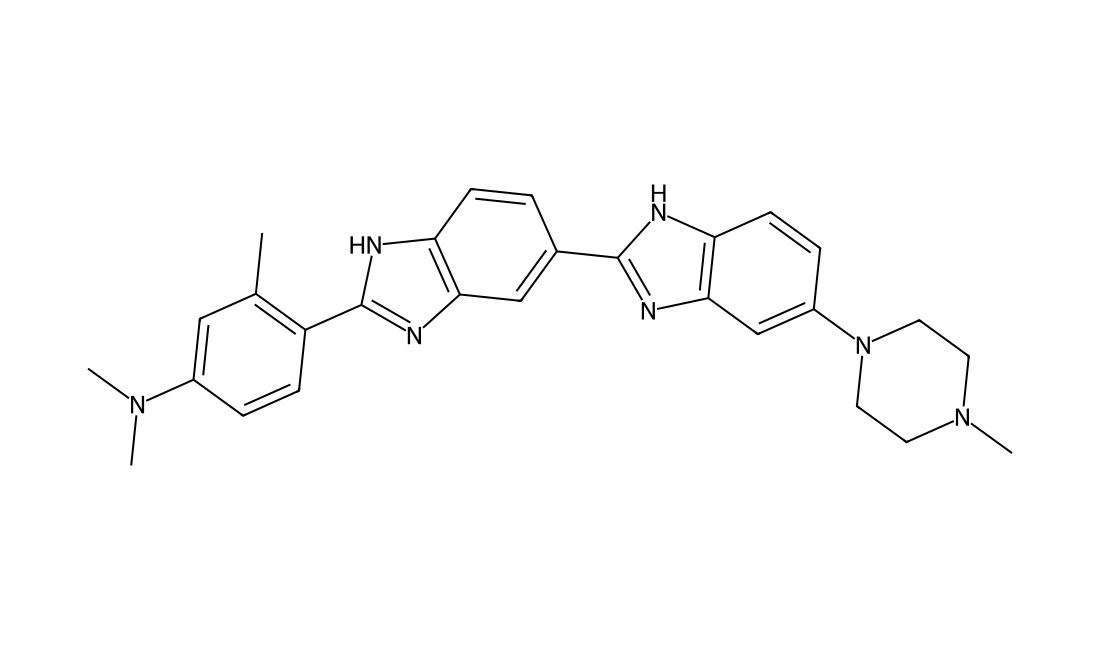
MethylproamineFeatured
Methylproamine is a DNA-binding radioprotector which, on the basis of published pulse radiolysis studies, acts by repair of transient radiation-induced oxidative species on DNA. in vitro: The extent of radioprotection at the clonogenic survival endpoint increased with methylproamine concentration up to a maximum dose modification factor (DMF) of 2.0 at 10 μM. At least 0.1 fmole/nucleus of methylproamine is required to achieve a substantial level of radioprotection (DMF of 1.3) with maximum protection (DMF of 2.0) achieved at 0.23 fmole/nucleus. The γH2AX focus yield per cell nucleus 45 min after irradiation decreased with drug concentration with a DMF of 2.5 at 10 μM. Methylproamine-treated cells had fewer γH2AX foci after IR compared to untreated cells. Also, the presence ofmethylproamine decreased the amount of lower molecular weight DNA entering the gel as shown by the pulsed field gel electrophoresis assay. Experiments with V79 cells have shown that methylproamine is approximately 100-fold more potent than the classical aminothiol radioprotector WR1065. The crystal structures of methylproamine and proamine complexes with the dodecamer d(CGCGAATTCGCG)(2) confirm that the new analogues also are minor groove binders.
Methoxy-PEPyFeatured
Methoxy-PEPy is a potent, selective mGlu5 receptor antagonist with IC50 of 1 nM; exhibits 14-fold higher binding in forebrain relative to cerebellum in mGlu5 receptor-deficient mice, the radioligand [3H]methoxy-PEPy is useful for determining the occupancy of mGlu5 receptors in the brain.
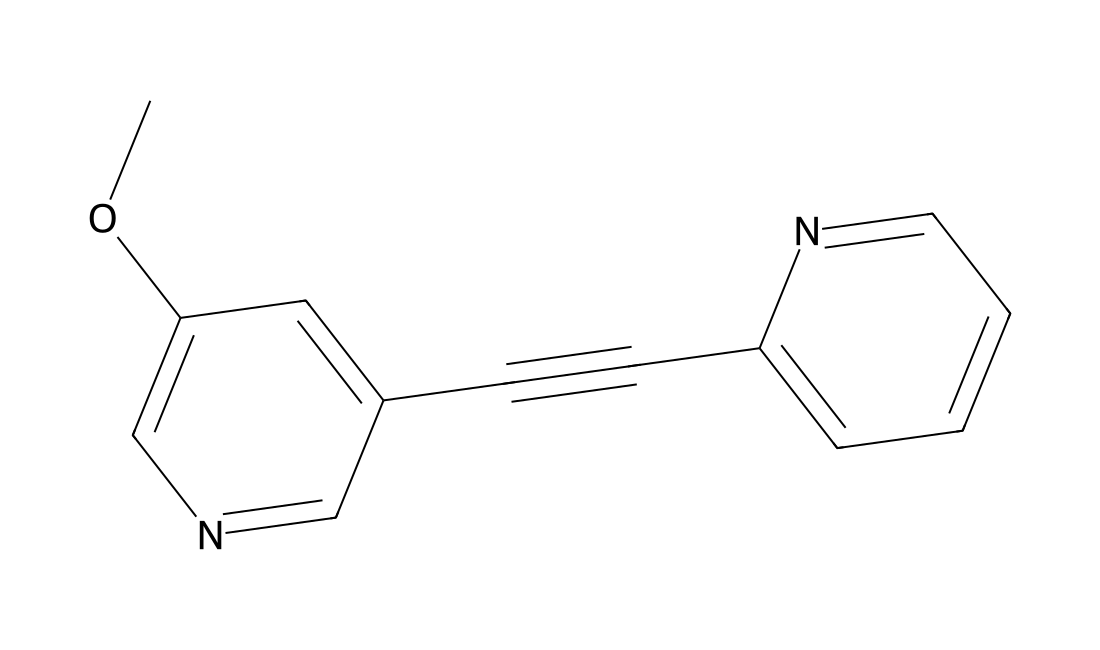
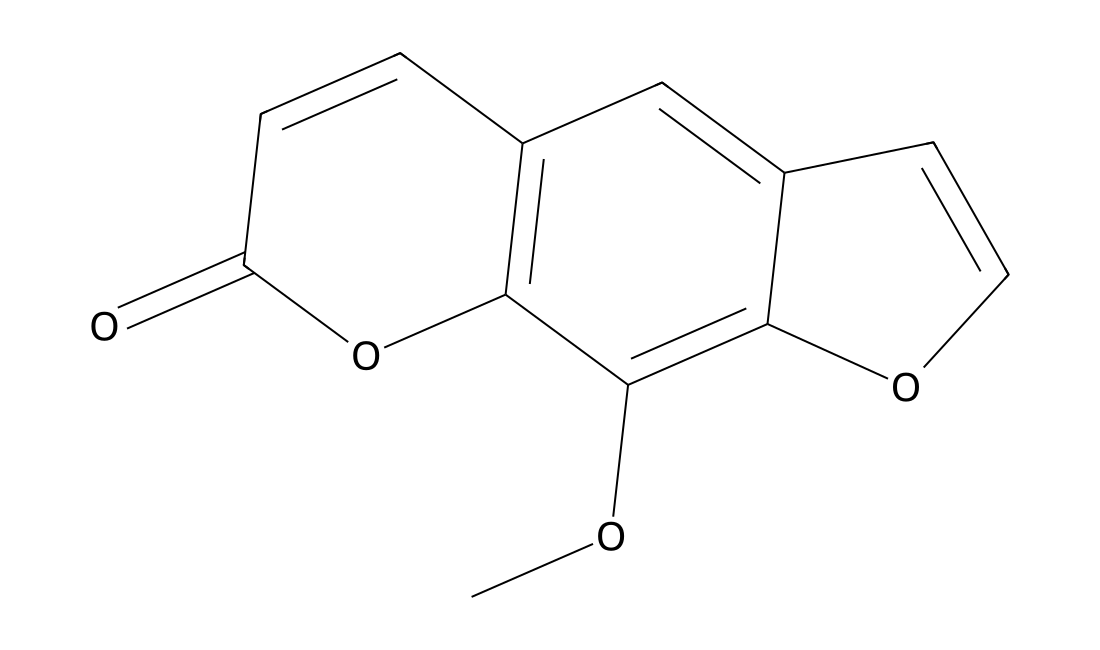
Methoxsalen (Oxsoralen)Featured
For the detailed information of Methoxsalen (Oxsoralen), the solubility of Methoxsalen (Oxsoralen) in water, the solubility of Methoxsalen (Oxsoralen) in DMSO, the solubility of Methoxsalen (Oxsoralen) in PBS buffer, the animal experiment(test) (test) of Methoxsalen (Oxsoralen), the cell expriment (test) of Methoxsalen (Oxsoralen), the in vivo, in vitro and clinical trial test of Methoxsalen (Oxsoralen), the EC50, IC50,and Affinity of Methoxsalen (Oxsoralen),, please contact DC Chemicals.
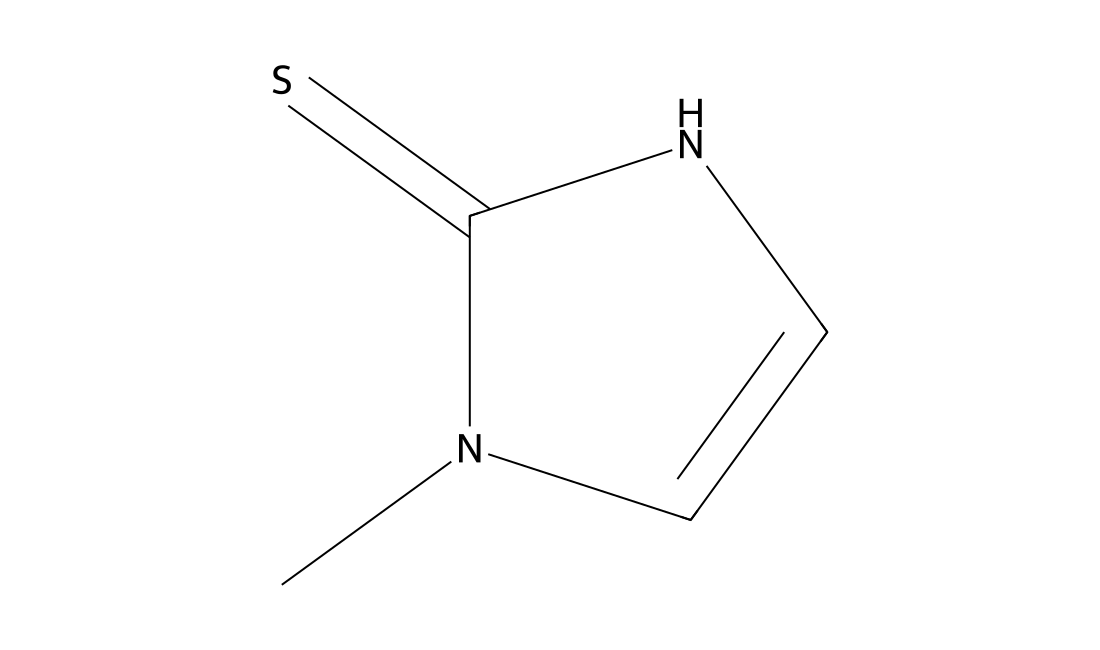
MethimazoleFeatured
Methimazole(Tapazole, Northyx) is an antithyroid medicine.Methimazole is an antithyroid drug, and part of the thioamide group. Like its counterpart propylthiouracil, a major side effect of treatment is agranulocytosis. Methimazole is a drug used to treat hyperthyroidism, a condition that occurs when the thyroid gland begins to produce an excess of thyroid hormone. The drug may also be taken before thyroid surgery to lower thyroid hormone levels and minimize the effects of thyroid manipulation. Additionally, Methimazole is used in the veterinary setting to treat hyperthyroidism in cats. Methimazole inhibits the enzyme thyroperoxidase, which normally acts in thyroid hormone synthesis by oxidizing the anion iodide (I-) to iodine (I0), facilitating iodine's addition to tyrosine residues on the hormone precursor thyroglobulin, a necessary step in the synthesis of triiodothyronine (T3) and thyroxine. It does not inhibit the action of the sodium-dependent iodide transporter located on follicular cells' basolateral membranes. Inhibition of this step requires competitive inhibitors such as perchlorate and thiocyanate.
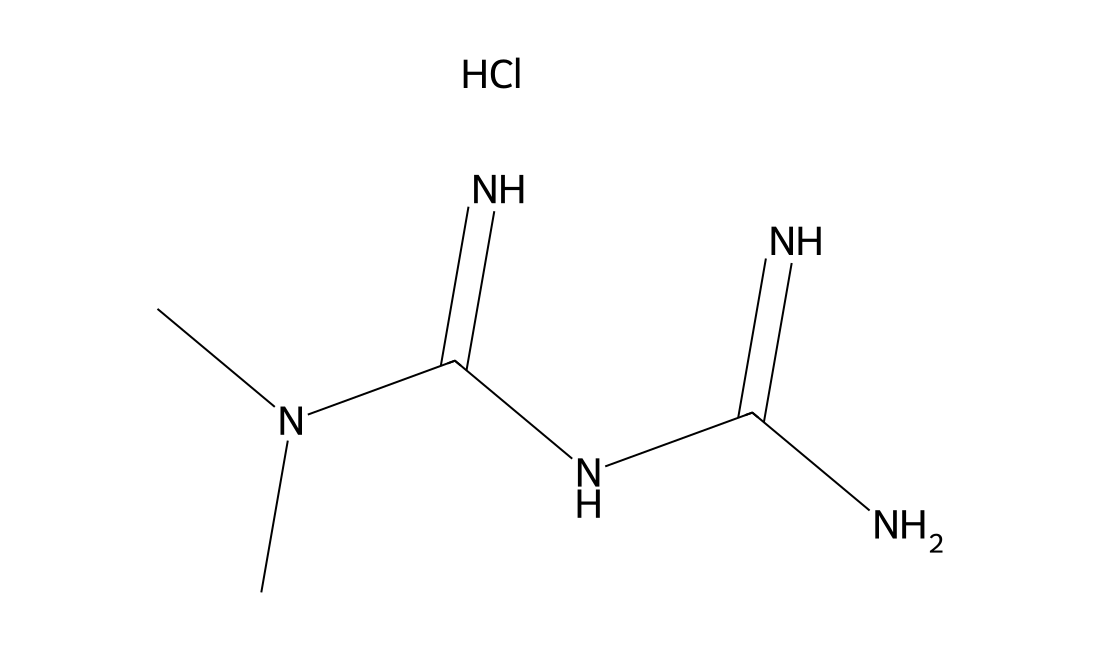
Metformin HCl(Glucophage)Featured
For the detailed information of Met Formin HCl(Glucophage), the solubility of Met Formin HCl(Glucophage) in water, the solubility of Met Formin HCl(Glucophage) in DMSO, the solubility of Met Formin HCl(Glucophage) in PBS buffer, the animal experiment(test) (test) of Met Formin HCl(Glucophage), the cell expriment (test) of Met Formin HCl(Glucophage), the in vivo, in vitro and clinical trial test of Met Formin HCl(Glucophage), the EC50, IC50,and Affinity of Met Formin HCl(Glucophage),, please contact DC Chemicals.
Meloxicam (Mobic)Featured
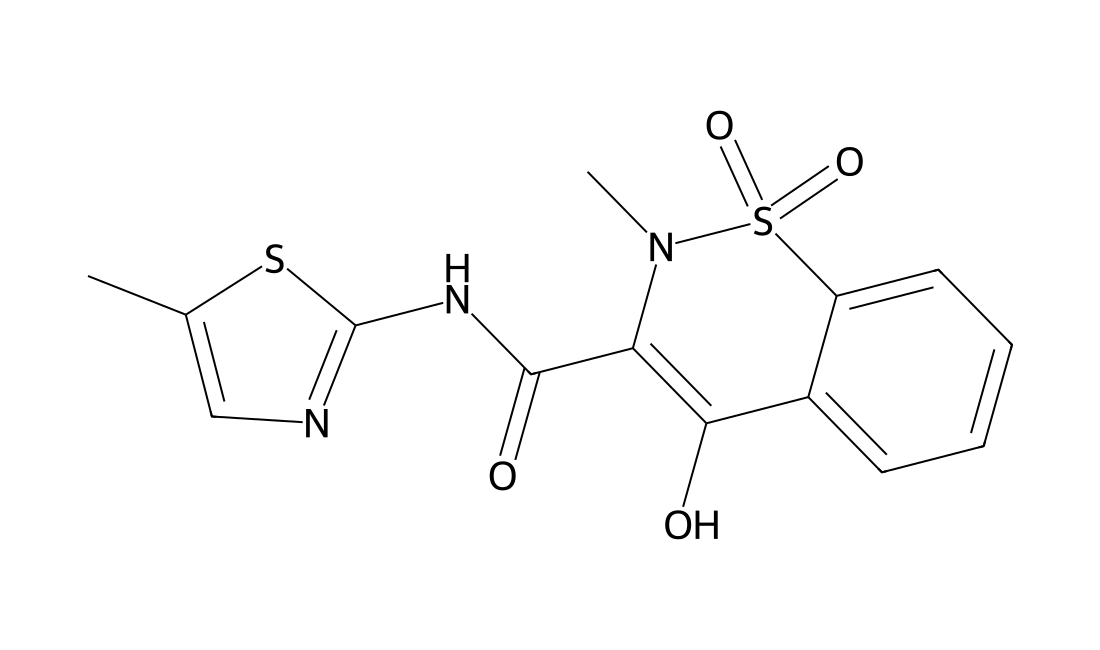
For the detailed information of Meloxicam (Mobic), the solubility of Meloxicam (Mobic) in water, the solubility of Meloxicam (Mobic) in DMSO, the solubility of Meloxicam (Mobic) in PBS buffer, the animal experiment(test) (test) of Meloxicam (Mobic), the cell expriment (test) of Meloxicam (Mobic), the in vivo, in vitro and clinical trial test of Meloxicam (Mobic), the EC50, IC50,and Affinity of Meloxicam (Mobic),, please contact DC Chemicals.
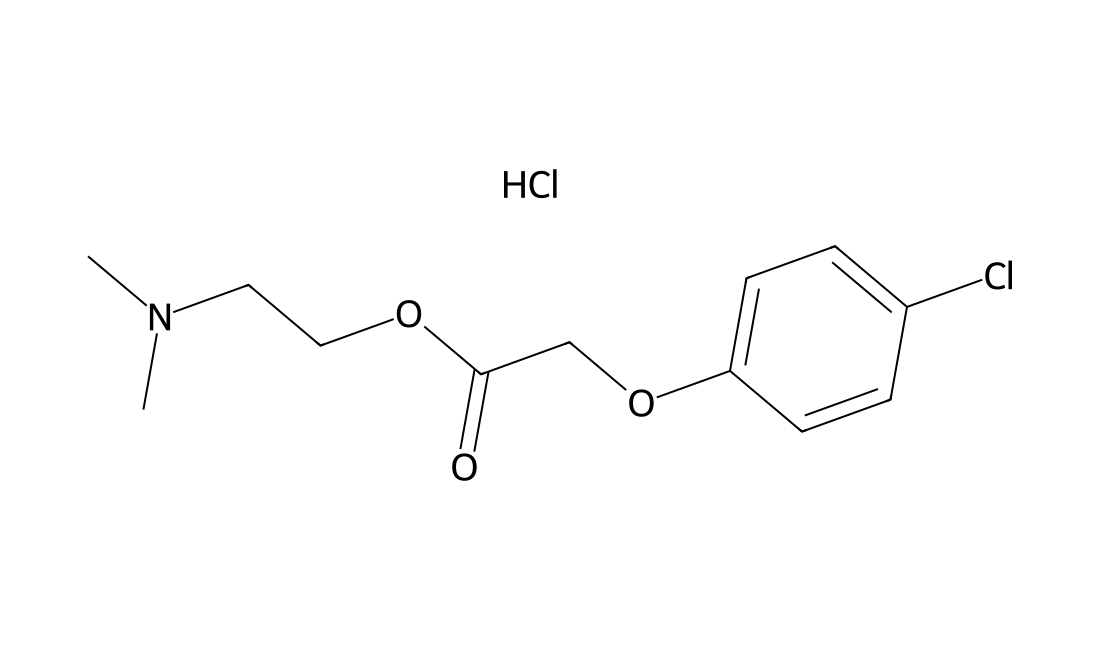
Meclofenoxate HClFeatured
Meclofenoxate hydrochloride, an ester of dimethylethanolamine (DMAE) and 4-chlorophenoxyacetic acid (pCPA), has been shown to improve memory, have a mentally stimulating effect, and improve general cognition.Meclofenoxate, administered in a dose of 50 mg/kg twice daily for 7 days using the maze-training method, increased the number of responses to the conditioned stimulus, when retention tests were made 24 hours and 7 days after training, whereas citicholine, applied in the same way in a dose of 10 mg/kg, shortened the latency of the responses with reinforcement during the training and increased the number of correct responses to the conditioned stimulus in retention tests 7 days after the training. Meclofenoxate appears to increase the consolidation of new information into long-term memory, but does not affect other aspects of remembering.
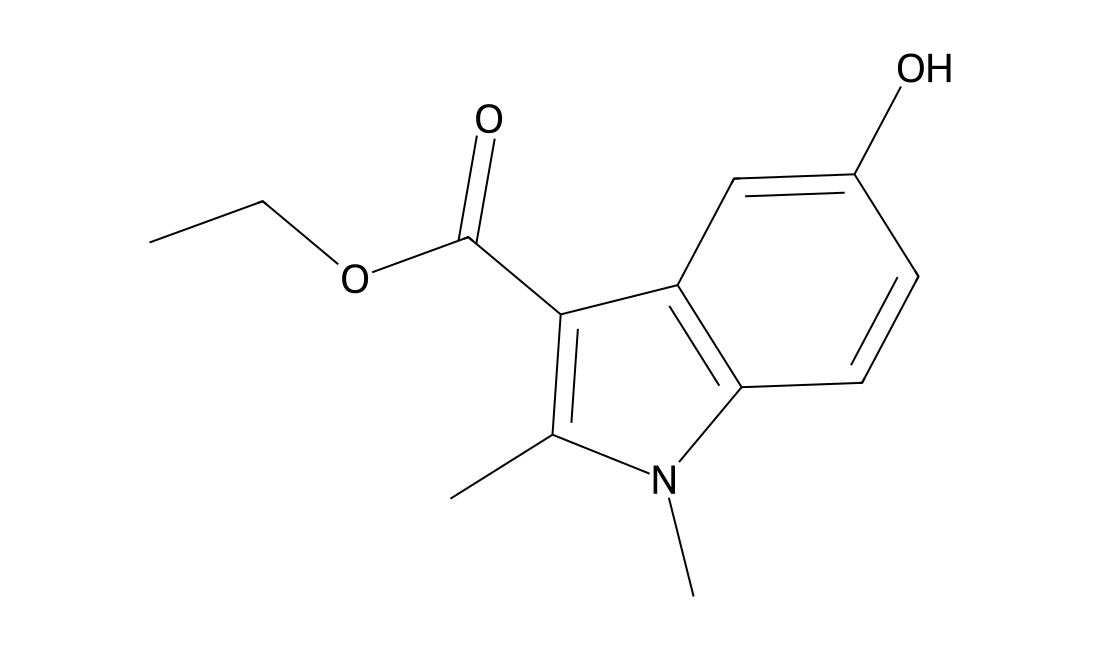
MecarbinateFeatured
For the detailed information of Mecarbinate, the solubility of Mecarbinate in water, the solubility of Mecarbinate in DMSO, the solubility of Mecarbinate in PBS buffer, the animal experiment(test) (test) of Mecarbinate, the cell expriment (test) of Mecarbinate, the in vivo, in vitro and clinical trial test of Mecarbinate, the EC50, IC50,and Affinity of Mecarbinate,, please contact DC Chemicals.
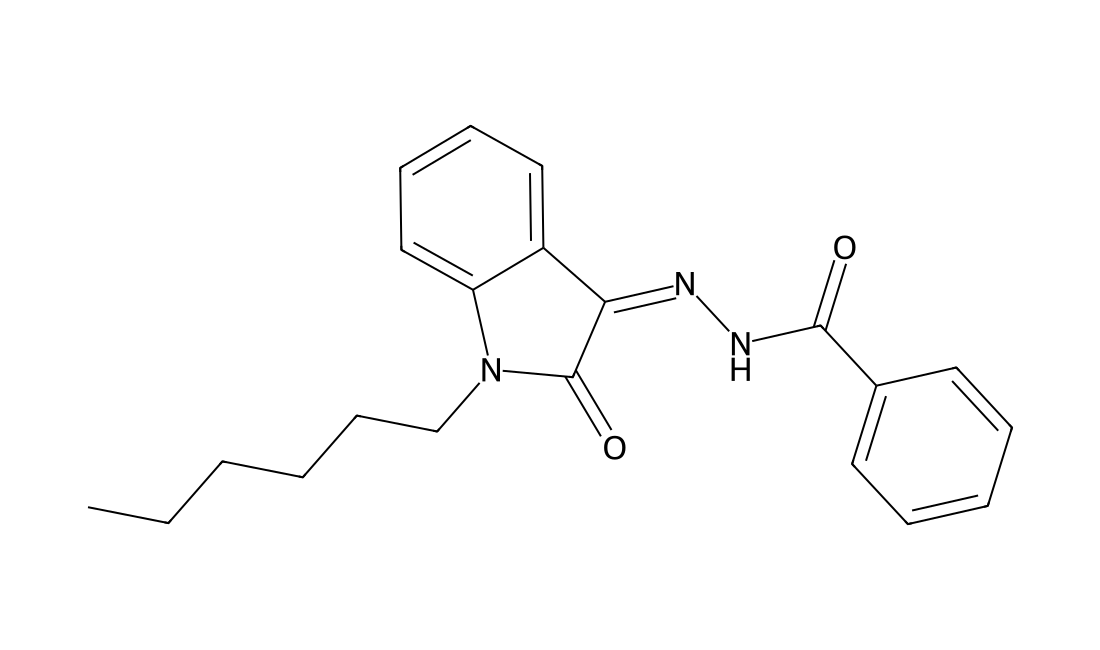
MDA 19Featured
MDA19 displayed 4-fold-higher affinity at the human CB(2) than at the human CB1 receptor (K(i) = 43.3 +/- 10.3 vs 162.4 +/- 7.6 nM) and nearly 70-fold-higher affinity at the rat CB2 than at the rat CB1 receptor (K(i) = 16.3 +/- 2.1 vs 1130 +/- 574 nM). In guanosine triphosphate (GTP)gamma[(35)S] functional assays, MDA19 behaved as an agonist at the human CB1 and CB2 receptors and at the rat CB1 receptor but as an inverse agonist at the rat CB2 receptor. In 3',5'-cyclic adenosine monophosphate (cAMP) assays, MDA19 behaved as an agonist at the rat CB1 receptor and exhibited no functional activity at the rat CB(2) receptor. In extracellular signal-regulated kinases 1 and 2 activation assays, in vivo: MDA19 behaved as an agonist at the rat CB2 receptor. MDA19 attenuated tactile allodynia produced by spinal nerve ligation or paclitaxel in a dose-related manner in rats and CB2(+/+) mice but not in CB2(-/-) mice, indicating that CB2 receptors mediated the effects of MDA19. MDA19 did not affect rat locomotor activity.For the detailed information of MDA 19, the solubility of MDA 19 in water, the solubility of MDA 19 in DMSO, the solubility of MDA 19 in PBS buffer, the animal experiment (test) of MDA 19, the cell expriment (test) of MDA 19, the in vivo, in vitro and clinical trial test of MDA 19, the EC50, IC50,and affinity,of MDA 19, Please contact DC Chemicals.
MBQ-167Featured
In Vitro MBQ-167 (≥100 nM) induces a loss of polarity in metastatic breast cancer cells. Treatment with 500 nM MBQ-167 for 24 h results in ~95% cell rounding and detachment from the substratum in metastatic MDA-MB-231 cells. Moreover, MBQ-167 induces this phenotype in multiple mesenchymal cancer cell types including GFP-HER2-BM, MDA-MB-468, and Hs578t human breast cancer cells, as well as Mia-PaCa-2 pancreatic cancer cells, SKOV3 ovarian cancer cells, AGS and NCI-N87 gastric cancer cells, and SH-SY5Y neuroblastoma cells. Following treatment with 250 nM MBQ-167 for 24 h, the attached population of MDA-MB-231 cells demonstrate a ~25% decrease in Rac activation while the detached cells are more responsive with a ~75% decrease. At earlier times (6h), treatment with 250 or 500 nM MBQ-167, induce a inhibition in Rac activity in the attached cell population, while the detached population demonstrate a ~40-50% inhibition. In Vivo MBQ-167-treated mice demonstrated a statistically significant reduction in tumor growth. At sacrifice, 1.0 mg/kg BW of MBQ-167 results in a ~80% reduction in tumor growth, and the 10 mg/kg BW MBQ-167 treatment results in ~95% reduction in tumor growth. Since EHop-016 only exerts ~40% reduction of tumor growth at 10 mg/kg BW, MBQ-167 is 10X more effective than EHop-016. MBQ-167 treated mice demonstrated similar doubling times for both treatments (10 and 11 days).
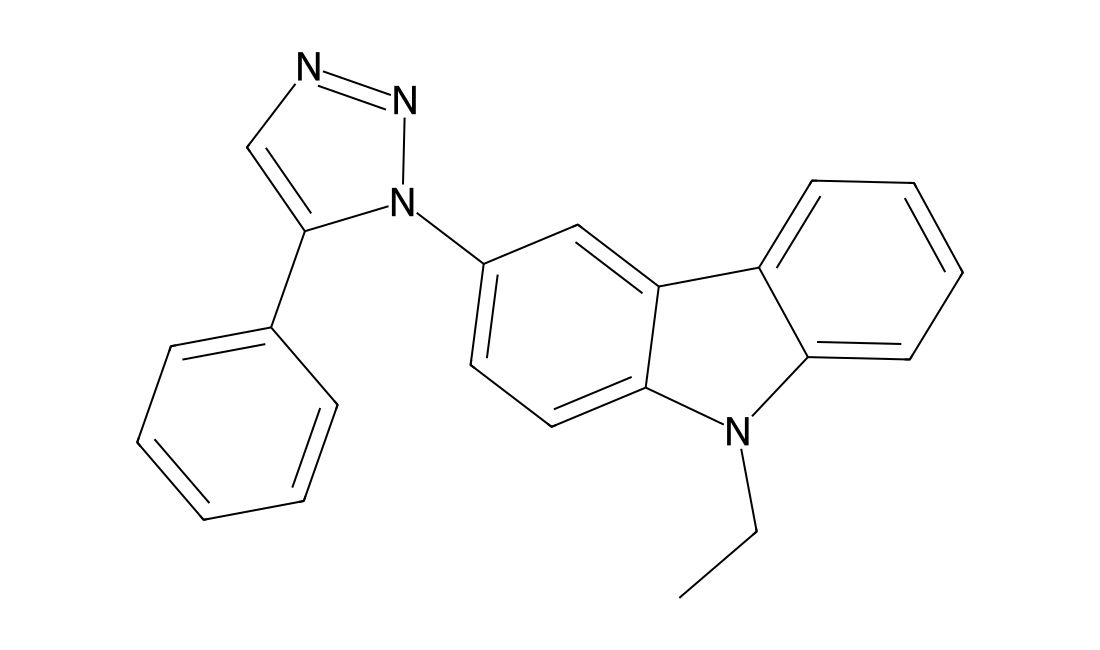
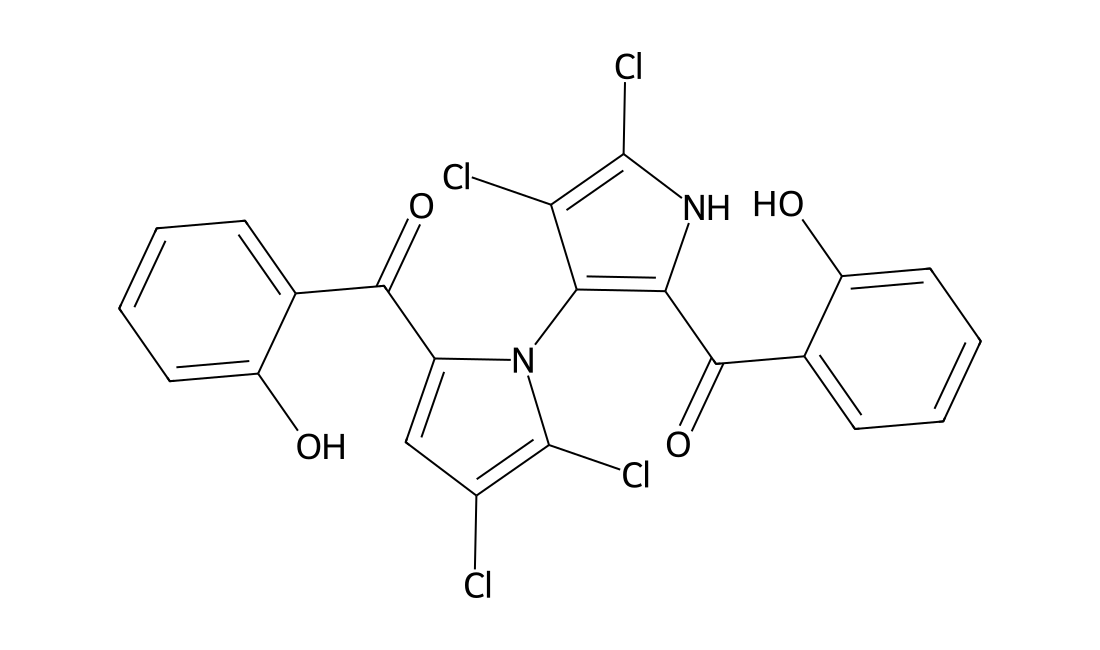
Marinopyrrole A (Maritoclax)Featured
In vitro: Maritoclax induces Mcl-1 degradation via the proteasome system, which is associated with the pro-apoptotic activity of maritoclax. Maritoclax selectively kills Mcl-1-dependent, but not Bcl-2- or Bcl-XL-dependent, leukemia cells and markedly enhances the efficacy of ABT-737 against hematologic malignancies, including K562, Raji, and multidrug-resistant HL60/VCR, by ∼60- to 2000-fold at 1-2 μM. Maritoclax blocks the interaction between a biotin-labeled Bim-BH3 peptide and GST-Mcl-1 in a dose-dependent manner with an IC50 value of 10.1 μM, while it does not inhibit the binding of Bim-BH3 peptide to GST-Bcl-XL at concentrations up to 80 μM. Maritoclax induces caspase-3 activation by degradation of Mcl-1 protein. Treatment with maritoclax markedly reduces the half-life of Mcl-1 to ∼0.5 h as compared with nearly 3 h in control cells. Maritoclax has no apparent effect on Mcl-1 (Ser159/Thr163) phosphorylation, suggesting that maritoclax induces phosphorylation-independent Mcl-1 degradation. Marinopyrrole A has potent concentration-dependent bactericidal activity against clinically relevant hospital- and community-acquired MRSA strains. Marinopyrrole A shows limited toxicity to mammalian cell lines (at >20× MIC). Maritoclax sensitivity is cell type specific. It is not effective in HeLa, HEK293, or MEF cells. Maritoclax is not a substrate for p-gp mediated drug efflux. In vivo: Maritoclax administration at 20 mg/kg/d intraperitoneally causes significant U937 tumor shrinkage, as well as 36% tumors remission rate in athymic nude mice, without apparent toxicity to healthy tissue or circulating blood cells.
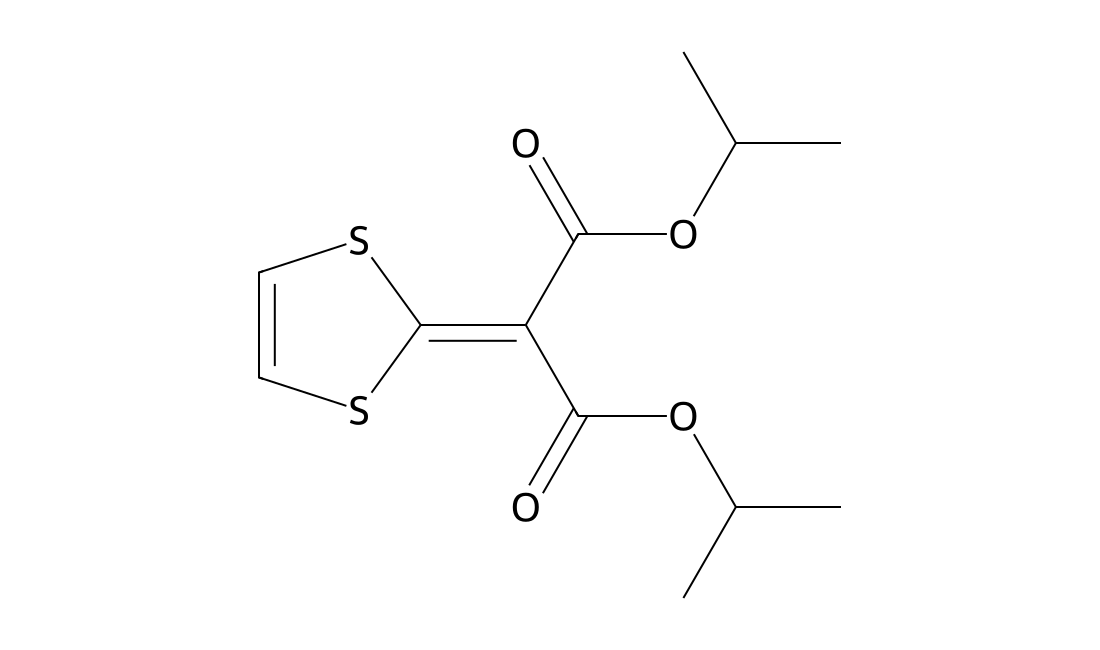
MalotilateFeatured
For the detailed information of Malotilate, the solubility of Malotilate in water, the solubility of Malotilate in DMSO, the solubility of Malotilate in PBS buffer, the animal experiment(test) (test) of Malotilate, the cell expriment (test) of Malotilate, the in vivo, in vitro and clinical trial test of Malotilate, the EC50, IC50,and Affinity of Malotilate,, please contact DC Chemicals.
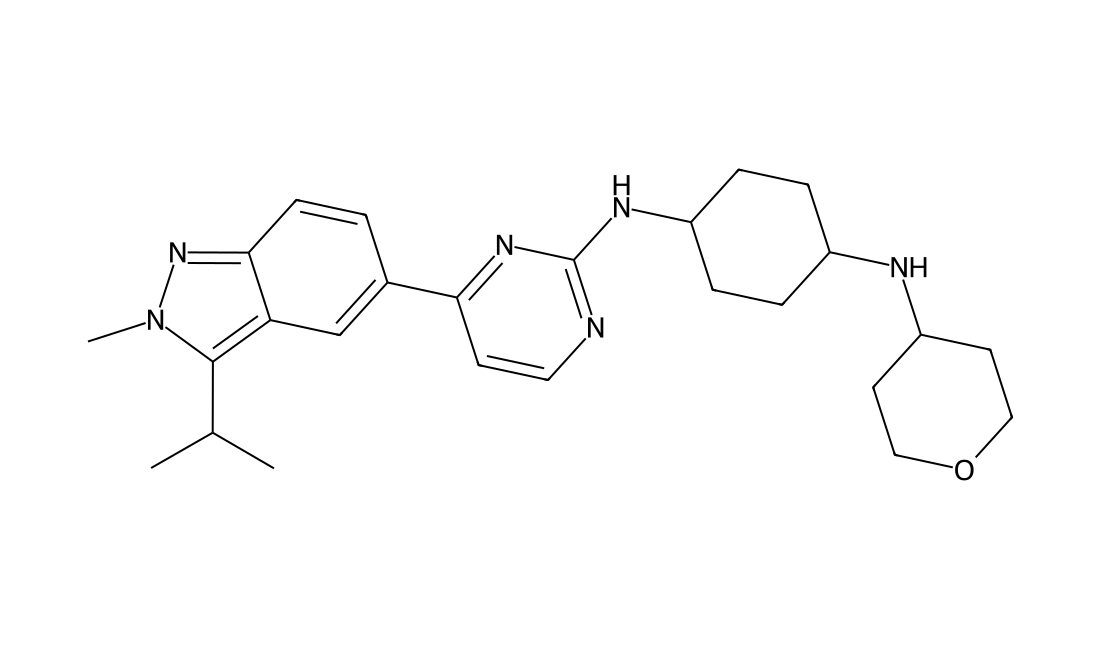
LY2857785Featured
LY2857785 is a potenrt, reversible and ATP-competitive CDK9 inhibitor with IC50 of 11 nM, also inhibits CDK8 (IC50=16 nM) and weakly inhibits CSK7 (IC50=246 nM); showes good selectivity against a panel of 114 protein kinases; inhibits RNAP II C-terminal domain (CTD) P-Ser2 and CTD P-Ser5 in U2OS cells with IC50 of 89 and 42 nM, dramatically decreases MCL1 protein levels to result in apoptosis in a variety of leukemia and solid tumor cell lines (MV-4-11 cell IC50=40 nM); inhibits RNAP II CTD P-Ser2 in vivo, demonstrates potent antitumor growth efficacy in tumor xenografts.
LY223982Featured
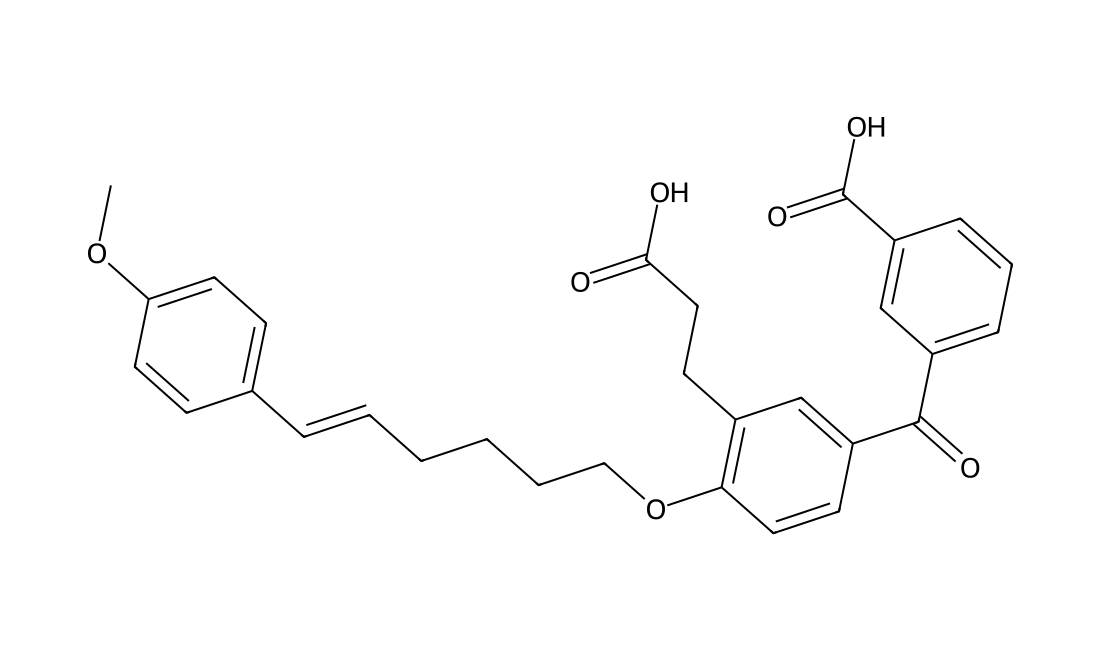
In Vitro LY223982 is a potent and specific inhibitor of leukotriene B4 (LTB4) receptor, with an IC50 of 13.2 nM against [3H]LTB4 binding to LTB4 receptor. LY223982 is also a potent antagonist of the aggregation of human neutrophils by LTB4 (IC50, 100 nM). In Vivo LY223982 inhibits transient leukopenia induced in rabbits with LTB4 (ED50, 3 mg/kg) but not with FMLP, and shows no agonist activity in any of the test systems.
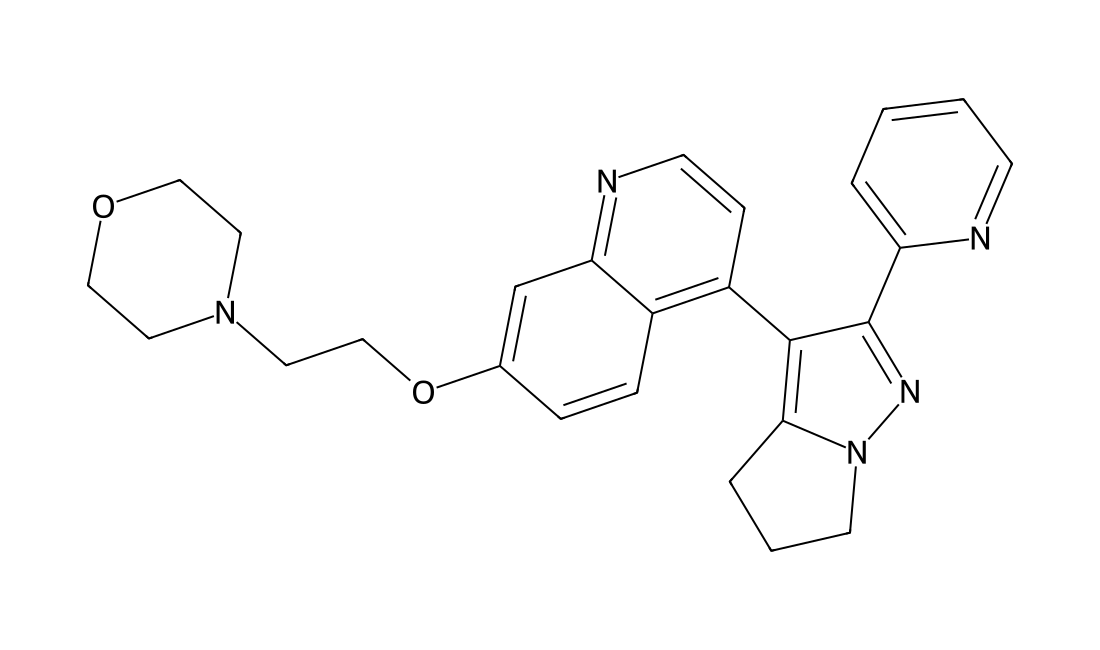
LY-2109761Featured
LY2109761 treatment induces a dose-dependent low-anchorage growth inhibition of L3.6pl/GLT cells, leading to ~33% or 73% inhibition at 2 μM and 20 μM, respectively, which can be strongly enhanced when combined with gemcitabine in combination index value of 0.36581. Blocking TβRI/II kinase activity with LY2109761 (5 μM) completely suppresses both the basal and TGF-β1-stimulated migration and invasion of L3.6pl/GLT cells, significantly enhances the detachment-induced apoptosis by 26% at 8 hours treatment, and completely suppresses TGF-β–induced Smad2 phosphorylation. LY2109761 treatment at 1 nM is sufficient to significantly block the migration and invasion but not adhesion of hepatocellular carcinoma cells by increasing E-cadherin expression. LY2109761 pretreatment enhances radiosensitivity of glioblastoma cells via TGF-β signaling blockage. LY2109761 (10 μM) reduces the self-renewal and proliferation of GBM-derived cancer stem–like cells (CSLC), which can be significantly enhanced when combined with radiation. Administration of LY2109761 (50 mg/kg) alone or in combination with gemcitabine (25 mg/kg) significantly reduces the tumor volume by ~70% and ~90%, respectively, prolongs the survival with the median survival duration of 45.0 days and 77.5 days, respectively, and reduces spontaneous abdominal metastases in the L3.6pl/GLT Xenograft mice model. In consistent with the in vitro effect, administration of LY2109761 alone or in combination with radiation, markedly inhibits tumor growth in the orthotopical CSLC glioblastoma model by 43.4% and 76.3%, respectively, decreases tumor invasion and tumor microvessel density, and significantly enhances radiation-induced tumor growth delay in the U87MG xenograft mice model. For the detailed information of LY-2109761, the solubility of LY-2109761 in water, the solubility of LY-2109761 in DMSO, the solubility of LY-2109761 in PBS buffer, the animal experiment (test) of LY-2109761, the cell expriment (test) of LY-2109761, the in vivo, in vitro and clinical trial test of LY-2109761, the EC50, IC50,and Affinity of LY-2109761, Please contact DC Chemicals.
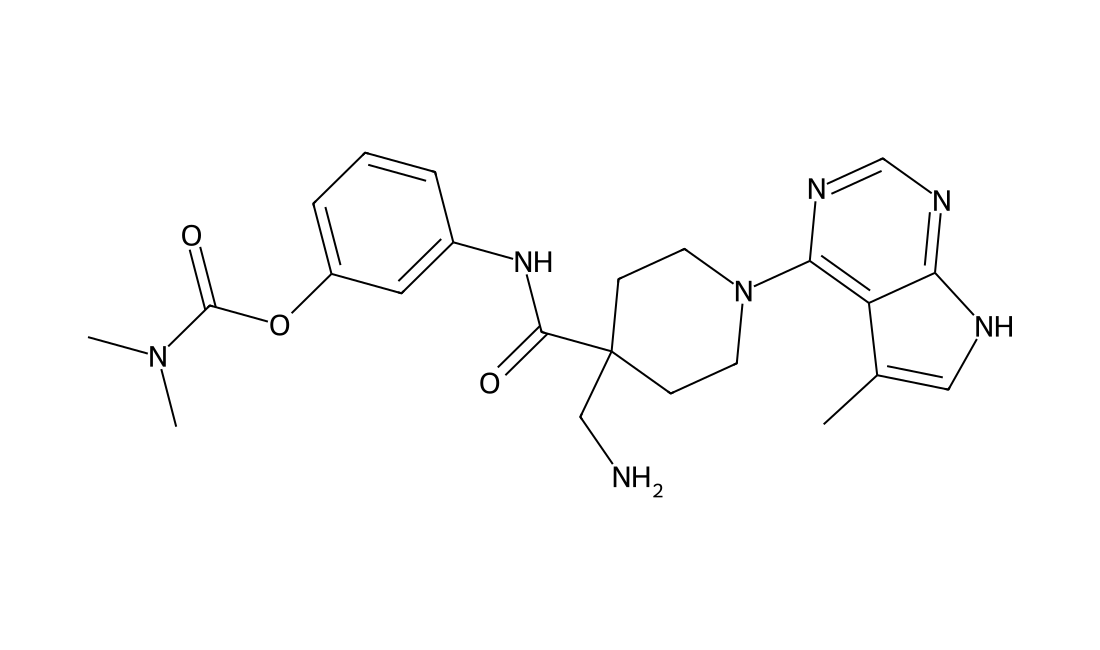
LX7101Featured
LX7101 is a potent, dual LIMK and ROCK inhibitor with IC50 of 4.3/32//69/32/ nM for LIMK2/LIMK1/ROCK1/ROCK2, respectively; kinase selectivity are eveluated in a panel of binding assays including 78 different receptors and transporters at Cerep (only 5 have >60% inhibition at 10 uM); demonstrates high efficacy in mouse model of ocular hypertension, ans shows potential for the treatment of glaucoma.Other IndicationPhase 2 Clinical
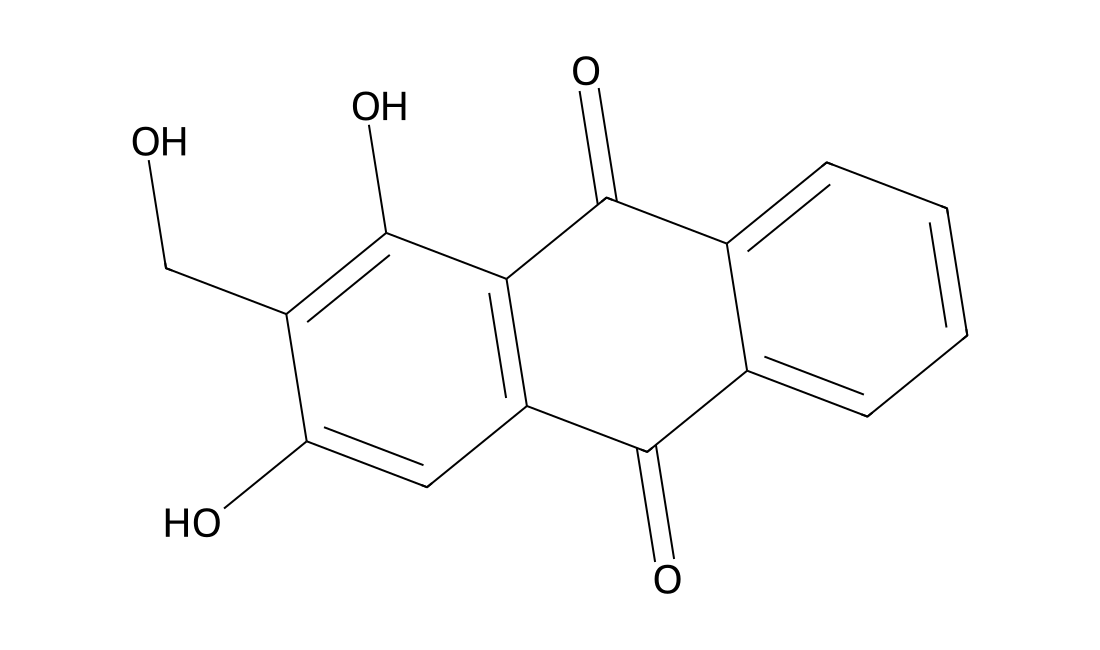
Lucidin (NSC 30546)Featured
Inhibits the mechanisms of hyperpigmentation appearance and effectively brightens the existing hyperpigmentation: prevents the creation of tyrosinase – enzyme taking part in the production of melanin hampers the activity of tyrosinase already present in the skin prevents excessive production of melanin by ‘catching’ copper ions regulates epidermis exfoliation and slightly intensifies the processFor the detailed information of Lucidin (NSC 30546), the solubility of Lucidin (NSC 30546) in water, the solubility of Lucidin (NSC 30546) in DMSO, the solubility of Lucidin (NSC 30546) in PBS buffer, the animal experiment (test) of Lucidin (NSC 30546), the cell expriment (test) of Lucidin (NSC 30546), the in vivo, in vitro and clinical trial test of Lucidin (NSC 30546), the EC50, IC50,and Affinity of Lucidin (NSC 30546), Please contact DC Chemicals.
No products match this search.
Page 301 of 309 · Browse all 6177 products
Jump to a product page
Featured literature product: HX1 · DCL0028
HX1 is a hydroxyzine-derived ionizable lipid with acetal-containing tails, studied in lipid nanoparticles for brain mRNA delivery and CRISPR–Cas9 delivery. It was the lead in the reported in vivo brain-delivery screen; evidence is preclinical and formulation-dependent.
Read full formulation and performance →