
Research lipid catalog
Ionizable Lipid Products
Explore 848 lipid and RNA delivery products. Search the full catalog or browse by research category.
Search covers product name, catalog number, synonyms, available CAS numbers and categories. Spaces, hyphens and common punctuation are ignored. Duplicate legacy records are consolidated under one canonical product result.
6177 products · Showing 5681–5700 · 20 per page
DC Chemicals lipid expertise
Built for ionizable-lipid discovery and RNA delivery research
DC Chemicals supports formulation and delivery research with a broad, searchable portfolio of cationic and ionizable lipids. The current directory brings together 848 unique research-use products, with product specifications, pricing, chemical structures and literature-linked formulation data added as each record is verified.
Our experience spans complex lipid synthesis, purification, analytical release and process development. For custom molecules or larger-scale requirements, our team can discuss route development, technical specifications and scale-up options for the intended research workflow.
Learn about cationic and ionizable lipids →Proprietary innovation · Co-development · GMP
From proprietary lipid design to GMP-grade custom synthesis
DC Chemicals has independently developed ionizable-lipid structures supported by company-owned intellectual property, and selected proprietary lipid programs have advanced to GMP-stage development.
We welcome joint development with customers—from molecular design and lipid synthesis through route and process development. We can also support custom synthesis of GMP-grade ionizable lipids to agreed technical specifications and quality requirements.
Discuss a co-development project →Proprietary ionizable-lipid structuresCollaborative molecular designCustom lipid synthesisProcess development and scale-upGMP-grade project support
Product quick links
Explore New ionizable lipids
Explore our five most recently added ionizable lipids, with specifications, pricing and literature-linked product information.
DCL0028HX1Brain RNA delivery researchView product →DCL0024A1I4R13C18-2Spleen-targeted RNA delivery researchView product →DCL0023A1I4R2C18-2Spleen-targeted RNA delivery researchView product →DCL0022FS01Local joint RNA delivery researchView product →DCL0020Lipid-392Lung RNA delivery and gene editing researchView product →
Cat. No.Product NameField of ApplicationChemical Structure
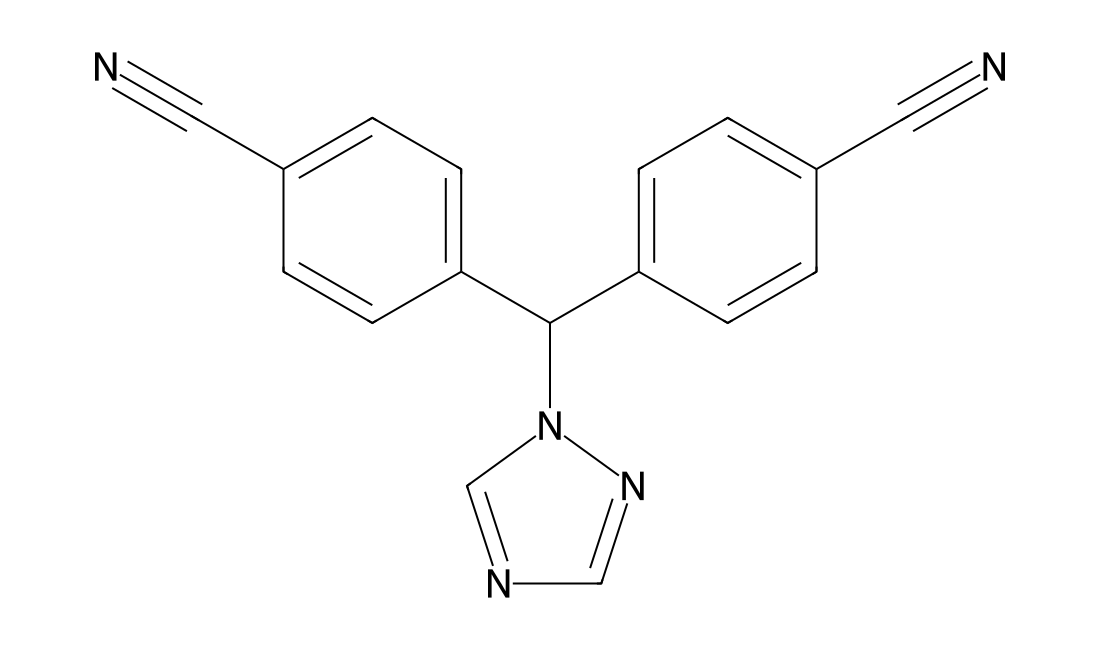
LetrozoleFeatured
Letrozole is an aromatase inhibitor with an IC50 of 1-13 nM.
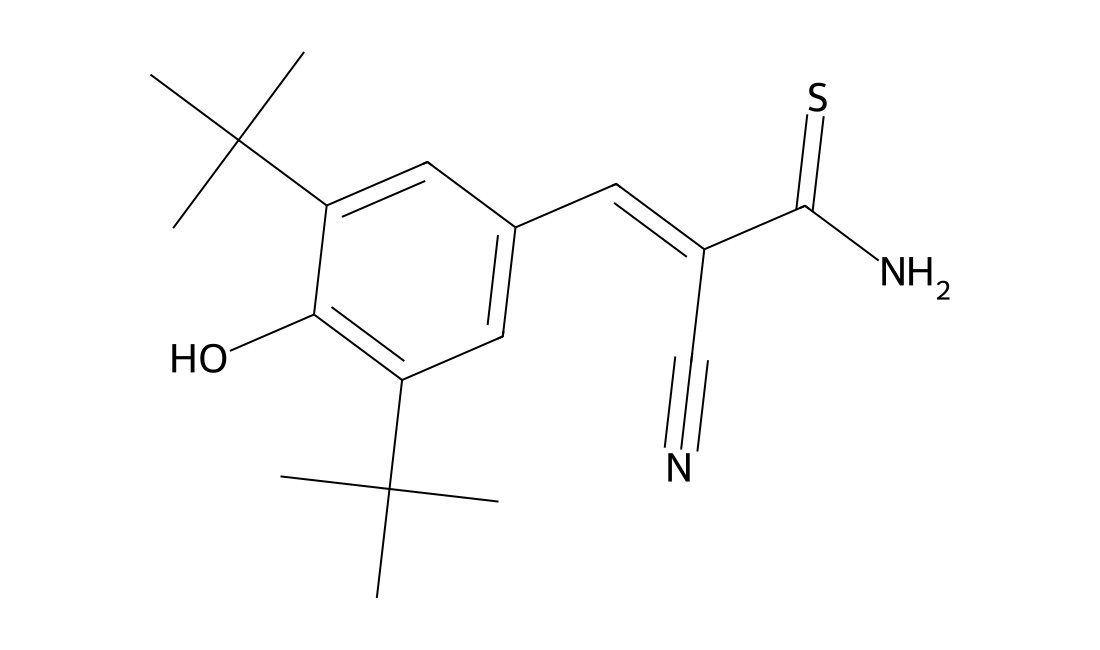
AG879Featured
TyrphostinAG879 is a tyrosine kinase inhibitor that inhibits TrKA phosphorylation, but not TrKB and TrKC.[1] also a ErbB2 kinase inhibitor, has at least 500-fold higher selectivity to ErbB2 (IC50 = 1 μmol/L) than EGFR (IC50 >500 μmol/L).
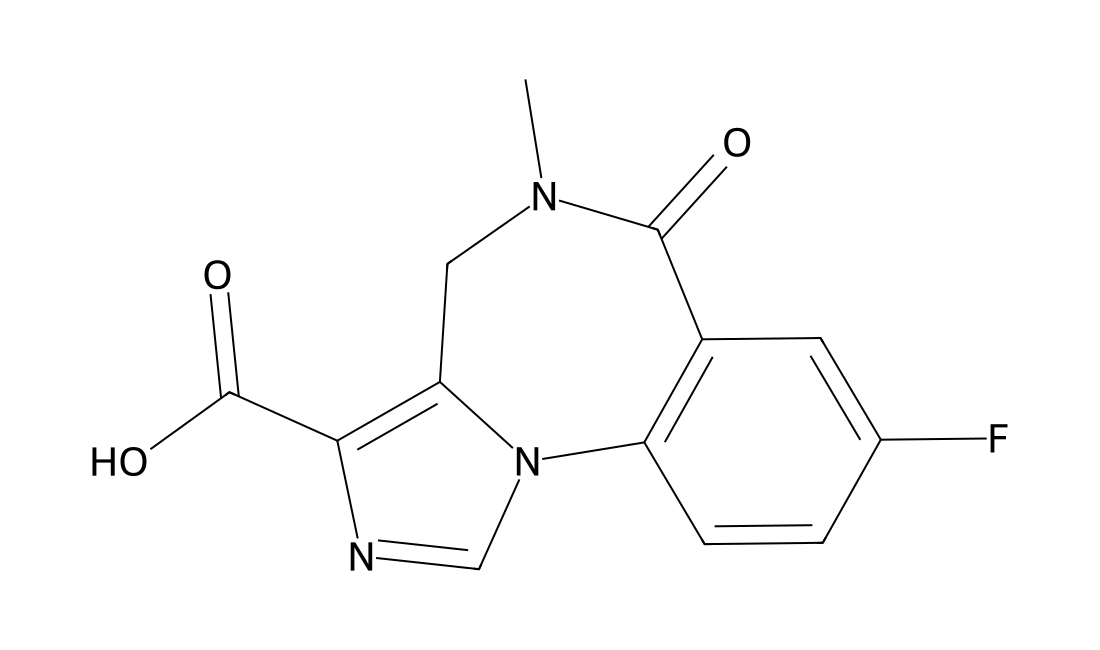
RO 15-3890Featured
RO 15-3890(Flumazenil acid) is a metabolite of Flumazenil[1]. Flumazenil is a GABAA receptor antagonist[2].
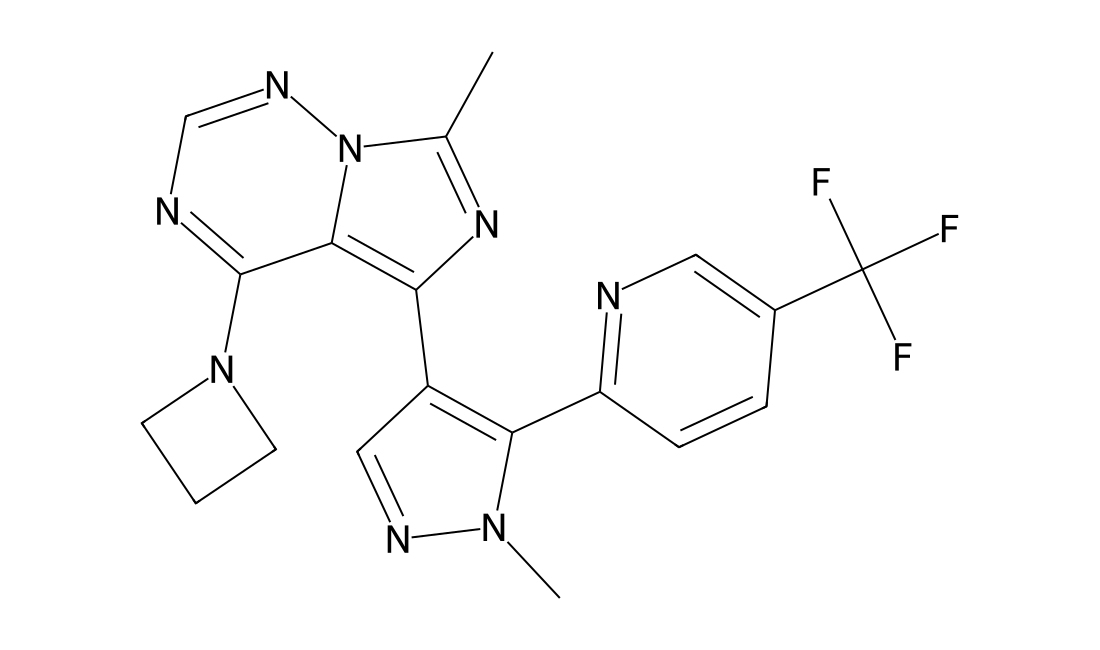
PF 05180999Featured
PF-05180999 is a phosphodiesterase 2A (PDE2A) inhibitor, with an IC50 of 1.6 nM.
JNJ-26854165 (Serdemetan)Featured
Serdemetan(JNJ-26854165) acts as a HDM2 ubiquitin ligase antagonist and also induces early apoptosis in p53 wild-type cells, inhibits cellular proliferation followed by delayed apoptosis in the absence of functional p53.IC50 value: HDM2 ubiquitin ligaseTarget: in vitro: JNJ 26854165 is a novel tryptamine derivative which activates p53 and acts as a HDM2 ubiquitin ligase antagonist. JNJ 26854165 inhibits cell growth and induces apoptosis in leukemia cell lines with IC50 values of 0.24, 0.33, 0.32 and 0.44 μM at 72 hours for OCI-AML-3, MOLM-13, NALM-6 and REH cells, respectively. In addition, JNJ 26854165 accelerates proteasome-mediated degradation of p21 and antagonizes the transcriptional induction of p21 by p53. It also induces S-phase delay and upregulates E2F1 expression in p53 mutant cells, resulting in preferential apoptosis of S-phase cells. JNJ 26854165 is an oral Mdm2 inhibitor which can inhibit the interaction of Mdm2-p53 complex with the proteasome and increase p53 levels by binding to RING domain of Mdm2. A recent study shows that JNJ 26854165 inhibits clonogenic survival in four human cancer cell lines: H460, A549, p53-WT-HCT116, and p53-null-HCT116.in vivo:JNJ 26854165 leads to significant differences in EFS distribution in 17 of the 36 (47%) evaluable solid tumor xenografts and in 5 of 7 (71%) of the evaluable ALL xenografts using a dose of 20 mg/kg administered via oral gavage daily for 5 days, repeated for 6 weeks.
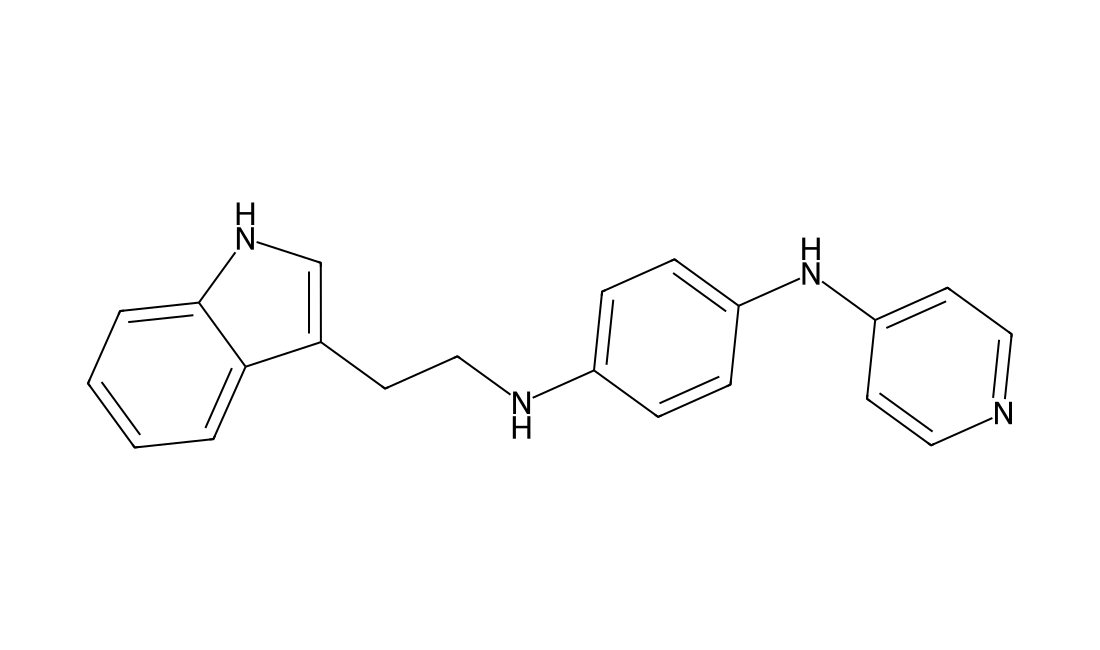
KHS-101Featured
Selective inducer of neuronal differentiation; induces neuronal differentiation in cultured hippocampal neural progenitor cells (NPCs) by interacting with TACC3 (EC50 ~1 μM). Suppresses astrocyte formation. Also induces acceleration of neuronal differentiation in the hippocampal dentate gyrus in vivo.
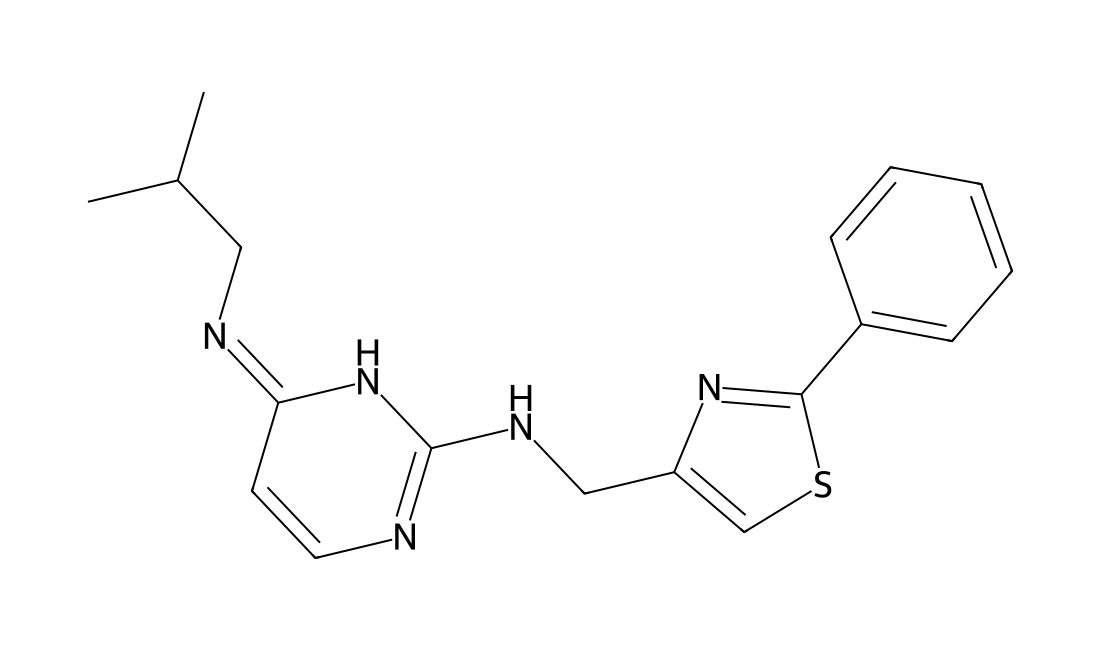
CAN-508Featured
CAN508 is a potent, ATP-competitive CDK9/cyclin T1 inhibitor with an IC50 of 0.35 μM. CAN508 exhibits a 38-fold selectivity for CDK9/cyclin T over other CDK/cyclin complexes. Antitumor activity[1][2].
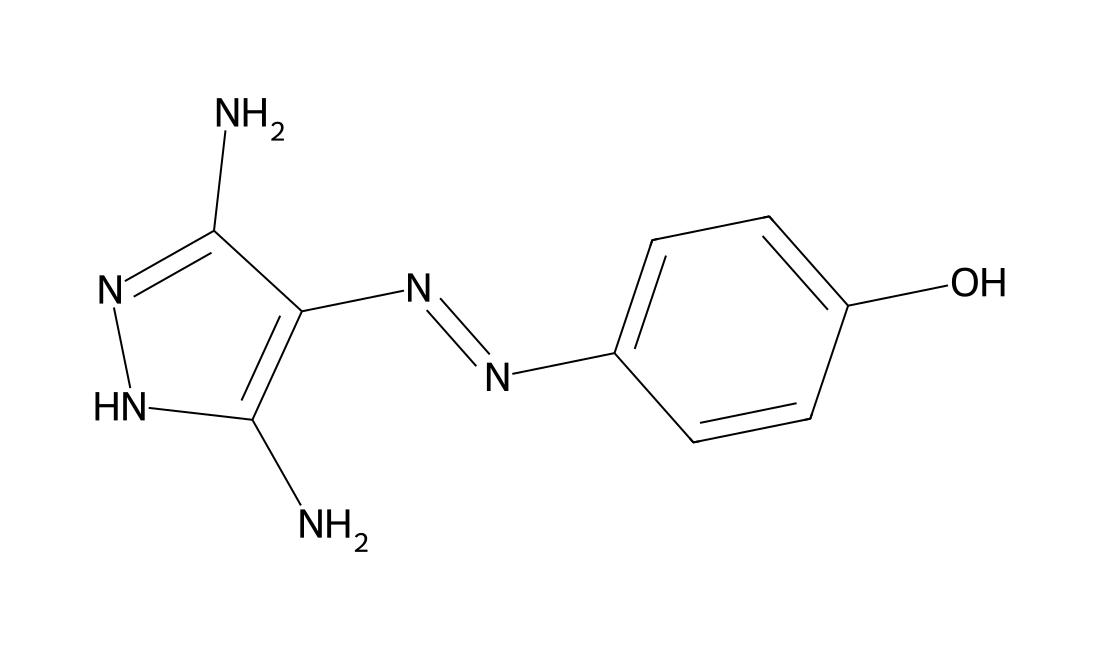
CK 666Featured
CK-666 is a cell-permeable inhibitor of actin-related protein Arp2/3 complex, and binds to Arp2/3 complex, stabilizes the inactive state of the complex, blocking movement of the Arp2 and Arp3 subunits into the activated filament-like (short pitch) conformation[1].
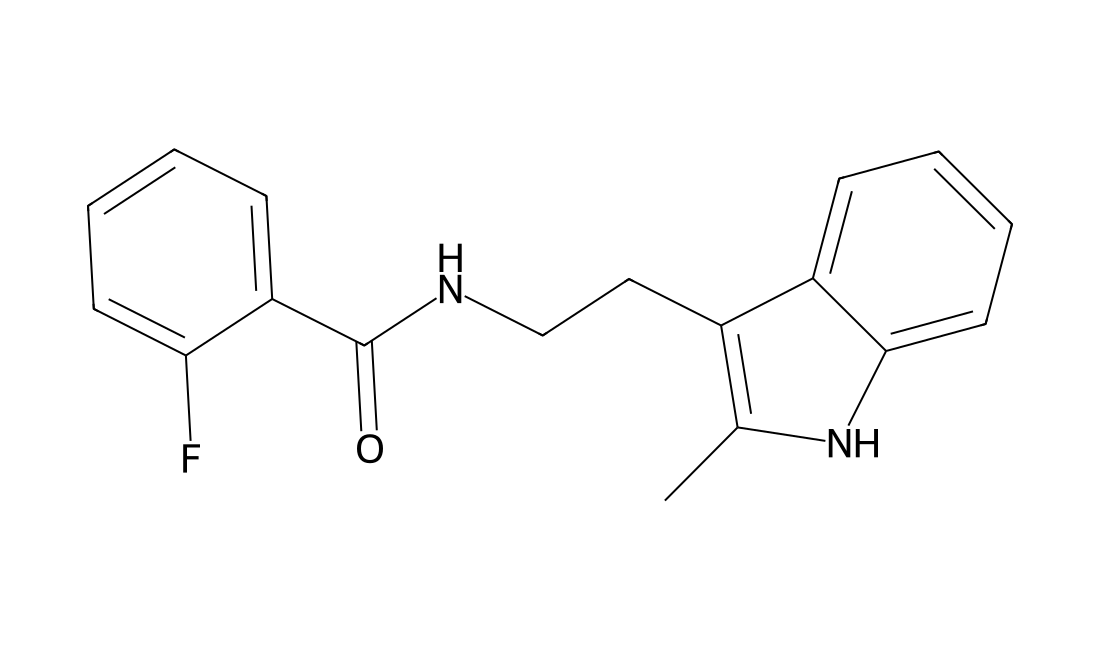
ESI-05Featured
ESI-05 (NSC 116966) is a specific exchange protein directly activated by cAMP 2 (EPAC2) antagonist (IC50, 0.4 µM), suppresses the cAMP-mediated activation of EPAC2 and inhibits Rap1 activation mediated by EAPC2[1].
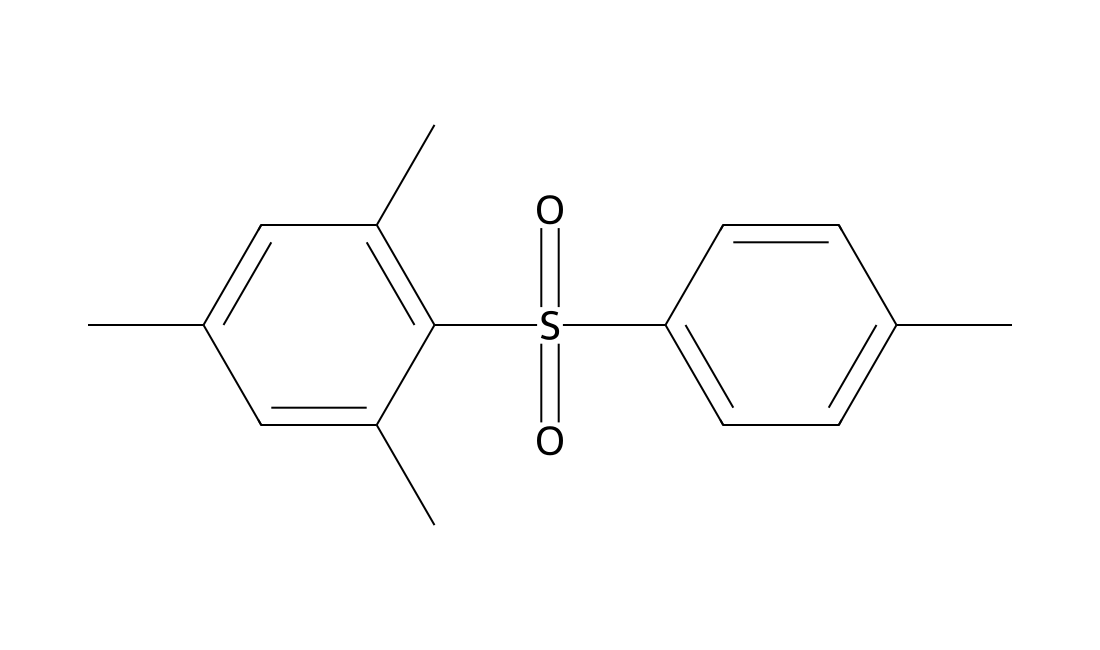
JNJ-47965567Featured
JNJ-47965567 is a potent, selective, centrally permeable P2X7 receptor antagonist with pKi of 7.9 and 8.7 for human and rat P2X7, respectively; attenuates IL-1β release with pEC50 of 6.7 (human blood), 7.5 (human monocytes) and 7.1 (rat microglia); exhibits target engagement in rat brain with brain EC50 of 78 ± 19 ng/ml, as well as functional block of Bz-ATP induced IL-1β release; attenuateas amphetamine-induced hyperactivity and exhibits modest, yet significant efficacy in the rat model of neuropathic pain.
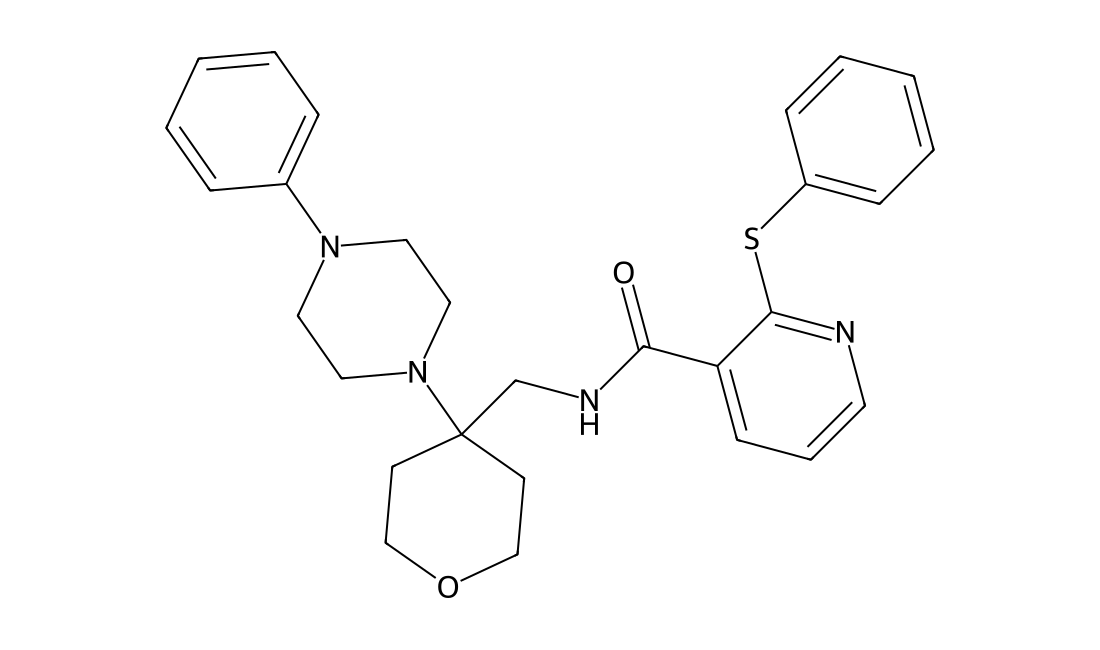
DotinuradFeatured
Dotinurad is a potent uricosuric agent, with an IC50 of 3.6 µM for uric acid[1].
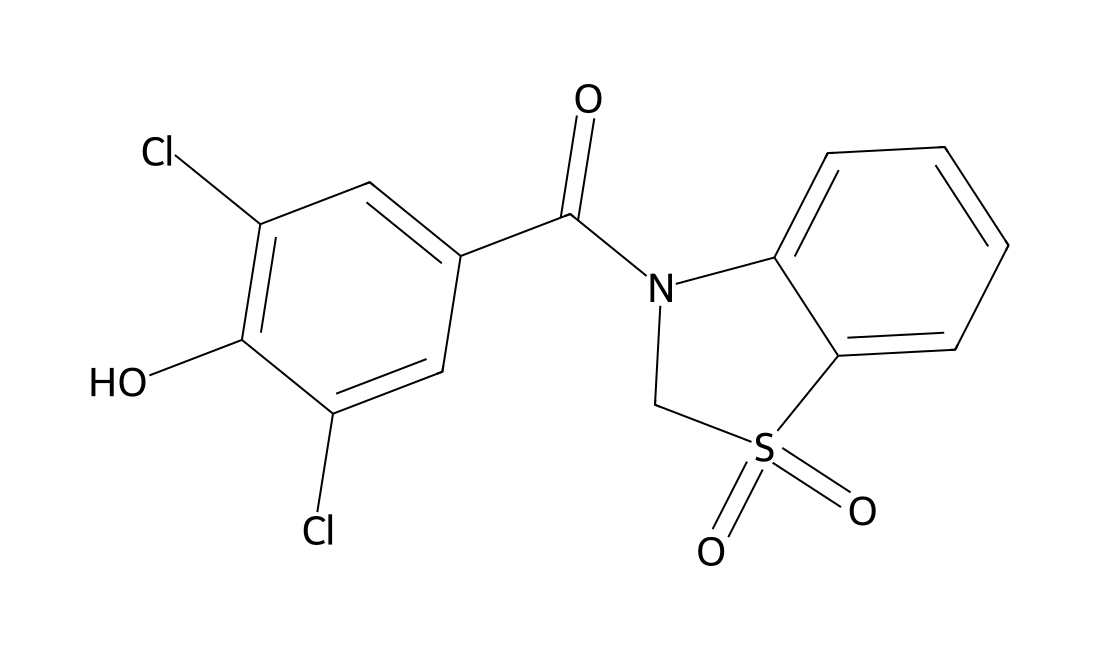
OgerinFeatured
Ogerin is a selective GPR68 positive allosteric modulator, with a pEC50 of 6.83. Ogerin shows inverse agonist and antagonist activity (Ki, 220 nM) at A2A receptoor and weak antagonist activity (Ki, 736 nM) at 5-HT2B receptor. Ogerin blocks recall in fear conditioning in mice[1].
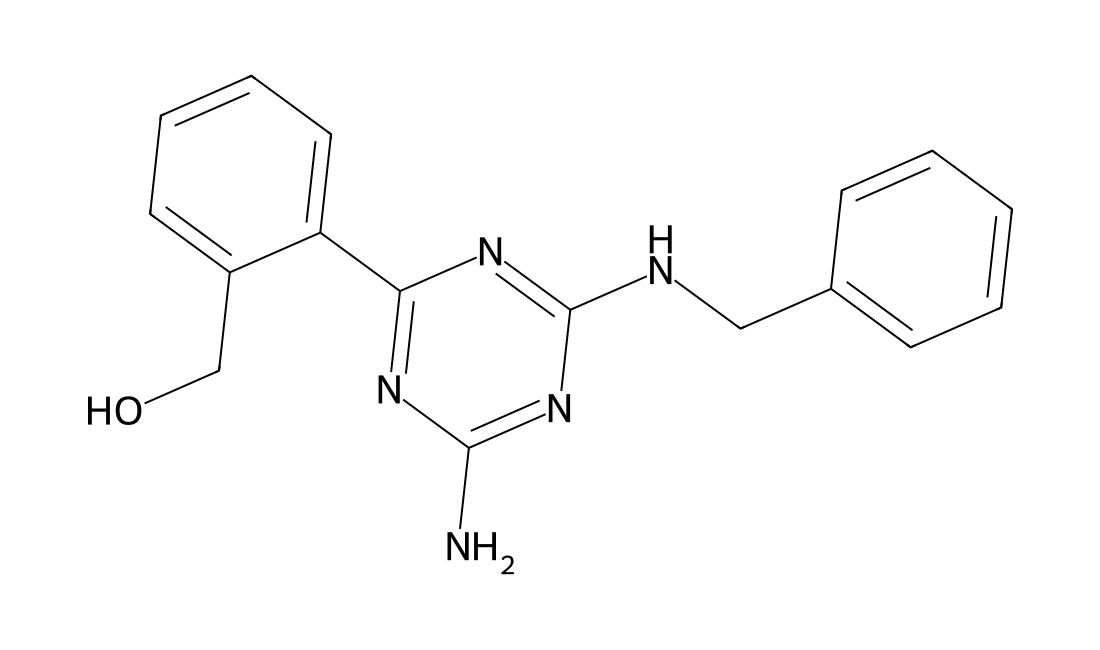
KY-05009Featured
KY-05009 is an ATP-competitive Traf2- and Nck-interacting kinase (TNIK) inhibitor with a Ki of 100 nM. KY-05009 pharmacologically inhibits TGF-β1-induced epithelial-to-mesenchymal transition (EMT) in human lung adenocarcinoma cells. KY-05009 inhibits the protein expression of TNIK and transcriptional activity of Wnt target genes and induces apoptosis in cancer cells. KY-05009 exerts anti-cancer activity[1].
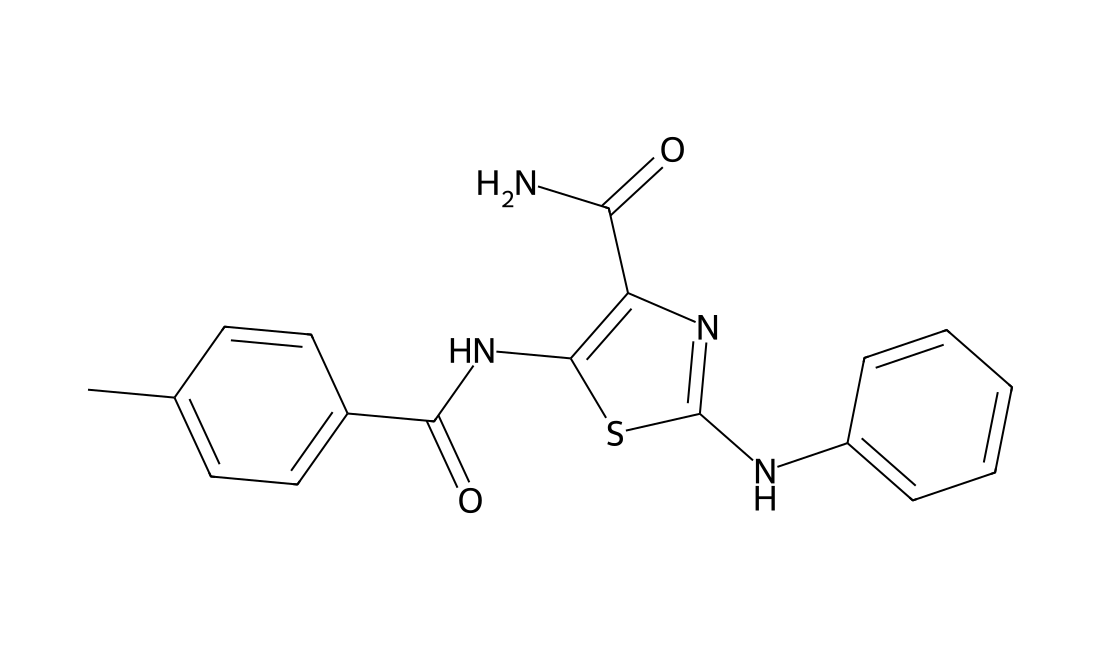
LE-135Featured
LE135 is a potent RAR antagonist that binds selectively to RARα (Ki of 1.4 μM) and RARβ (Ki of 220 nM), and has a higher affinity to RARβ. LE135 is highly selective over RARγ, RXRα, RXRβ and RXRγ. LE135 is also a potent TRPV1 and TRPA1 receptors activator with EC50s of 2.5 μM and 20 μM, respectively[1][2].
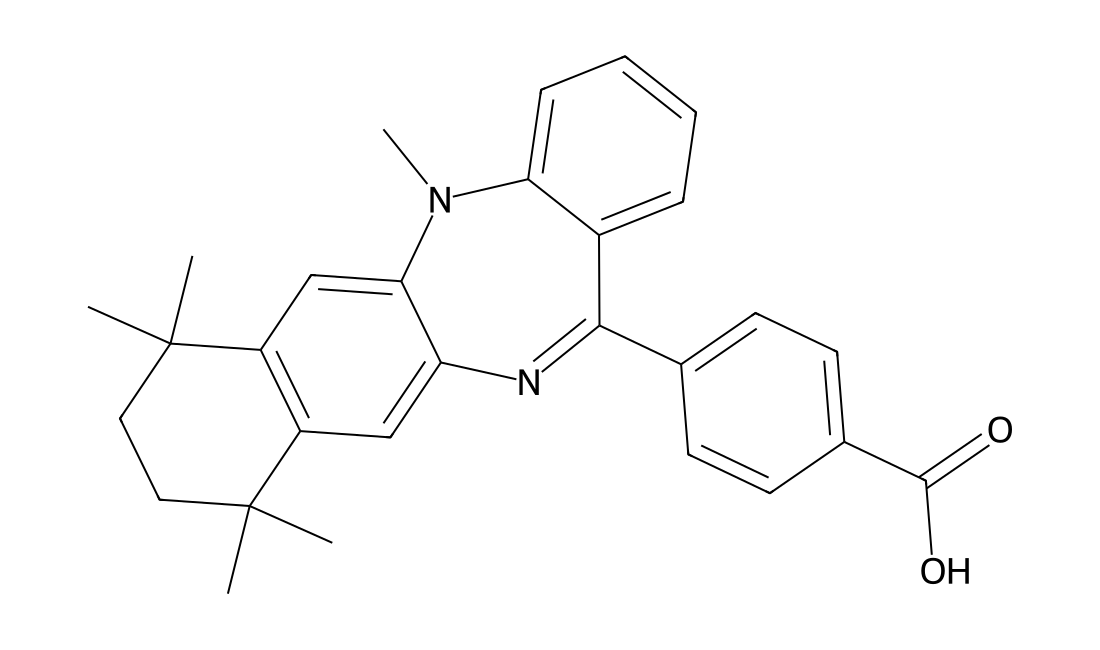
lavendustin AFeatured
Lavendustin A (RG-14355), isolated from Streptomyces Griseolavendus, is a potent, specific and ATP-competitive inhibitor of tyrosine kinase, with an IC50 of 11 ng/mL for EGFR-associated tyrosine kinase[1]. It suppresses VEGF-induced angiogenesis and blocks the induction of LTPGABA-A[2][3].
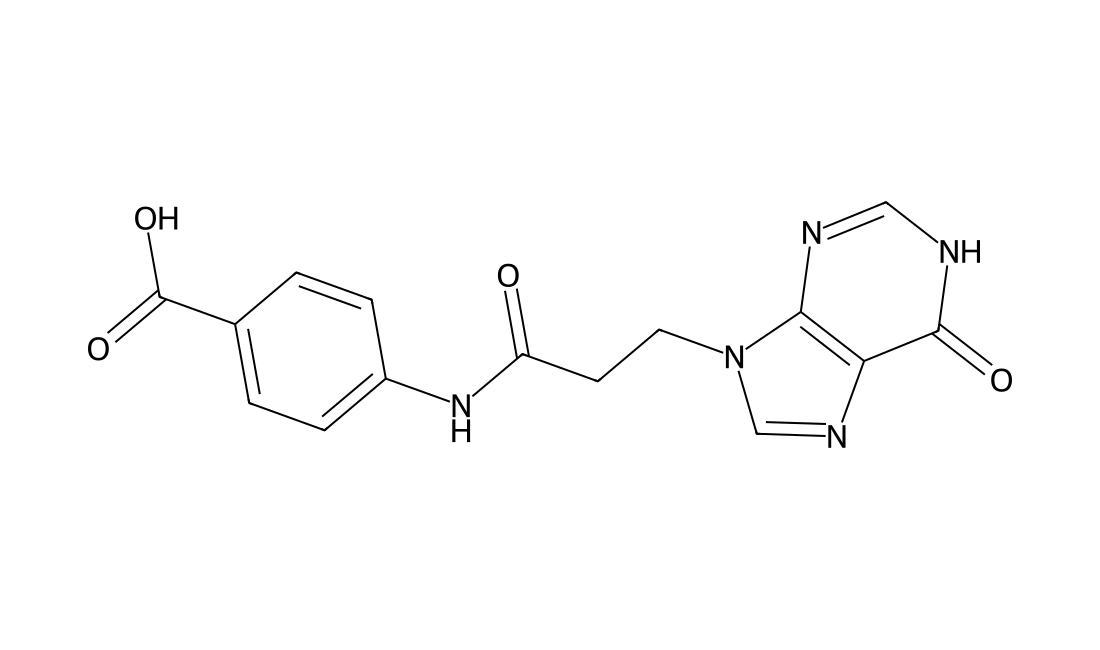
LeteprinimFeatured
Leteprinim (Neotrofin, AIT-082) is a hypoxanthine derivative drug with neuroprotective and nootropic effects.It stimulates release of nerve growth factors and enhances survival of neurons in the brain,and is under development as a potential treatment for neurodegenerative disorders such as Alzheimer's disease, Parkinson's disease and stroke.
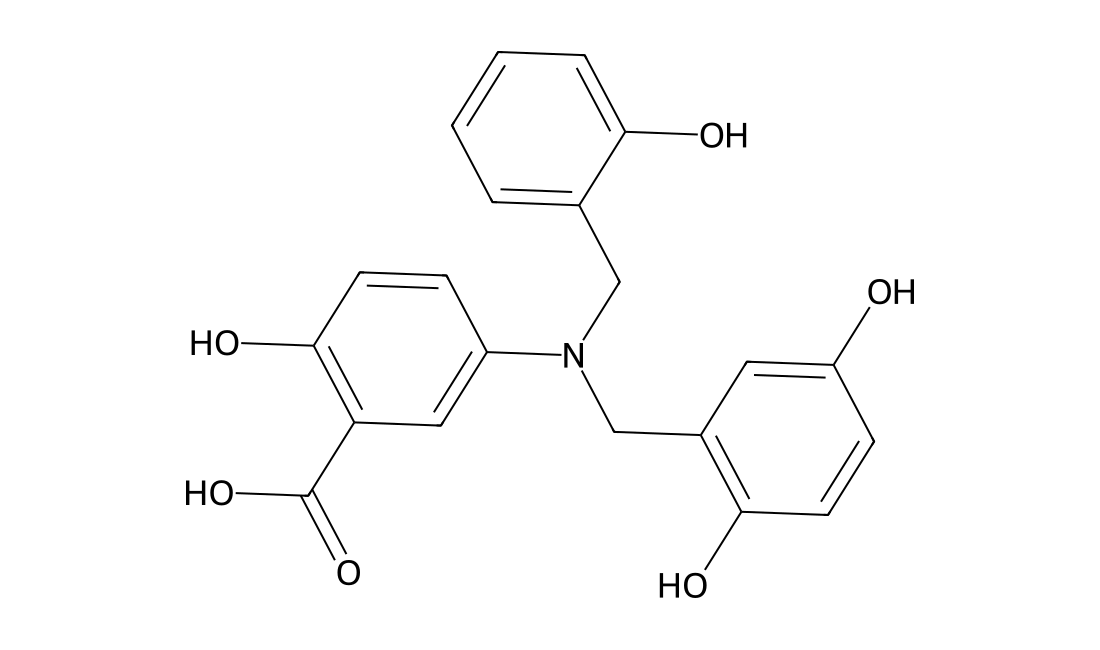
MST312Featured
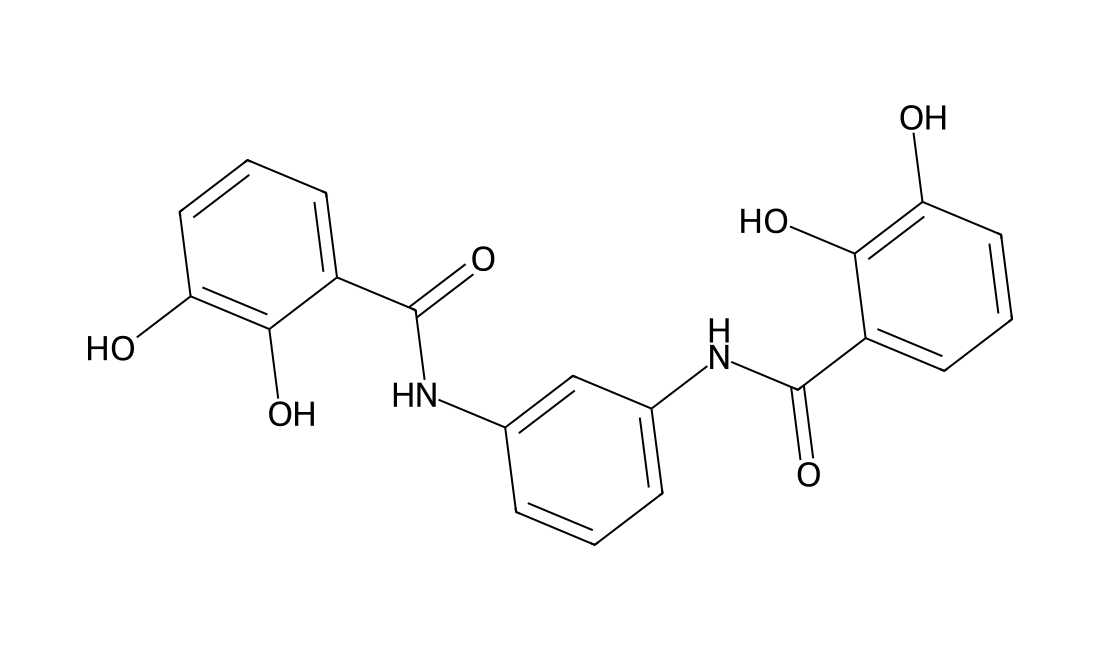
MST-312 is a telomerase inhibitor. MST-312 is a chemically modified derivative of green tea epigallocatechin gallate (EGCG). MST-312 can be used for the research of cancer, such as multiple myeloma (MM)[1].
Roquinimex(Linomide)Featured
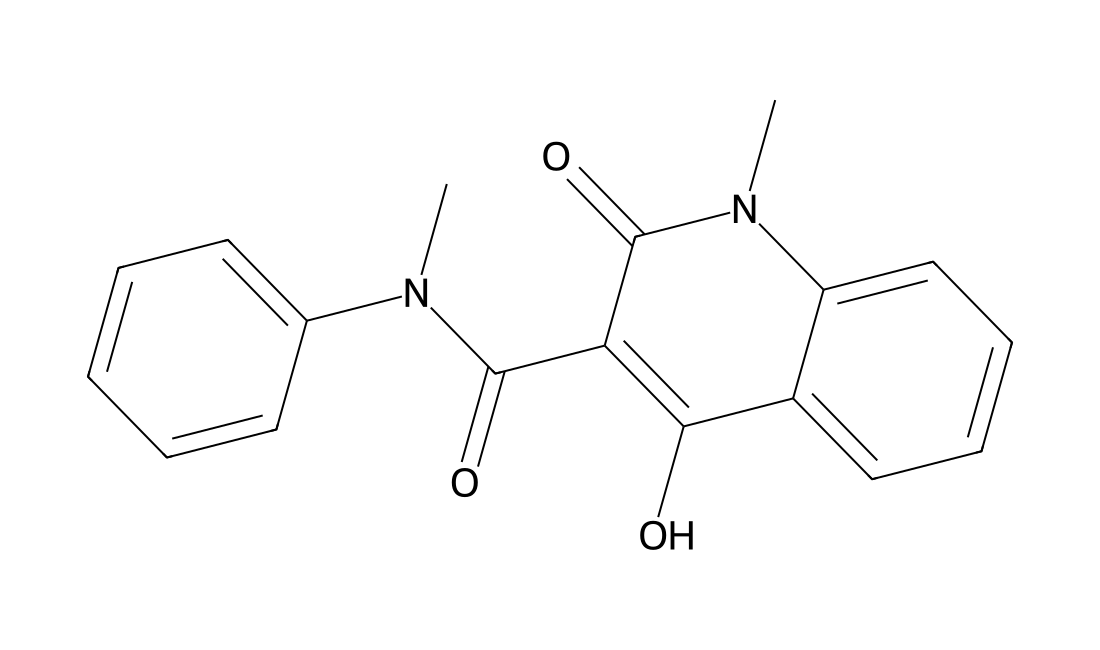
Roquinimex (Linomide; PNU212616; ABR212616) is a quinoline derivative immunostimulant which increases NK cell activity and macrophage cytotoxicity; inhibits angiogenesis and reduces the secretion of TNF alpha.IC50 value:Target: TNF alphaProphylactic administration of DSS-treated mice with roquinimex significantly reduced clinical signs of colitis, MDS and the CH-reduction. Moreover, in roquinimex treated animals, the MPO activity was significantly reduced by more than 50% compared to DSS control mice. Notably, therapeutic administration of roquinimex in DSS-treated mice also significantly inhibited the MDS, CH-reduction and MPO activity [2]. Linomide, a synthetic immunomodulator, at concentrations effective in vivo reduces the number of MBP-reactive TNF-alpha and increases MBP-reactive IL-10 and TGF-beta mRNA expressing MNC from MS patients' blood when analysed in vitro. Compared to dexamethasone, Linomide up-regulated levels of blood MNC expressing mRNA of TGF-beta after culture in presence of MBP [3].
LY320135Featured
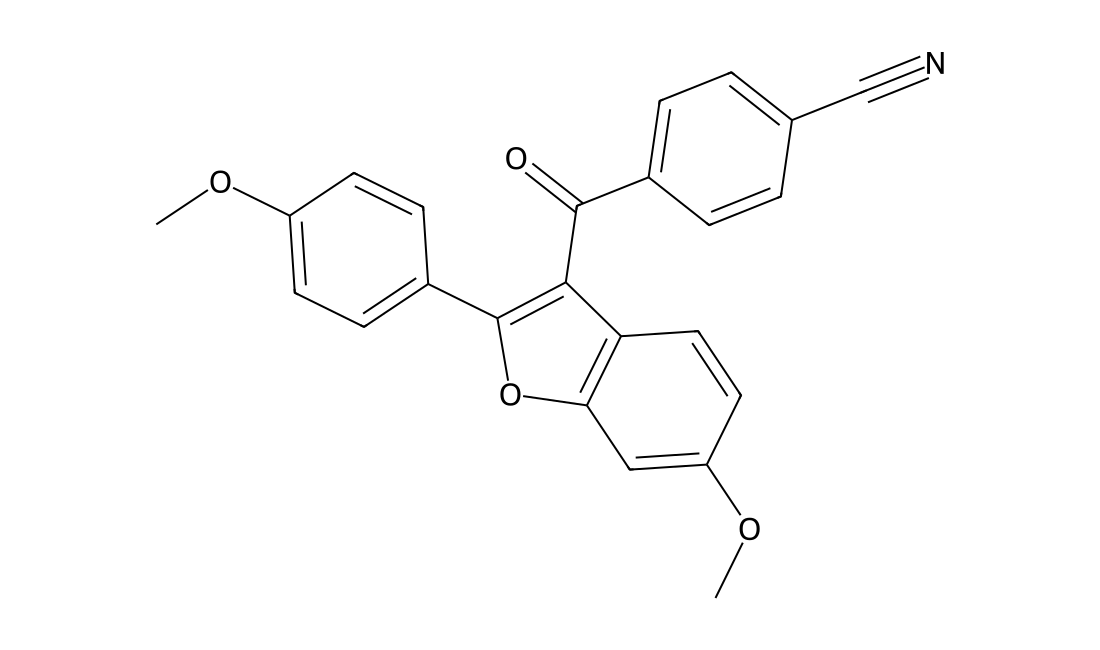
LY320135 is a potent and selective antagonist of CB1 receptor, with a Ki of 141 nM. LY320135 also binds to 5-HT2 and muscarinic receptors with Kis of 6.4 μM and 2.1 μM, respectively. LY320135 exhibits neuroprotective effect[1][2].
SKA-121Featured
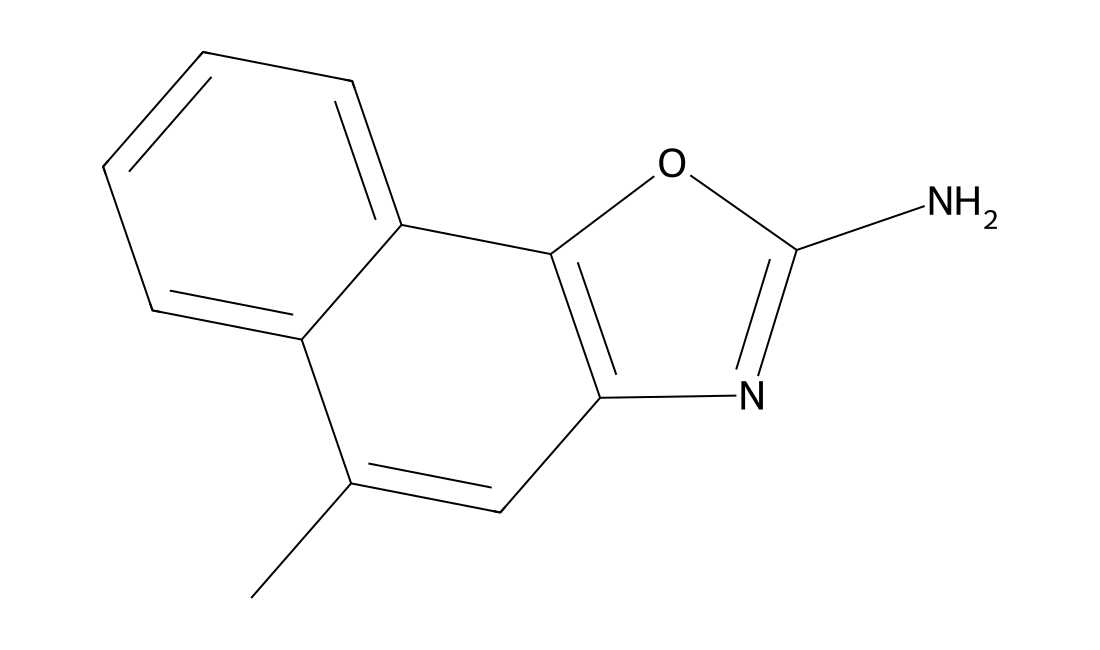
SKA-121 is a selective KCa3.1 activator. SKA-121 exhibits EC50s of 109 nM and 4.4 μM for KCa3.1 and KCa2.3, respectively.
No products match this search.
Page 285 of 309 · Browse all 6177 products
Jump to a product page
Featured literature product: HX1 · DCL0028
HX1 is a hydroxyzine-derived ionizable lipid with acetal-containing tails, studied in lipid nanoparticles for brain mRNA delivery and CRISPR–Cas9 delivery. It was the lead in the reported in vivo brain-delivery screen; evidence is preclinical and formulation-dependent.
Read full formulation and performance →