
Research lipid catalog
Ionizable Lipid Products
Explore 848 lipid and RNA delivery products. Search the full catalog or browse by research category.
Search covers product name, catalog number, synonyms, available CAS numbers and categories. Spaces, hyphens and common punctuation are ignored. Duplicate legacy records are consolidated under one canonical product result.
6177 products · Showing 6061–6080 · 20 per page
DC Chemicals lipid expertise
Built for ionizable-lipid discovery and RNA delivery research
DC Chemicals supports formulation and delivery research with a broad, searchable portfolio of cationic and ionizable lipids. The current directory brings together 848 unique research-use products, with product specifications, pricing, chemical structures and literature-linked formulation data added as each record is verified.
Our experience spans complex lipid synthesis, purification, analytical release and process development. For custom molecules or larger-scale requirements, our team can discuss route development, technical specifications and scale-up options for the intended research workflow.
Learn about cationic and ionizable lipids →Proprietary innovation · Co-development · GMP
From proprietary lipid design to GMP-grade custom synthesis
DC Chemicals has independently developed ionizable-lipid structures supported by company-owned intellectual property, and selected proprietary lipid programs have advanced to GMP-stage development.
We welcome joint development with customers—from molecular design and lipid synthesis through route and process development. We can also support custom synthesis of GMP-grade ionizable lipids to agreed technical specifications and quality requirements.
Discuss a co-development project →Proprietary ionizable-lipid structuresCollaborative molecular designCustom lipid synthesisProcess development and scale-upGMP-grade project support
Product quick links
Explore New ionizable lipids
Explore our five most recently added ionizable lipids, with specifications, pricing and literature-linked product information.
DCL0028HX1Brain RNA delivery researchView product →DCL0024A1I4R13C18-2Spleen-targeted RNA delivery researchView product →DCL0023A1I4R2C18-2Spleen-targeted RNA delivery researchView product →DCL0022FS01Local joint RNA delivery researchView product →DCL0020Lipid-392Lung RNA delivery and gene editing researchView product →
Cat. No.Product NameField of ApplicationChemical Structure
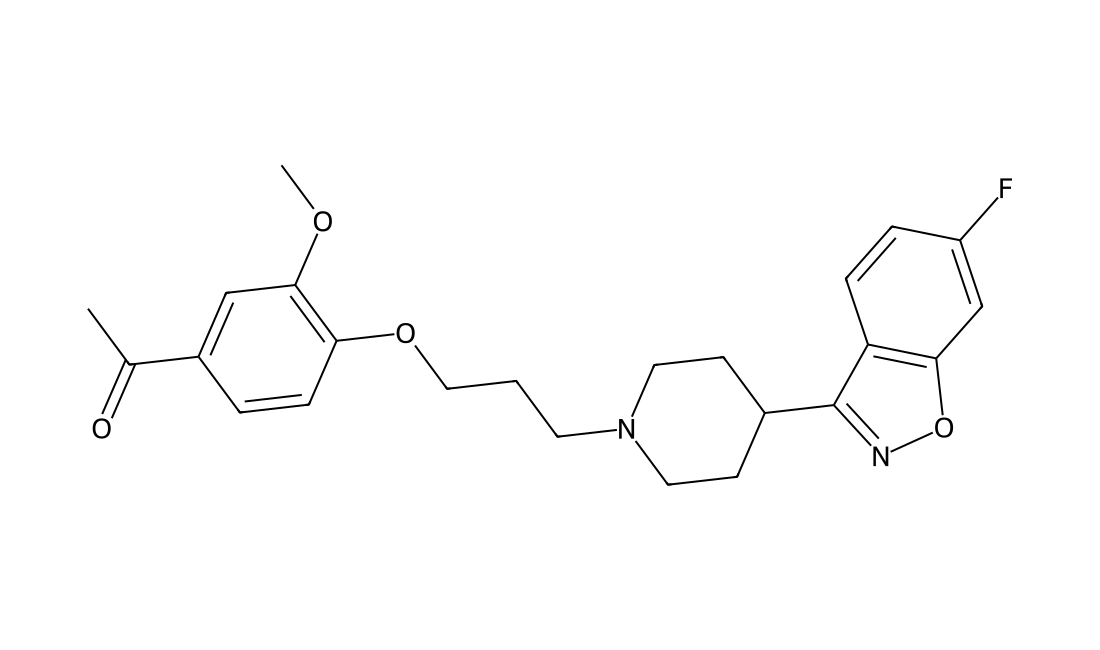
Iloperidone (Fanapt)Featured
For the detailed information of Iloperidone (Fanapt), the solubility of Iloperidone (Fanapt) in water, the solubility of Iloperidone (Fanapt) in DMSO, the solubility of Iloperidone (Fanapt) in PBS buffer, the animal experiment(test) (test) of Iloperidone (Fanapt), the cell expriment (test) of Iloperidone (Fanapt), the in vivo, in vitro and clinical trial test of Iloperidone (Fanapt), the EC50, IC50,and Affinity of Iloperidone (Fanapt),, please contact DC Chemicals.
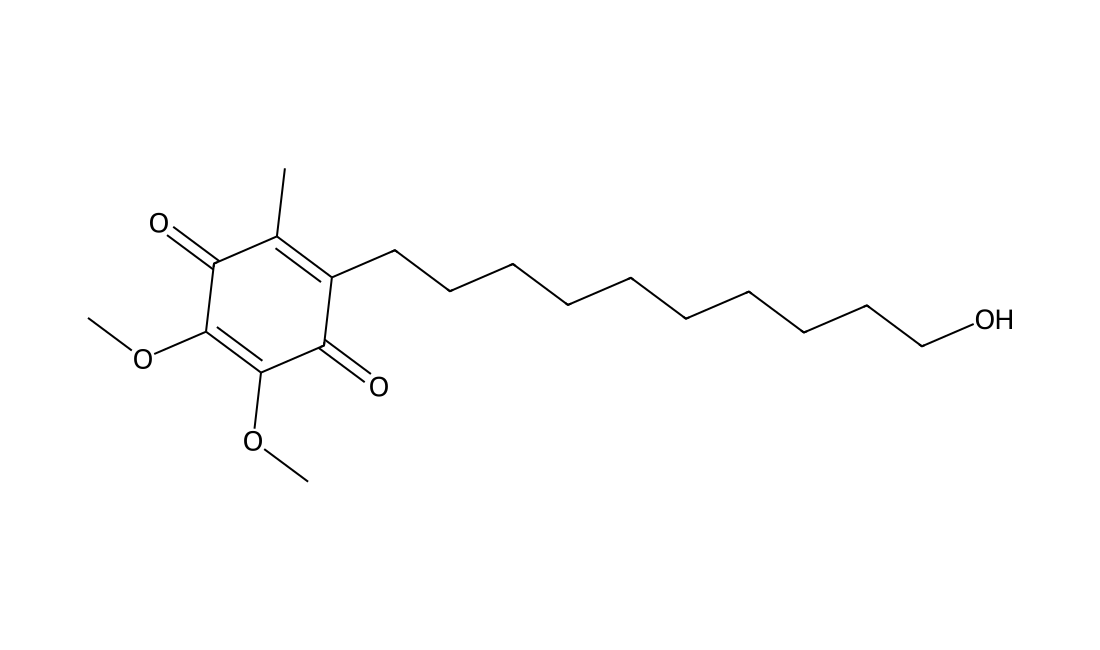
IdebenoneFeatured
For the detailed information of Idebenone, the solubility of Idebenone in water, the solubility of Idebenone in DMSO, the solubility of Idebenone in PBS buffer, the animal experiment(test) (test) of Idebenone, the cell expriment (test) of Idebenone, the in vivo, in vitro and clinical trial test of Idebenone, the EC50, IC50,and Affinity of Idebenone,, please contact DC Chemicals.
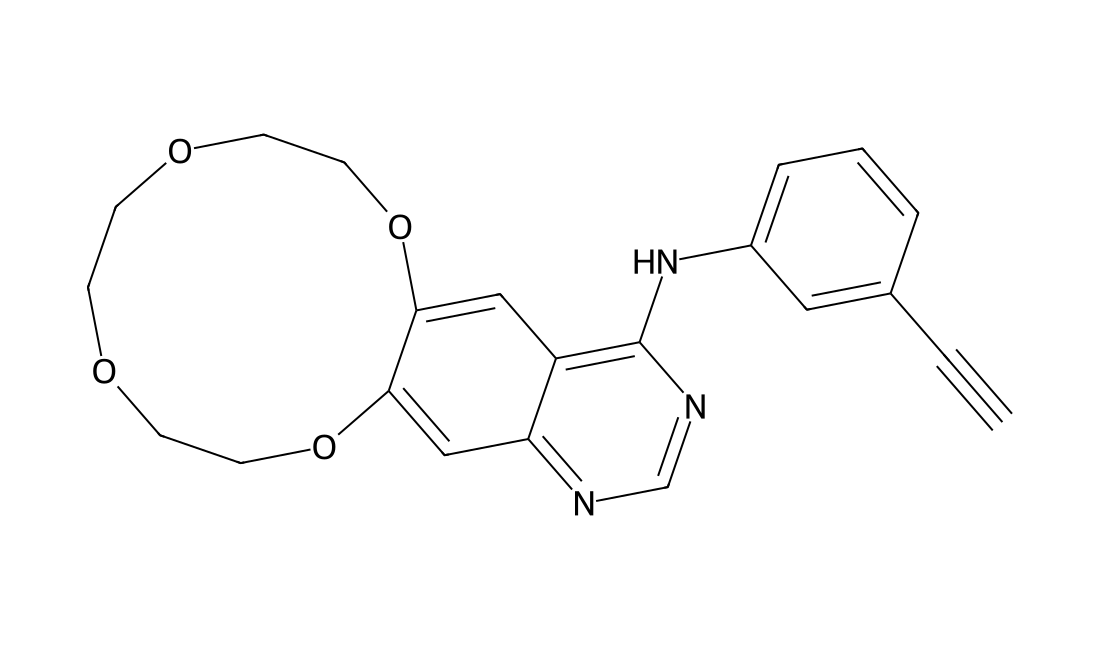
IcotinibFeatured
Icotinib inhibits EGFR activity in a dose-dependent manner, with an IC50 value of 5 nM and complete inhibition at 62.5 nM. Icotinib selectively solely inhibits the EGFR members including the wild type and mutants with inhibition efficacies of 61-99%. Icotinib blocks EGFR-mediated intracellular tyrosine phosphorylation in human epidermoid carcinoma A431 cells in a dose-dependent manner. Meanwhile, in our proliferation assay per Formed on A431, BGC-823, A549, H460, HCT8, KB and Bel-7402 cell lines, we found that the relative sensitivity of cell lines to Icotinib is A431 > BGC-823 > A549 > H460 > KB > HCT8 and Bel-7402. Icotinib exhibits a broad spectrum of antitumor activity and it is especially effective against tumors expressing higher levels of EGFR. Icotinib shows an antitumor effect in different types of xenografts. Icotinib inhibits tumor growth at a rate of 51.5%, 31.0% and 67.4% in the A431, A549 and H460 xenografts at a dose of 120 mg/kg, respectively. For the detailed information of Icotinib, the solubility of Icotinib in water, the solubility of Icotinib in DMSO, the solubility of Icotinib in PBS buffer, the animal experiment (test) of Icotinib, the cell expriment (test) of Icotinib, the in vivo, in vitro and clinical trial test of Icotinib, the EC50, IC50,and Affinity of Icotinib, Please contact DC Chemicals.
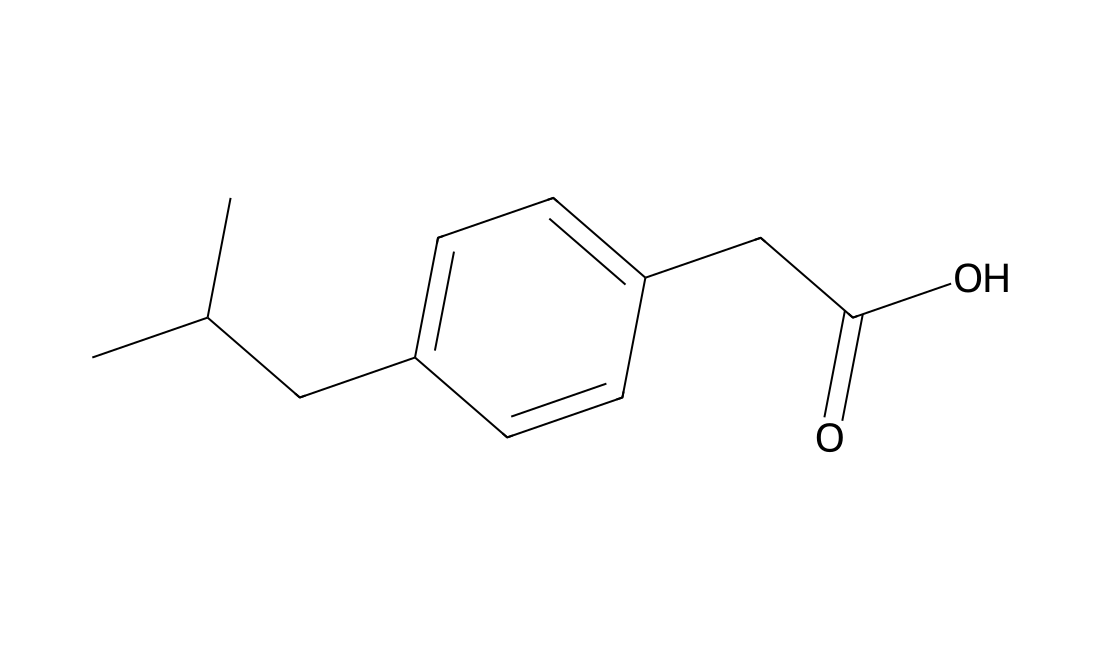
IbufenacFeatured
Ibufenac is an analog of the NSAID ibuprofen that inhibits COX-1 and -2 activity with IC50 values of 17.4 and 13.1 µM, respectively.
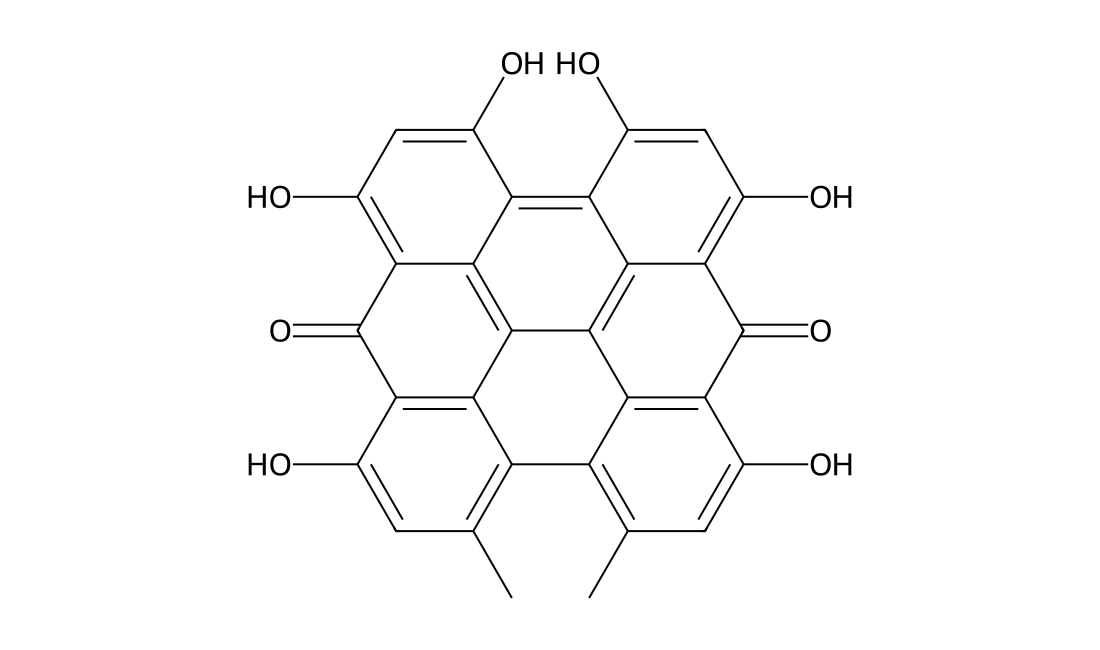
HypericinFeatured
Hypericin is a photosensitive antiviral with anticancer and antidepressant agent derived from Hypericum perforatum. It can inhibit tyrosine kinases with IC50 of 7.5 μM. In vitro:The photosensitive of hypericin can induce both apoptosis and necrosis in a concentration and light dose-dependent fashion. PDT with hypericin results in the activation of multiple pathways that can either promote or counteract the cell death program. It can effect cytotoxic to tumor cells by visible light.
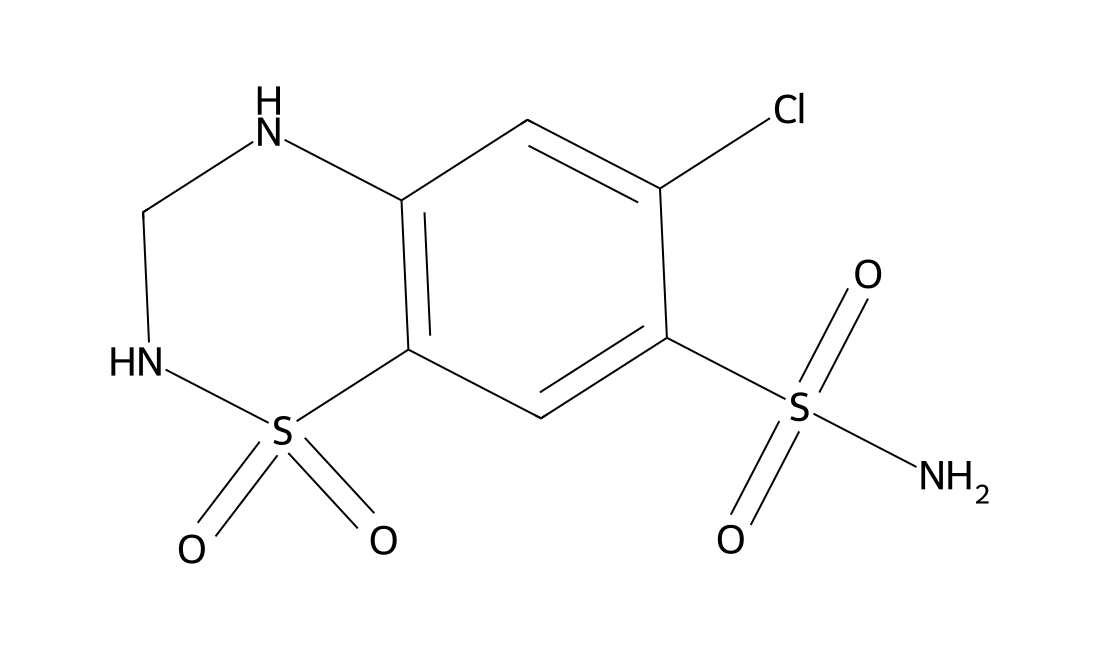
HydrochlorothiazideFeatured
For the detailed information of Hydrochlorothiazide, the solubility of Hydrochlorothiazide in water, the solubility of Hydrochlorothiazide in DMSO, the solubility of Hydrochlorothiazide in PBS buffer, the animal experiment(test) (test) of Hydrochlorothiazide, the cell expriment (test) of Hydrochlorothiazide, the in vivo, in vitro and clinical trial test of Hydrochlorothiazide, the EC50, IC50,and Affinity of Hydrochlorothiazide,, please contact DC Chemicals.
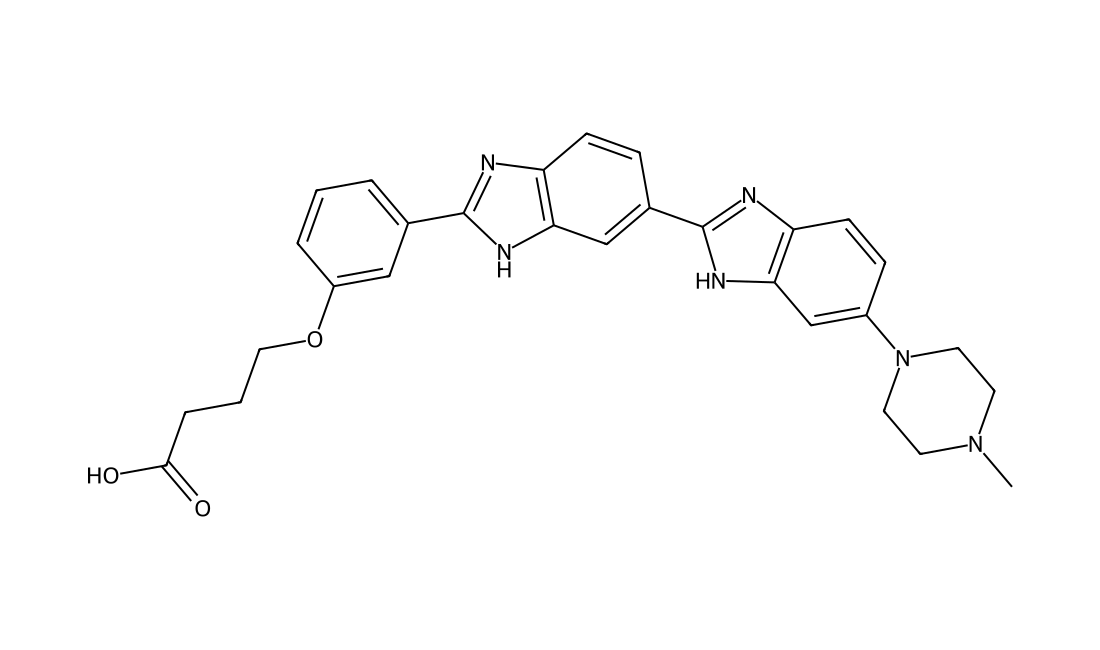
Hoechst 33258 analogFeatured
Hoechst stains are part of a family of blue fluorescent dyes used to stain DNA. These Bis-benzimides were originally developed by Hoechst AG, which numbered all their compounds so that the dye Hoechst 33342 is the 33342nd compound made by the company. There are three related Hoechst stains: Hoechst 33258, Hoechst 33342, and Hoechst 34580. The dyes Hoechst 33258 and Hoechst 33342 are the ones most commonly used and they have similarexcitation/emission spectra. Both dyes are excited by ultraviolet light at around 350 nm, and both emit blue/cyan fluorescent light around anemission maximum at 461 nm. Unbound dye has its maximum fluorescence emission in the 510-540 nm range. Hoechst dyes are soluble in water and in organic solvents such as dimethyl formamide or dimethyl sulfoxide. Concentrations can be achieved of up to 10 mg/mL. Aqueous solutions are stable at 2-6 °C for at least six months when protected from light. For long-term storage the solutions are instead frozen at ≤-20 °C. The dyes bind to the minor groove of double-stranded DNA with a preference for sequences rich in adenine andthymine. Although the dyes can bind to all nucleic acids, AT-rich double-stranded DNA strands enhance fluorescence considerably. Hoechst dyes are cell-permeable and can bind to DNA in live or fixed cells. Therefore, these stains are often called supravital, which means that cells survive a treatment with these compounds. Cells that express specific ATP-binding cassette transporter proteins can also actively transport these stains out of their cytoplasm.
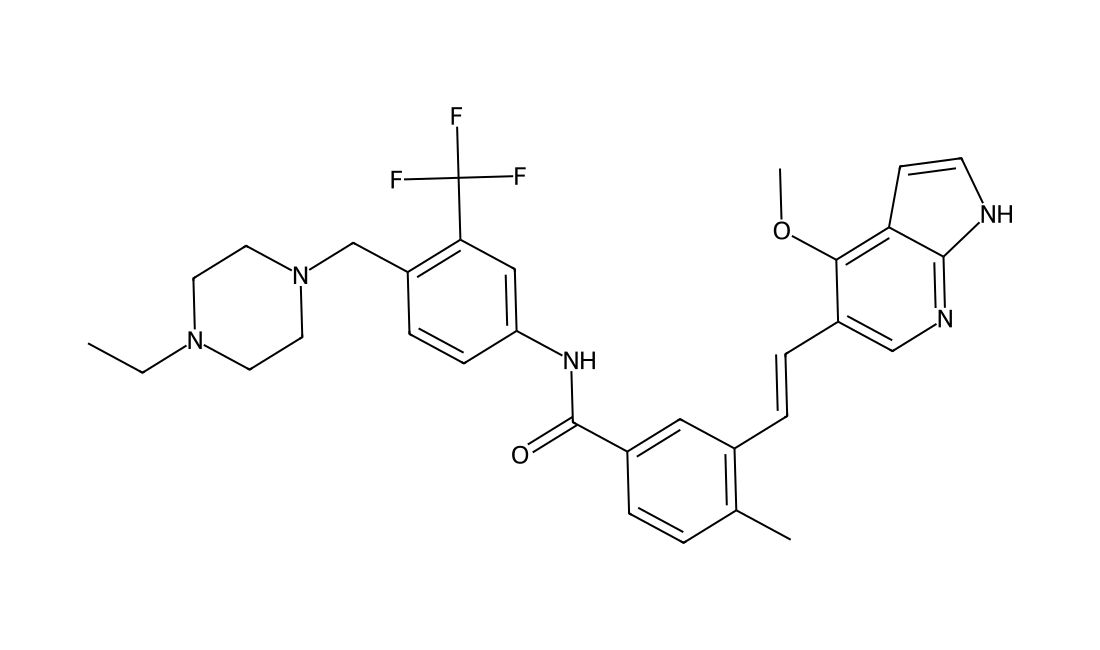
HG6-64-1Featured
HG6-64-1 is a potent dual TAK1 and MAP4K2 ((germinal center kinase, GCK)) inhibitor with IC50 of 41 nM and 98 nM, respectively; also inhibits ZAK, p38α, Src, Lyn, CSK and EPH-family kinases (IC50=50-100 nM); inhibits GCK signaling DLBCL cell lines with EC50 of 1.83-157 nM, induces G0/G1 cell-cycle arrest and cell death; inhibits the growth of DLBCL xenograft tumors and prolongs the survival of tumor-bearing mice.
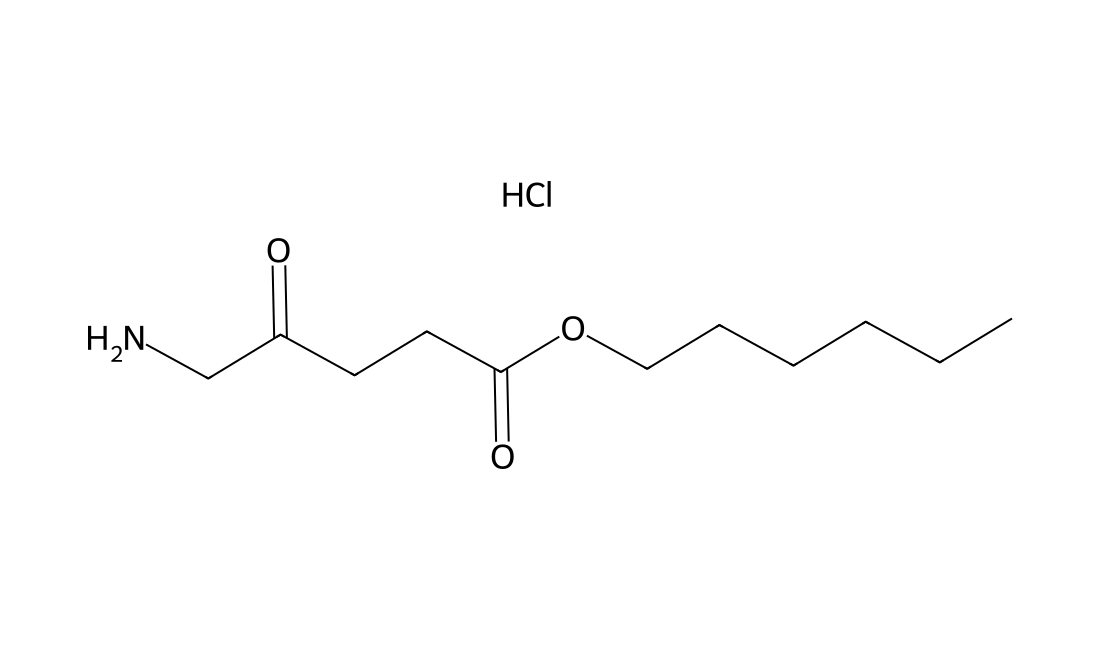
Hexaminolevulinate hydrochlorideFeatured
Hexaminolevulinate hydrochloride is a fluorescent agent, has approved for cystoscopic detection of papillary bladder cancer.
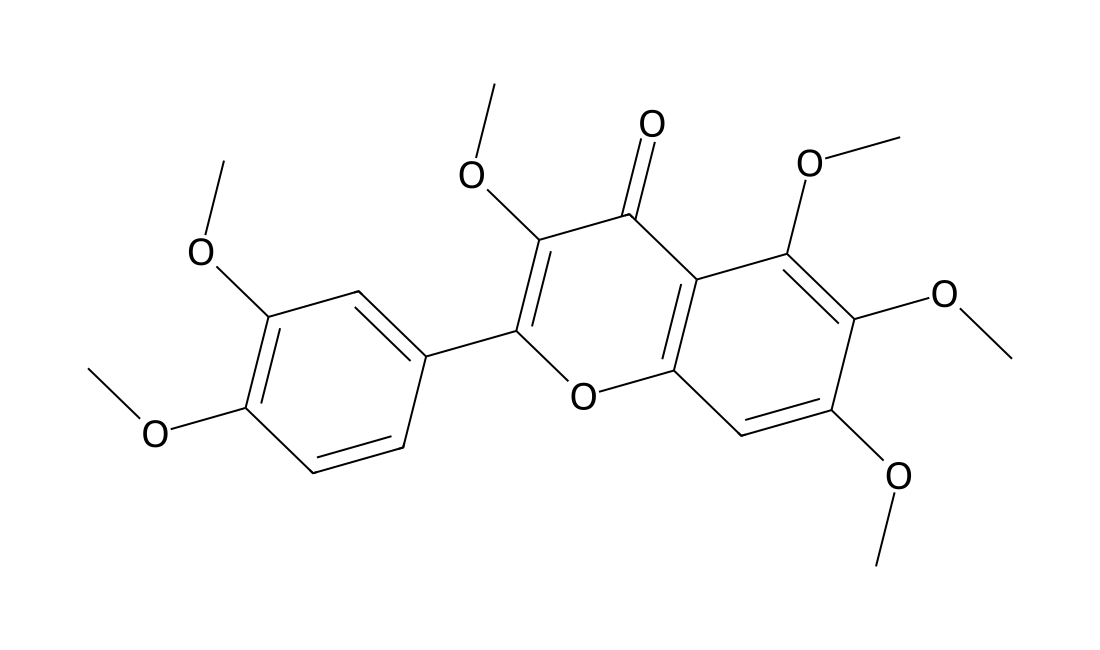
HexamethylquercetagetinFeatured
Hexamethylquercetagetin is a polymethoxylated flavone in peels of citrus cultivars.
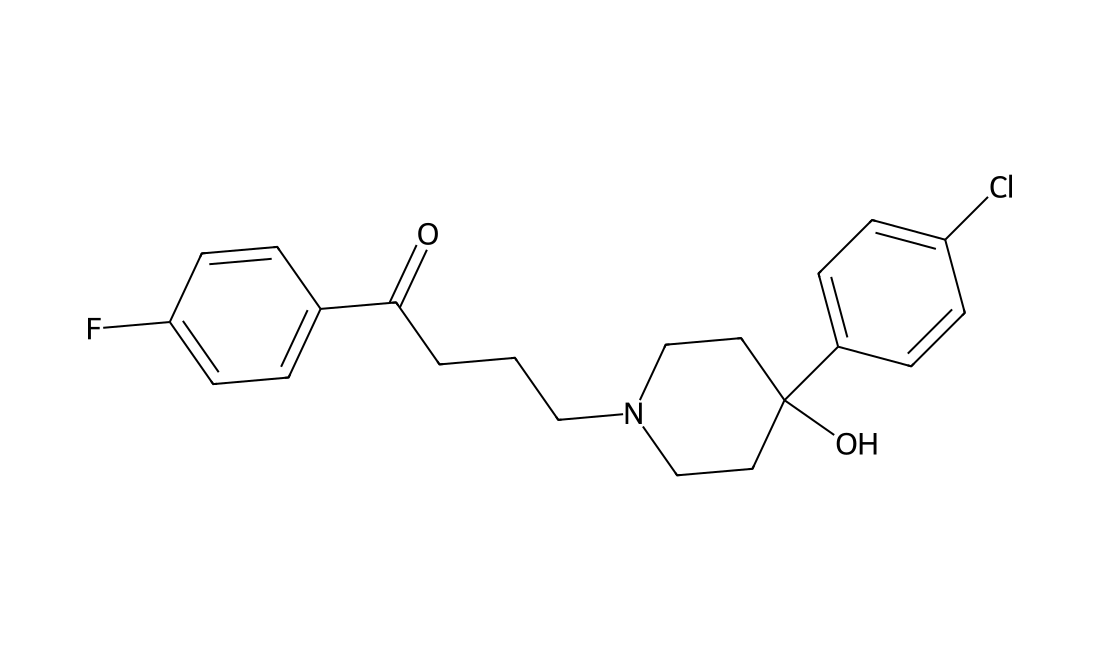
Haloperidol (Haldol)Featured
For the detailed information of Haloperidol (Haldol), the solubility of Haloperidol (Haldol) in water, the solubility of Haloperidol (Haldol) in DMSO, the solubility of Haloperidol (Haldol) in PBS buffer, the animal experiment(test) (test) of Haloperidol (Haldol), the cell expriment (test) of Haloperidol (Haldol), the in vivo, in vitro and clinical trial test of Haloperidol (Haldol), the EC50, IC50,and Affinity of Haloperidol (Haldol),, please contact DC Chemicals.
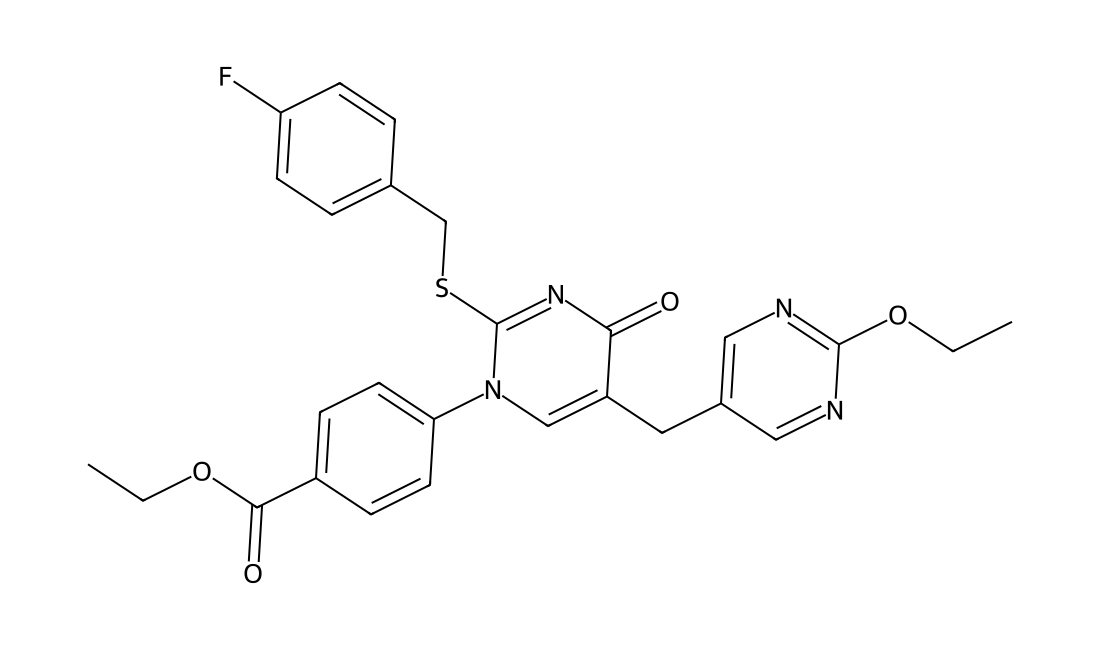
GW-1100Featured
GW 1100 is a selective antagonist of GPR40-mediated Ca2+ elevations in HEK293 cells stimulated by GW 9508 (an agonist of both GPR40 and GPR120, another GPCR activated by long chain fatty acids) or linoleic acid with a pIC50 value equal to 5.99. GPR40 is a G protein-coupled receptor (GPCR) that is activated by saturated and unsaturated long chain fatty acids. It is thought to play a role in the potentiation of insulin secretion by fatty acids in a glucose-sensitive manner. GW 1100 is a selective antagonist of GPR40-mediated Ca2+ elevations in HEK293 cells stimulated by GW 9508 (an agonist of both GPR40 and GPR120, another GPCR activated by long chain fatty acids) or linoleic acid with a pIC50 value equal to 5.99. However at concentrations up to 10 μM, GW 1100 has no effect on GPR120-mediated stimulation of intracellular Ca2+ release induced by either GW 9508 or linoleic acid. In the MIN6 mouse insulinoma cell line, 1 μM GW 1100 inhibits the potentiating effects of GW 9508 and linoleic acid on glucose-stimulated insulin secretion.
IGF-1R inhibitor GS1904529AFeatured
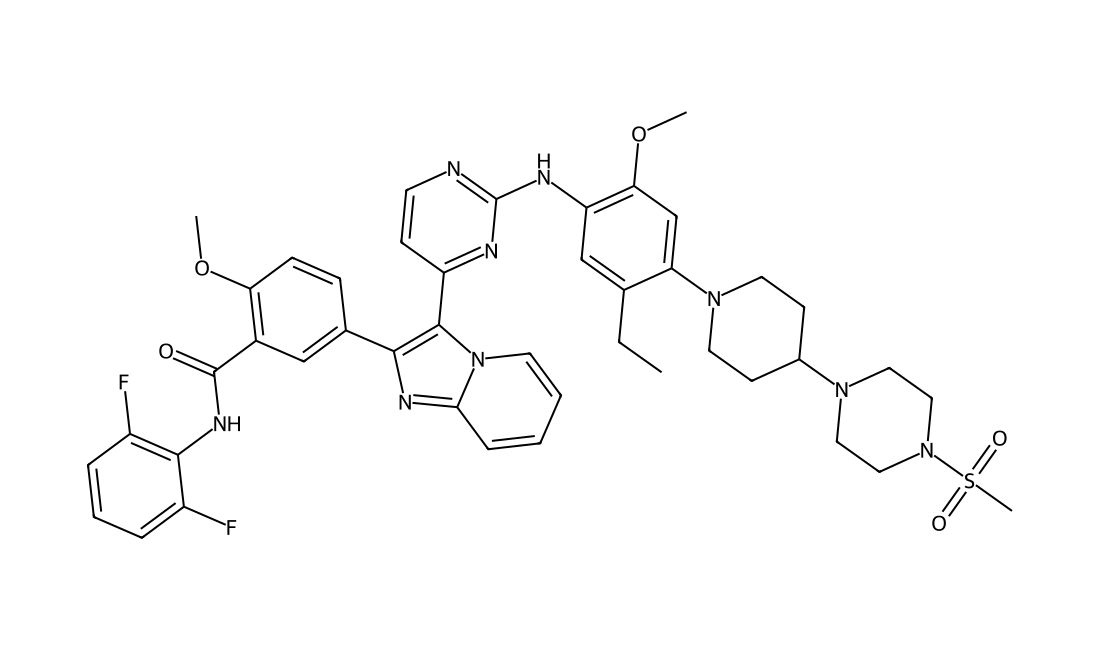
GSK-1904529A is an IGF-1R Inhibitor, is is a promising candidate For therapeutic use in IGF-IR–dependent tumors. GSK1904529A selectively inhibits IGF-IR and IR with IC50s of 27 and 25 nmol/L, respectively. GSK1904529A blocks receptor autophosphorylation and downstream signaling, leading to cell cycle arrest. It inhibits the proliferation of cell lines derived from solid and hematologic malignancies, with multiple myeloma and Ewing's sarcoma cell lines being most sensitive. Oral administration of GSK1904529A decreases the growth of human tumor xenografts in mice, consistent with a reduction of IGF-IR phosphorylation in tumors. Despite the potent inhibitory activity of GSK1904529A on IR in vitro and in vivo, minimal effects on blood glucose levels are observed in animals at doses that show significant antitumor activity. (source: Clin Cancer Res May 1, 2009 15; 3058 ) For the detailed information about the solubility of GSK1904529A in water, the solubility of GSK1904529A in DMSO, the solubility of GSK1904529A in PBS buffer, the animal experiment(test) of GSK1904529A,the in vivo,in vitro and clinical trial test of GSK1904529A,the cell experiment(test) of GSK1904529A,the IC50, EC50 and Affinity of GSK1904529A, please contact DC Chemicals.
PI3K inhibitor GS1059615Featured
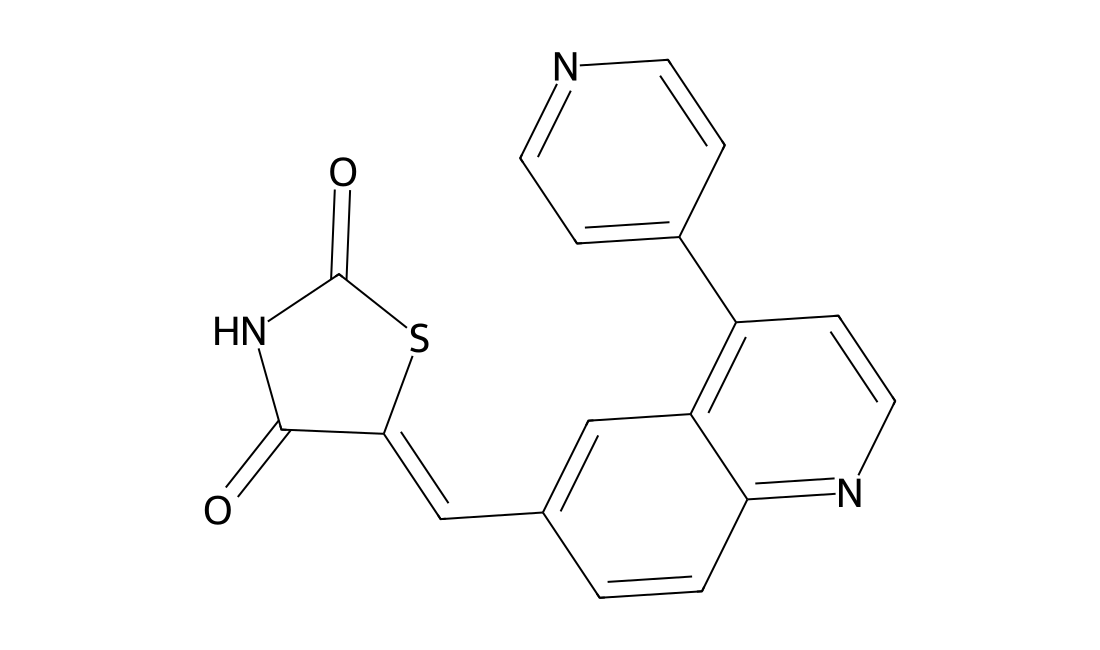
GSK1059615 is a dual inhibitor of PI3Kα/β/δ/γ (reversible) and mTOR with IC50 of 0.4 nM/0.6 nM/2 nM/5 nM and 12 nM, respectively. in vitro: The pyridinylquinoline derivative GSK1059615 is a novel, ATP-competitive, and reversible inhibitor of the class I family of PI3Ks. GSK1059615 inhibits PI3K signaling, induces G1 arrest and apoptosis, especially in breast tumor cells. Data summarized in another review also shows that GSK1059615 inhibits PI3Kα, β, γ and δ, with Ki of 0.42 nM, 0.6 nM, 0.47 nM and 1.7 nM, respectively. Another report shows that GSK1059615 inhibits PI3Kα with IC50 of 2 nM. In T47D and BT474 cancer cells, GSK1059615 inhibits the phosphorylation of Akt at S473, with IC50 of 40 nM. in vivo: In xenograft mice models of BT474 or HCC1954 breast cancer cells, GSK1059615 (25 mg/kg) effectively inhibits tumor growth.
GR148672XFeatured
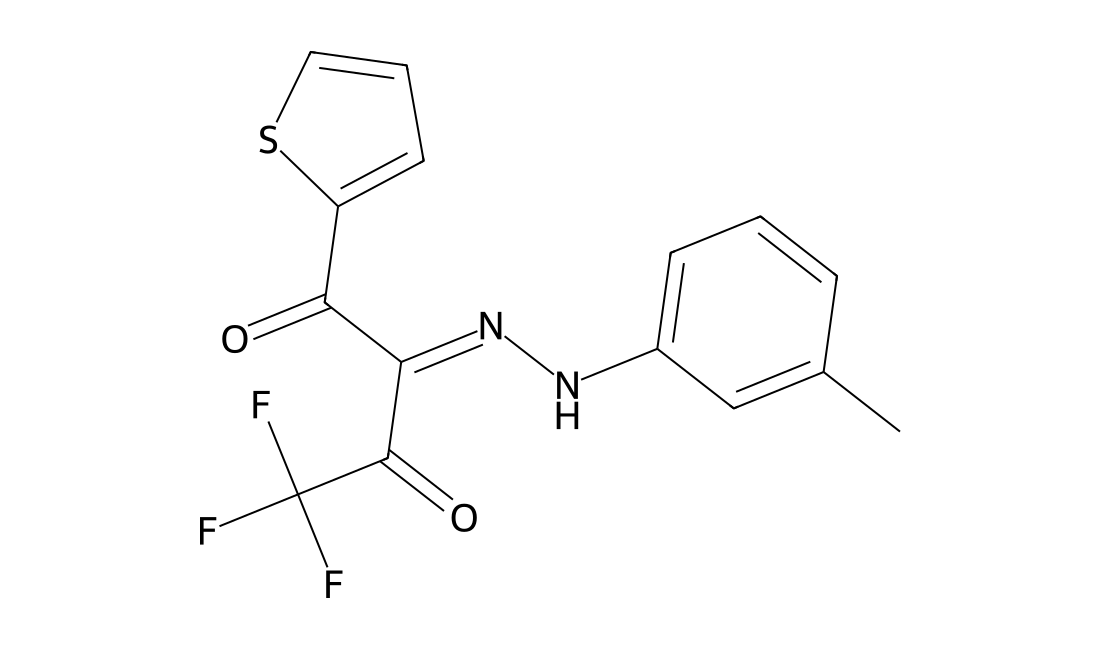
GR148672X is a specific TGH inhibitor. Using 10 μM GR148672X, there was a dramatic decrease in mobilization of stored TG and of apoB100 secretion. ApoB100 secretion was decreased by 42% (P<0.03) and apoB48 by 20% (P<0.06). GR148672X inhibited TG mass secretion by 54% (P<0.02).
GossypolFeatured
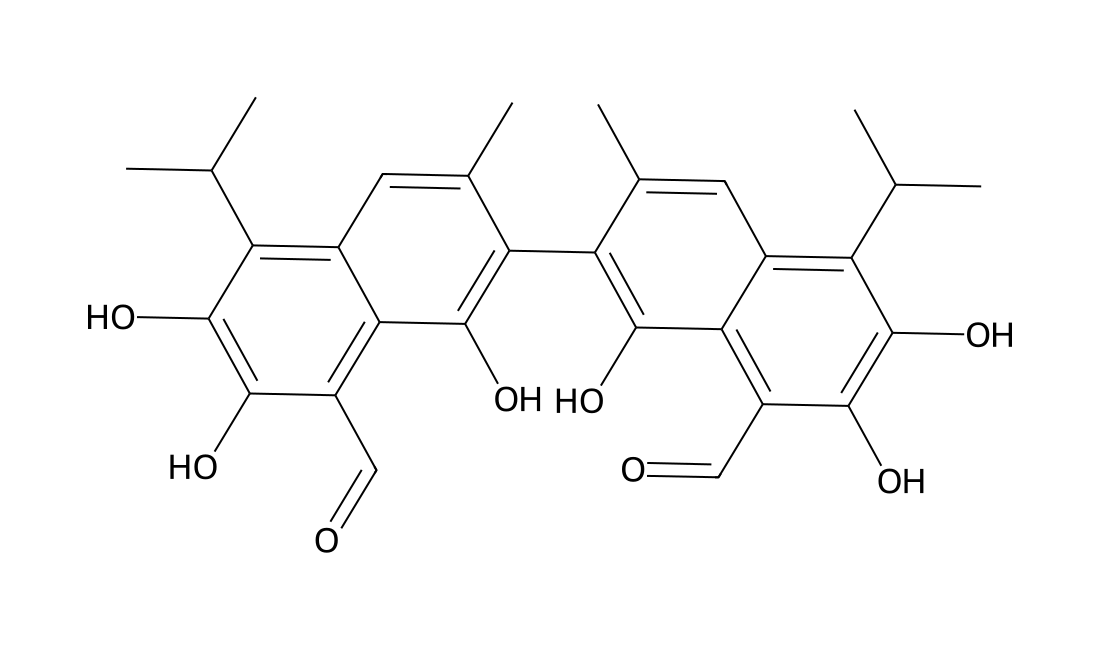
For the detailed information of Gossypol, the solubility of Gossypol in water, the solubility of Gossypol in DMSO, the solubility of Gossypol in PBS buffer, the animal experiment(test) (test) of Gossypol, the cell expriment (test) of Gossypol, the in vivo, in vitro and clinical trial test of Gossypol, the EC50, IC50,and Affinity of Gossypol,, please contact DC Chemicals.
GNF-6231Featured
In vitro GNF-6231 shows a good solubility. It has no appreciable activities, at least up to 10 μM testing concentrations, for more than 200 off-targets, which include GPCRs, kinases, proteases, transporters, ion channels, and nuclear receptors. GNF-6231 shows IC50s of greater than 10 μM on all CYP isoforms tested (2C9, 2D6, 3A4). It shows high permeability in a Caco-2 human cell permeability assay with a possible efflux. In vivo GNF-6231 demonstrates excellent pathway inhibition and induces robust antitumor efficacy in a mouse MMTV-WNT1 xenograft tumor model. GNF-6231 is moderately bound to mouse, rat, dog, monkey, and human plasma proteins (88.0, 83.1, 90.9, 71.2, and 95%, respectively). It shows good oral bioavailability, ranging from 72 to 96% in preclinical species (mouse, rat, and dog) when dosed in solution formulations. GNF-6231 is expected to have minimal to marginal distribution to tissues compared to total body water following intravenous administration to mouse (Vss 0.57 L/kg), rat (Vss 0.70 L/kg), and dog (Vss 0.25 L/kg).
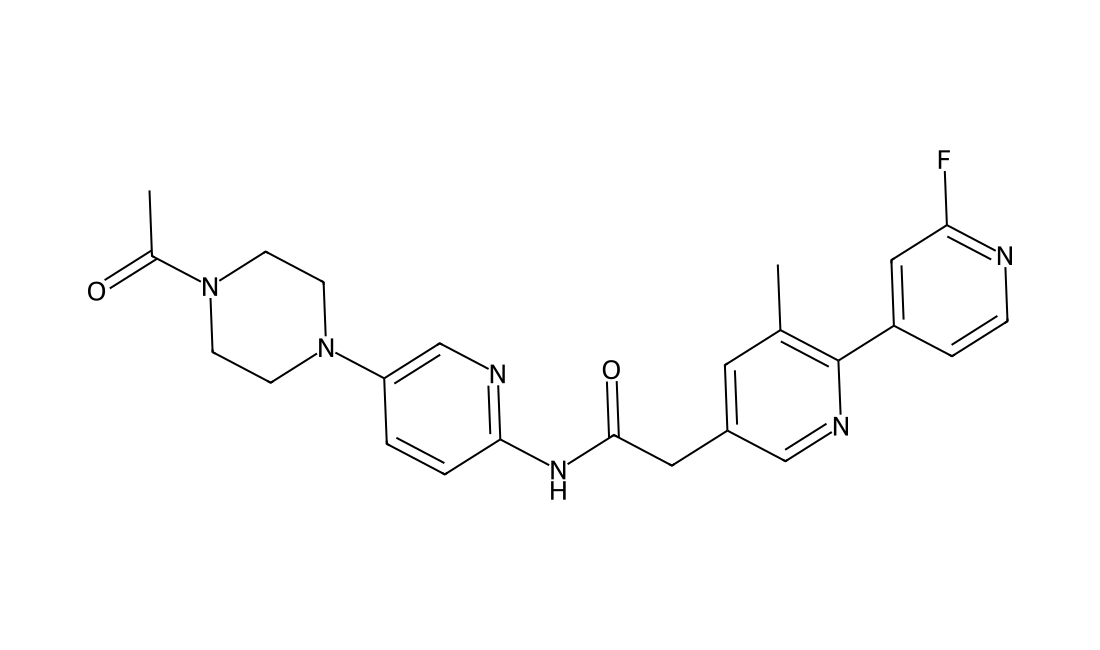
GlipizideFeatured
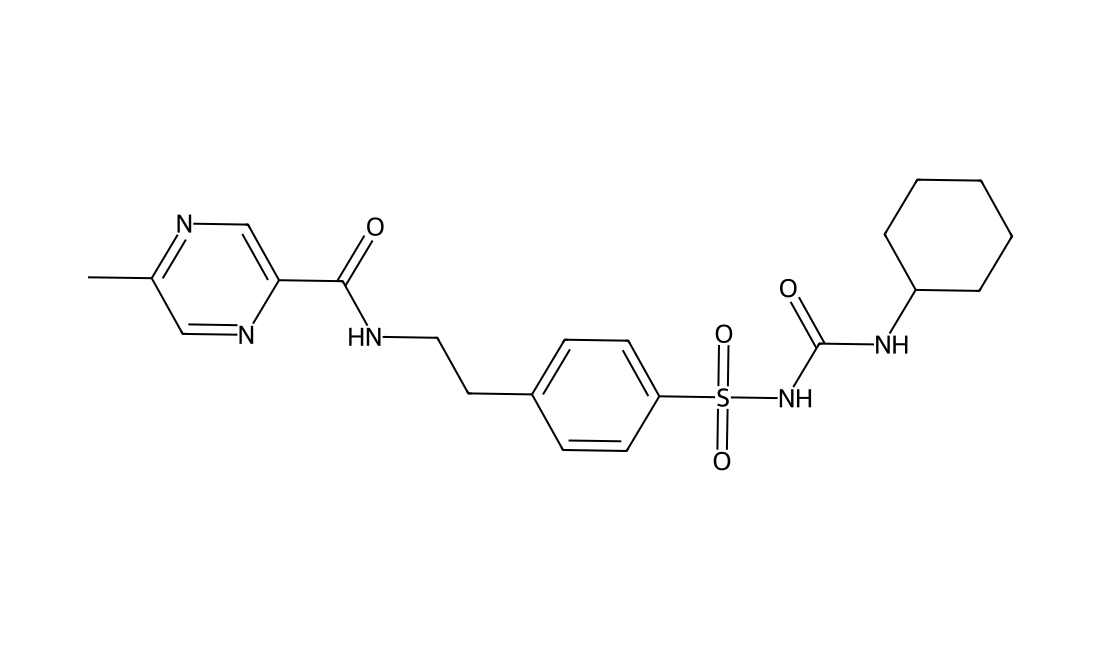
Glipizide is used to treat high blood sugar levels caused by a type of diabetes mellitus called type 2 diabetes.Glipizide is an oral rapid- and short-acting anti-diabetic drug from the sulfonylurea class. It is classified as a second generation sulfonylurea, which means that it undergoes enterohepatic circulation. Mechanism of action is produced by blocking potassium channels in the beta cells of the islets of Langerhans. By partially blocking the potassium channels, the cell remains depolarized, increasing the time the cell spends in the calcium release stage, which results in signaling leading to calcium influx. The increase in calcium will initiate more insulin release from each beta cell. Sulfonylureas may also cause the decrease of serum glucagon and potentiate the action of insulin at the extrapancreatic tissues .
GimeracilFeatured
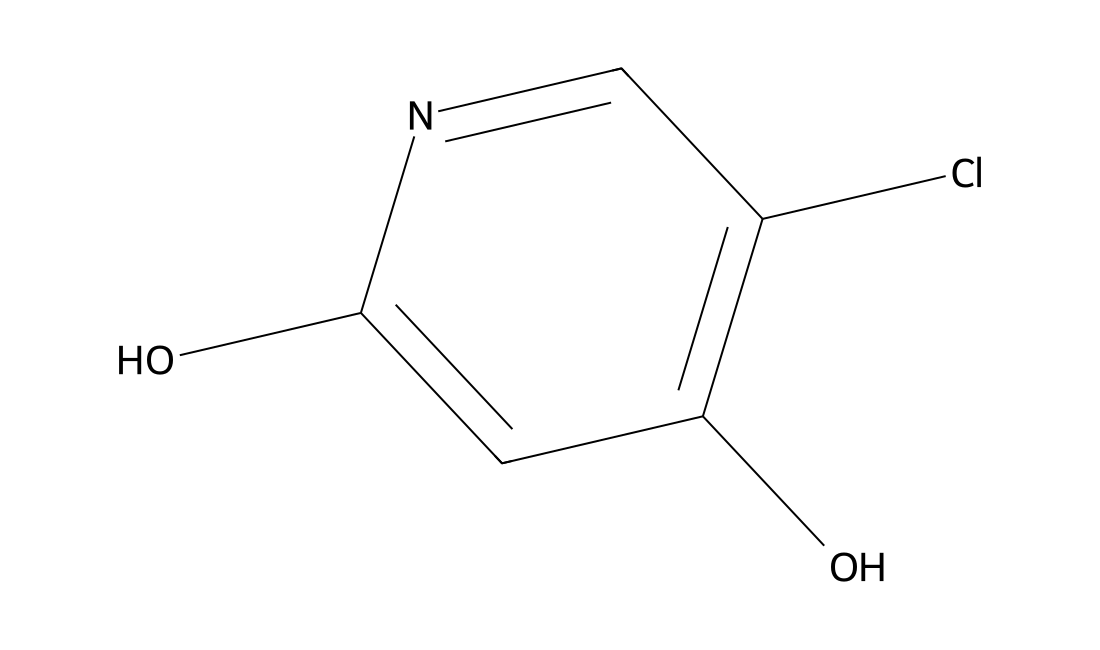
Gimeracil(Gimestat) is an inhibitor of dihydropyrimidine dehydrogenase (DPYD), which degrades pyrimidine including 5-fluorouracil in the blood; inhibits homologous recombination.in vitro: Gimeracil had radiosensitizing effects by partially inhibiting homologous recombination (HR) in the repair of DNA double strand breaks. Tail moments in neutral comet assay increased in gimeracil-treated cells. Gimeracil restrained the formation of foci of Rad51 and replication protein A (RPA), whereas it increased the number of foci of Nbs1, Mre11, Rad50, and FancD2. Gimeracil did not sensitize DPYD-depleted cells. Gimeracil inhibited DNA DSB repair. It did not sensitize cells deficient in HR but sensitized those deficient in NHEJ. In SCneo assay, Gimeracil reduced the frequency of neo-positive clones. Additionally, it sensitized the cells in S-phase more than in G0/G1.
Gemilukast (ONO-6950)Featured
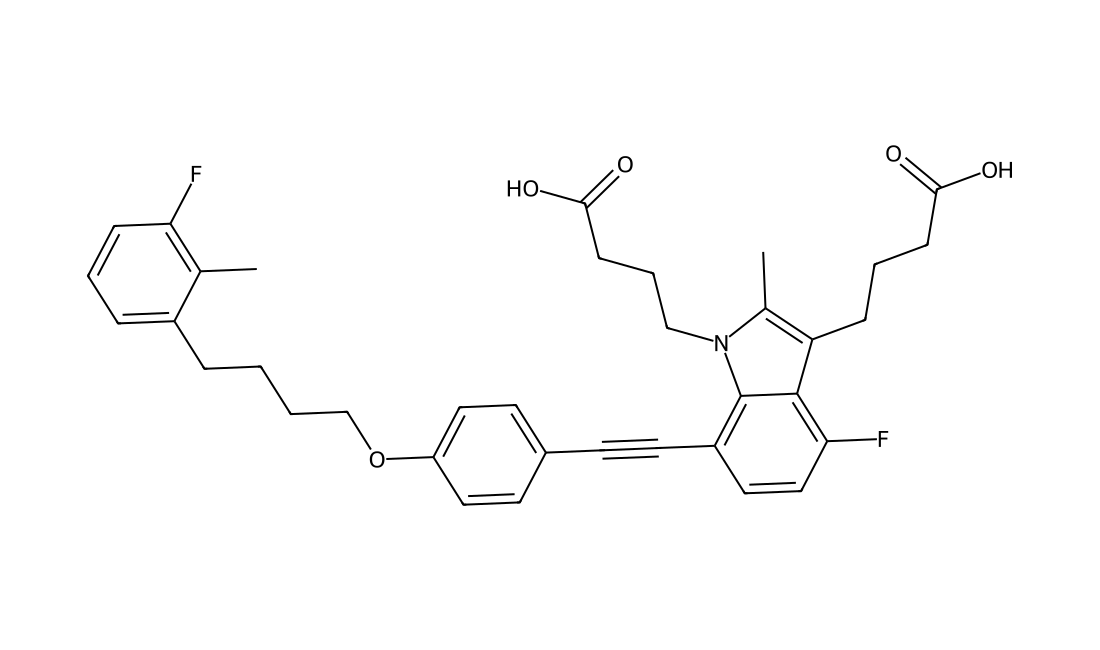
In Vitro Gemilukast is an orally active and potent dual cysteinyl leukotriene 1 and 2 receptors (CysLT1 and CysLT2) antagonist, with IC50s of 1.7, 25 nM for human CysLT1 and CysLT2, respectively. Both Gemilukast (ONO-6950) and montelukast inhibit human CysLT1 receptor-mediated calcium response with IC50 values of 1.7 and 0.46 nM, respectively. In Vivo Gemilukast at 0.03 to 10 mg/kg, p.o. dose-dependently attenuates LTC4-induced bronchoconstriction with almost complete inhibition at 3 mg/kg. The inhibitory effect of Gemilukast on LTC4-induced bronchoconstriction is significantly stronger than that of montelukast at the dose of 1 mg/kg or more. Gemilukast (0.03 to 1 mg/kg, p.o.) dose-dependently attenuates LTD4-induced airway vascular hyperpermeability with complete inhibition at 0.3 mg/kg. Gemilukast at 0.1 to 3 mg/kg, p.o. dose-dependently inhibits OVA-induced bronchoconstriction. The inhibitory effect of Gemilukast at 3 mg/kg is significantly greater than that of montelukast alone and comparable to that of combination therapy with montelukast and BayCysLT2RA.
No products match this search.
Page 304 of 309 · Browse all 6177 products
Jump to a product page
Featured literature product: HX1 · DCL0028
HX1 is a hydroxyzine-derived ionizable lipid with acetal-containing tails, studied in lipid nanoparticles for brain mRNA delivery and CRISPR–Cas9 delivery. It was the lead in the reported in vivo brain-delivery screen; evidence is preclinical and formulation-dependent.
Read full formulation and performance →