
Research lipid catalog
Ionizable Lipid Products
Explore 848 lipid and RNA delivery products. Search the full catalog or browse by research category.
Search covers product name, catalog number, synonyms, available CAS numbers and categories. Spaces, hyphens and common punctuation are ignored. Duplicate legacy records are consolidated under one canonical product result.
6177 products · Showing 5921–5940 · 20 per page
DC Chemicals lipid expertise
Built for ionizable-lipid discovery and RNA delivery research
DC Chemicals supports formulation and delivery research with a broad, searchable portfolio of cationic and ionizable lipids. The current directory brings together 848 unique research-use products, with product specifications, pricing, chemical structures and literature-linked formulation data added as each record is verified.
Our experience spans complex lipid synthesis, purification, analytical release and process development. For custom molecules or larger-scale requirements, our team can discuss route development, technical specifications and scale-up options for the intended research workflow.
Learn about cationic and ionizable lipids →Proprietary innovation · Co-development · GMP
From proprietary lipid design to GMP-grade custom synthesis
DC Chemicals has independently developed ionizable-lipid structures supported by company-owned intellectual property, and selected proprietary lipid programs have advanced to GMP-stage development.
We welcome joint development with customers—from molecular design and lipid synthesis through route and process development. We can also support custom synthesis of GMP-grade ionizable lipids to agreed technical specifications and quality requirements.
Discuss a co-development project →Proprietary ionizable-lipid structuresCollaborative molecular designCustom lipid synthesisProcess development and scale-upGMP-grade project support
Product quick links
Explore New ionizable lipids
Explore our five most recently added ionizable lipids, with specifications, pricing and literature-linked product information.
DCL0028HX1Brain RNA delivery researchView product →DCL0024A1I4R13C18-2Spleen-targeted RNA delivery researchView product →DCL0023A1I4R2C18-2Spleen-targeted RNA delivery researchView product →DCL0022FS01Local joint RNA delivery researchView product →DCL0020Lipid-392Lung RNA delivery and gene editing researchView product →
Cat. No.Product NameField of ApplicationChemical Structure
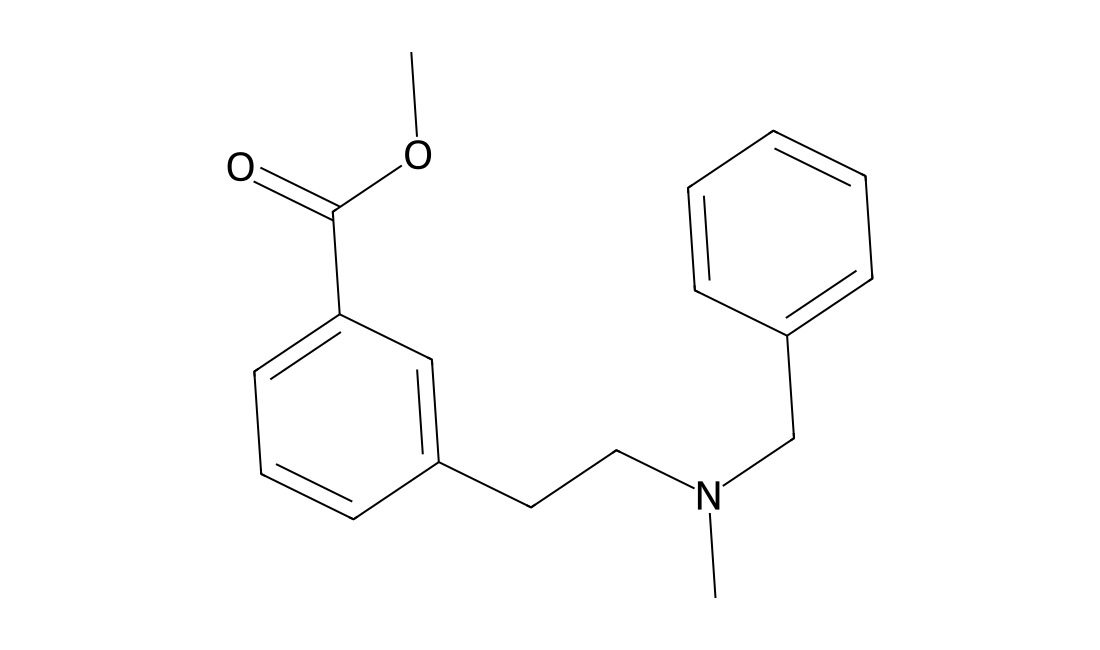
PRL-8-53Featured
PRL-8-53|cas 51352-88-6
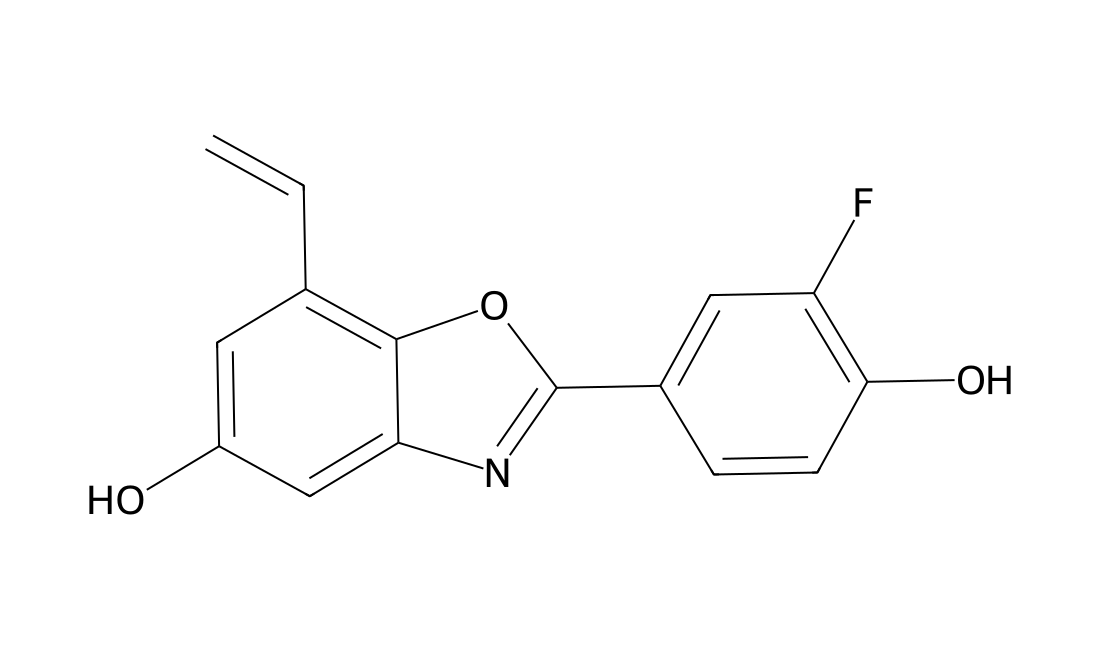
PrinaberelFeatured
Prinaberel(ERB-041) is a potent and selective ERbeta agonist; being >200-fold selective for ERbeta. in vitro: Treatment with ERβ selective estrogen agonists liquiritigenin and ERB-041 reduced the ability to invade a reconstituted basement membrane and to migrate in response to the cellular stimulus. Pretreatment the PMs with ERB-041 resulted in a significant inhibition of LPS-induced iNOS expression and NF-kappaB activation by preventing its nuclear translocation. in vivo: Tumor numbers and volume were reduced by 60% and 84%, respectively, in the Erb-041-treated group as compared with UVB (alone) control. This inhibition in tumorigenesis was accompanied by the decrease in proliferating cell nuclear antigen (PCNA), cyclin D1, VEGF, and CD31, and an increase in apoptosis.
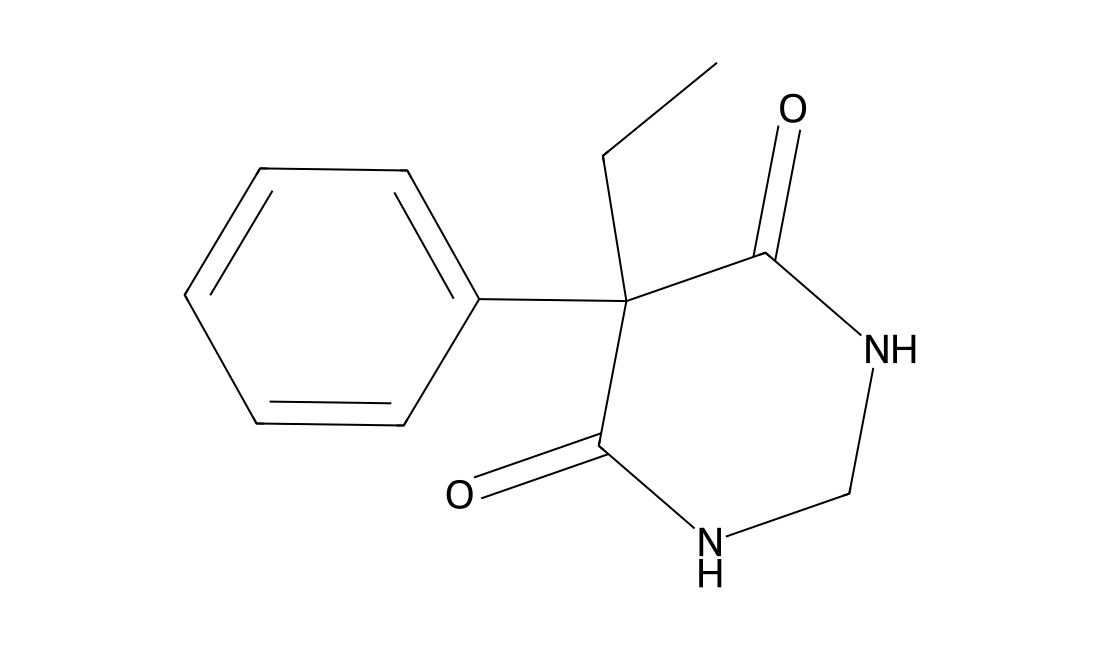
Primidone(Mysoline)Featured
For the detailed information of Primidone(Mysoline), the solubility of Primidone(Mysoline) in water, the solubility of Primidone(Mysoline) in DMSO, the solubility of Primidone(Mysoline) in PBS buffer, the animal experiment(test) (test) of Primidone(Mysoline), the cell expriment (test) of Primidone(Mysoline), the in vivo, in vitro and clinical trial test of Primidone(Mysoline), the EC50, IC50,and Affinity of Primidone(Mysoline),, please contact DC Chemicals.
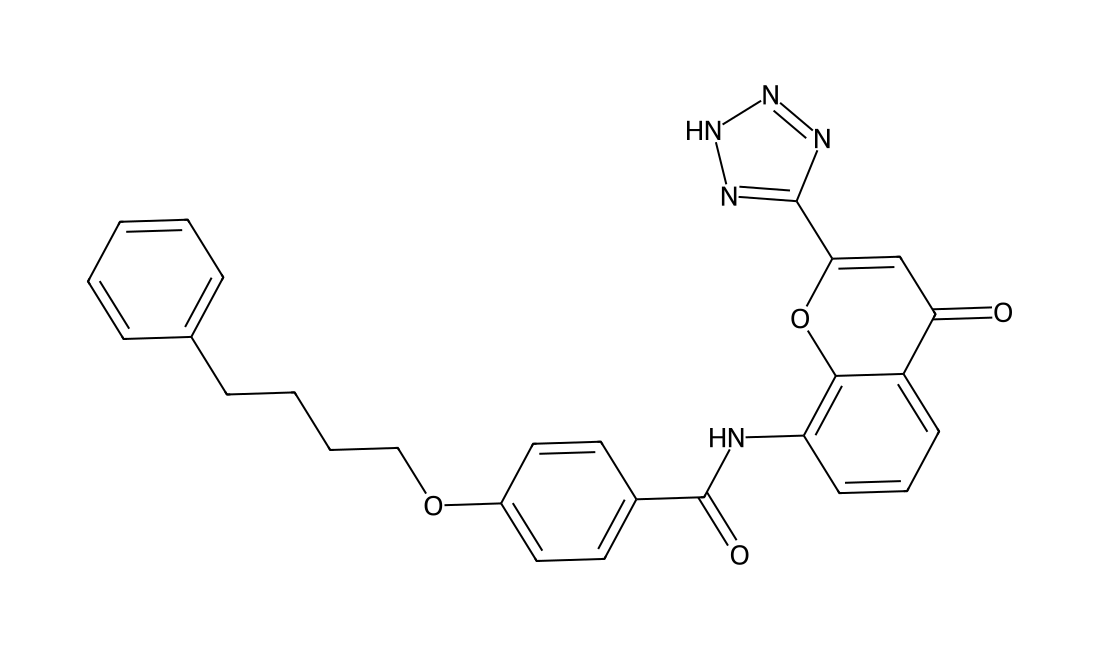
PranlukastFeatured
For the detailed information of Pranlukast, the solubility of Pranlukast in water, the solubility of Pranlukast in DMSO, the solubility of Pranlukast in PBS buffer, the animal experiment(test) (test) of Pranlukast, the cell expriment (test) of Pranlukast, the in vivo, in vitro and clinical trial test of Pranlukast, the EC50, IC50,and Affinity of Pranlukast,, please contact DC Chemicals.
PramiracetamFeatured
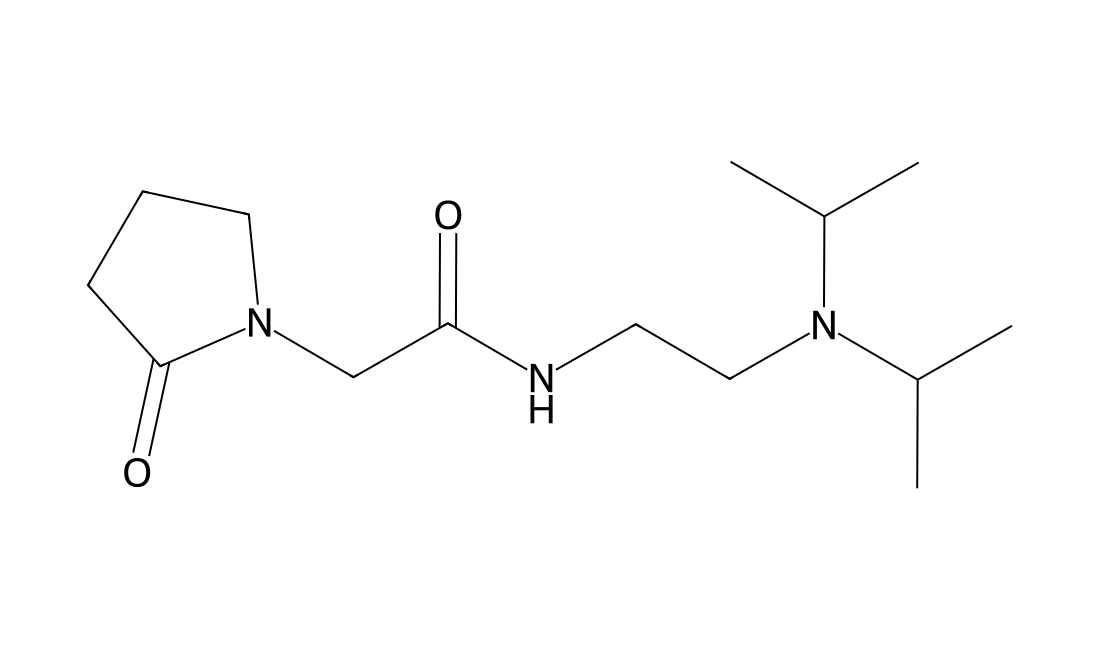
For the detailed information of Pramiracetam, the solubility of Pramiracetam in water, the solubility of Pramiracetam in DMSO, the solubility of Pramiracetam in PBS buffer, the animal experiment(test) (test) of Pramiracetam, the cell expriment (test) of Pramiracetam, the in vivo, in vitro and clinical trial test of Pramiracetam, the EC50, IC50,and Affinity of Pramiracetam,, please contact DC Chemicals.
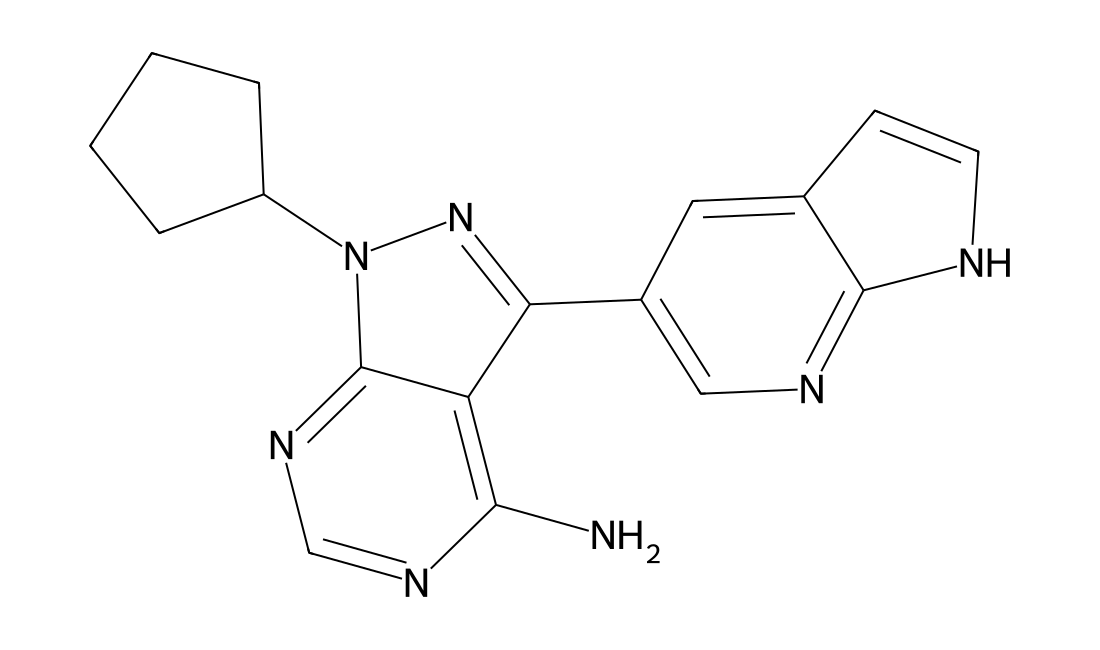
PP121Featured
PP-121 is a multi-targeted inhibitor of PDGFR, Hck, mTOR, VEGFR2, Src and Abl with IC50 of 2 nM, 8 nM, 10 nM, 12 nM, 14 nM and 18 nM, also inhibits DNA-PK with IC50 of 60 nM.PP-121 selectivity interacts within a hydrophobic pocket that is conserved between both tyrosine kinases and PI3Ks, not serine-threonine kinases. PP-121 makes a hydrogen bond to Glu310 in Src, effectively substituting for the structural role of the catalytic lysine and resulting in the ordering of helix C and stabilization of an active conformation. PP-121 also inhibits other PI3Ks including p110α and DNA-PK with IC50 of 52 nM and 60 nM, respectively. PP-121 potently and dose-dependently blocks the phosphorylation of Akt, p70S6K and S6 in two glioblastoma cell lines, U87 and LN229. PP-121 potently inhibits the proliferation of a subset of the tumor cell lines by direct inhibition of PI3Ks and mTOR. PP-121 induces a G0/G1 arrest in LN220, U87 and Seg1 cells. PP-121 also blocks tyrosine phosphorylation induced by v-Src in NIH3T3 cells transformed with v-Src(Thr338). PP-121 could restore actin stress fiber staining in NIH3T3 cells transformed with v-Src(Thr338). PP-121 at a low concentration of 40 nM inhibits Ret autophosphorylation in TT thyroid carcinoma cells that express the C634W oncogenic Ret mutant35. PP-121 inhibits cell proliferation with IC50 of 50 nM in TT thyroid carcinoma cells. PP-121 inhibits cell proliferating stimulated only with VEGF with IC50 of 41 nM in human umbilical vein endothelial cells (HUVECs). PP-121 directly inhibits Bcr-Abl induced tyrosine phosphorylation, resulting in drug-induced apoptosis in K562 cells and a combination of apoptosis and cell cycle arrest in Bcr-Abl expressing BaF3 cells.
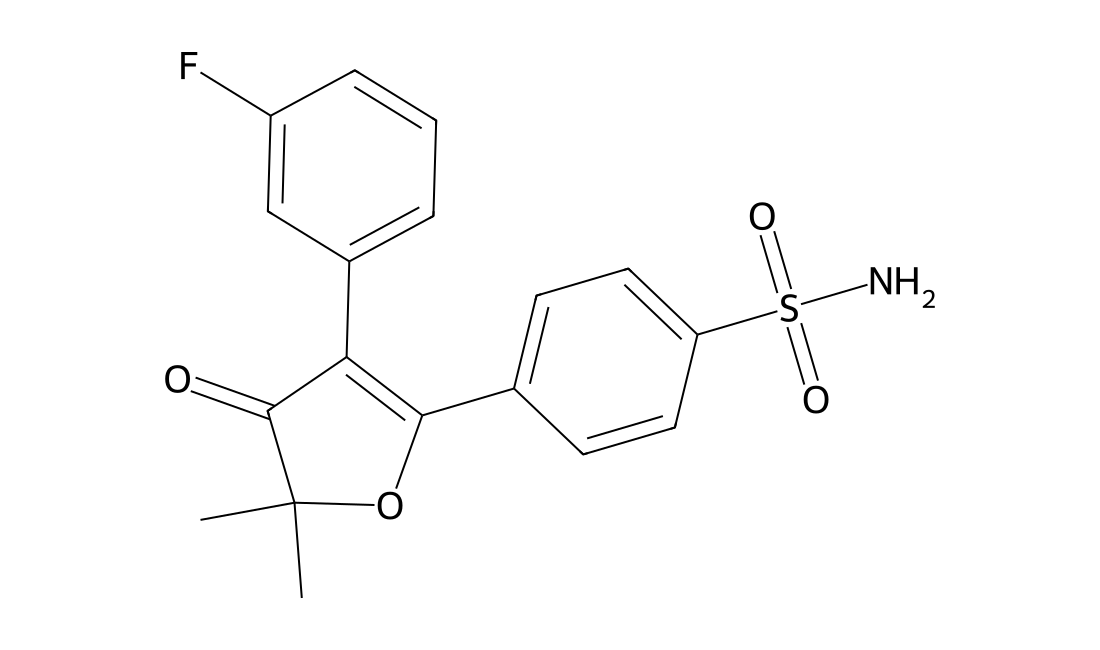
PolmacoxibFeatured
Polmacoxib is an inhibitor of cyclooxygenase 2 (COX-2) and the carbonic anhydrase subtypes I (CAI) and CAII.It inhibits COX-2 in the absence of carbonic anhydrase II with an IC50 value of 40 nM, which increases by approximately 4- and 17-fold in the presence of a CAII at a molar ratio of 1:1 and 1:5, respectively.It also inhibits CAI and CAII (IC50s = 210 and 95 nM, respectively). Polmacoxib prevents >95 and 90% of prostaglandin E2 (PGE2) production in HCA-7 and HT-29 human colon cancer cells, respectively, using concentrations of 0.01 and 0.001 µg/ml.It inhibits polyp formation in a transgenic mouse model of intestinal polyp formation and tumor growth in human colorectal carcinoma mouse xenograft models when used at a dose of 7 mg/kg. The inhibition of COX-2 and CAII by polmacoxib has the potential for fewer serious systemic adverse effects, including cardiovascular events associated with COX-2 selective inhibitors such as celecoxib (Item No. 10008672).Formulations containing polmacoxib have been used in the treatment of osteoarthritis.
PNU-74654Featured
PNU-74654 binds to β-catenin with a KD of 450 nM. The Tcf3/Tcf4-binding surface on β-catenin contains a well-defined hot spot around residues K435 and R469. The binding mode of PNU-74654 involves the two narrow pockets on either side of this hot spot. In NCI-H295 cells,PNU-74654 significantly decreases cell proliferation 96 h after treatment, increases early and late apoptosis, decreases nuclear beta-catenin accumulation, impairs CTNNB1/beta-catenin expression and increases beta-catenin target genes 48 h after treatment. No effects are observed on HeLa cells. In NCI-H295 cells, PNU-74654 decreases cortisol, testosterone and androstenedione secretion 24 and 48 h after treatment. The SF1 and CYP21A2 mRNA expression as well as the protein levels of STAR and aldosterone synthase are decreased in NCI-H295 cells after 48 h PNU-74654 treatment. In Y1 cells, PNU-74654 impairs corticosterone secretion 24 h after treatment but does not decrease cell viability.
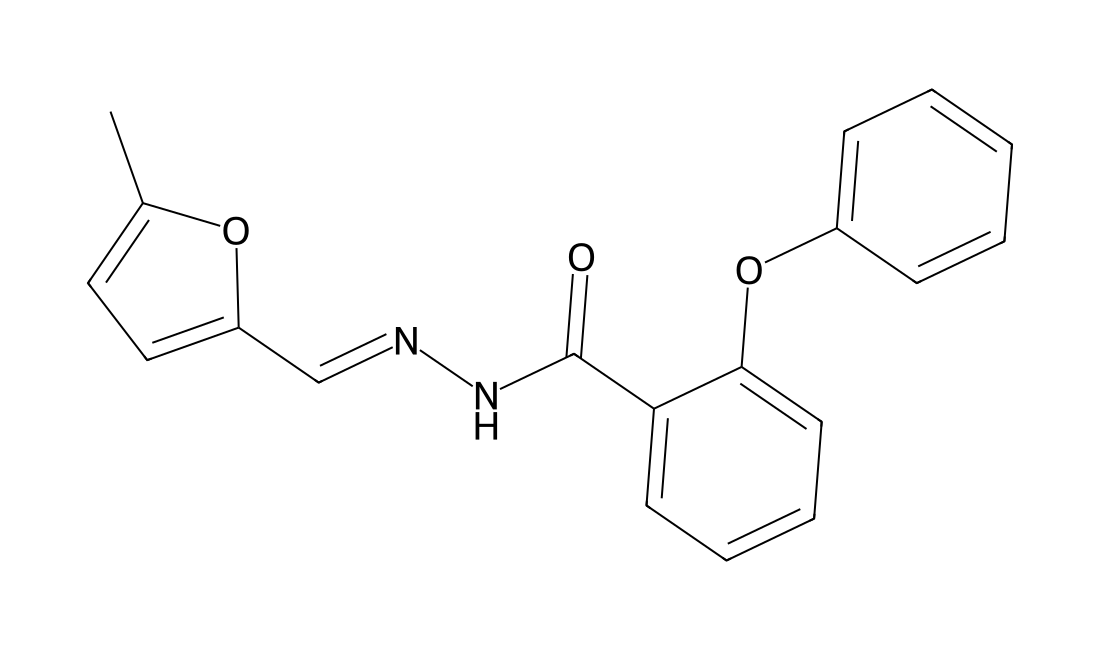
PNRI-299Featured
PNRI-299, was identified that selectively inhibited AP-1 transcription (IC(50) of 20 microM) without affecting NF-kappaB transcription (up to 200 microM) or thioredoxin (up to 200 microM). The molecular target of PNRI-299 was determined to be the oxidoreductase, redox effector factor-1 by an affinity chromatography approach. The selective redox effector factor-1 inhibitor, PNRI-299, significantly reduced airway eosinophil infiltration, mucus hypersecretion, edema, and IL-4 levels in a mouse asthma model. These data validate AP-1 as an important therapeutic target in allergic airway inflammation. For the detailed information of PNRI-299, the solubility of PNRI-299 in water, the solubility of PNRI-299 in DMSO, the solubility of PNRI-299 in PBS buffer, the animal experiment (test) of PNRI-299, the cell expriment (test) of PNRI-299, the in vivo, in vitro and clinical trial test of PNRI-299, the EC50, IC50,and affinity,of PNRI-299, For the detailed information of PNRI-299, the solubility of PNRI-299 in water, the solubility of PNRI-299 in DMSO, the solubility of PNRI-299 in PBS buffer, the animal experiment (test) of PNRI-299, the cell expriment (test) of PNRI-299, the in vivo, in vitro and clinical trial test of PNRI-299, the EC50, IC50,and affinity,of PNRI-299, Please contact DC Chemicals.
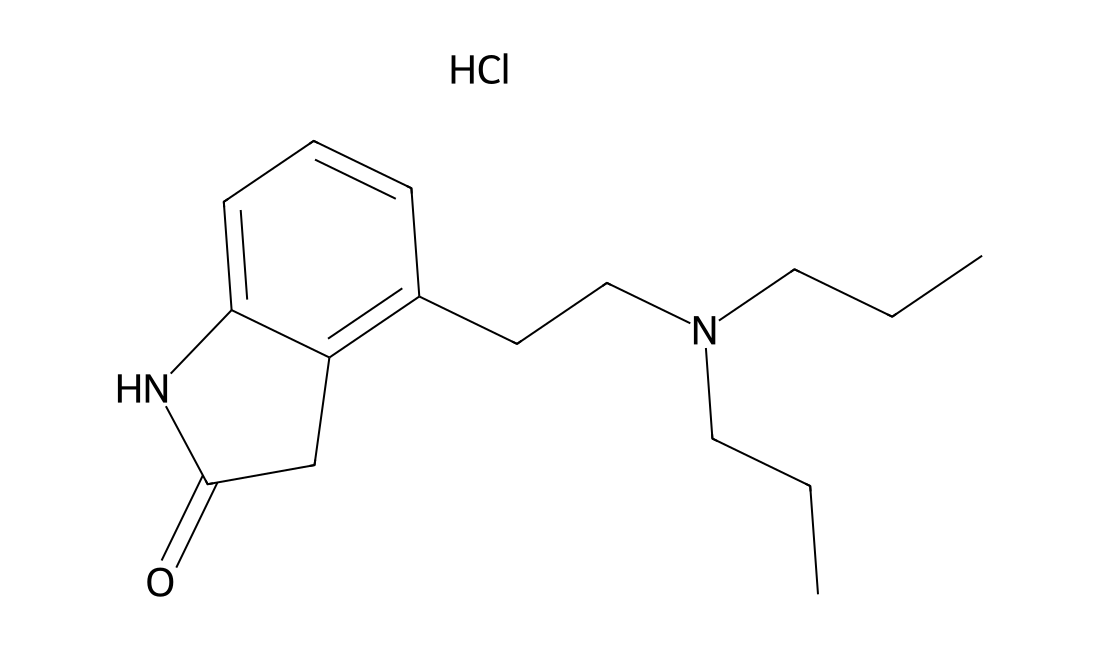
Ropinirole HClFeatured
For the detailed information of Ropinirole HCl, the solubility of Ropinirole HCl in water, the solubility of Ropinirole HCl in DMSO, the solubility of Ropinirole HCl in PBS buffer, the animal experiment(test) (test) of Ropinirole HCl, the cell expriment (test) of Ropinirole HCl, the in vivo, in vitro and clinical trial test of Ropinirole HCl, the EC50, IC50,and Affinity of Ropinirole HCl,, please contact DC Chemicals.
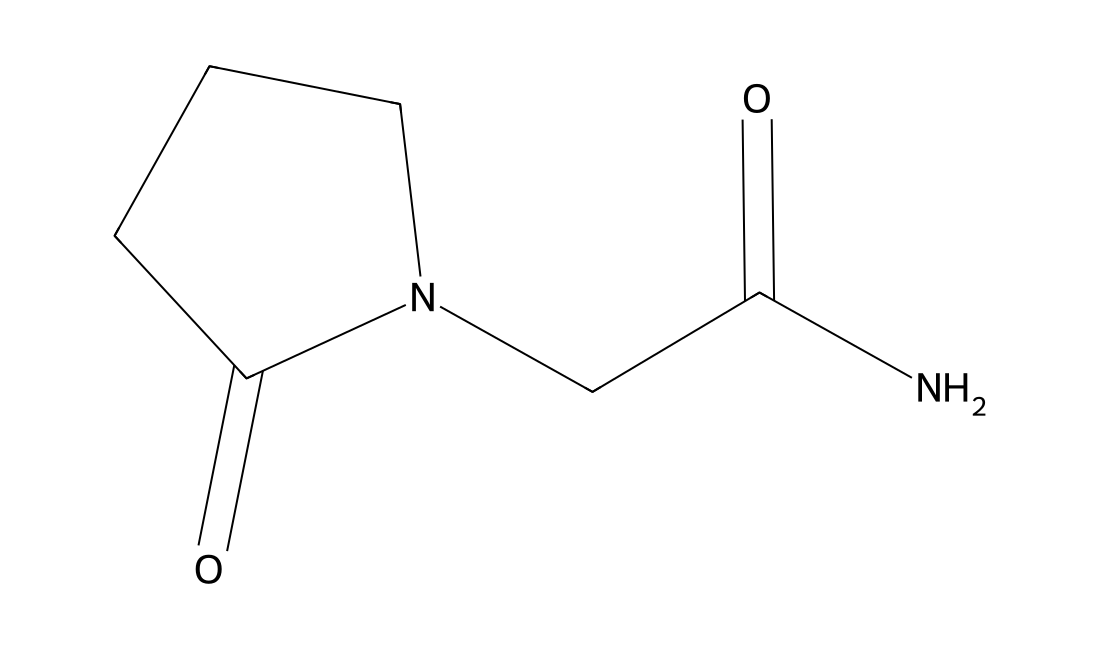
PiracetamFeatured
For the detailed information of Piracetam, the solubility of Piracetam in water, the solubility of Piracetam in DMSO, the solubility of Piracetam in PBS buffer, the animal experiment(test) (test) of Piracetam, the cell expriment (test) of Piracetam, the in vivo, in vitro and clinical trial test of Piracetam, the EC50, IC50,and Affinity of Piracetam,, please contact DC Chemicals.
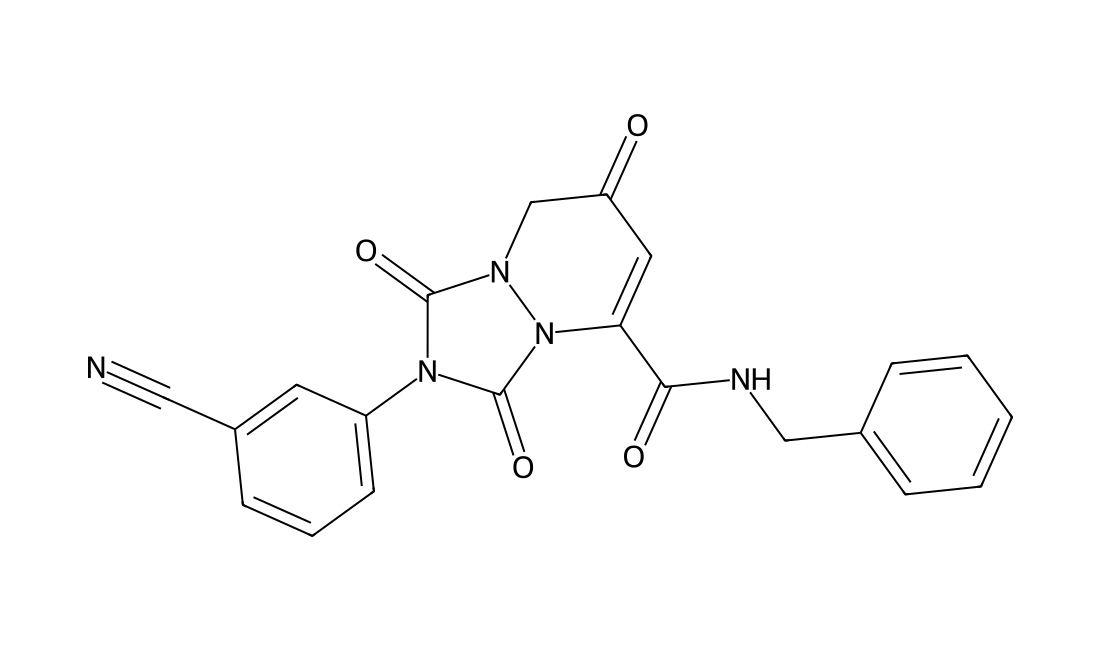
PI4KIIIβ-IN-9Featured
PI4KIIIβ-IN-9 is a potent and selective inhibitor of PI4KIIIβ (IC50=7 nM); displays >1000-fold selectivity over class I and class III PI3Ks; A KN-93 derivative with improved selectivity.
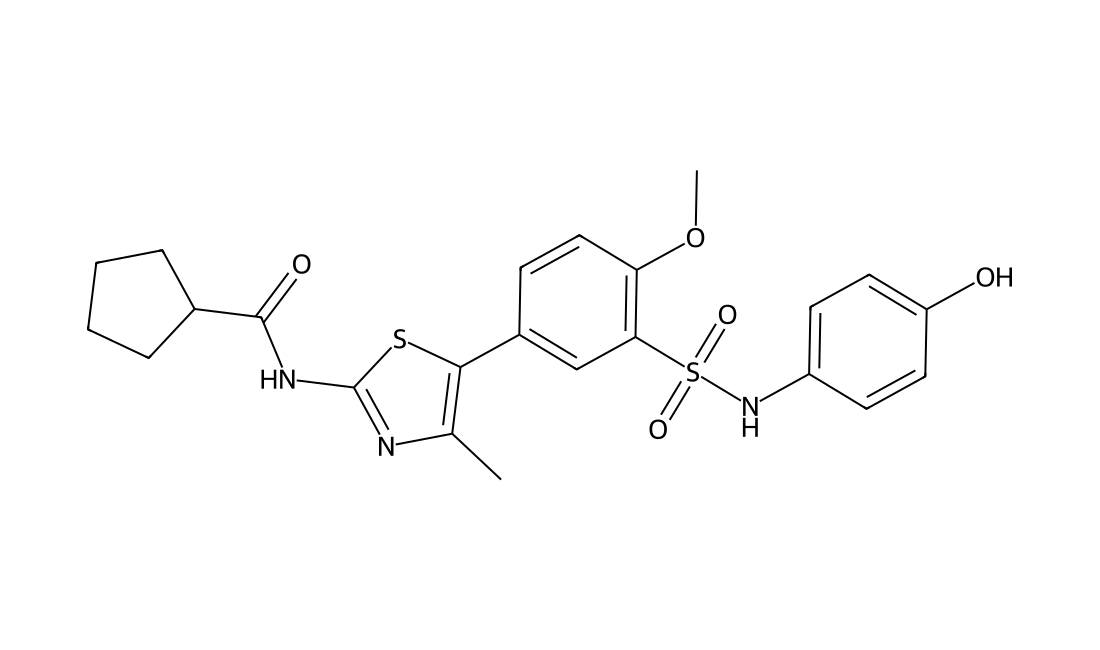
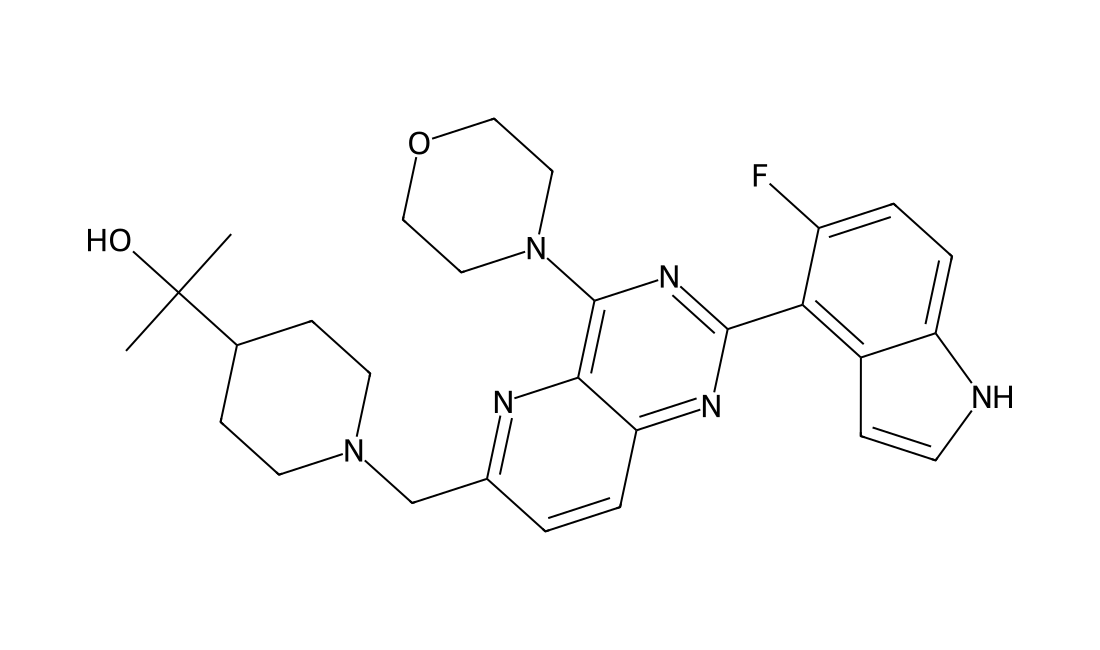
PI3k(delta) inhibitor 1Featured
PI3kδ inhibitor 1 is a potent and selective inhibitor of isoform of PI3Kδ; useful for treating disorders mediated by lipid kinases such as inflammation, immunol disorders, and cancer.For the detailed information of PI3k(delta) inhibitor 1, the solubility of PI3k(delta) inhibitor 1 in water, the solubility of PI3k(delta) inhibitor 1 in DMSO, the solubility of PI3k(delta) inhibitor 1 in PBS buffer, the animal experiment (test) of PI3k(delta) inhibitor 1, the cell expriment (test) of PI3k(delta) inhibitor 1, the in vivo, in vitro and clinical trial test of PI3k(delta) inhibitor 1, the EC50, IC50,and affinity,of PI3k(delta) inhibitor 1, Please contact DC Chemicals.
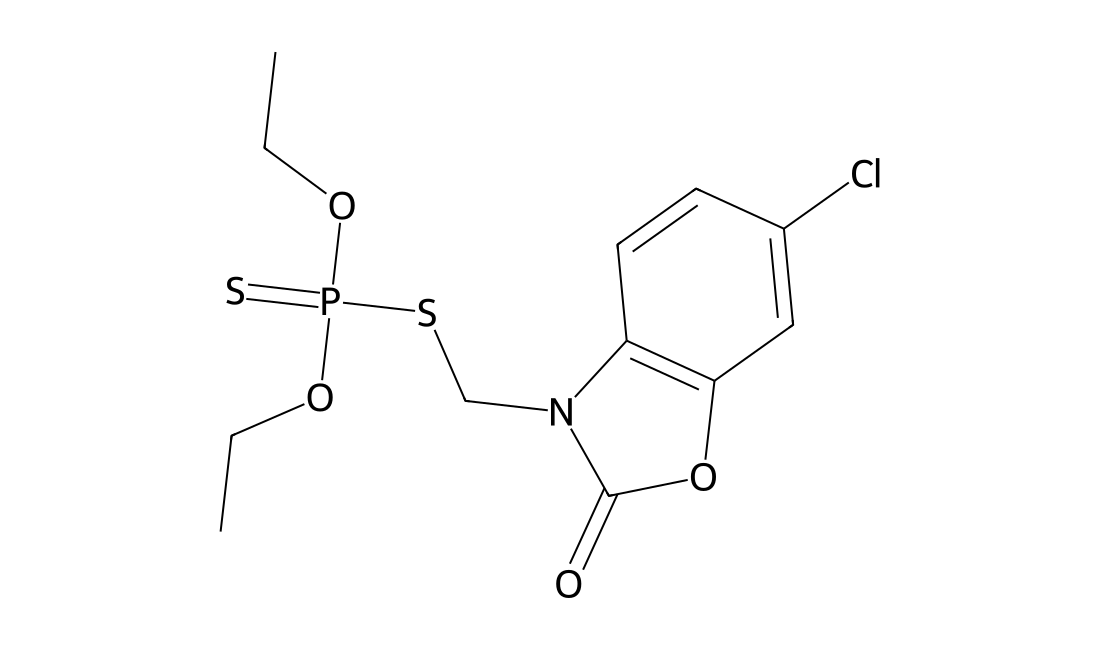
PhosaloneFeatured
Phosalone is a member of the organophosphate family of insecticides. It is used as both an insecticide and acaricide.
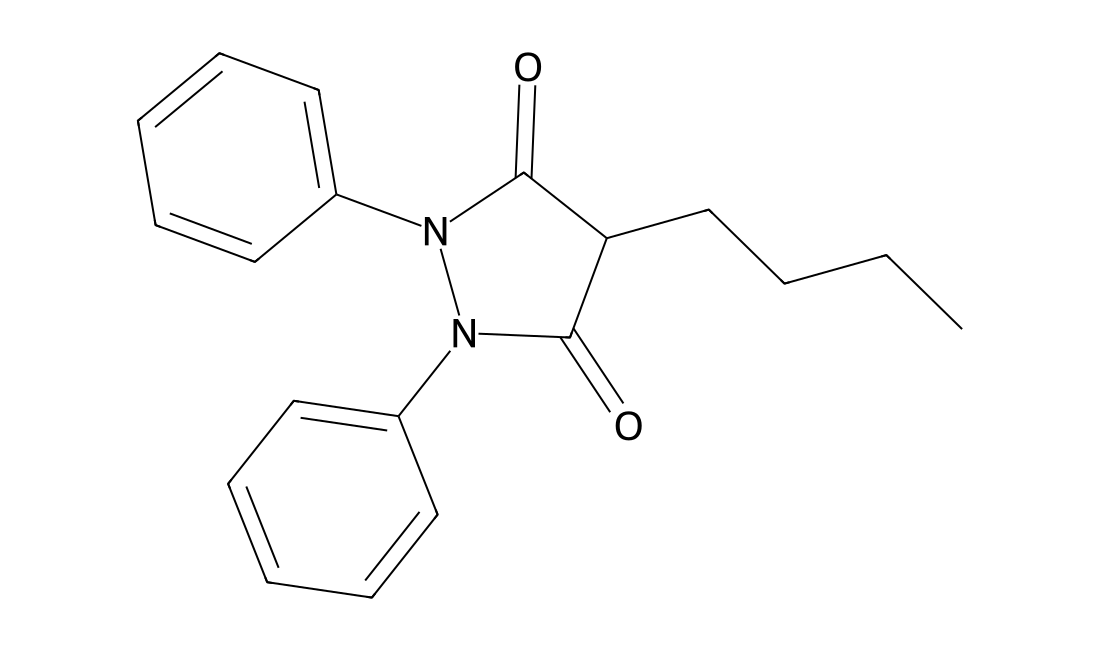
phenylbutazoneFeatured
Phenylbutazone is used as a non-steroidal anti-inflammatory agent for the treatment of chronic pain, including the symptoms of arthritis.Phenylbutazone was originally made available for use in humans for the treatment of rheumatoid arthritis and gout in 1949. However, when combined with paracetamol and many other household painkillers even in the smallest doses can cause irreversible liver degradation proving fatal in many cases. It is no longer approved, and therefore not marketed, for any human use in the United States. In the UK it is used to treat ankylosing spondylitis, but only when other therapies are unsuitable. Phenylbutazone may be administered orally (via paste, powder or feed-in) or intravenously. It should not be given intramuscularly or injected in any place other than a vein, as it can cause tissue damage. Tissue damage and edema may also occur if the drug is injected repetitively into the same vein. Phenylbutazone should be administered only under the advice of a veterinarian.
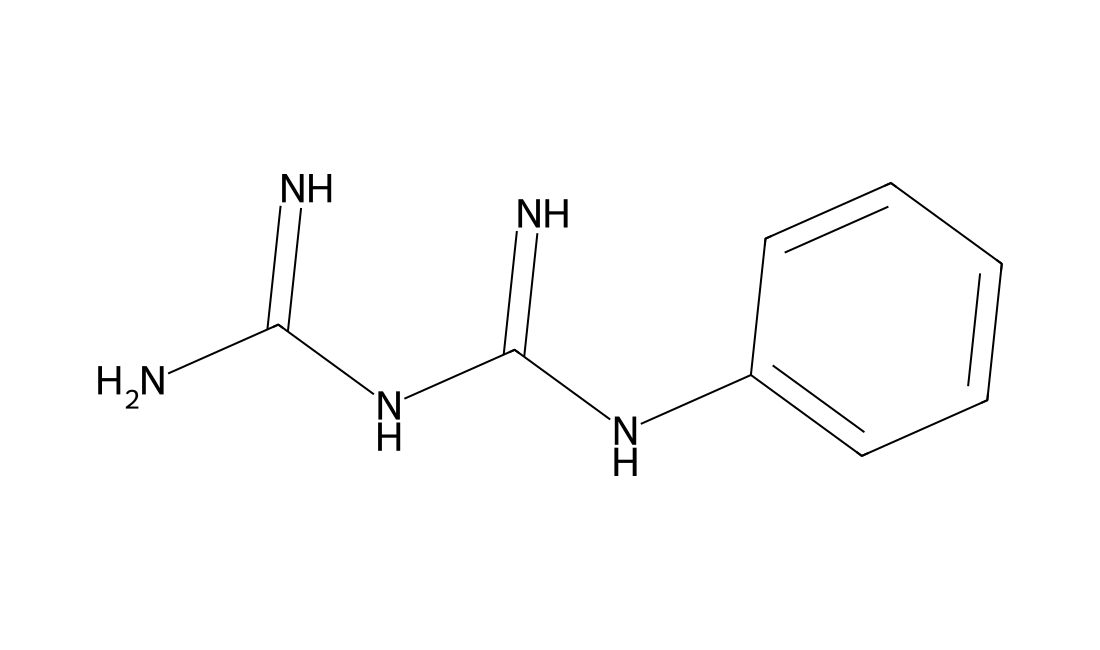
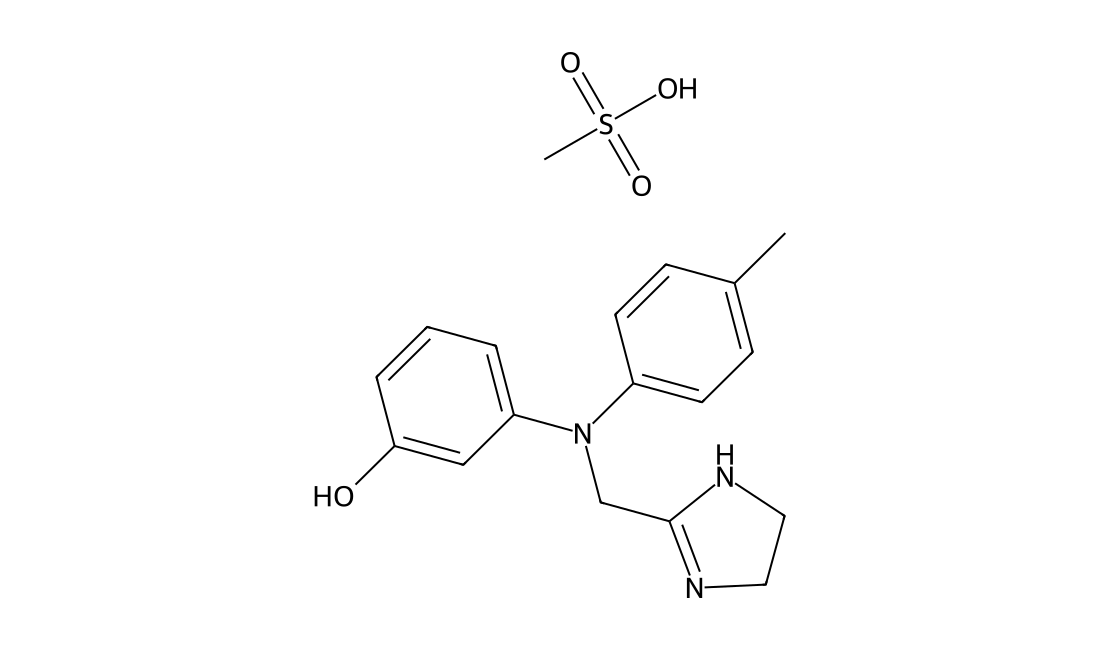
In Vitro Phenylbiguanide (1-Phenylbiguanide) is a 5-HT3 receptor selective agonist with pEC50s of 5.57, 4.07, and 4.47 for r5-HT3A(b), h5-HT3A, m5-HT3A(b) , respectively. The effect of Phenylbiguanide (1-Phenylbiguanide hydrochloride) in promoting the growth of the HT29 cell line is investigated. Phenylbiguanide causes a dose dependent proliferation of HT29 cells after 48 hours incubation. The maximum proliferation is at a 5HT concentration of 12.5 μM (P≤0.01). Phenylbiguanide significantly stimulates the growth of cells at concentrations of 3.125 μM (P≤0.05) and 6.25 μM (P≤0.01). In Vivo In anaesthetised mice, Phenylbiguanide (PBG), a drug that is known to stimulate cardiopulmonary afferent C-fibres,is injected into the right atrium of the heart and mapped c-Fos expression within specific regions of the central nervous system. Intraatrial injection of PBG produces a reflex cardiorespiratory response including a pronounced bradycardia and a respiratory depression.
Phentolamine mesilateFeatured
Phentolamine Mesylate is a nonselective alpha-adrenergic antagonist.Phentolamine Mesylate is a alpha 1- and alpha 2-blocking agent. Phentolamine leads to an increase in FBM by preferentially antagonizing presynaptic alpha 2-adrenoreceptors over postsynaptic alpha 1-adrenoreceptors. This influence of phentolamine on FBM may be secondary to its effect on ECoG. Promotion of LV-ECoG by catecholamines is mediated via an alpha 1-independent mechanism. phentolamine increased catecholamine release by presynaptic alpha 2-blockade, thereby suppressing the autoinhibition of transmitter release. This excess of catecholamines causes a rise of oxygen consumption and vasodilation by beta-adrenergic stimulation. Under beta-blockade, this excess competitively counteracts the postsynaptic vascular alpha-blockade. The combination of pre- and postsynaptic effects invalidates the use of phentolamine in the assessment of alpha-adrenoceptor-mediated vasoconstrictor tone.
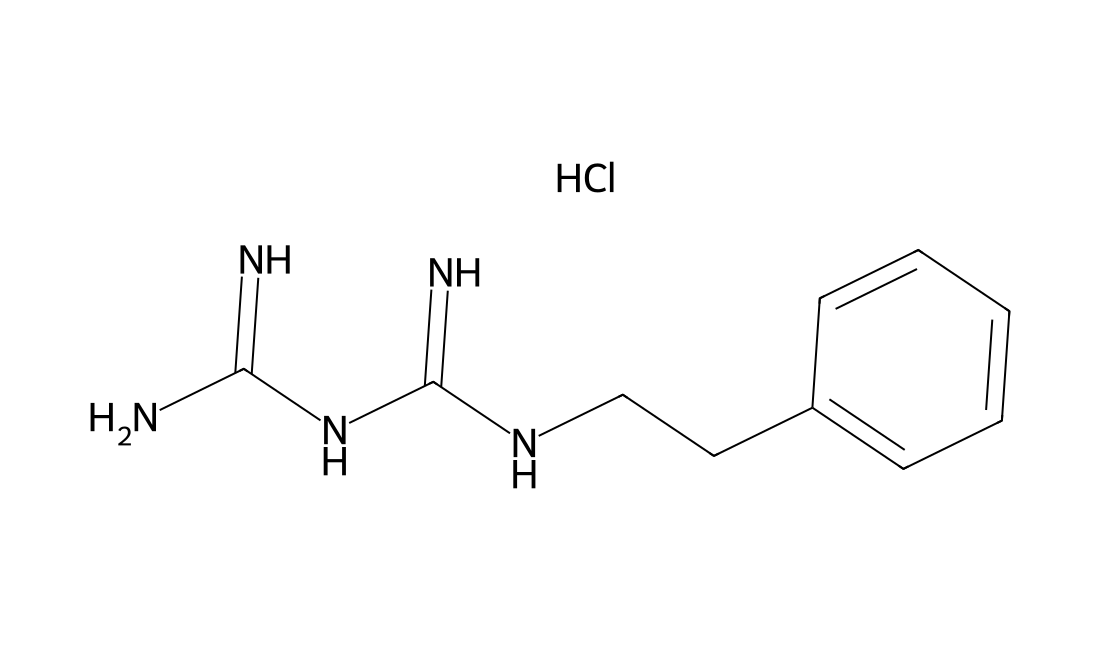
Phenformin hydrochlorideFeatured
Phenformin, an anti-diabetic drug, has demonstrated antitumor activity both in vitro and in vivo.in vitro: Treatment with phenformin significantly delayed the development of resistance to PLX4720 in cultured melanoma cells. Biochemical analyses showed that phenformin and PLX4720 exerted cooperative effects on inhibiting mTOR signaling and inducing apoptosis. Noticeably, phenformin selectively targeted subpopulations of cells expressing JARID1B, a marker for slow cycling melanoma cells, whereas PLX4720 selectively targeted JARID1B-negative cells. Phenformin also exhibited histone modification and was more effective than metformin in destabilizing MYC/MYCN in NB cells. Phenformin activates UPR sensors IRE1α and pancreatic endoplasmic reticulum kinase (PERK) in both an ER-dependent and ER-independent manner. Mechanistically, AMP-activated protein kinase (AMPK) activation is required but not sufficient to initiate phenformin-mediated IRE1α and PERK activation, suggesting the involvement of additional factor(s). in vivo: The chronic treatment of female C3H/Sn mice with phenformin (2 mg/day) and diphenylhydantoin (2 mg/day) prolonged mean life span by 23 and 25%, respectively, and decreased spontaneous tumour incidence by 4.0 and 2.3 times, respectively. Oral administration of 5--10 mg of an antidiabetic biguanide-phenformin (phenethyl-biguanide) for 2.5--5 months suppressed DMBA-induced mammary tumour development in rats considerably. Phenformin-treated rats revealed-a tendency towards a decrease in blood insulin level (radioimmunoassay).
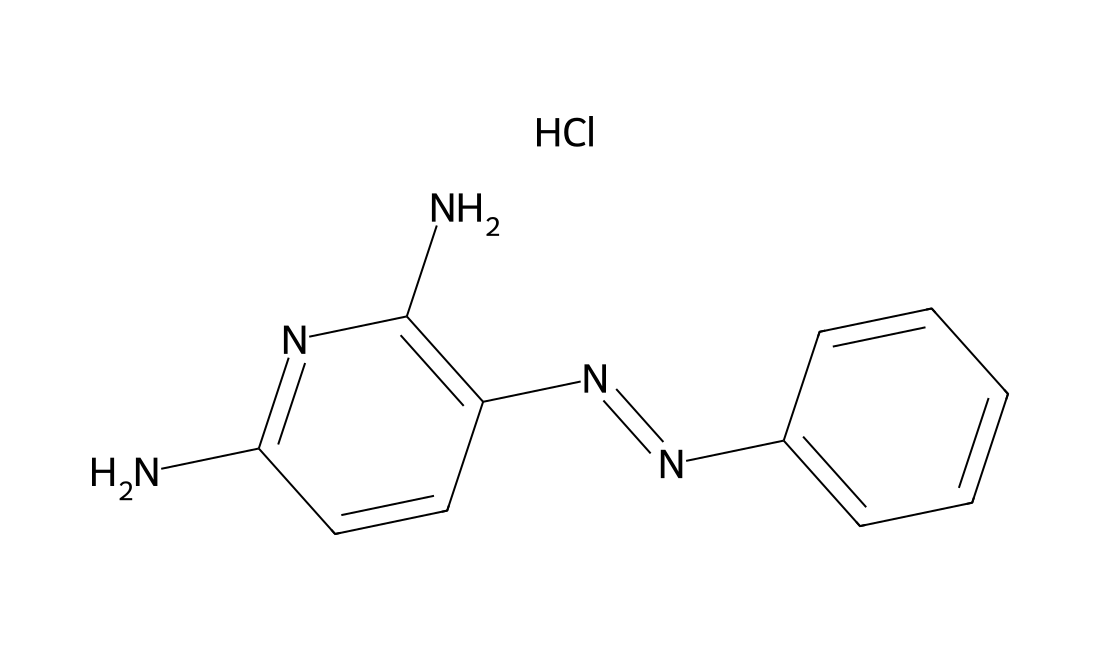
Phenazopyridine hydrochlorideFeatured
Phenazopyridine Hcl is a chemical, which has a local analgesic effect, often used to alleviate the pain, irritation, discomfort, or urgency caused by urinary tract infections, surgery, or injury to the urinary tract.
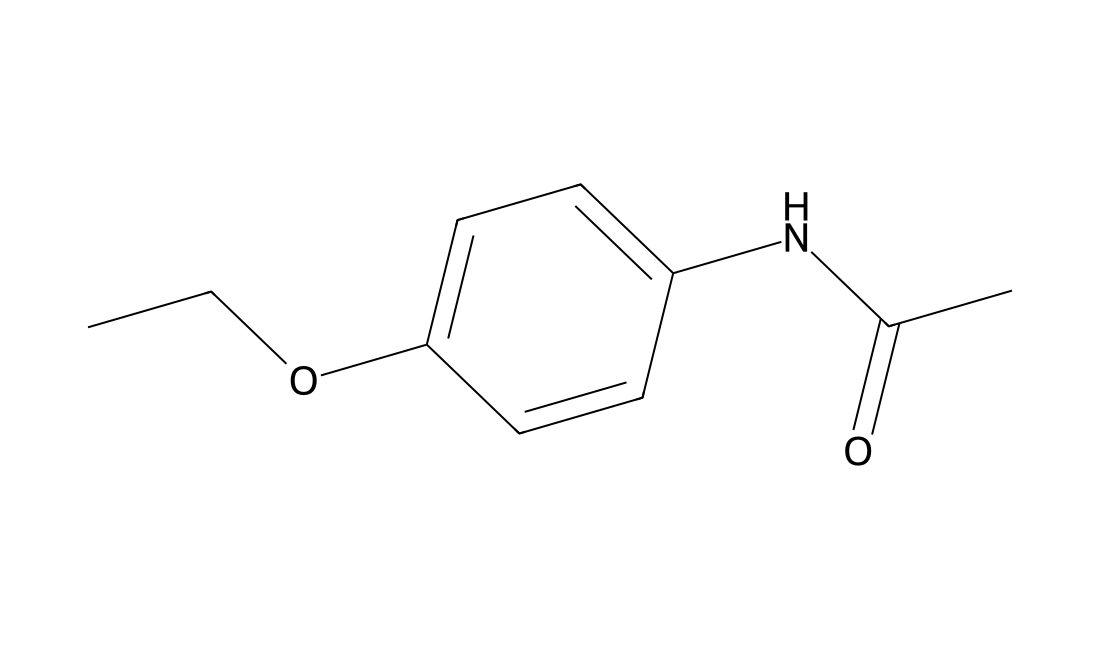
PhenacetinFeatured
Phenacetin is a non-opioid analgesic without anti-inflammatory properties.Phenacetin is a pain-relieving and fever-reducing drug, Phenacetin was withdrawn from the Canadian market in June 1973 due to concerns regarding nephropathy. the clinical and laboratory data were compatible with "phenacetin nephritis" as described in Europe and Australia and recently in the United States and Canada. This report evaluates the findings in the 23 cases and cautions against the use of phenacetin, particularly in patients with impaired renal function. Phenacetin has been linked to renal papillary necrosis in human beings.
No products match this search.
Page 297 of 309 · Browse all 6177 products
Jump to a product page
Featured literature product: HX1 · DCL0028
HX1 is a hydroxyzine-derived ionizable lipid with acetal-containing tails, studied in lipid nanoparticles for brain mRNA delivery and CRISPR–Cas9 delivery. It was the lead in the reported in vivo brain-delivery screen; evidence is preclinical and formulation-dependent.
Read full formulation and performance →