
Research lipid catalog
Ionizable Lipid Products
Explore 848 lipid and RNA delivery products. Search the full catalog or browse by research category.
Search covers product name, catalog number, synonyms, available CAS numbers and categories. Spaces, hyphens and common punctuation are ignored. Duplicate legacy records are consolidated under one canonical product result.
6677 products · Showing 6161–6180 · 20 per page
DC Chemicals lipid expertise
Built for ionizable-lipid discovery and RNA delivery research
DC Chemicals supports formulation and delivery research with a broad, searchable portfolio of cationic and ionizable lipids. The current directory brings together 848 unique research-use products, with product specifications, pricing, chemical structures and literature-linked formulation data added as each record is verified.
Our experience spans complex lipid synthesis, purification, analytical release and process development. For custom molecules or larger-scale requirements, our team can discuss route development, technical specifications and scale-up options for the intended research workflow.
Learn about cationic and ionizable lipids →Proprietary innovation · Co-development · GMP
From proprietary lipid design to GMP-grade custom synthesis
DC Chemicals has independently developed ionizable-lipid structures supported by company-owned intellectual property, and selected proprietary lipid programs have advanced to GMP-stage development.
We welcome joint development with customers—from molecular design and lipid synthesis through route and process development. We can also support custom synthesis of GMP-grade ionizable lipids to agreed technical specifications and quality requirements.
Discuss a co-development project →Proprietary ionizable-lipid structuresCollaborative molecular designCustom lipid synthesisProcess development and scale-upGMP-grade project support
Product quick links
Explore New ionizable lipids
Explore our five most recently added ionizable lipids, with specifications, pricing and literature-linked product information.
DCL0028HX1Brain RNA delivery researchView product →DCL0024A1I4R13C18-2Spleen-targeted RNA delivery researchView product →DCL0023A1I4R2C18-2Spleen-targeted RNA delivery researchView product →DCL0022FS01Local joint RNA delivery researchView product →DCL0020Lipid-392Lung RNA delivery and gene editing researchView product →
Cat. No.Product NameField of ApplicationChemical Structure
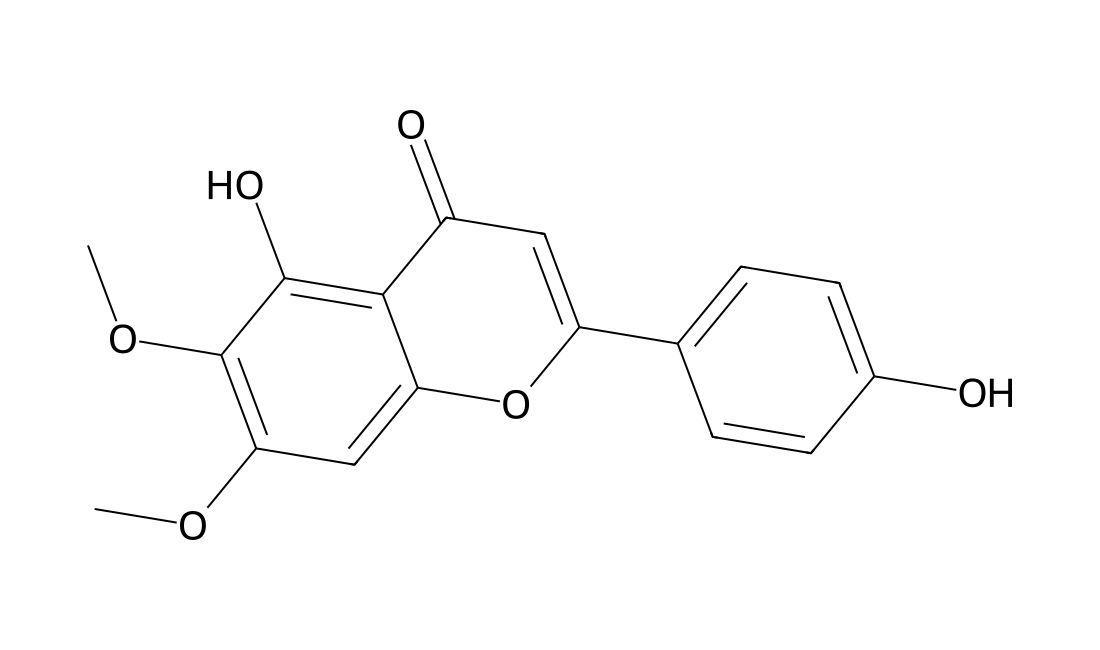
CirsimaritinFeatured
In Vivo Cirsimaritin significantly reduces the anxiety in mice. Cirsimaritin does not decrease by co-administration of flumazenil (2.5 mg/kg) with salvigenin, rosmanol and cirsimaritin (10 mg/kg), indicating that the high-affinity benzodiazepine binding site is not involved in the anxiolytic activity induced by these compounds.
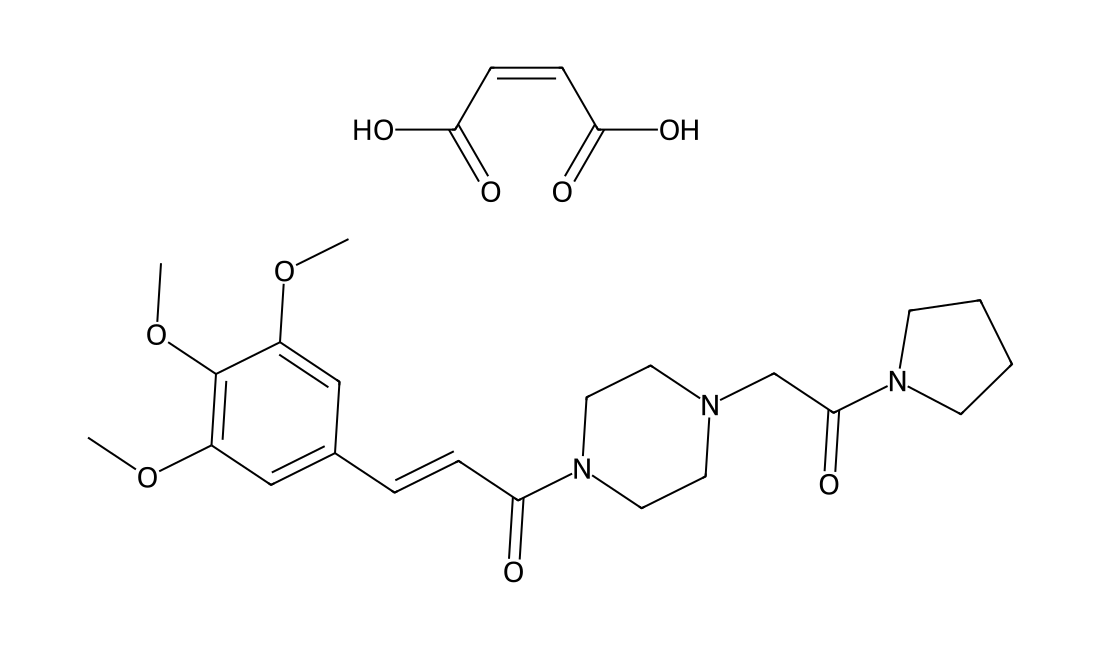
Cinepazide maleateFeatured
Cinepazide Maleate is a vasodilator.Cinepazide maleate is a maleate salt form of cinepazide which is a vasodilator. Cinepazide (30 mg/kg, i.v.) potentiated the vertebral vasodilator response of dogs to intravertebral adenosine and cyclic AMP, Intravertebral cinepazide(1-10 mg) increased vertebral blood flow in a dose-related manner and the effect was partially inhibited by intravenous pretreatment with aminophylline but not by pretreatment with autonomic antagonists. Cinepazide resembled cinnarizine and papaverine in that the drug antagonized rabbit aortic contraction induced by KCl, norepinephrine or CaCl2. Cinepazide in concentrations ranging from 10-6 to 10-5M augmented the relaxing responses to ATP, adenosine and cAMP. However, this agent did not affect the relaxations induced by isoproterenol and papaverine and the contractions induced by 5-HT, prostaglandin F2α and ATP. cinepazide selectively potentiates the relaxing response mediated through purinergic P1 receptors.
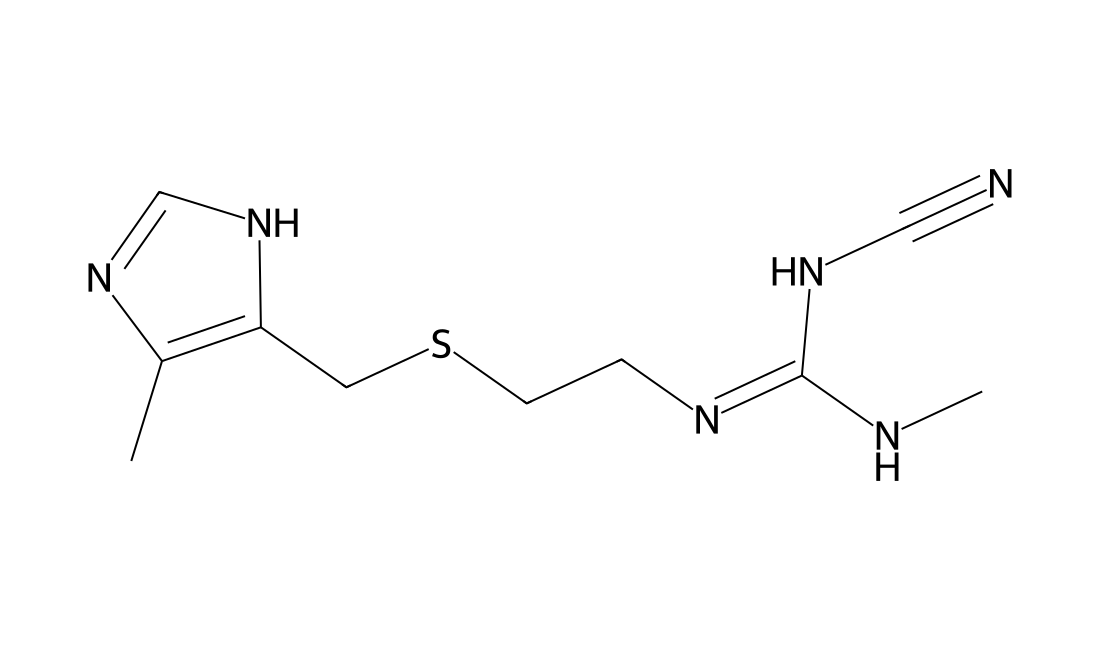
CimetidineFeatured
Cimetidine is a histamine-2 (H2) receptor antagonist.in vitro: Cimetidine, a partial agonist for H2R, has a pharmacological profile different from ranitidine and famotidine, possibly contributing to its antitumor activity on gastrointestinal cancers. Cimetidine had no effect on the uptake and cytotoxicity of cisplatin in ovarian cancer cells with high OCT2 mRNA levels (IGROV-1 cells). Cimetidine showed no effect on proliferation, survival, migration and invasion of 3LL cells. Cimetidine reversed MDSC-mediated T-cell suppression, and improved IFN-γ production. Cimetidine-mediated down-regulation of NCAM involved suppression of the nuclear translocation of NF-kappaB, a transcriptional activator of NCAM gene expression. in vivo: the antitumor efficacy of cisplatin in mice bearing luciferase-tagged IGROV-1 xenografts was unaffected by cimetidine (P = 0.39). Data obtained in 18 patients receiving cisplatin (100 mg/m(2)) in a randomized crossover fashion with or without cimetidine (800 mg × 2) revealed that cimetidine did not alter exposure to unbound cisplatin. cimetidine reduced CD11b(+)Gr-1(+) myeloid derived-suppressive cell (MDSC) accumulation in spleen, blood and tumor tissue of tumor-bearing mice. Cimetidine exerts a beneficial effect on periodontal disease in rats, decreasing the RANKL/OPG ratio in gingival connective tissue and reducing alveolar bone resorption.
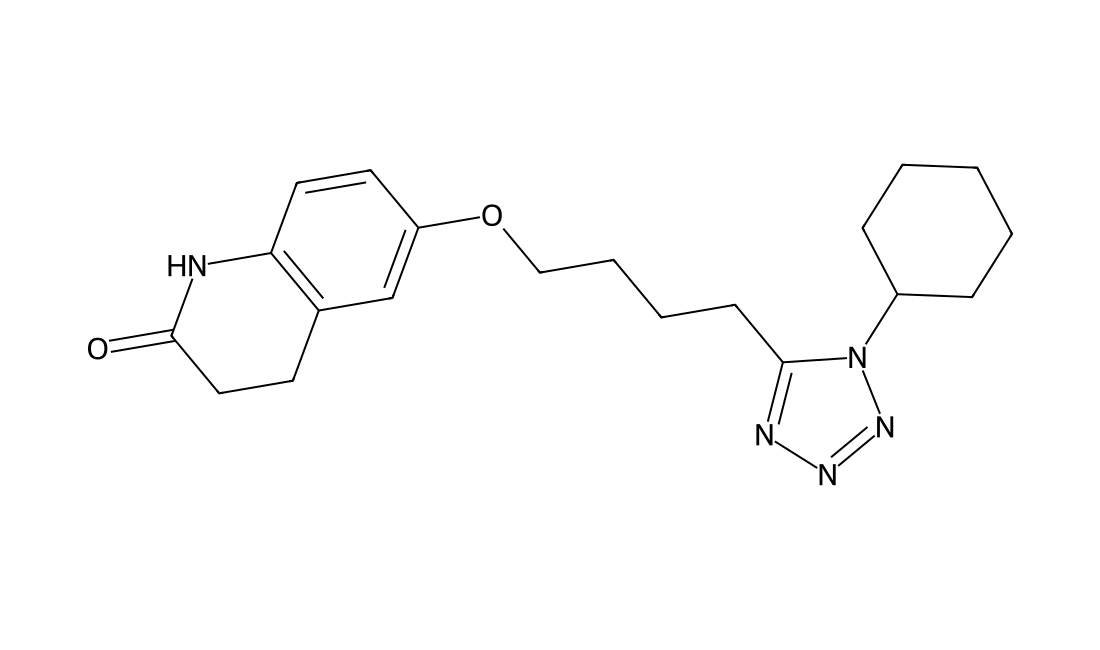
CilostazolFeatured
For the detailed information of Cilostazol, the solubility of Cilostazol in water, the solubility of Cilostazol in DMSO, the solubility of Cilostazol in PBS buffer, the animal experiment(test) (test) of Cilostazol, the cell expriment (test) of Cilostazol, the in vivo, in vitro and clinical trial test of Cilostazol, the EC50, IC50,and Affinity of Cilostazol,, please contact DC Chemicals.
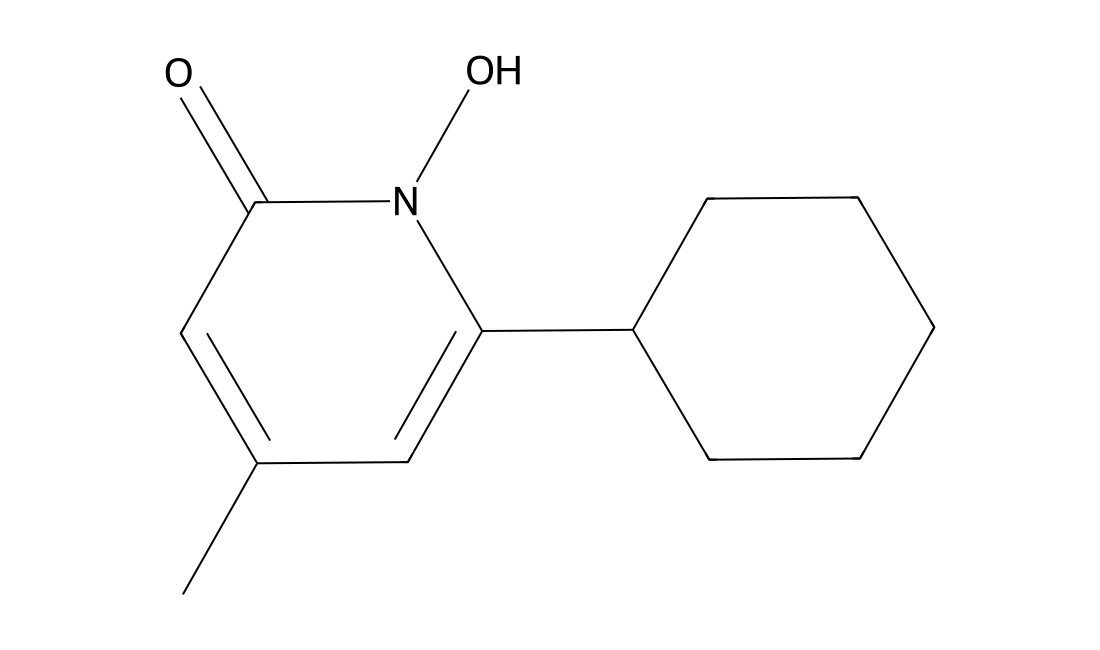
Ciclopirox (Penlac)Featured
For the detailed information of Ciclopirox (Penlac), the solubility of Ciclopirox (Penlac) in water, the solubility of Ciclopirox (Penlac) in DMSO, the solubility of Ciclopirox (Penlac) in PBS buffer, the animal experiment(test) (test) of Ciclopirox (Penlac), the cell expriment (test) of Ciclopirox (Penlac), the in vivo, in vitro and clinical trial test of Ciclopirox (Penlac), the EC50, IC50,and Affinity of Ciclopirox (Penlac),, please contact DC Chemicals.
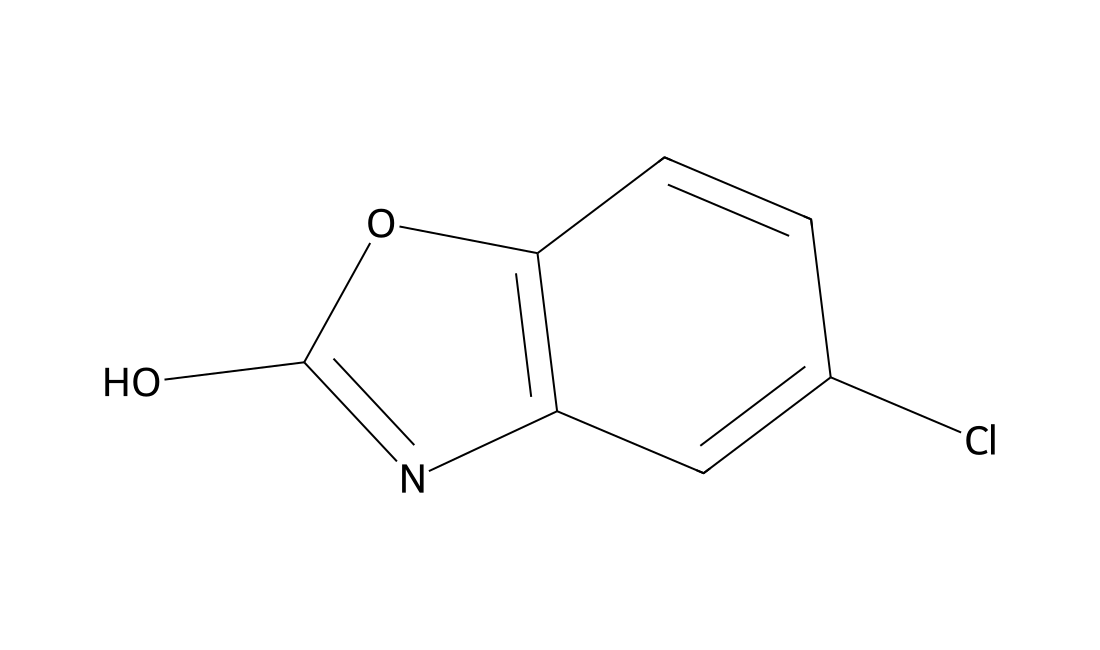
ChlorzoxazoneFeatured
Chlorzoxazone is a centrally acting muscle relaxant used to treat muscle spasm and the resulting pain or discomfort. It acts on the spinal cord by depressing reflexes.Chlorzoxazone is currently being used as a marker substrate in vitro/vivo studies to quantify cytochrome P450 2E1 (CYP2E1) activity in humans.
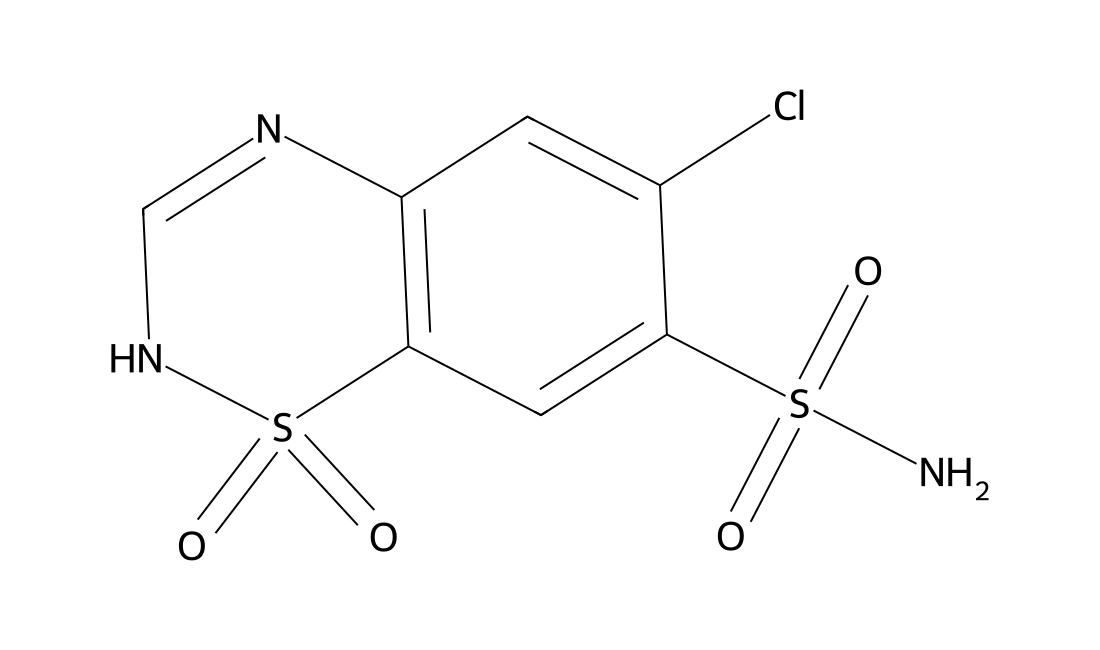
ChlorothiazideFeatured
For the detailed information of Chlorothiazide, the solubility of Chlorothiazide in water, the solubility of Chlorothiazide in DMSO, the solubility of Chlorothiazide in PBS buffer, the animal experiment(test) (test) of Chlorothiazide, the cell expriment (test) of Chlorothiazide, the in vivo, in vitro and clinical trial test of Chlorothiazide, the EC50, IC50,and Affinity of Chlorothiazide,, please contact DC Chemicals.
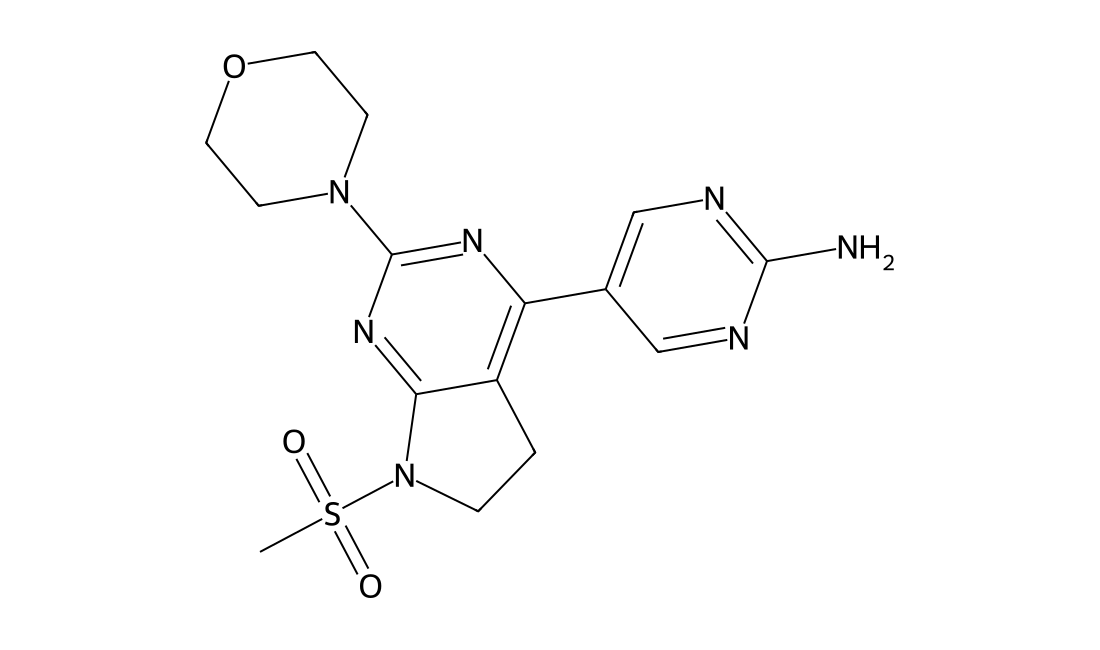
CH5132799Featured
CH5132799 inhibits class I PI3Ks, particularly PI3Kα with IC50 of 14 nM; less potent to PI3Kβδγ, while sensitive in PIK3CA mutations cell lines.For the detailed information of CH5132799, the solubility of CH5132799 in water, the solubility of CH5132799 in DMSO, the solubility of CH5132799 in PBS buffer, the animal experiment (test) of CH5132799, the cell expriment (test) of CH5132799, the in vivo, in vitro and clinical trial test of CH5132799, the EC50, IC50,and Affinity of CH5132799, Please contact DC Chemicals.
CFM-2Featured
CFM-2 is a selective non-competitive AMPAR antagonist. in vitro: AMPA antagonists GYKI 52466 and CFM-2 inhibit the extracellular signal regulated kinase (ERK1/2) pathway, CFM-2 reduced phosphorylation of cAMP-responsive element binding protein (CREB), suppressed expression of cyclin D1, upregulated the cell cycle regulators and tumor suppressor proteins p21 and p53 and decreased number of lung adenocarcinoma cells in G2 and S phases of the cell cycle. in vivo: Pretreatment with CFM-2 delayed the progression of seizure rank during repeated administration of pentylentetrazole. At the end of the period of repeated pentylentetrazole treatment (6 weeks) the mean seizure score was 0 in vehicle treated controls, 4.3 in animals treated with vehicle + pentylentetrazole, 2.2 in rats treated chronically with CFM-2 (20 micromol kg(-1) i.p.) + pentylentetrazole and 1.0 in rats treated repeatedly with CFM-2 (50 micromol kg(-1) i.p.) + pentylenetetrazole. CFM-2 was also able to antagonize the long-term increase in sensitivity of the convulsant effects of GABA function inhibitors in pentylentetrazole-kindled animals. CFM-2 has been proven to possess anticonvulsant activity in various models of seizures. Intrathecal application of two selective non-competitive AMPAR antagonists, CFM-2 (25 and 50 microg) and GYKI 52466 (50 microg), significantly attenuated mechanical and thermal hypersensitivities on the ipsilateral hind paw at 2 and 24 h post-CFA injection. Neither CFM-2 nor GYKI 52466 affected the contralateral basal responses to thermal and mechanical stimuli.
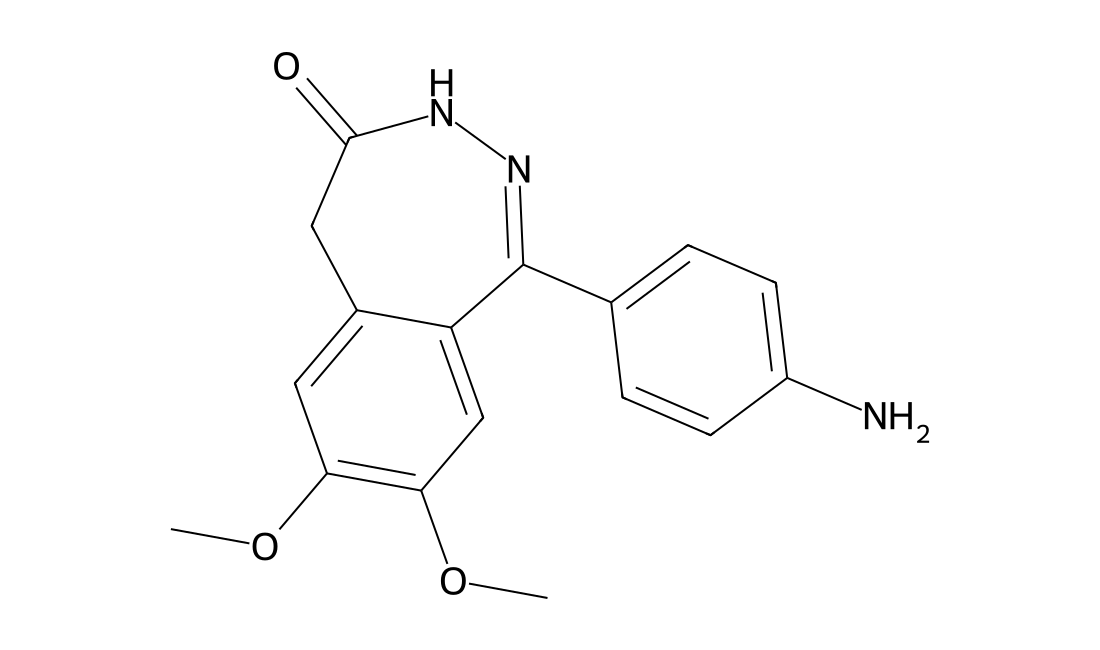
CDK9-IN-1Featured
CDK9-IN-1 is a novel, selective CDK9 inhibitor for the treatment of HIV infection. Among CDKs, CDK9 is a validated pathological target in HIV infection, inflammation and cardiac hypertrophy; however selective CDK9 inhibitors are still not available. We present a selective inhibitor family of CDK9 based on the 4-phenylamino-6- phenylpyrimidine nucleus. We show a convenient synthetic method to prepare a useful intermediate and its derivatisation resulting in novel compounds. The CDK9 inhibitory activity of the derivatives was measured in specific kinase assay and the CDK inhibitory profile of the best ones (IC50 > 100nM) was determined. The most selective compounds had high selectivity over CDK1, 2, 3, 5, 6, 7 and showed at least one order of magnitude higher inhibitory activity over CDK4 inhibition. The most selective molecules were examined in cytotoxicity assays and their ability to inhibit HIV-1 replication was determined in cellular assays.
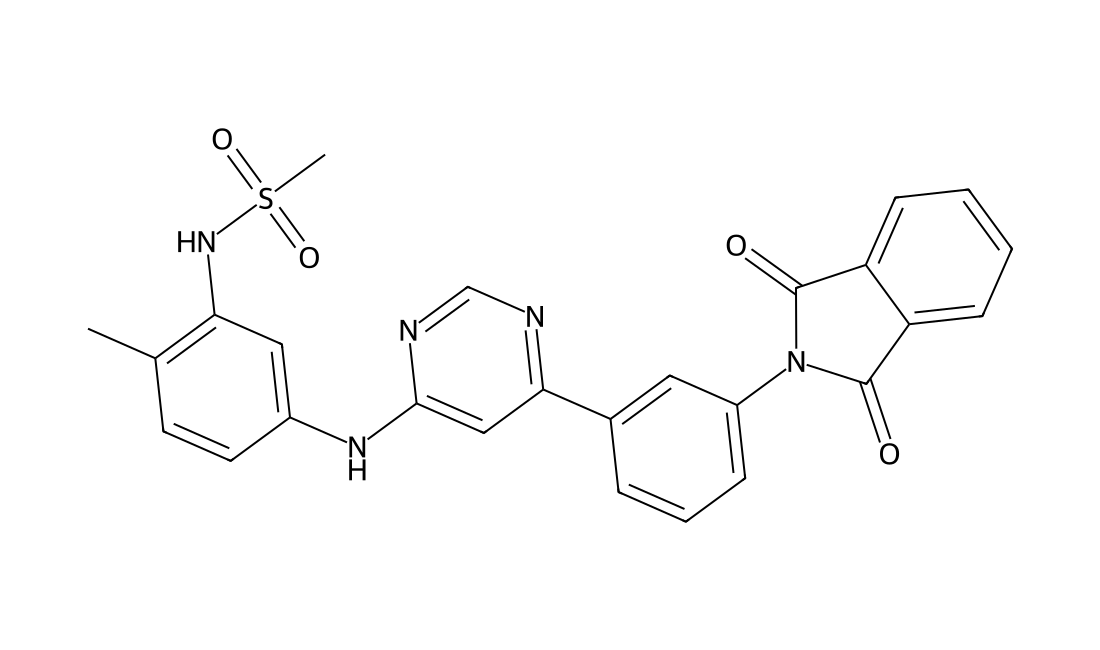
CDD3506Featured
CDD3506 specifically induces hepatic cytochrome P450IIIA produces significant increases in HDL cholesterol.
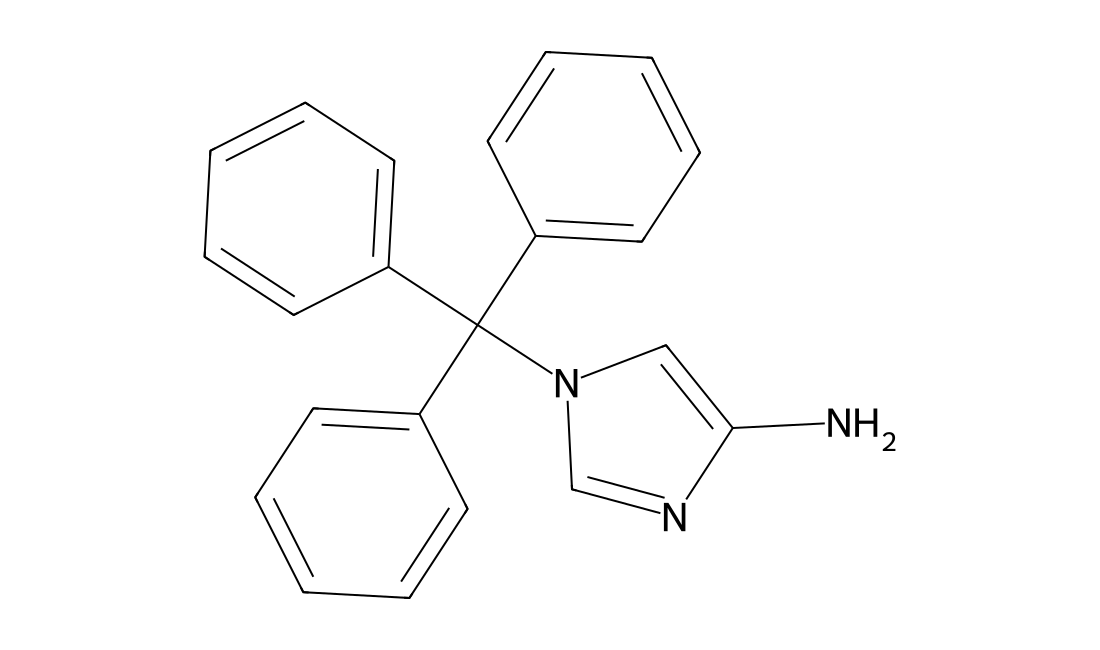
CCX140Featured
CCX140-B potently inhibits CCL2-induced chemotaxis of purified human blood monocytes with IC50 values of 8 nM in buffer and 200 nM in the presence of 100% human serum. CCX140-B also inhibits CCL2-induced Ca2+ mobilization in monocytes with an IC50 value of 3 nM. CCX140-B inhibits the binding of 125I-CCL2 to monocytes with an IC50 value of 17 nM. CCX140-B has a Kd value of 2.3 nM toward hCCR2. CCX140-B also inhibits monocyte chemotaxis mediated by the other CCR2 ligands: CCL8/MCP-2, CCL7/MCP-3, and CCL13/MCP-4.Treatment of hCCR2 KI mice with CCX140-B causes a dose-dependent reduction in the number of peritoneal leukocytes after thioglycollate challenge: CCX140-B strongly blocks leukocyte infiltration at 30 mg/kg, partially blocks leukocyte infiltration at 10 mg/kg, and fails to block leukocyte infiltration at 3 mg/kg. In DIO hCCR2 KI mice, treatment with 100 mg/kg CCX140-B blocks the progressive increase in UAER and ACR. CCX140-B maintains lower UAER and ACR values during the entire 8-wk dosing regimen. In DIO mice, the CCR2 antagonist completely blocks the recruitment of inflammatory macrophages to visceral adipose tissue. The mice exhibit reduced hyperglycemia and insulinemia, improved insulin sensitivity, increased circulating adiponectin levels, decreased pancreatic islet size and increased islet number. It also reduces urine output, glucose excretion, hepatic glycogen and triglyceride content and glucose 6-phosphatase levels.
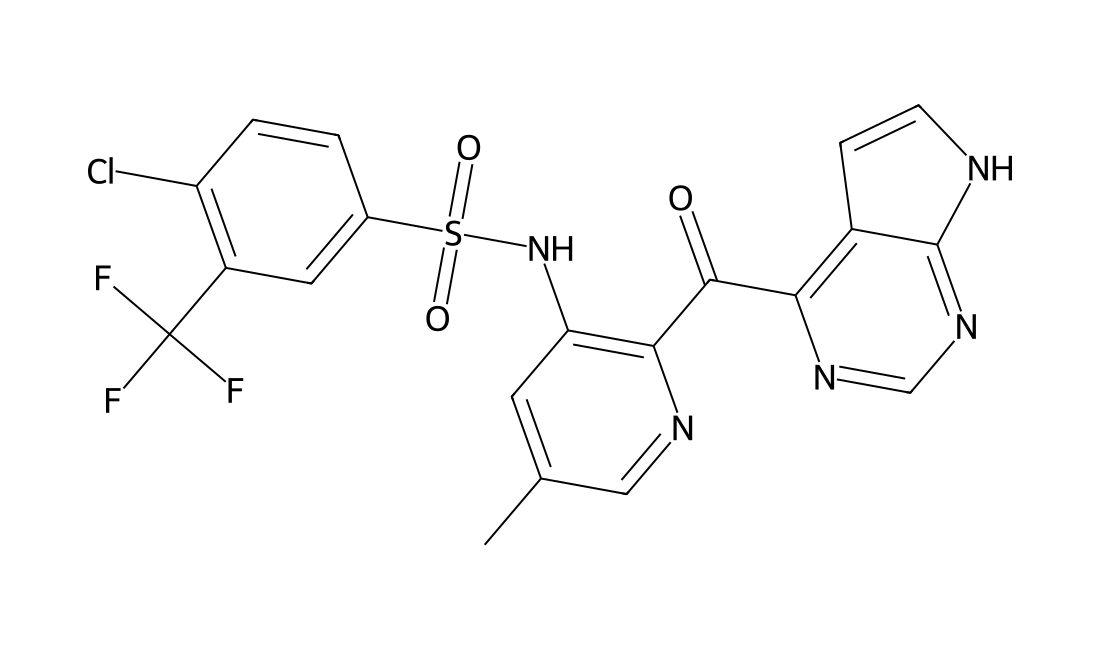
CCT251921Featured
CCT251921 is a potent, selective, and orally bioavailable small-molecule modulators of the mediator complex-associated kinases CDK8 and CDK19. (IC50 data: CDK8:=2.3 nM; CDK19 = 2.6 nM). CCT251921 showed the optimal compromise of in vitro biochemical, pharmacokinetic, and physicochemical properties and is suitable for progression to animal models of cancer. The Mediator complex-associated cyclin-dependent kinase CDK8 has been implicated in human disease, particularly in colorectal cancer where it has been reported as a putative oncogene.
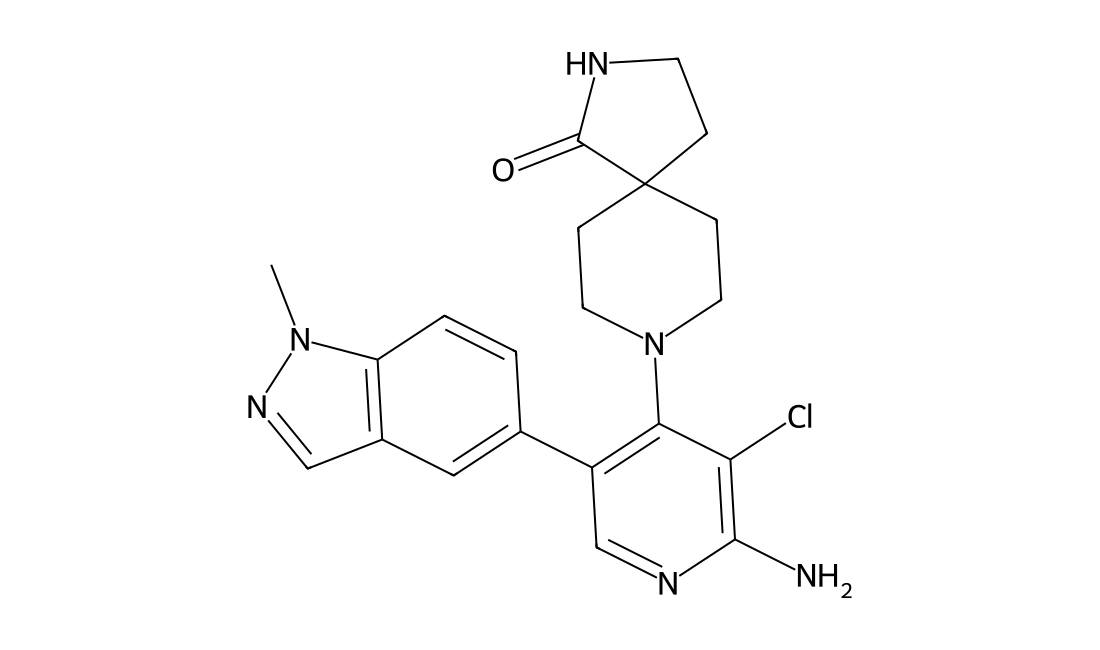
CCT128930Featured
CCT128930 is a potent, selective, ATP-competitive AKT inhibitor with IC50 of 6 nM (AKT2), 28-fold selectivity over the closely related PKA; also exhibits 20-fold selectivity over p70S6K (IC50=120 nM); shows growth inhibition for U87MG human glioblastoma cells (IC50=6.3 uM), for LNCaP human prostate cancer cells (IC50=0.35 uM), and for PC3 human prostate cancer cells (IC50=1.9 uM) consistent with AKT pathway blockade; blocks the phosphorylation of several downstream AKT biomarkers in U87MG tumor xenografts, indicating AKT inhibition in vivo; demonstrates antitumor activity in U87MG and HER2-positive, PIK3CA-mutant BT474 human breast cancer xenografts.
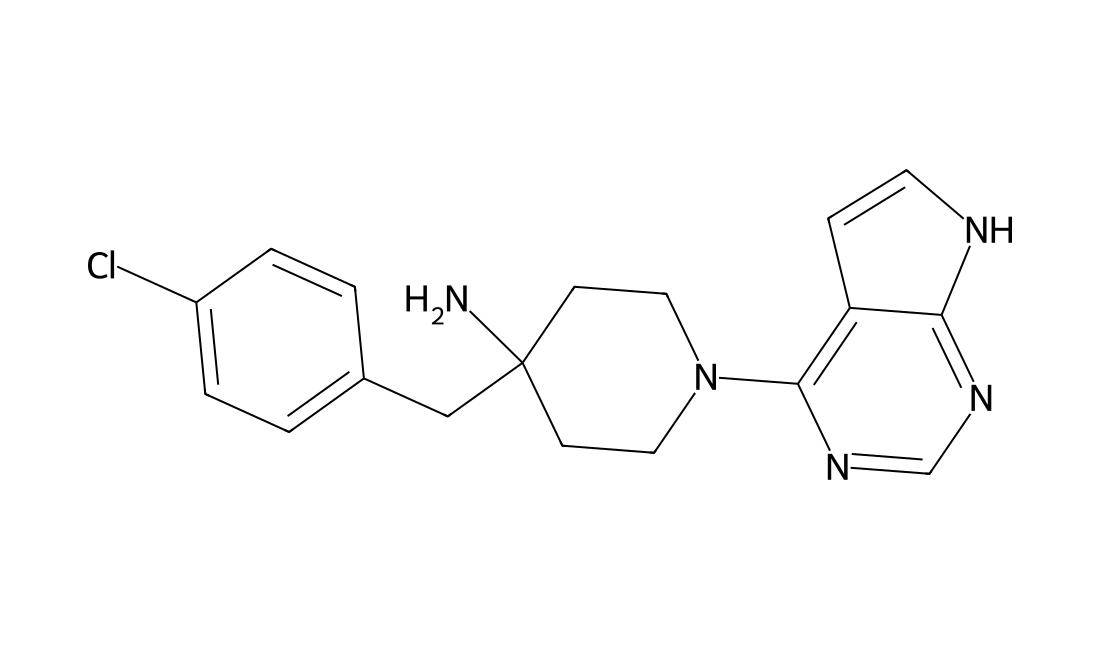
CCG-63808Featured
CCG-63808 is a reversible inhibitor of regulator of G-protein signaling (RGS) proteins.
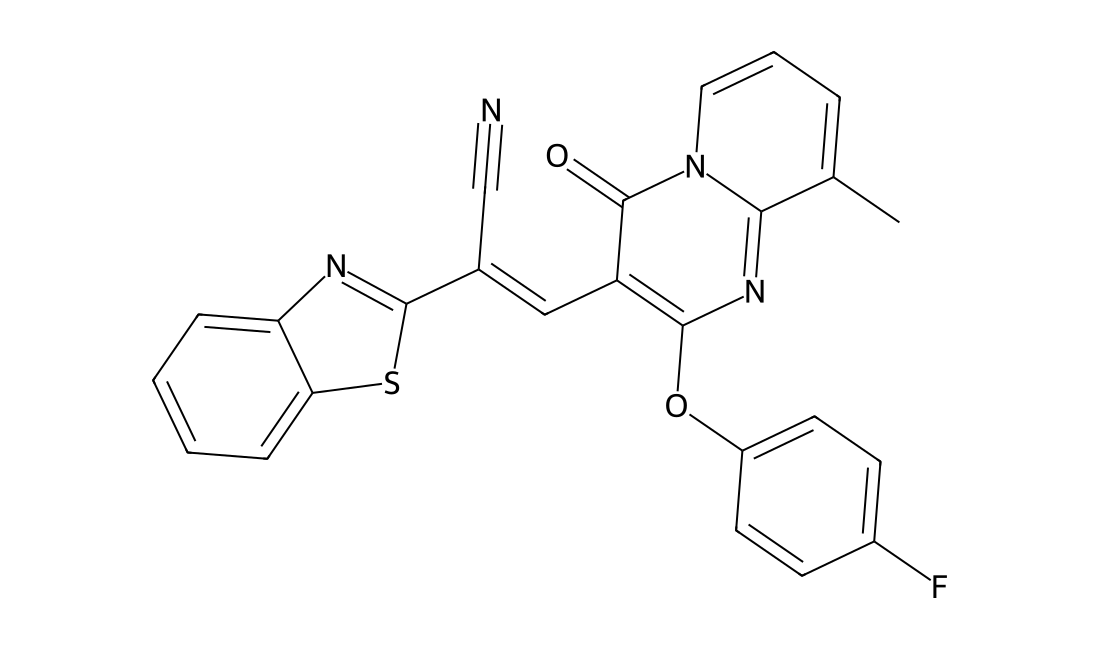
CCG-63802Featured
CCG-63802 is a reversible inhibitor of regulator of G-protein signaling (RGS) protein; with greatest potency at RGS4. CCG-63802 is selective amongst RGS proteins, with greatest potency at RGS4. CCG-63802 inhibits GTPase accelerating protein activity of RGS4 and blocks its interaction with Gαo. Retains activity under reducing conditions.
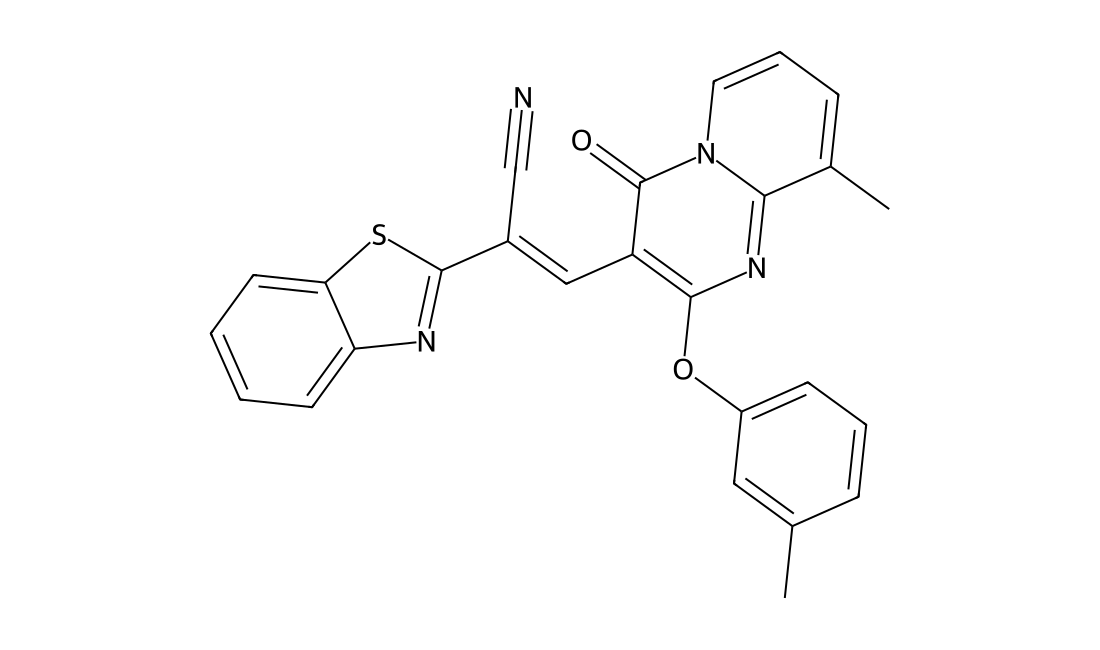
CariporideFeatured
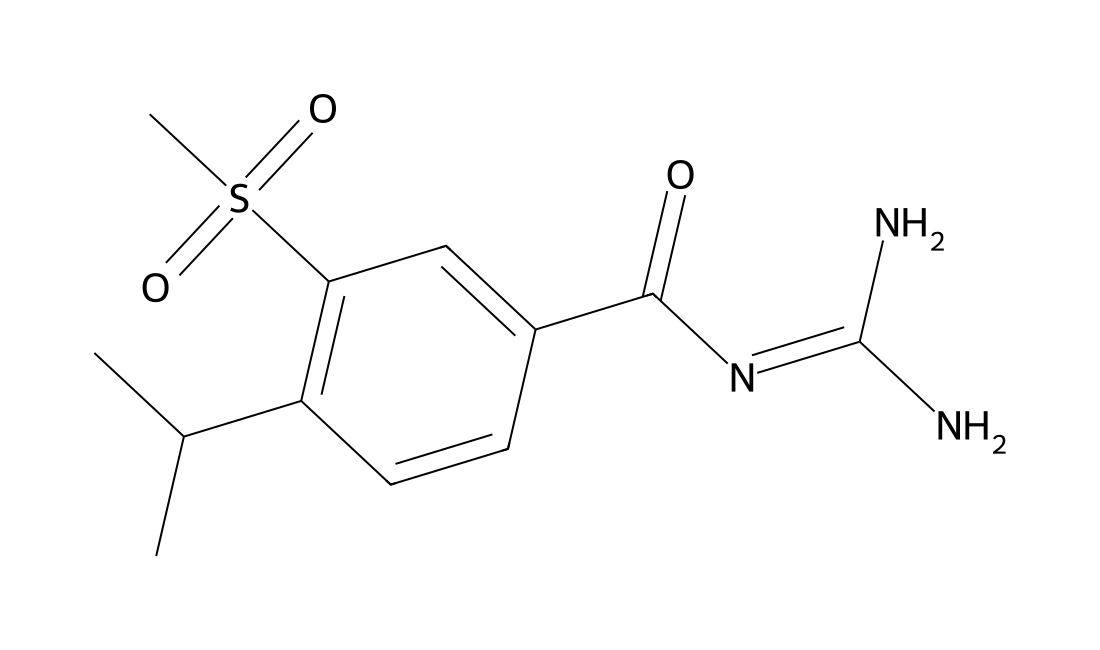
Cariporide is a NHE-1 (sodium-hydrogen exchanger isoform-1) inhibitor. Rat studies indicate that cariporide blocks apoptosis of cardiac muscle cells. Additional studies show that the compound interacts with and weakens mitochondrial Ca2+ overload and the permeability transition pore (PTP). For the detailed information of Cariporide, the solubility of Cariporide in water, the solubility of Cariporide in DMSO, the solubility of Cariporide in PBS buffer, the animal experiment (test) of Cariporide, the cell expriment (test) of Cariporide, the in vivo, in vitro and clinical trial test of Cariporide, the EC50, IC50,and affinity,of Cariporide, Please contact DC Chemicals.
CarbosulfanFeatured
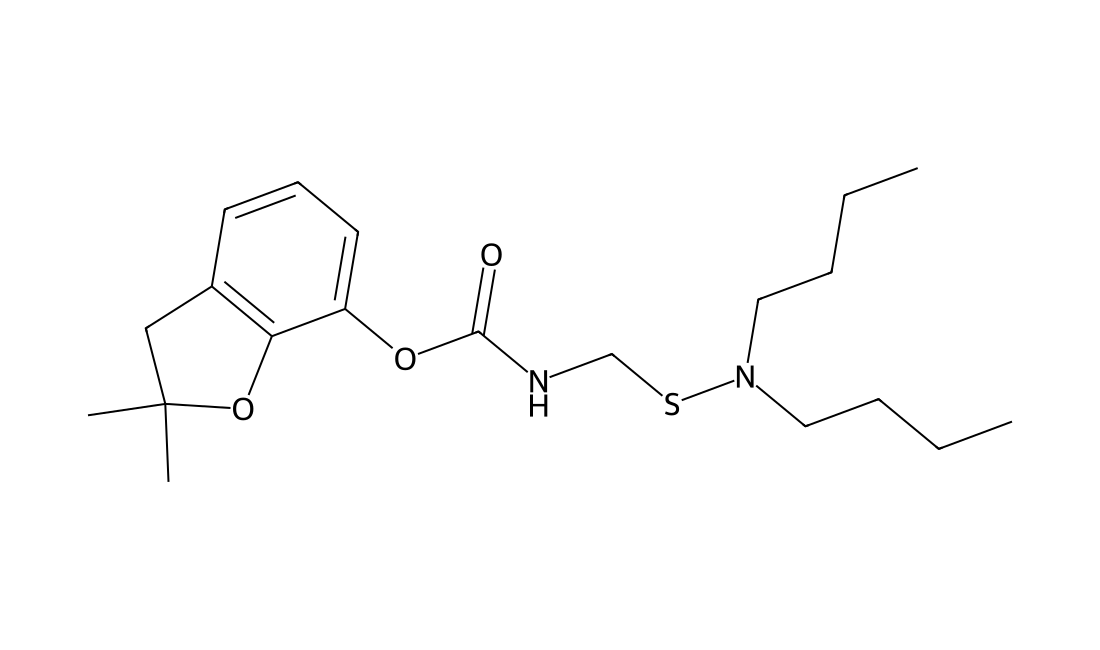
Carbosulfan inhibited relatively potently CYP3A4 and moderately CYP1A1/2 and CYP2C19 in pooled HLM (human livers). Carbosulfan activation is predominantly catalyzed in humans by CYP3A4.
CandesartanFeatured
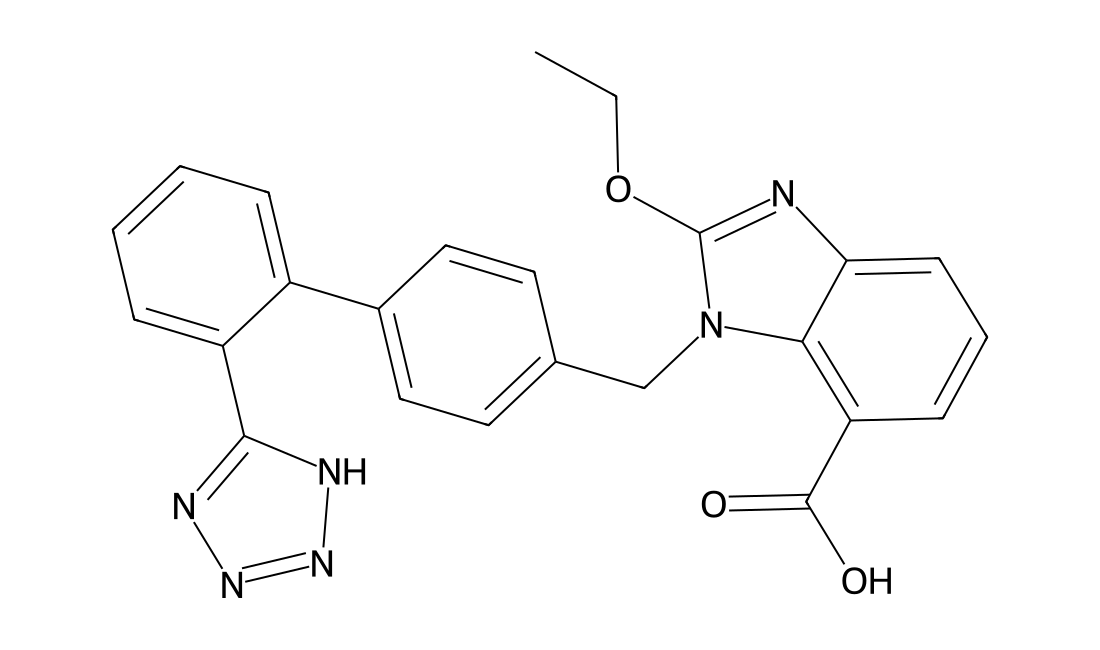
Candesartan is an angiotensin II receptor antagonist with IC50 of 0.26 nM.candesartan is indicated for the treatment of hypertension. Results from the CHARM study in the early 2000s demonstrated the morbidity and mortality reduction benefits of candesartan therapy in congestive heart failure. Thus, while ACE inhibitors are still considered first-line therapy in heart failure, candesartan can be used in combination with an ACE to achieve improved mortality and morbidity vs. an ACE alone and additionally is an alternative in patients intolerant of ACE inhibitor therapy. Candesartan (0.5 mg/kg) decreases blood pressure and inhibits AT1 binding in the subfornical organ (SFO), paraventricular nucleus of the hypothalamus (PVN), nucleus of the solitary tract (NTS) and area postrema (AP) in WKY rats. Candesartan (0.3 mg/kg) pretreatment decreases the infarct area by 31% in adult spontaneously hypertensive rats, reduces the CBF decrease at the peripheral area of ischemia and the cortical volume of severe ischemic lesion.
ButenafineFeatured
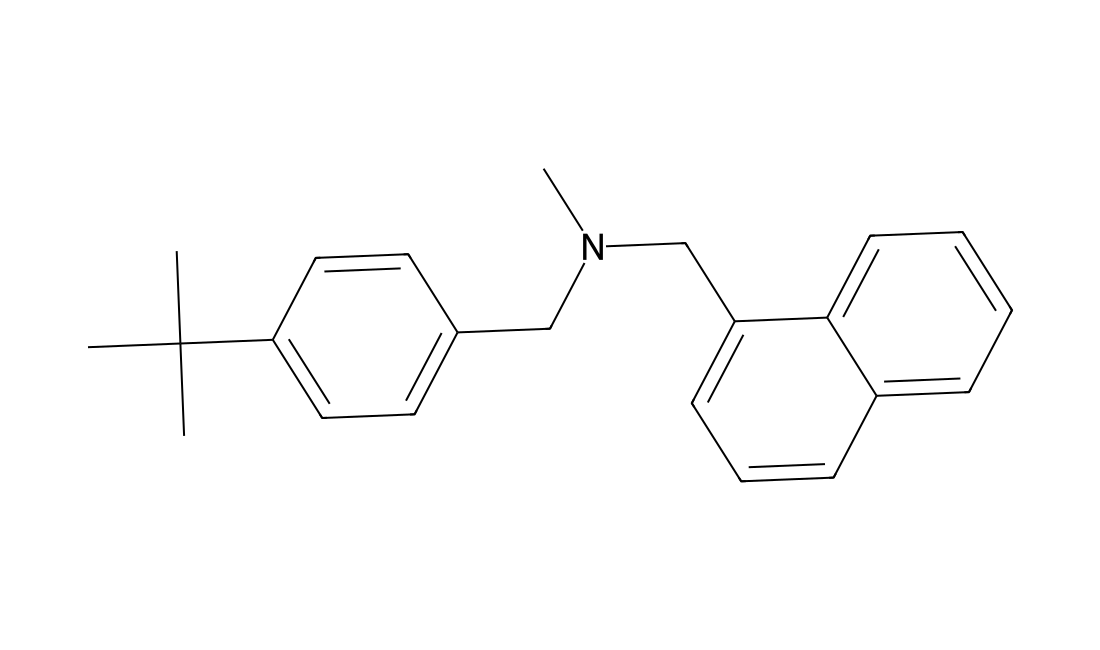
For the detailed information of Butenafine, the solubility of Butenafine in water, the solubility of Butenafine in DMSO, the solubility of Butenafine in PBS buffer, the animal experiment(test) (test) of Butenafine, the cell expriment (test) of Butenafine, the in vivo, in vitro and clinical trial test of Butenafine, the EC50, IC50,and Affinity of Butenafine,, please contact DC Chemicals.
No products match this search.
Page 309 of 334 · Browse all 6677 products
Jump to a product page
Featured literature product: HX1 · DCL0028
HX1 is a hydroxyzine-derived ionizable lipid with acetal-containing tails, studied in lipid nanoparticles for brain mRNA delivery and CRISPR–Cas9 delivery. It was the lead in the reported in vivo brain-delivery screen; evidence is preclinical and formulation-dependent.
Read full formulation and performance →