
Research lipid catalog
Ionizable Lipid Products
Explore 848 lipid and RNA delivery products. Search the full catalog or browse by research category.
Search covers product name, catalog number, synonyms, available CAS numbers and categories. Spaces, hyphens and common punctuation are ignored. Duplicate legacy records are consolidated under one canonical product result.
6677 products · Showing 6581–6600 · 20 per page
DC Chemicals lipid expertise
Built for ionizable-lipid discovery and RNA delivery research
DC Chemicals supports formulation and delivery research with a broad, searchable portfolio of cationic and ionizable lipids. The current directory brings together 848 unique research-use products, with product specifications, pricing, chemical structures and literature-linked formulation data added as each record is verified.
Our experience spans complex lipid synthesis, purification, analytical release and process development. For custom molecules or larger-scale requirements, our team can discuss route development, technical specifications and scale-up options for the intended research workflow.
Learn about cationic and ionizable lipids →Proprietary innovation · Co-development · GMP
From proprietary lipid design to GMP-grade custom synthesis
DC Chemicals has independently developed ionizable-lipid structures supported by company-owned intellectual property, and selected proprietary lipid programs have advanced to GMP-stage development.
We welcome joint development with customers—from molecular design and lipid synthesis through route and process development. We can also support custom synthesis of GMP-grade ionizable lipids to agreed technical specifications and quality requirements.
Discuss a co-development project →Proprietary ionizable-lipid structuresCollaborative molecular designCustom lipid synthesisProcess development and scale-upGMP-grade project support
Product quick links
Explore New ionizable lipids
Explore our five most recently added ionizable lipids, with specifications, pricing and literature-linked product information.
DCL0028HX1Brain RNA delivery researchView product →DCL0024A1I4R13C18-2Spleen-targeted RNA delivery researchView product →DCL0023A1I4R2C18-2Spleen-targeted RNA delivery researchView product →DCL0022FS01Local joint RNA delivery researchView product →DCL0020Lipid-392Lung RNA delivery and gene editing researchView product →
Cat. No.Product NameField of ApplicationChemical Structure
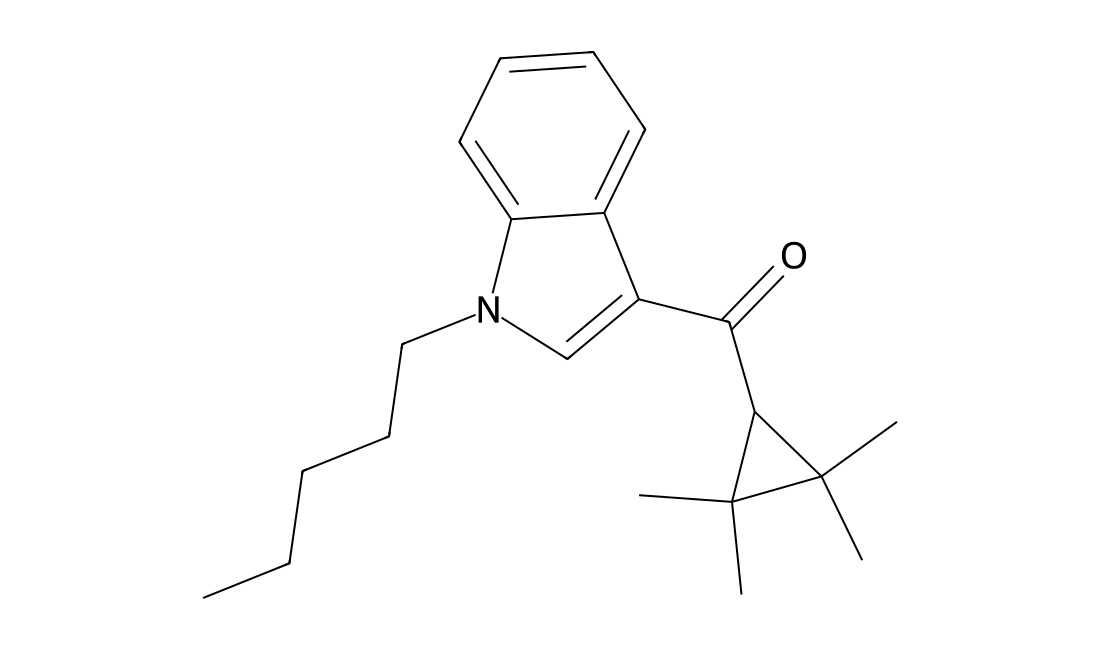
UR-144Featured
>98%,Standard References
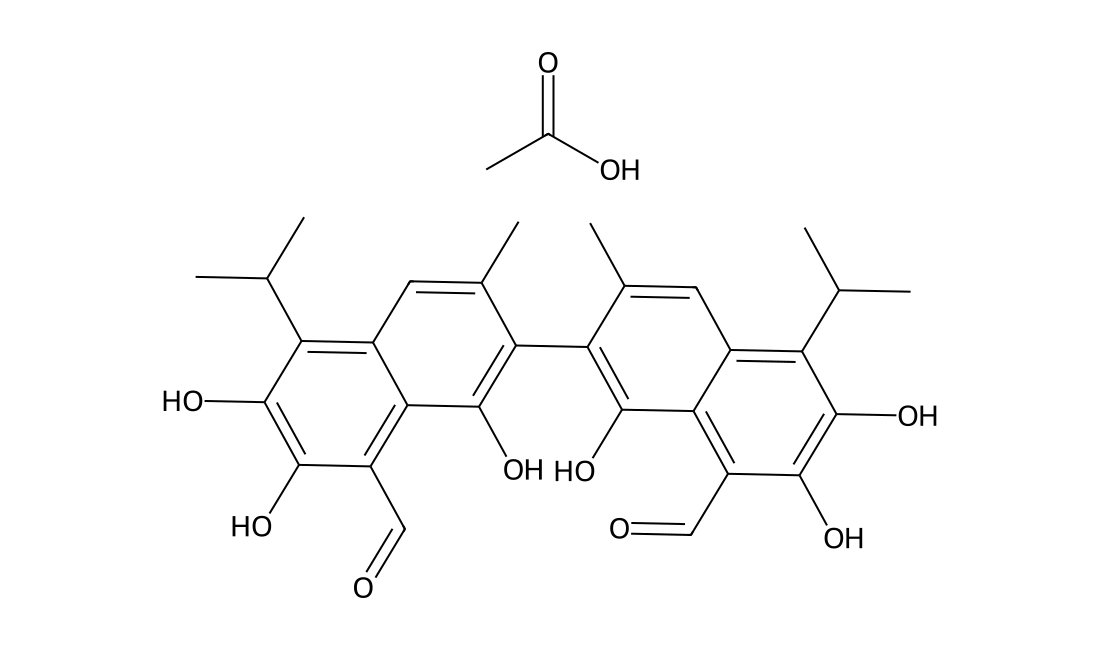
Gossypol-acetic acidFeatured
For the detailed information of Gossypol-acetic acid, the solubility of Gossypol-acetic acid in water, the solubility of Gossypol-acetic acid in DMSO, the solubility of Gossypol-acetic acid in PBS buffer, the animal experiment(test) (test) of Gossypol-acetic acid, the cell expriment (test) of Gossypol-acetic acid, the in vivo, in vitro and clinical trial test of Gossypol-acetic acid, the EC50, IC50,and Affinity of Gossypol-acetic acid,, please contact DC Chemicals.
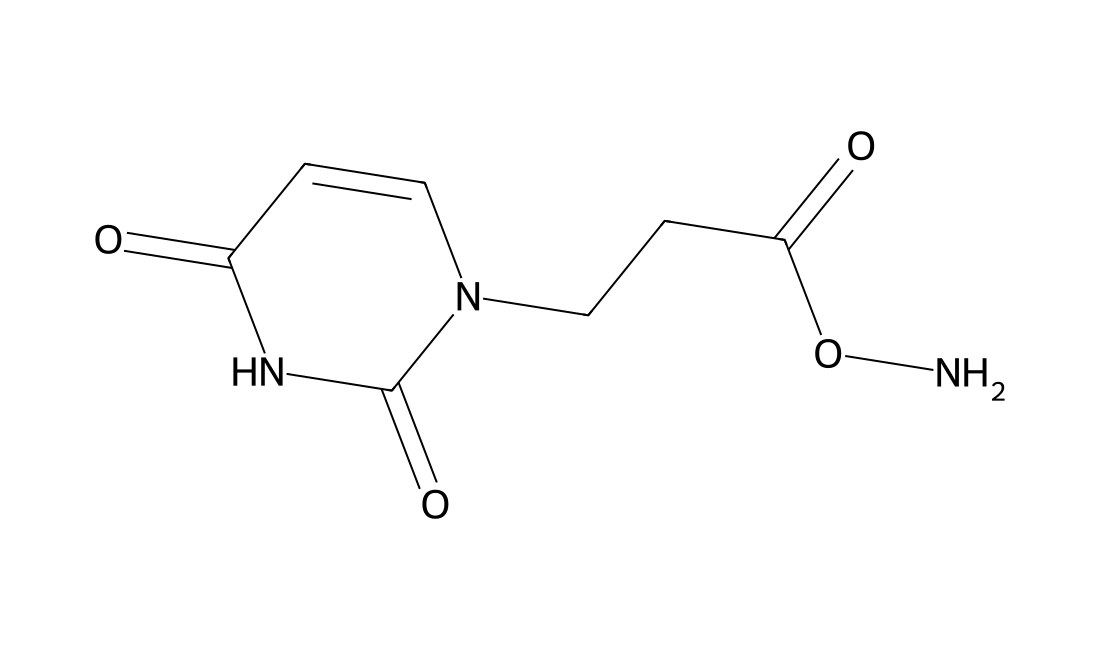
(S)-WillardiineFeatured
(S)-Willardiine is a potent agonist of AMPA/kainate receptors with EC50 of 44.8 uM.
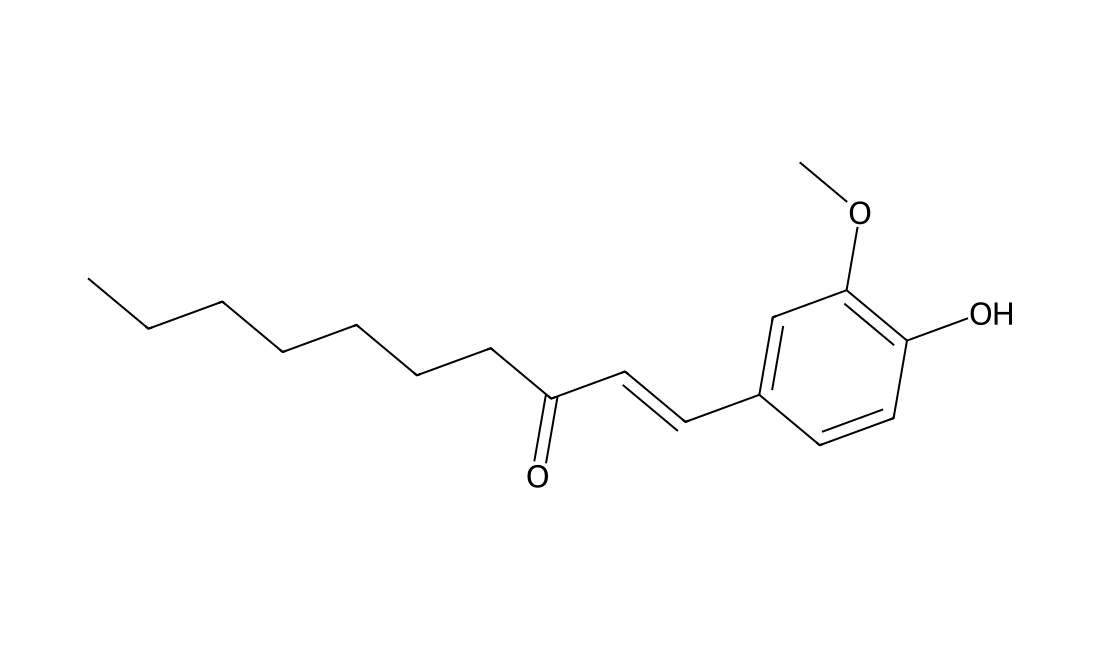
(E)-6-DehydroparadolFeatured
(E)-[6]-Dehydroparadol, extracted from patent US 9272994, compound M15, shows growth inhibition and induction of apoptosis against human cancer cells with IC50 values of 43.02 μM in HCT-116 cell and 41.59 μM in H-1299 cell, respectively.
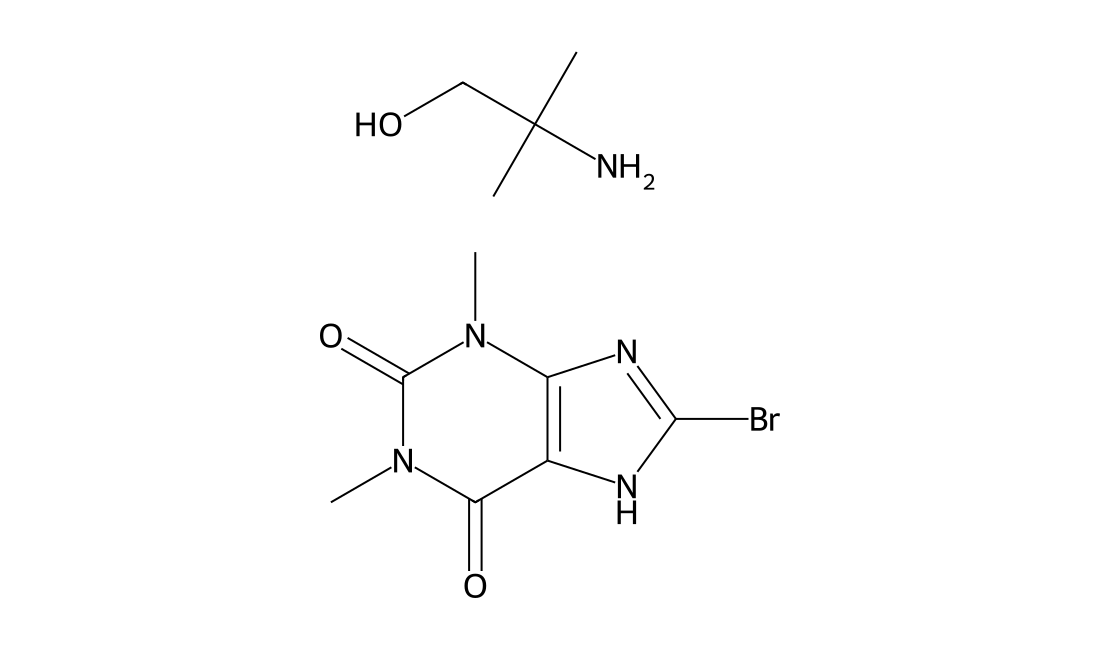
PamabromFeatured
Pamabron is a common over-the-counter diuretic used for relief of menstrual-associated symptoms. The active diuretic ingredient in pamabrom is 8-bromotheophylline. Pamabrom is available in combination with acetaminophen (paracetamol) for various conditions such as back pain and menstrual relief. The acetaminophen helps reduce menstrual pains and the pamabrom reduces associated bloating.
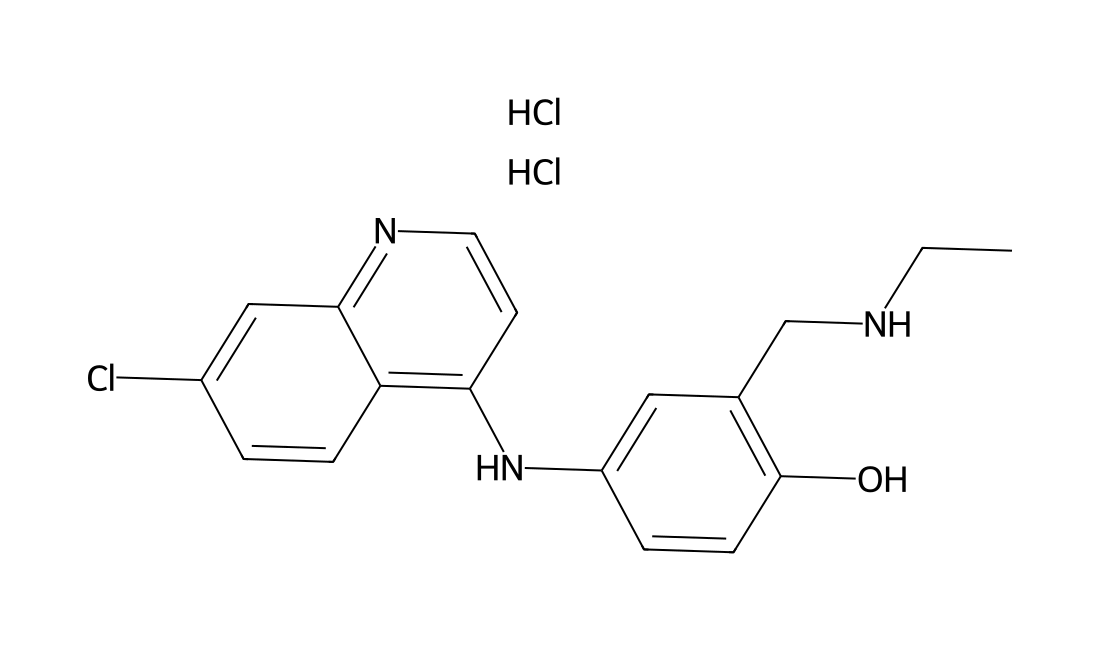
N-desethyl Amodiaquine HClFeatured
N-Desethyl amodiaquine dihydrochloride is the major biologically active metabolite of Amodiaquine. N-Desethyl amodiaquine dihydrochloride is an antiparasitic agent. IC50 values for strains V1/S and 3D7 are 97 nM and 25 nM, respectively[1].
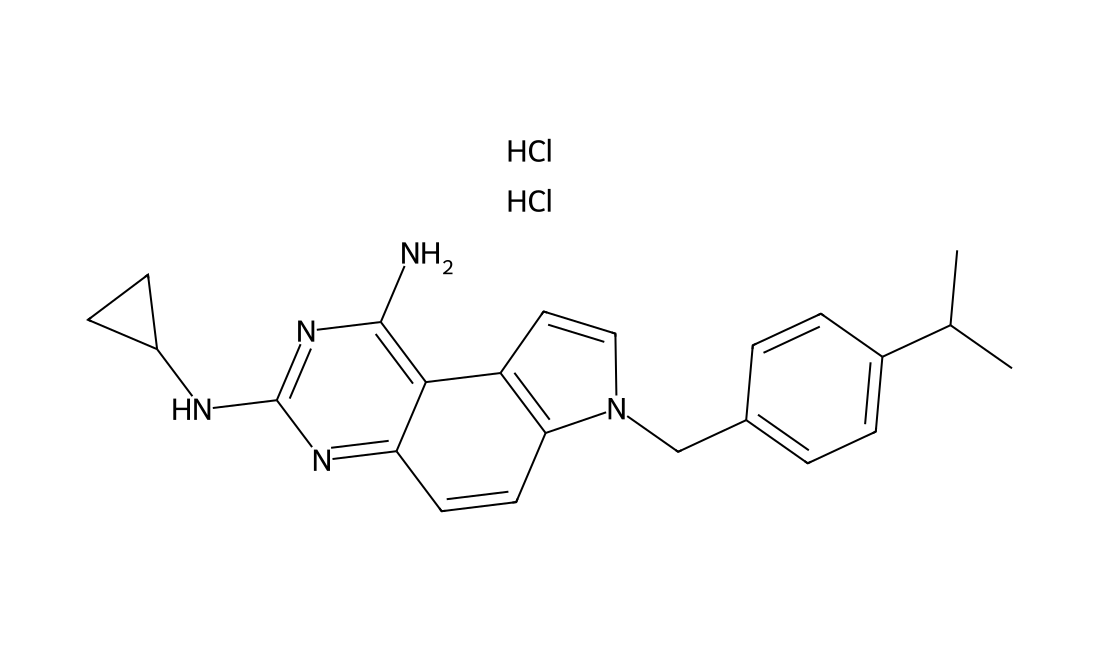
SCH 79797 dihydrochlorideFeatured
SCH79797 dihydrochloride is a highly potent, selective nonpeptide protease activated receptor 1 (PAR1) antagonist. SCH79797 dihydrochloride inhibits binding of a high-affinity thrombin receptor-activating peptide to PAR1 with an IC50 of 70 nM and a Ki of 35 nM. SCH79797 dihydrochloride inhibits thrombin-induced platelet aggregation with an IC50 of 3 μM. SCH79797 dihydrochloride has antiproliferative and pro-apoptotic effects, and limits myocardial ischemia/reperfusion injury in rat hearts. SCH79797 dihydrochloride also potently prevents PAR1 activation in vascular smooth muscle cells, endothelial cells, and astrocytes[1][2][3][4].
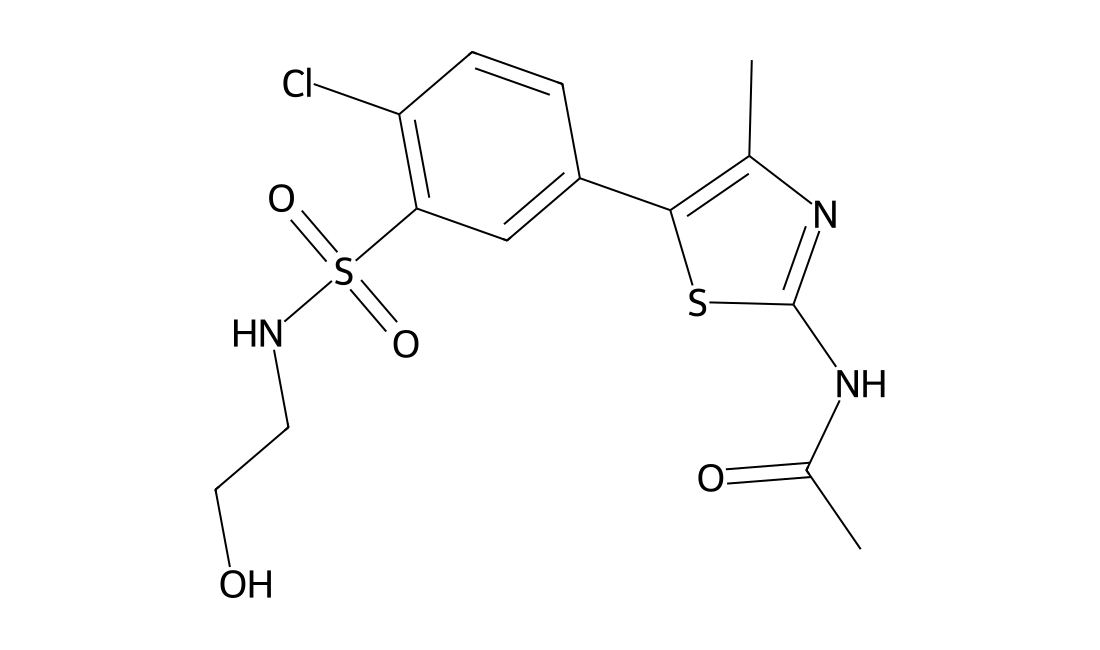
PIK-93Featured
PIK-93 is the first potent, synthetic PI4K (PI4KIIIβ) inhibitor with IC50 of 19 nM, and also inhibits PI3Kγ and PI3Kα with IC50 of 16 nM and 39 nM, respectively.
IKK-2 inhibitor VIIIFeatured
IKK-2 inhibitor VIII( ACHP Hydrochloride) is a highly potent and selective IKK-β inhibitor with an IC50 of 8.5 nM.
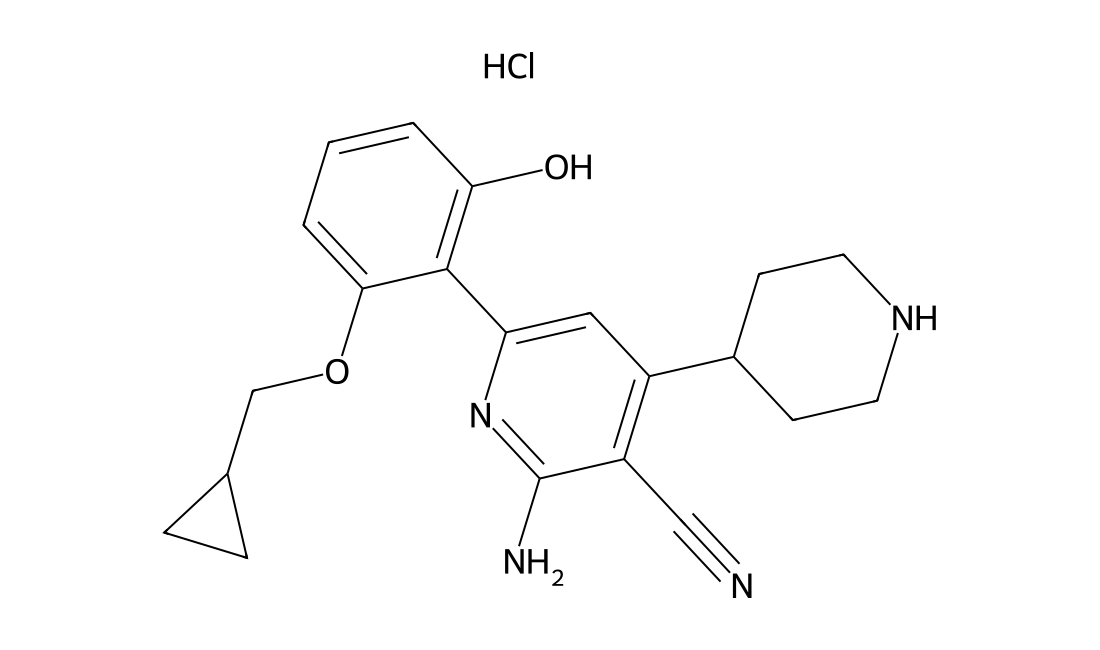
JNJ-42041935Featured
JNJ-42041935 is a potent, competitive and selective inhibitor of prolyl hydroxylase PHD; inhibits PHD1, PHD2, and PHD3 with pKi values of 7.91±0.04, 7.29 ±0.05, and 7.65±0.09, respectively.
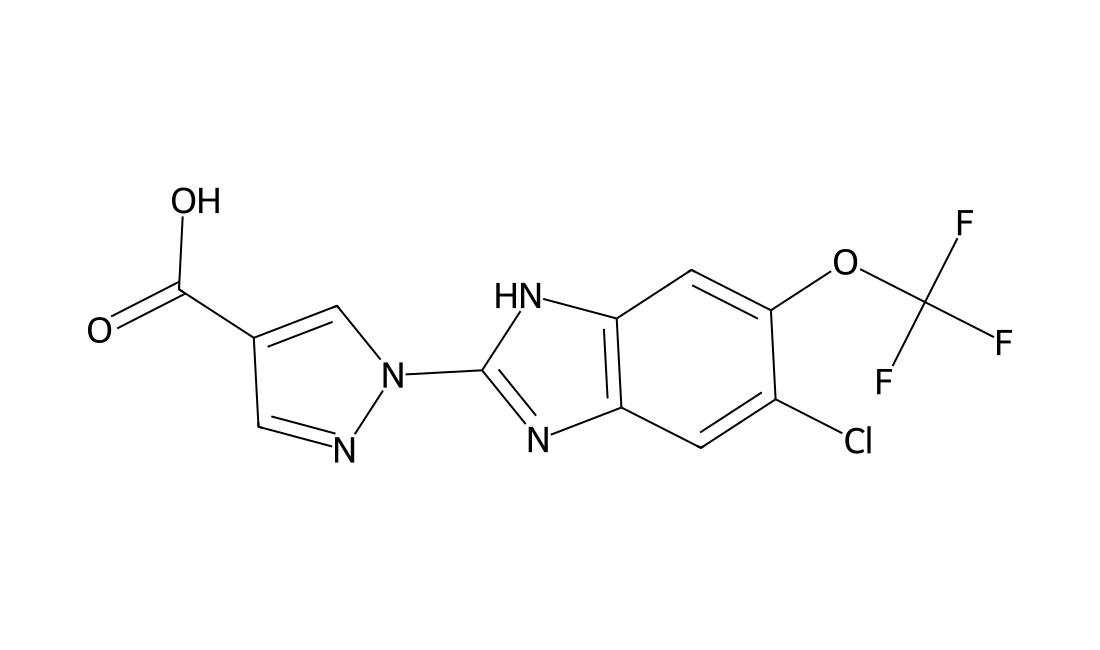
AMTB hydrochlorideFeatured
AMTB hydrochloride is a selective TRPM8 channel blocker. AMTB hydrochloride inhibits icilin-induced TRPM8 channel activation with a pIC50 of 6.23. AMTB hydrochloride can be used for the research of the overactive bladder and painful bladder syndrome. AMTB hydrochloride is a non-selective inhibitor of voltage-gated sodium channels (NaV)[1][2].
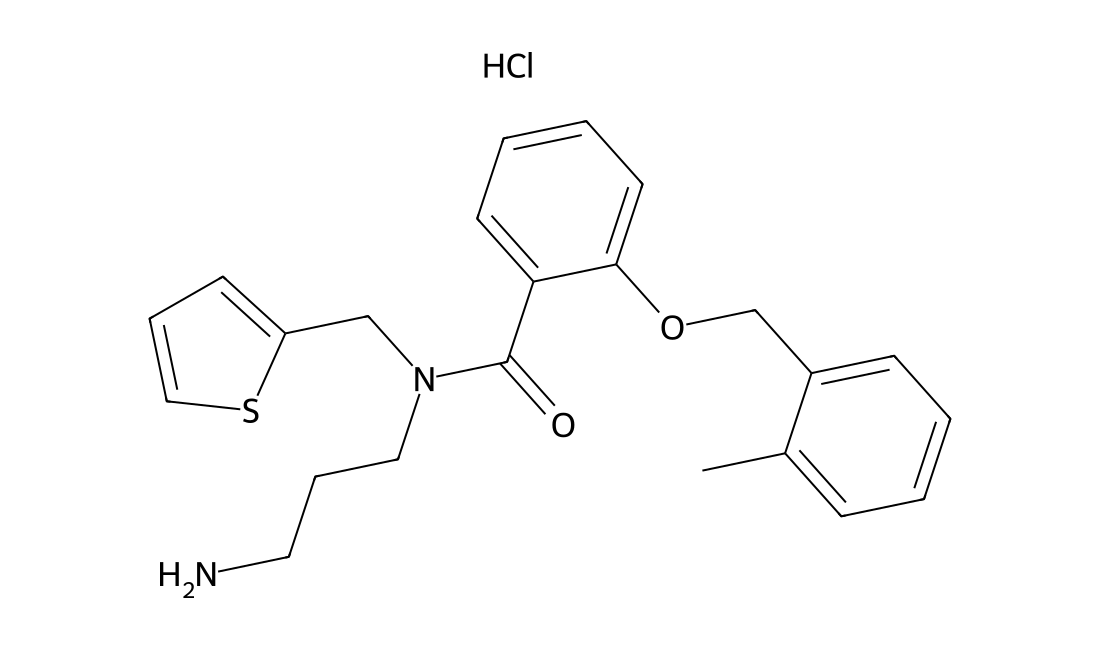
KKL-10Featured
KKL-10 is a small-molecule ribosome rescue inhibitor with broad-spectrum antimicrobial activity against bacteria.
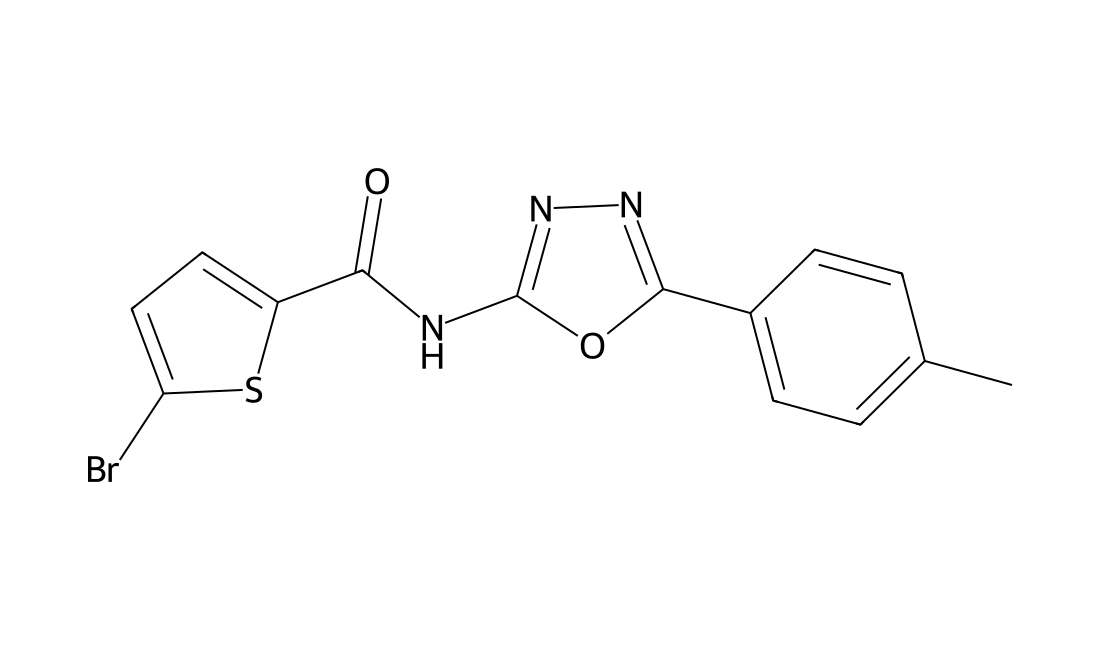
L-701,324Featured
L-701324 is an orally active and long acting anticonvulsant with high affinity and selectivity for the glycine site on the NMDA receptor.Target: NMDA ReceptorL-701324 is a potent, active anticonvulsant with a reduced propensity to activate mesolimbic dopaminergic systems in rodents. L-701324 exhibits a beneficial action in the animal model of parkinsonian rigidity, but not that of parkinsonian akinesia. L-701324 (2.5-40 mg/kg, i.p.) dose-dependently decreased the muscle tone enhanced by haloperidol (1-5 mg/kg, i.p.).
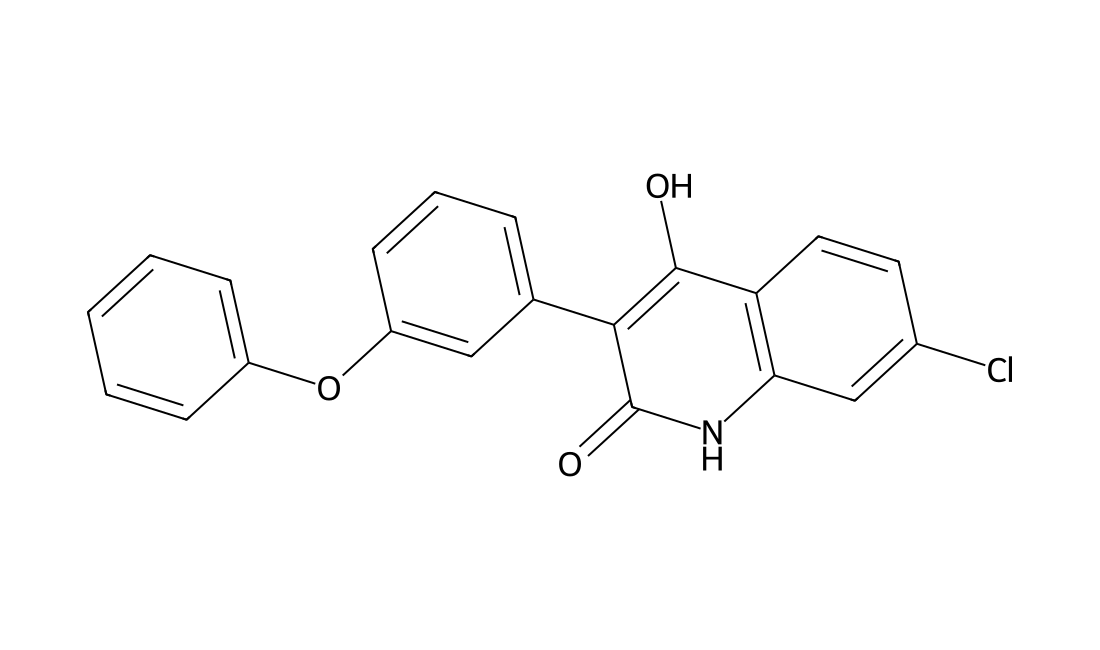
MJN110Featured
MJN110 is a potent and selective monoacylglycerol lipase (MAGL) inhibitor[1]. MJN110 reduces hepatic macrophage number, inflammatory gene expression and slowes down fibrosis progression[2].
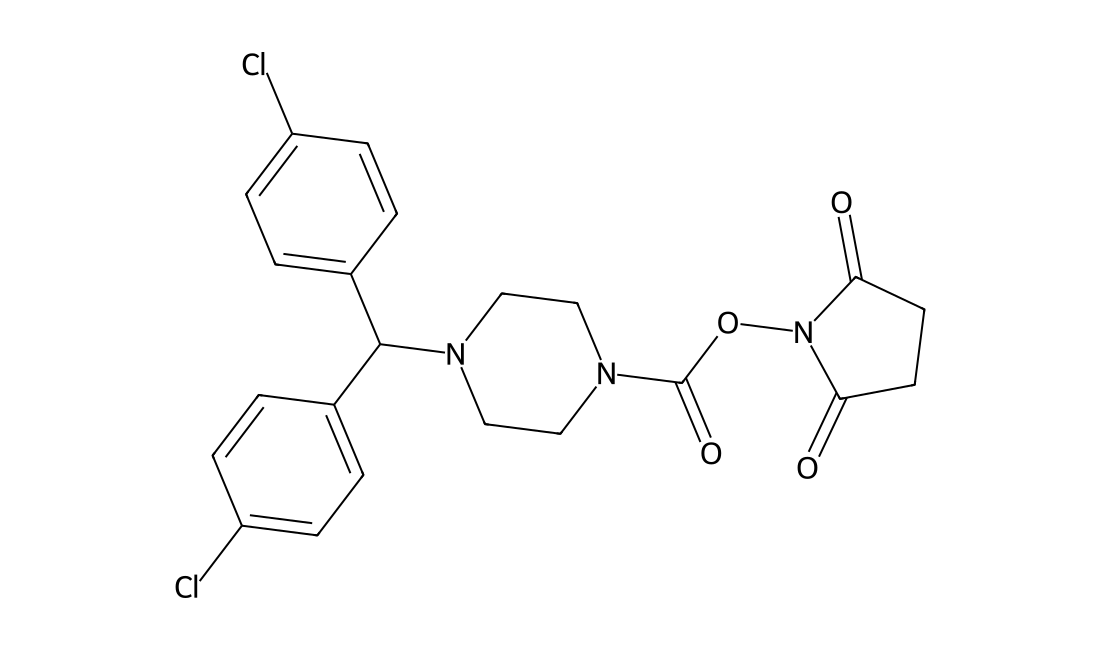
SR 142948AFeatured
A potent, selective and orally active neurotensin receptor antagonist with IC50 of 1.19 nM; antagonizes neurotensin-induced inositol monophosphate formation in HT 29 cells with IC50 of 3.9 nM, inhibits the turning behavior induced by neurotensin in mice, completely antagonizes neurotensin-evoked acetylcholine release in the rat striatum at 0.1 mg/kg; also blocks both hypothermia and analgesia induced by i.c.v. injection of neurotensin injection into the ventral tegmental area.
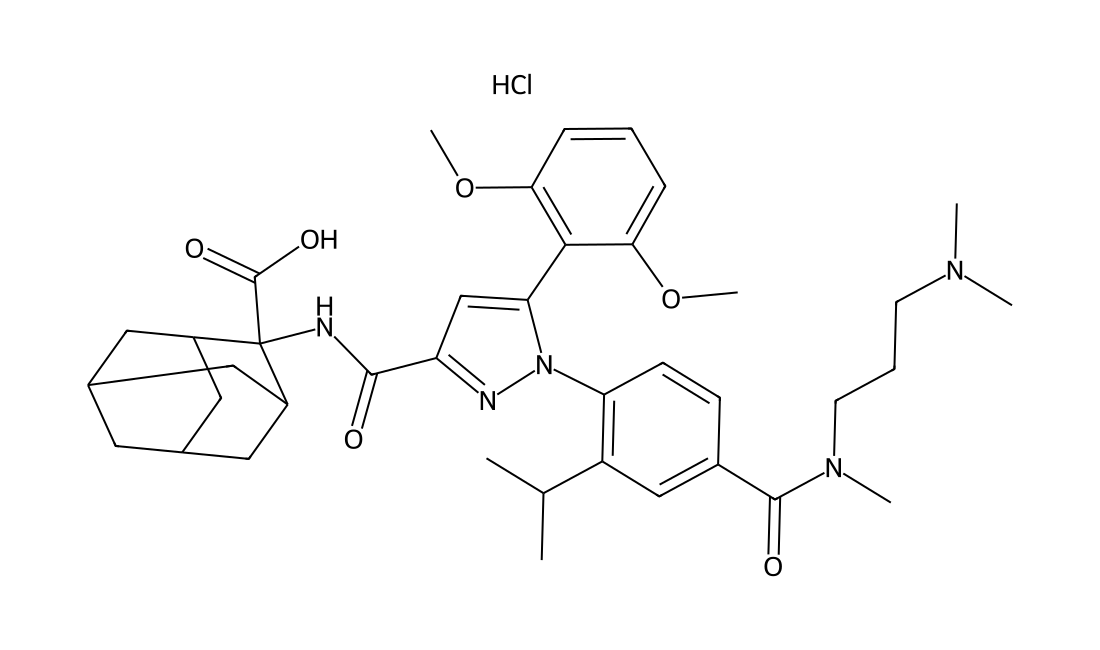
L-779,450Featured
L-779450 is a potent and selective B-Raf kinase inhibitor with a Kd of 2.4 nM.
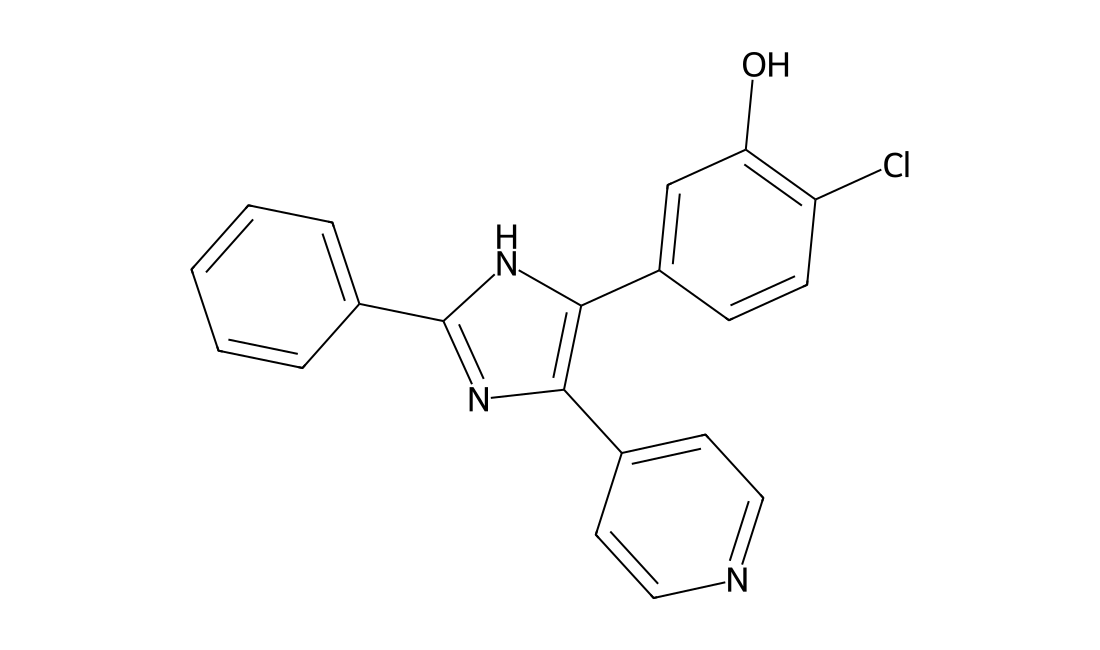
LAU159Featured
LAU159 is a functionally selective positive modulator of α1β3 GABA(A) receptor with an EC50 of 2.2 μM[1].
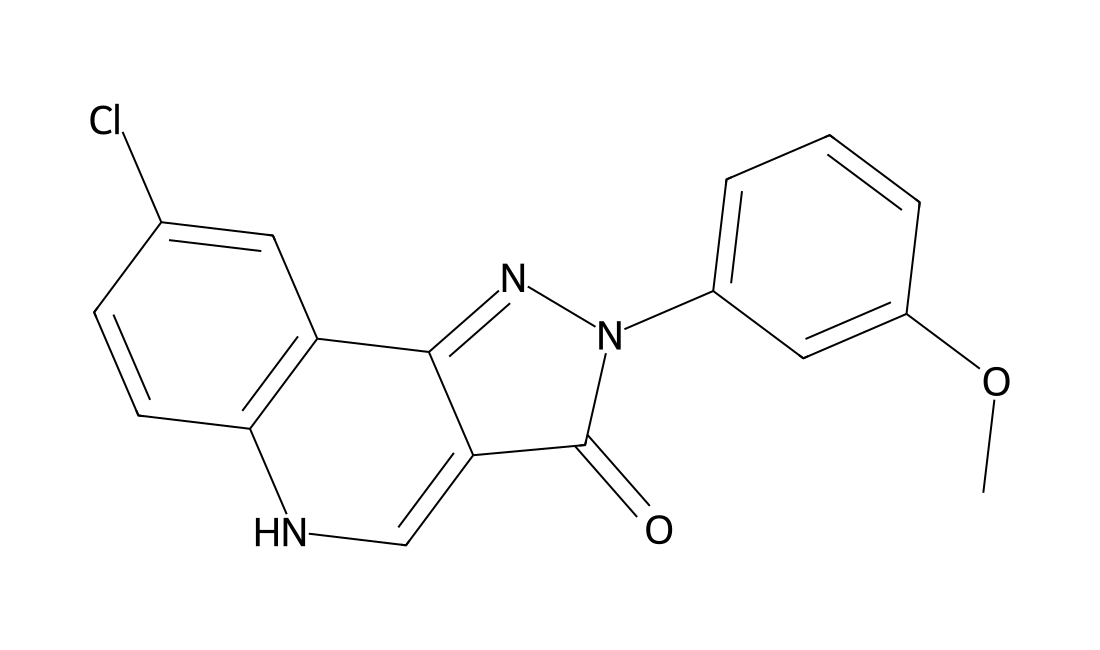
LoflucarbanFeatured
Loflucarban (Fluonilid) is a potent antimycotic agent. Loflucarban can be used for the research of the ear infections[1].
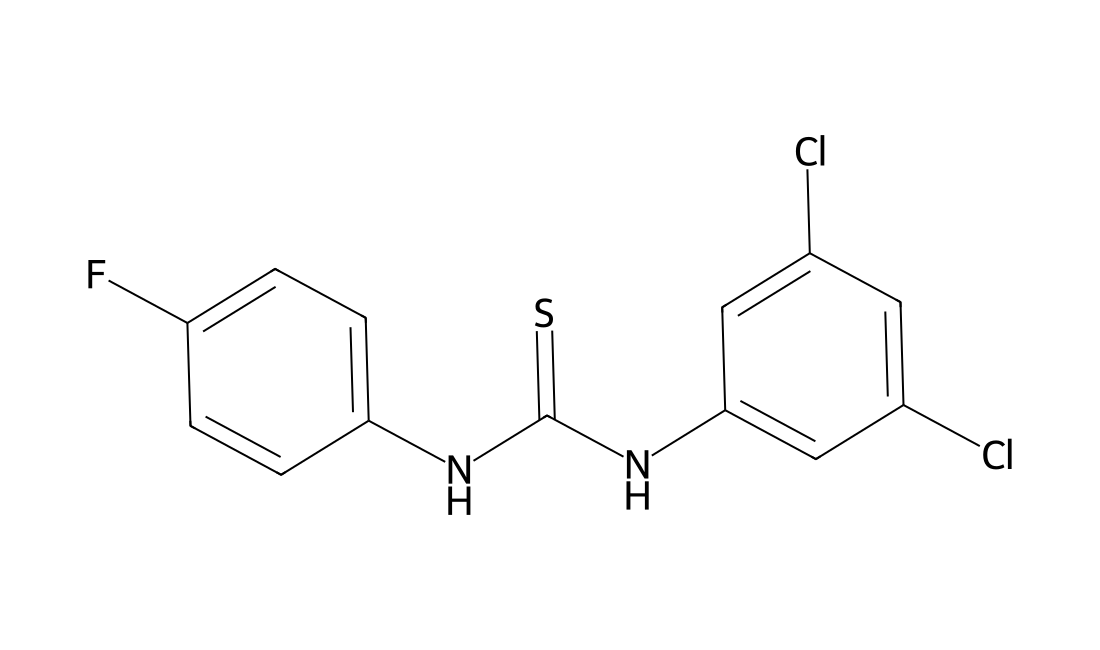
WEB-2086Featured
Apafant (WEB 2086), a potent platelet-activating factor (PAF) antagonist, inhibits PAF binding to human PAF receptors with a Ki of 9.9 nM[1].
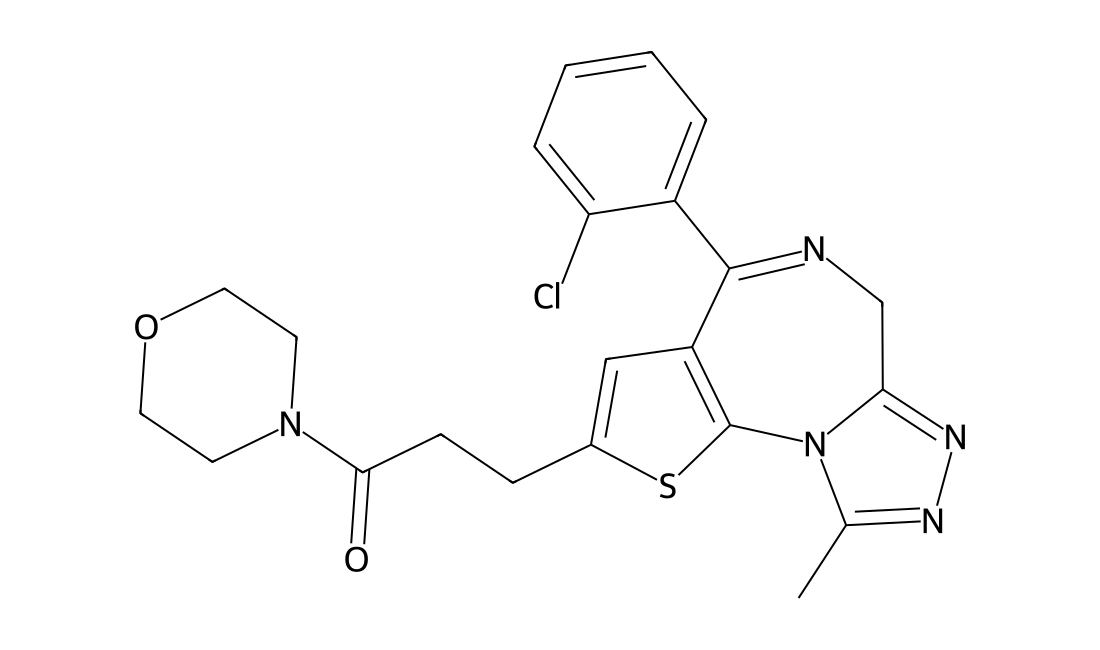
ZL-006Featured
ZL006 is a potent inhibitor of nNOS/PSD-95 interaction, and inhibits NMDA receptor-mediated NO synthesis.
No products match this search.
Page 330 of 334 · Browse all 6677 products
Jump to a product page
Featured literature product: HX1 · DCL0028
HX1 is a hydroxyzine-derived ionizable lipid with acetal-containing tails, studied in lipid nanoparticles for brain mRNA delivery and CRISPR–Cas9 delivery. It was the lead in the reported in vivo brain-delivery screen; evidence is preclinical and formulation-dependent.
Read full formulation and performance →