
Research lipid catalog
Ionizable Lipid Products
Explore 848 lipid and RNA delivery products. Search the full catalog or browse by research category.
Search covers product name, catalog number, synonyms, available CAS numbers and categories. Spaces, hyphens and common punctuation are ignored. Duplicate legacy records are consolidated under one canonical product result.
6677 products · Showing 6301–6320 · 20 per page
DC Chemicals lipid expertise
Built for ionizable-lipid discovery and RNA delivery research
DC Chemicals supports formulation and delivery research with a broad, searchable portfolio of cationic and ionizable lipids. The current directory brings together 848 unique research-use products, with product specifications, pricing, chemical structures and literature-linked formulation data added as each record is verified.
Our experience spans complex lipid synthesis, purification, analytical release and process development. For custom molecules or larger-scale requirements, our team can discuss route development, technical specifications and scale-up options for the intended research workflow.
Learn about cationic and ionizable lipids →Proprietary innovation · Co-development · GMP
From proprietary lipid design to GMP-grade custom synthesis
DC Chemicals has independently developed ionizable-lipid structures supported by company-owned intellectual property, and selected proprietary lipid programs have advanced to GMP-stage development.
We welcome joint development with customers—from molecular design and lipid synthesis through route and process development. We can also support custom synthesis of GMP-grade ionizable lipids to agreed technical specifications and quality requirements.
Discuss a co-development project →Proprietary ionizable-lipid structuresCollaborative molecular designCustom lipid synthesisProcess development and scale-upGMP-grade project support
Product quick links
Explore New ionizable lipids
Explore our five most recently added ionizable lipids, with specifications, pricing and literature-linked product information.
DCL0028HX1Brain RNA delivery researchView product →DCL0024A1I4R13C18-2Spleen-targeted RNA delivery researchView product →DCL0023A1I4R2C18-2Spleen-targeted RNA delivery researchView product →DCL0022FS01Local joint RNA delivery researchView product →DCL0020Lipid-392Lung RNA delivery and gene editing researchView product →
Cat. No.Product NameField of ApplicationChemical Structure
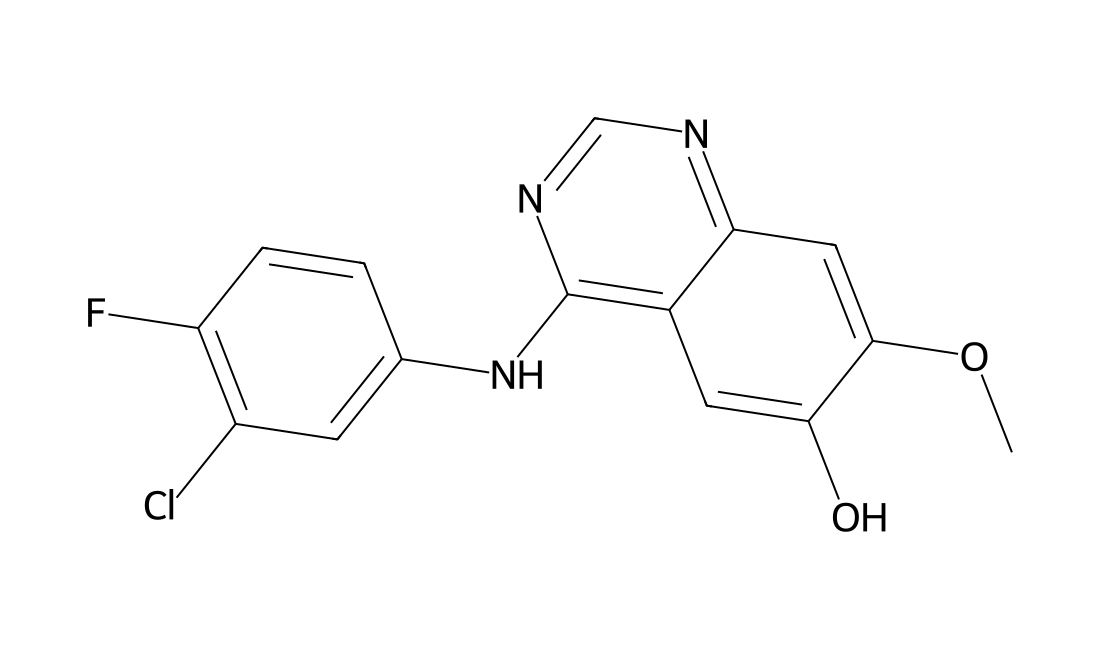
O-Desmorpholinopropyl GefitinibFeatured
A metabolite of Gefitinib, which is a potent inhibitor of tyrosine phosporylation in EGFR.
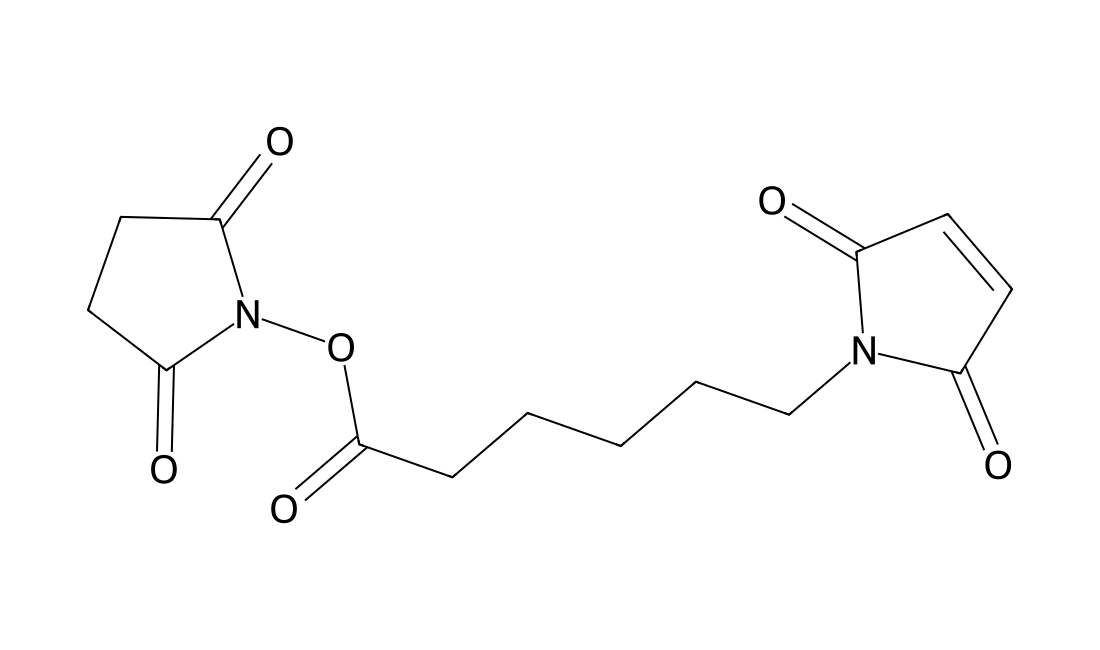
A heterobifunctional cross-linking reagent incorporating an extended spacer with amine and sulfhydryl reactivity; a useful protective group in antibody drug conjugates.
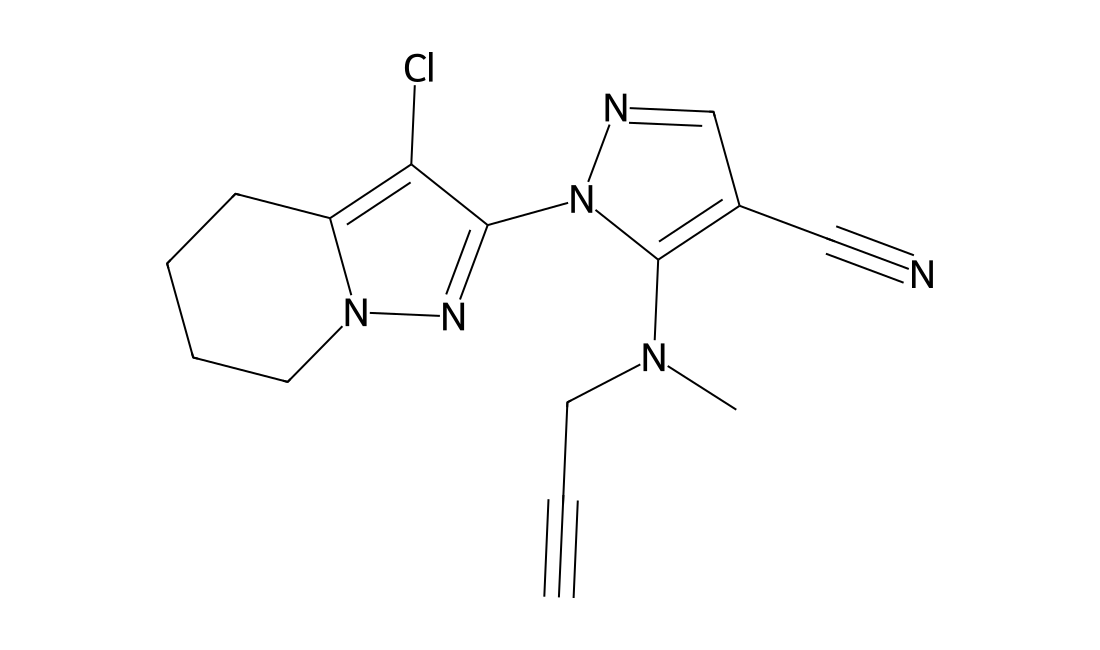
PyraclonilFeatured
A herbicide agent.
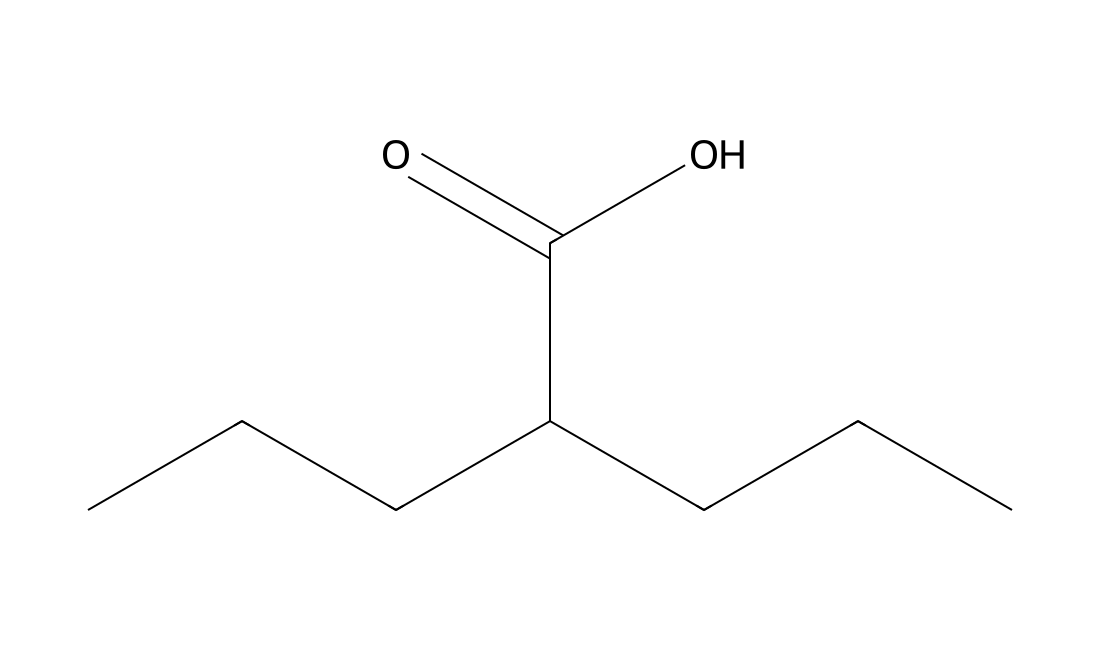
Valproic acidFeatured
A HDAC inhibitor that selectively inhibits the catalytic activity of class I HDACs, and induces proteasomal degradation of HDAC2; induces differentiation of carcinoma cells, transformed hematopoietic progenitor cells and leukemic blasts from AML patients; reduces tumor growth and metastasis formation in animal model.MigraineApproved
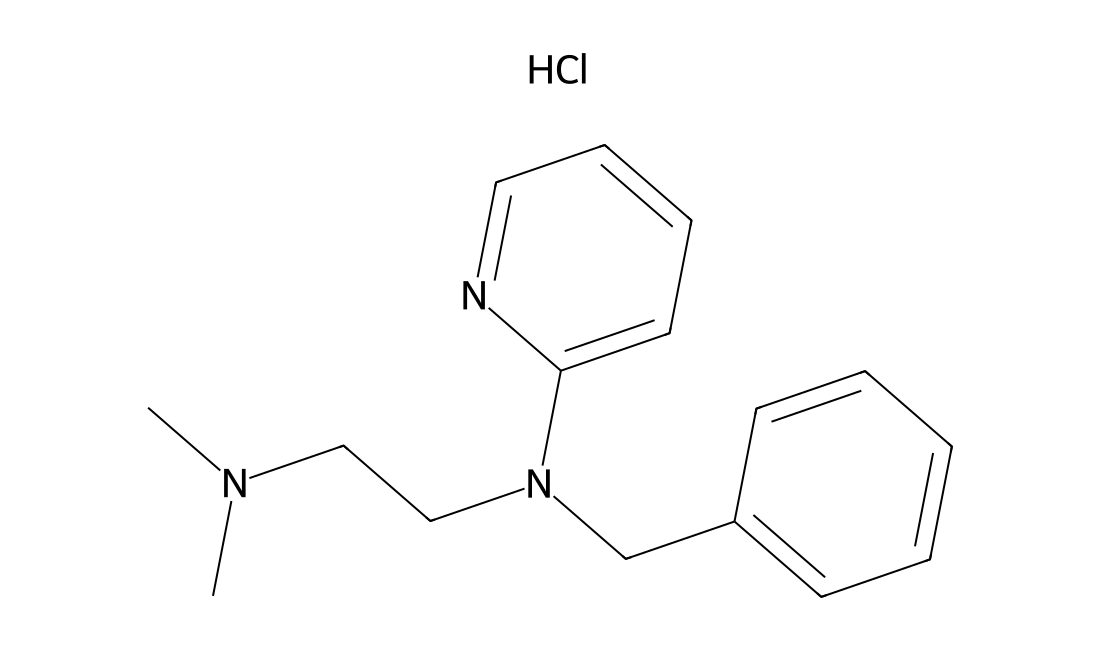
Tripelennamine hydrochlorideFeatured
A first-generation antihistamine that acts primarily as H1 receptor antagonist; has little or no anticholinergic activity, also acts as a weak serotonin-norepinephrine-dopamine reuptake inhibitor (SNDRI).AsthmaApproved
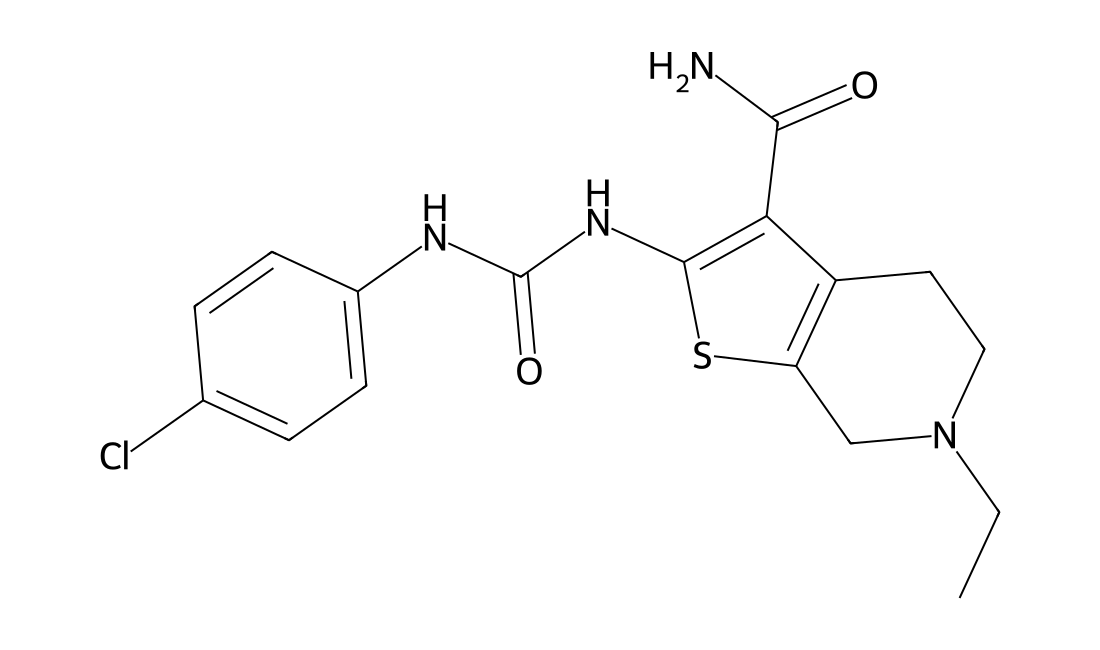
PROTO-1Featured
A drug-like small molecule that prevents aminoglycoside-induced hair cell death in zebrafish and in mammals.
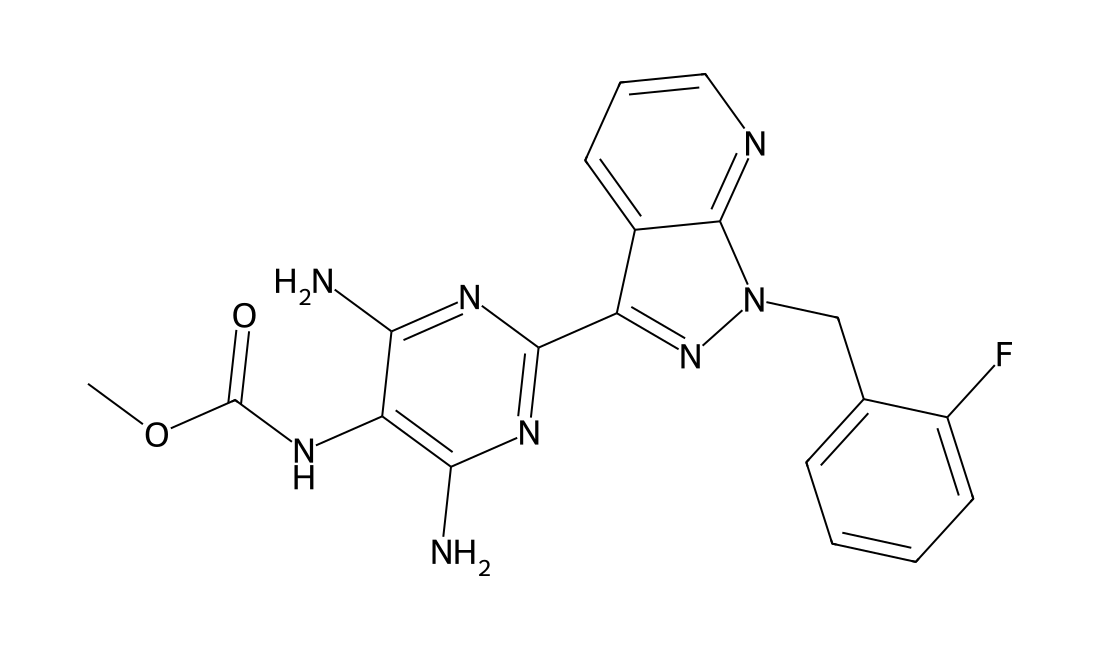
NelociguatFeatured
A direct soluble guanylate cyclase (sGC) stimulator that acts independently of nitric oxide (NO); has an EC50 of 353 nM on P-VASP formation in rat aortic smooth muscle cells.
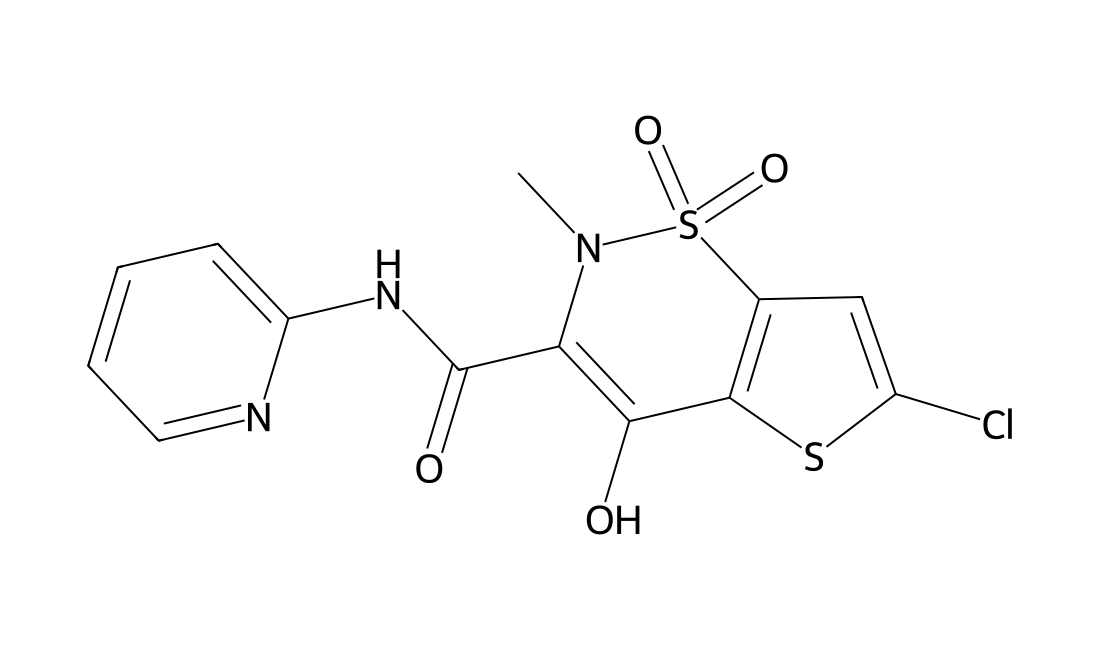
LornoxicamFeatured
For the detailed information of Lornoxicam, the solubility of Lornoxicam in water, the solubility of Lornoxicam in DMSO, the solubility of Lornoxicam in PBS buffer, the animal experiment(test) (test) of Lornoxicam, the cell expriment (test) of Lornoxicam, the in vivo, in vitro and clinical trial test of Lornoxicam, the EC50, IC50,and Affinity of Lornoxicam,, please contact DC Chemicals.
CinepazideFeatured
A cerebral vasodilator that acts as a calcium blocker; protect neuronal cells against OGD injury by suppressing OGD-induced oxidative stress and preserving mitochondrial functions.IschemiaApproved
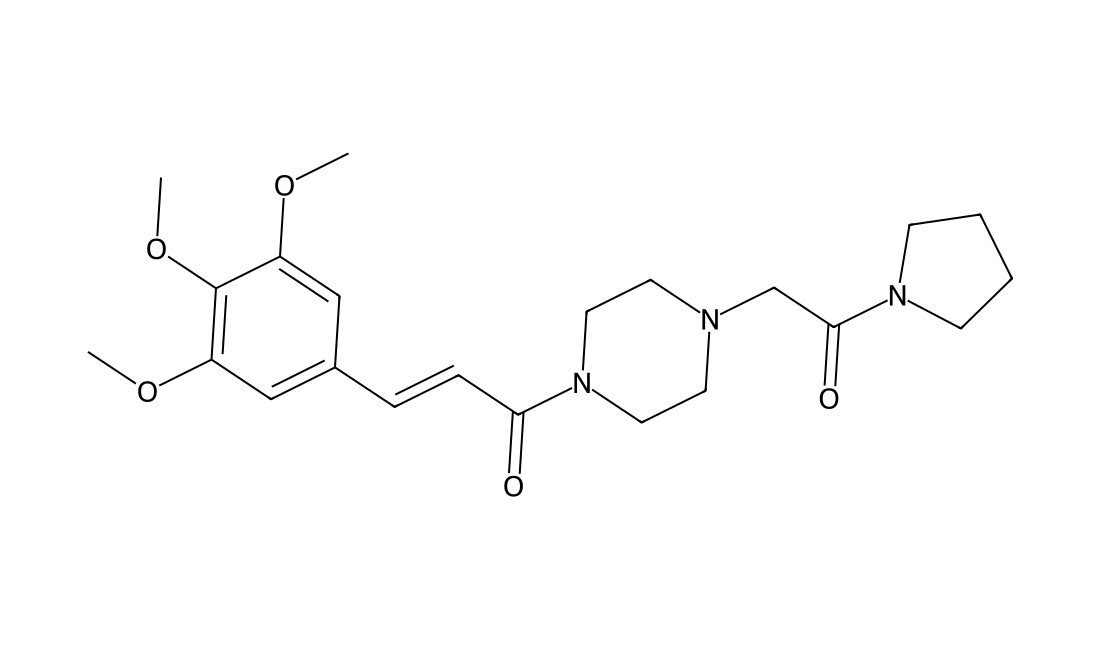
2-D08Featured
A cell permeable, mechanistically unique inhibitor of protein sumoylation; inhibits sumoylation by preventing transfer of SUMO from the UBC9-SUMO thioester to the substrate; exhibits efficacious anti-aggregatory and neuroprotective effect.
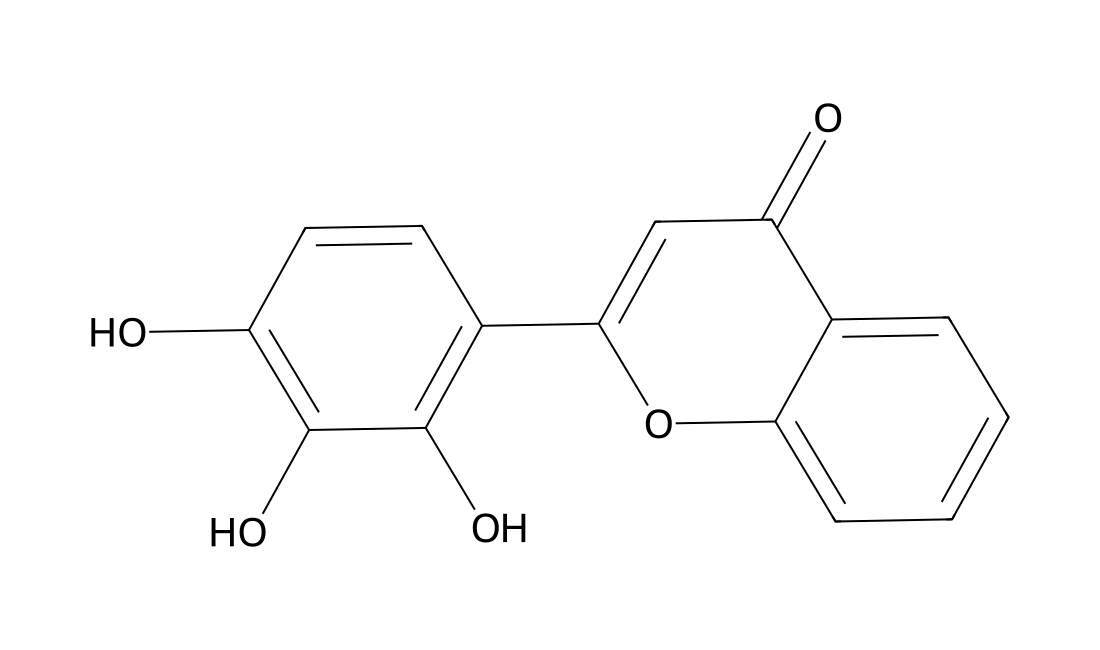
FlumorphFeatured
A carboxylic acid amide (CAA) fungicide.
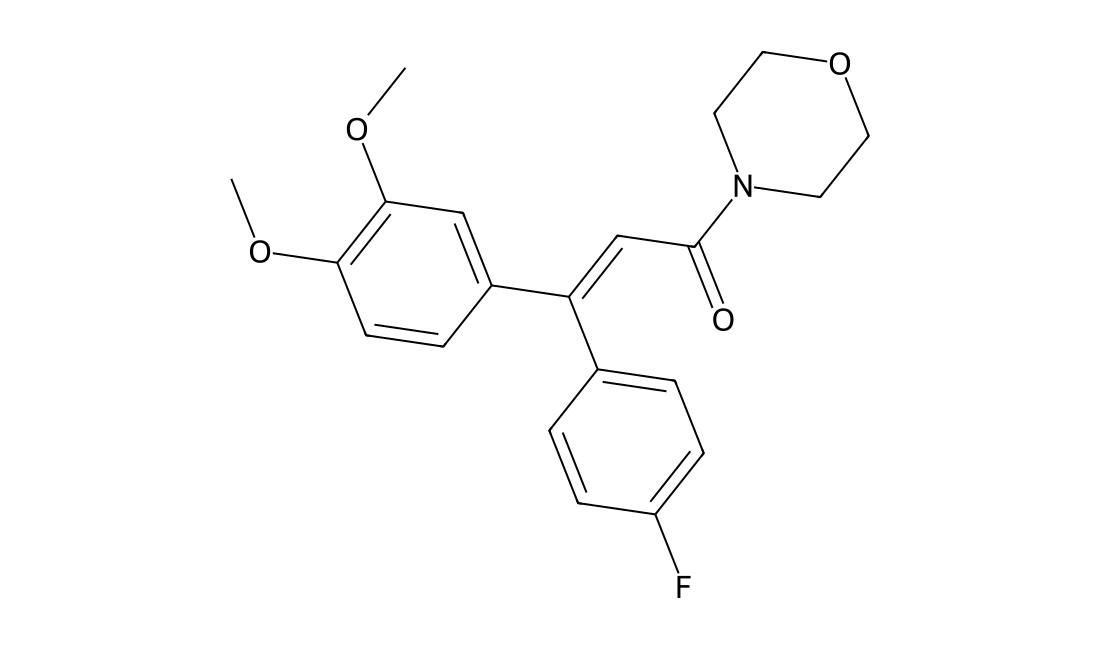
Benzophenonetetracarboxylic acidFeatured
A benzophenone tetracarboxylic derivative that can improve the activity and stability of alkaline phosphatases from psychrophilic and mesophilic organisms.
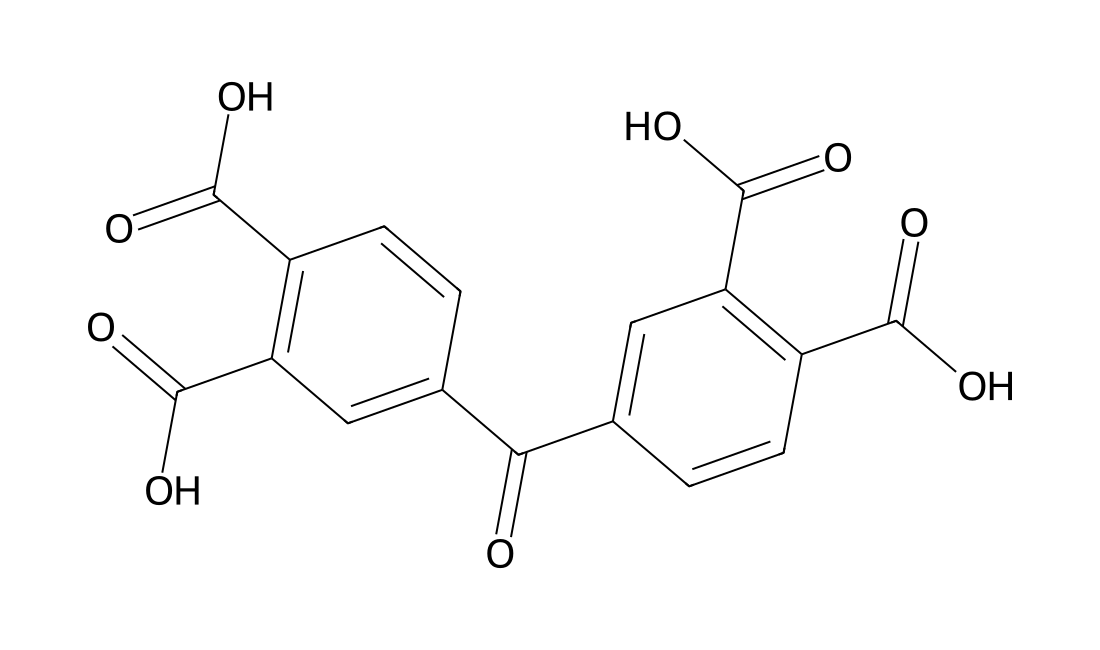
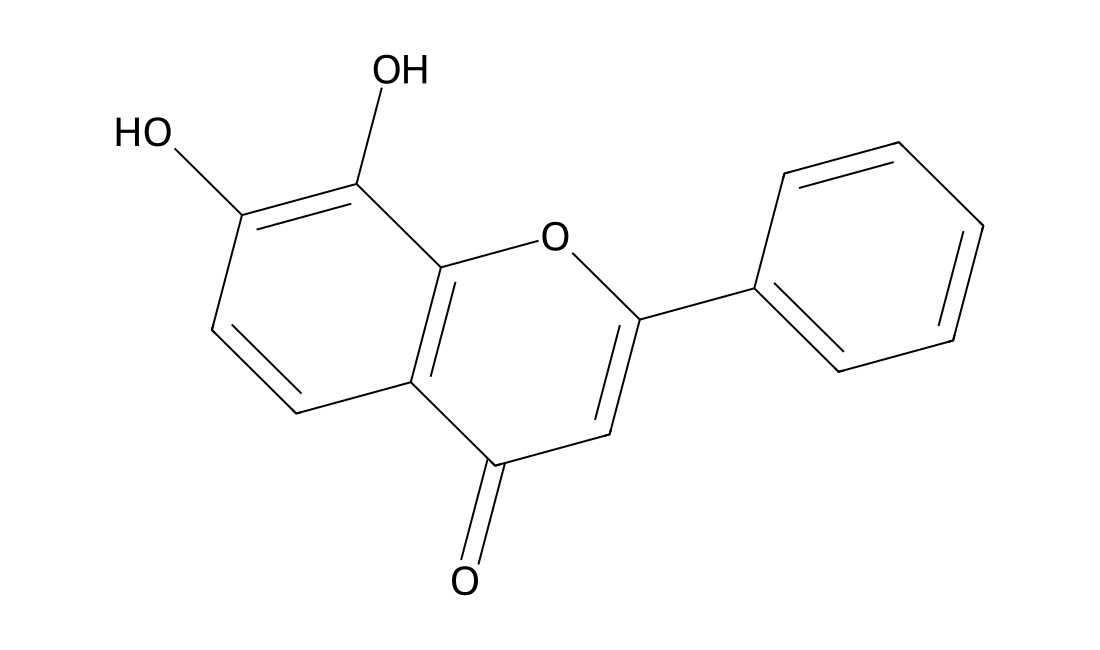
7,8-DihydroxyflavoneFeatured
7,8-Dihydroxyflavone acts as a potent and selective small-molecule agonist of the TrkB receptor (Kd ≈ 320 nM), the main signaling receptor of brain-derived neurotrophic factor (BDNF).
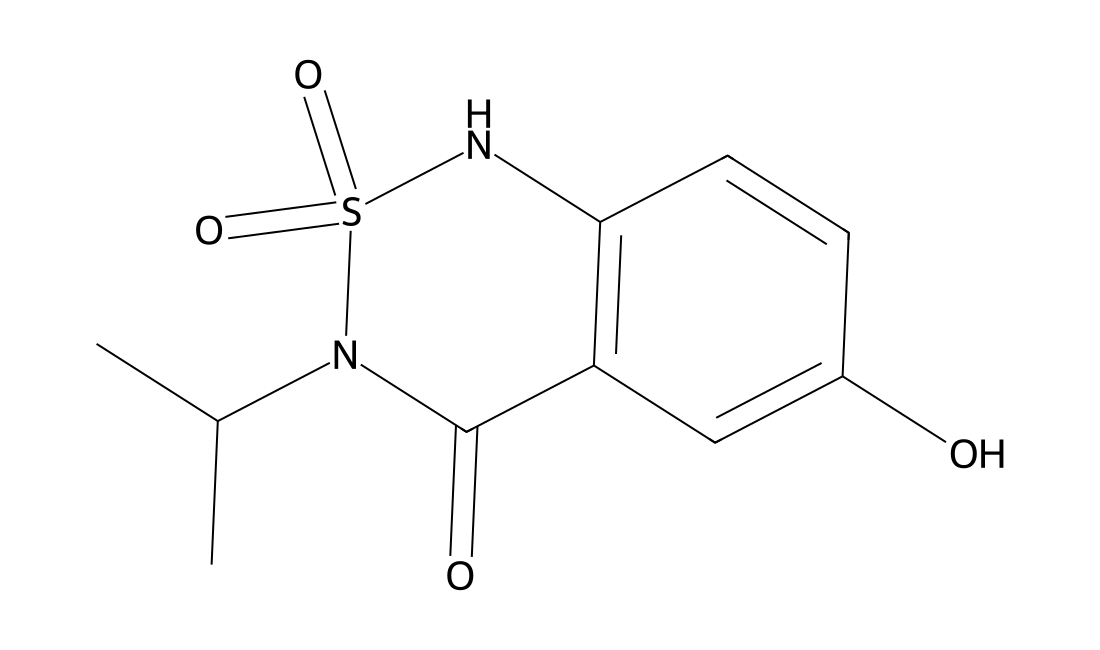
6-Hydroxybentazon is a phase I metabolite of bentazone, and bentazone is a chemical for use in herbicides.
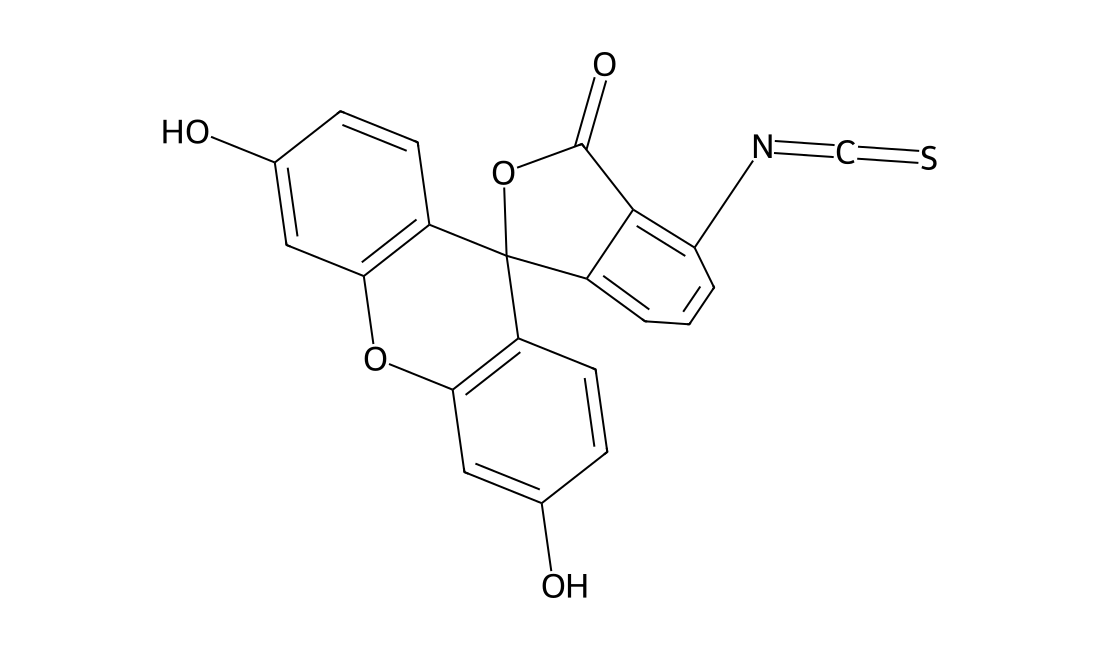
6-FITCFeatured
6-Fluorescein isothiocyanate(6-FITC) is a derivative of fluorescein used in wide-ranging applications including flow cytometry.
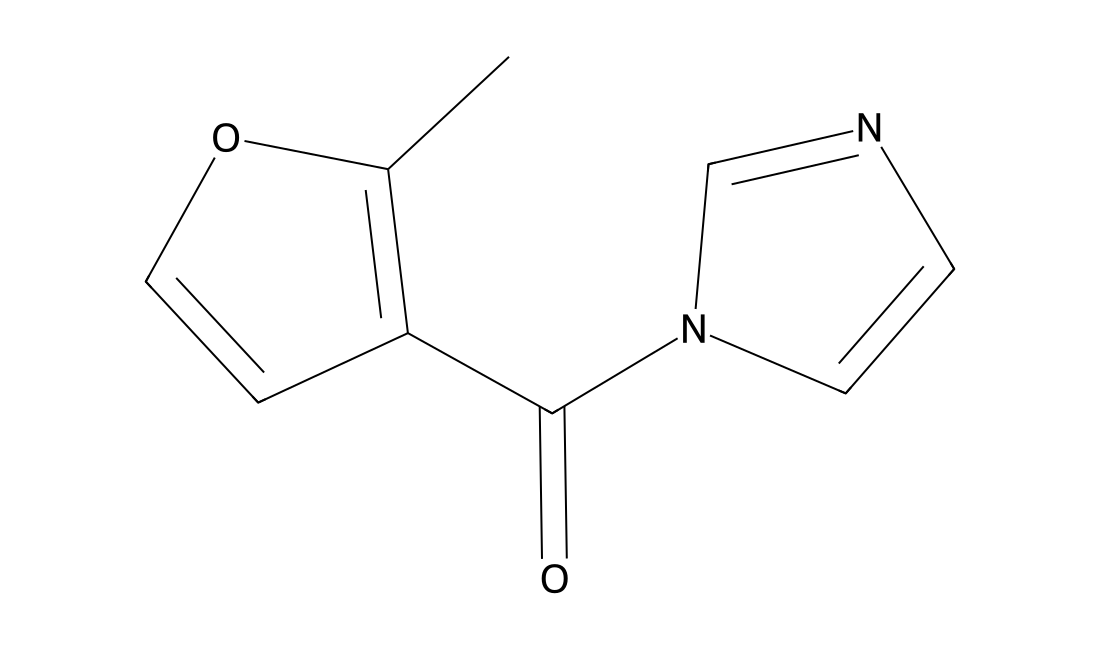
FAI (5S rRNA modificator)Featured
5S rRNA modificator is a suitable electrophile For 2’-hydroxyl acylation on structured RNA molecules, yielding accurate structural information comparable to that obtained with existing probes; 5S rRNA RNA modification.For the detailed information of 5S rRNA modificator, the solubility of 5S rRNA modificator in water, the solubility of 5S rRNA modificator in DMSO, the solubility of 5S rRNA modificator in PBS buffer, the animal experiment (test) of 5S rRNA modificator, the cell expriment (test) of 5S rRNA modificator, the in vivo, in vitro and clinical trial test of 5S rRNA modificator, the EC50, IC50,and Affinity of 5S rRNA modificator, Please contact DC Chemicals.
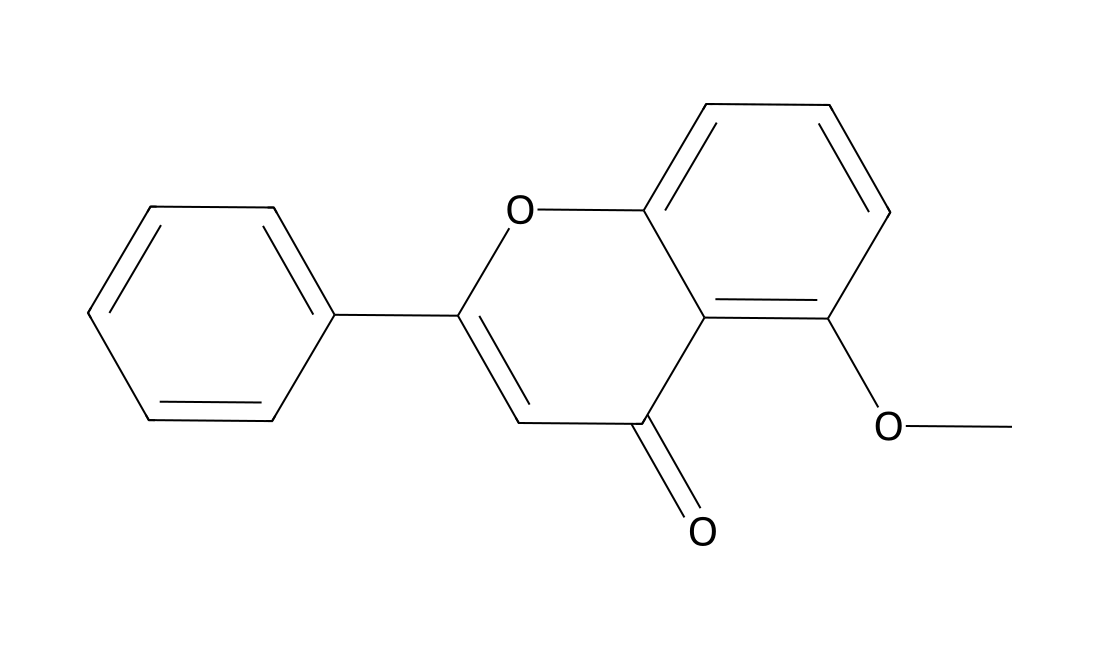
5-MethoxyflavoneFeatured
In Vitro 5-Methoxyflavone (compound 1) is identified as a candidate compound endowed with the ability to inhibit DNA pol-β in multiple and to prevent cell-cycle initiation and subsequent neuronal apoptosis in Aβ-challenged primary neuronal cultures. 5-methoxyflavone (10-30 μM) is able to significantly enhance toxicity of MMS on 92TAg cells. 5-Methoxyflavone (1 or 10 μM) significantly reduces polymerase activity on a gapped substrate. 5-Methoxyflavone (5-MF, 0-100 μg/mL) results in a time dependent reduction in the levels of antiapoptotic proteins cFLIP, Mcl-1 and an increase in the proapoptotic protein BAX. 5-MF induces both TRAIL-R1(DR4) and TRAIL-R2 (DR5) in a time-dependent manner. In Vivo 5-Methoxyflavone (100, 150 mg/kg, i.p) significantly decreases the latency time to loss of righting reflex. 5-Methoxyflavone (50, 100 and 150 mg/kg, i.p) exhibits a significant and dose-dependent reduction in the spontaneous locomotor activity. 5-Methoxyflavone (50, 100 mg/kg, i.p) reduces the rearing response. 5-Methoxyflavone (100, 125 and 150 mg/kg, i.p) completely abolishesed the grooming response similar to diazepam treated animals.
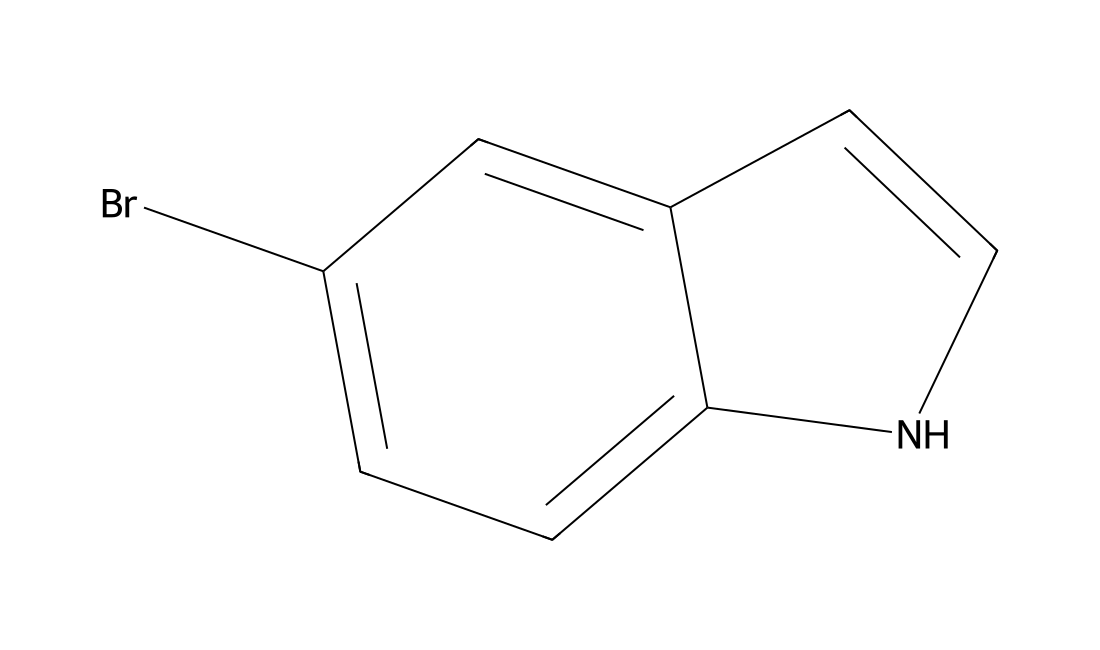
5-BromoindoleFeatured
5-bromoindole is an important pharmaceutical chemical intermediate and a potential inhibitor of glycogen synthase kinase 3 (GSK-3).
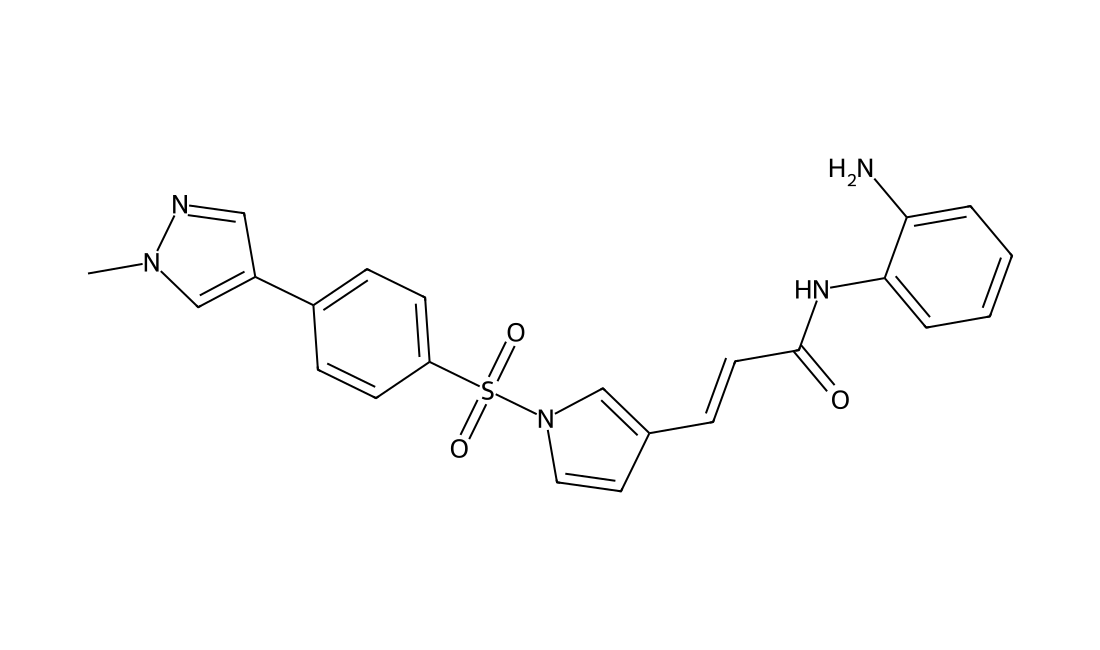
4SC-202 free baseFeatured
In HeLa cells, 4SC-202 induces hyperacetylation of histone H3 with EC50 of 1.1 μM. 4SC-202 induces a G2/M cell cycle arrest by interfering with the normal development of the mitotic spindle and causing collapsed spindle apparatus and multiple nucleation centres. In addition, 4SC-202 shows a broad anti-proliferative activity towards human cancer cell lines with a mean IC50 of 0.7 μM. In vivo, 4SC-202 has a high oral bioavailability, and shows high metabolic stability and a low plasma clearance. 4SC-202 (120 mg/kg p.o.) shows pronounced and robust anti-tumor activity in both A549 NSCLC xenograft and RKO27 colon carcinoma model. For the detailed information of 4SC-202, the solubility of 4SC-202 in water, the solubility of 4SC-202 in DMSO, the solubility of 4SC-202 in PBS buffer, the animal experiment (test) of 4SC-202, the cell expriment (test) of 4SC-202, the in vivo, in vitro and clinical trial test of 4SC-202, the EC50, IC50,and affinity,of 4SC-202, For the detailed information of 4SC-202, the solubility of 4SC-202 in water, the solubility of 4SC-202 in DMSO, the solubility of 4SC-202 in PBS buffer, the animal experiment (test) of 4SC-202, the cell expriment (test) of 4SC-202, the in vivo, in vitro and clinical trial test of 4SC-202, the EC50, IC50,and affinity,of 4SC-202, Please contact DC Chemicals.
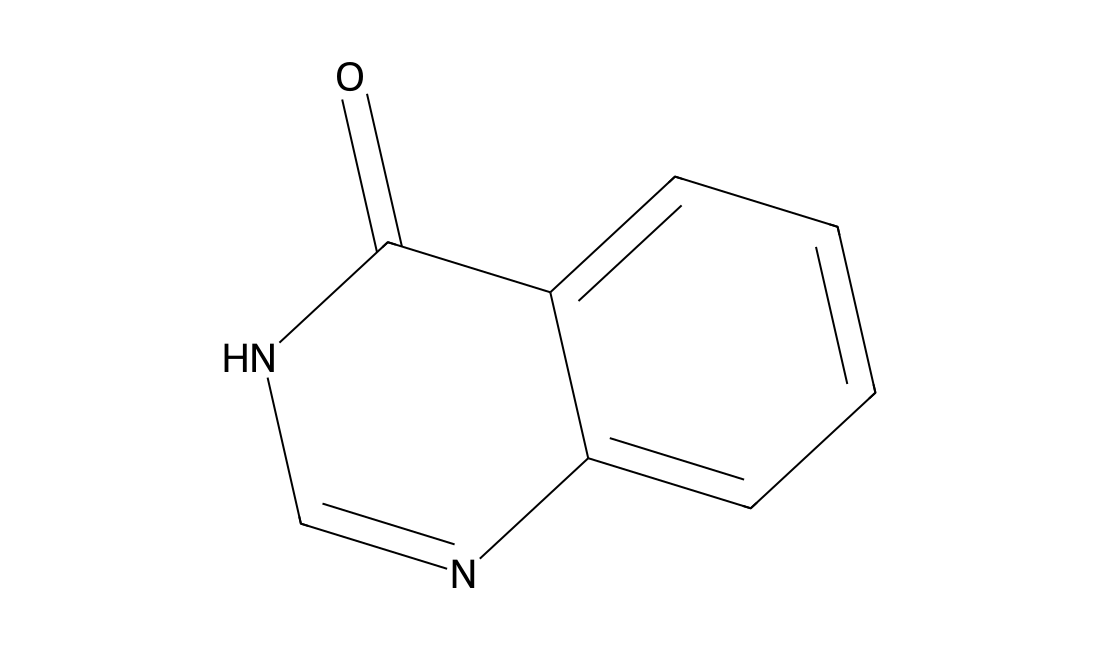
4-Hydroxyquinazoline is a PARP inhibitor with a high potency for PARP-1 and no effects on enzymes other than PARP.
No products match this search.
Page 316 of 334 · Browse all 6677 products
Jump to a product page
Featured literature product: HX1 · DCL0028
HX1 is a hydroxyzine-derived ionizable lipid with acetal-containing tails, studied in lipid nanoparticles for brain mRNA delivery and CRISPR–Cas9 delivery. It was the lead in the reported in vivo brain-delivery screen; evidence is preclinical and formulation-dependent.
Read full formulation and performance →