
Research lipid catalog
Ionizable Lipid Products
Explore 848 lipid and RNA delivery products. Search the full catalog or browse by research category.
Search covers product name, catalog number, synonyms, available CAS numbers and categories. Spaces, hyphens and common punctuation are ignored. Duplicate legacy records are consolidated under one canonical product result.
6677 products · Showing 6601–6620 · 20 per page
DC Chemicals lipid expertise
Built for ionizable-lipid discovery and RNA delivery research
DC Chemicals supports formulation and delivery research with a broad, searchable portfolio of cationic and ionizable lipids. The current directory brings together 848 unique research-use products, with product specifications, pricing, chemical structures and literature-linked formulation data added as each record is verified.
Our experience spans complex lipid synthesis, purification, analytical release and process development. For custom molecules or larger-scale requirements, our team can discuss route development, technical specifications and scale-up options for the intended research workflow.
Learn about cationic and ionizable lipids →Proprietary innovation · Co-development · GMP
From proprietary lipid design to GMP-grade custom synthesis
DC Chemicals has independently developed ionizable-lipid structures supported by company-owned intellectual property, and selected proprietary lipid programs have advanced to GMP-stage development.
We welcome joint development with customers—from molecular design and lipid synthesis through route and process development. We can also support custom synthesis of GMP-grade ionizable lipids to agreed technical specifications and quality requirements.
Discuss a co-development project →Proprietary ionizable-lipid structuresCollaborative molecular designCustom lipid synthesisProcess development and scale-upGMP-grade project support
Product quick links
Explore New ionizable lipids
Explore our five most recently added ionizable lipids, with specifications, pricing and literature-linked product information.
DCL0028HX1Brain RNA delivery researchView product →DCL0024A1I4R13C18-2Spleen-targeted RNA delivery researchView product →DCL0023A1I4R2C18-2Spleen-targeted RNA delivery researchView product →DCL0022FS01Local joint RNA delivery researchView product →DCL0020Lipid-392Lung RNA delivery and gene editing researchView product →
Cat. No.Product NameField of ApplicationChemical Structure
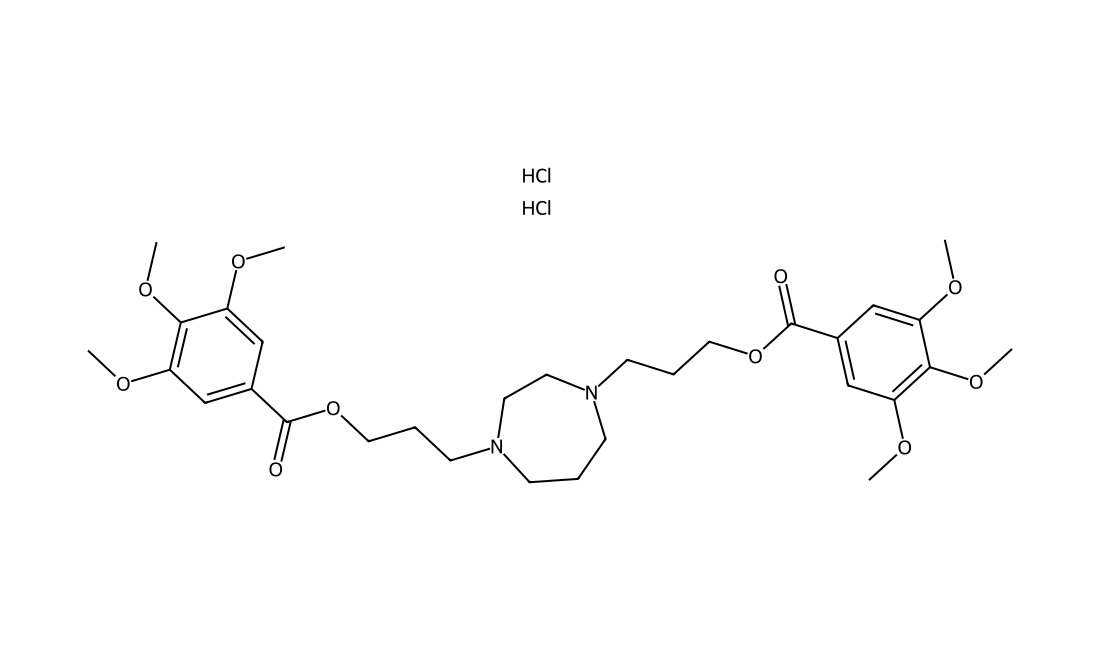
Dilazep dihydrochlorideFeatured
Dilazep dihydrochloride is an inhibitor of adenosine uptake. Dilazep dihydrochloride has cerebral and coronary vasodilating action through enhancement of effect of adenosine. Dilazep dihydrochloride also inhibits the ischemic damage, platelet aggregation, and membrane transport of nucleosides[1][2].
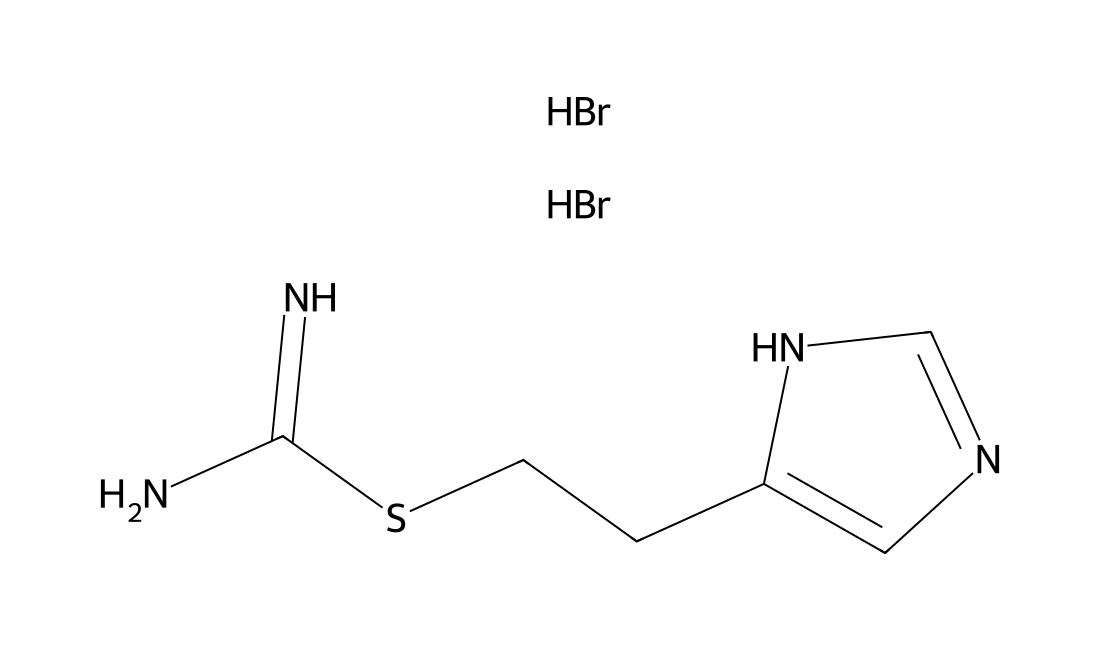
Imetit dihydrobromideFeatured
Imetit dihydrobromide (VUF 8325 dihydrobromide) is a high affinity and potent agonist of histamine H3 and H4 receptors, with Ki values of 0.3 and 2.7 nM, respectively. Imetit mimics histamine effect in triggering a shape change in eosinophils (EC50=25 nM)[1][2][3].
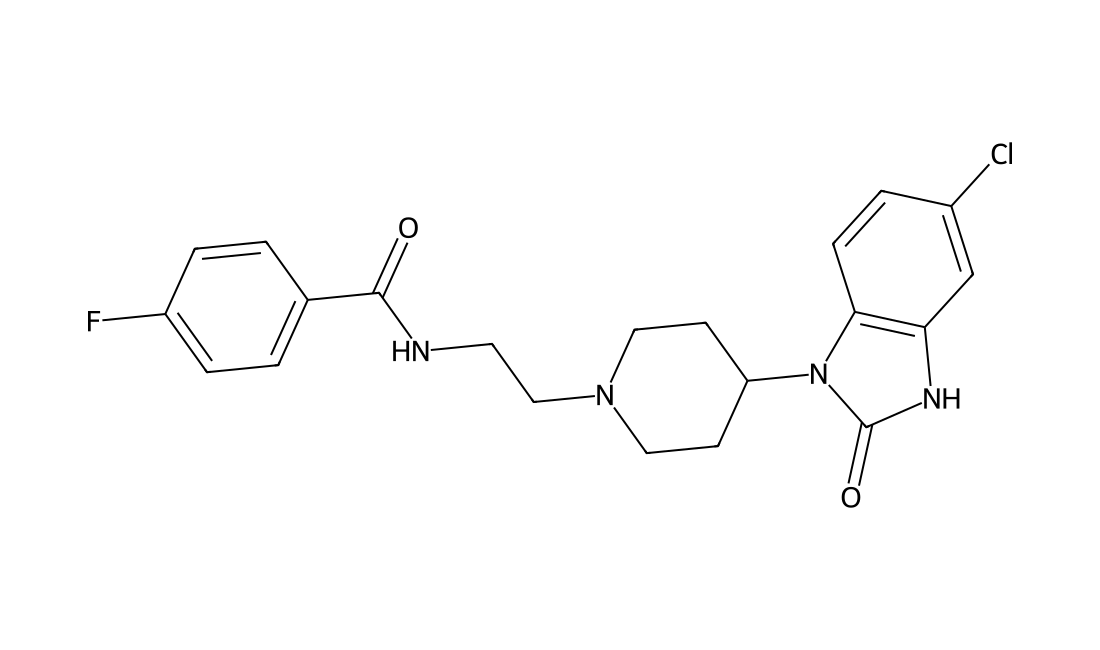
HalopemideFeatured
Halopemide is a potent phospholipase D (PLD) inhibitor, with IC50s of 220 and 310 nM for human PLD1 and PLD2, respectively. Halopemid is a dopamine receptors antagonist, and acts a psychotropic agent[1][2].
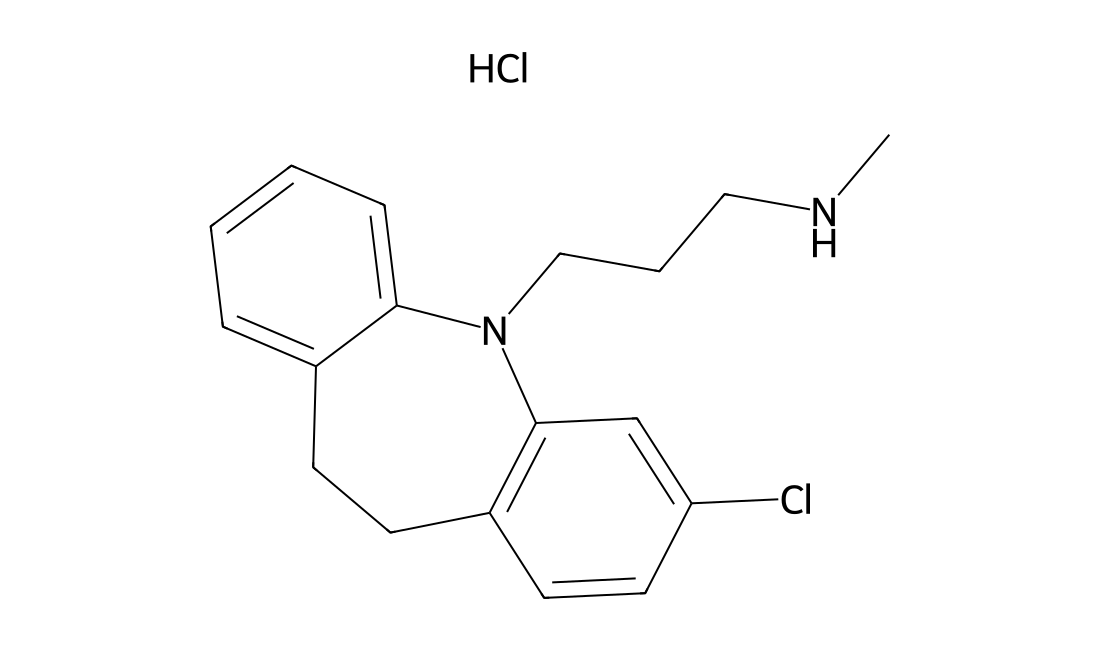
N-Desmethyl Clomipramine hydrochloride (Desmethylclomipramine hydrochloride) is a primary plasma N-desmethyl metabolite of Clomipramine. Clomipramine is a tricyclic antidepressant[1][2].
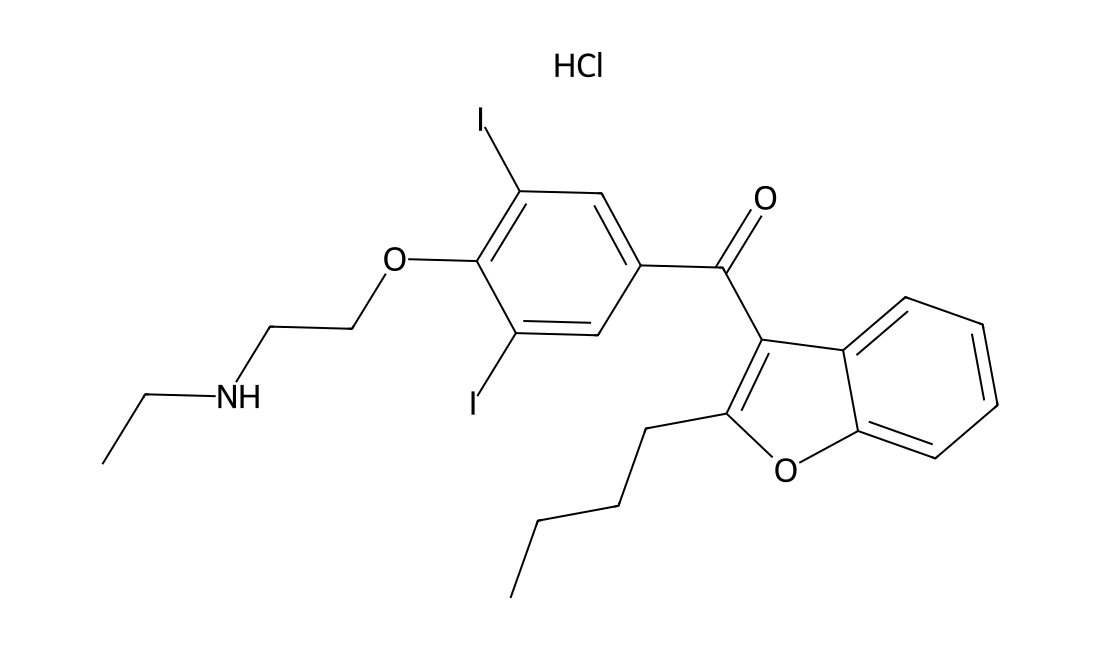
Desethylamiodarone hydrochlorideFeatured
Desethylamiodarone hydrochloride (N-desethylamiodarone hydrochloride) is a major active metabolite of Amiodarone. Desethylamiodarone hydrochloride is formed by CYP3A isoenzymes. Amiodarone is an antiarrhythmic agent for inhibition of ATP-sensitive potassium channel with an IC50 of 19.1 μM[1][2][3].
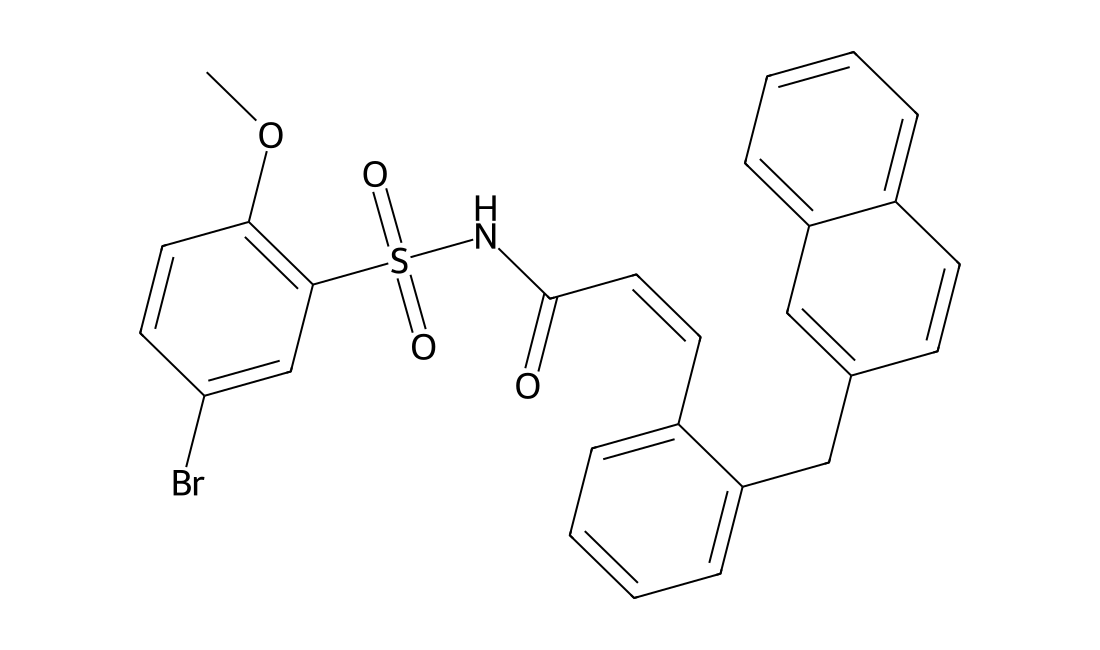
L-798106Featured
L-798106 is potent and highly selective prostanoid EP3 receptor antagonist (Ki=0.3 nM), it also has micromolar activities at the EP4, EP1 and EP2 receptors with Ki values of 916 nM, >5000 nM and >5000 nM at EP4, EP1 and EP2, respectively[1].
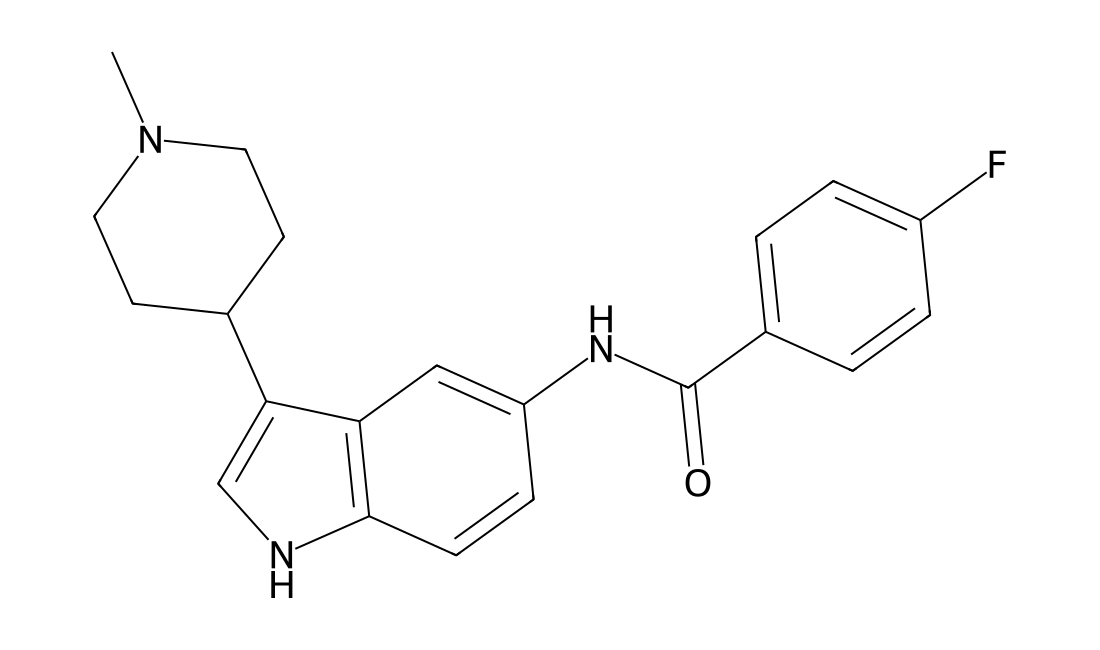
LY334370Featured
LY334370 is a selective 5-HT1F receptor agonist with a Ki of 1.6 nM.
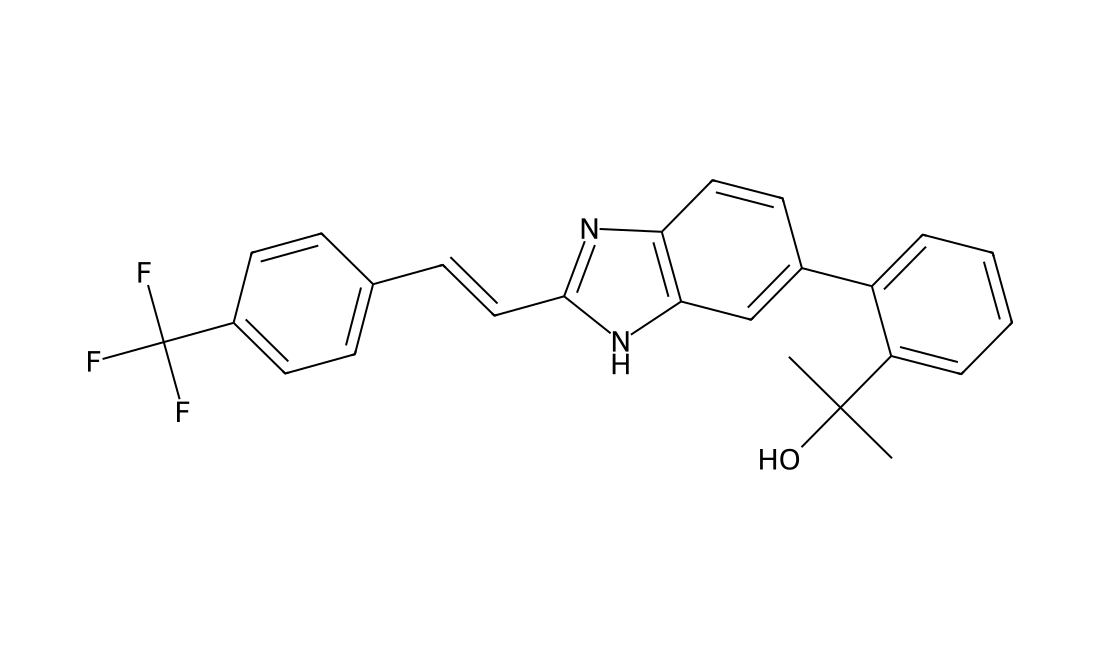
Mavatrep(JNJ-39439335)Featured
Mavatrep is an orally bioavailable TRPV1 antagonist (Ki=6.5 nM), exhibits minimal effect on the enzymatic activity (IC50 > 25 μM) of CYP isoforms 3A4, 1A2, and 2D6.IC50 value: 6.5 nM (Ki, for TRPV1)Target: TRPV1in vitro: Mavatrep exhibits superior pharmacodynamic properties. In a TRPV1 functional assay, using cells expressing recombinant human TRPV1 channels, Mavatrep antagonizes capsaicin-induced Ca2+ influx, with an IC50 value of 4.6 nM. Mavatrep blocks the activation of hTRPV1 channels by Capsaicin (1 μM) and by pH (5.0) in a concentration-dependent fashion, with IC50 values of 23 and 6.8 nM, respectively. in vivo: Mavatrep exhibits superior pharmacodynamic properties in the CFA model of inflammatory pain.
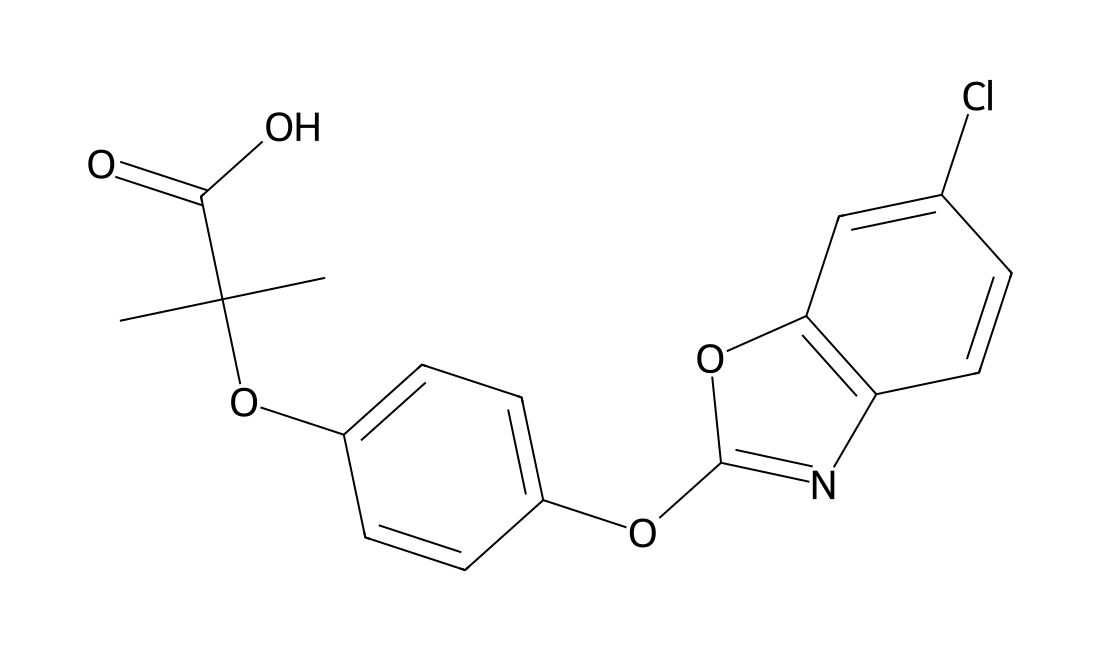
Fenoxaprop-P-ethylFeatured
Fenoxaprop-P-ethyl is a post-emergent phenoxy herbicide of the aryloxyphenoxy propionate group.
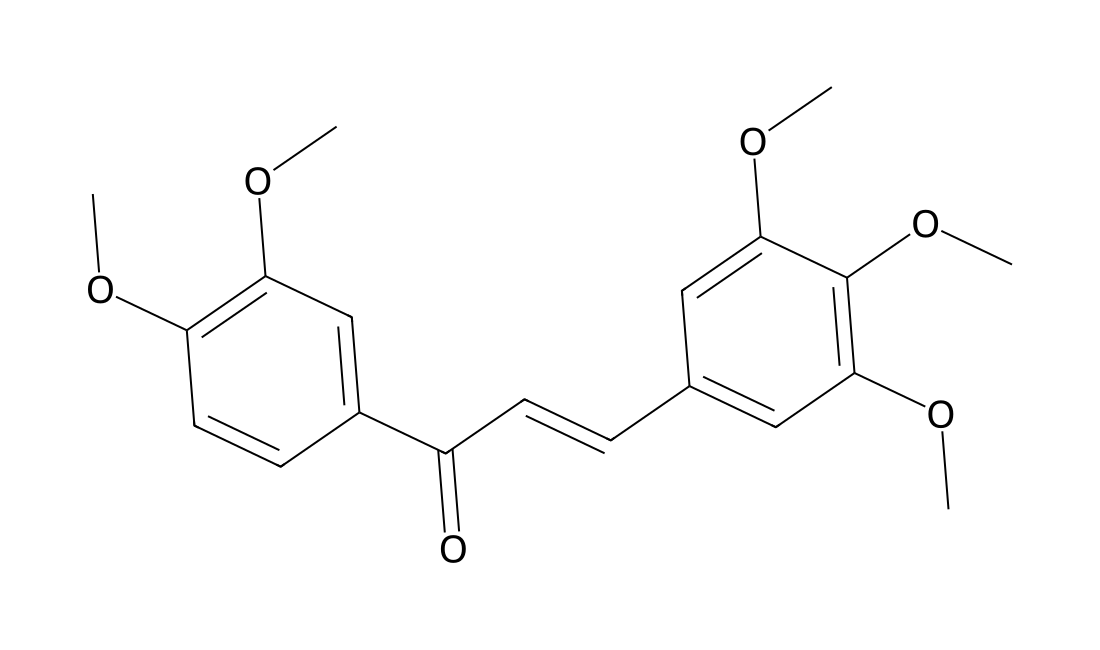
MDK7229(MD2-IN-1)Featured
MD2-IN-1 is an inhibitor of Myeloid differentiation protein 2 (MD2) with a KD of 189 μM for the recombinant human MD2 (rhMD2).
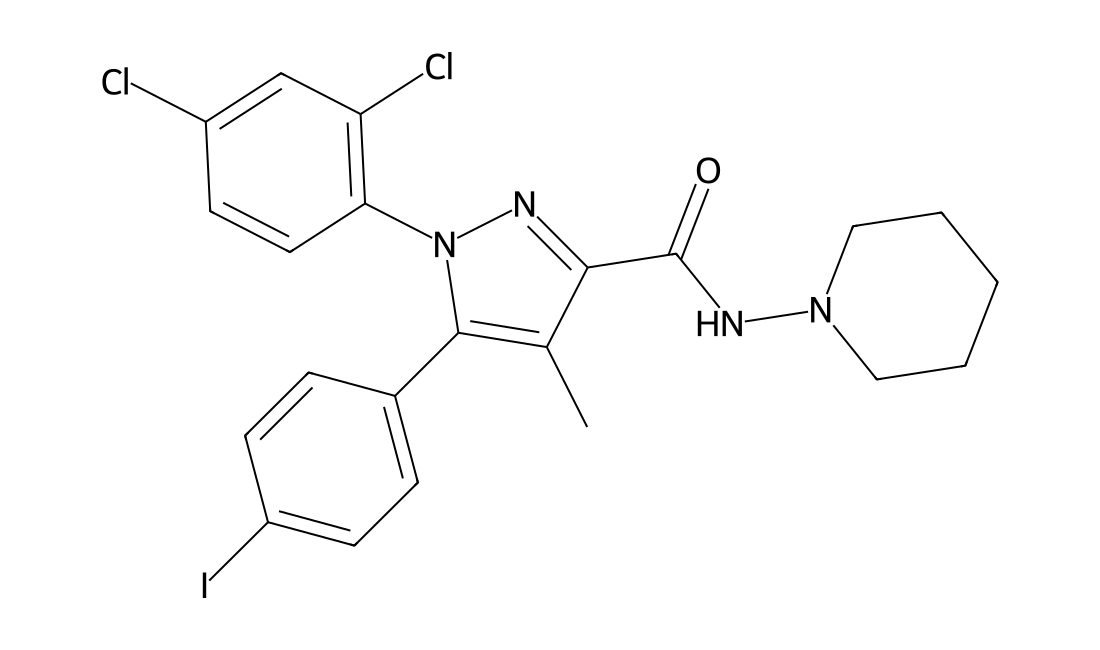
AM251Featured
AM251 is a selective cannabinoid 1 (CB1) receptor antagonist with an IC50 of 8 nM, also acts as a potent GPR55 agonist with an EC50 of 39 nM.
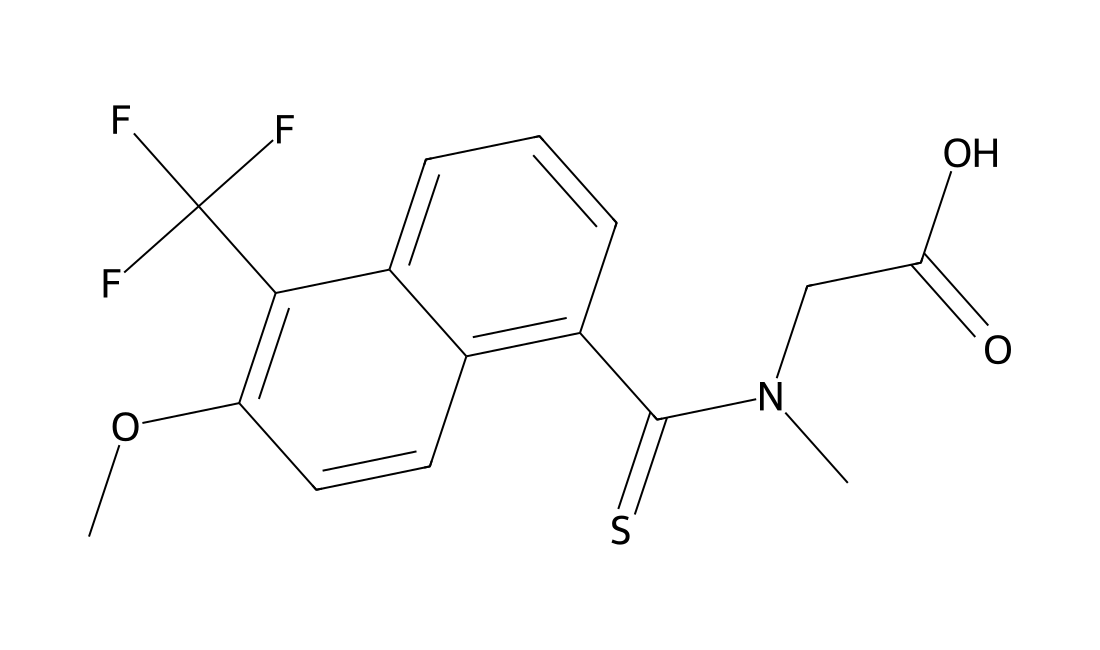
TolrestatFeatured
Tolrestat is a potent, orally active aldose reductase inhibitor with IC50 of 35 nM.
TRAM-34Featured
TRAM-34 is a highly selective blocker of intermediate-conductance calcium-activated K+ channel (IKCa1) (Kd=20 nM).
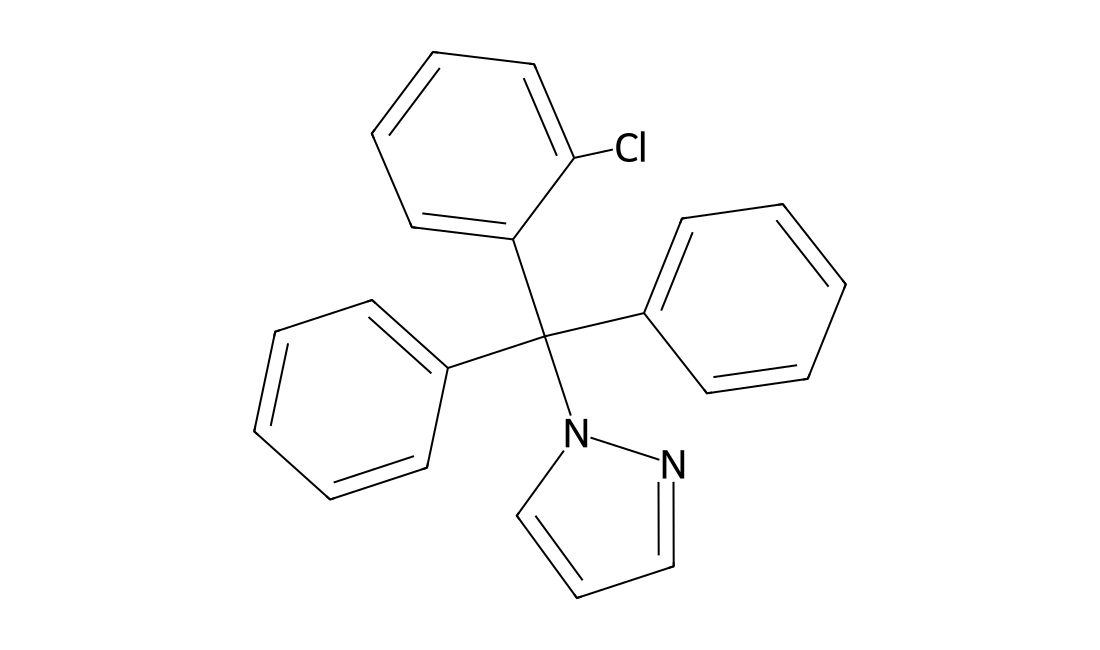
SB-224289 HydrochlorideFeatured
SB-224289 hydrochloride is a selective 5-HT1B receptor antagonist, with anxiolytic effect.
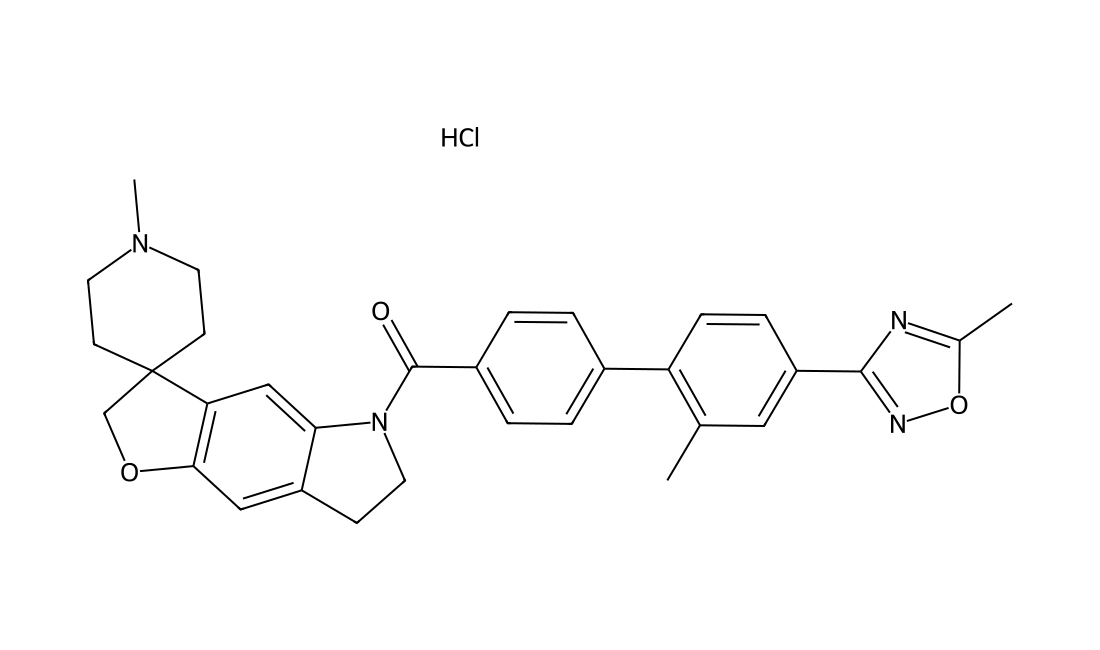
EtoricoxibFeatured
Etoricoxib is a non steroidal anti-inflammatory agent, acting as a selective and orally active COX-2 inhibitor, with IC50s of 1.1 μM and 116 μM for COX-2 and COX-1 in human whole blood.
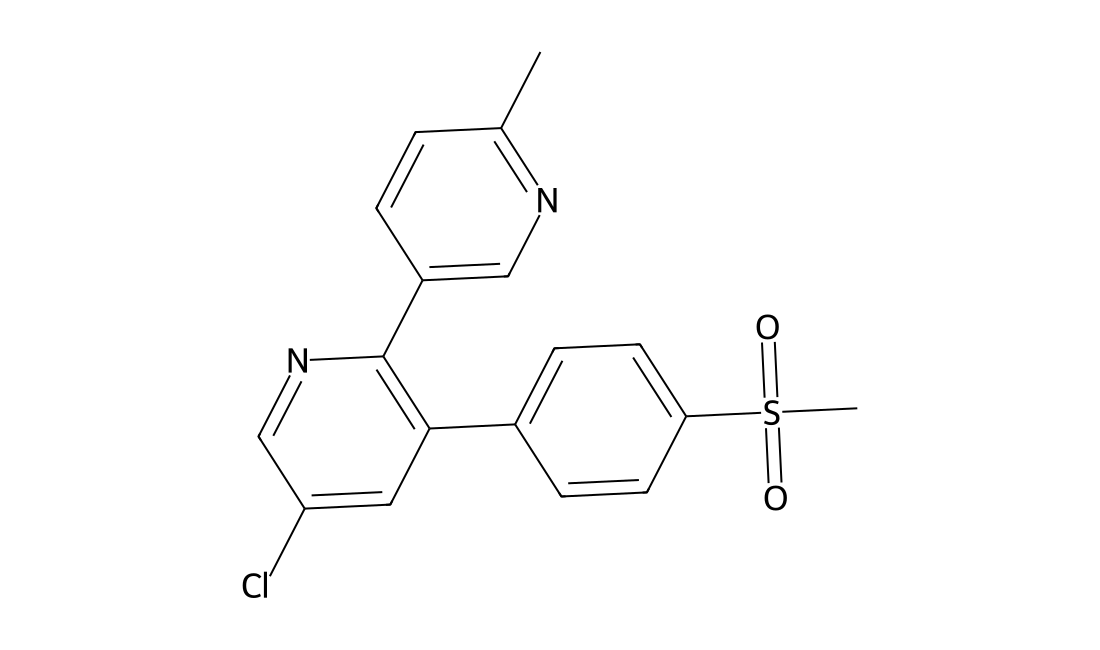
M2N12Featured
M2N12 is a potent and highly selective cell division cycle 25C protein phosphatase (Cdc25C) inhibitor with an IC50 value of 0.09 μM. M2N12 also has promising activity against Cdc25A and Cdc25B with IC50 values of 0.53 μM and 1.39 μM. Anti-tumor activity[1].
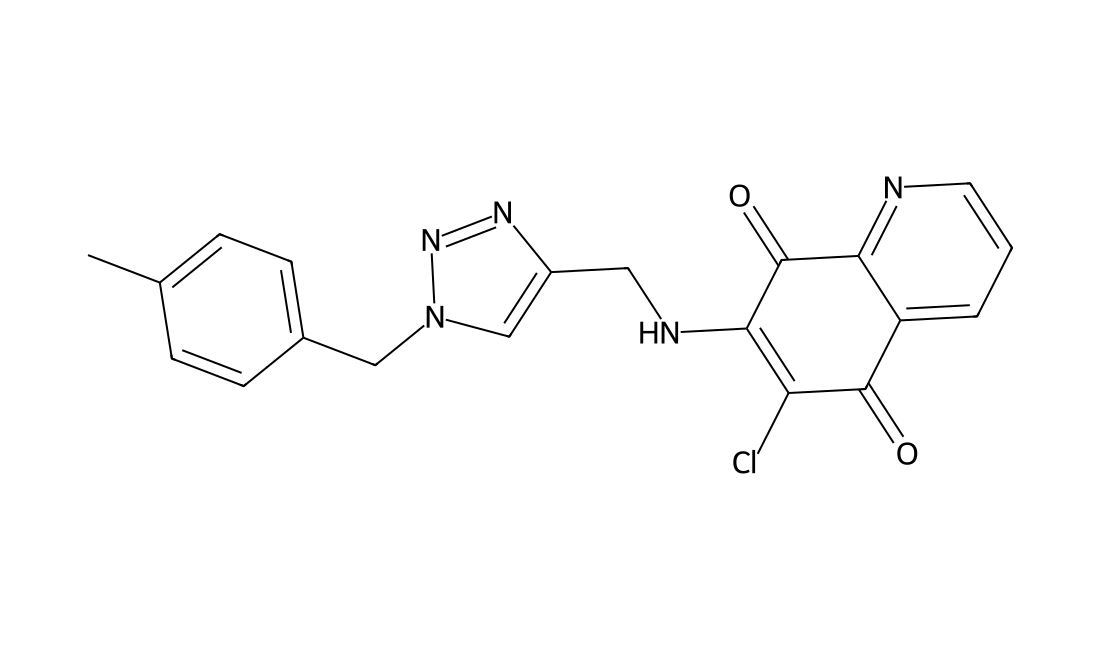
CP-339818 hydrochlorideFeatured
CP-339818 is a potent, selective, non-peptide KV1.3 channel antagonist with IC50 of 200 nM; displays selectivity over Kv1.1, Kv1.2, Kv1.5, Kv1.6, Kv3.1-4, and Kv4.2, with only exception Kv1.4 (IC50=300 nM), also has no effect on T cell channels (I(CRAC) and intermediate-conductance K(Ca)); inhibits Kv1.3 in a use-dependent manner by preferentially blocking the C-type inactivated state of the channel; suppresses human T cell activation.
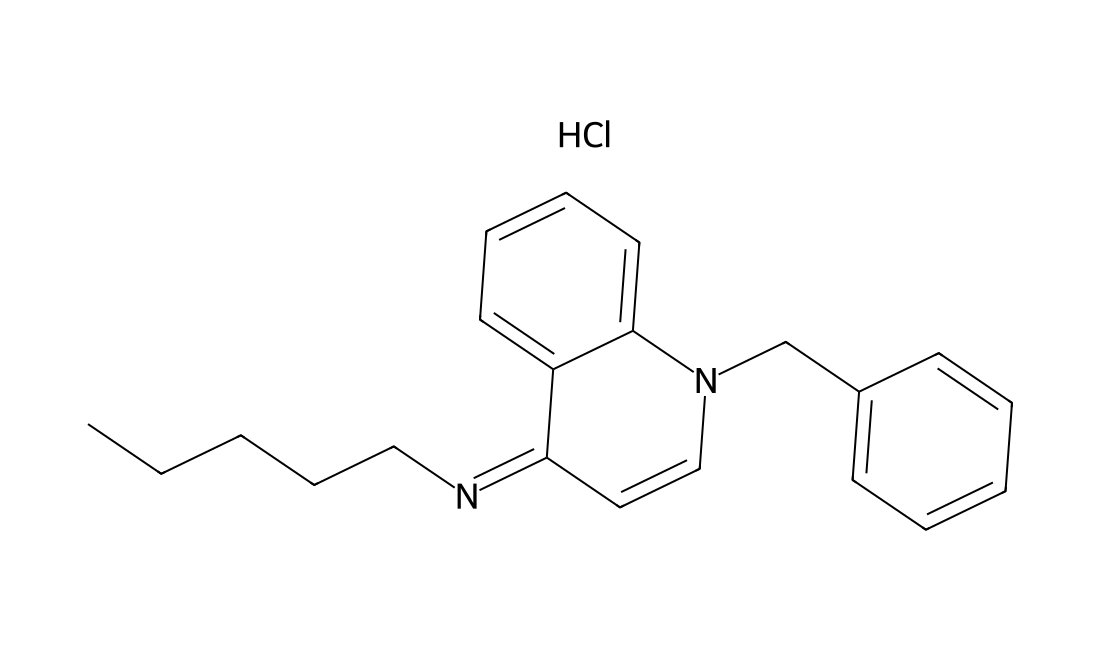
LY2033298Featured
A potent, selective, positive allosteric modulator of muscarinic M4 receptors; directly potentiates agonist binding while having minimal effects on antagonist binding; enhances inhibition by oxotremorine of light-induced phase shifts in hamster circadian activity rhythms, shows antipsychotic activity in vivo.
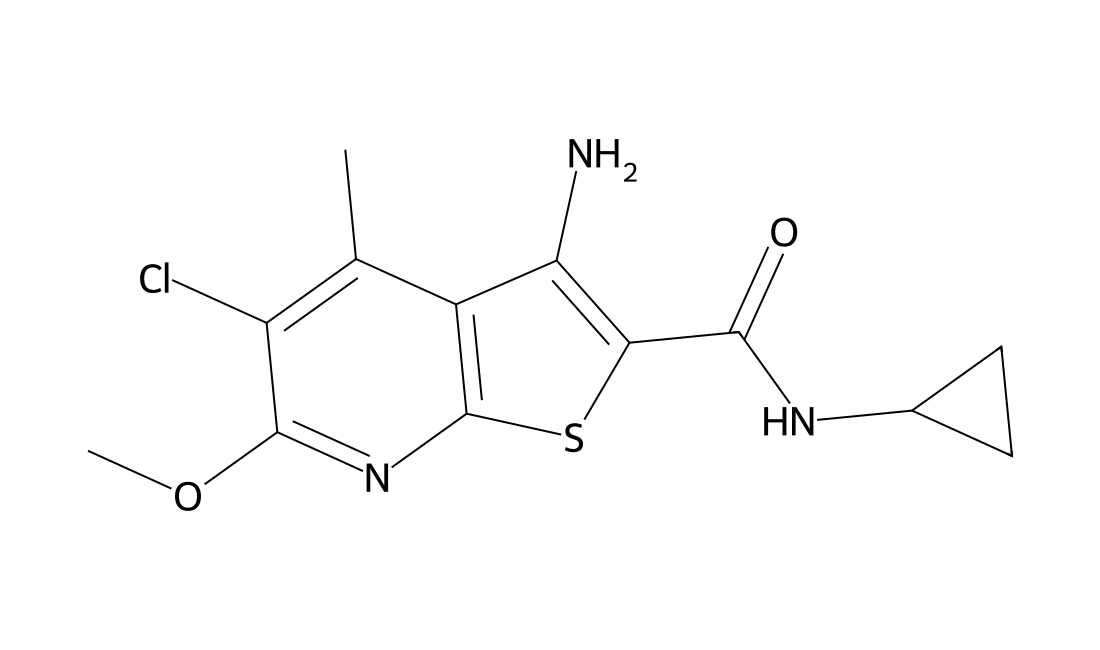
SMIFH2Featured
SMIFH2 is a small molecule formin homology 2 domains inhibitor of formin-mediated actin assembly, targets formins from evolutionarily diverse organisms including yeast, nematode worm, and mice with IC50s of 5-15 uM; prevents both formin nucleation and processive barbed end elongation and decreases formin's affinity for the barbed end; disrupts formin-dependent, but not Arp2/3 complex-dependent, actin cytoskeletal structures in fission yeast and mammalian NIH 3T3 fibroblasts at low micromolar concentrations.
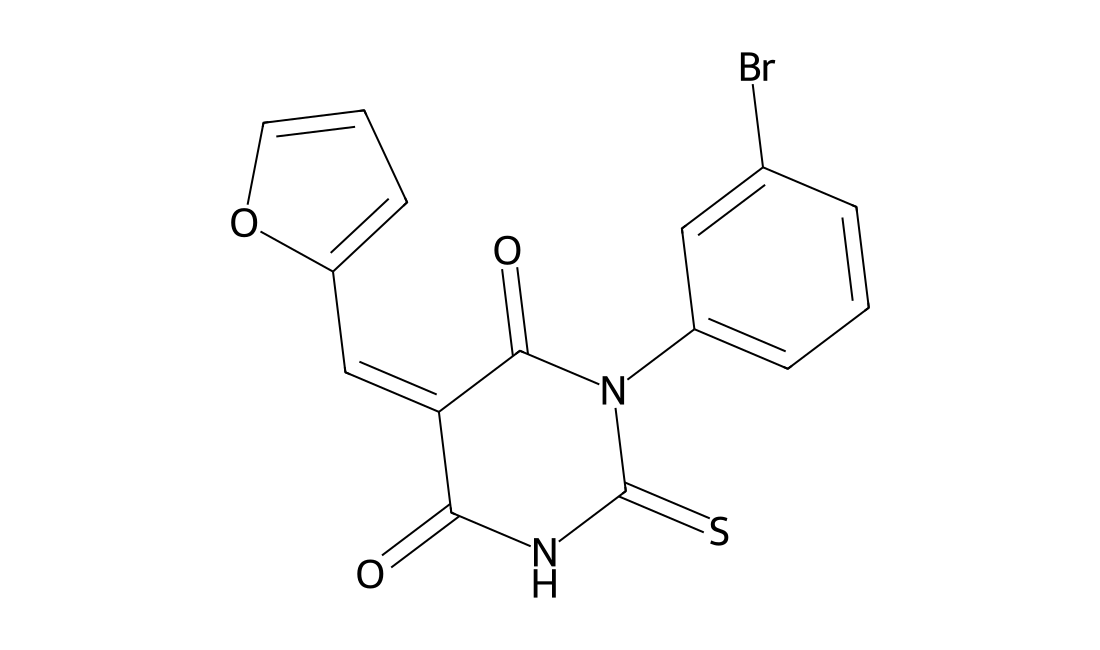
NNC-711Featured
NNC-711 is a potent and selective inhibitor of GABA uptake by GAT-1 with IC50 of 0.04 uM; displays excellent selectivty over rGAT-2, hGAT-3 and hBGT-1, and other other neurotransmitter receptors; inhibits synaptosomal (IC50=47 nM), neuronal (IC50=1238 nM) and glial (IC50=636 nM) GABA uptake in vitro; demonstrates potent anticonvulsant activity against rodent seizures induced by DMCM.
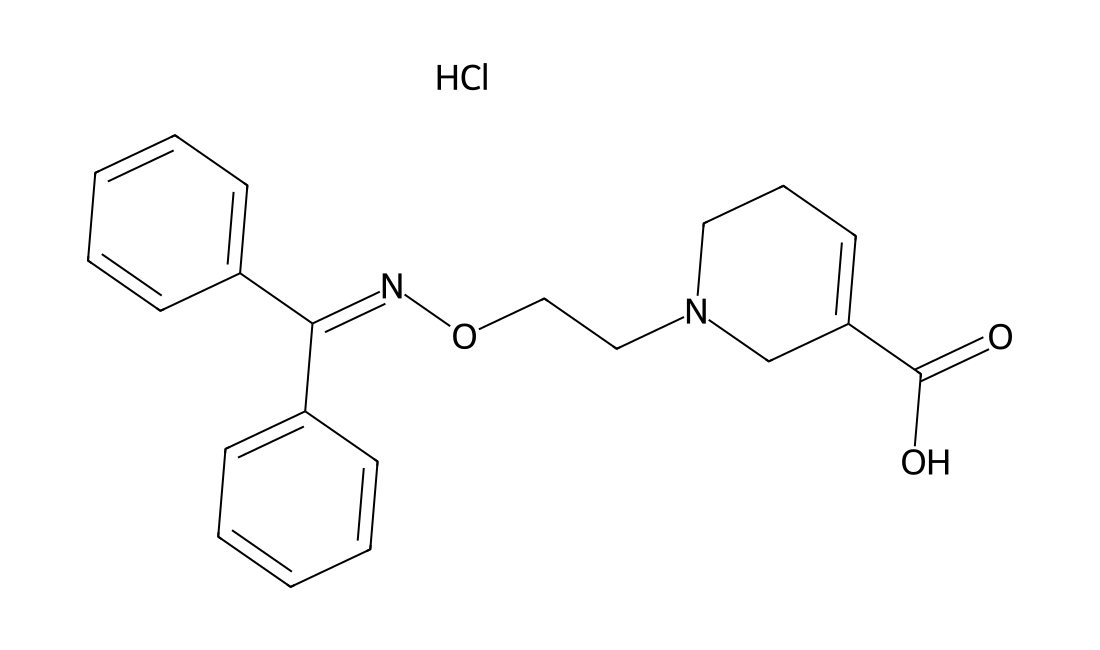
No products match this search.
Page 331 of 334 · Browse all 6677 products
Jump to a product page
Featured literature product: HX1 · DCL0028
HX1 is a hydroxyzine-derived ionizable lipid with acetal-containing tails, studied in lipid nanoparticles for brain mRNA delivery and CRISPR–Cas9 delivery. It was the lead in the reported in vivo brain-delivery screen; evidence is preclinical and formulation-dependent.
Read full formulation and performance →