
Research lipid catalog
Ionizable Lipid Products
Explore 848 lipid and RNA delivery products. Search the full catalog or browse by research category.
Search covers product name, catalog number, synonyms, available CAS numbers and categories. Spaces, hyphens and common punctuation are ignored. Duplicate legacy records are consolidated under one canonical product result.
6177 products · Showing 5841–5860 · 20 per page
DC Chemicals lipid expertise
Built for ionizable-lipid discovery and RNA delivery research
DC Chemicals supports formulation and delivery research with a broad, searchable portfolio of cationic and ionizable lipids. The current directory brings together 848 unique research-use products, with product specifications, pricing, chemical structures and literature-linked formulation data added as each record is verified.
Our experience spans complex lipid synthesis, purification, analytical release and process development. For custom molecules or larger-scale requirements, our team can discuss route development, technical specifications and scale-up options for the intended research workflow.
Learn about cationic and ionizable lipids →Proprietary innovation · Co-development · GMP
From proprietary lipid design to GMP-grade custom synthesis
DC Chemicals has independently developed ionizable-lipid structures supported by company-owned intellectual property, and selected proprietary lipid programs have advanced to GMP-stage development.
We welcome joint development with customers—from molecular design and lipid synthesis through route and process development. We can also support custom synthesis of GMP-grade ionizable lipids to agreed technical specifications and quality requirements.
Discuss a co-development project →Proprietary ionizable-lipid structuresCollaborative molecular designCustom lipid synthesisProcess development and scale-upGMP-grade project support
Product quick links
Explore New ionizable lipids
Explore our five most recently added ionizable lipids, with specifications, pricing and literature-linked product information.
DCL0028HX1Brain RNA delivery researchView product →DCL0024A1I4R13C18-2Spleen-targeted RNA delivery researchView product →DCL0023A1I4R2C18-2Spleen-targeted RNA delivery researchView product →DCL0022FS01Local joint RNA delivery researchView product →DCL0020Lipid-392Lung RNA delivery and gene editing researchView product →
Cat. No.Product NameField of ApplicationChemical Structure
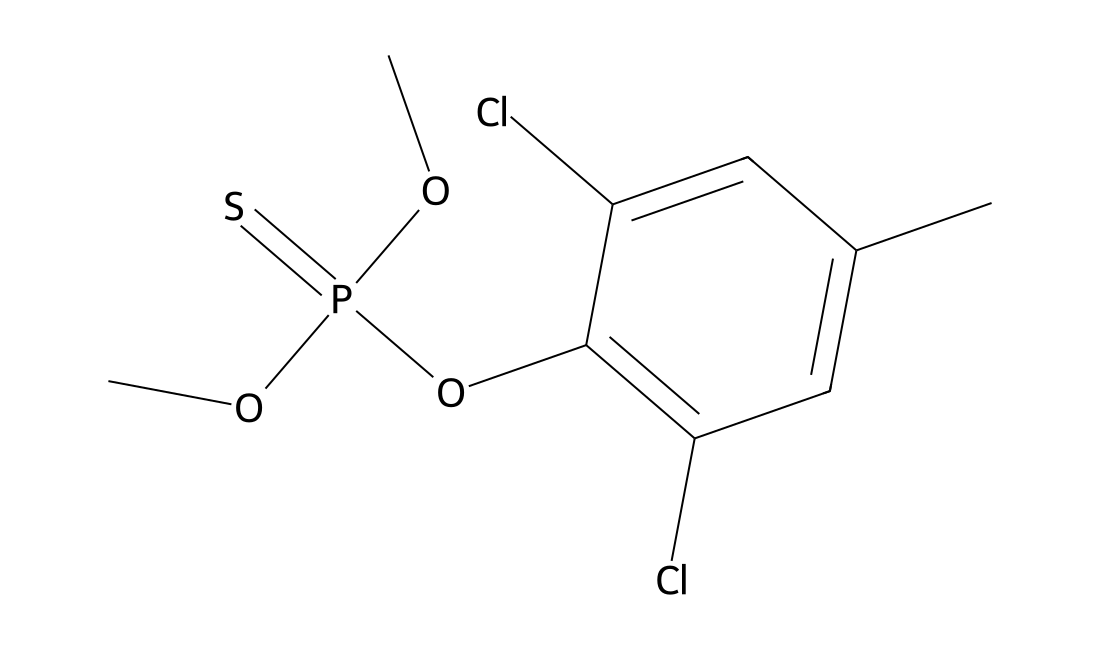
Tolclofos-methylFeatured
Tolclofos-methyl is a broad-spectrum aromatic hydrocarbon fungicide that is used as a see treatment for protection against soil-borne and seed borne fungal pathogens that caused seed decay and seedling blights.
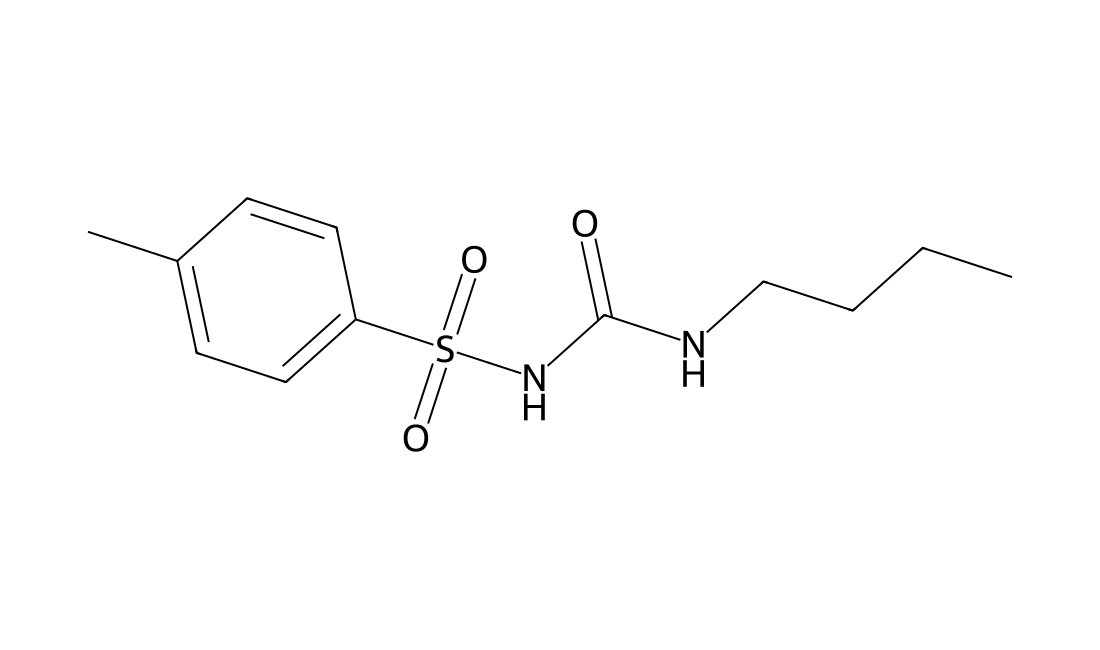
TolbutamideFeatured
Tolbutamide is a first generation potassium channel blocker, sulfonylurea oral hypoglycemic drug.Tolbutamide is an oral antihyperglycemic agent used for the treatment of non-insulin-dependent diabetes mellitus (NIDDM). Tolbutamide act by stimulating β cells of the pancreas to release insulin. Sulfonylureas increase both basal insulin secretion and meal-stimulated insulin release. Tolbutamide belongs to a class of medications called sulfonylureas. Tolbutamide inhibits both the basal and the cyclic AMP-stimulated protein kinase activities and the IC50 of Tolbutamide is 4 mM. Similar Tolbutamide concentrations are required for half maximal inhibition of in vitro lipolysis induced by hormones (norepinephrine and ACTH) or by dibutyryl cyclic AMP plus theophylline. Tolbutamide also inhibits both soluble and membrane-bound protein kinase from canine heart. The Tolbutamide inhibition of adipose tissue cyclic AMP-dependent protein kinase is one possible explanation for the antilipolytic effects of this drug. Tolbutamide inhibits C6-glioma cell proliferation by increasing Cx43, which correlates with a reduction in pRb phosphorylation due to the up-regulation of the Cdk inhibitors p21 and p27.
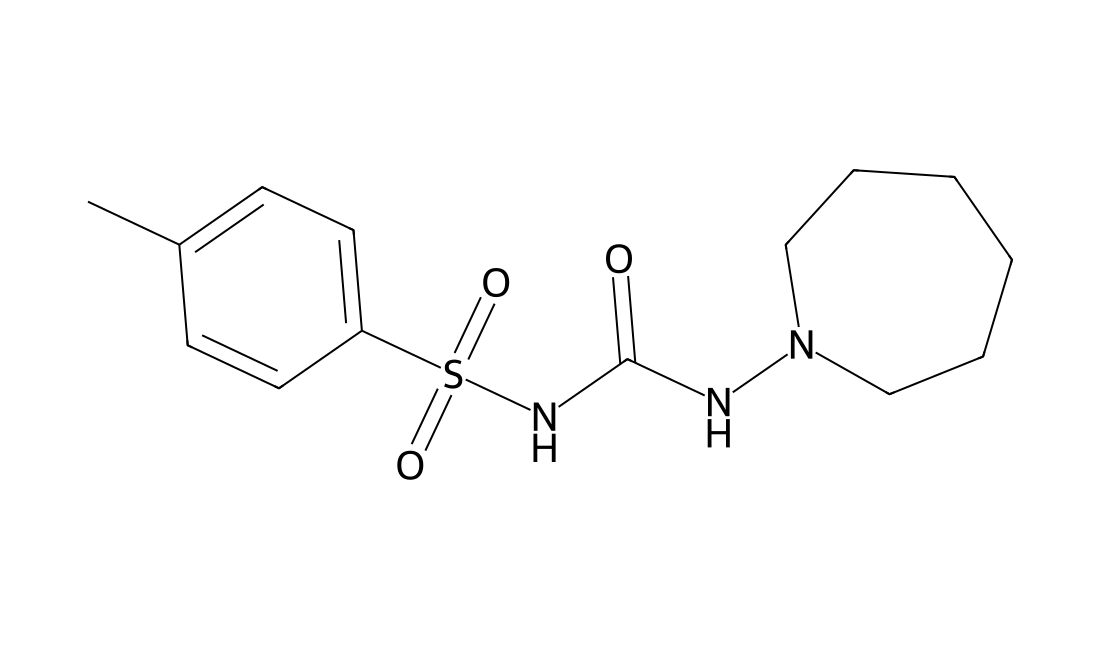
TolazamideFeatured
Tolazamide is a first generation sulfonylurea that inhibits sulfonylurea receptor 1 (SUR1) linked to the inwardly rectifying potassium channel (KIR6.2; IC50 = 4.2 µM in HEK293 cells transfected with the human receptor).It has no effect on glucose uptake in L6 rat skeletal muscle cells when used at a concentration of 0.6 mg/mL but enhances glucose uptake two-fold when used in combination with insulin.In vivo, tolazamide (128 mg/kg) reduces glomerulosclerosis and albumin excretion in a rat model of insulin-dependent diabetes induced by streptozotocin.Formulations containing tolazamide have been used in the treatment of type 2 diabetes.
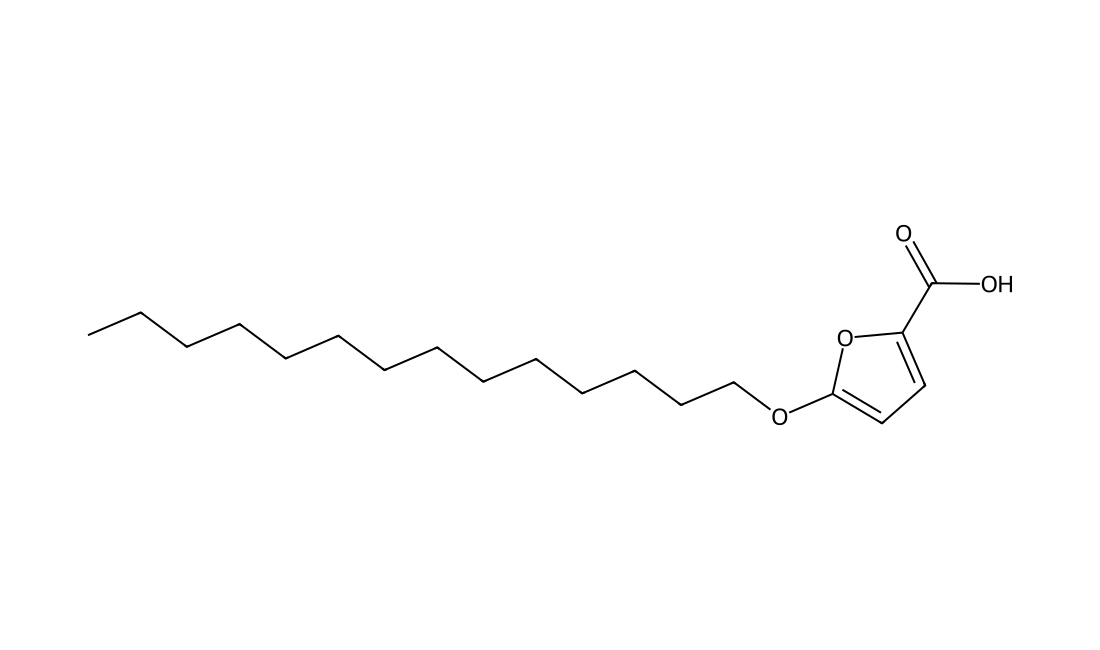
TOFAFeatured
TOFA (5-tetradecyloxy-2-furoic acid) is cytotoxic to lung cancer cells NCI-H460 and colon carcinoma cells HCT-8 and HCT-15, with an IC50 at approximately 5.0, 5.0, and 4.5 μg/mL, respectively. TOFA at 1.0–20.0 μg/mL effectively blocks fatty acid synthesis and induces cell death in a dose-dependent manner. TOFA is found to be cytotoxic to COC1 and COC1/DDP cells with IC50 values of ~26.1 and 11.6 µg/mL, respectively. TOFA inhibits the proliferation of the cancer cells examined in a time and dose dependent manner, arrests the cells in the G0/G1 cell cycle phase and induces apoptosis. Acetyl-CoA-carboxylase-α (ACCA) is a key enzyme in the regulation of fatty acids synthesis. Inhibition of ACCA by TOFA decreases fatty acid synthesis and induces caspase activation and cell death in most PCa cell lines.TOFA inhibits COC1/DDP cell growth in ovarian tumor mouse xenografts. The tumor growth rate is signifi¬cantly inhibited by TOFA compared with the DMSO treated control mice (1649±356.3 vs. 5128±390.4 mm3. No toxicity is observed in the heart, liver, spleen, lung, kidney and intestinal tissues. By inhibiting ACC, TOFA may be a promising small molecule agent for ovarian cancer therapy.
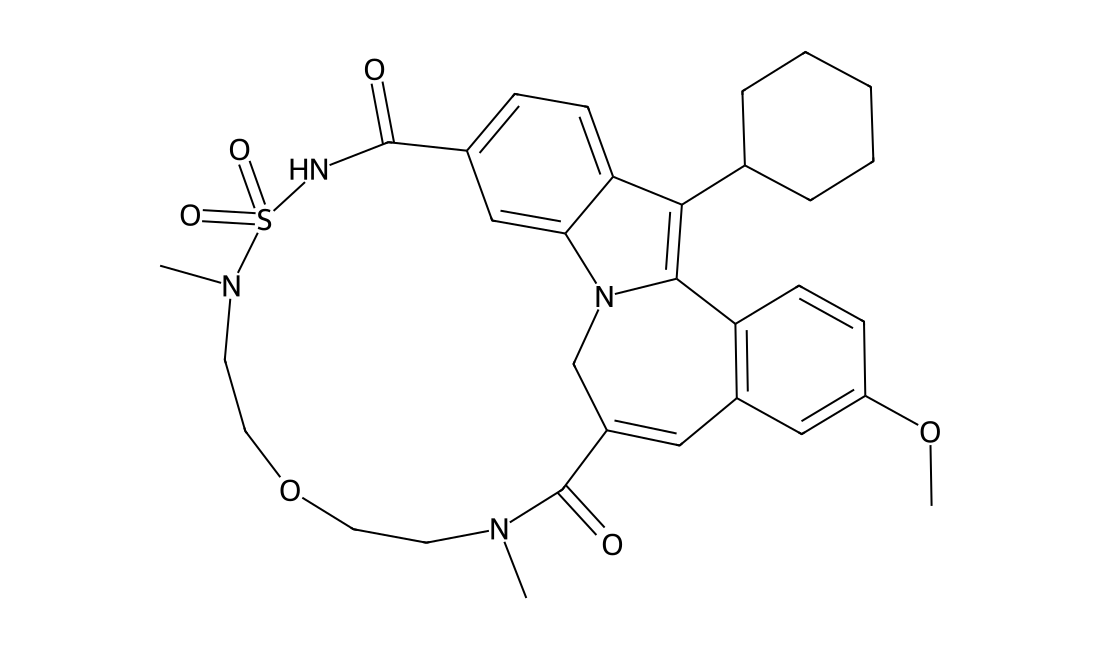
TMC647055Featured
TMC647055 is a potent nonnucleoside NS5B polymerase inhibitor of HCV replication with a promising in vitro biochemical, kinetic, and virological profile that is currently undergoing clinical evaluation. For the detailed information of TMC647055, the solubility of TMC647055 in water, the solubility of TMC647055 in DMSO, the solubility of TMC647055 in PBS buffer, the animal experiment (test) of TMC647055, the cell expriment (test) of TMC647055, the in vivo, in vitro and clinical trial test of TMC647055, the EC50, IC50,and affinity,of TMC647055, Please contact DC Chemicals.
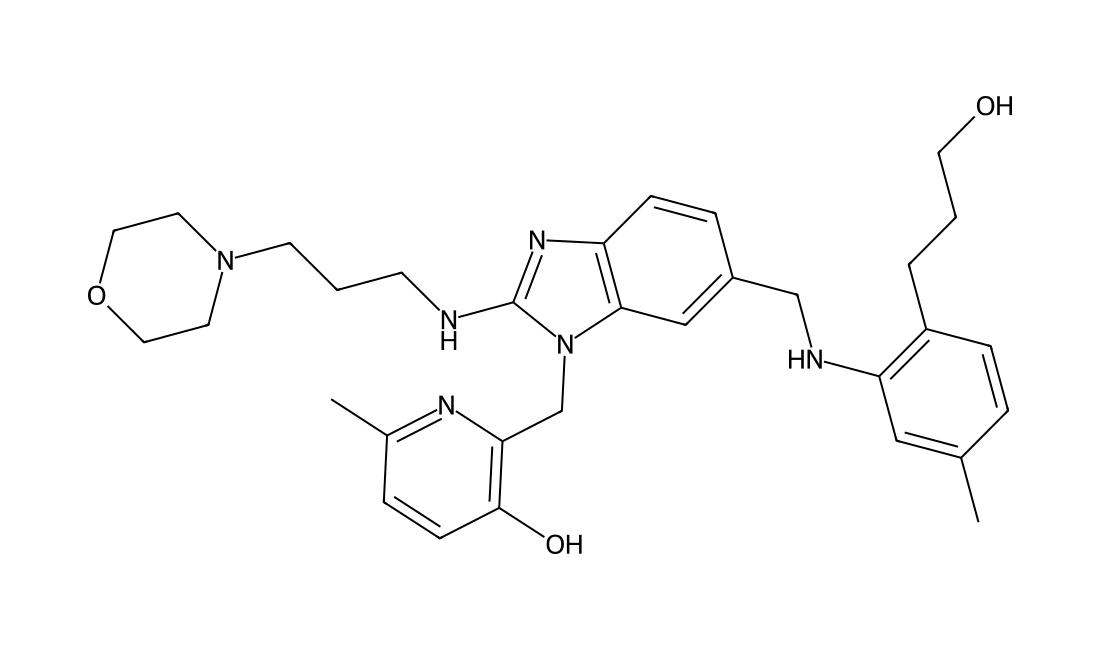
TMC353121Featured
TMC353121 is a potent RSV fusion inhibitor with pEC50 of 9.9(t1/2 in lung = 25 h). The activity profile of 56d(TMC353121) was found to be identical to the profile of JNJ-2408068. After iv administration, 56d was rapidly eliminated with a plasma clearance of 5.4 L/h/kg. The plasma concentrations dropped quickly within the first hour after dosing and then much more slowly. The plasma half-life determined between 4 and 24 h (last blood sampling time point) was about 10 h. 56d was shown to be active by intravenous, oral, and aerosol administration in the cotton rat model at doses of 10 mg/kg, 40 mg/kg, and 5 mg/mL, respectively.
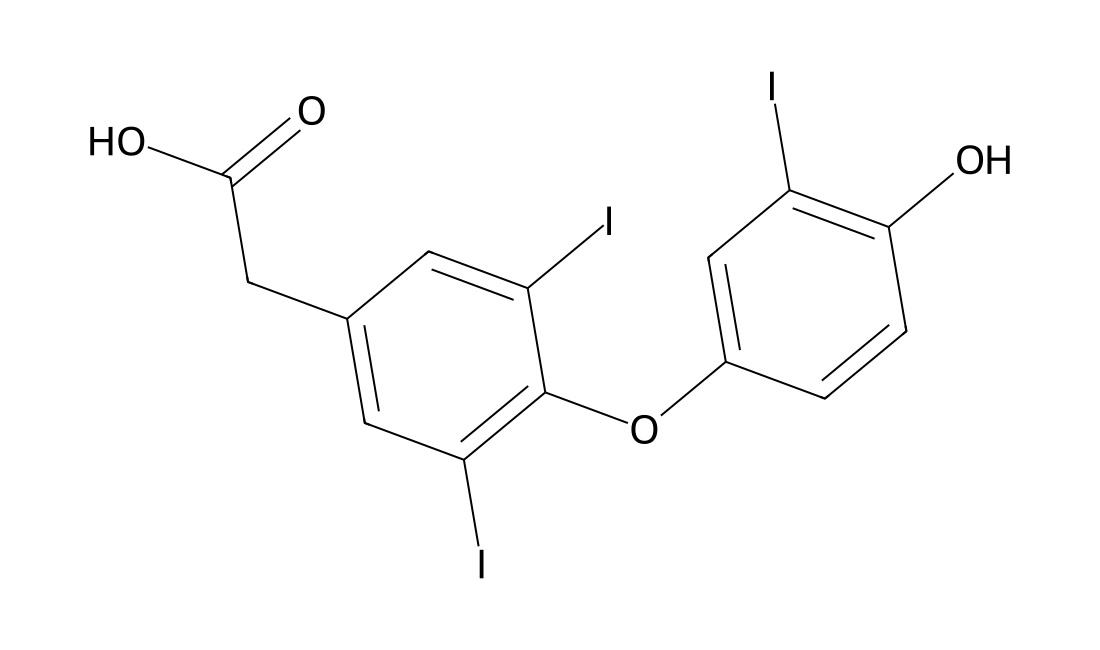
TiratricolFeatured
Tiratricol is indicated in the management of thyroid hormone resistance syndrome and is used, in combination with levothyroxine, to suppress thyroid-stimulating hormone production in patients with thyroid cancer.It has been investigated For use in reducing goiter. It has also shown some effectiveness in reducing the atrophy caused when using corticosteroids.For the detailed information of Tiratricol, the solubility of Tiratricol in water, the solubility of Tiratricol in DMSO, the solubility of Tiratricol in PBS buffer, the animal experiment (test) of Tiratricol, the cell expriment (test) of Tiratricol, the in vivo, in vitro and clinical trial test of Tiratricol, the EC50, IC50,and Affinity of Tiratricol, Please contact DC Chemicals.
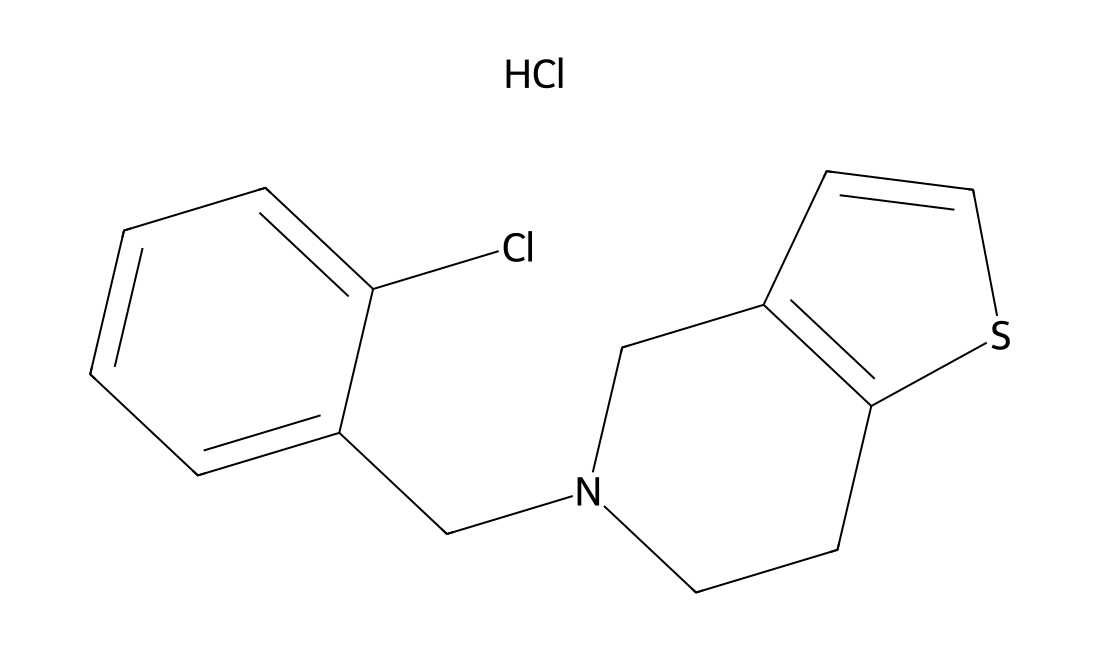
Ticlopidine HClFeatured
Ticlopidine hydrochloride is an adenosine diphosphate (ADP) receptor inhibitor against platelet aggregation with IC50 of ~2 μM.Ticlopidine (trade name Ticlid) is an antiplatelet drug in the thienopyridine family. Ticlopidine hydrochloride inhibits platelet aggregation with IC50 of ~2 μM in men. Like clopidogrel, it is an adenosine diphosphate (ADP) receptor inhibitor. It is used in patients in whom aspirin is not tolerated, or in whom dual antiplatelet therapy is desirable. Because it has been reported to increase the risk of thrombotic thrombocytopenic purpura (TTP) and neutropenia, its use has largely been supplanted by the newer drug, clopidogrel, which is felt to have a much lower hematologic risk. Its niche role as an alternative in those patients who do not tolerate Clopidogrel has now been superdeded by Ticagrelor and Prasugrel. The usual dose is 250 mg twice daily by the oral route. Ticlopidine hydrochloride, when orally administered to rats, results in activation of basal and prostaglandin E1 (PGE1)-stimulated adenylate cylase activity through increase in affinity of the cyclase in platelet membrane to PGE1, although it failed to affect adenosine- or sodium fluoride-stimulated activity of the enzyme.
ThiothixeneFeatured
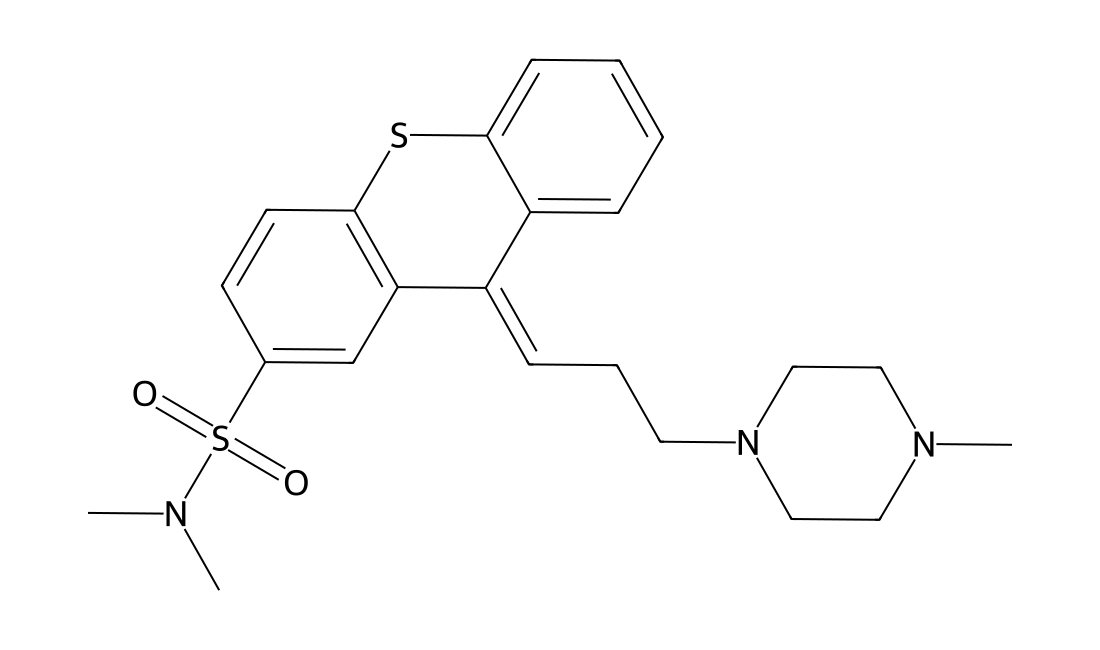
Thiothixene is a typical antipsychotic.1 It selectively binds to dopamine D2 over D1, D3, and D4 receptors (Kis = 0.417, 338, 186.2, and 363.1 nM, respectively). Thiothixene also binds to various serotonin (5-HT), histamine H1, α1- and α2-adrenergic, muscarinic acetylcholine, and sigma receptors (Kis = 15-5,754 nM) as well as the dopamine, norepinephrine, and serotonin transporters (Kis = 3.16-30 μM). In vivo, thiothixene reduces spontaneous and amphetamine-induced locomotor activity in rats.It enhances latent inhibition, as measured by a decreased lick latency in response to light and foot shock stimuli, which is a measure of selective attention in rats.Thiothixene also increases competitive behavior in submissive mice, indicating antidepressant-like behavior.Formulations containing thiothixene have been used in the treatment of schizophrenia and bipolar mania.
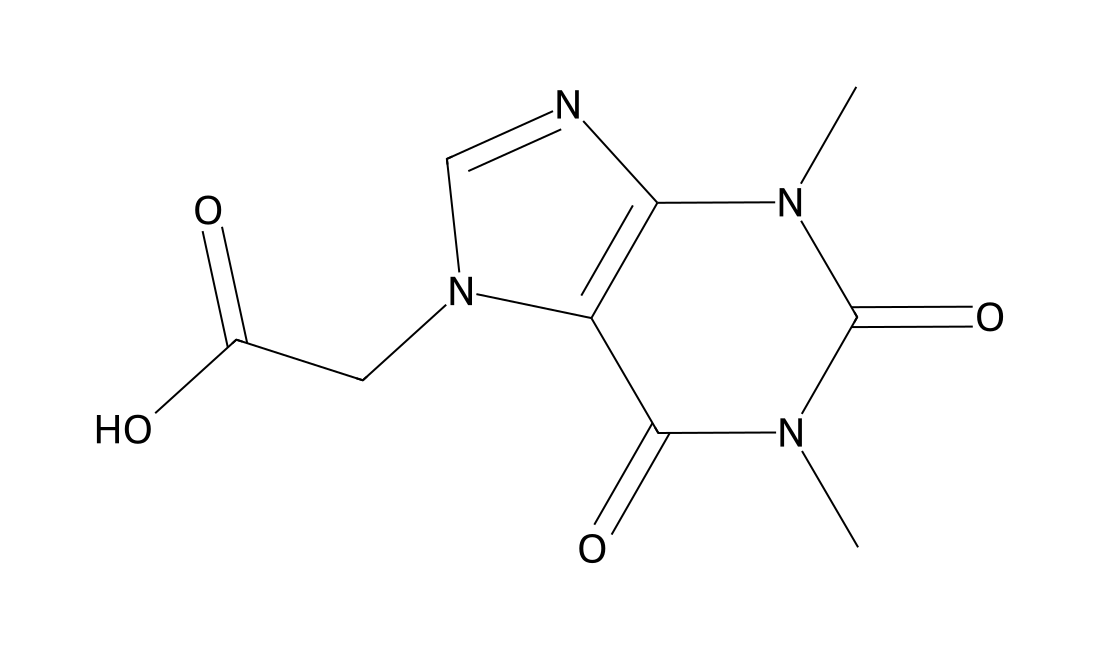
Theophylline-7-acetic acid (Acefylline), acting as an adenosine receptor antagonist, is a stimulant drug of the xanthine chemical class.
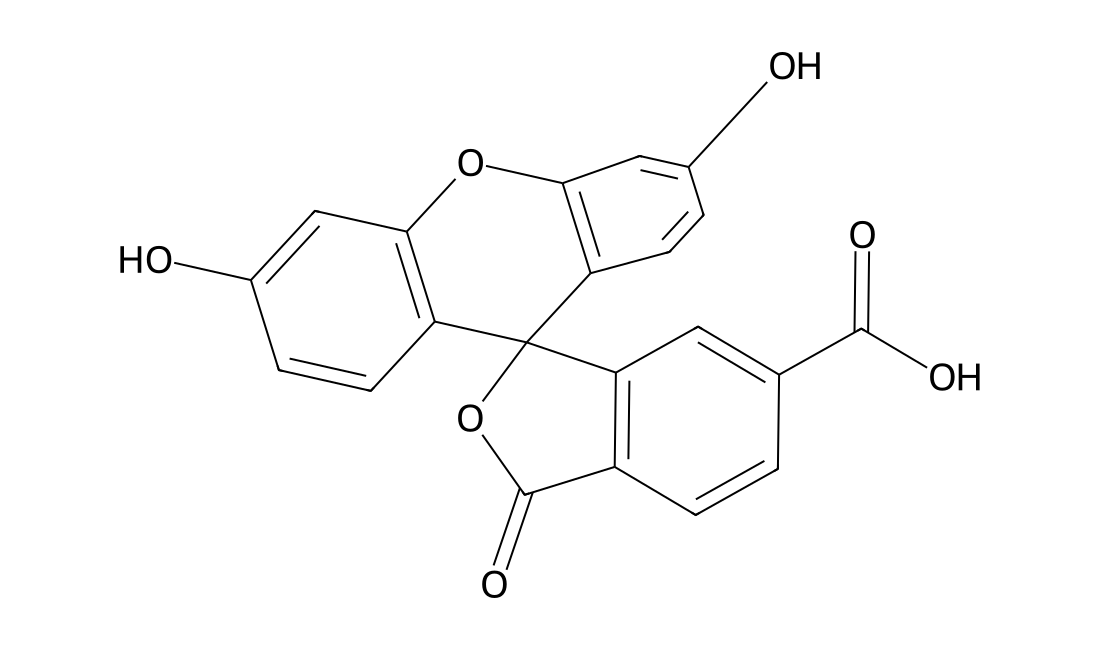
6-FAMFeatured
The single isomer, 6-FAM, contains a carboxylic acid that can be used to react with primary amines via carbodiimide activation of the carboxylic acid. Fluorescein is the most common fluorescent derivatization reagent for labeling biomolecules. In addition to its relatively high absorptivity, excellent fluorescence quantum yield, and good water solubility, fluorescein has an excitation maximum that closely matches the 488 nm spectral line of the argon-ion laser.
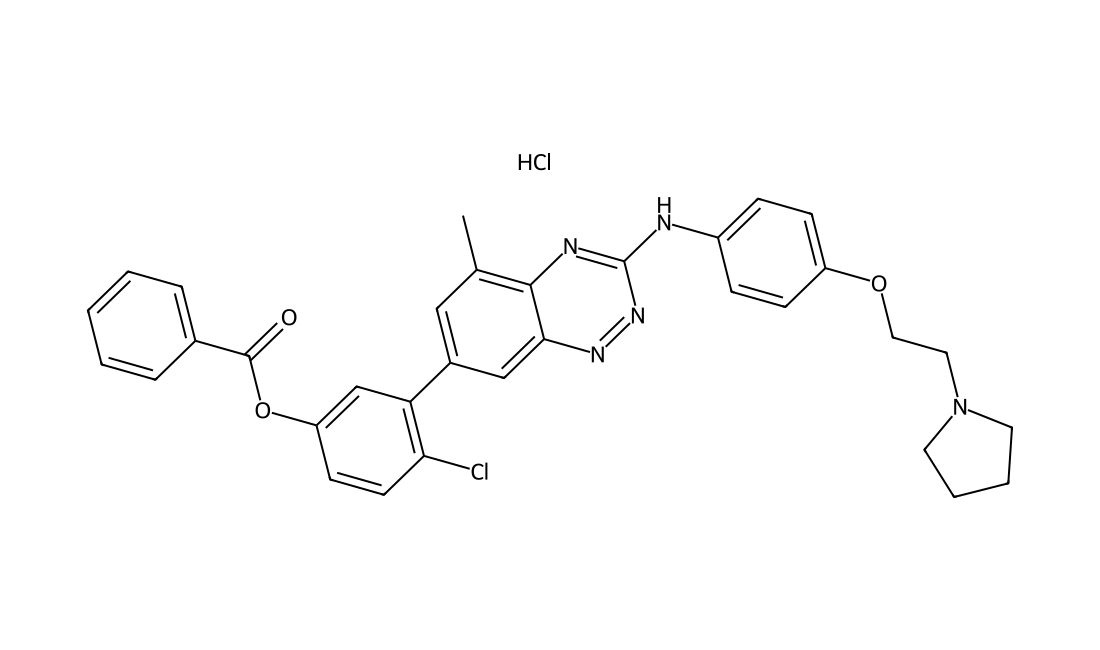
TG 100801 hydrochlorideFeatured
The prodrug of TG 100572, a potent, dual receptor tyrosine kinase/Src kinase inhibitor with IC50 of 2-16 nM for VEGFR, FGFR and PDGFR, 0.1-5 nM for Src family; significantly suppresses laser-induced CNV in mice, and reduces fluorescein leakage from the vasculature and retinal thickening in a rat model of retinal vein occlusion (topical administration).
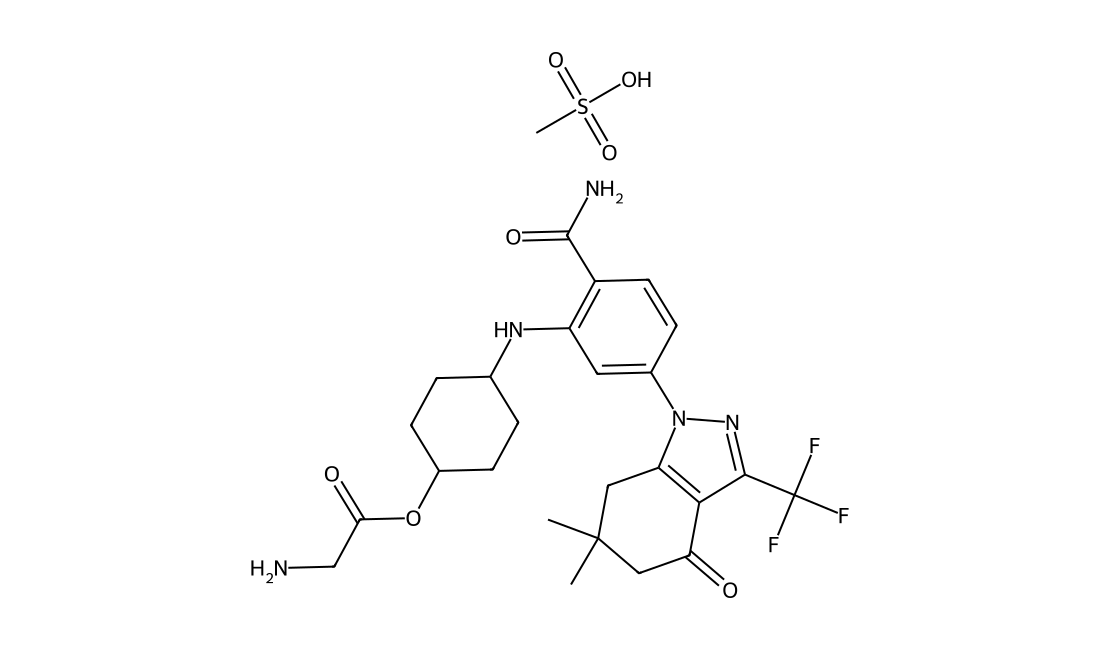
PF-04929113 MesylateFeatured
The prodrug of PF-04928473 (SNX-2112), a potent, orally bioavailable HSP90 inhibitor; inhibits several signaling pathways and induces apoptosis in CRPC LNCaP tumors in vivo.Blood CancerPhase 1 Clinical
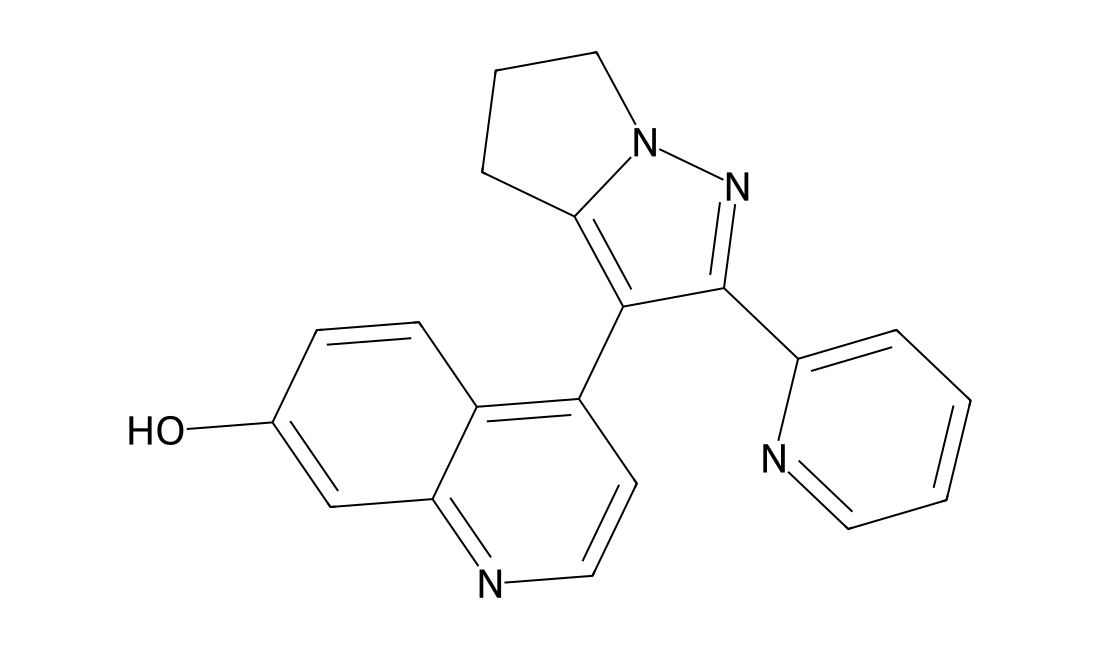
TGF-B (beta) receptor inhibitorFeatured
For the detailed information of F9995-0144, the solubility of F9995-0144 in water, the solubility of F9995-0144 in DMSO, the solubility of F9995-0144 in PBS buffer, the animal experiment (test) of F9995-0144, the cell expriment (test) of F9995-0144, the in vivo, in vitro and clinical trial test of F9995-0144, the EC50, IC50,and Affinity of F9995-0144, Please contact DC Chemicals.
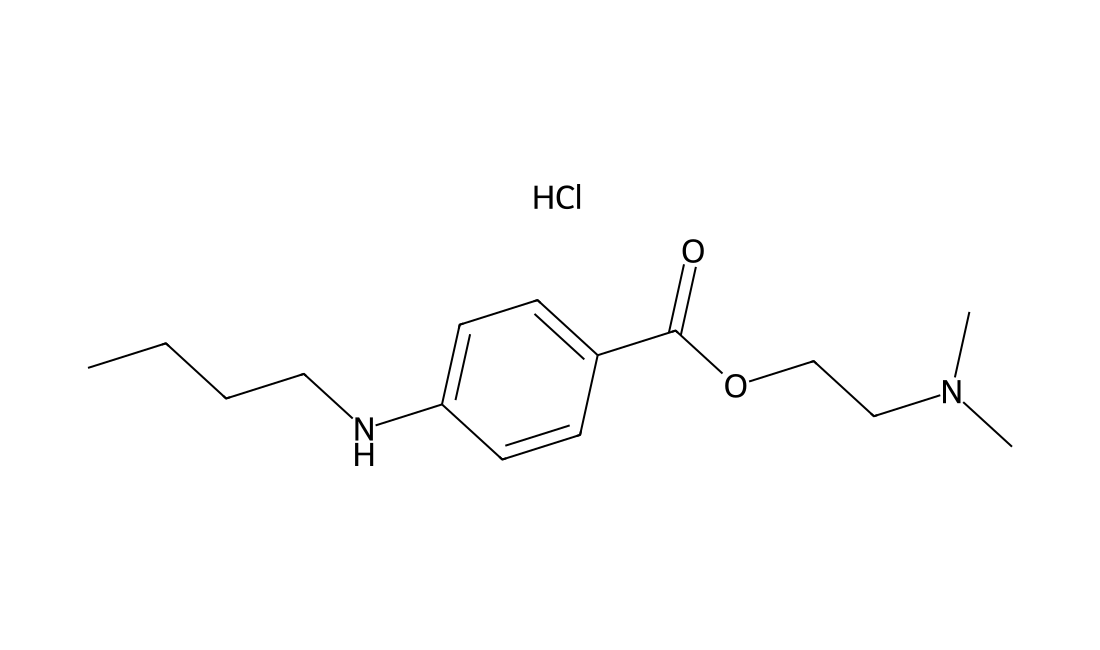
Tetracaine HClFeatured
Tetracaine HCl is a potent local anaesthetic and a channel function allosteric inhibitor.Tetracaine hydrochloride is a calcium channel protein inhibitor and blocks voltage-sensitive release of Ca2+ from sarcoplasmic reticulum. Tetracaine is a potent local anesthetic of the ester group. It is mainly used topically in ophthalmology and as an antipruritic, and it has been used in spinal anesthesia. Tetracaine is used to alter the function of calcium release channels (ryanodine receptors) that control the release of calcium from intracellular stores. Tetracaine is an allosteric blocker of channel function. At low concentrations, tetracaine causes an initial inhibition of spontaneous calcium release events, while at high concentrations, tetracaine blocks release completely.
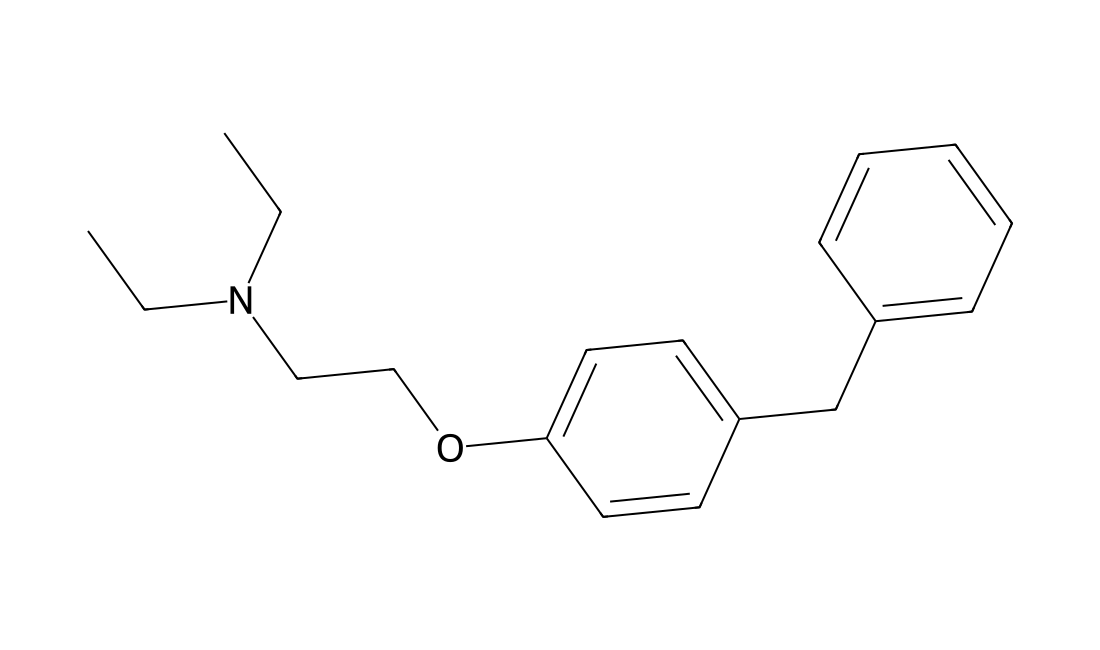
TesmilifeneFeatured
Tesmilifene is a novel agent that augments cytotoxicity of various chemotherapeutic agents both in vitro and in vivo. It binds selectively to the high-affinity microsomal antiestrogen binding site (Ki=50nm) but has no affinity For estrogen receptors. Inhibits concanavalin-A-induced histamine release in mast cells and acts as a novel antagonist of intracellular histamine.For the detailed information of Tesmilifene, the solubility of Tesmilifene in water, the solubility of Tesmilifene in DMSO, the solubility of Tesmilifene in PBS buffer, the animal experiment (test) of Tesmilifene, the cell expriment (test) of Tesmilifene, the in vivo, in vitro and clinical trial test of Tesmilifene, the EC50, IC50,and Affinity of Tesmilifene, Please contact DC Chemicals.
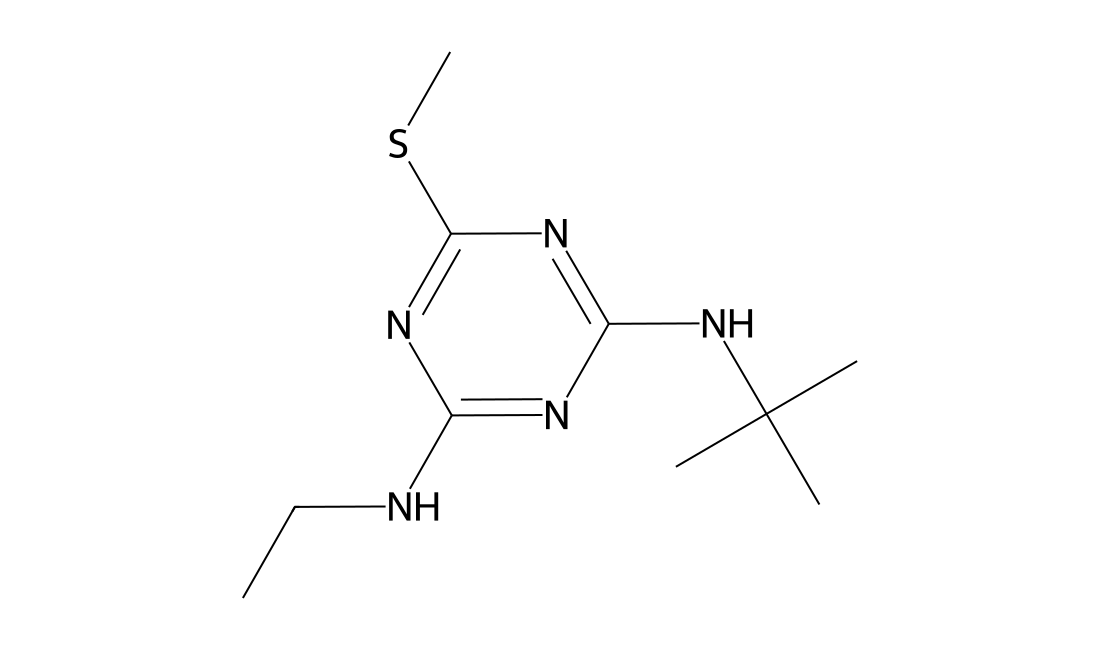
TerbutrynFeatured
Terbutryn is a selective herbicide and a triazine compound. It is absorbed by the roots and foliage and acts as an inhibitor of photosynthesis.
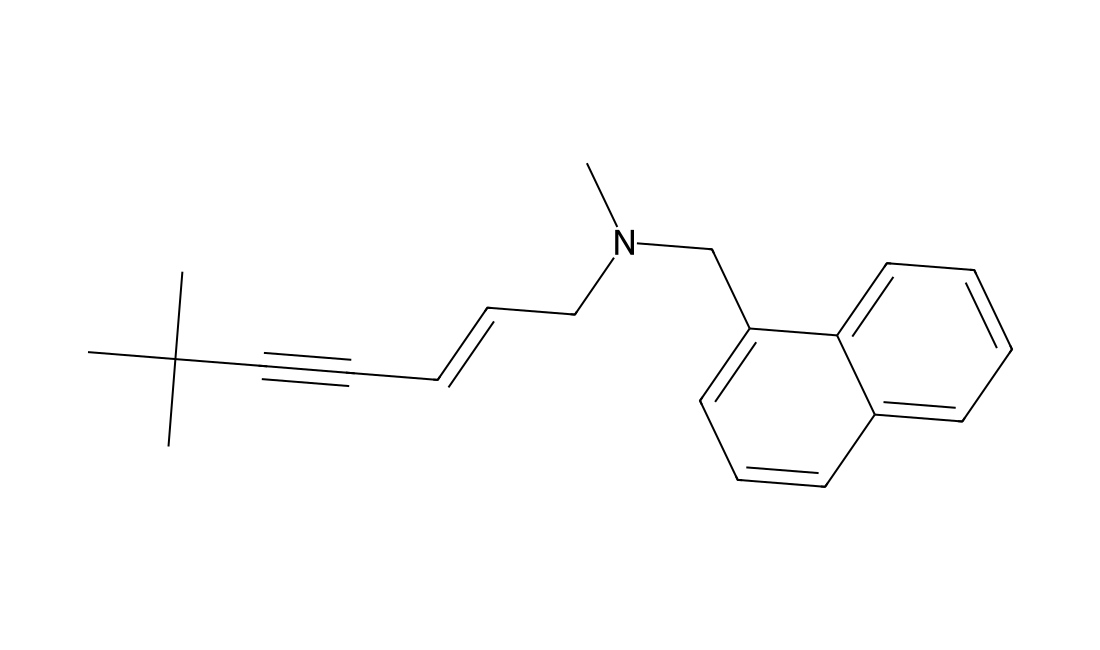
Terbinafine (Lamisil, Terbinex)Featured
For the detailed information of Terbinafine (Lamisil, Terbinex), the solubility of Terbinafine (Lamisil, Terbinex) in water, the solubility of Terbinafine (Lamisil, Terbinex) in DMSO, the solubility of Terbinafine (Lamisil, Terbinex) in PBS buffer, the animal experiment(test) (test) of Terbinafine (Lamisil, Terbinex), the cell expriment (test) of Terbinafine (Lamisil, Terbinex), the in vivo, in vitro and clinical trial test of Terbinafine (Lamisil, Terbinex), the EC50, IC50,and Affinity of Terbinafine (Lamisil, Terbinex),, please contact DC Chemicals.
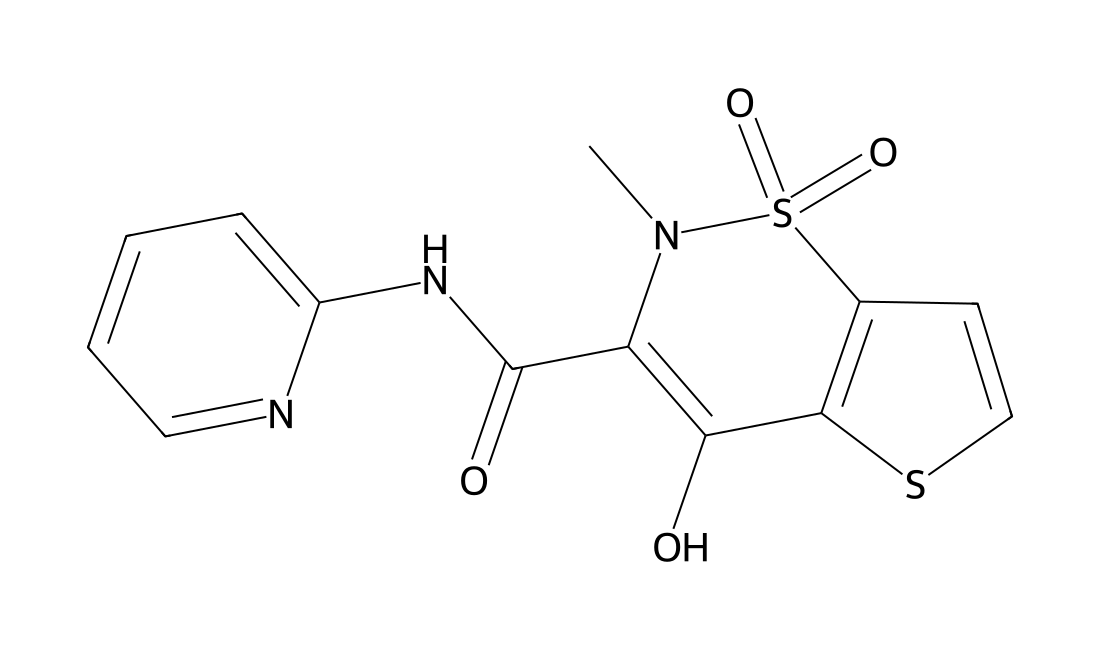
TenoxicamFeatured
Tenoxicam, an antiinflammatory agent with analgesic and antipyretic properties.Tenoxicam is a non-steroidal anti-inflammatory drug (NSAID). Tenoxicam-treated patients had significant decrease in nitrite levels (p = 0.036) and XO activity (p = 0.01), but their SOD, GSH-Px enzyme activities, and MDA levels were unchanged from baseline. Tenoxicam may have antioxidant effects, and it may reduce nitrite levels, indicating an alteration of NO pathways. Tenoxicam was administered intraperitoneally immediately after BCAO. Histological analyses show that ischemia produced significant striatal as well as hippocampal lesions which were reversed by the Tenoxicam treatment. Tenoxicam also significantly reduced, to control levels, the increased myeloperoxidase activity in hippocampus homogenates observed after ischemia.
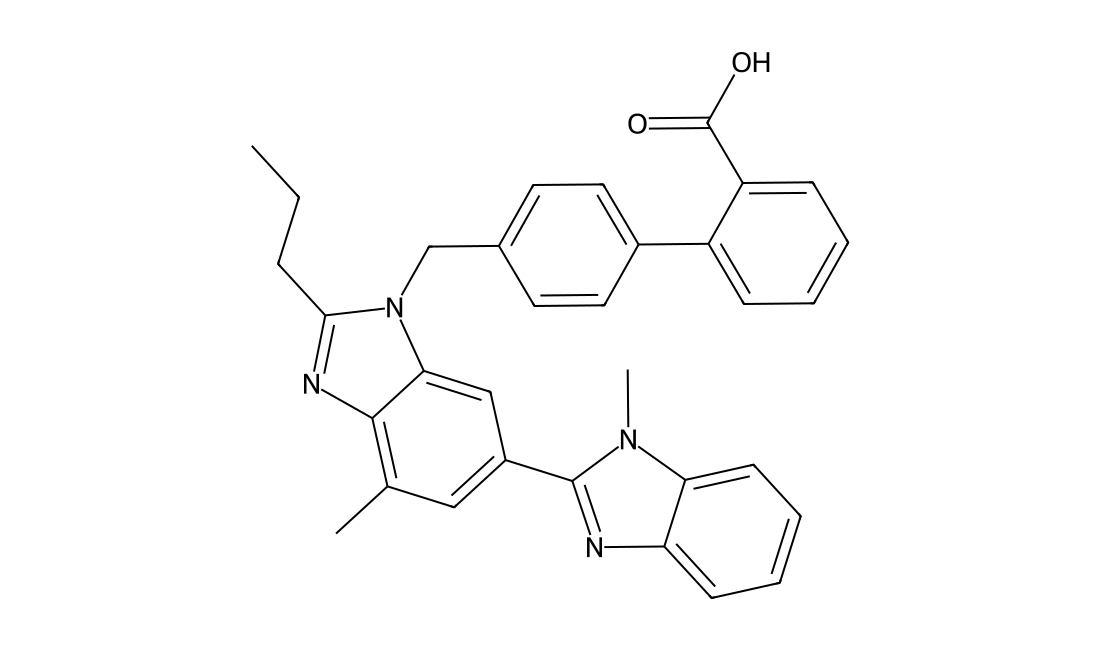
TelmisartanFeatured
For the detailed information of Telmisartan, the solubility of Telmisartan in water, the solubility of Telmisartan in DMSO, the solubility of Telmisartan in PBS buffer, the animal experiment(test) (test) of Telmisartan, the cell expriment (test) of Telmisartan, the in vivo, in vitro and clinical trial test of Telmisartan, the EC50, IC50,and Affinity of Telmisartan,, please contact DC Chemicals.
No products match this search.
Page 293 of 309 · Browse all 6177 products
Jump to a product page
Featured literature product: HX1 · DCL0028
HX1 is a hydroxyzine-derived ionizable lipid with acetal-containing tails, studied in lipid nanoparticles for brain mRNA delivery and CRISPR–Cas9 delivery. It was the lead in the reported in vivo brain-delivery screen; evidence is preclinical and formulation-dependent.
Read full formulation and performance →