
Research lipid catalog
Ionizable Lipid Products
Explore 848 lipid and RNA delivery products. Search the full catalog or browse by research category.
Search covers product name, catalog number, synonyms, available CAS numbers and categories. Spaces, hyphens and common punctuation are ignored. Duplicate legacy records are consolidated under one canonical product result.
6177 products · Showing 6141–6160 · 20 per page
DC Chemicals lipid expertise
Built for ionizable-lipid discovery and RNA delivery research
DC Chemicals supports formulation and delivery research with a broad, searchable portfolio of cationic and ionizable lipids. The current directory brings together 848 unique research-use products, with product specifications, pricing, chemical structures and literature-linked formulation data added as each record is verified.
Our experience spans complex lipid synthesis, purification, analytical release and process development. For custom molecules or larger-scale requirements, our team can discuss route development, technical specifications and scale-up options for the intended research workflow.
Learn about cationic and ionizable lipids →Proprietary innovation · Co-development · GMP
From proprietary lipid design to GMP-grade custom synthesis
DC Chemicals has independently developed ionizable-lipid structures supported by company-owned intellectual property, and selected proprietary lipid programs have advanced to GMP-stage development.
We welcome joint development with customers—from molecular design and lipid synthesis through route and process development. We can also support custom synthesis of GMP-grade ionizable lipids to agreed technical specifications and quality requirements.
Discuss a co-development project →Proprietary ionizable-lipid structuresCollaborative molecular designCustom lipid synthesisProcess development and scale-upGMP-grade project support
Product quick links
Explore New ionizable lipids
Explore our five most recently added ionizable lipids, with specifications, pricing and literature-linked product information.
DCL0028HX1Brain RNA delivery researchView product →DCL0024A1I4R13C18-2Spleen-targeted RNA delivery researchView product →DCL0023A1I4R2C18-2Spleen-targeted RNA delivery researchView product →DCL0022FS01Local joint RNA delivery researchView product →DCL0020Lipid-392Lung RNA delivery and gene editing researchView product →
Cat. No.Product NameField of ApplicationChemical Structure
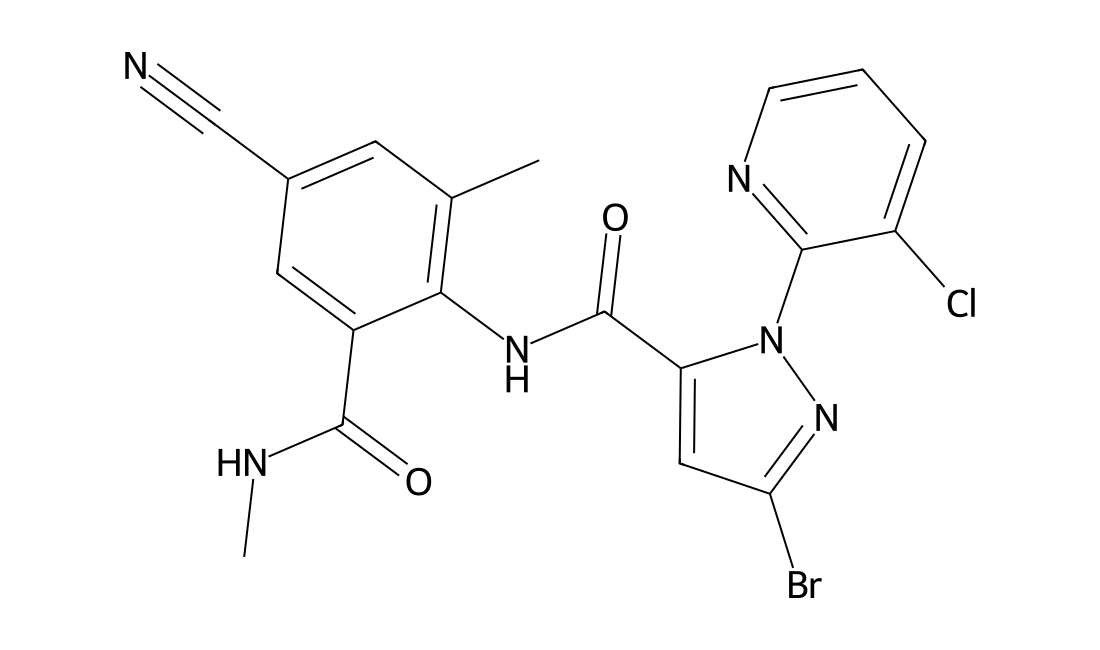
CyantraniliproleFeatured
Cyantraniliprole(HGW-86) is an insecticide of the ryanoid class; has activity against pests such as Diaphorina citri that have developed resistance to other classes insecticides.
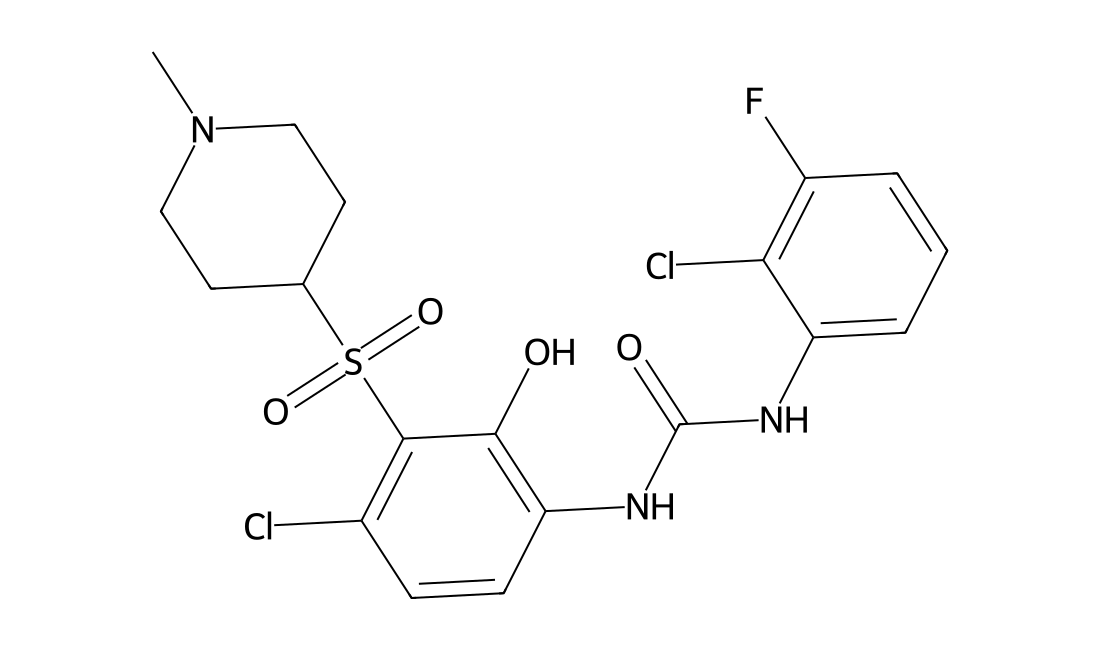
CXCR2-IN-1Featured
CXCR2 plays an important role in the activation and recruitment of neutrophils to sites of inflammation. CXCR2-IN-1 shows favorable central nervous system penetration property (Br/Bl>0.45).CXCR2-IN-1 shows efficacy in a cuprizone-induced demyelination model through oral administration, providing evidence to support CXCR2 to be a potential therapeutic target to treat demyelinating diseases such as multiple sclerosis.
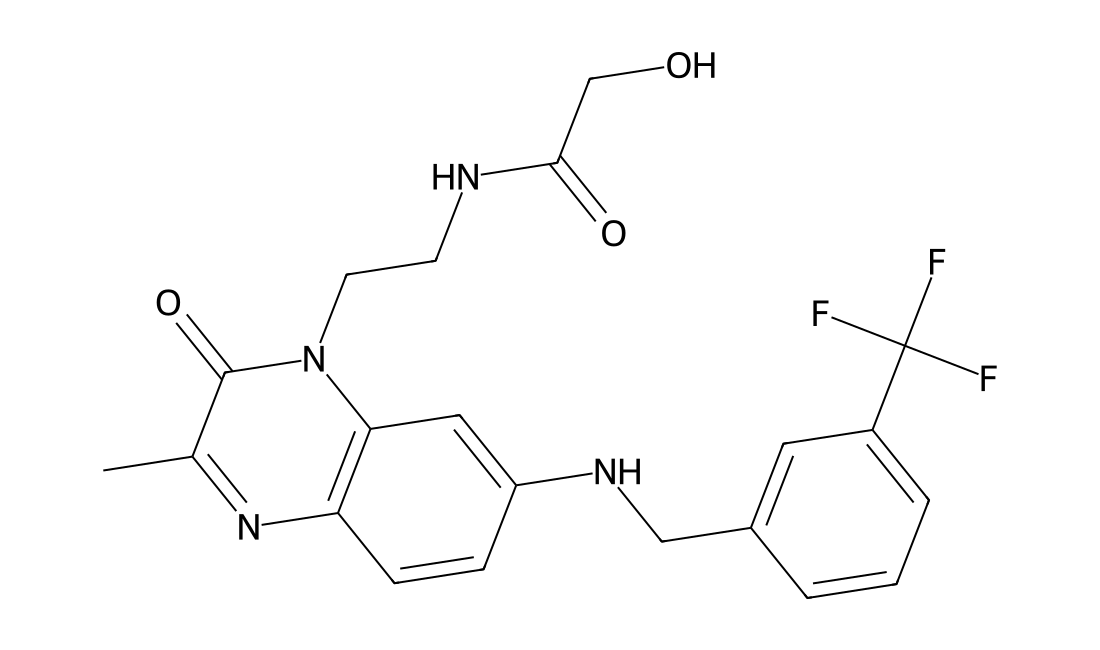
CVT-12012Featured
In Vitro CVT-12012 (Compound 5b) displays the highest potency in both the microsomal and the HEPG2 SCD assays (IC50 38 nM and 6.1 nM, respectively) compared to the other methyl-substituted compounds. In Vivo In a rat PK study, CVT-12012 demonstrates good oral bioavailability (78%). It appears that the oral absorption of CVT-12012 is not affected by a significant Pgp efflux, which is expected based on Caco-2 assay result. The plasma clearance of CVT-12012 is high (88 mL/min/kg) with elimination half-life of approximately 1 h.
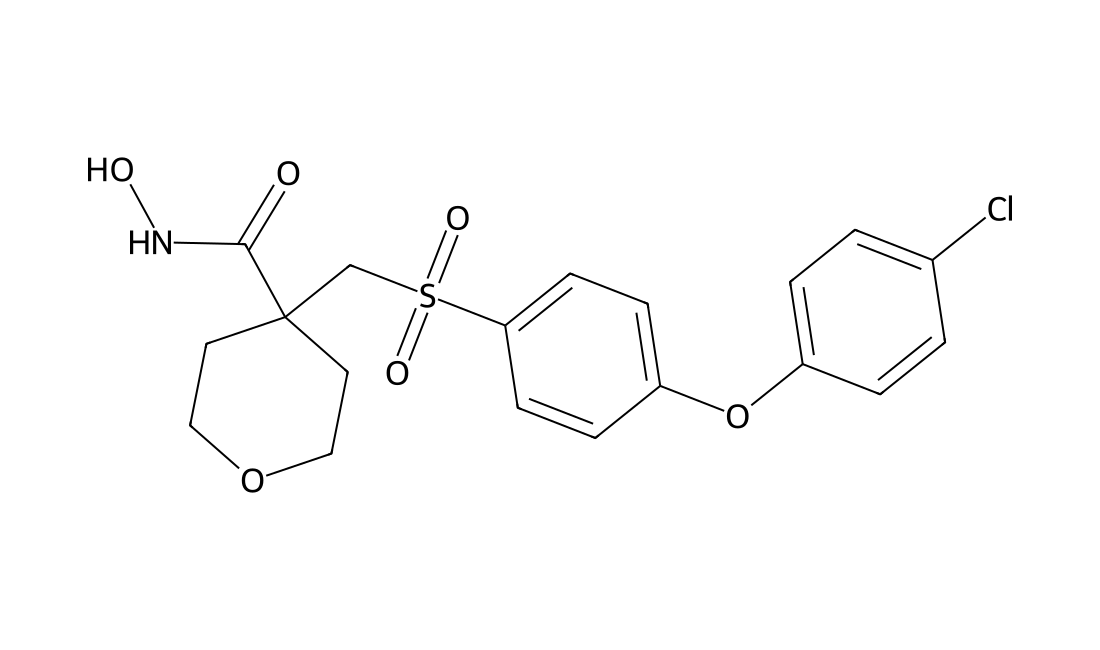
CTS-1027Featured
CTS-1027 is a potent small molecule inhibitor of MMPs(IC50=0.4 nM/0.6 nM for MMP2/MMP13); >1,000 fold selectivity over MMP1. CTS-1027 inhibits individual members of the MMP family that are believed to be important in inflammation and tissue damage. CTS-1027 was specifically designed, however, not to inhibit MMP 1, as inhibition of MMP 1 was believed to be associated with musculoskeletal side effects.
CrotamitonFeatured
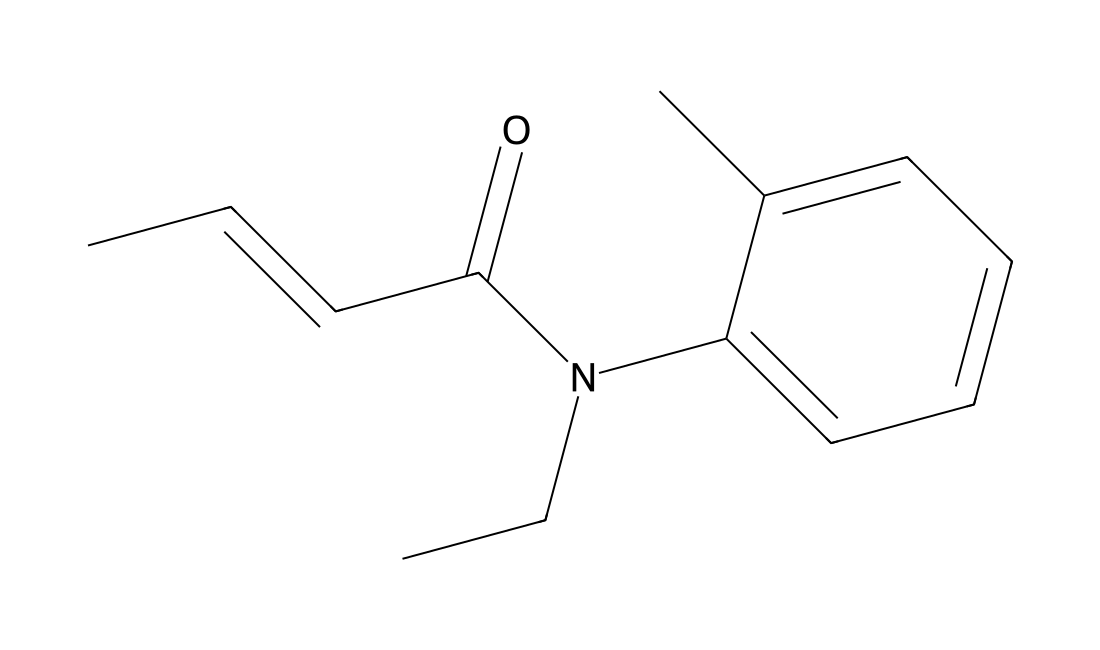
Crotamiton is a drug that is used both as a scabicidal (for treating scabies) and as a general antipruritic. It is a prescription lotion based medicine that is applied to the whole body to get rid of the scabies parasite.
Cot inhibitor-2Featured
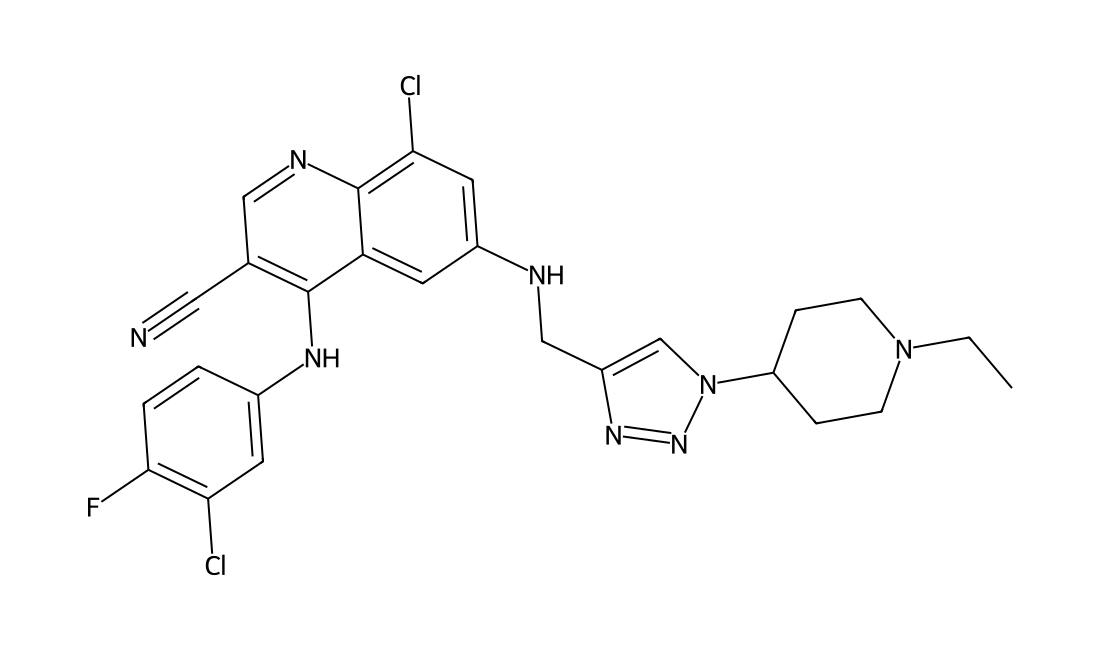
Cot inhibitor-2 is a COT/Tpl2 inhibitor.
Cot inhibitor-1Featured
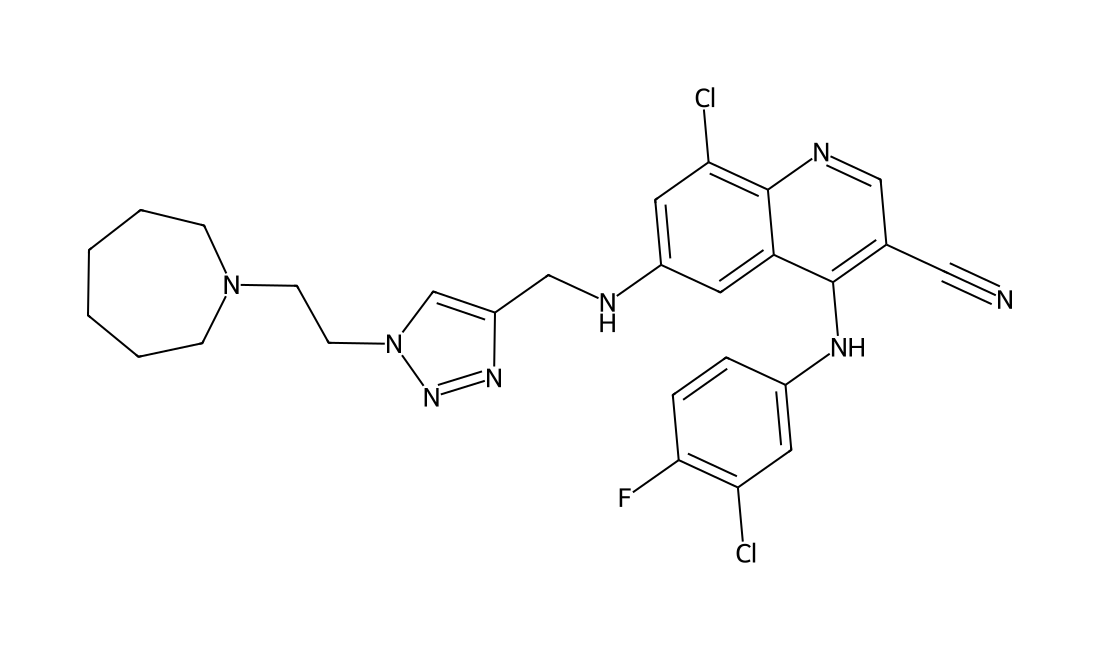
Cot inhibitor-1 is a COT/Tpl2 inhibitor.
COH29Featured
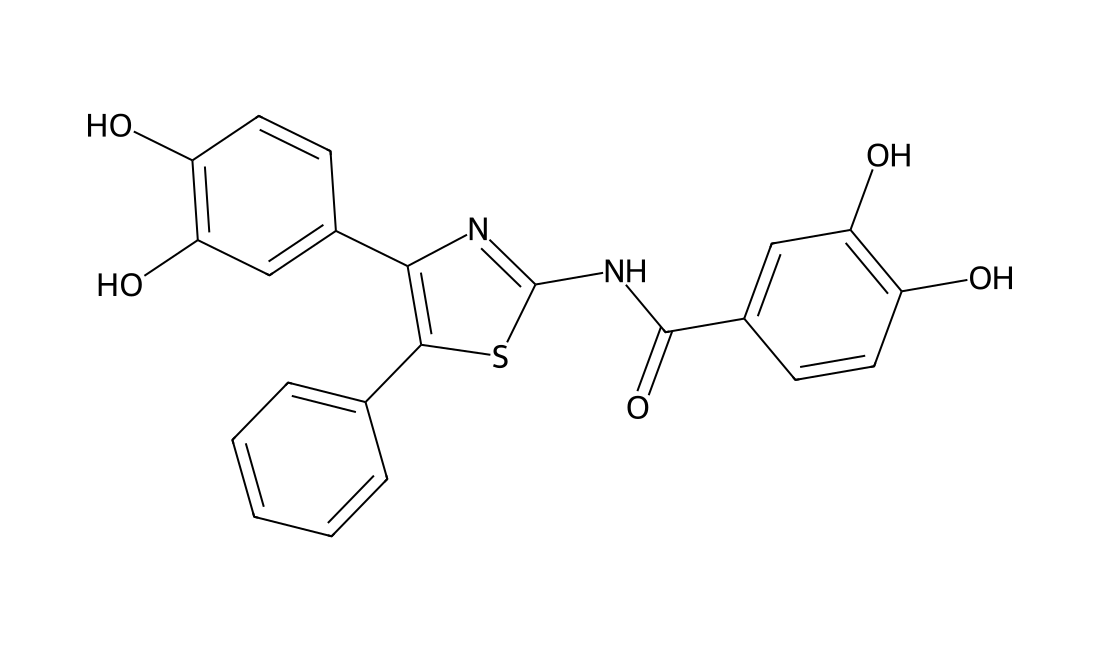
COH29 overcome hydroxyurea and gemcitabine resistance in cancer cells. It effectively inhibits proliferation of most cell lines in the NCI 60 human cancer panel, most notably ovarian cancer and leukemia, but exerts little effect on normal fibroblasts or endothelial cells. Site-directed mutagenesis, NMR and surface plasmon resonance biosensor studies confirm COH29 binding to the proposed ligand-binding pocket and offer evidence for assembly blockade of the RRM1-RRM2 quaternary structure.COH29 results in a dose-dependent inhibition of MOLT-4 tumor xenograft growth with twice-daily oral dosing at 50 mg/kg and 100 mg/kg, which is pronounced by Day 12 of treatment. Similarly, 7 days of treatment of mice bearing TOV11D xenografts with 200, 300, or 400 mg/kg/day COH29 results in a dose-dependent inhibition of tumor xenograft growth. Tumor growth is significantly inhibited compared with the control group.
CNX-1351Featured
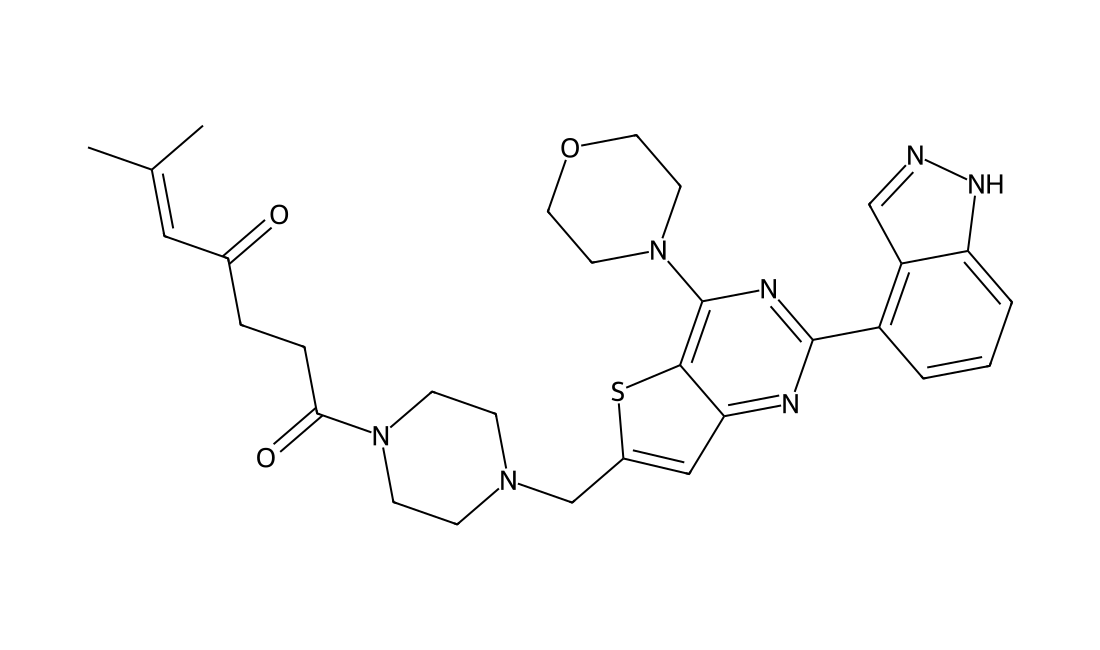
CNX-1351 is a selective covalent Inhibitor of PI3Kα. CNX-1351 was tested against all four of the class I PI3K enzymes α, β, γ, and δ. In an end point assay, CNX-1351 potently inhibited PI3Kα and was 20−400 times less potent against β, γ, and δ. CNX-1351 inhibit PI3Kα signaling in cells and shows prolonged inhibition consistent with a covalent mechanism of Action. CNX-1351 inhibits growth of cells dependent on PI3Kα. CNX-1351 also inhibits PI3Kα signaling in vivo and bonds to p110α.For the detailed information of CNX-1351, the solubility of CNX-1351 in water, the solubility of CNX-1351 in DMSO, the solubility of CNX-1351 in PBS buffer, the animal experiment (test) of CNX-1351, the cell expriment (test) of CNX-1351, the in vivo, in vitro and clinical trial test of CNX-1351, the EC50, IC50,and Affinity of CNX-1351, Please contact DC Chemicals.
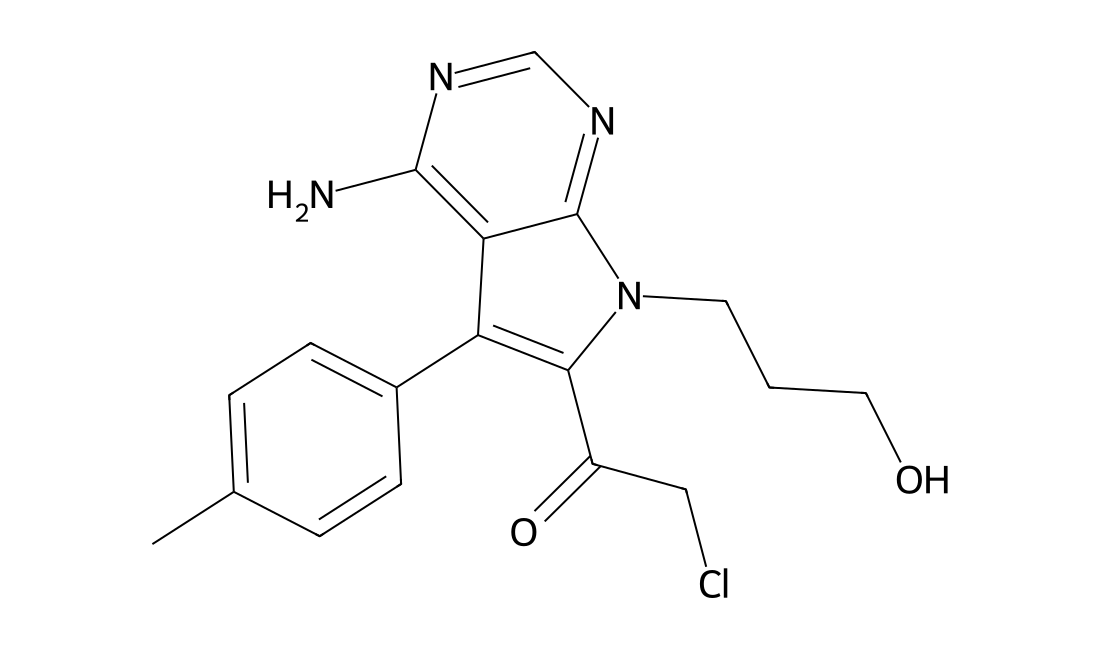
CMKFeatured
CMK is a RSK2 kinase inhibitor.
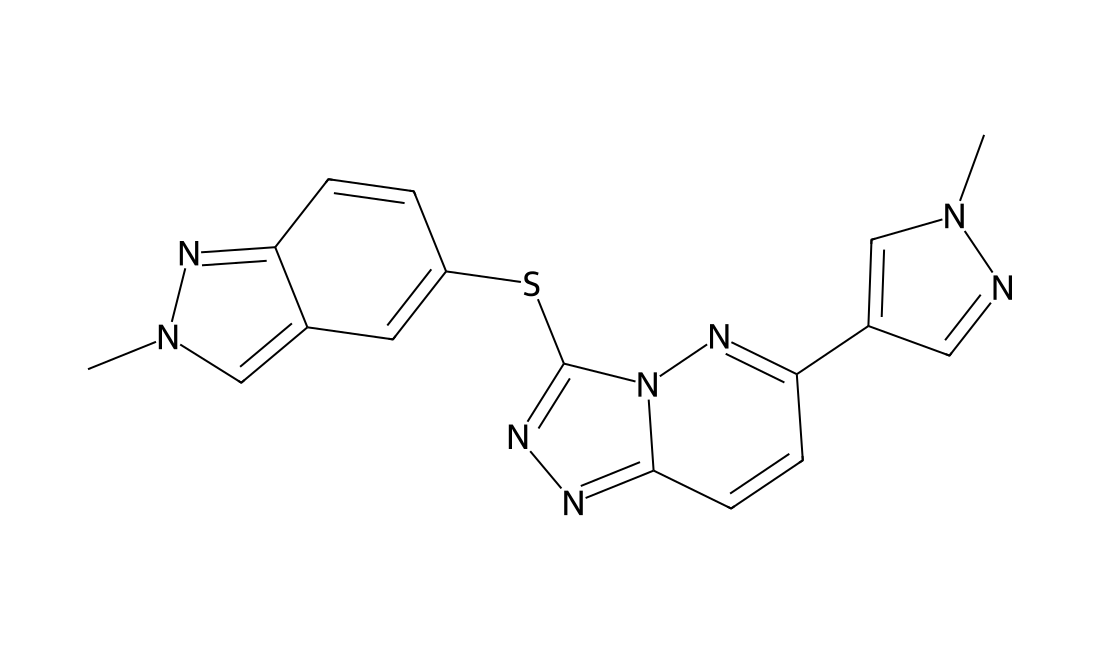
c-Met inhibitor 1Featured
c-Met inhibitor 1 is an inhibitor of the c-Met receptor signaling pathway useful For the treatment of cancer including gastric, glioblastoma, and pancreatic cancer. More details , please refer to Patent WO 2012015677 A1For the detailed information of c-Met inhibitor 1, the solubility of c-Met inhibitor 1 in water, the solubility of c-Met inhibitor 1 in DMSO, the solubility of c-Met inhibitor 1 in PBS buffer, the animal experiment (test) of c-Met inhibitor 1, the cell expriment (test) of c-Met inhibitor 1, the in vivo, in vitro and clinical trial test of c-Met inhibitor 1, the EC50, IC50,and Affinity of c-Met inhibitor 1, Please contact DC Chemicals.
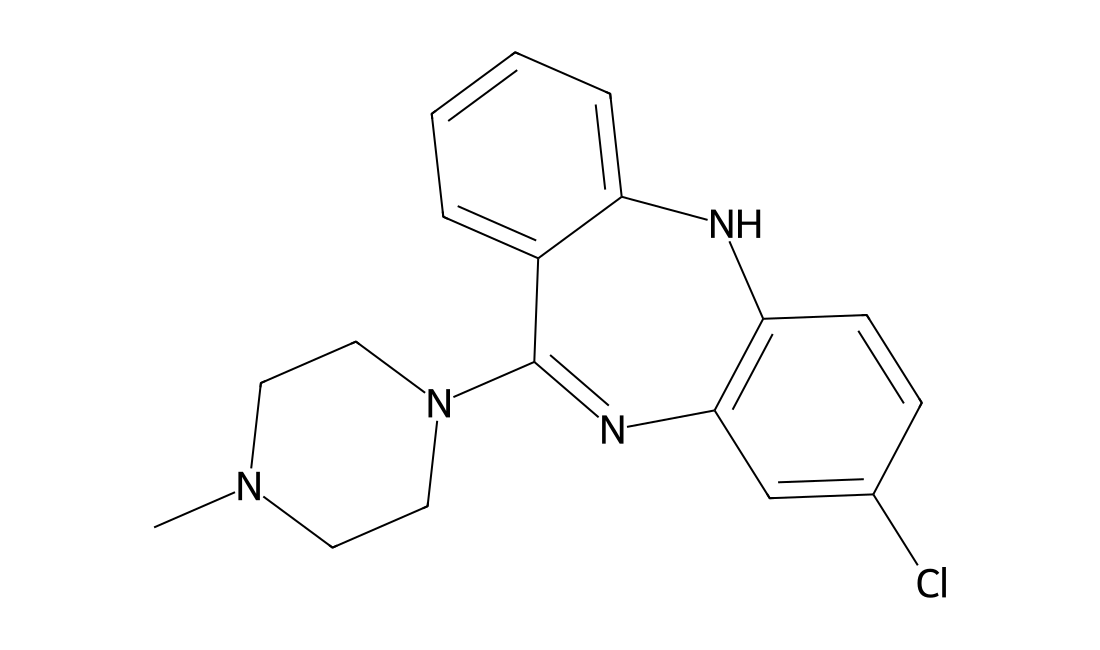
ClozapineFeatured
Clozapine(HF 1854) is a 5-HT2A/2C and dopamine receptor blocker with Ki values of 21, 170, 170, 230 and 330 nM for D4, D3, D1, D2 and D5 receptors respectively.Clozapine is atypical antipsychotic drug, with a much lower tendency to cause extrapyramidal side effects than conventional neuroleptics. Clozapine displays a broad range of pharmacological actions; the antipsychotic effects are thought to be mediated principally by 5-HT2A/2C and dopamine receptor blockade (Ki values are 21, 170, 170, 230 and 330 nM for D4, D3, D1, D2 and D5 receptors respectively).
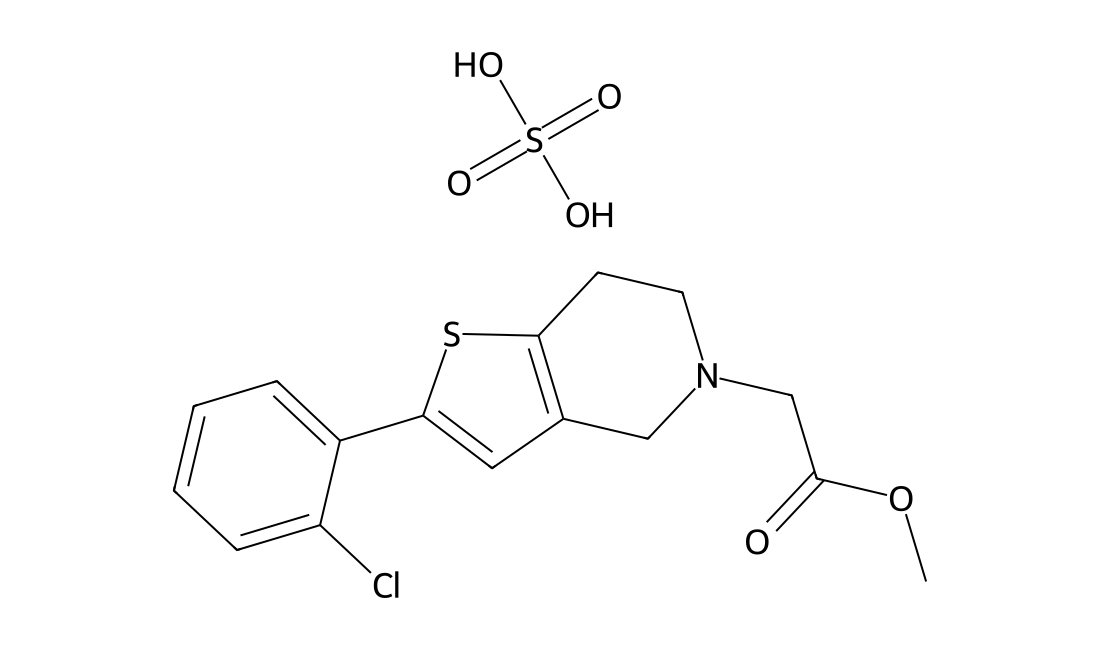
Clopidogrel hydrogensulfateFeatured
For the detailed information about the solubility of Clopidogrel hydrogen sulfate in water, the solubility of Clopidogrel hydrogen sulfate in DMSO, the solubility of Clopidogrel hydrogen sulfate in PBS buffer, the animal experiment(test) of Clopidogrel hydrogen sulfate,the in vivo,in vitro and clinical trial test of Clopidogrel hydrogen sulfate,the cell experiment(test) of Clopidogrel hydrogen sulfate,the IC50, EC50 and Affinity of Clopidogrel hydrogen sulfate, please contact DC Chemicals.
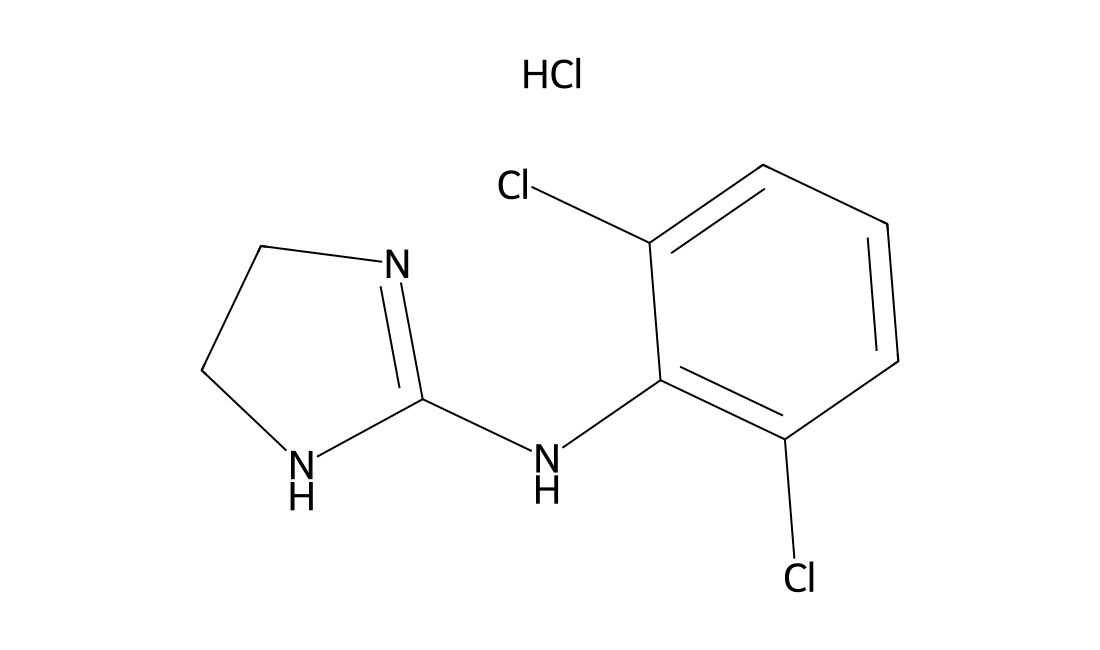
Clonidine hydrochlorideFeatured
Clonidine Hydrochloride is a centrally acting alpha-agonist hypotensive agent.Clonidine, an imidazoline-derivative hypotensive agent is a centrally-acting α2-adrenergic agonist. Clonidine treats high blood pressure by stimulating α2-receptors in the brain, which decreases peripheral vascular resistance, lowering blood pressure. It has specificity towards the presynaptic α2-receptors in the vasomotor center in the brainstem. This binding decreases presynaptic calcium levels, thus inhibiting the release of norepinephrine (NE). The net effect is a decrease in sympathetic tone. Clonidine has also been proposed that the antihypertensive effect of clonidine is due to agonism on the I1-receptor (imidazoline receptor), which mediates the sympatho-inhibitory actions of imidazolines to lower blood pressure. Its mechanism of action in the treatment of ADHD is to increase noradrenergic tone in the prefrontal cortex (PFC) directly by binding to postsynaptic α2A adrenergic receptors and indirectly by increasing norepinephrine input from the locus coeruleus.
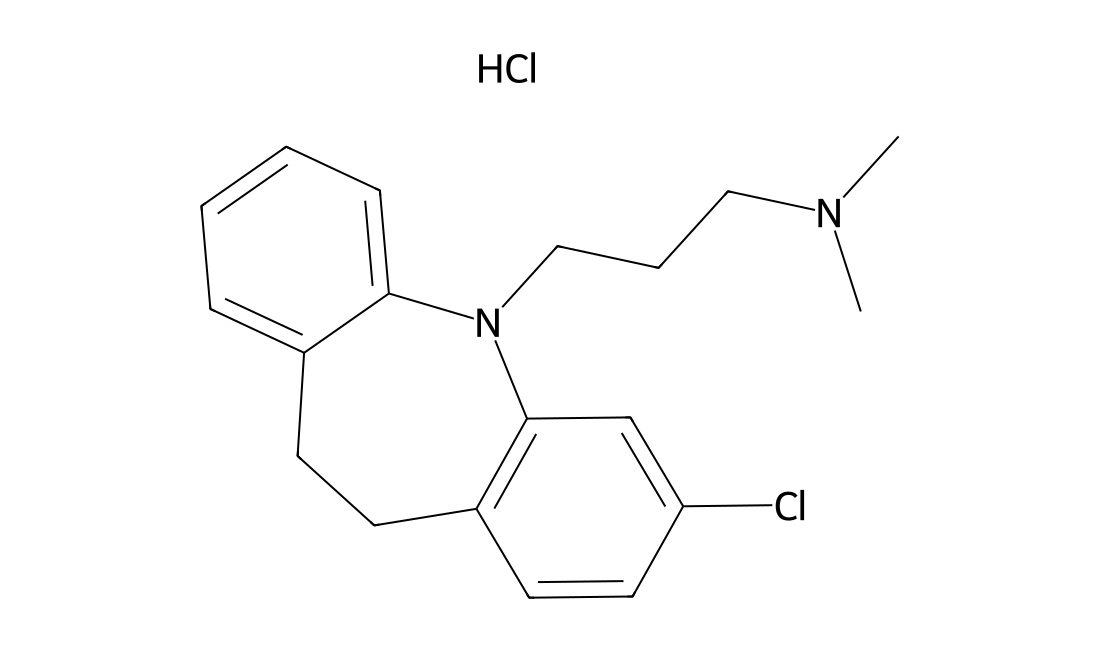
Clomipramine HCLFeatured
Clomipramine HCl is a serotonin transporter (SERT), norepinephrine transporter (NET) dopamine transporter (DAT) blocker with Ki of 0.14, 54 and 3 nM, respectively.Clomipramine hydrochloride (Anafranil) is a hydrochloride salt of clomipramine which is a serotonin transporter (SERT), norepinephrine transporter (NET) dopamine transporter (DAT) blocker with Ki of 0.14, 54 and 3 nM, respectively. Clomipramine hydrochloride (Anafranil) is a tricyclic antidepressant. Clomipramine hydrochloride (Anafranil) is a norepinephrine-reuptake inhibitor and is an antiobsessional drug. Clomipramine hydrochloride (Anafranil) is an antagonist/inverse agonist at the following receptors: D2 receptor (Ki = 162 nM), D3 receptor (Ki = 30 nM), α1-adrenergic receptor (Ki = 3.2 nM), α2-adrenergic receptor (Ki = 525 nM), H1 receptor (Ki = 31 nM), mACh receptors (Ki = 37 nM), 5-HT2A receptor (Ki = 36 nM), 5-HT2C receptor (Ki = 65 nM), 5-HT3 receptor (Ki = 85 nM), 5-HT6 receptor (Ki = 54 nM), 5-HT7 receptor (Ki = 127 nM), D1 receptor (Ki = 219 nM).
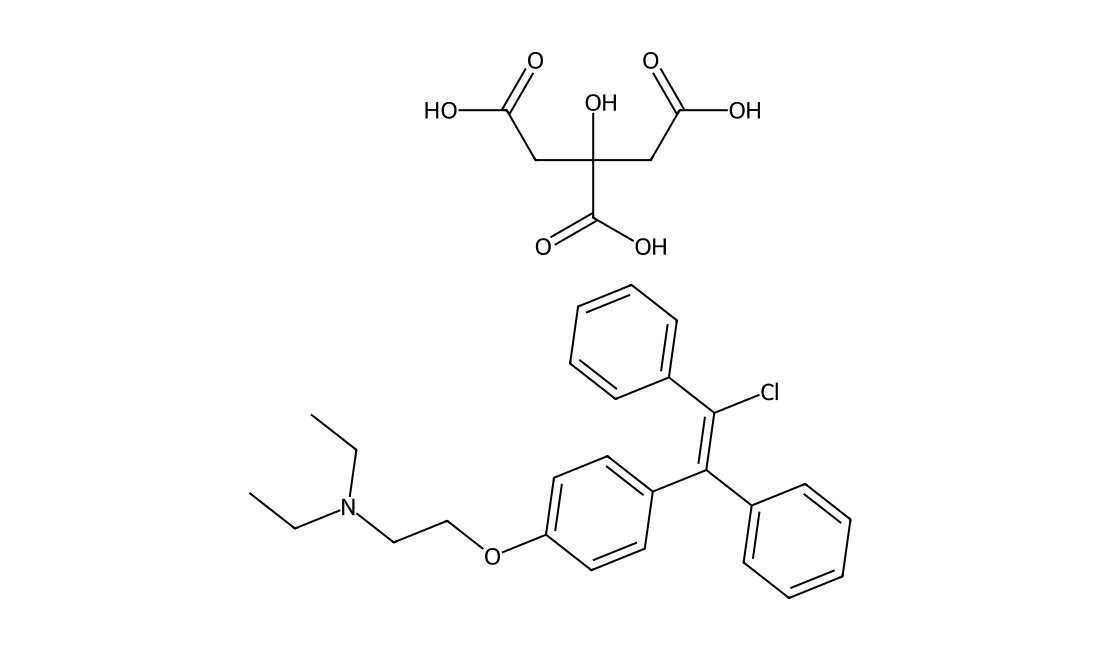
Clomiphene citrateFeatured
Clomifene Citrate is a selective estrogen receptor modulator.Clomifene Citrate(CC) acted as an estrogen antagonist regardless of the concentration of E2 added together. In conclusion, CC acts as an estrogen agonist/antagonist via ER alpha in a coexisting estrogen concentration-dependent way whereas it acts as an estrogen antagonist via ER beta whether or not estrogen is present. Clomiphene was effective in increasing pregnancy rate compared to placebo (OR 5.8, 95% CI 1.6 to 21.5) as was clomiphene plus dexamethasone treatment (OR 9.46, 95% CI 5.1 to 17.7) compared to clomiphene alone. A significant improvement in the pregnancy rate was reported for clomiphene plus combined oral contraceptives versus clomiphene alone. No evidence of a difference in effect on pregnancy rate was found with any of the other comparisons.
ClofentezineFeatured
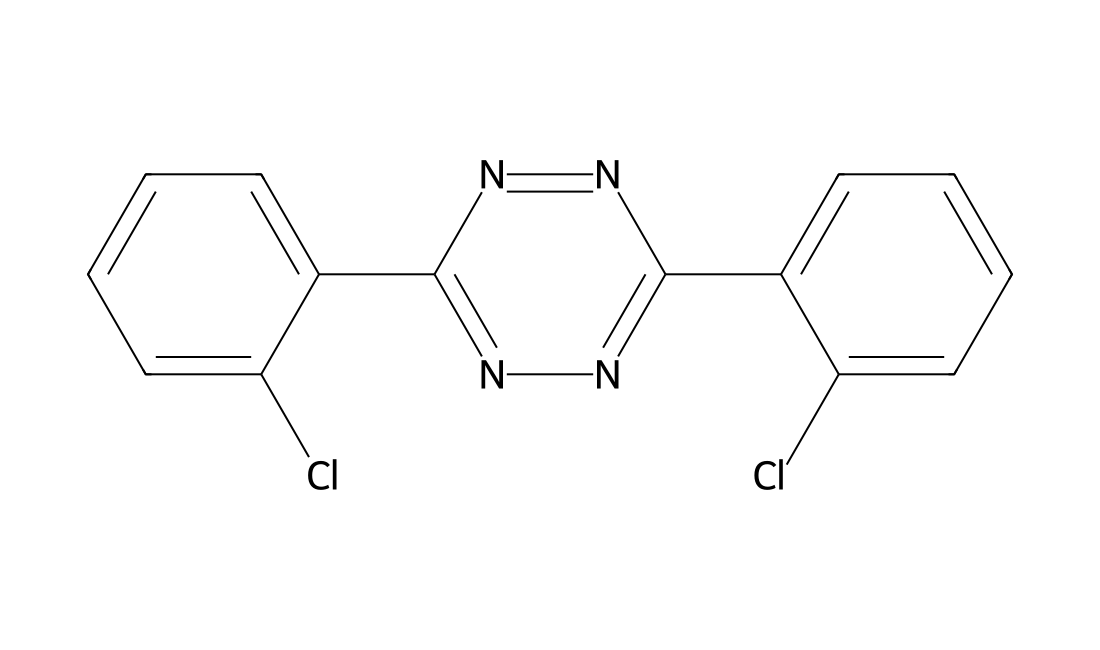
Clofentezine, a growth inhibitor, has sublethal effects on life-table parameters of Tetranychus urticae Koch females.
ClofazimineFeatured
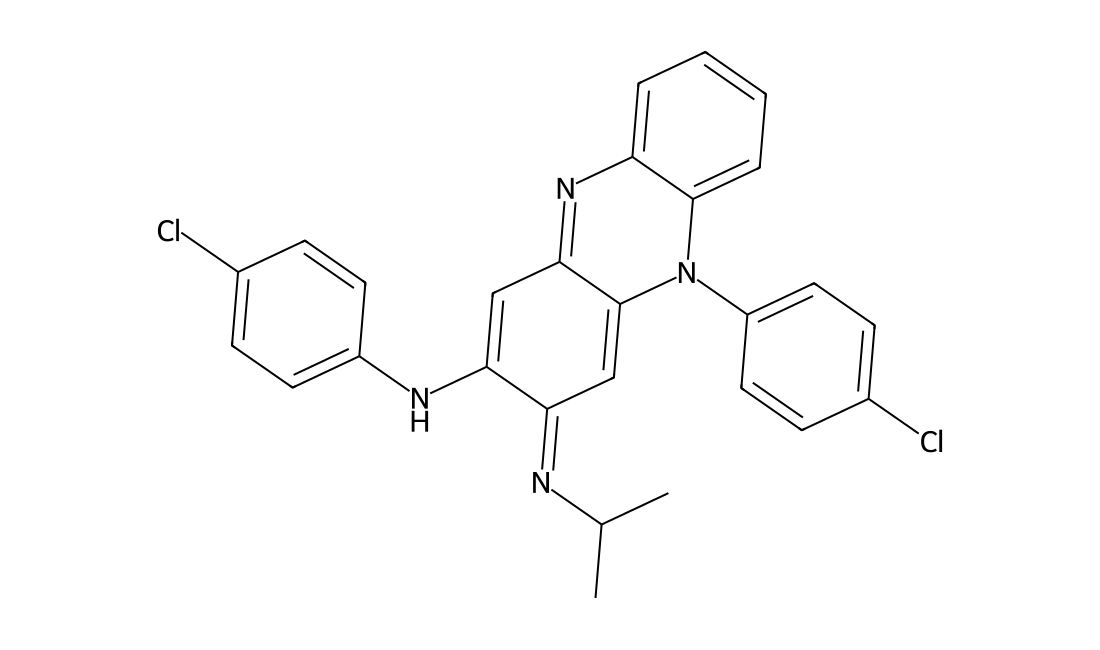
Clofazimine is a fat-soluble iminophenazine dye, has a marked anti-inflammatory effect, has been used in combination with other antimycobacterial drugs to treat AIDS and Crohn's disease.
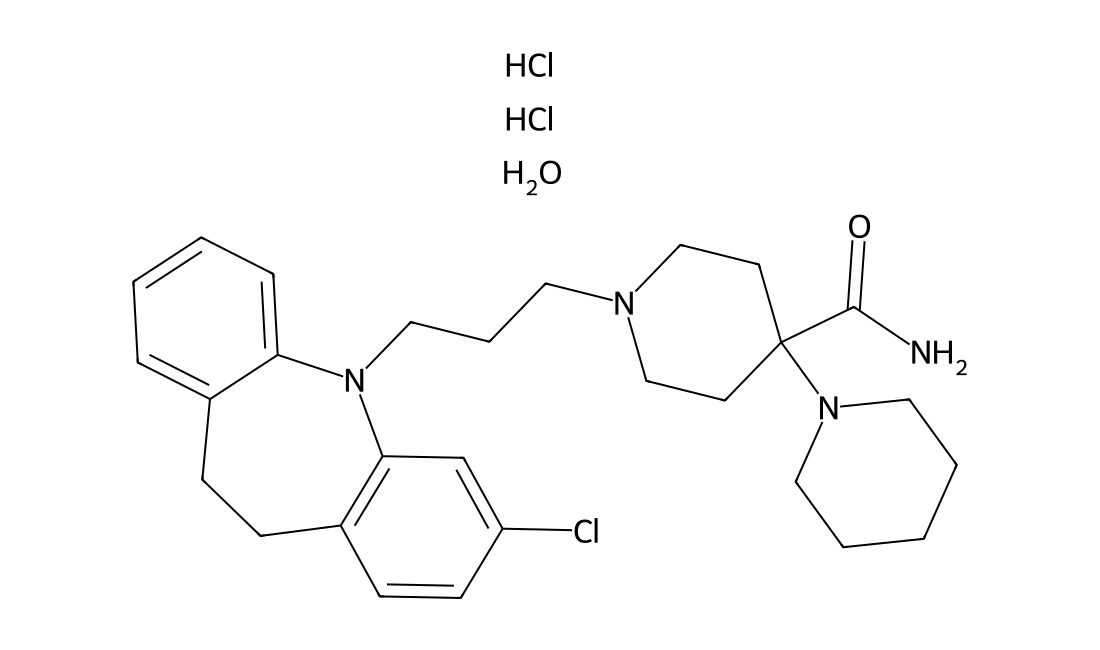
In Vivo Clocapramine shows the lowest potency for D2-occupancy in vivo. An in vivo receptor binding technique is used to evaluate the binding profiles of typical and atypical antipsychotic drugs to striatal dopamine-D2 and frontal serotonin-5-HT2 receptors in a rat brain using more specific ligands. Clocapramine produces ratios of potency in occupying 5-HT2 versus D2 receptors that fall between these two groups (ED50 of 14.5 mg/kg for D2, 4.9 mg/kg for 5-HT2).
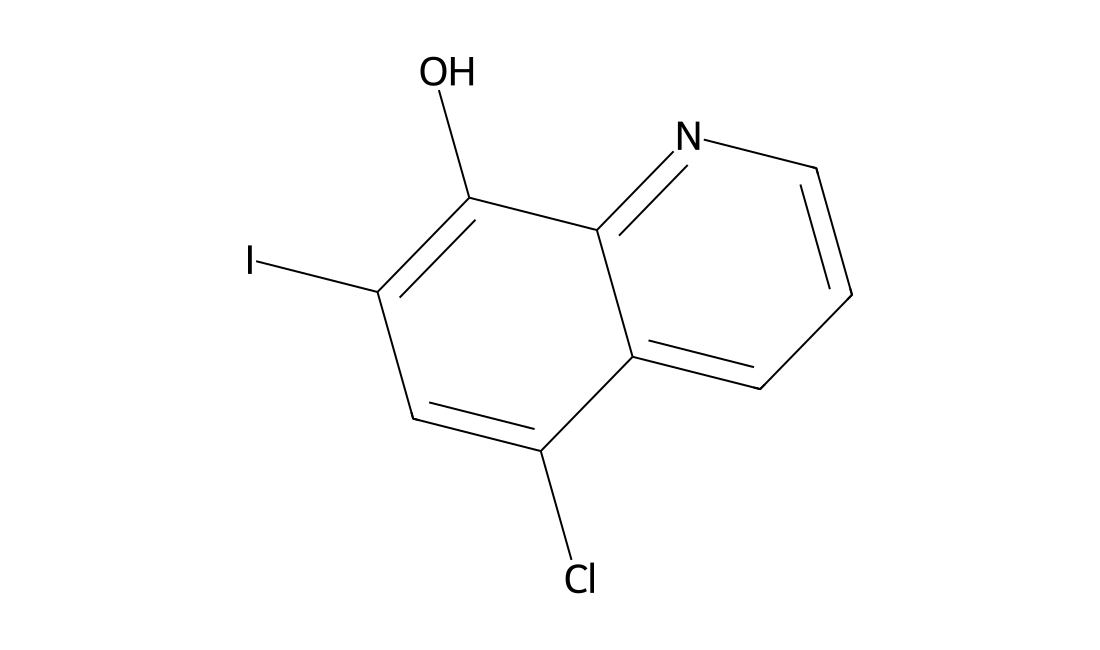
Clioquinol is an orally bioavailable, lipophilic, copper-binding, halogenated 8-hydroxyquinoline with antifungal, antiparasitic and potential antitumor activities.
No products match this search.
Page 308 of 309 · Browse all 6177 products
Jump to a product page
Featured literature product: HX1 · DCL0028
HX1 is a hydroxyzine-derived ionizable lipid with acetal-containing tails, studied in lipid nanoparticles for brain mRNA delivery and CRISPR–Cas9 delivery. It was the lead in the reported in vivo brain-delivery screen; evidence is preclinical and formulation-dependent.
Read full formulation and performance →