
Research lipid catalog
Ionizable Lipid Products
Explore 848 lipid and RNA delivery products. Search the full catalog or browse by research category.
Search covers product name, catalog number, synonyms, available CAS numbers and categories. Spaces, hyphens and common punctuation are ignored. Duplicate legacy records are consolidated under one canonical product result.
6177 products · Showing 5701–5720 · 20 per page
DC Chemicals lipid expertise
Built for ionizable-lipid discovery and RNA delivery research
DC Chemicals supports formulation and delivery research with a broad, searchable portfolio of cationic and ionizable lipids. The current directory brings together 848 unique research-use products, with product specifications, pricing, chemical structures and literature-linked formulation data added as each record is verified.
Our experience spans complex lipid synthesis, purification, analytical release and process development. For custom molecules or larger-scale requirements, our team can discuss route development, technical specifications and scale-up options for the intended research workflow.
Learn about cationic and ionizable lipids →Proprietary innovation · Co-development · GMP
From proprietary lipid design to GMP-grade custom synthesis
DC Chemicals has independently developed ionizable-lipid structures supported by company-owned intellectual property, and selected proprietary lipid programs have advanced to GMP-stage development.
We welcome joint development with customers—from molecular design and lipid synthesis through route and process development. We can also support custom synthesis of GMP-grade ionizable lipids to agreed technical specifications and quality requirements.
Discuss a co-development project →Proprietary ionizable-lipid structuresCollaborative molecular designCustom lipid synthesisProcess development and scale-upGMP-grade project support
Product quick links
Explore New ionizable lipids
Explore our five most recently added ionizable lipids, with specifications, pricing and literature-linked product information.
DCL0028HX1Brain RNA delivery researchView product →DCL0024A1I4R13C18-2Spleen-targeted RNA delivery researchView product →DCL0023A1I4R2C18-2Spleen-targeted RNA delivery researchView product →DCL0022FS01Local joint RNA delivery researchView product →DCL0020Lipid-392Lung RNA delivery and gene editing researchView product →
Cat. No.Product NameField of ApplicationChemical Structure
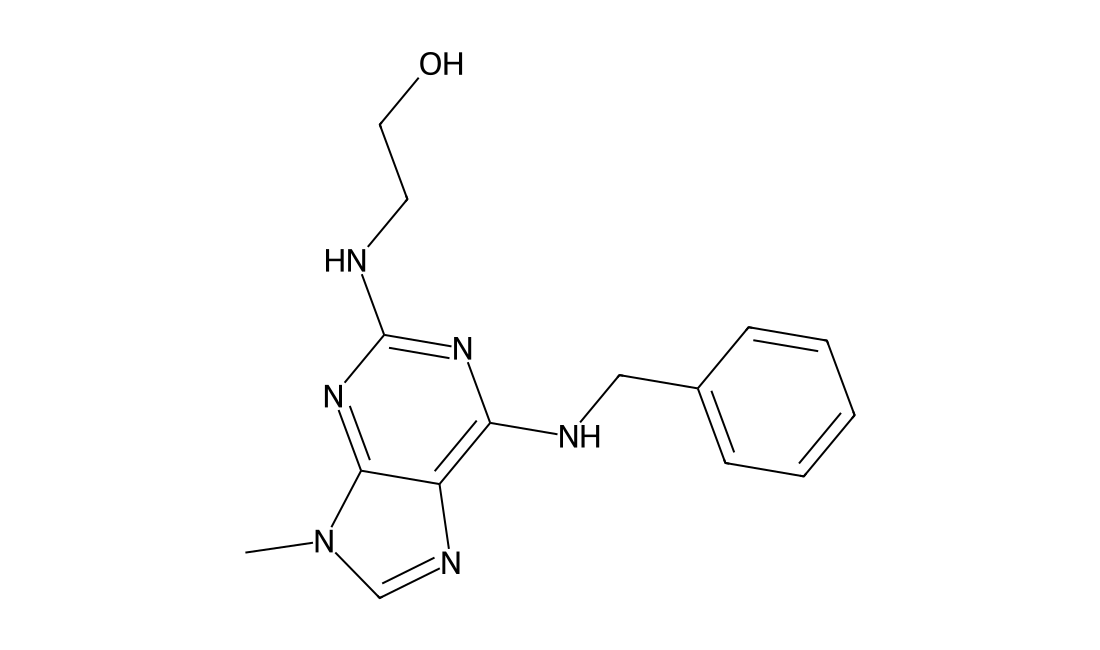
OlomoucineFeatured
Olomoucine is an ATP competitive inhibitor of CDKs. Olomoucine is a purine (HY-34431) derivative and inhibits CDC2/cyclin B, Cdk2/cyclin A, Cdk2/cyclin E (both IC50=7 µM), CDK/p35 kinase (IC50=3 µM) and ERK1/p44 MAP kinase (IC50=25 µM)[1][2].
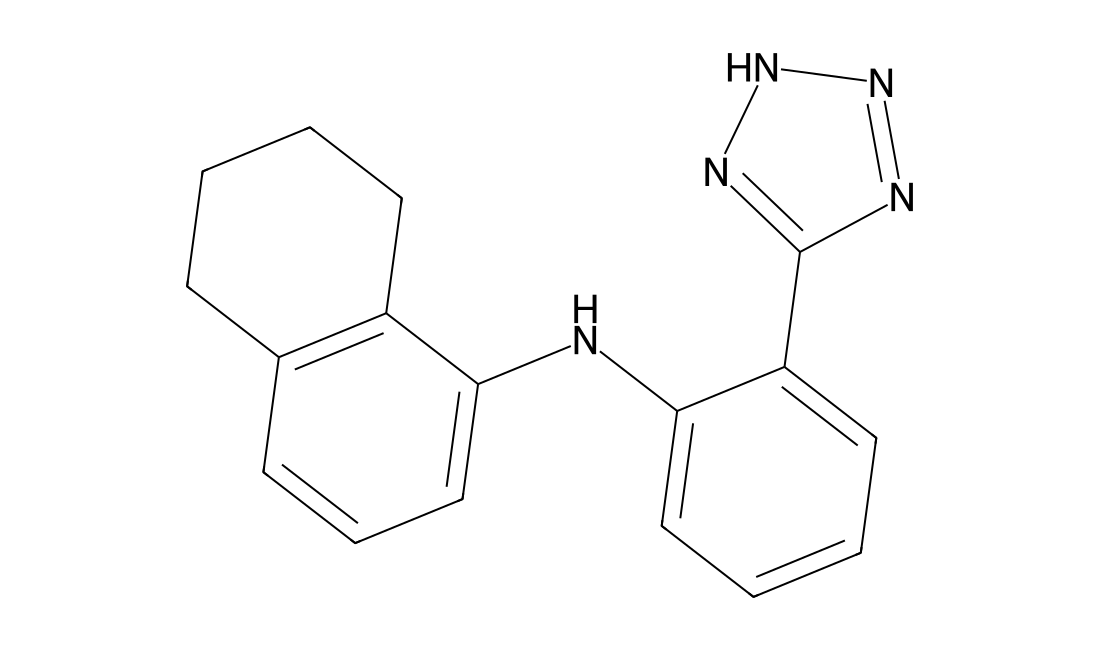
BL-1249Featured
BL-1249 is a nonsteroidal anti-inflammatory drug (NSAID) and a potassium channel activator. BL-1249 potently activates K2P2.1 (TREK-1) and K2P10.1 (TREK-2) with EC50 values of 5.5 μM and 8.0 μM, respectively. BL-1249 extracellular application activates all TREK subfamily members but has no effect on other K2P subfamilies. BL-1249 exhibits more selective for the bladder (EC50 of 1.26 μM) than vascular tissue (EC50 of 21.0 μM)[1][2].
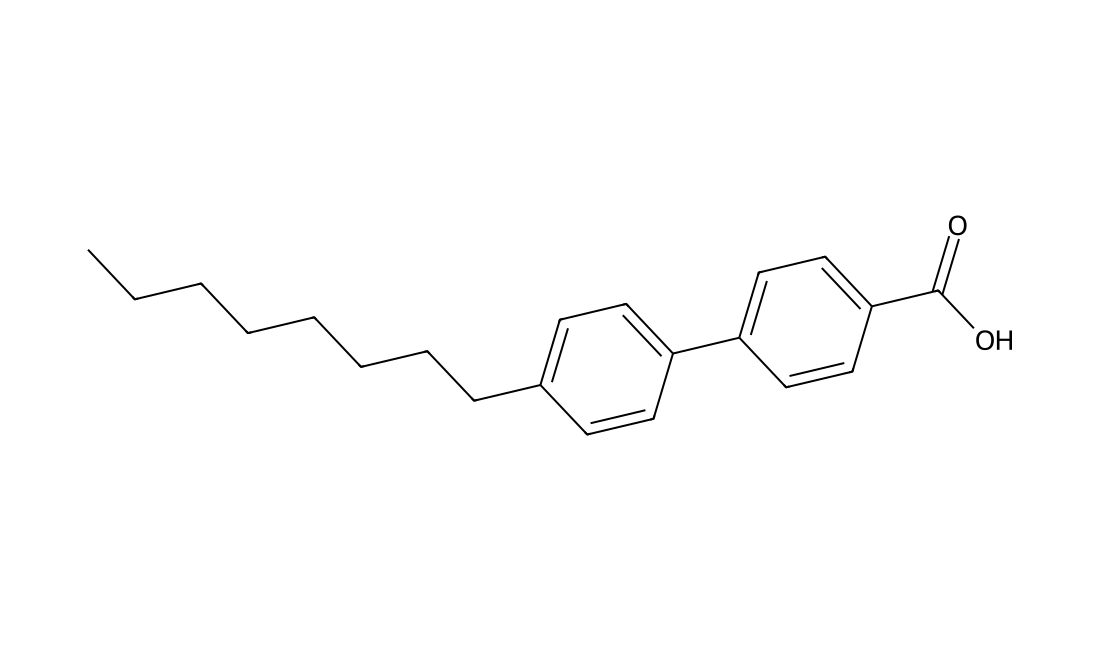
AC-55649Featured
AC-55649 is a potent, highly isoform-selective agonist of human RARβ2 receptor, with a pEC50 of 6.9.
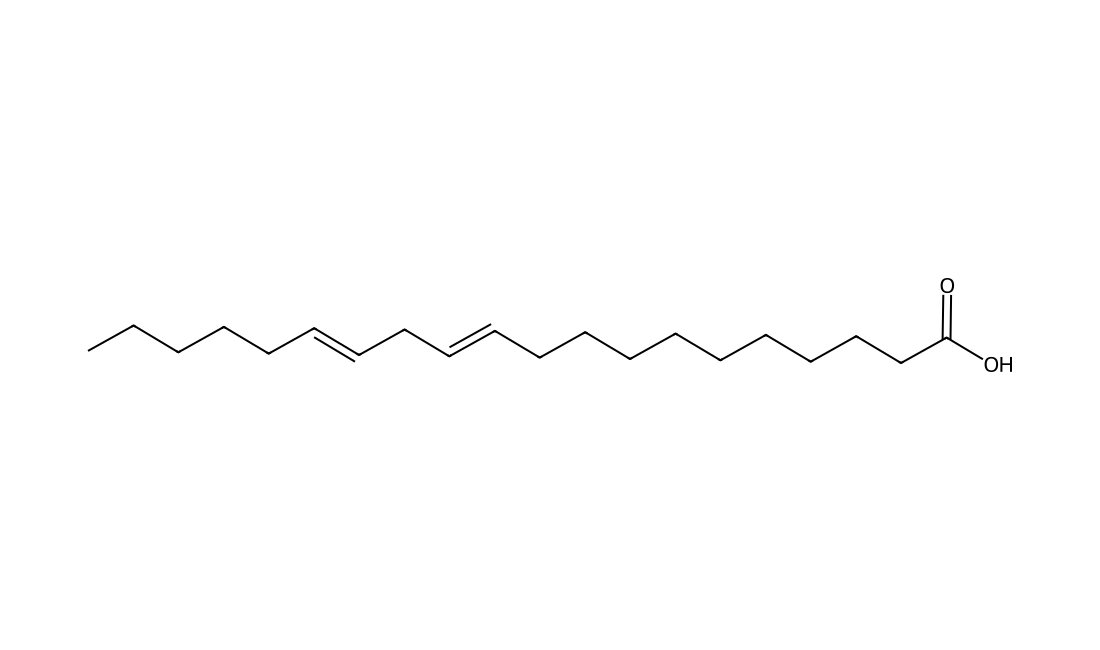
Eicosadienoic acidFeatured
Eicosadienoic acid is a rare, naturally occurring n-6 polyunsaturated fatty acid found mainly in animal tissues.
SPD304Featured
SPD304 is a selective inhibitor of tumor necrosis factor α (TNFα) and promotes dissociation of TNF trimers and therefore blocks the interaction of TNF and its receptor, with an IC50 of 22 µM for inhibiting in vitro TNF receptor 1 (TNFR1) binding to TNF-α[1][2]. SPD304 cannot be used in vivo due to its high toxicity[3].
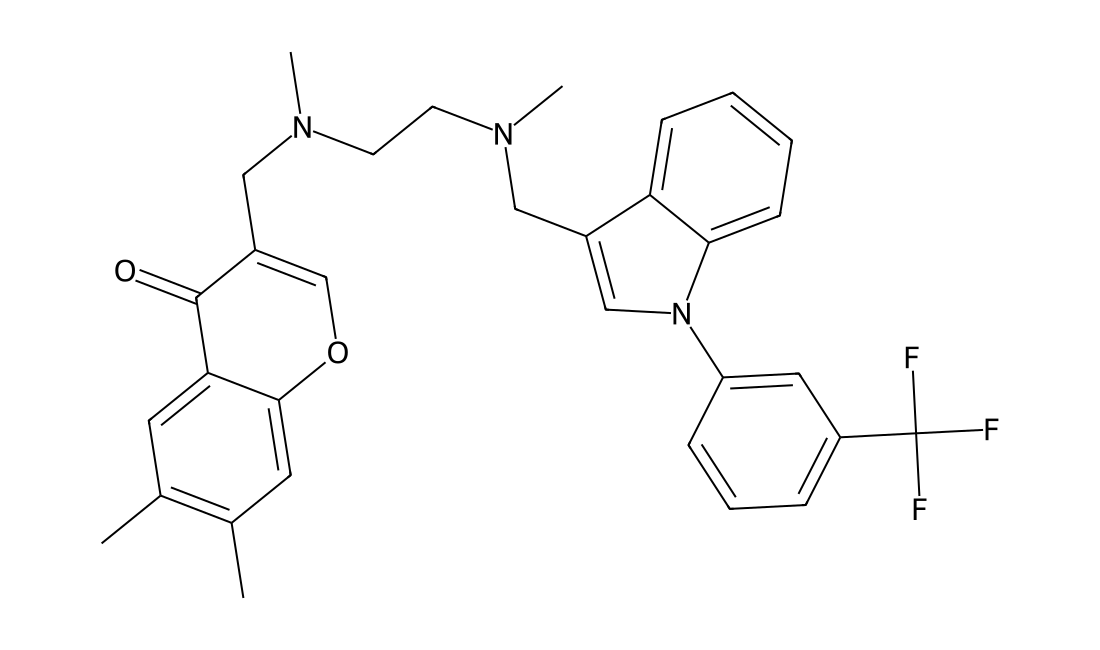
L-165041Featured
L-165041 is a cell permeable PPARδ agonist, with Kis of 6 nM and appr 730 nM for PPARδ and PPARγ, respectively, and induces adipocyte differentiation in NIH-PPARδ cells.
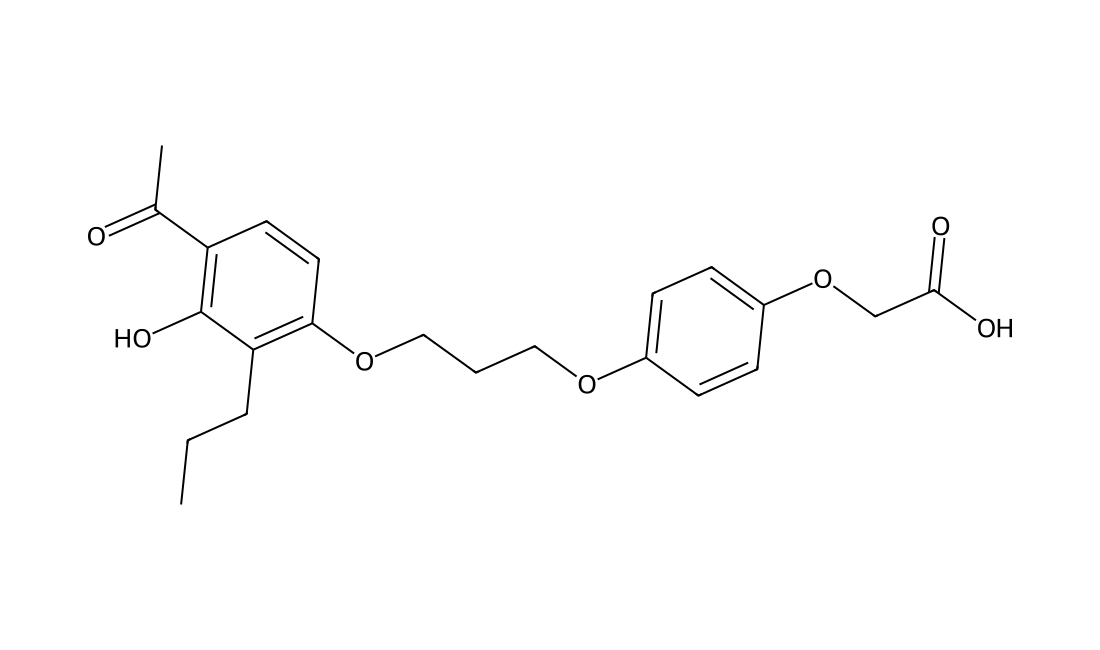
CP-346086Featured
CP-346086 is a potent and orally active microsomal triglyceride transfer protein (MTP) inhibitor, with an IC50 of 2.0 nM for human and rodent MTP. CP-346086 can lower plasma cholesterol and triglycerides in vivo[1].
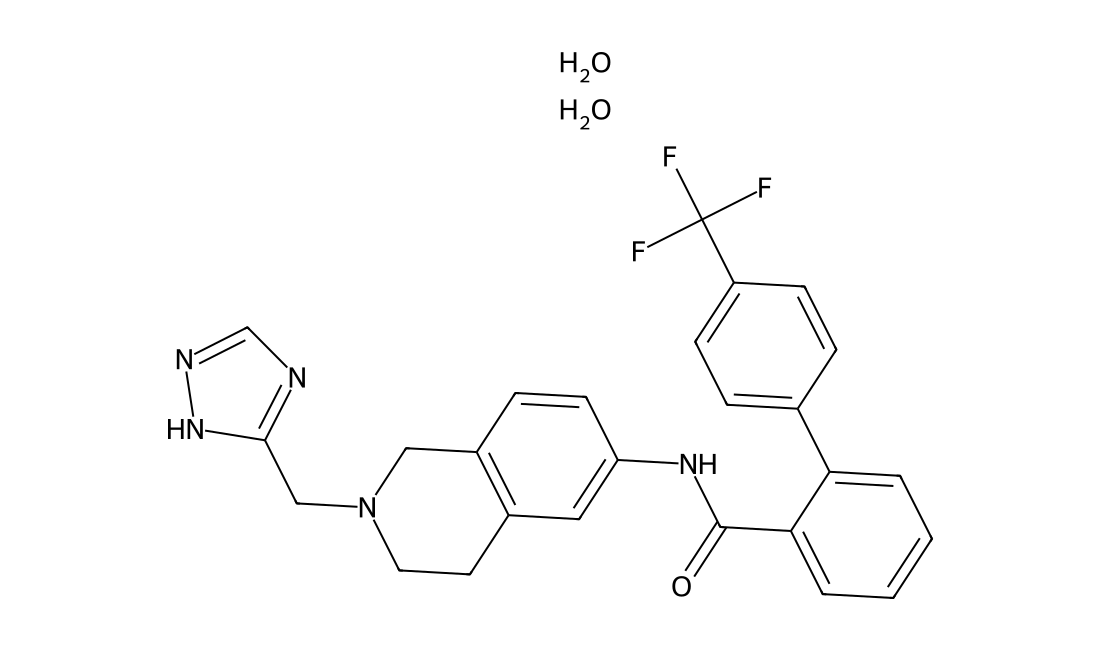
LOC14Featured
LOC14 is a potent Protein disulfide isomerase (PDI) inhibitor with EC50 and Kd values of 500 nM and 62 nM, respectively. LOC14 exhibits high stability in mouse liver microsomes and blood plasma, low intrinsic microsome clearance, and low plasma-protein binding[1].LOC14 inhibits PDIA3 activity, decreases intramolecular disulfide bonds and subsequent oligomerization (maturation) of HA in lung epithelial cells[3].
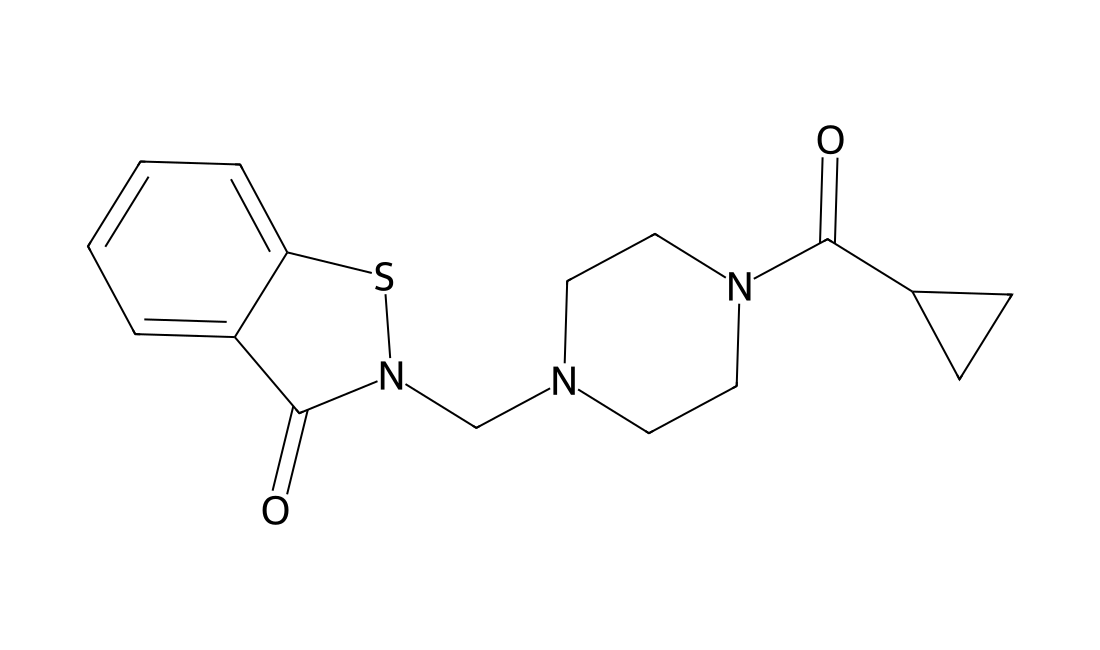
CBR-5884Featured
CBR-5884 is an inhibitor of 3-phosphoglycerate dehydrogenase (PHGDH) with an IC50 of 33 μM.
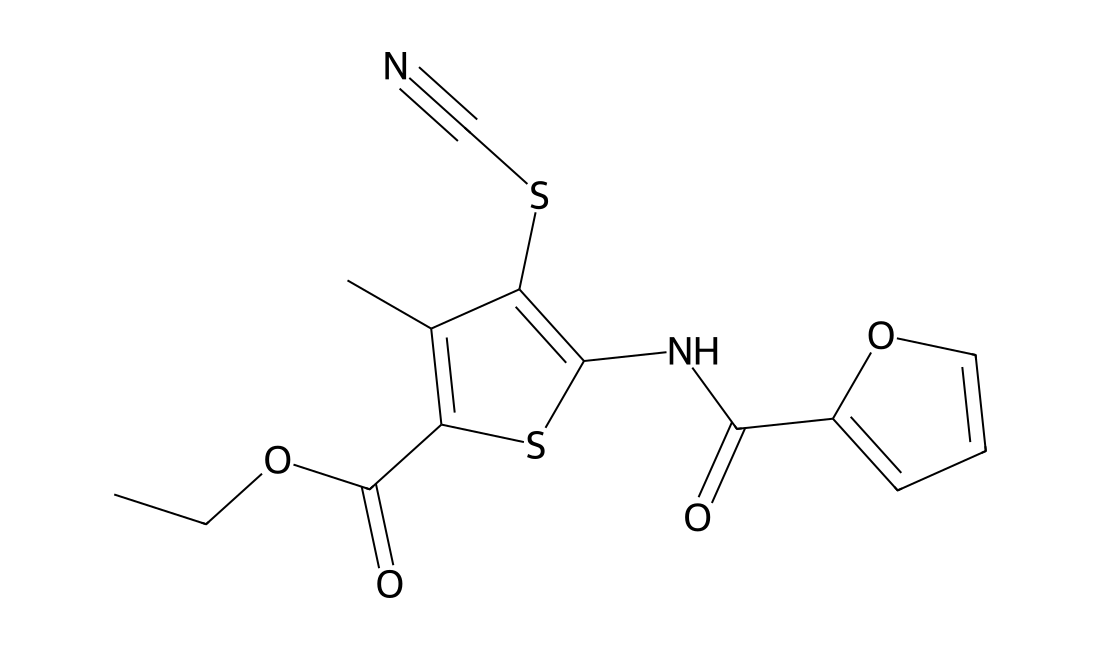
ZaprinastFeatured
Zaprinast (M&B 22948) is an inhibitor of cGMP-selective Phosphodiesterases(PDEs)[1]. Zaprinast is a G protein-coupled receptor (GPR) 35 agonist which activates rat GPR35 strongly and activates human GPR35 moderately[2]. Zaprinast reduces vessel remodeling through antiproliferative and proapoptotic effects[3].
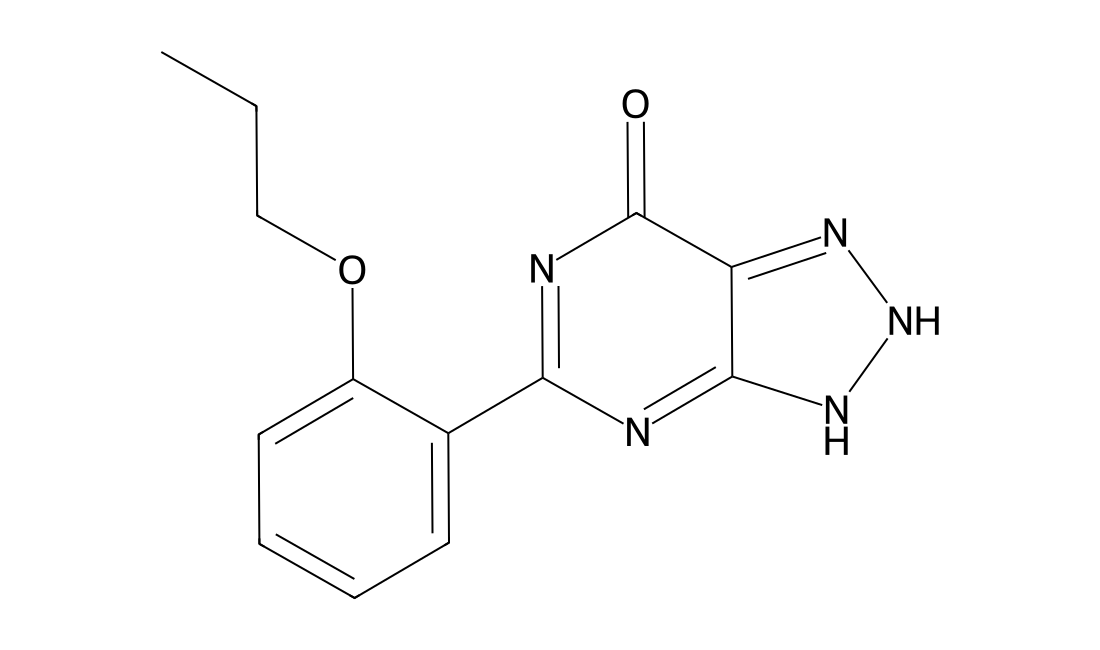
PF-04856264Featured
PF-04856264 is a potent and selective Nav1.7 inhibitor, with IC50s of 28, 131, 19, and 42 nM for human, mouse, cynomolgus monkey and dog Nav1.7, respectively. PF-04856264 has low potency against the rat Nav1.7 channel. PF-04856264 shows analgesic effect[1][2].
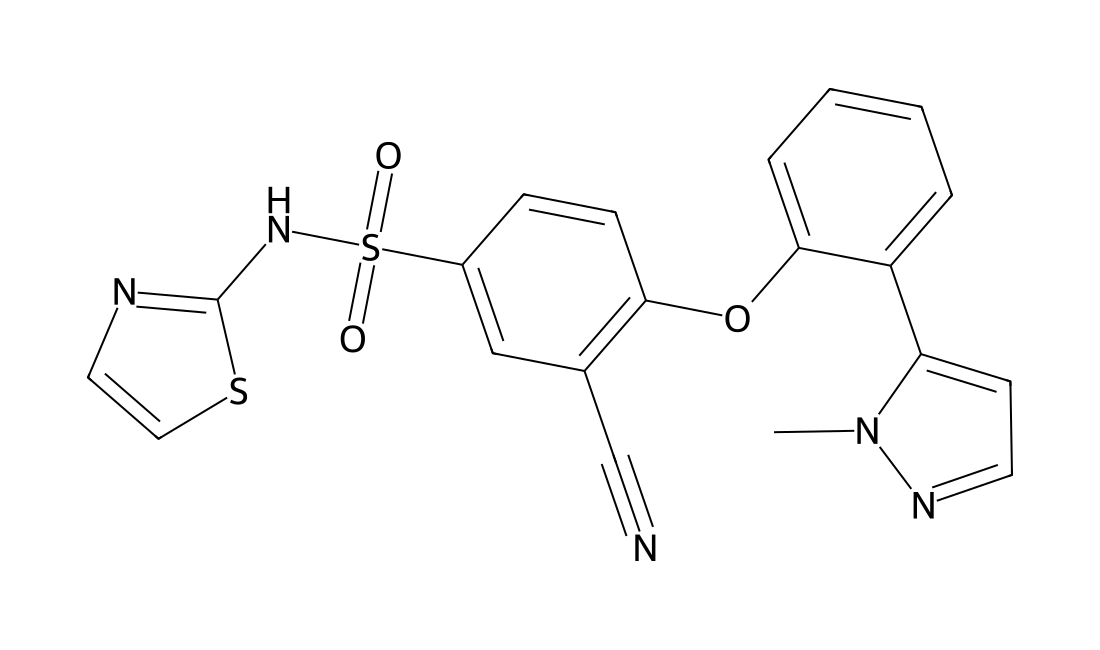
SCH-28080Featured
SCH28080 inhibits gastric H+/K+-ATPase by K+-competitive binding, with an IC50 value of 20 nM in rabbit microsomal membranes[1]. Antisecretory and cytoprotective activities[2].
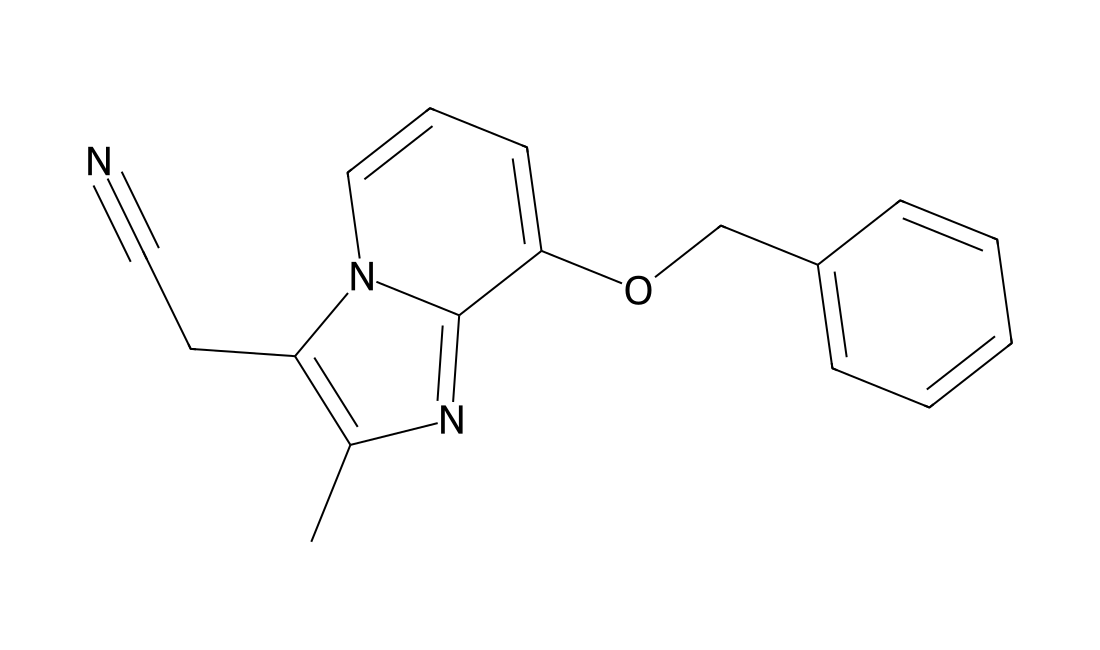
AAL993Featured
AAL993 (ZK260253) is a potent, orally active VEGFR inhibitor with IC50 of 130, 23 and 18 nM for VEGFR-1, 2 and 3, respectively.
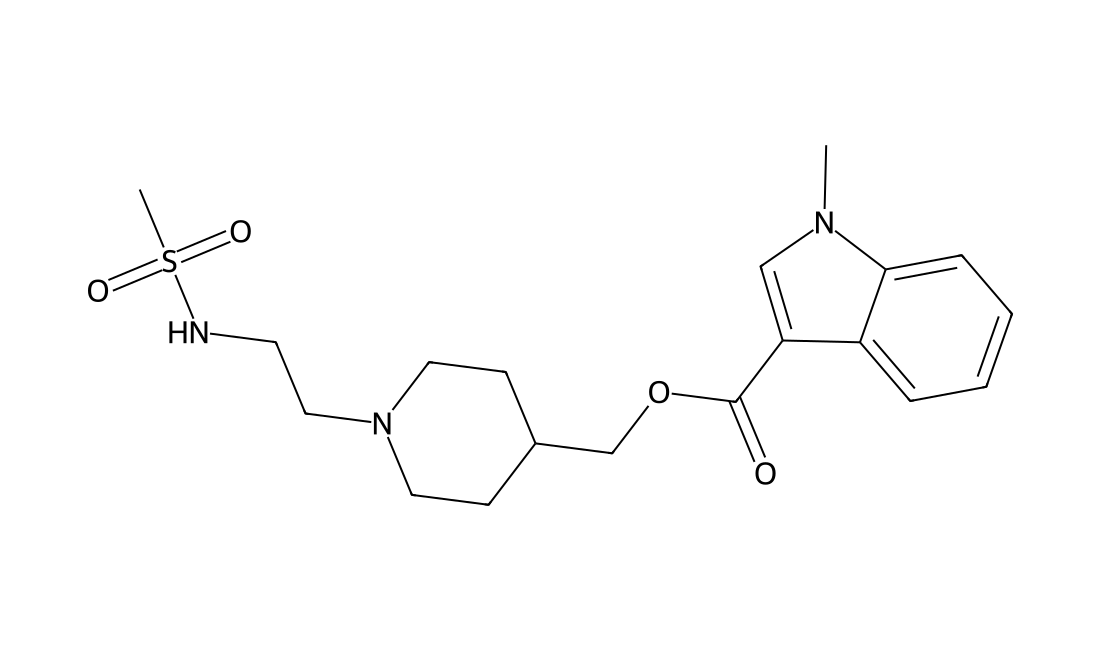
GR 113808Featured
GR 113808 is a potent and highly selective 5-HT4 receptor antagonist (pKb= 8.8). GR 113808 shows 300-fold selectivity over 5-HT1A, 5-HT1B, 5-HT2A, 5-HT2C and 5-HT3 receptors[1].
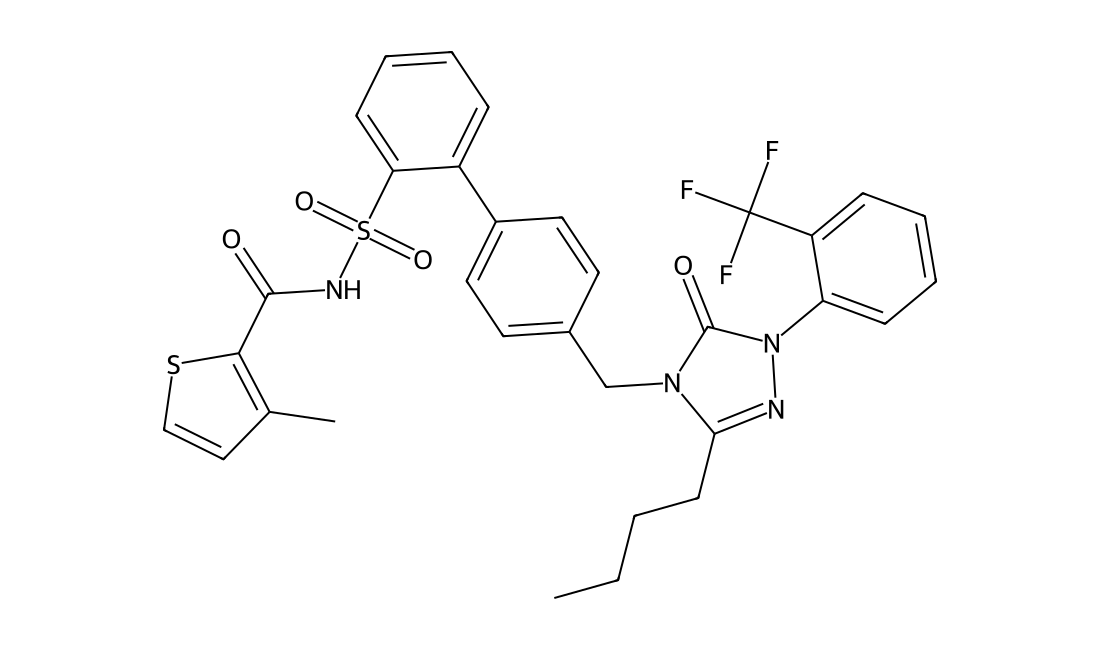
L-161982Featured
L-161982 is a selective EP4 receptor antagonist. L-161982 completely blocks PGE2-induced ERK phosphorylation and cell proliferation of HCA-7 cells. L-161982 alleviates collagen-induced arthritis in mice[1][2].
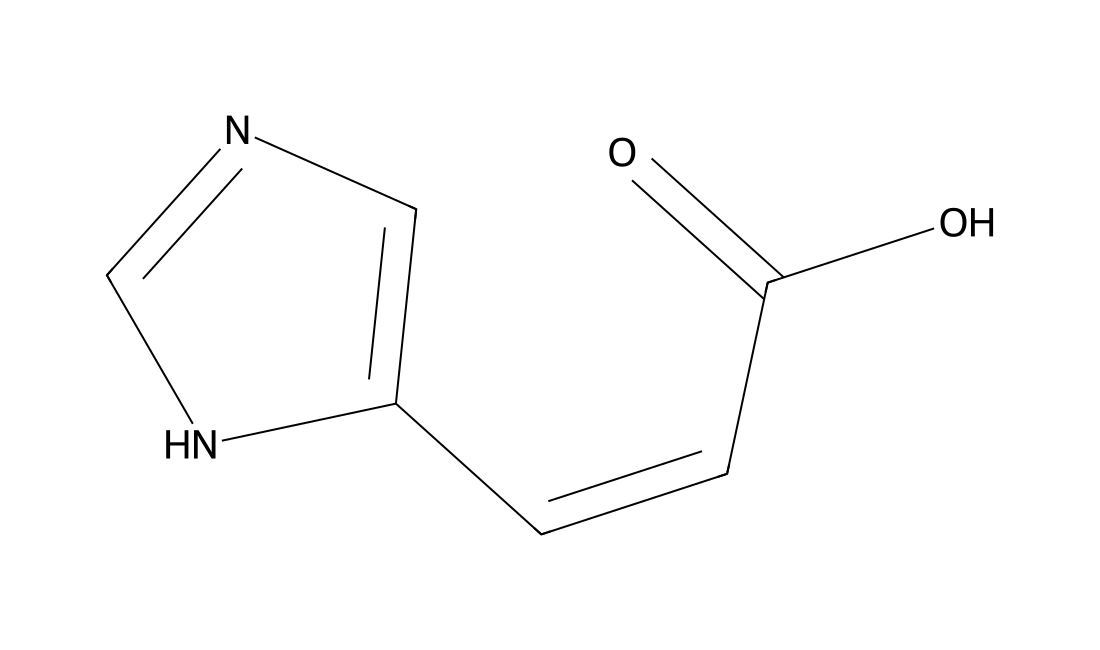
cis-Urocanic acidFeatured
cis-Urocanic acid is a 5-HT2A receptor agonist. cis-Urocanic acid binds to 5-HT receptor with relatively high affinity (Kd=4.6 nM). cis-Urocanic acid is an immune modulator that induces immunosuppression by binding to the 5-HT2A receptor[1].
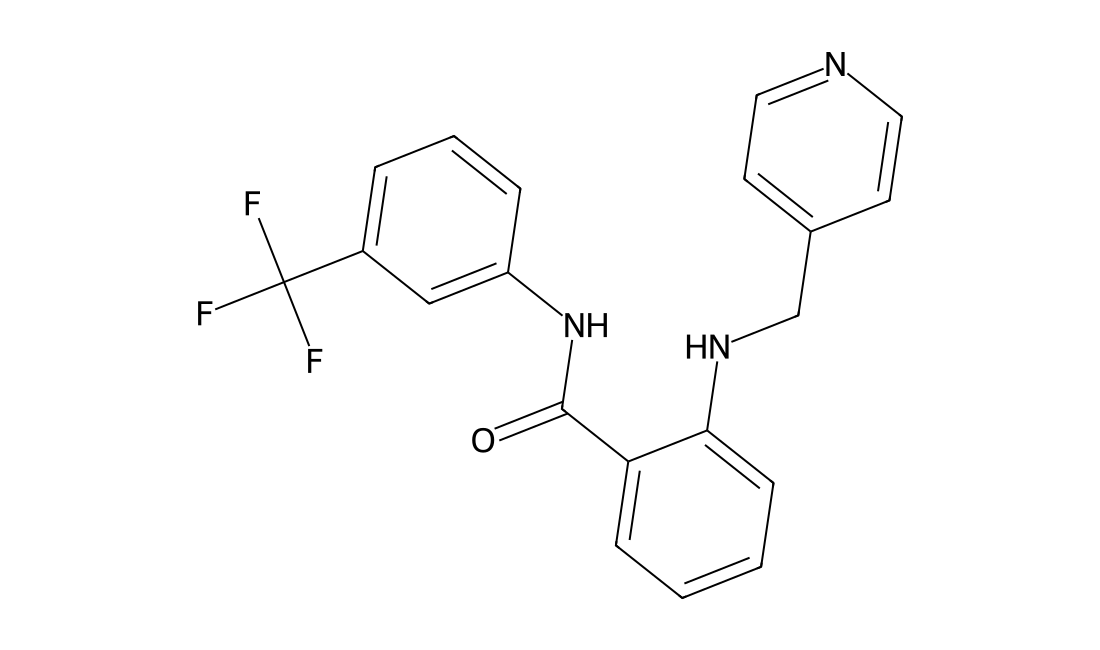
IvachtinFeatured
Ivachtin (Caspase-3 Inhibitor VII; compound 7a) is a nonpeptide, noncompetitive and reversibl caspase-3 inhibitor with an IC50 of 23 nM. Ivachtin has modest selectivity for the remaining caspases[1].
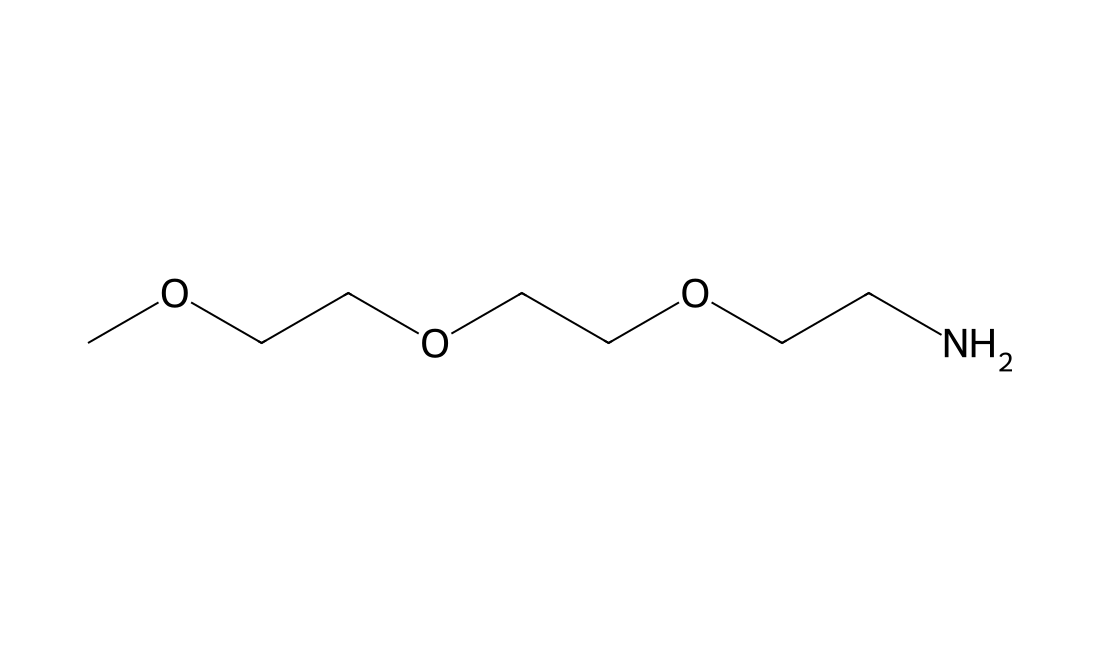
m-PEG3-AmineFeatured
m-PEG3-Amine is a cleavable ADC linker used in the synthesis of antibody-drug conjugates (ADCs)[1].
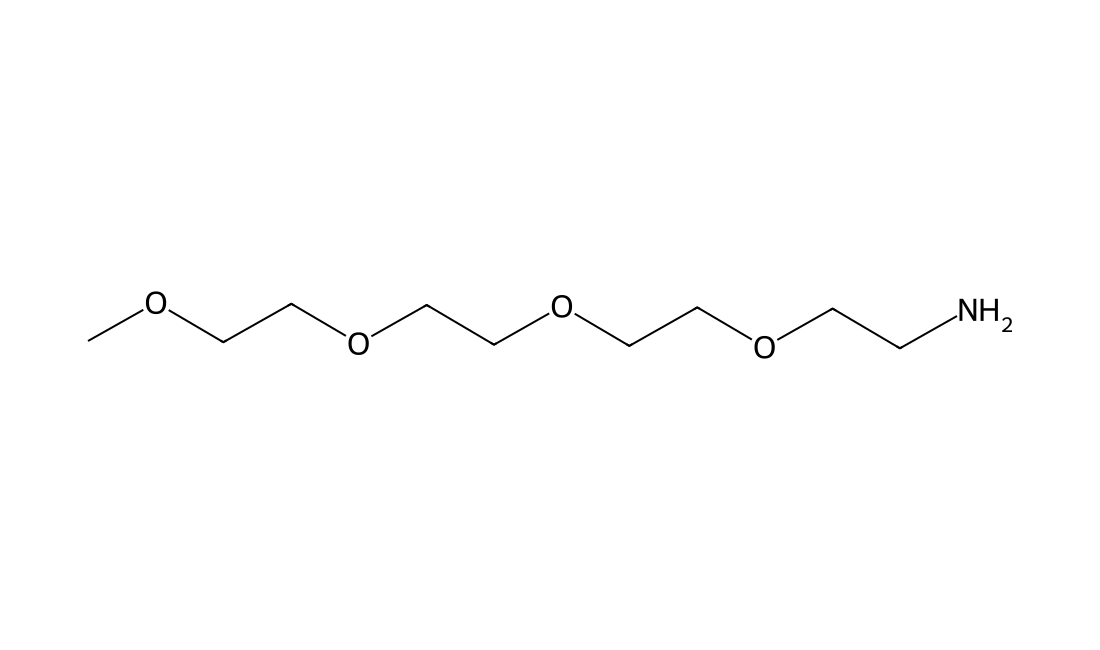
m-PEG4-AmineFeatured
m-PEG4-Amine is a cleavable ADC linker used in the synthesis of antibody-drug conjugates (ADCs)[1].
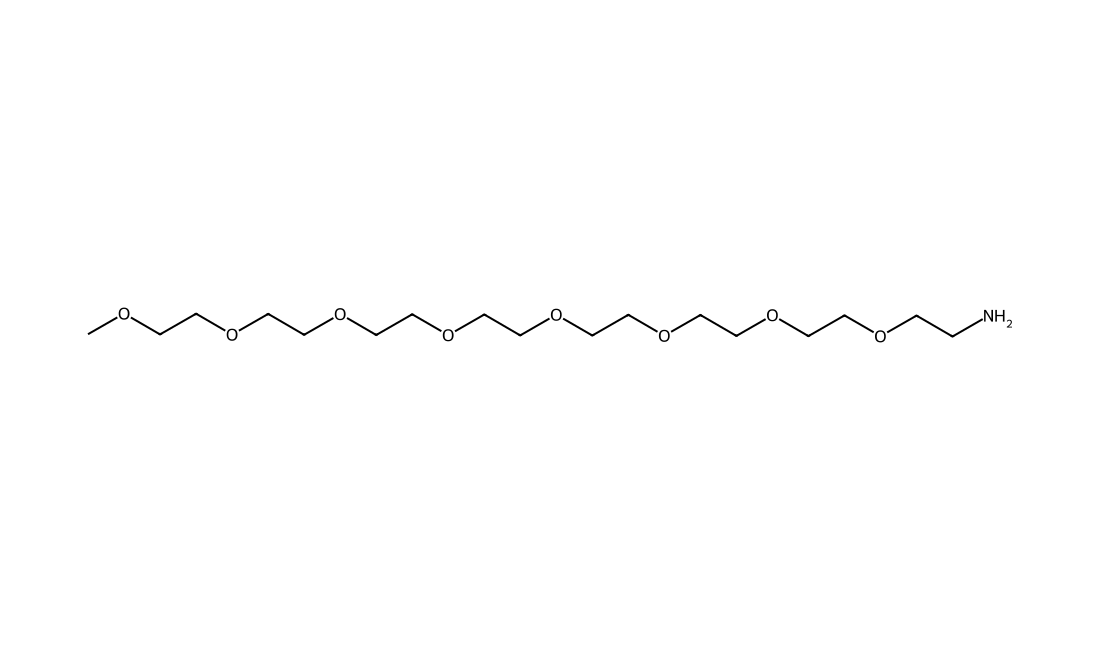
m-PEG8-AmineFeatured
m-PEG8-Amine is a cleavable ADC linker used in the synthesis of antibody-drug conjugates (ADCs)[1].
No products match this search.
Page 286 of 309 · Browse all 6177 products
Jump to a product page
Featured literature product: HX1 · DCL0028
HX1 is a hydroxyzine-derived ionizable lipid with acetal-containing tails, studied in lipid nanoparticles for brain mRNA delivery and CRISPR–Cas9 delivery. It was the lead in the reported in vivo brain-delivery screen; evidence is preclinical and formulation-dependent.
Read full formulation and performance →