
Research lipid catalog
Ionizable Lipid Products
Explore 848 lipid and RNA delivery products. Search the full catalog or browse by research category.
Search covers product name, catalog number, synonyms, available CAS numbers and categories. Spaces, hyphens and common punctuation are ignored. Duplicate legacy records are consolidated under one canonical product result.
6177 products · Showing 5941–5960 · 20 per page
DC Chemicals lipid expertise
Built for ionizable-lipid discovery and RNA delivery research
DC Chemicals supports formulation and delivery research with a broad, searchable portfolio of cationic and ionizable lipids. The current directory brings together 848 unique research-use products, with product specifications, pricing, chemical structures and literature-linked formulation data added as each record is verified.
Our experience spans complex lipid synthesis, purification, analytical release and process development. For custom molecules or larger-scale requirements, our team can discuss route development, technical specifications and scale-up options for the intended research workflow.
Learn about cationic and ionizable lipids →Proprietary innovation · Co-development · GMP
From proprietary lipid design to GMP-grade custom synthesis
DC Chemicals has independently developed ionizable-lipid structures supported by company-owned intellectual property, and selected proprietary lipid programs have advanced to GMP-stage development.
We welcome joint development with customers—from molecular design and lipid synthesis through route and process development. We can also support custom synthesis of GMP-grade ionizable lipids to agreed technical specifications and quality requirements.
Discuss a co-development project →Proprietary ionizable-lipid structuresCollaborative molecular designCustom lipid synthesisProcess development and scale-upGMP-grade project support
Product quick links
Explore New ionizable lipids
Explore our five most recently added ionizable lipids, with specifications, pricing and literature-linked product information.
DCL0028HX1Brain RNA delivery researchView product →DCL0024A1I4R13C18-2Spleen-targeted RNA delivery researchView product →DCL0023A1I4R2C18-2Spleen-targeted RNA delivery researchView product →DCL0022FS01Local joint RNA delivery researchView product →DCL0020Lipid-392Lung RNA delivery and gene editing researchView product →
Cat. No.Product NameField of ApplicationChemical Structure
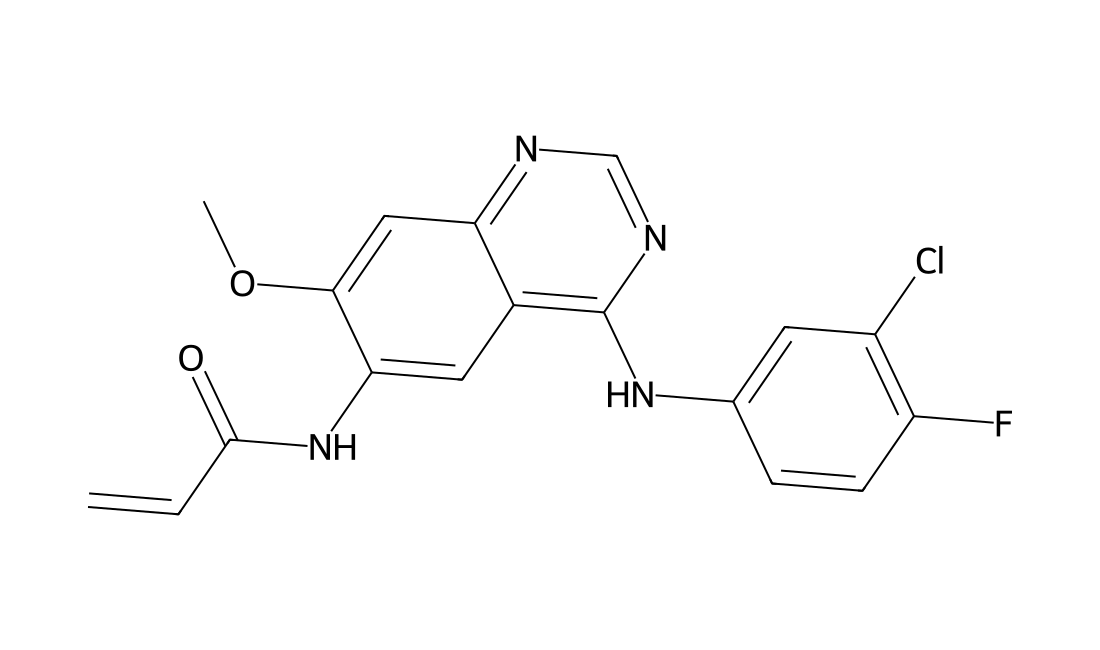
PF-6274484Featured
PF-6274484 is an inhibitor of the EGF receptor (EGFR; IC50s = 0.18 and 0.14 nM for wild-type EGFR and inhibitor-resistant EGFRL858R/T790M, respectively).It inhibits the autophosphorylation of wild-type EGFR in A549 cells and EGFRL858R/T790M in H1975 cells (IC50s = 5.8 and 6.6 nM, respectively).
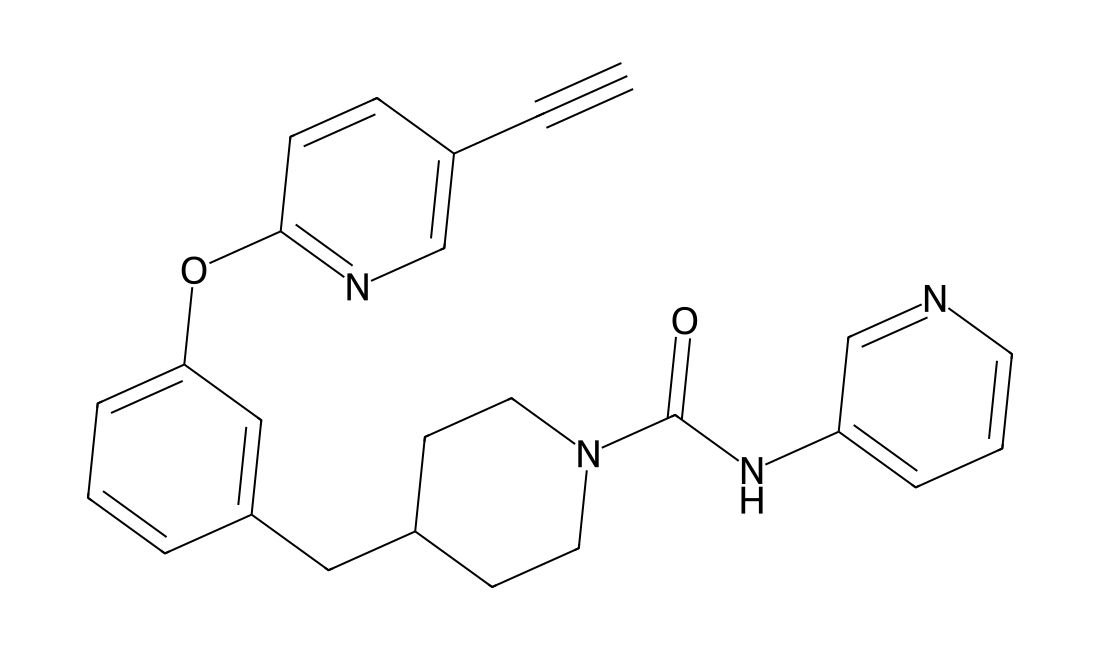
PF3845yneFeatured
Both PF3845yne and JP104 selectively reacted with a single brain protein, which was confirmed to be FAAH based on its absent from FAAH(−/−) mice. In liver, however, PF3845yne and JP104 showed strikingly different profiles, with the former agent once again showing selective reactivity with FAAH and the latter inhibitor labeling a number of proteins. These data indicate that PF-3845 inhibits FAAH in vivo with exceptional efficacy and selectivity. For the detailed information of PF3845 yne, the solubility of PF3845 yne in water, the solubility of PF3845 yne in DMSO, the solubility of PF3845 yne in PBS buffer, the animal experiment (test) of PF3845 yne, the cell expriment (test) of PF3845 yne, the in vivo, in vitro and clinical trial test of PF3845 yne, the EC50, IC50,and affinity,of PF3845 yne, For the detailed information of PF3845 yne, the solubility of PF3845 yne in water, the solubility of PF3845 yne in DMSO, the solubility of PF3845 yne in PBS buffer, the animal experiment (test) of PF3845 yne, the cell expriment (test) of PF3845 yne, the in vivo, in vitro and clinical trial test of PF3845 yne, the EC50, IC50,and affinity,of PF3845 yne, Please contact DC Chemicals.
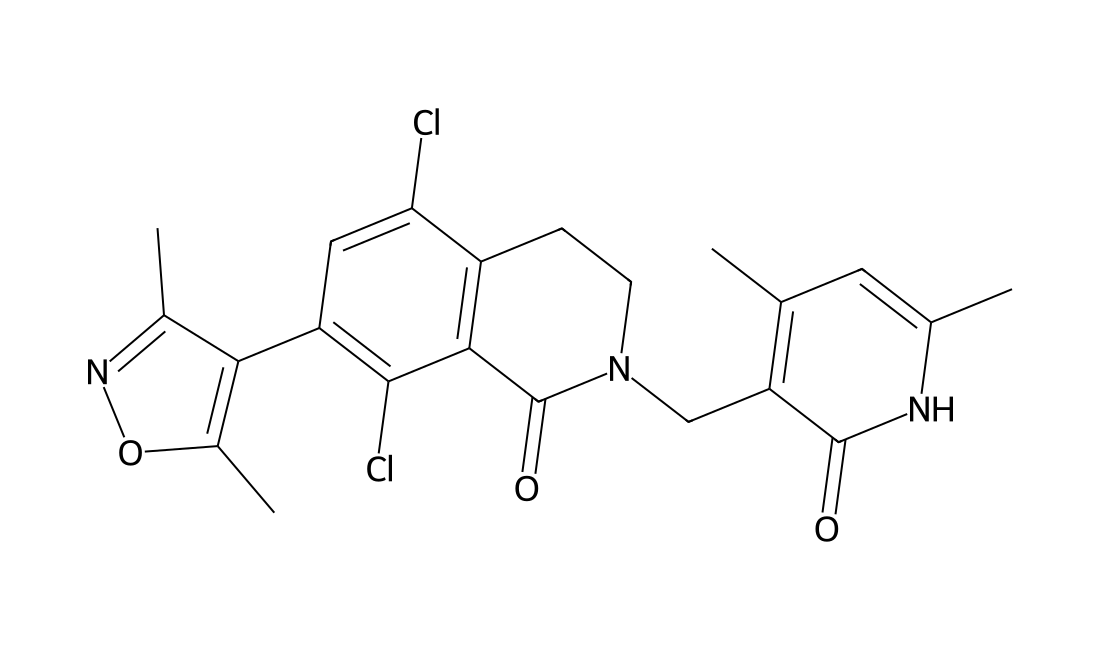
PF-06726304Featured
In vitro: PF-06726304 displays very potent EZH2 biochemical inhibition as well as good activity in the cell H3K27Me3 reduction and antiproliferation effect. In vivo: PF-06726304 displays robust in vivo antitumor growth activity and dose-dependent de-repression of EZH2 target genes. PF-06726304 displays good efficacy in a diffuse large B-cell lymphoma Karpas-422 tumor model and exhibited on-target pharmacodynamic effects in vivo.
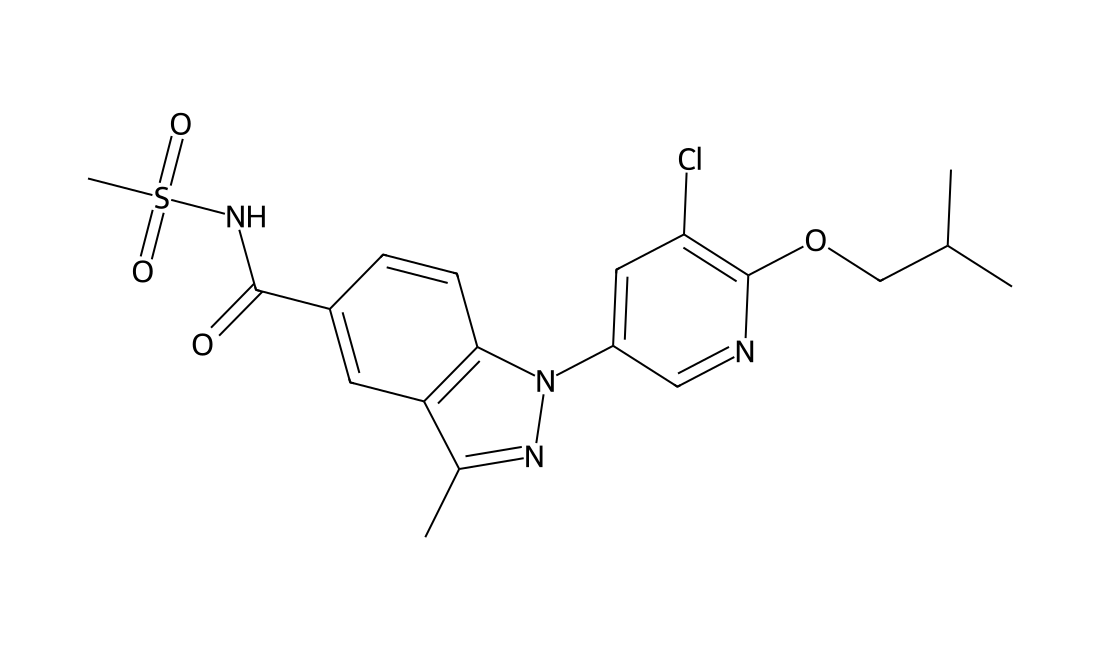
PF-05241328Featured
PF-05241328 is a potent and selective inhibitor of human Nav1.7 voltage-dependent sodium channels (Nav1.7), with an IC50 of 31 nM.
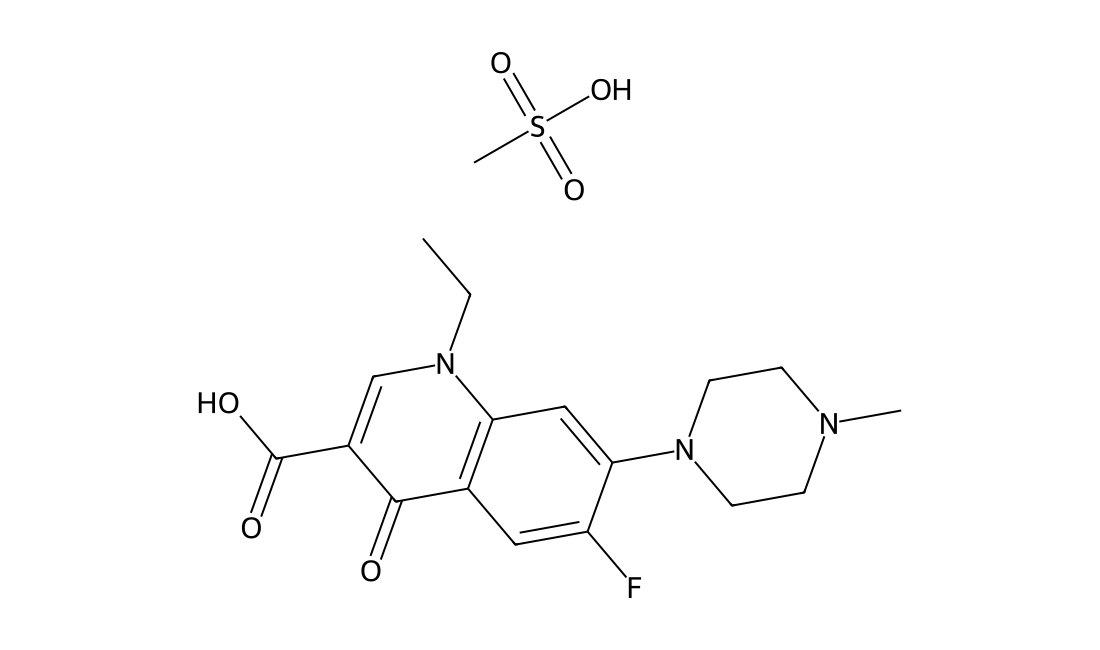
Pefloxacin mesylateFeatured
For the detailed information of Pefloxacin mesylate, the solubility of Pefloxacin mesylate in water, the solubility of Pefloxacin mesylate in DMSO, the solubility of Pefloxacin mesylate in PBS buffer, the animal experiment(test) (test) of Pefloxacin mesylate, the cell expriment (test) of Pefloxacin mesylate, the in vivo, in vitro and clinical trial test of Pefloxacin mesylate, the EC50, IC50,and Affinity of Pefloxacin mesylate,, please contact DC Chemicals.
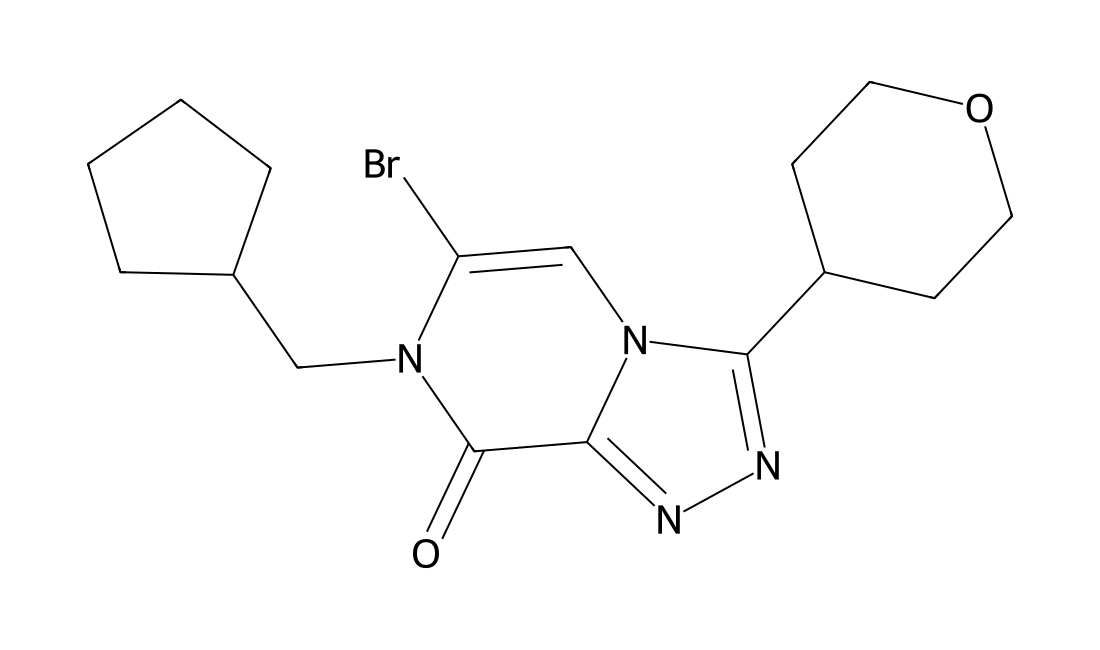
PDE1-IN-2Featured
PDE1-IN-2 is an inhibitor of PDE1 extracted from patent WO2016/55618 A1, example 31; has IC50 values of 6, 140 and 164 nM for PDE1C, PDE1B and PDE1A, respectvely.
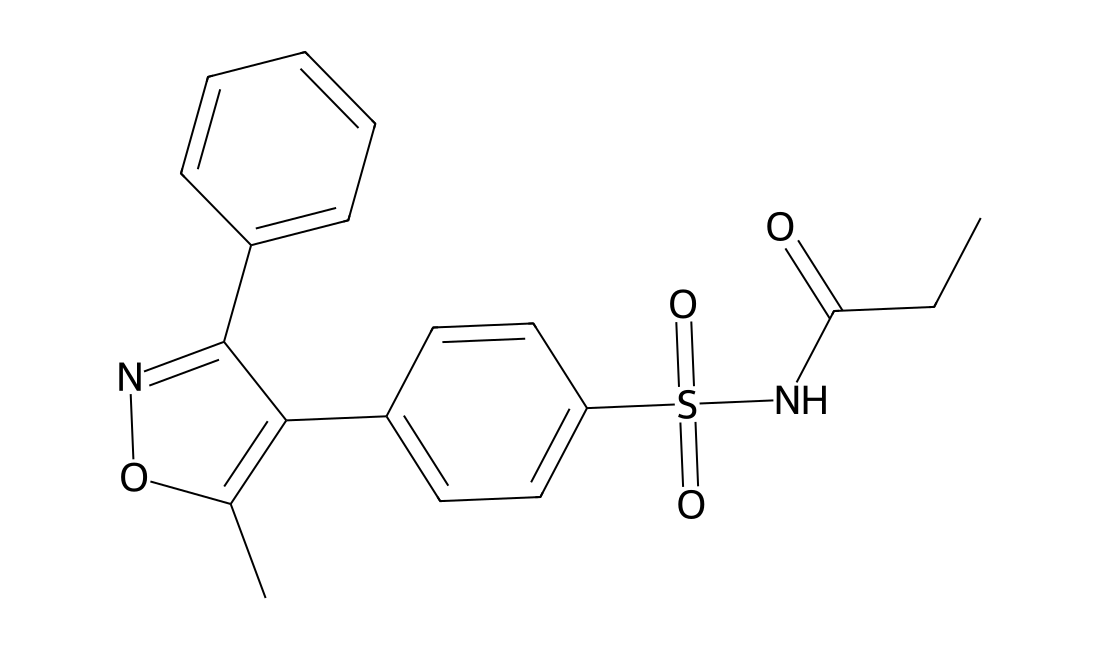
ParecoxibFeatured
Parecoxib is a selective COX2 inhibitor.
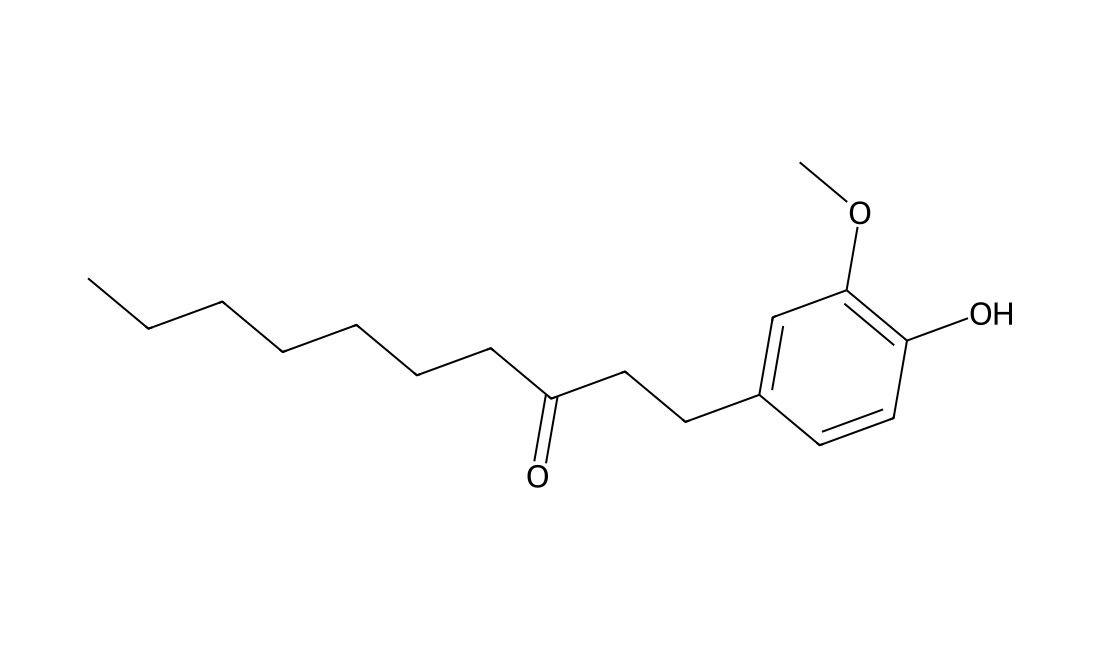
ParadolFeatured
Paradol(6-Paradol) is the active flavor constituent of the seeds of Guinea pepper (Aframomum melegueta); Paradol has been found to have antioxidative and antitumor promoting effects.
Pan-RAS-IN-1Featured
Pan-RAS-IN-1 binds to KRasG12D-GppNHp with an affinity less than 20 μM. Pan-RAS-IN-1 binds to Ras proteins and exhibits lethality in cells partially dependent on expression of Ras proteins. The potency of pan-RAS-IN-1 correlates with the degree of dependency on the mutated isoform over a 5-fold concentration range. At some concentrations, pan-RAS-IN-1 is cytostatic, possibly due to pan-RAS inhibition. Pan-RAS-IN-1 is evaluated in primary T cell acute lymphoblastic leukemia (T-ALL) cells. Selective lethality is observed, with mutant NRAS cells retaining only 20%-40% viability after 5 μM treatment.Pan-RAS-IN-1 administration results in inhibition of tumor growth over 15 days of treatment. Pan-RAS-IN-1-treated mice exhibits decreased tumor pERK levels compared with vehicle treated mice. A modest increase in cleaved caspase-3 is also observed, showing that in this model, pan-RAS-IN-1 has the capacity to induce caspase activation.
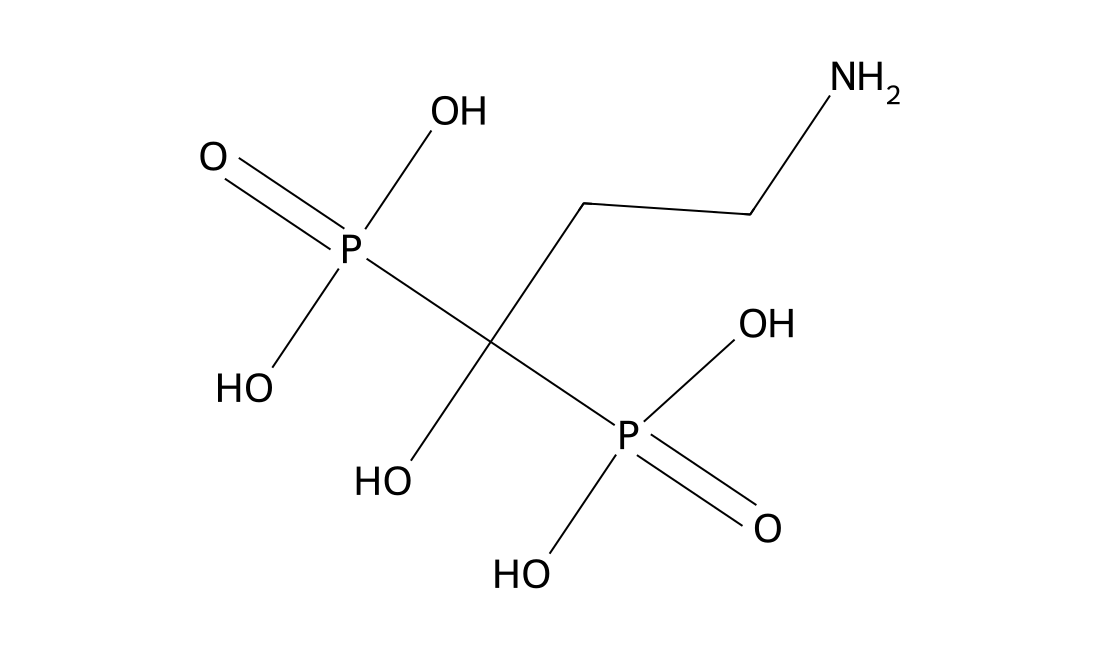
Pamidronic acidFeatured
For the detailed information of Pamidronic acid, the solubility of Pamidronic acid in water, the solubility of Pamidronic acid in DMSO, the solubility of Pamidronic acid in PBS buffer, the animal experiment(test) (test) of Pamidronic acid, the cell expriment (test) of Pamidronic acid, the in vivo, in vitro and clinical trial test of Pamidronic acid, the EC50, IC50,and Affinity of Pamidronic acid,, please contact DC Chemicals.
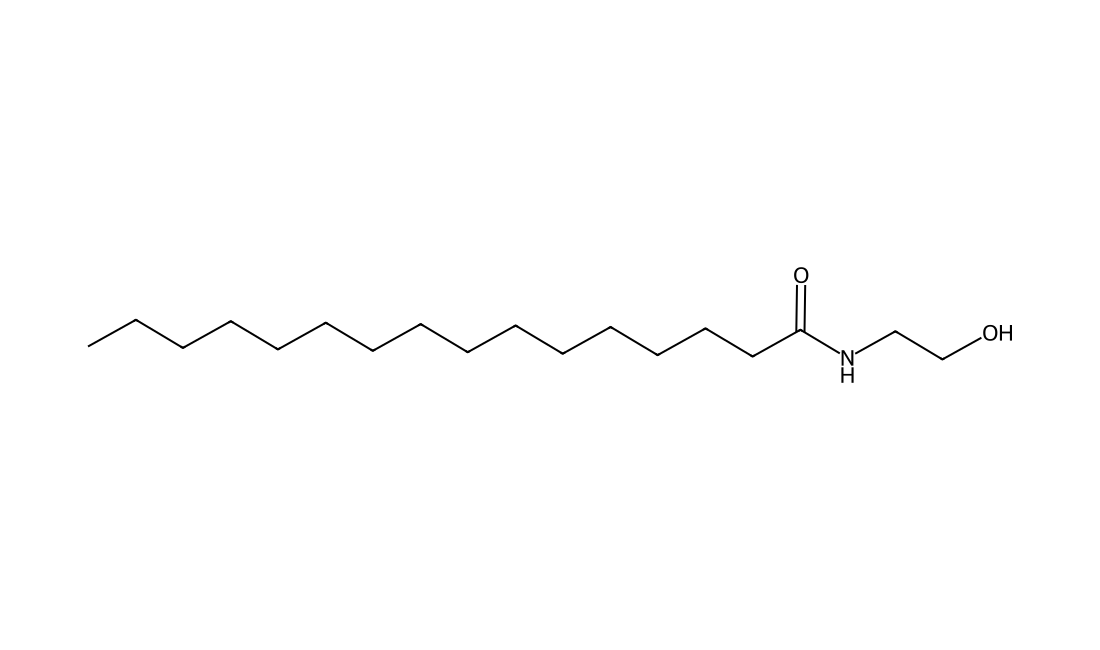
PalmitoylethanolamideFeatured
Palmitoylethanolamide(PEA) is an endogenous fatty acid amide and selectively activates PPAR-α in vitro with an EC50 value of 3.1±0.4 μM.
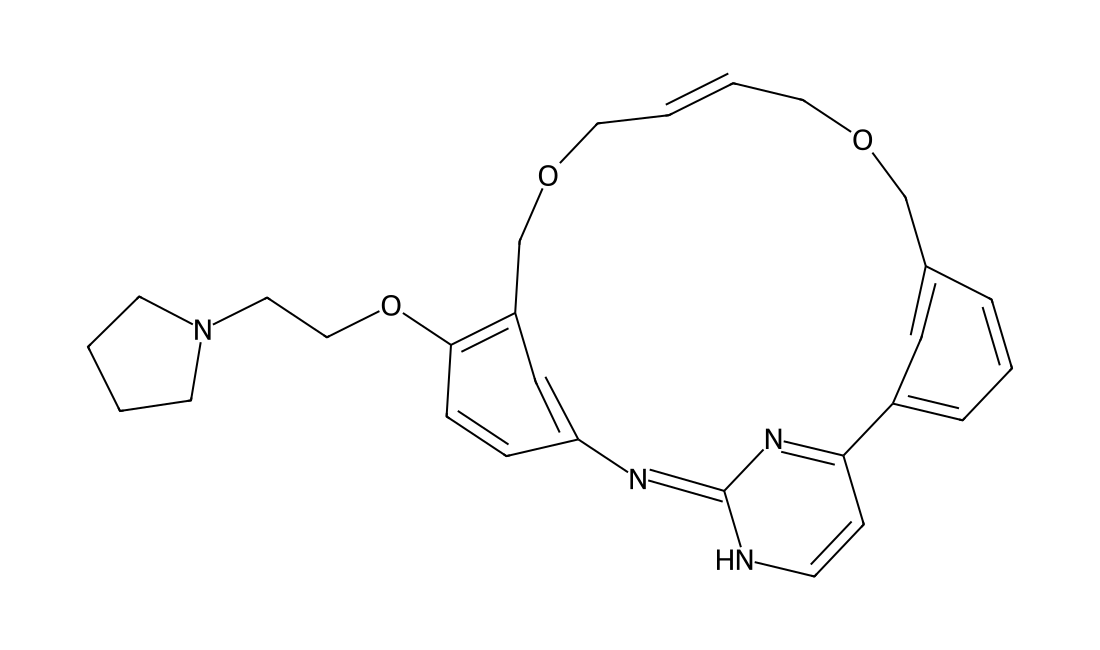
PacritinibFeatured
Pacritinib (SB1518) is a potent and selective JAK2 (IC50 = 23 and 19 nM For JAK2(WT) and JAK2(V617F), respectively) and FLT3 (IC(50) = 22 nM) inhibitor with selectivity against JAK1 and JAK3 (IC(50) = 1280 and 520 nM, respectively). IC50 Value: 23 nM (JAK2 wt); 22 nM (FLT3) Target: JAK2; FLT3 in vitro: SB1518 shows potent effects on cellular JAK/STAT pathways, inhibiting tyrosine phosphorylation on JAK2 (Y221) and downstream STATs. As a consequence SB1518 has potent anti-proliferative effects on myeloid and lymphoid cell lines driven by mutant or wild-type JAK2 or FLT3, resulting from cell cycle arrest and induction of apoptosis . in vivo: SB1518 has favorable pharmacokinetic properties after oral dosing in mice, is well tolerated and significantly reduces splenomegaly and hepatomegaly in a JAK2(V617F)-driven disease model. SB1518 dose-dependently inhibits intra-tumor JAK2/STAT5 signaling, leading to tumor growth inhibition in a subcutaneous model generated with SET-2 cells derived from a JAK2(V617F) patient with megakaryoblastic leukemia . Oral administration of pacritinib in murine models of FLT3-ITD-driven AML led to significant inhibition of primary tumor growth and lung metastasis. Upregulation of JAK2 in FLT3-TKI-resistant AML cells was identified as a potential mechanism of resistance to selective FLT3 inhibition . Pracinostat and pacritinib in combination showed synergy on tumor growth, reduction of metastases and synergistically decreased JAK2 or FLT signaling, depending on the cellular context .For the detailed information of Pacritinib, the solubility of Pacritinib in water, the solubility of Pacritinib in DMSO, the solubility of Pacritinib in PBS buffer, the animal experiment (test) of Pacritinib, the cell expriment (test) of Pacritinib, the in vivo, in vitro and clinical trial test of Pacritinib, the EC50, IC50,and Affinity of Pacritinib, Please contact DC Chemicals.
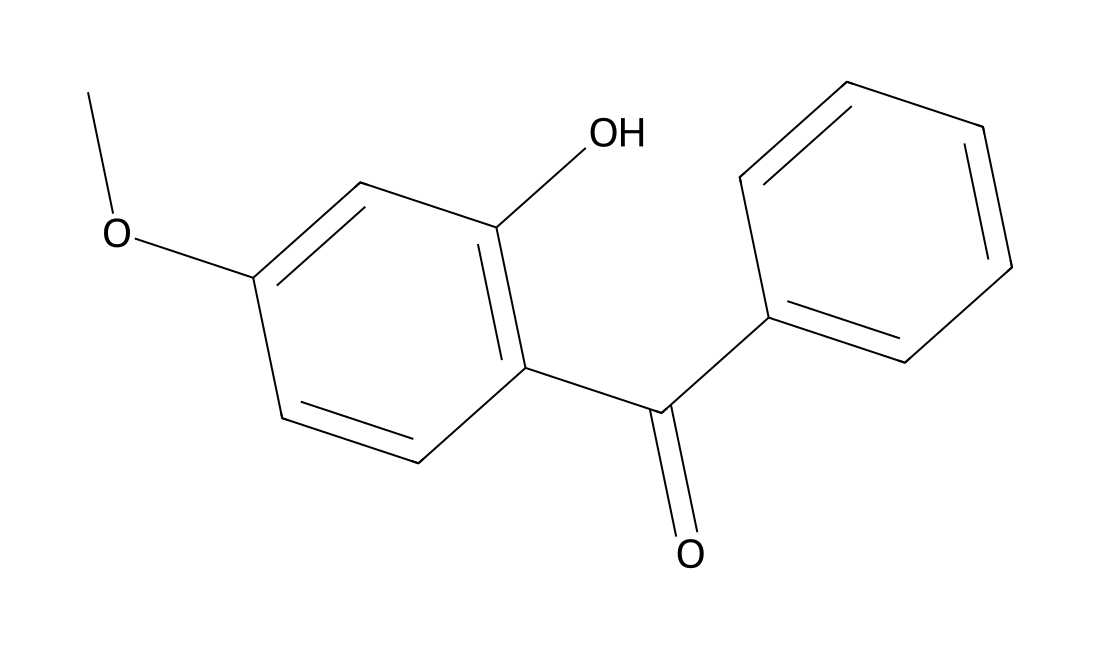
OxybenzoneFeatured
Oxybenzone is a benzophenone derivative used as a sunscreen agent.
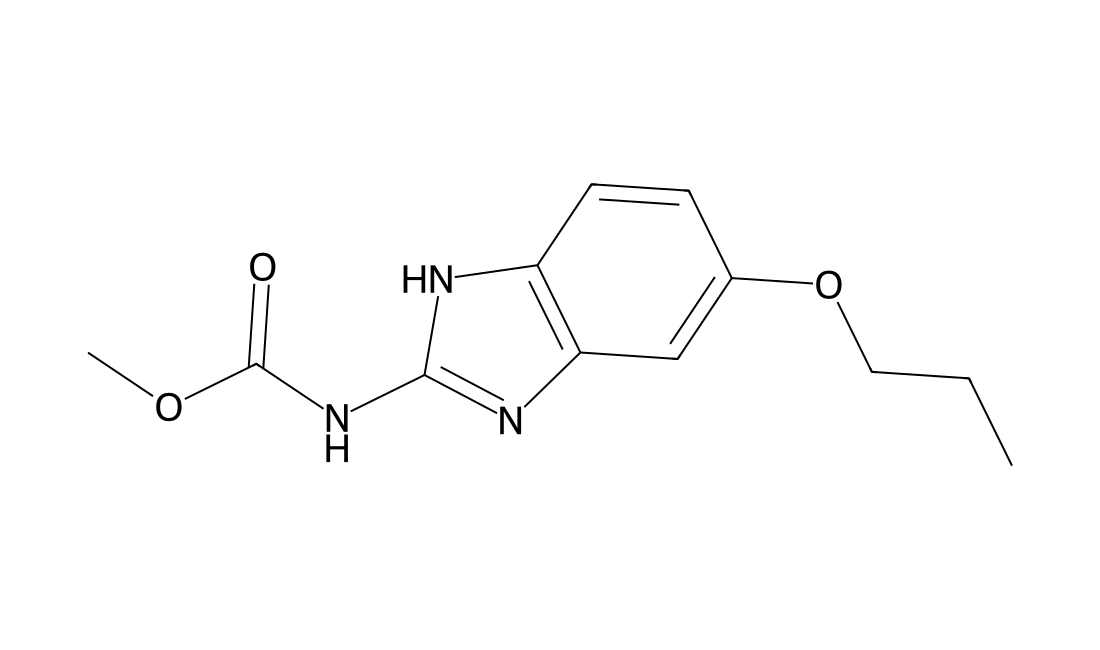
OxibendazoleFeatured
For the detailed information of Oxibendazole, the solubility of Oxibendazole in water, the solubility of Oxibendazole in DMSO, the solubility of Oxibendazole in PBS buffer, the animal experiment(test) (test) of Oxibendazole, the cell expriment (test) of Oxibendazole, the in vivo, in vitro and clinical trial test of Oxibendazole, the EC50, IC50,and Affinity of Oxibendazole,, please contact DC Chemicals.
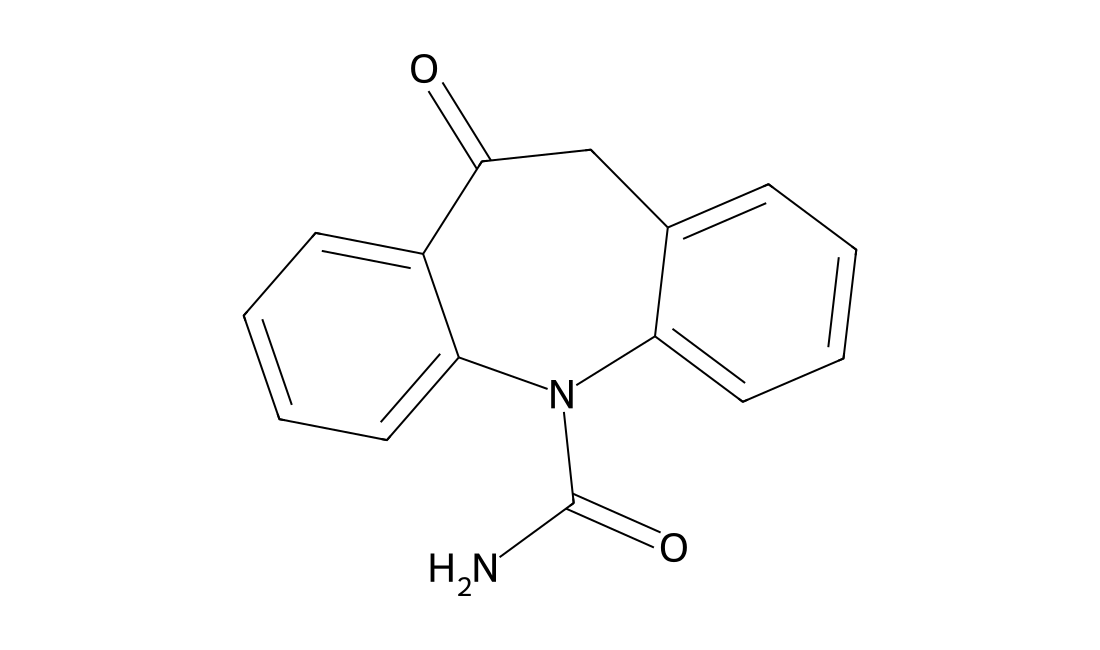
OxcarbazepineFeatured
Oxcarbazepine inhibits the binding of [3H]BTX to sodium channels with IC50 of 160 μM and also inhibits the influx of 22Na+ into rat brain synaptosomes with IC50 about 100 μM.Oxcarbazepine is an antiepileptic drug with a chemical structure similar to carbamazepine, but with different metabolism. Oxcarbazepine is rapidly reduced to 10,11-dihydro-10-hydroxy-carbazepine (monohydroxy derivative, MHD), the clinically relevant metabolite of oxcarbazepine. MHD has (S)-(+)- and the (R)-(-)-enantiomer . Oxcarbazepine (oxcarb) 600 and 900 mg (2360 and 3540 mumol) was taken by 3 volunteers (2 female, 1 male; 45-67 kg; age 22-34 years) after an overnight fast. Blood, saliva and urine were collected for the next 72 h for assay of oxcarb, 10,11-dihydro-10-hydroxy-carbamazepine (OHcarb), and 10,11-dihydro-trans-10,11-dihydroxy-carbamazepine (diol). Oxcarb reached a maximum level of about 1 microgram/ml (3.93 mumol/l) within 1 h and dropped below the detection limit (0.1 microgram/ml = 0.39 mumol/l) within 3 h. The active metabolite OHcarb appeared in the blood before oxcarb and reached the higher maximum level of 7.4 microgram/ml (29 mumol/l) after 7 h.
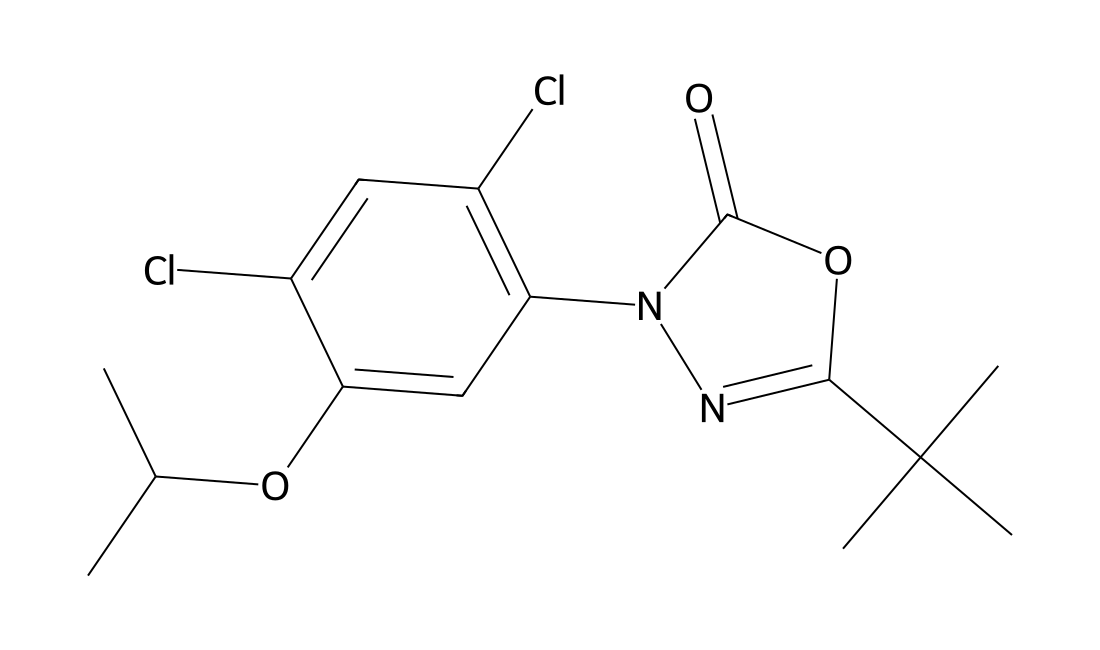
OxadiazonFeatured
Oxadiazon is a preemergent herbicide.
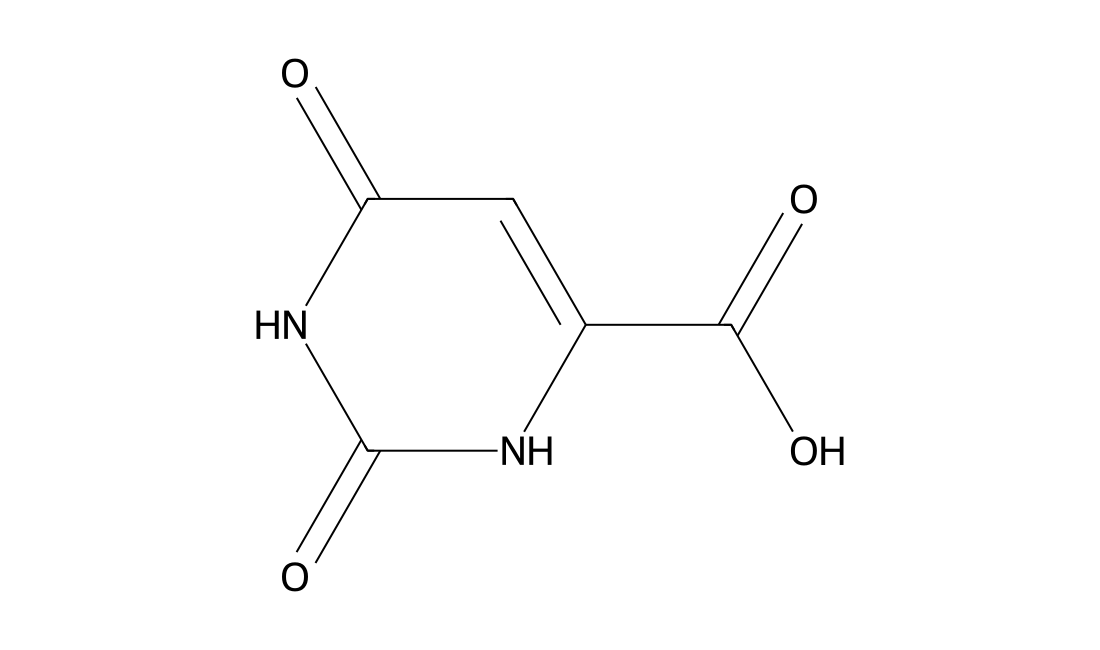
Orotic acid (6-Carboxyuracil)Featured
For the detailed information of Orotic acid (6-Carboxyuracil), the solubility of Orotic acid (6-Carboxyuracil) in water, the solubility of Orotic acid (6-Carboxyuracil) in DMSO, the solubility of Orotic acid (6-Carboxyuracil) in PBS buffer, the animal experiment(test) (test) of Orotic acid (6-Carboxyuracil), the cell expriment (test) of Orotic acid (6-Carboxyuracil), the in vivo, in vitro and clinical trial test of Orotic acid (6-Carboxyuracil), the EC50, IC50,and Affinity of Orotic acid (6-Carboxyuracil),, please contact DC Chemicals.
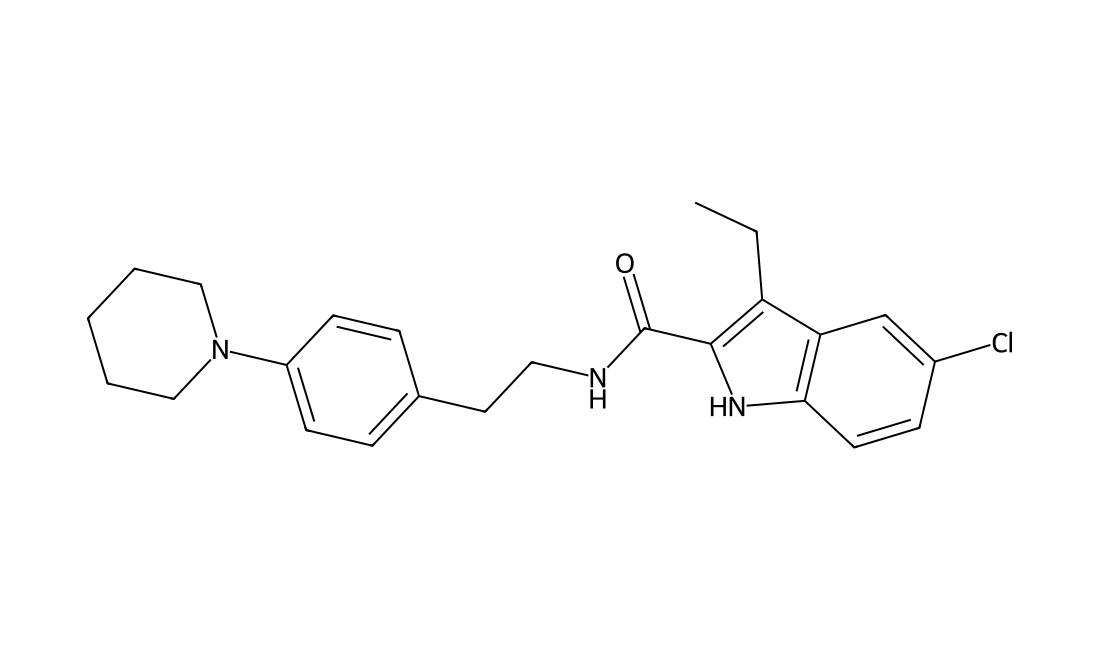
Org 27569Featured
Org 27569 is an allosteric modulator of CB1 cannabinoid receptor. It significantly increases the binding of CB1 receptor agonist and causes a significant decrease in specific binding of CB1 receptor inverse agonist. Org 27569 induces CB1 high affinity agonist binding, receptor internalization, and downstream ERK phosphorylation. The allosteric ligand Org 27569 promotes agonist binding to CB1, yet blocks the agonist-induced con Formational changes in TM6. Org 27569 traps the receptor in a distinct agonist-bound, but nonsignaling con Formational state. For the detailed information of Org 27569, the solubility of Org 27569 in water, the solubility of Org 27569 in DMSO, the solubility of Org 27569 in PBS buffer, the animal experiment (test) of Org 27569, the cell expriment (test) of Org 27569, the in vivo, in vitro and clinical trial test of Org 27569, the EC50, IC50,and Affinity of Org 27569, Please contact DC Chemicals.
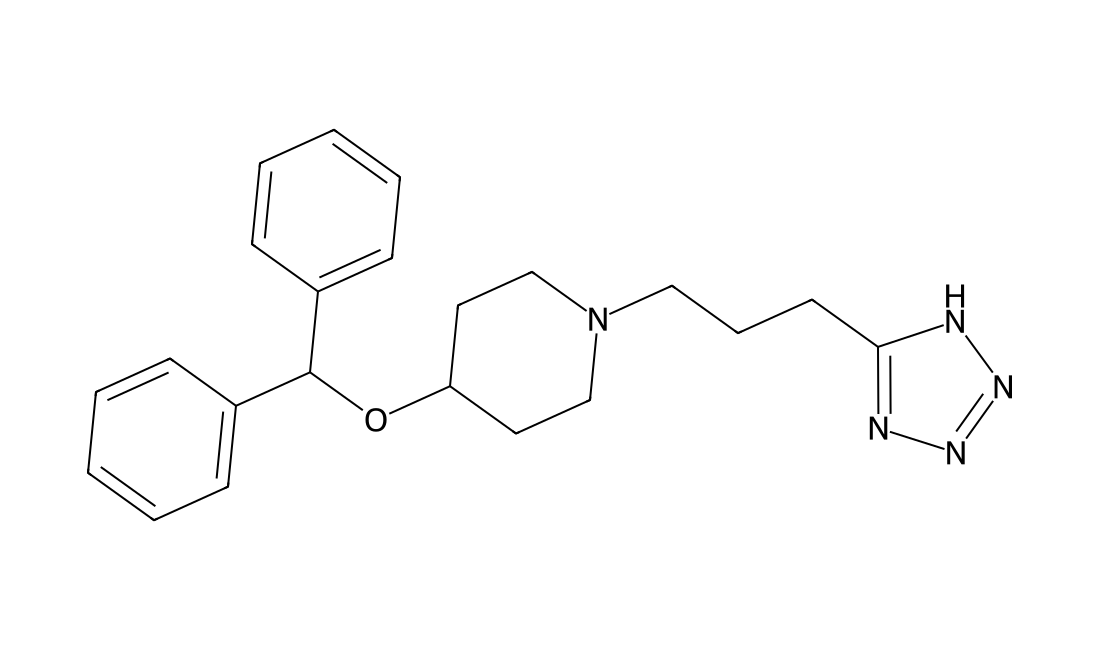
HQL-79Featured
Orally active and specific inhibitor of human hematopoietic prostaglandin D synthase (H-PGDS) (IC50 = 6 μM). Antiallergic and anti-inflammatory; displays antiasthmatic activity and potent antihistaminic properties in vivo.For the detailed information of HQL-79, the solubility of HQL-79 in water, the solubility of HQL-79 in DMSO, the solubility of HQL-79 in PBS buffer, the animal experiment (test) of HQL-79, the cell expriment (test) of HQL-79, the in vivo, in vitro and clinical trial test of HQL-79, the EC50, IC50,and Affinity of HQL-79, Please contact DC Chemicals.
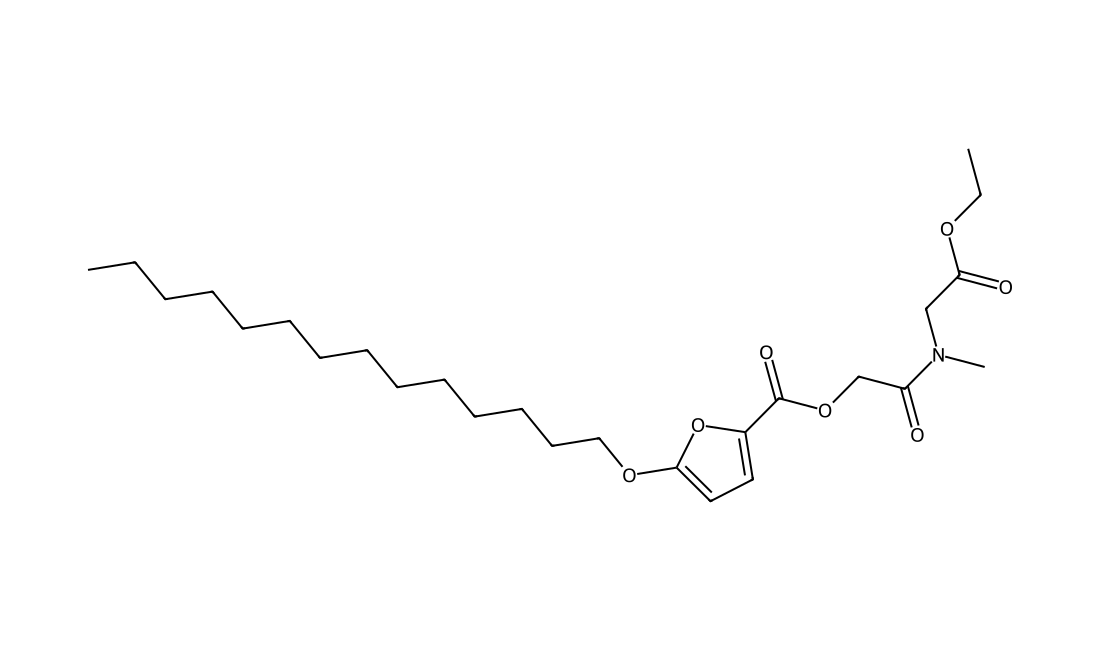
Olumacostat glasaretilFeatured
Acetyl coenzyme A carboxylase controls the first, rate limiting step in fatty acid biosynthesis. Olumacostat glasaretil inhibits de novo lipid synthesis in primary and transformed human sebocytes. At 3 μM, olumacostat glasaretil reduces fatty acid synthesis to at or below baseline levels. 14C-acetate incorporation levels are 85%-90% lower for SEB-1 cultures treated with olumacostat glasaretil at 20 μM compared to control samples. At 3 μM, olumacostat glasaretil reduces sebocyte triacylglycerol, cholesteryl/wax ester, diacylglycerol, cholesterol and phospholipid levels from control values on average by approximately 86%, 57%, 51%, 39% and 37%, respectively.Olumacostat glasaretil is a pro-drug of the ACC inhibitor 5-(tetradecyloxy)-2-furoic acid (TOFA) and is designed to enhance delivery in vivo. Topical application of olumacostat glasaretil but not TOFA significantly reduces hamster ear sebaceous gland size. HPLC analyses of hamster ear extracts shows that olumacostat glasaretil treatment increases ACC levels and the ratio of acetyl-CoA to free CoA in tested animals, indicating increased fatty acid oxidation. These changes are consistent with ACC inhibition. Matrix-assisted laser desorption/ionization (MALDI) imaging reveals that OG applied onto Yorkshire pig ears accumulates in sebaceous glands relative to the surrounding dermis. At week 12, OG treatment shows greater reductions from baseline in inflammatory lesions and noninflammatory lesions, and more patients with greater than or equal to 2-grade improvement in investigator global assessment score than vehicle.
No products match this search.
Page 298 of 309 · Browse all 6177 products
Jump to a product page
Featured literature product: HX1 · DCL0028
HX1 is a hydroxyzine-derived ionizable lipid with acetal-containing tails, studied in lipid nanoparticles for brain mRNA delivery and CRISPR–Cas9 delivery. It was the lead in the reported in vivo brain-delivery screen; evidence is preclinical and formulation-dependent.
Read full formulation and performance →