
Research lipid catalog
Ionizable Lipid Products
Explore 848 lipid and RNA delivery products. Search the full catalog or browse by research category.
Search covers product name, catalog number, synonyms, available CAS numbers and categories. Spaces, hyphens and common punctuation are ignored. Duplicate legacy records are consolidated under one canonical product result.
6177 products · Showing 6021–6040 · 20 per page
DC Chemicals lipid expertise
Built for ionizable-lipid discovery and RNA delivery research
DC Chemicals supports formulation and delivery research with a broad, searchable portfolio of cationic and ionizable lipids. The current directory brings together 848 unique research-use products, with product specifications, pricing, chemical structures and literature-linked formulation data added as each record is verified.
Our experience spans complex lipid synthesis, purification, analytical release and process development. For custom molecules or larger-scale requirements, our team can discuss route development, technical specifications and scale-up options for the intended research workflow.
Learn about cationic and ionizable lipids →Proprietary innovation · Co-development · GMP
From proprietary lipid design to GMP-grade custom synthesis
DC Chemicals has independently developed ionizable-lipid structures supported by company-owned intellectual property, and selected proprietary lipid programs have advanced to GMP-stage development.
We welcome joint development with customers—from molecular design and lipid synthesis through route and process development. We can also support custom synthesis of GMP-grade ionizable lipids to agreed technical specifications and quality requirements.
Discuss a co-development project →Proprietary ionizable-lipid structuresCollaborative molecular designCustom lipid synthesisProcess development and scale-upGMP-grade project support
Product quick links
Explore New ionizable lipids
Explore our five most recently added ionizable lipids, with specifications, pricing and literature-linked product information.
DCL0028HX1Brain RNA delivery researchView product →DCL0024A1I4R13C18-2Spleen-targeted RNA delivery researchView product →DCL0023A1I4R2C18-2Spleen-targeted RNA delivery researchView product →DCL0022FS01Local joint RNA delivery researchView product →DCL0020Lipid-392Lung RNA delivery and gene editing researchView product →
Cat. No.Product NameField of ApplicationChemical Structure
LTV-1Featured
LTV-1 is a highly potent, cell-permeable and reversible LYP (lymphoid tyrosine phosphatase) inhibitor with IC50 of 508 nM; shows 3-fold selectivity over TCPTP (IC50=1.52 uM) and PTP1B (IC50=1.59 uM), 46-fold over SHP1 (IC50=23.2 uM), and 59-fold over CD45 (IC50=30.1 uM), > 200-fold over PTP-PEST (IC50 >100 uM); increases the phosphorylation levels of the direct physiological targets of LYP, augments calcium mobilization, activates the proximal IL-2 promoter, and enhances the expression of the early activation marker CD25 in T cells.
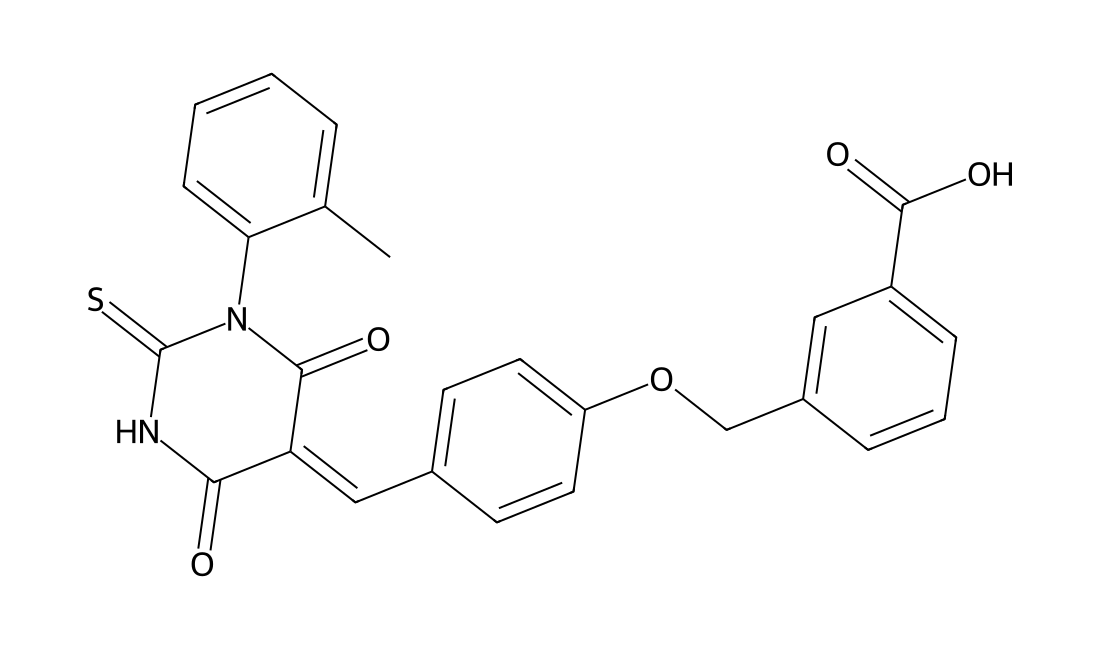
LTURM34Featured
LTURM34 shows potent inhibition of DNA-PK with excellent selectivity over the Class I PI3K isoforms. The IC50s are 5.8 and 8.5 μM for PI3K β and δ, respectively. LTURM34 shows potent and broad ranging antiproliferative activity. LTURM34 is more consistently active against the selected cell lines (11 of 16), but at best shows 54% inhibition against the HOP-92 non-small cell lung cancer line.
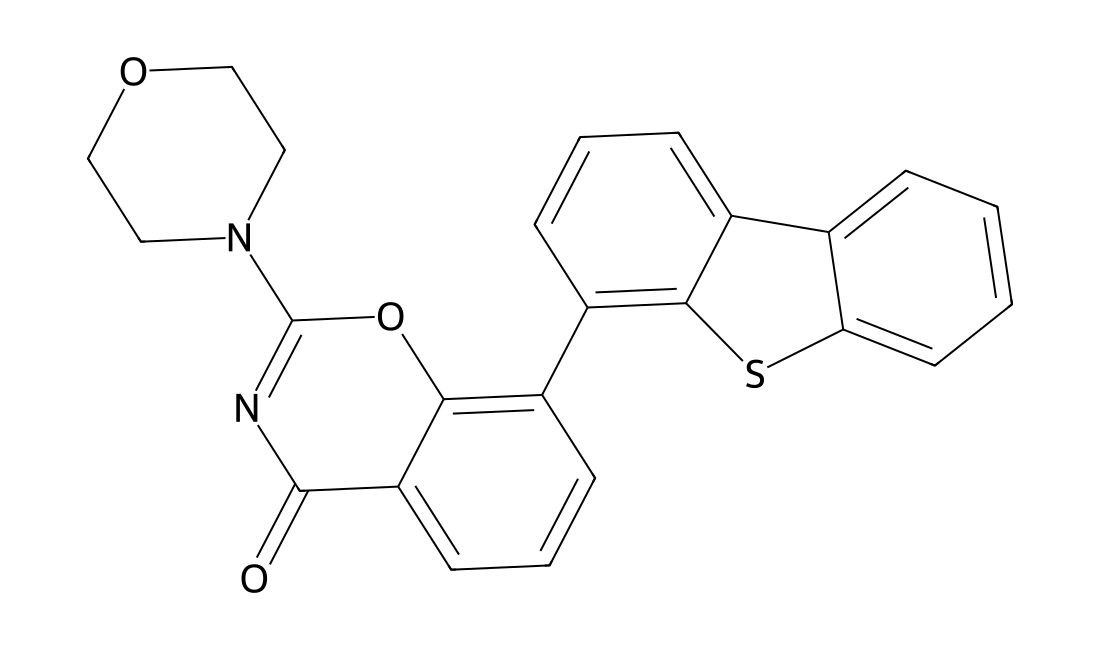
LosartanFeatured
For the detailed information of Losartan, the solubility of Losartan in water, the solubility of Losartan in DMSO, the solubility of Losartan in PBS buffer, the animal experiment(test) (test) of Losartan, the cell expriment (test) of Losartan, the in vivo, in vitro and clinical trial test of Losartan, the EC50, IC50,and Affinity of Losartan,, please contact DC Chemicals.
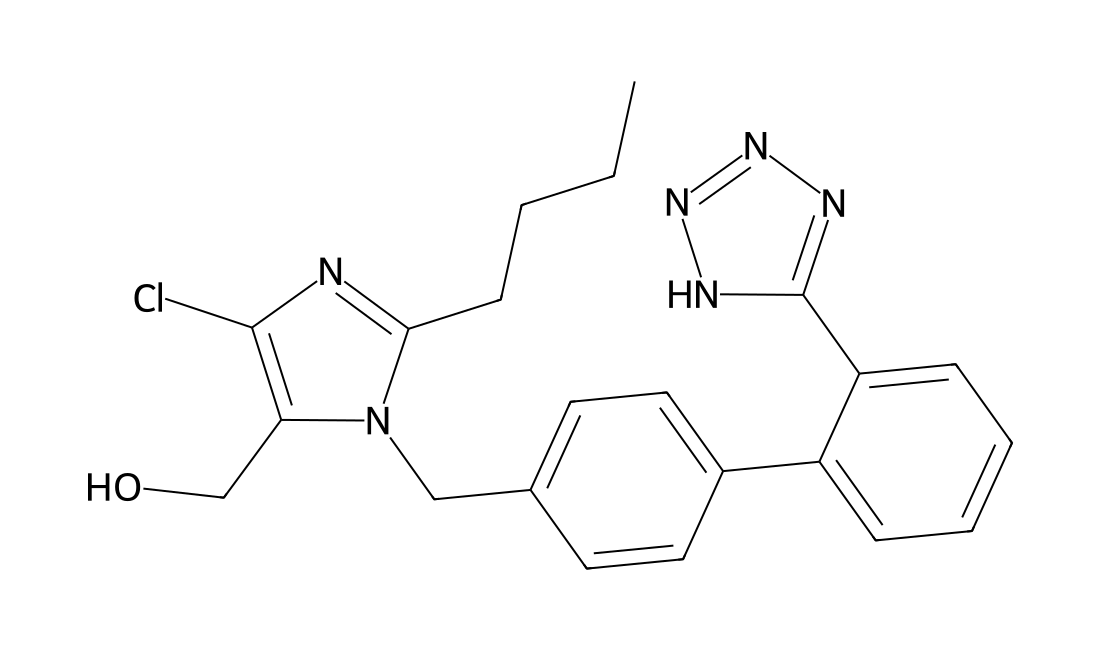
LoratadineFeatured
Loratadine(SCH-29851) is a selective inverse peripheral histamine H1-receptor agonist with an IC50 of >32 μM.Loratadine is a non-sedative antihistamine that inhibits histamine-induced activities of IL-6 and IL-8 secretion in endothelial cells.
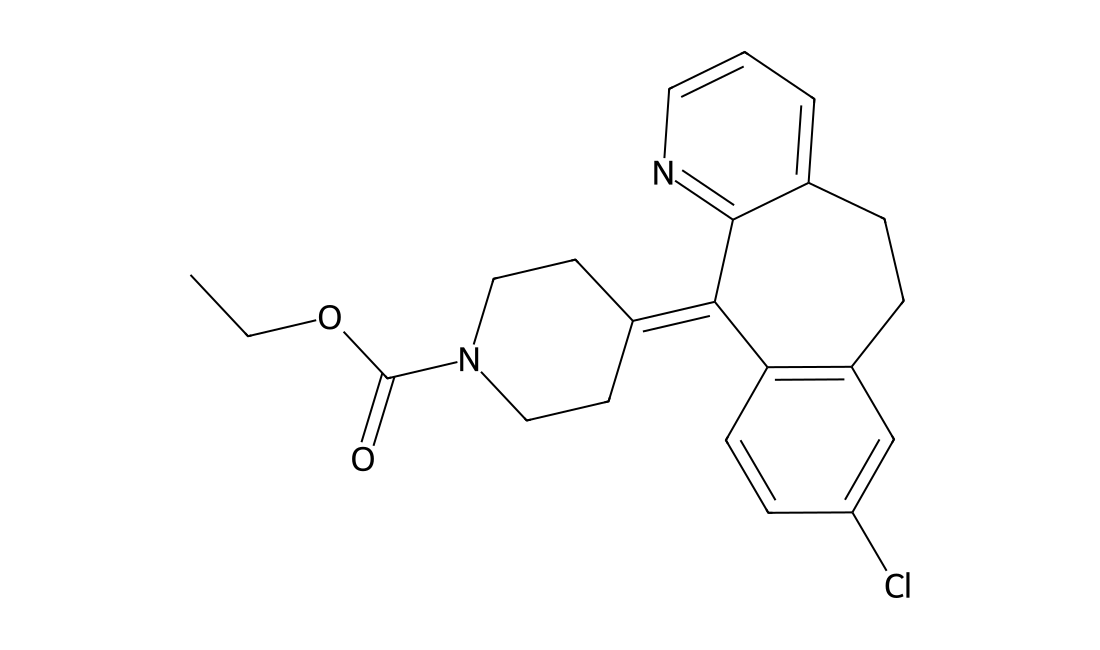
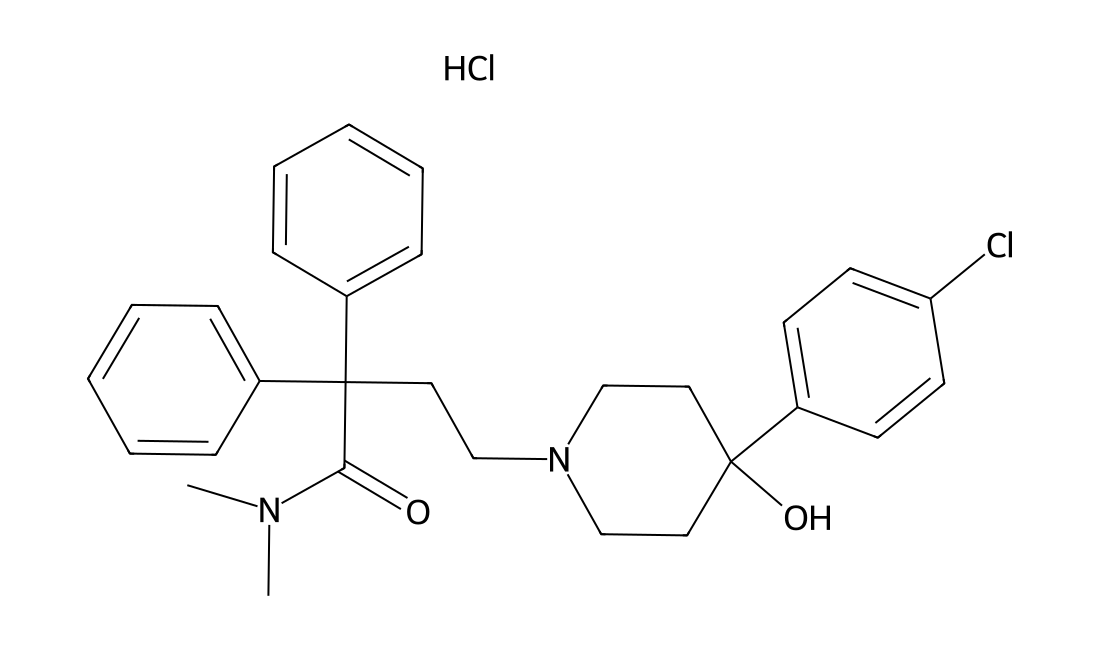
Loperamide HClFeatured
Loperamide HCl is an opioid-receptor agonist used as long-acting synthetic antidiarrheals.Loperamide is an effective therapy for a variety of diarrheal syndromes. Loperamide is generally well tolerated at recommended nonprescription doses, with the most common side effects related to the impact on bowel motility (abdominal pain, distention, bloating, nausea, vomiting, and constipation). Loperamide is an opioid-receptor agonist and acts on the μ-opioid receptors in the myenteric plexus of the large intestine; by itself it does not affect the central nervous system. It works similarly to morphine, by decreasing the activity of the myenteric plexus, which in turn decreases the tone of the longitudinal and circular smooth muscles of the intestinal wall. This increases the amount of time substances stay in the intestine, allowing for more water to be absorbed out of the fecal matter. Loperamide also decreases colonic mass movements and suppresses the gastrocolic reflex.
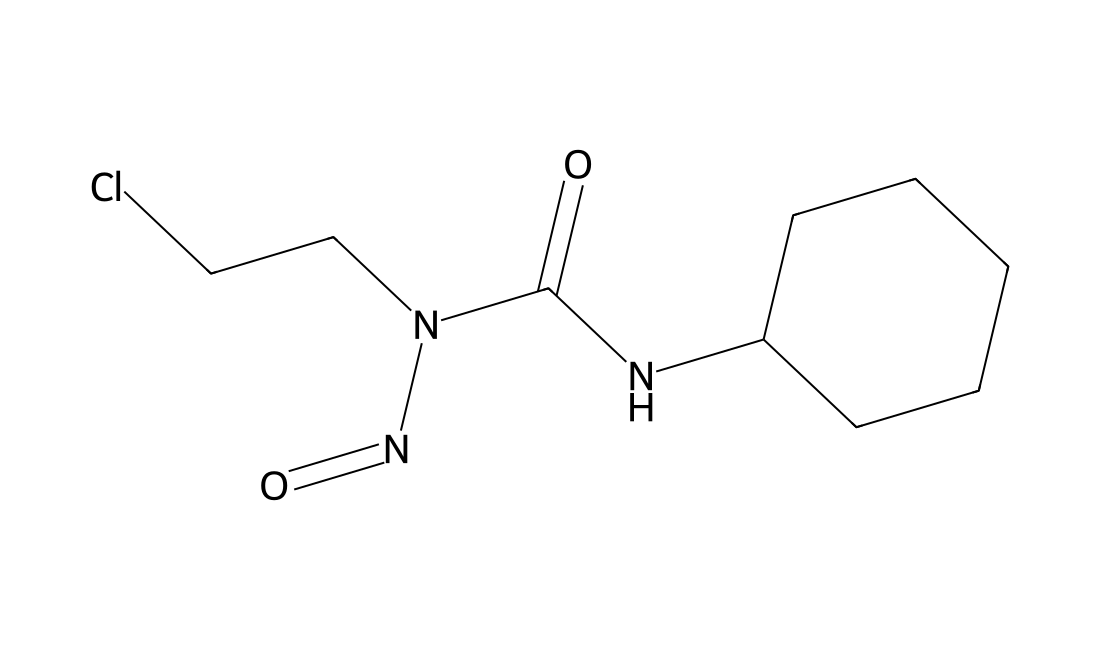
Lomustine (CeeNU)Featured
For the detailed information of Lomustine (CeeNU), the solubility of Lomustine (CeeNU) in water, the solubility of Lomustine (CeeNU) in DMSO, the solubility of Lomustine (CeeNU) in PBS buffer, the animal experiment(test) (test) of Lomustine (CeeNU), the cell expriment (test) of Lomustine (CeeNU), the in vivo, in vitro and clinical trial test of Lomustine (CeeNU), the EC50, IC50,and Affinity of Lomustine (CeeNU),, please contact DC Chemicals.
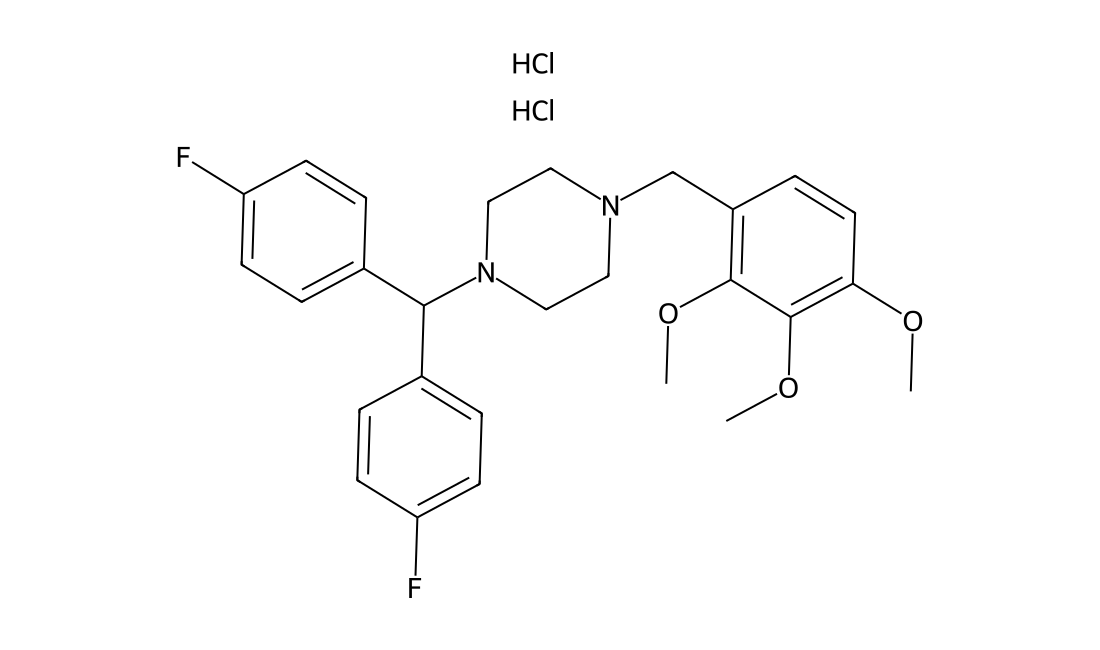
Lomerizine hydrochlorideFeatured
Lomerizine dihydrochloride is a relatively new L- and T-type calcium channel blocker used in the treatment of migraine.
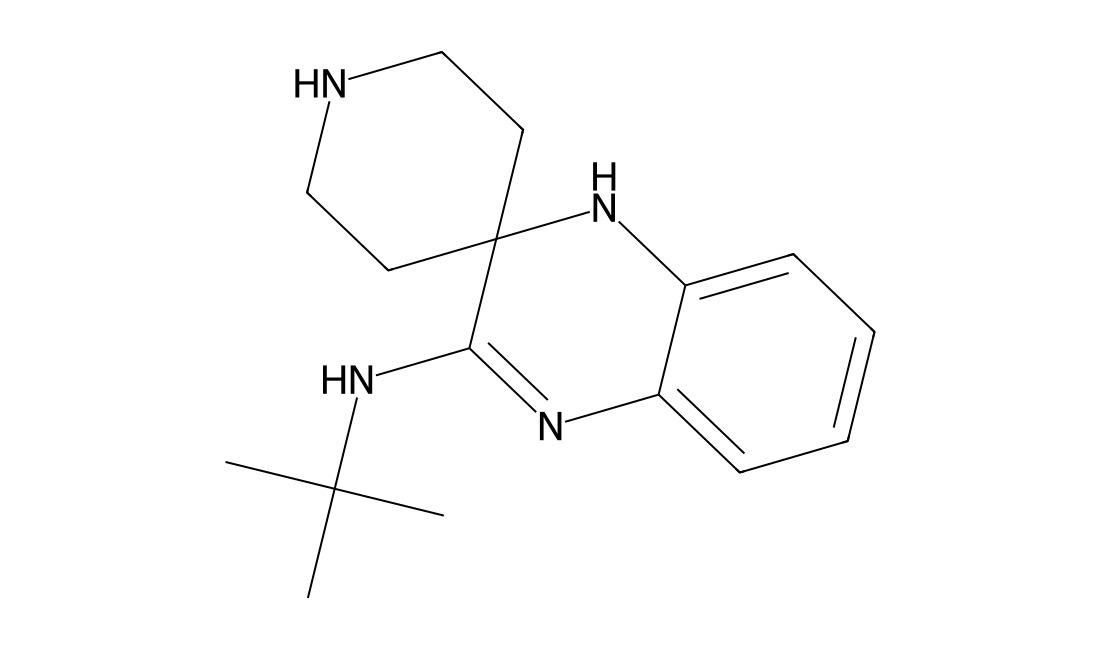
Liproxstatin-1 analogFeatured
Liproxstatin-1 analog is an analog of the ferroptosis inhibitor liproxstatin-1
LicofeloneFeatured
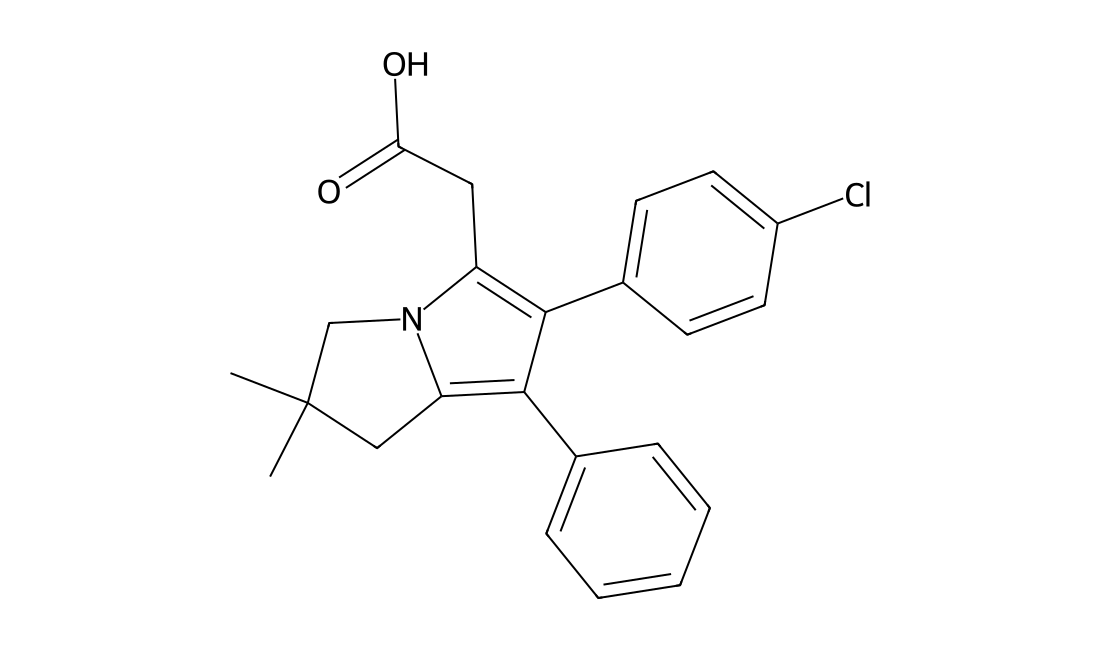
Licofelone is a dual COX/LOX inhibitor being considered as a treatment for osteoarthritis.
LED209Featured
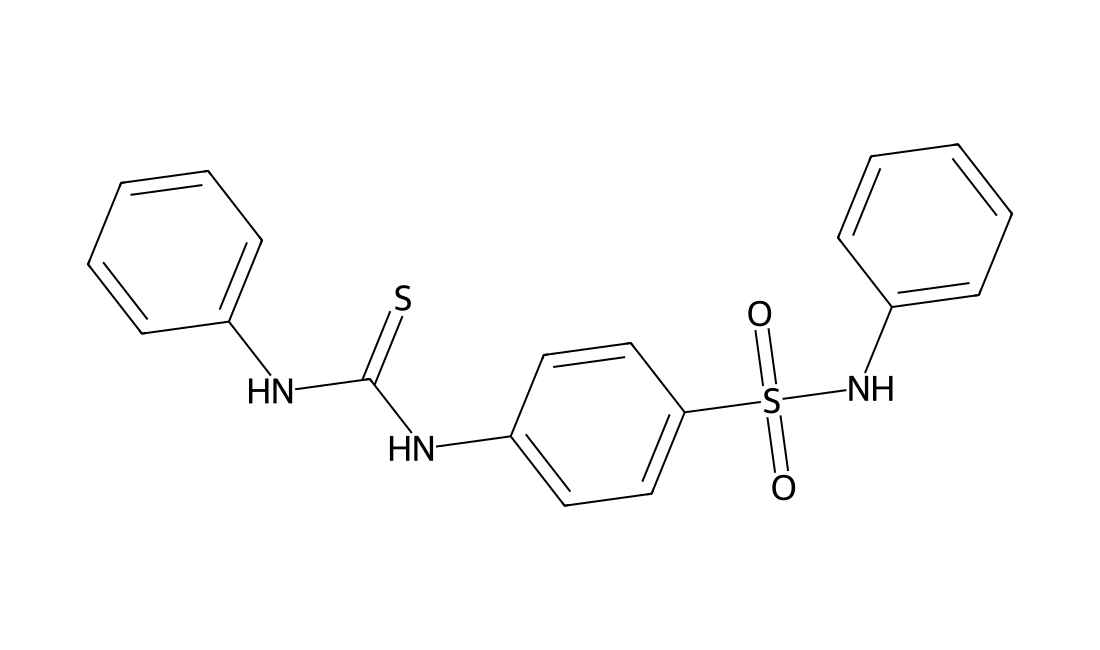
LED209 is a potent QseC inhibitor that blocks both norepinephrine- and epinephrine-triggered QseC-dependent virulence gene expression at 5 pM in vitro.
Lck InhibitorFeatured
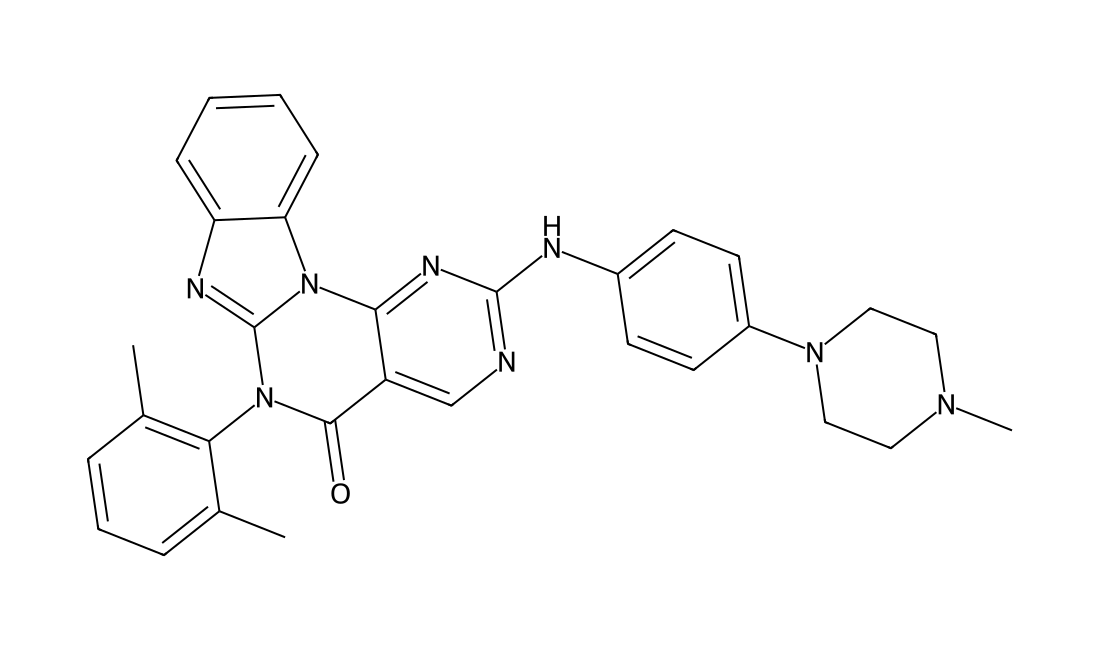
Lck Inhibitor is a new class of compounds that are potent inhibitors of Lck with an IC50 value of 7 nM. in vitro: Lck Inhibitor (compound 25) exhibited good potency in the T-cell receptor-induced IL-2 secretion assay (IL- 2) and also inhibited subsequent T-cell proliferation (T-cell prolif.) in the same human T -cells. in vivo: A once daily dose of 25was administered orally at 10, 30, and 60 mg/kg from day 9 today 17. Paw volume was measured daily from day 9 through day 18. The compound showed a dose-dependent inhibition of arthritis, with an ED50 estimated at 24 mg/kg (Figure 6). Based on the measured plasma levels from the three dose groups, the exposure of 25 at the ED50 was estimated to be 2.7 μM·h (Cmax≈ 0.7 μM).
Lauric AcidFeatured
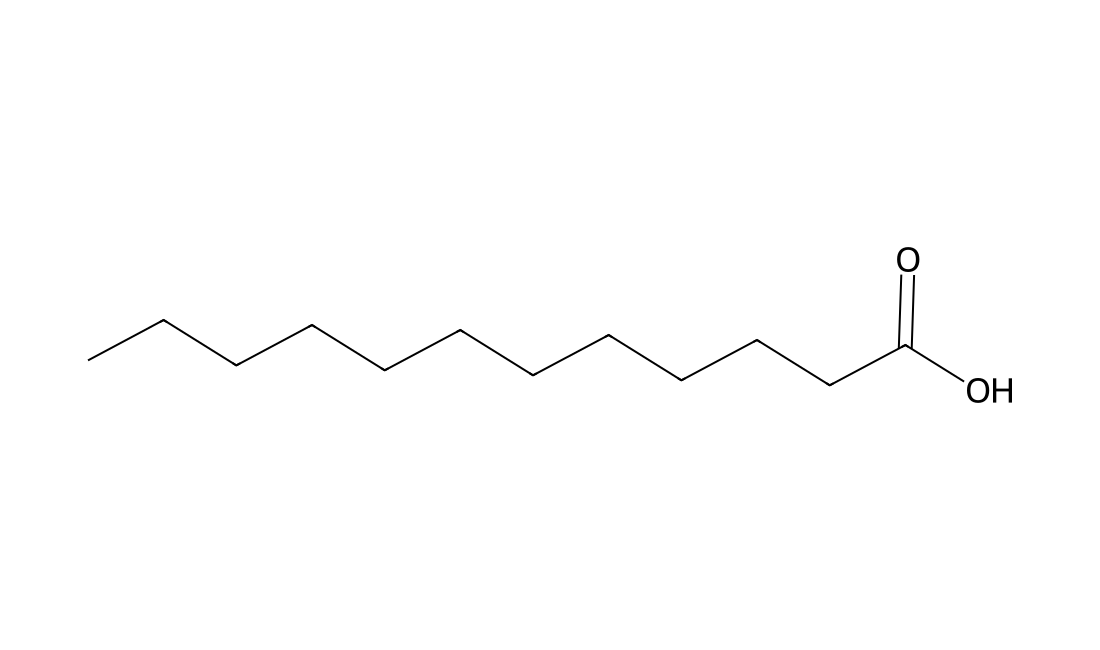
Lauric Acid is a saturated medium-chain fatty acid with a 12-carbon backbone. Lauric acid is found naturally in various plant and animal fats and oils, and is a major component of coconut oil and palm kernel oil.
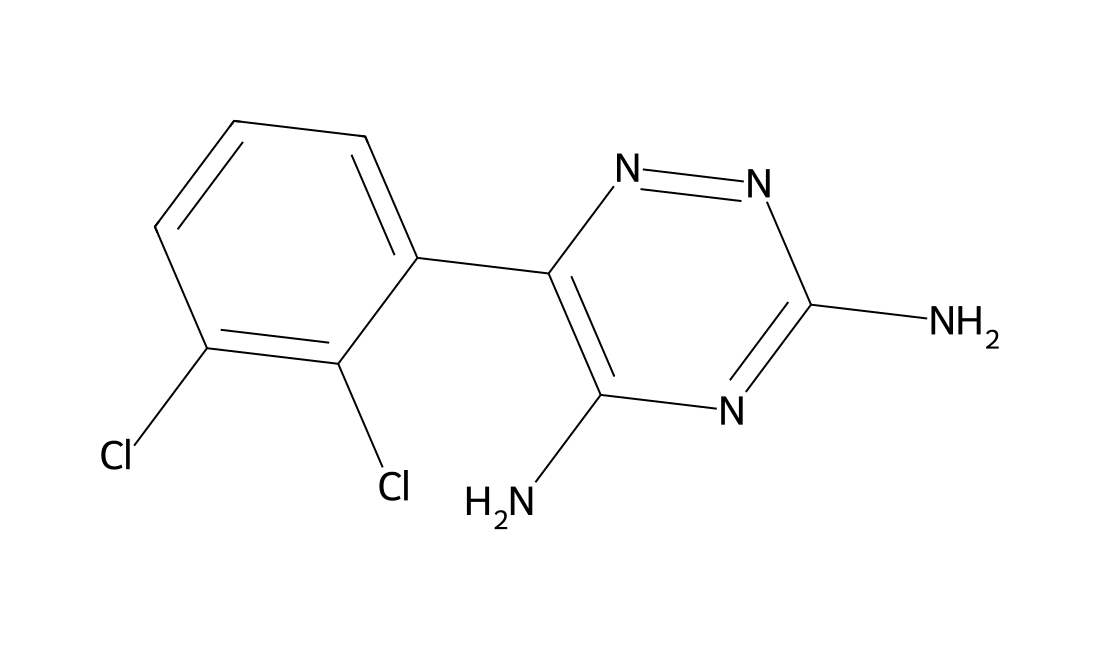
LamotrigineFeatured
Lamotrigine(BW430C) is a novel anticonvulsant drug for inhibition of 5-HT and sodium channel.Lamotrigine stabilises presynaptic neuronal membranes by blockade of voltage-dependent sodium channels, thus preventing the release of excitatory neurotransmitters, particularly glutamate and aspartate. In rat cerebral cortex tissue incubated with veratrine 10 mg/L, lamotrigine is twice as potent in inhibiting the release of glutamate and aspartate (ED 50 = 5.38 mg/L for each) than the release of GABA (ED50 = 11.2 mg/L), and is much less potent in inhibiting acetylcholine release (ED50 = 25.6 mg/L) when cortical slices is exposed to veratrine 75 mg/L. Basal glutamate release is unaffected. Lamotrigine inhibits high-frequency sustained repetitive firing of sodium-dependent action potentials, indicating a direct effect on voltage-activated sodium channels. Lamotrigine (Lamictal), a phenyltriazine derivative, is a well established anticonvulsant agent that has shown efficacy in the prevention of mood episodes in adult patients with bipolar I disorder. lamotrigine significantly delayed time to intervention for a depressive episode and showed limited efficacy in delaying time to intervention for a manic/hypomanic episode, compared with placebo. Lamotrigine is generally well tolerated.
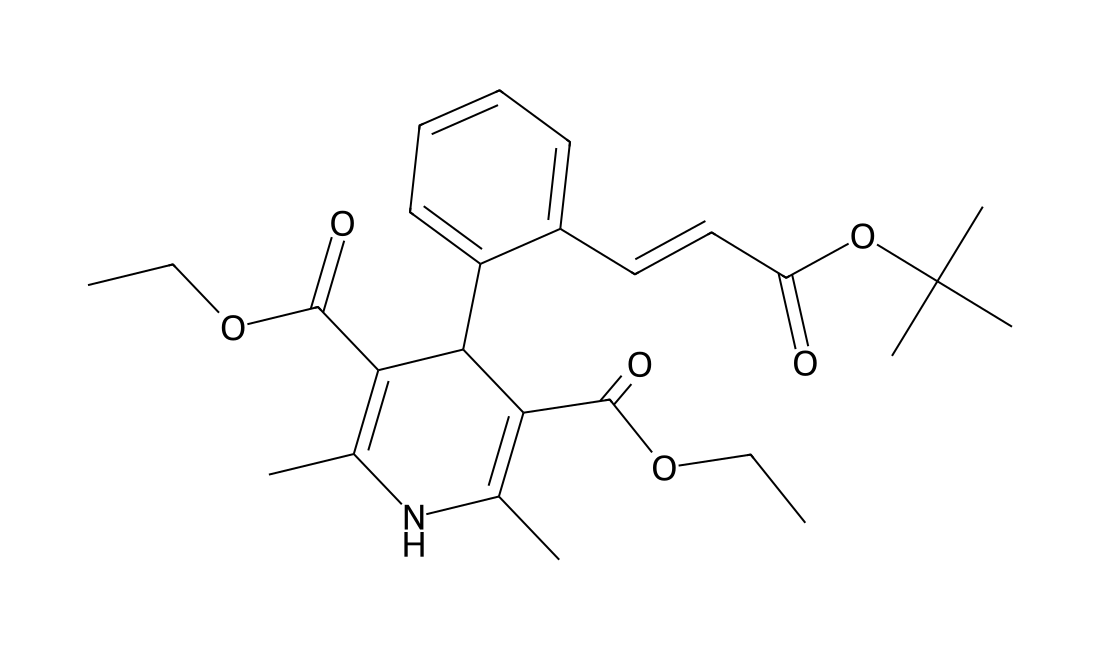
LacidipineFeatured
Lacidipine (Lacipil, Motens) is a L-type calcium channel blocker. Lacidipine, a novel third-generation dihydropyridine calcium channel blocker, has been demonstrated effective for hypertension. lacidipine protects HKCs against apoptosis induced by ATP depletion and recovery by regulating the caspase-3 pathway. In biological membranes deriving from rat brain tissue, lacidipine showed an activity comparable to reference antioxidant compounds like vitamin E. lacidipine has some important protective effects on liver of hypertensive irradiated albino rats.
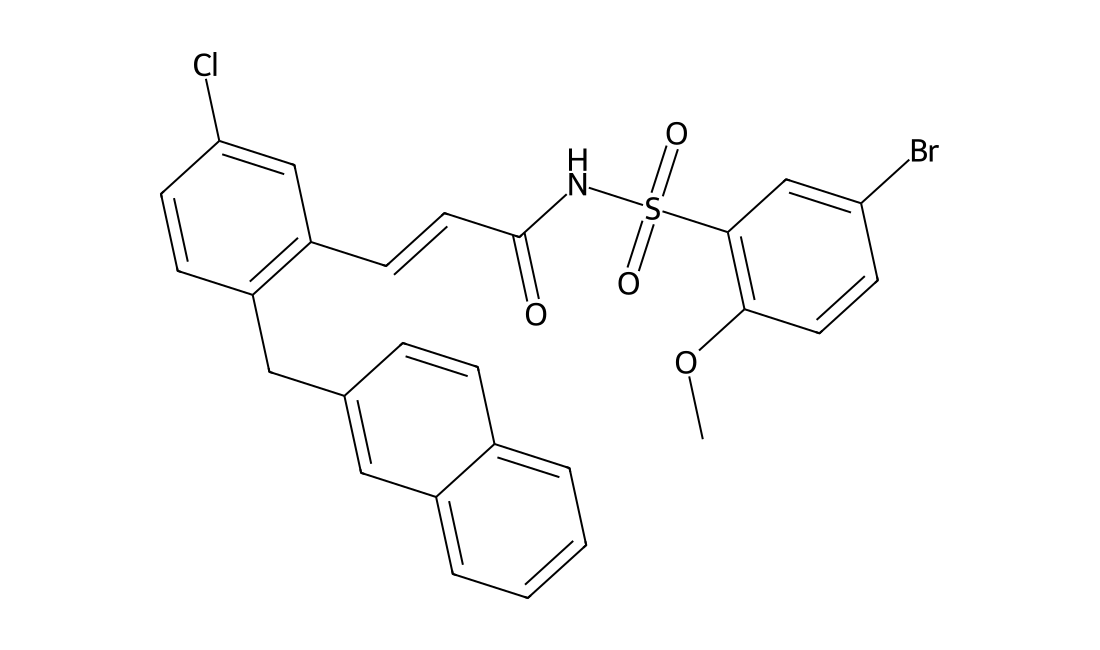
L-826,266Featured
L-826,266 is a potent and selective competitive antagonist of the prostaglandin E2 receptor subtype EP3 (Ki = 0.8 nM).It also binds to the EP4 receptor (Ki = 715 nM) but does not bind to EP1 or EP2 receptors up to a concentration of 5,000 nM. L-826,266 inhibits vasoconstriction induced by the EP3 agonist sulprostone in a concentration-dependent manner (EC50s = 0.45-24.5 µM in isolated human pulmonary arteries).It also inhibits sulprostone-induced norepinephrine and serotonin release in rat cortex and norepinephrine release in rat vas deferens (pA2s = 7.56, 7.67, and 7.87, respectively).
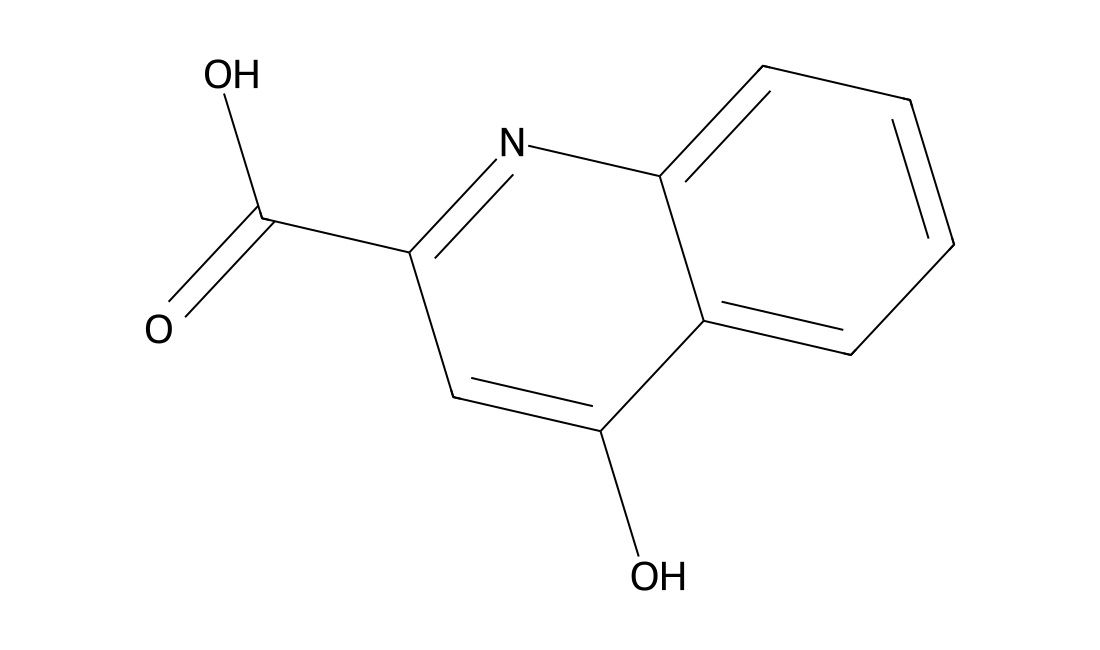
Kynurenic acidFeatured
Kynurenic acid, a natural metabolite of tryptophan via the kynurenine pathway, is a broad-spectrum excitatory amino acid antagonist.
K-Ras(G12C) inhibitor 6Featured
K-Ras(G12C) inhibitor 6 belongs to a series of small molecules, which irreversibly bind to a common oncogenic mutant K-Ras(G12C) and blocks K-Ras(G12C) interactions. Some of them decrease viability and increase apoptosis of G12C-containing cancer cell lines. For the detailed information of K-Ras(G12C) inhibitor 6, the solubility of K-Ras(G12C) inhibitor 6 in water, the solubility of K-Ras(G12C) inhibitor 6 in DMSO, the solubility of K-Ras(G12C) inhibitor 6 in PBS buffer, the animal experiment (test) of K-Ras(G12C) inhibitor 6, the cell expriment (test) of K-Ras(G12C) inhibitor 6, the in vivo, in vitro and clinical trial test of K-Ras(G12C) inhibitor 6, the EC50, IC50,and Affinity of K-Ras(G12C) inhibitor 6, Please contact DC Chemicals.
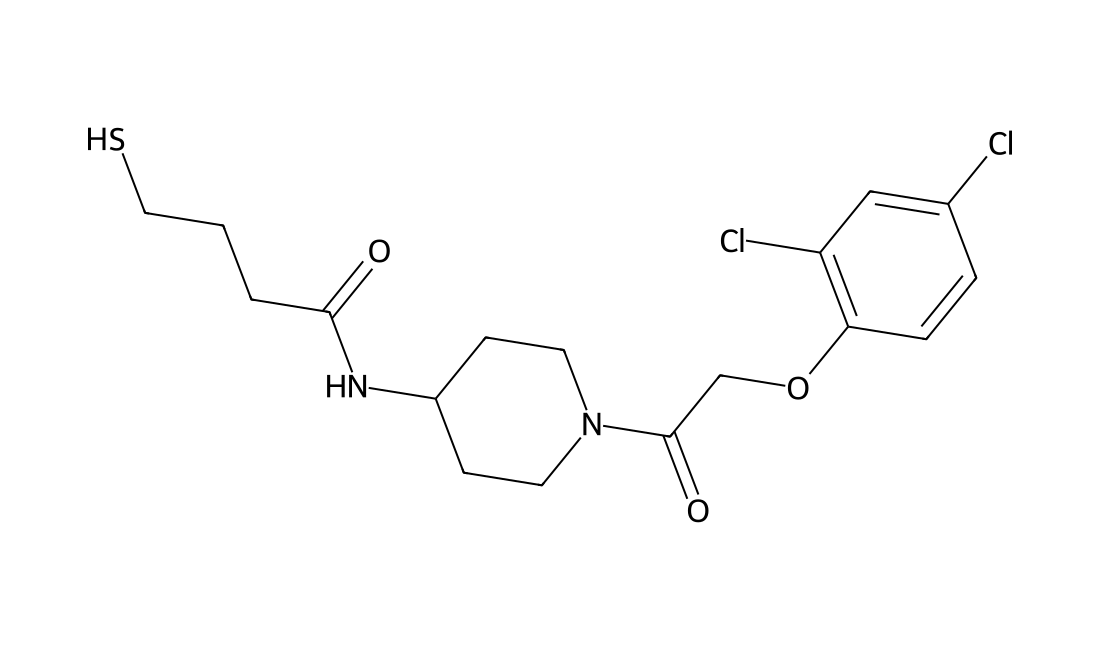
KPT-185Featured
KPT-185 significantly inhibits leukemia cell proliferation with IC50 ranging from 100 nM to 500 nM, and induces cell-cycle arrest and apoptosis of AML cell lines and primary AML blasts. KPT-185 reduces CRM1 protein protein level and shows a significant nuclear accumulation of CRM1 cargo proteins. KPT-185 also inhibits proliferation and promotes apoptosis of pancreatic cancer cells without affecting human pancreatic ductal epithelial cells. For the detailed information of KPT-185, the solubility of KPT-185 in water, the solubility of KPT-185 in DMSO, the solubility of KPT-185 in PBS buffer, the animal experiment (test) of KPT-185, the cell expriment (test) of KPT-185, the in vivo, in vitro and clinical trial test of KPT-185, the EC50, IC50,and Affinity of KPT-185, Please contact DC Chemicals.
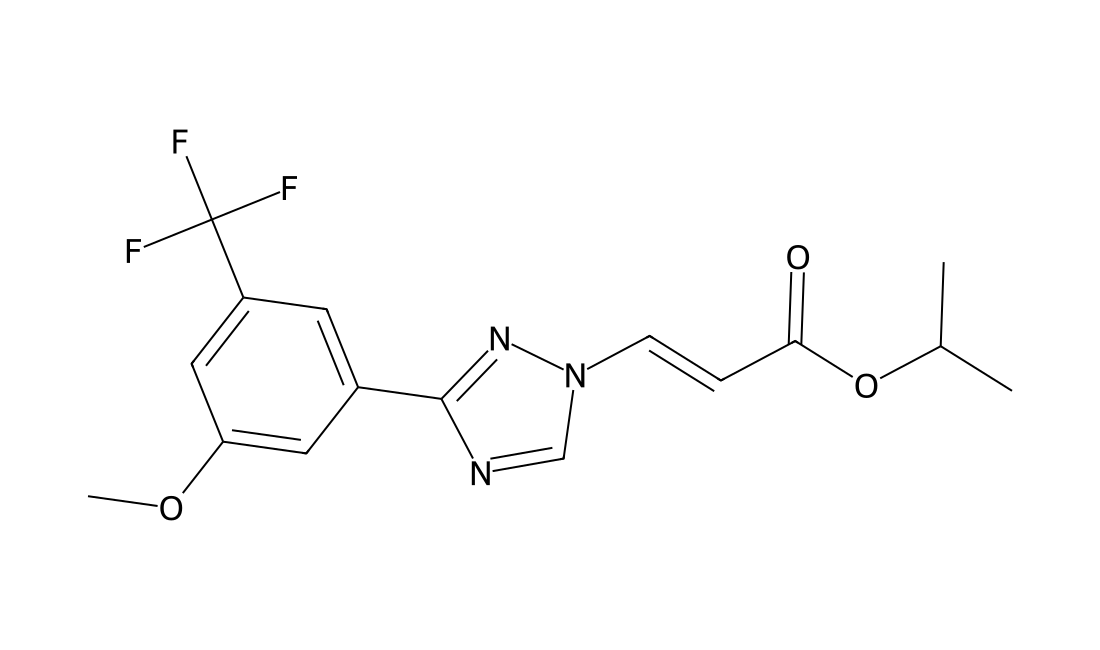
KP372-1Featured
KP372-1 is a specific Akt inhibitor that blocks proliferation and induces apoptosis of thyroid cancer cells with an IC50 value of 30-60 nM in vitro.
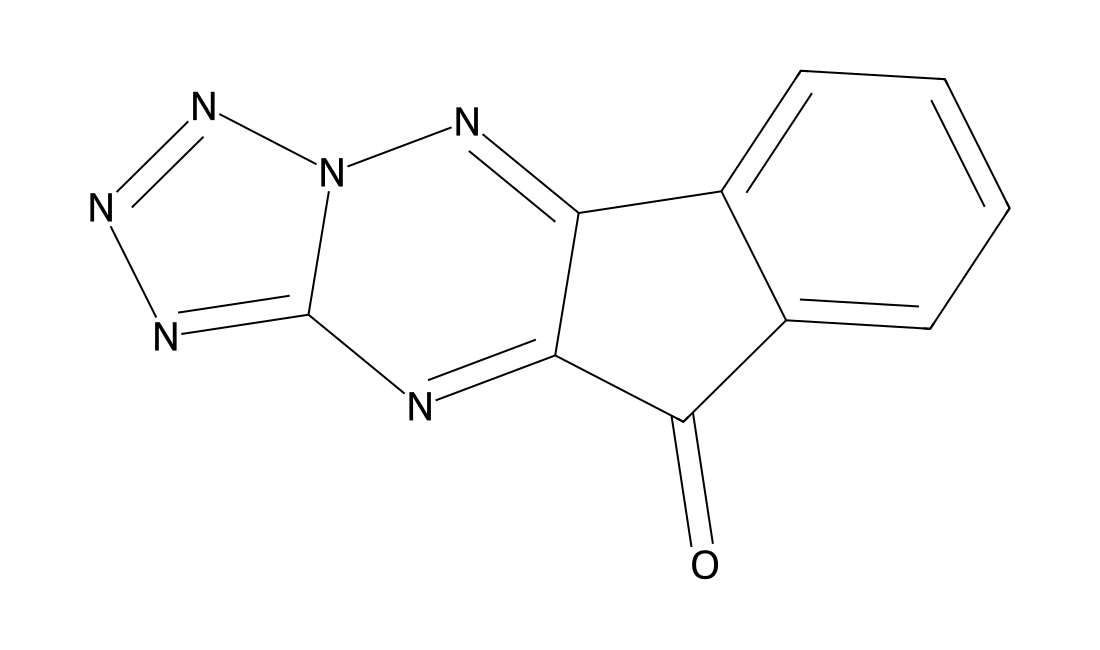
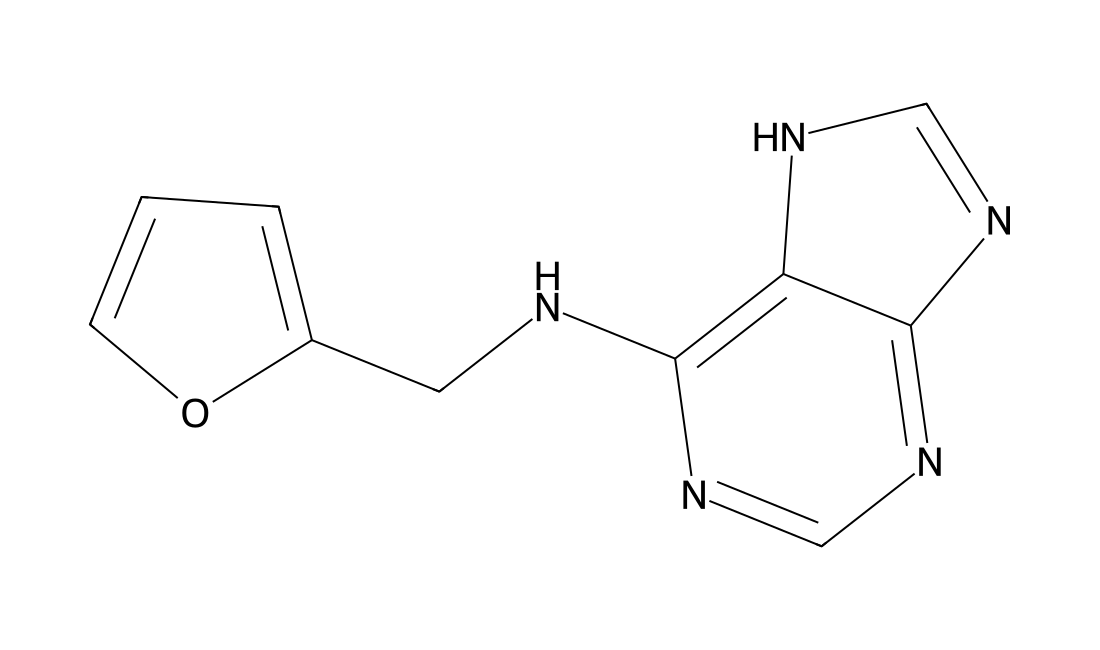
Kinetin (6-Furfuryladenine)Featured
For the detailed information of Kinetin (6-Furfuryladenine), the solubility of Kinetin (6-Furfuryladenine) in water, the solubility of Kinetin (6-Furfuryladenine) in DMSO, the solubility of Kinetin (6-Furfuryladenine) in PBS buffer, the animal experiment(test) (test) of Kinetin (6-Furfuryladenine), the cell expriment (test) of Kinetin (6-Furfuryladenine), the in vivo, in vitro and clinical trial test of Kinetin (6-Furfuryladenine), the EC50, IC50,and Affinity of Kinetin (6-Furfuryladenine),, please contact DC Chemicals.
No products match this search.
Page 302 of 309 · Browse all 6177 products
Jump to a product page
Featured literature product: HX1 · DCL0028
HX1 is a hydroxyzine-derived ionizable lipid with acetal-containing tails, studied in lipid nanoparticles for brain mRNA delivery and CRISPR–Cas9 delivery. It was the lead in the reported in vivo brain-delivery screen; evidence is preclinical and formulation-dependent.
Read full formulation and performance →