
Research lipid catalog
Ionizable Lipid Products
Explore 848 lipid and RNA delivery products. Search the full catalog or browse by research category.
Search covers product name, catalog number, synonyms, available CAS numbers and categories. Spaces, hyphens and common punctuation are ignored. Duplicate legacy records are consolidated under one canonical product result.
6177 products · Showing 5781–5800 · 20 per page
DC Chemicals lipid expertise
Built for ionizable-lipid discovery and RNA delivery research
DC Chemicals supports formulation and delivery research with a broad, searchable portfolio of cationic and ionizable lipids. The current directory brings together 848 unique research-use products, with product specifications, pricing, chemical structures and literature-linked formulation data added as each record is verified.
Our experience spans complex lipid synthesis, purification, analytical release and process development. For custom molecules or larger-scale requirements, our team can discuss route development, technical specifications and scale-up options for the intended research workflow.
Learn about cationic and ionizable lipids →Proprietary innovation · Co-development · GMP
From proprietary lipid design to GMP-grade custom synthesis
DC Chemicals has independently developed ionizable-lipid structures supported by company-owned intellectual property, and selected proprietary lipid programs have advanced to GMP-stage development.
We welcome joint development with customers—from molecular design and lipid synthesis through route and process development. We can also support custom synthesis of GMP-grade ionizable lipids to agreed technical specifications and quality requirements.
Discuss a co-development project →Proprietary ionizable-lipid structuresCollaborative molecular designCustom lipid synthesisProcess development and scale-upGMP-grade project support
Product quick links
Explore New ionizable lipids
Explore our five most recently added ionizable lipids, with specifications, pricing and literature-linked product information.
DCL0028HX1Brain RNA delivery researchView product →DCL0024A1I4R13C18-2Spleen-targeted RNA delivery researchView product →DCL0023A1I4R2C18-2Spleen-targeted RNA delivery researchView product →DCL0022FS01Local joint RNA delivery researchView product →DCL0020Lipid-392Lung RNA delivery and gene editing researchView product →
Cat. No.Product NameField of ApplicationChemical Structure
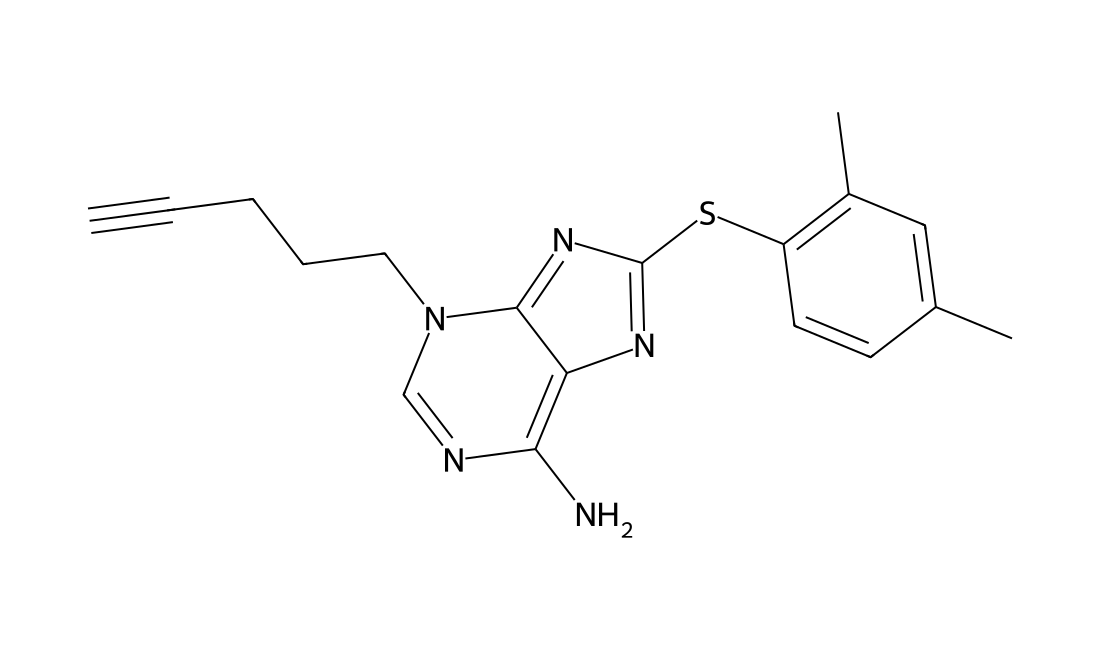
PU-H54Featured
A potent, selective Grp94 inhibitor.
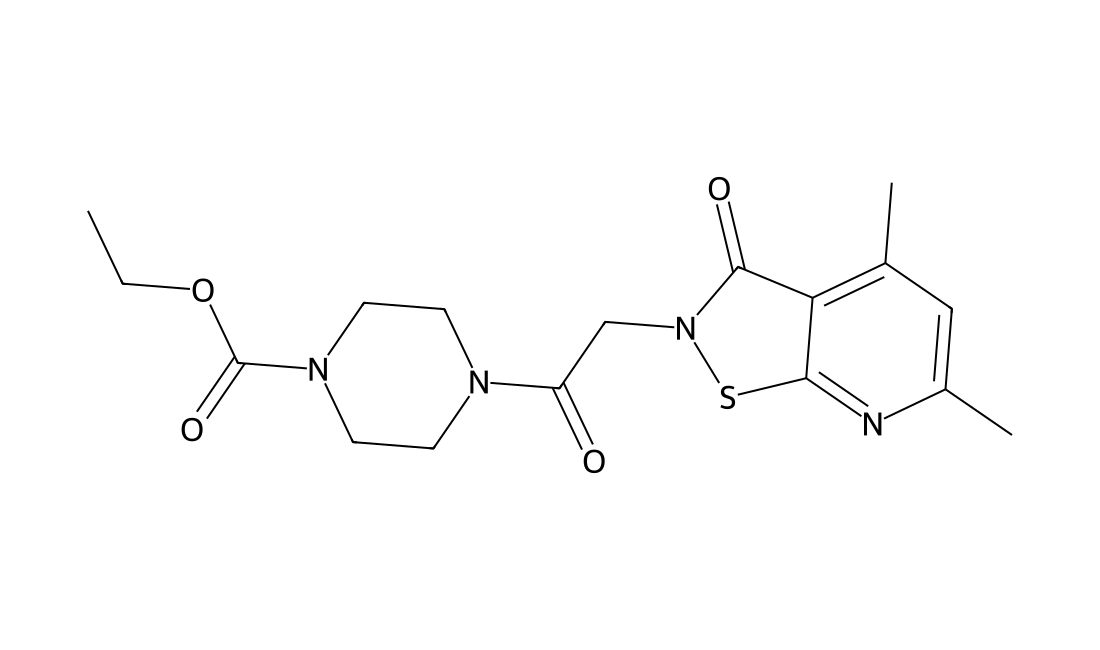
YMU1Featured
Potent, reversible, and ATP-competitive inhibitor of human Thymidylate kinase (TMPK)
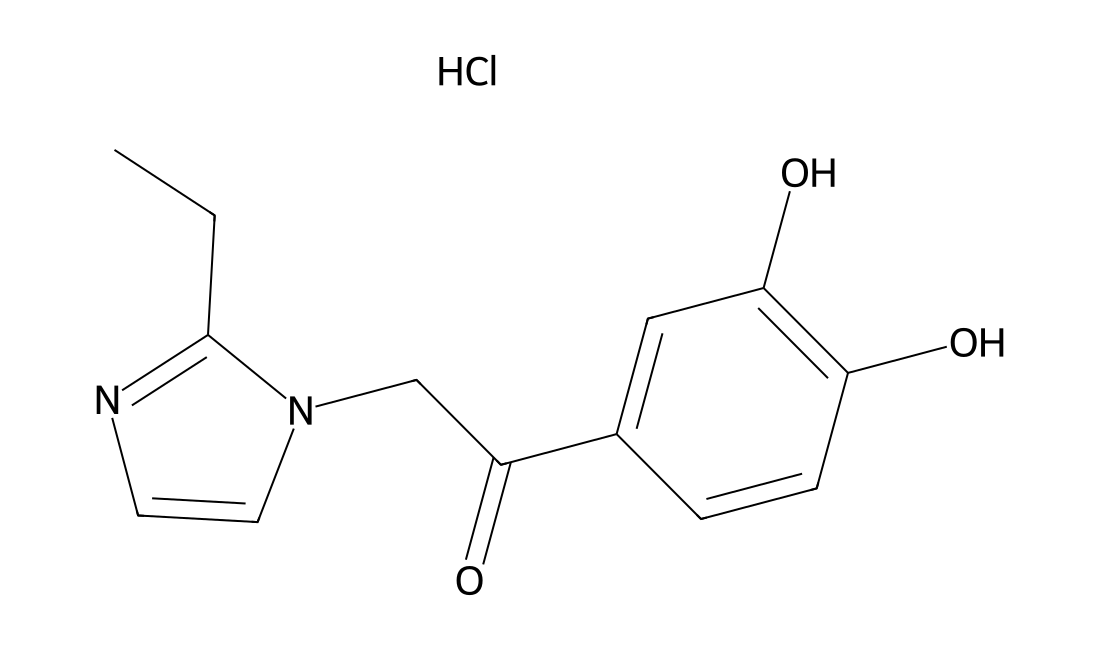
ML-095 (hydrochloride)Featured
Inhibitor of placental alkaline phosphatase (PLAP)
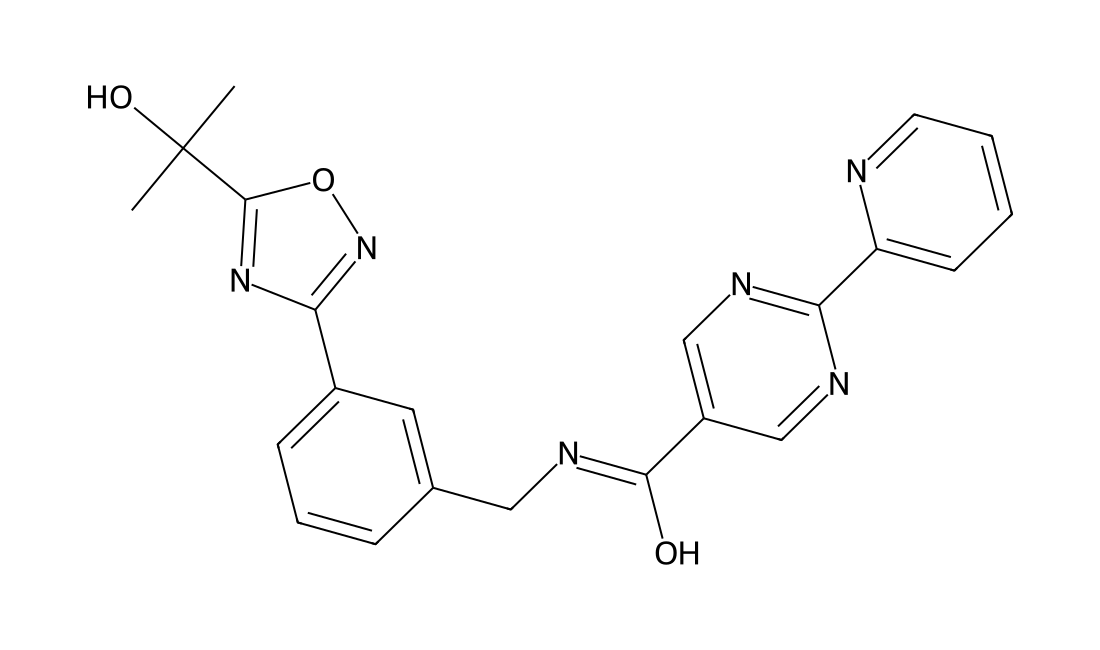
hPGDS-IN-1Featured
hPGDS-IN-1 is a potent, selective hPGDS inhibitor with IC50 of 12 nM in FP or EIA assays.
Lp-PLA2 -IN-1(GSK2814338)Featured
GSK2814338, also known as Lp-PLA2 -IN-1, is a Lp-PLA2 inhibitor
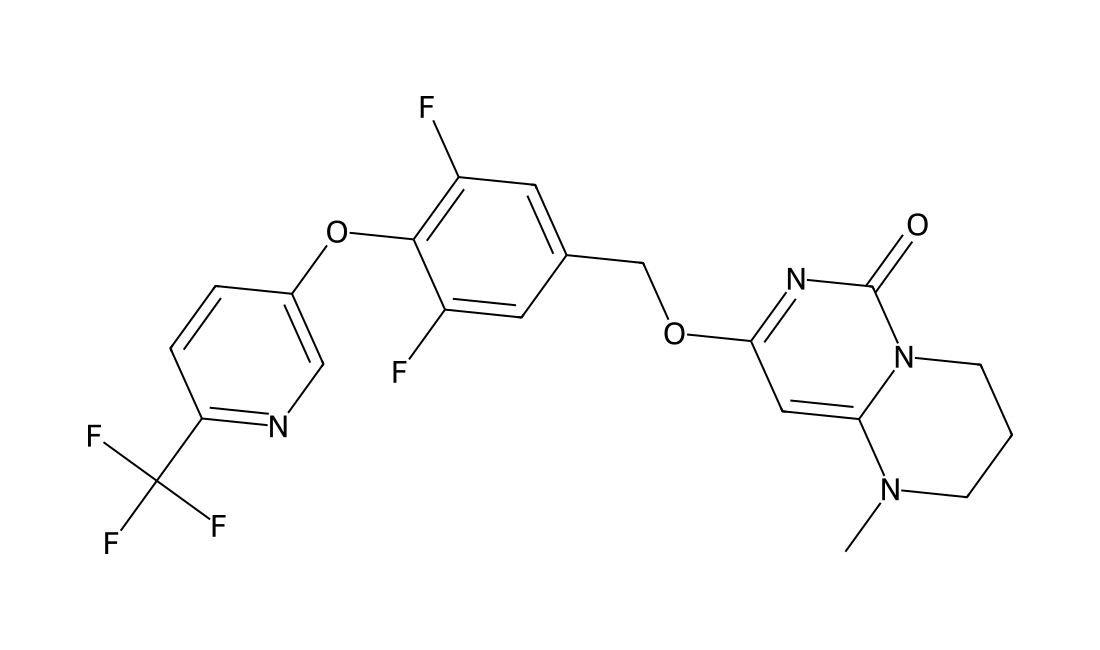
HM30181(Encequidar)Featured
HM30181 is shown to be approximately equipotent with the reference Pgp inhibitor tariquidar in inhibiting rhodamine 123 efflux from CCRF-CEM T cells (IC50, tariquidar: 8.2±2.0 nM, HM30181: 13.1±2.3 nM) . HM30181 shows a high selectivity for mP-gp and its potency is 20-50 times higher than that of tariquitar, another third generation P-gp inhibitor.PET scans with the Pgp substrate (R)-[11C]verapamil in FVB wild-type mice pretreated i.v. with HM30181 (10 or 21 mg/kg) failes to show significant increases in (R)-[11C]verapamil brain uptake compared with vehicle treated animals. HM30181 inhibits P-gp mainly in the intestinal endothelium, which can be beneficial because pan-inhibition of P-gp, particularly in the brain, could lead to detrimental adverse events. HM30181 increases the oral bioavailability of co-administered paclitaxel by more than 12 times in rats.
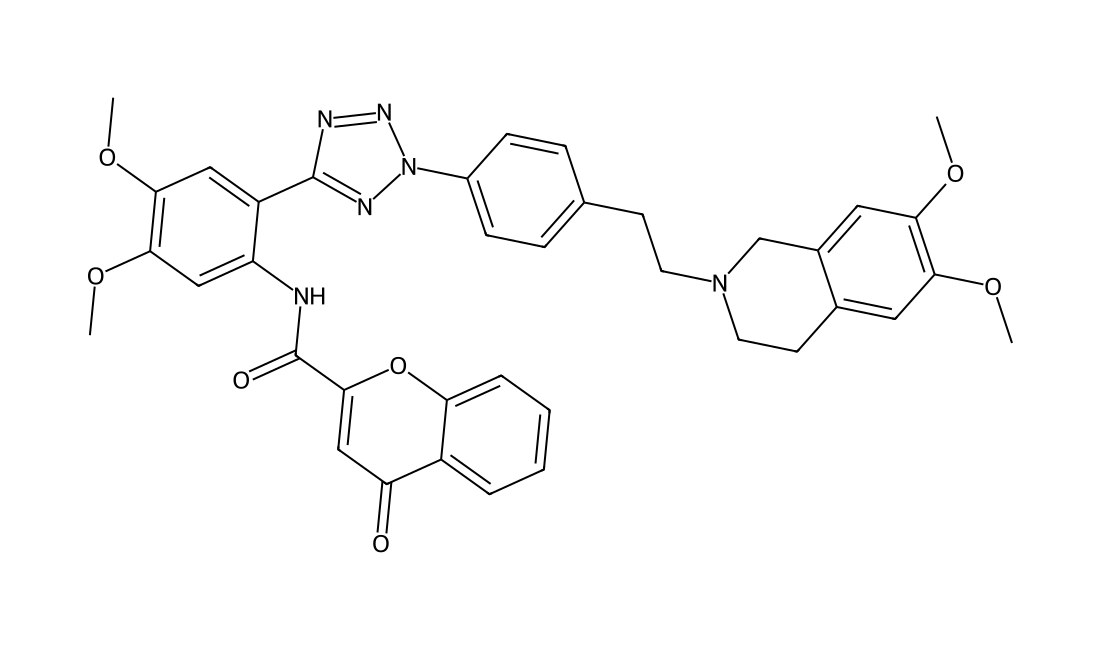
p38α inhibitor 1Featured
p38α inhibitor 1 is a p38α inhibitor extracted from patent WO 2008076265 A1.
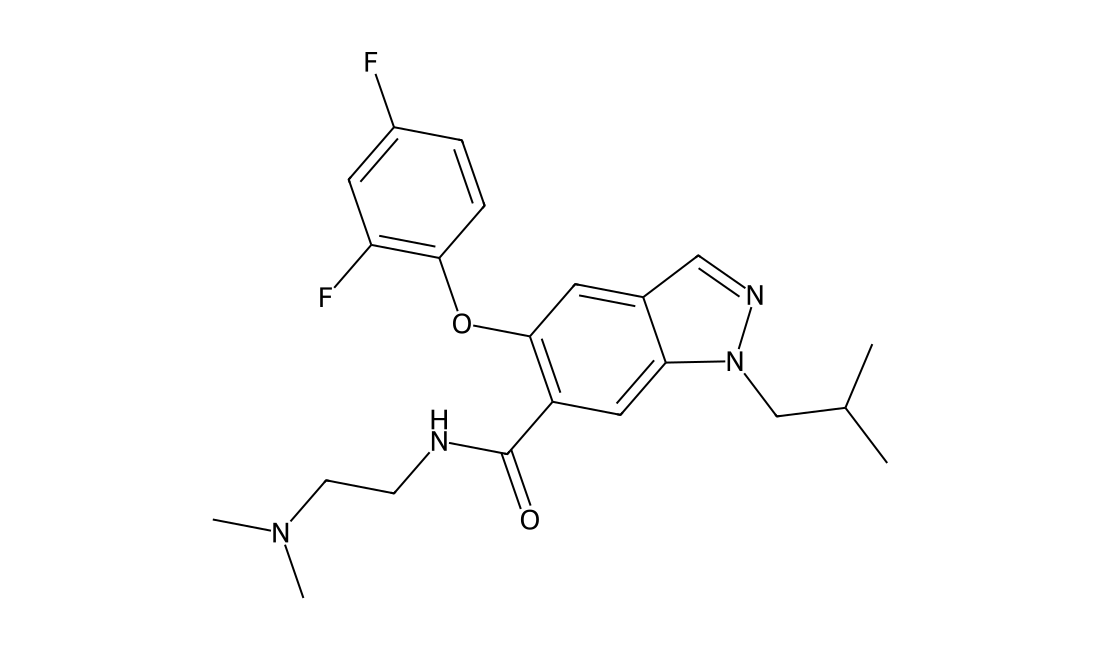
LMD-009Featured
LMD-009 (LMD 009, LMD009) is a potent, selective, nonpeptide CCR8 agonist that stimulates CCR8-mediated chemotaxis, inositol phosphate accumulation and calcium release with EC50 of 11-87 nM; displays no activity against other chemokine receptors.
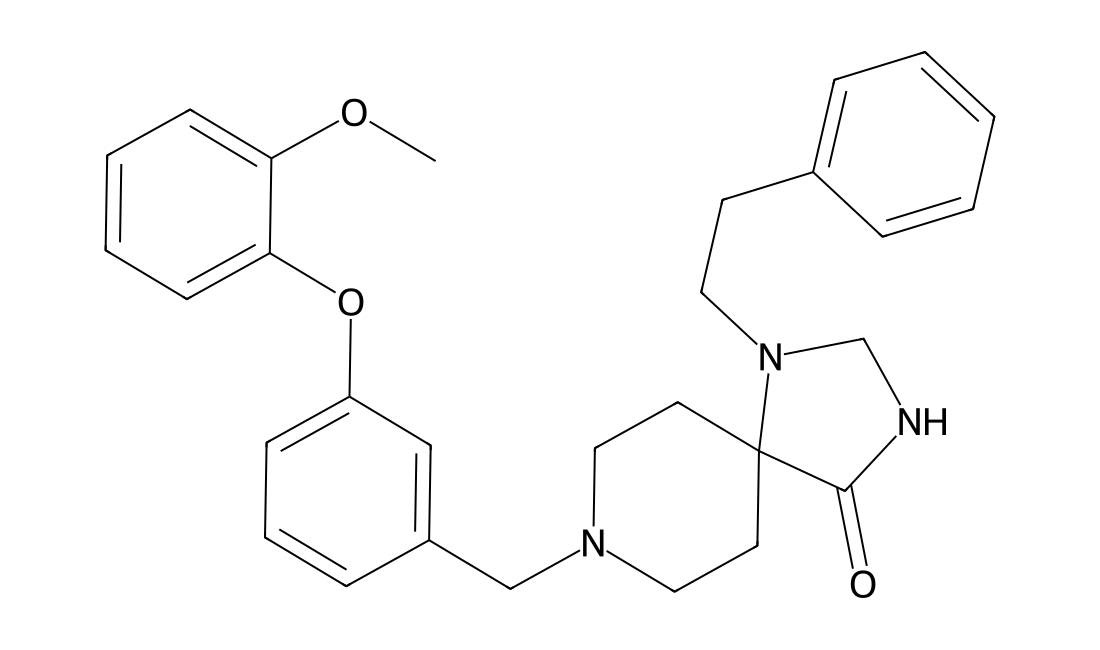
JNJ-38158471Featured
JNJ-38158471 is a well tolerated, orally available, highly selective VEGFR-2 inhibitor with an IC(50) of 40nM. It also inhibits closely related tyrosine kinases such as Ret (IC(50) of 180nM) and Kit (C50 of 500nM). It has no significant activity (>1µM) against VEGFR-1 and VEGFR-3.
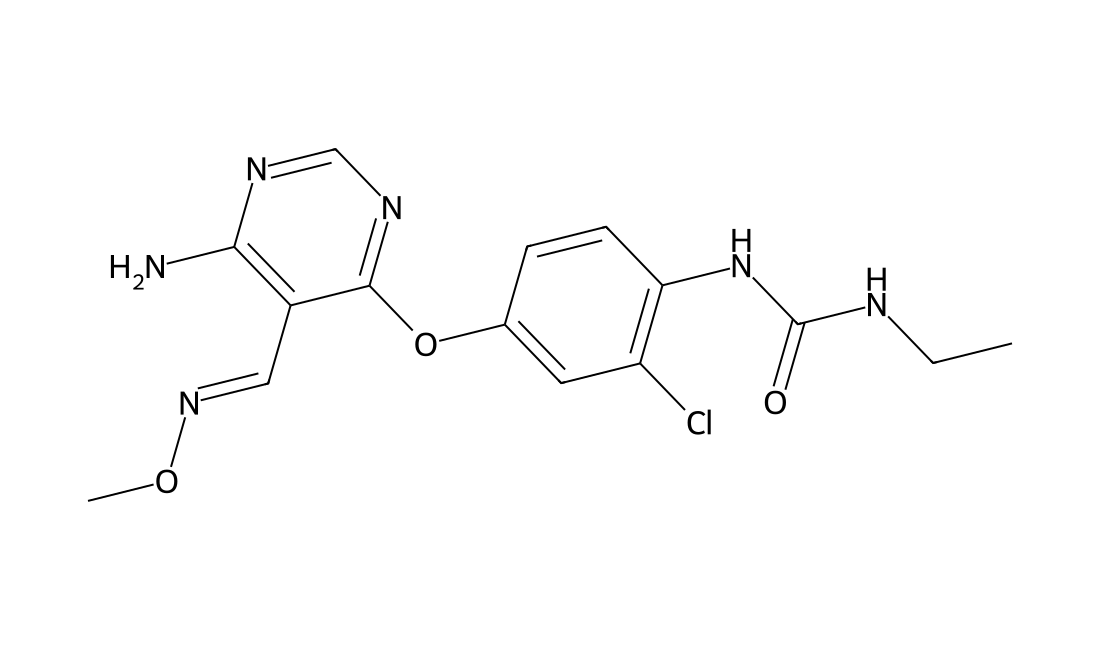
IWP-O1Featured
In vitro IWP-O1 has significantly improved metabolic stability.
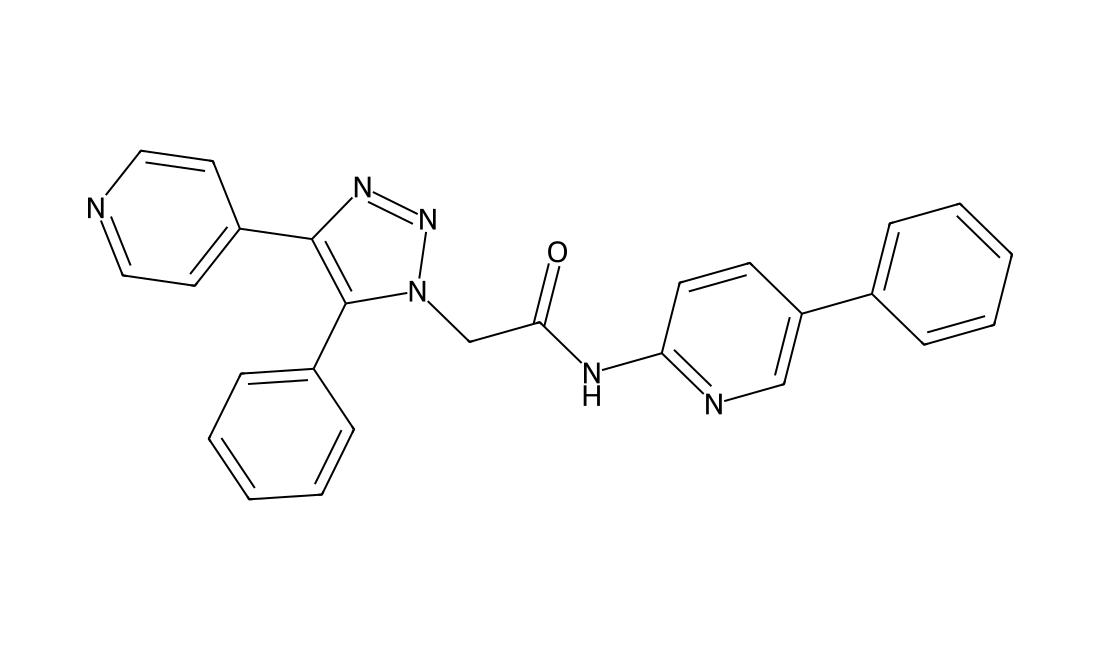
GNE-7915 tosylateFeatured
GNE-7915 tosylate (GNE7915 tosylate) is a highly potent, selective, and brain-penetrable LRRK2 inhibitor with IC50 of 1.9 nM; shows 1/187 kinases with 50% inhibition at 0.1 uM; possesses an ideal balance of LRRK2 cellular potency, broad kinase selectivity, metabolic stability, and brain penetration across multiple species. Parkinson's Disease Preclinical
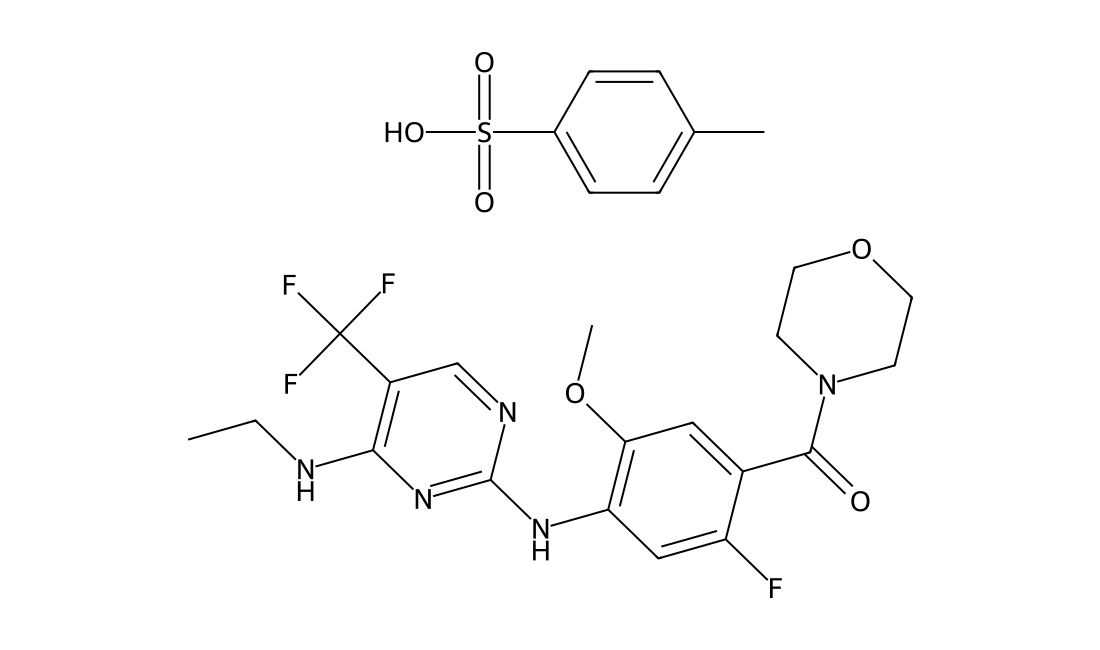
EPZ020411 hydrochlorideFeatured
EPZ020411 is a potent, selective PRMT6 inhibitor with IC50 of 10 nM, displays 10-fold and 20-fold selectivity over PRMT1/8, and >100-fold over other histone methyltransferases (PRMT3/4/5/7); dose-dependently decreases H3R2 methylation A375 cell line with IC50 of 0.637 uM, with no affect levels of PRMT6 expression; exhibits good bioavailability following subcutaneous dosing in rats making it a suitable tool for potential in vivo target validation studies.
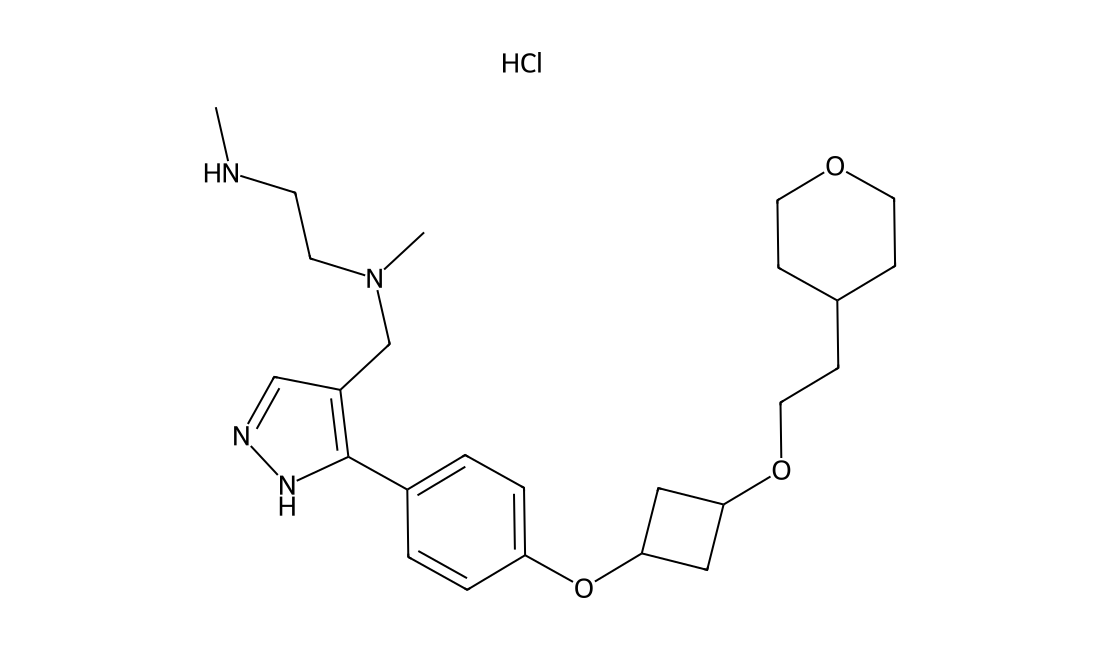
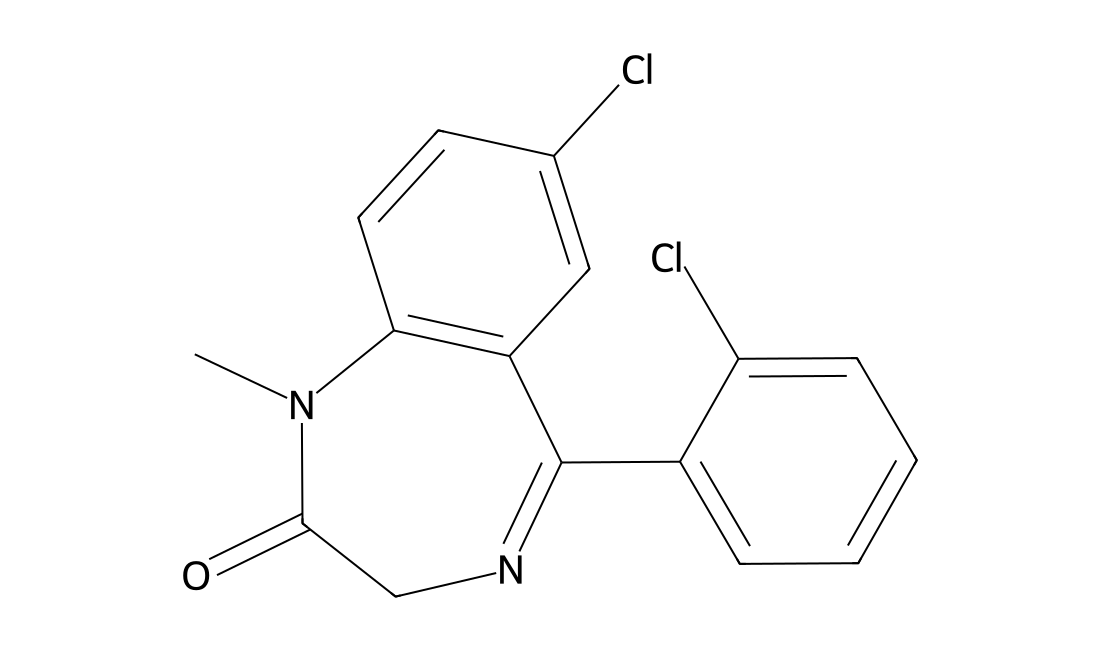
DiclazepamFeatured
Diclazepam(Ro5-3448; Chlorodiazepam) is an analogue of diazepam; are similar to diazepam, possessing anxiolytic, anticonvulsant, hypnotic, sedative, skeletal muscle relaxant, and amnestic properties.
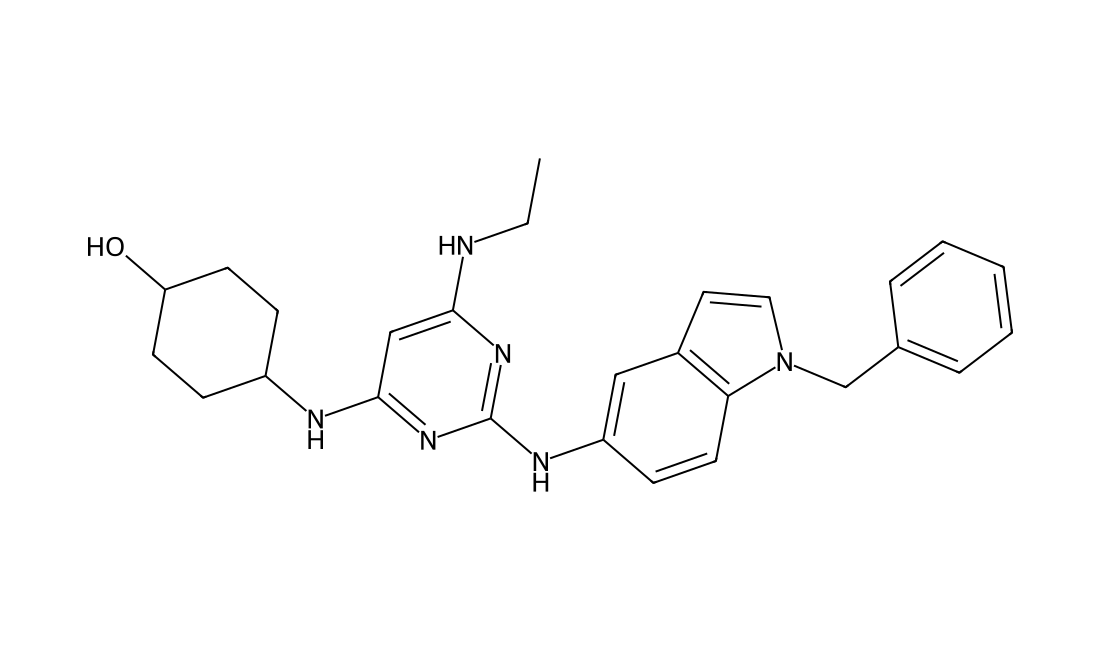
Cdk4/6 Inhibitor IVFeatured
Cdk4/6 Inhibitor IV is a cell-permeable triaminopyrimidine compound acting as a reversible and ATP-competitive inhibitor of Cdk4/6 (IC50 = 1.5 µM and 5.6 µM for Cdk4/D1 and Cdk6/D1, respectively) with selectivity over Cdk5/p35 (IC50 = 25 µM), v-abl, c-met, IGF-1R and IR (IC50 > 10 µM), Cdk2/A, Cdk2/E, Cdk4/D2, Cdk6/D2 (IC50 > 50 µM) and Cdk1/B (IC50 > 100 µM). Cdk4/6 Inhibitor IV exhibits blocking of pRb phosphorylation at Ser780 and Ser795, induce cell cycle arrest (G0/G1), and apoptosis in U2OS and MRC-5 cells at 5 - 10 µM. Further, suppresses tumor growth in Xenograft mouse model (30 mg/kg, i.p.).
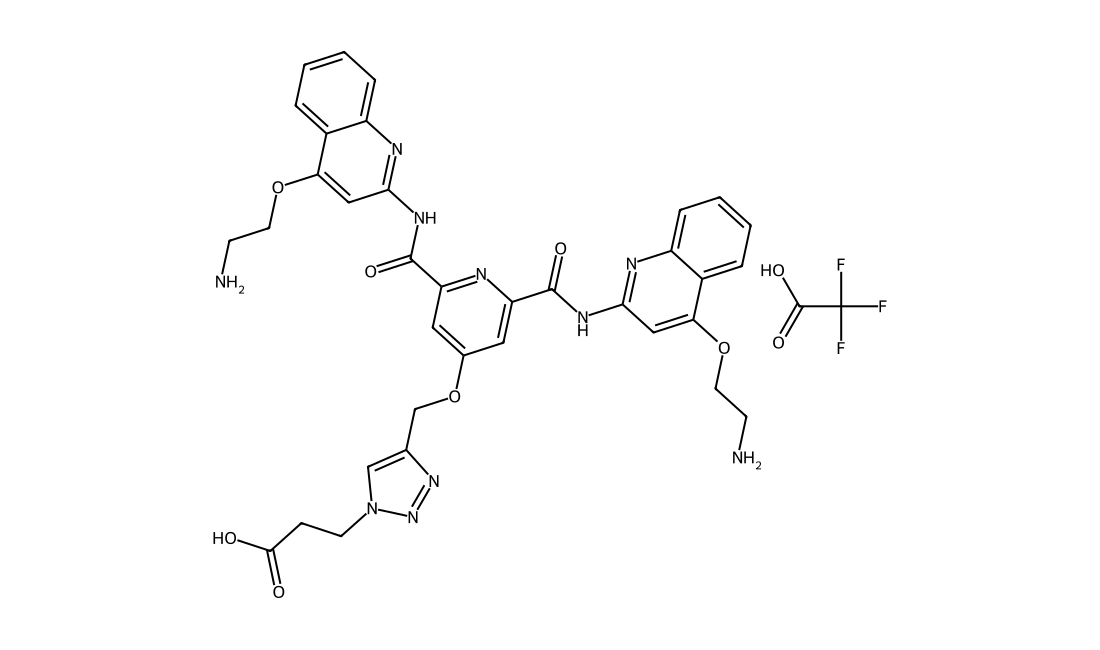
Carboxy pyridostatin trifluoroacetate salt has the peculiarity to exhibit high molecular specificity for RNA over DNA G4s.
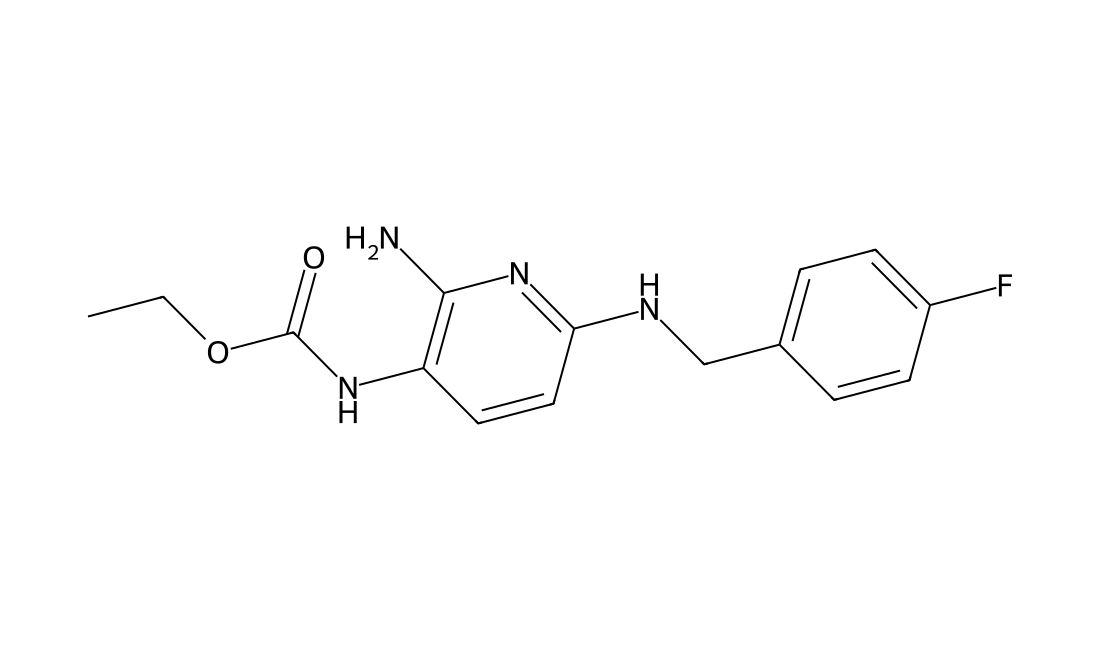
FlupirtineFeatured
A selective neuronal potassium channel (KCNQ/KV7 channel) activator that also has indirect NMDA receptor antagonist and GABAA receptor modulatory properties; a centrally acting non-opioid analgesic used as an analgesic for acute and chronic pain.PainDiscontinued
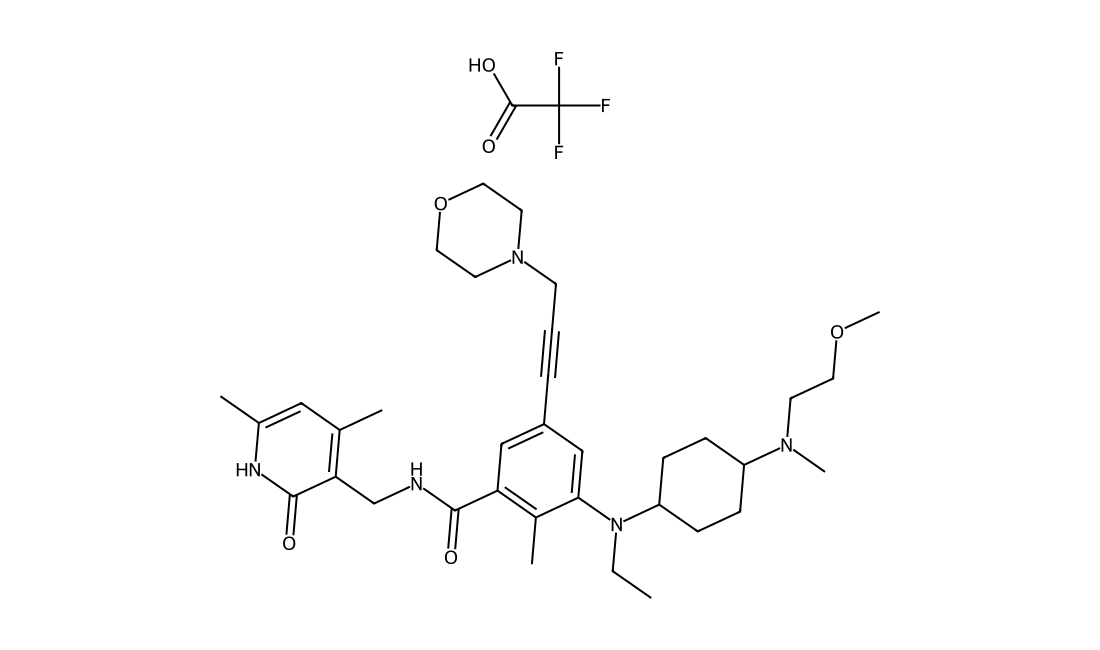
EPZ-011989 trifluoroacetateFeatured
A potent, selective, orally bioavailable inhibitor of EZH2 with Ki of < 3 nM; equipotently inhibits mutant and wild-type EZH2, displays >15-fold selectivity over EZH1 and >3000-fold selectivity over other HMTs; demonstrates significant tumor growth inhibition in a mouse xenograft model of human B cell lymphoma.Blood CancerPreclinical
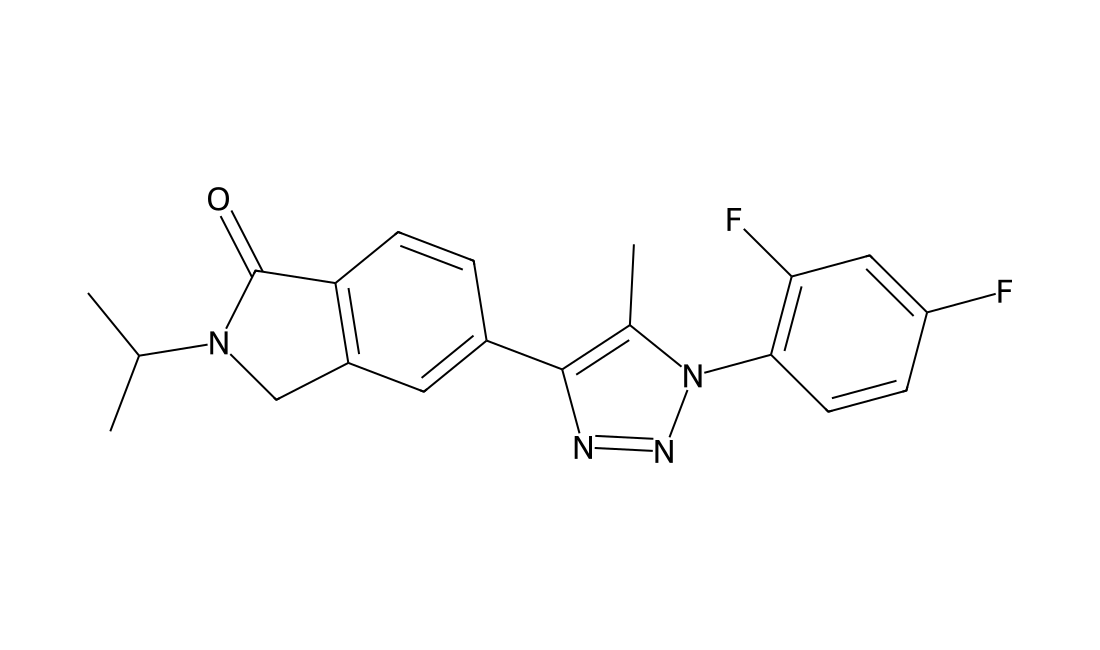
DFMTIFeatured
A potent, selective, brain penetrant and orally active mGluR1 antagonist with 4.3 nM and 3.6 nM for huam and rat mGluR1, respectively; display liitle to no activity for mGluR5, mGluR2 and mGluR8; has improved in vivo DMPK profiles and shows antipsychotic-like effect at a dose of 1 mg/kg in an animal model.
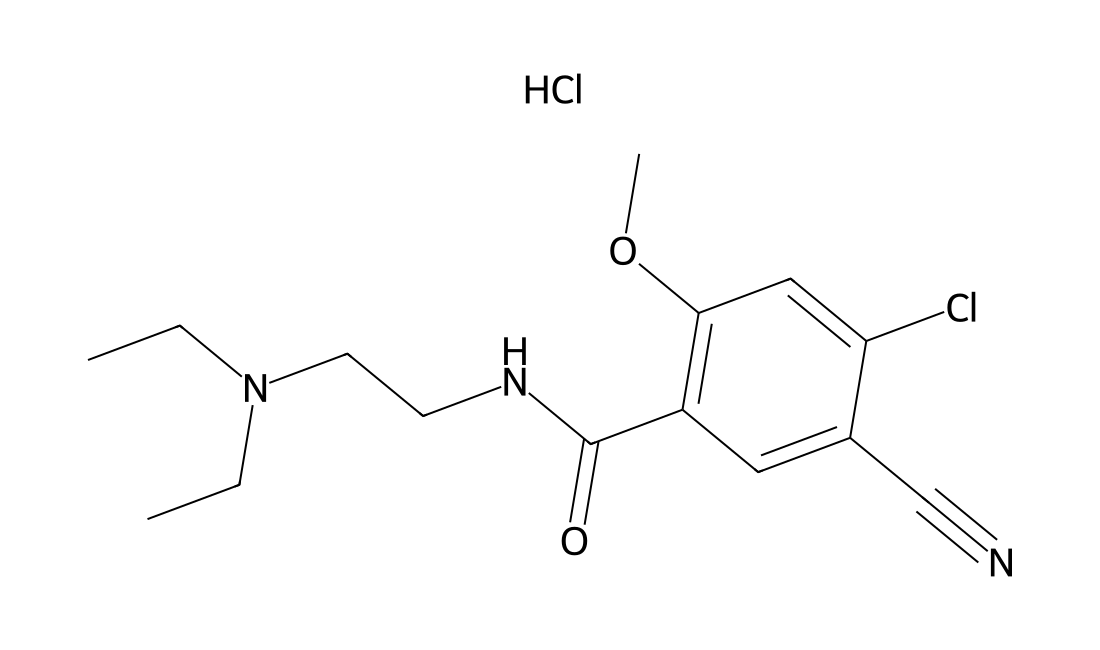
CGP-25454AFeatured
A potent, selective presynaptic dopamine autoreceptor antagonist; increases [3H]spiperone binding to receptors of the D2 family in rat striatum by 90-110% (ED50=13 mg/kg i.p.); exerts clear-cut sedative and neuroleptic-like properties.
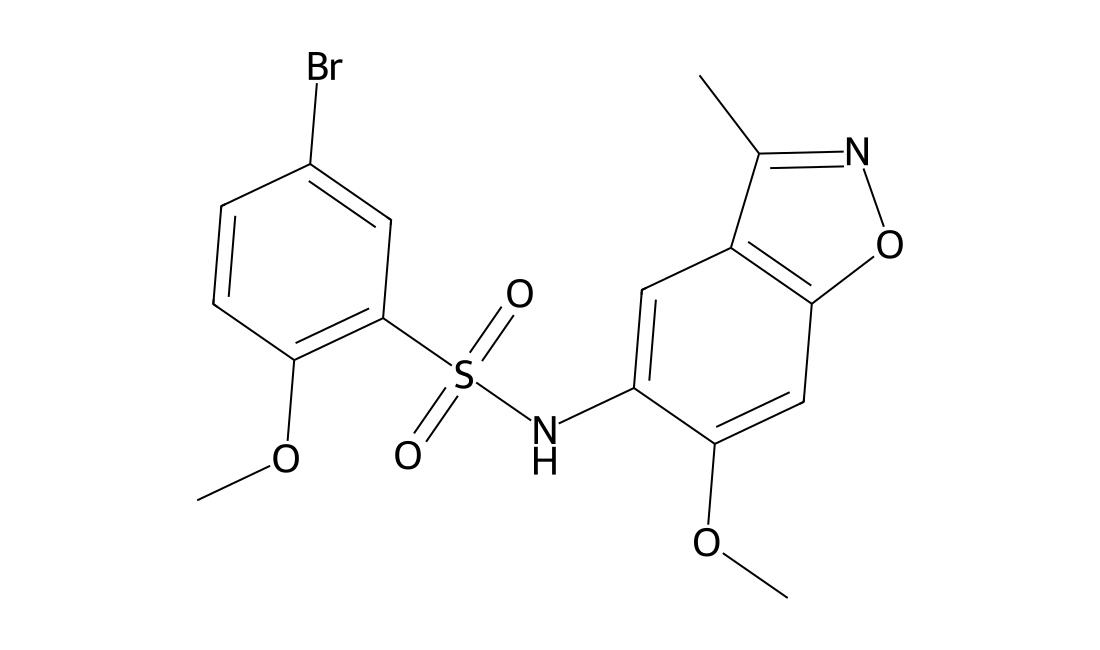
Y06036Featured
In Vitro Y06036 (0.001-100 nM, 96 hours for LNCaP, C4-2B, and 22Rv1 cells; 144 hours for VCaP cells) exhibits low micromolar or nanomolar potencies (IC50: 0.29-2.6 μΜ) in the four androgen receptor (AR)-positive prostate cancer cell lines LNCaP, C4-2B, 22Rv1, and VCaP. Treatment of 22Rv1 cells with Y06036 (1, 2, 4, 8, and 16 μM, 48 hours) results in significant down-regulation of both full-length (AR-fl) and AR variants levels. In Vivo Y06036 (50 mg/kg, i.p. injection, 5 times per week, 25 days) demonstrates therapeutic effects in a C4-2B CRPC xenograft tumor model in mice. Y06036 is well tolerated in the treated mice, based on the weight of the animal body and their general behavior.
No products match this search.
Page 290 of 309 · Browse all 6177 products
Jump to a product page
Featured literature product: HX1 · DCL0028
HX1 is a hydroxyzine-derived ionizable lipid with acetal-containing tails, studied in lipid nanoparticles for brain mRNA delivery and CRISPR–Cas9 delivery. It was the lead in the reported in vivo brain-delivery screen; evidence is preclinical and formulation-dependent.
Read full formulation and performance →