
Research lipid catalog
Ionizable Lipid Products
Explore 848 lipid and RNA delivery products. Search the full catalog or browse by research category.
Search covers product name, catalog number, synonyms, available CAS numbers and categories. Spaces, hyphens and common punctuation are ignored. Duplicate legacy records are consolidated under one canonical product result.
6177 products · Showing 5741–5760 · 20 per page
DC Chemicals lipid expertise
Built for ionizable-lipid discovery and RNA delivery research
DC Chemicals supports formulation and delivery research with a broad, searchable portfolio of cationic and ionizable lipids. The current directory brings together 848 unique research-use products, with product specifications, pricing, chemical structures and literature-linked formulation data added as each record is verified.
Our experience spans complex lipid synthesis, purification, analytical release and process development. For custom molecules or larger-scale requirements, our team can discuss route development, technical specifications and scale-up options for the intended research workflow.
Learn about cationic and ionizable lipids →Proprietary innovation · Co-development · GMP
From proprietary lipid design to GMP-grade custom synthesis
DC Chemicals has independently developed ionizable-lipid structures supported by company-owned intellectual property, and selected proprietary lipid programs have advanced to GMP-stage development.
We welcome joint development with customers—from molecular design and lipid synthesis through route and process development. We can also support custom synthesis of GMP-grade ionizable lipids to agreed technical specifications and quality requirements.
Discuss a co-development project →Proprietary ionizable-lipid structuresCollaborative molecular designCustom lipid synthesisProcess development and scale-upGMP-grade project support
Product quick links
Explore New ionizable lipids
Explore our five most recently added ionizable lipids, with specifications, pricing and literature-linked product information.
DCL0028HX1Brain RNA delivery researchView product →DCL0024A1I4R13C18-2Spleen-targeted RNA delivery researchView product →DCL0023A1I4R2C18-2Spleen-targeted RNA delivery researchView product →DCL0022FS01Local joint RNA delivery researchView product →DCL0020Lipid-392Lung RNA delivery and gene editing researchView product →
Cat. No.Product NameField of ApplicationChemical Structure
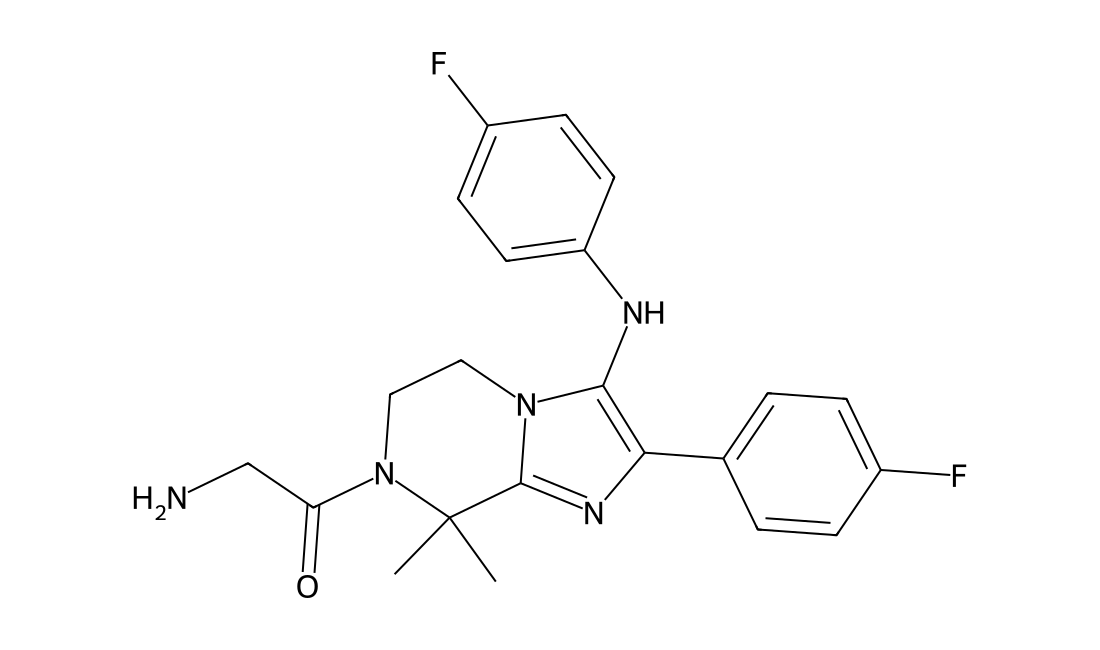
GanaplacideFeatured
Ganaplacide (KAF156, GNF-156) is a novel antimalarial clinical candidate that shows blood schizonticidal activity with IC50 of 6-17.4 nM against P falciparum drug-sensitive and drug-resistant strains.
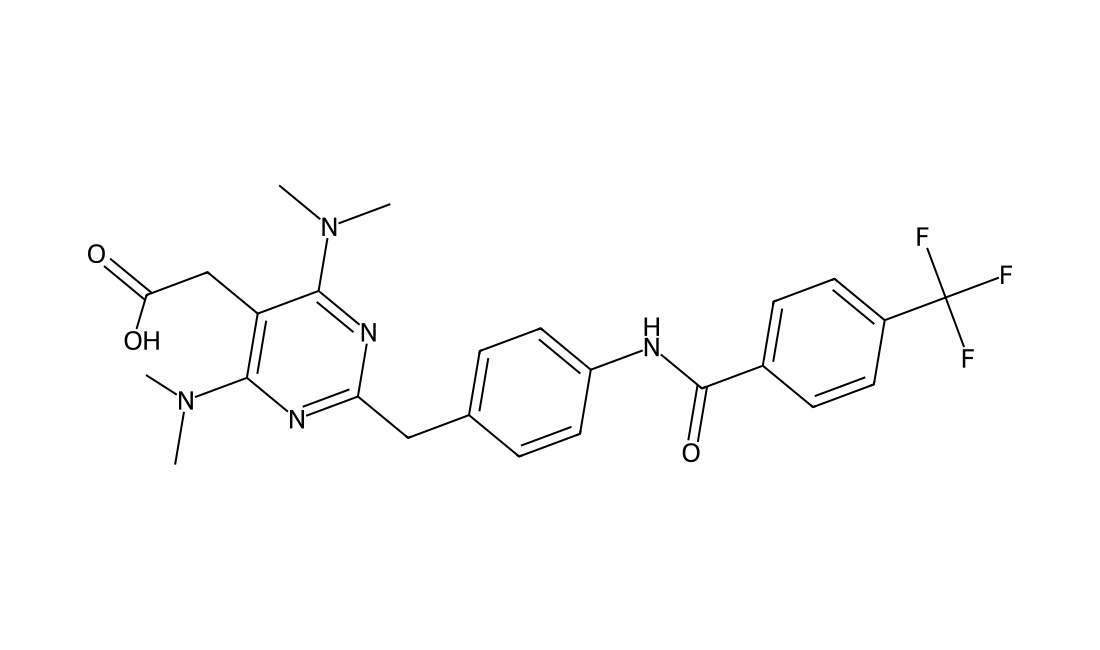
BI 671800Featured
BI-671800 is a highly specific and potent antagonist of chemoattractant receptor-homologous molecule on Th2 cells (DP2/CRTH2), with IC50 values of 4.5 nM and 3.7 nM for PGD2 binding to CRTH2 in hCRTH2 and mCRTH2 transfected cells, respectively[1]. BI-671800 has potential for the treatment of poorly controlled asthma[2].
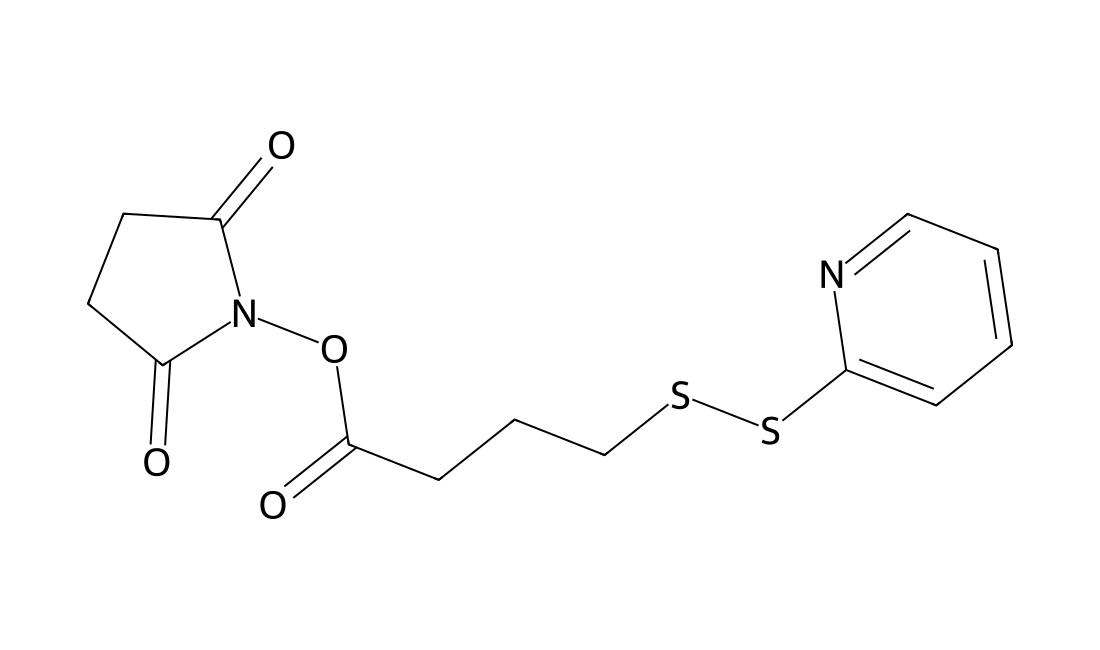
SPDBFeatured
SPDB is a small fragment that can linked DM4 conjugates. Conjugated to antibodies utilizing disulfide linkers: anti-EGFR-SPDB-DM4 has been widely used.
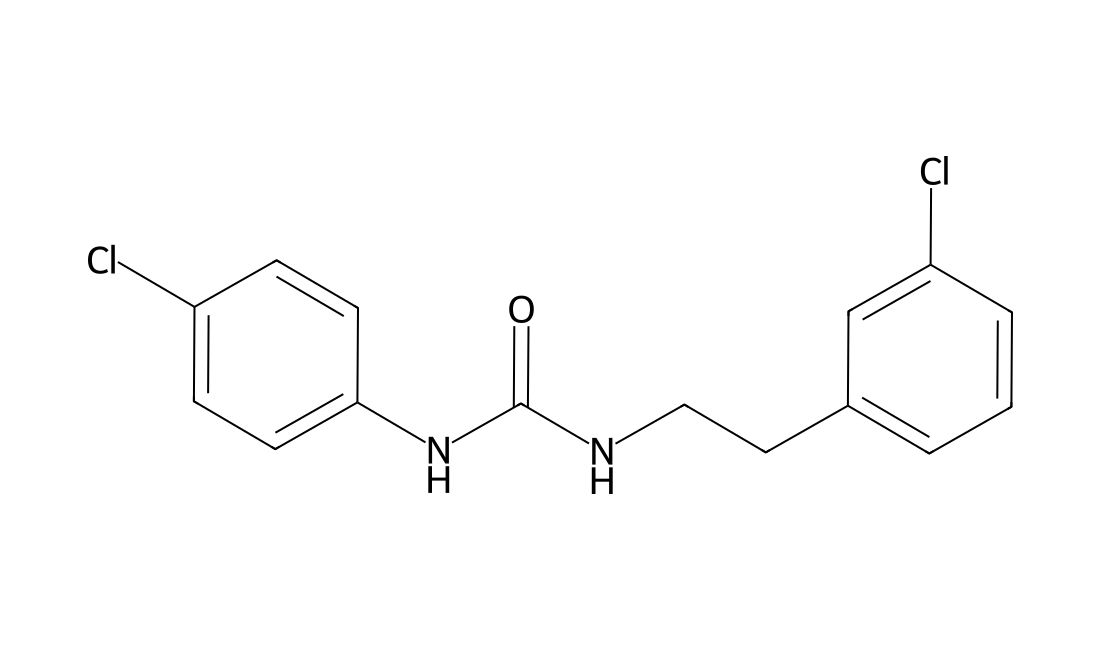
RTICBM-189Featured
RTICBM-189 is a potent, brain-penetrant allosteric modulator of the cannabinoid type-1 (CB1) receptor with a pIC50 of 7.54 in Ca2+ mobilization assay. RTICBM-189 has pIC50s of 5.29 and 6.25 for hCB1 and mCB1, respectively. RTICBM-189 significantly and selectively attenuates the reinstatement of the cocaine-seeking behavior in rats[1].
FlibanserinFeatured
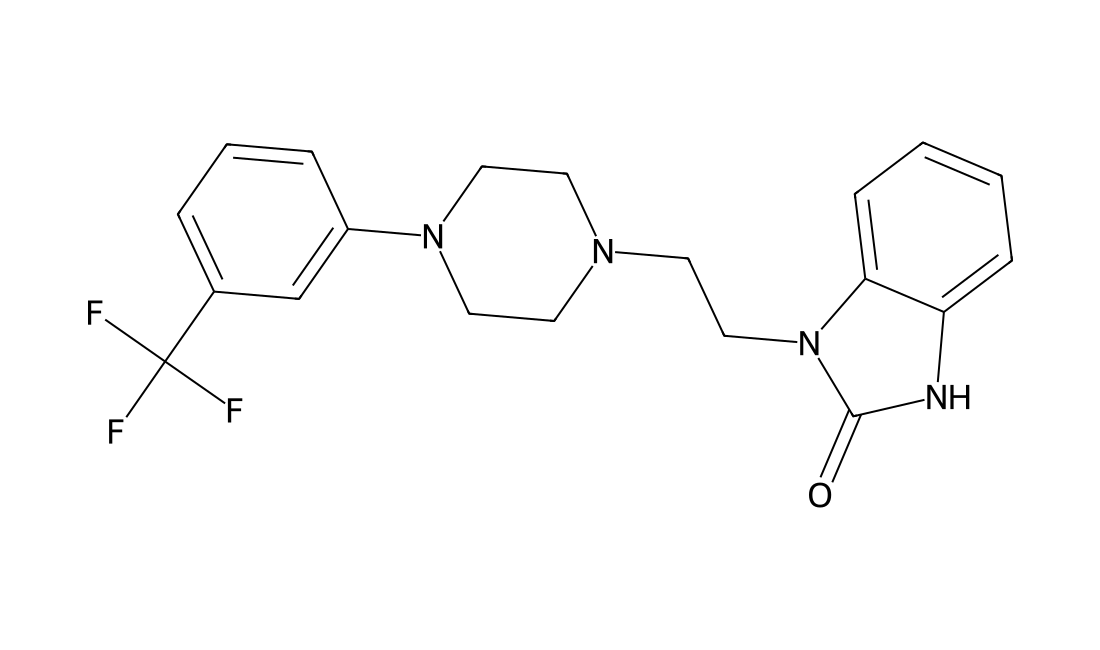
Flibanserin is a novel multifunctional serotonin agonist and antagonist (MSAA) that improves sexual functioning in premenopausal women who suffer from reduced sexual interest and desire. in vivo: The multifunctional serotonergic agent Flibanserin is both a serotonin 1A agonist and a serotonin 2A antagonist. Flibanserin theoretically improves sexual functioning by enhancing downstream release of dopamine and norepinephrine while reducing serotonin release in the brain circuits that mediate symptoms of reduced sexual interest and desire. Flibanserin, a new molecular entity for the treatment of hypoactive sexual desire disorder (HSDD) in premenopausal women. Flibanserin improves interest in and desire for sex by hypothetically targeting these circuits and causing the release of dopamine and norepinephrine while also reducing the release of serotonin. Flibanserin has demonstrated clinical efficacy in premenopausal women who have reduced interest in and desire for sex and has 2 principal pharmacologic actions in microcircuits: it is a full agonist at postsynaptic serotonin 5HT1A receptors and an antagonist at postsynaptic 5HT2A receptors.
VodobatinibFeatured
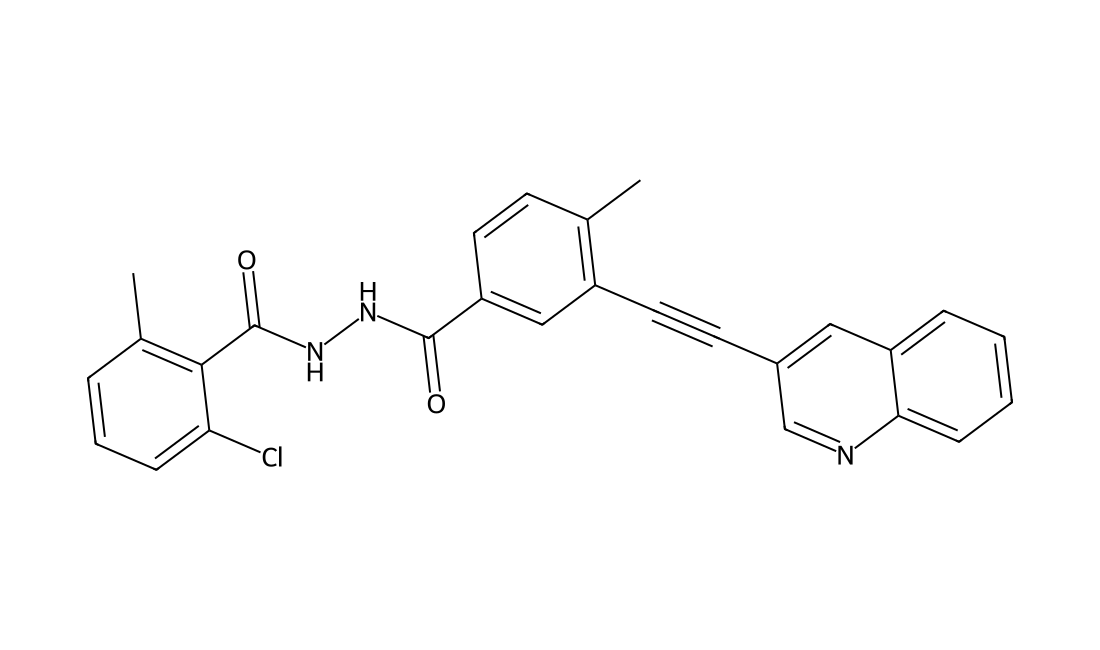
Vodobatinib (K0706) is a potent, third generation and orally active Bcr-Abl1 tyrosine kinase inhibitor with an IC50 of 7 nM. Vodobatinib exhibits activity against most BCR-ABL1 point mutants, and has no activity against BCR-ABL1T315I. Vodobatinib can be used for chronic myeloid leukemia (CML) research.
JNJ18038683Featured
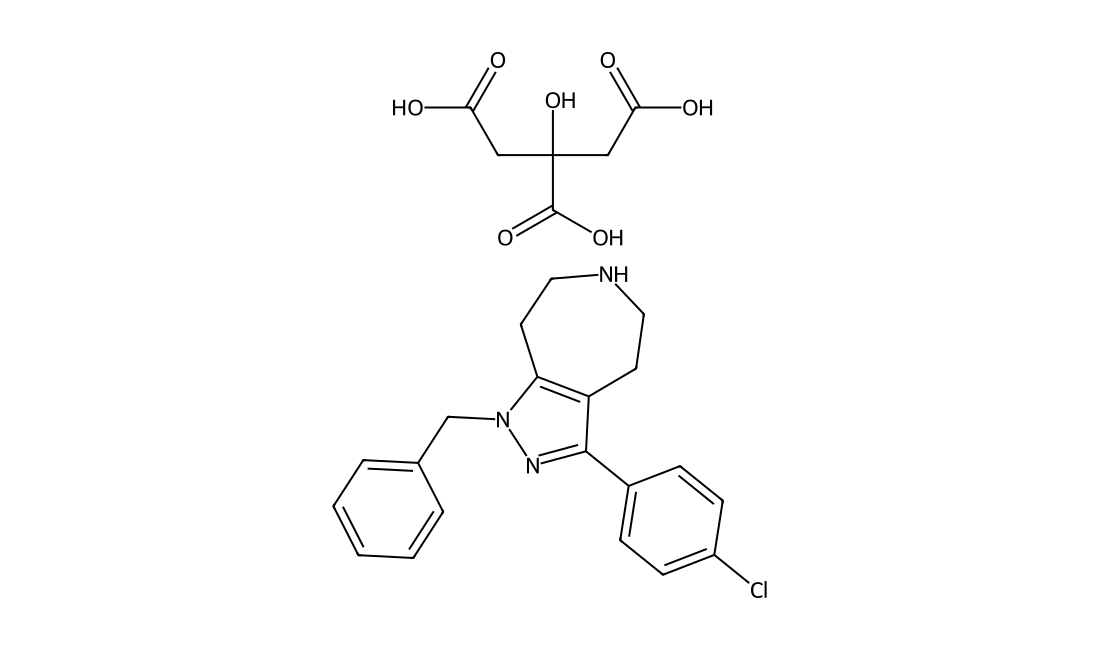
JNJ-18038683 is a potent, selective 5-HT7 receptor antagonist with pKi of 8.19 and 8.20 for rat and human 5-HT7 in cell-based assays; decreases 5-HT (100 nM)-stimulated adenylyl cyclase in rat and human 5-HT7/HEK293 cells with pKb of 8.01 and 7.99, respectively; shows 10-fold selectivity over h5-HT6 receptor, 15-fold selectivity over rat adrenergic α1 receptor, 14- to 25-fold selectivity over the h5-HT2 receptor subtypes, and 20-fold selectivity over h5-HT1B receptor; prolongs rapid eye movement (REM) sleep and decreases REM duration induced by citalopram in vivo.DepressionPhase 2 Clinical
AumitinFeatured
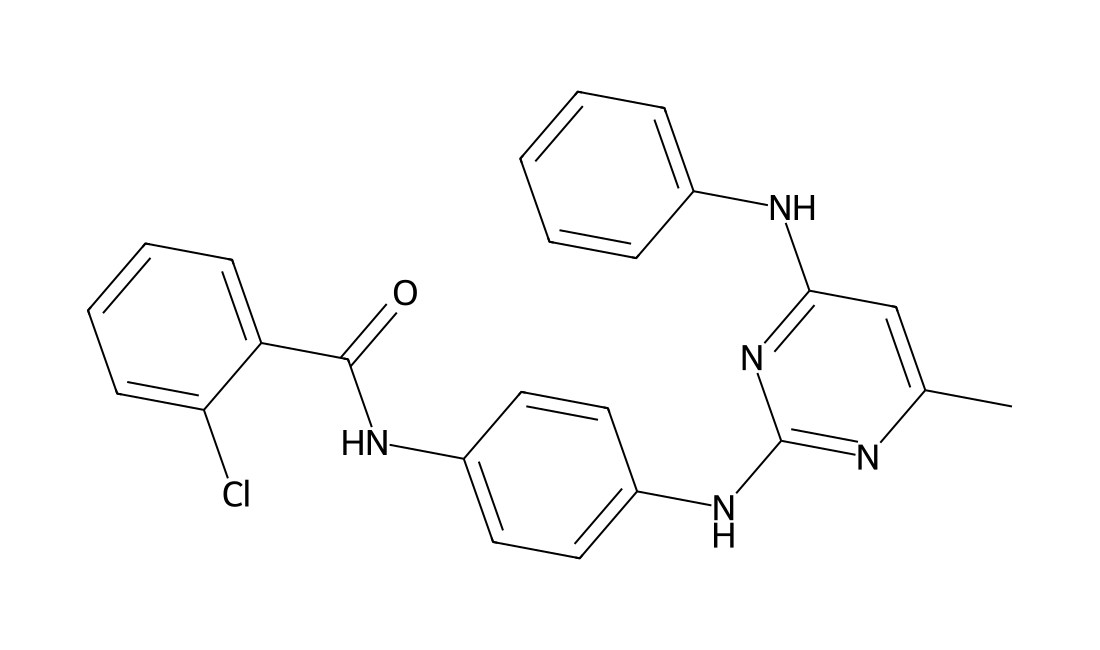
Aumitin is a novel potent autophagy inhibitor with IC50 of 124 and 244 nM against starvation- and rapamycin- induced autophagy respectively, targets mitochondrial complex I; inhibits LC3 lipidation, and p62 degradation by starvation- as well as rapamycin-induced autophagy dose-dependently in MCF7-LC3 cells, suggesting inhibition of autophagic flux; inhibits mitochondrial respiration by targeting complex I with IC50 of 0.11 uM in HeLa cells; Aumitin is a new tool compound for interrogating autophagy and mitochondrial respiration by means of complex I inhibition.
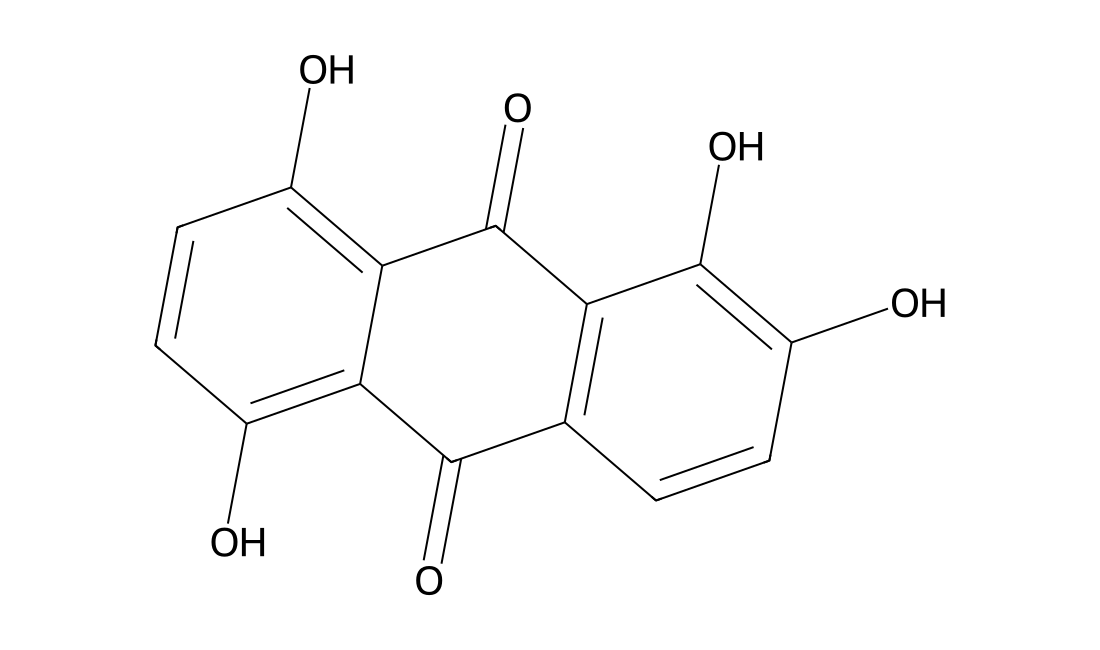
QuinalizarinFeatured
Quinalizarin is a potent, selective and cell-permeable inhibitor of CK2 with Ki of 58 nM; shows selectivity over DYRK1a, PIMs, HIPK2, MNK1, ERK8 and PKD1; inhibits endogenous CK2 and induces apoptosis more efficiently than Emodin in Jurkat cells; reduces cell viability with emphasis on adenocarcinoma cells harboring EGFR sensitive mutation, suppresses migration, and accelerates apoptosis in different human lung cancer cell lines.
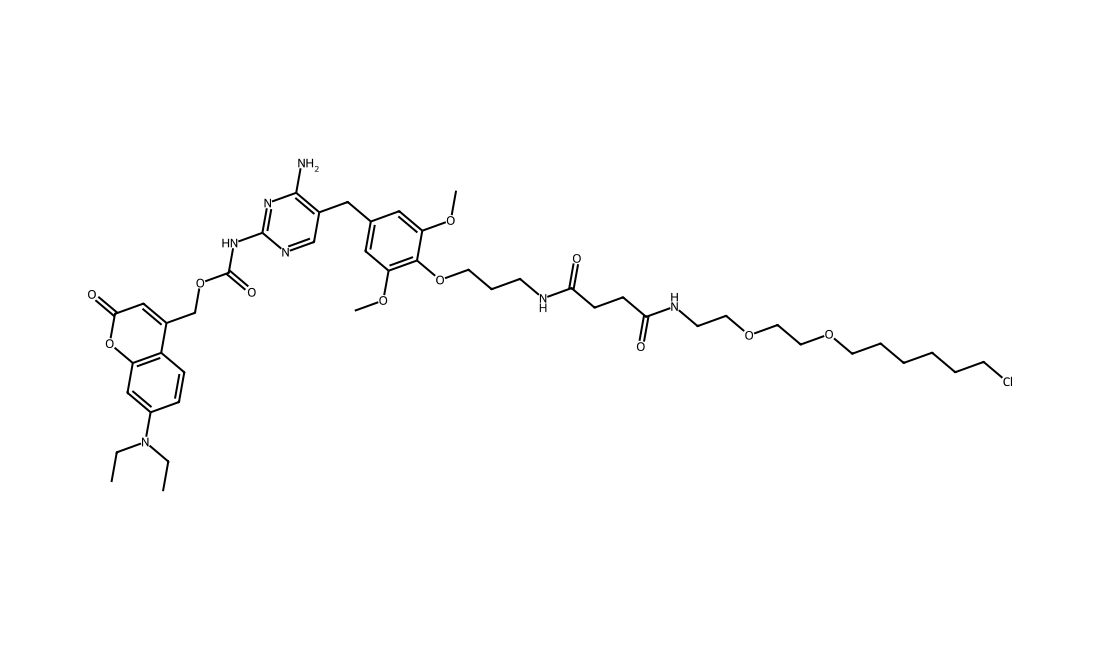
Coumarin-TMP-HaloFeatured
Coumarin-TMP-Halo is a specific fluorescent protein labeling agent.
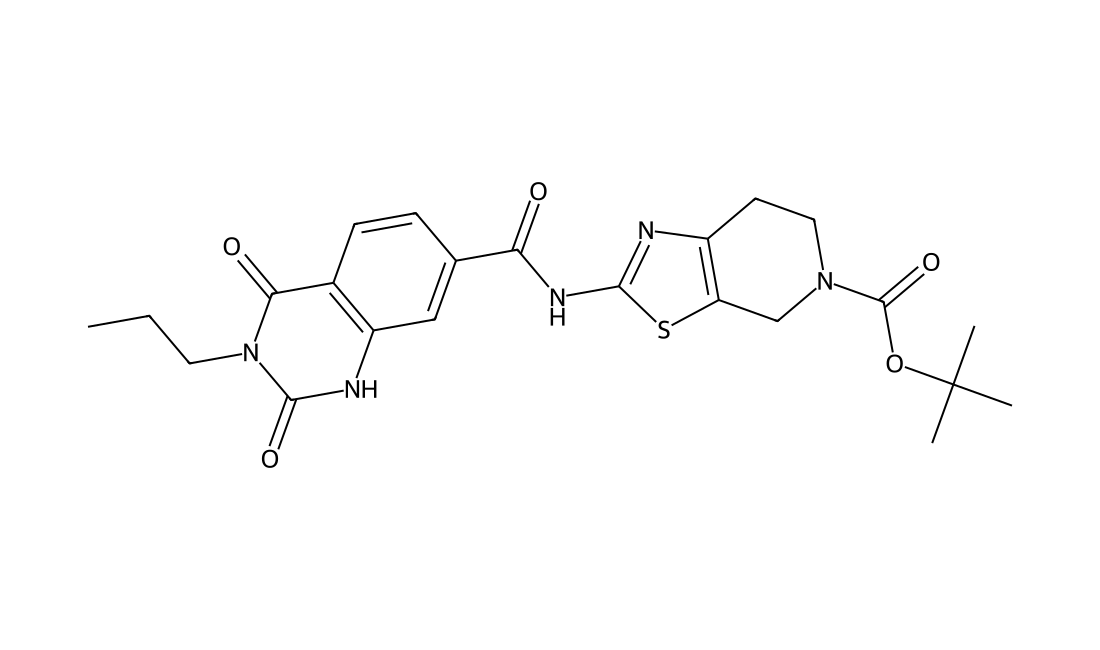
Autogramin-1Featured
Novel autophagy inhibitor, selectively targeting cholesterol transfer protein GRAM domain-containing protein 1A (GRAMD1A), and directly competing with cholesterol binding to the GRAMD1A StART domain
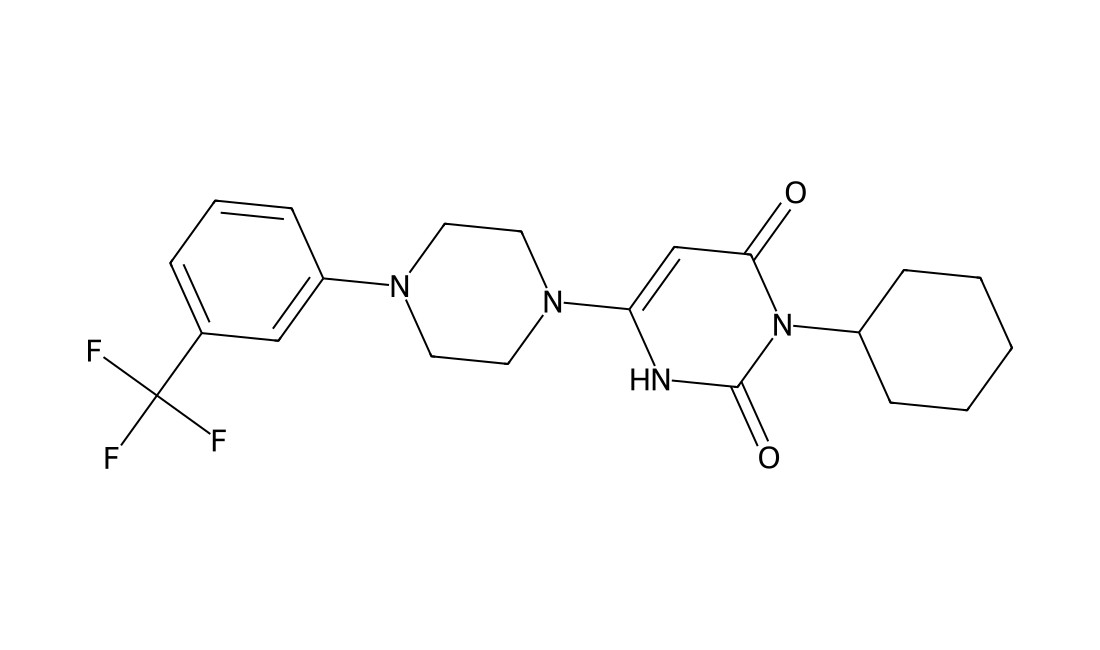
ML-179Featured
ML-179 is a potent inverse agonist of liver receptor homolog-1 (LRH-1) (IC50 = 320 nM) with maximum efficacy of 40% repression.
PF-04880594Featured
PF-04880594 is a potent and selective RAF inhibitor that inhibits both wild-type and mutant BRAF and CRAF. PF-04880594 potently inhibits tumor growth in BRAF-mutant melanoma xenograft models.
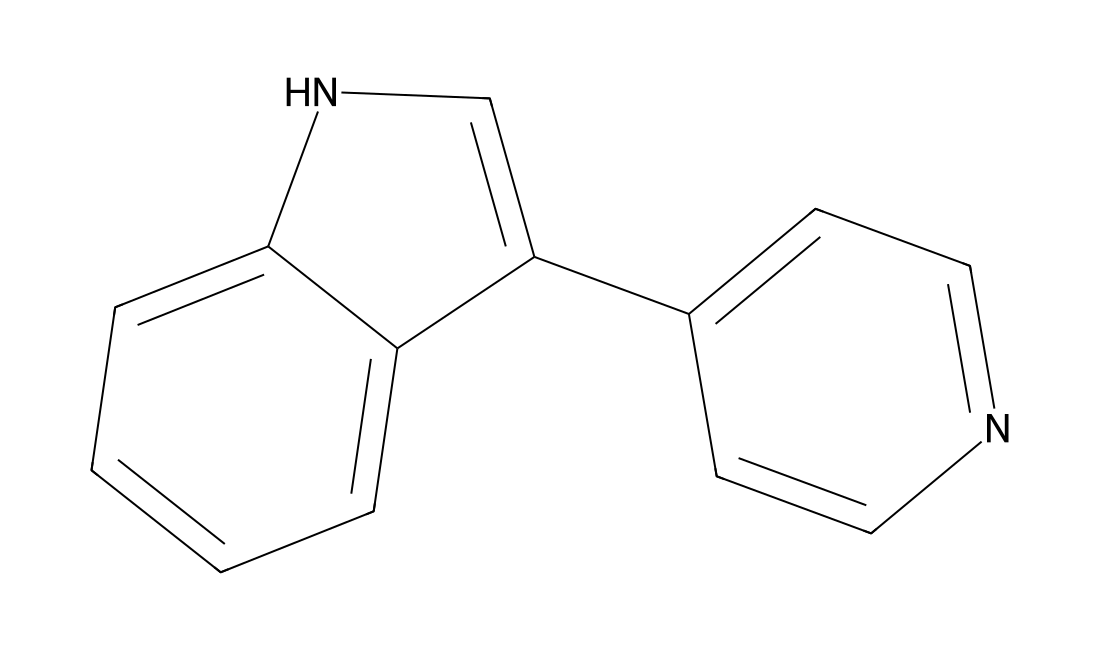
3-(4-Pyridyl)Featured
3-(4-Pyridyl)indole is a ROCK-I inhibitor (IC50 = 25 µM) that promotes cell spreading, inhibits membrane blebbing, and induces dissolution of actin stress fibers in a wound healing assay.It also inhibits ROCK-II and PRK2, another Rho-dependent kinase, with similar potency, while inhibiting MSK-1 and PKA with relatively weaker potency.
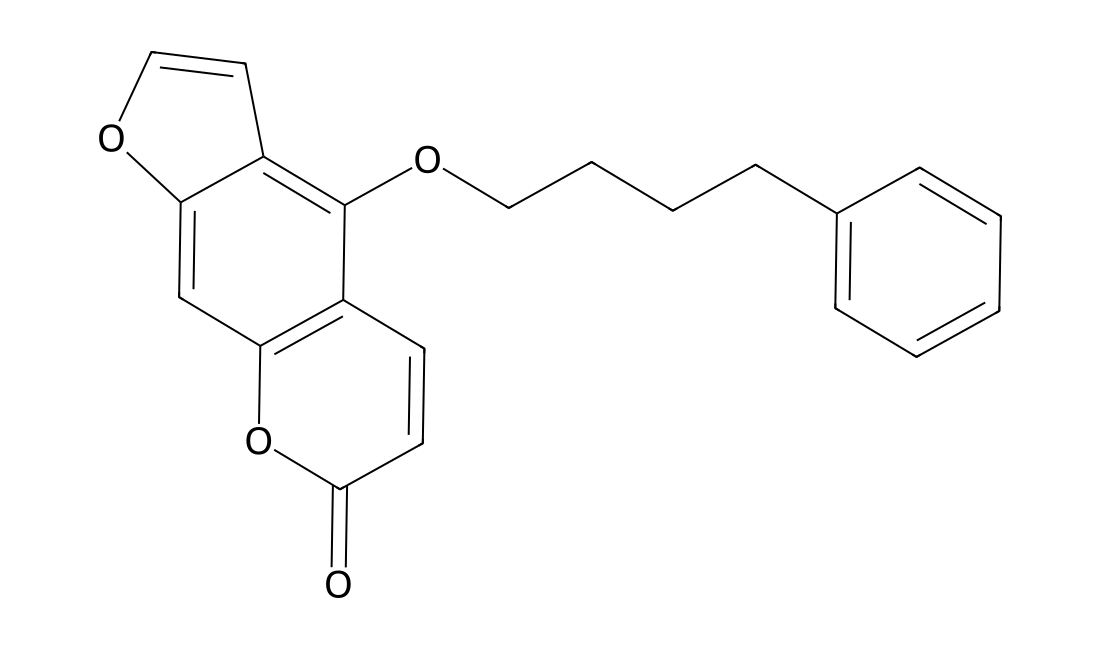
Psora-4Featured
Psora-4 is a potent and selective Kv1.3 potassium channel blocker with EC50 of 3 nM; shows 17- to 70-fold selectivity for Kv1.3 over closely related Kv1-family channels (Kv1.1, Kv1.2, Kv1.4, and Kv1.7) with the exception of Kv1.5 (EC50, 7.7 nM), and shows no effect on hERG, Kv3.1, the calcium-activated K+ channels (IKCa1, SK1-SK3, and BKCa), or the neuronal NaV1.2 channel; selectively suppresses the proliferation of human and rat myelin-specific effector memory T cells with EC50 of 25 and 60 nM, respectively, without persistently suppressing peripheral blood naive and central memory T cells.
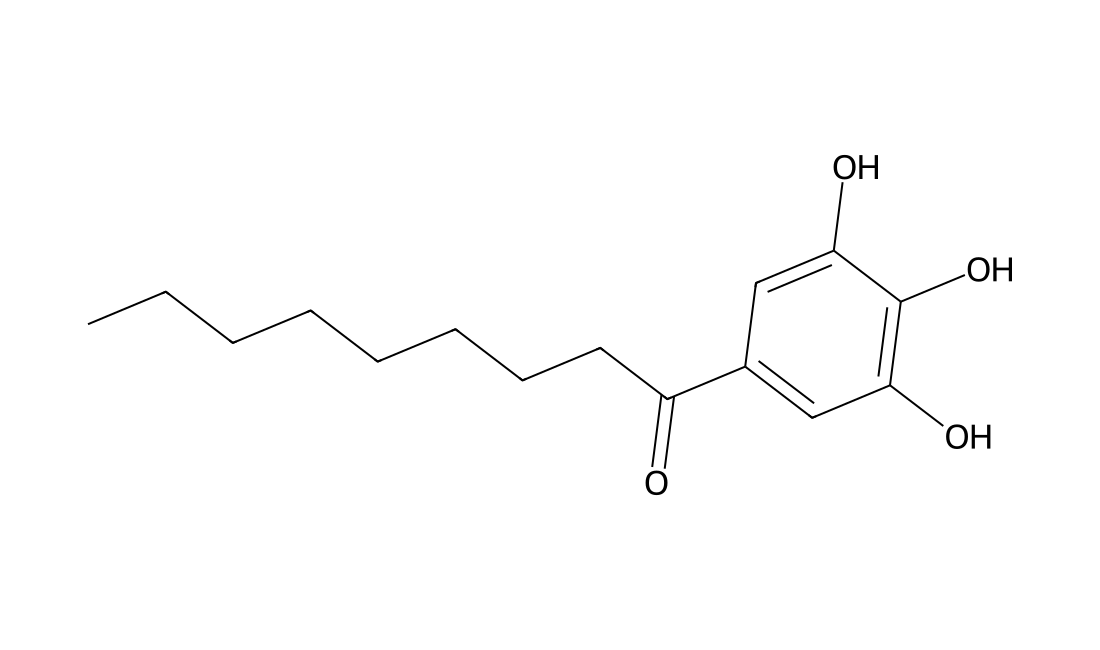
THPNFeatured
A potent nuclear receptor TR3 (Nur77)-specific targeting compound that can induce melanoma autophagy through a mitochondrial signaling pathway; binds TR3 to facilitate the interaction with Nix, induces TR3 localization to MIM; significantly represses tumor growth in xenograft mouse model; a chemical probe to study TR3-mediated signal transduction pathway.
JTE907Featured
A potent, selective, orally active cannabinoid CB2 receptor inverse agonist with Ki of 35.9, 1.55 and 0.38 nM for human, mouse and rat CB2, respectively; increases of forskolin-stimulated cAMP production in CHO cells expressing CB2 in vitro, inhibits carrageenin-induced mouse paw edema dose dependently in mice.
DAPH-1Featured
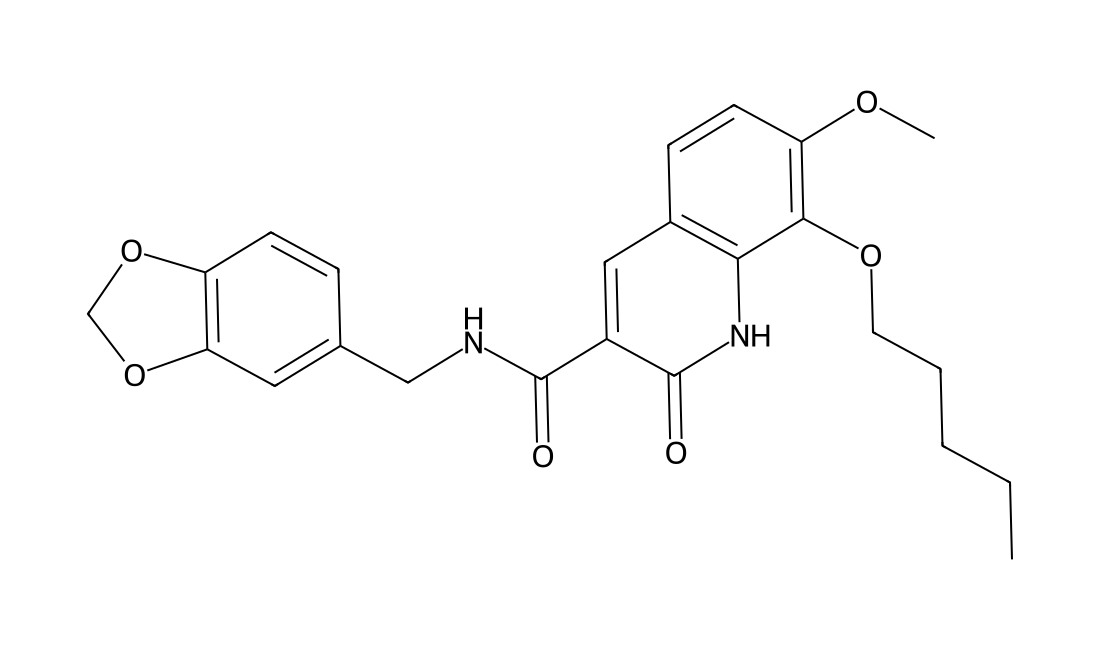
DAPH-1 (CGP 52411) is a small molecule that directly inhibits prion protein Sup35 prionogenesis with IC50 of 0.58 uM, inhibits and reverses the formation of Aβ42 fibers and reduces their toxicity to neurons in culture; inhibits prion nucleation by preventing both Head-to-Head and Tail-to-Tail intermolecular interactions; also is a potent and selective inhibitor of EGFR kinase with IC50 of 1 uM, selectively inhibits both ligand-induced EGF-R and p185c-erbB2 autophosphorylation and c-fos mRNA induction.
CJ-13610Featured
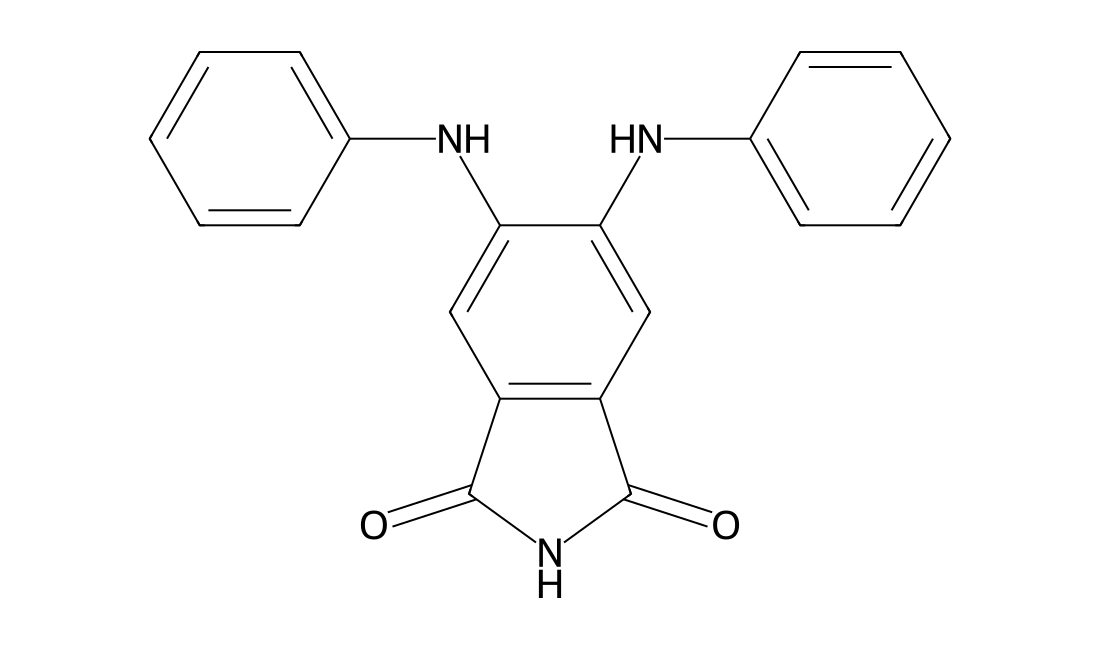
CJ-13610 is a potent 5-Lipoxygenase (5-LO) inhibitor that suppresses 5-LO product formation with IC50 of 70 nM; demonstrates antihyperalgesic activity in inflammatory pain models including the acute carrageenan model and the chronic inflammatory model.AsthmaPhase 2 Discontinued
FPL64176Featured
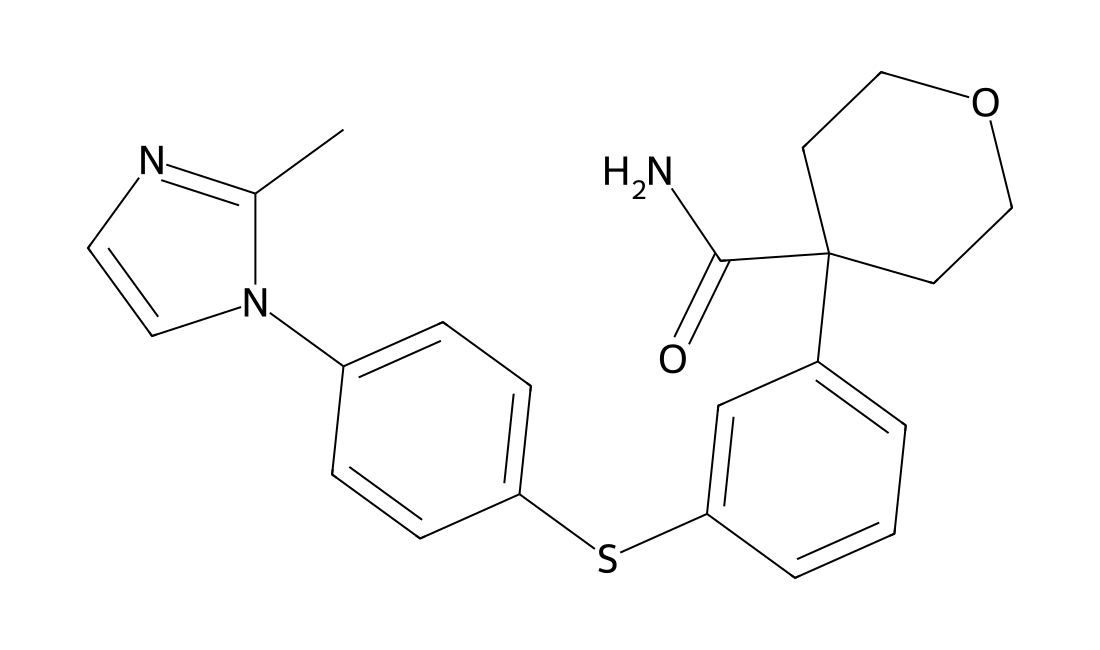
FPL64176 is a potent L-type Ca++ channel activator with EC50 of 16 nM; prolongs action potential duration and enhances contractility in guinea pig papillary muscle, induces contractile response with EC50 of 0.2 uM; produces biexponential tail current decays at -50 mV with fast and slow time constants of 4.30 +/- 0.30 and 44.52 +/- 4.56 msec, respectively; produces large increases in cardiac contractile force and diastolic blood pressure in anesthetized dogs (100 mg/kg, i.v.).
No products match this search.
Page 288 of 309 · Browse all 6177 products
Jump to a product page
Featured literature product: HX1 · DCL0028
HX1 is a hydroxyzine-derived ionizable lipid with acetal-containing tails, studied in lipid nanoparticles for brain mRNA delivery and CRISPR–Cas9 delivery. It was the lead in the reported in vivo brain-delivery screen; evidence is preclinical and formulation-dependent.
Read full formulation and performance →