
Research lipid catalog
Ionizable Lipid Products
Explore 848 lipid and RNA delivery products. Search the full catalog or browse by research category.
Search covers product name, catalog number, synonyms, available CAS numbers and categories. Spaces, hyphens and common punctuation are ignored. Duplicate legacy records are consolidated under one canonical product result.
6177 products · Showing 6101–6120 · 20 per page
DC Chemicals lipid expertise
Built for ionizable-lipid discovery and RNA delivery research
DC Chemicals supports formulation and delivery research with a broad, searchable portfolio of cationic and ionizable lipids. The current directory brings together 848 unique research-use products, with product specifications, pricing, chemical structures and literature-linked formulation data added as each record is verified.
Our experience spans complex lipid synthesis, purification, analytical release and process development. For custom molecules or larger-scale requirements, our team can discuss route development, technical specifications and scale-up options for the intended research workflow.
Learn about cationic and ionizable lipids →Proprietary innovation · Co-development · GMP
From proprietary lipid design to GMP-grade custom synthesis
DC Chemicals has independently developed ionizable-lipid structures supported by company-owned intellectual property, and selected proprietary lipid programs have advanced to GMP-stage development.
We welcome joint development with customers—from molecular design and lipid synthesis through route and process development. We can also support custom synthesis of GMP-grade ionizable lipids to agreed technical specifications and quality requirements.
Discuss a co-development project →Proprietary ionizable-lipid structuresCollaborative molecular designCustom lipid synthesisProcess development and scale-upGMP-grade project support
Product quick links
Explore New ionizable lipids
Explore our five most recently added ionizable lipids, with specifications, pricing and literature-linked product information.
DCL0028HX1Brain RNA delivery researchView product →DCL0024A1I4R13C18-2Spleen-targeted RNA delivery researchView product →DCL0023A1I4R2C18-2Spleen-targeted RNA delivery researchView product →DCL0022FS01Local joint RNA delivery researchView product →DCL0020Lipid-392Lung RNA delivery and gene editing researchView product →
Cat. No.Product NameField of ApplicationChemical Structure
FGFR4-IN-1Featured
FGFR4-IN-1 significantly inhibits the proliferation of HuH-7 hepatocellular carcinoma cells with IC50 of 7.8 nM.
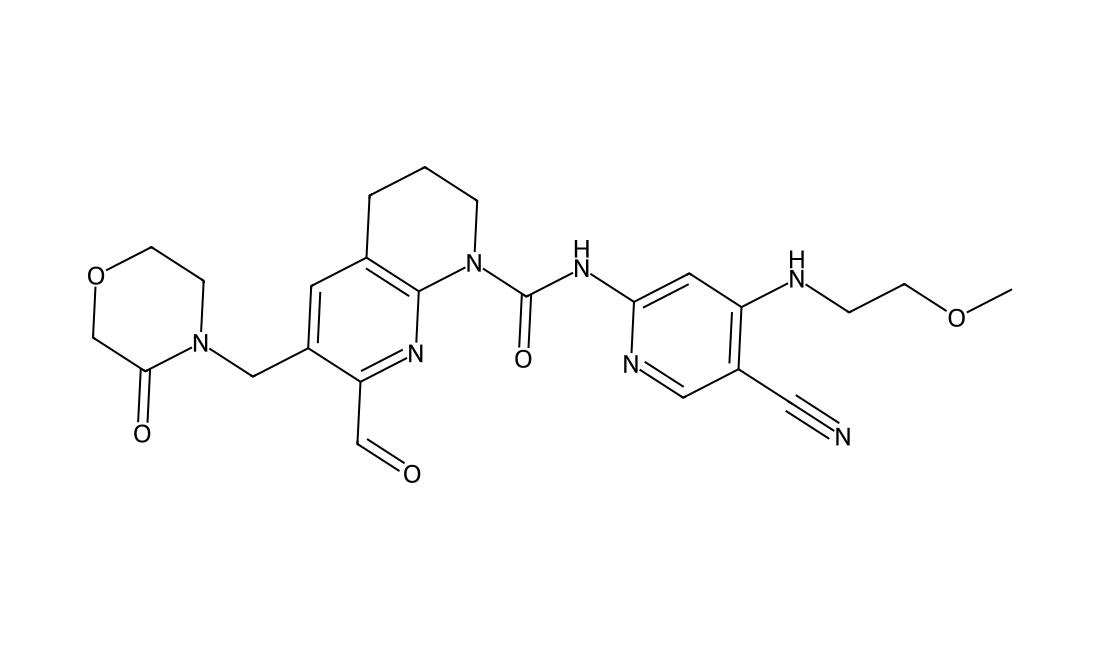
Fenofibric acidFeatured
Fenofibric acid is a lipid regulating agent available as delayed release capsules for oral administration.
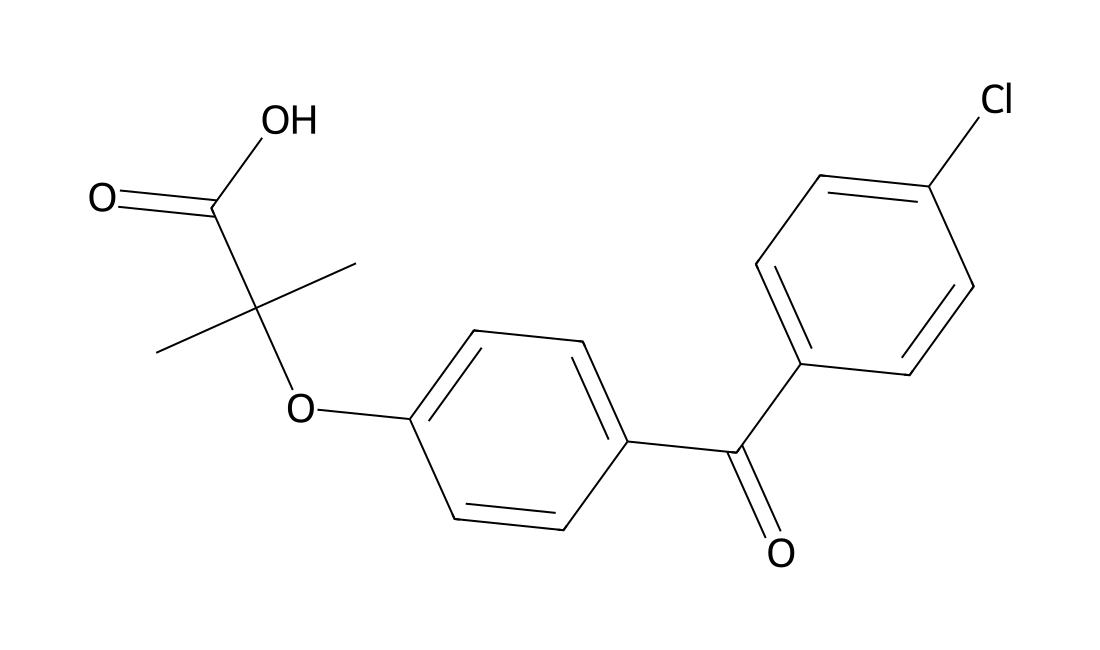
FenofibrateFeatured
Fenofibrate is PPARα agonist with EC50 of 18 μM and 30 μM for mouse and human PPARα, respectively.Fenofibrate (Tricor, Trilipix) is a compound of the fibrate class and fibric acid derivative. Fenofibrate (Tricor, Trilipix) is mainly used to reduce cholesterol levels in patients at risk of cardiovascular disease. Like other fibrates, fenofibrate (Tricor, Trilipix) reduces both low-density lipoprotein (LDL) and very low density lipoprotein (VLDL) levels, as well as increasing high-density lipoprotein (HDL) levels and reducing tryglycerides level. Fenofibrate (Tricor, Trilipix) also appears to have a beneficial effect on the insulin resistance featured by the metabolic syndrome. Fenofibrate (Tricor, Trilipix) is used alone or in conjunction with statins in the treatment of hypercholesterolemia and hypertriglyceridemia.
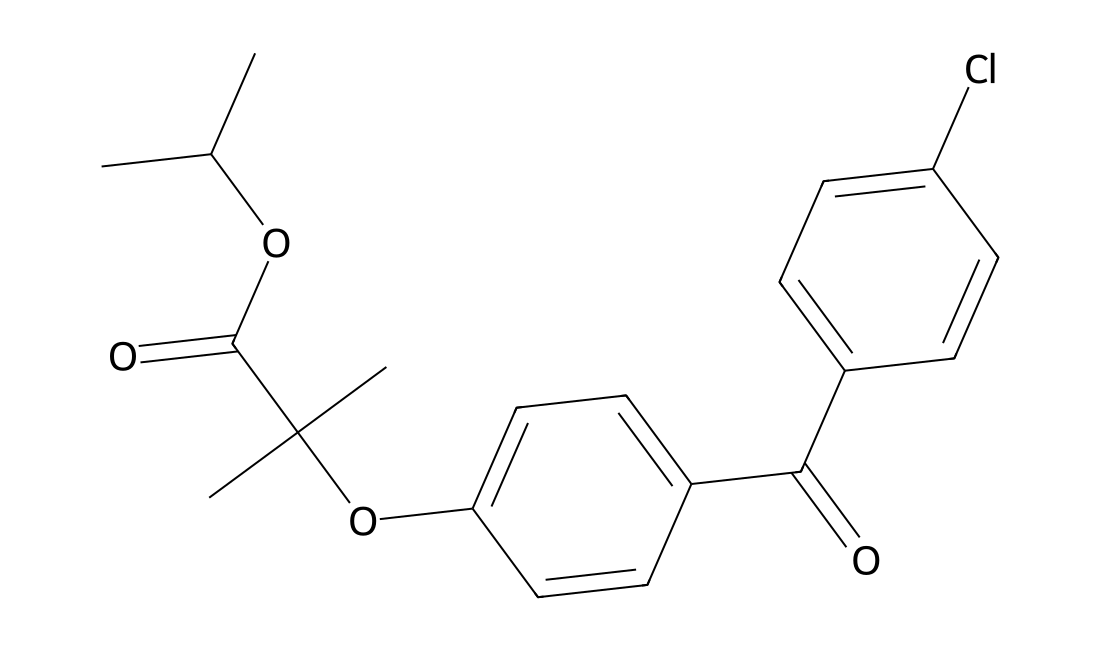
Fenbendazole (Panacur)Featured
For the detailed information of Fenbendazole (Panacur), the solubility of Fenbendazole (Panacur) in water, the solubility of Fenbendazole (Panacur) in DMSO, the solubility of Fenbendazole (Panacur) in PBS buffer, the animal experiment(test) (test) of Fenbendazole (Panacur), the cell expriment (test) of Fenbendazole (Panacur), the in vivo, in vitro and clinical trial test of Fenbendazole (Panacur), the EC50, IC50,and Affinity of Fenbendazole (Panacur),, please contact DC Chemicals.
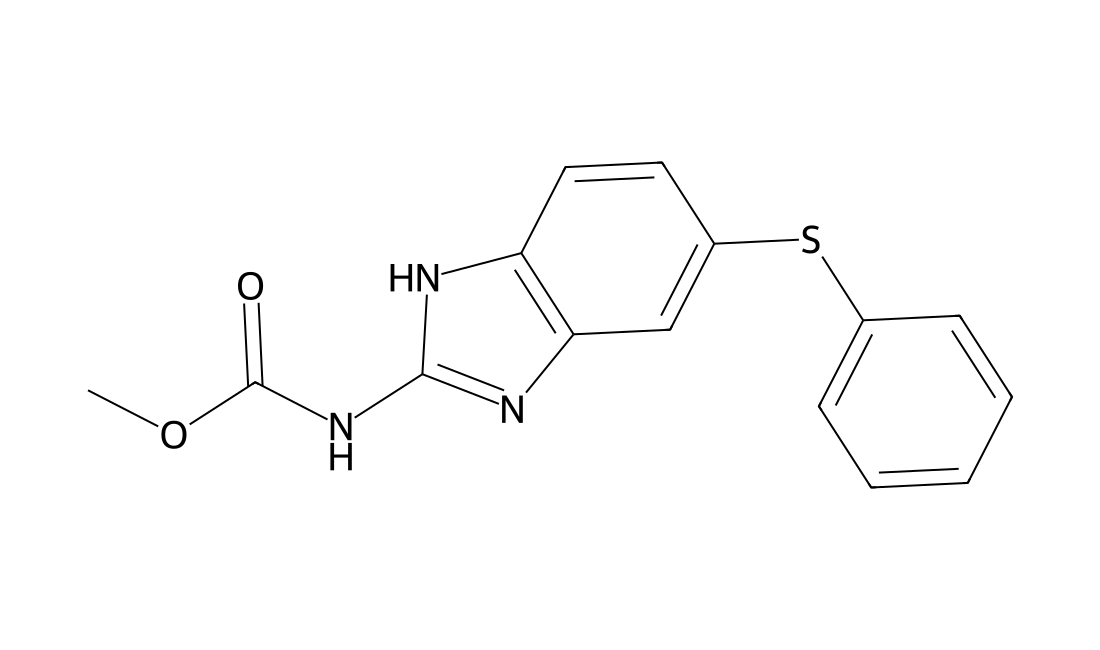
FamotidineFeatured
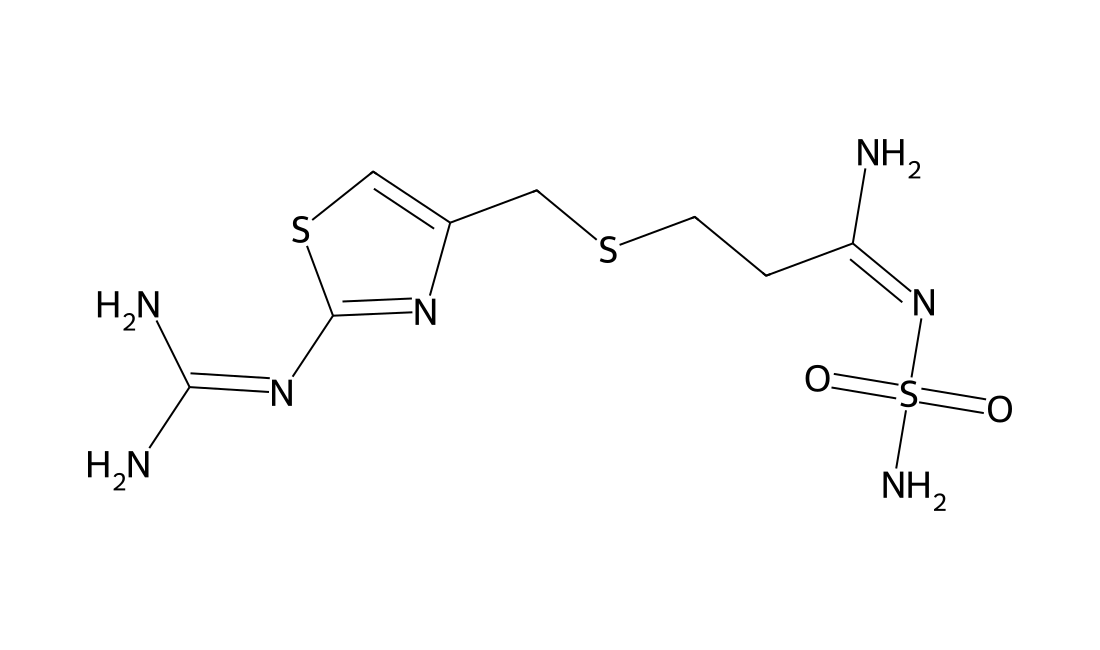
Famotidine is a competitive histamine H2-receptor antagonist. Its main pharmacodynamic effect is the inhibition of gastric secretion.Famotidine is a histamine H2-receptor antagonist that inhibits stomach acid production, and it is commonly used in the treatment of peptic ulcer disease (PUD) and gastroesophageal reflux disease (GERD/GORD). Famotidine Group(2 mg/kg/day) were significantly lower than the equivalent parameters for the Control Group on both the third and seventh days post-surgery. famotidine exerts detrimental effects on the anastomotic bursting pressure and hydroxyproline content of perianastomotic tissues in the colon of rats. famotidine increased the transgastric potential difference (PD) and promoted the recovery of decreased transgastric PD induced by acidified ethanol in rats. The preventive effect of famotidine on gastric lesions is attributable not only to suppression of acid secretion but to activation of the gastric mucosal defensive mechanisms.
Famciclovir (Famvir)Featured
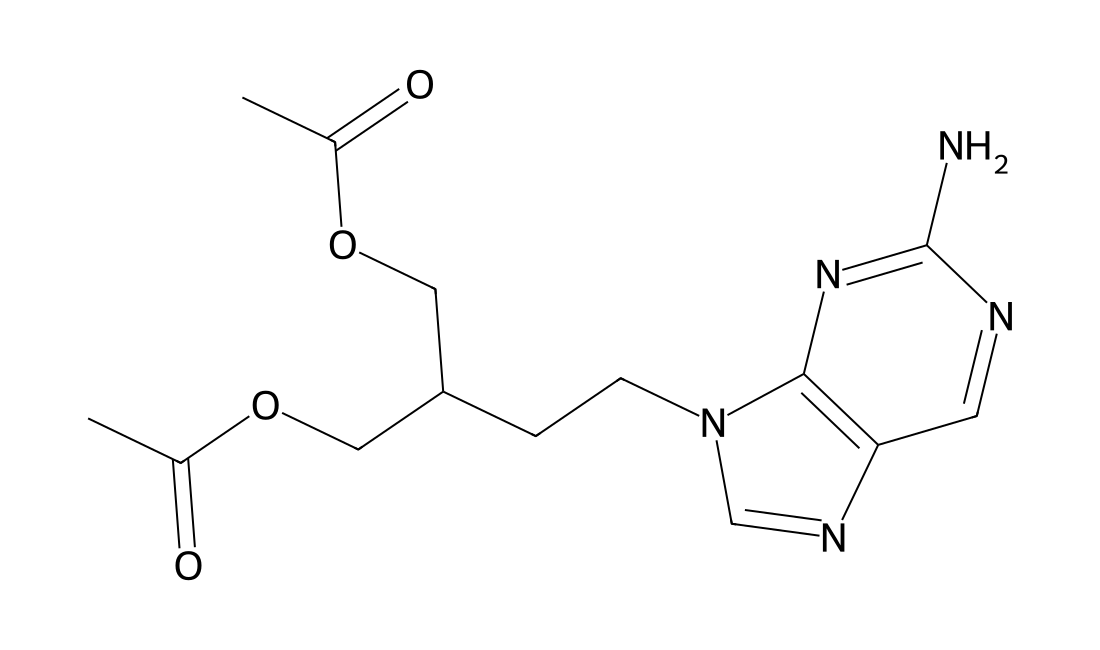
For the detailed information of Famciclovir (Famvir), the solubility of Famciclovir (Famvir) in water, the solubility of Famciclovir (Famvir) in DMSO, the solubility of Famciclovir (Famvir) in PBS buffer, the animal experiment(test) (test) of Famciclovir (Famvir), the cell expriment (test) of Famciclovir (Famvir), the in vivo, in vitro and clinical trial test of Famciclovir (Famvir), the EC50, IC50,and Affinity of Famciclovir (Famvir),, please contact DC Chemicals.
EtretinateFeatured
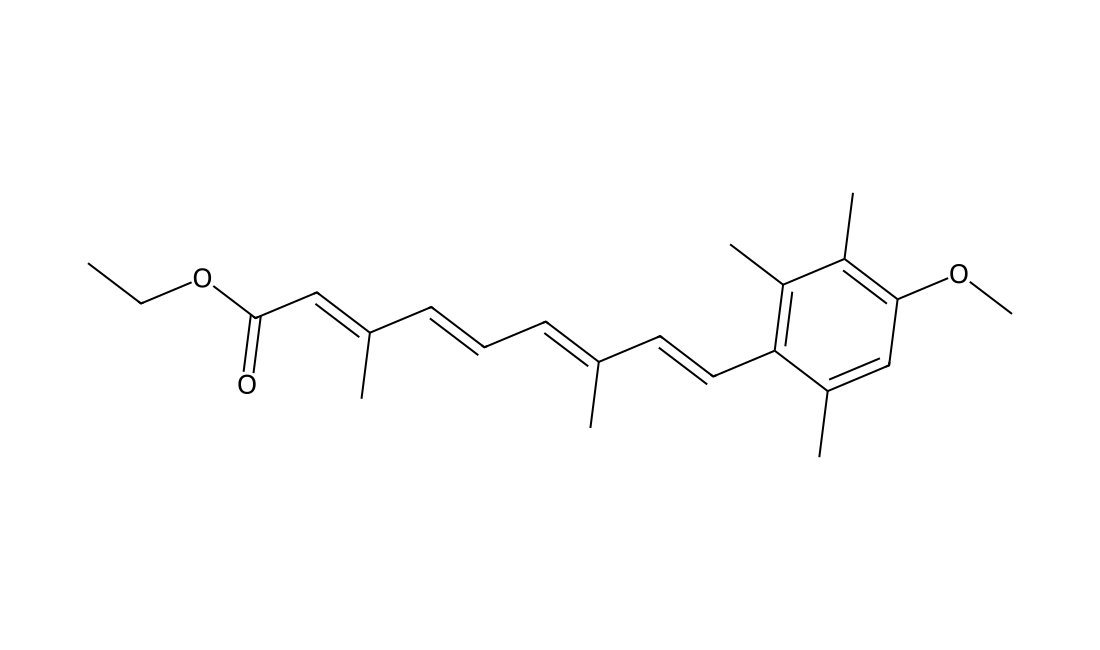
Etretinate is an oral aromatic retinoid acid which is effective in psoriasis and other dermatological syndromes. It activates retinoid receptors, causing an induction of cell differentiation, inhibition of cell proliferation, and inhibition of tissue infiltration by inflammatory cells.
EtravirineFeatured
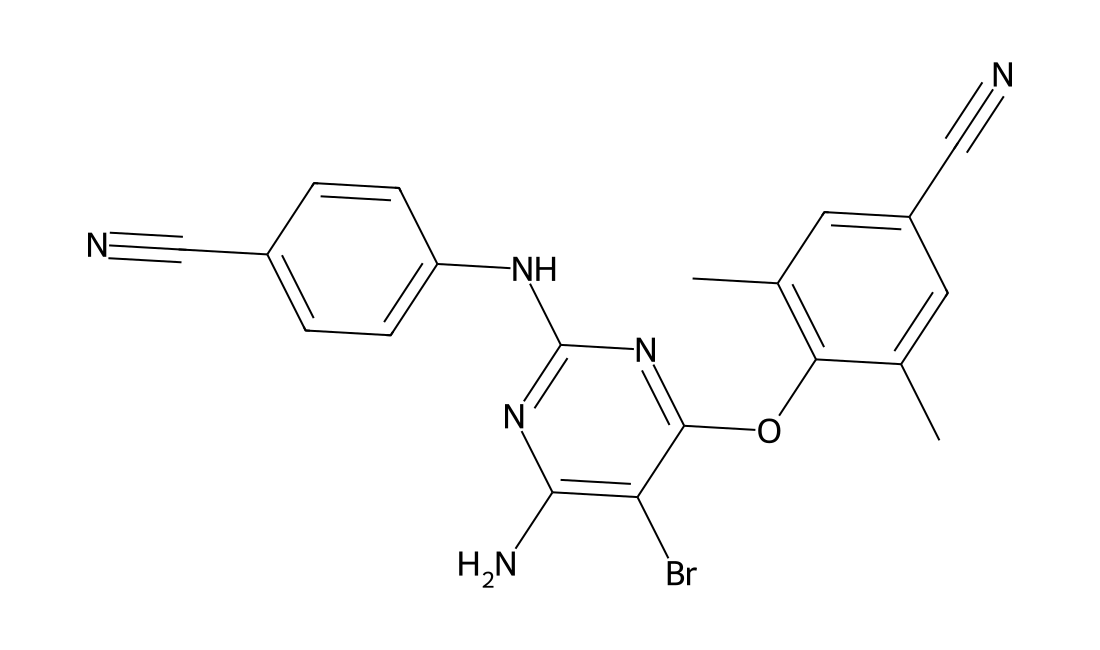
For the detailed information about the solubility of Etravirine in water, the solubility of Etravirine in DMSO, the solubility of Etravirine in PBS buffer, the animal experiment(test) of Etravirine,the in vivo,in vitro and clinical trial test of Etravirine,the cell experiment(test) of Etravirine,the IC50, EC50 and Affinity of Etravirine, please contact DC Chemicals.
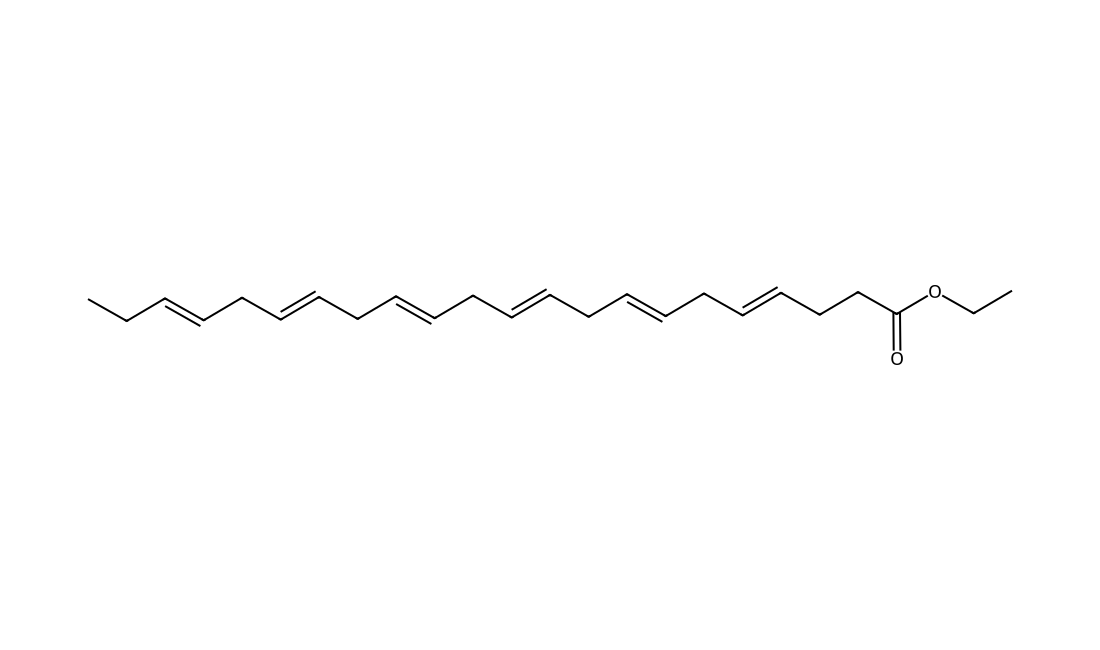
In Vitro Ethyl cis-4,7,10,13,16,19-Docosahexaenoate (Ethyl docosahexaenoate; E-DHA) is efficiently enriched by the selective alcoholysis of ethyl esters originating from tuna oil with lauryl alcohol using immobilized lipase.
EthionamideFeatured
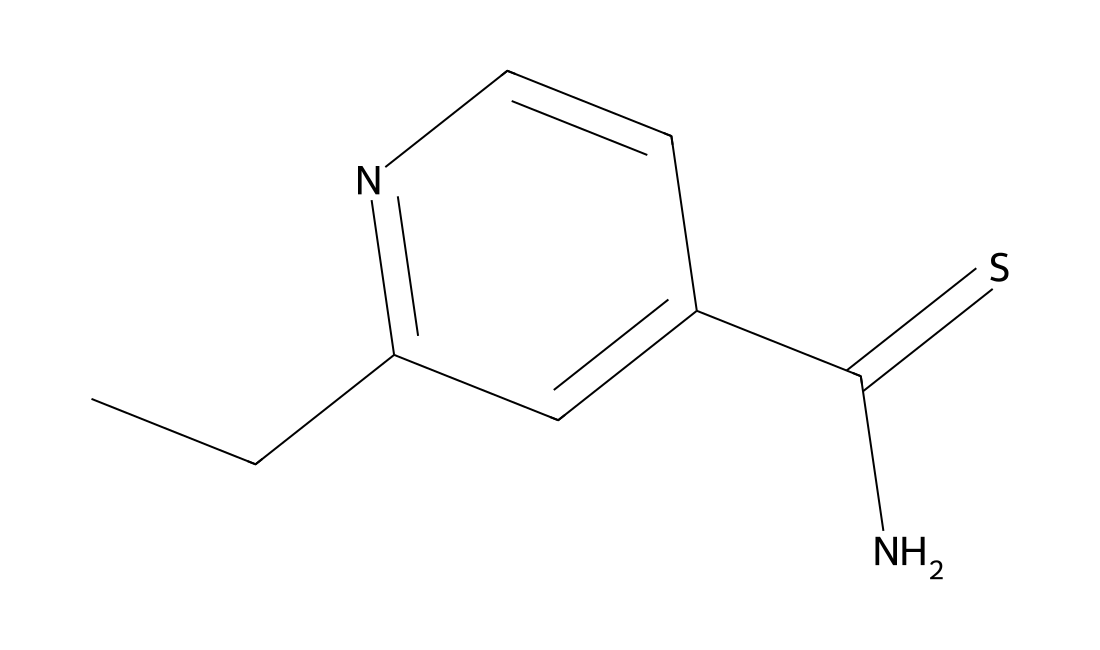
For the detailed information of Ethionamide, the solubility of Ethionamide in water, the solubility of Ethionamide in DMSO, the solubility of Ethionamide in PBS buffer, the animal experiment(test) (test) of Ethionamide, the cell expriment (test) of Ethionamide, the in vivo, in vitro and clinical trial test of Ethionamide, the EC50, IC50,and Affinity of Ethionamide,, please contact DC Chemicals.
EtamsylateFeatured
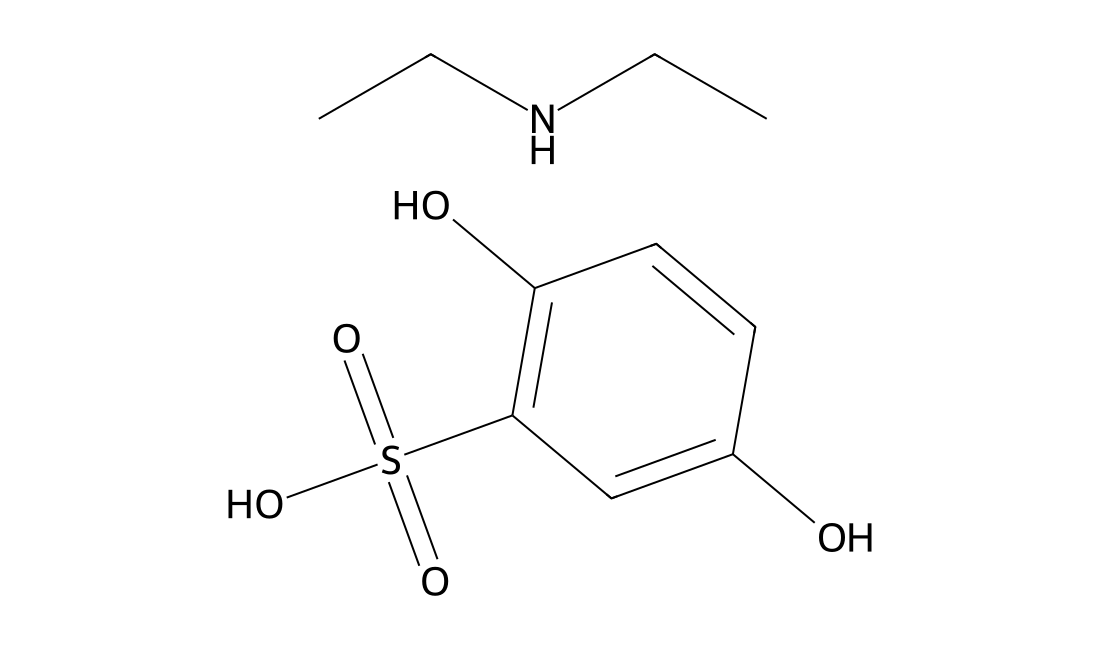
Ethamsylate is a haemostatic drug, also inhibits biosynthesis and action of those prostaglandins.
ERGi-USUFeatured
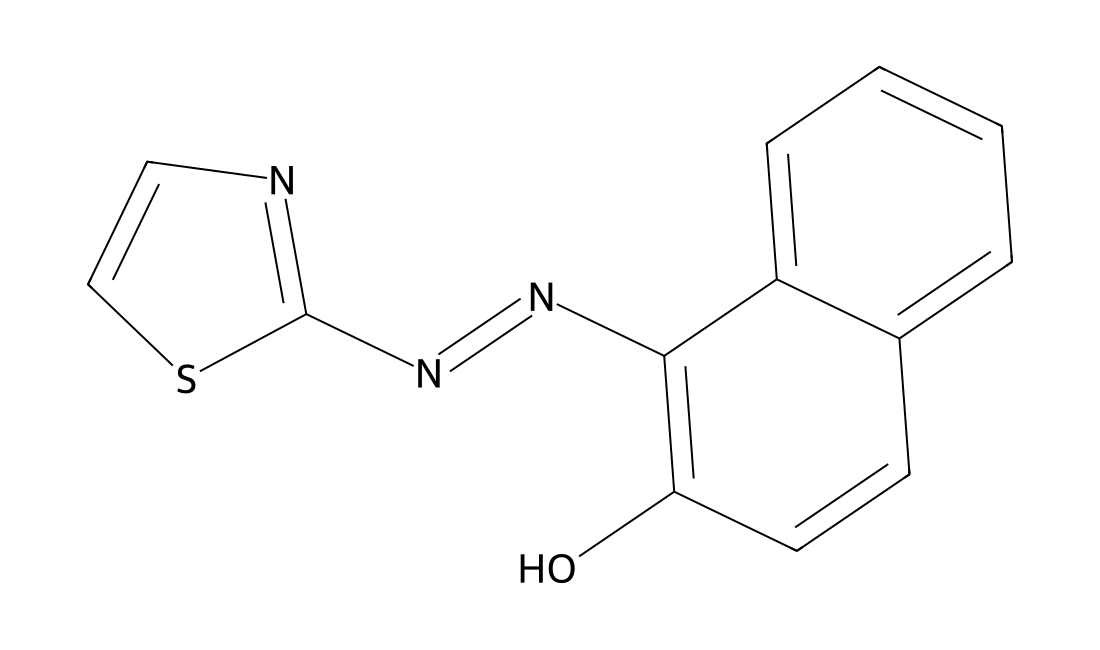
ERGi-USU (NSC139021) is a small molecule that selectively inhibits ERG-positive cancer cell growth (VCaP cell IC50=0.169 uM), directly binds the ribosomal biogenesis regulator atypical kinase RIOK2 and induces ribosomal stress signature; shows additive effects in inhibiting growth of VCaP cells combined with enzalutamide, inhibits growth of ERG-positive VCaP tumor xenografts with no apparent toxicity.
EPZ019997Featured
EPZ019997 is an orally active, reversible, and S-adenosyl-L-methionine (SAM) uncompetitive type I protein arginine methyltransferases (PRMTs) inhibitor (IC50=3.1 nM (PRMT1), 48 nM (PRMT3), 1148 nM (PRMT4), 5.7 nM (PRMT6), 1.7 nM (PRMT8)).
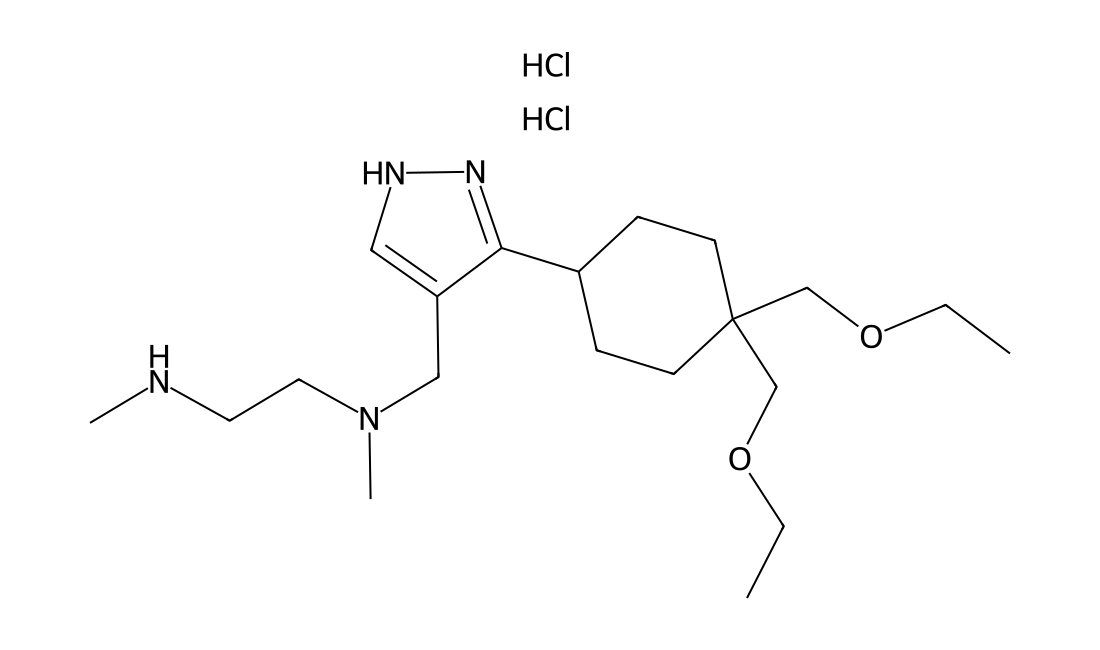
Eprosartan mesylateFeatured
Eprosartan is a nonpeptide angiotensin II receptor antagonist with IC50 of 9.2 and 3.9 nM in rat and human adrenal cortical membranes, respectively.in vitro: Eprosartan mesylate, is one of the highly selective, orally active, non-peptide angiotensin-II-receptor antagonists. In rat and human adrenal cortical membranes, Eprosartan displaced specifically bound [125I]AII with IC50 of 9.2 and 3.9 nM, respectively. Eprosartan also inhibited [125I]AII binding to human liver membranes (IC50 = 1.7 nM) and to rat mesenteric artery membranes (IC50 = 1.5 nM). In rabbit aortic smooth muscle cells, Eprosartan caused a concentration-dependent inhibition of AII-induced increases in intracellular Ca++ levels. In rabbit aortic rings. in vivo: Administration of Eprosartan (3-10 mg/kg) intraduodenally or intragastrically to conscious normotensive rats resulted in a dose-dependent inhibition of the pressor response to AII (250 ng/kg, i.v.). At 10 mg/kg, i.d., significant inhibition of the pressor response to AII was observed for 3 hr. In this same rat model, Eprosartan had no effect on base-line pressure or on the pressor response to norepinephrine or vasopressin. Eprosartan is highly effective and safe in lowering blood pressure, notably SBP, in older subjects with mild to moderate hypertension. Treatment with eprosartan in once-daily doses up to 1200 mg alone or in combination with HCTZ was well tolerated, with dizziness and asthenia being the most common side effects. Therapy with eprosartan mesilat was associated with significant hypotensive effect (more evident in patients with high systolic blood pressure), improvement in 24-hour blood pressure profile and quality of life, and lower probability of secondary stroke. Side effects were not observed.
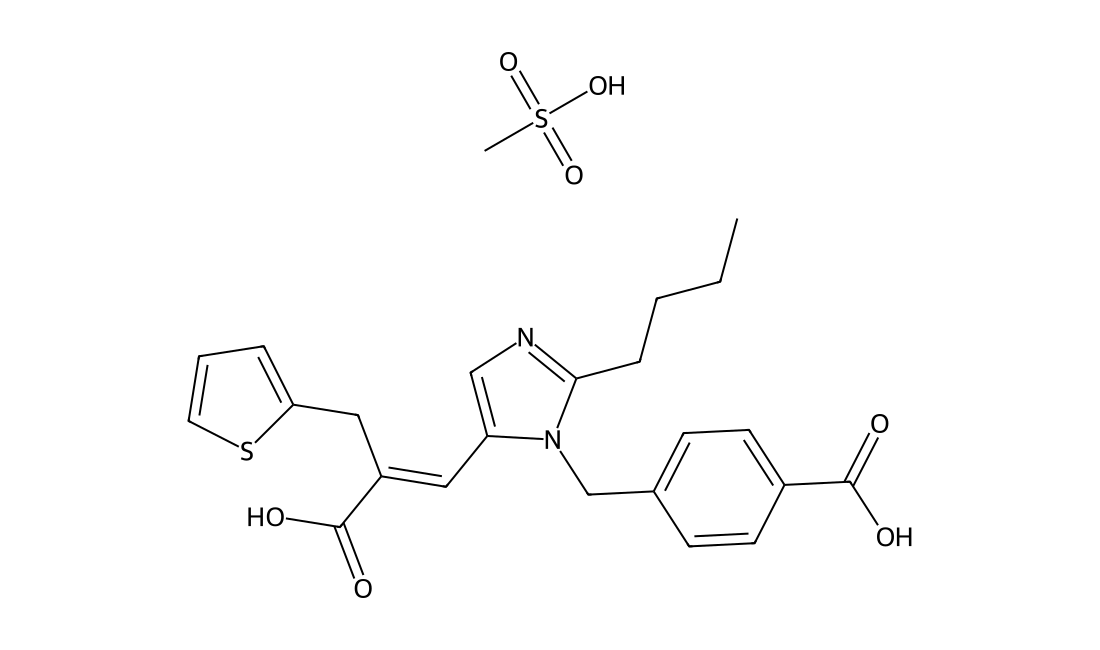
EMT inhibitor-1Featured
In Vitro EMT inhibitor-1 (C19) is an inhibitor of of Hippo, TGF-β, and Wnt signaling pathways with antitumor activities, inhibiting cancer cell migration, proliferation, and resistance to doxorubicin in vitro. In Vivo EMT inhibitor-1 (C19) exerts strong antitumor activity in a mouse tumor model. Mechanistically, EMT inhibitor-1 induces GSK3-β–mediated degradation of the Hippo transducer TAZ, through activation of the Hippo kinases Mst/Lats and the tumor suppressor kinase AMPK upstream of the degradation complex.
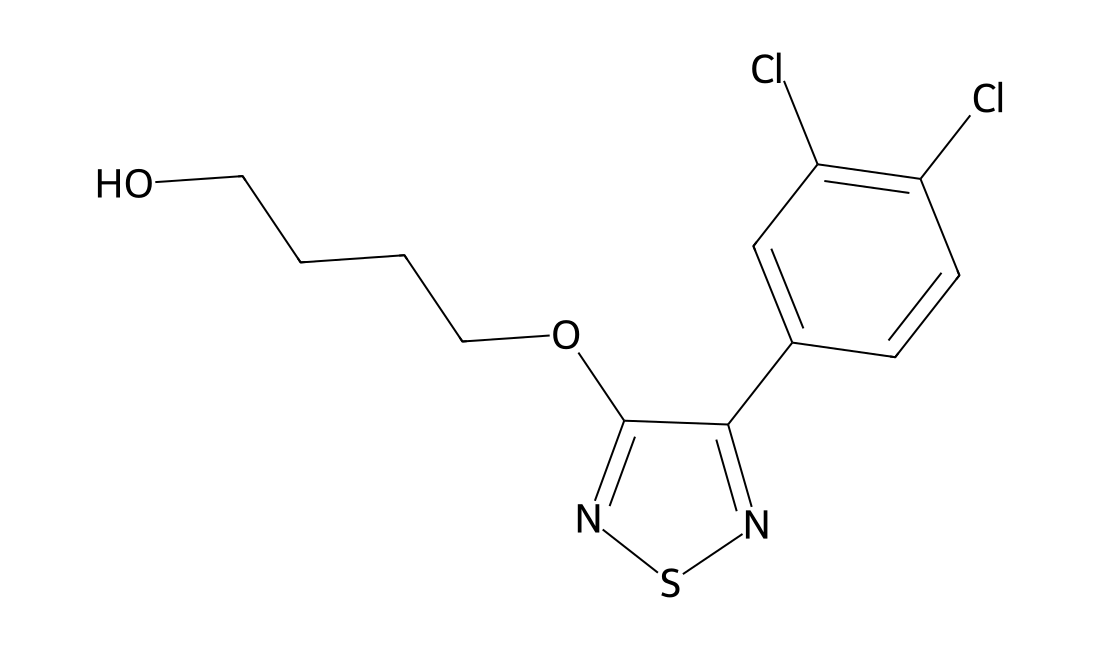
Edaravone (MCI-186)Featured
For the detailed information of Edaravone (MCI-186), the solubility of Edaravone (MCI-186) in water, the solubility of Edaravone (MCI-186) in DMSO, the solubility of Edaravone (MCI-186) in PBS buffer, the animal experiment(test) (test) of Edaravone (MCI-186), the cell expriment (test) of Edaravone (MCI-186), the in vivo, in vitro and clinical trial test of Edaravone (MCI-186), the EC50, IC50,and Affinity of Edaravone (MCI-186),, please contact DC Chemicals.
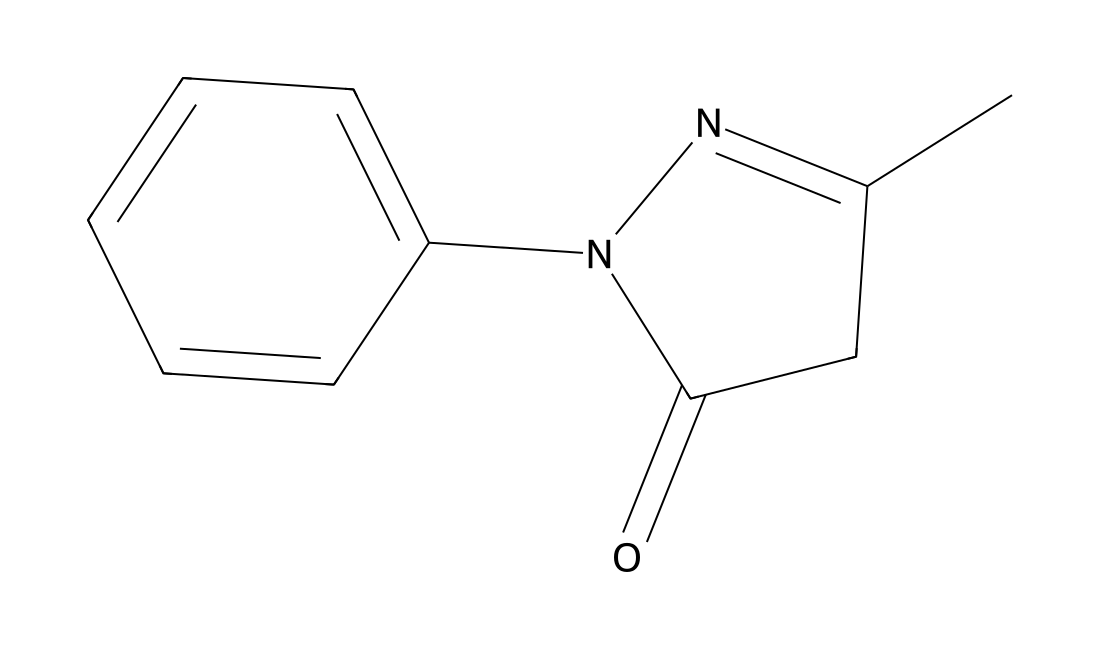
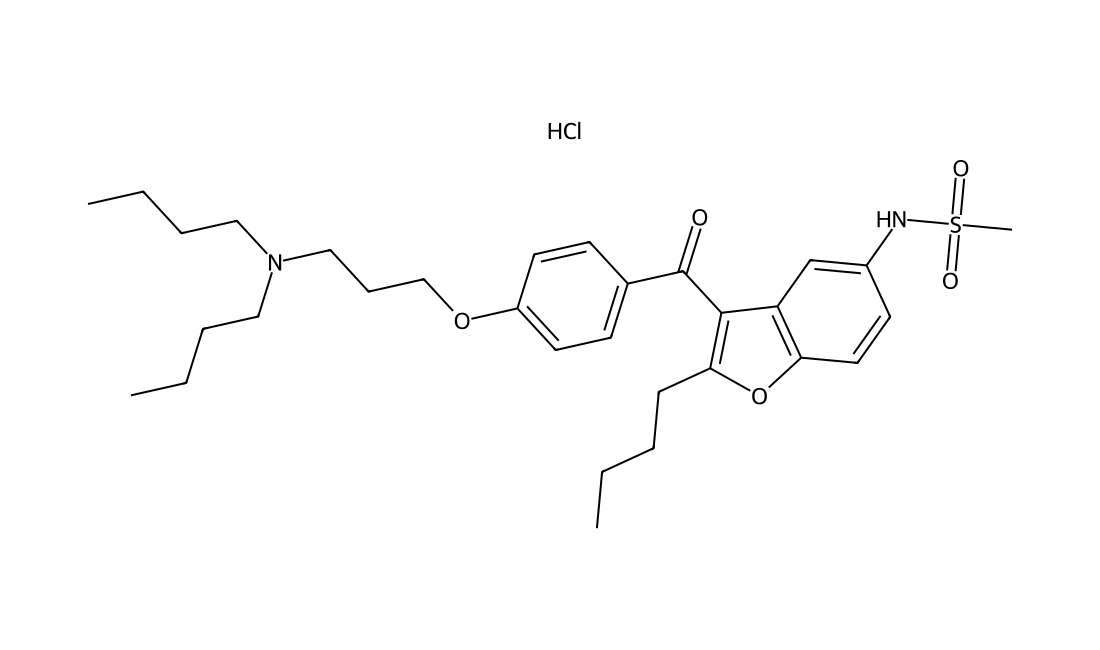
Dronedarone HydrochlorideFeatured
For the detailed information of Dronedarone Hydrochloride, the solubility of Dronedarone Hydrochloride in water, the solubility of Dronedarone Hydrochloride in DMSO, the solubility of Dronedarone Hydrochloride in PBS buffer, the animal experiment(test) (test) of Dronedarone Hydrochloride, the cell expriment (test) of Dronedarone Hydrochloride, the in vivo, in vitro and clinical trial test of Dronedarone Hydrochloride, the EC50, IC50,and Affinity of Dronedarone Hydrochloride,, please contact DC Chemicals.
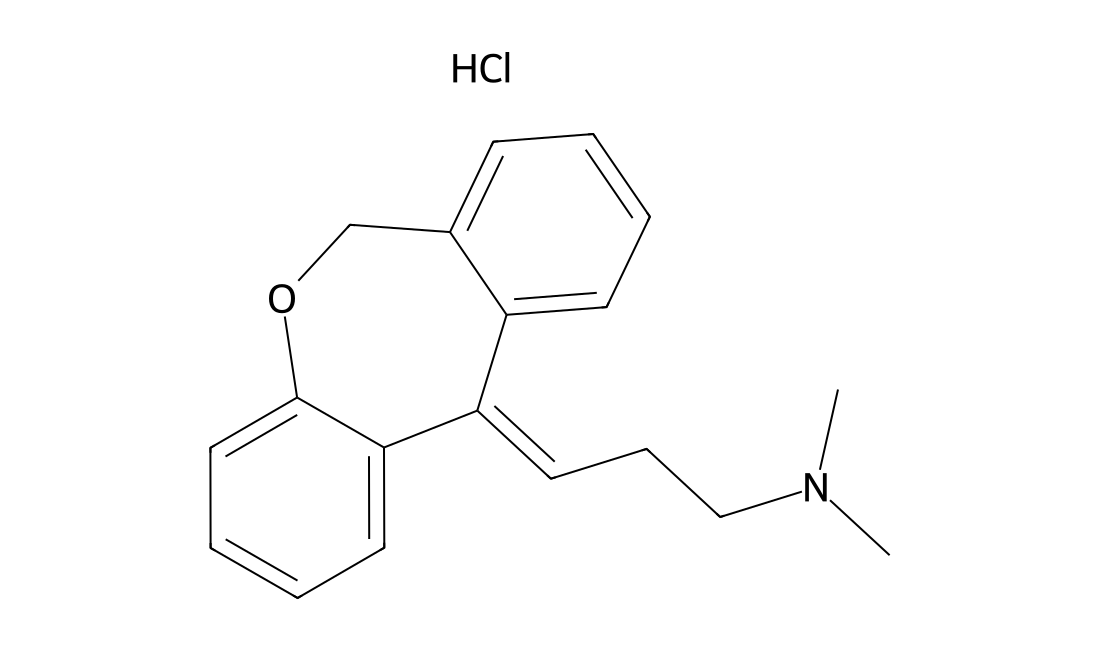
Doxepin HClFeatured
Doxepin HCl is a tricyclic antidepressant that is marketed worldwide.Doxepin inhibits the reuptake of serotonin and norepinephrine and acts as a antagonist at various serotonergic, adrenergic, musacrinic, dopaminergic and histaminergic receptors. In the doxepin-treated patients who completed the study (N = 20, 47.6+/-11.3), medication significantly increased sleep efficiency after acute (night 1, p < or = .001) and subchronic (night 28, p < or = .05) intake compared with the patients who received placebo (N = 20, 47.4+/-16.8 years of age). Doxepin to cause significantly (p < or = .05) better global improvement at the first day of treatment.
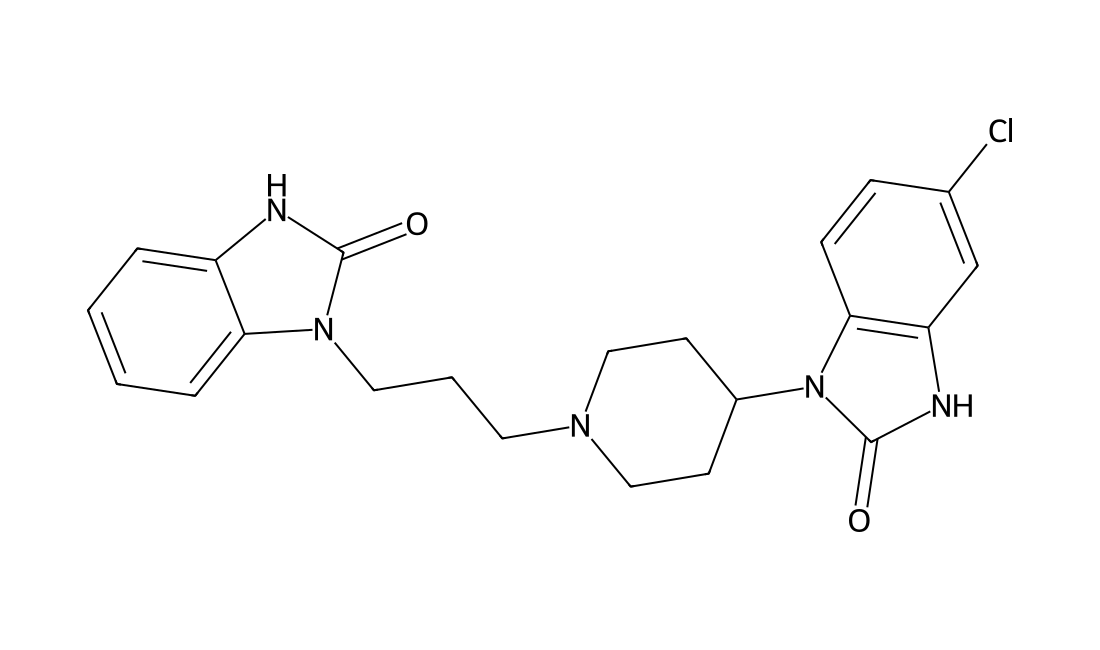
DomperidoneFeatured
Domperidone is a dopamine blocker and an antidopaminergic reagent.Domperidone is a useful alternative to metoclopramide for treatment of gastroparesis due to better tolerability. Effectiveness and side-effects from domperidone may be influenced by patient-related factors including polymorphisms in genes encoding drug-metabolizing enzymes, drug transporters, and domperidone targets. Domperidone is a dopamine D(2) receptor antagonist, which has been used as antiemetic agent in human beings. The percentage recovery of domperidone from wastewater was 95.0%. Celiprolol was used as the internal standard to access the percentage extraction of domperidone from wastewater. Domperidone, a dopamine antagonist that does not easily cross the blood-brain barrier, is considered the gold standard for treating gastrointestinal symptoms in patients with Parkinson's disease (PD) because the risk of developing extrapyramidal adverse effects is considered minimal.
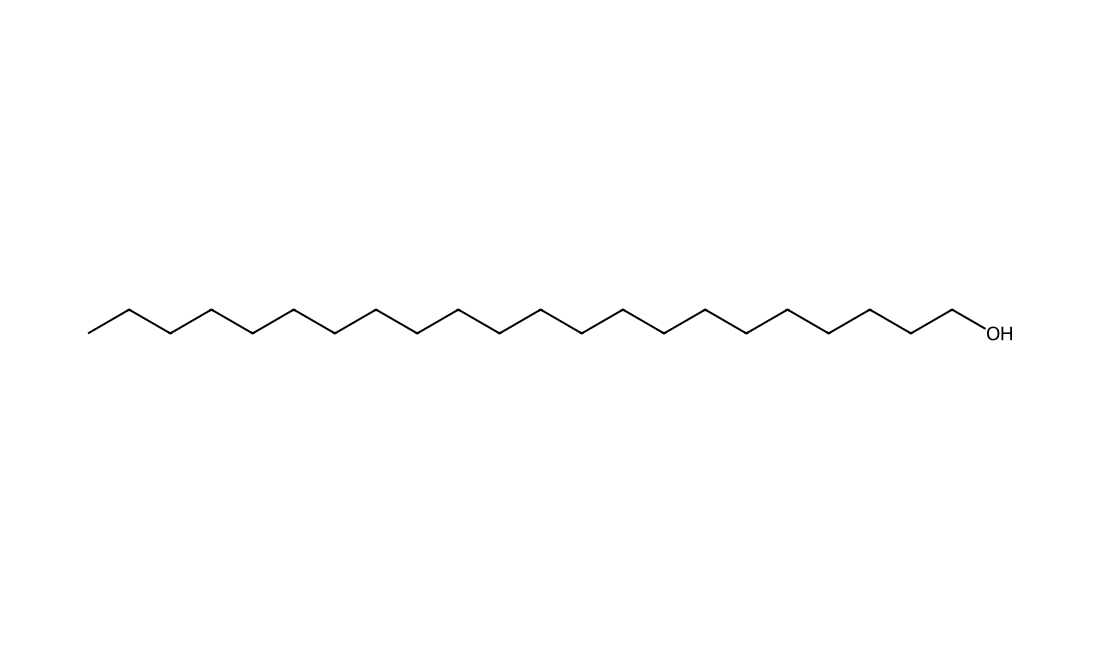
Docosanol (Abreva)Featured
For the detailed information of Docosanol (Abreva), the solubility of Docosanol (Abreva) in water, the solubility of Docosanol (Abreva) in DMSO, the solubility of Docosanol (Abreva) in PBS buffer, the animal experiment(test) (test) of Docosanol (Abreva), the cell expriment (test) of Docosanol (Abreva), the in vivo, in vitro and clinical trial test of Docosanol (Abreva), the EC50, IC50,and Affinity of Docosanol (Abreva),, please contact DC Chemicals.
No products match this search.
Page 306 of 309 · Browse all 6177 products
Jump to a product page
Featured literature product: HX1 · DCL0028
HX1 is a hydroxyzine-derived ionizable lipid with acetal-containing tails, studied in lipid nanoparticles for brain mRNA delivery and CRISPR–Cas9 delivery. It was the lead in the reported in vivo brain-delivery screen; evidence is preclinical and formulation-dependent.
Read full formulation and performance →