
Research lipid catalog
Ionizable Lipid Products
Explore 848 lipid and RNA delivery products. Search the full catalog or browse by research category.
Search covers product name, catalog number, synonyms, available CAS numbers and categories. Spaces, hyphens and common punctuation are ignored. Duplicate legacy records are consolidated under one canonical product result.
6177 products · Showing 5901–5920 · 20 per page
DC Chemicals lipid expertise
Built for ionizable-lipid discovery and RNA delivery research
DC Chemicals supports formulation and delivery research with a broad, searchable portfolio of cationic and ionizable lipids. The current directory brings together 848 unique research-use products, with product specifications, pricing, chemical structures and literature-linked formulation data added as each record is verified.
Our experience spans complex lipid synthesis, purification, analytical release and process development. For custom molecules or larger-scale requirements, our team can discuss route development, technical specifications and scale-up options for the intended research workflow.
Learn about cationic and ionizable lipids →Proprietary innovation · Co-development · GMP
From proprietary lipid design to GMP-grade custom synthesis
DC Chemicals has independently developed ionizable-lipid structures supported by company-owned intellectual property, and selected proprietary lipid programs have advanced to GMP-stage development.
We welcome joint development with customers—from molecular design and lipid synthesis through route and process development. We can also support custom synthesis of GMP-grade ionizable lipids to agreed technical specifications and quality requirements.
Discuss a co-development project →Proprietary ionizable-lipid structuresCollaborative molecular designCustom lipid synthesisProcess development and scale-upGMP-grade project support
Product quick links
Explore New ionizable lipids
Explore our five most recently added ionizable lipids, with specifications, pricing and literature-linked product information.
DCL0028HX1Brain RNA delivery researchView product →DCL0024A1I4R13C18-2Spleen-targeted RNA delivery researchView product →DCL0023A1I4R2C18-2Spleen-targeted RNA delivery researchView product →DCL0022FS01Local joint RNA delivery researchView product →DCL0020Lipid-392Lung RNA delivery and gene editing researchView product →
Cat. No.Product NameField of ApplicationChemical Structure
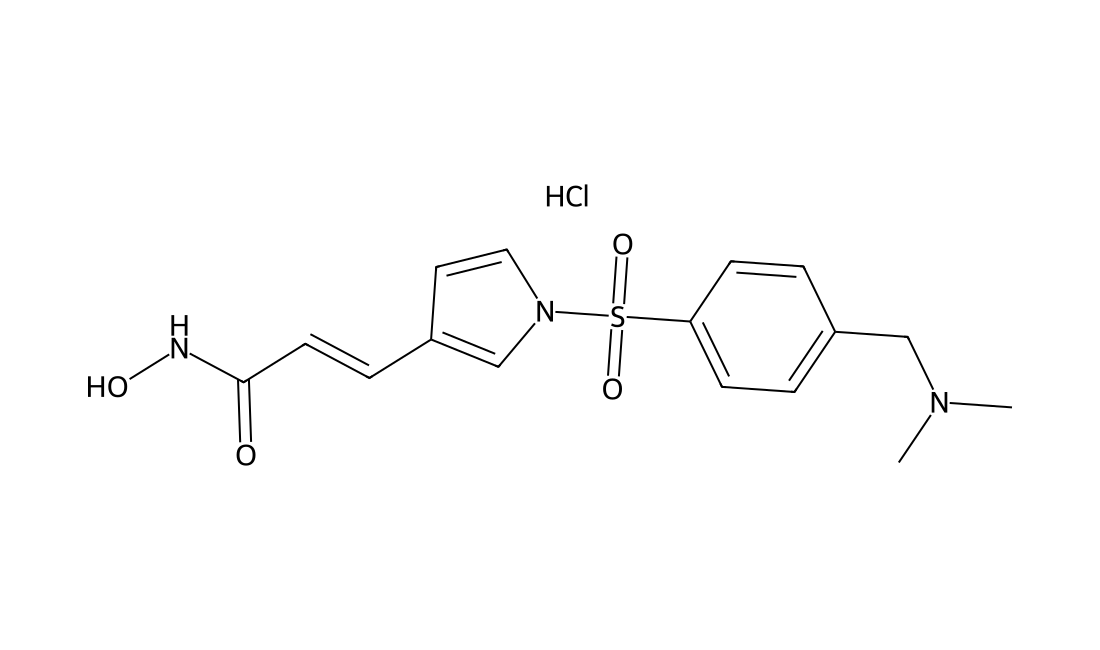
Resminostat [HCl] is acting as a potent inhibitor of recombinant HDAC 1, 3 and 6 isoenzymes with a substrate competitive binding mode. It can induce hyperacetylation of histone H4 in MM cells. Low micromolar concentrations of resminostat abrogates cell growth and strongly induces apoptosis in MM cell lines (OPM-2, NCI-H929, U266 ) as well as primary MM cells. At 1 μM, resminostat inhibits proliferation and induces G0/G1 cell cycle arrest in OPM-2, NCI-H929, U266 MM cell lines accompanied with decreased levels of cyclin D1, cdc25a, Cdk4 and pRb as well as upregulation of p21. Resminostat decreases phosphorylation of 4E-BP1 and p70S6k indicating an interference with Akt pathway signalling. Treatment with resminostat results in increased protein levels of Bim and Bax and decreases levels of Bcl-xL. Caspases 3, 8 and 9 are activated by resminostat. Furthermore, synergistic effects are observed For combinations of resminostat with melphalan and the proteasome inhibitors bortezomib and S-2209. Oral resminostat at 600 mg QD continuously d1−5 in a 14 day cycle is well-tolerated. Resminostat shows a favourable PK profile, with high bioavailability and low inter-pt variability. The apparent t 1/2 of oral resminostat ranged from 2.7 to 4.4 hours. The modulation of plasma biomarkers further indicates drug activity. For the detailed information of Resminostat, the solubility of Resminostat in water, the solubility of Resminostat in DMSO, the solubility of Resminostat in PBS buffer, the animal experiment (test) of Resminostat, the cell expriment (test) of Resminostat, the in vivo, in vitro and clinical trial test of Resminostat, the EC50, IC50,and Affinity of Resminostat, Please contact DC Chemicals.
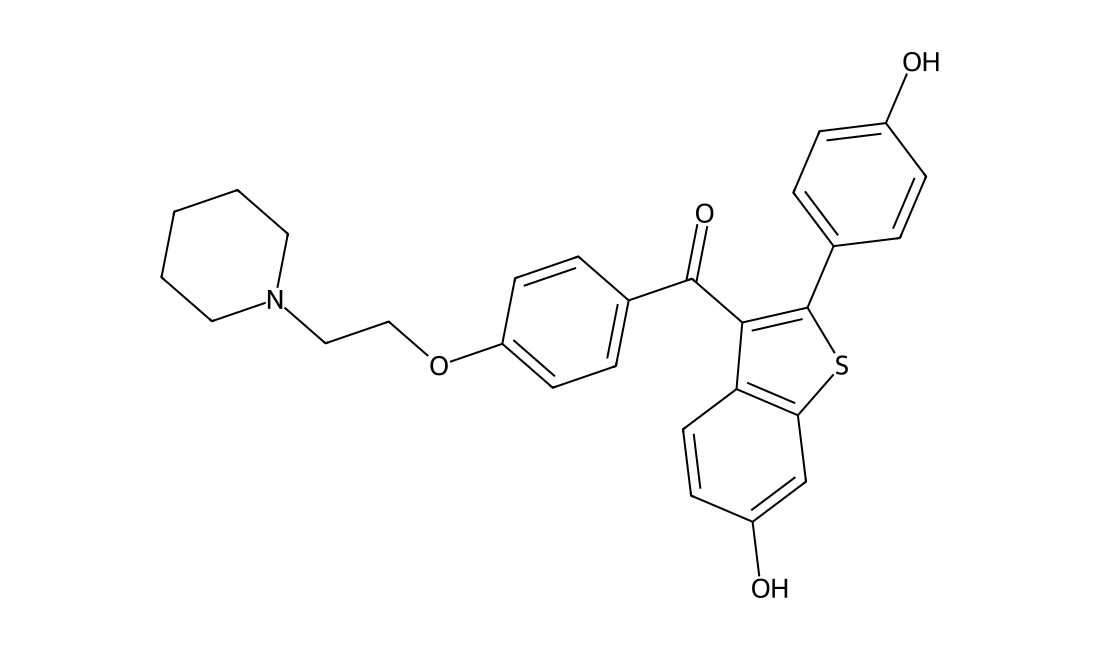
RaloxifeneFeatured
For the detailed information of Raloxifene, the solubility of Raloxifene in water, the solubility of Raloxifene in DMSO, the solubility of Raloxifene in PBS buffer, the animal experiment(test) (test) of Raloxifene, the cell expriment (test) of Raloxifene, the in vivo, in vitro and clinical trial test of Raloxifene, the EC50, IC50,and Affinity of Raloxifene,, please contact DC Chemicals.
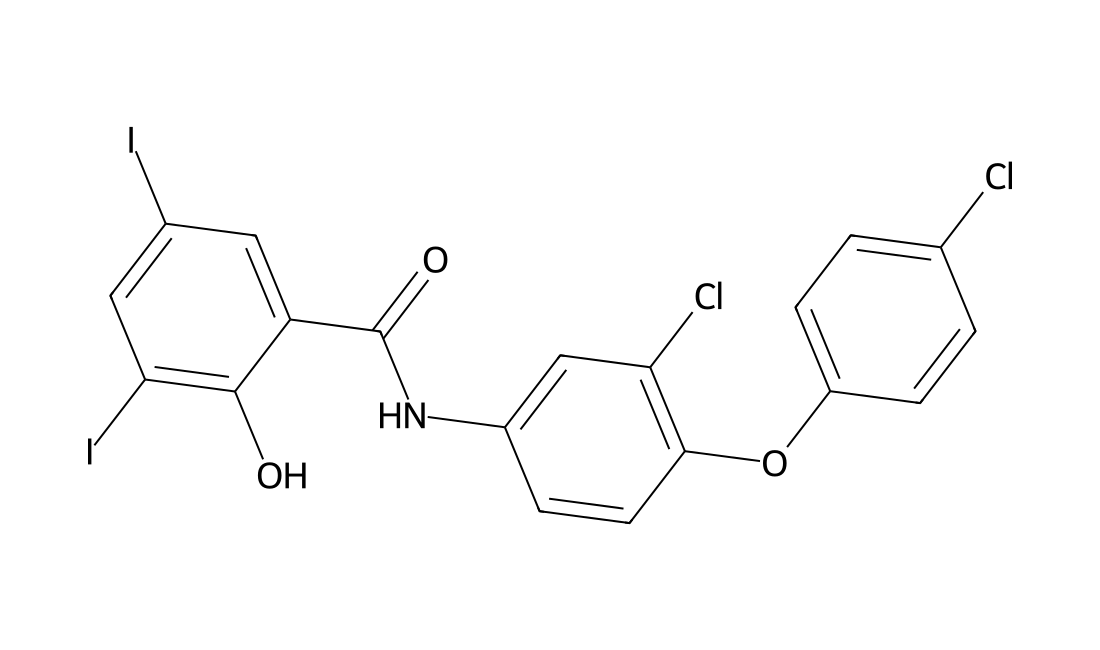
RafoxanideFeatured
Rafoxanide is a salicylanilide used as an antiparasitic agent.
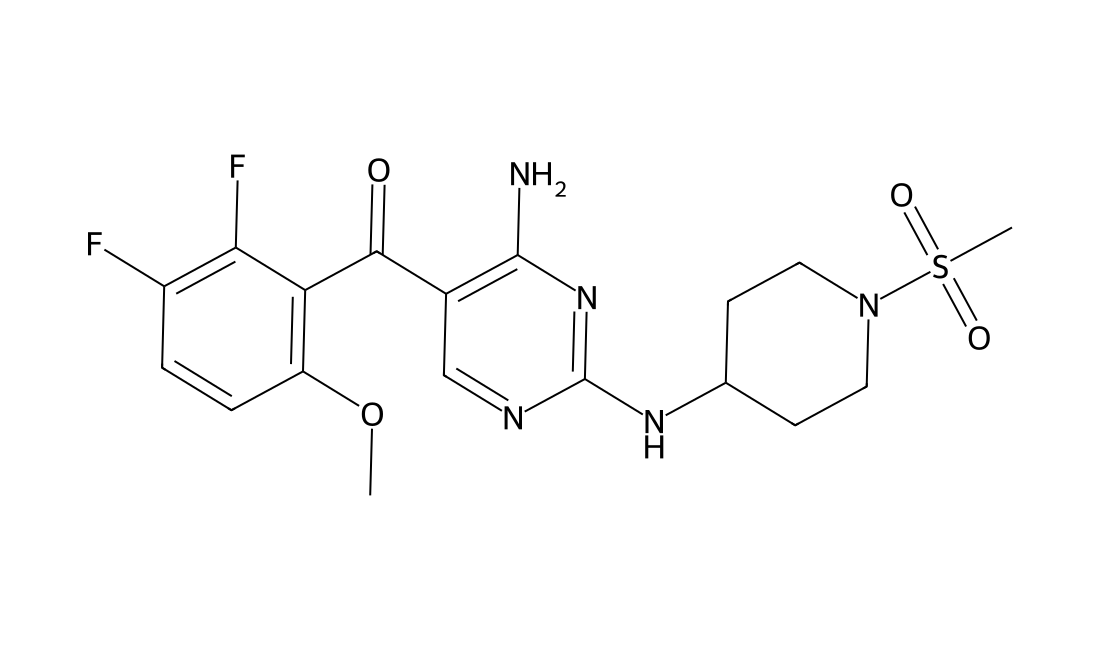
R547Featured
Description of R547: R547 is orally bioavailable diaminopyrimidine cyclin-dependent kinase inhibitor (CDKI) with potential antineoplastic activity. CDKI R547 selectively binds to and inhibits CDKs, especially CDK1/cyclin B, CDK2/cyclin E, and CDK4/cyclin D1. The inhibition of CDKs results in cell cycle arrest, inhibition of tumor cell proliferation, and induction of apoptosis. Through CDK inhibition, this agent also reduces phosphorylation of the retinoblastoma (Rb) protein, thus preventing activation of transcription factor E2F and so further suppressing tumor cell proliferation. CDKs are ATP-dependent serine/threonine kinases that are important regulators of cell cycle progression and are frequently overexpressed in tumor cells. Check For active clinical trials or closed clinical trials using this agent. (NCI Thesaurus) For the detailed information about the solubility of R547 in water, the solubility of R547 in DMSO, the solubility of R547 in PBS buffer, the animal experiment(test) of R547,the in vivo,in vitro and clinical trial test of R547,the cell experiment(test) of R547,the IC50, EC50 and Affinity of R547, please contact DC Chemicals.
QM385Featured
QM385 is a highly potent small molecule SPR inhibitor,that inhibits the BH4 pathway, blocking T cell proliferation and autoimmunity.
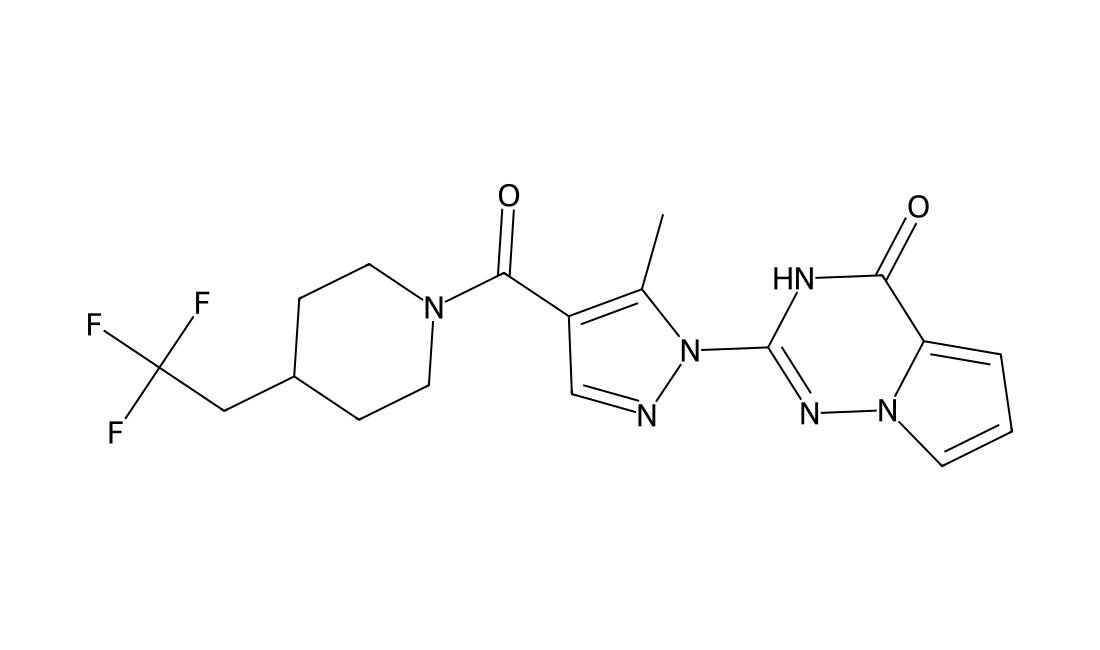
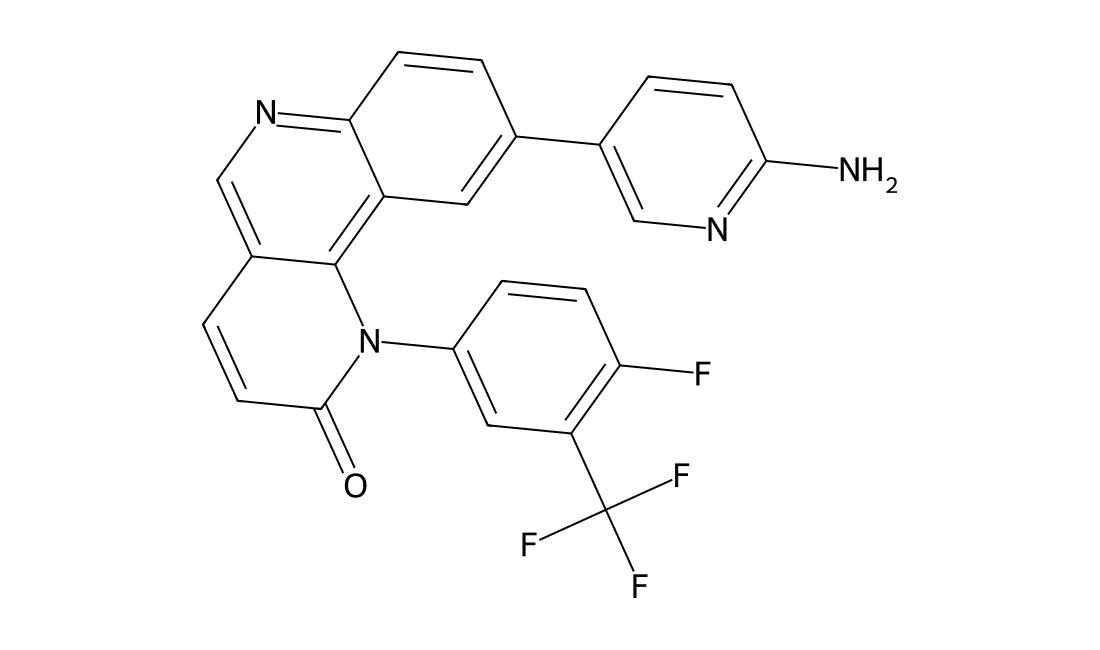
QL-IX-55Featured
QL-IX-55 is a selective ATP-competitive inhibitor of mTORC1/2 with IC50s of 50/50/10-50 nM for Human mTORC1/Yeast mTORC1/Yeast mTORC2, respectively. IC50 value: 50/50/10-50 nM (Human mTORC1/Yeast The functional target of QL-IX-55 is the ATP-binding site of TOR2 as evidenced by the discovery of resistant alleles of TOR2 through rational design and unbiased selection strategies. QL-IX-55 is capable of potently inhibiting both TOR complex 1 and 2 (TORC1 and TORC2) as demonstrated by biochem. IP kinase assays (IC50 <50 nM) and cellular assays for inhibition of substrate YPK1 phosphorylation. In contrast to rapamycin, QL-IX-55 is capable of inhibiting TORC2-dependent transcription, which suggests that this compd. will be a powerful probe to dissect the Tor2/TORC2-related signaling pathway in yeast.. For the detailed information of QL-IX-55, the solubility of QL-IX-55 in water, the solubility of QL-IX-55 in DMSO, the solubility of QL-IX-55 in PBS buffer, the animal experiment (test) of QL-IX-55, the cell expriment (test) of QL-IX-55, the in vivo, in vitro and clinical trial test of QL-IX-55, the EC50, IC50,and affinity,of QL-IX-55, Please contact DC Chemicals.
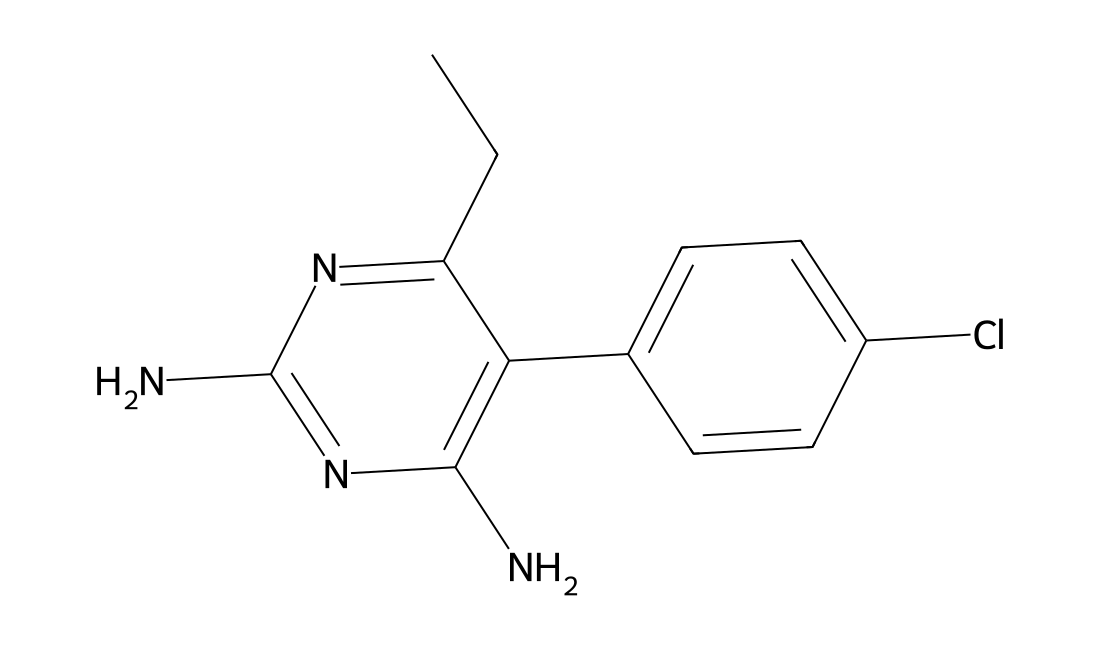
PyrimethamineFeatured
For the detailed information of Pyrimethamine, the solubility of Pyrimethamine in water, the solubility of Pyrimethamine in DMSO, the solubility of Pyrimethamine in PBS buffer, the animal experiment(test) (test) of Pyrimethamine, the cell expriment (test) of Pyrimethamine, the in vivo, in vitro and clinical trial test of Pyrimethamine, the EC50, IC50,and Affinity of Pyrimethamine,, please contact DC Chemicals.
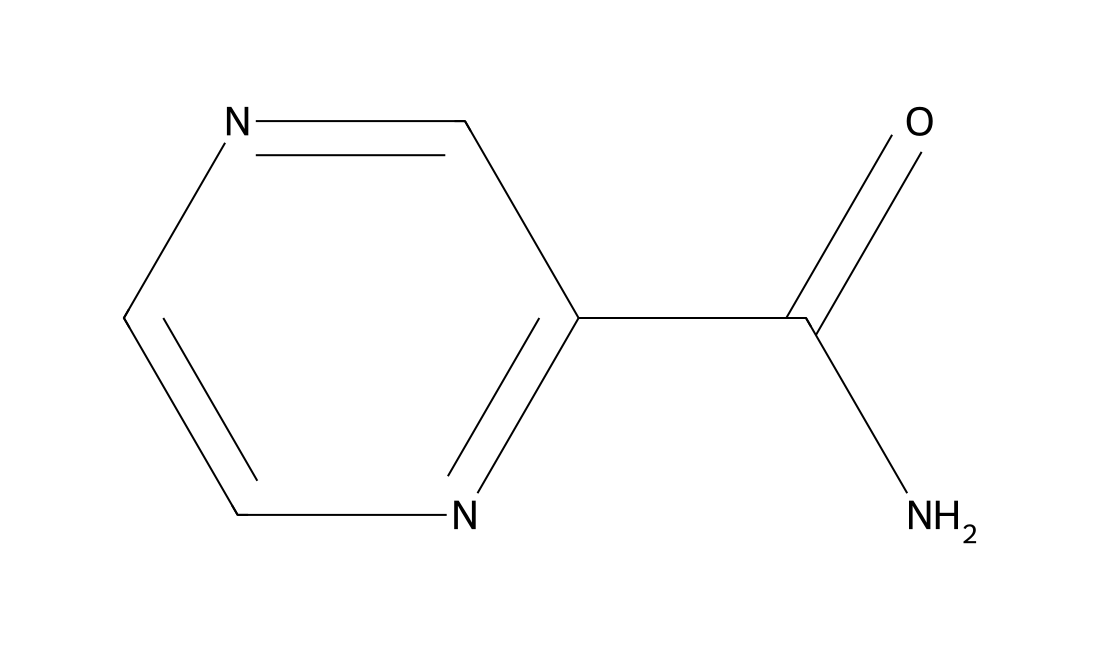
For the detailed information of Pyrazinamide (Pyrazinoic acid amide), the solubility of Pyrazinamide (Pyrazinoic acid amide) in water, the solubility of Pyrazinamide (Pyrazinoic acid amide) in DMSO, the solubility of Pyrazinamide (Pyrazinoic acid amide) in PBS buffer, the animal experiment(test) (test) of Pyrazinamide (Pyrazinoic acid amide), the cell expriment (test) of Pyrazinamide (Pyrazinoic acid amide), the in vivo, in vitro and clinical trial test of Pyrazinamide (Pyrazinoic acid amide), the EC50, IC50,and Affinity of Pyrazinamide (Pyrazinoic acid amide),, please contact DC Chemicals.
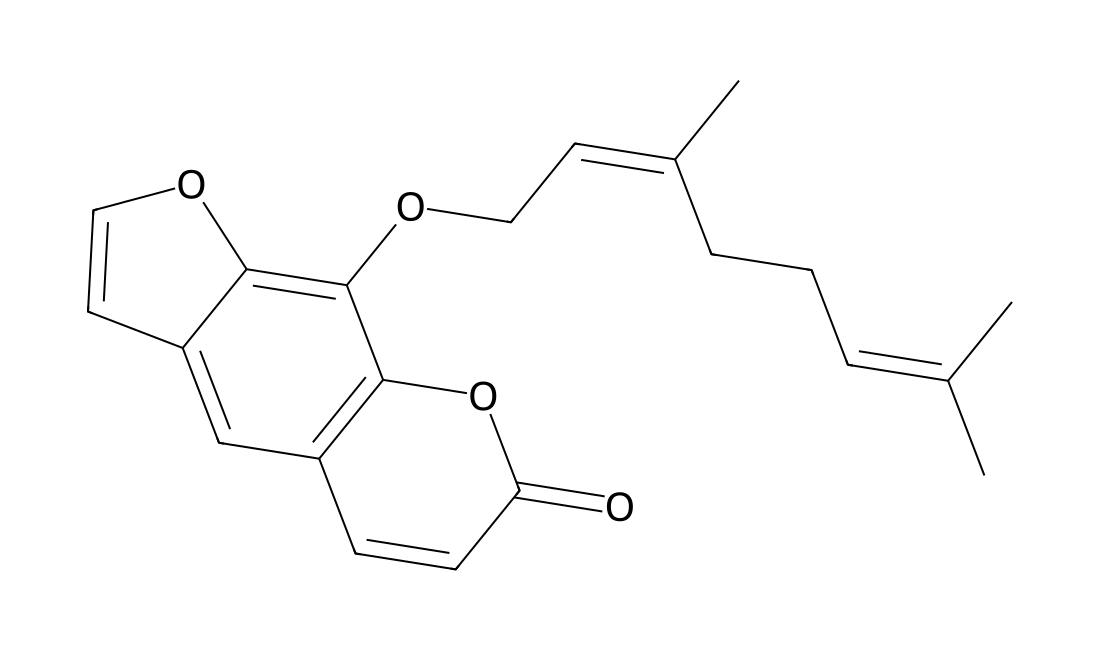
8-GERANOPSORALENFeatured
purity >98%,Standard References
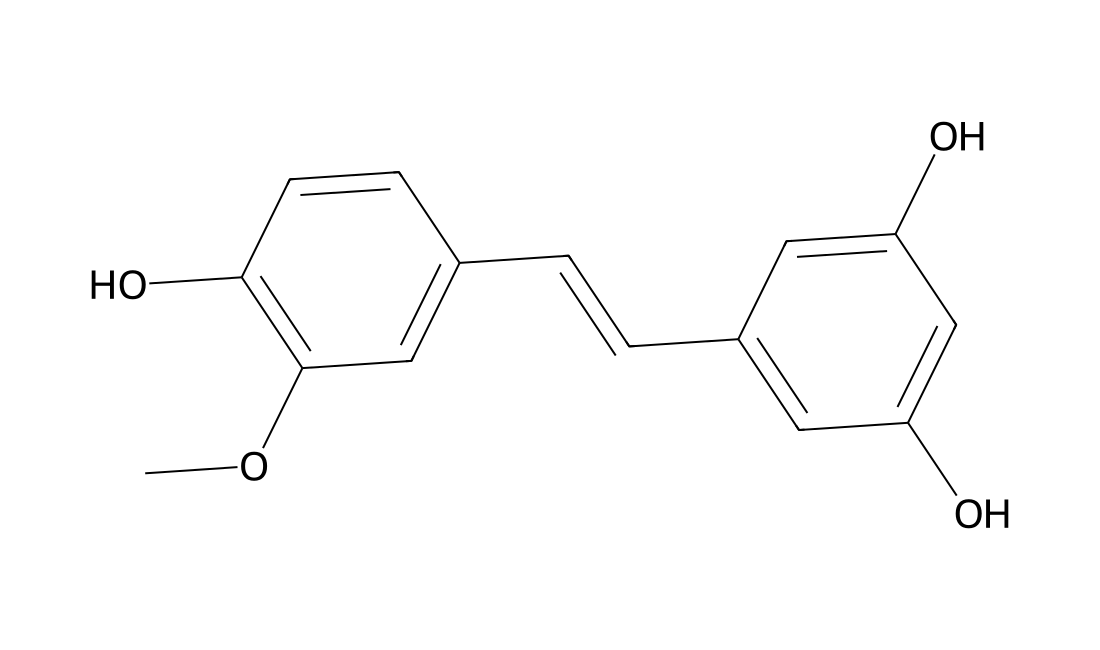
isorhapontigeninFeatured
purity >98%,Standard References
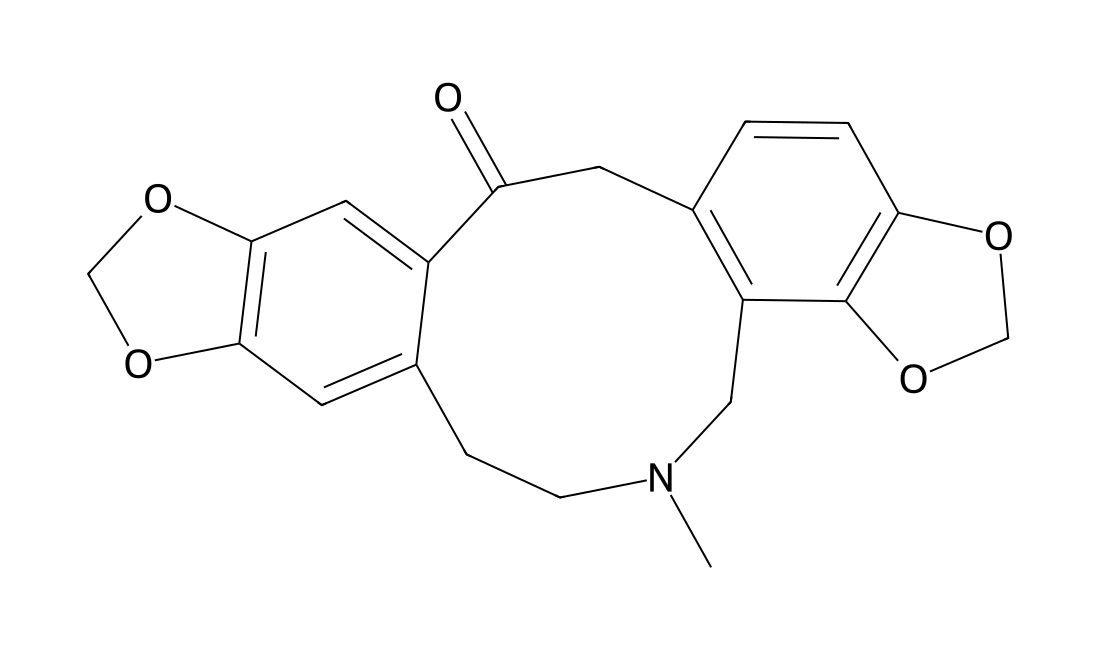
ProtopineFeatured
purity >98%,Standard References
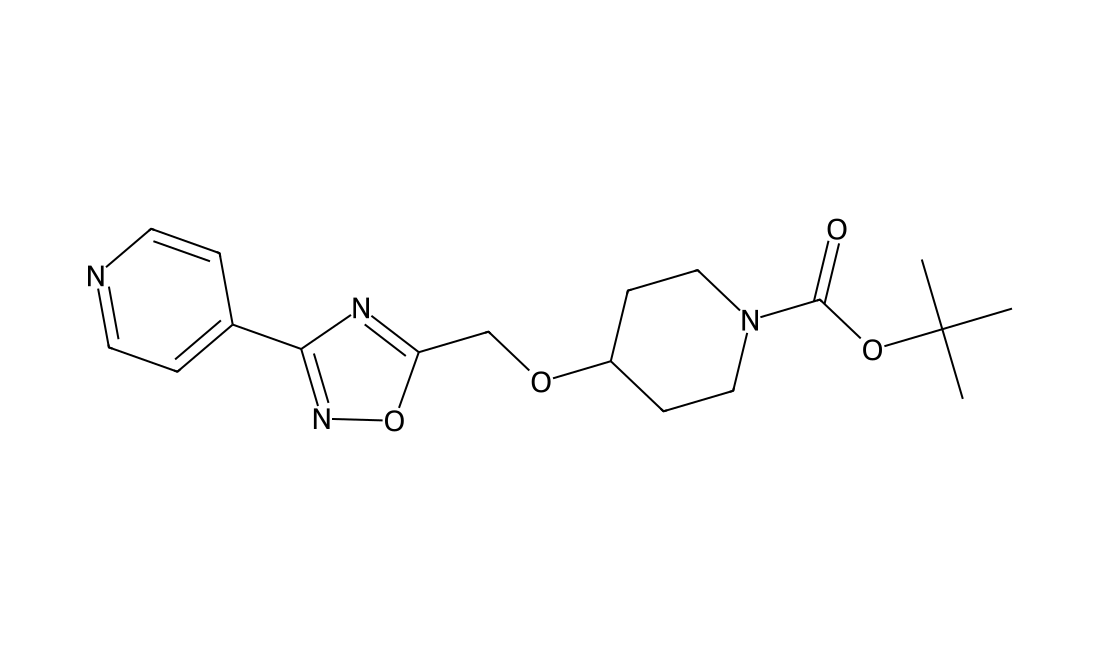
PSN632408Featured
PSN632408 is an optimized agonist of GPR119 receptors that shows similar potency to OEA at both recombinant mouse and human GPR119 receptors, exhibiting EC50 values of 5.6 and 7.9 uM, respectively. IC50 value: 5.6/7.9 uM ( recombinant mouse/ human GPR119) Target: GPR119 agonist Systemic administration of PSN632408 (30 mg/kgintraperitoneally) suppresses food intake, reduces weight gain, and white adipose tissue deposition in rats. GPR119 (previously designated SNORF25) is an orphan G protein-coupled receptor expressed predominantly in the pancreas and gastrointestinal tract in humans and in the brain, pancreas, and gastrointestinal tract in rodents. It mediates a reduction in food intake and body weight gain in rats upon treatment with oleoyl ethanolamide (OEA), an endogenous, potent agonist for PPARα. These data suggest that PSN632408 may be useful as a therapeutic agent for the treatment of obesity. For the detailed information of PSN632408, the solubility of PSN632408 in water, the solubility of PSN632408 in DMSO, the solubility of PSN632408 in PBS buffer, the animal experiment (test) of PSN632408, the cell expriment (test) of PSN632408, the in vivo, in vitro and clinical trial test of PSN632408, the EC50, IC50,and affinity,of PSN632408, Please contact DC Chemicals.
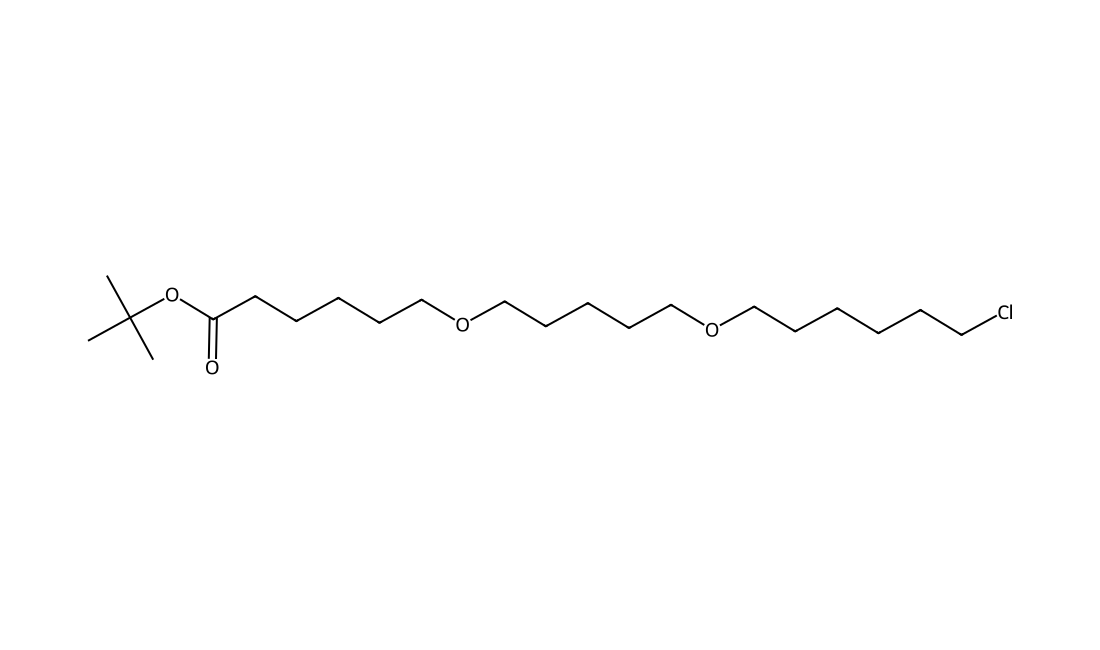
PROTAC Linker 2Featured
PROTAC Linker 2 is a PROTAC linker utilized to connect the respective tyrosine kinase inhibitor (TKI) to the E3 recruiting ligand.
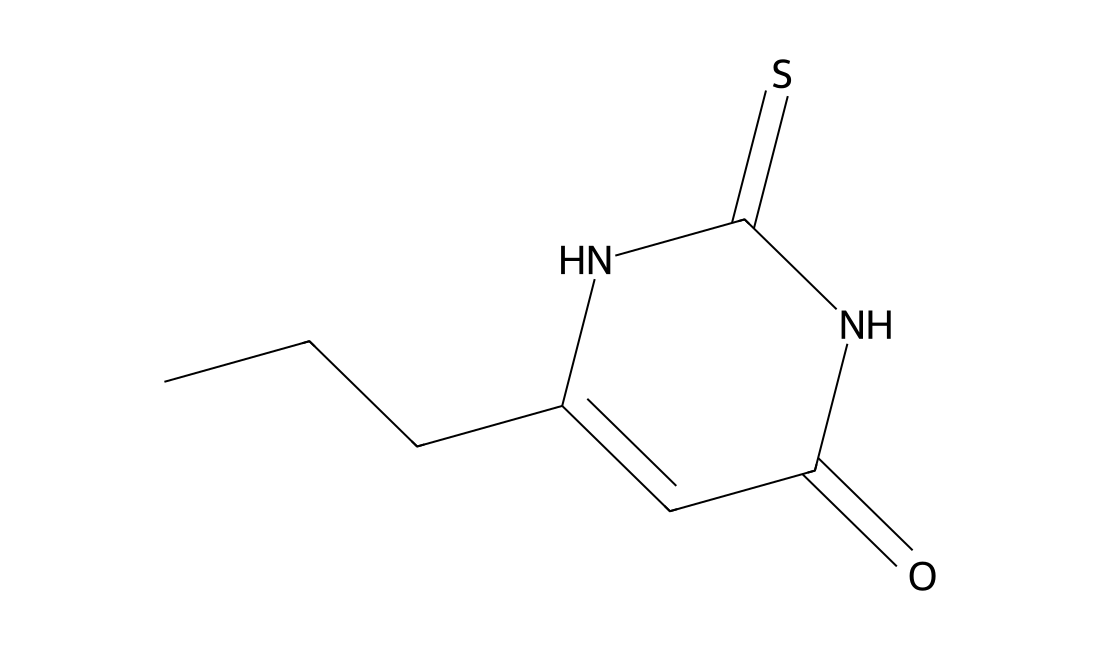
PropylthiouracilFeatured
For the detailed information of Propylthiouracil, the solubility of Propylthiouracil in water, the solubility of Propylthiouracil in DMSO, the solubility of Propylthiouracil in PBS buffer, the animal experiment(test) (test) of Propylthiouracil, the cell expriment (test) of Propylthiouracil, the in vivo, in vitro and clinical trial test of Propylthiouracil, the EC50, IC50,and Affinity of Propylthiouracil,, please contact DC Chemicals.
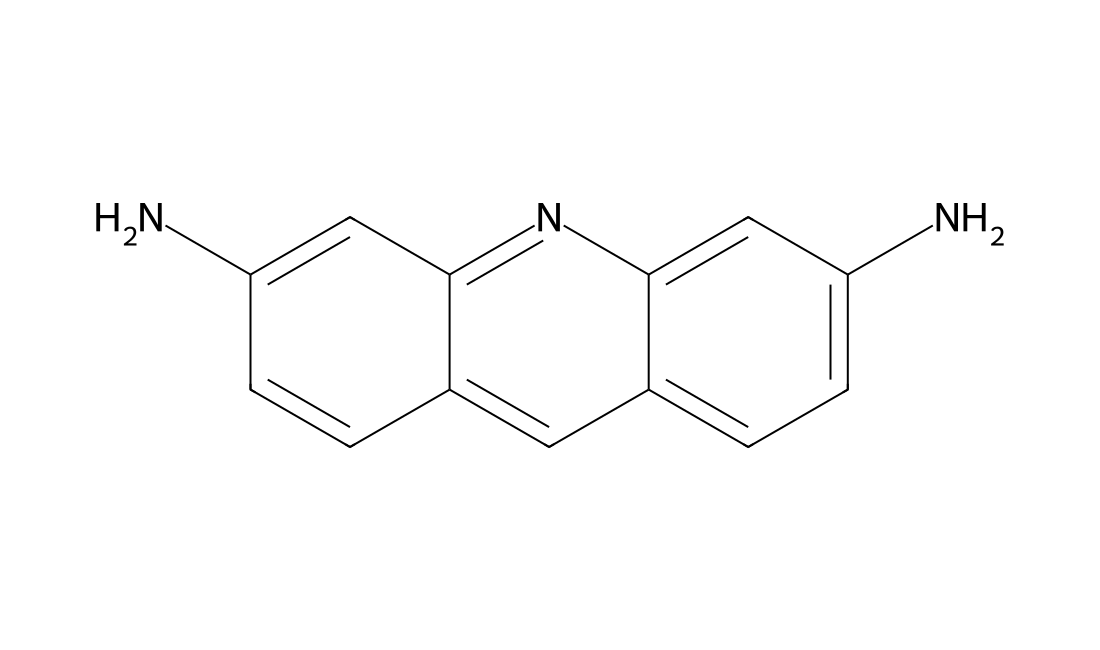
Proflavine;3,6-DiaminoacridineFeatured
Proflavine is a disinfectant bacteriostatic against many gram-positive bacteria. It is a topical antiseptic used mainly in wound dressings.
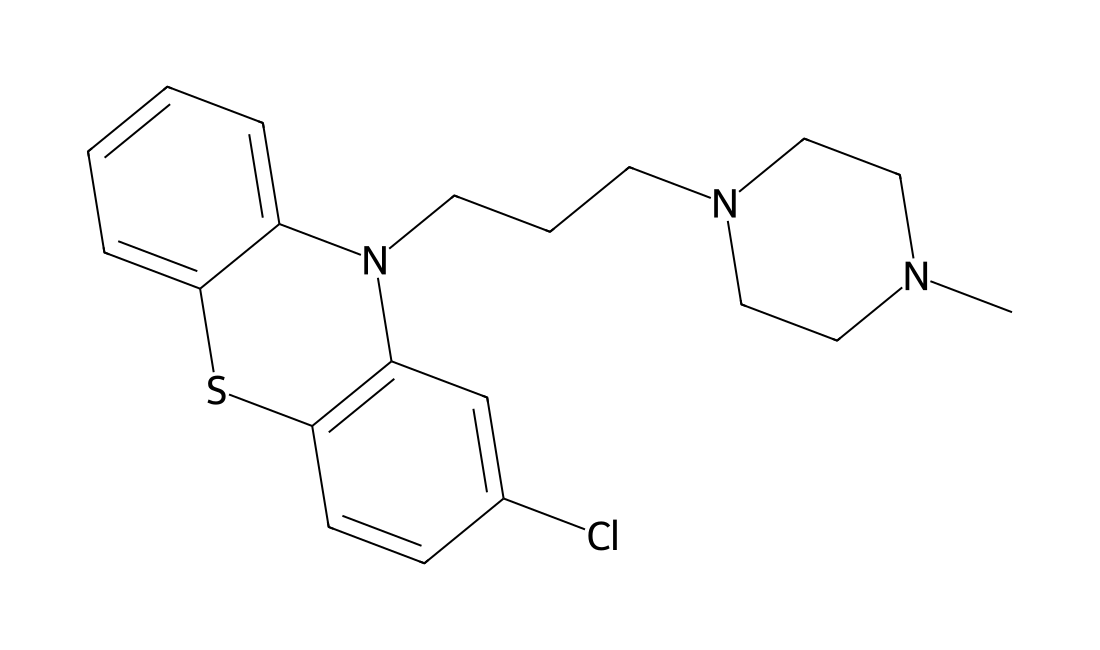
ProchlorperazineFeatured
Prochlorperazine is a dopamine (D2) receptor antagonist that belongs to the phenothiazine class of antipsychotic agents. It is also a highly potent typical antipsychotic.
Procarbazine HClFeatured
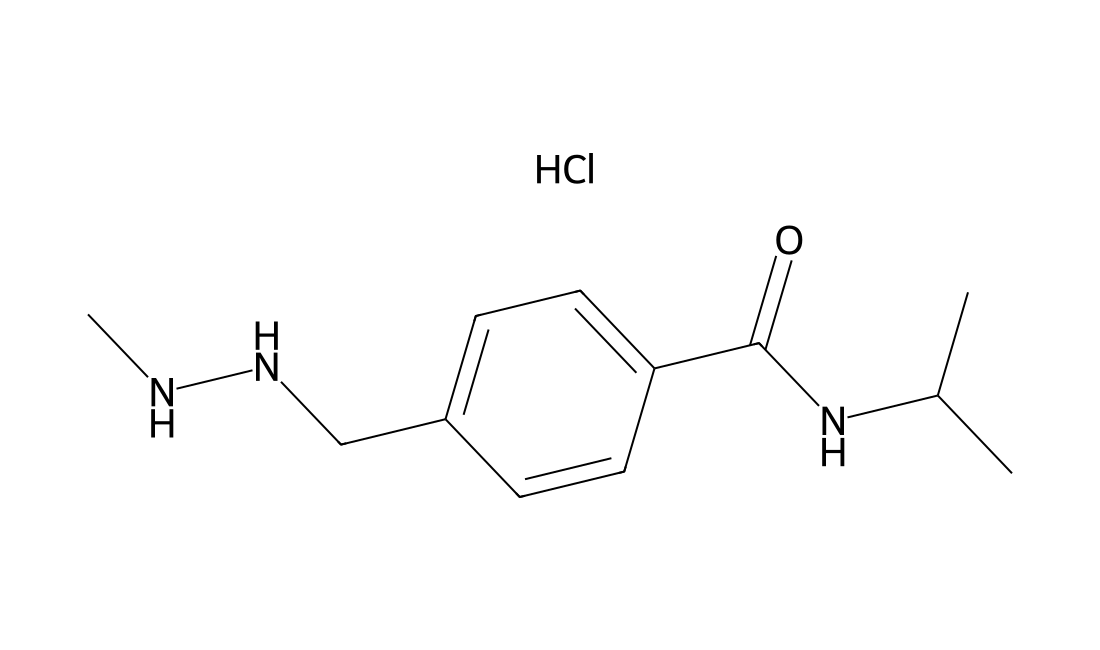
Procarbazine Hcl, an antineoplastic chemotherapy drug, is an alkylating agent for the treatment of Hodgkin's lymphoma and certain brain cancers; also inhibits MAO thus increasing the effects of sympathomimetics, TCAs, and tyramine.The mechanism of action is not fully understood. Metabolism yields azo-procarbazine and hydrogen peroxide which results in the breaking of DNA strands.Exposure to procarbazine hydrochloride by intraperitoneal injection caused tumors in rats and mice at several different tissue sites. In both rats and mice, it caused cancer of the brain (olfactory neuroblastoma) and hematopoietic system (lymphoma in rats and lymphoma or leukemia in mice). In rats, it also caused mammary-gland cancer (adenocarcinoma) in both sexes. In mice, it also caused benign lung tumors (adenoma) in both sexes and uterine cancer (adenocarcinoma) in females. Procarbazine hydrochloride is an oral alkylating agent primarily used as a component of chemotherapy regimens for Hodgkin's lymphoma, as well as in regimens for primary central nervous system lymphoma and high-grade gliomas. After discontinuation of all drug therapy, exclusion of other potential etiologies, and resolution of hepatic injury, the patient was rechallenged with procarbazine and again experienced fever with aminotransferase level elevation.
ProcaineFeatured
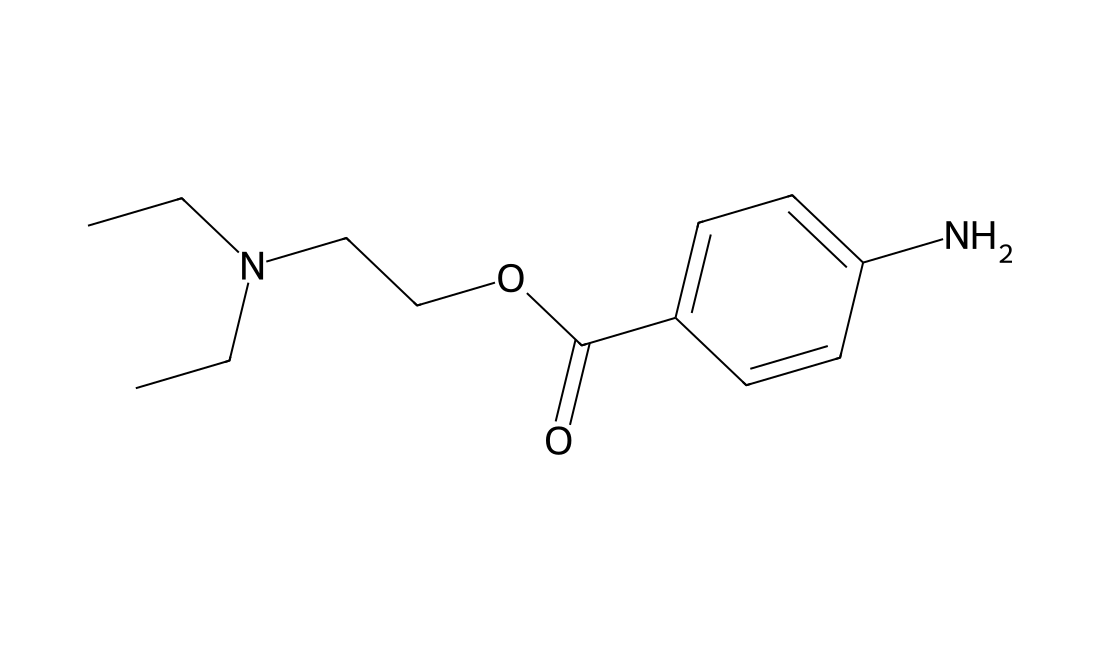
Procaine is a benzoic acid derivative with local anesthetic and antiarrhythmic properties. Procaine binds to and inhibits voltage-gated sodium channels, thereby inhibiting the ionic flux required for the initiation and conduction of impulses.
ProbucolFeatured
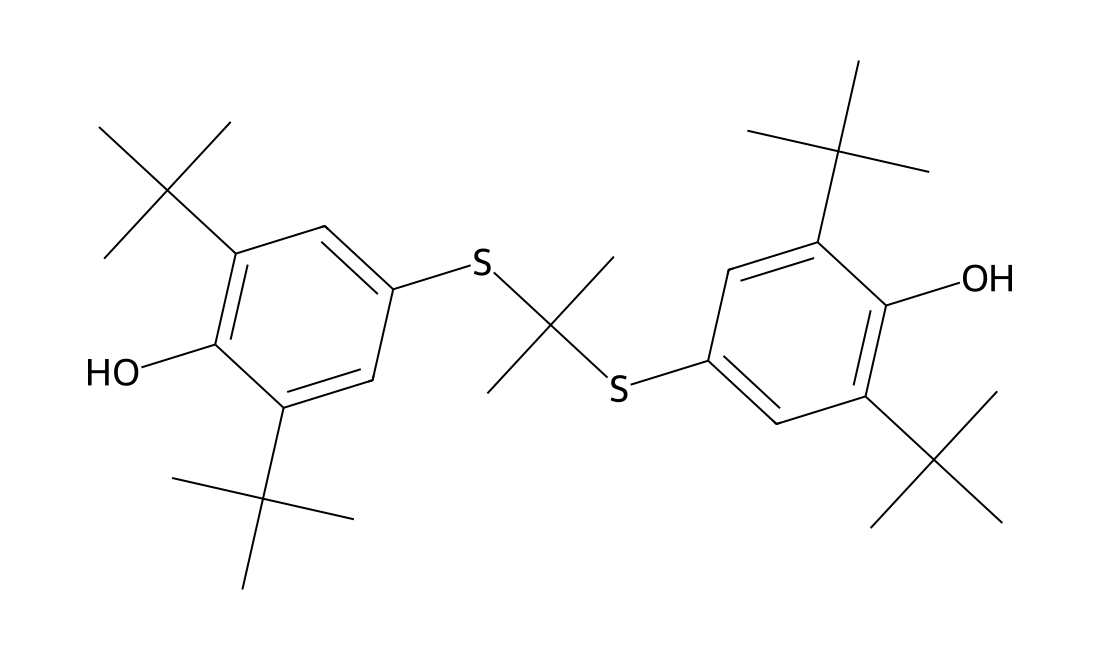
For the detailed information of Probucol, the solubility of Probucol in water, the solubility of Probucol in DMSO, the solubility of Probucol in PBS buffer, the animal experiment(test) (test) of Probucol, the cell expriment (test) of Probucol, the in vivo, in vitro and clinical trial test of Probucol, the EC50, IC50,and Affinity of Probucol,, please contact DC Chemicals.
ProbenecidFeatured
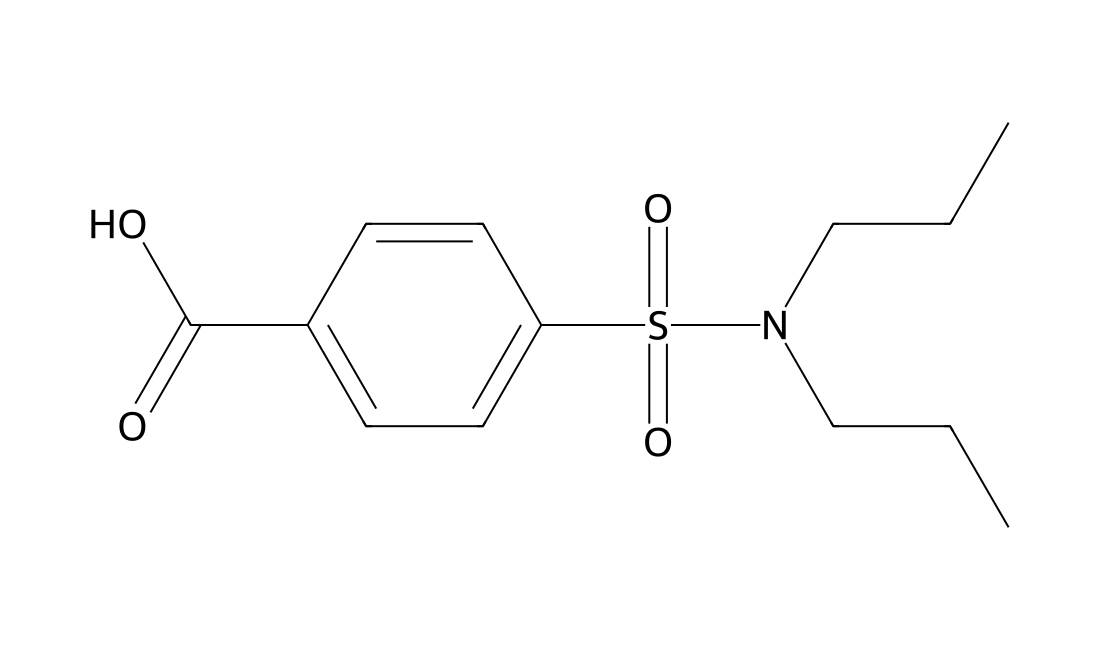
Probenecid inhibits the renal excretion of organic anions and reduces tubular reabsorption of urate.Probenecid is able to prevent the efflux of calcium-sensitive fluorescent dyes during studies of cellular calcium mobilization. Probenecid (2.5 mM) is found to block the export of Fura-2 from 1321N1 astrocytoma cells, and does not change the basal calcium concentration or the muscarinic calcium response. Probenecid is able to interact with organic anion transporters (OAT). 0.1 mM Probenecid efficiently inhibits ATP-dependent active vesicular N-ethylmaleimide glutathione (NEM-GS) uptake by Human Multidrug Resistance Proteins 1 (MRP1) and MRP2. In isolated Sf9 cell membranes, Probenecid stimulates ATPase activity of MRP2 with approximate KACT of 250 μM, but inhibits ATPase activity of MRP1. Probenecid is an inhibitor of the hTAS2R16, hTAS2R38, and hTAS2R43 bitter taste receptors. 1 mM Probenecid attenuates saccharin-induced calcium flux responses of hTAS2R16 to near baseline levels. Probenecid dose-dependently inhibits hTAS2R16 (in the presence of 3 mM salicin) and hTAS2R38 (in the presence of 300 μM PTC). This activity is independent of Probenecid's activity as a transport inhibitor, but is concerning with Probenecid interaction with the receptor.
No products match this search.
Page 296 of 309 · Browse all 6177 products
Jump to a product page
Featured literature product: HX1 · DCL0028
HX1 is a hydroxyzine-derived ionizable lipid with acetal-containing tails, studied in lipid nanoparticles for brain mRNA delivery and CRISPR–Cas9 delivery. It was the lead in the reported in vivo brain-delivery screen; evidence is preclinical and formulation-dependent.
Read full formulation and performance →